The New York Times, The New York Daily News, and 15 other media organizations filed a motion Thursday in a Manhattan federal court asking a judge to impose sanctions on OpenAI, alleging the company withheld and destroyed evidence central to a high-stakes copyright lawsuit.
At the heart of the publishers' complaint is an allegation that OpenAI misled the court by asserting it lacked the capability to search its systems for copyrighted material — a claim the publishers say was false, given that OpenAI had conducted exactly such searches before any of the news organizations initiated legal action. Separately, the publishers contend that OpenAI rendered billions of ChatGPT exchanges inaccessible, either through deletion or by stripping them of searchability. "Instead of just producing that evidence at the start of the case and focusing on the merits of its fair use defense, OpenAI chose obstruction," the motion stated.
The filing came after the plaintiffs deposed an OpenAI employee whose testimony, they say, contradicts the company's earlier representations to the court. According to Steven Lieberman, who serves as counsel for The Daily News and a number of co-plaintiff papers, the company spent two years misleading the court about whether it could locate copyrighted material within its training datasets and output logs — a characterization he framed using the word "misrepresentations." Ian B. Crosby, lead counsel for The Times, said OpenAI "lied to The Times, the Daily News plaintiffs, the public and the court."
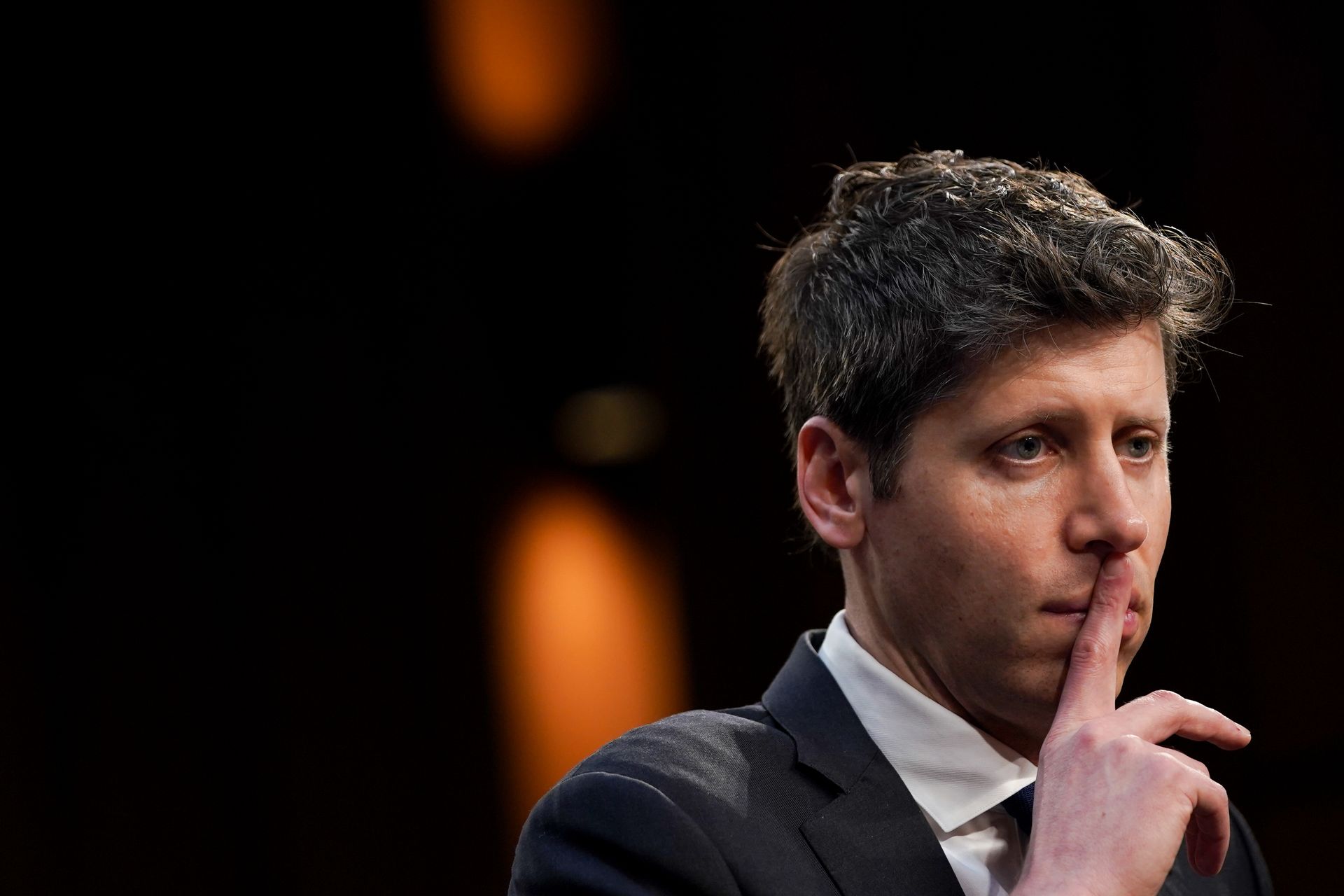
OpenAI spokesperson Drew Pusateri denied the allegations. "As the Times' case weakens and they've been forced to drop claims against us, they're persisting with their efforts to invade the privacy of people who have nothing to do with this case, including by making these blatantly false allegations," Pusateri said in a statement. "We'll continue defending our users' privacy and the long-established principles of fair use." User privacy has been the rationale OpenAI has cited in prior proceedings to justify its reluctance to turn over ChatGPT conversation logs.
The publishers are seeking monetary penalties, attorney fees, and a court finding that OpenAI's chat logs showed the company misused their copyrighted works.
The litigation traces back to a complaint the Times lodged against OpenAI and Microsoft $MSFT in late 2023, alleging that the two companies built ChatGPT in part by ingesting millions of Times articles without seeking permission or offering compensation. The case has since been joined by other news organizations, including MediaNews Group-owned papers and digital publisher Ziff Davis, with many suits consolidated by a judicial panel. The Times has spent more than $28 million on AI-related litigation, according to filings with financial regulators.
Across the broader AI copyright landscape, OpenAI and its peers have staked their defense on the principle that ingesting written material to train machine-learning models constitutes fair use under federal copyright law — an argument that courts are weighing in a wave of suits filed by novelists, visual artists, and the music industry.
