Most people fall short on at least one essential nutrient — here are 15 of the most common gaps and the foods that actually close them
alle12 / Getty Images
Most people eating a reasonably balanced diet assume they're getting what they need. They're often wrong. The modern food supply — calorie-dense, heavily processed, and optimized for shelf life over nutrition — has produced a population that is simultaneously overfed and undernourished. This isn't a fringe concern. The U.S. Dietary Guidelines Advisory Committee has found that the majority of Americans fall short on multiple essential nutrients. Similar patterns appear in nutritional surveys across Europe, Asia, and Latin America.
The nutrients most people lack aren't exotic. They're not obscure compounds found only in rare superfoods. They're foundational — vitamins, minerals, and essential fats that the body needs every day to function. Some, like vitamin D and magnesium, are involved in hundreds of biological processes. Others, like choline or vitamin K2, rarely come up in nutrition conversations despite playing critical roles in brain function and cardiovascular health.
The gap between what people eat and what they need has real consequences. Chronic low-level deficiency doesn't always produce the dramatic symptoms associated with severe malnutrition — the bleeding gums of scurvy, the bone deformities of rickets. Instead, it often shows up as fatigue, poor concentration, weakened immunity, mood instability, and a general erosion of wellbeing that's easy to attribute to stress, aging, or simply how things are.
Understanding which nutrients are commonly lacking — and why — is a more useful starting point than generic advice to eat more vegetables. The reasons people fall short vary considerably. Some nutrients are difficult to obtain from plant-based diets. Others are stripped out during food processing. Some require sunlight for synthesis; others depend on gut bacteria. And in several cases, the foods richest in a given nutrient are simply not common in how most people actually eat.
This list covers 15 nutrients that show up repeatedly in population-level nutritional data as under-consumed. For each one, the focus is on what the nutrient actually does, why deficiency is so common, and which foods provide it most reliably. The goal isn't to add 15 new supplements to a daily routine — it's to understand where the gaps are and how food can fill them.

Magda Ehlers / Pexels
Magnesium sits at the center of more bodily processes than almost any other mineral. It participates in over 300 enzymatic reactions, including those involved in protein synthesis, muscle and nerve function, blood glucose control, and the regulation of blood pressure. The heart, the brain, and the bones each depend on a steady supply. Yet a large share of adults in high-income countries consistently fall short.
The reason is partly about what people eat and partly about the soil their food is grown in. Magnesium is abundant in dark leafy greens, legumes, nuts, seeds, and whole grains. But these foods have been systematically displaced in modern diets by refined grains, which lose most of their magnesium during processing. White rice contains a fraction of the magnesium found in brown rice. White bread loses most of what whole wheat provides.
There's a secondary issue with industrial agriculture. Over decades of intensive farming, soil magnesium levels in many regions have declined. Plants can only deliver what the soil contains, which means even people who eat vegetables may be getting less magnesium than the same vegetables provided a generation ago.
Deficiency symptoms are easy to miss or misattribute. Muscle cramps and twitches are common signs. So are fatigue, irregular heartbeat, difficulty sleeping, and heightened anxiety. Because these symptoms overlap with dozens of other conditions, low magnesium often goes unrecognized for years.
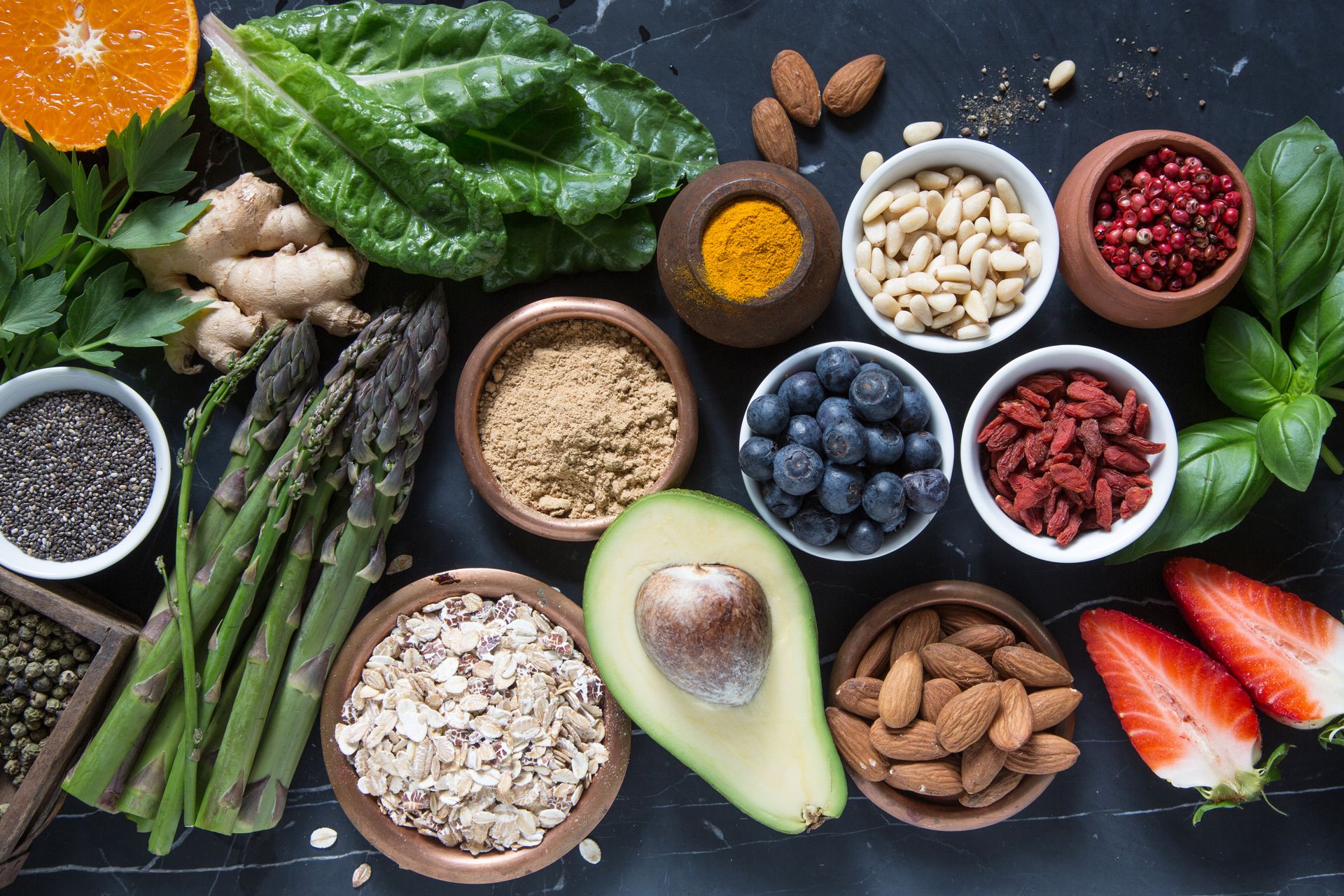
The recommended dietary allowance for adult men is 400 to 420 milligrams per day; for adult women it's 310 to 320 milligrams. Most adults fall short of these figures. The best dietary sources are pumpkin seeds, which are among the most concentrated sources available, along with almonds, cashews, black beans, edamame, dark chocolate, and cooked spinach. Whole grains like oats and quinoa contribute meaningfully. Fatty fish, including salmon and mackerel, also contain useful amounts.
The body absorbs magnesium more efficiently when it comes from whole food rather than supplements. That said, magnesium glycinate and magnesium citrate are considered more bioavailable supplement forms than magnesium oxide, which is the cheapest and most widely sold form but the least effectively absorbed. Drinking water in some regions also provides small amounts of magnesium, depending on local mineral content, though this is rarely enough to make a significant difference on its own.
For people who rely heavily on processed and packaged food, the deficit can be substantial. A diet built around refined grains, sugar, and ultra-processed snack foods can provide less than half the recommended daily magnesium — not enough to support the hundreds of reactions that depend on it.

Bruce Taylor / Pexels
Vitamin D is technically a hormone — the body synthesizes it when skin is exposed to ultraviolet B radiation from sunlight. That single fact explains much of why deficiency is so widespread: billions of people live, work, and spend leisure time largely indoors, use sunscreen when they do go outside, live at latitudes where winter sun is too weak to trigger synthesis, or have darker skin tones that require longer sun exposure to produce equivalent amounts.
The consequences of low vitamin D are well documented. The nutrient is essential for calcium absorption, which makes it critical for bone density and the prevention of rickets in children and osteoporosis in older adults. It also plays a central role in immune regulation — vitamin D receptors are present on nearly every immune cell in the body. Low levels have been associated with increased susceptibility to respiratory infections, and deficiency is common among people with autoimmune conditions, though whether this relationship is causal requires careful interpretation.
Vitamin D also influences muscle function, mood regulation, and insulin sensitivity. Deficiency has been linked to fatigue and depression-like symptoms, particularly in populations experiencing limited sunlight during winter months.
Food sources are limited compared to what sunlight can provide. Fatty fish — salmon, mackerel, sardines, and herring — are among the richest natural dietary sources. Cod liver oil contains very high concentrations. Egg yolks and beef liver provide smaller amounts. Many dairy products and plant-based milks are fortified with vitamin D, and mushrooms exposed to UV light can produce meaningful quantities.
The recommended daily allowance for adults is 600 to 800 IU, but many researchers argue this is too low, and some national health bodies recommend higher intakes, particularly for older adults and those with limited sun exposure. Blood testing — specifically measuring 25-hydroxyvitamin D — is the standard way to assess status. Deficiency is generally defined as levels below 20 nanograms per milliliter.
Supplementation is one of the more well-supported cases in nutrition science, particularly for people who live in northern climates, work night shifts, or spend most of their time indoors. Vitamin D3 (cholecalciferol) is considered more effective than D2 (ergocalciferol) at raising blood levels.
ready made / Pexels
Potassium is the third most abundant mineral in the body and the primary electrolyte inside cells. It works in constant opposition to sodium — while sodium drives fluid accumulation and raises blood pressure, potassium helps clear excess sodium and lower it. This sodium-potassium balance governs the electrical signals that make the heart beat, nerves fire, and muscles contract. Getting enough potassium is, in that sense, as important to cardiovascular health as limiting sodium — yet it receives far less attention.
The adequate intake level for adults is 2,600 milligrams per day for women and 3,400 milligrams for men. Most adults fall well short of these figures, in large part because they eat relatively few fruits, vegetables, and legumes — the foods where potassium is concentrated.
Processed food is a significant part of the problem. Potassium is naturally present in whole foods but largely absent from the refined, sodium-heavy products that make up a large portion of modern diets. The result is a double burden: too much sodium pushing blood pressure up, and too little potassium failing to counterbalance it.
Low potassium intake is associated with elevated blood pressure, increased risk of stroke, and reduced bone density. In the short term, very low levels can cause muscle weakness, cramping, constipation, and irregular heartbeat. Clinically low blood potassium — hypokalemia — can be life-threatening, though this is typically caused by illness or medication rather than diet alone.
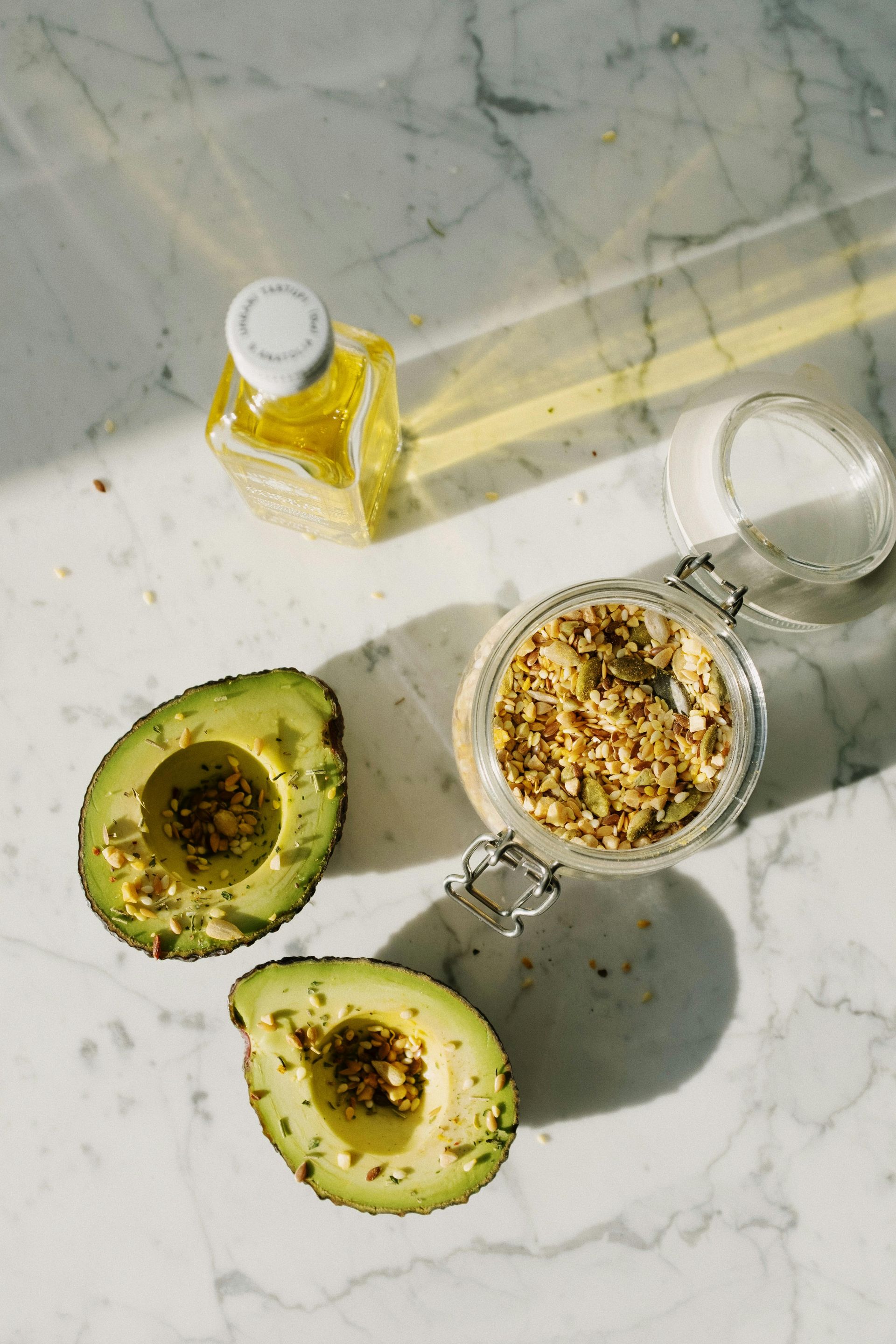
The best dietary sources are not just bananas, which have become culturally synonymous with potassium but are only a moderately good source. Better options include white beans, lentils, edamame, avocado, sweet potato, cooked spinach, and salmon. Beet greens are among the most potassium-dense vegetables available but are rarely eaten. Dried apricots, tomato paste, and pomegranate juice are also concentrated sources.
Unlike sodium, potassium from food is handled efficiently by healthy kidneys and presents no risk of excess in people without kidney disease or certain medications. For most people, the gap between current intake and the target is one that more whole plant foods can straightforwardly close.
azerbaijan_stockers / Magnific
Fiber is not a single nutrient but a family of plant-based carbohydrates that the body cannot digest. It passes largely intact through the stomach and small intestine, reaching the colon where it feeds beneficial gut bacteria, adds bulk to stool, slows the absorption of sugar into the bloodstream, and helps the body excrete cholesterol. The two main types — soluble and insoluble — serve different functions, and most fiber-rich foods contain a mixture of both.
The recommended intake for adults is 25 grams per day for women and 38 grams for men. Average consumption in the U.S. sits around 15 grams per day — less than half the target for most people. Similar gaps appear across most high-income countries.
The consequences of chronically low fiber intake extend well beyond digestive discomfort. The gut microbiome — the trillions of bacteria inhabiting the large intestine — depends on fiber for energy. When fiber is scarce, beneficial bacterial populations shrink and diversity declines. This matters because gut microbiome health is connected to immune function, inflammation levels, mental health via the gut-brain axis, and the metabolism of certain hormones, including estrogen.
Low fiber intake is associated with increased risk of colorectal cancer, type 2 diabetes, cardiovascular disease, and diverticular disease. It also makes weight management harder because fiber contributes to satiety — it slows digestion and helps people feel full without adding calories.
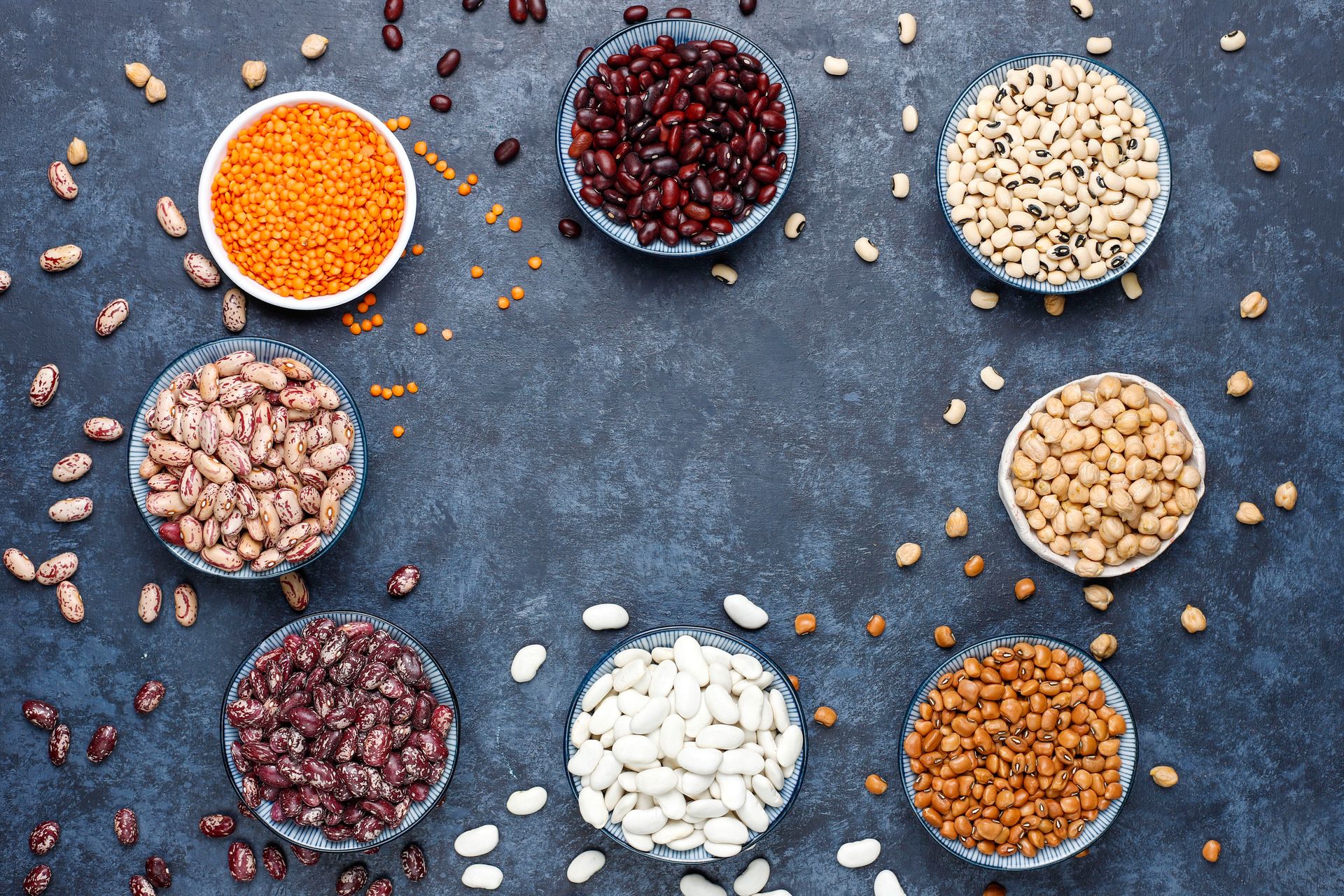
The richest dietary sources are legumes, which stand far above most other foods in fiber density. A single cup of cooked lentils provides around 16 grams. Navy beans, black beans, chickpeas, and split peas are similarly high. Oats and barley contribute meaningfully, and oat beta-glucan in particular is well-studied for its effects on cholesterol. Vegetables like artichokes, Brussels sprouts, and broccoli are good sources. Fruits with edible skins — pears, apples, and berries — provide both soluble and insoluble fiber.
Psyllium husk, used as a supplement, is one of the most concentrated sources of soluble fiber available and is well-studied for its effects on both cholesterol and blood sugar control. Increasing fiber intake gradually, with adequate water, reduces the digestive discomfort that can accompany rapid changes.

Nikolai Chernichenko / Unsplash
Calcium is the most abundant mineral in the human body. About 99% of it is stored in bones and teeth, where it provides structural strength. The remaining 1% circulates in the blood and soft tissues, where it enables muscle contraction — including the heartbeat — nerve transmission, and blood clotting. The body maintains blood calcium levels with remarkable precision: when dietary intake falls short, it withdraws calcium from bone to compensate, which over time reduces bone density.
The recommended dietary allowance for adults is 1,000 milligrams per day, rising to 1,200 milligrams for women over 50 and all adults over 70. Many adults, particularly women, fall well below these targets. In populations that avoid dairy — whether by choice, intolerance, or cultural habit — deficiency risk is higher.
One of the complications in calcium nutrition is its relationship with vitamin D. Calcium from food or supplements is only absorbed efficiently when vitamin D levels are adequate. A person who is deficient in vitamin D will absorb far less of the calcium they consume, which is why the two nutrients are so closely linked in bone health discussions.
The long-term consequence of chronically low calcium intake is osteoporosis — a condition of reduced bone density that increases fracture risk, particularly in older adults. It develops silently over decades, meaning the habits of early and mid-adulthood have a large bearing on the risk that accumulates later in life.
Dairy foods — milk, yogurt, and cheese — are the most concentrated and bioavailable sources in most Western diets. Non-dairy options include canned sardines and salmon eaten with their soft bones, firm tofu made with calcium sulfate, almonds, bok choy, kale, broccoli, and white beans. Plant-based milks are typically fortified with calcium, though absorption rates from fortified products can vary somewhat from brand to brand. Sesame seeds and tahini are also useful sources.
One nuance worth knowing: oxalate content in certain vegetables, specifically spinach and rhubarb, binds with calcium in the gut and significantly reduces how much is absorbed from those particular foods. Spinach is not a reliable source of calcium despite appearing to have respectable amounts on a nutrition label.

Valeria Boltneva / Pexels
Vitamin B12 is unique among vitamins in that it is found almost exclusively in animal products. It plays essential roles in the formation of red blood cells, the maintenance of the nervous system, and the synthesis of DNA. A deficiency doesn't develop overnight — the body can store several years' worth of B12 in the liver — but when it does develop, the consequences can be serious and, in some cases, irreversible if left untreated.
The most vulnerable groups are people eating plant-based diets without supplementation, older adults whose ability to absorb B12 declines with age, and people taking long-term metformin — a common diabetes medication — or proton pump inhibitors, both of which impair B12 absorption over time.
Absorption of B12 from food requires a protein called intrinsic factor, produced in the stomach. As people age, stomach acid production and intrinsic factor secretion often decrease, making it harder to extract B12 from food even when intake appears adequate on paper. This is why B12 deficiency becomes more common after age 50 regardless of diet.
Symptoms of deficiency include fatigue, weakness, tingling or numbness in the hands and feet, difficulty walking steadily, cognitive changes, and megaloblastic anemia — a condition where red blood cells become abnormally large and ineffective at carrying oxygen. Neurological damage from prolonged deficiency can persist even after blood levels are corrected, which is why early identification matters.
Animal foods are the only reliable natural sources. Beef liver is by far the most concentrated. Clams and other shellfish, sardines, salmon, tuna, beef, chicken, eggs, and dairy products all provide meaningful amounts. Fortified breakfast cereals and nutritional yeast are among the few reliable plant-based sources, though nutritional yeast content varies by product.
People following vegan or strict vegetarian diets are strongly advised to supplement with B12 or consume fortified foods regularly. A standard multivitamin containing the cyanocobalamin or methylcobalamin form of B12 is generally effective for most people. Blood testing is the only way to confirm status with confidence.
Sergey Kotenev / Unsplash
Iron is essential for the production of hemoglobin, the protein in red blood cells that carries oxygen from the lungs to every tissue in the body. It also plays a role in energy metabolism, immune function, and the synthesis of certain hormones. Iron deficiency is the most widespread nutritional deficiency globally, affecting an estimated two billion people — more than any other single nutrient shortfall.
Women of reproductive age are at particular risk because menstrual blood loss increases iron requirements significantly. Pregnant women need even more — the developing fetus draws heavily on maternal iron stores. Growing children and adolescents also have elevated needs. People following plant-based diets face an additional challenge because the form of iron in plant foods is absorbed less efficiently than the form in meat.
Iron comes in two forms: heme iron, found in red meat, poultry, and seafood, and non-heme iron, found in plant foods and fortified products. Heme iron has a bioavailability of roughly 15 to 35%. Non-heme iron has a bioavailability closer to two to 20%, depending on what else is consumed in the same meal.
Vitamin C dramatically enhances non-heme iron absorption — eating an orange or adding bell peppers to a lentil dish meaningfully increases how much iron is taken up. Conversely, calcium, polyphenols in tea and coffee, and phytates in whole grains and legumes all inhibit non-heme iron absorption when consumed at the same time.
Symptoms of iron deficiency anemia include fatigue, pallor, shortness of breath, brittle nails, cold hands and feet, and difficulty concentrating. In children, iron deficiency impairs cognitive development, with effects that can persist even after levels are corrected.
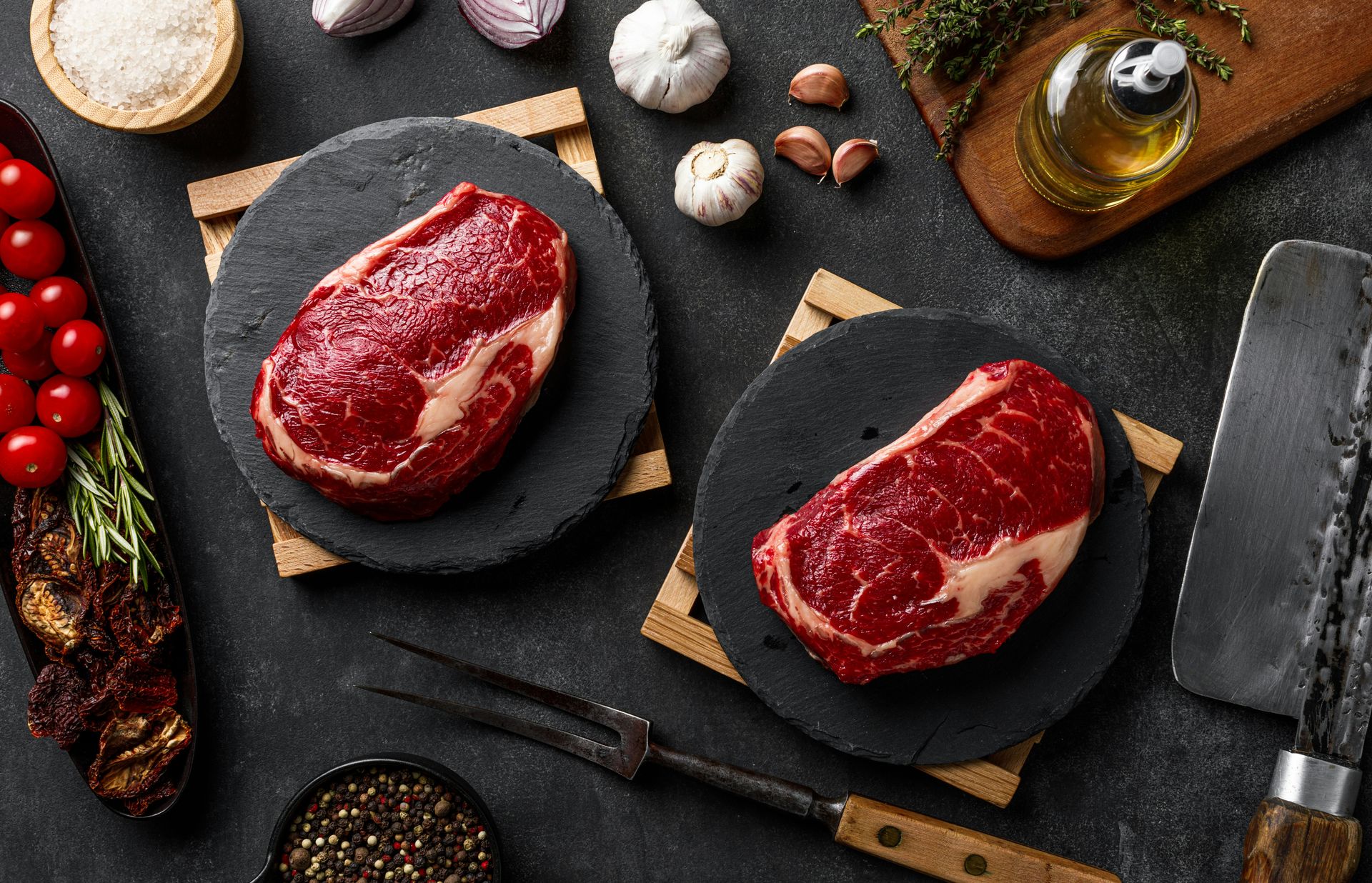
The best dietary sources include beef, lamb, chicken liver, oysters, clams, sardines, and dark-meat poultry. Among plant foods, lentils, white beans, kidney beans, tofu, pumpkin seeds, and dark leafy greens like spinach are the strongest contributors — particularly effective when paired with vitamin C-rich foods at the same meal. Cast-iron cookware can also leach small amounts of iron into food, which adds meaningfully to intake over time.

lifeforstock / Magnific
Zinc is present in every cell in the body and is involved in more than 300 enzymatic reactions, including those governing immune function, wound healing, DNA synthesis, cell division, and the senses of taste and smell. It is also critical during periods of rapid growth — pregnancy, infancy, childhood, and adolescence — making adequate intake especially important at these life stages.
Despite how fundamental zinc is, it is one of the most commonly under-consumed minerals in both developed and developing countries. In developed nations, deficiency tends to be mild to moderate rather than severe, but even low-level insufficiency has measurable effects on immune competence and the body's ability to heal from injury or illness.
Like iron, zinc comes in forms with different bioavailability. Zinc from meat and shellfish is absorbed more readily than zinc from plant sources. Phytates — compounds found in whole grains, legumes, and seeds — bind zinc in the gut and reduce how much is absorbed. People relying heavily on plant-based foods may therefore need to consume more zinc overall to meet their needs. Soaking, sprouting, or fermenting legumes and grains helps reduce phytate content and improves zinc absorption.
Older adults are at elevated risk because absorption efficiency tends to decline with age. Vegetarians and vegans face higher risk due to both lower intake and reduced bioavailability from plant sources. People with gastrointestinal conditions like Crohn's disease or celiac disease also tend to absorb zinc poorly.
Signs of deficiency include impaired immune function, slow wound healing, hair loss, skin problems, reduced appetite, and diminished ability to taste or smell. Severe deficiency in children causes stunted growth. Mild deficiency, while harder to detect, can mean longer recovery times from infections and reduced response to vaccines.
Oysters are the single richest food source of zinc, containing more per serving than any other food. Beef, pork, chicken (particularly dark meat), crab, and lobster are excellent animal sources. Among plant foods, hemp seeds, pumpkin seeds, lentils, chickpeas, and cashews are the best options. Whole grains like wheat germ and quinoa contribute usefully, particularly when prepared with soaking in advance.
Alyssa li / Unsplash
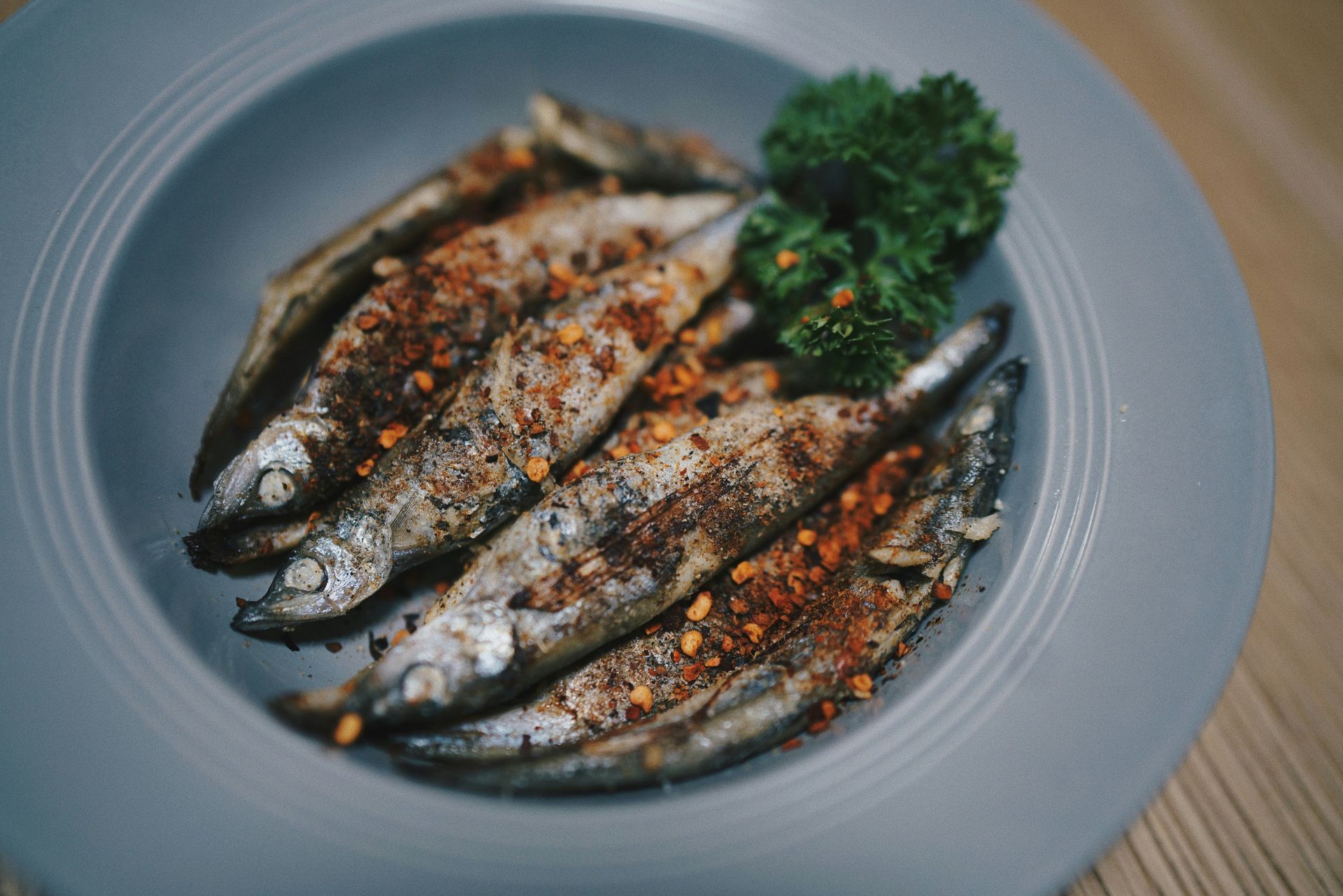
Omega-3 fatty acids — specifically EPA (eicosapentaenoic acid) and DHA (docosahexaenoic acid) — are long-chain polyunsaturated fats found primarily in fatty fish and seafood. They are structural components of cell membranes throughout the body, with particularly high concentrations in the brain and retina. Unlike the shorter-chain omega-3 ALA (alpha-linolenic acid), found in flaxseeds, walnuts, and chia seeds, EPA and DHA must largely be obtained directly from diet because the body converts ALA to these longer forms only very inefficiently.
Surveys consistently show that most people — particularly those who eat little or no fish — fall well short of adequate EPA and DHA intake. The American Heart Association recommends at least two servings of fatty fish per week for healthy adults, but actual consumption sits well below this in many populations.
EPA and DHA play central roles in reducing systemic inflammation, supporting brain function and mental health, lowering triglyceride levels, and maintaining vision. DHA is critical during fetal development and early infancy, when it accumulates rapidly in the developing brain. Low DHA status in pregnant and breastfeeding women is associated with impaired infant neurodevelopment.
Chronic low intake of EPA and DHA is associated with higher levels of inflammatory markers, elevated triglyceride levels, and — in the context of overall diet quality — a greater risk of cardiovascular events.
The richest food sources are fatty cold-water fish: salmon, mackerel, herring, sardines, anchovies, and Atlantic herring. Both farmed and wild-caught salmon are good sources, though farmed salmon typically accumulates more omega-3s in absolute terms due to its feed. Oysters and mussels also provide meaningful amounts. Algal oil — derived from the same marine algae that fish consume to accumulate their omega-3s — is the primary plant-based source of DHA and EPA, and is well-suited for people who don't eat fish.
ALA from walnuts, flaxseed, chia seeds, and hemp seeds is a useful addition to overall omega-3 intake but does not substitute for EPA and DHA given how poorly the conversion proceeds in humans.
REDA / Getty Images
Iodine is required for the production of thyroid hormones — thyroxine (T4) and triiodothyronine (T3) — which regulate metabolism, heart rate, body temperature, digestion, and neurological development. Without adequate iodine, the thyroid gland enlarges in an attempt to capture more iodine from the bloodstream, producing a condition known as goiter. More serious is the effect on brain development: iodine deficiency is the leading preventable cause of cognitive impairment worldwide.
Iodine deficiency was largely addressed in many countries through the iodization of salt — a public health intervention that began in the 1920s. But as awareness of sodium's relationship to blood pressure has led people to cut back on salt, and as specialty salts (typically not iodized) have displaced iodized table salt in some households, iodine intake has quietly declined in certain populations.
Pregnant women have elevated iodine requirements because adequate iodine is critical to fetal brain and nervous system development during the first trimester, before the fetus develops its own thyroid function. Inadequate iodine during pregnancy is associated with lower infant IQ and developmental delays that can persist into adulthood.
People eating plant-based diets — particularly those avoiding dairy and seafood — are at elevated risk. Iodine is found primarily in animal foods and in soil that varies widely by region. Inland areas far from the ocean tend to have iodine-depleted soil, which means locally grown crops may provide little regardless of variety.
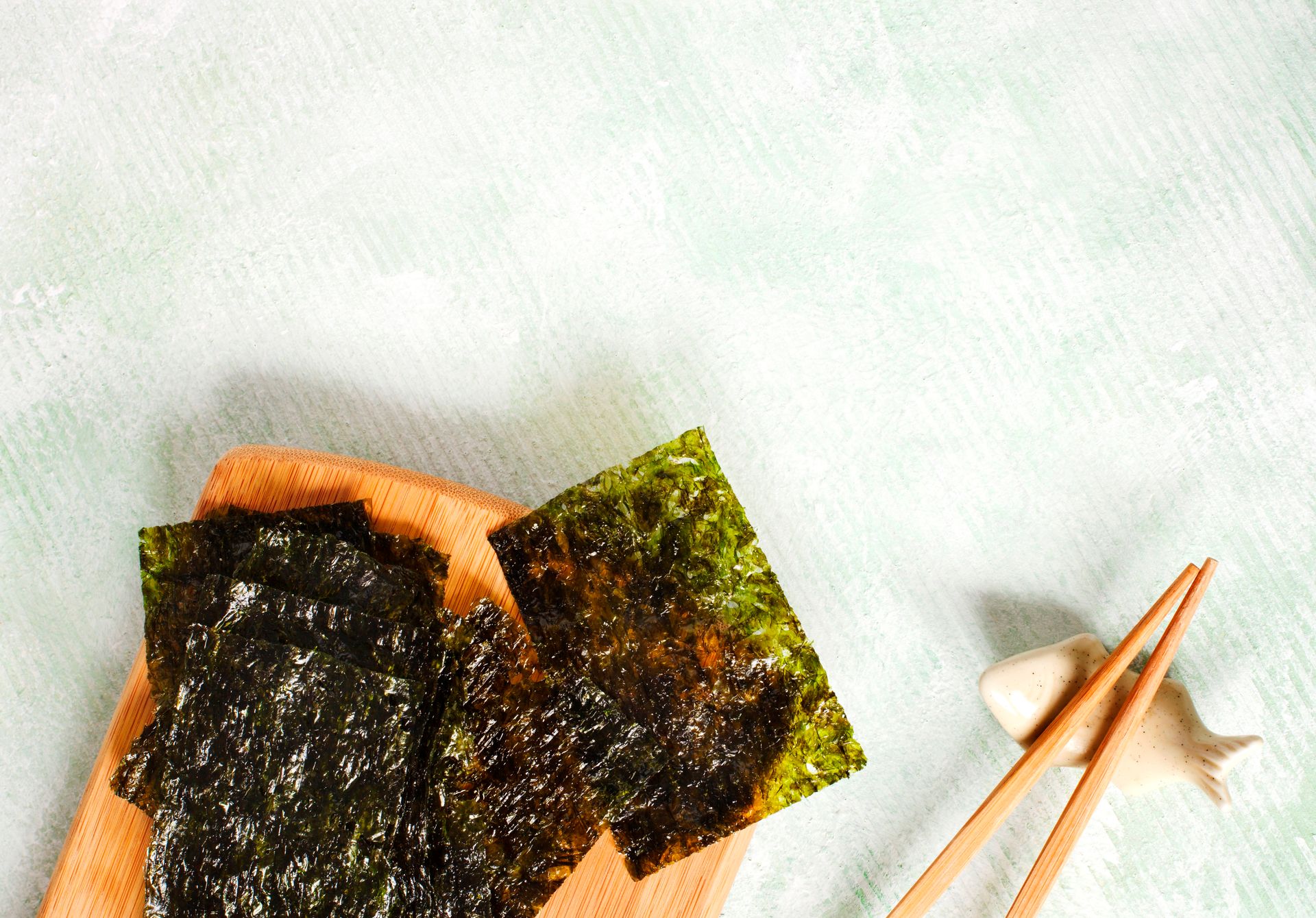
The best food sources are seaweed — particularly nori, wakame, and kombu — which can contain very high concentrations, though levels vary widely by species and origin. Cod, shrimp, tuna, and other seafood are reliable sources. Dairy milk is a significant source in many Western diets because iodine is used in cattle feed and in some dairy sanitizing processes. Eggs also provide useful amounts. For people who use salt, choosing iodized versions remains a straightforward way to maintain adequate intake without increasing total sodium consumption beyond what's already in the diet.
NurPhoto / Getty Images
Vitamin K2 is less well known than vitamin K1 — the form associated with blood clotting that's found abundantly in leafy greens. K2 operates differently: its primary roles are directing calcium to where it belongs — the bones and teeth — and preventing it from depositing where it causes harm, principally the arteries and soft tissues. It does this by activating specific proteins: osteocalcin, which incorporates calcium into bone, and matrix Gla protein, which prevents arterial calcification.
This distinction matters in practical terms because calcium supplementation without adequate vitamin K2 may not fully achieve its intended effect on bone health and could potentially contribute to arterial calcification — a risk factor in cardiovascular disease. The relationship is still an active area of research, but vitamin K2 insufficiency appears common in populations eating modern Western diets.
K2 is found in a narrow range of foods and is largely absent from plant-based diets except for one notable exception. Natto — a traditional Japanese fermented soybean product — contains extraordinarily high amounts of a form called MK-7, the most potent and long-lasting form of K2. A 100-gram serving of natto can provide several days' worth of K2. Outside of Japan, where natto is a common breakfast food, consumption is very low.
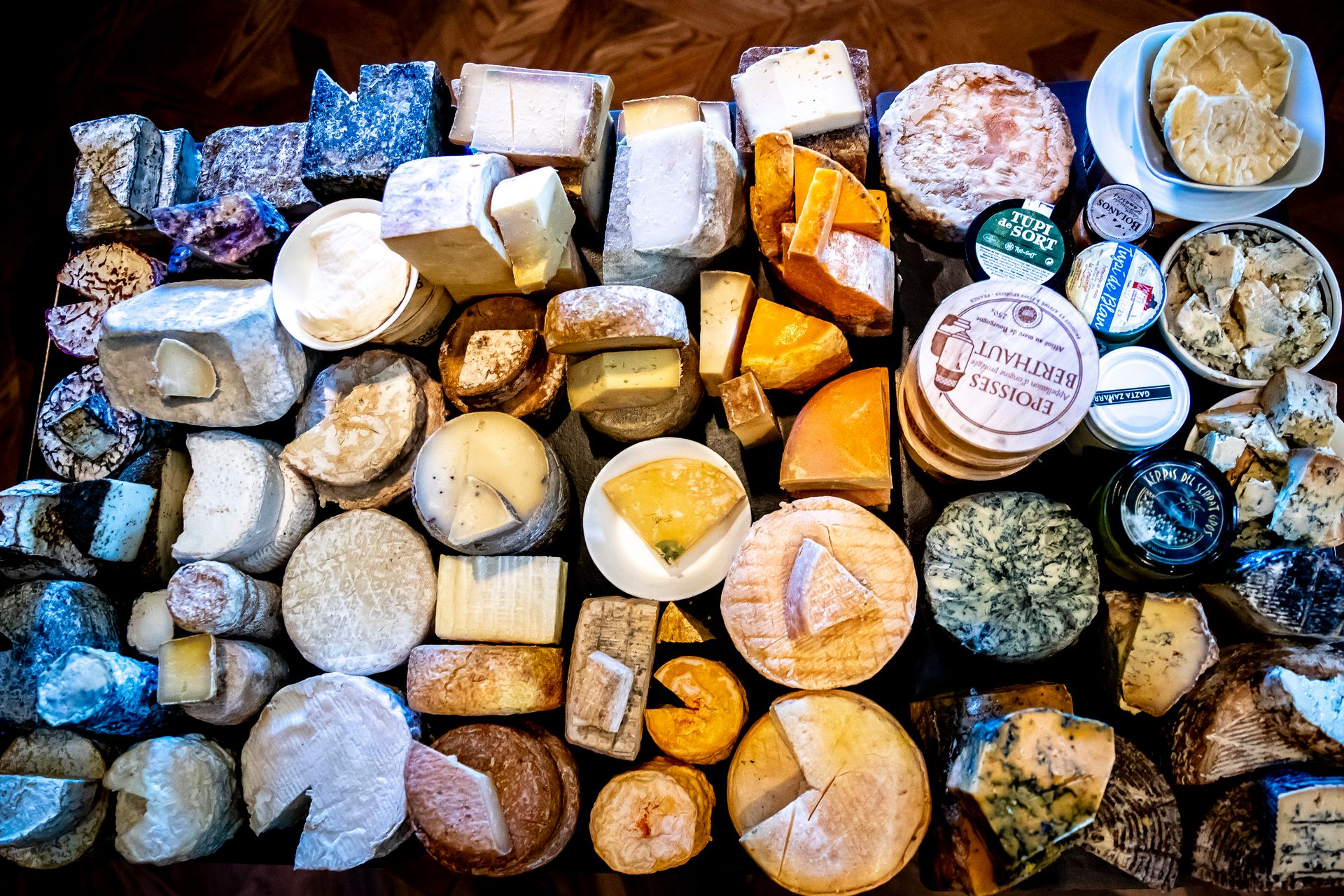
Other dietary sources are more modest. Hard and soft cheeses — particularly aged varieties like Gouda, Edam, and Brie — contain meaningful amounts because K2 is produced by the bacteria involved in fermentation. Egg yolks, chicken liver, beef liver, and butter from grass-fed animals are useful sources. Dark chicken meat contains more K2 than white meat.
Because K2 is fat-soluble, it is absorbed more effectively when consumed alongside dietary fat. The supplement form MK-7 (also found in natto) remains active in the body much longer than MK-4 (found in animal foods), which makes it the preferred form in most K2 supplements. People who eat little fermented food, few animal products, and minimal aged cheese are the most likely to have low intake.

d3sign / Getty Images
Choline is an essential nutrient that most people have never heard of, and it is consistently one of the most under-consumed nutrients across populations. It was only formally recognized as an essential nutrient by the U.S. National Academy of Medicine in 1998 — later than most vitamins — which partly explains why it receives so little attention in mainstream nutrition conversations.
The brain, liver, nervous system, and cellular membranes all depend on choline. It is a precursor to acetylcholine, a neurotransmitter central to memory, mood, and muscle control. It is also required for the synthesis of phosphatidylcholine, a phospholipid that forms the structural basis of cell membranes throughout the body. In the liver, choline plays a critical role in fat metabolism: it is needed to package and export dietary fat and cholesterol from liver cells. When choline is insufficient, fat accumulates in the liver — a condition called non-alcoholic fatty liver disease, which has become increasingly common globally.
Pregnant women have the highest choline requirements. Choline is critical to fetal brain development and specifically to the development of the hippocampus, the brain region involved in learning and memory. Low maternal choline intake during pregnancy has been associated with worse cognitive outcomes in children.
The adequate intake for adult women is 425 milligrams per day; for adult men it is 550 milligrams. Pregnant women require 450 milligrams and breastfeeding women need 550 milligrams. Population surveys consistently show that most people, including pregnant women, fall short of these targets.
Eggs are by far the most accessible and concentrated dietary source — a single large egg yolk contains about 147 milligrams of choline, making two eggs at breakfast a meaningful contribution to daily needs. Beef liver is the most concentrated source of any food but is rarely consumed in most Western diets. Other reliable sources include chicken liver, beef, fish, soybeans, kidney beans, and wheat germ. Among vegetables, broccoli and Brussels sprouts provide smaller but useful amounts.
People following dairy-free, egg-free, or vegan diets are at the highest risk of falling short and may benefit from supplementation, particularly during pregnancy.
Vie Studio / Pexels
Vitamin E is a fat-soluble antioxidant that protects cell membranes from oxidative damage caused by free radicals. It also supports immune function, helps inhibit blood clot formation, and plays a role in gene expression. The term "vitamin E" refers to a family of eight compounds; alpha-tocopherol is the form that the human body preferentially uses and that is measured when assessing nutritional status.
Deficiency is uncommon in people who regularly eat nuts, seeds, and vegetable oils. The problem is that many people don't. Low-fat diets in particular can fall short on vitamin E because the nutrient is concentrated in fat-rich plant foods. Diets high in processed foods and low in nuts, seeds, and vegetables tend to provide well below the recommended 15 milligrams per day for adults.
Chronic inadequate intake contributes to oxidative stress — a state in which free radical damage accumulates faster than antioxidant defenses can neutralize it. Over time, this process is implicated in the development of cardiovascular disease and cognitive decline. Vitamin E deficiency is also associated with impaired immune function, particularly in older adults whose immune systems are already under greater stress.
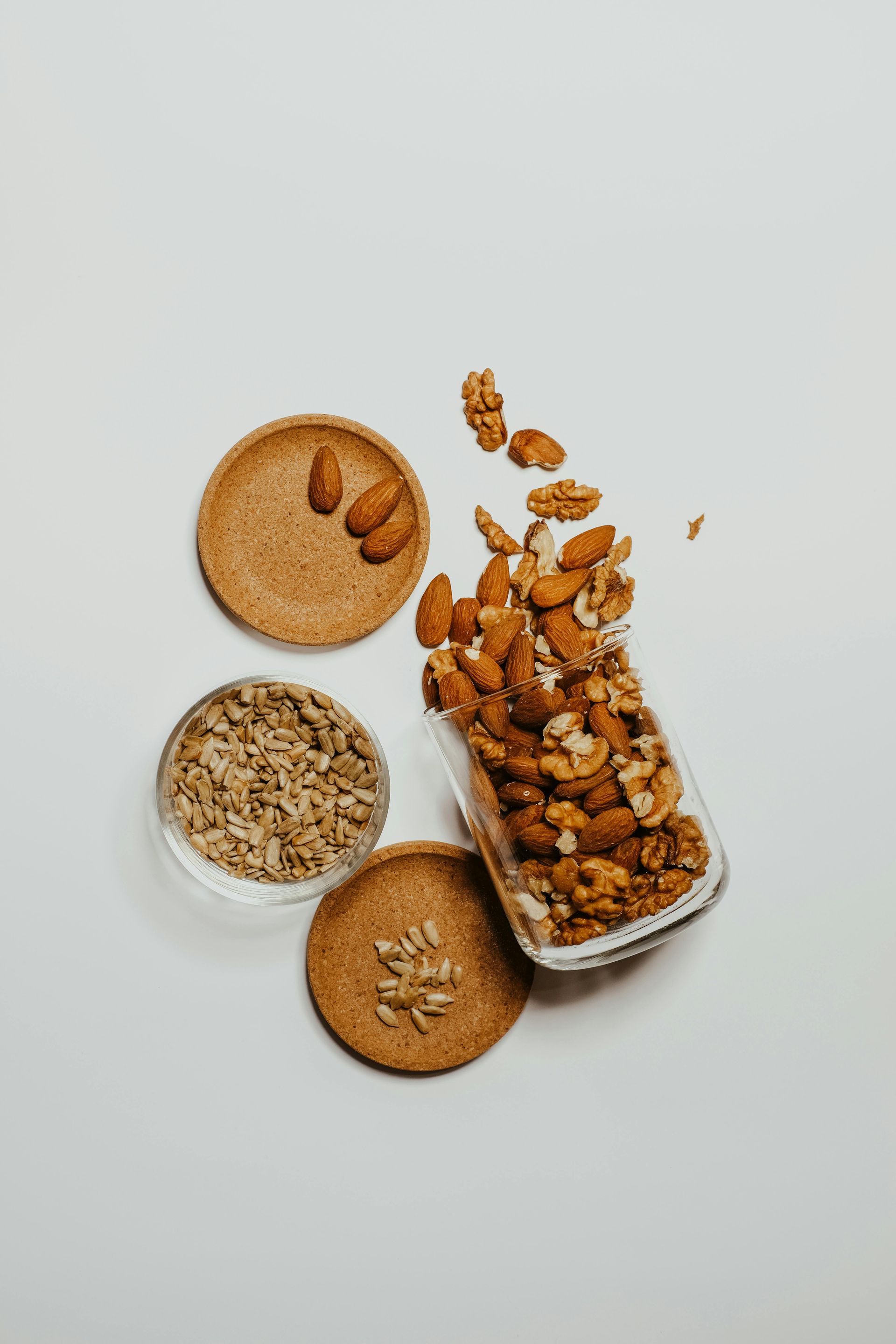
The richest food sources are plant oils and the foods naturally high in them. Wheat germ oil is the single most concentrated source available. Sunflower seeds and sunflower oil are among the best accessible options. Almonds are particularly high — a 28-gram serving provides about 7.3 milligrams, roughly half the daily recommended amount. Other nuts, including hazelnuts and pine nuts, are also good sources. Among vegetables, spinach, Swiss chard, and turnip greens contribute meaningfully. Avocado and peanut butter provide smaller but useful amounts.
Because vitamin E is fat-soluble, consuming it alongside a meal containing fat significantly improves absorption. Eating nuts or seeds with a salad, or cooking vegetables in a small amount of olive oil, is an effective way to support intake. Supplements of vitamin E have not consistently shown the protective effects of food sources in clinical research, which reinforces the case for getting this nutrient from whole foods.
Christopher Moon / Pexels
Folate is a B vitamin essential for DNA synthesis and cell division, which makes it particularly critical during periods of rapid growth — pregnancy, infancy, and adolescence. It also works alongside vitamin B12 in the conversion of homocysteine, an amino acid that at elevated levels is associated with increased cardiovascular risk.
The most well-established consequence of folate deficiency is neural tube defects — malformations of the brain and spinal cord that develop during the first few weeks of pregnancy, often before a woman knows she is pregnant. For this reason, women of childbearing age are advised to consume adequate folate, and many countries mandate the fortification of wheat flour and other grain products with folic acid — the synthetic form — specifically to reduce neural tube defect rates in populations where dietary intake is insufficient.
Beyond pregnancy, low folate intake is associated with megaloblastic anemia, fatigue, cognitive changes, and impaired immune function. People with malabsorption disorders, those who drink alcohol heavily, and those taking certain medications — including methotrexate and some anticonvulsants — are at elevated risk of deficiency.
Folate and folic acid are not identical. Folate is the naturally occurring form found in food; folic acid is the synthetic form used in supplements and fortified foods. Folic acid is actually more bioavailable than food folate in most people, but a significant portion of the population carries a variant in the MTHFR gene that reduces the ability to convert folic acid into the active form the body uses. For these individuals, the methylfolate form is more effective.
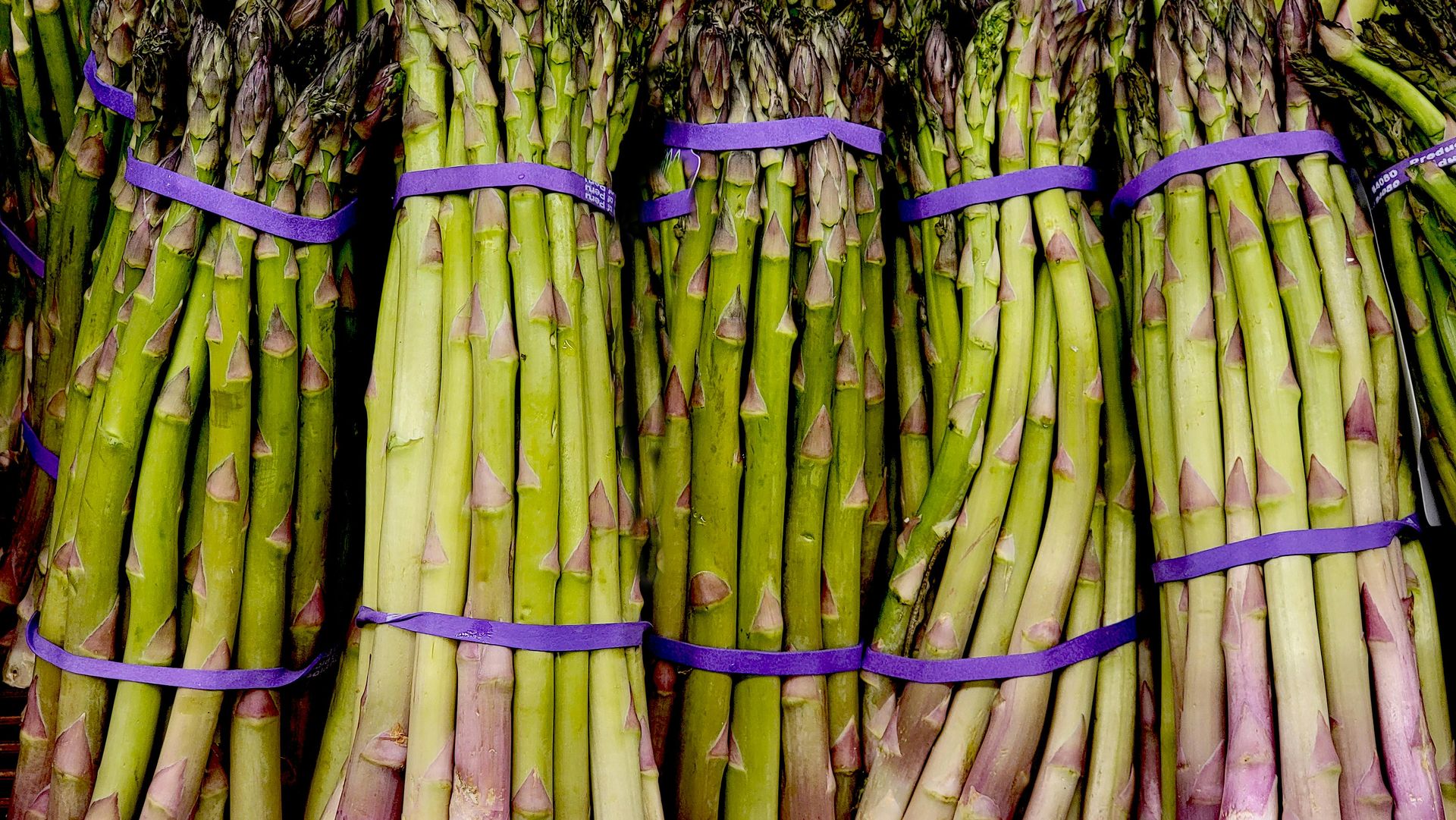
The best natural food sources are dark leafy greens — cooked spinach, asparagus, and broccoli are particularly rich. Legumes are excellent sources: one cup of cooked lentils provides about 358 micrograms, more than 80% of the recommended daily value of 400 micrograms for adults. Beef liver, avocado, and fortified cereals also contribute significantly. Folate is heat-sensitive, so steaming or lightly cooking vegetables preserves more than boiling at high heat for extended periods.
Brazil Photos / Getty Images
Selenium is a trace mineral that functions primarily as a component of selenoproteins — a family of proteins with critical roles in antioxidant defense, thyroid hormone metabolism, DNA synthesis, and reproductive health. The body needs only small amounts: the recommended dietary allowance for adults is 55 micrograms per day, rising to 60 micrograms during pregnancy and 70 micrograms during breastfeeding.
What makes selenium unusual is that its availability in food depends almost entirely on the selenium content of the soil in which crops are grown or on which livestock graze. Soil selenium content varies enormously by region. Parts of China and New Zealand have famously selenium-poor soils, and deficiency was historically endemic in parts of rural China, where it is associated with a form of cardiomyopathy called Keshan disease. In contrast, soils in parts of the U.S. Great Plains are selenium-rich. People eating locally sourced food in low-selenium regions are at meaningfully higher risk than those in high-selenium areas, regardless of how varied their diets appear to be.
Selenium deficiency impairs thyroid function because selenium-dependent enzymes are required to convert the inactive thyroid hormone T4 into the active form T3. It also weakens immune defenses and reduces the activity of glutathione peroxidase, a key antioxidant enzyme. Low selenium status has been associated with elevated cancer risk in some research, though selenium supplementation beyond adequate levels does not confer additional benefit and at high doses becomes toxic — the upper tolerable intake limit for adults is 400 micrograms per day, which is not far above the daily requirement.
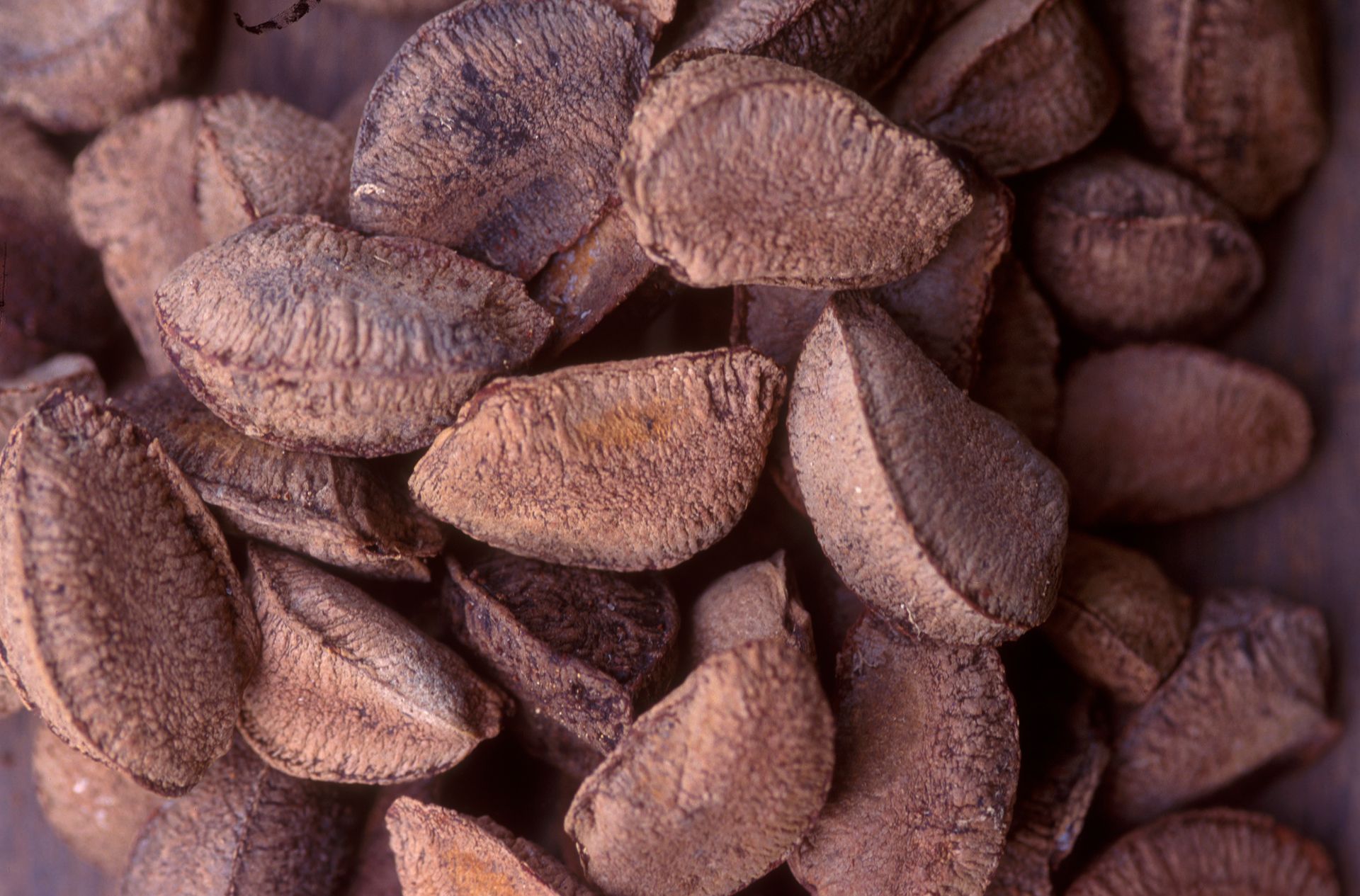
Brazil nuts are the most concentrated food source available — a single nut can contain 70 to 90 micrograms or more, enough to meet the full daily requirement. The caveat is that selenium content varies widely even among Brazil nuts depending on the soil where the trees grew. Other reliable sources include tuna, halibut, sardines, shrimp, beef, turkey, chicken, eggs, and sunflower seeds. Whole wheat bread and other whole grains grown in selenium-adequate soils also contribute. For people living in low-selenium regions, fortified foods or a low-dose supplement may be the most practical way to ensure adequacy.
