
Quartz
Subscribe
Quartz
Subscribe
Edition
Business News
A.I.
Technology
Money & Markets
Leadership
Lifestyle
Latest

Get Quartz in your inbox

Free daily briefing on global business news.

Business News
AirlinesAutomobilesFoodPharmaceuticalsPolitics & GovernmentRetail & EcommerceSpace & AerospaceEarnings
Technology
A.I.ComputingConsumer TechSpace & AerospaceEarnings
Money & Markets
Economic IndicatorsMarketsPersonal FinanceEarnings
Lifestyle
Cars & BikesCollectingEntertainmentFood & Fine DiningHealth and FitnessReal EstateTravel
Quartz

Global business news for a smarter world

Topics

  • Business News
  • Money & Markets
  • Tech & Innovation
  • Generation A.I.
  • Lifestyle
  • Leadership

Products

  • Daily Brief
  • Weekly Digest
  • Member Benefits
  • Quartz Pro

Legal

  • Sitemap
  • About
  • Accessibility
  • Privacy
  • Terms of Service
  • Advertising

© 2026 Quartz Media, Inc. All rights reserved.

A.I.

Nvidia’s chips are back in China? Not so fast, Beijing says

Beijing has reportedly asked tech companies to pause H200 buying plans — right as Nvidia says demand is “quite high” and is ramping supply for China

By Shannon Carroll·4 min read·Updated January 7, 2026
Add QZ to Google
Nvidia’s chips are back in China? Not so fast, Beijing says

Cheng Xin/Getty Images

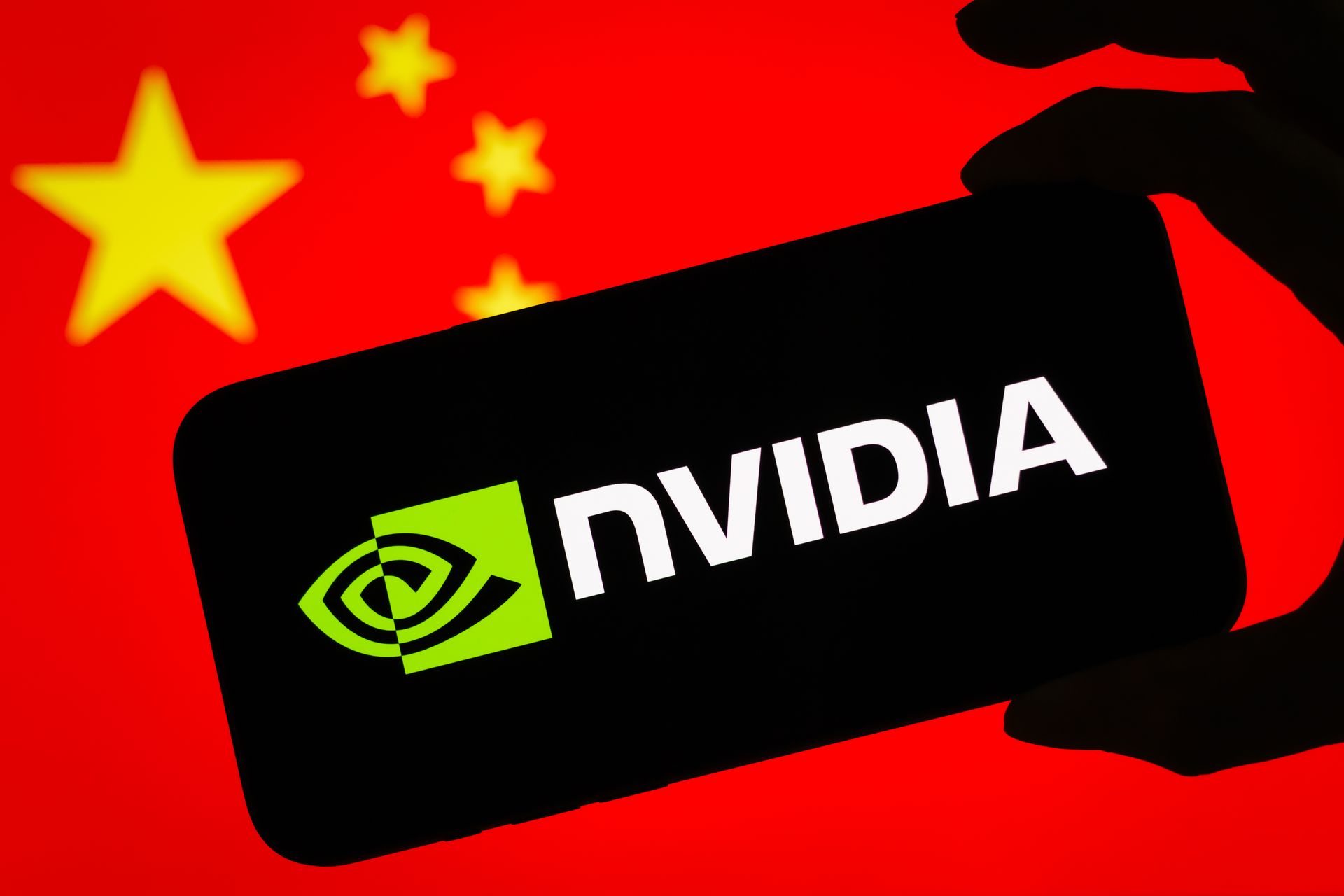
Nvidia $NVDA, the U.S. government, and China can’t seem to get on the same page about Nvidia’s chips. The U.S. has seesawed on foreign chip policy, finally allowing H200 sales to China — despite severe consternation from policy experts. Nvidia CEO Jensen Huang said this week that Chinese customer demand for H200s is “high — quite high” and that the company has “fired up our supply chain” accordingly. But now, Beijing is reportedly asking Chinese tech companies to stop shopping.

The Information, citing two people familiar with the matter, reported Wednesday that the Chinese government asked some tech companies to temporarily halt plans to buy Nvidia’s H200 AI chips, a pause intended to discourage a last-minute U.S. chip-buying spree as Beijing officials decide whether — and under what conditions — they’ll allow access. The report didn’t name the companies involved or say how broad the guidance was — but it did say that the Chinese government is expected to mandate domestic AI chip purchases. An Nvidia spokesperson declined to comment; the Chinese government hasn’t publicly commented on the report.

Chinese companies have been trying to build around their Nvidia dependence for years, with domestic champions — Huawei most visibly, Baidu in the mix, too — closing the gap. The Financial Times previously reported that Beijing had planned to limit domestic access to H200s and force buyers to justify why they need Nvidia hardware instead of Huawei’s Ascend chips or other homegrown GPUs. State-backed systems already run on local silicon. Domestic GPU startups have been minted and listed as mascots for self-reliance.

China’s public posture, such as it is, remains broad and diplomatic. A spokesperson for the Chinese Embassy in the U.S. told Reuters that China is committed to “basing its national development on its own strengths” while also being willing to maintain “dialogue and cooperation” to safeguard supply-chain stability. That’s boilerplate language, but it shows where this story lives: China wants leverage, control, and optionality, and it rarely announces those goals by holding a press conference about one specific GPU.

This hullabaloo is landing in the middle of a week when Nvidia is doing what it always does at CES: projecting supply-chain confidence like it’s a product feature. On Tuesday, Huang told reporters that “H200s are flowing through the line” and offered a bit of process realism: “approval,” he said, won’t arrive with a ceremonial statement — it’ll show up as “purchase orders.” He said, “If the purchase orders come, it’s because they’re able to place purchase orders.” Nvidia reportedly told Chinese clients that it aimed to begin shipping the H200 chips to China before the Lunar New Year holiday in mid-February, contingent on Beijing’s approval.

And Reuters reported last week that Nvidia has already sounded out TSMC $TSM about ramping H200 production as Chinese demand jumped, after Chinese tech firms placed orders for more than 2 million H200 chips for delivery in 2026, while Nvidia had about 700,000 units in stock.

At CES this week, Nvidia showed off its next Vera Rubin generation, which is currently in production. It’s available to U.S. companies and has 22 times the performance value of the chips Nvidia is now allowed to sell to China.

The U.S.–China–Nvidia chip policy whiplash has been building all year. In mid-April, the U.S. tightened rules on Nvidia’s China-focused H20 chip, imposing licensing requirements that forced Nvidia to take a $5.5 billion charge and effectively froze a product designed to comply with earlier controls. By August, the U.S. had issued export licenses to Nvidia, a sign that “no” could still quietly turn into “maybe,” depending on the month and the paperwork.

Trump’s December announcement framed H200 exports to “approved customers" as a compromise — Blackwell stays out, H200 can go, and the U.S. takes a 25% cut. But even with a presidential green light, Nvidia still has to clear the mechanical gate: export licenses. Nvidia chief financial officer Collette Kress said Tuesday that the U.S. government is “working feverishly” on license applications, though there’s no ship-date clarity in sight. And Huang suggested this week that the “last details” of the White House arrangement would be finalized soon.

In today’s market, the future ships on schedule; the present ships when it’s allowed to.

Daily Brief

The essential business news, delivered fresh every morning.

Join 500,000+ readers who start their day with Quartz.

By subscribing, you agree to our Terms of Service and Privacy Policy.

Related

FoodMaple Leaf Foods is recalling 12,036 pounds of Canadian bacon that skipped U.S. inspection
FoodRecalled eggs from Texas have been linked to a salmonella outbreak across 17 states
MarketsApple stock surges past Nvidia to reclaim most valuable company title
SpaceAmazon asked the FCC to approve 5,105 satellites for direct-to-phone connectivity
Business NewsCracker Barrel is replacing its CEO with a former Bloomin' Brands executive