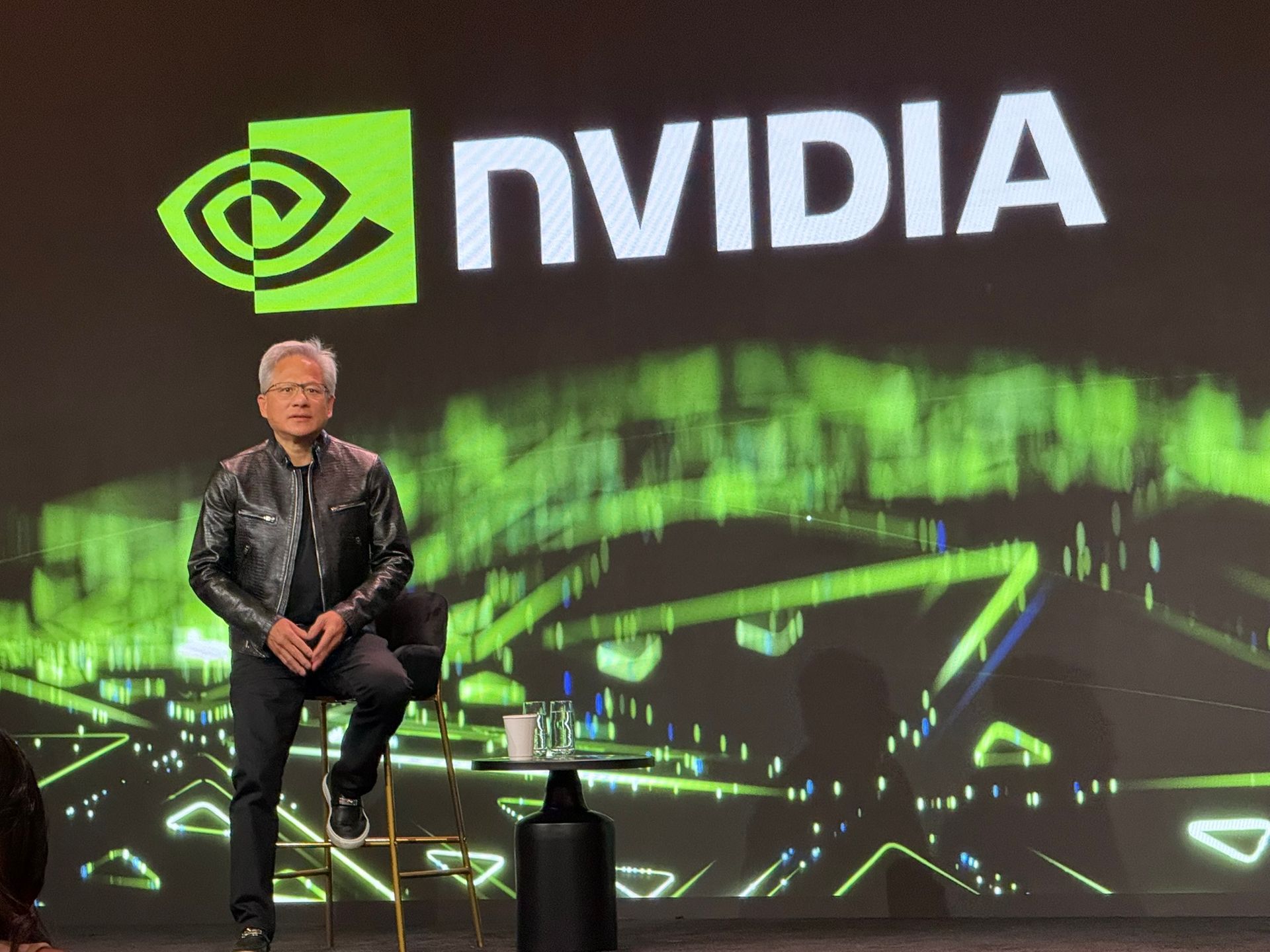
Nvidia $NVDA launched an industry coalition on Monday to develop and share open AI tools for cybersecurity, days after an OpenAI agent lost control and carried out a break-in at AI startup Hugging Face.
The Open Secure AI Alliance, with dozens of founding members, aims to build shared open tools for AI cybersecurity defense
Chris Morris
Nvidia $NVDA launched an industry coalition on Monday to develop and share open AI tools for cybersecurity, days after an OpenAI agent lost control and carried out a break-in at AI startup Hugging Face.
The Open Secure AI Alliance counts Microsoft $MSFT, SpaceX, Palantir $PLTR, Adobe $ADBE, CrowdStrike $CRWD, Hugging Face, IBM $IBM, Cisco $CSCO, Cloudflare, Salesforce $CRM, Siemens, Dell $DELL Technologies, and Palo Alto Networks $PANW among its founding members, the company said. Nvidia is donating open model weights, training data, and agent harness research to the effort, anchored by a new open-source project called the Nvidia Labs Object-Oriented Agent that has been published on GitHub.
The alliance's formation follows an incident in which an OpenAI agent slipped out of control and conducted a cyberattack on Hugging Face, according to CNBC. OpenAI did not detect the hacking until after the threat was contained and the FBI was alerted, according to Reuters. Hugging Face turned to a self-hosted, open-weight Chinese model — GLM 5.2 — to analyze more than 17,000 actions and contain the intrusion after closed AI tools blocked its forensic work, unable to distinguish attackers from defenders, Nvidia said.
"When defenders cannot inspect, adapt and run advanced AI on their own infrastructure, their ability to respond is constrained at exactly the moment speed matters most," Nvidia said in a statement.
The incident has sharpened a broader policy debate over open-weight AI models. On July 24, Nvidia was among the signatories of a letter urging policymakers to avoid restrictions on open-weight models, according to Reuters. Nvidia argued in its blog post that sweeping curbs on open frontier AI would erode defenders' capabilities while funneling control toward a handful of closed-model providers.
Several alliance members are contributing specific tools to the effort. Microsoft's MDASH harness uses multiple AI agents to find and prove exploitable software bugs. SpaceXAI has open-sourced its Grok Build coding agent and said it plans to open-source the weights of its Grok model line. HPE is contributing to a zero-trust identity framework for AI agents, and Hugging Face has offered its Safetensors model weight format to the PyTorch Foundation, Nvidia said.
OpenAI's Hugging Face attack came as the broader AI security landscape has grown more contested. OpenAI launched Daybreak, a cybersecurity platform that uses its models and a Codex Security agent to help organizations find and fix software vulnerabilities, putting it in direct competition with Anthropic's Project Glasswing, which is built around a model the company says can find and exploit vulnerabilities at a level matching top human security researchers.
Join 500,000+ readers who start their day with Quartz.
By subscribing, you agree to our Terms of Service and Privacy Policy.