
25 things that happen in the ocean that most people don't know about
From rivers that flow beneath the sea to fish that use tools, the ocean is full of processes that operate entirely outside human awareness
Credit: Trevor McKinnon / Unsplash
The ocean covers 71% of Earth's surface and contains about 97% of the planet's water. Yet more than 80% of it has never been mapped, observed, or explored. What humans do know about the deep sea comes largely from the last century of research — a blink of time against the ocean's 3.5-billion-year history. And even the parts that have been studied reveal systems so complex, so alien to everyday experience, that they challenge most people's assumptions about what the ocean actually is.
The popular image of the ocean tends to flatten it into a single thing: a vast, blue expanse of saltwater where fish swim and waves break on shore. But the ocean is not one environment — it is hundreds of them, stacked vertically and spread horizontally, each with its own chemistry, pressure, temperature, and community of life. The surface layer is sun-warmed and photosynthetically productive. Below that lies the twilight zone, where bioluminescent creatures patrol in near-darkness. Deeper still is the midnight zone, where no light penetrates at all and pressures exceed 1,000 times what humans experience at sea level. And below that, in trenches that plunge nearly 11 kilometers down, life still persists — strange, sparse, and largely unknown.
What happens in those depths, and in the open ocean far from any shore, includes processes that shape the global climate, produce much of the oxygen in every breath, and drive food webs that feed billions of people. The ocean is not passive backdrop. It is the engine of the planetary system — cycling carbon, distributing heat, producing weather, and absorbing consequences that come from human activity on land.
The 25 entries in this list span biology, chemistry, geology, and physics. Some describe behaviors that scientists have observed directly. Others describe large-scale processes that can only be understood through instruments, models, and decades of measurement. All of them describe something that is genuinely happening — right now, at depth, far from shore — in a part of the planet that most people will never see.
The ocean produces about half of the world's oxygen
Credit: NASA / Unsplash
The oxygen in every breath does not come only from forests and land plants. About half of Earth's oxygen is produced in the ocean, primarily by phytoplankton — microscopic, plant-like organisms that drift in the upper layers of the sea. These single-celled organisms use sunlight and carbon dioxide to photosynthesize, releasing oxygen as a byproduct in exactly the way land plants do.
Phytoplankton are found in virtually every part of the ocean's sunlit surface layer, called the photic zone, which extends to roughly 200 meters depth. Within that zone, they form the base of nearly all marine food webs. Zooplankton eat phytoplankton. Small fish eat zooplankton. Larger fish eat smaller fish. The entire pyramid of ocean life depends on organisms too small to see with the naked eye.
The scale of phytoplankton activity is difficult to overstate. Globally, phytoplankton remove enormous quantities of carbon dioxide from the atmosphere through photosynthesis, and they produce oxygen at a rate that sustains the atmosphere's breathable composition. Some estimates credit a single genus of ocean bacteria, Prochlorococcus, with producing 20% of the oxygen in every breath. It is one of the most abundant photosynthetic organisms on Earth and was only discovered in 1986.
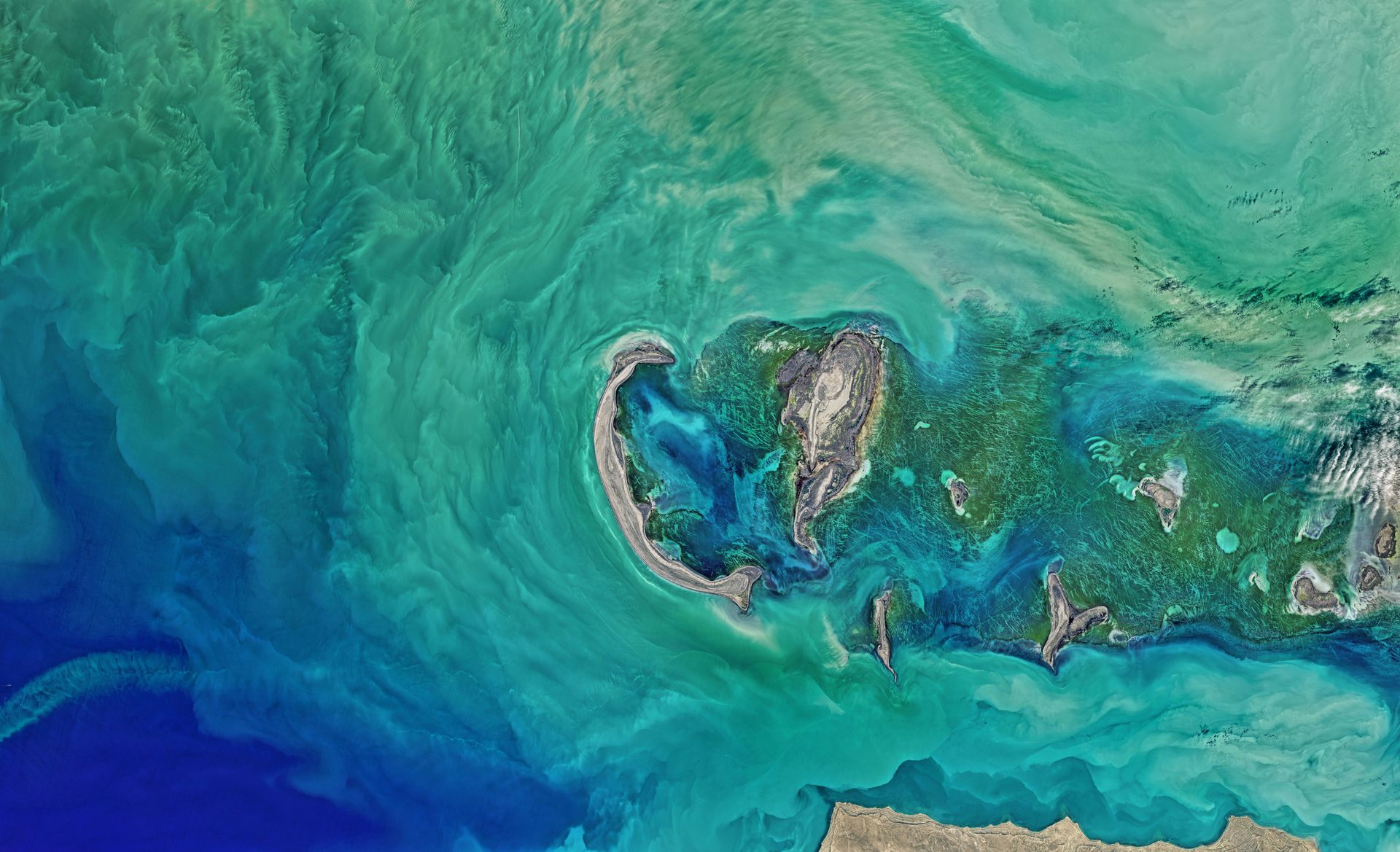
Phytoplankton populations are sensitive to ocean temperature, nutrient availability, and light. When conditions are right, they bloom — reproducing so rapidly that the blooms become visible from satellites as swirls of green and turquoise across the ocean surface. These blooms can stretch for hundreds of kilometers. When conditions deteriorate, populations crash, which has cascading effects throughout the food web.
Warming ocean temperatures are already affecting phytoplankton distributions globally. Warmer water stratifies more easily, reducing the upwelling of cold, nutrient-rich water from the deep that phytoplankton depend on. This connection between ocean temperature and oxygen production is one reason marine scientists pay close attention to surface warming trends — the implications extend well beyond the ocean itself.
There are rivers and lakes inside the ocean
Credit: Caroline O.marcel / Pexels
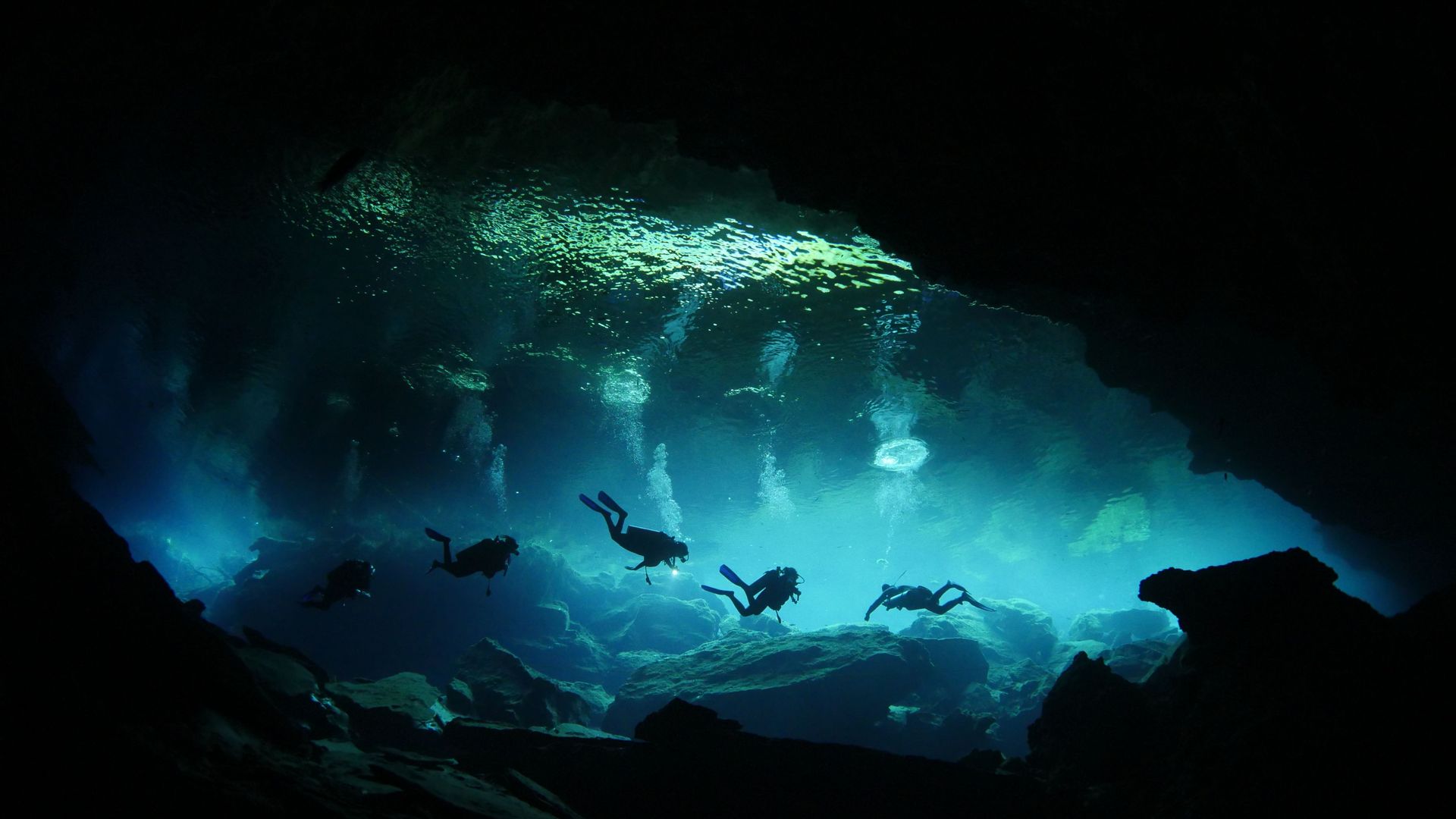
The ocean floor hosts bodies of water that behave like rivers and lakes — complete with banks, shores, and even waves — but exist entirely within the surrounding seawater. These are called brine pools, and they form when ancient salt deposits buried beneath the seafloor dissolve and seep upward, creating water so dense with dissolved salt that it doesn't mix with the seawater above it.
The result is a distinct liquid layer sitting on the ocean floor, visible as a clear boundary. When underwater vehicles approach brine pools, cameras show what looks unmistakably like a shoreline — a defined edge where the brine meets the overlying water. Waves form on the surface of the brine just as they do on a sea surface, generated by currents passing overhead.
Brine pools are typically found at depths of 1,000 to 3,500 meters, concentrated in areas of geological activity such as the Gulf of Mexico and the Red Sea. The Orca Basin in the Gulf of Mexico is one of the most studied examples, a brine pool roughly 10 kilometers long sitting at about 2,400 meters depth. Brine pools in the Red Sea have temperatures exceeding 60°C due to geothermal heating, making them among the most extreme environments on Earth.
Most brine pools are anoxic — they contain no dissolved oxygen — and the water is toxic to most marine life. Fish and crustaceans that accidentally cross into a brine pool are killed almost immediately. Their preserved bodies often accumulate along the edges, creating what researchers sometimes call "lakes of death."
But life does exist in brine pools. Microbial communities, including bacteria and archaea, thrive in the hypersaline conditions where other life cannot survive. Some researchers study these communities as analogs for life in extreme environments elsewhere in the solar system — places like the subsurface oceans of Jupiter's moon Europa, where high salinity and unusual chemistry may produce similar conditions.
The deep ocean has underwater waterfalls far larger than any on land
Credit: Xavier Coiffic / Unsplash
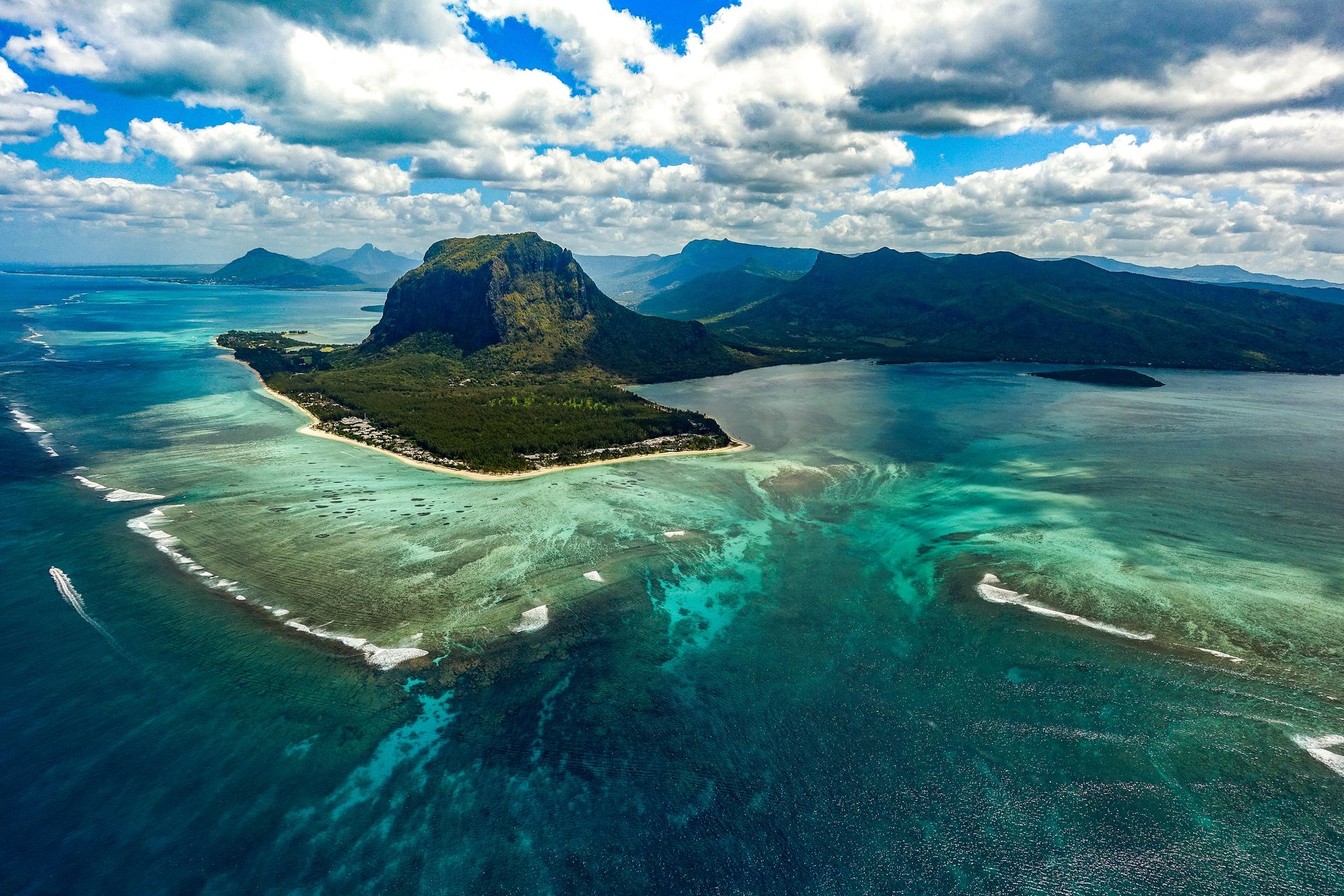
The largest waterfall on Earth is not on land. It is in the ocean, flowing between Greenland and Iceland in a formation called the Denmark Strait cataract. Water flowing over it drops roughly 3,500 meters — more than 11,500 feet — making it approximately three times the height of Angel Falls in Venezuela, the tallest land waterfall.
Underwater waterfalls form through differences in water density. Cold, salty water is denser than warm or fresher water. When dense water accumulates on one side of an underwater ridge or sill, it eventually spills over and cascades downward. The Denmark Strait sits between the Nordic Seas and the North Atlantic. Cold, dense water from the Arctic builds up on the northern side of the ridge, then flows southward and over the edge in a continuous, massive cascade.
The flow rate at the Denmark Strait cataract is estimated at roughly 175 million cubic feet per second — a figure difficult to contextualize except by comparison. The Amazon $AMZN River, the largest river on Earth by discharge, flows at about 7.4 million cubic feet per second. The Denmark Strait waterfall moves water at roughly 23 times that rate.
These structures are not fixed in the way a land waterfall is. They shift with ocean circulation patterns and are influenced by changes in water temperature and salinity over time. They are also invisible to any surface observer. The water flowing over the sill looks, from above, like any other part of the sea.
Underwater waterfalls play a real role in global ocean circulation. They drive mixing between water masses of different temperatures and salinities, and they contribute to the deep-water formation that powers the thermohaline circulation — the global conveyor belt of ocean currents that redistributes heat around the planet.
The ocean floor is home to the longest mountain range on Earth
Credit: Alonzo Photo / Pexels
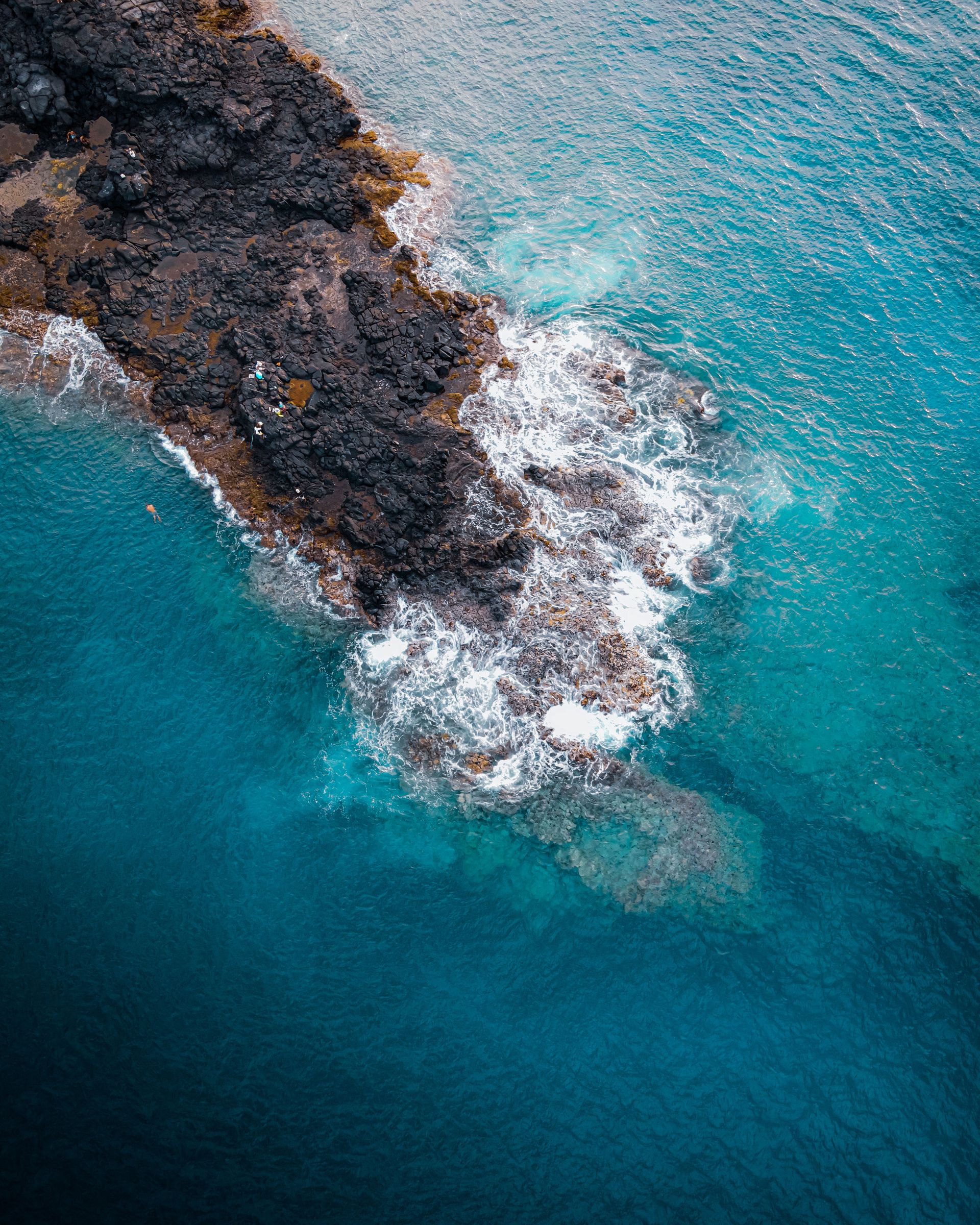
The Mid-Ocean Ridge is a continuous underwater mountain chain that winds around the globe for roughly 65,000 kilometers. It runs through the center of the Atlantic Ocean, circles Antarctica, cuts through the Indian and Pacific oceans, and connects into a system that dwarfs any land mountain range by sheer length. The Andes, by comparison, stretch about 7,000 kilometers.
The Mid-Ocean Ridge marks where tectonic plates pull apart. As two plates separate, magma rises from the mantle beneath the crust and solidifies into new seafloor rock. This process — seafloor spreading — is continuous and has been happening for hundreds of millions of years. The Atlantic Ocean exists because a rift formed in the ancient supercontinent Pangaea and has been widening ever since.
The ridge is not a single, smooth formation. It consists of a series of peaks, valleys, and fracture zones. At its center runs the rift valley, a deep depression where the actual separation occurs. Along the walls of this valley and on the flanks of the ridge, hydrothermal vents are common — fissures where superheated, mineral-rich water erupts from the seafloor.
Most of the Mid-Ocean Ridge sits two to three kilometers below the ocean surface, well beyond the reach of light. It was not mapped in any detail until the mid-20th century. Early ocean explorers did detect the ridge through depth soundings, but its full global extent was only confirmed through systematic surveys using sonar technology developed after World War II.
The age of the seafloor increases with distance from the ridge. Rock right at the crest is newly formed; rock farther away is progressively older. This pattern, confirmed through dating of seafloor samples, was critical evidence for the theory of plate tectonics. The ocean floor effectively serves as a geological record, with the youngest rock at the center and the oldest at the edges, where it eventually sinks back into the mantle at subduction zones.
Hydrothermal vents support ecosystems that run on chemical energy, not sunlight
Credit: Sébastien Vincon / Pexels
In 1977, researchers in the submersible Alvin descended to a section of the Galapagos Rift in the Pacific Ocean and found something that contradicted a foundational assumption of biology: a thriving community of organisms living in complete darkness, in superheated, toxic water, with no access to sunlight whatsoever.
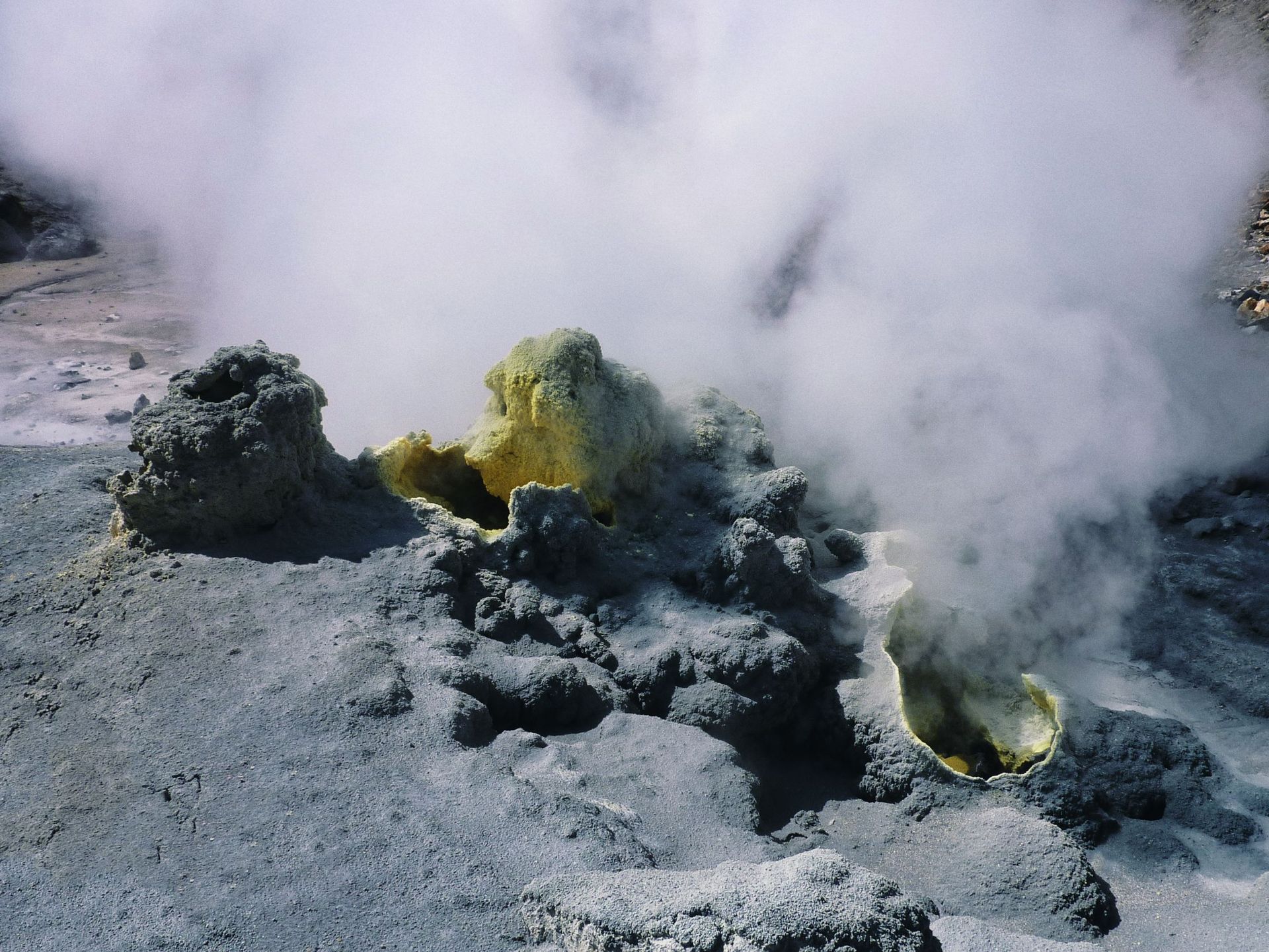
Hydrothermal vents form where seawater seeps into cracks in the seafloor, is heated by the magma below to temperatures that can exceed 400°C, and then shoots back out carrying dissolved minerals — sulfur, iron, manganese, and others. The vent fluid is acidic and toxic. The pressure at these depths is immense. And yet the vents host dense communities of life: tube worms up to two meters long, clams, mussels, shrimp, crabs, and fish.
The foundation of these ecosystems is not photosynthesis but chemosynthesis. Bacteria and archaea oxidize hydrogen sulfide and other chemicals in the vent fluid to produce energy, the same way surface organisms use sunlight. These microbes form the base of the food web. Tube worms, for example, have no digestive systems of their own — they house chemosynthetic bacteria in an internal organ and derive all their nutrition from what the bacteria produce.
The discovery of vent ecosystems forced a rethinking of the conditions required for life. Before 1977, the assumption was that all food webs on Earth ultimately depended on photosynthesis. Vent communities demonstrated that life could persist — and thrive — using energy sources entirely independent of the sun. This has profound implications for the search for life elsewhere, particularly in the subsurface oceans of icy moons in the outer solar system.
Hydrothermal vents also build remarkable structures. Black smokers are chimney-like formations that can grow several meters tall, built from the minerals precipitating out of the vent fluid as it contacts cold seawater. Some vent fields host dozens of these chimneys. Individual structures can collapse and new ones form, so vent communities are dynamic — capable of rebuilding after disturbance.
Dead whales become entire ecosystems on the ocean floor
Credit: Dustin Kilian / Pexels
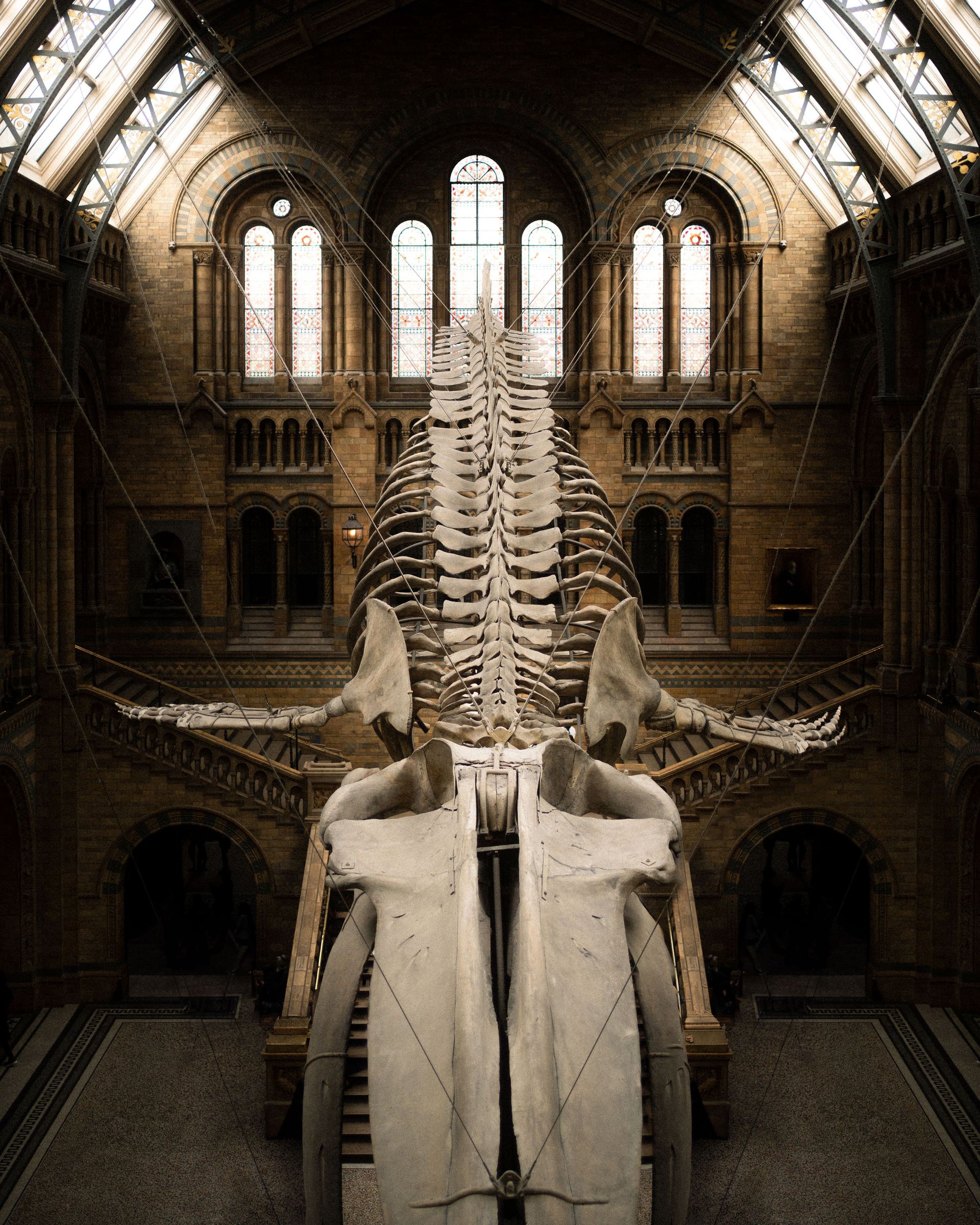
When a whale dies at sea and its body sinks to the ocean floor, it creates something called a whale fall — a concentrated source of organic material in an environment that is otherwise extremely nutrient-poor. The process by which a whale carcass is consumed takes decades and proceeds through distinct ecological stages, each dominated by different communities of organisms.
In the first stage, lasting months to a couple of years, mobile scavengers arrive: sleeper sharks, hagfish, rattail fish, and various crustaceans. These animals strip the carcass of soft tissue rapidly. A large whale may carry 40 to 60 tons of organic material, and the feeding activity at a whale fall can be intense, with dozens of species feeding simultaneously.
In the second stage, smaller organisms colonize the bones and the sediment around the carcass. Polychaete worms, crustaceans, and mollusks exploit the remaining nutrients. This phase can last several years.
The third stage, called the sulfophilic stage, is the most unusual and the most prolonged. Bacteria begin to break down the lipid-rich whale bones themselves. This process releases hydrogen sulfide, which chemosynthetic bacteria then use as an energy source — the same mechanism that powers hydrothermal vent communities. The result is a miniature chemosynthetic ecosystem on the seafloor, sustained not by a vent but by a whale skeleton.
This stage can last 50 to 100 years for a large whale. The organisms found in these sulfophilic communities are often specialists found nowhere else. Some species have only ever been discovered on whale falls. The skeletons of great whales are rich enough in lipids to sustain entire communities across timescales that span human generations.
Whale falls are also thought to serve as stepping stones for deep-sea species. Some organisms move between hydrothermal vents and other chemosynthetic environments; whale falls scattered across the ocean floor may provide the habitat connections that allow these species to disperse.
The ocean has a "twilight zone" that may contain more fish than the rest of the ocean combined
Credit: Marissa Farrow / Pexels
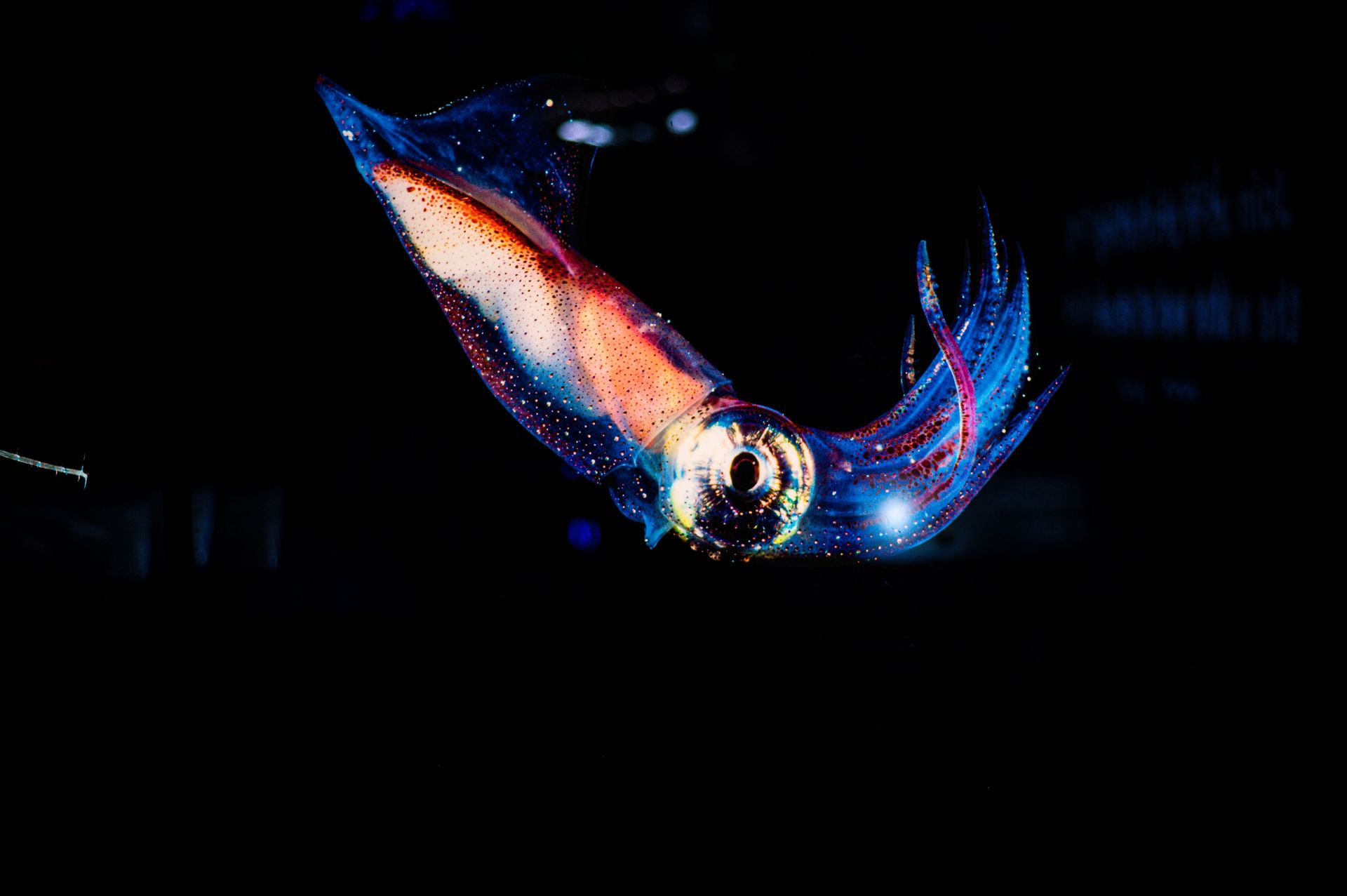
Between 200 and 1,000 meters below the surface lies a region called the mesopelagic zone — commonly referred to as the twilight zone. No useful photosynthesis occurs here; the light that penetrates is too dim. But the zone is not empty. It may be the most biomass-dense layer in the global ocean.
Animals in the twilight zone undertake one of the largest daily migrations on Earth. Each night, millions of tons of small fish, squid, and crustaceans rise from the mesopelagic zone to the surface to feed on phytoplankton and zooplankton. Before dawn, they descend again. This migration, called diel vertical migration, happens globally, every night, and involves an almost incomprehensible number of individuals.
Myctophids — lanternfish — are among the most abundant of these migrants. They are small, typically a few centimeters long, and they possess rows of light-producing organs called photophores along their bodies. Lanternfish are thought to be among the most numerous vertebrates on Earth by total mass. Their aggregate biomass has been estimated in the hundreds of millions of tons, though measuring organisms this small and this numerous at depth is methodologically difficult.
The twilight zone plays a significant role in the ocean's carbon cycle. When surface animals defecate or die, organic material sinks. Animals migrating vertically accelerate this process by consuming material at the surface and releasing it at depth in the form of feces, mucus, and respiration. This biological pump moves carbon from the atmosphere and surface ocean to the deep — a mechanism that helps regulate the global carbon cycle.
Despite its likely importance, the twilight zone is poorly characterized. Sampling at these depths is logistically difficult, and acoustic surveys — which detect organisms by their sound-reflecting properties — consistently capture more biomass than nets, suggesting that standard sampling methods miss a significant portion of mesopelagic life.
The ocean is getting louder, and it's affecting marine life
Credit: Ben Phillips / Pexels
The ocean has always had natural soundscapes — waves, rain, earthquakes, volcanoes, and the vocalizations of marine animals. But over the past century, human-generated noise has increased substantially in many parts of the world's oceans, primarily from shipping, sonar, and resource extraction.
Sound travels farther and faster in water than in air — about 1,500 meters per second compared to 343 meters per second in air. The ocean transmits sound so efficiently that low-frequency sounds from large ships can travel thousands of kilometers. This has raised the ambient noise level across large portions of the ocean.
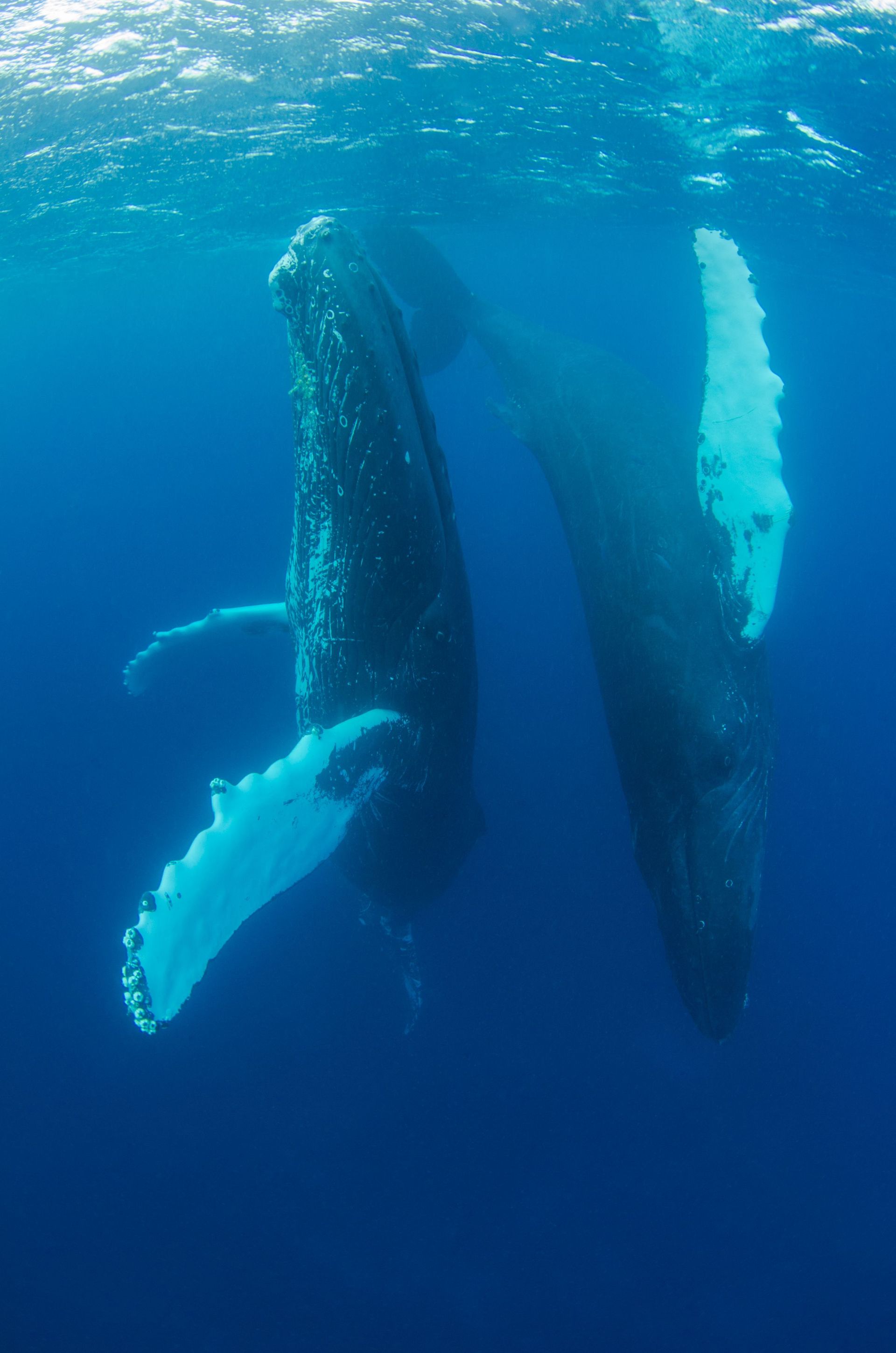
Marine mammals rely on sound for navigation, feeding, and communication. Baleen whales — including blue, fin, and humpback whales — communicate across ocean basins using low-frequency calls. The acoustic environment they evolved in no longer exists in the same form in most of their range. Research published in peer-reviewed journals has documented that some whale populations have shifted the frequencies of their calls and reduced the distance over which they communicate, likely in response to noise interference.
Dolphins and toothed whales use echolocation to hunt. Naval sonar — particularly mid-frequency active sonar — operates in frequency ranges that overlap with cetacean hearing. Mass strandings of beaked whales have been documented in association with military sonar exercises in multiple ocean regions.
Noise also affects fish. Many fish species use sound for communication, spawning coordination, and predator detection. Elevated noise levels have been shown in laboratory and field studies to impair these behaviors. Invertebrates are not exempt — larval fish and crustaceans use acoustic cues to find reef habitat, and elevated noise can disrupt their settlement behavior.
Shipping noise has decreased during periods of reduced global trade — most notably during the early months of the COVID-19 pandemic in 2020, when marine biologists documented measurably quieter ocean conditions in many shipping corridors.
Some fish can walk on land, and it's tied to the ocean's evolutionary history
Credit: Жанна Алимкулова / Pexels
The ocean is where the evolutionary lineage leading to all land vertebrates — including humans — originated. The transition from water to land happened roughly 375 million years ago, in shallow coastal and freshwater environments. What's less known is that some fish retain anatomical features from that transitional period and can still move on land for short periods.
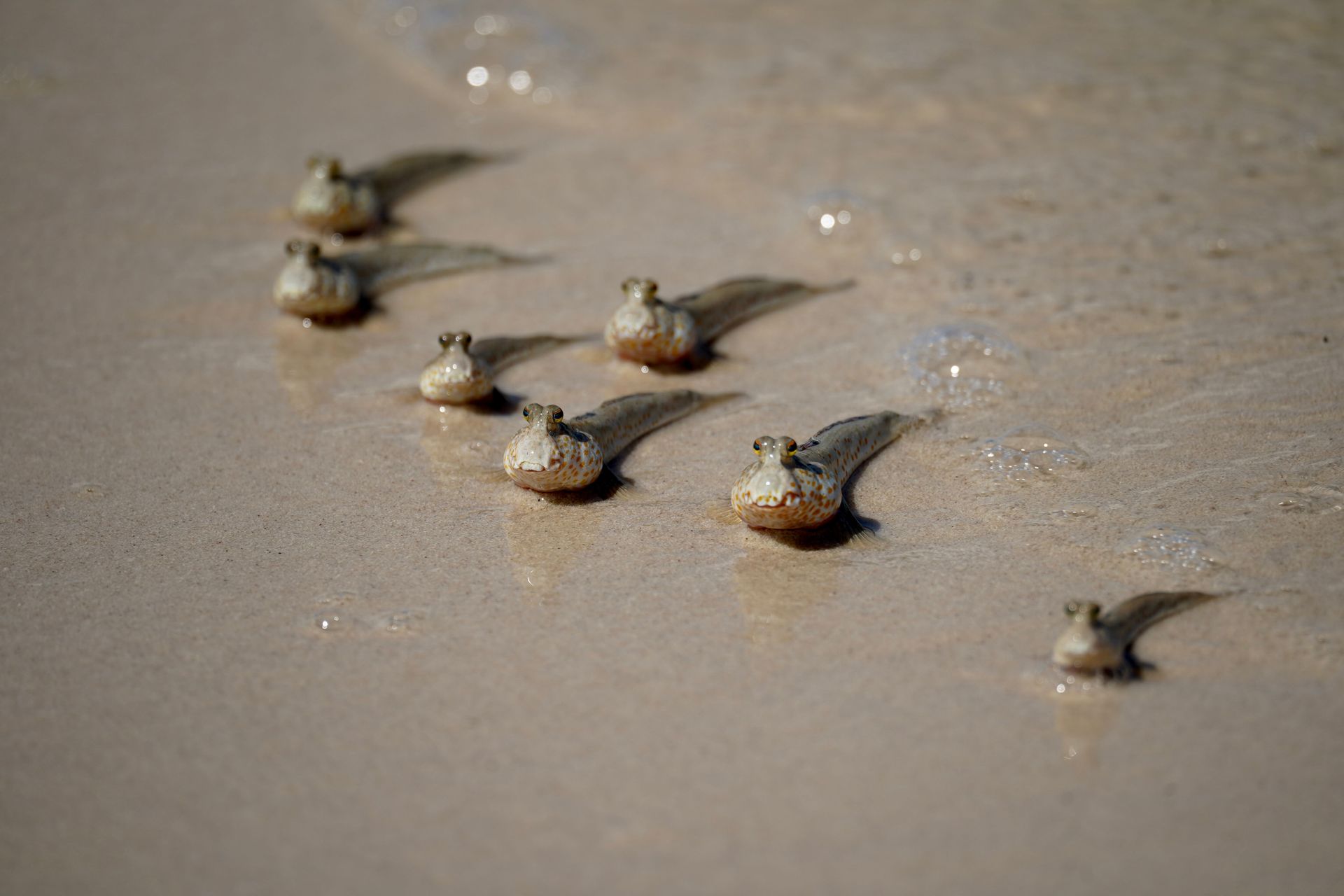
The mudskipper is a living example. Found in mangrove swamps and tidal mudflats across Africa and Asia, mudskippers are fish that spend significant portions of their lives out of water. They use their pectoral fins like crutches, hauling themselves across mud with a movement that resembles an awkward, rapid walk. They breathe through their skin and the lining of their mouths when on land, provided they stay moist.
Mudskippers are not the same as the ancient fish that first crawled onto land — those were lobe-finned fish related to modern lungfish and coelacanths, not mudskippers. But mudskippers demonstrate that the basic functional requirements for terrestrial locomotion can evolve in fish independently and repeatedly.
The coelacanth, long thought to be extinct, was rediscovered alive off the coast of South Africa in 1938. It belongs to the same ancient lineage of lobe-finned fish that gave rise to the first land vertebrates. Living coelacanths can grow to nearly two meters and inhabit deep rocky reefs. Their paired fins move in a pattern more like leg movements than typical fish fin motion — an echo of the evolutionary transition that happened hundreds of millions of years ago.
Lungfish — another lobe-finned group found in Africa, South America, and Australia — can breathe air directly and can survive in dried-up riverbeds by burrowing into mud and entering a state of dormancy. In the ocean's shallows and margins, evolutionary experiments with terrestrial life continue, not as relics but as ongoing biological processes.
The ocean floor is covered in millions of tons of potato-sized metal nodules
Credit: Anni Roenkae / Pexels
Scattered across large portions of the deep-sea floor, particularly in the Pacific, are billions of fist-sized to potato-sized objects called polymetallic nodules. They are not rocks in the conventional sense — they grow slowly around a nucleus, such as a fragment of shark tooth or a piece of shell, accumulating layers of iron and manganese hydroxides over millions of years. Growth rates are typically one to two centimeters per million years, making them among the slowest-forming solid structures on Earth.
What makes nodules commercially significant is their composition. Beyond iron and manganese, they contain cobalt, nickel, copper, and rare earth elements — minerals with industrial applications in battery technology and electronics. The Clarion-Clipperton Zone, a 4.5-million-square-kilometer area between Hawaii and Mexico, is estimated to contain vast quantities of nodules. This region has been the focus of international interest for potential deep-sea mining.
The ecological consequence of nodule mining would be significant. Nodule fields in the deep sea support specialized communities of organisms that live on and around them. Because nodule fields are only found in certain parts of the deep ocean and the organisms that inhabit them are often highly specialized, physical disturbance to the seafloor removes habitat that cannot recover on human timescales — if it recovers at all.
Nodule formation depends partly on the presence of organic material that sinks from above and is incorporated into the growing structure. The connection between surface productivity and deep-sea mineral formation means that changes to the ocean surface — reduced plankton production, for example — can theoretically affect the pace of nodule formation over geological time.
Scientific interest in nodules goes beyond their mineral content. Their layered structure preserves a record of past ocean chemistry, and cores taken from nodules have been used to reconstruct oceanographic conditions over millions of years.
The ocean absorbs more than a quarter of all carbon dioxide humans emit
Credit: Filip Kristov / Pexels
The ocean acts as the planet's largest carbon sink. Each year, the ocean absorbs roughly 25 to 30% of the carbon dioxide released by human activity — burning fossil fuels, deforestation, cement production. This absorption is driven partly by physics: CO₂ dissolves into seawater at the air-sea interface, and colder water absorbs more gas than warmer water. It is also driven by biology: phytoplankton take up CO₂ through photosynthesis, incorporating the carbon into their tissues.
When phytoplankton die or are eaten, some of the carbon they contain sinks to the deep ocean rather than being released back to the atmosphere. This process — the biological carbon pump — transfers carbon from the surface ocean to depth, where it can remain sequestered for centuries to millennia.
The ocean's capacity to absorb CO₂ has a measurable chemical consequence: ocean acidification. When CO₂ dissolves in seawater, it forms carbonic acid, which dissociates and lowers the pH of the water. Since the Industrial Revolution, the average pH of the ocean surface has dropped from approximately 8.2 to 8.1 — a shift that sounds small but represents a roughly 26% increase in hydrogen ion concentration, because pH is a logarithmic scale.
Lower pH reduces the availability of carbonate ions, which many marine organisms — corals, oysters, mussels, sea urchins, some plankton — use to build their shells and skeletons. At lower carbonate ion concentrations, shells form more slowly, are weaker, or in some cases begin to dissolve. Pteropods — tiny free-swimming snails that form a component of many food webs — have been found in the Pacific with shells showing signs of dissolution in areas where acidification is most advanced.
The same absorption that partially moderates atmospheric CO₂ levels is thus changing the ocean's chemistry in ways that stress the organisms most responsible for the biological carbon pump.
Some parts of the ocean are completely devoid of oxygen
Credit: Berat BAKI / Pexels
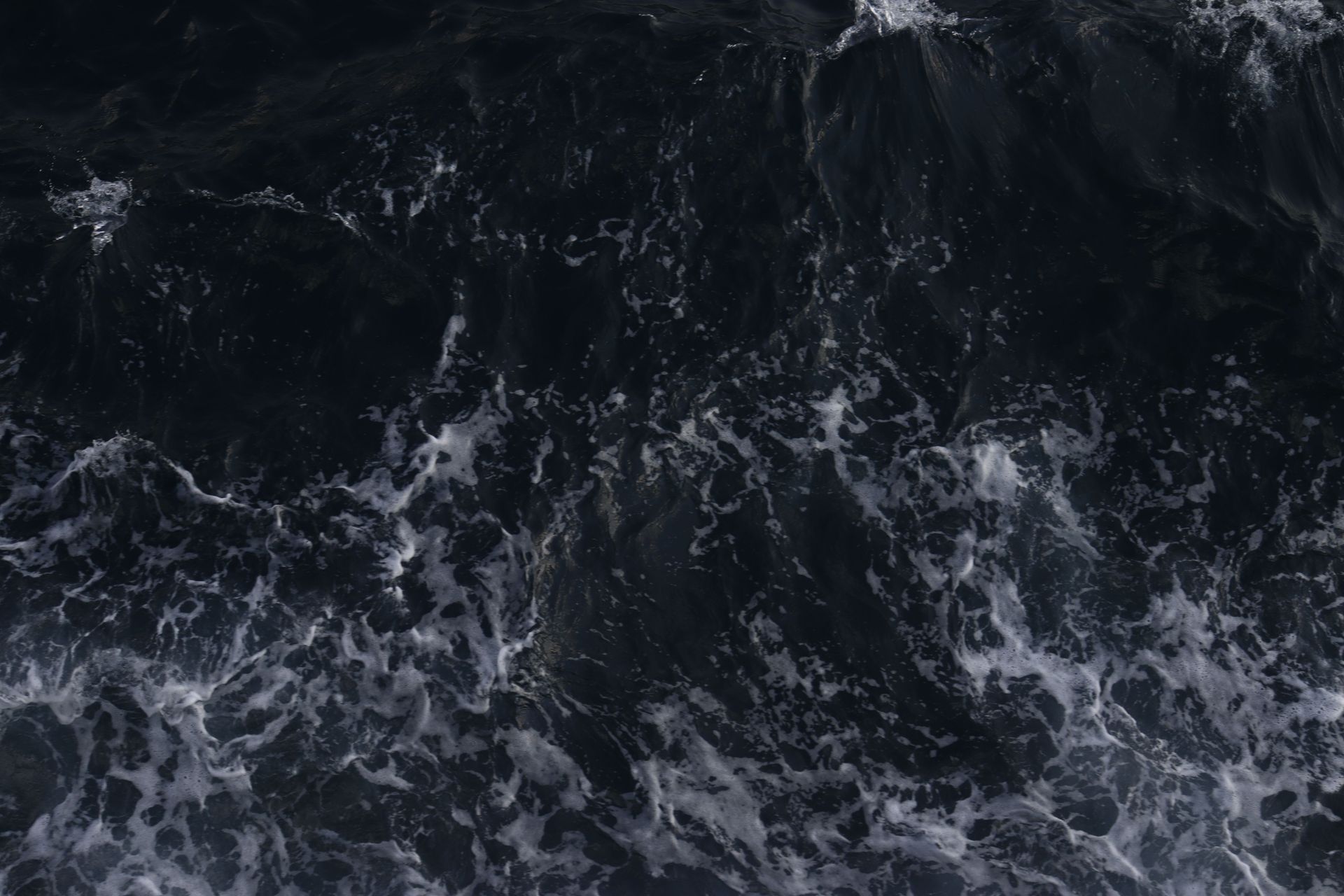
At certain depths in specific ocean regions, oxygen concentrations drop so low that most familiar forms of marine life cannot survive. These oxygen minimum zones, or OMZs, are permanent features of the ocean where biological activity consumes dissolved oxygen faster than ocean circulation can replenish it.
OMZs are not evenly distributed. They are most pronounced in the eastern tropical Pacific, the Arabian Sea, and the Bay of Bengal — regions where high surface productivity results in large amounts of organic material sinking and decomposing at depth. The decomposition process consumes oxygen, and in these regions, the water column is poorly ventilated, meaning circulation does not bring oxygenated surface water down to replace what is lost.
In the most extreme OMZs, oxygen concentrations fall below 5 micromoles per kilogram — effectively anoxic. Standard marine fish cannot function in these conditions. But certain specialized organisms can. Some species of jellyfish, squid, and fish have evolved physiological adaptations that allow them to tolerate low oxygen. Bacteria that use nitrate instead of oxygen as an electron acceptor — called denitrifying bacteria — are active in these zones, converting nitrate to nitrogen gas and removing it from the ocean system.
The expansion of OMZs is one of the most documented consequences of ocean warming. Warmer water holds less dissolved oxygen, and increased stratification reduces vertical mixing. Measurements over the past several decades have detected expansion of OMZs in multiple ocean basins — both in the volume of water they occupy and in their vertical extent.
This expansion compresses the habitable depth range for many mid-water species, forcing them closer to the surface where they face greater predation and fishing pressure. It also reduces available habitat for commercially important fish species that use mid-water depths for part of their life cycle.
The ocean floor contains vast fields of frozen methane

Credit: Maxim Gorodnev / Pexels
Buried in the sediments of continental shelves and slopes around the world are enormous deposits of methane hydrates — ice-like solids in which methane molecules are trapped within a lattice of water molecules. They are stable only under specific conditions of low temperature and high pressure. Within those conditions, they are extraordinarily abundant. Global estimates of the carbon stored in methane hydrates exceed the total carbon in all known coal, oil, and natural gas reserves combined, though there is significant uncertainty in those estimates.
Methane hydrates look like white ice but burn when ignited — a property that has earned them the informal name "fire ice." They were first encountered by deep-sea drilling operations and have since been found along continental margins in most ocean basins, as well as in deep Arctic permafrost regions.
The stability of methane hydrates depends critically on temperature and pressure. When seafloor temperatures rise — as occurs during periods of warming — hydrates can destabilize and release methane gas into the water column. Some of this methane reaches the atmosphere. Methane is a potent greenhouse gas, with a warming effect roughly 80 times greater than CO₂ over a 20-year period.
Research into ancient ocean sediments has found evidence that past periods of rapid ocean warming were associated with destabilization of methane hydrates, contributing to pulses of warming. This is sometimes referred to as the clathrate gun hypothesis. Whether destabilization could occur rapidly enough under current warming scenarios to produce a significant feedback remains a subject of ongoing scientific investigation.
Some countries are exploring methane hydrates as a potential energy source. Japan, China, the U.S., and South Korea have conducted test drilling. The technical challenge is extracting methane without destabilizing surrounding deposits, and none of these efforts has reached commercial scale.
Certain fish use tools
Credit: laylia / Pexels
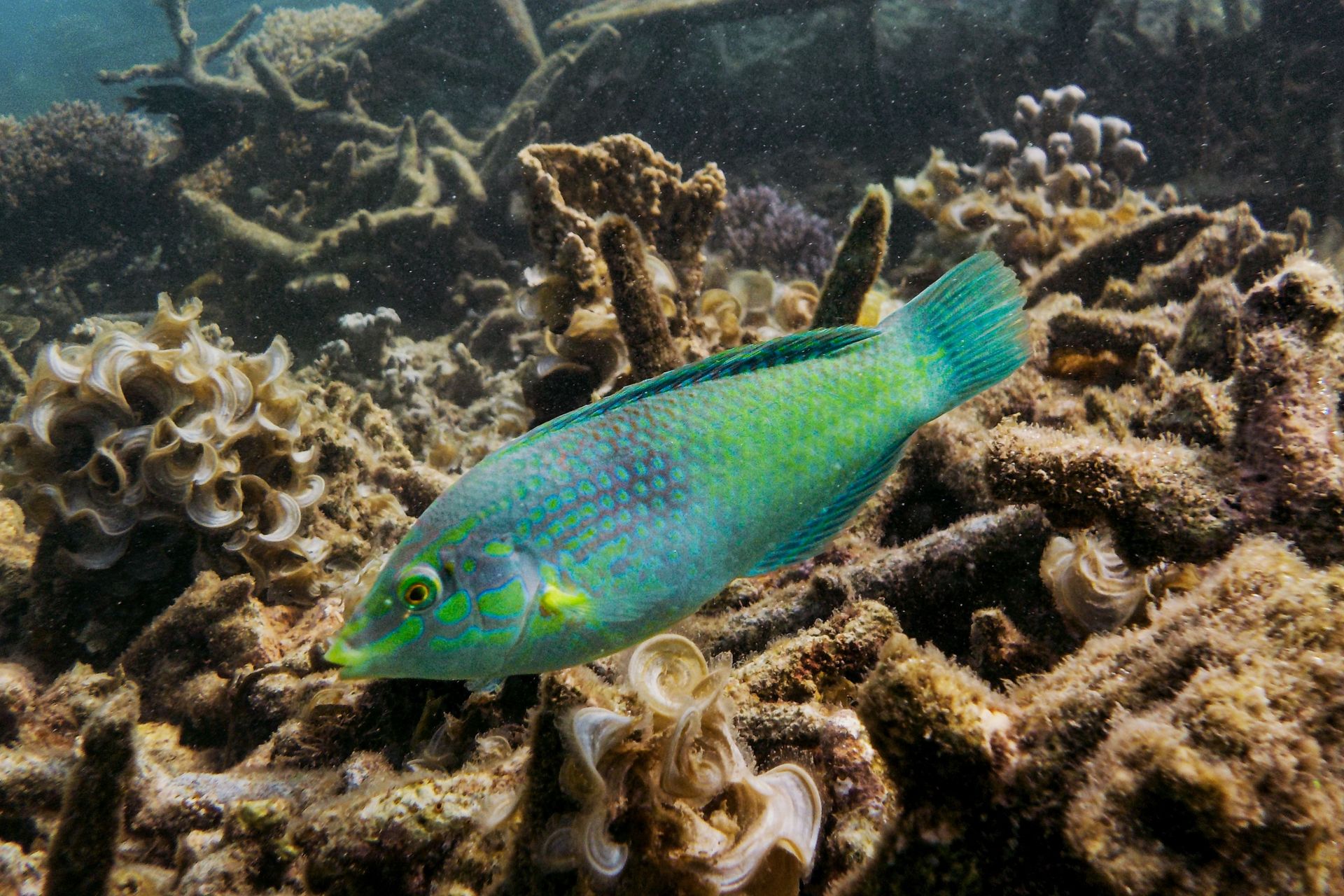
Tool use was once considered a hallmark of human cognitive complexity, then was extended to great apes, then to other mammals and birds. The ocean has added another category: fish. Several species of wrasse — colorful reef fish found in tropical and subtropical oceans — have been documented transporting bivalves from one location to an anvil, typically a rock or piece of coral, and striking the bivalve repeatedly against the anvil to break it open.
This behavior was first reported in blackspot tuskfish off the coast of Western Australia. Divers observed individuals picking up clams in their mouths, swimming to a specific rock, and using repeated strikes to crack the shell. This requires spatial memory to locate a consistent anvil site, and physical coordination to accomplish an action that involves using an external object as a functional tool.
The cognitive implications are significant. Tool use in fish demonstrates that complex, goal-directed behavior is not restricted to animals with large relative brain sizes or mammalian neural architecture. Fish brains are structurally quite different from mammalian brains, yet they produce behavior that in a mammal or bird would immediately be classified as tool use.
Since the initial reports of tuskfish behavior, tool use has been documented in other wrasse species and examined in more detail. The behavior appears to be individually learned rather than purely instinctive — not all individuals in a population exhibit it, and it seems to emerge through experience rather than being a fixed behavioral pattern.
Archerfish provide another form of sophisticated interaction between fish cognition and the physical environment. Archerfish, found in brackish mangrove waters across South and Southeast Asia, shoot precise jets of water at insects on overhanging vegetation to knock them into the water. They account for the refraction of light at the water's surface when calculating their aim — a correction that requires processing a physical variable that most humans would need mathematics to solve.
The ocean is home to the largest animal ever known to have lived
Credit: Anthony Morganti / Pexels
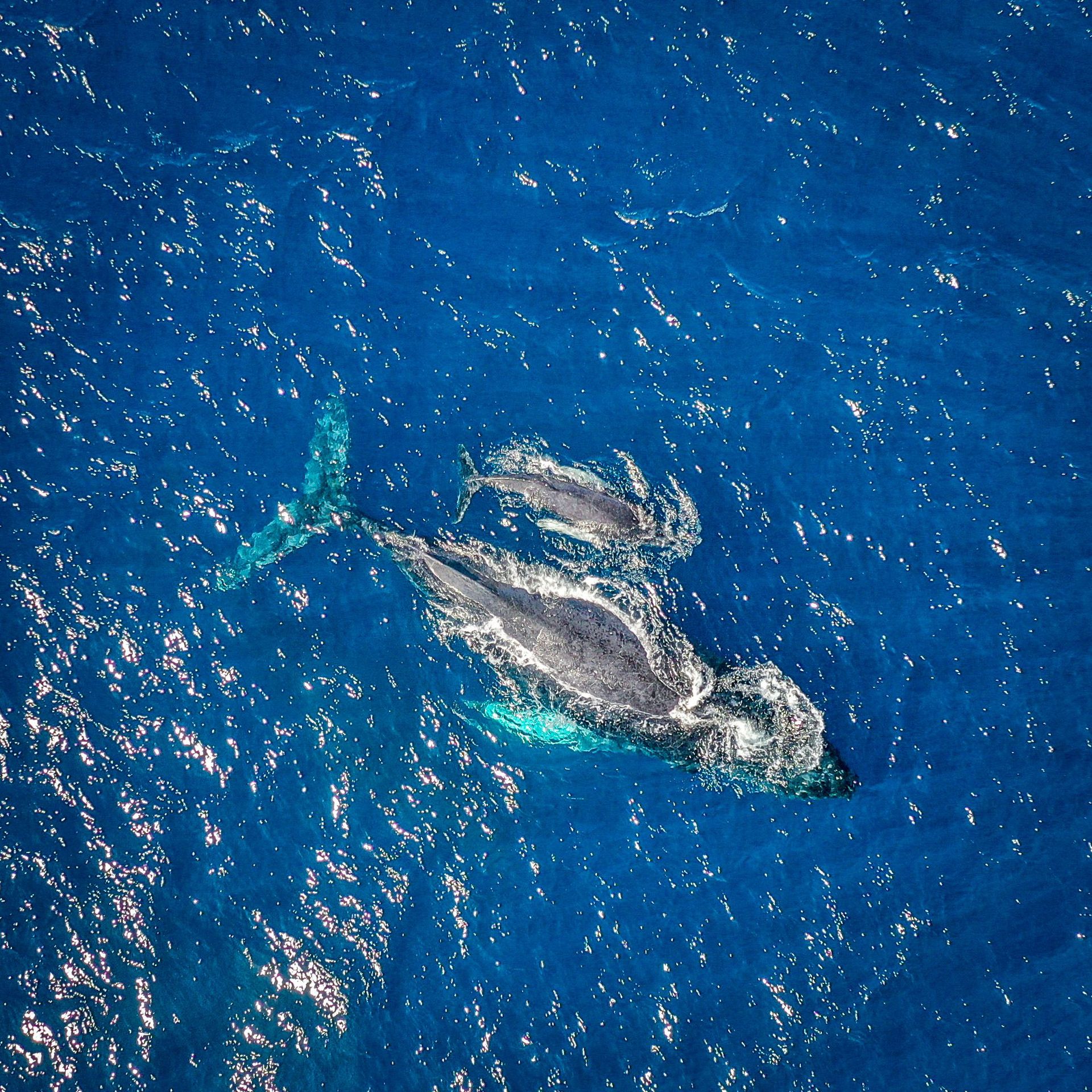
The blue whale is the largest animal in the recorded history of life on Earth — larger than any dinosaur, larger than any land animal, larger than anything the fossil record has yet revealed from the ocean. Adult blue whales typically measure 24 to 30 meters in length and weigh up to 150 metric tons. Their hearts are roughly the size of a small car. Their tongues alone can weigh as much as an elephant.
Blue whales are filter feeders. Despite their size, they subsist almost entirely on krill — small, shrimp-like crustaceans typically two to three centimeters long. A blue whale consumes roughly 3.6 to 4 metric tons of krill per day during peak feeding season. To accomplish this, they lunge through dense krill swarms with their mouths open, engulfing seawater and prey together, then pushing the water out through baleen plates that trap the krill.
The evolutionary pathway to such extreme size likely ran through the ocean's capacity to support concentrated patches of prey. Krill aggregate in enormous swarms, particularly in polar regions during summer. The ocean provides neutral buoyancy, removing the structural constraints on body size that gravity imposes on land animals. No land animal could reach the mass of a blue whale — its skeleton would be unable to support the weight outside of water.
Blue whale populations were reduced to a fraction of their historical numbers by commercial whaling in the 20th century. Some population segments were hunted to near-extinction. The species is still listed as endangered. Current population estimates vary by subpopulation, but the global total is likely in the range of 10,000 to 25,000 individuals. Recovery has been slow — blue whales reproduce at a low rate, typically producing one calf every two to three years.
Ocean currents act as a global conveyor belt that regulates climate
Credit: Paul Blenkhorn / Unsplash
The ocean does not circulate randomly. It moves in a structured, globe-spanning system driven by differences in water temperature and salinity. This system — formally called the thermohaline circulation, informally known as the ocean conveyor belt — distributes heat from the tropics to the poles and moves water between the surface and the deep ocean over timescales of hundreds to thousands of years.
The mechanism works as follows. Warm, surface water moves northward through the Atlantic, driven by wind-driven currents. As this water reaches the North Atlantic, it cools and becomes denser. In the Labrador Sea and the Nordic Seas, it sinks — sometimes rapidly — and begins flowing southward at depth as North Atlantic Deep Water. This deep current travels south through the Atlantic, eventually connecting with deep-water formation zones near Antarctica, and then spreads into the Indian and Pacific oceans.
The surface return flow of this circulation keeps Western Europe significantly warmer than it would otherwise be at the same latitude. London is at approximately the same latitude as parts of Canada that experience much colder winters.
The vulnerability of this system lies in its sensitivity to freshwater input. The sinking in the North Atlantic depends on the water being cold and salty enough to be dense. Freshwater from melting ice sheets — particularly the Greenland Ice Sheet — dilutes the salinity of surface water, potentially reducing or disrupting the sinking mechanism. Paleoclimate evidence from past ice ages suggests that rapid freshwater inputs have caused abrupt shifts in the conveyor belt, with significant climate consequences across the Northern Hemisphere.
Current research has documented a weakening of the Atlantic component of this circulation over the past decades. The exact trajectory and its implications remain subjects of active scientific investigation.
Coral reefs are built by tiny animals, and they can hear
Credit: Francesco Ungaro / Pexels
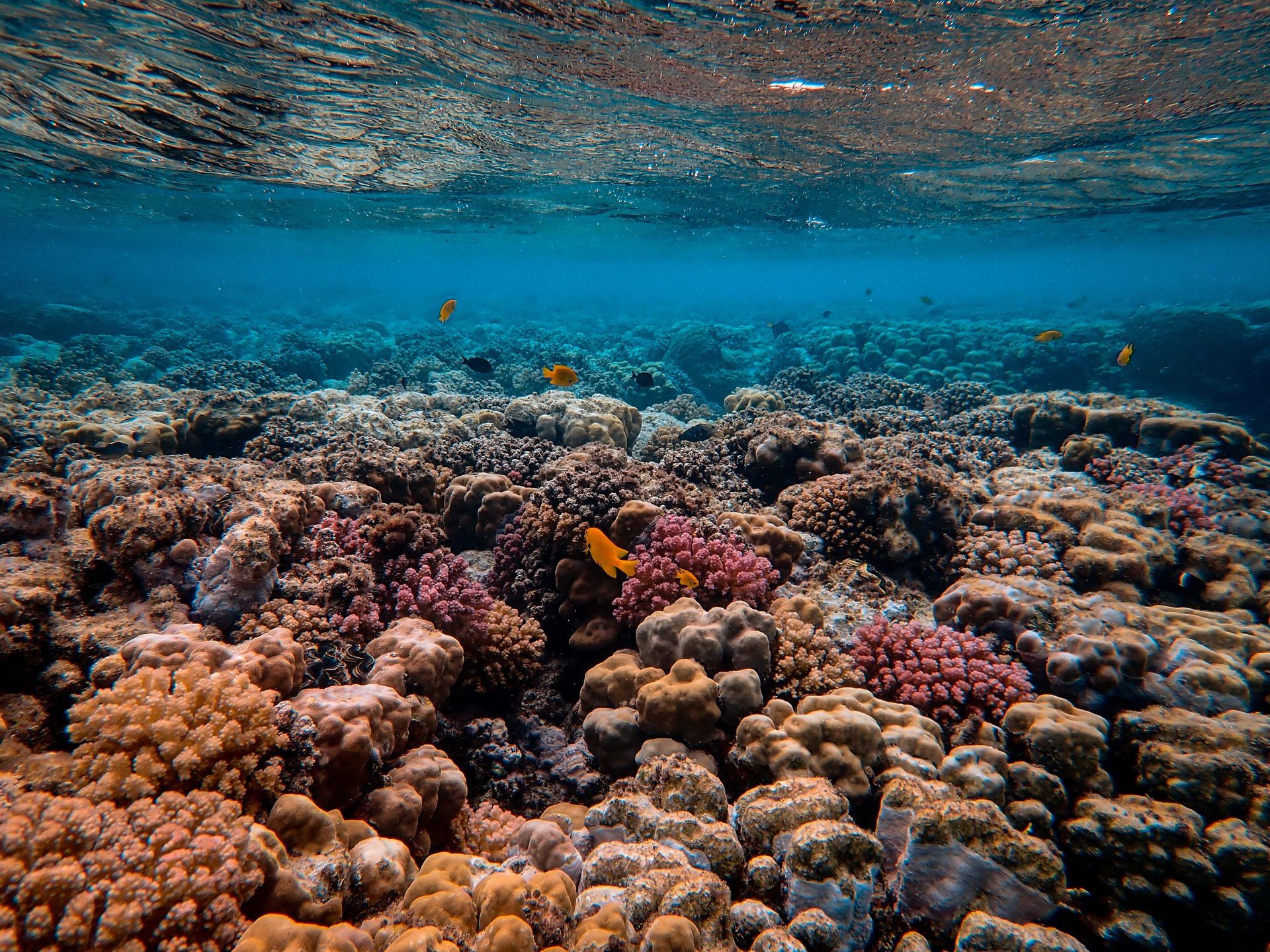
Coral reefs are often called the rainforests of the sea, but the builders of these structures are easy to misunderstand. Reef-building corals are animals — specifically, colonial animals in the phylum Cnidaria, closely related to jellyfish and sea anemones. Each coral polyp is a small, soft-bodied animal, typically only a few millimeters across. It builds a calcium carbonate skeleton around itself, and over generations of polyps growing on top of one another, these skeletons accumulate into the massive formations that make up coral reefs.
Inside their tissues, most reef-building corals host photosynthetic algae called zooxanthellae. This symbiosis is what makes shallow tropical reefs possible: the algae photosynthesize and provide the coral with most of its energy, while the coral provides the algae with shelter and nutrients. When water temperatures rise too high, the coral expels the algae — an event called coral bleaching. Without the algae, the coral cannot obtain enough energy and, if the temperature stress persists, dies.
Beyond their biology, coral reefs produce sound. The crackling, snapping, and grunting of reef organisms — particularly snapping shrimp and fish — creates a persistent acoustic environment that is measurably distinct from open water. This soundscape matters: larval reef fish and invertebrates use acoustic cues to locate and settle on reefs. Healthy reefs are louder than degraded ones, and research has demonstrated that playing recordings of healthy reef sound near degraded reef areas can increase larval settlement rates.
Reefs thus have a form of self-advertised identity — a sound signature that broadcasts their location and condition to organisms seeking habitat. Degraded reefs not only lose structural complexity but also lose the acoustic signals that attract the recruits needed for recovery.
The ocean floor is geologically active in ways that build entire islands
Credit: Buzz Andersen / Unsplash
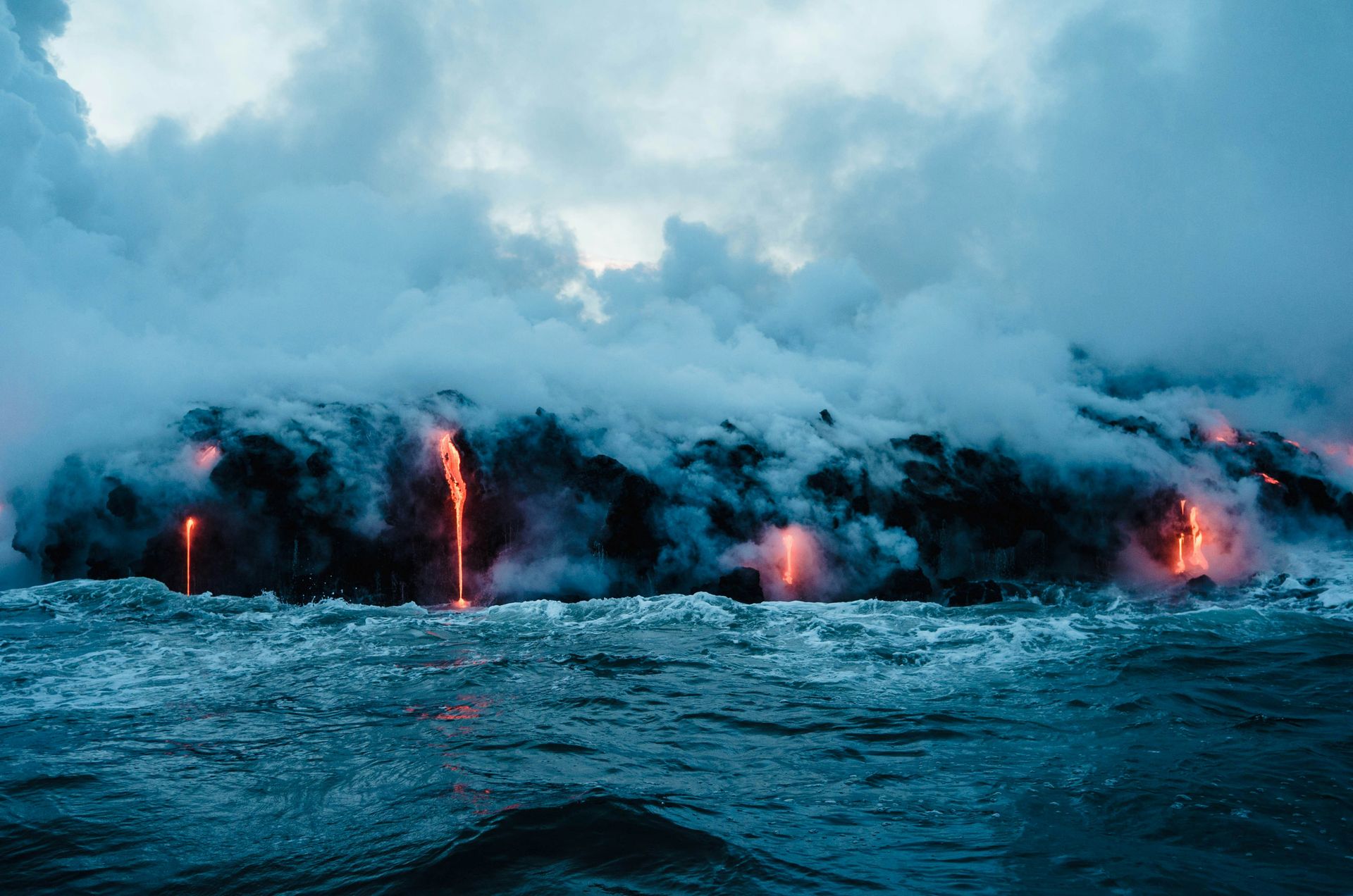
Volcanic activity on the ocean floor is far more extensive than volcanic activity on land. Most of the Earth's active volcanism occurs along the Mid-Ocean Ridge system, where magma continuously erupts and creates new seafloor. But isolated volcanic hotspots also punch through the oceanic crust from below, creating seamounts and, when they breach the surface, islands.
The Hawaiian Islands are the most studied example of oceanic hotspot volcanism. The Pacific Plate moves northwestward over a stationary hotspot in the mantle. As the plate moves, successive islands form above the hotspot and then drift away as the plate carries them. The youngest and largest island — Hawaii, often called the Big Island — is the one currently above the hotspot. The older islands to the northwest are progressively more eroded. Farther northwest, the chain continues beneath the surface as a series of seamounts — underwater mountains that were once islands and have since sunk below sea level through a combination of erosion and the subsidence of cooling oceanic crust.
A new island has already begun forming southeast of the Big Island. The Lōʻihi Seamount rises from the ocean floor and currently peaks at about 975 meters below the surface. It is volcanically active and growing. At current rates, it is estimated to breach the surface in roughly 10,000 to 100,000 years.
Seamounts in general — the submerged mountains that never reached the surface — are abundant. There may be more than 100,000 seamounts in the global ocean. They are important ecological features: their elevated structures intercept ocean currents, producing upwelling that brings nutrients to the surface. This makes seamount peaks productive fishing areas, though many seamount ecosystems have been heavily impacted by bottom trawling.
The deepest part of the ocean is deeper than the tallest mountain is tall
Credit: Tamara Adeyemi / Pexels
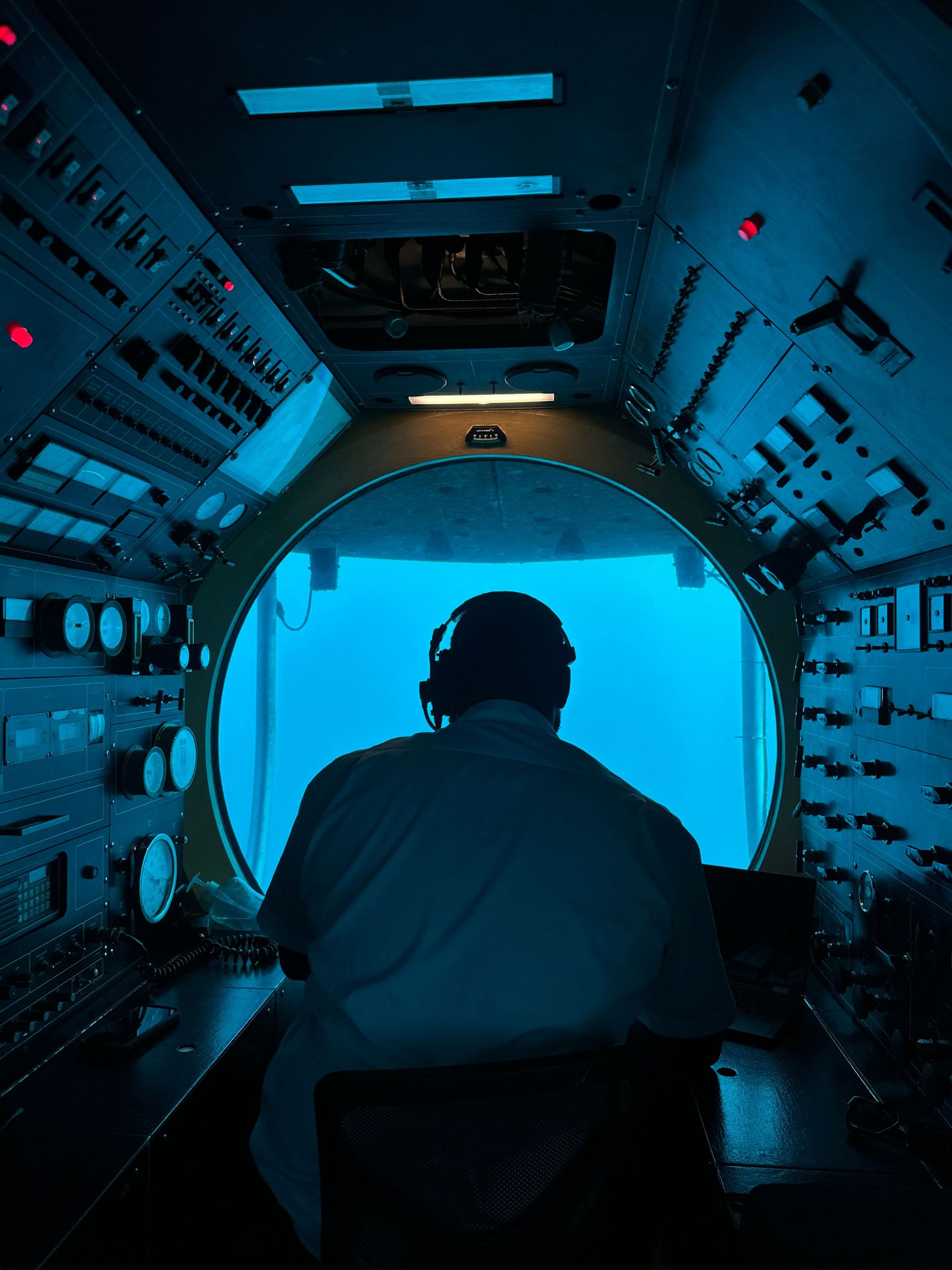
The Challenger Deep, located in the Mariana Trench in the western Pacific Ocean, is the deepest known point on Earth's surface. It lies approximately 10,935 meters below sea level — nearly 11 kilometers. Mount Everest, Earth's highest point above sea level, stands at 8,849 meters. If Everest were placed in the Challenger Deep, more than two kilometers of ocean would remain above its summit.
The pressure at Challenger Deep is approximately 1,086 times the atmospheric pressure at sea level. The temperature is just above freezing. No sunlight reaches anywhere close to these depths. The environment is one of the most extreme on Earth.
Despite this, life exists at Challenger Deep. When researchers lowered baited traps and cameras into the trench, they found amphipods — small, shrimp-like crustaceans — in massive numbers. Polychaete worms, foraminifera, and microbial communities were also detected. In 2019, a new species of small crustacean was found at depths exceeding 6,000 meters in the Mariana Trench. Life appears capable of persisting wherever there is organic material to consume, regardless of pressure.
The first humans to reach the bottom of the Challenger Deep were U.S. Navy Lieutenant Don Walsh and Swiss engineer Jacques Piccard, who descended in the bathyscaphe Trieste in January 1960. The descent took about five hours. Film director James Cameron made a solo descent in a purpose-built submersible in 2012. Since then, a small number of other crewed and uncrewed missions have reached the bottom.
Despite these visits, the hadal zone — defined as depths below 6,000 meters — remains among the least-explored environments on the planet. The trenches that constitute it are geographically widespread but occupy a very small percentage of the ocean's total area.
Bioluminescence is the dominant form of light in the ocean
Credit: Trevor McKinnon / Unsplash
Most of the ocean — by volume — is below the depth where sunlight penetrates. In this vast, dark region, the primary source of light is not the sun but the organisms themselves. Bioluminescence — the production of light by living organisms through chemical reactions — is extraordinarily common in the deep ocean. Some researchers estimate that 76% of ocean species are capable of producing light.
The chemistry of bioluminescence involves a light-emitting molecule called luciferin and an enzyme called luciferase. When luciferin is oxidized in the presence of luciferase, it produces light without significant heat. Different organisms use different forms of luciferin, and the evolutionary history of bioluminescence is complex — it has evolved independently dozens of times across the tree of life.
The color of bioluminescent light in the ocean is predominantly blue-green, in the range of 480 to 520 nanometers. This is not coincidental. These wavelengths travel farthest in seawater. Most deep-sea organisms have eyes sensitive to blue-green light. Some organisms, however, produce red bioluminescence — a color that most other deep-sea animals cannot detect. This gives organisms like the dragonfish, which has red-sensitive photoreceptors and emits red light from organs below its eyes, a searchlight that is invisible to prey.
Bioluminescence serves multiple functions. It is used for communication between individuals of the same species, for counter-illumination camouflage — where an animal matches the dim downwelling light to make itself invisible from below — for luring prey, as in the anglerfish's lure, and for startling or confusing predators.
Surface bioluminescence, visible as a blue glow in disturbed water at night, is mostly produced by dinoflagellates — single-celled organisms that flash when mechanically agitated by waves, boat wakes, or swimming animals.
Sharks have been in the ocean for more than 450 million years
Credit: Glenda / Pexels
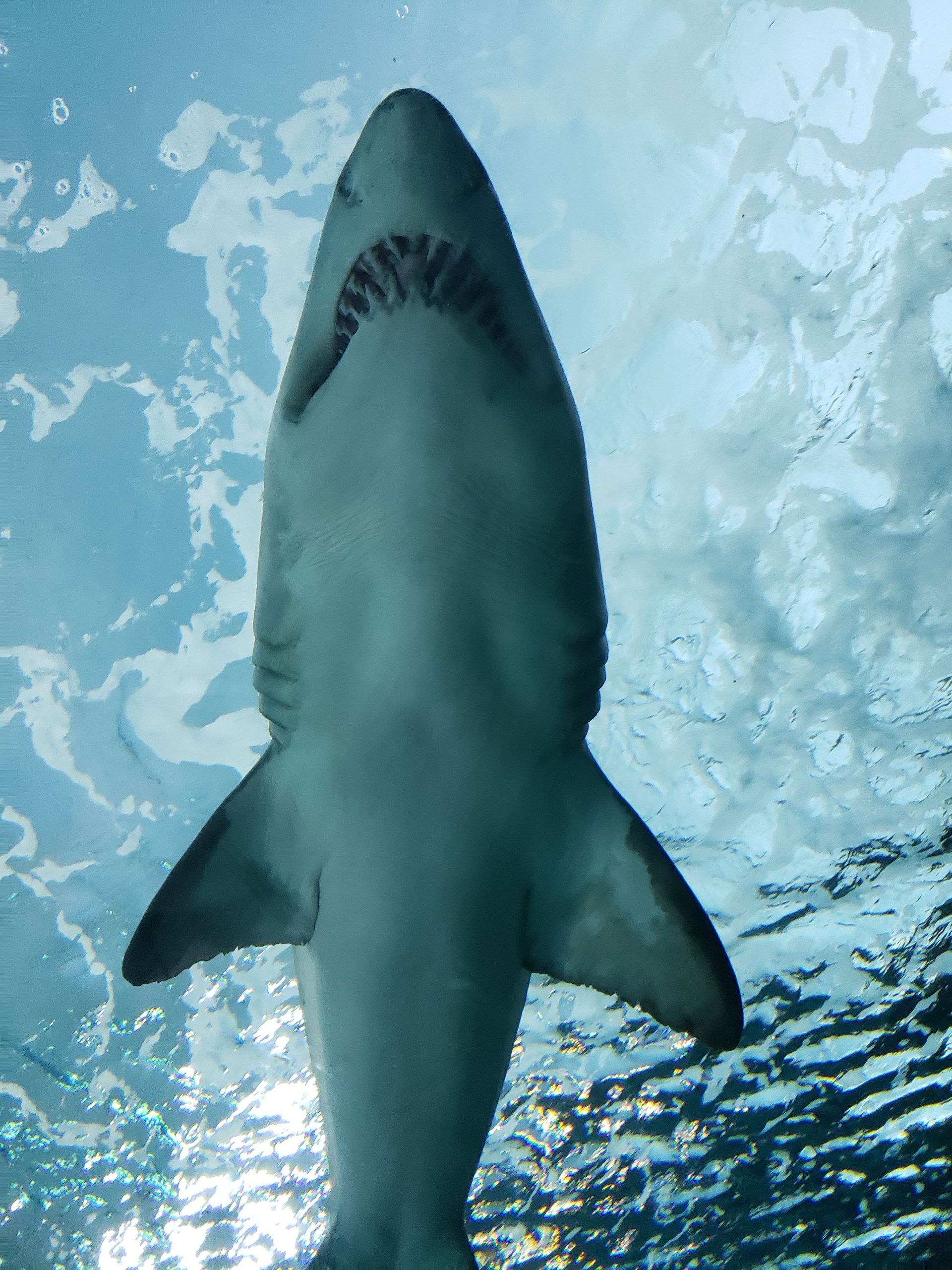
Sharks are among the oldest vertebrates on Earth. The evolutionary lineage that led to modern sharks extends back more than 450 million years, to the Ordovician period — before there were trees, before the first amphibians left the water, before dinosaurs existed. Sharks have survived all five of Earth's major mass extinction events, including the end-Cretaceous event 66 million years ago that eliminated the non-avian dinosaurs.
The shark fossil record is mostly composed of teeth, because shark skeletons are made of cartilage rather than bone and rarely preserve. But isolated scales and teeth indicate the presence of shark-like fish going back to the early Paleozoic. The teeth of sharks throughout history show the same fundamental design as modern teeth — triangular, serrated, and replaced continuously throughout life.
Modern sharks retain features that reflect their ancient origins. The basic body plan — streamlined body, heterocercal tail, lateral line system for detecting water movement, and electroreceptors called ampullae of Lorenzini that detect the weak electrical fields produced by muscle movement in prey animals — is functionally similar to that of ancient ancestors.
The ampullae of Lorenzini are particularly remarkable. They are jelly-filled pores concentrated around the snout that detect electrical gradients as small as five billionths of a volt per centimeter. This allows sharks to detect the heartbeat of a fish buried in sand. No human-made instrument easily replicated this sensitivity until recent decades.
Sharks play important ecological roles as apex or mesopredators in ocean food webs. Their removal — which has occurred in many regions through targeted fishing and bycatch — has measurable effects on lower trophic levels, affecting fish populations and, in some documented cases, habitat conditions such as seagrass and reef health.
The ocean has internal waves far larger than any surface wave
Credit: Michael Smith / Pexels
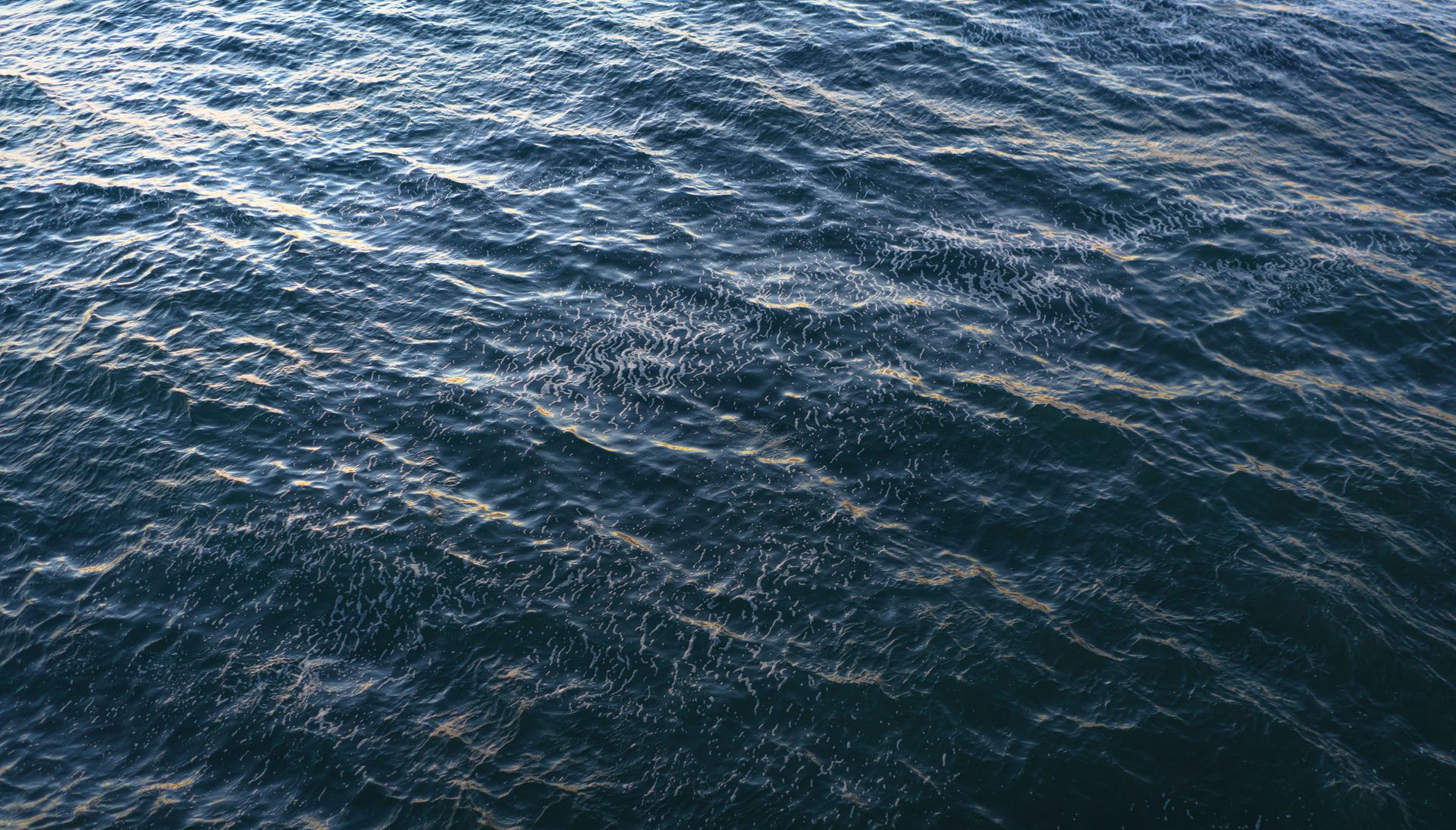
The waves that break on beaches are surface phenomena, driven by wind. But inside the ocean, far from any surface, an entirely different category of wave operates — internal waves, which form not at the air-sea interface but at boundaries between water layers of different densities.
When tides push water over underwater ridges and continental shelves, the interaction with density boundaries creates internal waves that can propagate horizontally for hundreds of kilometers. These waves are invisible from the surface but can be detected by instruments measuring temperature at depth, by satellite imagery showing their effects on surface roughness, and by research vessels that cross them and experience sudden changes in water properties.
The scale of some internal waves is extreme. In the South China Sea, internal waves generated by tidal flow over the Luzon Strait have been measured with crests nearly 200 meters high — taller than any surface wave ever recorded. These waves travel westward across the South China Sea as a series of massive pulses, detectable from orbit as patterns in surface reflectivity.
Internal waves mix the ocean. As they propagate and eventually break — losing energy as they hit continental slopes or encounter other density gradients — they stir water masses together, bringing nutrients up from the deep and heat down from the surface. This mixing is a critical part of ocean circulation that is not driven by wind or thermohaline forces. Without internal wave mixing, the deep ocean would be far more stagnant and the distribution of heat and nutrients across the water column would be significantly different.
Submarines must account for internal waves, which can cause sudden changes in buoyancy and push vessels off their depth. The phenomenon has been a navigation consideration for military submersibles since the mid-20th century.
The open ocean is one of the largest and least hospitable deserts on Earth
Credit: Walter Coppola / Pexels
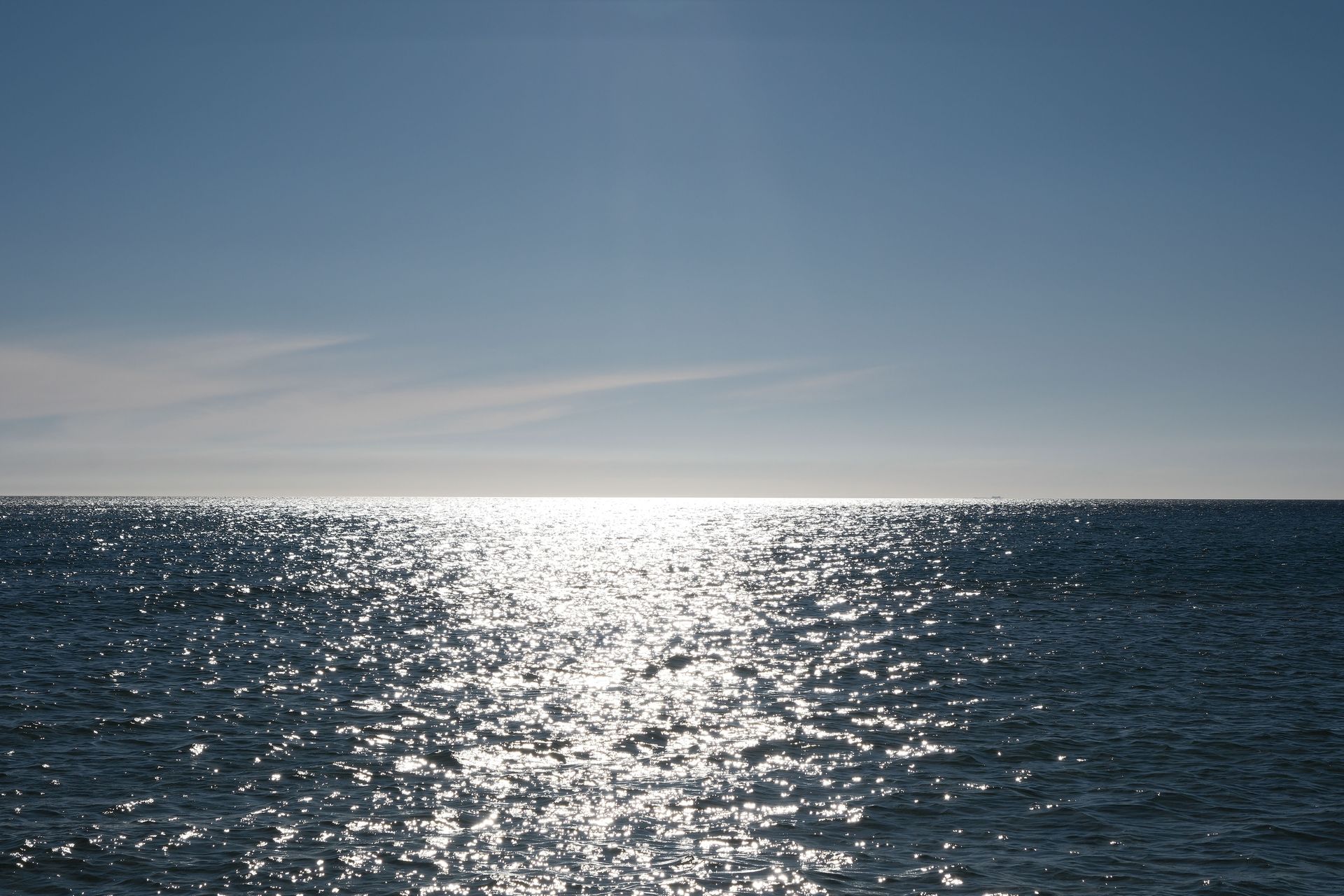
Tropical and subtropical ocean gyres — the large, slow-moving circulation systems that dominate the central ocean basins — are sometimes called ocean deserts. The central Pacific, central Atlantic, and Indian gyres are among the most nutrient-depleted environments on Earth. The absence of upwelling means that surface waters have exhausted their nutrients and phytoplankton remain sparse. The water is extraordinarily clear, brilliant blue, and nearly lifeless by the standards of more productive ocean regions.
The Sargasso Sea in the North Atlantic is surrounded entirely by ocean currents and receives its nutrients only from rainfall and the decomposition of the Sargassum seaweed that accumulates on its surface. It supports a specialized community of organisms, but primary production is low. The blue of tropical open ocean water reflects not richness but the near-absence of particles — including phytoplankton — that scatter light.
The convergence zones within these gyres have become accumulation areas for floating plastic debris. Ocean plastic concentrates in gyres because the circular current pattern traps surface material near the center. The North Pacific Subtropical Gyre is associated with the Great Pacific Garbage Patch — an area of elevated plastic concentration that is not a solid mass but a disperse zone of small plastic fragments, plastic bags, and debris items that reduce in size through UV degradation but do not disappear from the water column.
Despite their low productivity, ocean gyres are not biologically dead. Specialized organisms have evolved to exploit the sparse resources of the open ocean. The paper nautilus — a relative of the octopus — lives here. The violet sea snail Janthina drifts on self-made rafts of mucus bubbles. The Portuguese man o' war is a colonial organism, not a single jellyfish, made up of specialized individuals that collectively sail the open ocean surface using a gas-filled float as a sail.
Fish communicate constantly — in ways humans can't easily hear
Credit: Francisco Davids / Pexels
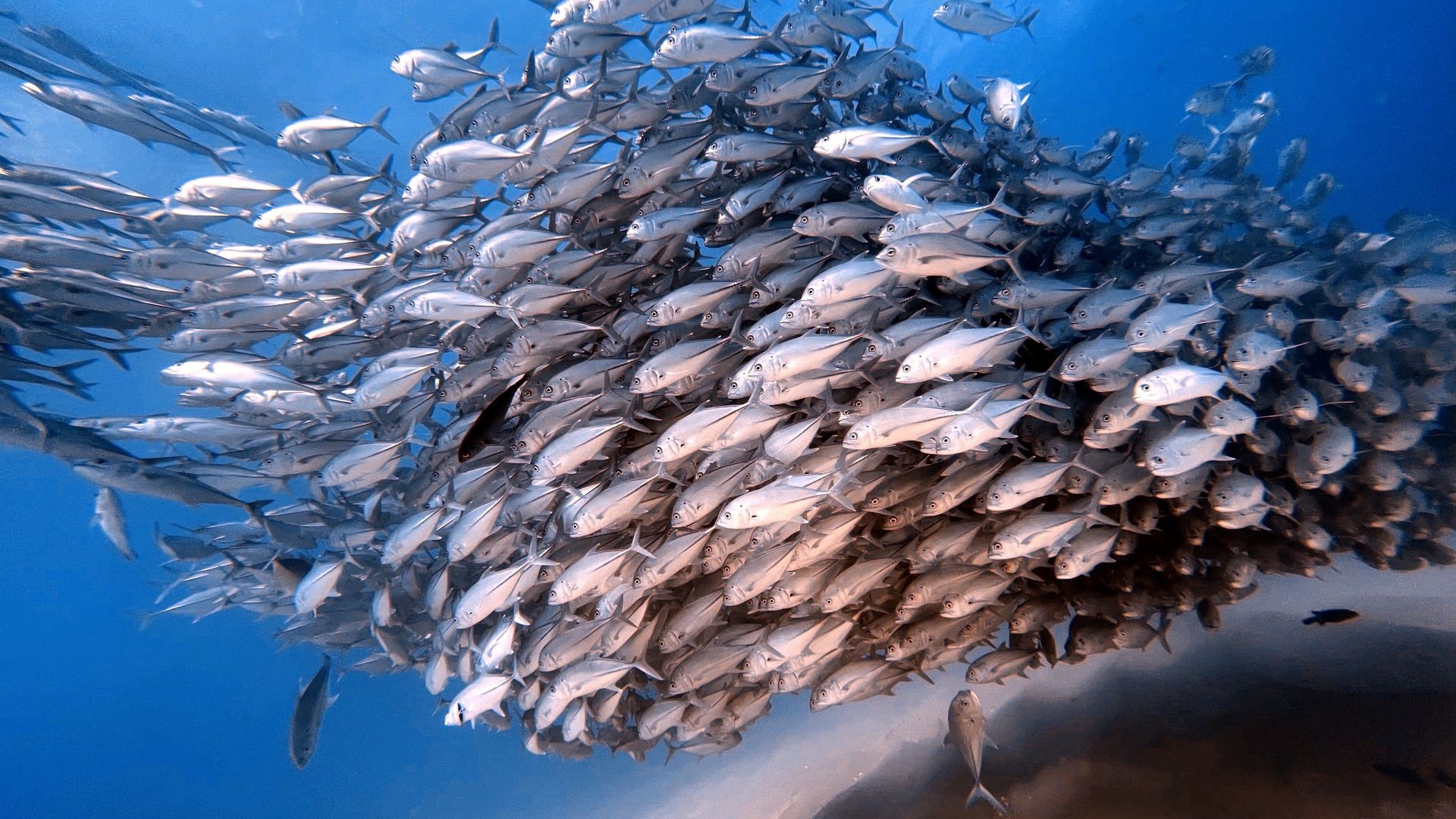
The ocean is not silent below the surface, even away from the biological noise of reefs. Fish produce sound through a variety of mechanisms, and acoustic communication plays a role in spawning behavior, territory defense, predator warnings, and social coordination across hundreds of fish species.
Most fish sounds are produced by the swim bladder — a gas-filled organ primarily used for buoyancy control. Muscles attached to or surrounding the swim bladder can vibrate it rapidly, producing grunts, knocks, growls, boops, and croaks. Some fish produce sound by grinding their teeth — a behavior called stridulation. Others use their pectoral fins.
Spawning aggregations are among the loudest biological events in the ocean. When large groups of fish gather to spawn, the collective sound produced — grunts and calls from thousands or millions of individuals — can be detected from hundreds of meters away. The Gulf corvina, a fish that spawns in the Colorado River Delta, produces aggregation calls so loud during the spawning season that they have been measured at levels capable of temporarily impairing the hearing of dolphins and sea lions in the area.
Many reef fish are nocturnal communicators. After dark, when visual cues are limited, acoustic signals become more important for species recognition and mate choice. Research on damselfish, gobies, and various reef species has documented species-specific calls that function in mate attraction during breeding season.
The difficulty in studying fish communication has historically been technological — recording fish sounds in their natural environment without disturbing them requires specialized hydrophones and careful deployment. As recording technology has improved, the catalog of documented fish sounds has grown substantially, and what was once assumed to be a largely silent world is now understood to be pervasively acoustic.
The ocean plays a direct role in generating weather and extreme storms
Credit: Pixabay / Pexels
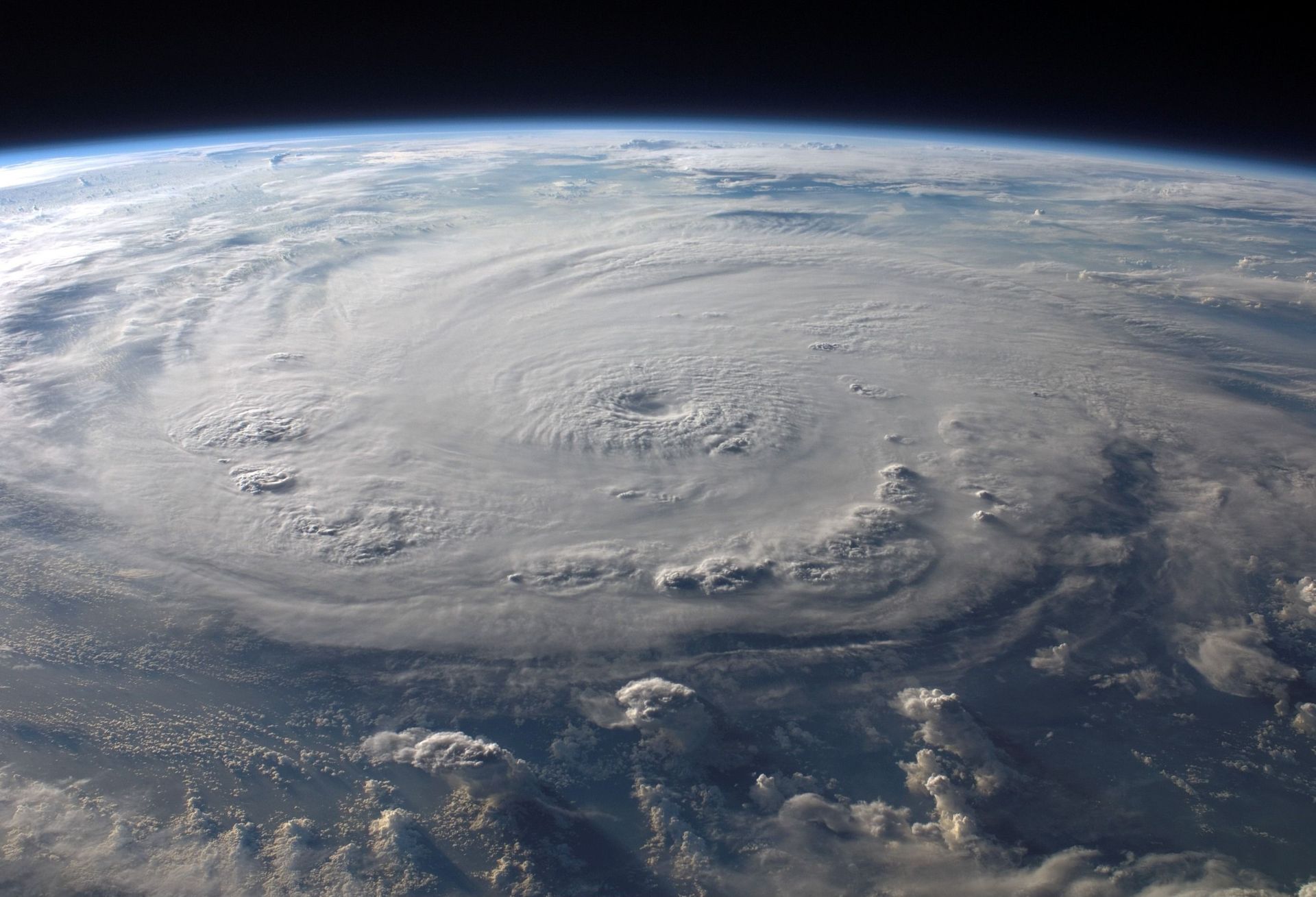
The ocean does not merely reflect or respond to atmospheric conditions — it actively generates weather. Ocean temperature, evaporation, and heat exchange drive atmospheric circulation patterns at regional and global scales.
Tropical cyclones — called hurricanes in the Atlantic and eastern Pacific, and typhoons in the western Pacific — require two basic ocean conditions: surface water temperatures above approximately 26.5°C and sufficient depth of warm water. As a cyclone passes over the ocean, it draws energy from the evaporation of warm surface water. The moisture rises, condenses in the atmosphere, and releases latent heat that powers the storm. Cold water upwelled by the storm's passing can weaken it; crossing warmer, deeper pools of heat intensifies it.
Sea surface temperature anomalies, particularly the periodic warming of the central and eastern Pacific known as El Niño, shift rainfall patterns globally. During El Niño events, the jet stream moves, altering storm tracks. Parts of South America receive significantly more rainfall. Australia and Southeast Asia experience drought. The western U.S. can receive above-average precipitation. These effects happen because the ocean's temperature distribution controls how heat and moisture are distributed into the atmosphere.
The ocean also moderates extremes. Its enormous heat capacity means it warms and cools far more slowly than land. Coastal regions experience milder temperature swings than inland areas at the same latitude. Cities near the ocean have smaller differences between their hottest and coldest months — a direct consequence of the ocean's thermal mass buffering atmospheric temperatures.
Fog, on the other hand, forms when warm, moist air moves over cold ocean water and the moisture condenses. Persistent coastal fog in California, Peru, Namibia, and other coastal regions is driven by cold, upwelled water offshore — an ocean process with direct consequences for local ecology and human activity.