Stock indexes climbed to record highs and oil prices fell after the U.S. and Iran agreed to a 60-day memorandum of understanding extending their ceasefire.

Brent crude is on pace for its biggest monthly drop since March 2020 as Wall Street cheers a 60-day truce between Washington and Tehran
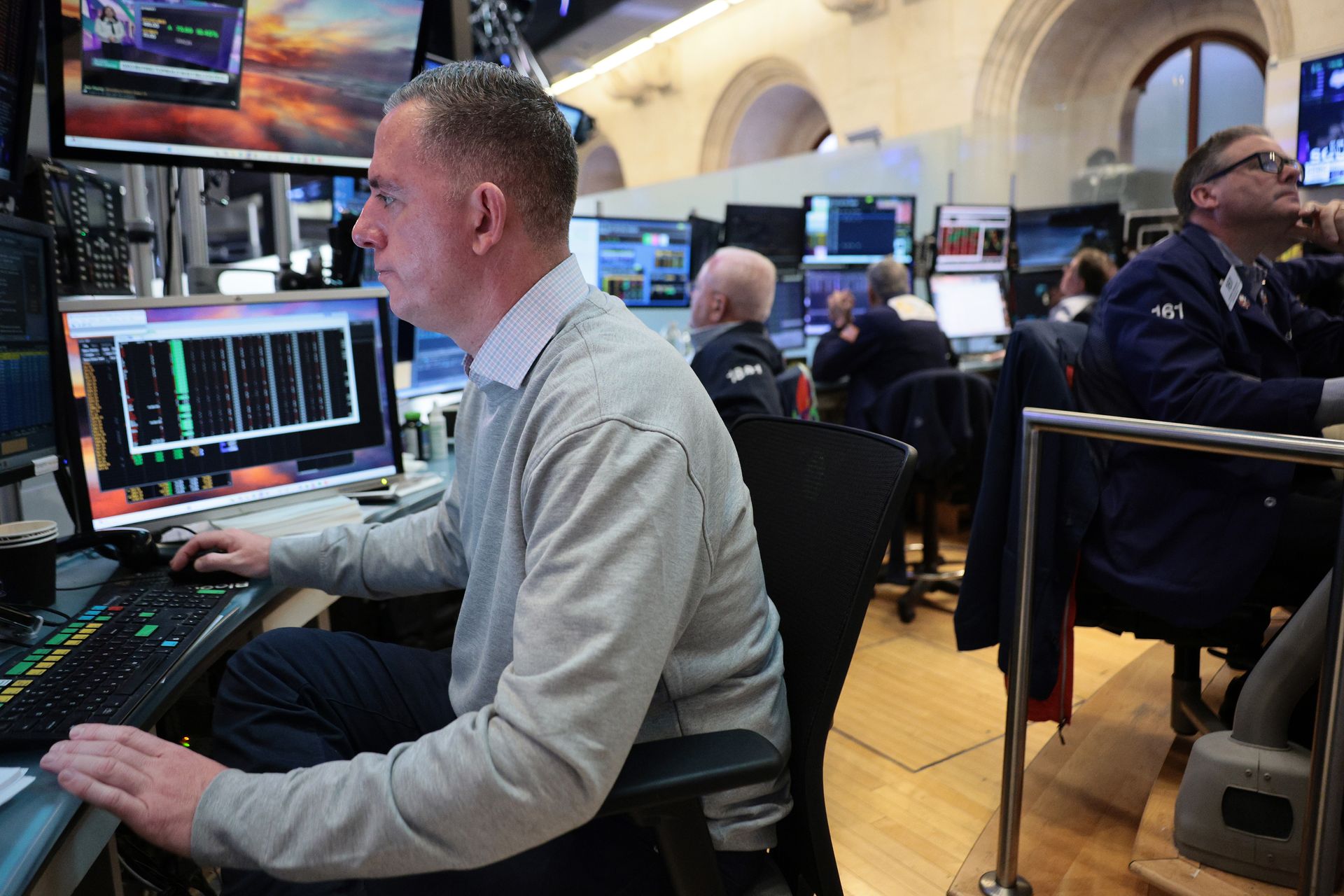
Michael M. Santiago / Getty Images
Stock indexes climbed to record highs and oil prices fell after the U.S. and Iran agreed to a 60-day memorandum of understanding extending their ceasefire.
Stock futures pointed to further gains on Friday, the final trading session of May. Futures for the Dow Jones Industrial Average added 81 points, equivalent to a 0.2% rise, with S&P 500 and Nasdaq $NDAQ 100 futures also edging up 0.1% apiece. Brent crude oil retreated 2% to $91.80 per barrel, and WTI slid more than 2% to settle at $86.89 per barrel.
A cumulative decline of almost 18% through Thursday puts Brent on track for a monthly loss not seen since the onset of the COVID-19 pandemic in March 2020, according to The Wall Street Journal. Reports on Thursday of ceasefire negotiations pushed Wall Street benchmarks to fresh all-time highs, and markets across Asia carried the momentum forward, with major indexes in Japan, Taiwan, and South Korea posting gains of at least 2.5%.
Across a full week of trading, the Nasdaq Composite is the strongest performer among the major averages at better than 2%, trailed by the S&P 500 at more than 1% and the Dow, which has notched a sub-1% advance. All three are poised to finish the week in positive territory. Looking at May in full, the Nasdaq's roughly 8% climb leads the monthly scoreboard, ahead of the S&P 500's almost 5% rise and a 2% advance for the Dow. The Nasdaq is also on pace for its largest two-month percentage gain since April 2009, at 24% over that stretch, according to The Journal.
Treasury Secretary Scott Bessent told reporters Thursday that a comprehensive deal to end the conflict between the two countries was within sight, though President Donald Trump had yet to give his approval. Among the conditions being pursued.
Kate Moore, chief investment officer at Citi Wealth, told CNBC that strong technology earnings — not geopolitical headlines — have been the primary engine behind the market's run higher. "I really do think what's been driving the market higher is, frankly, the power of the technology earnings," Moore said, adding that the trend had repeated "company after company throughout the course of this earnings season."
Join 500,000+ readers who start their day with Quartz.
By subscribing, you agree to our Terms of Service and Privacy Policy.