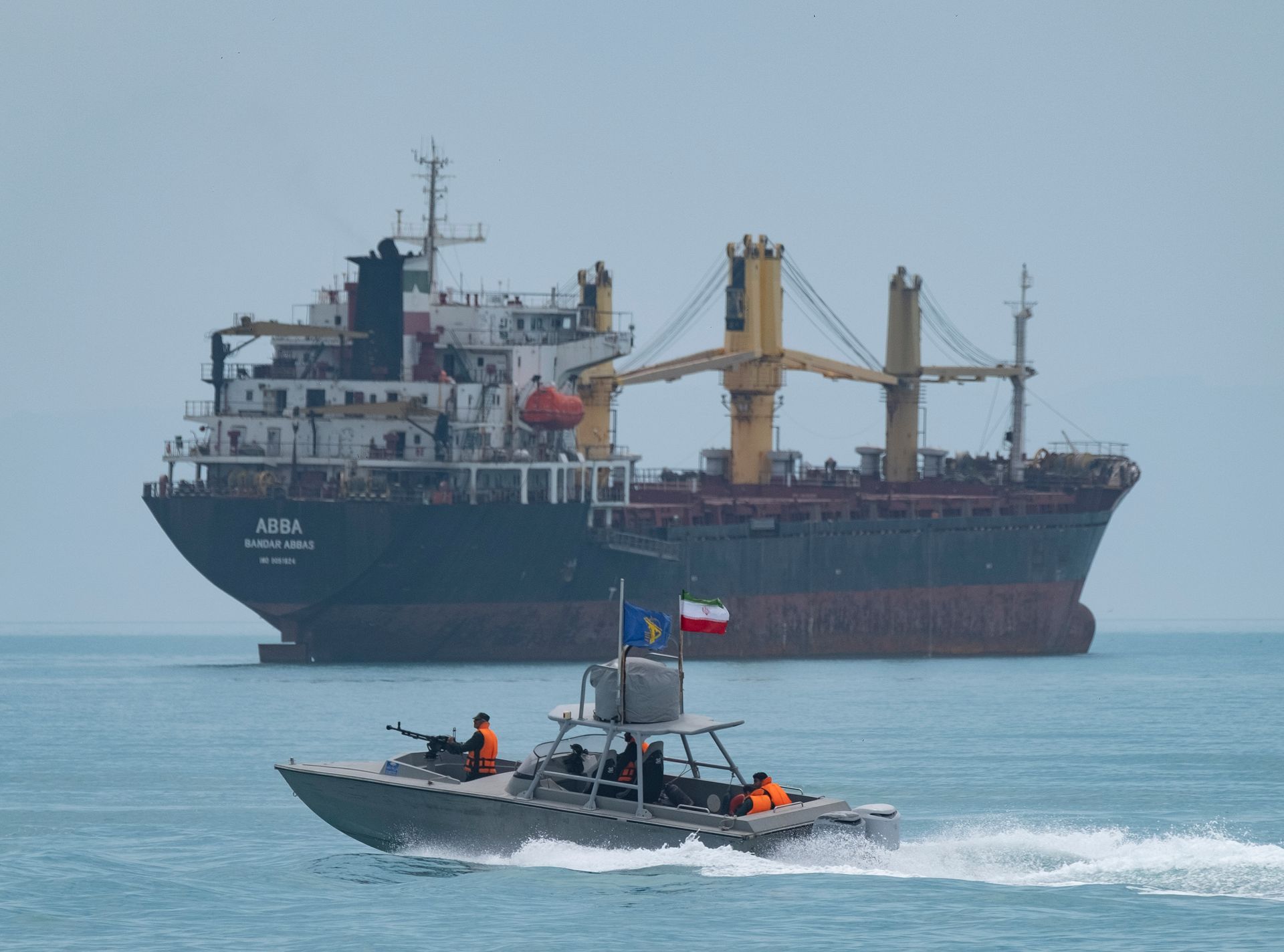
Oil prices climbed to their highest level in four weeks on Tuesday after U.S. Central Command announced the resumption of a naval blockade of Iranian ports, compounding concerns over energy flows through the Strait of Hormuz as hostilities between the U.S. and Iran intensified.

Brent crude futures were trading at $86.47 a barrel, a gain of 3.81% on the day and their strongest print since June 12, with U.S. West Texas Intermediate at $80.29 a barrel, up 2.75% and last seen at that level on June 16 — the day before Washington and Tehran inked their memorandum of understanding. The move built on Brent's 9.6% jump from the session before.
CENTCOM said the blockade, which would take effect at 4 p.m. ET Tuesday, applies to vessels transiting to or from Iranian ports and coastal areas. A previous blockade ran from April 13 to June 18, during which CENTCOM forces redirected more than 140 compliant vessels, disabled nine non-compliant ships, and allowed over 50 commercial vessels carrying humanitarian aid to pass through.
President Donald Trump announced the blockade's reinstatement in a Truth Social post Monday, also declaring that the U.S. would levy a 20% fee on all cargo transiting the Strait of Hormuz and describing the country as "THE GUARDIAN OF THE HORMUZ STRAIT." CENTCOM made no mention of the fees in its announcement.
The moves followed a sharp escalation over the weekend. Iran attacked a commercial vessel in the strait on Saturday, prompting U.S. strikes. Monday brought a fresh U.S. offensive, with American forces hitting Iranian defense infrastructure, missile and drone facilities, and assets tied to maritime operations. Iran responded by striking what it described as "two non-compliant" supertankers in the strait and launching missiles and drones at U.S. military infrastructure in Bahrain and Jordan, according to NPR.
The UAE's defense ministry confirmed that Iranian cruise missiles hit a pair of its oil tankers as they passed through Omani waters in the strait, leaving one Indian seafarer dead and eight crew members injured, according to Reuters.
Shipping traffic through the strait has fallen sharply. Kpler, which monitors global commodity flows, tallied just 22 vessel crossings through the strait last week, a figure representing close to an 85% drop from what the waterway handled before the conflict.
As the ceasefire struck in June unraveled, Trump declared last week at a NATO summit in Turkey that the agreement was "over." The truce had been under strain for weeks as both sides disputed language in the memorandum of understanding over who controls traffic through the strait. Iran's Foreign Minister Abbas Araghchi said Monday that mediators including Oman, Qatar, and Pakistan remained in contact, though the status of any negotiations was unclear, according to NPR.
Citi cautioned that renewed hostilities substantially increase the chances of a broader military confrontation, adding that Tehran could opt to abandon the memorandum of understanding altogether until after U.S. midterm elections — an outcome the bank said would put sustained upward pressure on crude prices, according to CNBC.
