Oil is on track for its biggest monthly gain since March, with Brent crude up roughly 20% in July as the U.S.-Iran war escalated and disruptions spread across key shipping routes.

Brent crude has gained about 20% in July as fighting escalated, shipping chokepoints came under attack, and a brief ceasefire collapsed
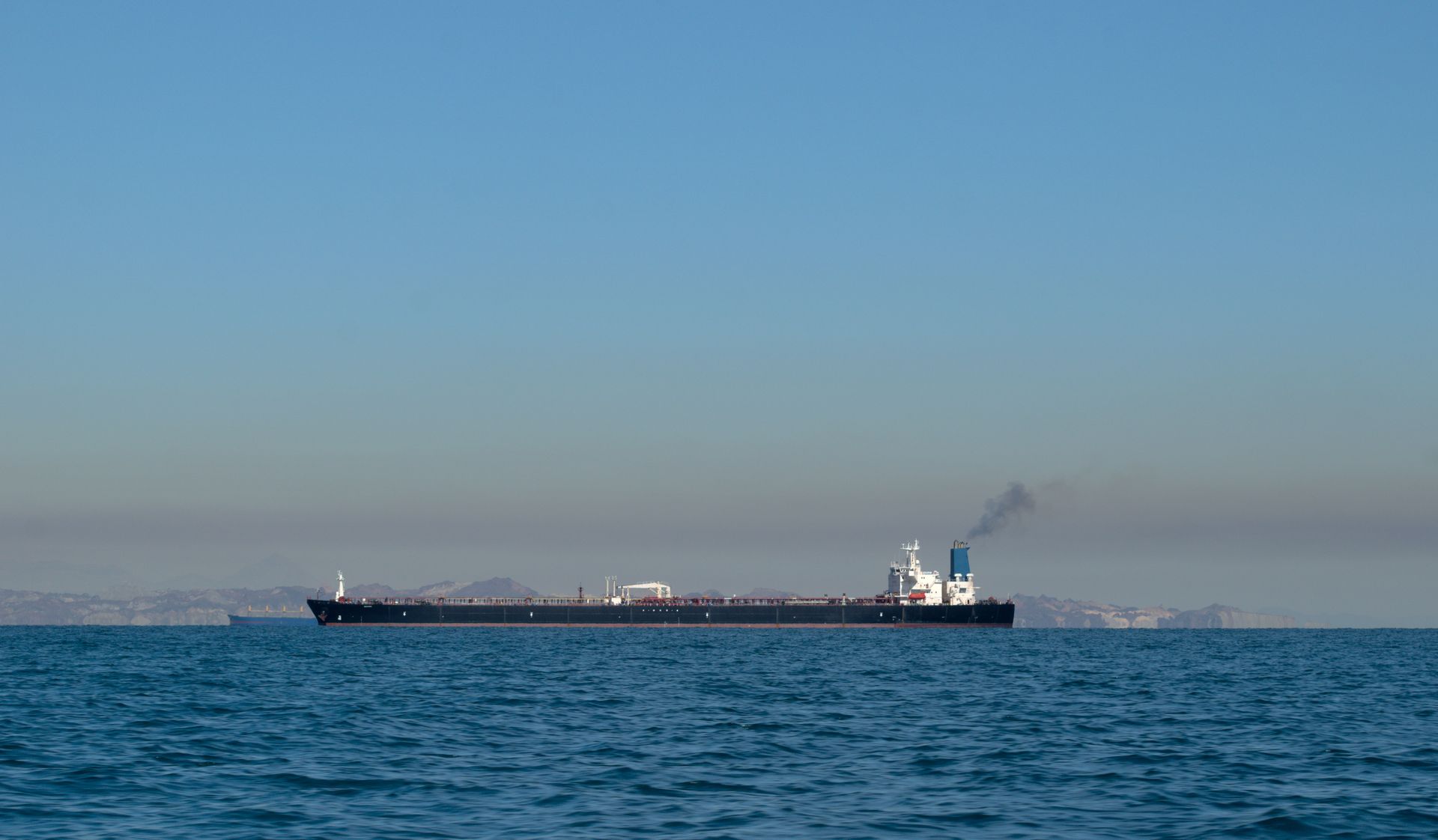
Germán Vogel / Getty Images
Oil is on track for its biggest monthly gain since March, with Brent crude up roughly 20% in July as the U.S.-Iran war escalated and disruptions spread across key shipping routes.
Brent slipped below $88 a barrel on Friday, retreating after a turbulent week that featured a sharp single-day jump on Wednesday. U.S. West Texas Intermediate was near $82 a barrel. For the month, both benchmarks have posted double-digit percentage gains, with diesel and other fuel products also rising, according to Bloomberg.
The gains came as a fragile pause in fighting between Washington and Tehran collapsed, Iran's Revolutionary Guard launched ballistic missiles at U.S. forces at a base in Jordan, and the Yemen-based Houthi militants entered the conflict, according to CNBC. U.S. Central Command said the missiles were successfully intercepted.
President Donald Trump said the U.S. would retaliate. "We'll be hitting them hard," Trump told Fox News.
Iran and the Houthis have set their sights on the Strait of Hormuz and the southern Red Sea, seeking to choke off the two corridors through which Middle East oil reaches world markets. Iranian forces have struck oil tankers moving through Hormuz on multiple occasions this month, and the Houthis announced a maritime blockade of Saudi Arabia last week, also taking credit for hitting two tankers in the Red Sea, according to CNBC.
Militia groups in Iraq with ties to Iran sent drones toward Saudi oil infrastructure, prompting U.S. and Saudi aircraft to carry out joint retaliatory strikes against those forces. Saudi Arabia held talks with representatives from 43 countries on forming an alliance to protect navigation in and around the Red Sea, according to Bloomberg.
"Markets have jumped the gun on hopes of renewed peace, especially considering Iran's insistence on controlling the Strait under any potential deal," Ryan McKay, senior commodity strategist at TD Securities, said in a note.
Beyond the Middle East, traders have also been watching supply disruptions in the Black Sea. Operations at the export terminal that Kazakhstan depends on for its crude shipments were suspended again this week following new attacks on tankers. The total number of vessels struck at or while heading to the Caspian Pipeline Consortium terminal has reached nine in July, a monthly record going back to Russia's 2022 invasion of Ukraine.
The conflict has weighed on global energy supply since fighting broke out in late February. The International Energy Agency forecast that global supply would fall by 3.9 million barrels per day in 2026, with inventories at risk of plunging to historic lows before market conditions shift. The war is estimated to have blocked more than 14 million barrels per day of Middle East oil output.
Join 500,000+ readers who start their day with Quartz.
By subscribing, you agree to our Terms of Service and Privacy Policy.