
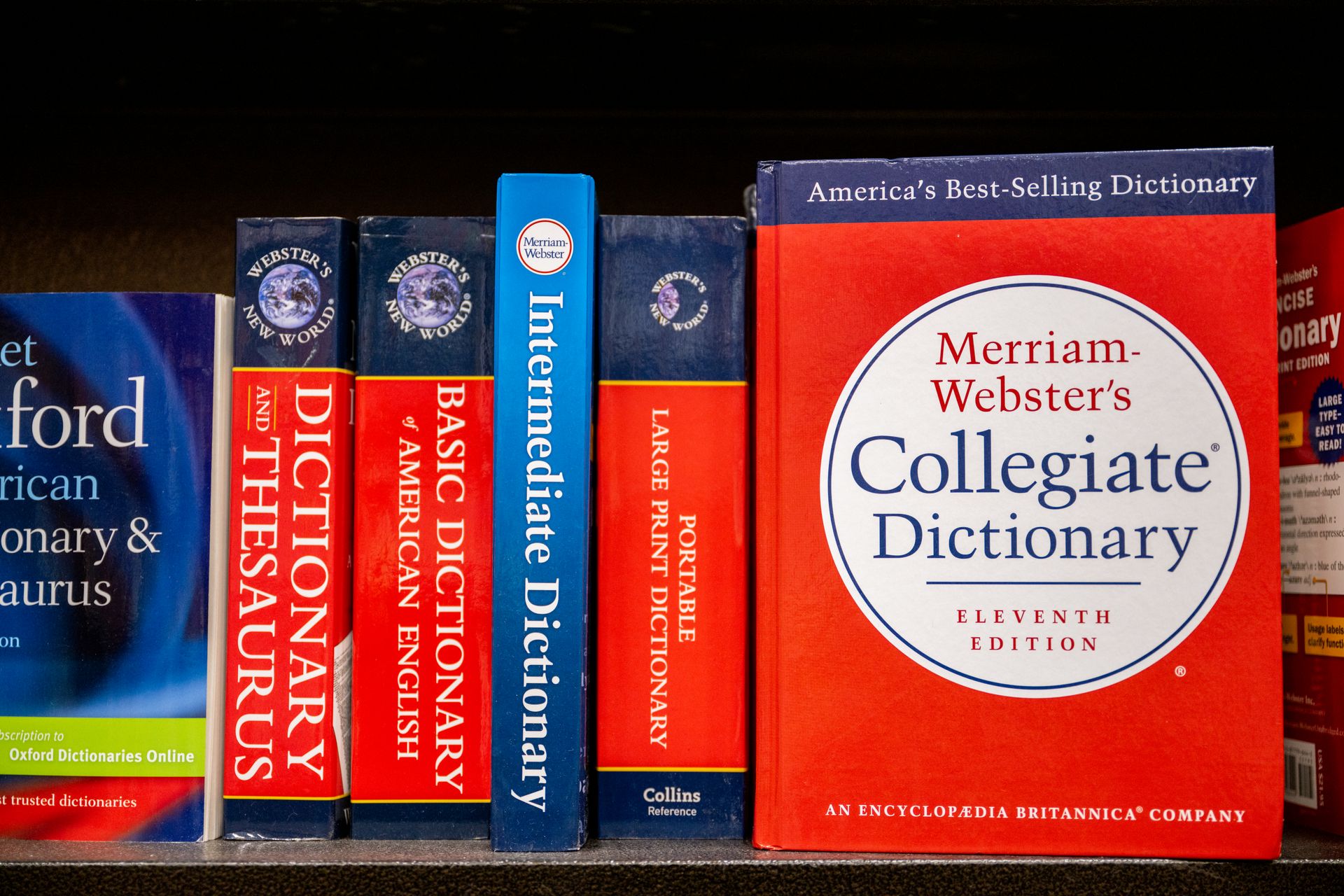
Encyclopedia Britannica and its subsidiary Merriam-Webster have filed suit against OpenAI, alleging that the ChatGPT maker copied their copyrighted content without authorization to train its large language models,
Encyclopedia Britannica and Merriam-Webster sued the ChatGPT maker, accusing it of copying almost 100,000 articles to train its AI models
Brandon Bell/Getty Images
Encyclopedia Britannica and its subsidiary Merriam-Webster have filed suit against OpenAI, alleging that the ChatGPT maker copied their copyrighted content without authorization to train its large language models,
The lawsuit, filed in Manhattan federal court last week, alleges that OpenAI used close to 100,000 Britannica articles to train its models, and that ChatGPT responses frequently reproduce or closely paraphrase Britannica's reference content, including encyclopedia articles and dictionary entries. The complaint also alleges OpenAI uses a retrieval-augmented generation system to pull from Britannica's content in real time when generating responses.
The plaintiffs argue that ChatGPT substitutes for visits to their websites, depriving them of the subscription and advertising revenue that funds their content creation. The trademark claims center on two alleged harms: ChatGPT presenting invented content under Britannica's name, and displaying incomplete reproductions of Britannica material in ways that suggest the company's endorsement.
The plaintiffs are seeking monetary damages in an amount to be determined, along with injunctive relief to halt the alleged violations, according to Reuters.
OpenAI disputed the claims. "Our models empower innovation, and are trained on publicly available data and grounded in fair use," a company spokesperson said, according to Reuters.
A separate Britannica case against AI search company Perplexity AI, filed last year, is also moving through the courts. The Britannica and Merriam-Webster lawsuit is among a growing number of copyright suits brought by publishers, authors, and news organizations against AI companies over the use of their material in model training.
Join 500,000+ readers who start their day with Quartz.
By subscribing, you agree to our Terms of Service and Privacy Policy.