
8 packing mistakes almost everyone makes, regardless of the trip
Overpacking "just in case," burying essentials at the bottom of the bag, ignoring weight limits — the packing errors that repeat on every trip regardless of destination
Ketut Subiyanto / Pexels
Some packing mistakes are destination-specific — forgetting a visa document for a country that requires one, packing shorts for a trip to a place experiencing an unseasonal cold snap. This list is not about those. It covers the mistakes that repeat across every kind of trip regardless of where it's headed: the business trip, the beach vacation, the weekend visit to family, the international backpacking trip. These are habits of packing itself, independent of destination, and they are worth identifying specifically because most travelers repeat the same one or two mistakes on every single trip without ever connecting the recurring frustration to the specific packing habit causing it.
The mistakes in this list share a common thread: each one seems reasonable or even responsible in the moment of packing, and each one produces a specific, predictable problem that only becomes apparent once the trip is already underway and the mistake can no longer be easily corrected. Understanding the pattern in advance is the only real fix, since none of these mistakes are difficult to avoid once they are recognized.
Each entry covers the mistake, why it feels reasonable while packing, and the specific correction that prevents it.
Packing for a hypothetical version of the trip rather than the actual one
Kindel Media / Pexels
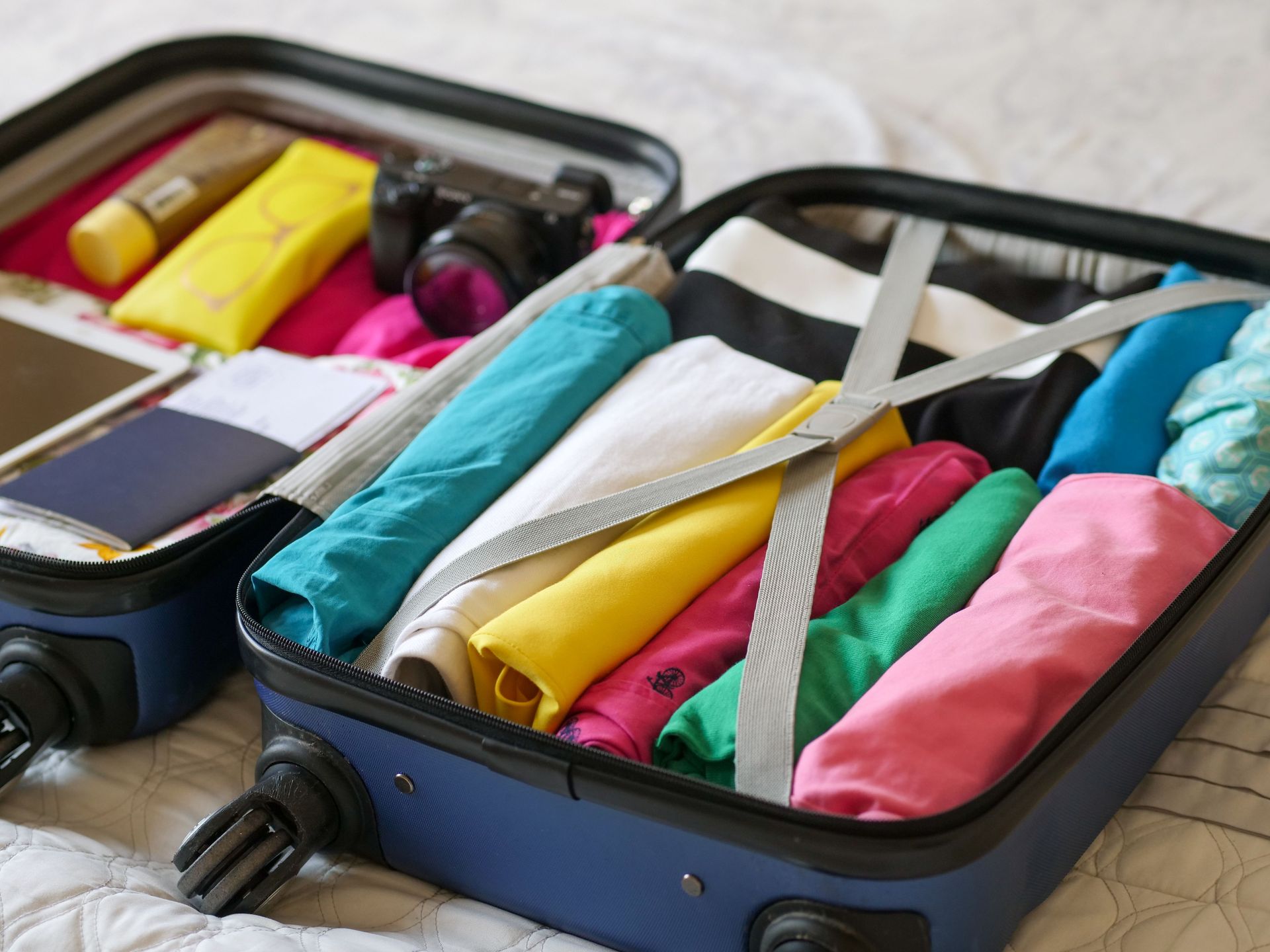
The most common packing mistake is bringing items for situations that are unlikely to occur rather than packing specifically for the itinerary as planned: the formal outfit for the "just in case" nice dinner that doesn't happen, the hiking boots for the "maybe we'll do a trail" day that doesn't materialize, the extra pair of jeans "in case" the first pair gets dirty on a trip where laundry access exists.
This mistake feels responsible while packing because it hedges against every possible scenario, but it consistently produces an overpacked bag carrying weight and volume for a trip that never actually happens, while the genuine, planned activities of the actual itinerary get, if anything, less careful consideration because the packing effort was spent accounting for hypotheticals instead.
The correction is a specific discipline: pack against the actual, confirmed itinerary — the dinner reservations already made, the activities already booked — rather than against a speculative version of the trip that includes everything that theoretically could happen. Items for genuine possibilities (a rain jacket for a destination with real rain probability) are reasonable; items for low-probability hypotheticals invented specifically to justify bringing something extra are the pattern worth interrupting.
Burying the items needed first at the bottom of the bag
Timur Weber / Pexels
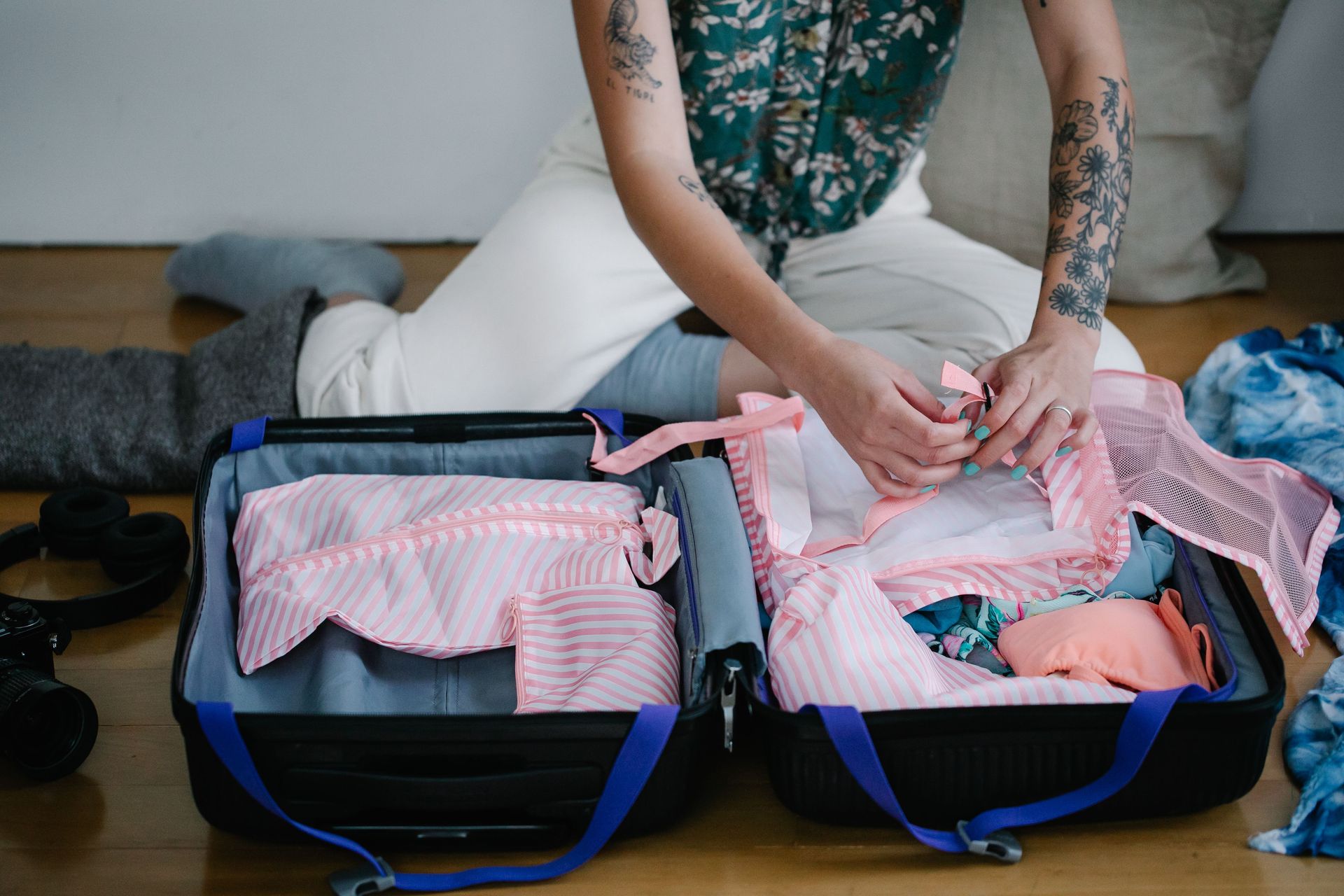
Packing typically proceeds in the order items are gathered rather than the order they will actually be needed, which means the items required immediately upon arrival — a phone charger, a change of clothes for a long flight, travel documents, medication — frequently end up at the bottom of a suitcase beneath everything packed afterward, requiring a full unpacking and repacking exercise at the exact moment (tired, in an unfamiliar location, possibly in a rush) when that exercise is least welcome.
This mistake happens because packing is usually organized around fitting items efficiently into available space rather than around the sequence in which those items will be retrieved, and the two organizing principles frequently conflict: the most space-efficient packing order is rarely the same as the most retrieval-efficient order.
The correction is to pack in reverse order of need: items required last (special occasion clothing, items only needed toward the end of the trip) go in first, and items required immediately upon arrival or during the journey itself (a change of clothes, chargers, any medication, the first day's essentials) go in last, ensuring they sit at or near the top of the bag rather than requiring excavation through everything packed for later in the trip.
Ignoring weight and size limits until the airport
Timur Weber / Pexels
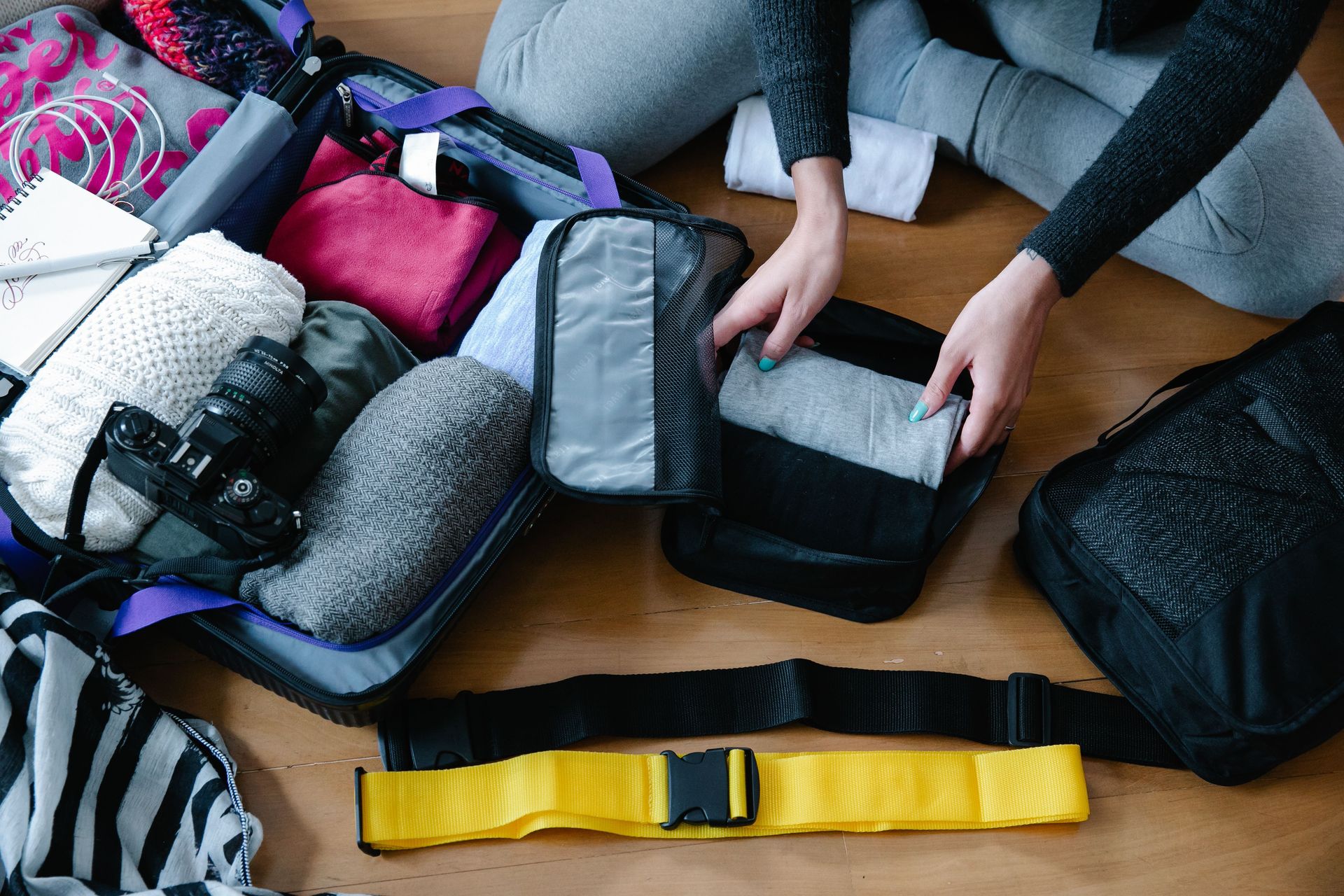
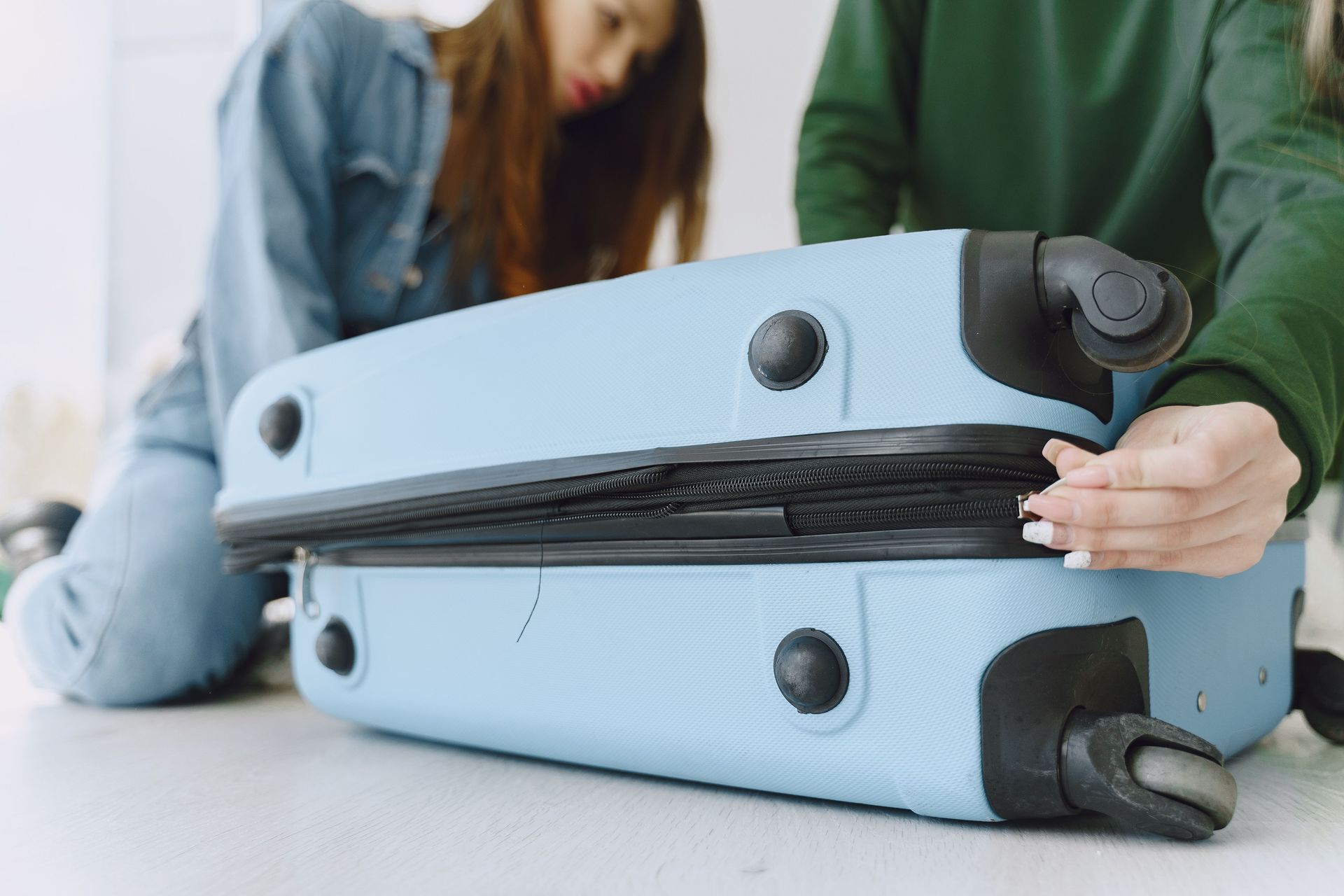
Checking a bag's weight and dimensions against the specific airline's limits is frequently deferred until arrival at the airport, at which point discovering an overweight bag produces a limited and unpleasant set of options: paying a significant overweight fee on the spot, hastily repacking items into a carry-on or personal item in the airport itself, or leaving items behind entirely — none of which would be necessary if the weight had been checked at home, where a scale, extra bags, and time to make adjustments are all readily available.
This mistake persists because weight limits feel like an abstraction until the specific moment a bag is placed on an airline's scale, and many travelers simply assume their packed bag will fall within typical limits without verifying it, particularly on trips where the traveler has successfully avoided overweight fees on previous trips with less luggage.
The correction is a five-minute habit that eliminates the entire risk: weighing the packed bag at home using a simple luggage scale (inexpensive and widely available) before departure, checking the result against the specific weight limit of the specific airline being used for that specific trip (limits vary meaningfully between airlines and between cabin classes), and making any necessary adjustments in the controlled environment of home rather than the time-pressured environment of an airport check-in counter.
Packing liquids and toiletries without securing them against leaks

Sarah Chai / Pexels
Liquid toiletries — shampoo, sunscreen, contact lens solution — packed in a suitcase without adequate protection against pressure changes and jostling during transit frequently leak, producing the specific and avoidable frustration of arriving to find clothing saturated in shampoo or, in more serious cases, a leaked liquid item causing permanent staining to fabric or damage to electronics packed nearby.
This mistake happens because the risk feels low in any individual instance — most bottles, most of the time, do not leak — but the cumulative probability across many trips and many bottles means that leaks occur with enough regularity that most frequent travelers have experienced this exact frustration at least once, usually attributing it to bad luck rather than a preventable packing error.
The correction involves two simple steps: placing any liquid container inside a sealed plastic bag before packing (containing any leak that does occur to the bag rather than allowing it to spread to surrounding items), and, for bottles that are not already nearly full, either topping them off to reduce the air space that pressure changes act upon or placing a small piece of plastic wrap under the cap before screwing it on, which provides an additional seal against the specific cap-loosening that pressure changes and jostling in transit commonly produce.
Packing electronics chargers loose rather than organized
Timur Weber / Pexels
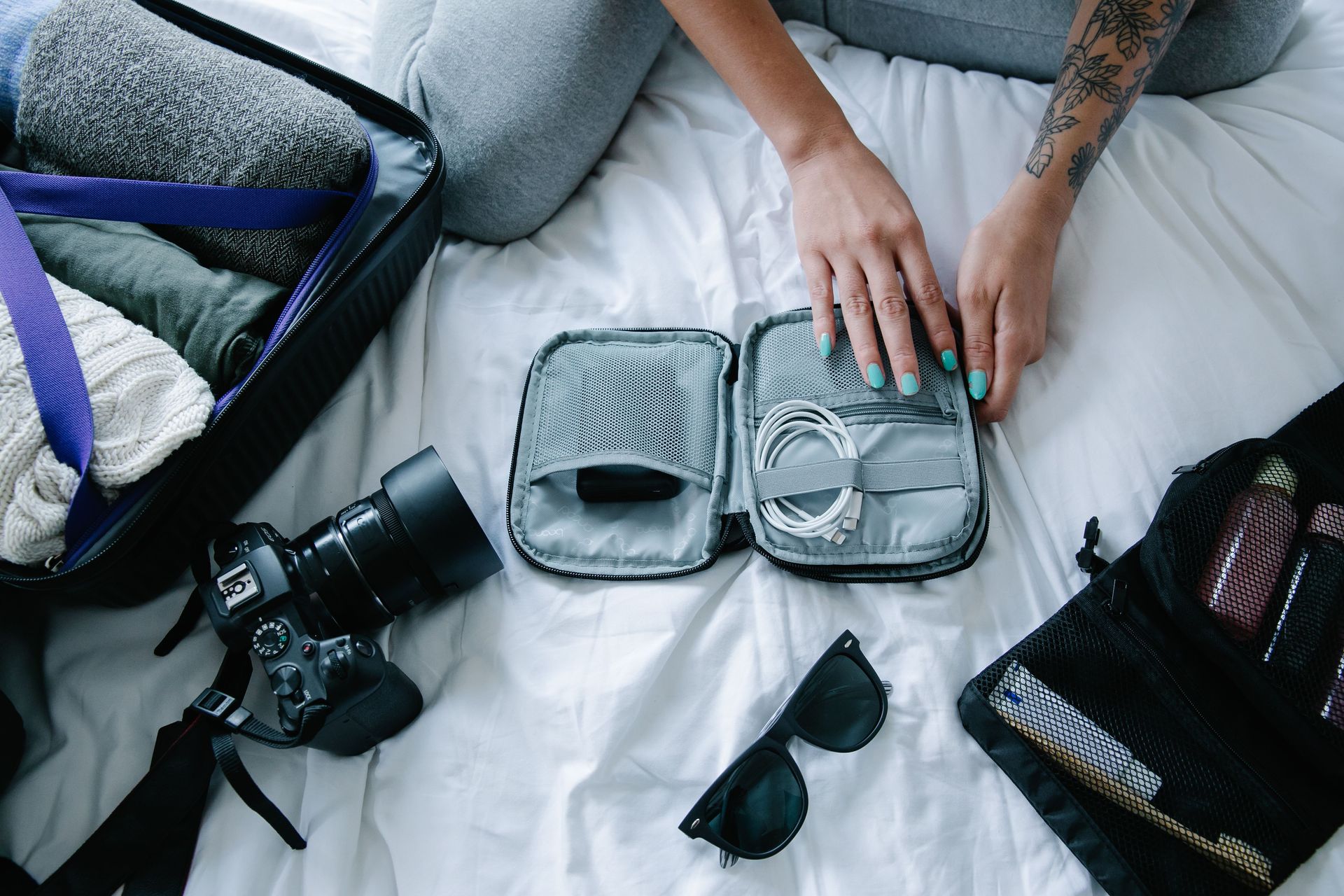
Chargers, cables, and small electronic accessories packed loose in a bag or a general pocket rather than organized in a dedicated pouch or case reliably become tangled, difficult to locate, and prone to being left behind at a hotel or previous location, since a loose cable has no consistent, visually distinct home within the luggage the way an organized pouch does.
This mistake compounds across a trip: the time lost untangling cables at each stop, the risk of leaving a charger plugged into a hotel wall outlet because it was never returned to a specific, checked location, and the general frustration of searching through a bag's contents for a specific small item among several similar-looking loose cables, all represent avoidable friction that a small organizational investment eliminates entirely.
The correction is a dedicated electronics organizer — a small pouch or case with defined compartments — used consistently, with a specific habit of returning every cable and charger to that same pouch immediately after use rather than leaving it plugged in or set down elsewhere, which both prevents the tangling problem and creates a single, checkable location to verify nothing has been left behind before departing any location during the trip.
Assuming laundry or shopping will solve gaps in the packed wardrobe
Timur Weber / Pexels
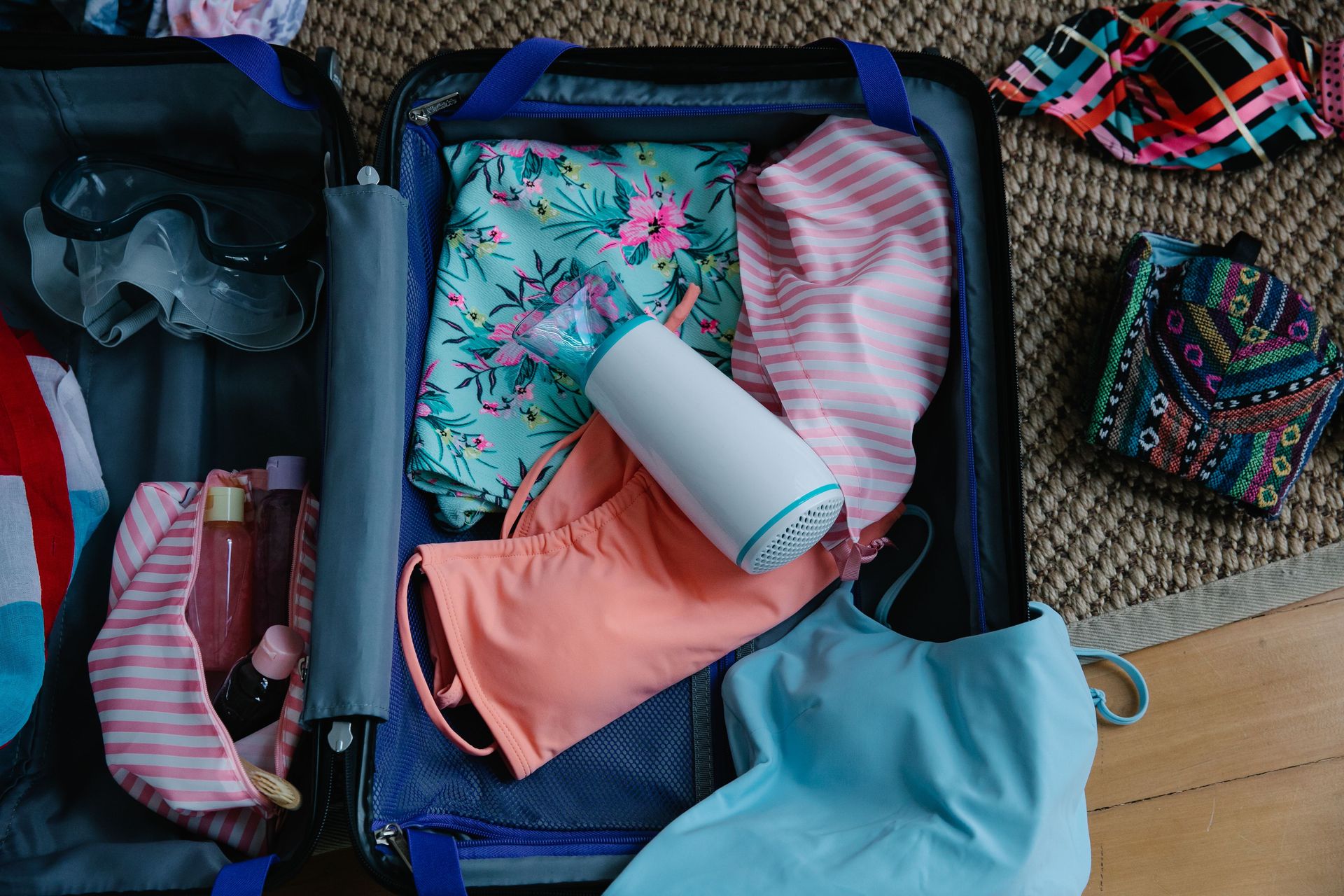
Some travelers deliberately underpack certain categories of clothing, assuming that laundry facilities or local shopping will fill any gaps that develop during the trip — a reasonable strategy in some circumstances but one that frequently fails when the assumed laundry access doesn't materialize (a hotel without a laundry service, a destination where laundromats are less accessible than expected) or when local shopping proves more expensive, less convenient, or less suited to the traveler's needs than anticipated.
This mistake is distinct from the "just in case" overpacking problem described earlier because it represents the opposite error: underpacking based on an assumption about resources that will be available during the trip, rather than overpacking based on hypothetical scenarios that won't occur, and it produces the specific problem of a traveler mid-trip with insufficient appropriate clothing and limited good options for addressing the gap.
The correction is to verify laundry access specifically (checking the accommodation's actual amenities rather than assuming a generic hotel will have laundry service, or confirming a laundromat's actual location and hours near a planned destination) before relying on it as part of the packing plan, and to treat "I'll do laundry" or "I'll buy what I need there" as a plan that requires the same specific verification as any other trip logistics rather than a default assumption that requires no confirmation.
Failing to separate valuables and essentials from checked luggage
Gustavo Fring / Pexels
Placing items that would be genuinely difficult or costly to replace — medication, important documents, expensive electronics, a change of clothes sufficient to manage a day or two — entirely within checked luggage rather than distributing at least some of them into a carry-on creates a specific and significant risk: checked luggage that is delayed, misrouted, or lost leaves the traveler without any of these items for a period ranging from several hours to, in rare but real cases, permanently.
This mistake happens because checked luggage feels secure and reliable in the vast majority of cases, and the low statistical probability of significant baggage mishandling on any single flight makes it easy to treat the risk as negligible, even though the consequence when it does occur — arriving at an international destination without medication, without a change of clothes, or without essential work materials for a business trip — can be severe enough that the low probability does not justify the risk for the specific category of truly essential items.
The correction is a consistent triage: medication, critical documents (passport, visa materials, critical business documents), and a basic change of clothes and toiletries sufficient to manage a day without checked luggage should travel in a carry-on regardless of how minor the perceived risk of checked baggage issues feels for any specific flight, treating this as a non-negotiable packing rule rather than a case-by-case judgment call that is easy to skip when in a hurry or trying to minimize carry-on bulk.
Not accounting for the return trip while packing for departure
Mizuno K / Pexels
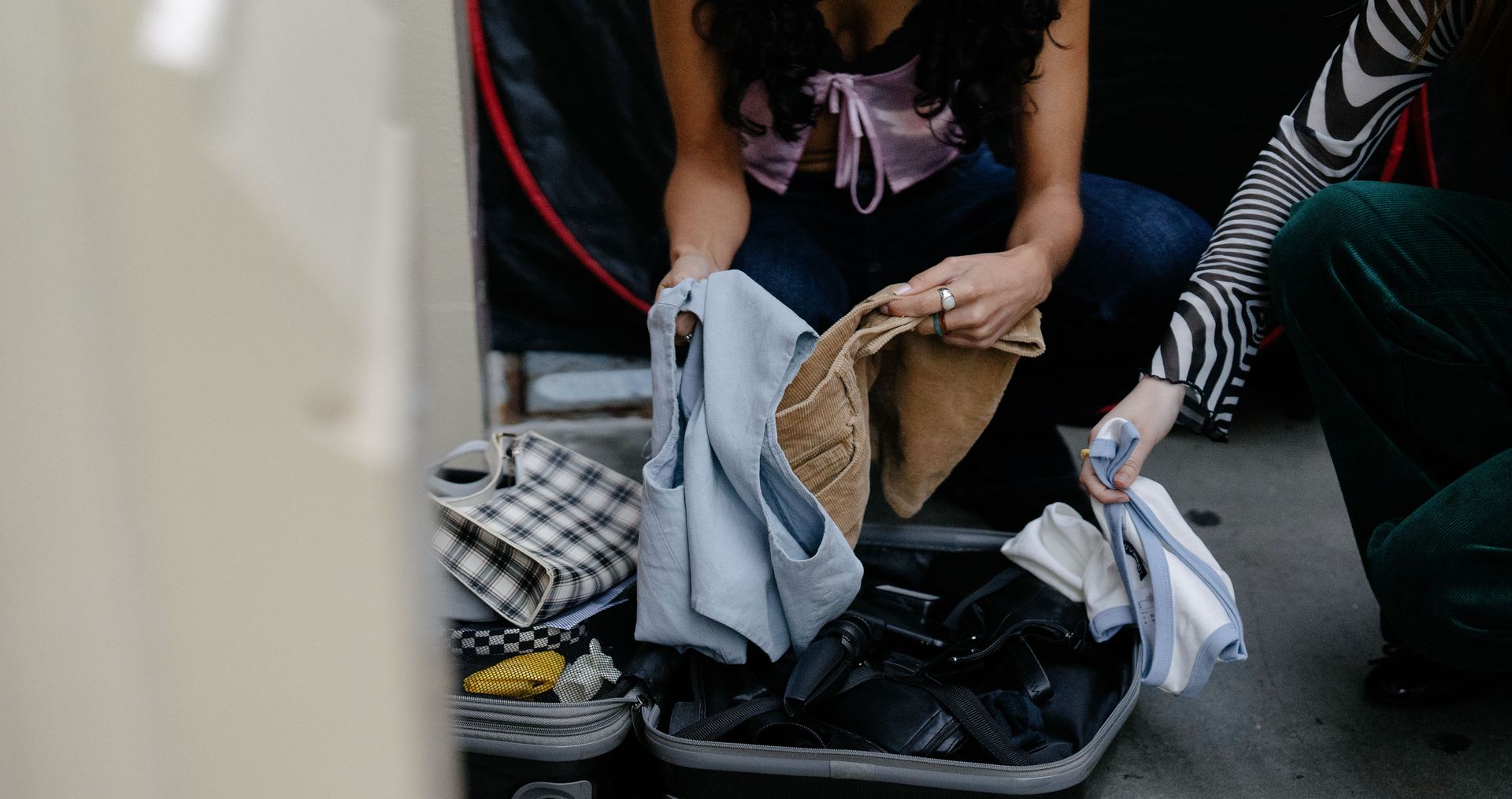
Packing is almost always approached as a single-direction problem — fitting everything needed for the trip into the bag before departure — without accounting for the fact that the same bag will need to accommodate the return trip as well, including any souvenirs, gifts, or additional items acquired during the trip, and including laundry that will now be dirty rather than clean and therefore may require different packing (separated from clean items) than the outbound trip did.
This mistake becomes apparent specifically at the point of repacking for the return journey, when a bag that fit comfortably on the outbound trip suddenly does not accommodate the same items plus whatever has been added during the trip, producing a scramble to either discard items, wear multiple layers of clothing to reduce what needs to be packed, or purchase an additional bag at the destination to accommodate the overflow.
The correction is to pack the outbound bag with deliberate extra capacity rather than filling it to its absolute limit, specifically anticipating that the return trip will need to accommodate additional volume, and for trips where significant shopping or souvenir acquisition is expected, packing a collapsible extra bag (many travel-specific foldable duffel bags pack down to a very small size) as a specific contingency for the return trip's increased volume needs.