
15 pantry staples and the meals you can build from them
From canned chickpeas to dried pasta, these 15 ingredients can anchor dozens of satisfying meals — no special shopping trip required
Credit: RDNE Stock project / Pexels
The best cooking happens when the fridge is nearly empty. Not because scarcity sparks creativity, though it sometimes does, but because pantry cooking forces a kind of discipline that restaurant cooking and recipe-following rarely demand: you work with what you have, you understand what each ingredient actually does, and you stop treating a recipe as a fixed contract between you and dinner.
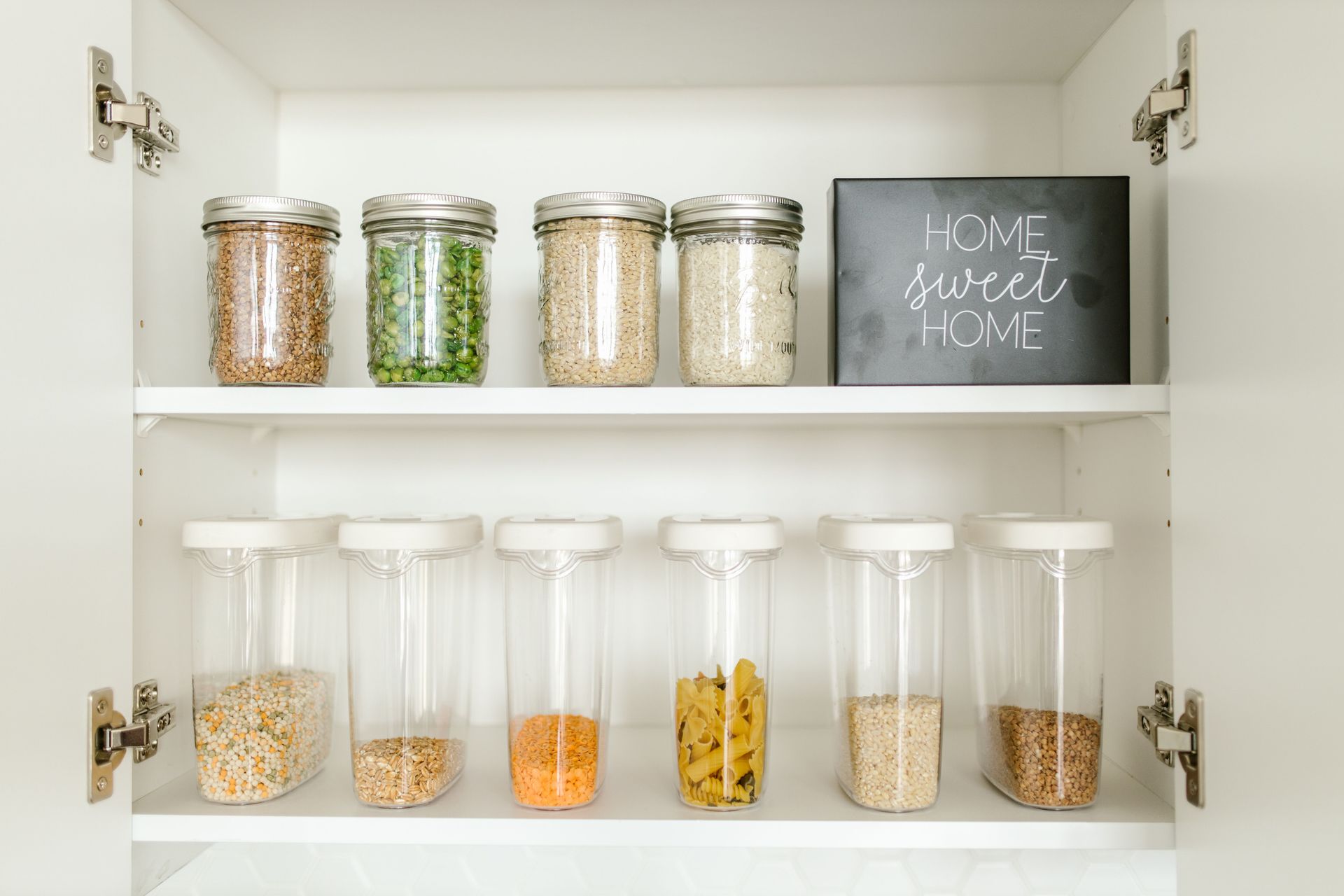
Most home cooks have a version of a pantry — a collection of shelf-stable ingredients they keep on hand for emergencies, weeknight shortcuts, or the nights when a grocery run simply isn't happening. But those pantries are often underused. Canned tomatoes sit behind the pasta sauce. Rice gets pushed to the back once the risotto phase passes. A half-used bag of lentils waits for a soup that never gets made.
The gap between a well-stocked pantry and a useful one is mostly knowledge. Once you understand what each staple can do — not just one dish, but three or four — your cooking changes. You stop thinking in recipes and start thinking in ingredients. You stop panicking when the fridge is bare.
This list covers 15 pantry staples that offer genuine range. Not novelty ingredients or specialty items that require a trip to a specific store. These are the workhorses: the things that show up in kitchens across dozens of cuisines, that keep for months without degrading, and that can be combined with each other or with minimal fresh ingredients to produce real, complete, satisfying meals.
Each item here anchors at least two or three distinct dishes — different enough that you're not just making the same thing with slight variations. That range is the point. A pantry staple earns its shelf space not by being versatile in theory, but by being useful in practice, on a Wednesday night, when you have 30 minutes and whatever else is sitting on the counter.
The goal isn't to turn your kitchen into a survivalist bunker. It's to build the kind of cooking confidence that comes from knowing you're never truly stuck. Stock these 15 things, understand what each one can do, and you'll find that "there's nothing to eat" is almost never true.
Canned chickpeas
Credit: Nasty Fotografia / Pexels
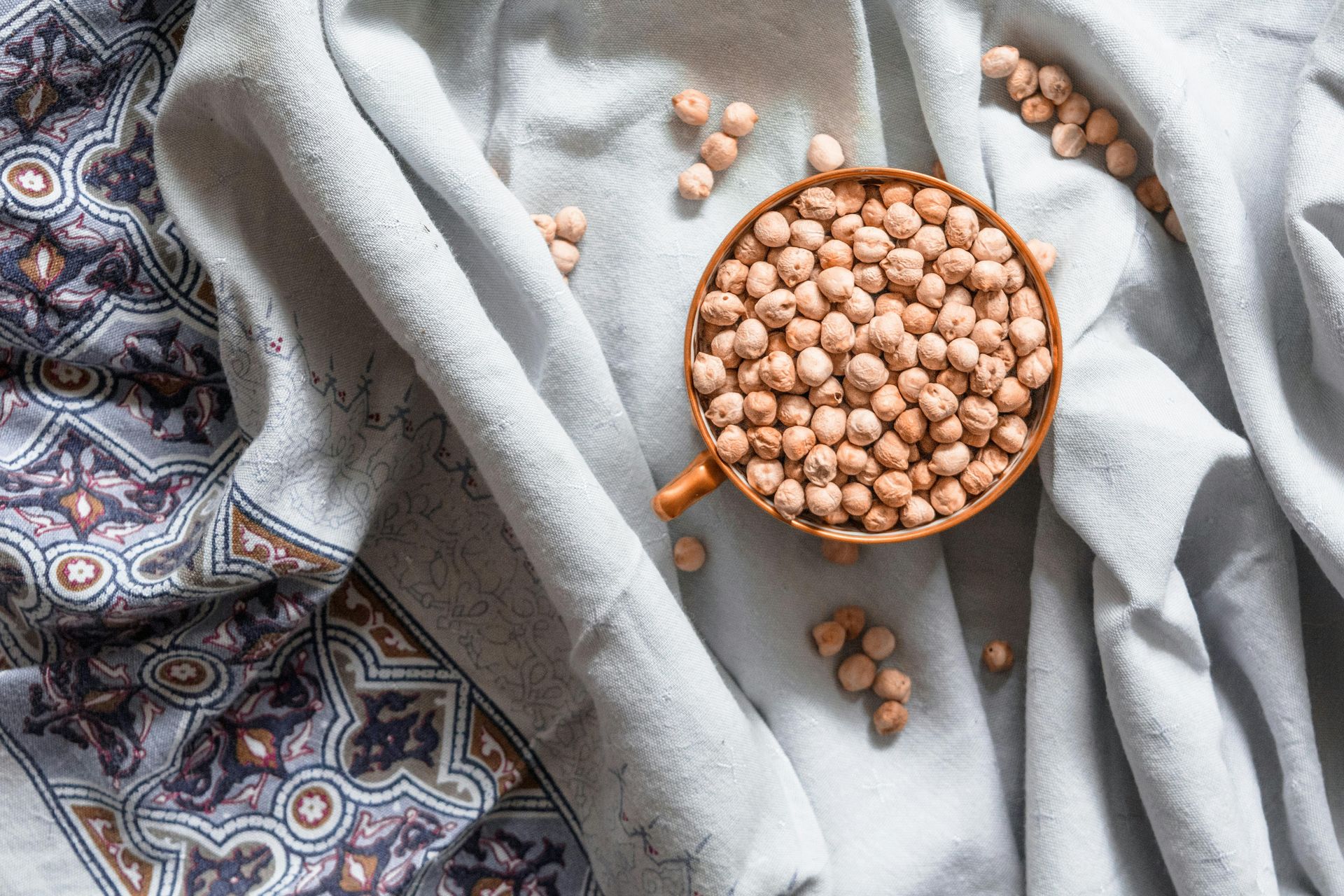
Chickpeas — also sold as garbanzo beans — are one of the most reliably useful items in any pantry. A single can, drained and rinsed, contains roughly 15 grams of protein and enough starch to anchor a meal without any meat at all. They're mild in flavor, which means they absorb spices and sauces rather than competing with them, and they hold their shape well during cooking.
The most direct use is a simple chickpea stir-fry. Heat olive oil in a pan, add a drained can of chickpeas, and cook until they begin to crisp at the edges — about eight to ten minutes over medium-high heat. Season with cumin, smoked paprika, garlic powder, salt, and a squeeze of lemon. That's already dinner, particularly over rice or tucked into a warm flatbread with whatever sauce you have nearby. The crisped exterior gives a texture contrast that makes the dish feel intentional rather than improvised.
Chickpeas also form the base of chana masala, one of North India's most widely eaten dishes. The sauce is built on onion, garlic, ginger, tomato, and a spice blend that includes cumin, coriander, turmeric, and garam masala. The chickpeas simmer in this sauce long enough to absorb the flavors and soften slightly without falling apart. It's a dish that tastes like it took longer than it did, and it reheats well — often better the next day.
For a Mediterranean angle, chickpeas work well in a simple braise with canned tomatoes, garlic, a pinch of red pepper flakes, and fresh or dried rosemary. A piece of crusty bread is enough to complete the meal. The liquid from the braise, thickened slightly by the chickpeas' starch, functions almost like a sauce.
Chickpea soup is another strong option. Sauté onion and garlic, add broth, two cans of chickpeas, and whatever dried herbs you have — thyme and bay leaf are classic. Simmer for 20 minutes, then use a ladle to mash some of the chickpeas against the side of the pot. This thickens the broth and gives the soup body without any added cream or starch.
One more technique worth knowing: aquafaba, the liquid in the can, is a functional egg-white substitute in baking. It whips into stiff peaks and can be used in meringues, mousses, and some batters. It's easy to discard, and worth keeping.
Dried pasta
Credit: Jane Korsak / Unsplash
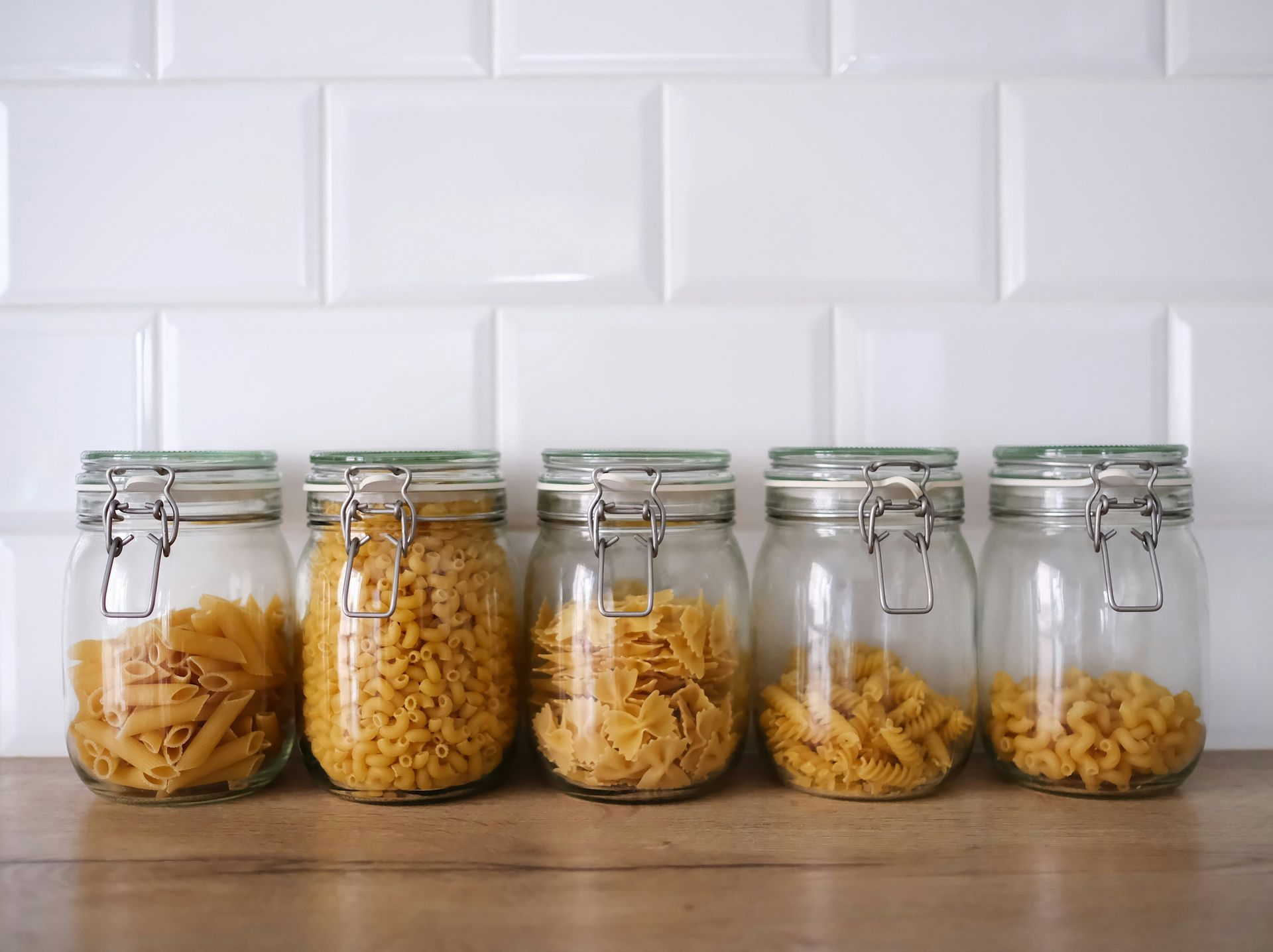
Pasta is the single most forgiving ingredient in a Western pantry. It tolerates long shelf life, cooks in under 15 minutes, works with almost any sauce, and scales easily from one serving to eight. A 500-gram box of spaghetti, linguine, penne, or rigatoni is enough infrastructure for multiple weeknight meals.
The sauce you make matters more than the pasta shape, but shape isn't irrelevant. Long, thin pasta like spaghetti or linguine works best with olive oil–based sauces and light tomato sauces — the strands coat evenly. Short, ridged pasta like rigatoni or penne traps chunkier sauces inside the tube or along the ridges. If you can keep two shapes on hand, one long and one short, you'll have more flexibility.
Aglio e olio — pasta with garlic and olive oil — is the clearest example of pantry cooking done well. Boil the pasta. While it cooks, slice four or five garlic cloves thin and cook them gently in a generous pour of olive oil until they turn pale gold. Add red pepper flakes. Reserve a cup of the pasta's starchy cooking water before draining. Toss the drained pasta in the garlic oil, adding pasta water a splash at a time until the sauce emulsifies into something glossy and cohesive. Finish with parsley if you have it. The whole process takes 20 minutes and requires nothing from the fridge.
Cacio e pepe — pasta with cheese and black pepper — is structurally similar and equally minimal. The technique requires more care: the cheese, usually Pecorino Romano or Parmesan, must be mixed with pasta water at the right temperature to melt into a sauce rather than clumping. But once you understand the method, it becomes a reliable, quick meal with ingredients that keep indefinitely.
Pasta al pomodoro, with canned tomatoes, is another anchor dish. Cook down a can of whole peeled tomatoes with olive oil, garlic, salt, and a pinch of sugar if the tomatoes are acidic. The sauce takes about 20 minutes of simmering to develop depth. It works with any pasta shape and can be made richer with a parmesan rind simmered in during cooking.
Canned tomatoes
Credit: Valeria Boltneva / Pexels
A can of whole peeled tomatoes, crushed tomatoes, or diced tomatoes is one of the most useful items a pantry can hold. Tomatoes are perishable; canned tomatoes are not. And because canning happens at peak ripeness, canned tomatoes are often better than out-of-season fresh ones.
The range of dishes you can build from canned tomatoes is broad enough to span cuisines. A basic tomato sauce for pasta is the most obvious — but even within that category, there are at least three distinct approaches. A quick sauce cooks in 20 minutes and stays bright and acidic. A long-cooked Sunday sauce simmers for two or more hours and becomes sweeter, deeper, and thicker. A San Marzano–style sauce uses the highest-quality whole peeled tomatoes, barely cooked, with olive oil and basil.
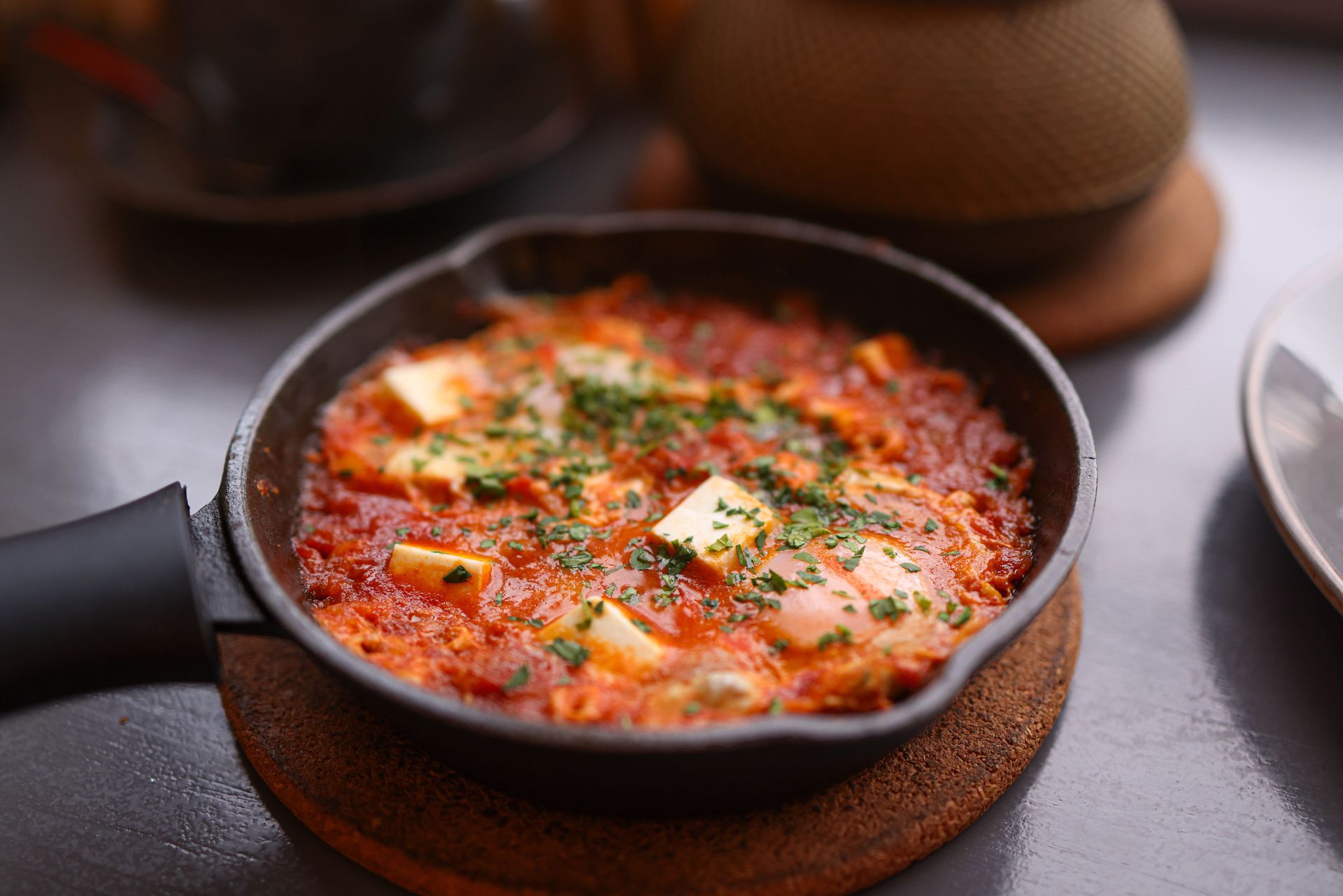
Shakshuka is a North African and Middle Eastern dish that has become widely popular for good reason: it's fast, filling, uses pantry ingredients, and looks more complex than it is. Sauté onion, bell pepper, and garlic in olive oil. Add cumin, smoked paprika, and cayenne. Pour in a can of crushed tomatoes and simmer until thickened, about ten minutes. Make wells in the sauce and crack eggs directly into them. Cover the pan and cook until the whites are just set but the yolks are still soft. Serve with bread.
Tomato-based soups — from a simple tomato bisque to minestrone — also rely heavily on canned tomatoes. Minestrone is particularly useful as a pantry dish because it absorbs whatever you have: pasta, canned beans, dried herbs, whatever vegetables need using.
A tomato braising liquid transforms tougher proteins. Pork shoulder, lamb shanks, and chicken thighs all benefit from long, slow cooking in a sauce of canned tomatoes, onion, garlic, wine if available, and stock or water. The tomatoes' acidity helps break down connective tissue while their sugars caramelize against the bottom of the pan.
Canned tomatoes also form the base of many Indian and Pakistani dishes — butter chicken, dal makhani, and countless regional curries all use them as a sauce foundation.
Dried lentils
Credit: Anshu Kumar / Pexels
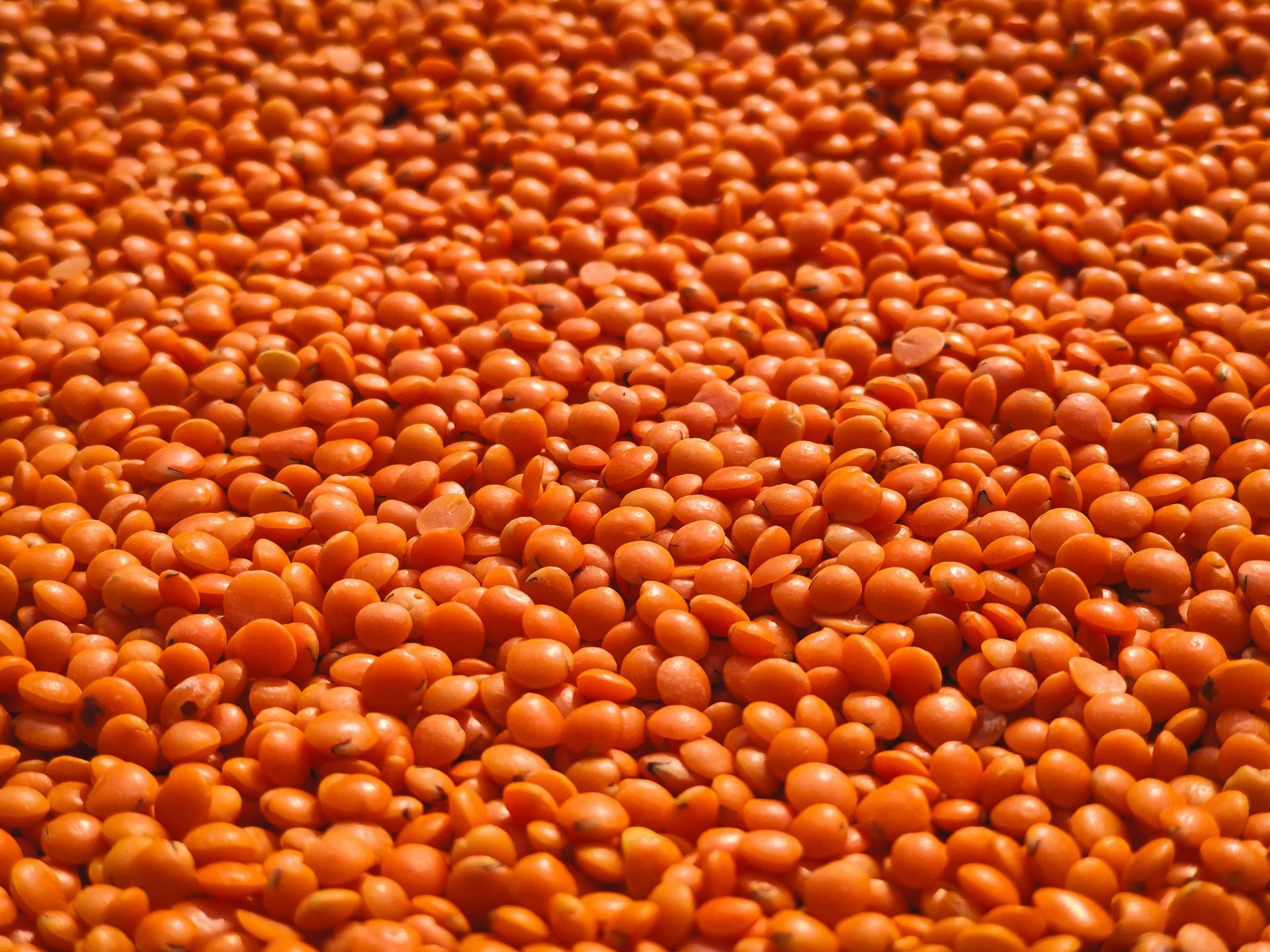
Lentils are among the most efficient foods available: high in protein, high in fiber, inexpensive, and fast-cooking compared to other dried legumes. They require no soaking. Red lentils dissolve into a thick, porridge-like consistency when cooked, making them ideal for dal and thick soups. Green and brown lentils hold their shape better and work well in salads, stews, and grain-style bowls.
Red lentil dal is one of the fastest complete meals you can make from a pantry. Simmer one cup of rinsed red lentils in two and a half cups of water or broth with turmeric, salt, and a bay leaf until they collapse — about 20 minutes. While they cook, prepare a tarka: heat oil or ghee in a small pan, add cumin seeds, mustard seeds if you have them, sliced garlic, dried chili, and cook until the garlic is lightly golden. Pour the tarka over the cooked lentils and stir to combine. The technique — blooming whole spices in hot fat, then combining with a cooked base — produces complexity far beyond what the ingredient list suggests.
Lentil soup with tomato and cumin is a staple across the Middle East. Sauté onion and garlic, add red lentils, canned tomatoes, cumin, coriander, and enough water or stock to cover by two inches. Simmer 25 to 30 minutes, then blend partially for a texture that's both smooth and chunky. A finish of lemon juice brightens the whole pot.
French green lentils — sold as Puy lentils or du Puy — work differently. Because they keep their shape, they're well-suited to grain-bowl preparations: cooked, cooled, and dressed with vinaigrette, then topped with whatever roasted vegetables or cheese is available. They also pair well with salmon and sausage in more involved preparations.
Lentils also appear in mujaddara, a Levantine dish of lentils and rice cooked together, finished with deeply caramelized onions. The combination of legume and grain provides complete protein, and the caramelized onions give sweetness and depth.
Long-grain white rice
Credit: RDNE Stock project / Pexels
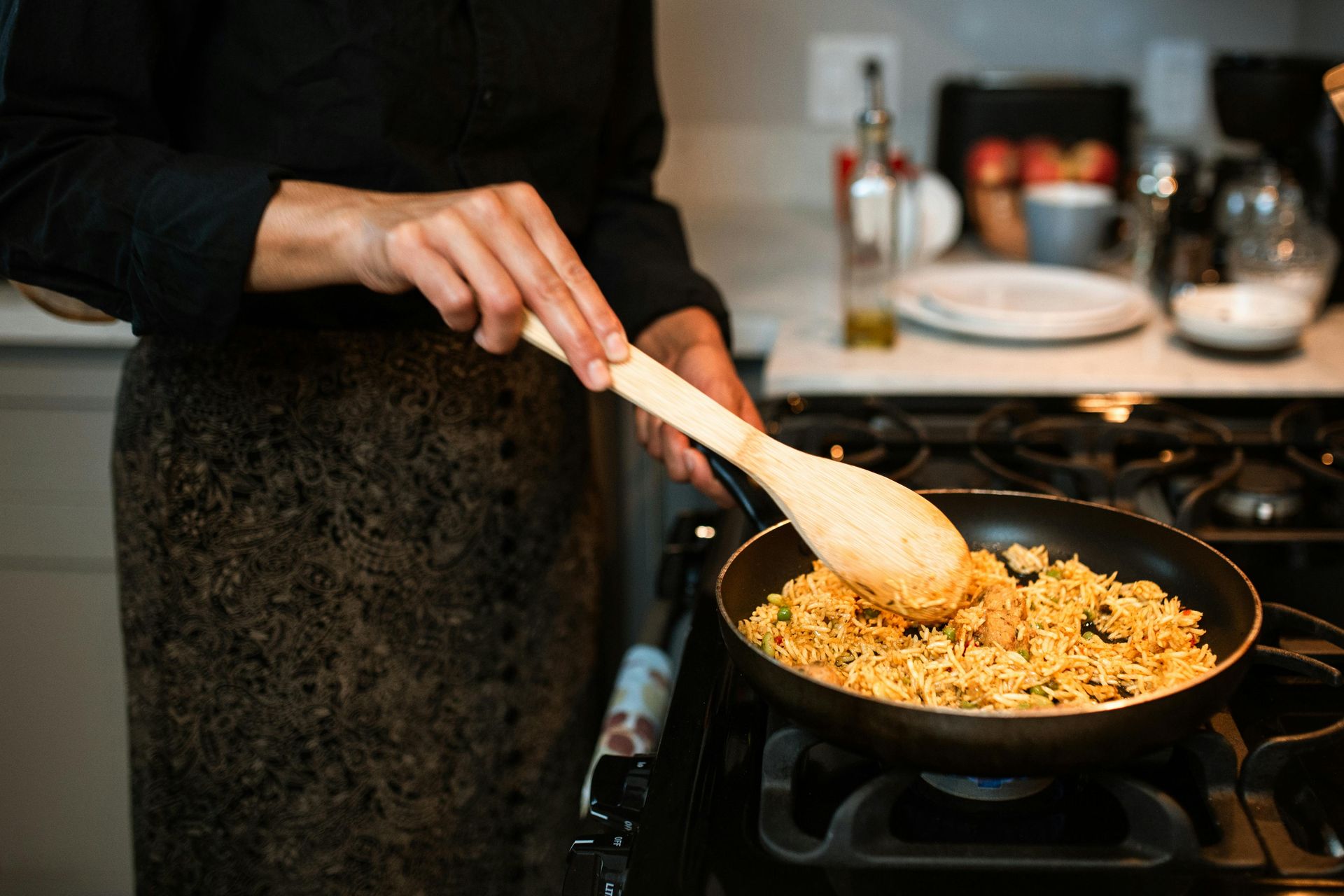
Rice feeds more of the world's population than any other grain. It's inexpensive, shelf-stable for years when stored properly, and neutral enough in flavor to support almost any cuisine. Long-grain white rice — varieties like basmati, jasmine, or standard American long-grain — cooks in under 20 minutes and pairs with proteins, vegetables, legumes, and sauces with equal ease.
The most important thing to understand about rice is the water ratio, and the fact that it varies by type. Basmati, rinsed until the water runs clear, typically cooks well at a 1:1.5 ratio (one cup rice to one and a half cups water) using the absorption method. Jasmine often works at closer to 1:1.75. Standard long-grain white rice is usually cooked at 1:2. Following these ratios, bringing the water to a boil, then covering and reducing to the lowest possible heat, and leaving undisturbed for 18 minutes produces reliably good rice without any special equipment.
Fried rice is one of the best uses for leftover rice. Day-old rice, refrigerated overnight, has dried out enough that it fries rather than steams. A wok or large skillet over high heat, a neutral oil, aromatics — garlic, ginger, scallion — soy sauce, and whatever protein and vegetables are available can produce a complete meal in ten minutes.
Rice congee, called jook in Chinese, is worth knowing for its simplicity and adaptability. One cup of rice simmered in eight to ten cups of water or broth for 45 minutes to an hour breaks down into a thick, creamy porridge. It's a foundational dish across much of Asia and accommodates nearly any topping: a soft-boiled egg, pickled vegetables, chili oil, scallions, sesame oil. It's also one of the most calming meals to make, requiring little attention once the pot is going.
Rice also forms the base of pilaf, where the grains are toasted in butter or oil before the liquid is added, producing a nuttier flavor and more separated texture than plain boiled rice.
Olive oil
Credit: Lidya Kohen / Pexels
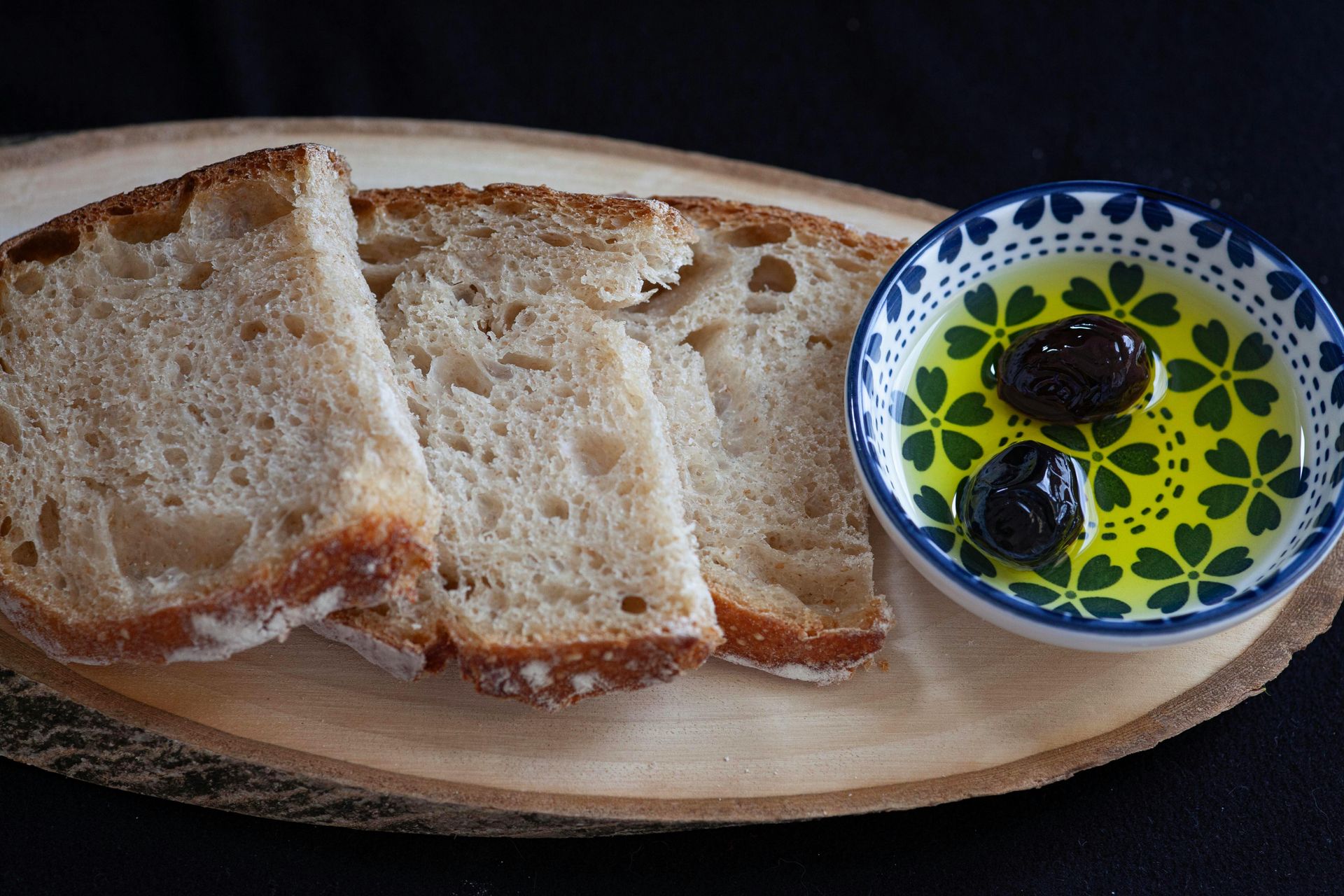
Olive oil is technically a fat rather than an ingredient in the way chickpeas or pasta are, but it functions as the foundation of an enormous range of cooking, particularly across Mediterranean and Middle Eastern cuisines. Without it, many pantry dishes wouldn't come together at all.
The chemistry matters here. Olive oil's flavor compounds are fat-soluble, which means cooking with it — blooming spices in it, emulsifying it with pasta water, building a soffritto — extracts and distributes flavor in ways water-based cooking can't replicate. It also forms the backbone of dressings, marinades, and bread dips where its flavor is the point.
Bruschetta is among the simplest uses: bread toasted or grilled, rubbed with a cut garlic clove while still hot, then drizzled with good olive oil and sprinkled with flaky salt. The heat of the bread gently cooks the garlic as it drags across the surface. It's less a recipe than a technique — the foundation for any number of toppings.
Olive oil is also the key ingredient in a confit technique that requires no meat. Sliced garlic or whole garlic cloves submerged in olive oil and cooked over the lowest possible heat for 30 to 45 minutes become jammy, sweet, and spreadable. The infused oil is equally useful as a sauce, a drizzle, or a base for vinaigrette. Confit garlic keeps in the fridge for at least two weeks.
In pasta dishes without heavy sauces, olive oil often does double duty as both cooking fat and sauce. Aglio e olio and pasta with anchovies both depend on olive oil's ability to emulsify with pasta water into something that coats the noodles rather than pooling at the bottom of the bowl.
A good extra-virgin olive oil is worth paying more for when it will be used raw or as a finish. For cooking at higher temperatures, a standard olive oil (not extra-virgin) holds up better and is less expensive.
Canned coconut milk
Credit: Роман Нагаевский / Pexels
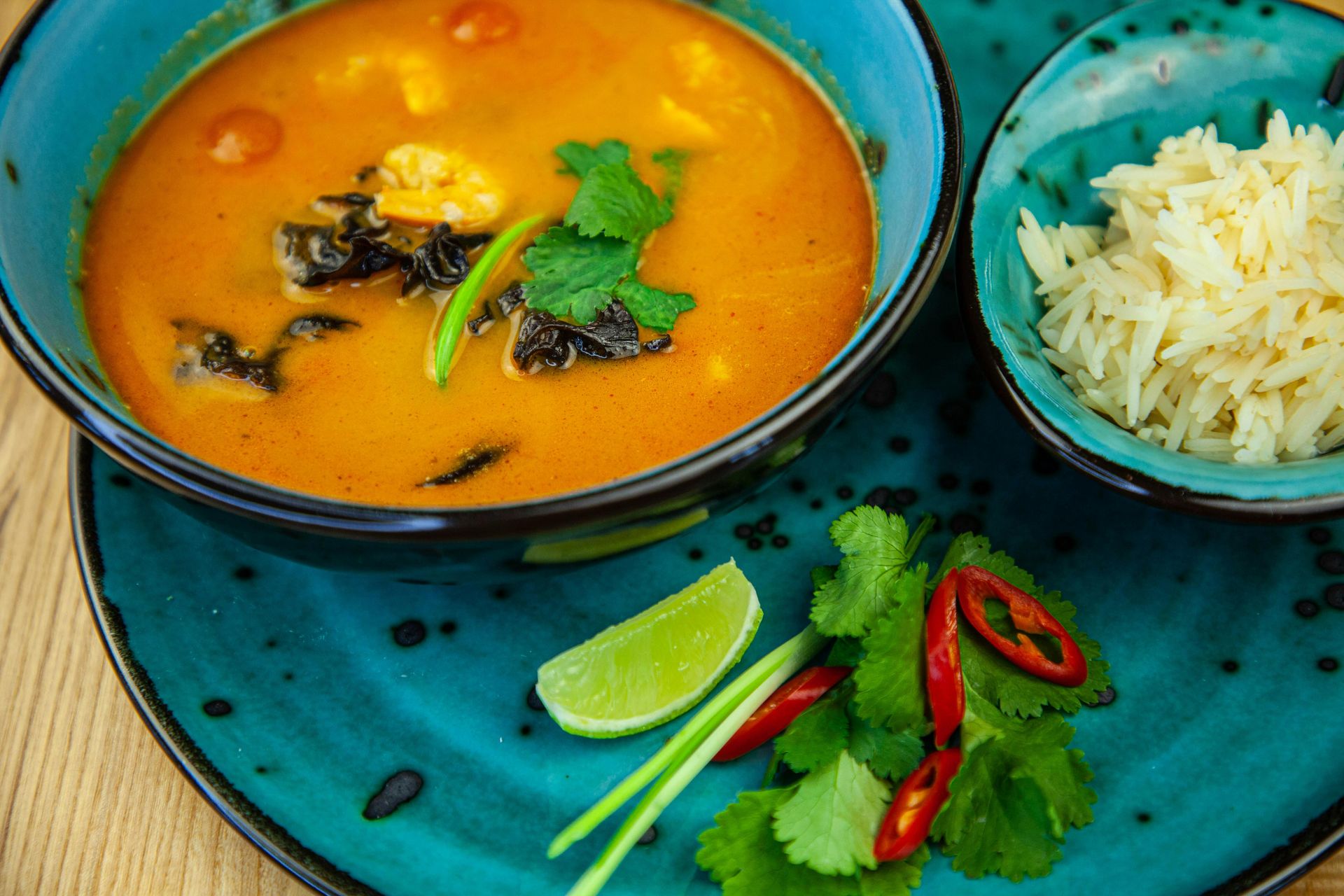
Coconut milk — the full-fat, canned variety — is one of the most useful fats and liquids in pantry cooking. It adds richness and body to curries, soups, and sauces in the way cream does in European cooking, but with its own distinctive flavor that works across South and Southeast Asian, Caribbean, and West African cuisines.
Thai curries are the most widely known application. A red or green curry paste — which can be bought in jars and keeps well in the fridge after opening — is fried briefly in the thick cream that rises to the top of an opened can of coconut milk, then combined with the remaining liquid, vegetables, protein, fish sauce, and lime. The whole dish cooks in under 20 minutes. The coconut milk tames the heat of the paste and provides the sauce's glossy, rounded quality.
Coconut milk also makes an excellent braising liquid for tougher cuts of meat. Chicken thighs or pork shoulder braised in coconut milk with lemongrass, ginger, galangal if available, and chili will produce a rich, fragrant sauce by the time the meat is tender. The milk solids in the coconut milk brown slightly and caramelize at the edges of the pan, adding depth.
Dal makhani — a richer, slower version of dal — uses coconut milk (or cream) to give the finished dish its characteristic silkiness. A similar effect works in any lentil or bean soup where you want a rounder, less acidic finish: a pour of coconut milk at the end of cooking smooths out sharp edges in the flavor.
Coconut milk rice — rice cooked in a mixture of coconut milk and water rather than water alone — is worth knowing. The rice absorbs the fat and sweetness of the milk, becoming fragrant and slightly sticky. It's the standard accompaniment to jerk chicken in Jamaican cooking and serves equally well alongside any spiced dish.
One practical note: full-fat coconut milk separates in the can, with thick cream at the top and thinner liquid below. Shake the can before opening if you want a uniform mixture, or deliberately separate them if your recipe calls for frying the paste in the thick cream.
Dried beans (black or white)
Credit: Sylwester Ficek / Pexels
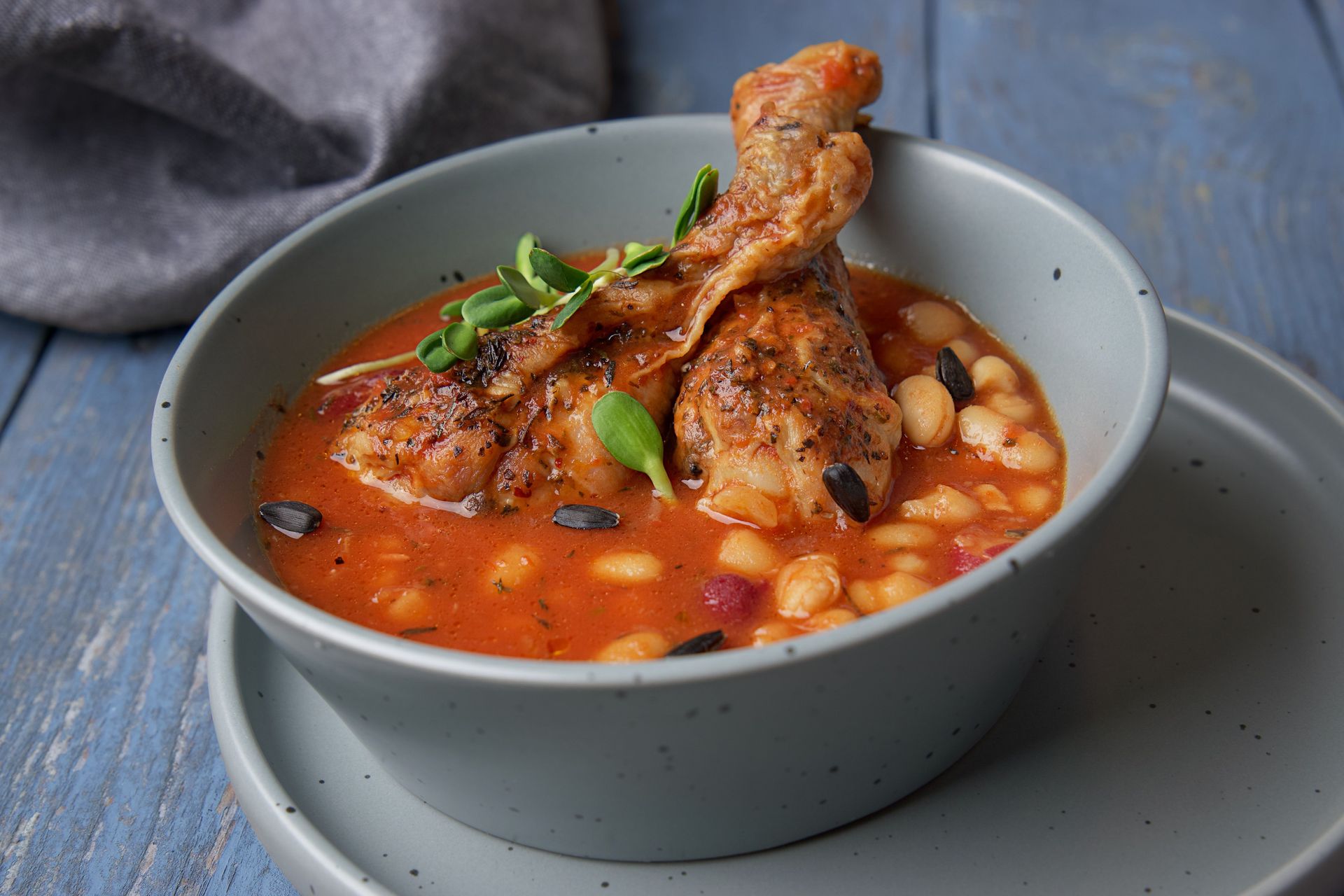
Dried beans — whether black beans, white beans like cannellini, navy beans, or Great Northern — take longer to cook than canned but deliver more control over texture and flavor. Dried beans, soaked overnight and then simmered, can be cooked to exactly the consistency the recipe requires. They also produce their own rich cooking liquid, which is a valuable byproduct.
Black bean soup is a straightforward dish with significant depth. Soak and cook the beans, reserving the cooking liquid. Separately sauté onion, garlic, cumin, smoked paprika, and oregano in oil until soft. Add the beans and enough cooking liquid to cover. Simmer another 20 minutes, then blend a third to a half of the soup and return it to the pot for body. Finish with lime juice. The result is hearty without being heavy.
White beans have a different character — creamier, milder, less earthy — and pair particularly well with olive oil, garlic, and fresh herbs. Tuscany's classic white bean preparations — beans braised with sage, garlic, olive oil, and sometimes pancetta — are built on this combination. Cannellini beans cooked this way and served on toast with good olive oil and a few drops of lemon are a complete, satisfying meal.
The cooking liquid from white beans — sometimes called pot likker in American Southern cooking — can be used as a light broth for soup, a sauce for pasta, or a poaching liquid for vegetables. It carries the beans' starch and flavor and shouldn't be discarded.
Refried beans, made from black or pinto beans cooked until very soft and then mashed or processed with fat and seasonings, are another use. Traditional refried beans use lard; olive oil or butter works as well. The result can serve as a spread, a dip, a filling, or a side dish, and keeps in the fridge for a week.
Soy sauce
Credit: Betty Rotaru / Unsplash
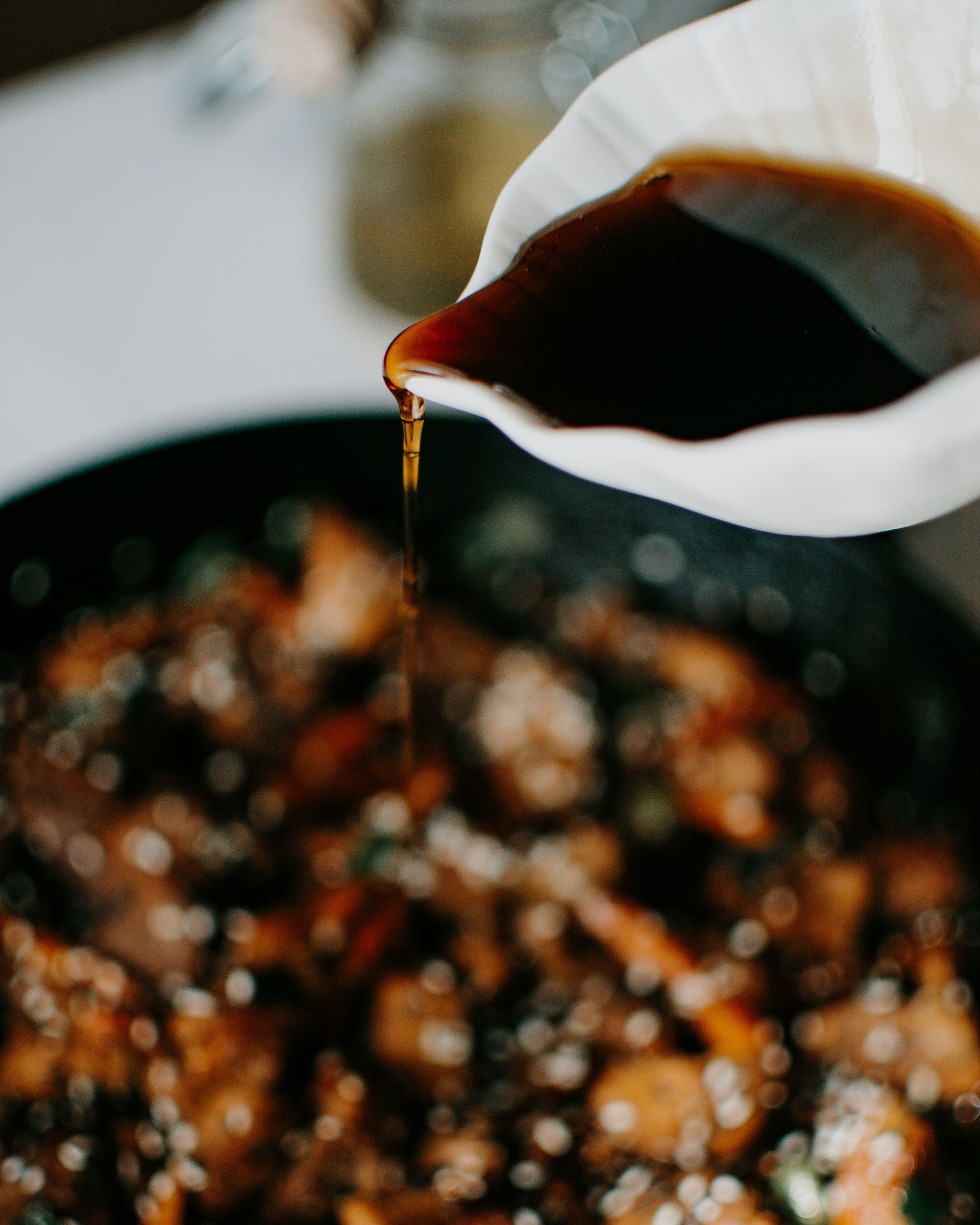
Soy sauce is a fermented condiment made from soybeans, wheat, water, and salt. It is one of the oldest manufactured food products in the world and one of the most useful items a pantry can hold. Its primary function in cooking is as a source of umami — the savory, rounded depth that comes from glutamate compounds — along with saltiness and a mild sweetness that develops during fermentation.
The distinction between Chinese soy sauce and Japanese soy sauce matters in practice. Chinese soy sauce (both light and dark varieties) is generally saltier and more pungent. Japanese soy sauce — most commonly sold under the brand Kikkoman — is slightly sweeter and more balanced, with a mellower finish. Tamari is a Japanese-style soy sauce made with little or no wheat, making it suitable for gluten-free cooking and slightly richer in flavor.
A simple stir-fry sauce can be built from soy sauce, garlic, ginger, a little sesame oil, and cornstarch dissolved in water. This combination, cooked over high heat with whatever vegetables and protein are on hand, produces a glossy, cohesive sauce that coats the ingredients evenly. The cornstarch gelatinizes in the heat and gives the sauce its characteristic thickness.
Soy sauce also functions as a marinade base for meat, fish, and tofu. Combined with garlic, ginger, a sweetener (honey, sugar, or mirin), and an acid (rice vinegar or citrus juice), it tenderizes protein and produces significant browning during cooking due to the sugars it contains.
Shoyu ramen — a Japanese noodle soup with a soy sauce–based broth — can be simplified considerably for home cooking. A broth made from chicken stock or even water, seasoned with soy sauce, a splash of sake or dry sherry, mirin, and sesame oil, is a functional version that comes together quickly. Add noodles and whatever toppings are available.
Vinegar
Credit: zeynep / Pexels
Vinegar's role in cooking is often underestimated. Its primary function is acidic brightness — the same lift that lemon juice provides, but more stable, less volatile, and available in a wider range of flavor profiles. Different vinegars work differently, and keeping two or three types opens up considerably more cooking range.
White wine vinegar is sharp and neutral, well-suited to vinaigrettes, pickles, and sauces where clean acidity is needed without additional flavor. It's the standard for many classical French dressings. Apple $AAPL cider vinegar is softer, with a mild sweetness and a slightly fruity note. It works well in barbecue sauces, slaws, and anywhere a rounder acidity suits the dish. Balsamic vinegar is thicker, sweeter, and more complex — a reduction of grape must aged in barrels. It pairs with cheese, roasted vegetables, and fruit.
Vinaigrette is the simplest application: three parts oil to one part vinegar, salt, and whatever seasonings you like — mustard, garlic, shallot, herbs. It improves nearly any salad, grain bowl, or roasted vegetable.
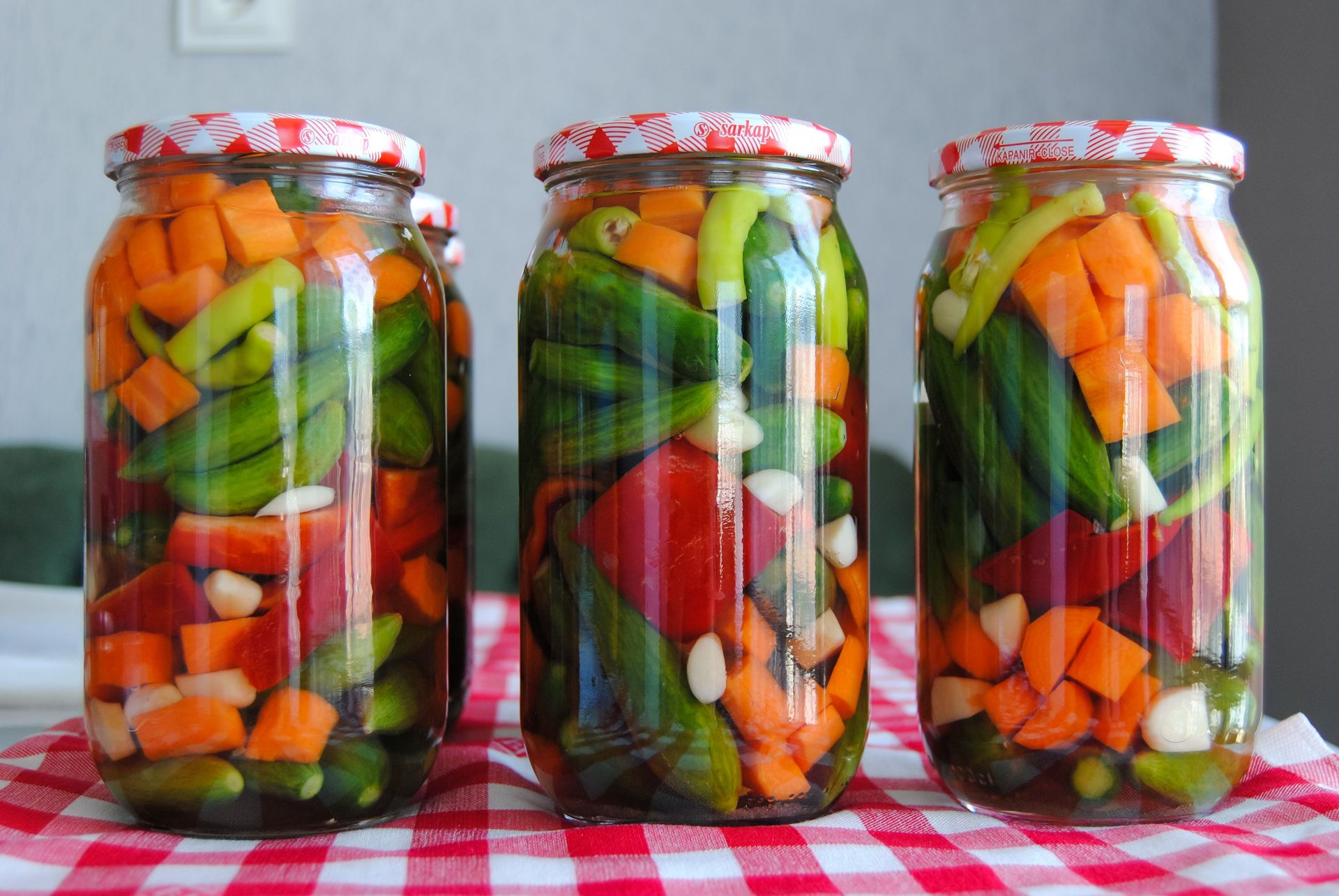
Quick-pickled vegetables are one of the most useful techniques that vinegar enables. Thin-sliced onions, cucumbers, radishes, or jalapeños submerged in a mixture of vinegar, water, sugar, and salt will be ready to eat in 30 minutes and last in the fridge for weeks. These pickles add acidity, texture, and contrast to tacos, sandwiches, grain bowls, and rice dishes, performing the function that fresh condiments often do without requiring any fresh produce.
A reduction of balsamic vinegar — simmered down to a thick glaze — becomes a sauce for cheese, roasted meats, or fruit. The process concentrates the natural sugars and deepens the flavor considerably. Pan sauces for chicken or pork often benefit from a splash of vinegar toward the end of cooking to cut through the richness of the fat.
Rolled oats
Credit: Livilla Latini / Pexels
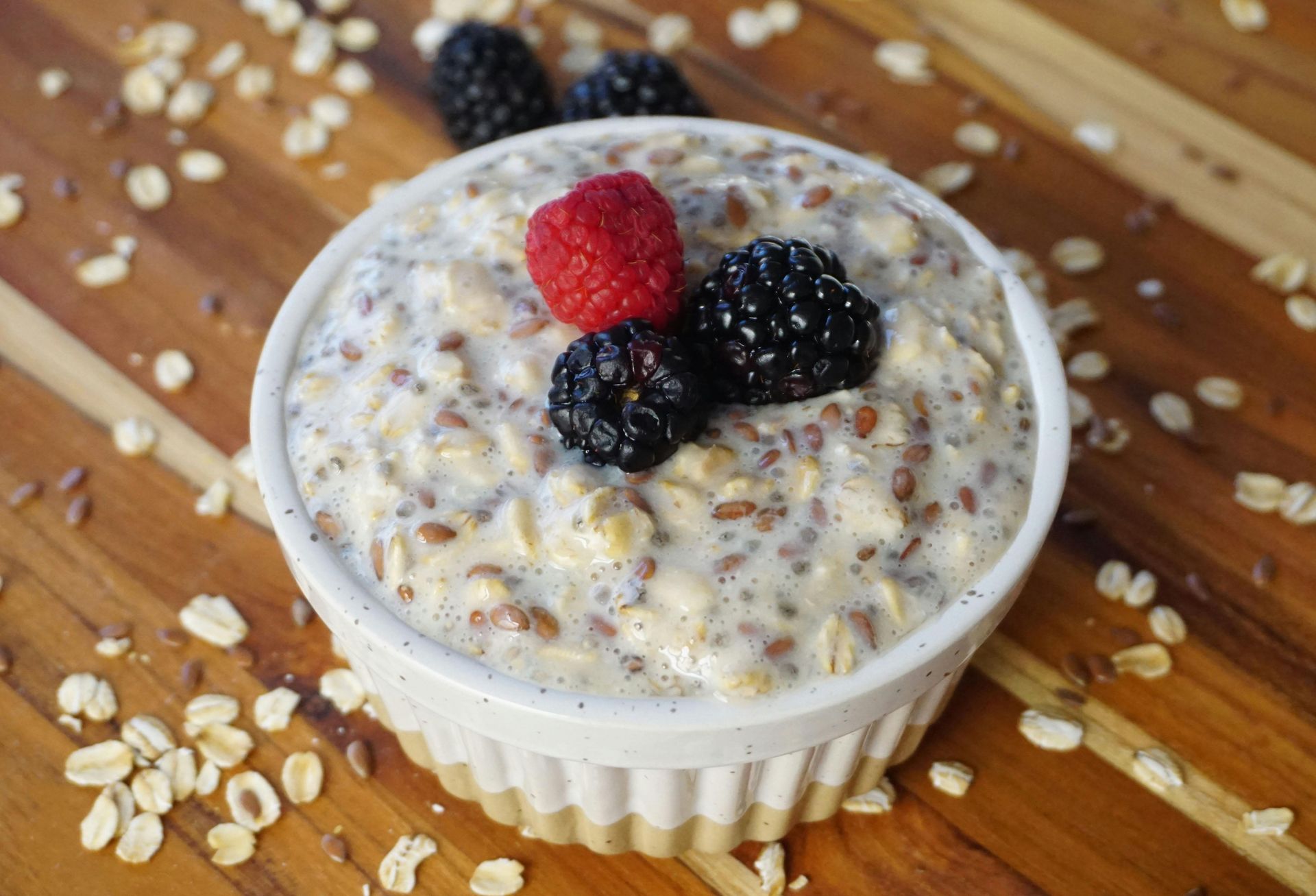
Rolled oats are among the most underused pantry staples in savory cooking. They're known primarily as a breakfast ingredient — porridge, overnight oats — but their range extends further. Oats are high in soluble fiber, contain meaningful amounts of protein, and have a neutral, slightly nutty flavor that makes them adaptable.
Porridge remains the most practical starting point. Old-fashioned rolled oats cooked in water or milk produce a thick, warming bowl in five to seven minutes. The toppings are where the range opens up: on the sweet side, banana, nut butter, or honey. On the savory side — a combination less common in Western kitchens but standard in parts of Asia — a poached or soft-boiled egg, scallions, sesame oil, and soy sauce. Savory oat porridge functions similarly to congee in its comfort and adaptability.
Oats can also replace breadcrumbs in meat preparations. A classic meatloaf or meatball recipe that calls for breadcrumbs works equally well with rolled oats, which absorb moisture and bind the mixture without altering the flavor. The oats soften during cooking and become imperceptible in texture.
Granola is made by toasting rolled oats with oil, a sweetener, and optional additions — nuts, seeds, dried fruit, spices. It requires nothing more than mixing, spreading on a sheet pan, and baking at a low temperature (around 300°F / 150°C) for 25 to 30 minutes, stirring once. The result is a two-week supply of breakfast or snack with whatever flavor combination you choose. Homemade granola is considerably more economical than store-bought and contains no added emulsifiers or preservatives.
Oat flour, produced by blending rolled oats in a food processor or blender for 30 seconds, can substitute for a portion of all-purpose flour in pancakes and quick breads. Replacing a third to half of the flour with oat flour adds a mild nuttiness and a slightly denser texture.
Garlic
Credit: Eva Bronzini / Pexels
Garlic is not a pantry staple in the canned or dried-goods sense — it's fresh — but a head of garlic keeps at room temperature for three to six weeks and is present in so many cuisines and dishes that its absence makes cooking noticeably harder. Understanding what garlic does at different stages of cooking changes how you use it.
Raw garlic is sharp, pungent, and hot. Used in this form — in a vinaigrette, rubbed onto grilled bread, or blended into a sauce — it delivers maximum intensity. A small amount is usually sufficient.
Garlic cooked gently in oil mellows and sweetens. Sliced thin and cooked over medium-low heat until pale gold, it becomes almost nutty. This is the foundation of aglio e olio and dozens of other olive oil–based pasta dishes. The oil infuses with the garlic's flavor compounds, which are then distributed through the entire dish.
Garlic cooked at high heat — in a dry pan, in a heavily oiled pan on high, or under a broiler — takes on deeper, more complex notes that border on bitter. Some cuisines use this deliberately; in most contexts, it's something to avoid. The difference between pale gold and dark brown garlic can make or break a dish.
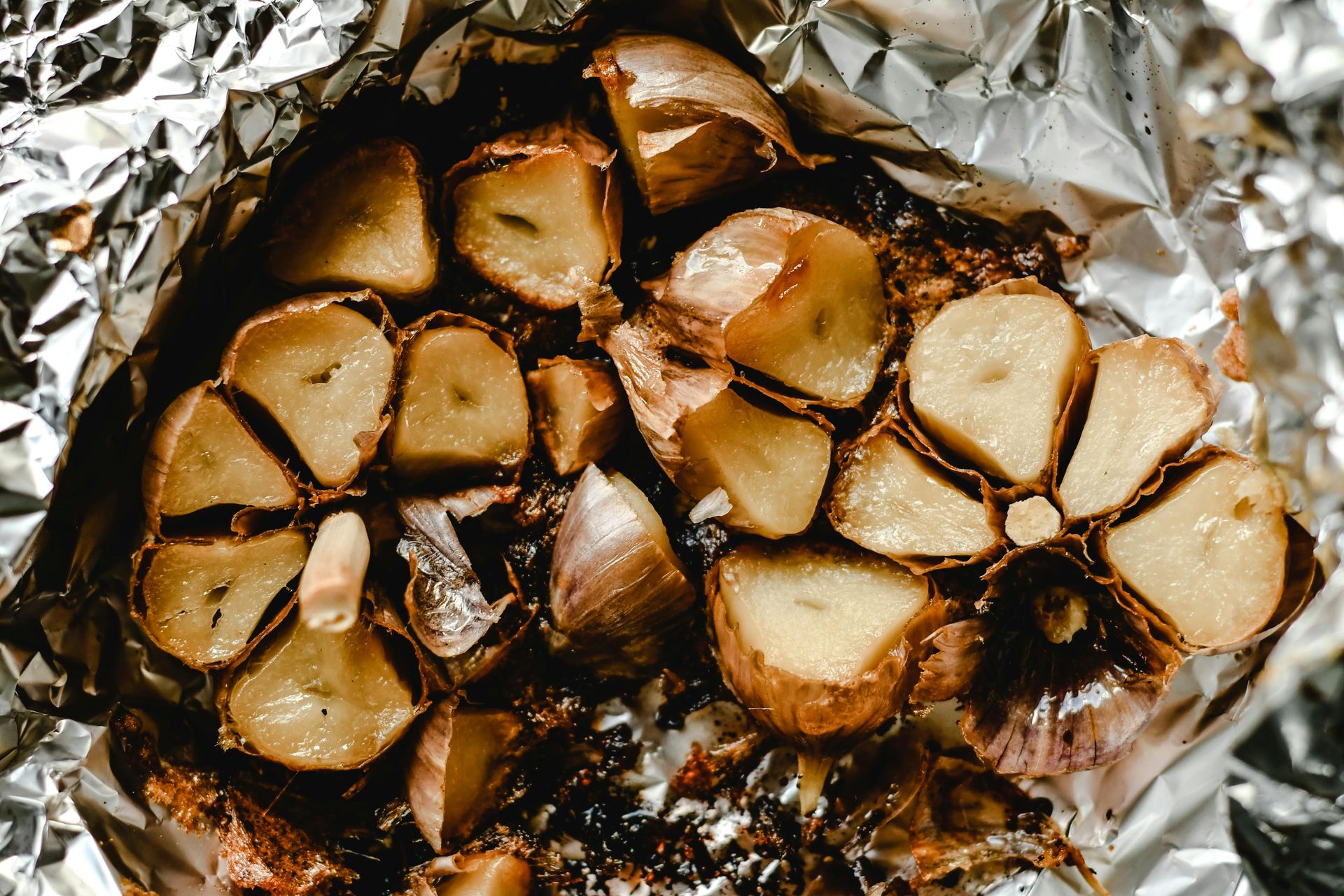
Whole garlic cloves, roasted in their skins in an oven at around 400°F / 200°C for 35 to 40 minutes, turn buttery, caramelized, and spreadable. Squeeze them out of the skins and spread on bread, mash into mashed potatoes, stir into sauces, or fold into vinaigrettes. Roasted garlic has essentially no sharpness; it tastes almost like a sweet allium.
In combination with ginger and onion — the foundational aromatic trio of South and Southeast Asian cooking — garlic forms the flavor base of an enormous number of dishes. Building this base first, before adding any other ingredient, establishes the depth on which everything else is built.
Eggs
Credit: Shameel mukkath / Pexels
Eggs are among the most compositionally flexible ingredients in cooking. They emulsify, they bind, they leaven, they coagulate, and they can be prepared in at least a dozen distinct ways as a standalone dish. A carton of eggs kept in the fridge occupies a position somewhere between a staple and a tool.
Scrambled eggs done well are not complicated but require more attention than most recipes suggest. The key is low heat and constant movement. Eggs cooked over medium-high heat in a few seconds produce a rubbery, dry result. Eggs cooked over the lowest possible heat, moved constantly with a spatula, and pulled off the heat just before they appear done produce something custardy and soft. The carryover heat finishes them.
Fried eggs fall into two camps: basted in butter or oil with the heat focused upward, or left entirely alone on one side to form a crisp, lacy bottom with a still-liquid yolk. Both techniques have their place; the choice depends on what the egg is serving — a delicate fried egg is better in a grain bowl, a crisped one is better on toast or rice.
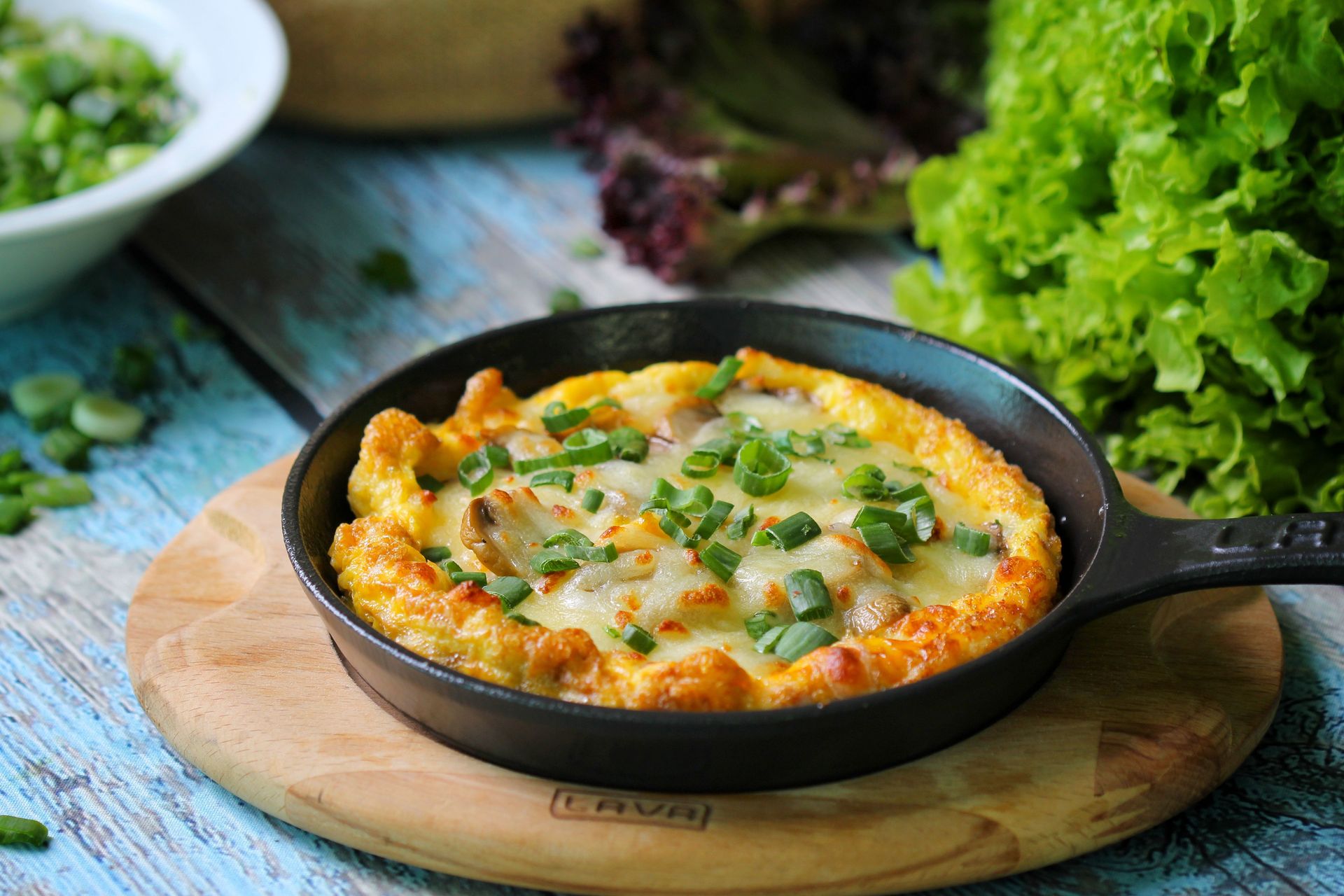
A frittata is a baked egg dish — an Italian preparation that functions like an open-faced omelette finished in the oven. It accommodates nearly any combination of vegetables, cheese, and leftover protein. Sauté whatever you're using in an oven-safe pan, pour beaten and seasoned eggs over the top, let the edges set on the stovetop, then transfer to a 350°F / 175°C oven for 10 to 12 minutes until the center is just set. A frittata can be eaten hot, warm, or at room temperature, and it slices cleanly for serving.
Eggs also poach, soft-boil, and hard-boil — each producing different textures suited to different preparations. A soft-boiled egg on ramen, congee, or a grain bowl adds richness that changes the character of the dish.
All-purpose flour
Credit: RDNE Stock project / Pexels
All-purpose flour is the structural backbone of baking and a functional thickener and coating agent in savory cooking. It keeps for a year or more in a sealed container and enables a broader range of preparations than almost any other single ingredient.
Pancakes are the most immediate application: flour, an egg, milk (or water in a pinch), baking powder, salt, and a small amount of fat mixed together and cooked in a buttered pan. The ratio is roughly one cup flour to one cup liquid, one egg, and one teaspoon baking powder. From this base, you can adjust the thickness by adding more or less liquid, the flavor by adding vanilla, cinnamon, or citrus zest. These cook in two to three minutes per side over medium heat.
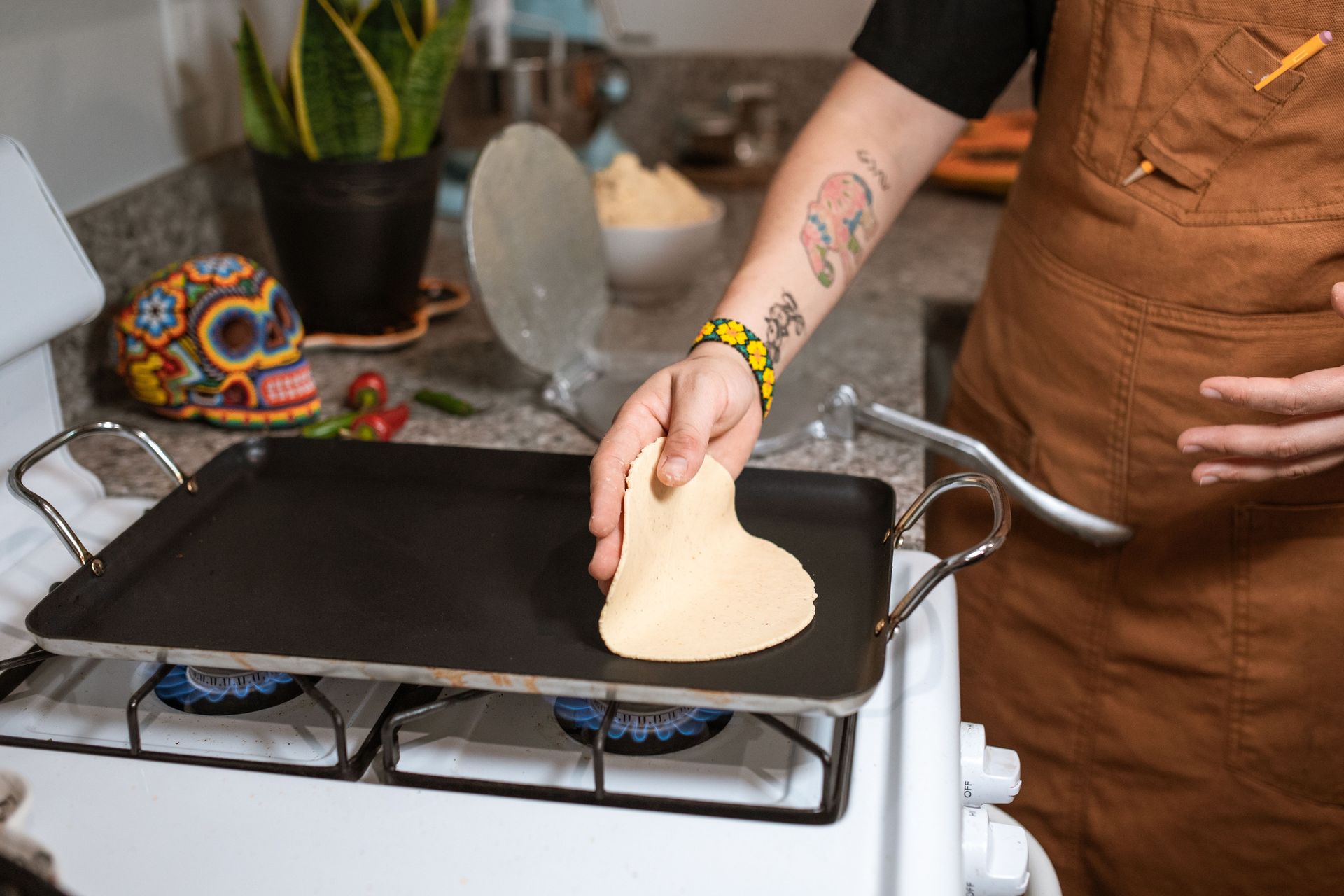
Flatbreads require only flour, water, salt, and a hot pan. A ratio of two cups flour to about three-quarters cup water, mixed into a shaggy dough, rested for 15 to 20 minutes, then divided and rolled thin, produces unleavened flatbreads that cook in two minutes per side on a dry or lightly oiled pan. These work as wraps, as a base for spreads, or alongside any soupy or saucy dish.
Roux — a cooked mixture of equal parts flour and fat — is the thickening base for cream sauces, gravies, and béchamel. Cook the flour in butter over medium heat for two to three minutes before adding liquid; this removes the raw starch taste. The liquid, added gradually and whisked constantly, will thicken as it heats.
Dredging proteins in seasoned flour before pan-frying creates a crust that holds moisture in and produces browning on the surface. Chicken cutlets, fish fillets, and pork chops all benefit from this technique. The flour proteins and starches brown in the hot fat through the Maillard reaction, producing a crust with more color and flavor than the uncoated protein would develop on its own.
Honey
Credit: Chris Tombrella / Pexels
Honey is shelf-stable indefinitely when stored properly — crystallized honey is not spoiled; gentle warming reverses crystallization — and it functions in cooking as a sweetener, a browning agent, a humectant (moisture retainer in baked goods), and a flavor carrier for floral, herbal, or earthy notes depending on its varietal origin.
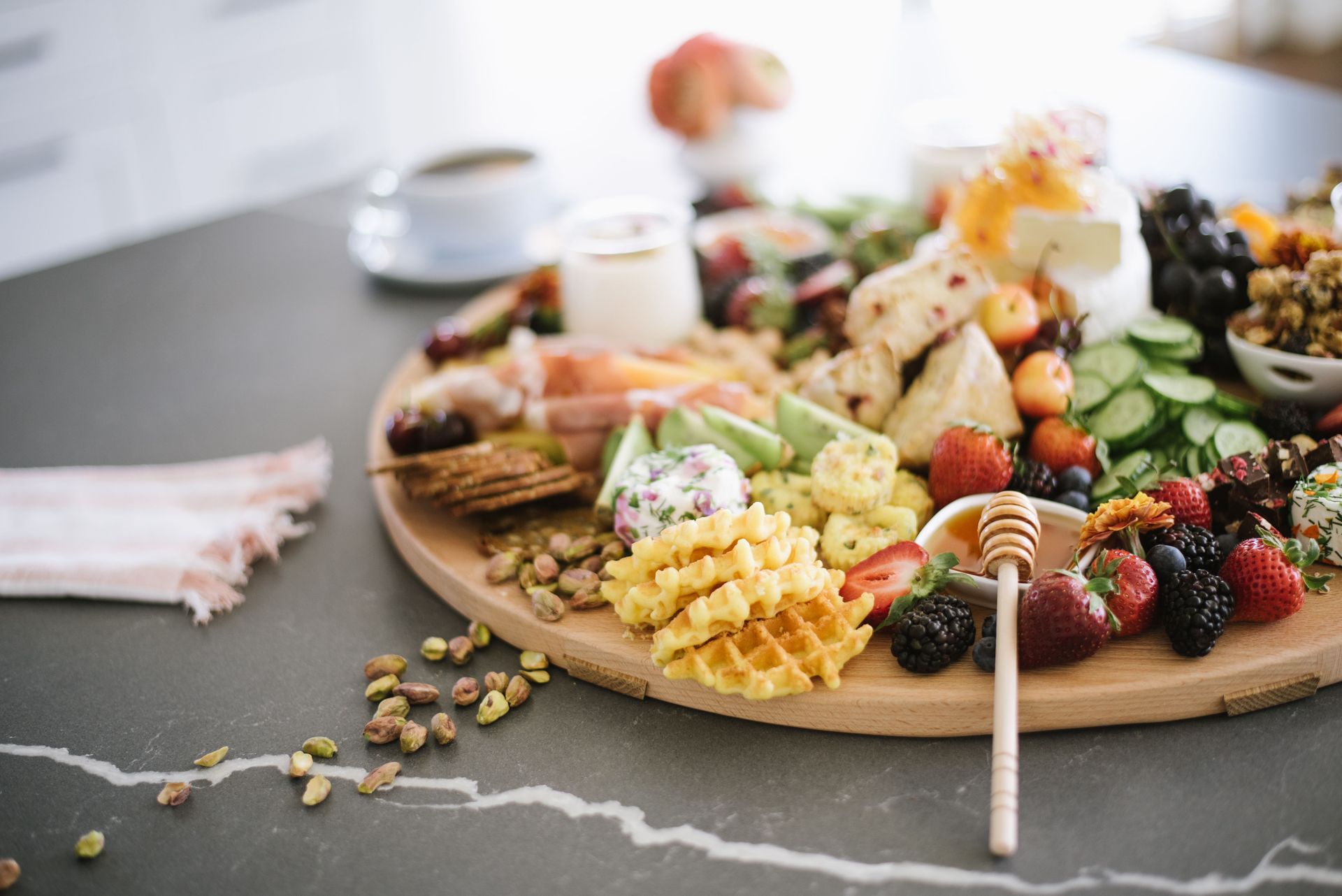
The simplest use is as a finish or condiment: drizzled over cheese, bread, or yogurt. A drizzle of honey over sharp aged cheese — cheddar, manchego, or pecorino — is a combination that works because the sweetness of the honey cuts through the saltiness and fat of the cheese while highlighting its complexity.
In marinades and glazes, honey serves two purposes simultaneously. Its sugar content promotes browning during cooking — the Maillard reaction proceeds faster in the presence of simple sugars — and it adds sweetness and a slight viscosity that helps the glaze adhere to the surface of the protein. A mixture of soy sauce, garlic, ginger, and honey applied to chicken thighs or salmon before roasting produces a lacquered exterior with significant depth.
Honey also provides structure in baked goods. Its hygroscopic nature — its tendency to attract and retain moisture — keeps quick breads, muffins, and granola from drying out as quickly as those sweetened with granulated sugar alone. Substituting honey for sugar in baked goods requires reducing the liquid in the recipe by about three to four tablespoons per cup of honey used, because honey contributes its own moisture.
A honey-based dressing — honey, Dijon mustard, apple cider vinegar, olive oil, salt — is one of the most broadly useful vinaigrettes, balancing sweet, sharp, and savory in proportions that work with almost any salad or grain bowl. The mustard also functions as an emulsifier, keeping the oil and vinegar from separating.