
The Federal Reserve's preferred inflation measure climbed to a three-year high in April, as energy costs pushed overall prices higher and complicated the central bank's path forward on interest rates.
The April PCE report is the first inflation reading released since Kevin Warsh became chair of the Federal Reserve
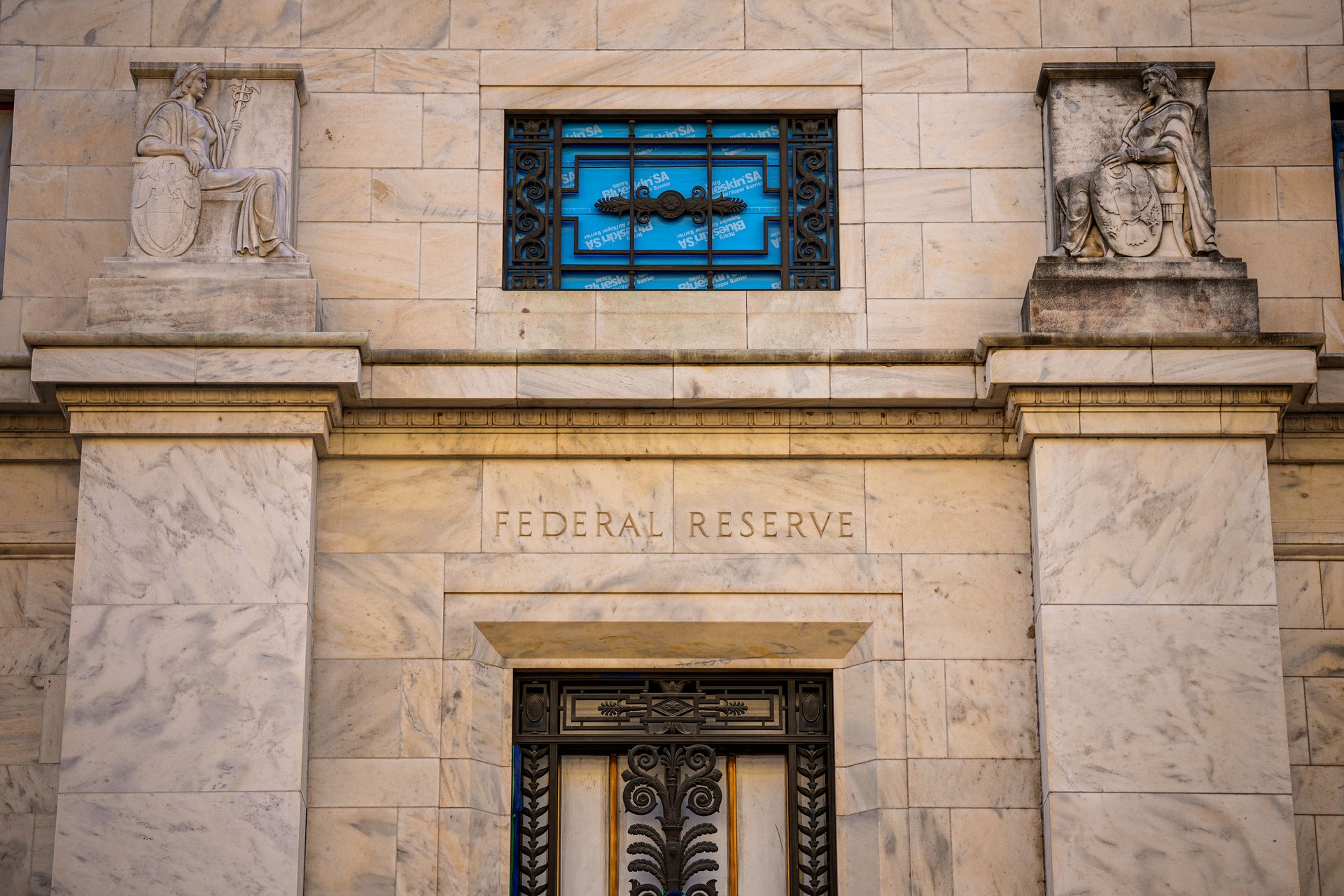
Renovation work continues on the Marriner S. Eccles Federal Reserve Board Building, the main offices of the Board of Governors of the Federal Reserve System on December 9, 2025 in Washington, DC. (Andrew Harnik/Getty Images)
The Federal Reserve's preferred inflation measure climbed to a three-year high in April, as energy costs pushed overall prices higher and complicated the central bank's path forward on interest rates.
April's 3.8% annual reading marked the index's highest point since May 2023, according to the Bureau of Economic Analysis, climbing sharply from 3.5% in March and 2.8% in February. Month-over-month, the index rose 0.4%, following a 0.7% increase in March.
The core PCE measure, which excludes food and energy, came in at 3.3% annually and 0.2% for the month, according to CNBC. Dow Jones survey forecasts had called for a 0.3% monthly gain and a 3.3% annual rate, meaning the annual figure landed on target while the monthly reading came in slightly softer.
A 5.5% spike in gasoline costs propelled a 0.7% monthly gain in goods prices, according to CNBC. Within services, which rose 0.3% overall, the housing and utilities subcategory climbed 0.6% and food services and accommodations added 0.5%.
Consumer spending rose 0.5% in April from the prior month, the BEA said. Personal income was essentially flat, while disposable personal income fell 0.1%. The personal saving rate stood at 2.6%.
The inflation data arrives as the Fed weighs the impact of the ongoing U.S.-Iran war on global energy markets. Dating to late February, the conflict has sent significant disruptions through global energy markets, according to The New York Times. Within the Fed, that has prompted a debate over the central bank's longstanding practice of treating supply shocks as temporary and adjusting policy accordingly — a framework that some officials are now reconsidering after four separate external shocks in five years have driven prices away from the 2% target, according to The New York Times.
The April PCE report was the first released under Federal Reserve Chair Kevin Warsh, who faces pressure from President Donald Trump to lower borrowing costs even as inflation accelerates, according to CBS News.
Join 500,000+ readers who start their day with Quartz.
By subscribing, you agree to our Terms of Service and Privacy Policy.