From a Mexico beach resort for sleep-deprived parents of infants to Japan for post-college travelers finally ready for its depth of culture
Vitolda Klein / Unsplash
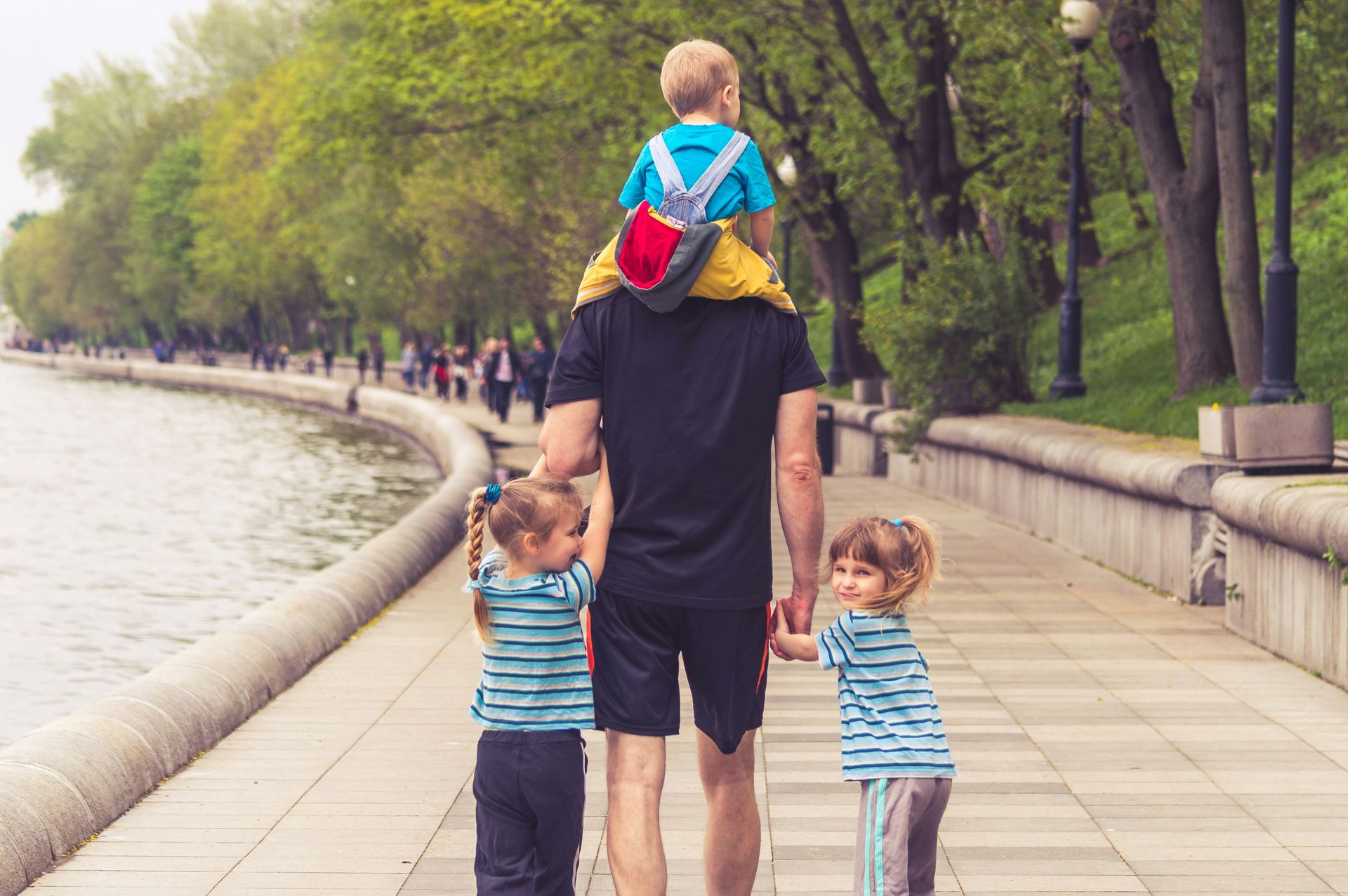
The family vacation changes character with every year that passes. The trip that works for an infant, where the parents’ recovery and the baby’s schedule are the primary planning constraints, is categorically different from the trip that works for a tween who needs autonomy and novelty, or a teenager who requires buy-in and genuine thrill, or a post-college young adult who is ready for Japan. The destination that delights an elementary schooler, who has just learned about ancient Rome in class and wants to see a gladiator school, would bore a college student who needs the adventure capital of the world to come along willingly.
The good news is that the world contains appropriate destinations for every phase of family travel, and the constraints of each phase, the gear requirements and direct flight preferences of the infant years, the cultural hunger of school age, the adventure requirements of the teenage years, point clearly toward specific destinations that match the developmental reality. Travel advisors who specialize in family travel have spent years identifying these matches, and the recommendations below draw on that expertise directly.
The seven destination suggestions below appear in Travel + Leisure, with expert input from Indagare CEO and founder Melissa Biggs Bradley, Extraordinary Journeys founder and CEO Elizabeth Gordon, Access Italy co-owner Simone Amorico, and former Scott Dunn USA president John Spence. Each destination is matched to a specific developmental stage and explains why the timing matters as much as the place itself. The family that waits to take the African safari until the children are ready will have a fundamentally different experience from the family that attempts it with a seven-year-old who cannot sit through a two-hour game drive, and the family that takes Japan before their children are culturally ready will spend more time managing frustration than absorbing what makes the country extraordinary.
Public Domain Pictures / Pexels
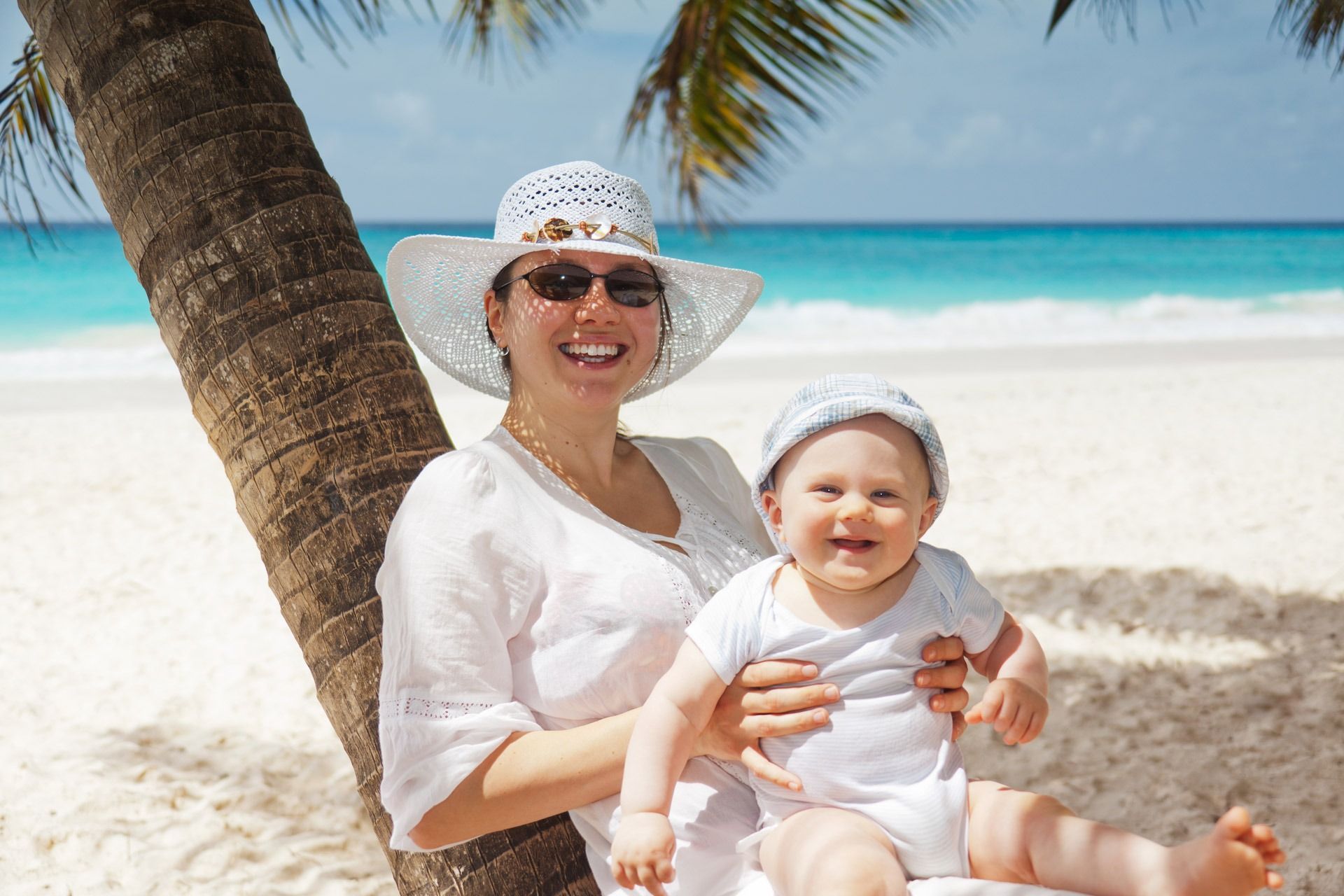
The expert consensus on infant travel is consistent: go while the baby is still a baby, because it never gets easier to travel with a child than in the first year of life. Before walking begins, before the toddler’s need for movement and stimulation makes containment on an airplane a physical negotiation, the infant is relatively portable, genuinely undemanding about the destination itself, and more likely to sleep through a beach afternoon than to require constant entertainment. The parent, however, is sleep-deprived enough that the specific qualities of the destination matter: warm weather, a direct flight, a long beach, and immediate access to good medical care are the criteria that Indagare CEO Melissa Biggs Bradley identifies as essential for the first family vacation.
Mexico satisfies all four. The Pacific coast resort of Punta Mita and the Riviera Maya on the Caribbean side each offer direct flights from most major U.S. airports, year-round warm weather, long sandy beaches, and resort infrastructure that makes infant travel genuinely manageable. Four Seasons Resort Punta Mita and Maroma, a Belmond Hotel on the Riviera Maya, are specifically identified as properties whose family-friendly amenities, including cribs, high chairs, mini fridges stocked with milk, baby bathtubs, and diaper pails, give parents the comforts of home without having to pack them. Confirming exactly which amenities are available at the time of booking is the practical step that determines how much gear travels in checked bags.
The babysitting services that family-friendly Mexican resorts offer give parents the option of a post-7 p.m. couple's dinner, which the infant’s early bedtime and the long beach afternoon that makes everyone nap make logistically possible in ways that domestic hotels rarely provide. The sound machine’s blue noise option, the source notes, exists because the genuine sound of waves has the same effect at the source: a soft, sandy beach is among the best places a sleep-deprived new parent and their infant can spend a week.
Derek Owens / Unsplash
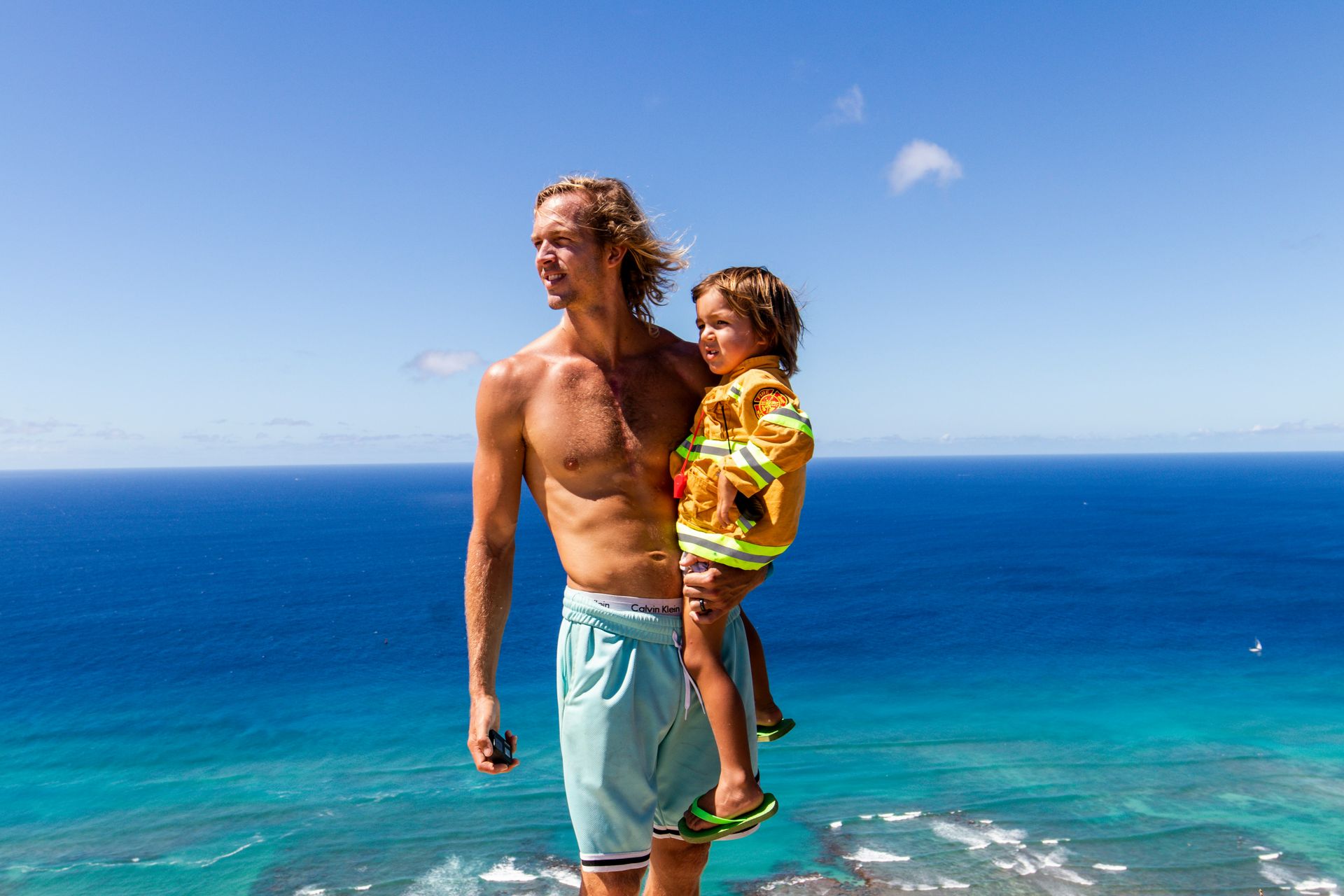
The toddler is a natural traveler in one specific sense: everything is new, every landscape is extraordinary, and the captivating power of sand, water, coral, and wildlife on a two-year-old requires no advance preparation or cultural context. Hawaii delivers all of this in near-perfect weather, accessible by a domestic flight from the continental U.S., giving it a practical logistical advantage over comparable tropical destinations that require international travel, with its passport requirements and longer journey times.
The Big Island specifically gives the Hawaii visit a character distinct from the more frequently visited Oahu and Maui: the surreal lava flows and lush waterfalls that the island’s active geological history has produced give the landscape a visual drama that the more developed islands have partially obscured with resort infrastructure, and the lower crowd density gives the beaches and natural areas a quietness that toddler family groups, who benefit from space rather than proximity to other beachgoers, specifically appreciate.
Mauna Lani, part of the Auberge Resorts Collection, offers the Big Island visitor its most thoughtfully family-forward accommodation: the Holoholo Kids Crew programming includes crab hunting, Hawaiian language lessons, petroglyph walks, and natural dyeing and feather art. The cultural gatekeeper, Uncle Danny, described as wonderful with children, gives the resort’s Hawaiian cultural program a human center that activity programming alone cannot provide. Biggs Bradley specifically recommends the protected ponds that many Hawaii resorts maintain for toddler ocean access, and whale-watching cruises for the later toddler years when the attention span and the interest in animals have developed enough to make the cruise worthwhile. Hawaii’s domestic status also means no passport requirements, no customs, and familiar food options alongside genuinely exotic ones, which gives parents of toddlers one less logistical category to worry about when everything else about traveling with a two-year-old already demands maximum organizational capacity. For families based on the West Coast, the flight time to the Big Island from Los Angeles or San Francisco is comparable to a cross-country domestic flight, making the tropical destination genuinely practical rather than aspirational even when the children are very young.

David Ramirez / Unsplash
Elementary school children begin to hear about ancient Rome, the Colosseum, and gladiators in their classroom learning, and Biggs Bradley identifies this knowledge as the precise reason to time the Rome trip to this phase: what they have learned in school will be brought to life in a way that genuinely deepens and enriches both the classroom learning and the travel experience simultaneously. The ancient city that elementary school curriculum describes in two-dimensional terms becomes physically real at the scale of the Colosseum, the Roman Forum, and the Vatican, giving the children a visceral connection to history that the textbook page cannot match in quality of illustration.
The food dimension gives Rome an additional and reliable trump card with children of any appetite conservatism: pizza, pasta, and gelato are among the most universally accepted foods available in any country’s culinary canon, and Access Italy co-owner Simone Amorico specifically recommends pizza- and gelato-making experiences alongside ceramics and mosaics as the activity formats that children of this age respond to most enthusiastically. Treasure hunts in the Vatican and the Villa Borghese give historical sites a game-like engagement that the passive tour approach cannot sustain for elementary-age attention spans.
The gladiator school, described by Spence as the activity that made his children fully engaged with Roman history, gives the learning its most physically participatory form: hands-on lessons in ancient fighting techniques and the reenactment of gladiatorial life give the Colosseum a context that walking through the ruins without the experiential supplement does not provide in the same terms. The Hotel de Russie gives the family a base close to the city’s main sites, and the Explora children’s museum nearby offers a hands-on scientific program in the afternoon when the historical sites have reached their capacity to hold the children’s attention for the day. Teatro Verde, a puppet show and musical theater venue about 20 minutes from the city center, offers evenings with an entertainment option specifically calibrated for the elementary school-age group whose attention the more adult-oriented Roman evening social scene does not hold.
RDNE Stock Project / Pexels
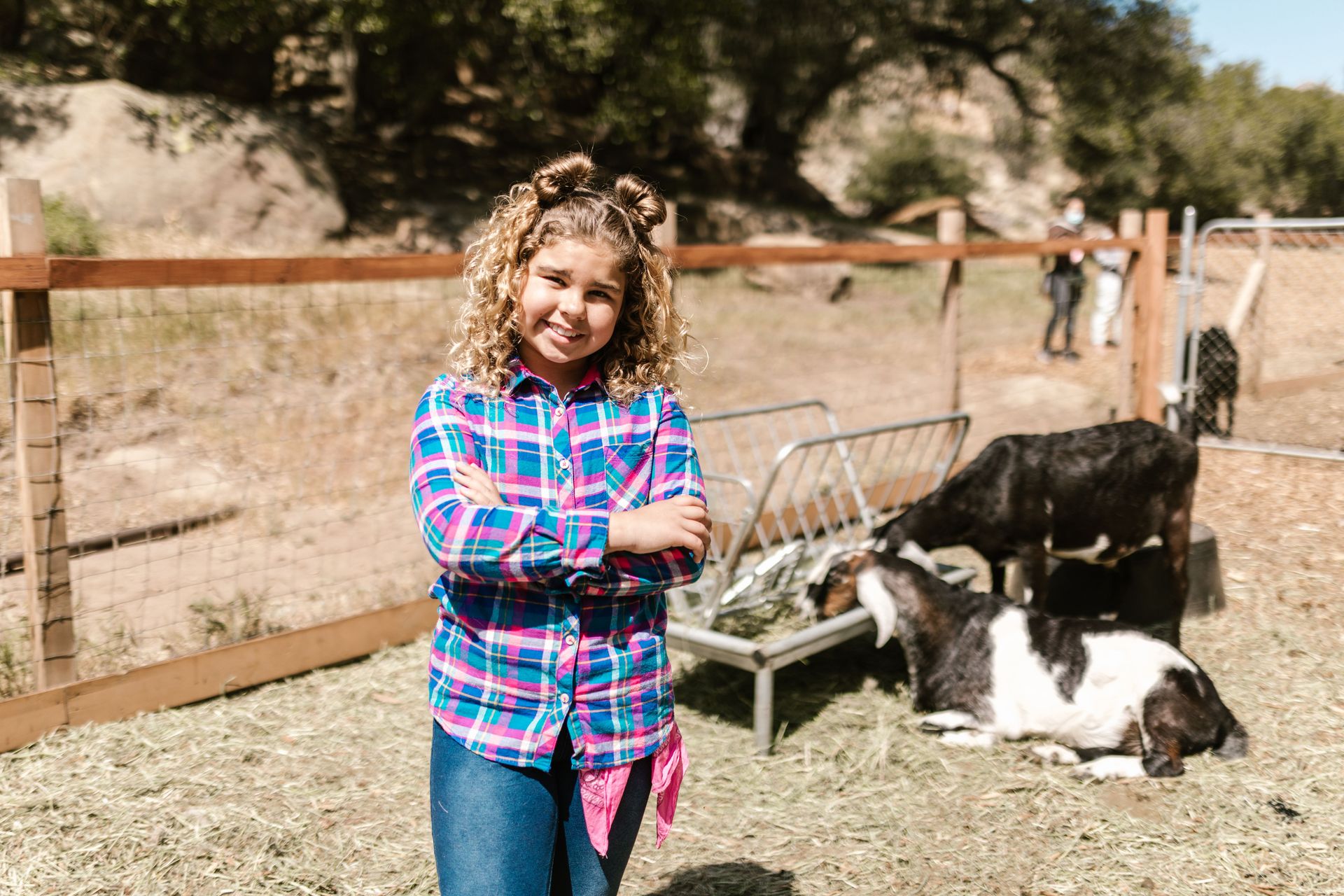
The tween years present a specific travel challenge: children between 11 and 13 need the autonomy that comes from having genuine choices and genuine accomplishments, but they also need the structure and boundaries that a designed environment provides. The Montana dude ranch, specifically The Ranch at Rock Creek, resolves this tension by placing families on 6,600 acres of pristine mountain landscape with an included activity roster wide enough that every child, regardless of their specific interests, can find something that feels genuinely exciting rather than parentally imposed.
Spence identifies the key element as the combination of adventure and novelty: watching children step outside their comfort zone on horseback along mountain trails or hiking through Montana’s natural landscape offers parents some of the most memorable parenting moments in a vacation context. The Ranch at Rock Creek’s specific activity menu, including fly fishing, cross-country mountain biking, photography classes, sapphire mining, and rodeo lessons, gives the tween the range of options that prevents the vacation from feeling like a single repeated experience across multiple days.
The year-round character of Montana gives the ranch destination a flexibility across seasons that beach and urban destinations do not provide: the summer hiking and horseback program converts in winter to skiing, sledding, ice skating, snowshoeing, and snowmobiling, which gives the destination a reason to return across different school breaks without repeating the same experience. The Western-style communal bar with bowling, board games, and karaoke gives families a shared evening activity, and the ranch’s outdoor program provides a satisfying context for it: the day’s physical exertion makes the evening’s casual socializing feel like genuine rest rather than obligatory togetherness. The Flint’s Forest Rangers Kids Club, for ages four to 12, offers families traveling with a wider age spread an age-appropriate program for the younger children, allowing the tweens to pursue their own activity track without parents having to divide their supervision between incompatible age-group activities at the same time.
Mark Stoop / Unsplash
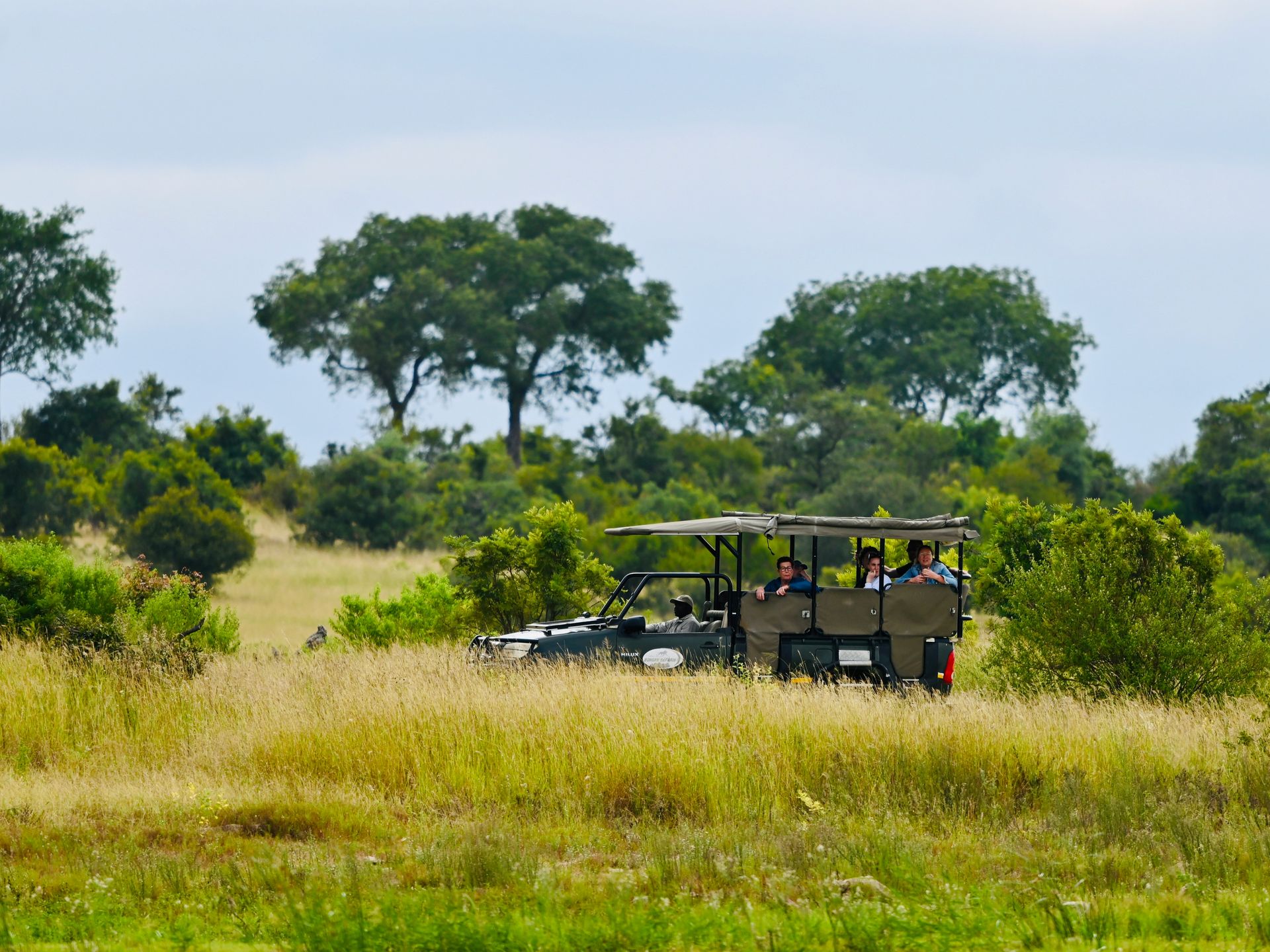
The teenager presents the most demanding brief in family travel: a traveler who needs to have genuinely bought into the destination before departure, who is difficult to impress, and who will make the trip miserable for everyone if the destination fails to deliver on the implicit promise that justified pulling them away from their social life. Elizabeth Gordon identifies the African safari as the perfect solution, specifically because of the thrill of encountering something so different from anything the teenager has previously experienced: there is no urban analog for a lion kill at close range from an open vehicle, and no social media content that fully prepares a 16-year-old for the physical reality of an African wildlife encounter.
Biggs Bradley identifies 14 as the sweet spot for the first safari: old enough to genuinely remember and intellectually process the experience, physically capable of sitting in a vehicle for the long game drives that productive wildlife viewing requires, and past the nervousness about sleeping in a tent in the African bush that younger children sometimes cannot overcome. Properties like Sirikoi and Angama Mara in Kenya give the family immersion in Maasai culture alongside the wildlife program, and Gordon specifically identifies the Maasai cultural exchange as among the most memorable components for children who experience it.
The technology constraint that most safari camps impose through limited or absent Wi-Fi gives the family something that is otherwise nearly impossible to engineer on a family vacation with teenagers: a period of enforced disconnection that returns the group to each other’s company rather than to their respective screens. Gordon notes that a skilled guide will engage the teenager’s natural detective instincts through tracking, which adds an intellectual dimension to the game drive that passive viewing of animals would not sustain across multiple mornings. A gorilla trekking add-on in Rwanda or Uganda gives the safari an additional wildlife experience of equivalent intensity for families who can extend the trip.
Arthur Poulin / Unsplash
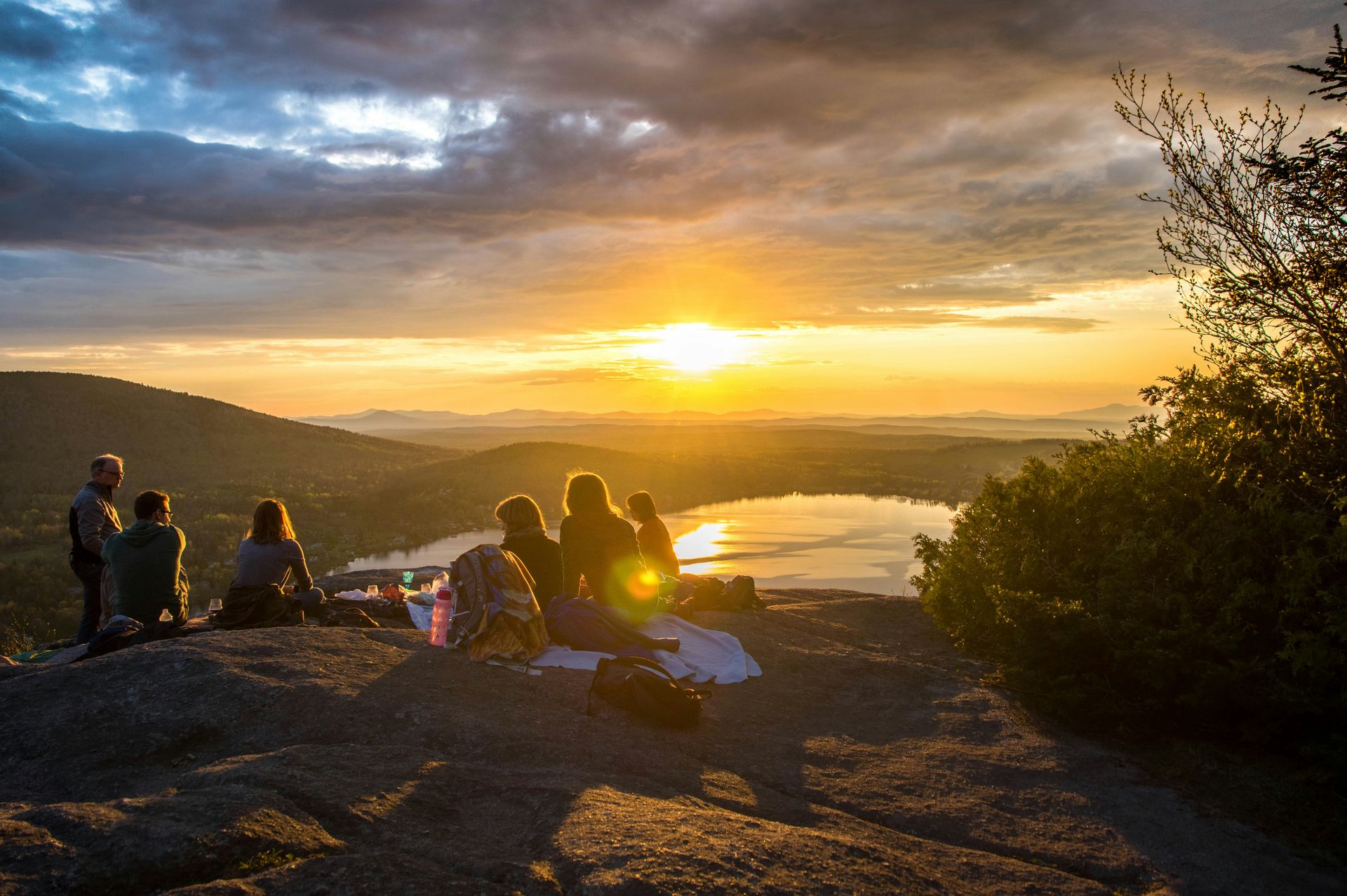
Queenstown presents one of the strongest cases for a destination that makes the college-aged family member genuinely want to come on the family trip: the adventure credentials are globally recognized, the English language removes the navigation friction that some international destinations introduce for young adults traveling with parents, and the range of activities from bungee jumping to wine tasting gives each family member a program calibrated to their own threshold for adrenaline. Gordon describes it as a quintessential playground, and the specificity of what that means for a Queenstown itinerary is worth detailing: helicopter flights over the Tasman Glacier, jet boat rides through Shotover Canyon, parasailing on Lake Wakatipu, and world-class skiing in winter give the physically adventurous the density of thrills that the destination’s reputation promises.
AJ Hackett Bungy from the Kawarau Bridge, the original commercial bungee jump site, gives the Queenstown visit its most iconic single experience: the birthplace of bungee jumping gives the activity a historical resonance that jump sites in other countries cannot claim, and the bridge location above the Kawarau River gives the physical experience a visual setting whose drama the jump itself amplifies. For family members who want the landscape without the adrenaline, the tramping trails that reveal panoramic views across the Remarkables range and Lake Wakatipu provide the outdoor program's more contemplative side.
The Central Otago wine region, approximately 45 minutes from Queenstown, gives the trip a cultural and gastronomic dimension alongside the adventure programming: Pinot Noir produced in the high-altitude, continental climate of Central Otago has developed an international reputation, and a day of vineyard visits with a college-aged family member who is now at or approaching legal drinking age gives the family a shared experience of wine culture that the adventure activities alone do not provide. QT Queenstown, with separate rooms, large windows facing the Remarkables, and a quirky boutique character, gives young adults the independence that the accommodation's separation signals without requiring them to navigate a different hotel.
Benjamin Wong / Unsplash
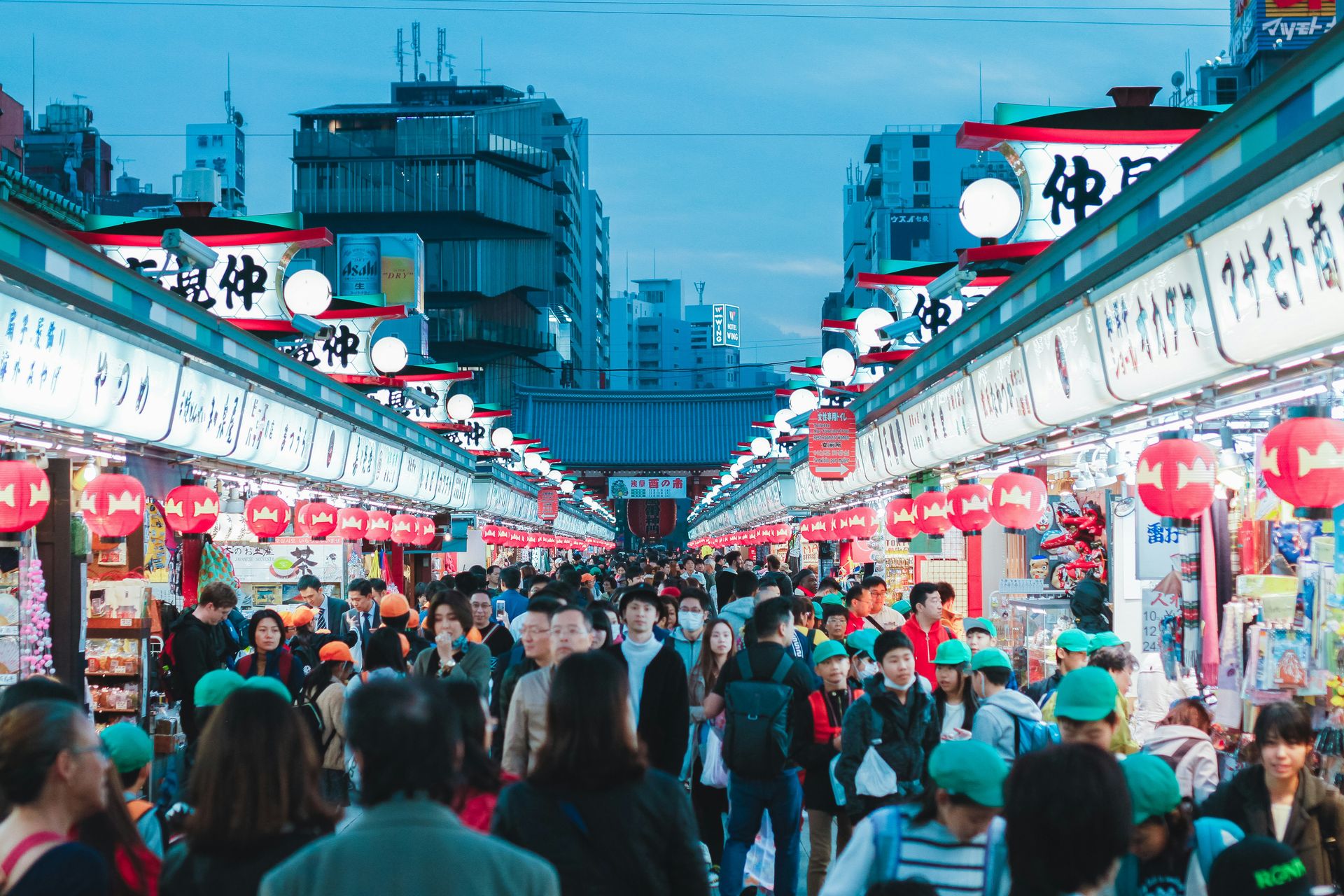
Japan is among the few destinations that travel advisors consistently reserve for travelers who are ready for it, by which they mean travelers who have developed the patience for the slow observation and the genuine curiosity about difference that Japan’s culture rewards and whose absence it renders the experience shallow. Biggs Bradley specifies that the post-college young adult is at the right developmental moment: the cultural immersion in food and drink, museums, temples, and shrines that Japan offers is best appreciated by someone whose palate, intellectual curiosity, and behavioral maturity have reached the level that the country’s culture assumes of its visitors. Spence calls it the perfect place for post-graduates who want new experiences, and Japan delivers them at a density that requires multiple visits to exhaust.
Tokyo gives the family’s urban program its most dramatically modern version: the neighborhood-level distinctiveness of Tokyo, where Harajuku’s fashion culture sits an hour’s walk from Yanaka’s preserved Edo-period streetscape, gives exploration a range that a week in the city does not exhaust. Kyoto’s quieter character, with its Buddhist temples, Shinto shrines, bamboo forests, and the geisha district of Gion, gives the family a different and complementary version of Japan that the bullet train connection makes practically straightforward. The Shinkansen itself, as Spence specifically notes, was a highlight for his children: a train that covers 500 kilometers at 300 kilometers per hour and arrives within seconds of its scheduled time gives the infrastructure enthusiast in any family group a specific experience of engineering excellence that the train interiors and platforms amplify.
A stay in a ryokan gives the trip its most distinctly Japanese accommodation experience, and the Hoshinoya portfolio offers the luxury version at multiple locations, including the property near Mount Fuji. Hoshinoya Fuji specifically offers views of the volcano alongside outdoor activities,, including food-smoking workshops, canoeing, and e-biking, with a bonfire under the stars, live acoustic music, and Japanese whisky, giving the family evenings a distinct quality of togetherness that the adventure program earns rather than forces.
