
From the oxygen in your lungs to the indium in your phone screen, the elements that make up the universe have surprisingly specific — and often unexpected — jobs to do
Artem Podrez / Pexels
The periodic table is one of the great organizational achievements of human knowledge — 118 elements arranged by atomic number and electron configuration into a grid that reveals the underlying structure of all matter. Most people encounter it in school, memorize enough of it to pass a test, and then mentally file it under "things that were important once." That filing is a mistake. The periodic table is not an abstract catalogue. It is a map of the physical world, and the elements on it are in everything around you — in the phone in your pocket, the food you ate this morning, the bridge you drove across, the medication you took last week, and the air you are currently breathing.
The gap between what most people know about elements and what elements actually do is large and interesting. Tungsten appears on the periodic table as element 74, a dense, silvery-white metal with an unremarkable symbol (W, from its German name Wolfram). What most people do not know is that tungsten has the highest melting point of any element — 3,422 degrees Celsius — which makes it the only material capable of surviving as a filament inside an incandescent light bulb, the only substance suitable for the cutting edges of certain drilling tools, and the material used in the counterweights of jet aircraft control surfaces. The chemistry explains the application. The application explains why the chemistry matters.
This list covers 15 elements chosen for the combination of their practical importance and the distance between their school-level reputation and their actual function in the world. Some are familiar by name and unfamiliar in application — carbon, silicon, chlorine. Some are largely unknown to non-scientists despite being in objects billions of people use every day — indium, hafnium, neodymium. Some have applications that reveal something specific about the physical world that the element's properties make legible.
Each slide covers what the element is, what its key properties are, and what those properties make it uniquely suited for. The chemistry is kept at the level of explanation rather than calculation — enough to understand why an element does what it does, without requiring a background in chemistry to follow. The goal is to make the periodic table feel like what it is: a practical document about the material world, full of information that is directly relevant to daily life.

ROCCO STOPPOLONI / Pexels
Carbon is the fourth most abundant element in the universe by mass and the chemical foundation of all known life. Every protein, every carbohydrate, every fat, every nucleic acid — the molecules that constitute biological organisms — is a carbon compound. The specific property that makes carbon the basis of biochemistry is its extraordinary versatility in forming covalent bonds: a carbon atom can form four strong, stable bonds simultaneously, bonding to hydrogen, oxygen, nitrogen, sulfur, and other carbon atoms in combinations of nearly unlimited variety. This bonding flexibility is what makes the approximately ten million known organic compounds possible.
Carbon's applications extend far beyond biology. Pure carbon exists in several allotropic forms — different structural arrangements of the same atoms — each with radically different properties. Diamond, in which each carbon atom is bonded to four others in a tetrahedral lattice, is the hardest naturally occurring material on Earth, used in cutting tools, abrasives, and drill bits for oil and gas exploration. Graphite, in which carbon atoms are arranged in flat hexagonal sheets that slide easily over each other, is a lubricant, an electrode material, and the core of every pencil. Graphene — a single layer of the graphite sheet, one atom thick — is the strongest material ever tested per unit thickness and a conductor of electricity that may underpin the next generation of electronics.
Carbon fiber — long strands of carbon atoms arranged in a crystalline structure, embedded in a polymer matrix — combines low weight with tensile strength exceeding that of steel, making it the structural material of choice in aerospace components, Formula 1 cars, wind turbine blades, and high-performance bicycles. Activated carbon, with its enormous surface area created by controlled oxidation of carbon materials, is the primary medium for water purification and air filtration worldwide — the black granules in a domestic water filter are activated carbon, adsorbing chlorine, pesticides, and organic contaminants from the water passing through them.
Carbon is also, in its role as carbon dioxide and methane in the atmosphere, the element whose management defines the central environmental challenge of the 21st century — a consequence of its abundance, its tendency to form gaseous compounds, and its trillion-dollar role in energy systems built around its combustion.

cottonbro studio / Pexels
Oxygen is the most abundant element in Earth's crust, the third most abundant in the universe, and the element without which animal life as it exists on Earth is impossible. It constitutes approximately 21% of the atmosphere, where it arrived through billions of years of photosynthesis by cyanobacteria and plants — the Great Oxidation Event approximately 2.4 billion years ago, when atmospheric oxygen first accumulated to significant levels, is one of the most consequential events in Earth's biological history, transforming the chemistry of the atmosphere, the oceans, and the surface rocks, and enabling the evolution of the aerobic metabolism on which complex life depends.
The biological role of oxygen is as the terminal electron acceptor in aerobic respiration — the metabolic process by which cells extract energy from glucose. In the mitochondria of every cell in the body, oxygen accepts electrons at the end of the electron transport chain, combining with hydrogen ions to form water and driving the synthesis of ATP, the cell's primary energy currency. The efficiency of aerobic respiration relative to anaerobic alternatives — roughly 18 times more ATP per glucose molecule — is what makes the large, energetically expensive organisms of the animal kingdom metabolically possible.
Industrial oxygen has applications that scale from the medical to the metallurgical. Liquid oxygen is a cryogenic oxidizer used in rocket engines, including the main engines of the Saturn V and the Falcon 9, where it combines with liquid hydrogen or kerosene to produce combustion at temperatures exceeding 3,000 degrees Celsius. The basic oxygen steelmaking process — in which a lance blows high-purity oxygen into molten iron to remove carbon and impurities — accounts for approximately 70% of global steel production, making oxygen one of the most important industrial commodities by volume. Medical oxygen supports patients with respiratory failure, premature infants, and anyone requiring supplemental oxygen during surgery.
Ozone — a molecule of three oxygen atoms — absorbs ultraviolet radiation in the stratosphere, protecting the surface from the DNA-damaging UV exposure that would make terrestrial life significantly more difficult. The same molecule at ground level, produced by the photochemical reaction of vehicle exhaust and sunlight, is a respiratory irritant and an air quality problem in many cities.
Pixabay / Pexels
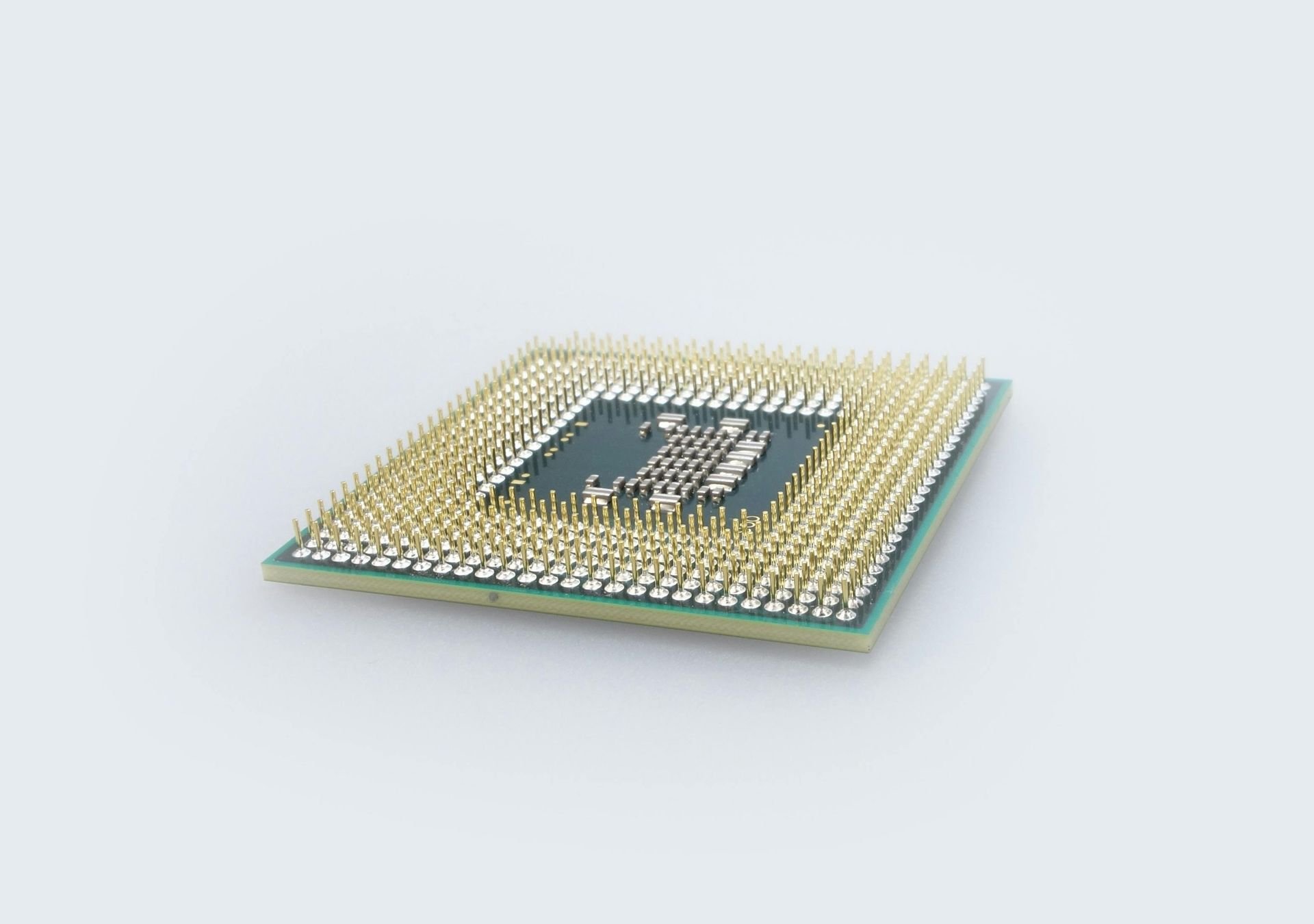
Silicon is the second most abundant element in Earth's crust after oxygen, constituting approximately 28% of its mass. In geology, silicon forms the backbone of silicate minerals — the vast family of compounds that makes up most of the Earth's rocks and soils. In technology, a single property of purified silicon — its behavior as a semiconductor, conducting electricity under some conditions but not others — has made it the foundational material of the information age.
A semiconductor sits between a conductor and an insulator in its electrical behavior. Pure silicon at room temperature conducts electricity poorly. When small amounts of specific impurities — dopants — are added, the conductivity changes dramatically and in controllable ways. N-type silicon, doped with phosphorus or arsenic, has excess electrons available for conduction. P-type silicon, doped with boron or aluminum, has electron "holes" that act as positive charge carriers. The junction between n-type and p-type silicon — the p-n junction — is the fundamental building block of all semiconductor devices: diodes, transistors, solar cells, and the integrated circuits that power every computer, smartphone, and electronic device in the world.
The transistor, invented in 1947 and subsequently miniaturized onto silicon chips through the development of the integrated circuit, is the switch that underlies all digital computing. Modern processor chips contain tens of billions of transistors on a piece of silicon smaller than a fingernail, each transistor switching between on and off states billions of times per second. The transformation of silicon — an element found in ordinary beach sand — into the substrate for the global information economy required decades of materials science, chemistry, and engineering, but it began with the specific electronic properties of the element itself.
Silicon is also the primary material in photovoltaic solar cells, where its semiconductor properties allow it to convert photons into electrical current through the photovoltaic effect. As solar energy has become the cheapest source of electricity ever developed, silicon's role as the material basis of the energy transition has made its abundance and tractability economically and environmentally significant.
Mohamed Abdelghaffar / Pexels
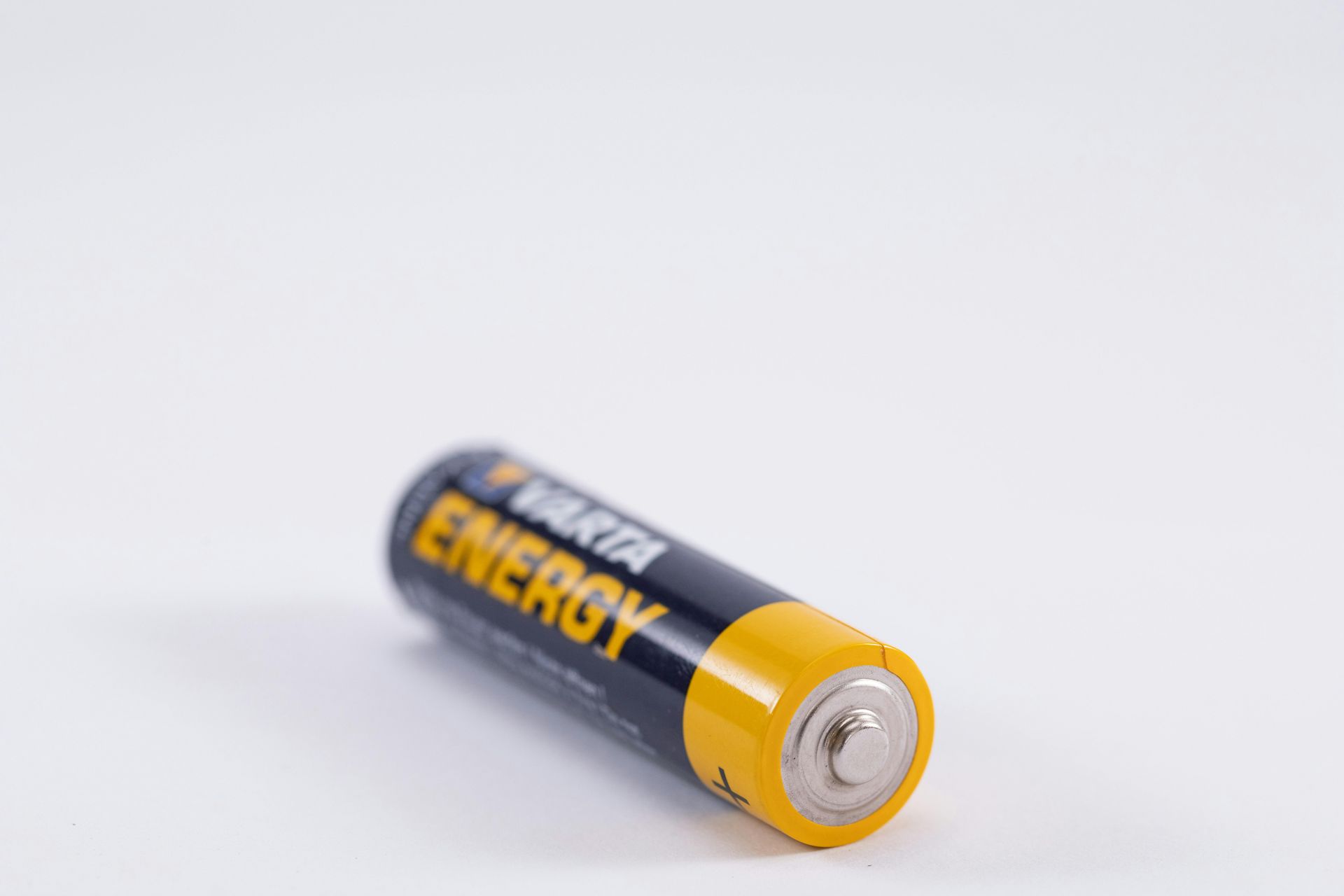
Lithium is the lightest metal and the lightest solid element, with an atomic mass of approximately seven atomic units. Its most important application in the contemporary world is as the active material in lithium-ion batteries — the rechargeable batteries that power smartphones, laptops, electric vehicles, and grid-scale energy storage — and its importance in enabling the energy transition from fossil fuels has made it one of the most strategically significant commodities of the 21st century.
The lithium-ion battery works through the reversible movement of lithium ions between two electrodes — a lithium metal oxide cathode and a graphite anode — through a lithium salt electrolyte. During charging, lithium ions move from the cathode to the anode; during discharge, they move back, driving an electrical current in the external circuit. The energy density of lithium-ion batteries — the amount of energy stored per unit of weight — is approximately three times that of nickel-metal hydride batteries, making lithium-ion the enabling technology for portable electronics and electric vehicles whose weight and range constraints make energy density critical.
The global demand for lithium has increased dramatically with the growth of electric vehicle production, and the concentration of lithium deposits in a small number of countries — the "Lithium Triangle" of Chile, Argentina, and Bolivia contains more than half of global reserves — has created supply chain dependencies and geopolitical tensions analogous to those associated with petroleum. Australia is the largest current lithium producer by volume.
Lithium's other applications include its use as a mood stabilizer in psychiatry. Lithium carbonate has been prescribed for bipolar disorder since the 1970s and remains one of the most effective long-term treatments for preventing manic and depressive episodes, though the mechanism by which it stabilizes mood is still not fully understood. It is one of the few psychiatric medications whose effect is on the illness course rather than the acute episode.
Vivita Malite / Pexels
Nitrogen constitutes approximately 78% of Earth's atmosphere — making it the most abundant gas in the air — but in its atmospheric form as diatomic nitrogen (N₂), it is essentially inert, unable to be used directly by most living organisms. The transformation of atmospheric nitrogen into biologically available forms — nitrogen fixation — is one of the most important chemical processes in the biosphere, and the ability to perform it industrially has had more impact on human population than arguably any other chemical development.
The Haber-Bosch process, developed by Fritz Haber and Carl Bosch in the early 20th century, combines atmospheric nitrogen with hydrogen at high temperature and pressure in the presence of an iron catalyst to produce ammonia. Ammonia is the starting material for synthetic nitrogen fertilizers, and synthetic fertilizers are what allow current global food production to support approximately half of the world's population that could not be fed by agriculture dependent on natural nitrogen inputs alone. The Haber-Bosch process is estimated to have enabled the lives of approximately four billion people who would not otherwise exist.
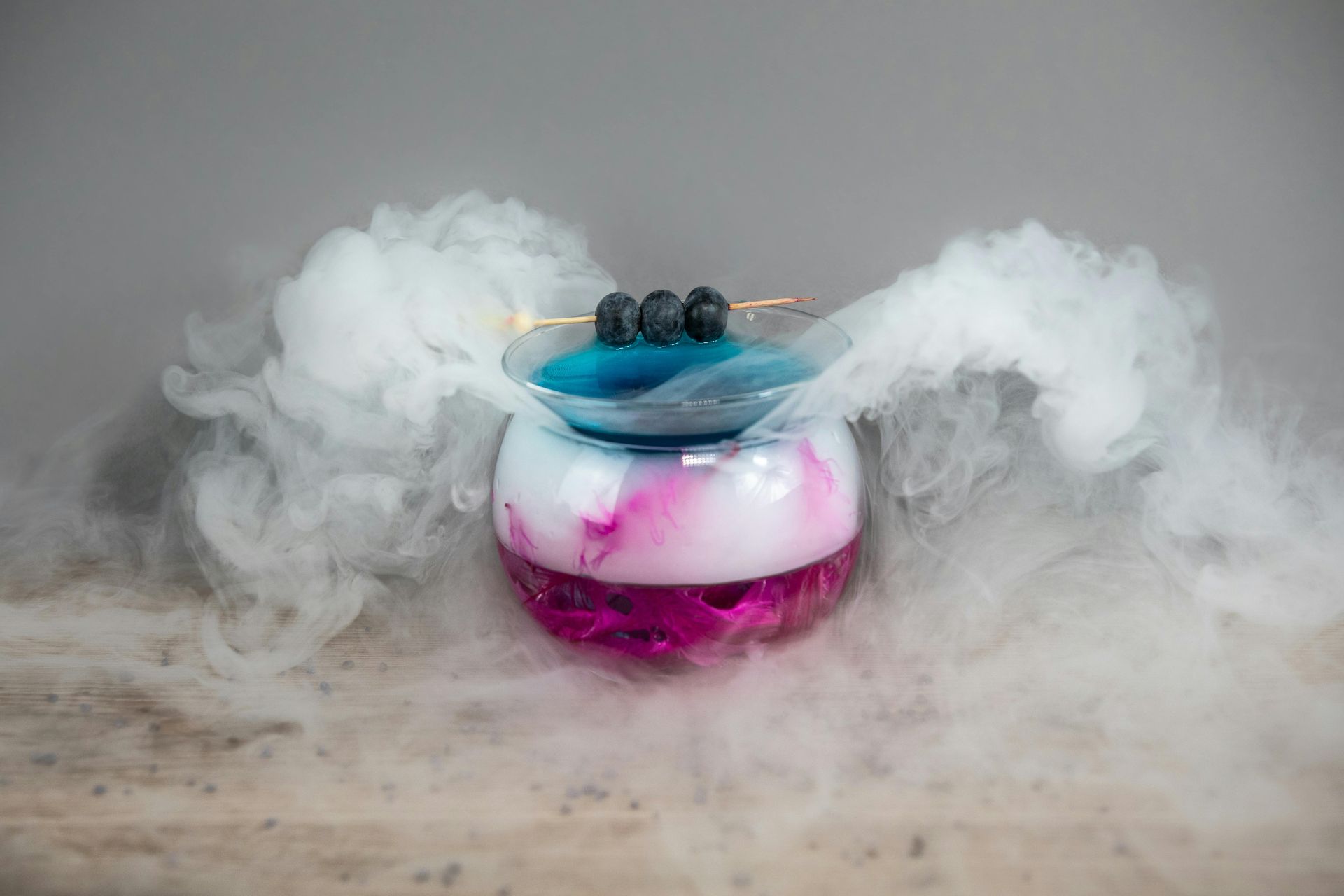
Nitrogen's other industrial applications reflect its chemical versatility. Liquid nitrogen, produced by the fractional distillation of air, is used for cryogenic storage of biological samples, food preservation, cryotherapy in dermatology, and the rapid chilling of food products in the food industry. Nitrogen gas is used as an inert blanketing atmosphere in food packaging — the gas that fills crisp packets is primarily nitrogen, preventing oxidation and maintaining texture. Nitric acid, produced from ammonia, is the starting material for explosives including TNT and nitroglycerin, as well as for many pharmaceutical intermediates. Nitrous oxide (N₂O) is both an anesthetic used in dentistry and surgery and a greenhouse gas with a global warming potential approximately 300 times that of carbon dioxide.

Jan van der Wolf / Pexels
Chlorine is element 17, a yellow-green diatomic gas at room temperature that is toxic in concentrated form — it was used as a chemical weapon in World War I — and an essential contributor to public health infrastructure in dilute form. The disinfection of municipal drinking water with chlorine, introduced in the United States in 1908, is credited by public health historians as one of the most significant interventions in reducing waterborne disease mortality in the 20th century.
The disinfecting mechanism of chlorine in water involves the formation of hypochlorous acid, which penetrates bacterial cell walls and disrupts metabolic processes, killing pathogens including the bacteria responsible for typhoid fever, cholera, and dysentery. The introduction of chlorination in Jersey City, New Jersey, in 1908 was followed within years by dramatic reductions in typhoid fever mortality in treated cities compared to untreated ones — a natural experiment in public health whose results were unambiguous.
Chlorine is the basis of the global PVC (polyvinyl chloride) industry — the most widely used plastic by volume after polyethylene and polypropylene. PVC is used in pipes, window frames, flooring, medical devices, and electrical cable insulation, and its production accounts for approximately 34% of global chlorine consumption. Chlorine-based bleaching agents — sodium hypochlorite in household bleach, chlorine dioxide in paper and textile processing — are among the most widely used industrial chemicals globally.
The most consequential unintended consequence of industrial chlorine chemistry has been the development of organochlorine compounds — chlorinated organic molecules including PCBs, DDT, and the chlorofluorocarbons responsible for stratospheric ozone depletion. These persistent chemicals, created as byproducts or commercial products of chlorine chemistry, have caused documented environmental damage on a global scale, and their regulation has been among the most significant chapters in international environmental law.

gervee / Pexels
Iron is the most abundant element in Earth as a whole — the planet's core is primarily iron and nickel — and the fourth most abundant in the crust. It has been smelted and worked by human civilizations for at least 3,200 years, defining an entire period of human history, and it remains the most used metal by volume in contemporary civilization by an enormous margin. Global steel production — iron alloyed with small percentages of carbon and other elements — exceeds 1.9 billion tonnes annually, roughly ten times the production of all other metals combined.
The properties that make iron and steel so universally useful are the combination of strength, toughness, workability, and relatively low cost. Steel can be produced in a wide range of properties by adjusting carbon content and alloying elements: low-carbon steel is soft and ductile for car body panels; high-carbon steel is hard and wear-resistant for cutting tools; stainless steel, alloyed with chromium and nickel, resists corrosion for cutlery and surgical instruments; high-strength low-alloy steels provide exceptional strength-to-weight ratios for structural applications.
Iron's biological role is also fundamental. Hemoglobin, the protein in red blood cells responsible for transporting oxygen from the lungs to tissues throughout the body, contains four iron atoms per molecule. The iron atom at the center of each heme group binds oxygen reversibly — picking it up in the high-oxygen environment of the lungs and releasing it in the low-oxygen environment of metabolically active tissues. Iron deficiency anemia, which affects approximately two billion people globally, reduces hemoglobin production and therefore oxygen-carrying capacity, producing fatigue, impaired cognitive function, and reduced physical work capacity.
The rusting of iron — its oxidation to iron oxide in the presence of water and oxygen — is the same chemistry that hemoglobin exploits, running in a different direction. Understanding the similarity between the rust on a bridge and the oxygen-carrying mechanism in blood is a reminder of how the same chemical properties manifest at different scales and in different contexts.

Alex Tepetidis / Pexels
Copper has been in continuous use by human civilizations for approximately 10,000 years — longer than any other metal — and its combination of electrical conductivity, thermal conductivity, corrosion resistance, and workability has made it indispensable across that entire span, from Bronze Age tools through Victorian plumbing to 21st-century electrical infrastructure.
Copper's most important contemporary application is electrical. It is the standard conductor in electrical wiring, motors, transformers, and electronics, used in preference to aluminum — which is lighter and cheaper — in applications where resistance and reliability matter more than weight or cost. A typical family house contains approximately 90 kilograms of copper in its electrical wiring and plumbing. A single electric vehicle contains approximately 83 kilograms of copper, compared to approximately 23 kilograms in an internal combustion vehicle, making the electrification of transport one of the primary drivers of projected copper demand growth.
Copper's electrical conductivity is second only to silver among common metals, and it is used over silver primarily on the basis of cost — silver is approximately 80 times more expensive per kilogram. The resistivity of copper — its resistance to electrical flow — is low enough that transmission losses in copper wiring are manageable for most applications, and its ductility allows it to be drawn into the thin wires and fine circuits that electronics require.
Copper's antimicrobial properties are increasingly recognized in healthcare contexts. Copper surfaces kill bacteria, fungi, and some viruses through mechanisms involving the disruption of cell membranes and the production of reactive oxygen species. Clinical trials have found that replacing high-touch surfaces in hospital rooms — bed rails, door handles, call buttons — with copper alloys reduces bacterial contamination and healthcare-associated infection rates. The revival of copper in healthcare settings represents a rediscovery of a property that was used empirically for millennia before its mechanism was understood.

Brett Sayles / Pexels
Tungsten holds several extreme records among the elements. It has the highest melting point of any element — 3,422 degrees Celsius, which is higher than the surface temperature of the sun. It has the lowest coefficient of thermal expansion of any metal — meaning it expands very little when heated — and one of the highest tensile strengths of any material. These properties make it uniquely useful in applications where other materials would simply fail.
The most familiar application is the incandescent light bulb filament. An incandescent bulb works by passing electrical current through a thin wire until it becomes hot enough to glow white — at approximately 2,500 to 3,000 degrees Celsius. Every other metal either melts or vaporizes at these temperatures. Tungsten does not. The discovery that tungsten could serve as a stable filament, made independently by several inventors in the early 20th century, transformed the light bulb from a fragile laboratory curiosity into a reliable consumer product. Although incandescent bulbs have been largely replaced by LEDs, the tungsten filament defined a century of artificial illumination.
Industrial tungsten applications reflect its exceptional hardness and wear resistance. Cemented tungsten carbide — tungsten combined with carbon, bonded with cobalt, and sintered under pressure — is the hardest manufactured material in common industrial use, harder than most gemstones and resistant to wear at temperatures that would soften steel. Tungsten carbide is used for the cutting inserts in metalworking tools, the tips of drill bits for oil and gas exploration, the dies used in wire drawing, and the wear surfaces in mining and earthmoving equipment. Approximately 60% of global tungsten production goes into hard metals and carbides.
Tungsten's density — 19.3 grams per cubic centimeter, comparable to gold — makes it useful in applications requiring heavy, compact weights: the ballast in racing cars, the counterweights in helicopter rotor blades, the balance weights in missile guidance systems, and the dense penetrator cores of armor-piercing ammunition.

Pixabay / Pexels
Neodymium is a rare earth element — element 60, a silvery metal that most people have never heard of — whose specific magnetic properties make it responsible for the strength and miniaturization of the most powerful permanent magnets available, and therefore for the operation of a remarkable range of devices that modern life depends on.
Neodymium magnets — specifically the neodymium-iron-boron (NdFeB) alloy developed independently by General Motors $GM and Sumitomo Special Metals in 1984 — are the strongest type of permanent magnet available, producing magnetic fields several times stronger than the previous standard (samarium-cobalt) and approximately ten times stronger than common ferrite magnets. Their exceptional magnetic strength per unit volume makes them the enabling technology for the miniaturization of electric motors, generators, and magnetic assemblies in modern consumer electronics.
The hard disk drive in a laptop computer contains neodymium magnets in both the spindle motor and the voice coil actuator that positions the read-write head. The speakers in headphones and earbuds use neodymium magnets because their high field strength allows small, lightweight speaker assemblies to produce adequate sound pressure. Electric vehicle motors — which must produce high torque in a compact, lightweight package — typically use neodymium magnets in their rotor assemblies; a typical electric vehicle motor contains approximately one kilogram of neodymium.
Wind turbines using permanent magnet generators — the design preferred for offshore installations where maintenance access is difficult — contain large quantities of neodymium. A single large offshore wind turbine may contain 200 kilograms or more of rare earth magnets, making neodymium a critical material for the renewable energy transition alongside lithium. The concentration of neodymium production in China — which accounts for approximately 85% of global rare earth processing — has made supply chain security for these materials a significant concern for governments pursuing decarbonization.

Vidal Balielo Jr. / Pexels
Indium is element 49, a soft, silvery-white metal produced as a byproduct of zinc smelting in quantities of only a few hundred tonnes per year — making it one of the rarest stable elements in the Earth's crust by abundance. Its obscurity belies its importance: indium is in the screen of almost every liquid crystal display device in the world, in a form that most people touch dozens of times a day without knowing it.
Indium tin oxide (ITO) — a thin, transparent, electrically conducting film made from indium oxide doped with tin — is the standard material for the transparent electrodes in LCD displays and touchscreens. A touchscreen works by detecting changes in the electrical field at the screen surface when a finger approaches — the finger's conductivity alters the capacitance of the ITO layer, and the touch controller detects the location of the change. Without a transparent conductor, a capacitive touchscreen is not possible, and indium tin oxide is the material that is both sufficiently transparent and sufficiently conductive for the application.
The global indium market is therefore closely tied to the consumer electronics industry. Every smartphone, tablet, laptop, and flat-panel television contains ITO, and the demand for indium has grown substantially with the proliferation of touchscreen devices over the past two decades. The limited global supply — annual production of approximately 900 tonnes, compared to millions of tonnes for common industrial metals — and the concentration of production in China, South Korea, Japan, and Canada make indium a critical material whose supply constraints are a genuine concern for electronics manufacturers.
Research into indium substitutes — alternative transparent conductor materials including graphene, carbon nanotubes, and silver nanowire networks — is active, driven by both the cost of indium and the desire to reduce dependence on a single material for a function critical to a multi-trillion-dollar industry.
Credit: Wikipedia
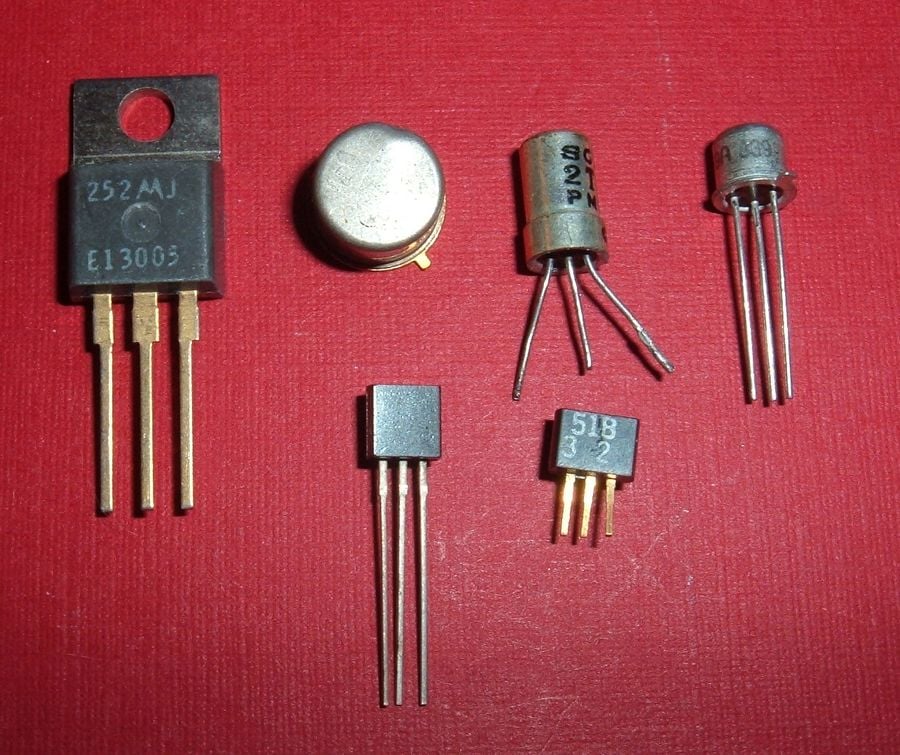
Hafnium is element 72, a lustrous, silvery metal that is chemically almost identical to zirconium — the two are so similar in their properties that separating them in ore processing was one of the more difficult challenges in early 20th-century chemistry, and hafnium was not isolated as a pure element until 1923. Its obscurity is absolute outside specialist circles, and yet it is in every advanced semiconductor chip manufactured today, in a role that became essential when transistor miniaturization pushed the limits of silicon dioxide as an insulating material.
In a transistor, the gate insulator — the thin layer of insulating material that controls the flow of current through the transistor channel — must be thin enough to allow the gate voltage to control the channel and thick enough to prevent current from leaking through it. As transistors shrank to nanometer scales, the silicon dioxide gate insulator had to be made so thin — approximately one nanometer, or roughly five silicon atoms thick — that quantum tunneling caused unacceptable current leakage, increasing power consumption and heat generation.
Hafnium dioxide solved the problem. It has a dielectric constant approximately five times higher than silicon dioxide, allowing a physically thicker layer to be used while providing the same electrical capacitance — eliminating the tunneling problem while maintaining transistor performance. Intel $INTC introduced hafnium-based high-k dielectrics in its 45nm process node in 2007, and all subsequent advanced semiconductor processes use hafnium compounds in the gate stack. The transistors in every modern computer processor, in every smartphone, and in every advanced integrated circuit manufactured after 2007 contain hafnium.
The quantities involved are tiny — a few atomic layers of hafnium compound per transistor, deposited by atomic layer deposition — but the performance difference is so significant that hafnium's incorporation represented one of the most important materials advances in semiconductor history since the introduction of silicon itself.

icon0 com / Pexels
Phosphorus is element 15, a non-metal that exists in several forms, of which white phosphorus — a waxy, highly reactive, toxic solid — and red phosphorus — a stable, non-toxic form used in safety matches — are the most familiar. Its biological importance is comparable to carbon and nitrogen: phosphorus is a component of DNA and RNA, of ATP (the cell's primary energy currency), of phospholipids (the primary structural component of cell membranes), and of hydroxyapatite (the mineral component of bones and teeth).
The agricultural importance of phosphorus is fundamental and irreplaceable. Plants require phosphorus for energy transfer, cell division, and the synthesis of nucleic acids, and the availability of phosphorus in soil is one of the primary limiting factors in crop productivity. Phosphate rock — mined primarily in Morocco, which holds approximately 70% of global reserves — is processed to produce phosphate fertilizers that maintain the soil phosphorus levels required by modern high-yield agriculture. Unlike nitrogen, which can be synthesized from the atmosphere through the Haber-Bosch process, phosphorus has no atmospheric reservoir and can only be sourced from phosphate rock deposits that are finite and geographically concentrated.
The concern about long-term phosphorus availability — "peak phosphorus" — is less immediate than peak oil fears proved to be, but the geographical concentration of reserves and the lack of a recycling infrastructure for phosphorus in food systems is a genuine long-term challenge for global food security.
Phosphorus compounds have important industrial applications beyond fertilizers. Organophosphate chemistry produces both nerve agents — the most toxic substances synthesized by humans, including VX and sarin — and the insecticide class that includes malathion and chlorpyrifos, which work by the same mechanism of inhibiting acetylcholinesterase. The phosphoric acid used to give cola drinks their characteristic tartness is food-grade phosphoric acid, produced from phosphate rock — the same geological material that fertilizes the crops that produce the ingredients in the drink.

Jonathan Cooper / Pexels
Helium is element 2, the second lightest element, the second most abundant in the universe after hydrogen, and one of the most practically important elements in modern science and industry — despite being, from the perspective of everyday experience, primarily known as the gas that makes balloons float and voices squeak. The party applications are real but peripheral to helium's actual significance.
Helium's most critical industrial application is as a cryogenic coolant. It has the lowest boiling point of any element — 4.2 Kelvin, just above absolute zero — making liquid helium the only substance capable of cooling the superconducting magnets used in MRI machines, particle accelerators, and certain types of quantum computers to the temperatures at which superconductivity occurs. Every MRI scanner in every hospital contains a large volume of liquid helium maintaining the magnetic field coils at 4 Kelvin. The Large Hadron Collider at CERN uses approximately 120 tonnes of liquid helium to cool its superconducting dipole magnets. Without helium, neither the diagnostic imaging that has transformed medicine nor the particle physics experiments that have extended human understanding of matter would be possible at their current scale.
Helium is also used as an inert shielding gas in arc welding of reactive metals including titanium and aluminum, where atmospheric contamination of the weld pool would cause embrittlement. Helium-cooled nuclear reactors have been proposed as a reactor design with inherent safety advantages. Helium-neon lasers produce the characteristic red beam used in supermarket barcode scanners and laser pointers.
The supply situation for helium is unusual among elements. It is extracted from underground natural gas deposits in which it has accumulated over geological time from the radioactive decay of uranium and thorium in surrounding rocks. Unlike most gases, helium released into the atmosphere is light enough to escape Earth's gravity gradually and is effectively lost from the planet — making it a genuinely non-renewable resource. The largest reserves are in the United States, Qatar, and Russia, and concerns about long-term supply have been discussed in the scientific community since at least the 1990s.
Zlaťáky.cz / Pexels
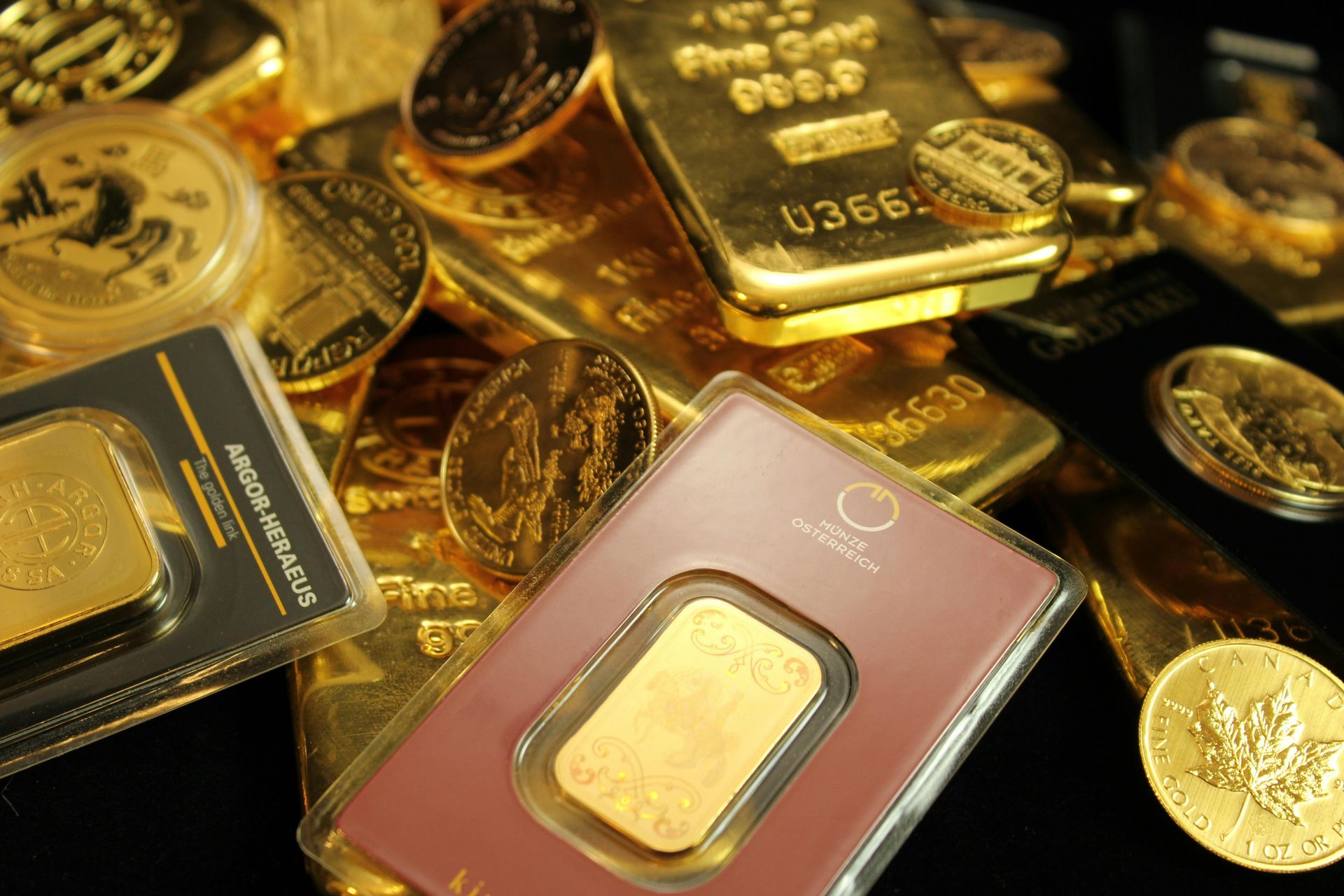
Gold is element 79, a dense, lustrous yellow metal whose most famous applications — jewelry, currency, and monetary reserves — represent only a fraction of its actual industrial importance. The properties that made gold valuable to ancient civilizations — its resistance to corrosion, its malleability, its distinctive color — are the same properties that make it irreplaceable in modern electronics, aerospace, and medicine, though in far smaller quantities and for far more specific reasons.
Gold's resistance to oxidation and corrosion is absolute under normal conditions — it does not rust, tarnish, or react with most chemicals, including the oxygen and moisture in air. This chemical inertness makes it the ideal contact material in electrical connectors, switches, and circuit boards where a reliable, low-resistance connection must be maintained over decades of use and millions of cycles. The edge connectors on computer RAM modules are gold-plated for this reason. The connectors in spacecraft must function in the extreme temperature swings and radiation environment of space for years without degradation — gold is the material that can do this. The Apollo spacesuits used gold-coated visors to reflect infrared radiation and protect astronauts' eyes.
Gold's electrical conductivity — while lower than copper or silver — combined with its corrosion resistance makes it the preferred contact material in applications where reliability cannot be compromised by oxidation. A corroded copper or silver contact introduces resistance and unreliability; a gold contact does not corrode and therefore maintains consistent performance indefinitely.
In medicine, gold compounds have been used as treatments for rheumatoid arthritis since the 1920s — gold sodium thiomalate and auranofin are disease-modifying antirheumatic drugs with demonstrated efficacy, though their mechanism of action is still not fully elucidated. Gold nanoparticles are an active area of cancer therapy research: their ability to absorb near-infrared light and convert it to heat makes them potential agents for photothermal therapy, in which nanoparticles are targeted to tumor cells and then activated by an external light source to selectively destroy the tumor. Gold nanoparticles are also used in rapid diagnostic tests including some COVID-19 lateral flow tests, where their distinctive red color at nanoscale concentrations serves as the visible indicator of a positive result.