
10 picnic foods that actually travel well
Sandwiches that hold up, salads that don't wilt, dishes built to survive a cooler and a car ride — the picnic foods engineered to travel

Roman Odintov / Pexels
Most picnic food failures share the same root cause: the dish was designed to be eaten immediately after preparation, then asked to survive an hour or more of transport, temperature fluctuation, and jostling before actually being served. A sandwich made with a juicy tomato and a soft roll is genuinely excellent eaten at home within minutes of assembly and genuinely soggy by the time it has spent ninety minutes in a picnic basket. The failure is not in the recipe; it is in the mismatch between what the dish was built for and what it was actually asked to do.
The foods in this list share a specific quality: they are either structurally resistant to the effects of time and temperature (dense breads, sturdy vegetables, dressings that don't separate) or they actually improve with a few hours of rest before serving, turning the unavoidable delay between preparation and consumption into an advantage rather than a liability. Several of these dishes are traditionally made a day in advance specifically because sitting improves them.
Each entry covers the dish, the specific reason it holds up during transport, and the preparation adjustments that maximize its travel durability.
Pressed sandwiches (pan bagnat style)
hamzaoui fatma / Pexels
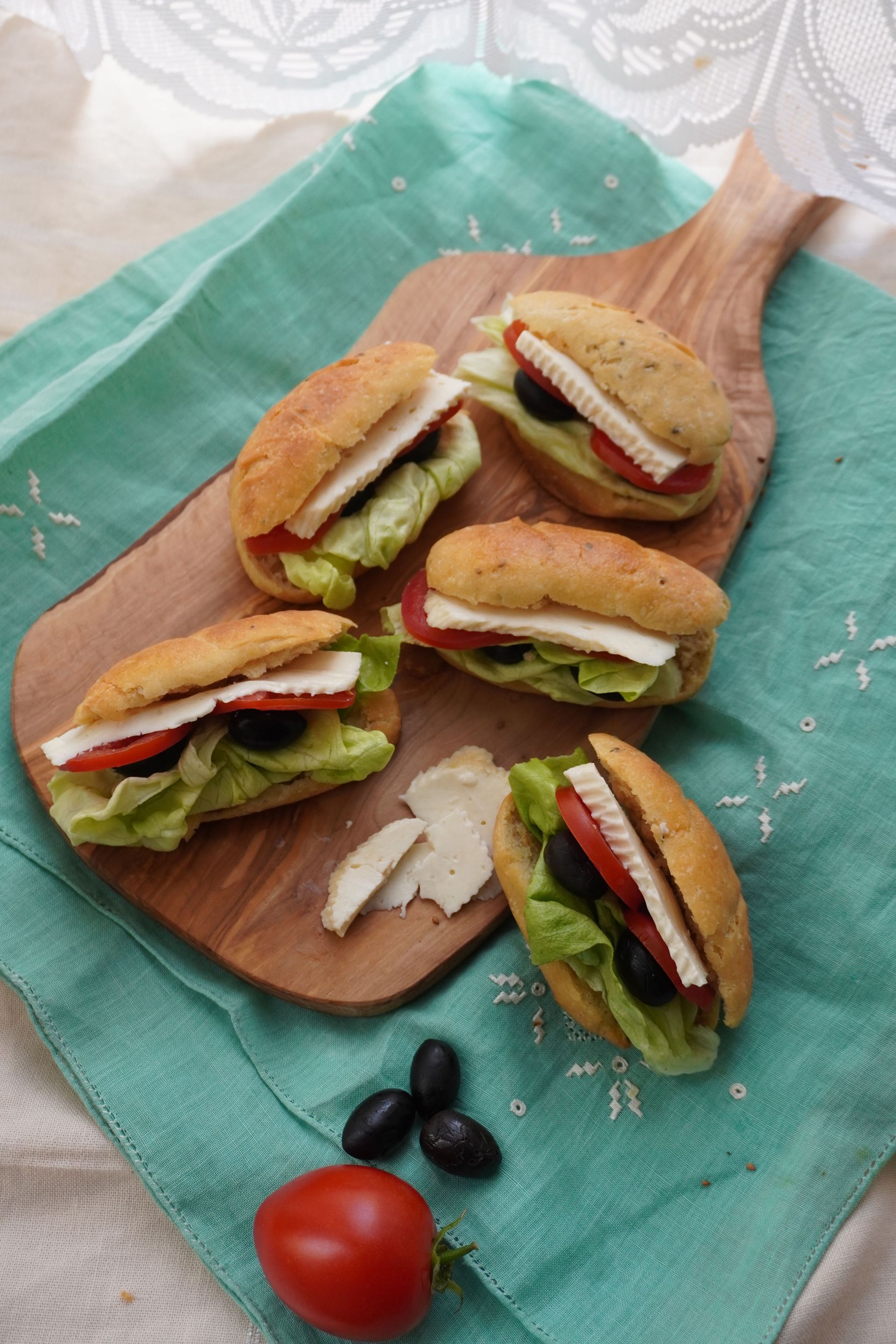
The pan bagnat — a Niçoise sandwich tradition built specifically around the idea of a sandwich that improves with time — inverts the usual sandwich problem by using ingredients and a preparation method that actually benefit from sitting under weight for several hours before eating. A crusty round loaf is hollowed slightly, filled with tuna, olives, hard-boiled egg, tomato, and a generous amount of olive oil and vinegar, then wrapped tightly and pressed under a weight (a cast iron pan, a stack of books) for several hours or overnight.
The pressing and rest period allows the bread to absorb the dressing and juices without becoming soggy in the way an unpressed sandwich would, because the compression distributes moisture evenly through the bread's structure rather than allowing it to pool and saturate one spot. The result is a sandwich that is not merely tolerant of a few hours' wait before eating — it requires that wait to reach its best texture, making it the rare picnic food where preparation timing works entirely in the traveler's favor.
The specific bread matters: a dense, crusty round loaf with a tight crumb holds up to this treatment far better than a soft sandwich roll, which would disintegrate under the same pressing and moisture exposure that a proper pan bagnat loaf handles without issue.
Pasta salad with a vinaigrette base
Engin Akyurt / Pexels
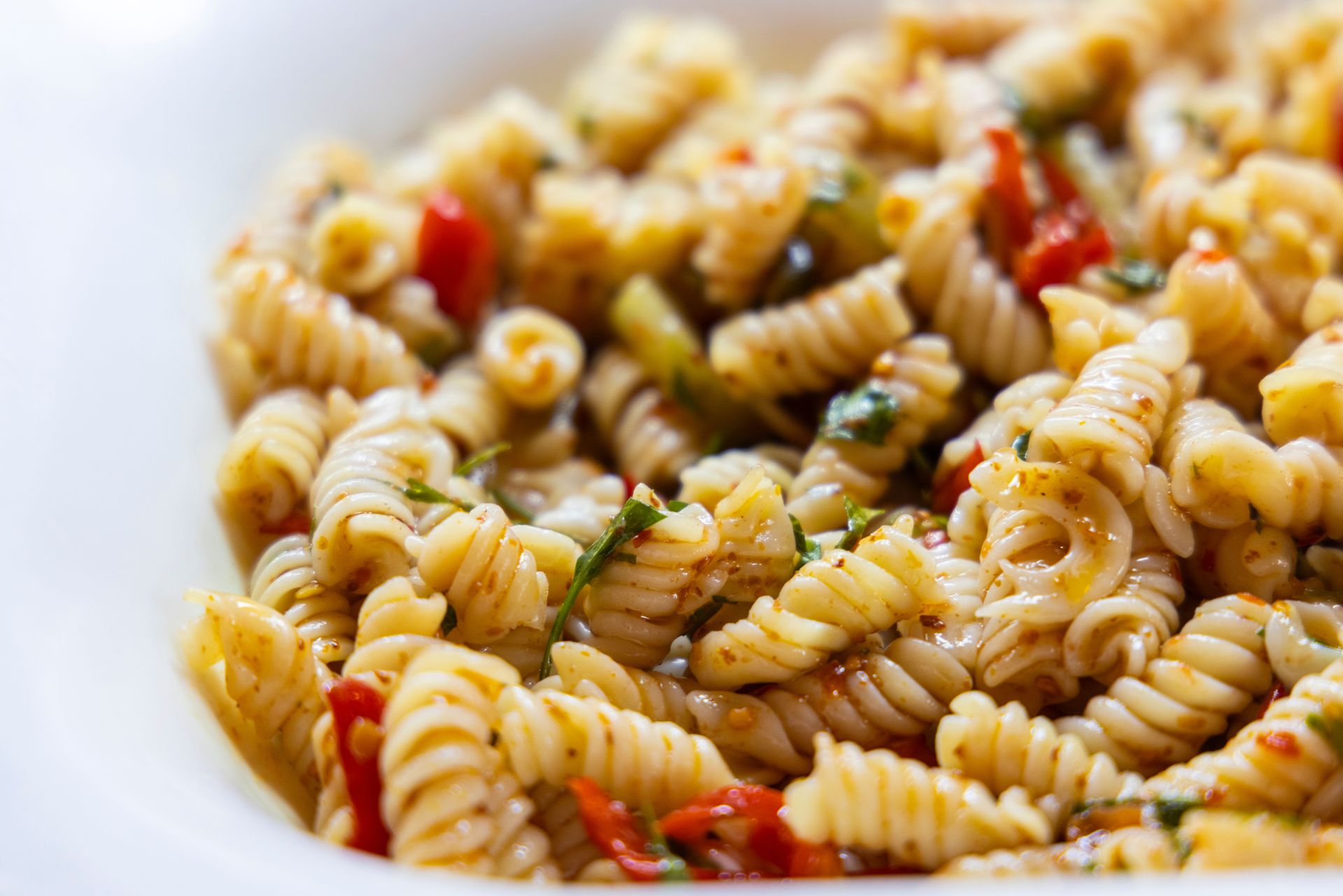
Pasta salads dressed with a vinaigrette (oil and vinegar based) rather than a mayonnaise-based dressing travel significantly better for two specific reasons: vinaigrette does not separate or spoil at ambient outdoor temperature the way mayonnaise-based dressings can, and pasta actually absorbs vinaigrette flavor more fully over several hours of resting, meaning a pasta salad dressed an hour or more before serving tastes better than one dressed immediately before eating.
The specific pasta shape matters for travel durability: short, sturdy shapes (fusilli, penne, farfalle) hold their texture and structure through hours of transport and temperature fluctuation better than delicate or long shapes, which are more prone to breaking down or clumping. Adding sturdy vegetables (bell pepper, cherry tomatoes, red onion) rather than delicate ones (fresh herbs added at the last stage instead, to avoid wilting) further improves the dish's resilience.
The practical preparation sequence for the best travel result is to cook the pasta, dress it with vinaigrette while still slightly warm (allowing better absorption), add sturdy vegetables, and refrigerate for at least an hour before departure, adding any delicate garnishes (fresh basil, crumbled feta) just before serving rather than during initial preparation.
Deviled eggs, transported in their carton
Adriana Coulson / Pexels
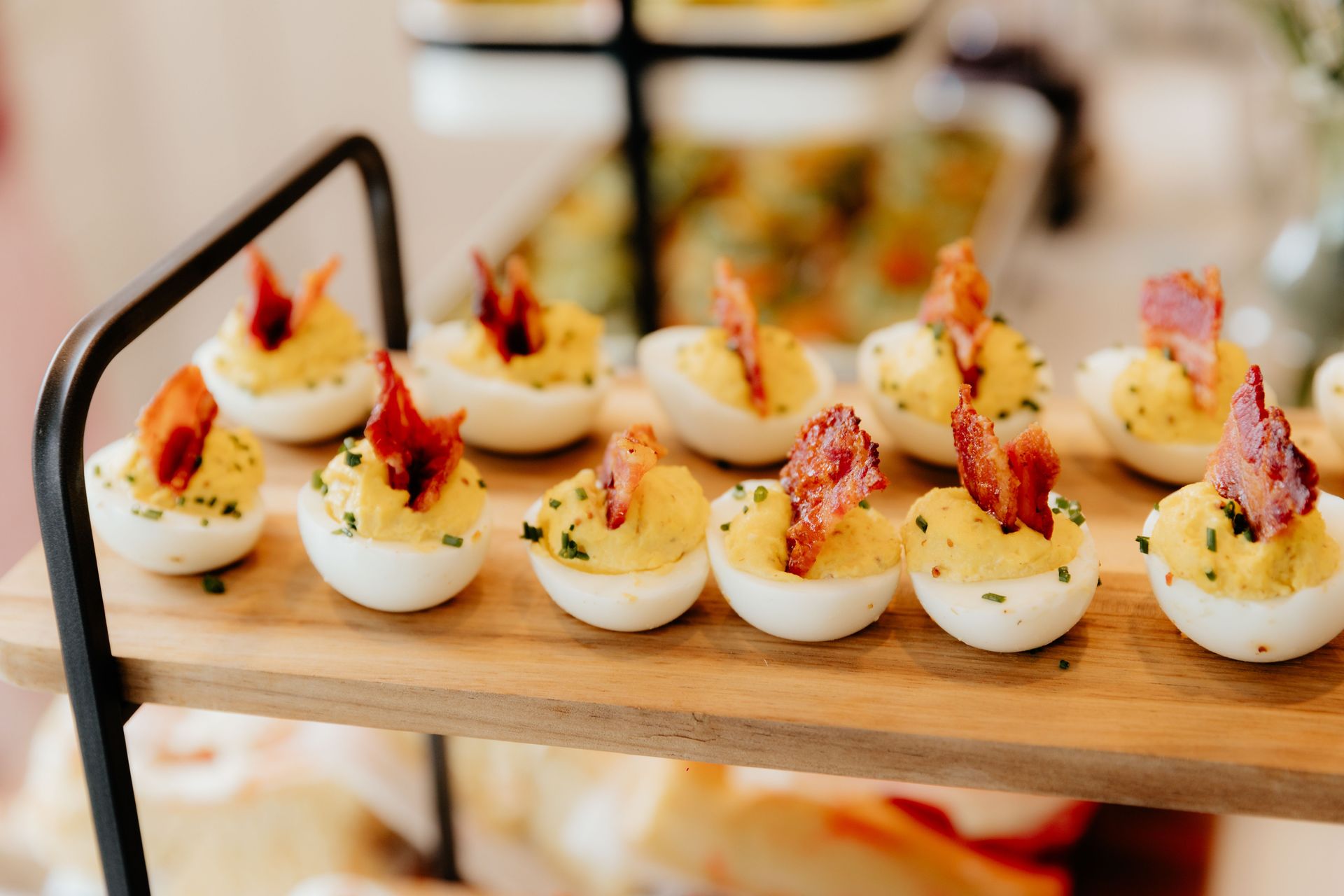
Deviled eggs have a reputation as a fussy picnic food specifically because of the transport problem — the filling can smear, the eggs can tip over, and the presentation that makes deviled eggs appealing at home is easily destroyed in transit. The solution is not a different recipe but a different transport method: returning the eggs to their original egg carton, with the bottom cut or trimmed slightly if needed to accommodate the filled egg's height, keeps each egg upright and stable throughout transport in a way that any flat container cannot replicate.
Deviled egg filling itself, being primarily hard-boiled egg yolk mixed with mayonnaise and mustard, holds its texture and safety profile reasonably well for a few hours at cool ambient temperature (particularly if kept in a cooler until shortly before serving), making the filling itself less of a concern than the physical transport and presentation challenge that the egg carton method specifically solves.
For picnics involving a longer transport time or higher ambient temperature, transporting the hard-boiled egg whites and the filling separately (the filling in a piping bag or a zip-top bag with a corner snipped off) and assembling on-site takes slightly more setup time at the destination but eliminates any concern about filling displacement or temperature exposure during the transport itself.
Firm cheese and cured meat, whole rather than pre-sliced
Laker / Pexels
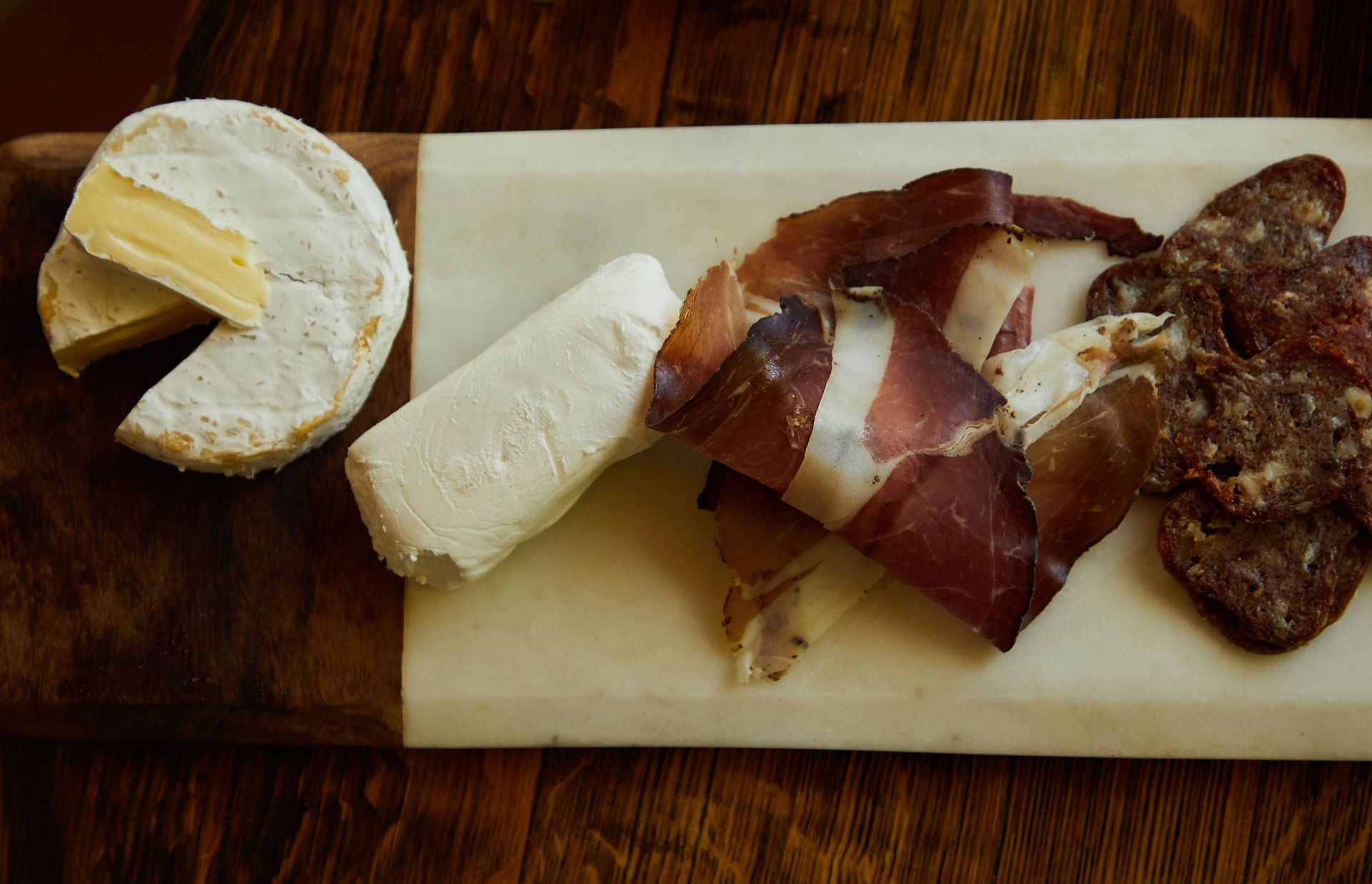
A cheese and charcuterie board is one of the most inherently travel-friendly picnic foods available, provided the cheese selection favors firm, aged varieties (aged cheddar, manchego, gouda) over soft, high-moisture cheeses (brie, burrata) that are more temperature-sensitive and prone to becoming unpleasantly soft or runny during transport in warm weather.
Keeping cheese in larger blocks rather than pre-slicing before departure preserves both texture and flavor: pre-sliced cheese develops a drier, oxidized surface more quickly than a whole block, and slicing on-site, even with a simple knife rather than a full cheese board setup, produces noticeably better texture and flavor than cheese that was cut hours earlier and has been exposed to air and temperature fluctuation in the interim.
Cured meats (salami, prosciutto, chorizo) are specifically well-suited to picnic transport because the curing process that produces them was historically developed to allow meat to be stored and transported without refrigeration, meaning that cured meats tolerate a picnic's typical few hours outside refrigeration considerably better than fresh, uncured meat products, provided basic food safety practices (a cooler for warm-weather outings, reasonable time limits) are still observed.
Marinated vegetable salads
Ron Lach / Pexels
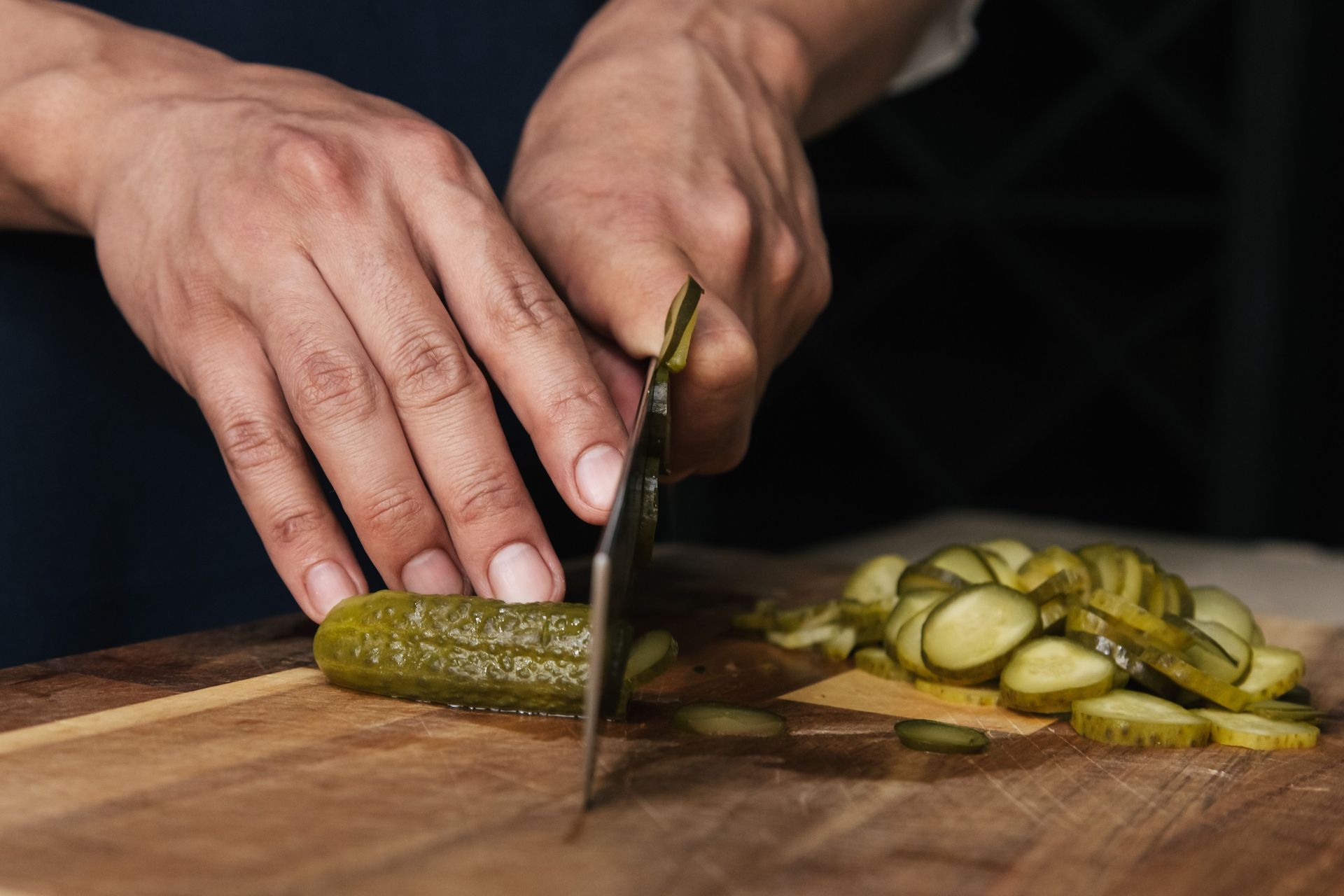
Vegetables marinated in an acidic dressing — a classic Italian giardiniera, a Greek-style marinated vegetable salad, or a simple combination of cucumber, tomato, and red onion in vinegar — improve rather than degrade with several hours of marinating time, making the unavoidable delay between preparation and picnic consumption an asset rather than a liability, similar to the pasta salad and pan bagnat entries.
The specific vegetables that hold up best to extended marinating are those with firm cell structure that resists breaking down: cucumber, bell pepper, carrot, radish, and cherry tomatoes all maintain reasonable texture through hours of acid exposure, while more delicate vegetables (sliced tomato rather than whole cherry tomatoes, in particular) tend to become mushy and release excess liquid, producing a soggier and less appealing result.
A marinated vegetable salad also solves a secondary picnic problem that many dishes do not address: it requires no utensil more sophisticated than a fork to serve and eat, and it holds its quality across a wide range of temperatures, making it one of the more forgiving items on this list in terms of both preparation timeline and outdoor temperature tolerance.
Frittata, served at room temperature
Shameel mukkath / Pexels
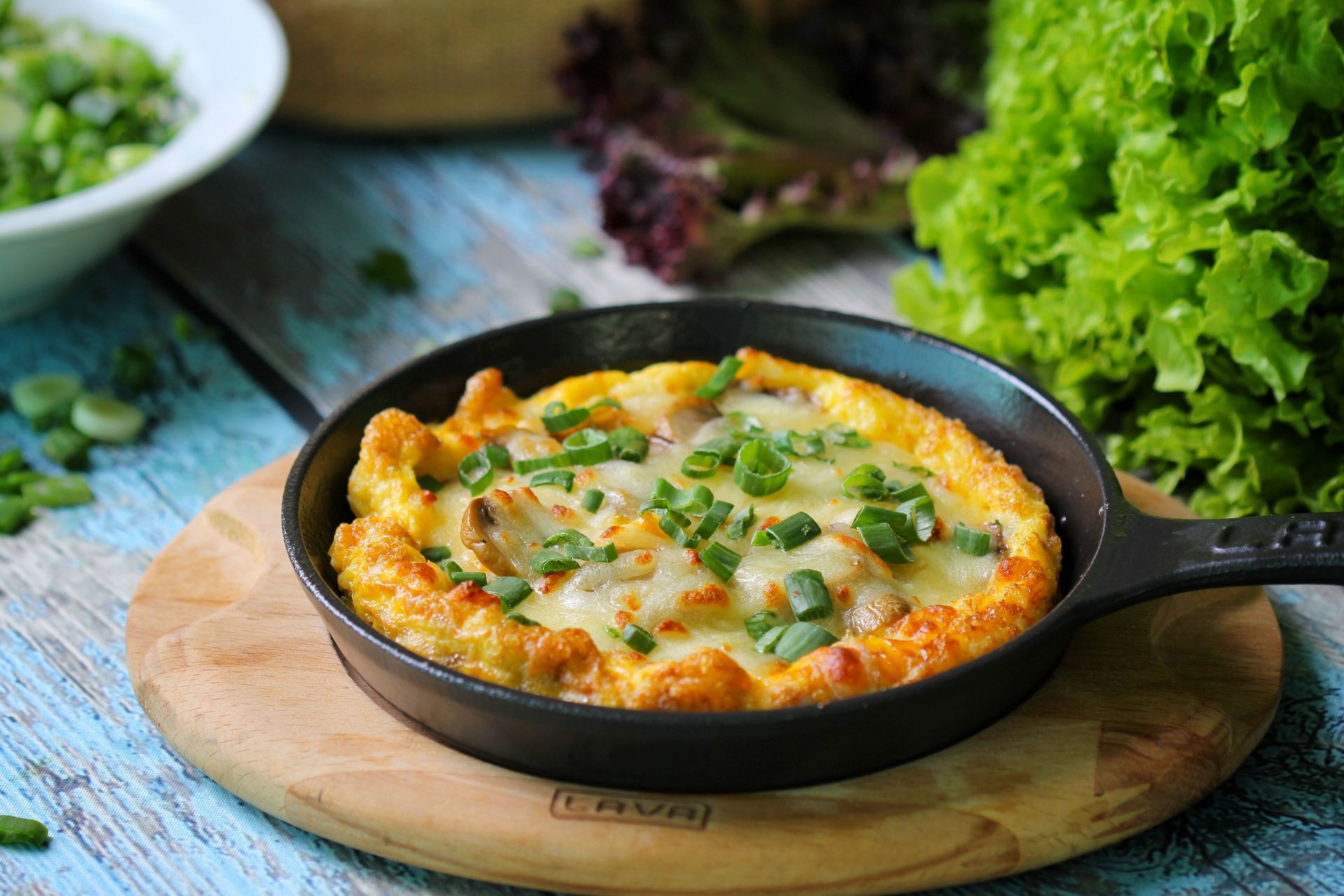
A frittata — the Italian open-faced egg dish, distinct from an omelet in that it is cooked slowly and finished in the oven rather than folded — is specifically suited to picnic transport because it is traditionally served at room temperature rather than hot, meaning that the temperature drop that occurs during any picnic transport is not a defect but the dish's intended serving condition.
The dense, set structure of a properly cooked frittata (cooked through rather than left runny in the center, since a runny frittata does not hold its shape or slice cleanly once cooled) allows it to be sliced into wedges or squares that hold together well during transport, unlike a soft scramble or a more delicately textured quiche, which are more prone to falling apart when handled outside a controlled kitchen environment.
Frittatas also tolerate an extremely wide range of mix-in ingredients — roasted vegetables, cured meats, hard cheeses — all of which can be prepared the day before and incorporated into a frittata made specifically for next-day picnic transport, making it one of the more flexible make-ahead options on this list for cooks working with whatever needs using up in the refrigerator.
Bean salads
Shalom Dare / Pexels
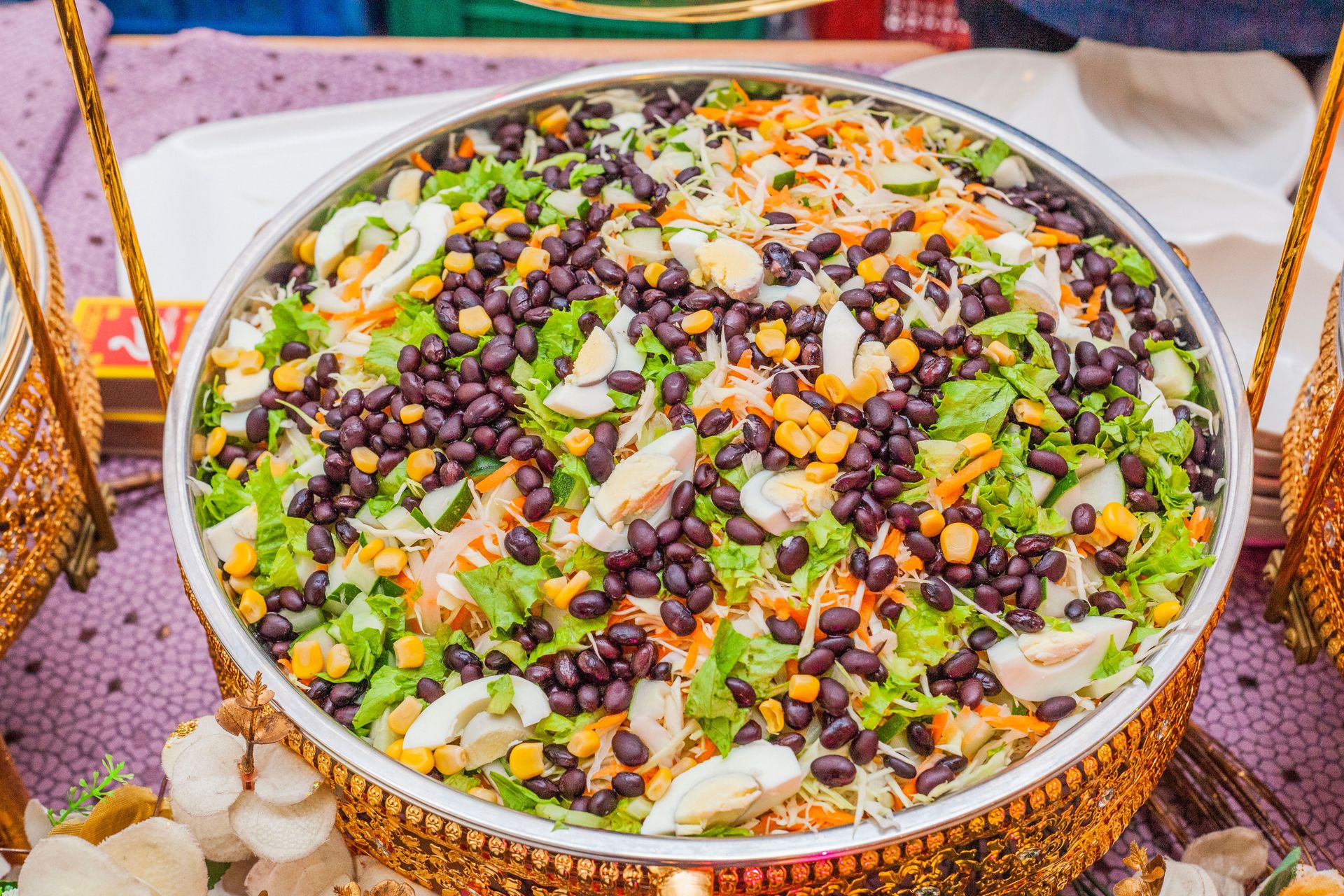
Bean salads, built from canned or home-cooked beans (chickpeas, black beans, white beans) combined with a vinaigrette and sturdy vegetables, share the same travel-friendly logic as the pasta and vegetable salads described earlier: beans hold their structural integrity through hours of dressing exposure far better than more delicate salad components, and the dish genuinely benefits from a few hours of marinating time before serving.
The specific nutritional density of bean salads — combining protein, fiber, and vegetables in a single dish — makes them a practical main-dish or substantial side option for a picnic, reducing the number of separate dishes needed to produce a complete, satisfying meal, and their affordability relative to meat-based dishes makes them a practical choice for larger group picnics where cost per serving matters.
Bean salads also tolerate temperature fluctuation better than dairy- or meat-based dishes from a food safety perspective, since they contain no ingredients that spoil quickly at ambient temperature, making them one of the lower-risk options on this list for picnics without reliable access to a cooler or ice throughout the outing.
Whole fruit rather than pre-cut fruit
George Njukeng / Pexels
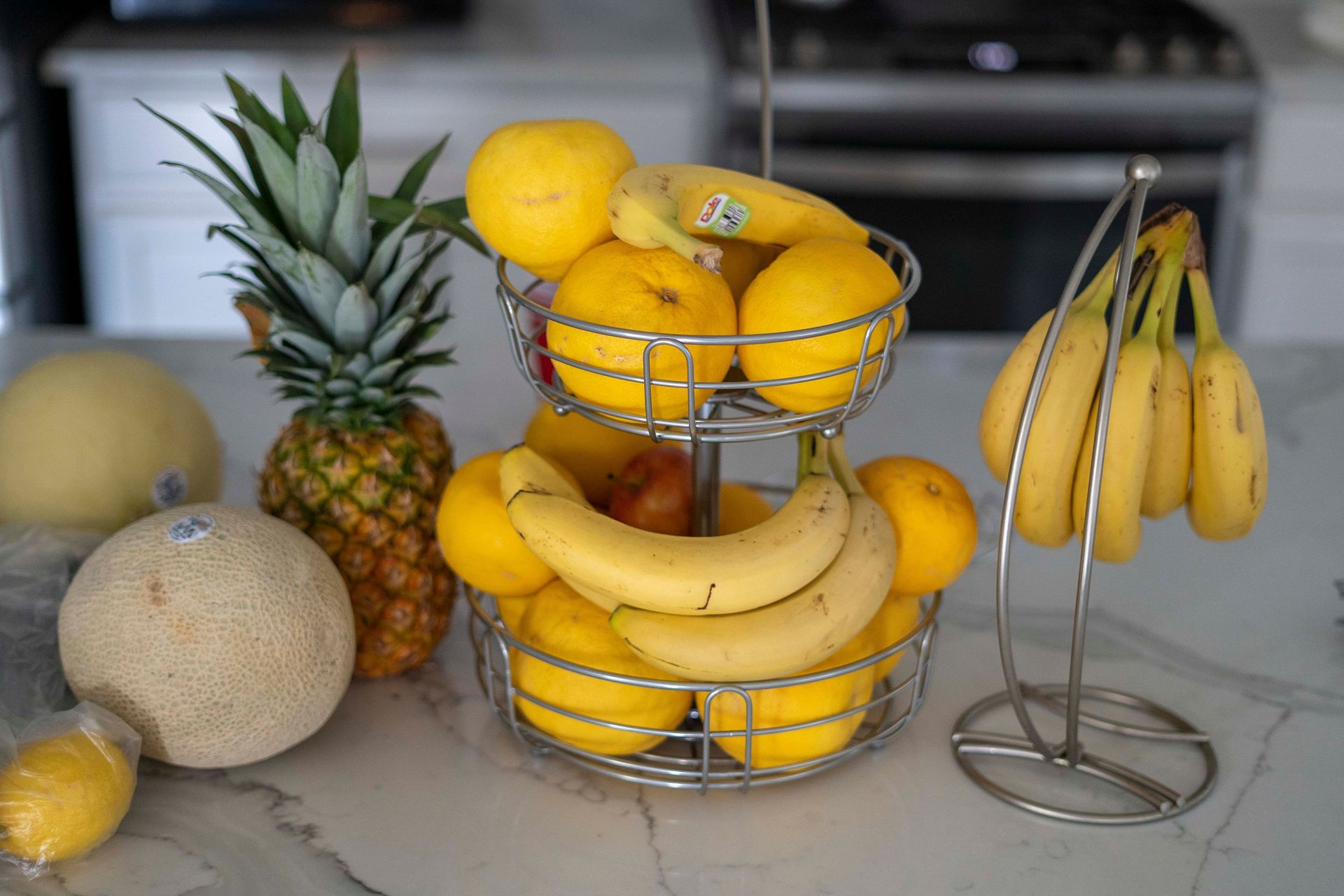
Whole, uncut fruit — apples, pears, grapes on the stem, whole peaches — is one of the most reliably travel-friendly picnic foods available specifically because the intact skin protects the fruit's interior from oxidation, moisture loss, and bacterial contamination in a way that pre-cut fruit cannot replicate, and because whole fruit requires no container beyond whatever bag or basket is already being used to transport everything else.
Pre-cut fruit, while more immediately convenient to eat, begins browning (oxidizing) within a relatively short time after cutting, and the moisture released from cut fruit surfaces creates both a food safety consideration (bacterial growth accelerates once a fruit's protective skin barrier is breached) and a practical mess consideration (fruit juice pooling in a container) that whole fruit avoids entirely.
For fruits that are genuinely better enjoyed pre-cut (watermelon, pineapple, melon generally), cutting as close to departure time as possible and using an acidic coating (a light squeeze of lemon or lime juice) slows the oxidation process meaningfully, though this remains a less durable option than simply transporting these fruits whole or in large wedges and cutting them at the picnic site itself.
Hummus and vegetable sticks, packed separately
Novkov Visuals / Pexels
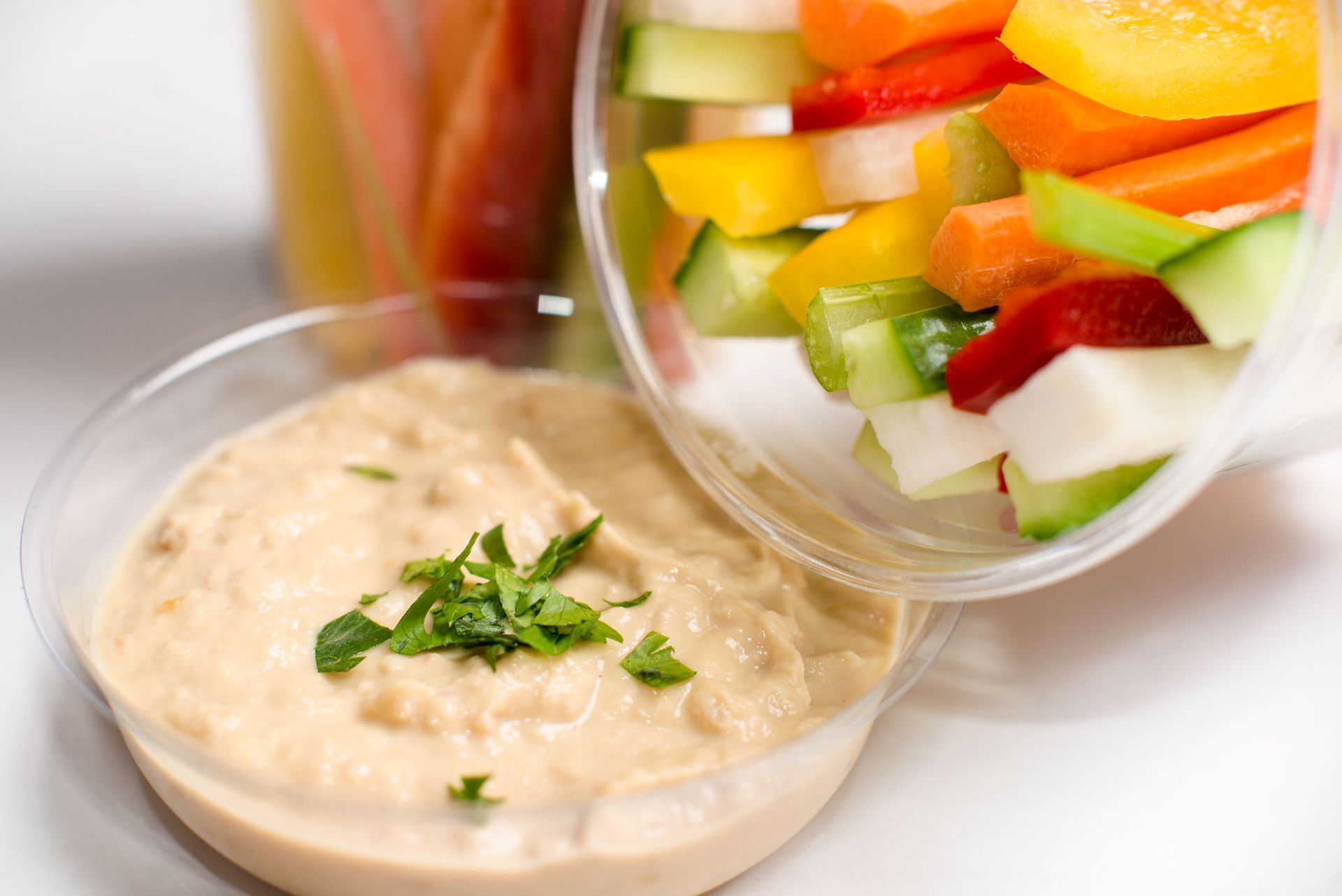
Hummus is one of the most stable dip options for outdoor transport, tolerating several hours at ambient or cooler temperature without separating or spoiling in the way that dairy-based dips (sour cream or cream cheese based dips in particular) are prone to, and its dense, relatively low-moisture consistency means it does not shift or leak significantly even in a jostled container.
The specific packing detail that determines whether hummus and vegetables actually travel well together is separation: packing raw vegetable sticks (carrot, celery, bell pepper) in a separate container from the hummus itself, rather than pre-arranging them together in a single serving dish, prevents the vegetables from releasing moisture into the hummus and prevents the hummus from softening the vegetables' crunch — both of which occur within an hour or two if the two components are combined before departure.
Cutting vegetables into sticks rather than rounds or smaller pieces also improves their travel durability, since the larger surface area-to-volume ratio of a stick shape loses moisture and crispness more slowly than smaller-cut pieces, meaning that vegetable sticks cut the same day and kept cold will maintain acceptable crunch for several hours in a way that finely diced vegetables would not.
Baked goods with a dense crumb (banana bread, pound cake)
Airin Party / Pexels
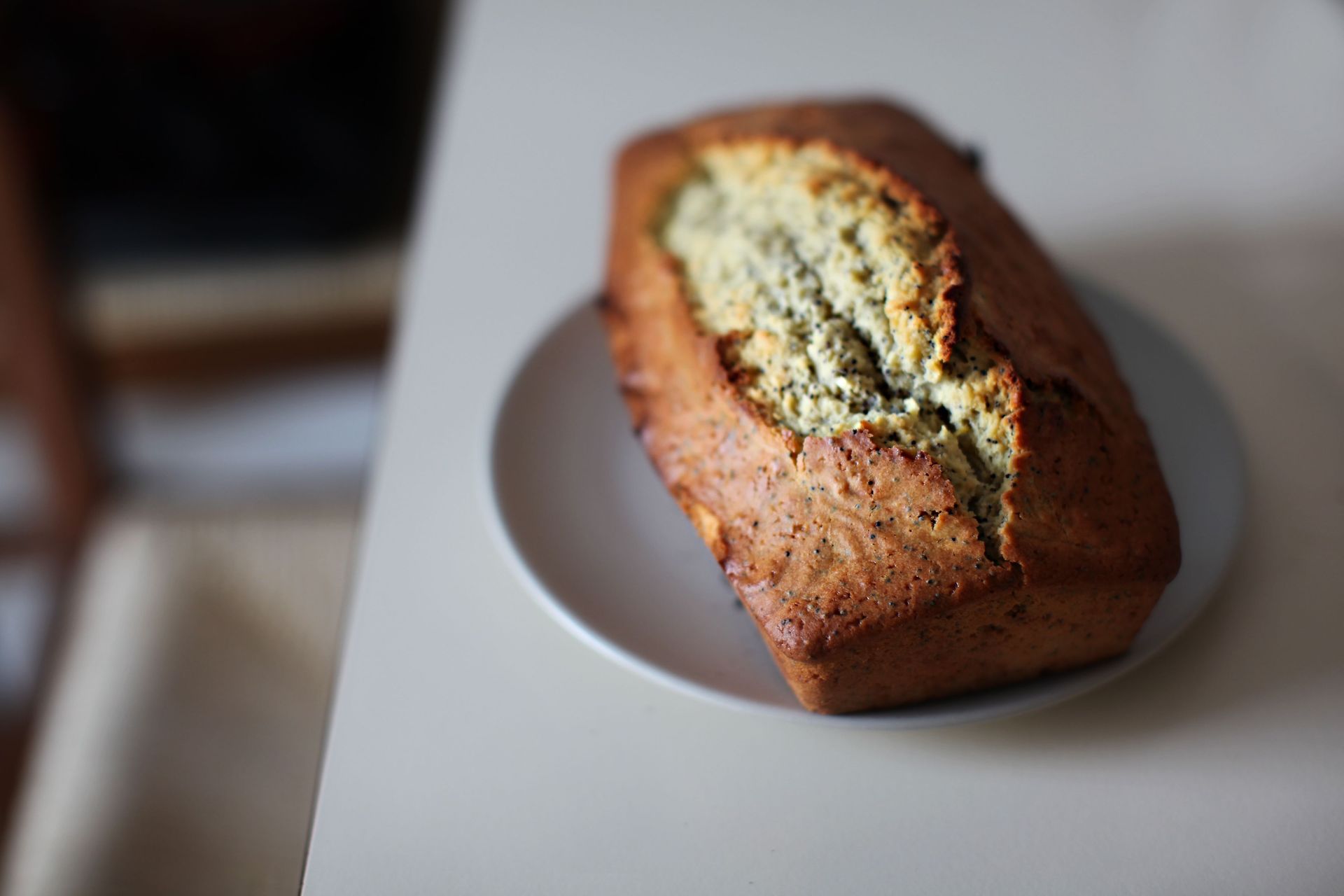
Dense, moist quick breads — banana bread, pound cake, zucchini bread — travel considerably better than lighter, more delicate baked goods (a light sponge cake, a delicate pastry) because their dense structure resists crumbling, compression damage, and moisture loss far more effectively, meaning they arrive at a picnic in essentially the same condition they left the kitchen in, regardless of how they were jostled in transit.
These baked goods also share a specific practical advantage: most quick breads are traditionally made a day in advance and are, if anything, considered to taste better on the second day, once the crumb has had time to set and the flavors have had time to meld — meaning that the standard advance preparation timeline for a successful picnic (baking the night before rather than the morning of) aligns naturally with when these specific baked goods reach their best quality, rather than requiring a compromise between freshness and convenience.
Wrapping a dense quick bread in foil or plastic wrap immediately after it has fully cooled, rather than leaving it exposed to air, preserves moisture during the following day's transport and prevents the specific drying-out that can occur if a cut loaf is left uncovered for the several hours between morning preparation and afternoon picnic consumption.