
Plants have no brain or nerves, yet they count prey, call for bodyguards, warn their relatives, and make their own heat — here is how they pull it off
Credit: Rolf Härdi / Pexels
The line between plants and animals feels firm until you watch a Venus flytrap decide whether the thing crawling across its lobes is worth eating. Plants have no brain, no nerves, and no muscles. Yet they sense, signal, move, and respond in ways that map onto behaviors long treated as the private property of animals.
Part of the reason this feels strange is speed. Most plant action unfolds too slowly for human patience, so we read stillness as passivity. Time-lapse film changed that. Roots probe soil like questing tongues. Vines swing in wide arcs hunting for something to climb. Leaves pivot to follow the sun across the sky.
The other reason is vocabulary. Words like memory, communication, and hunting carry animal baggage, and scientists argue about whether they belong in botany at all. The mechanisms differ. Plants use electrical pulses, chemical gradients, and hormones rather than neurons. But the outcomes — counting, defending, warning kin, trapping prey — are real and measurable.
What follows is a tour of 15 plant abilities that sound borrowed from the animal kingdom. Some have been documented since Charles Darwin ran experiments on climbing stems and insect-eating leaves in his greenhouse. Others come from laboratory work done in the past two decades, using electrodes, gene expression data, and recordings of insects chewing.
None of this requires believing that plants think or feel. It requires only setting aside the assumption that an organism rooted in one spot must be inert. A plant cannot flee a threat or chase a meal, which arguably makes its problem-solving harder, not easier. The solutions it evolved are strange, precise, and often faster than expected.
Read on for the plants that count, the ones that call for bodyguards, the ones that generate their own heat, and the ones that recognize their siblings and pull their roots aside to make room.
Credit: Marc Nesen / Pexels
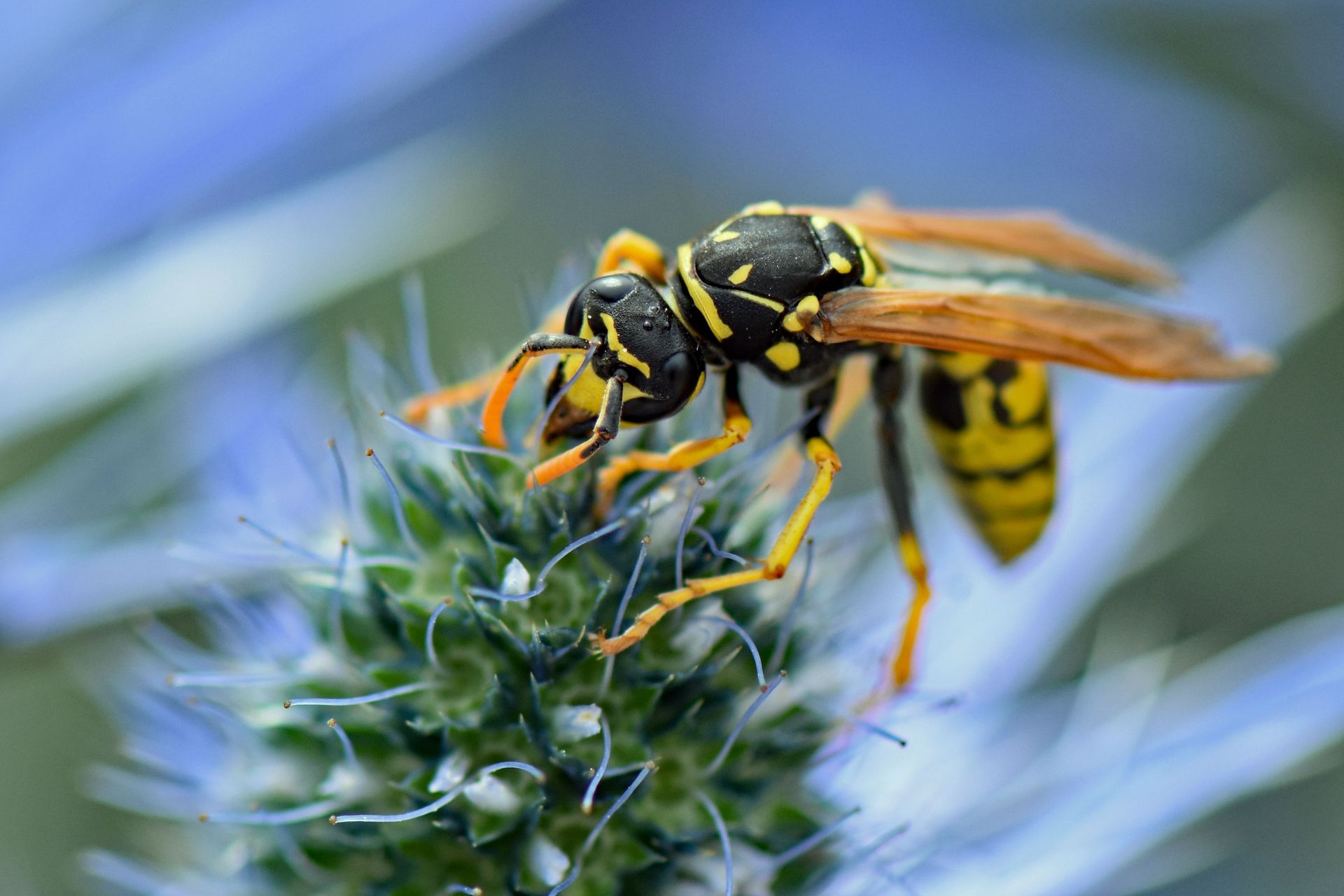
When a caterpillar chews on a corn seedling, the plant does not just absorb the damage. Wounded tissue releases a blend of volatile chemicals into the air. That scent plume travels on the wind and does specific work. It attracts parasitic wasps that hunt the caterpillar species doing the damage.
The wasps arrive, lay their eggs inside the caterpillars, and the larvae kill their hosts from within. The plant has, in effect, summoned hired killers to solve its pest problem. Chemical ecologist Ted Turlings documented this recruitment in maize during the 1990s, showing the plant emits different scent signatures for different attackers.
Lima beans do something similar. When spider mites infest the leaves, the plant releases volatiles that draw in predatory mites. Those predators eat the pests. The signal is not a generic alarm. It carries information about which enemy is present, and it reaches a third party that can act on it.
This is indirect defense. Rather than poisoning the attacker itself, the plant enlists another organism as a weapon. The strategy costs energy, so plants ramp it up only after damage begins rather than broadcasting constantly.
The chemistry involved is well mapped. Green leaf volatiles, terpenes, and other compounds combine into blends that predatory insects learn to associate with prey. Some predators seem to arrive already tuned to the scent.
The behavior blurs a line people assume is clean. Calling for help implies a message, a receiver, and a response. Plants manage all three without a nervous system. They use the wound itself as a transmitter and the surrounding air as the channel. The wasp or mite completes the loop by showing up and eating the problem.
For a rooted organism that cannot swat, bite, or run, outsourcing violence to a flying specialist is a workable substitute. The plant stays put and lets its recruits do the hunting.
Credit: Rolf Härdi / Pexels
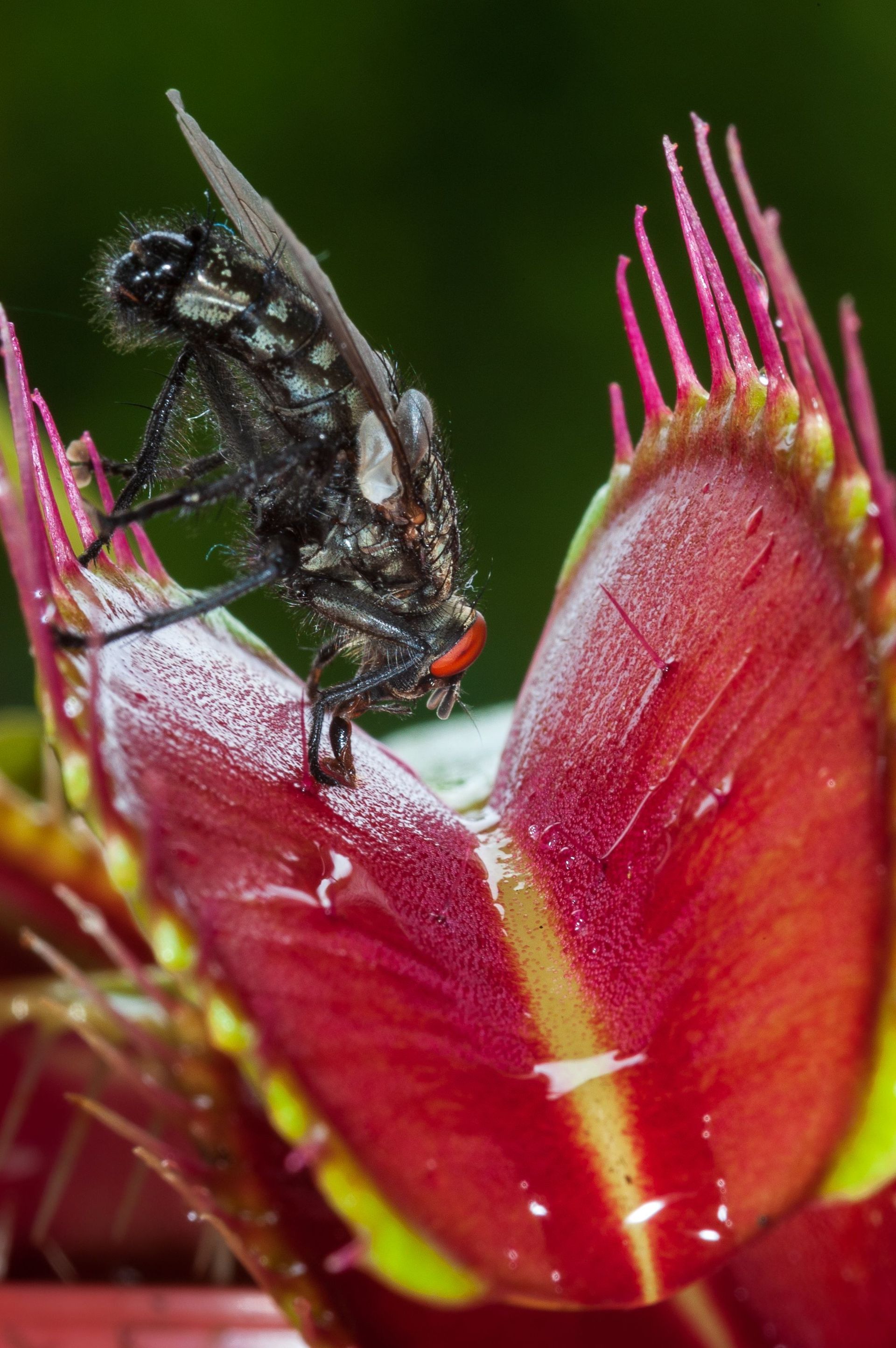
The Venus flytrap faces a problem. Snapping its trap shut costs energy, and closing on a raindrop or a piece of falling debris wastes that effort. The plant solves this by counting.
Each lobe of the trap carries tiny trigger hairs. A single touch does nothing. The plant registers it and waits. If a second touch follows within about 20 seconds, the trap snaps closed in a fraction of a second. Two signals in a short window mean something alive is moving inside. One signal could be anything.
The counting does not stop there. After the trap shuts, the struggling insect keeps brushing the hairs. Around five total stimulations switch on the digestive glands. Further touches ramp up production of the enzymes that dissolve the prey. The plant scales its investment to the vigor of the meal.
Researchers at the University of Würzburg, led by Rainer Hedrich, traced this to electrical signals. Each touch fires an action potential, a pulse much like the ones that travel along animal nerves. The plant tallies these pulses and crosses thresholds that trigger each stage.
No neurons are involved. The signals move through ordinary plant cells using shifts in charged particles across membranes. Yet the outcome is a genuine count, with memory of prior touches held long enough to compare against new ones.
This is arithmetic in service of a budget. Closing, sealing, and digesting are expensive, so the flytrap gates each step behind a numeric checkpoint. A dead leaf that lands on the trap will not keep triggering hairs, so the trap reopens within a day and resets. A live insect keeps moving, keeps counting up, and keeps paying for its own dissolution.
The flytrap does not know it is counting. But the mechanism performs the function, and the function is the same one an animal brain would perform in its place.
Credit: Shakib Uzzaman / Pexels
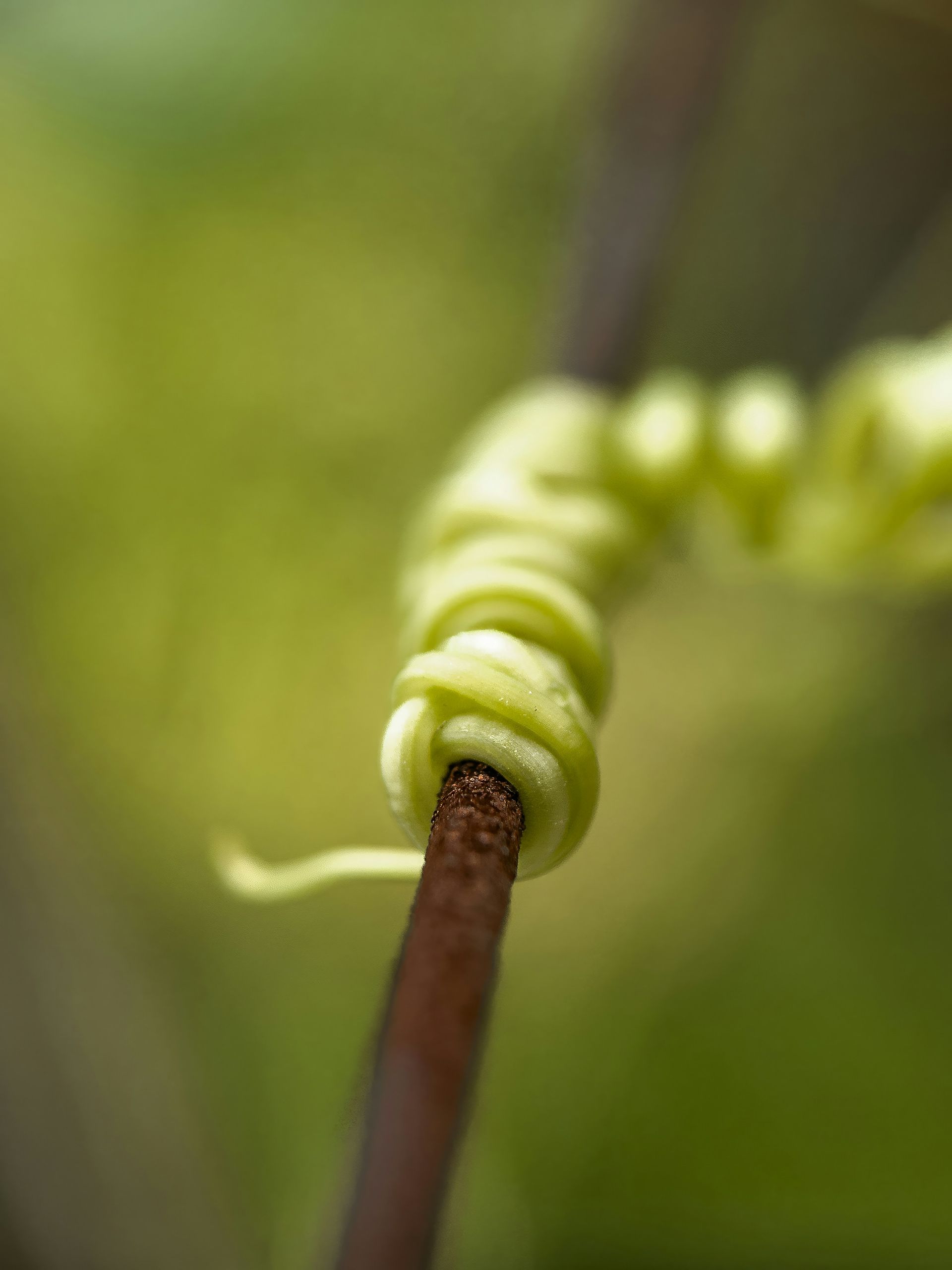
Run your fingers along a young tendril of a pea or a passionflower, and within minutes it may begin to curl toward the side you touched. This is thigmotropism, growth guided by contact. The tendril sweeps through the air until it meets a support, then coils around it to haul the plant upward.
Charles Darwin spent years on this behavior. In his 1875 book on climbing plants, he described tendrils circling slowly in search of something to grip. He timed their sweeps and mapped their spirals. He concluded that touch, not just light or gravity, steered their growth.
Touch changes plants that do not climb, too. Trees and shrubs shaken by repeated wind grow shorter and thicker than sheltered ones. This response has a name, thigmomorphogenesis, and it explains why a houseplant stroked daily stays stubbier than one left alone. The plant reads mechanical stress as a signal to build a sturdier body.
The sensing happens fast. Touch a tendril and calcium ions surge inside its cells within seconds. Genes switch on. The side of the tendril touched slows its growth while the far side keeps stretching, and the mismatch bends the whole structure toward the contact.
Some plants turn touch into a trap. The trigger hairs of a flytrap and the sticky tentacles of a sundew both start with mechanical contact, then convert it into movement. Gardeners exploit the general response by brushing seedlings to keep them compact and strong before transplanting.
None of this requires skin or nerves. The plant surface is studded with cells that detect deformation and translate it into chemical and electrical change. A vine that finds a trellis, a sapling that stiffens against a gale, a seedling that hardens under a gardener's hand — each is a plant responding to being touched, and adjusting its body in reply.
Credit: Peter Dyllong / Pexels
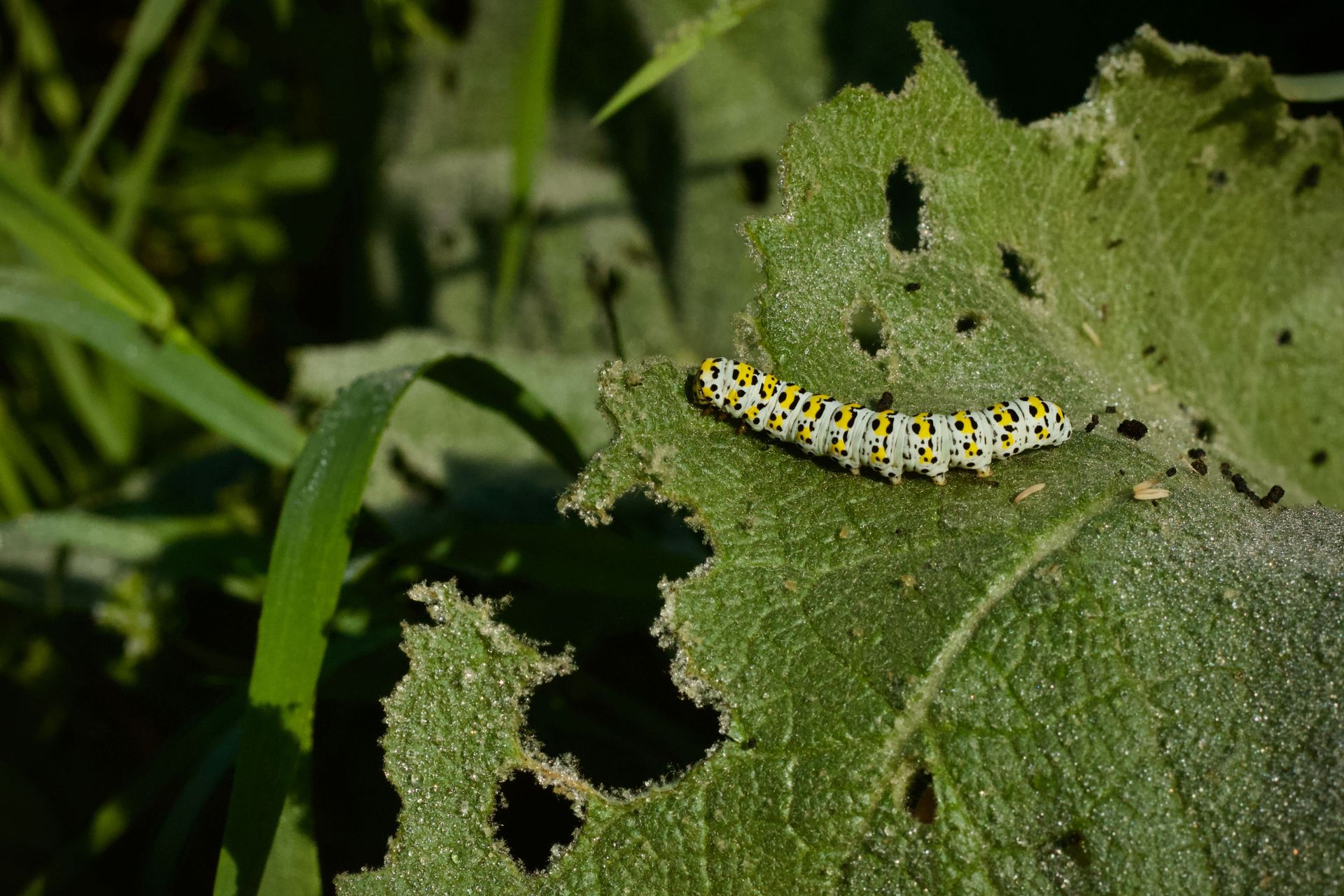
A leaf under attack is not passive. Within minutes of a caterpillar's first bite, many plants flood the wounded area with defensive chemicals. Some make the tissue harder to digest. Others are outright toxic.
Tomato and potato plants produce protease inhibitors, compounds that jam the enzymes an insect needs to break down protein. A caterpillar eating treated leaves struggles to extract nutrition and grows slowly, if at all. The plant poisons its own tissue on demand once feeding starts.
Other species lean on physical weapons. Stinging nettles carry hollow hairs loaded with irritants that break off in skin. Acacias grow long thorns. Many grasses lace their leaves with microscopic silica bodies that grind down the teeth of grazers over a lifetime.
Then there is latex, the milky fluid that oozes from a cut milkweed or fig. It is sticky enough to glue an insect's mouthparts shut and often laced with toxins. Monarch caterpillars evolved ways around milkweed's defenses, but most insects cannot cope.
The response is not fixed. Plants dial defenses up after damage rather than paying the full cost all the time. A hormone called jasmonic acid coordinates much of this. When tissue is torn, jasmonate levels climb and switch on the genes for toxins and inhibitors across the plant, not just at the wound.
This means a bite in one leaf can prime leaves the insect has not reached yet. The whole plant shifts into a defended state for hours or days. Grazing animals sometimes move on because leaves grow bitter and tough faster than they can strip a plant bare.
The strategy mirrors an immune response and a retaliation rolled together. No brain decides to fight back. A wound triggers a hormone, the hormone triggers a chemical arsenal, and an organism that cannot flee makes itself expensive to eat.
Credit: Engin Akyurt / Pexels
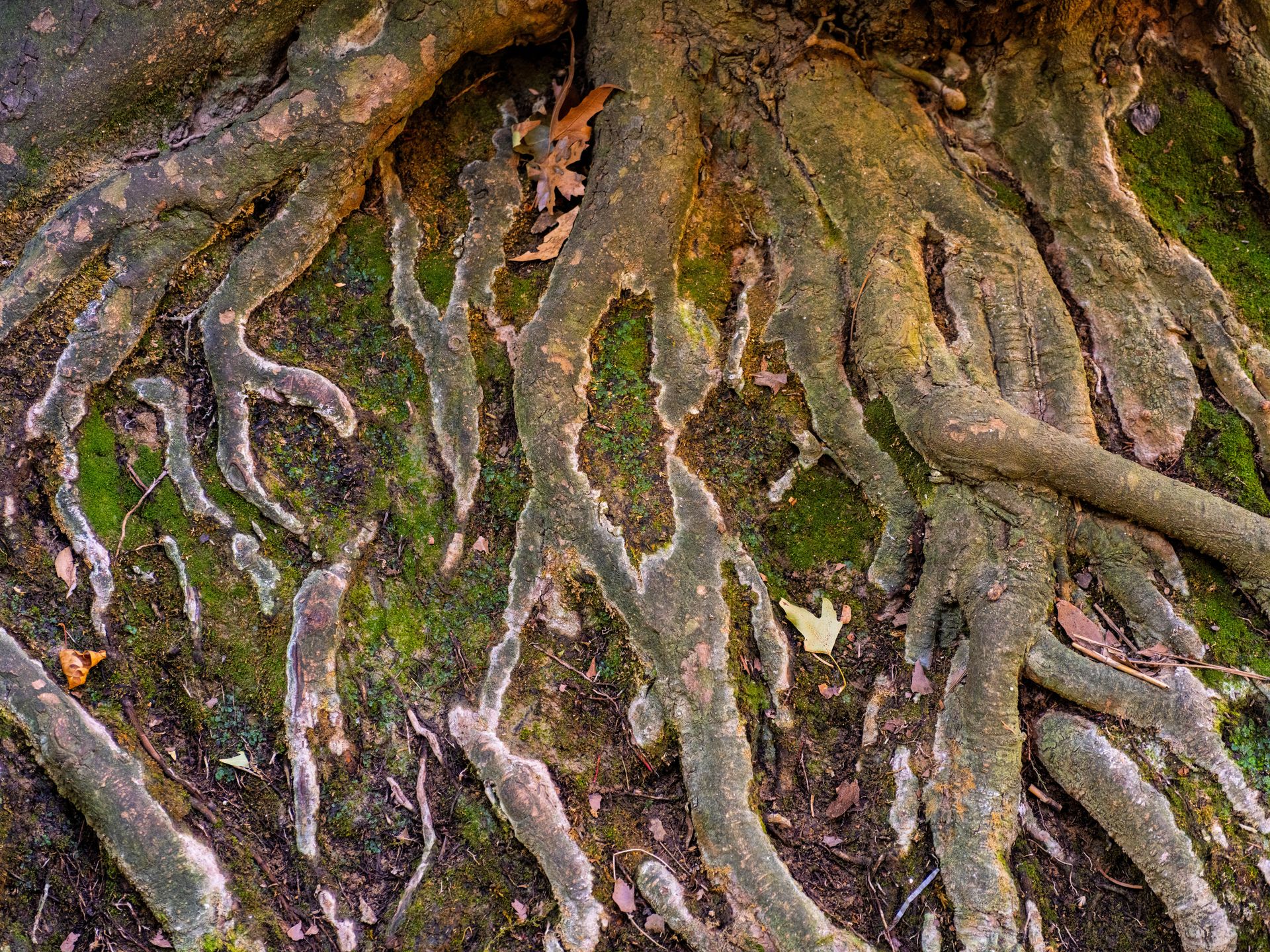
Plants can tell family from strangers, and they treat the two differently. The clearest evidence comes from roots. When a plant grows beside a sibling, it often holds back on root expansion. Beside an unrelated plant, it competes hard, sending out roots to grab water and nutrients first.
Susan Dudley, a biologist at McMaster University in Canada, demonstrated this with sea rocket, a beach plant. In her 2007 experiments, plants sharing a pot with siblings grew smaller, less aggressive root systems than those potted with strangers. The siblings, in effect, stopped elbowing each other.
The logic tracks with evolution. Relatives share genes. A plant that ruins its siblings' growth gains little, because those siblings carry copies of its own genetic material. Restraint among kin can pay off even when it costs the individual something.
How a root distinguishes kin from stranger is still being worked out. Chemical cues released from roots appear to carry identity information. A plant reads the compounds seeping from its neighbors and adjusts its behavior based on how closely they match its own signature.
Kin effects reach beyond roots. Some plants arrange their leaves to shade siblings less, sharing light rather than hogging it. Others change flowering time or growth rate depending on who is nearby. The presence of family shifts the whole strategy from competition toward tolerance.
This behavior once seemed unlikely. Kin recognition was studied in animals — ground squirrels warning relatives, tadpoles schooling with siblings — and treated as a product of memory or sight. Plants manage a version of it through chemistry alone.
The result looks like nepotism without a mind behind it. A plant does not decide to be kind to its brother. It reads a chemical fingerprint, matches it against its own, and grows differently as a consequence. The output is favoritism toward relatives, achieved entirely through molecules in the soil.
Credit: Walter Brunner / Unsplash
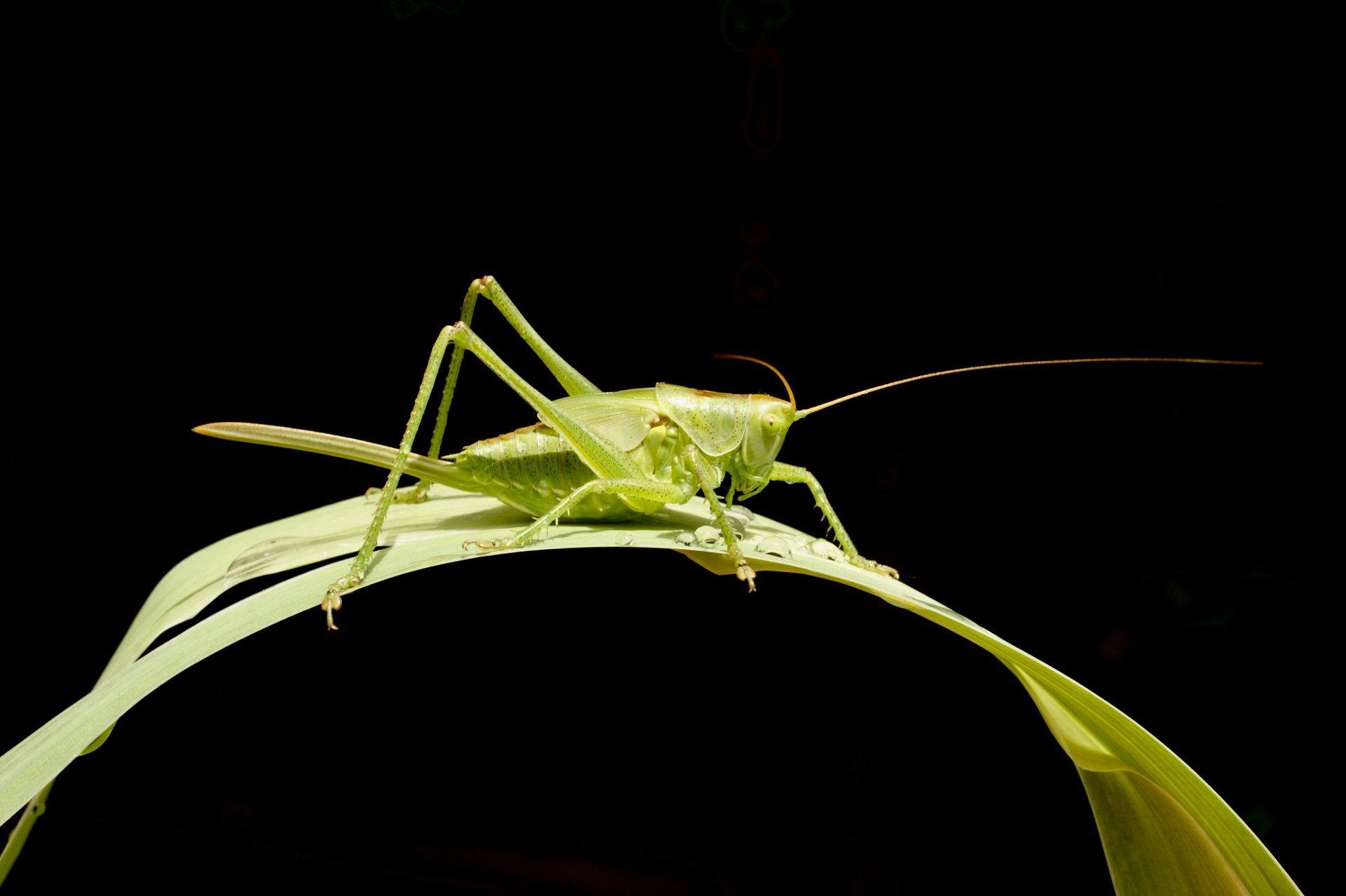
Plants have no ears. Even so, they register vibration, including the specific vibration of an insect chewing their leaves. And they respond to it by arming their defenses.
Heidi Appel and Reginald Cocroft, researchers at the University of Missouri, ran the key experiment, published in 2014. They recorded the vibrations a caterpillar makes while chewing on the mustard plant Arabidopsis. Then they played those vibrations to a fresh set of plants that were not being eaten at all.
The plants that felt the chewing vibrations later produced more defensive compounds when a real caterpillar attacked. Plants exposed to silence, or to unrelated vibrations like wind or insect song, did not ramp up the same way. The plants distinguished the sound of a predator from background noise.
This was not hearing in the animal sense. The plants sensed mechanical vibration through their tissue, likely through the same touch-detecting machinery that handles wind and contact. But the effect was specific. The chewing signal primed a defense that other signals did not.
The finding reframes an old question. Claims that plants respond to music have circulated for decades with little solid support. The vibration that matters to a plant is not a melody. It is the tremor of a mandible working through a leaf, a signal directly tied to a threat.
Detecting an attacker before the damage spreads gives the plant a head start. A leaf already primed with defensive chemistry is a worse meal than one caught unprepared. The plant does not wait to feel the full wound. It reads the vibration that comes with feeding and prepares.
There is no organ for this, no eardrum, no cochlea. Vibration deforms cells, cells signal, and the plant shifts its chemistry. An organism rooted in place picks up the tremor of its own consumption and answers it.
Credit: David Clode / Unsplash
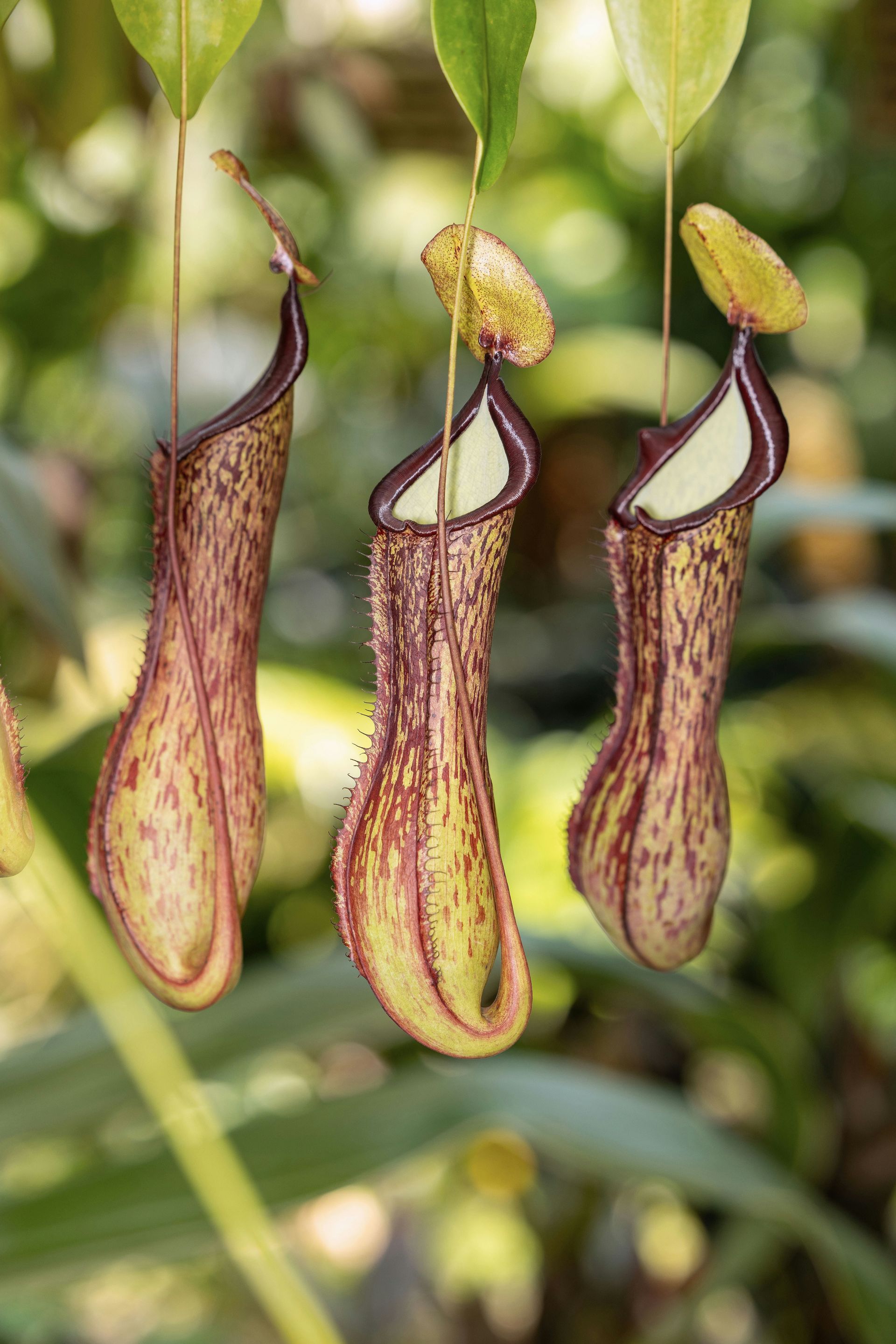
Plants move constantly, though usually too slowly to notice. A few move fast enough to see, and a handful move faster than most animals can react.
The touch-me-not, Mimosa pudica, folds its leaflets within a second or two of being touched. Brush a leaf and it collapses, then droops on its stalk. The movement runs on water pressure. Cells at the base of each leaflet dump their water on cue, go limp, and the leaf sags. It slowly refills and resets over several minutes.
The bladderwort, an aquatic carnivore, is faster still. Its underwater traps are among the quickest movers in the plant kingdom. When a water flea brushes a trigger, the trap springs open and sucks the animal inside in well under a millisecond. The prey is captured before it can swim away.
The Venus flytrap snaps shut in about a tenth of a second. The trap works like a spring under tension. An electrical signal flips the curved lobes from bulging outward to bulging inward, and they slam together over the insect.
Not all plant movement is a trap. Sunflowers track the sun across the sky when young, swinging from east to west each day and resetting overnight. Many climbing plants sweep their growing tips in slow circles, hunting for support. The telegraph plant jerks its small leaflets in visible steps throughout the day.
The mechanisms vary. Some movements come from growth, some from water shifting between cells, some from stored elastic tension released in an instant. What unites them is action without muscle. Plants have no muscle fibers. They move by pumping water, by growing unevenly, or by letting a loaded structure snap.
A rooted organism cannot walk. But it can fold, coil, track, and snap. For catching prey or dodging harm, the fastest plants operate on timescales people assume belong to animals.
Credit: BI ravencrow / Pexels
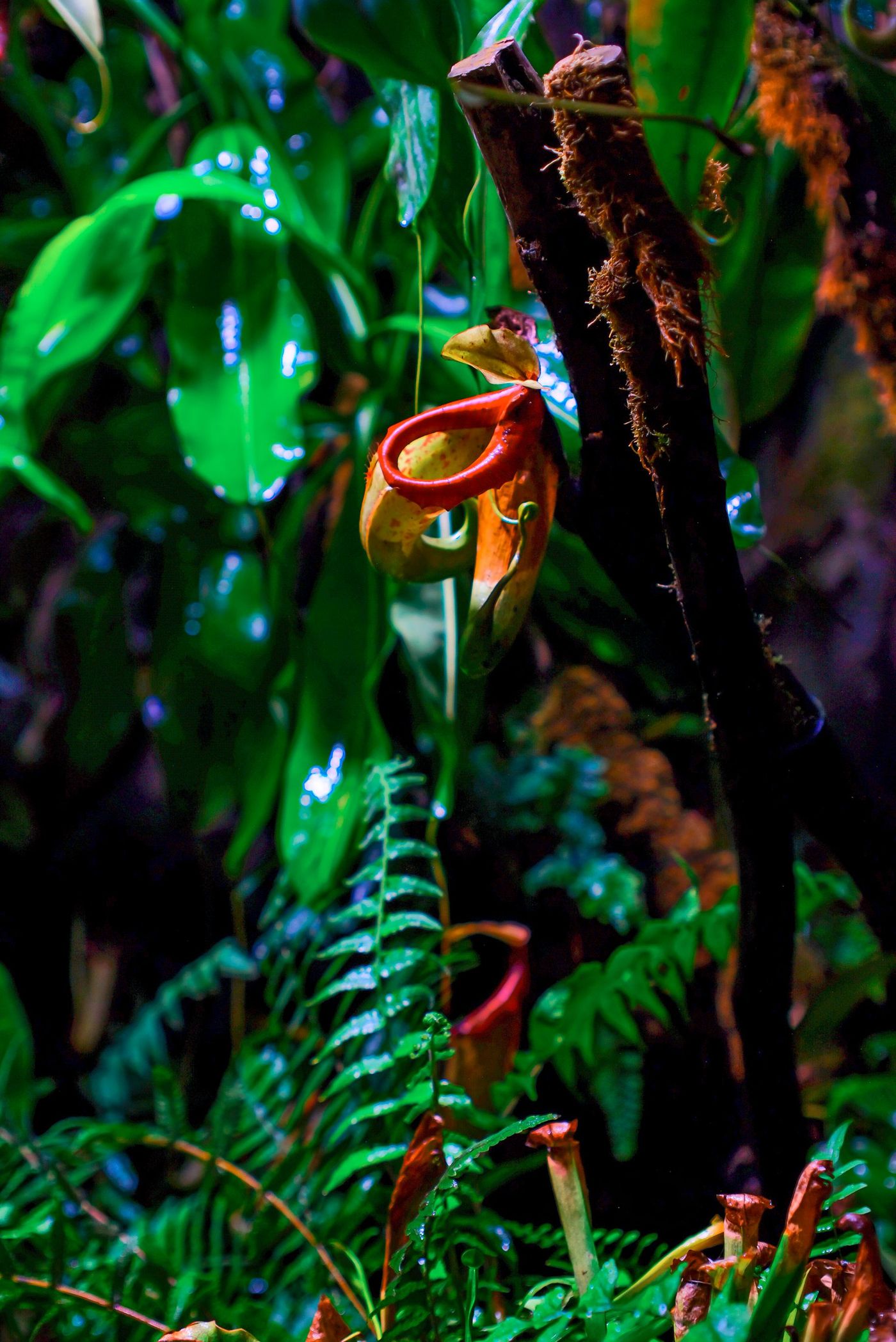
Roughly 600 plant species eat animals. They grow in bogs, swamps, and poor soils where nutrients, especially nitrogen, are scarce. Rather than pull those nutrients from the ground, they take them from flesh.
Pitcher plants are passive hunters. Their leaves form deep, slippery tubes filled with fluid. Insects drawn by nectar and color lose their footing on the waxy rim, fall in, and drown. Enzymes in the fluid dissolve the body. Some tropical pitchers grow large enough to occasionally trap frogs and small rodents.
Sundews take a stickier approach. Their leaves bristle with tentacles tipped in glistening glue. An insect that lands gets stuck, and the tentacles slowly curl inward to press it against the leaf surface, where digestion begins. The glue looks like dew, which is how the plant lures its prey close.
Bladderworts hunt underwater with suction traps that snap prey inside in an instant. The Venus flytrap clamps its hinged lobes shut over anything alive enough to keep moving. Different tools, one goal: capture an animal and break it down.
Digestion is the part that unsettles people. These plants secrete enzymes much like the ones in an animal gut. The enzymes carve proteins into pieces small enough to absorb. The plant reclaims nitrogen and phosphorus from the corpse and grows on the proceeds.
Charles Darwin was captivated by this. His 1875 book on insect-eating plants documented how sundews reacted to specks of meat, and how flytraps handled prey. He fed them, timed their reactions, and treated their behavior as worthy of the same scrutiny he gave animals.
Carnivory evolved independently many times across unrelated plant families. Each lineage arrived at a similar solution to the same shortage. Where the soil cannot supply what a plant needs, some plants stopped waiting for the soil and started eating the animals that walked, crawled, or flew too close.

Credit: Brett Sayles / Pexels
A plant under attack does not keep the threat to itself. The volatile chemicals it releases from damaged leaves drift to nearby plants, and those neighbors respond. They begin arming their own defenses before any insect reaches them.
Rick Karban, an ecologist at the University of California, Davis, spent years studying this in sagebrush. When he clipped a sagebrush plant to mimic insect damage, neighboring plants downwind suffered less herbivore damage over the season. They had picked up the airborne cue and prepared.
The warning is chemical, carried on the same volatile compounds a wounded plant emits anyway. A receiving plant detects the blend and treats it as an early alarm. Its defensive genes switch on, and its leaves grow less palatable ahead of an attack that may or may not come.
There is a twist. Plants respond more strongly to warnings from their own kin and even from other parts of themselves. A sagebrush appears to recognize its own chemical signature and react hardest to cues that match it. The alarm is loudest among relatives.
This raises a question ecologists still debate. Is the wounded plant deliberately warning others, or are neighbors simply eavesdropping on a signal meant for the plant itself? The airborne compounds may first serve to coordinate defenses within one plant, leaf to leaf. Neighbors that can smell them get a free early warning.
Either way, the practical result is a stand of plants that shares threat information through the air. A single infestation can prime a whole patch. Insects arriving later find leaves already stocked with toxins and harder to digest.
The behavior looks like an alarm call, the kind a bird or a prairie dog gives when a predator appears. Plants achieve the same effect with scent. A wound becomes a broadcast, and the plants that can read it get ready.
Credit: BaShaClicks / Pexels
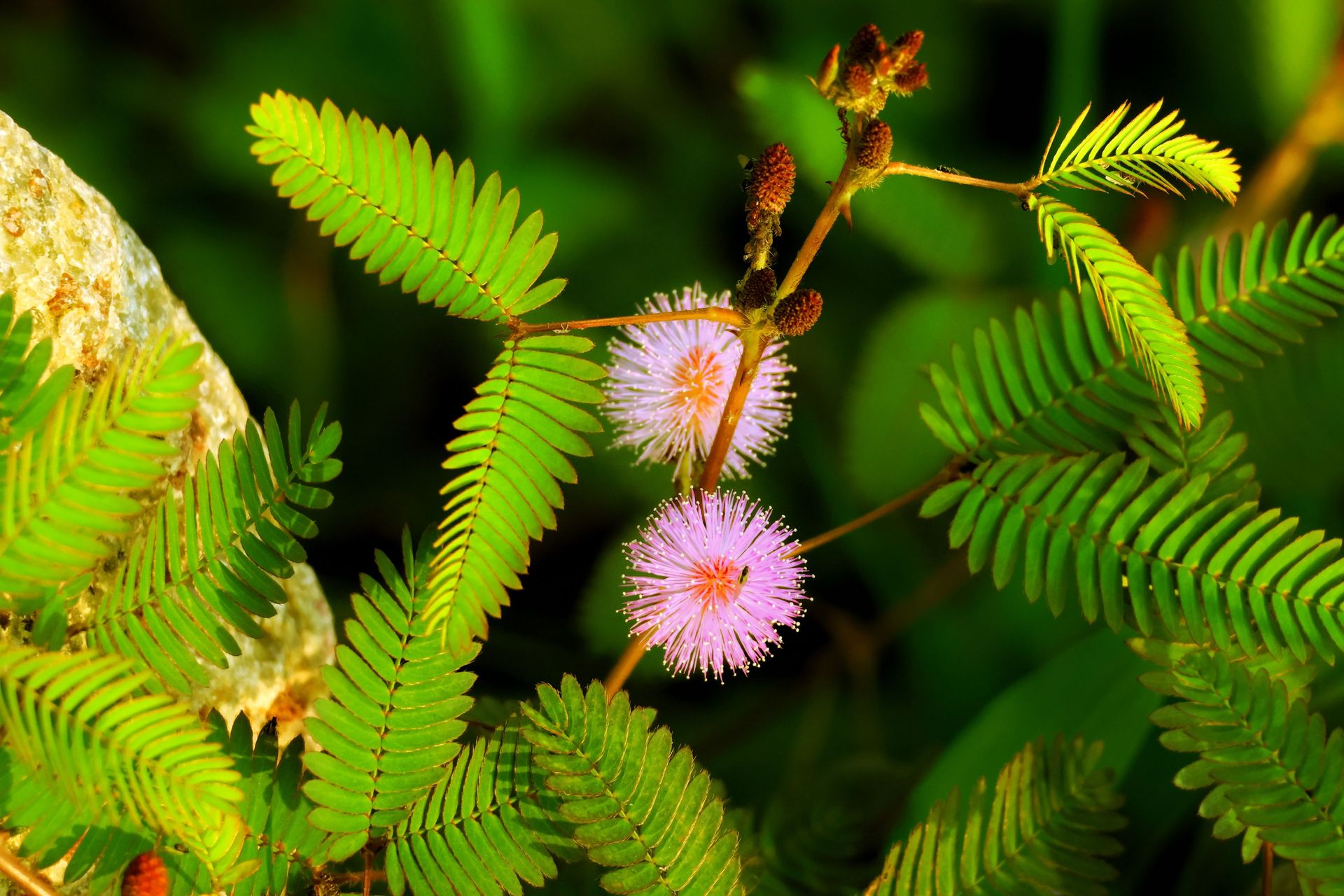
Many plants fold their leaves at dusk and reopen them at dawn. Legumes do it. So do wood sorrel and the prayer plant, whose leaves rise and press together each evening like hands. The habit is called nyctinasty, and it runs on an internal clock.
The clock is genuinely internal, not just a reaction to darkness. The French scientist Jean-Jacques d'Ortous de Mairan proved this in 1729. He placed a mimosa plant in constant darkness and watched. Its leaves kept opening and closing on a daily rhythm even with no sunrise to cue them. The plant was keeping time on its own.
That experiment is often cited as the first evidence of a circadian clock in any living thing. The rhythm persists because the plant carries a molecular timekeeper, a set of genes that cycle roughly every 24 hours. Light resets the clock daily, but the clock keeps ticking without it.
The clock governs far more than leaf folding. Plants time the opening of their flowers, the release of scent, and the production of nectar to match when their pollinators are active. A flower that blooms at night wastes nothing on daytime bees. One that opens at dawn is ready when the morning insects arrive.
Photosynthesis runs on the same schedule. Plants prepare their machinery before sunrise so they can capture light the moment it arrives, rather than scrambling to start. The clock lets them anticipate the day instead of merely reacting to it.
Why fold leaves at night remains partly open. Explanations include reducing heat loss, shedding water, and denying night-feeding insects an easy surface. The movement itself is clear and repeatable.
Sleep is the wrong word in a strict sense, since plants have no consciousness to switch off. But the pattern — active by day, folded and quiet by night, driven by an internal clock — is one animals share.
Credit: Adilet Lozunov / Pexels
Some plants attack the competition directly, poisoning the soil around them so rivals cannot grow. This is allelopathy, chemical warfare between plants, and it reshapes whole patches of ground.
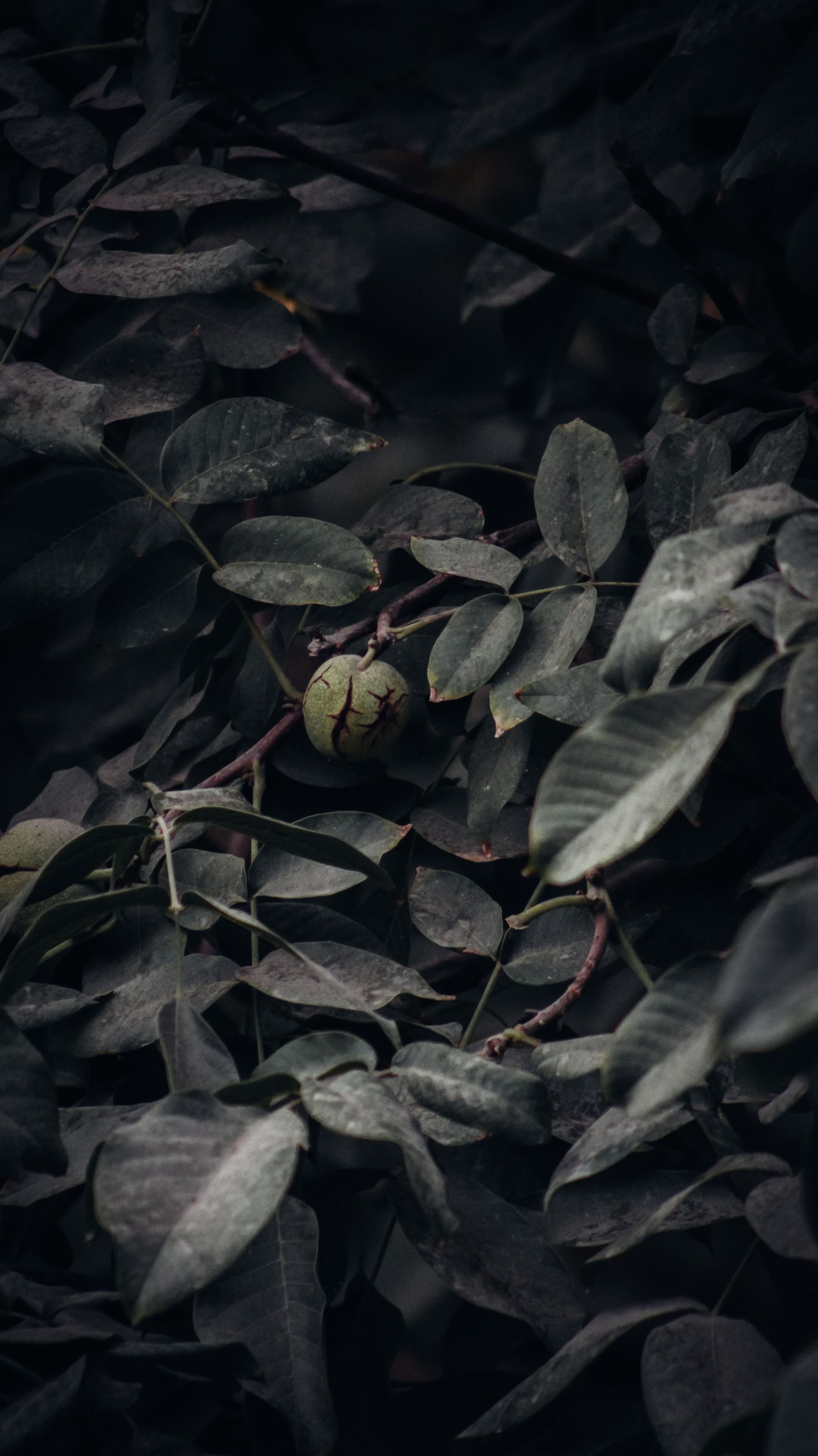
The black walnut tree is the classic case. It produces a compound called juglone, which it releases from its roots, leaves, and hulls. Juglone is toxic to many other plants. Tomatoes, potatoes, and many garden vegetables wilt and die if planted too close to a black walnut. The tree clears a zone around itself where few competitors survive.
Black walnut is not alone. Certain eucalyptus trees drop leaves that leach growth-suppressing chemicals into the soil, which helps explain the bare ground often seen beneath them. Sunflowers, sorghum, and rice all release compounds that hold back neighboring plants to varying degrees.
The tactic matters most for invaders. Some invasive plants succeed in new territory partly because they carry chemical weapons that native plants never evolved to resist. Garlic mustard, spreading through North American forests, releases compounds that disrupt the soil fungi many native trees depend on. Without those fungal partners, native seedlings struggle while the invader spreads.
The chemistry is varied. The weapons include acids, alcohols, and other organic compounds, delivered through roots, fallen leaves, or rain washing over the plant. Some act on seeds, blocking them from sprouting. Others stunt roots or interfere with a rival's ability to take up water.
Farmers have taken an interest. Cover crops with strong allelopathic effects can suppress weeds without herbicide, and researchers study which compounds do the work. The same chemistry that clears ground for a wild plant can be turned toward keeping a field clean.
The behavior amounts to territorial aggression through chemistry. A plant cannot shove a rival aside or block the sun by force. It can, though, salt the earth around itself so competitors fail to take root.
Credit: Sakaori / Wikimedia Commons (CC BY-SA 3.0)
A few plants make heat, warming themselves well above the surrounding air. This is thermogenesis, and it puts these plants in company usually reserved for warm-blooded animals.
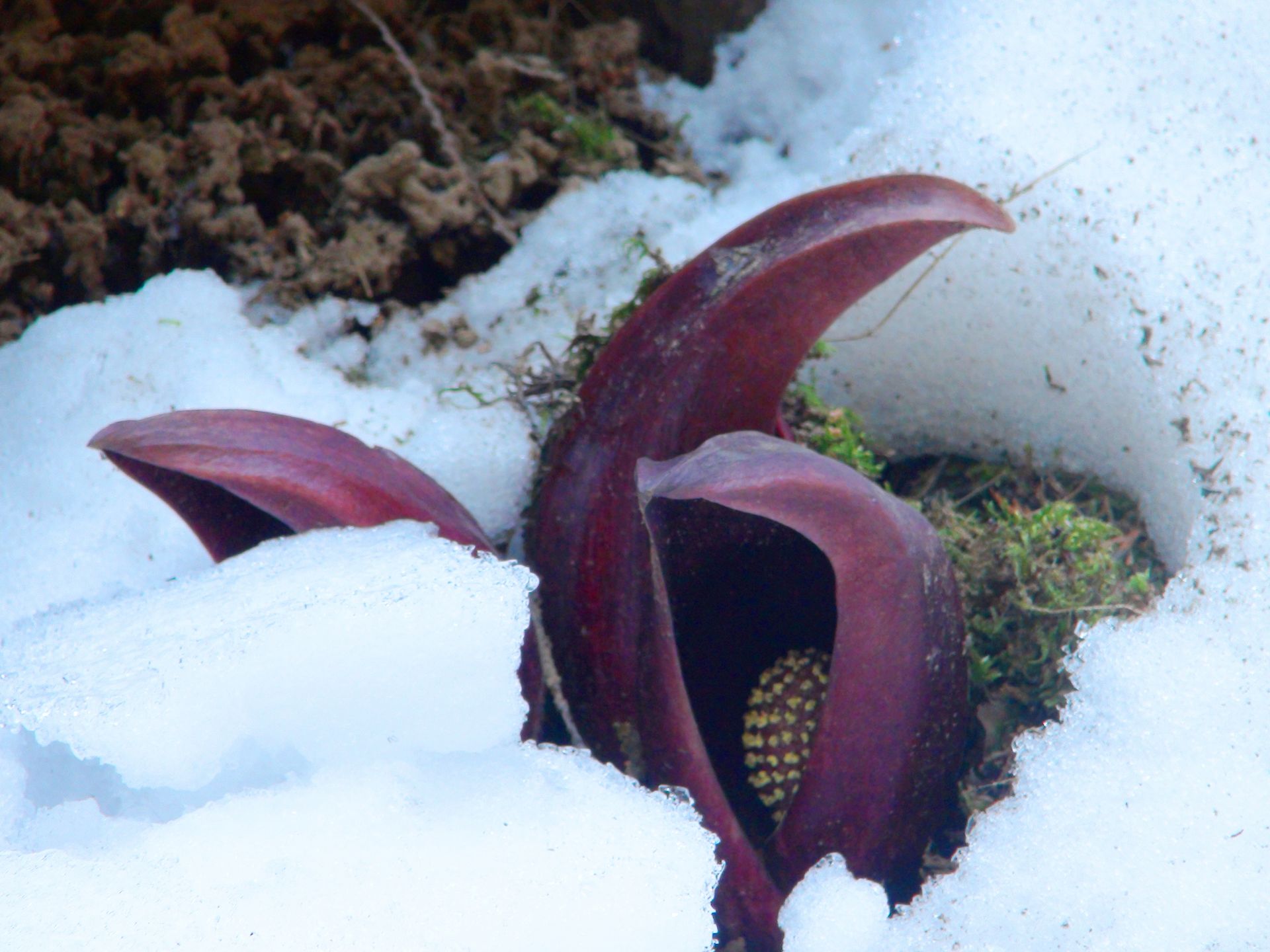
The eastern skunk cabbage is the standout. It blooms in late winter and can hold its flowering structure around 20 degrees Celsius even when the air outside sits below freezing. The heat is strong enough to melt surrounding snow, and the plant sustains it for days by burning stored starch at a furious rate.
The heat serves a purpose. It volatilizes the plant's scent, spreading its odor farther to attract the flies and beetles that pollinate it. The warmth may also offer those insects a shelter, rewarding them for visiting on a cold day. Some pollinators linger inside the warm bloom.
The sacred lotus does something more precise. Its flowers hold a steady temperature, near 30 to 35 degrees Celsius, even as the air around them swings up and down. The flower regulates its own warmth much like an animal regulates body temperature, ramping heat production up or down to stay in range.
Biologist Roger Seymour measured this control in detail, showing the lotus defends a target temperature against changing conditions. Few plants manage such tight regulation. The lotus is one of the clearest cases of a plant behaving like a thermostat.
Other heat-makers use warmth to deceive. The dead-horse arum heats up while emitting the stench of rotting flesh, a combination that fools carrion flies into visiting and pollinating it. The titan arum, famous for its size and smell, warms its spike to push its odor into the air.
The fuel is the same one animals use. These plants break down starch and, in some cases, run a specialized metabolic pathway that produces heat rather than storing energy. A daffodil sits at air temperature. A skunk cabbage pushing up through snow runs warm, on its own power.
Credit: Everest Louis / Unsplash
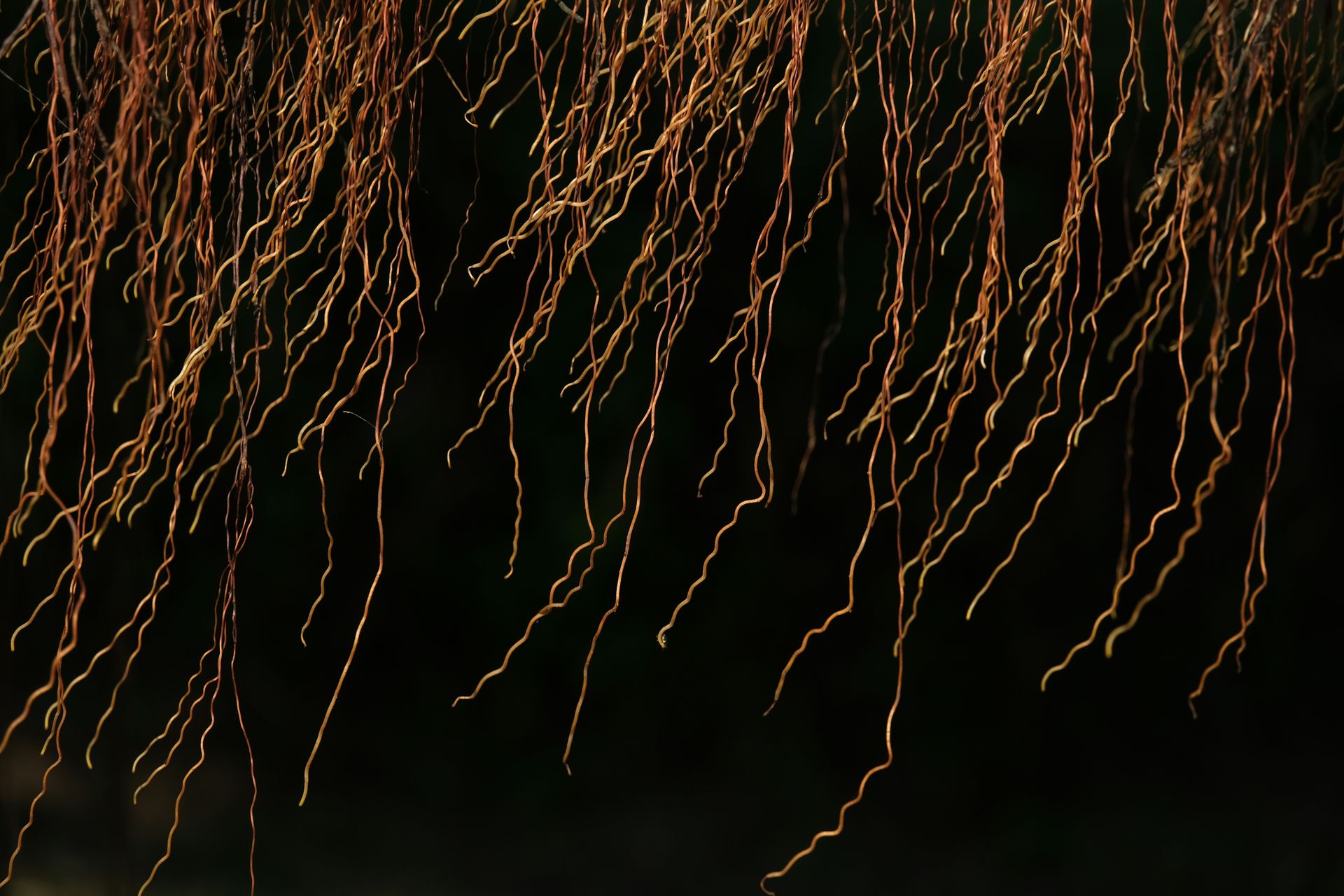
A root tip behaves less like a passive probe and more like a forager weighing options. It senses gravity, water, nutrients, obstacles, and chemicals from other roots, then grows in the direction that best serves the plant.
Gravity sets the baseline. Roots grow down and shoots grow up, a response called gravitropism, guided by heavy particles inside certain cells that settle and tell the root which way is down. Turn a seedling on its side and its root will bend back toward the earth within hours.
Water pulls roots too. Roots grow toward moisture, a behavior called hydrotropism, letting them find water pockets in dry soil. They also forage for nutrients, proliferating fine roots inside a rich patch of soil and barely bothering with a poor one. The plant invests where the return is best.
Roots avoid trouble as well. A root tip that meets a rock or a toxic zone can change direction before making contact, apparently sensing the obstacle ahead. It also reads chemical signals from neighboring roots and adjusts to reduce direct competition.
Above ground, shoots run their own navigation. Phototropism bends a stem toward light. Charles Darwin and his son Francis showed the growing tip senses the light and directs the bending below it. Frits Went later isolated the hormone, auxin, that carries the instruction and pools on the shaded side to make it grow longer.
The plant gathers information from several senses at once and integrates it into a growth decision. Some researchers place the processing in the root tip, arguing it functions as a command center for the root system. The claim is debated, but the behavior is not.
None of this needs a brain. A plant explores its world by growing into it, testing each direction as it goes, and committing resources where conditions reward them. It navigates by building its own body toward what it needs.
Credit: Tomáš Malík / Pexels
Plants invest in their young, packing each seed with a food supply and, in some cases, arranging for its care after it leaves the parent. The provisioning starts inside the seed itself.
Most seeds carry a store of nutrients to feed the embryo until it can photosynthesize. In grasses and grains, this tissue is the endosperm, the starchy bulk of a wheat kernel or a grain of rice. In beans and peas, the seed leaves hold the reserves. Either way, the parent loads the seed with enough energy to launch the next generation.
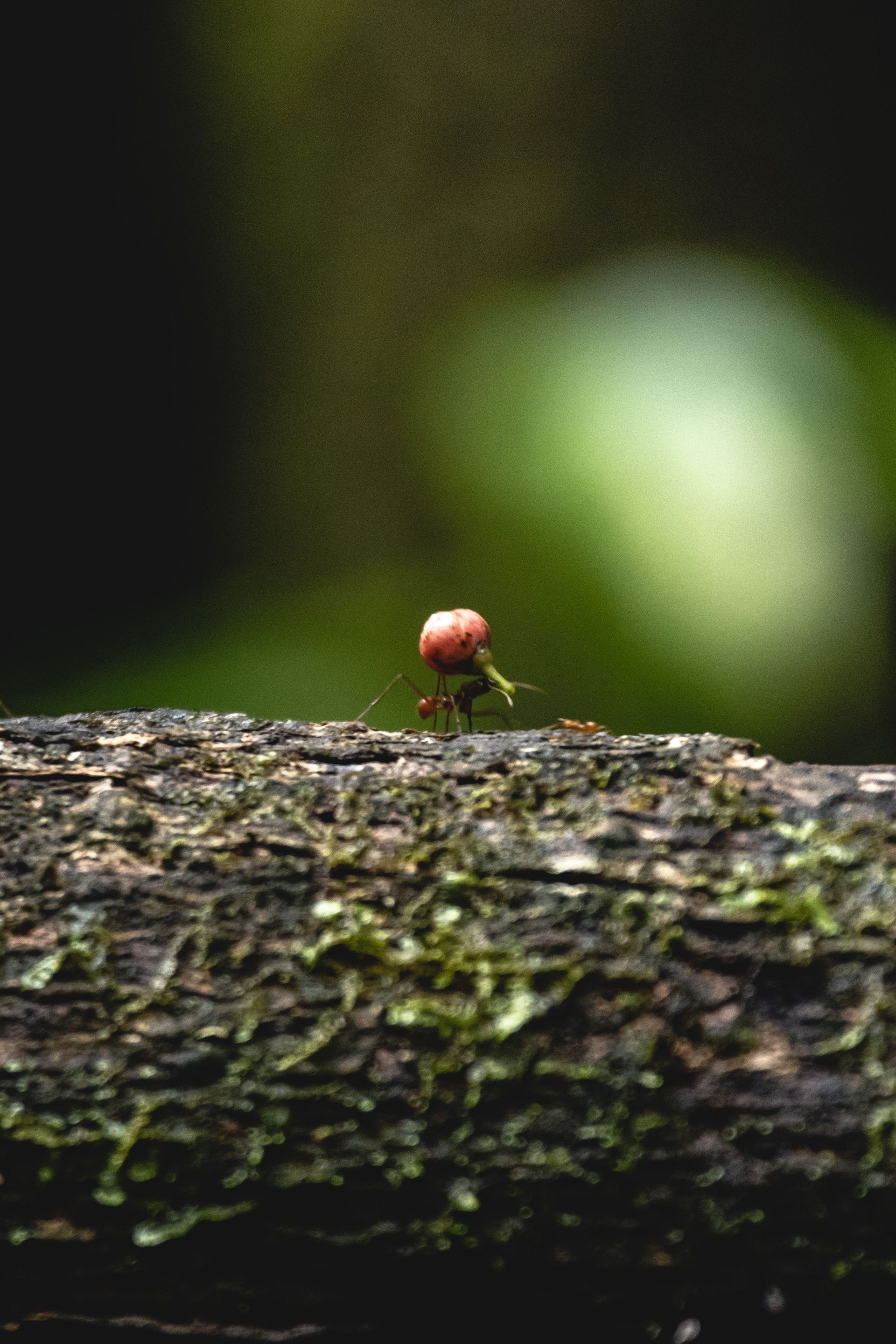
Some plants recruit animals to carry their seeds to safety. They attach a fatty, nutritious lump called an elaiosome to each seed. Ants haul the seed back to their nest, eat the lump, and discard the seed unharmed in a spot that is often richer and safer than open ground. Many woodland wildflowers depend on this ant delivery service.
Mangroves take parental care further. Rather than dropping a dormant seed into salt water, the parent lets the seed germinate while still attached. The young plant grows into a long, spear-shaped seedling before dropping, ready to root the moment it lands in mud. It leaves home already alive and growing.
Provisioning has trade-offs. A plant can make many small seeds or few large ones. Small seeds spread widely but start life with little fuel. Large seeds carry a bigger lunch and survive tougher conditions, but the parent can afford fewer of them. Different species land in different places on that spectrum.
The parallels with animal parenting are loose but real. A plant does not feed its offspring after birth or defend a nest. It does front-load resources into each seed, choose between quantity and quality, and sometimes hire couriers to see its young safely settled. The care is packed into the seed before the parent lets go.
Credit: Amain / Pexels
Most plants do not go it alone. They strike deals with fungi, bacteria, and insects, trading resources in exchanges that resemble a marketplace more than a simple favor.
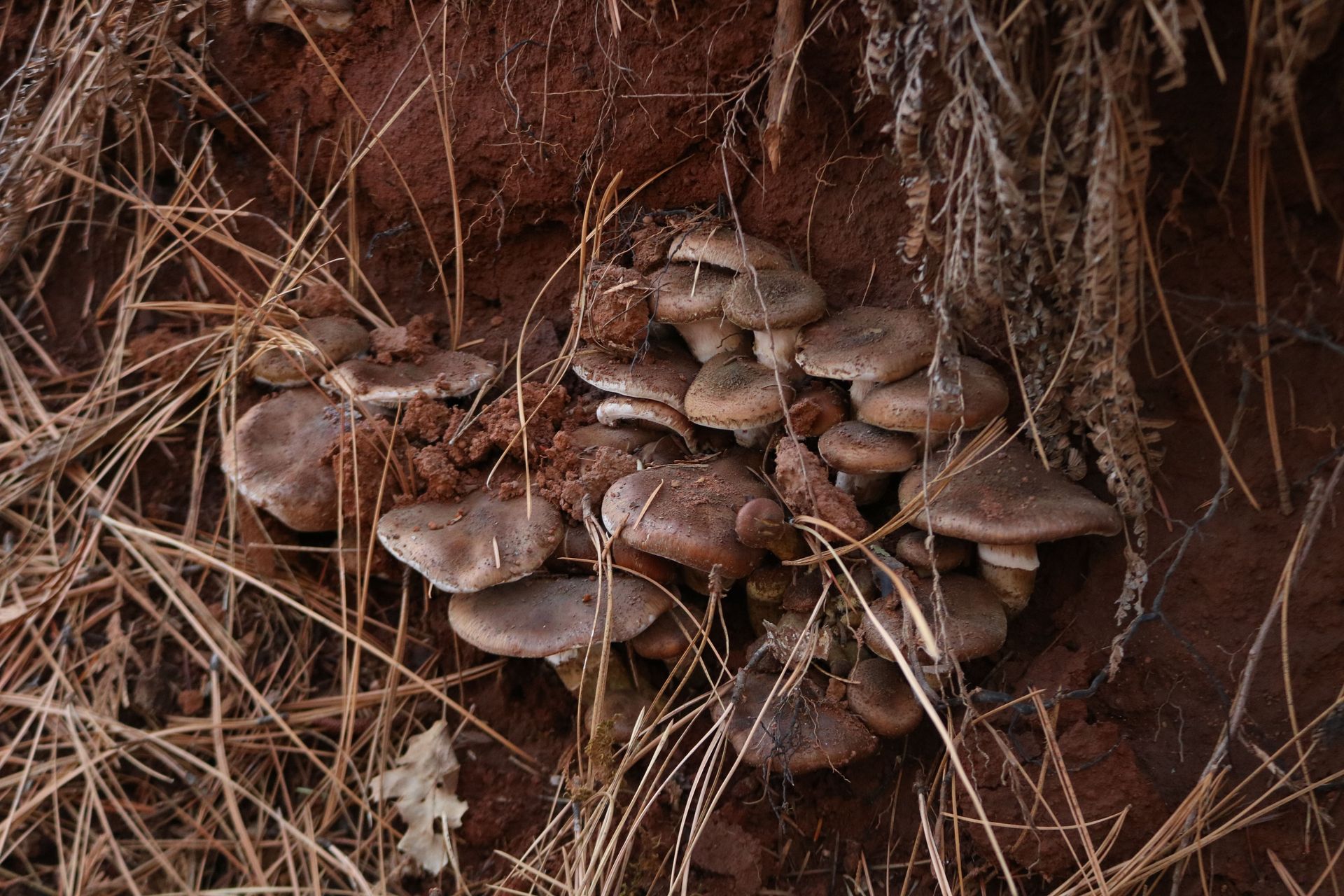
The largest partnership is underground. The roots of most land plants are colonized by mycorrhizal fungi. The fungus threads through the soil far beyond the root's reach and delivers phosphorus, nitrogen, and water to the plant. In return, the plant pays in sugar made by photosynthesis. Both sides come out ahead.
The exchange is not charity. Toby Kiers and colleagues showed that plants and fungi reward better trading partners. A plant channels more sugar to fungal strands that supply more nutrients, while fungi push more nutrients toward roots that pay more sugar. Each side favors the partner offering the better rate.
Legumes run a second deal, this one with bacteria. Peas, beans, and clover house rhizobia bacteria in nodules on their roots. The bacteria pull nitrogen from the air and convert it into a form the plant can use. The plant feeds and shelters the bacteria in exchange. This partnership enriches soils and underpins crop rotation.
Some plants hire live-in guards. Certain acacia trees grow hollow thorns and produce nectar and protein-rich nubs to feed ants. The ants move in, and they attack any insect or animal that touches the tree, even clearing away encroaching plants. Biologist Daniel Janzen documented this bargain, showing acacias stripped of their ants fared far worse.
The fungal networks link plants to each other, too. Fungal threads can connect neighboring plants underground, and resources or signals sometimes pass along these links. The extent of this sharing is still debated among scientists.
The pattern across all of it is negotiation. A plant that cannot chase down food or fend off attackers instead recruits partners that can, and it pays them in the currency it produces best. Rooted and silent, it still strikes a deal.