Many recognizable products found in modern households and offices were originally engineered to solve entirely unrelated industrial, military, or medical problems before consumer adaptation

Credit: Vanessa Riecke / Pexels
Product development rarely follows a straight path from the laboratory to the retail shelf. Many recognizable consumer products in the global market today owe their commercial success to accidental discoveries, failed experiments, or dramatic shifts in corporate strategy. When engineers and inventors design a product, they focus on solving a specific, immediate problem. Market forces, shifts in consumer behavior, and financial necessity often force companies to reimagine the utility of their inventions. This process of commercial adaptation illustrates how the ultimate value of an item is determined by the end user rather than the original manufacturer.
In many cases, the secondary application proves far more lucrative and sustainable than the initial concept, leading to complete corporate rebrandings. Understanding these shifts provides insight into the history of industrial design and the flexible nature of corporate innovation. It demonstrates that failure in one market sector can lead to dominance in another if a company remains open to alternative applications. Military research, industrial manufacturing challenges, and medical trials frequently yield unintended byproducts that find a permanent place in everyday domestic life. These objects have become so deeply integrated into contemporary routines that their true origins are largely forgotten by the public.
Examining the historical trajectories of these 20 items reveals how industrial needs transform into household staples, changing how people clean, eat, dress, and communicate. This history underscores the unpredictable nature of technological progress and market adaptation. Companies that survive long-term are often those that recognize when a product is failing its original mission but succeeding in an unexpected niche. By tracking how these designs evolved from specialized tools into mass-market commodities, one gains a clearer perspective on the fluid nature of invention and consumer demand. The listicle below explores the industrial, medical, and military origins of everyday objects that deviated drastically from their original blueprints.

Credit: RDNE Stock project / Pexels
The modeling compound found in modern classrooms and playrooms began as an industrial cleaning product. In the 1930s, Kutol Products, a soap company based in Cincinnati, developed a pliable, putty-like substance designed to remove coal soot from wallpaper. During this era, homes relied heavily on coal heating, which left a thick layer of black residue on interior walls. The non-toxic putty could be rolled over the wallpaper to lift the soot without damaging the paper or decorative patterns. This product provided a steady revenue stream for the company for nearly two decades. The company sold the cleaner in large cans, and it became a staple in households across the region.
The market for wallpaper cleaner collapsed in the years following World War II. Residential heating systems transitioned from coal to cleaner alternatives — such as natural gas and electricity — drastically reducing the accumulation of soot inside homes. Additionally, washable vinyl wallpaper entered the consumer market, making the specialized putty obsolete. Kutol Products faced severe financial distress as sales plummeted.
The transformation of the product occurred when Joe McVicker, who ran the company, learned that his sister-in-law, a nursery school teacher named Kay Zufall, was using the wallpaper cleaner in her classroom. She discovered that young children struggled to manipulate traditional modeling clay because it was too stiff and difficult for small hands to shape. The soft wallpaper putty provided an ideal substitute that was safe, pliable, and easy to mold.
McVicker realized the commercial potential of rebranding the cleaner as a children's toy. The company removed the detergent from the formula, added bright artificial colorings, and introduced an almond scent to make the substance more appealing to young users. They established Rainbow Crafts to market the product under the name Play-Doh. The compound debuted at an educational convention in 1956 and quickly achieved nationwide distribution, eventually becoming one of the most successful toy brands in history. This strategic pivot saved the manufacturing business from bankruptcy and created an entirely new category in the global toy market.

Credit: Ron Lach / Pexels
The plastic cushioning material used to protect fragile items during shipping was initially conceived as an interior design product. In 1957, engineers Alfred Fielding and Marc Chavannes attempted to create a textured, three-dimensional wallpaper that would appeal to the contemporary interior design aesthetics of the decade. They sealed two plastic shower curtains together in a laboratory in New Jersey, trapped a layer of air bubbles between the layers, and passed the material through a machine to create a consistent pattern.
The textured wallpaper concept failed to attract commercial interest from interior designers or homeowners. Undeterred by the lack of demand, the inventors sought alternative applications for their manufactured material. They attempted to market the bubbly plastic film as greenhouse insulation, arguing that the trapped air pockets could help maintain stable temperatures inside agricultural structures. While the material did possess insulating properties, this marketing strategy also failed to generate substantial sales or corporate interest.
The breakthrough for the product occurred three years later in 1960. IBM $IBM introduced the 1401 variable word length computer, a sophisticated electronic data processing system that required careful handling during transport. The delicate vacuum tubes and transistors inside the computer components were highly susceptible to damage from vibrations and impacts during cross-country shipping. The company needed a lightweight solution that could insulate the machinery without adding excessive weight to the cargo crates.
Fielding and Chavannes realized that their failed wallpaper possessed the exact shock-absorbing qualities needed to protect heavy, fragile electronic equipment. They demonstrated the protective capabilities of the material to IBM executives, who recognized its utility and began using it to wrap their computers during transit. This corporate partnership established the commercial viability of the product, which the inventors branded as Bubble Wrap under their newly formed Sealed Air Corporation. The material quickly replaced traditional packing methods like baled straw and shredded newspaper, transforming the global shipping and logistics industry. This transition allowed the company to expand rapidly into international markets.
Credit: Towfiqu barbhuiya / Pexels
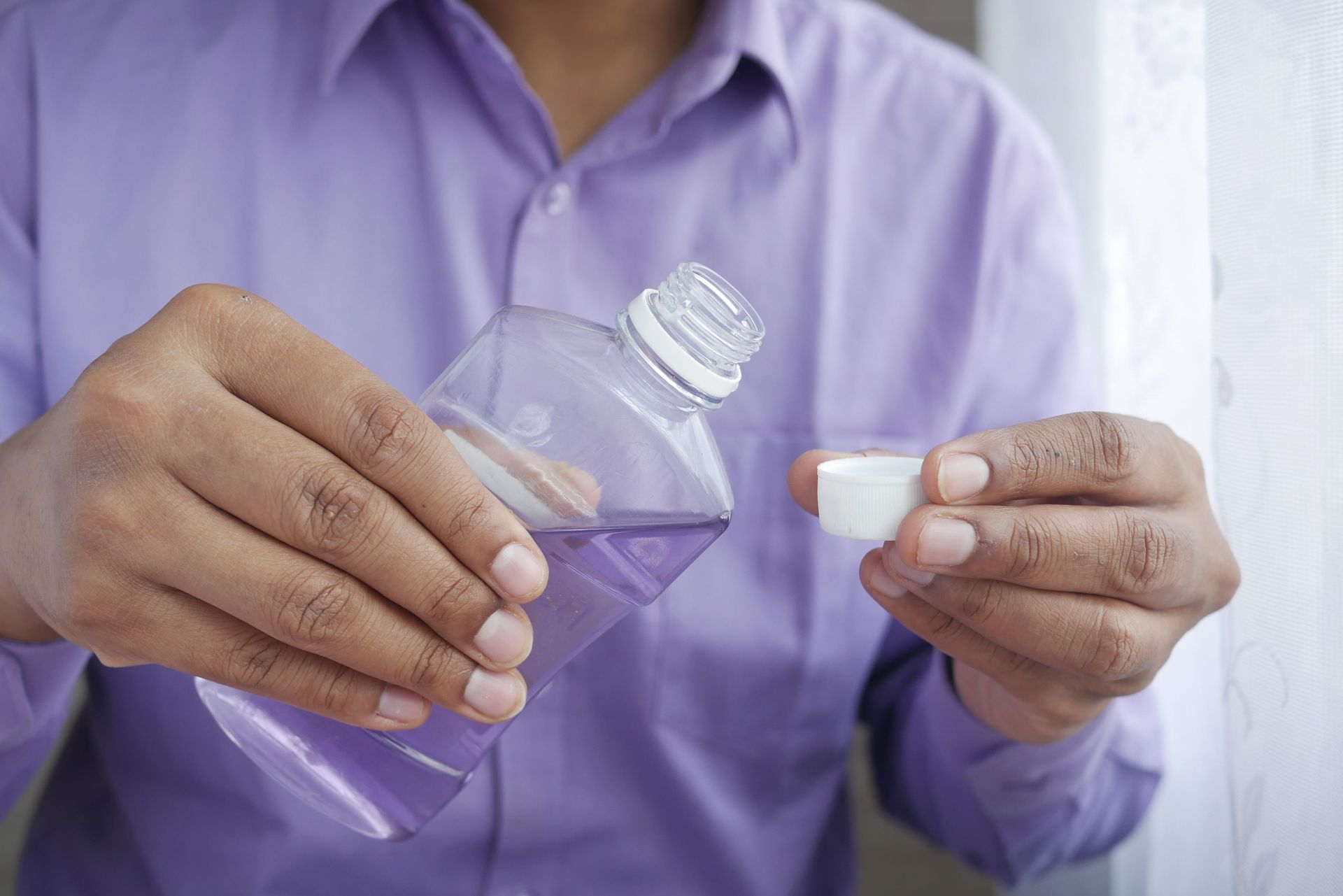
The amber-colored antiseptic liquid found in bathroom cabinets around the world was developed for specialized medical and industrial applications. Formulated in 1879 by doctor Joseph Lawrence and pharmacist Jordan Lambert, the chemical compound was named in honor of Joseph Lister. Lister was the British surgeon who pioneered antiseptic practices in operating rooms. The inventors designed the liquid as a powerful surgical antiseptic to sterilize medical instruments and clean open wounds during operations. They targeted hospitals and medical clinics as their primary buyers.
The manufacturers sought wider commercial applications to expand their market beyond medical professionals. Over the next few decades, the company marketed the liquid for a wide variety of domestic and industrial purposes. They sold it as a floor cleaner, a treatment for dandruff, a remedy for athlete's foot, and an aftershave lotion. The formula was even advertised as a cure for the common cold and an infectious disease preventative. The diverse marketing demonstrated how desperately the owners wanted to find a reliable base of retail buyers for their chemical formula.
The transition to a dedicated oral hygiene product occurred in the 1920s through an aggressive and calculated marketing campaign. Gerard Lambert, the son of the founder, focused on a specific medical term for bad breath known as halitosis. Bad breath was considered a normal human condition at the time, rather than a social defect or medical issue. Lambert wanted to change this public perception to drive sales.
Lambert launched an advertising campaign that framed halitosis as a severe social liability. The advertisements warned that bad breath could ruin marriages, destroy romantic prospects, and derail professional careers. The campaigns depicted lonely individuals who were excluded from social circles because of their breath. They presented the antiseptic liquid as the only effective solution to this hidden problem. This psychological marketing strategy transformed public perceptions of personal hygiene. Sales of the liquid increased dramatically within a few years, establishing the product as the foundation of the modern consumer mouthwash industry.
Credit: David Trinks / Unsplash
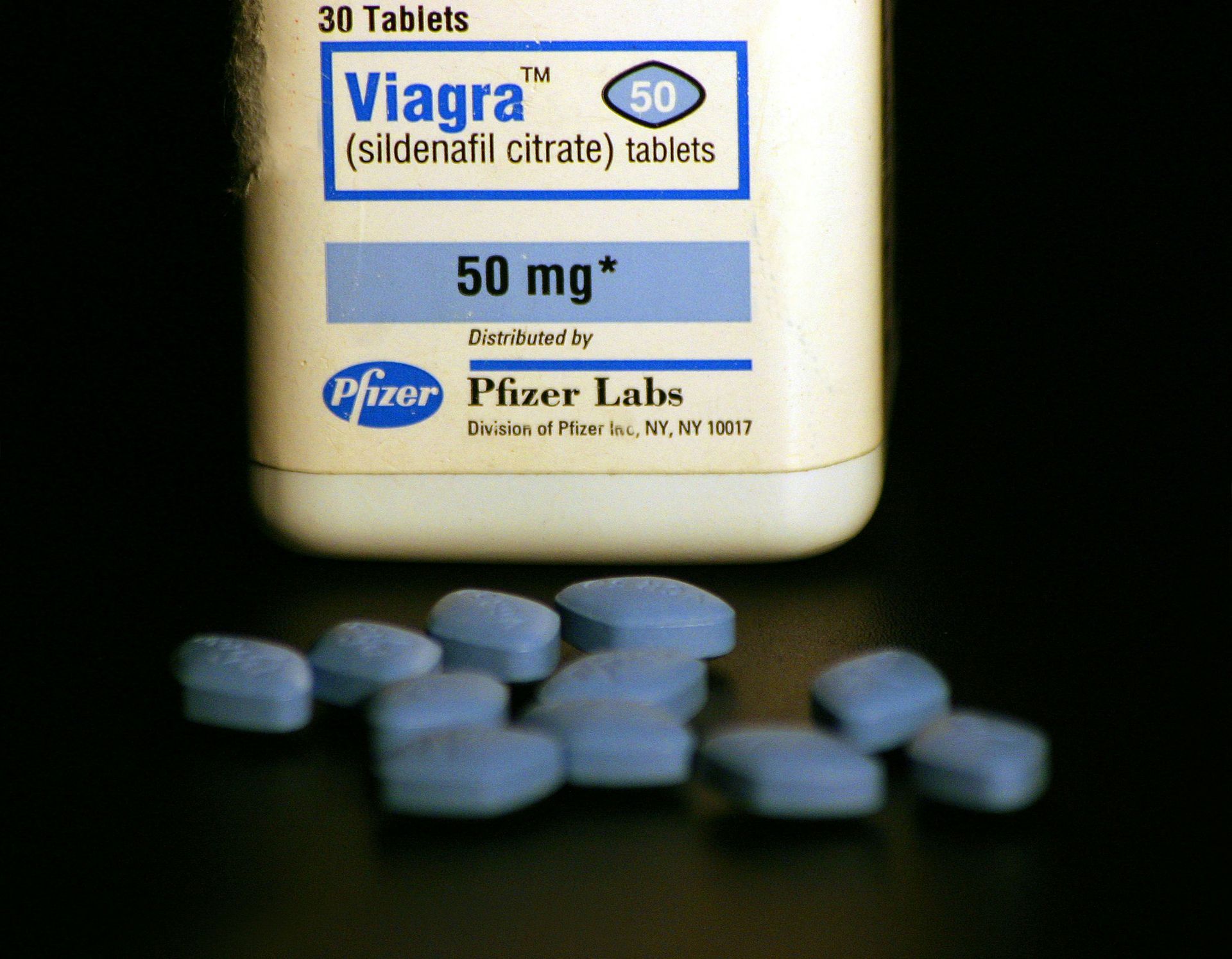
The medication used to treat erectile dysfunction was originally developed as a treatment for cardiovascular disease. In the late 1980s, researchers working for the pharmaceutical company Pfizer $PFE in the U.K. synthesized a chemical compound known as sildenafil citrate. The primary objective of the research team was to create a medication that could treat angina pectoris. This condition is characterized by severe chest pain caused by reduced blood flow to the heart muscles. The scientists hoped to provide a daily pill that would ease this chronic pain.
The drug was designed to block a specific enzyme called PDE5. Blocking this enzyme would relax the arterial blood vessels in the heart and allow for increased blood flow. Pfizer initiated clinical trials in the early 1990s to evaluate the efficacy of the compound on human subjects suffering from heart conditions. The results of these initial trials were disappointing. The medication failed to demonstrate a significant impact on reducing chest pain or improving overall cardiac health. The company considered abandoning the research entirely.
The research took an unexpected turn when male participants in the clinical trials reported a consistent and unusual side effect. The subjects reported a noticeable increase in erectile function instead of experiencing relief from chest pain. The drug was effectively relaxing blood vessels, but it was doing so in a different region of the body than the researchers had originally intended. Doctors conducting the study noted these reports with surprise and realized the biological implications of the compound.
Pfizer executives recognized the immense commercial potential of this secondary effect. There were no effective oral medications for erectile dysfunction on the market at the time. The company shifted its research focus immediately. They ended the cardiovascular trials and launched new clinical studies specifically designed to test the efficacy of sildenafil citrate for the treatment of sexual dysfunction. The U.S. Food and Drug Administration approved the medication under the brand name Viagra in 1998. It quickly became one of the fastest-selling prescription drugs in pharmaceutical history.
Credit: cottonbro studio / Pexels
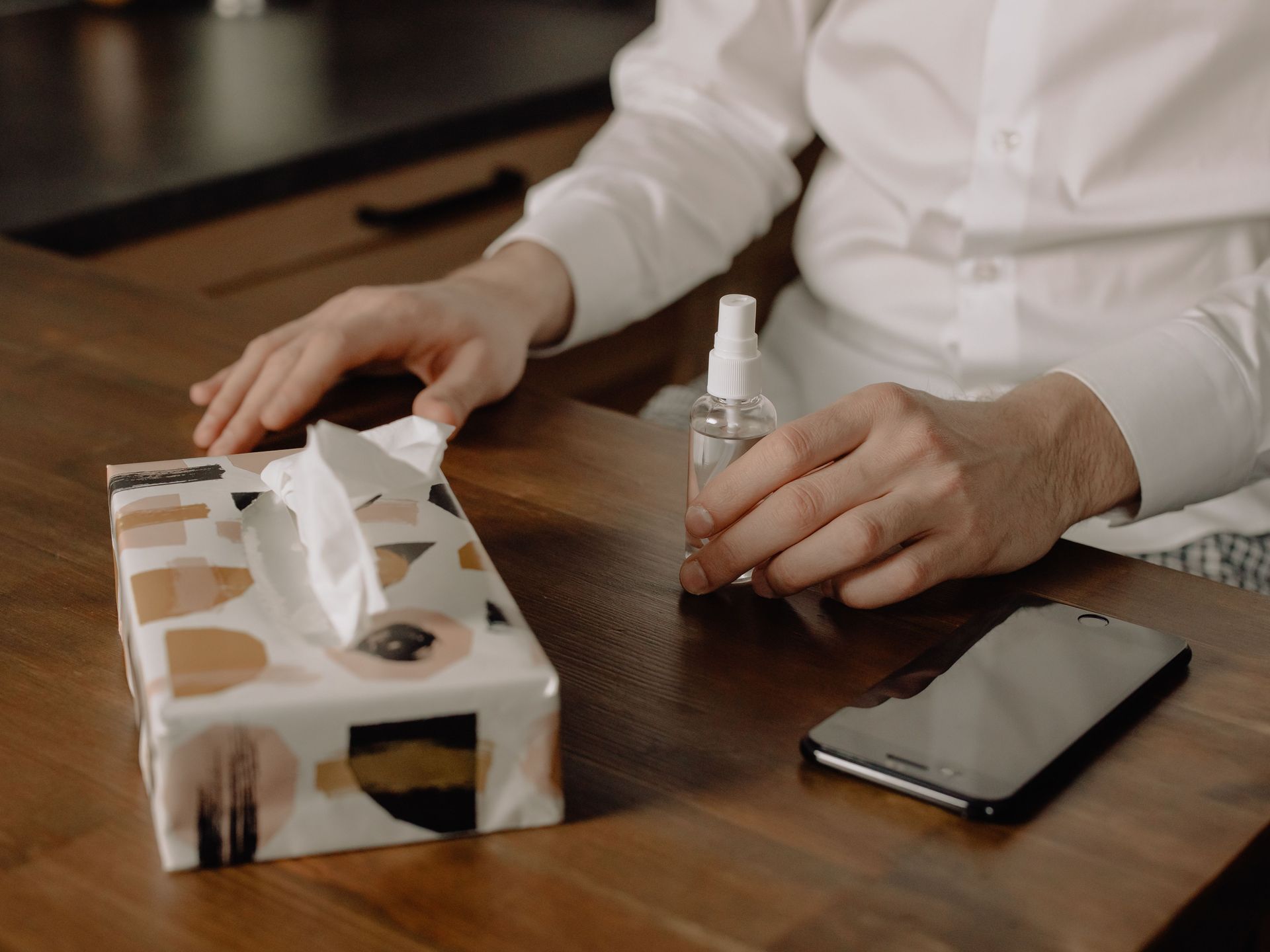
The disposable paper tissues utilized for nasal hygiene were originally developed as a component for military equipment during World War I. In 1914, the manufacturing corporation Kimberly-Clark $KMB developed a creped cellulose wadding material called Cellucotton. The U.S. military required a cheap, absorbent material to use as filters inside gas masks. These masks protected soldiers from chemical warfare agents on the European battlefields. Cellucotton possessed excellent filtration properties and was far more abundant and economical than traditional cotton fabrics. Cotton was in short supply due to massive wartime mobilization.
The company also supplied the material to field hospitals for use as surgical dressing and bandages due to its exceptional absorbency. Kimberly-Clark faced a sudden and massive reduction in military demand when the war concluded in 1918. This left the corporation with large surpluses of the raw material and idle manufacturing equipment. The company needed to find a civilian market for its industrial cellulose wadding to avoid severe financial losses.
The corporation modified the material to create a softer, thinner paper tissue. They branded this new product as Kleenex and launched it in 1924. The initial marketing campaign targeted women, positioning the tissues as a sanitary method for removing cold cream and makeup. The advertisements suggested that using disposable tissues was more hygienic than using traditional cloth towels. Towels accumulated cosmetic residue and bacteria over time. This marketing successfully established the tissues inside the beauty industry.
The product trajectory changed when the company began receiving letters from consumers. These consumers reported using the tissues to blow their noses during bouts of the common cold. Consumers found the disposable sheets much more convenient and hygienic than carrying cloth handkerchiefs that required frequent washing. Kimberly-Clark shifted its advertising strategy to emphasize this alternative use. They adopted slogans that promoted the tissues strictly for nasal care. This shift in positioning caused sales to double within a single year and permanently changed consumer habits.

Credit: alleksana / Pexels
The most recognizable carbonated soft drink in the world began as a patent medicine designed to treat chronic pain and substance addiction. John Pemberton, a pharmacist based in Atlanta, suffered from a severe morphine addiction resulting from injuries he sustained during the American Civil War. Pemberton began experimenting with various chemical formulations and botanicals in his laboratory. He sought a non-addicting substitute for the opiate. He hoped to find a medical remedy that would relieve his constant discomfort without creating a secondary chemical dependence.
In 1885, he registered a proprietary beverage called Pemberton's French Wine Coca. The original recipe combined alcoholic wine with extracts from the coca leaf, which contained cocaine, and the kola nut, which provided a high concentration of caffeine. The beverage was marketed as a nerve tonic and an effective treatment for mental exhaustion. It was also sold as a cure for headaches and morphine addiction among veterans. The product found an immediate audience among citizens seeking relief from a variety of physical and mental ailments.
The formulation was forced to change when Atlanta enacted temperance legislation in 1886. This local law banned the sale and consumption of alcohol within the city limits. Pemberton had to remove the wine from his recipe. He replaced it with a sugary syrup base to mask the bitter taste of the botanical extracts. He blended this thick syrup with carbonated water to create a refreshing, non-alcoholic beverage that complied with the new regulations.
Frank Robinson, Pemberton's bookkeeper, suggested the name Coca-Cola $KO because of the two primary ingredients. He also designed the distinctive script logo that remains in use today. The drink was initially sold at soda fountains inside pharmacies. It was still positioned as a medicinal beverage that aided digestion and restored physical energy. The business was eventually acquired by Asa Candler. Candler shifted the marketing strategy away from medicinal claims toward pure refreshment, transforming the tonic into a global beverage empire.
Credit: Polina Zimmerman / Pexels
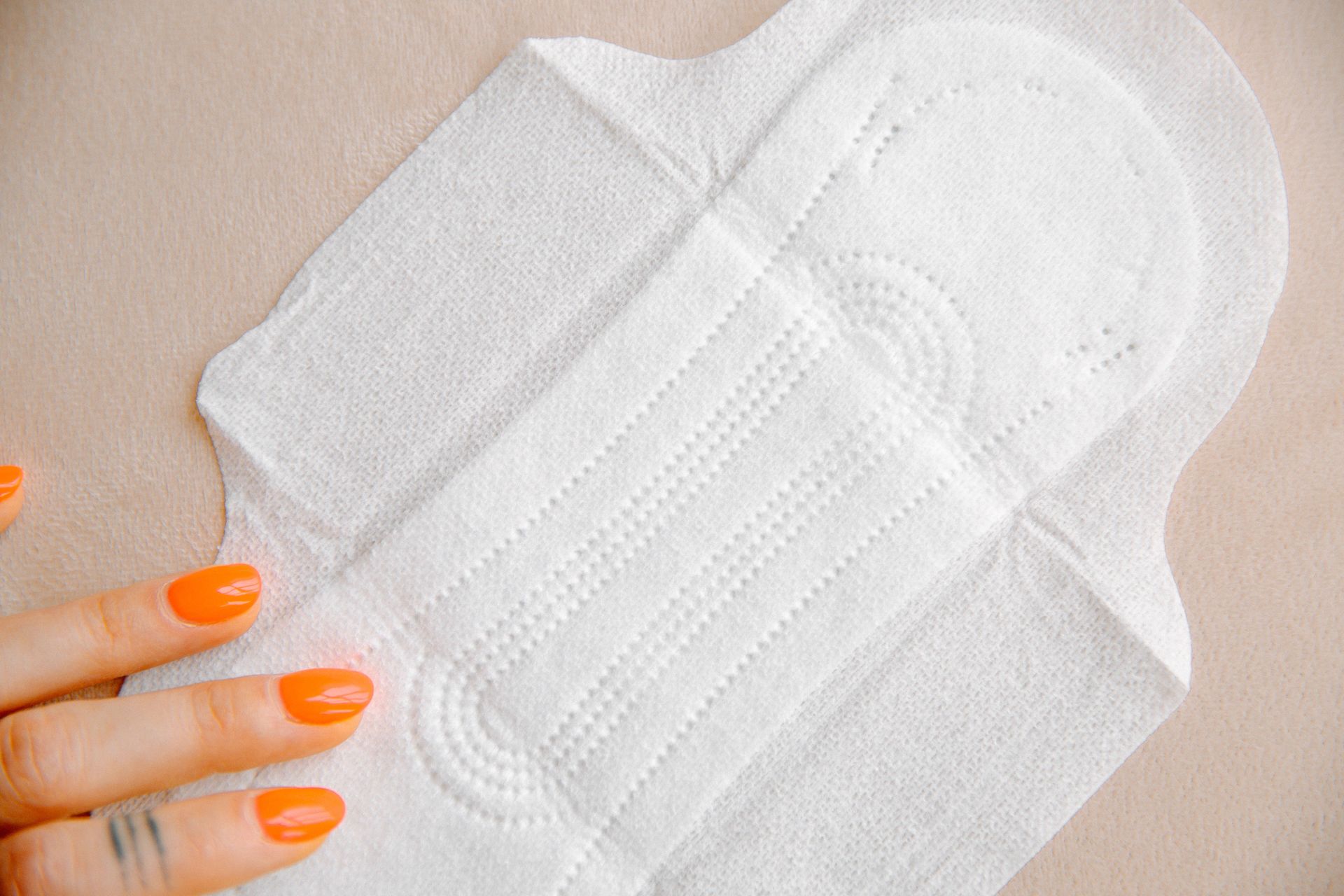
The commercial sanitary napkin industry owes its origins to the battlefields of World War I. A specialized material was developed during this conflict to treat wounded soldiers. Cotton supplies became critically depleted due to the immense demands of wartime medical care and industrial manufacturing. The paper manufacturing company Kimberly-Clark $KMB developed Cellucotton in response to this severe shortage. This highly absorbent material was made from processed wood pulp. This industrial innovation allowed the company to produce a material that surpassed traditional natural fibers in overall performance.
The company shipped large quantities of this material to the Western Front. Military nurses used it to dress wounds and stem hemorrhages during combat operations. The cellulose wadding proved to be several times more absorbent than standard cotton bandages. It also cost a fraction of the price to manufacture. Red Cross nurses discovered that the disposable cellulose strips were highly effective for managing their menstrual cycles during their long shifts in field hospitals. This practical solution spread rapidly among the wartime medical personnel working near the front lines.
Kimberly-Clark faced a dramatic drop in demand from the military when the war concluded. This left them with massive surpluses of Cellucotton sitting in warehouses. Corporate executives looked for ways to commercialize the material for civilian use. They drew inspiration directly from the informal adaptations developed by the wartime nursing staff. In 1920, the company launched the first mass-marketed disposable sanitary pad. They named the product Kotex as a shortened form of cotton texture.
The product faced significant social obstacles during its initial release. Public discussion of menstruation was considered highly improper during the early twentieth century. Many retail stores refused to display the product on shelves, and newspapers declined to print the advertisements. The company circumvented these cultural taboos by placing the pads in plain boxes on store counters next to a coin box. This allowed consumers to purchase the item without speaking to a clerk. This retail innovation allowed women to shop with anonymity and dignity.
Credit: Rei Yamazaki / Unsplash
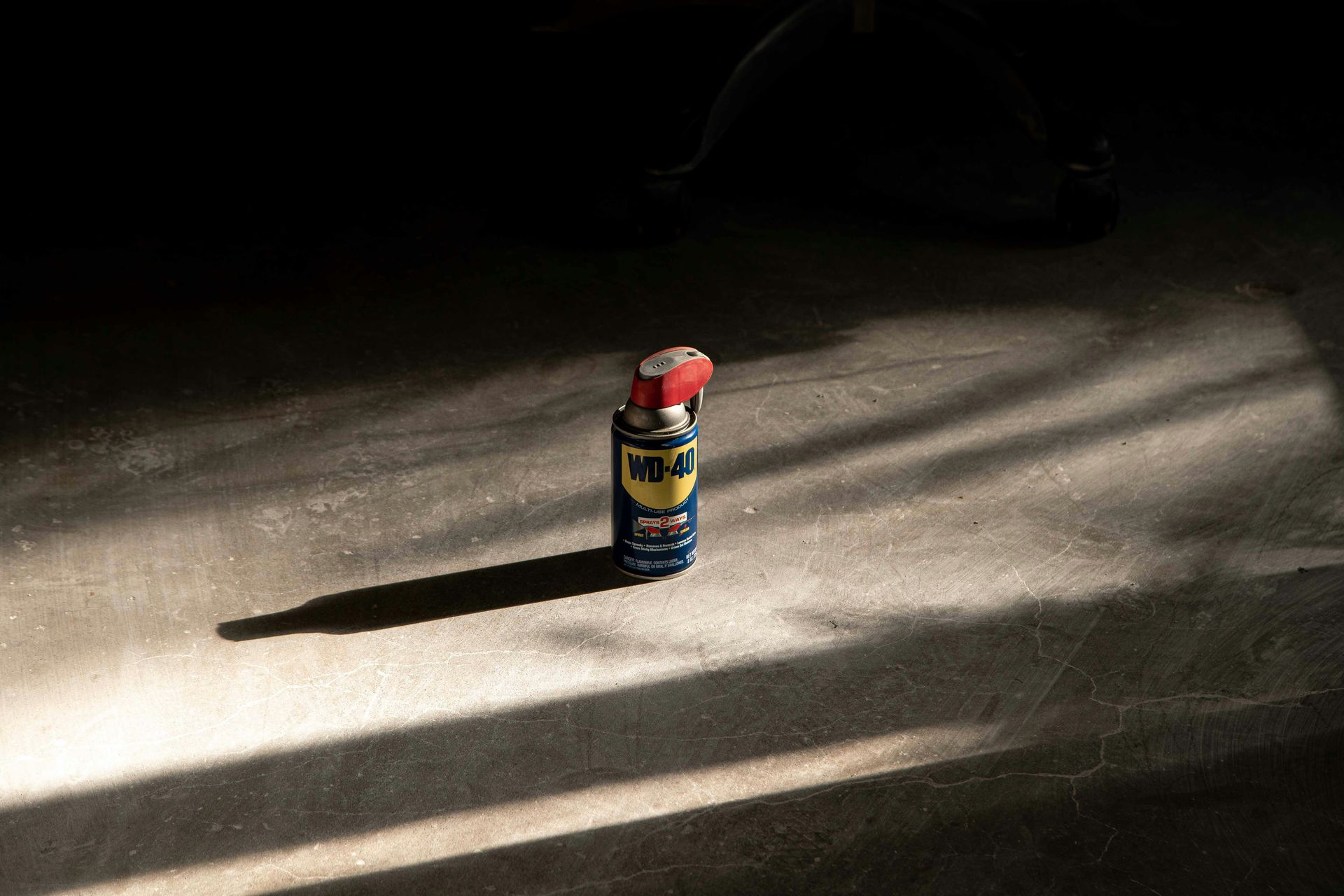
The ubiquitous blue and yellow aerosol can found in garages and workshops was originally engineered to protect nuclear missiles from corrosion. In 1953, a small startup enterprise named the Rocket Chemical Company established a laboratory in San Diego, California. The primary objective of the three-person research team was to develop a line of rust-prevention solvents and degreasers. They intended to sell these specialized chemical formulas exclusively to the rapidly expanding aerospace industry.
The aerospace contractor Convair required a specialized compound to protect the outer skin of the Atlas missile. The Atlas was the first operational intercontinental ballistic missile developed for the U.S. military. Its skin was constructed from incredibly thin sheets of stainless steel that served as the walls of the fuel tanks. The metal was so thin that even minor surface corrosion could cause catastrophic structural failure during storage or launch preparation. Convair needed a reliable chemical barrier to protect their expensive military assets.
The research team, led by chemist Iver Norman Lawson, attempted to create a formula that could displace moisture. Moisture is the primary catalyst for rust formation on metal surfaces. The name of the product reflects this meticulous development process, standing for Water Displacement, 40th Formula. It took the laboratory team 40 separate attempts to perfect the chemical composition. They had to balance the volatile hydrocarbons and oils perfectly to achieve the desired protective layer.
Convair began using the chemical solvent to protect the missiles. Employees soon noticed that the compound was incredibly versatile. Workers began smuggling small amounts of the liquid home in their pockets. They used it as a household lubricant, a squeak eliminator, and a cleaning agent for mechanical equipment. The president of the Rocket Chemical Company realized the massive consumer potential of the formula. He decided to package it in aerosol cans for retail sale in 1958, transforming an aerospace defense product into a worldwide household tool.

Credit: DS stories / Pexels
The yellow square sticky notes used for office communication and personal reminders were the result of a failed attempt to build an exceptionally strong aerospace adhesive. In 1968, a research scientist named Spencer Silver was working in a laboratory at the 3M $MMM corporation in Minnesota. His specific objective was to develop a high-strength, polymer-based adhesive. This glue would be used in aircraft construction to bind heavy structural components together. The corporate leadership wanted a substance that could withstand extreme physical stress and environmental changes during high-altitude flight.
Silver accidentally developed a unique adhesive that behaved in a completely unexpected manner. The chemical formula formed tiny, microscopic spheres that stuck lightly to surfaces without degrading. The adhesive was strong enough to hold pieces of paper together, but it could be peeled away easily without leaving any residue or damaging the underlying material. The adhesive also retained its tackiness, allowing it to be reused multiple times. It was a complete failure as an aerospace binding agent.
Silver spent several years promoting his unusual invention to various departments within the 3M corporation. Executives saw little value in an adhesive that lacked permanent holding power. The breakthrough occurred in 1974 when another 3M scientist, Art Fry, attended a seminar where Silver presented his research. Fry sang in his church choir and frequently became frustrated when the paper scraps he used as bookmarks fell out of his hymnal. These falling scraps caused him to lose his place during performances.
Fry realized that Silver's weak adhesive could be applied to the back of paper markers. This would keep them securely in place without damaging the fragile pages of the book. The company developed prototypes and launched the product in select markets under the name Press 'n Peel. Initial consumer interest was low until 3M distributed free samples to corporate offices. Workers quickly discovered that the notes were ideal for internal communication. This prompted a massive commercial rollout that established the item as an office staple.

Credit: Erik Mclean / Unsplash
The appliance used to heat leftovers in modern kitchens was discovered entirely by accident through military radar research conducted during World War II. In 1945, an engineer named Percy Spencer was working for the defense contractor Raytheon $RTX. He was testing military-grade radar equipment in a laboratory. Spencer was standing in front of an active magnetron. This is a specialized vacuum tube that generates high-frequency radio waves used to detect enemy aircraft at long distances.
Spencer noticed an unusual physical sensation while standing near the operational equipment. He discovered that a peanut butter candy bar inside his pocket had completely melted into a liquid mess. Spencer did not dismiss the incident as a minor inconvenience. He recognized that the electromagnetic waves emitted by the magnetron were interacting directly with the moisture and fat in the candy. The machine was generating internal heat within the object itself.
Spencer conducted further experiments to verify his hypothesis. He placed other food items near the active radar tube. He placed popcorn kernels in front of the magnetron and watched as they quickly exploded across the laboratory floor. He then attempted to cook a whole egg. The egg built up internal pressure and exploded from the rapid heating. Spencer realized that this technology could be harnessed to cook food in a fraction of the time required by traditional thermal ovens.
Raytheon patented the cooking process and developed the first commercial microwave oven in 1947. They named it the Radarange. These early models were massive devices that stood nearly six feet tall and weighed over 750 pounds. They required complex water-cooling systems to prevent overheating. They were sold exclusively to commercial kitchens, restaurants, and passenger ships due to their immense size and prohibitive cost. Subsequent engineering advancements eventually enabled the development of compact countertop models for residential use.

Credit: José Martin Segura Benites / Pexels
The elevated footwear worn primarily as a modern fashion statement originated as functional military equipment designed for horseback riding. The Persian empire possessed a formidable cavalry force in the fifteenth century. This force relied heavily on archers who operated from horseback. Soldiers required specialized footwear that could assist them in maintaining stability while riding across turbulent battlefields. The tactical effectiveness of the cavalry depended entirely on the ability of the soldiers to secure their position on the animals during combat.
The solution was the addition of a raised heel to the bottom of riding boots. When a rider stood up in the stirrups to draw their bow, the elevated heel locked into the metal ring of the stirrup. This prevented the foot from slipping forward or backward. This mechanical leverage allowed the archer to steady their posture, maintain their balance, and shoot their arrows with much greater accuracy while moving at high speeds.
The footwear transitioned to Europe at the end of the sixteenth century. The Persian monarch Shah Abbas the Great sent a diplomatic delegation to European courts to forge alliances against the Ottoman Empire. European aristocrats were captivated by the exotic and masculine attire of the Persian diplomats. They quickly adopted the raised heel as a symbol of military prowess and high social status. The foreign visitors demonstrated a level of prestige that European monarchs wished to emulate within their own royal households.
Wearing impractical, elevated shoes became a clear indicator of wealth and leisure. Upper-class citizens did not need to perform manual labor or walk long distances. King Louis XIV of France further popularized the trend by mandating that only members of his royal court could wear heels dyed with expensive red pigments. The fashion shifted across gender lines over the next two centuries. It eventually lost its military association entirely as it became a staple of women's fashion, while men adopted flat, functional footwear for daily activities.

Credit: Tara Winstead / Pexels
The coiled metal toy that climbs down stairs began as a mechanical component designed to stabilize delicate navigational instruments on naval vessels. In 1943, a marine engineer named Richard James was working at a shipyard in Philadelphia, Pennsylvania. His specific assignment was to develop a system of specialized tension springs. These springs needed to support and protect marine instruments, such as gyroscopes and chronometers, from the severe vibrations and violent rocking motions experienced by ships in rough seas.
James accidentally knocked one of his prototype tension springs off a high shelf in his laboratory during his experiments. The coiled steel spring did not fall directly to the floor and roll away. It flipped end over end, gracefully stepping down from the shelf to a stack of books, and then onto the floor, where it came to rest standing upright. He watched the kinetic movement with intense curiosity. He realized that the physical properties of the steel were perfectly balanced to maintain continuous momentum.
James returned home and told his wife, Betty, about the unusual behavior of the spring. He suggested that the mechanical properties could be utilized to create a unique children's toy. Betty searched for a suitable name for the object. She eventually chose an old Swedish word that described sleek, sinuous movements. Together, they founded the James Industries corporation to manufacture the toy using high-carbon steel wire. They packaged the coils in simple cardboard boxes.
The toy faced an uphill battle when it debuted at the Gimbels department store in Philadelphia during the 1945 Christmas shopping season. Retailers were skeptical that consumers would buy a simple, unadorned coil of wire. The items were initially ignored by shoppers browsing the aisles. James set up a tilted ramp in the middle of the toy department to stimulate interest. He demonstrated how the spring could descend the incline automatically. The demonstration was an instant success, and the company sold their entire inventory of 400 toys within 90 minutes.

Credit: Marcia Salido / Pexels
The exercise machine found in modern fitness centers was originally invented as a brutal disciplinary device. It was used to punish and reform prisoners in nineteenth-century England. Enacted in 1818, the design was conceived by an engineer named William Cubitt. He visited local prisons and grew appalled by the perceived idleness of the inmates. Cubitt sought to create a mechanical apparatus that would simultaneously punish criminals, deter crime, and produce useful economic output for the state.
The original device was known as a treadwheel. It consisted of a massive, rotating wooden cylinder with steps built into the exterior surface. Prisoners were forced to step onto the slats and climb continuously. They used their body weight to rotate the heavy cylinder. The mechanism was connected to millstones or water pumps. This allowed the prison to grind grain or raise water while forcing the inmates to perform intense physical labor for hours at a time.
The labor was grueling and dangerous. Inmates often climbed the equivalent of several thousand vertical feet during a single shift. The constant, repetitive motion caused severe physical exhaustion, joint injuries, and malnutrition among the prison population. The devices became incredibly popular across the U.K. prison system despite the physical toll. Authorities believed that hard labor would break the spirit of stubborn criminals and teach them strict discipline.
The use of the treadwheel as a punitive device was eventually banned in the U.K. by the Prison Act of 1898. This legislation classified the practice as cruel and unusual punishment. The mechanical concept reemerged in the twentieth century in an entirely different context. In 1952, doctor Robert Bruce and researcher Wayne Quinton in Washington state developed a motorized version of the machine. They used it to diagnose heart and lung diseases in patients. This medical application stripped the machine of its punitive associations and framed it as a tool for health optimization.

Credit: Ksenia Chernaya / Pexels
The fast-acting adhesive used to repair broken household objects was discovered during a wartime effort to manufacture plastic gun sights. In 1942, a chemist named Harry Coover was leading a team of researchers at the Eastman Kodak company. The team was tasked with finding a clear, transparent plastic material that could be molded into optical sights for U.S. soldiers fighting in World War II. The defense department needed durable, weather-resistant materials that could maintain clarity under intense combat conditions.
Coover and his team synthesized a class of chemicals known as cyanoacrylates during their laboratory experiments. They quickly realized that the compound was entirely unsuitable for gun sights while evaluating the optical properties of the material. The substance was incredibly sticky and adhered instantly to any surface it contacted. It ruined the laboratory equipment and stuck to the hands of the researchers. Coover grew frustrated with the material and ordered it to be discarded. It did not fulfill the requirements of the military contract.
The chemical formula remained forgotten for nine years until 1951. Coover was managing a new research project focused on heat-resistant plastics for jet aircraft canopies. A researcher named Fred Joyner rediscovered the cyanoacrylate compound. He decided to test its properties by spreading a thin layer between two glass prisms. The prisms bonded together so tightly that they could not be separated without shattering the glass. Joyner reported this extreme bonding capability to his supervisor.
Coover realized that the material was not a failed plastic. It was an unprecedented, fast-acting adhesive that required no heat or pressure to form a permanent bond. Eastman Kodak recognized the commercial potential and released the compound to the retail market in 1958. They originally sold it under the name Eastman 910. It was later rebranded as Super Glue, establishing a new category of consumer adhesives. This industrial byproduct solved domestic manufacturing problems across the world.

Credit: Ron Lach / Pexels
The powerful motorized tool used by loggers and landscapers to fell trees was originally developed as a specialized surgical instrument. It was designed to assist in difficult childbirths. In the late eighteenth century, before the widespread adoption of modern surgical techniques and cesarean sections, doctors faced severe complications when a fetus became wedged in the birth canal. Physicians had to perform a procedure called a symphysiotomy to save the lives of both mother and child.
This surgical operation required the doctor to manually cut through the cartilage and bone of the pelvis. This widened the birth canal and allowed the infant to pass. Performing this procedure with a standard surgical knife or small hand saw was an incredibly slow, difficult, and agonizing process. It frequently resulted in severe trauma, infections, and permanent injuries for the patient. The high risk of complications forced medical professionals to seek automated alternatives that could minimize operating times.
Two Scottish doctors, John Aitken and James Jeffray, invented a mechanized tool designed specifically to accelerate the bone-cutting process in 1785. Their device featured a fine, flexible watch-spring chain fitted with small, serrated cutting teeth. The chain was wrapped around a guide track and connected to a hand crank. This allowed the surgeon to rotate the chain rapidly through the bone using manual power.
The mechanical invention significantly reduced the time required to complete the operation. It became a standard tool in obstetric medicine for several decades. Cesarean sections became a safer alternative as medical science advanced and antiseptic practices improved. The surgical hand-cranked chain saw eventually fell out of use in hospitals. Engineers in the early twentieth century realized that the mechanical principle of a rotating chain with cutting teeth could be scaled up. They paired larger chains with gasoline engines to cut through wood, transforming a medical tool into an industrial logging implement.

Credit: Gözde Bozoğlu / Unsplash
The popular breakfast cereal found in grocery stores worldwide was created as an anaphrodisiac food intended to curb sexual desire. In the late nineteenth century, John Harvey Kellogg $K served as the superintendent of the Battle Creek Sanitarium in Michigan. Kellogg was a deeply religious physician who adhered to strict Seventh-day Adventist beliefs regarding health, abstinence, and moral purity. He managed the dietary habits of all the patients residing at the facility.
Kellogg believed that processing a rich, flavorful, or heavily seasoned diet stimulated carnal desires. He thought these foods contributed to physical and spiritual degradation. He advocated for a plain, bland, and strictly vegetarian diet to help patients control their thoughts and actions. He spent considerable time developing new food products that were easy to digest. He ensured these foods were entirely devoid of spices, sugar, or stimulating flavors that might excite the senses.
In 1894, Kellogg and his younger brother, Will Keith Kellogg, were attempting to prepare a digestible form of wheat bread for the sanitarium guests. They boiled a batch of wheat but became distracted by administrative duties. They accidentally left the cooked grain sitting out for several days. They discovered that the wheat had gone stale when they finally returned. They decided to process it through their mechanical rollers anyway to avoid wasting the expensive ingredients.
The rolling pins flattened the individual wheat grains into thin, crispy flakes instead of forming a continuous sheet of dough. The brothers baked the flakes and served them to the patients, who enjoyed the crunchy texture. They later replicated the process using corn, creating the formula for modern Corn Flakes. Will Keith Kellogg realized the mass-market potential of the cereal and wanted to add sugar to the recipe. This caused a permanent rift with his brother, who refused to compromise his moral dietary philosophy. Will launched his own company, creating the modern packaged breakfast industry.

Credit: mockupbee / Pexels
The ubiquitous short-sleeved cotton shirt worn as standard casual apparel around the world began as a specialized undergarment issued to military personnel. Men typically wore one-piece undergarments known as union suits in the nineteenth century. These heavy flannel suits covered the torso and legs completely. These garments were highly impractical for manual laborers and soldiers operating in hot, humid environments, as they retained excessive heat and trapped moisture against the skin.
The U.S. Navy addressed this issue in 1913 by updating its uniform regulations. They introduced a lightweight, crewneck, short-sleeved white cotton undershirt. This garment was designed to be worn underneath the heavy wool uniform jackets. The primary purpose of the shirt was to absorb sweat and protect the expensive outer uniform from bodily oils. It also provided a breathable garment that sailors could wear comfortably when working on deck in tropical climates.
The design featured no buttons, collars, or pockets. This made it incredibly easy to manufacture, wash, and repair. It earned its common name because the shape of the flat garment resembled the capital letter T. Dockworkers, coal miners, and agricultural laborers quickly adopted the military surplus undershirts for their own use. They found the lightweight cotton far more comfortable than traditional work attire. The simplicity of the construction allowed factories to produce the shirts in massive quantities at a low unit cost.
The garment remained strictly categorized as an undergarment for several decades. Appearing in public wearing only a white undershirt was considered improper and scandalous. The cultural perception of the shirt shifted dramatically following World War II. Returning veterans continued to wear their military undershirts with casual trousers while relaxing at home. The transformation into acceptable outerwear was cemented in the 1950s when actors like Marlon Brando and James Dean wore form-fitting white shirts in popular films. This established the item as a symbol of youthful rebellion and casual style.

Credit: Eva Bronzini / Pexels
The distilled spirit consumed as a premium after-dinner drink was invented as a logistical solution to reduce shipping volumes and avoid heavy taxes. European merchants engaged in extensive maritime wine trade in the middle ages. They transported large wooden barrels of wine by ship from southern vineyards in France and Spain to northern ports in the Netherlands and England. The long transit times across rough seas presented a constant threat of spoilage. Unfortified wine frequently turned to vinegar during long voyages.
This maritime commerce faced significant economic obstacles. Wine is a bulky, heavy commodity that contains a high percentage of water. This water occupied valuable cargo space on merchant vessels and severely limited the total profits of a single voyage. European ports levied customs duties and taxes based on the physical volume of the liquid being imported, rather than the alcohol content. This made large shipments of wine incredibly expensive to clear through customs.
Dutch merchants began utilizing distillation techniques to maximize their profits. They boiled off the excess water from the wine before loading it onto ships. This process created a highly concentrated spirit that occupied a fraction of the original storage space. The merchants intended to transport this concentrated liquid to its destination and then add water back to the mixture. This would reconstitute the original wine before selling it to northern taverns and consumers.
The merchants stored the distilled concentrate in oak barrels for the duration of the long sea voyages. They discovered a remarkable change when they opened the barrels at northern ports. The prolonged contact with the wood had dramatically altered the flavor, color, and aroma of the liquid. The spirit had absorbed tannins from the oak, transforming into a rich, complex beverage that was far superior to reconstituted wine. Consumers preferred the concentrated spirit. The Dutch called it brandewijn, meaning burnt wine, establishing the global market for distilled brandy.

Credit: Brixiv / Pexels
The aerodynamic plastic disc tossed in parks and athletic competitions was originally a metal baking container. It was used to package pies for a regional bakery. William Russell Frisbie established the Frisbie Pie Company in Bridgeport, Connecticut, in 1871. The bakery supplied pies, cookies, and other baked goods to local grocery stores, schools, and universities throughout the New England region. The business operated successfully for several decades.
The bakery packaged its pies in round, lightweight tin pans that featured an elevated outer rim. The company stamped its name directly into the bottom of each tin to ensure the return of the valuable metal containers. Thousands of these metal pans circulated throughout Connecticut and the surrounding states over the next several decades. This deposit system created an abundant supply of durable, round metal objects across residential neighborhoods and academic dormitories.
Students attending nearby universities, including Yale University, discovered that the empty metal pie tins possessed excellent aerodynamic qualities. They flew exceptionally well when flipped upside down and spun through the air. The students began tossing the metal pans across campus greens for amusement. The heavy metal containers could cause painful injuries if they struck an unsuspecting pedestrian. Throwing students would yell the word Frisbie as a warning to anyone standing downwind. The practice quickly became a hallmark of campus life.
An inventor named Walter Frederick Morrison noticed this popular campus pastime. He realized that the concept could be improved by using modern materials. Morrison designed a plastic version of the disc in 1948. It was lighter, safer, and more aerodynamically stable than the original metal tins. He named it the Pluto Platter to capitalize on contemporary public interest in outer space and flying saucers. The toy manufacturing company Wham-O acquired the rights to the plastic disc in 1955. They subsequently changed the name to Frisbee, modifying the spelling slightly to avoid trademark infringement with the original bakery.
Credit: Dan Dennis / Unsplash
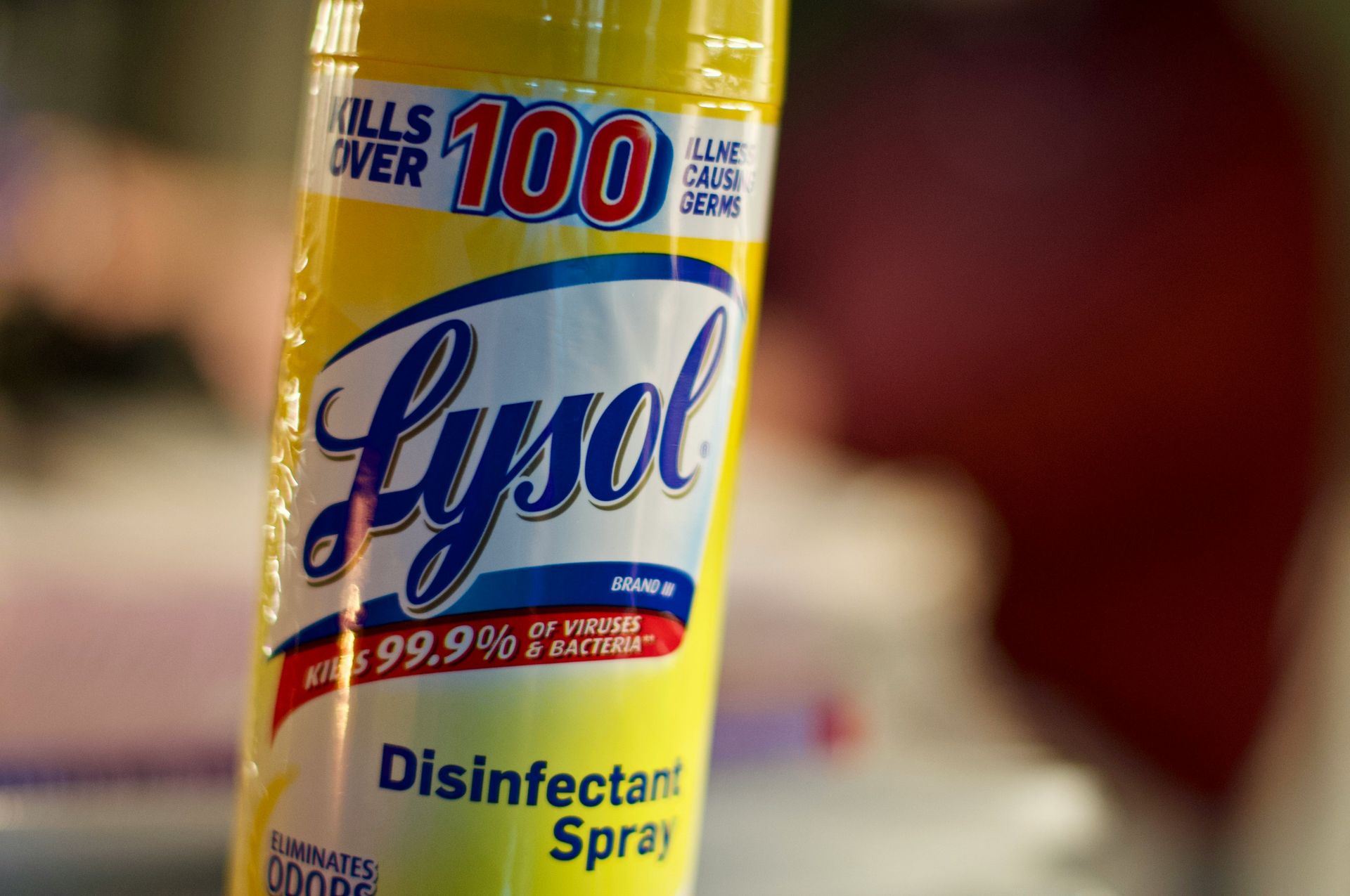
The household disinfectant spray used to sanitize surfaces and kill bacteria was initially marketed as a safe feminine hygiene product and contraceptive wash. Introduced in the U.K. in 1889, the original formulation was developed by Gustav Raupenstrauch. It was an antiseptic soap designed to prevent infectious diseases and sterilize medical facilities during cholera outbreaks. The company soon expanded into the consumer market by promoting alternative applications for the chemical compound.
The manufacturer launched an extensive advertising campaign targeting female consumers during the early twentieth century. The advertisements positioned the liquid solution as an essential tool for feminine hygiene. They claimed that regular douching with a diluted mixture would ensure internal cleanliness, eliminate odors, and promote marital happiness. The corporate marketing heavily implied that the product could also function as a reliable postpartum contraceptive. This clever phrasing circumvented strict laws that banned the sale or advertisement of birth control devices.
These marketing claims were highly deceptive and physically dangerous. The original formula contained cresol, a toxic chemical compound derived from coal tar. Cresol causes severe tissue inflammation, chemical burns, and systemic poisoning when introduced to mucous membranes. The product remained the most popular feminine hygiene wash in the U.S. for several decades despite these severe risks. This was primarily due to the lack of alternative contraceptive options and comprehensive consumer protection regulations.
The company was eventually forced to alter its marketing strategy. Medical professionals documented hundreds of cases of poisoning and internal injuries related to the hygiene practice. The manufacturer reformulated the liquid to remove the toxic cresol compounds, replacing them with safer antiseptic chemicals. They shifted their entire corporate positioning away from internal hygiene toward household sanitation. This transformed the product into the surface disinfectant spray utilized today. This strategic repositioning salvaged the brand reputation and established a new household standard.
