
20 things everyone should know how to do before they turn 40
A practical skills checklist covering money, health, career and home tasks worth mastering before turning 40 and why each one matters

Credit: lo lindo / Unsplash
Turning 40 tends to arrive with a quiet audit. Somewhere between the first gray hair and the first mortgage statement, most people start noticing which basic competencies they picked up along the way and which ones they've been quietly avoiding. This isn't about bucket-list adventures or travel goals — it's about a specific, practical set of skills that make adult life run smoother, cheaper and less stressful, whether that means reading a pay stub correctly, changing a tire on the highway shoulder, or knowing what to say when a doctor delivers bad news.
Most of these skills share a common thread: they are rarely taught directly. Schools cover algebra and grammar, but few cover how to negotiate a salary, read a lease, or perform hands-only CPR. Employers assume new hires already know how to run a meeting. Parents assume their kids will "figure out" credit scores. The result is a generation of otherwise capable adults who reach 35 or 40 without ever formally learning things that affect their health, finances and relationships every single day.
The skills below were chosen for a reason: each one has a direct, measurable effect on quality of life, and each is learnable in a matter of hours or weeks, not years. Some are financial — understanding compound interest, filing taxes, reading a credit report. Others are physical — basic first aid, defensive driving, cooking from scratch. A few are interpersonal — negotiating, giving feedback, having hard conversations. None require a special talent. They require exposure, practice and, in some cases, thirty minutes with a good tutorial.
This list is deliberately global in scope, since the underlying skills apply whether someone lives in Chicago, London or Manila, even where specific systems — tax codes, health care access, retirement accounts — differ by country. What follows are 20 skills worth having in hand well before the 40th birthday arrives, along with why each one earns its place on the list.
Read a credit report and understand a credit score
Credit: Canva Images
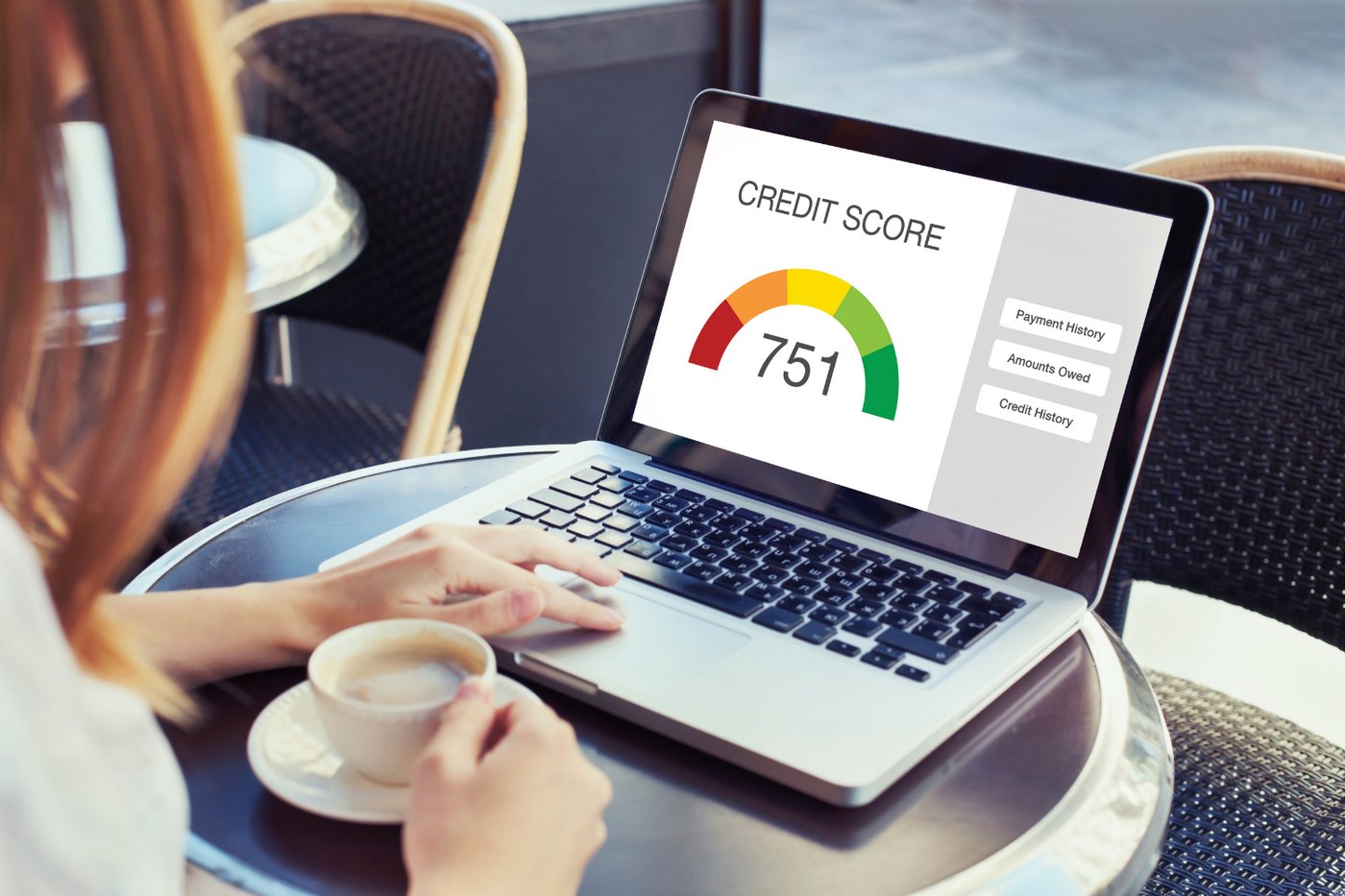
A credit score determines the interest rate on nearly every major purchase, from a car loan to a mortgage, so knowing how to read a credit report before 40 can save tens of thousands of dollars over a lifetime. In the U.S., the three major bureaus — Equifax, Experian and TransUnion — are required to provide a free report annually through AnnualCreditReport.com, and reviewing it catches errors before they become expensive problems.
A credit report lists open accounts, payment history, credit utilization and any collections or public records tied to a person's name. Errors are common: a paid-off loan still showing as open, an account that belongs to someone with a similar name, or a late payment reported in error. Each of these can knock points off a score and cost real money in higher interest rates.
Understanding the score itself matters as much as reading the report. FICO scores, the most widely used in the U.S., range from 300 to 850 and are built from five weighted factors: payment history, amounts owed, length of credit history, new credit, and credit mix. Payment history and amounts owed together make up roughly two-thirds of the score, which means the single most effective way to protect a score is to pay every bill on time and keep credit card balances well below their limits.
Many people avoid checking their credit report out of anxiety, assuming bad news is waiting. In practice, the opposite is usually true: reviewing a report regularly is what prevents identity theft and billing errors from compounding unnoticed for years. Free tools like Credit Karma and Credit Sesame offer ongoing score tracking between the annual bureau pulls.
By 40, most people have taken on a mortgage, an auto loan or significant credit card debt, which makes credit literacy no longer optional. Someone who understands how utilization ratios and hard inquiries affect a score can time major purchases — a car, a house, a business loan — to get a materially better rate than someone applying blind. That difference, compounded over a 15- or 30-year loan, is often the single largest financial skill on this entire list.
Negotiate a salary or a raise

Credit: Sora Shimazaki / Pexels
Negotiating salary is a learnable skill, not a personality trait, and failing to negotiate at least once by 40 leaves real money on the table across a career. Research from Columbia Business School and other compensation studies has consistently found that candidates who negotiate, rather than accept a first offer, tend to end up with measurably higher starting pay, and that gap compounds through every subsequent raise calculated as a percentage of salary.
The mechanics are straightforward. Before any conversation, research the market rate for the specific role, industry and location using sources like Glassdoor, LinkedIn Salary or Levels.fyi for tech roles. Walk into the discussion with a number in mind, and let the employer make the first offer whenever possible, since anchoring first tends to work in the employer's favor.
Framing matters more than aggression. Rather than stating a demand, effective negotiators ask questions: "Is there flexibility in the base salary?" or "What would it take to get to X $TWTR?" This keeps the conversation collaborative rather than adversarial, which matters because the person negotiating will likely keep working alongside the person on the other side of the table.
Negotiation isn't limited to salary. Signing bonuses, additional vacation days, remote work flexibility, a earlier performance review, or a specific job title can all be negotiated even when base pay is fixed by a pay band, which is increasingly common at larger companies with standardized compensation structures.
Silence is also a tool. After stating a counteroffer, resisting the urge to immediately fill the pause gives the other side room to reconsider — and many negotiators cave to their own follow-up offer before the employer ever responds.
The habit matters more than any single conversation. Someone who negotiates once, at 25, and never again is still leaving money on the table at every raise cycle after that. Building the muscle before 40 — asking directly, researching market rate, and treating a job offer as a starting point rather than a final number — pays dividends for every year of work that follows.
Perform hands-only CPR
Credit: Tahir Xəlfəquliyev / Pexels
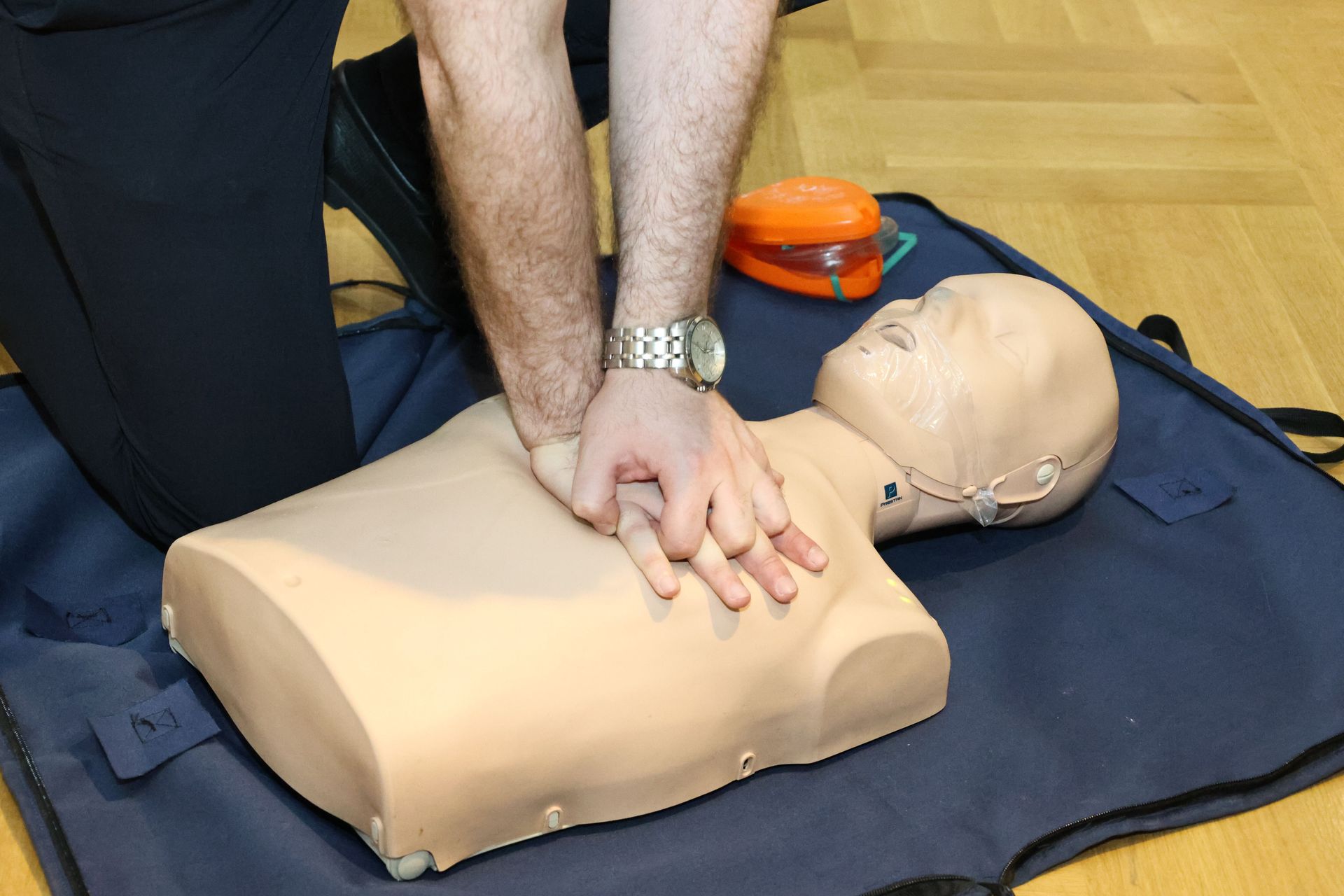
Hands-only CPR can double or triple a cardiac arrest victim's chance of survival, according to the American Heart Association, and it takes under 30 minutes to learn well enough to use in an emergency. Unlike traditional CPR, hands-only CPR skips rescue breaths entirely, which removes the biggest psychological barrier — hesitation to perform mouth-to-mouth on a stranger — and makes bystanders far more likely to actually act.
The technique itself is simple: call emergency services first, then push hard and fast in the center of the chest, at a depth of about two inches, at a rate of 100 to 120 compressions per minute. The Bee Gees song "Stayin' Alive" happens to match that tempo almost exactly, which is why it's used in training programs across the U.S. and U.K. as a memory aid.
Sudden cardiac arrest strikes without warning, often outside a hospital, and the American Heart Association notes that effective bystander CPR performed immediately after collapse can significantly improve survival odds while waiting for paramedics. Every minute without CPR after collapse reduces survival chances, since brain damage begins within minutes of blood flow stopping.
Formal certification, through the American Red Cross or American Heart Association, typically takes two to four hours and covers CPR alongside basic first aid and choking response using the Heimlich maneuver. Many employers, gyms and community centers offer these courses at low or no cost, and some fire departments run free public sessions.
The skill has an unusually high stakes-to-effort ratio: a few hours of training against the possibility of saving the life of a parent, spouse, child or stranger on the street. Most people who go into cardiac arrest do so at home, which means the person best positioned to help is very often a family member rather than a paramedic who arrives minutes later. Learning hands-only CPR before 40 — well before parents reach an age where cardiac risk rises sharply — puts that response ready before it's needed rather than after.
Cook five meals from scratch without a recipe

Credit: Canva Images
Being able to cook five solid meals from memory, without checking a recipe, saves money, improves nutrition and removes a daily source of decision fatigue that recipe-dependent cooks face every night. The goal isn't culinary range — it's reliability: a rotation of dishes simple enough to make on a tired Tuesday using ingredients that are almost always on hand.
A practical starter set covers different techniques rather than five variations on the same idea: a stir-fry that teaches high-heat cooking and ingredient prep order, a roasted sheet-pan dinner that teaches oven timing, a simple pasta dish built on garlic, olive oil and pantry staples, a pot of rice and beans or lentils that teaches basic seasoning layering, and an omelet or fried rice that uses up whatever vegetables are about to go bad.
Cooking from memory forces an understanding of ratios and technique rather than exact measurements, which is the actual skill worth having. Someone who understands that a stir-fry needs high heat, a small amount of oil, and ingredients added in order of cook time can improvise dinner from whatever is in the refrigerator, rather than being stuck without the one ingredient a recipe specifies.
The financial case is direct. The U.S. Bureau of Labor Statistics has repeatedly found that Americans spend meaningfully more per meal eating out or ordering delivery compared with cooking at home, and that gap compounds weekly across a year. Beyond cost, home-cooked meals generally involve less sodium, less added sugar and more control over portion size than restaurant or delivery food.
There's also a social dimension. Someone who can put together a real dinner without a phone propped against the counter can host casually, contribute to a potluck, or take over kitchen duty when a partner is sick or traveling. By 40, most people are cooking for a household, not just themselves, and a small rotation of reliable, from-memory meals removes one of the most frequent daily stress points in family life.
Change a flat tire

Credit: Bulat843 🌙 / Pexels
Changing a flat tire is a 15-to-20 minute task that any driver can learn, and knowing how to do it removes one of the more common roadside emergencies from the list of things that can strand someone or force an expensive tow. Every vehicle sold with a spare tire also comes with a jack and lug wrench stored in the trunk or underneath the vehicle, along with a spare that's rated for lower speeds and shorter distances than a full tire.
The process follows a fixed order. Park on level ground away from traffic, engage the parking brake, and loosen the lug nuts slightly before jacking up the car, since it's far harder to loosen them once the wheel is off the ground and spinning freely. Position the jack at the vehicle's designated jack point, listed in the owner's manual, raise the car until the flat tire clears the ground, then remove the lug nuts fully and pull off the wheel.
Mounting the spare reverses the process: line up the wheel with the bolts, hand-tighten the lug nuts in a star pattern rather than around in a circle, which distributes pressure evenly, lower the car back down, and then fully tighten the lug nuts with the car's weight back on the ground.
Most spare tires, often called "donuts," are rated for a maximum speed of around 50 miles per hour and are meant to get a driver to a repair shop, not to be driven on long-term. AAA and most roadside assistance services will change a tire for free with membership, but membership isn't universal and response times vary, particularly in rural areas or bad weather.
Knowing this skill matters most in exactly the situations where it's least convenient to be without it: a highway shoulder at night, a rural road with no cell signal, or a parking lot before an important meeting. Practicing the process once, in a driveway, in daylight, with no pressure, makes the real version — cold hands, rain, an anxious child in the back seat — far less stressful when it eventually happens.
File a basic tax return without a preparer
Credit: Leeloo The First / Pexels
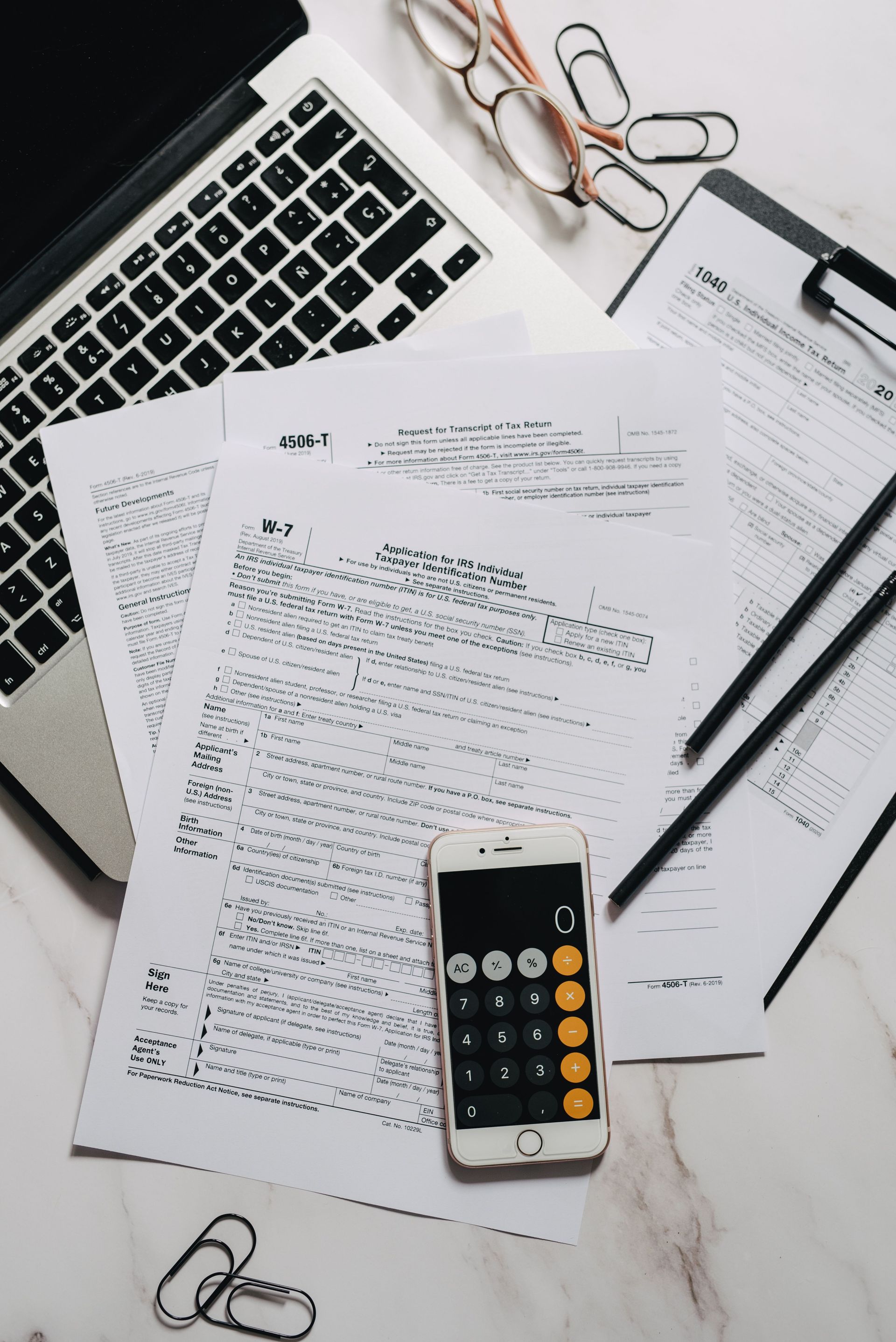
Filing a straightforward tax return without paying a preparer typically takes under an hour with modern software, and understanding the process — even for people who eventually hire an accountant — makes it far easier to catch errors and spot deductions. In the U.S., the IRS offers Free File for taxpayers below a certain income threshold, and most other filers can use software like TurboTax, H&R Block $SQ or FreeTaxUSA for a fraction of what an in-person preparer charges.
The basic mechanics involve gathering income documents — a W-2 for employees, 1099 forms for freelance or gig income — along with records of deductible expenses, student loan interest paid, and contributions to retirement accounts like a 401(k) or IRA. Software walks through each category and calculates whether the standard deduction or itemizing produces a lower tax bill, which for most filers without a mortgage or major charitable giving is the standard deduction.
Understanding a few core concepts prevents common mistakes. A tax bracket applies only to income within that bracket, not to a person's entire income, a common misconception that leads people to turn down raises out of a mistaken fear it will lower their take-home pay. Refunds represent an interest-free loan to the government, not a bonus, and adjusting withholding through a W-4 can put that money into a paycheck throughout the year instead.
Self-employed workers and freelancers face an added layer: quarterly estimated tax payments, since no employer is withholding taxes automatically. Missing these can trigger IRS penalties even if the full tax bill is eventually paid on time in April.
By 40, many people have more complicated finances than they did at 22 — a mortgage, dependents, freelance income, or investment gains — which makes at least a working understanding of the tax system valuable even for those who ultimately hand the actual filing to a CPA. Someone who understands the return being filed on their behalf can catch an error, ask an informed question, or recognize when a preparer's fee isn't worth the complexity of their actual return.
Read a lease or rental agreement carefully
Credit:Artful Homes / Pexels
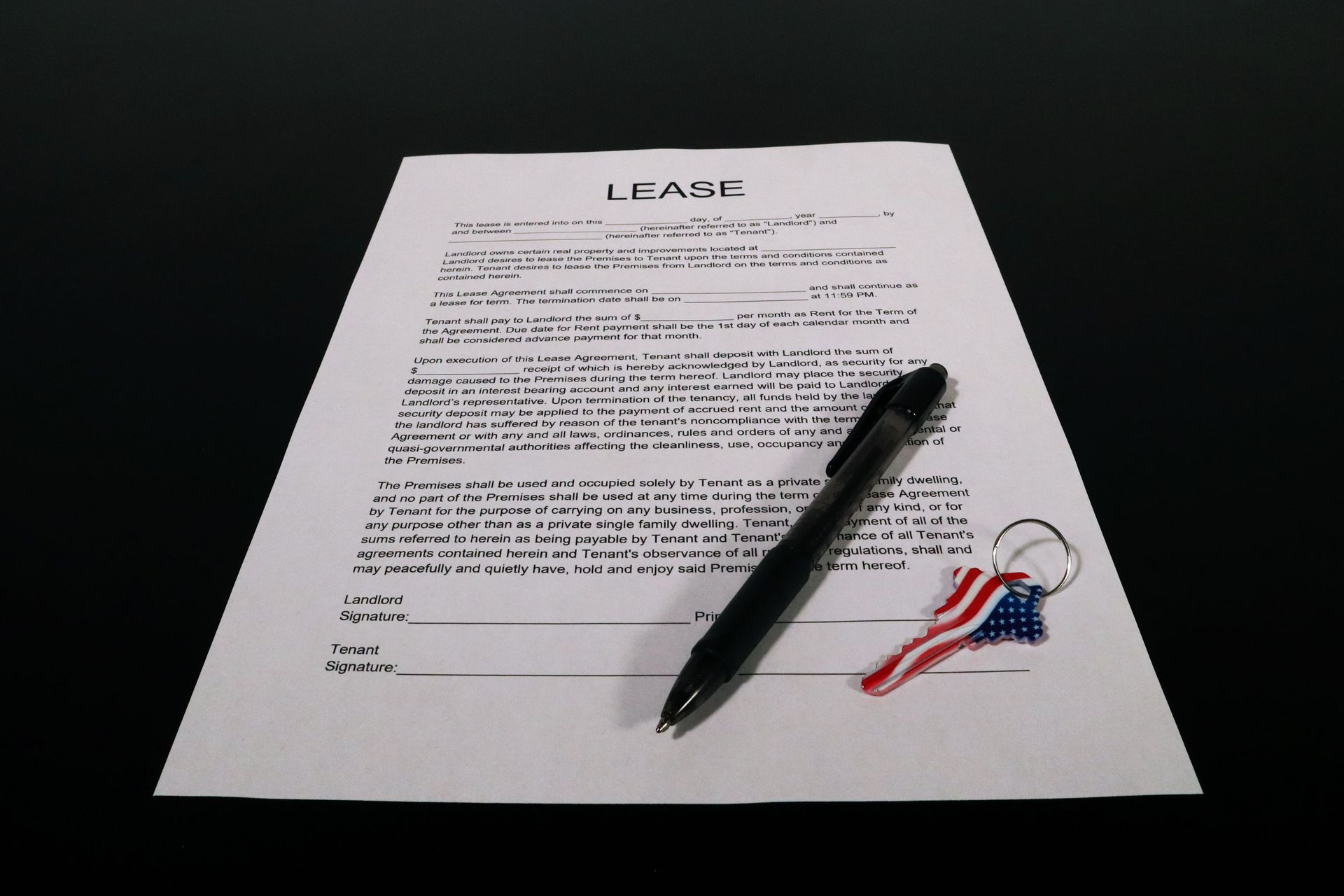
A lease is a binding legal contract, and reading it in full before signing catches clauses — like automatic renewal terms or early termination penalties — that can cost a renter thousands of dollars later. Most disputes between tenants and landlords trace back to a clause the tenant never noticed, not one that was hidden; leases are simply long, and most people skim.
A few clauses deserve particular attention. The renewal terms specify whether the lease automatically converts to month-to-month or a new fixed term if no notice is given, and by when that notice is due — often 60 or 90 days before the lease ends, which catches tenants off guard when they assume 30 days is standard. The early termination clause spells out exactly what it costs to break a lease, whether that's forfeiting the security deposit, paying a flat fee, or covering rent until a replacement tenant is found.
Security deposit terms matter just as much. Many U.S. states cap deposits at one or two months' rent and require landlords to return them, itemized, within a set window after move-out — often 14 to 30 days depending on the state. Knowing that window, and documenting the unit's condition with photos at move-in, protects a deposit that might otherwise get partially withheld for normal wear and tear.
Maintenance responsibility clauses determine who pays for repairs, and subletting clauses determine whether a tenant can bring in a roommate or transfer the lease if their circumstances change mid-term. Both are common points of dispute if not addressed clearly at signing.
By 40, many renters have moved several times and have likely been burned once by a clause they didn't read closely — a forfeited deposit, an unexpected renewal, a termination fee. Reading a lease line by line before signing, and asking a landlord to clarify or strike any unclear clause, is a habit that costs 20 minutes and prevents disputes that otherwise take months and legal fees to resolve.
Have a difficult conversation without avoiding it

Credit: Vitaly Gariev / Pexels
Avoiding a hard conversation rarely makes the underlying problem go away — it usually makes it worse, since the other person is often unaware anything is wrong until the issue has compounded. Learning to raise a difficult topic directly, whether with a partner, a manager or a friend, is a skill that improves with structure, not just courage.
A useful framework, drawn from conflict-resolution research popularized in the book "Crucial Conversations" by Kerry Patterson and colleagues, starts with separating observation from interpretation. Saying "you were 20 minutes late to the last three meetings" is an observable fact; saying "you don't respect my time" is an interpretation, and leading with interpretation tends to put people on the defensive before the actual issue is even on the table.
Timing and setting matter nearly as much as wording. Difficult conversations rarely go well when raised in the heat of an argument, in public, or over text, where tone is easily misread. Requesting a specific time — "can we talk for 15 minutes tonight after the kids are asleep" — signals that the conversation is serious enough to deserve full attention, without ambushing the other person.
Using "I" statements rather than "you" statements keeps the conversation from escalating: "I felt overlooked when the project was reassigned" invites a different response than "you always take credit for my work," even when describing the same event. The first opens a discussion; the second usually starts a defense.
Ending with a clear ask matters, too. Vague dissatisfaction without a specific request — more communication, a schedule change, an apology — leaves the other person unsure what would actually resolve things.
By 40, the cost of avoided conversations has usually piled up: a friendship that quietly ended, a work resentment that built for years, a marital issue addressed only in couples therapy after a decade of silence. Learning to raise issues early and directly, calmly and with a clear ask, prevents small problems from becoming the kind that end relationships or careers.
Use a fire extinguisher correctly

Credit: Orhan Pergel / Pexels
Knowing how to operate a fire extinguisher correctly, using the PASS method — pull, aim, squeeze, sweep — can put out a small kitchen or garage fire before it spreads, while using it incorrectly, or not knowing which extinguisher type applies, can make a fire worse. Extinguishers are classified by the type of fire they're rated for: Class A for ordinary combustibles like wood and paper, Class B for flammable liquids, Class C for electrical fires, and Class K for kitchen fires involving cooking oils and fats.
Using the wrong type matters. Spraying water or a standard Class A/B/C extinguisher on a grease fire can cause the burning oil to splash and spread the flames rather than extinguish them, which is why a Class K extinguisher, designed specifically for kitchens, is the safer choice near a stove.
The PASS technique itself is straightforward: pull the pin at the top of the extinguisher, aim the nozzle at the base of the fire rather than the flames themselves, squeeze the handle to release the extinguishing agent, and sweep the nozzle side to side until the fire is out. Standing six to eight feet from the fire, with an exit route behind, keeps a person safe if the fire flares rather than dies down.
The National Fire Protection Association recommends keeping at least one multipurpose extinguisher on every floor of a home, with an additional one in the kitchen given how common cooking fires are. Extinguishers also have a shelf life and gauge that should be checked periodically, since a extinguisher that has lost pressure over the years may not discharge when needed.
Most people never use a fire extinguisher until the one moment they urgently need to, which means the muscle memory has to come from training rather than instinct. Fire departments and hardware stores in many areas offer brief hands-on demonstrations, and even a five-minute walk-through of the PASS method removes the hesitation that otherwise costs precious seconds when a small stovetop fire is still small enough to contain.
Explain compound interest and use it deliberately

Credit: Towfiqu barbhuiya / Pexels
Compound interest is the mechanism by which money grows because interest earns interest on itself, and understanding it is the single clearest argument for starting retirement savings as early as possible rather than waiting until income rises. Albert Einstein is widely, though apocryphally, credited with calling compound interest the eighth wonder of the world — the attribution isn't verified, but the underlying math holds regardless of who said it.
The mechanics are simple: money invested today earns a return, and in the following year that return itself earns a return, so growth accelerates over time rather than staying flat. Someone who invests $200 a month starting at age 25 and stops contributing at 35, leaving the money untouched, will typically end up with more at retirement than someone who starts at 35 and contributes the same amount every month until 65 — the ten-year head start outweighs 20 extra years of contributions, purely because of compounding.
This is the core argument for contributing to a workplace retirement account, like a 401(k) in the U.S., as early as possible, particularly when an employer offers matching contributions, which amount to an immediate, guaranteed return on top of whatever the market itself provides. Skipping an employer match is effectively turning down part of a paycheck.
Compound interest cuts the other way, too, which is why credit card debt is so dangerous. Interest compounding on an unpaid balance, often at rates above 20% annually in the U.S., grows a balance the same way it grows an investment — except the direction is working against the borrower rather than for them.
By 40, someone still hasn't started saving for retirement has lost roughly 15 to 20 years of compounding relative to someone who started at 22 — a gap that later, larger contributions struggle to close. Understanding compound interest isn't abstract math; it's the practical reason "start now, even small" beats "wait until I earn more" for almost every long-term financial goal.
Give feedback that's honest and useful

Credit: Gustavo Fring / Pexels
Giving direct, useful feedback — to a direct report, a colleague, or a partner — is a skill most people never receive formal training in, despite it being central to nearly every professional and personal relationship. Vague feedback ("good job" or "this needs work") gives the other person nothing to act on, while feedback delivered as a personal attack tends to trigger defensiveness rather than change.
A widely used structure, often called the Situation-Behavior-Impact model and taught in leadership programs at companies including the Center for Creative Leadership, separates feedback into three parts: the specific situation, the observable behavior, and the concrete impact it had. "In yesterday's client call, when you interrupted the client twice, it seemed to make them less willing to share concerns" is more actionable than "you talk over people," because it gives a specific instance rather than a character judgment.
Timing affects how feedback lands. Feedback given immediately after an event, while details are fresh, tends to be more useful than feedback saved for a scheduled review months later, by which point neither party remembers the specifics clearly enough to discuss them productively.
Positive feedback deserves the same specificity as constructive feedback. Telling someone what worked, and why, reinforces behavior worth repeating — "the way you framed the budget concern as a question, not an accusation, kept the meeting collaborative" teaches more than a generic "nice work."
Feedback should also invite a response rather than function as a monologue. Ending with a question — "how did that land from your side?" or "what got in the way there?" — turns feedback into a conversation, which makes it far more likely to actually change behavior than a one-directional critique.
By 40, most people have either given or received feedback badly enough, at least once, to remember exactly how it felt — either too vague to use or too harsh to hear. Learning a specific, repeatable structure for delivering feedback turns an emotionally loaded moment into a practical, low-drama exchange that both people can act on.
Read a company's basic financial statements

Credit: Canva Images
Reading a company's income statement, balance sheet and cash flow statement is a skill that helps with far more than picking stocks — it clarifies whether an employer is financially healthy, whether a potential business partner is solvent, and whether a job offer from a struggling company carries more risk than the salary suggests. None of the three statements require an accounting degree to interpret at a basic level.
The income statement shows revenue, expenses and the resulting profit or loss over a period, typically a quarter or a year. A company can show rising revenue while still losing money if expenses are rising faster, which is common in early-stage companies deliberately spending on growth, but is a warning sign in a mature company that should already be profitable.
The balance sheet is a snapshot, at a single point in time, of what a company owns (assets), what it owes (liabilities), and the difference between the two (equity). A useful shortcut is the current ratio — current assets divided by current liabilities — which indicates whether a company can cover its short-term obligations; a ratio comfortably above 1 suggests it can.
The cash flow statement tracks actual cash moving in and out, split into operating, investing and financing activities, and matters because a company can report a profit on paper, through accounting rules like depreciation, while actually running low on cash. Negative operating cash flow over several consecutive periods is a signal worth investigating further, even if the reported profit looks fine.
Public companies file these statements quarterly with the U.S. Securities and Exchange Commission, and they're freely searchable through the SEC's EDGAR database. Reading even a handful of a company's most recent quarterly filings before accepting a job offer, particularly at a smaller or newer company, gives a clearer picture of stability than a recruiter's pitch alone. By 40, this kind of financial literacy applies well beyond investing — it's a basic due-diligence tool for evaluating employers, business partners and vendors alike.
Perform basic home repairs without calling a professional

Credit: Canva Images
A handful of basic home repairs — unclogging a drain, patching drywall, replacing a toilet flapper, resetting a tripped circuit breaker — can be learned from a single video tutorial and save hundreds of dollars a year in avoided service calls. None require specialized tools beyond what fits in a small toolbox.
Unclogging a drain usually starts with a plunger or a drain snake before resorting to chemical cleaners, which can damage older pipes with repeated use. A slow-draining sink is very often hair or soap buildup within the first few feet of pipe, well within reach of a basic drain snake bought for under $15.
Patching a small hole in drywall — the kind left by a doorknob or a picture hook — takes a drywall patch kit, spackle and a putty knife, and can be done in under an hour including drying time between coats. Larger holes need a scrap of drywall and joint tape, but the technique is the same layered process.
A running or leaking toilet is very often a worn flapper, the rubber valve at the base of the tank that seals the water in between flushes, and replacing it costs under $10 and takes about 15 minutes, compared with the cost of a plumber's visit for what is often a five-minute fix once someone knows what to look for.
A tripped circuit breaker, identifiable by a switch sitting in a middle position rather than fully up or down, can usually be reset by flipping it fully off, then back on. If it trips again immediately, that indicates an actual electrical problem worth calling a licensed electrician for, rather than something to keep resetting repeatedly.
Knowing which repairs are safe to attempt, and which genuinely require a licensed professional — gas lines, main electrical panels, structural work — matters as much as the repairs themselves. By 40, most people own or maintain a home long enough to have faced several of these exact problems, and knowing the basics turns a $150 service call into a $15 hardware store trip.
Read and interpret a paycheck or pay stub in full

Credit: Canva Images
A pay stub contains more information than most people ever check beyond the final deposited amount, and understanding each line catches payroll errors, tracks retirement contributions, and clarifies exactly where gross pay disappears to before it becomes take-home pay. Gross pay, the total earned before deductions, is only the starting point.
Federal, state and, in some cities, local income tax withholding make up the largest deduction for most U.S. employees, calculated based on the W-4 form filed with an employer, along with allowances or additional withholding requested. FICA taxes — Social Security and Medicare — are withheld at fixed percentages regardless of the W-4, currently 6.2% for Social Security up to an annual wage cap, and 1.45% for Medicare with no cap.
Pre-tax deductions, including 401(k) contributions, health insurance premiums and health savings account contributions, reduce taxable income before federal and state taxes are calculated, which is why increasing a 401(k) contribution doesn't reduce take-home pay dollar for dollar — a meaningful distinction that surprises many people the first time they check.
Checking a pay stub against expectations catches real errors: a 401(k) contribution percentage that didn't update after a requested change, a health insurance premium that increased without notice, or overtime hours that were miscalculated. Payroll systems are largely automated but not infallible, and the employee is usually the only one who notices a discrepancy.
By 40, most people have been paid biweekly or monthly for close to two decades without ever reading a full pay stub line by line, which means years of small, uncaught errors are entirely possible. Spending ten minutes with a single pay stub, matching every line to its purpose, is enough to catch discrepancies going forward and understand exactly where a paycheck's money is actually going before it lands in a checking account.
Set and stick to a monthly budget

Credit: Canva Images
A monthly budget is simply a plan for where money goes before it's spent, and building one — even a simple one — before 40 prevents the drift where spending quietly outpaces income without ever triggering an obvious warning sign. The most widely used starting framework is the 50/30/20 rule, popularized by U.S. Senator Elizabeth Warren in the book "All Your Worth," which allocates roughly 50% of after-tax income to needs, 30% to wants, and 20% to savings and debt repayment.
Building a real budget starts with tracking actual spending for one full month, categorized by need versus want, before setting any targets. Most budgeting failures come from setting arbitrary limits without first knowing actual spending patterns, which leads to unrealistic targets abandoned within weeks.
Apps like YNAB (You Need A Budget), Mint's successor Credit Karma Money, and simple spreadsheet templates all automate the categorization step, pulling transactions directly from linked bank accounts rather than requiring manual entry of every purchase.
The habit that actually sustains a budget long-term is a short weekly check-in rather than a single annual planning session — ten minutes reviewing the past week's spending against the month's plan catches overspending while there's still time to adjust, rather than discovering the problem after the fact when the month is already over.
Budgets also need to flex around irregular expenses — car repairs, annual insurance premiums, holiday spending — which is why a separate line for irregular or annual costs, funded with a small monthly contribution, prevents these from feeling like emergencies every time they arrive.
By 40, income has typically grown well past entry-level, but so has spending, often without a corresponding increase in savings — a pattern researchers call lifestyle creep. A working monthly budget, revisited weekly rather than set once and forgotten, is the most direct tool for making sure rising income actually translates into rising savings rather than simply rising spending.
Set a personal boundary and hold it

Credit: cottonbro studio / Pexels
Setting a boundary means clearly stating what behavior is and isn't acceptable, and holding it means following through with a stated consequence when the boundary is crossed — both halves are necessary, since a boundary without follow-through functions as a suggestion rather than a limit. This applies across contexts: a coworker who routinely messages after hours, a family member who oversteps on parenting decisions, a friend who consistently cancels plans last minute.
Clear boundaries are stated as specific requests rather than complaints. "I'm not available for work calls after 6 p.m." is a boundary; "you always call me at the worst times" is a complaint that names a pattern without stating what should change going forward.
The follow-through matters more than the initial statement, and it's usually the harder part. If a boundary around after-hours work calls is stated but then ignored the first time it's tested — answering anyway, out of guilt or habit — it signals the boundary isn't actually enforced, and it will keep getting tested.
Boundaries also don't require justification or apology to be valid. Over-explaining a boundary — "I'm sorry, I know this is a lot to ask, but would it maybe be okay if..." — invites negotiation over something that isn't actually up for negotiation, and tends to weaken the request itself.
Not every relationship responds well to a new boundary, particularly one introduced after years of none. Some pushback should be expected, and holding firm through initial resistance is often what determines whether the boundary sticks long-term or quietly erodes back to the old pattern within a few weeks.
By 40, many people have spent two decades saying yes by default — to extra work, to family requests, to friends' last-minute plans — and the accumulated resentment from unenforced limits is a common driver of burnout. Learning to state a boundary plainly, without over-explaining, and then actually hold it when tested, protects time and energy in every relationship it's applied to.
Speak in public without reading from a script

Credit: Pavel Danilyuk / Pexels
Speaking to a group without reading word-for-word from a script or slide deck is a learnable skill, and it matters well beyond formal presentations — toasts, team meetings, parent-teacher conferences and job interviews all reward the same underlying ability to organize thoughts and deliver them naturally.
The most reliable structural tool is a simple three-part outline: one clear main point, three supporting pieces of evidence or examples, and a short closing that restates the main point. Speakers who memorize an outline rather than a script sound more natural, because they're recalling ideas rather than reciting exact wording, and they can recover more easily if they lose their place.
Toastmasters International, a nonprofit public speaking organization founded in 1924 and now operating in more than 140 countries, structures its programs around exactly this kind of repeated, low-stakes practice, with regular meetings where members give short speeches and receive structured feedback in a supportive setting.
Physical habits affect delivery as much as content. Pausing instead of filling silence with "um" or "like" feels uncomfortable to the speaker but reads as confidence to an audience; a two-second pause before answering a tough question almost always looks shorter to listeners than it feels to the person standing at the front of the room.
Nerves before speaking are close to universal, even among experienced speakers, and the physical symptoms — a racing heart, sweaty palms — are largely indistinguishable from excitement at a physiological level. Reframing pre-speech adrenaline as excitement rather than fear, a technique studied by Harvard Business School's Alison Wood Brooks, has been shown to improve subsequent performance compared with trying to suppress or calm the nerves.
By 40, most careers have included at least a few moments where the ability to speak clearly and confidently to a room mattered — a promotion pitch, a wedding toast, a client presentation. Building the skill through low-stakes practice, rather than facing it cold at a high-stakes moment, makes the difference between a stumbling delivery and a clear one.
Recognize the signs of a scam or phishing attempt

Credit: RDNE Stock project / Pexels
Recognizing a phishing attempt or scam before acting on it is an increasingly necessary skill as scams grow more sophisticated, moving well beyond the obviously fake emails of a decade ago into convincing text messages, phone calls and even AI-generated voice clones of family members. The Federal Trade Commission has consistently reported billions of dollars in annual losses from fraud reports in the U.S. alone, much of it preventable with a few consistent checks.
A few patterns show up across nearly every scam. Urgency is the most common tell — a message demanding immediate action, threatening an account suspension, an arrest, or a missed deadline, is designed to short-circuit careful thinking before the target has time to verify anything. Legitimate institutions, including the IRS and most banks, do not demand immediate payment via gift cards, wire transfer or cryptocurrency, which is a near-universal red flag regardless of how official the request sounds.
Checking the actual sender address, not just the display name, catches many email phishing attempts, since scammers frequently spoof a display name — "Bank of America $BAC Security" — while the underlying email address is unrelated to the real institution. Hovering over a link before clicking, to preview the actual destination URL, catches many more.
Phone-based scams have grown more convincing with the rise of voice-cloning technology, which can now replicate a family member's voice from a short audio clip pulled off social media, used in so-called "grandparent scams" claiming a relative is in trouble and needs money urgently. Establishing a family verification phrase or habit of calling back on a known number is a practical defense against this specific and growing threat.
The single most reliable check is also the simplest: independently verify any urgent request for money or personal information by contacting the institution or person directly, using a phone number or website looked up separately, rather than one provided in the suspicious message itself. By 40, most adults have either been targeted directly or know someone close to them who has, which makes scam recognition a practical, not theoretical, life skill.
Perform basic maintenance on a computer or phone

Credit: Szabó Viktor / Pexels
Basic device maintenance — clearing storage, managing software updates, backing up data and recognizing when a device has been compromised — prevents the majority of everyday technology problems without needing to call a repair shop or IT department. Most of it takes minutes once the habit is established.
Regular software updates close known security vulnerabilities, which is why operating system and app updates matter more for security than for new features. Delaying updates for months, common among people who find update prompts annoying, leaves devices exposed to vulnerabilities that have often already been patched and publicly documented, making unpatched devices an easier target.
Storage management prevents the slowdowns that lead many people to assume a device needs replacing when it actually just needs clearing out. Photos and videos are usually the largest storage consumers on a phone, and cloud backup services like Google $GOOGL Photos or Apple $AAPL's iCloud can offload originals while keeping smaller, optimized versions on the device itself.
Backing up data on a regular schedule, whether through automatic cloud sync or a periodic manual backup to an external drive, is the single most effective defense against losing photos, documents and files to device failure, theft or ransomware. Ransomware attacks, which encrypt a victim's files and demand payment for their release, are far less damaging to someone with a recent backup than to someone without one, since the backup makes paying the ransom unnecessary.
Recognizing signs of a compromised device — unexpected pop-ups, a battery draining unusually fast, unfamiliar apps appearing, or a device running hot while idle — helps catch malware before it spreads or does serious damage. A factory reset, after backing up personal files, resolves most malware infections that a basic antivirus scan doesn't catch on its own.
By 40, most adults manage several devices simultaneously — a phone, a laptop, sometimes a work computer — each holding years of photos, financial records and personal information. Basic maintenance habits, kept up consistently rather than addressed only after something breaks, protect against the most common and most preventable ways that data gets lost or compromised.
Ask for help without treating it as a failure

Credit: Armin Rimoldi / Pexels
Asking for help, whether for a mental health struggle, a work problem beyond one's expertise, or a task that's simply too much to handle alone, is a skill many people never build because they've absorbed the idea that needing help signals incompetence. In practice, the opposite is usually true in professional settings: research on help-seeking behavior, including studies published in the Journal of Applied Psychology, has found that competent employees who ask clarifying questions or request assistance are generally rated more favorably than those who struggle silently and produce lower-quality work as a result.
The skill has a practical structure. Being specific about what kind of help is needed — information, a second opinion, hands-on assistance, or simply someone to listen — gets a more useful response than a vague "I'm struggling," which leaves the other person unsure how to respond. "Can you review this section before I send it" is more actionable than "I'm not sure this is any good."
Timing affects outcomes as much as phrasing. Asking for help early, before a problem has compounded, tends to get a faster and less costly resolution than asking after the situation has already gone wrong — a missed deadline, a damaged relationship, a financial problem that's grown larger through delay.
Mental health help-seeking carries its own particular resistance, often tied to stigma that's measurably declined over the past two decades but hasn't disappeared. Organizations like the National Alliance on Mental Illness note that treatment for anxiety, depression and other common conditions is generally more effective the earlier it's sought, which makes early help-seeking a practical health decision rather than a personal failing.
By 40, most people have watched a problem — professional, financial, or personal — grow worse specifically because help wasn't requested early enough, out of pride, embarrassment or a belief that struggling alone was a form of competence. Learning to ask directly, early and specifically is one of the more consequential interpersonal skills on this list precisely because it affects how quickly every other problem gets solved.