
The 10 prettiest villages to visit in France, ranked
From Gordes' lavender-backed hilltop in Provence to Collonges-la-Rouge's glowing red sandstone and Conques' medieval pilgrimage abbey
Wafi USMD / Unsplash
Beyond Paris and the country’s famous vineyards, France holds a considerable number of villages so picturesque they seem almost designed for postcards. Many belong to Les Plus Beaux Villages de France, an official association founded in 1982 specifically to protect and promote small communities with genuinely exceptional architectural and natural heritage across the country.
These villages reward travelers willing to rent a car or join a small-group tour, since many sit well outside the reach of major train lines and require a bit of extra effort actually to visit. The payoff genuinely proves considerable, though, since each of these communities offers a distinctly different regional character shaped by centuries of local stone, tradition and geography specific to its own corner of France.
The 10 villages below appear in Lonely Planet, covering the prettiest villages to visit throughout France. They span the country’s diverse regions, from Provence’s sun-drenched hilltops to Alsace’s fairy-tale timbered streets to Brittany’s granite coastal settlements. Several belong to Les Plus Beaux Villages de France specifically. In contrast, others earned recognition through separate national heritage designations or simply through decades of accumulated word-of-mouth reputation among travelers and photographers alike. Regional cuisine and local craft traditions run through nearly every stop on this list, giving food and history-focused travelers good reason to linger in each village beyond simply admiring the architecture from a car window. Many of these villages also sit within reasonable driving distance of at least one other stop on this list, making it genuinely possible to combine several destinations within a single regional road trip instead of treating each village as an isolated day trip requiring separate travel logistics entirely. Grouping nearby villages within a single itinerary, such as pairing Èze with a broader Riviera trip or Riquewihr with the wider Alsace Wine Route, genuinely maximizes the value of the considerable time spent traveling to reach these often out-of-the-way destinations.
1. Gordes clings to a Provençal hilltop
Alexander Van Steenberge / Unsplash
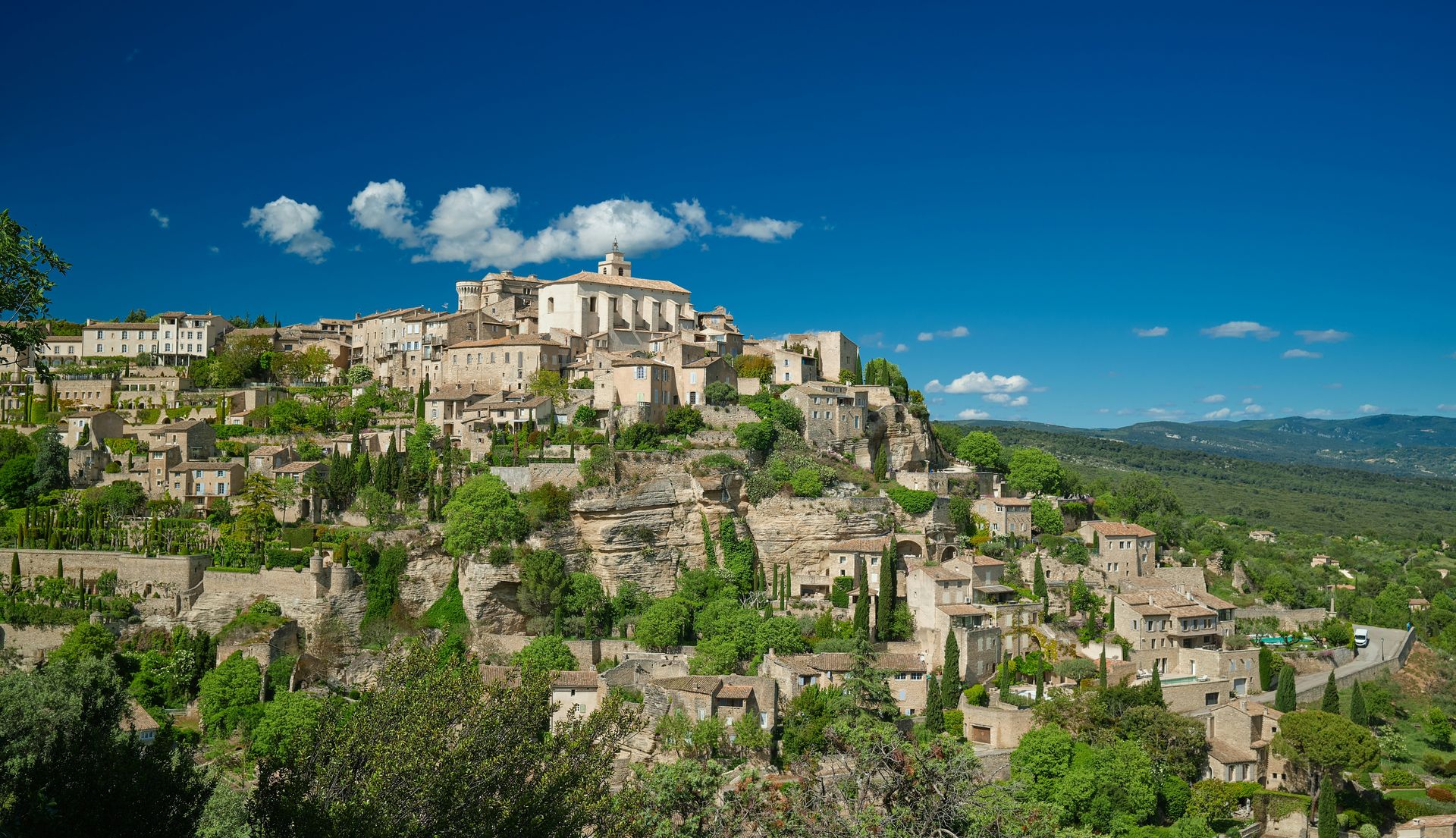
Perched dramatically on a rocky outcrop in the Luberon region of Provence, Gordes rewards visitors with sweeping views across the surrounding valley from nearly every street within the village. Stone houses stacked in tiers along the hillside give Gordes its genuinely striking silhouette, visible from considerable distances across the surrounding countryside.
The village’s twelfth-century castle, later renovated during the Renaissance, anchors the historic center, and the nearby Abbaye Notre-Dame de Sénanque, a Cistercian abbey surrounded by lavender fields, ranks among the most photographed sites in all of Provence during peak summer bloom. This particular pairing of hilltop architecture and genuinely famous lavender scenery gives Gordes considerable fame well beyond France’s own borders.
Village Bories, a cluster of traditional dry-stone huts built without mortar, sits just outside Gordes and gives history-minded visitors genuine insight into centuries-old rural building techniques once common throughout the Luberon. These structures, some dating back several centuries, reflect a genuinely distinctive regional architectural tradition found in relatively few other parts of France, and archaeologists believe some individual bories may date back considerably further than the surrounding village itself, with certain structures possibly reaching back to Ligurian settlements that predated Roman occupation of the region.
Travelers $TRV hoping to photograph the lavender fields at Sénanque specifically should visit in late June or early July, since bloom timing shifts somewhat year to year depending on that particular season’s weather. The village’s Tuesday morning market, held in the central square, gives visitors genuine access to local Provençal produce, cheeses and lavender products directly from regional farmers. This weekly gathering has continued in some form for centuries, reflecting the enduring agricultural rhythm of the surrounding Luberon countryside even as the village itself has grown increasingly oriented toward tourism. Peter Mayle’s popular memoirs about life in the Luberon, published throughout the 1990s, brought a considerable wave of international attention to Gordes and the surrounding villages, helping transform this once-quiet farming region into one of Provence’s most visited corners.
2. Rocamadour dangles from a limestone cliff
Peter Muscutt / Unsplash
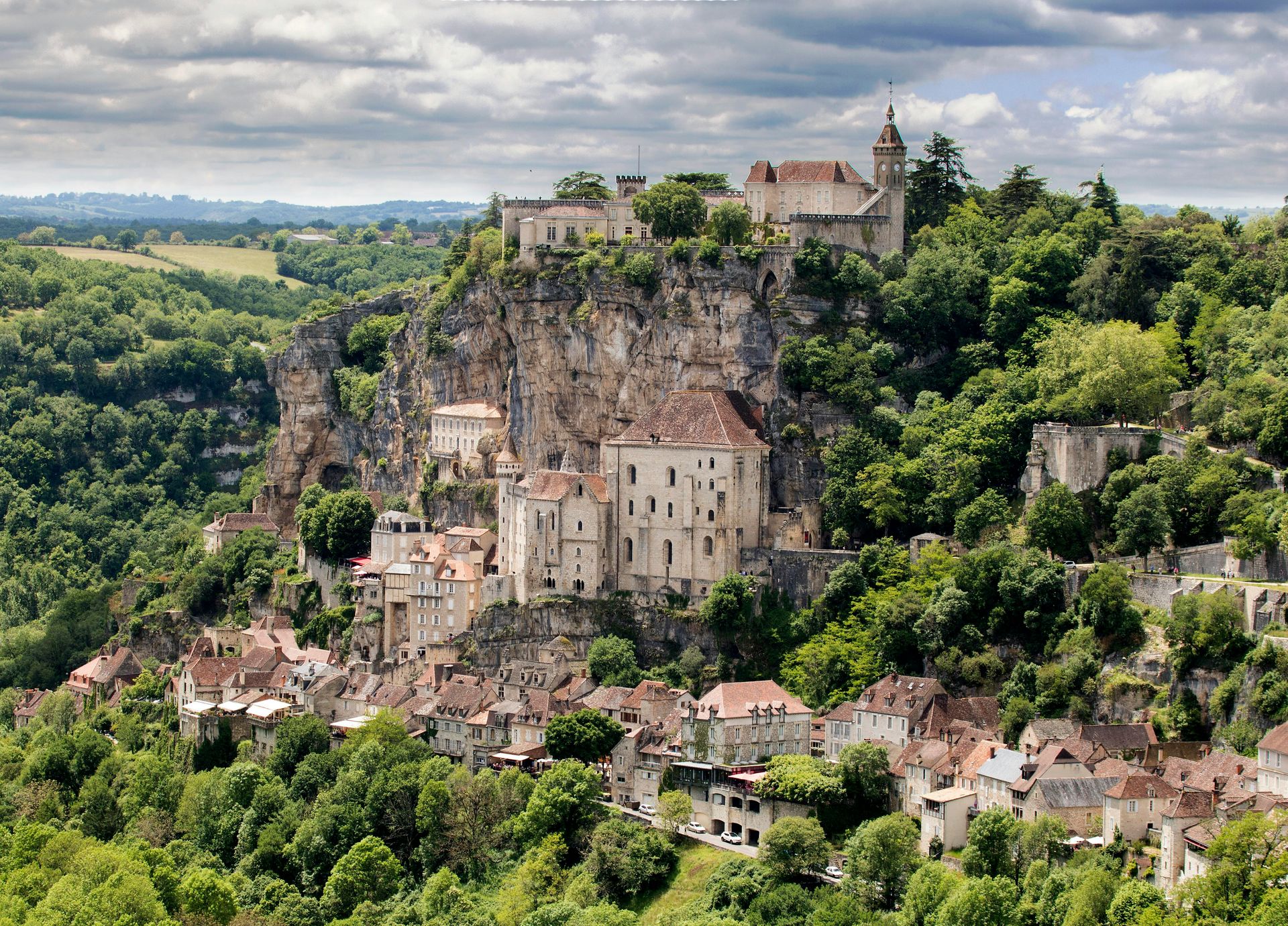
Built directly into a limestone cliff face above the Alzou Canyon in the Dordogne region, Rocamadour ranks among the most dramatic village settings found anywhere in France. Houses, chapels and a fortified church cling to the cliff in layered tiers, connected by steep stone staircases that pilgrims have climbed on their knees for centuries as an act of religious devotion.
The village has drawn Christian pilgrims since the medieval period, largely due to the Black Madonna, a venerated wooden statue housed within the Chapelle Notre-Dame partway up the cliff. This considerable religious significance made Rocamadour one of the most important pilgrimage sites in medieval Europe, alongside Santiago de Compostela and Jerusalem itself, and medieval kings including Henry II of England and Louis IX of France both reportedly made the pilgrimage themselves during the site’s height of influence.
Visitors can reach the upper sections of the village via elevator or the considerably more strenuous Grand Escalier, a staircase of 216 steps that pilgrims traditionally ascended on their knees. The surrounding Alzou Canyon offers genuinely dramatic hiking trails for travelers hoping to view the village from below, rewarding the climb with sweeping perspectives of the cliffside settlement; the canyon itself also holds a considerable population of griffon vultures reintroduced to the region during a conservation program launched in the 1990s.
L’Hospitalet, the small settlement atop the plateau above Rocamadour, offers a genuinely worthwhile vantage point for viewing the entire cliffside village at once, and this same plateau once served medieval pilgrims as a rest stop before making the final descent toward the sanctuary below. The village’s celebrated goat cheese, produced locally and named Rocamadour AOC, reflects a dairy tradition stretching back centuries throughout this particular stretch of the Dordogne’s rocky, sheep- and goat-friendly terrain. The sanctuary’s bell, still hanging within the cliffside chapel, reportedly rings on its own whenever a sailor lost at sea prays to the Black Madonna and survives, a legend recorded in considerable detail throughout medieval pilgrimage accounts documenting Rocamadour’s miracles.
3. Èze perches above the Côte d’Azur
Chelsea Essig / Unsplash
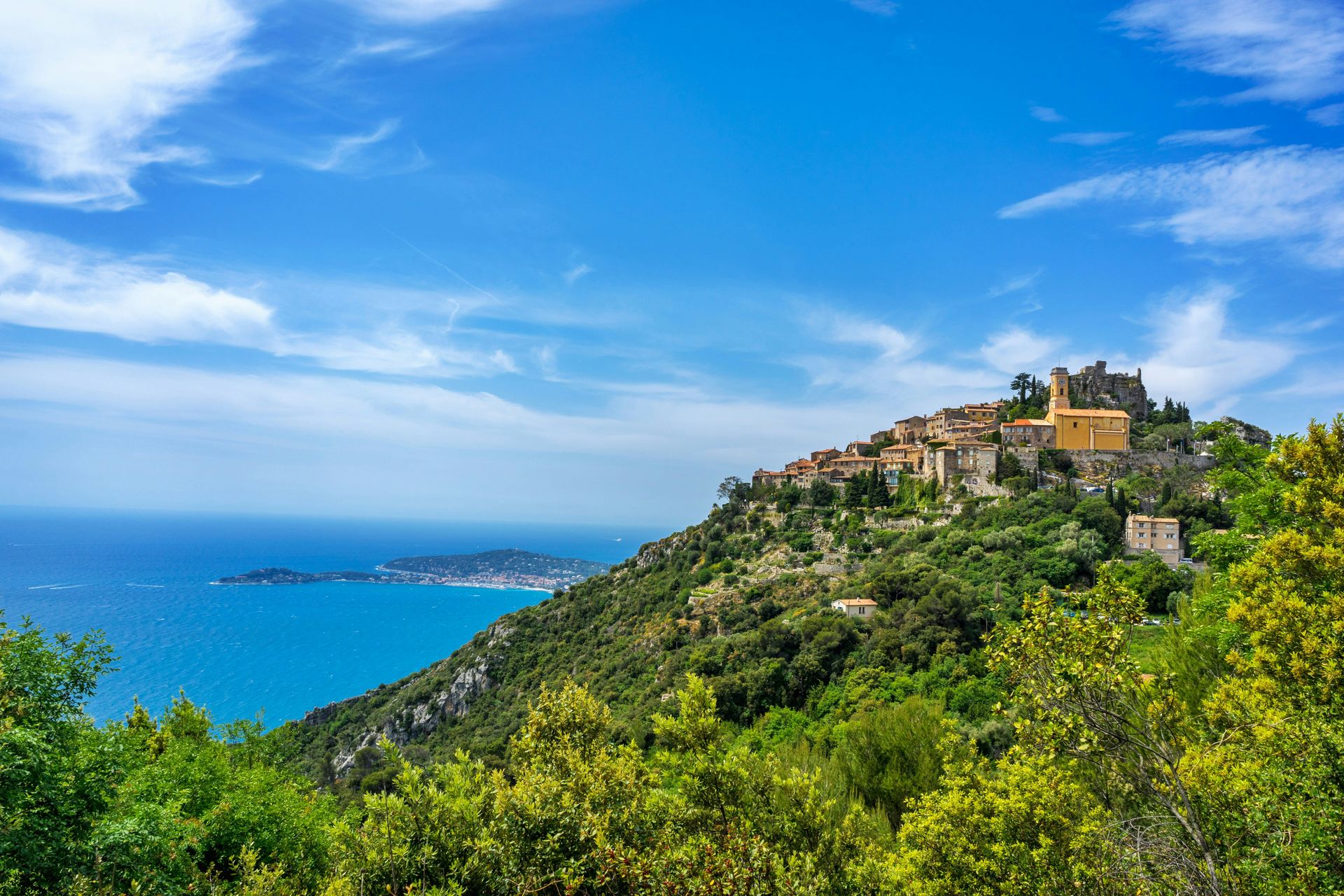
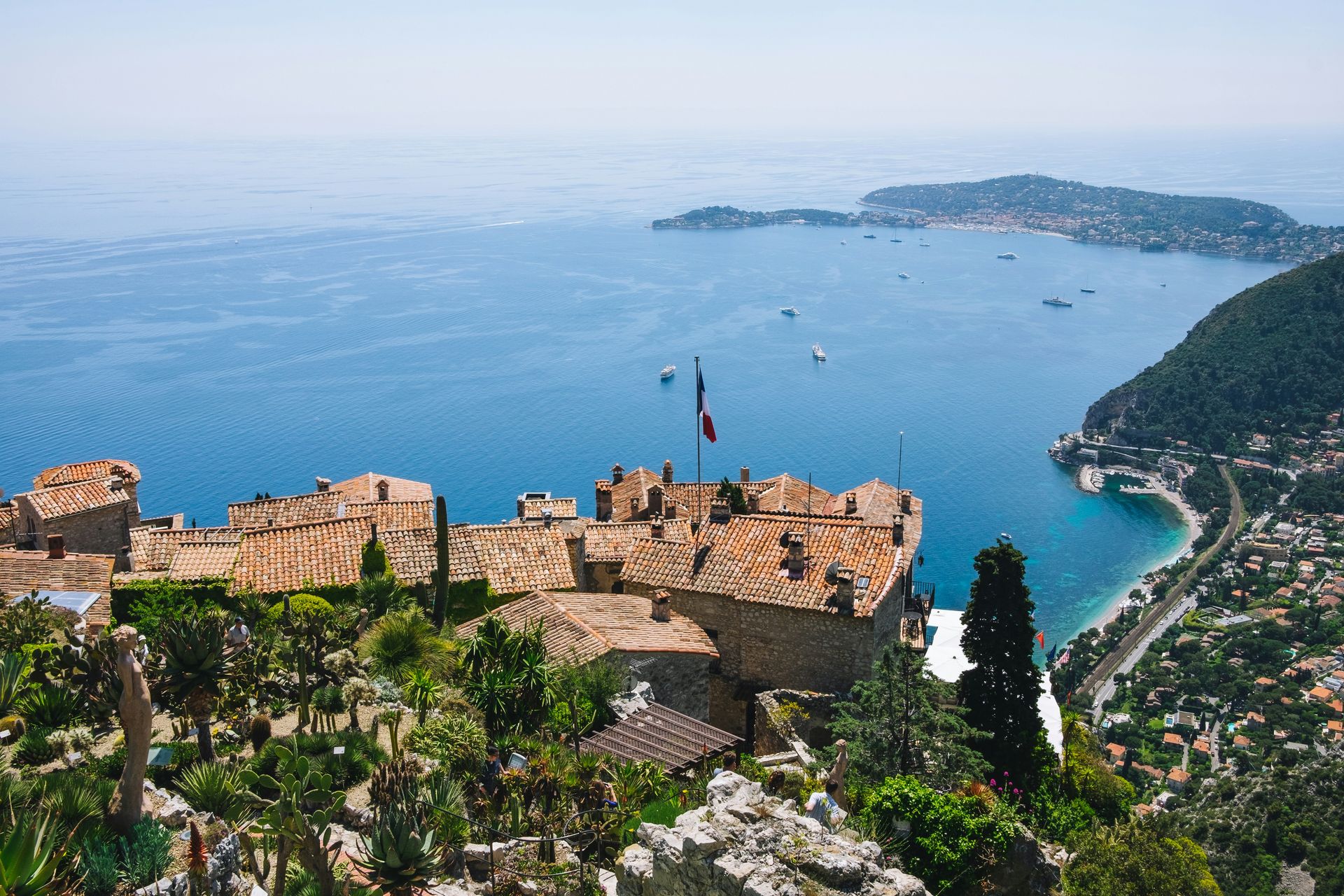
Sitting atop a rocky peak along the French Riviera between Nice and Monaco, Èze rewards visitors with panoramic Mediterranean views from its considerable elevation above the coastline. Narrow, winding medieval streets, many too tight for vehicles, wind upward through the village toward the ruins of a twelfth-century castle at the summit.
The Jardin Exotique d’Èze, a botanical garden built atop the former castle ruins, holds an extensive collection of cacti and succulents alongside genuinely spectacular views stretching along the coast toward both Nice and Cap Ferrat. This garden ranks among the village’s most popular attractions specifically for its pairing of unusual desert flora and considerable coastal scenery, and the site’s specific microclimate, shaped by its elevation and rocky exposure, allows plant species native to considerably more arid regions of the world to thrive despite the surrounding Mediterranean setting.
Èze’s considerable elevation and narrow streets have long attracted perfume houses and artisans, and the village holds several boutique perfumeries offering tours that trace the region’s genuine historical connection to the broader perfume industry centered in nearby Grasse. This particular blend of medieval architecture, botanical scenery and craft industry gives Èze real range beyond simply its dramatic clifftop setting, and Friedrich Nietzsche reportedly drew inspiration for part of “Thus Spoke Zarathustra” while walking the steep path connecting Èze to the coastline below, a route that still bears his name today.
The village’s considerable elevation, sitting more than 1,300 feet above the Mediterranean, gives Èze cooler temperatures during the summer months than the busier coastal towns directly below, a distinction that historically made the village a more comfortable retreat for residents even before its current status as a tourist destination. The village changed hands repeatedly between local counts, the Kingdom of Savoy, and eventually France itself over several centuries, and Èze only formally became part of France in 1860, alongside the rest of the surrounding County of Nice, following a plebiscite.
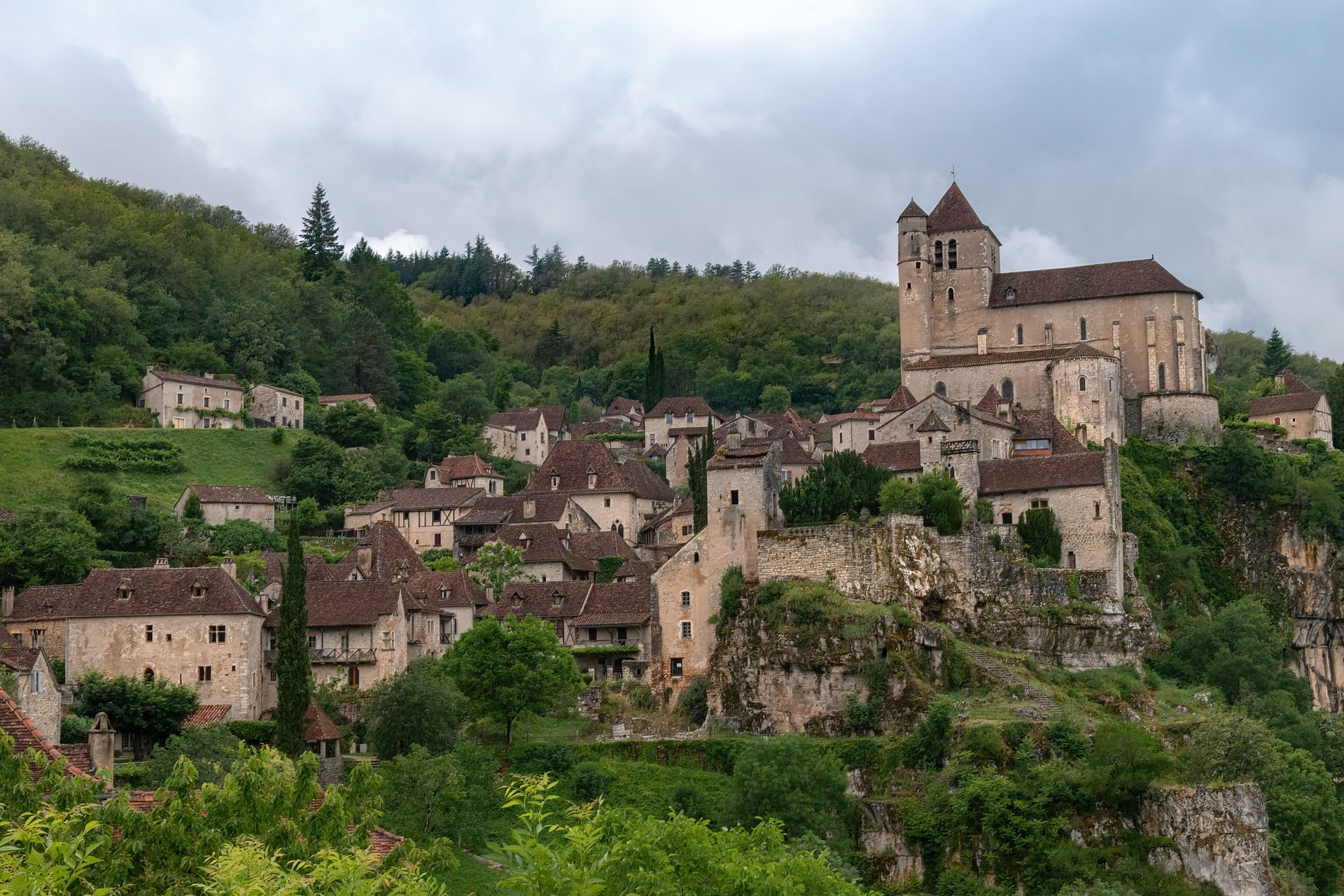
4. Saint-Cirq-Lapopie hovers over the Lot River
le Sixième Rêve / Unsplash
Built into a limestone cliff overlooking the Lot River in southwestern France, Saint-Cirq-Lapopie ranks among the country’s most celebrated village settings, drawing painters and writers for generations. Timber-framed houses with steeply pitched roofs cluster along narrow lanes, many now home to artisan workshops and small galleries reflecting the village’s long-standing artistic community.
André Breton, the founder of the Surrealist movement, lived in Saint-Cirq-Lapopie for several years during the mid-twentieth century, drawn by the village’s genuinely striking setting and considerable artistic energy. This literary and artistic history gives the village genuine cultural weight beyond its picturesque architecture alone, and Breton reportedly found it so enchanting that he chose to be buried in its small cemetery following his death in 1966.
The ruins of a medieval château sit above the village, offering visitors sweeping views down toward the Lot River winding through the valley below. Hiking and cycling routes along the river specifically reward travelers hoping to see the village from multiple vantage points beyond the streets themselves, including sections of the long-distance GR36 trail that passes directly through this stretch of the Lot valley.
The village earned recognition as France’s favorite village in a nationwide television poll conducted in 2012, reflecting genuine popular affection for Saint-Cirq-Lapopie well beyond its already considerable reputation among artists and writers. Many of the village’s timber-framed workshops continue traditions, including woodworking and leatherwork, that took root here specifically because of the artisan community Breton and his contemporaries helped establish during the twentieth century. The village’s fortifications, largely dismantled by royal order following a local rebellion during the seventeenth century, once made Saint-Cirq-Lapopie one of the more strategically defensible settlements along this stretch of the Lot, a river historically used to float timber and wine downstream toward Bordeaux. The village nearly disappeared entirely during the mid-twentieth century before Breton and a handful of other artists and preservationists intervened, buying up crumbling properties and slowly restoring them instead of allowing the settlement to fall into permanent ruin like several neighboring hamlets along the same stretch of river.
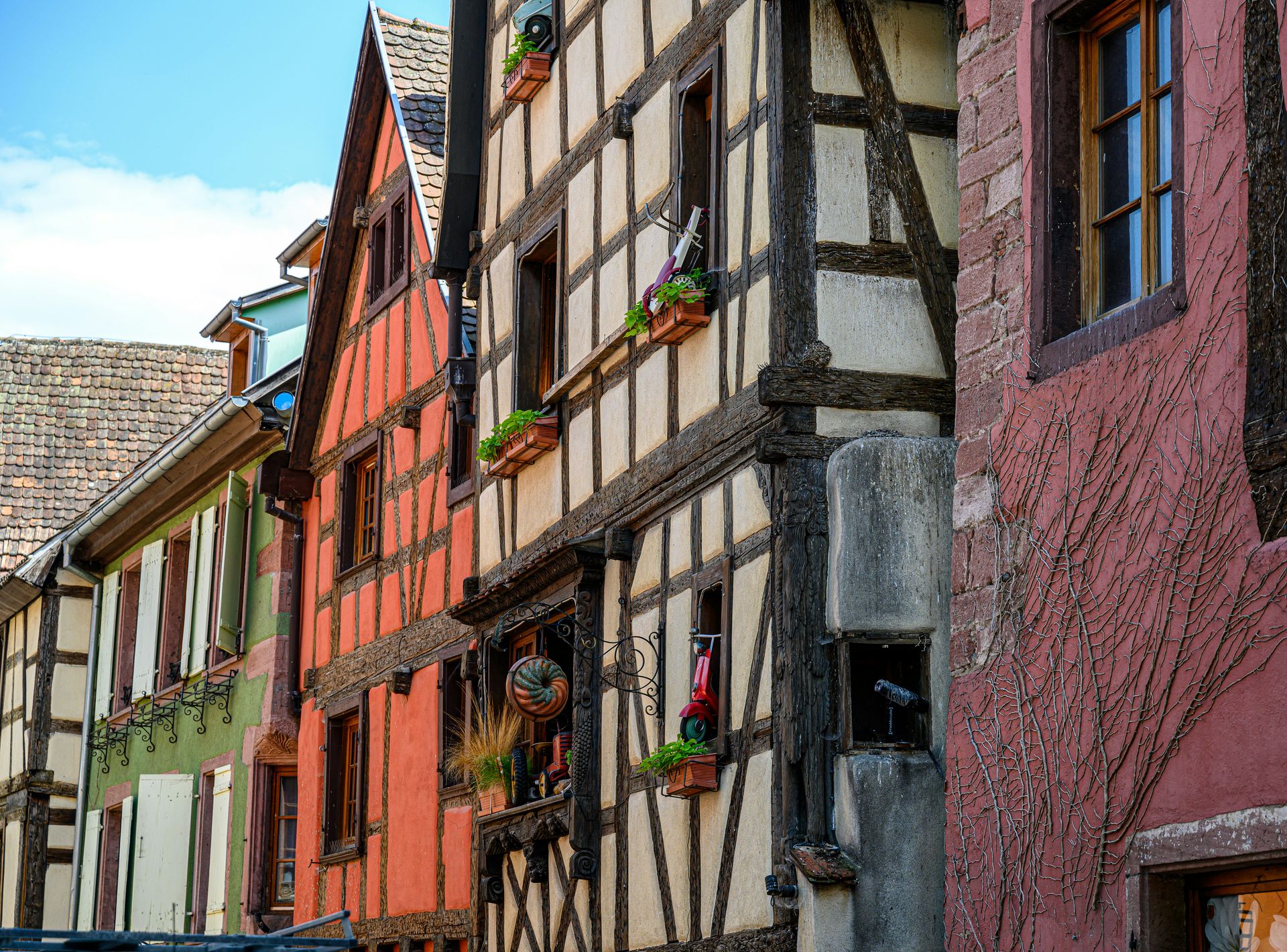
5. Riquewihr preserves Alsace’s medieval streets
Andrei Dumitriu / Unsplash
Surrounded almost entirely by vineyards along the Alsace Wine Route, Riquewihr holds some of the best-preserved medieval architecture found anywhere in France, having largely escaped the destruction of both world wars. Half-timbered houses painted in vivid pastel colors line the village’s cobblestone streets, giving Riquewihr a genuinely fairy-tale atmosphere that has drawn comparisons to a storybook setting, and the village is often cited as an inspiration for the fictional town depicted in Disney $DIS’s “Beauty and the Beast.”
The village’s fortified walls and towers, dating back to the thirteenth century, remain largely intact, giving visitors a genuinely rare opportunity to walk through medieval fortifications still substantially in their original form. This level of historical preservation ranks among the most complete found anywhere in the Alsace region specifically, and the Dolder, a fortified gate tower marking the entrance to the old town, still houses a small museum documenting the village’s medieval defensive history.
Riquewihr sits at the heart of Alsace’s Riesling and Gewürztraminer wine production, and numerous cellars throughout the village offer tastings directly from local producers whose families have often worked the same vineyards for multiple generations. This pairing of medieval architecture and genuine wine-region prestige gives Riquewihr considerable appeal for travelers interested in both history and local gastronomy within a single stop.
Travelers $TRV should visit during the December holiday season specifically, since Riquewihr’s Christmas market ranks among the most beloved in the Alsace region. However, this timing also brings genuinely heavier crowds than the quieter shoulder seasons. The market itself traces its origins back to a regional tradition of winter markets that predates Alsace’s current borders, reflecting the area’s long and complicated history shifting between French and German control over the centuries. The village changed hands between France and Germany multiple times across the nineteenth and twentieth centuries, following the outcomes of the Franco-Prussian War and both world wars, and this considerable political back-and-forth shaped the distinctly blended Franco-Germanic character still visible throughout Alsace’s language, cuisine and architecture today.
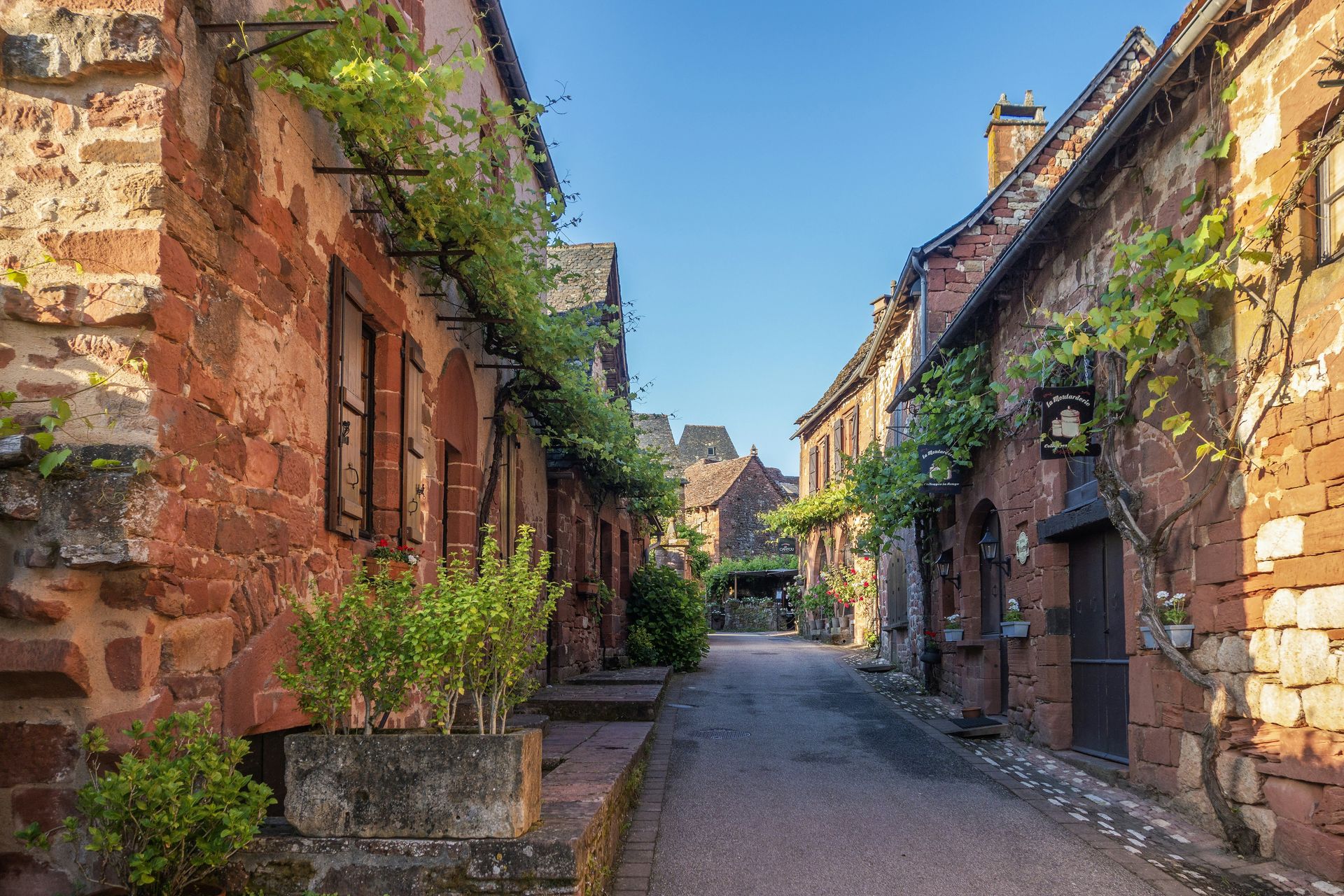
6. Collonges-la-Rouge glows in genuine red sandstone
Snap Wander / Unsplash
Built almost entirely from distinctive red sandstone quarried locally, Collonges-la-Rouge holds a genuinely unique architectural character found in relatively few other French villages. The deep red buildings, many topped with steeply pitched slate roofs and small turrets, give the village a considerably different visual identity than the pale limestone architecture common throughout much of the surrounding Dordogne region.
The village developed considerable historical importance as a stop along the pilgrimage route to Santiago de Compostela, and the twelfth-century church at its center still reflects this religious significance through Romanesque architectural details found throughout the structure. This pilgrimage history connects Collonges-la-Rouge to a broader network of similarly significant villages scattered throughout southwestern France, and the church’s unusual dual-nave design reportedly accommodated both Catholic pilgrims and, for a period, Protestant worshippers following the Edict of Nantes.
Wealthy families and clergy built many of the village’s grander turreted houses between the fifteenth and seventeenth centuries, reflecting Collonges-la-Rouge’s considerable historical prosperity relative to many neighboring communities. This concentration of genuinely well-preserved Renaissance-era architecture gives the village significant historical depth beyond its striking red coloring alone, and the village ranked among the first communities admitted into Les Plus Beaux Villages de France when the association formed in 1982, reflecting its genuinely early recognition as an exceptional example of French rural heritage.
Travelers $TRV should visit specifically during autumn, when the surrounding walnut orchards turn golden and complement the village’s distinctive red stone with genuinely striking seasonal color throughout the wider landscape. Walnut cultivation remains a genuine economic mainstay throughout this corner of the Dordogne, and several small producers throughout the village still process and sell walnut oil using methods passed down across multiple generations of local families. The village’s distinctive red stone comes from a specific vein of sandstone found only in this immediate area, giving Collonges-la-Rouge a genuinely unique geological identity that neighboring communities, built from more common pale limestone, cannot replicate. The village’s population today numbers only a few hundred residents, considerably fewer than during its medieval and Renaissance peak, when Collonges-la-Rouge served as a genuine regional center of commerce and religious administration for the surrounding countryside.
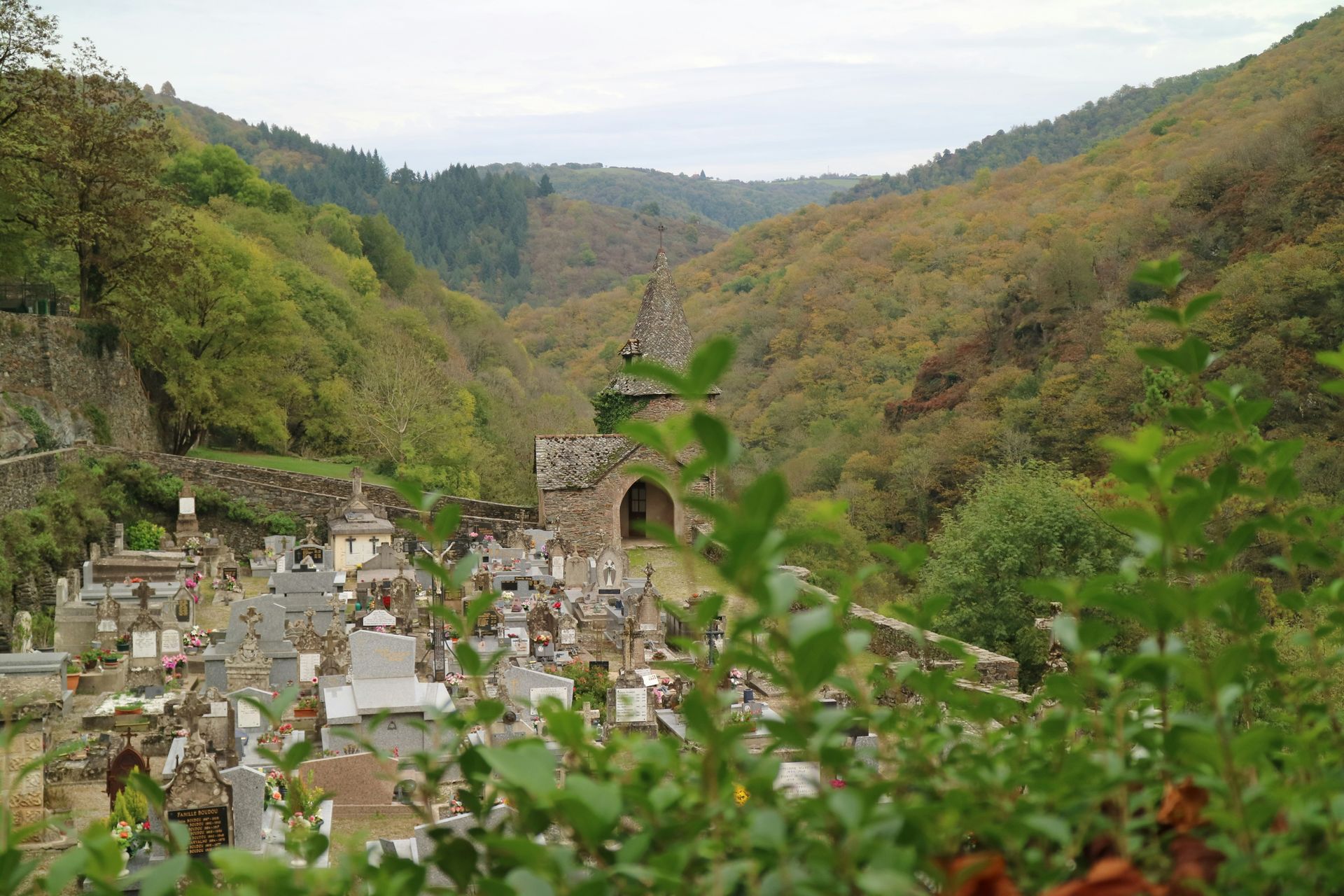
7. Conques anchors a historic pilgrimage route
Dag Heinrichowski / Unsplash
Nestled in a steep valley in the Aveyron department, Conques developed around the Abbey Church of Sainte-Foy. This Romanesque masterpiece became one of the most significant stops along the medieval pilgrimage route to Santiago de Compostela. The church’s elaborately carved tympanum depicting the Last Judgment ranks among the finest surviving examples of Romanesque sculpture found anywhere in France.
The village’s steep, cobbled streets and slate-roofed houses cascade down the hillside surrounding the abbey, giving Conques a genuinely dramatic setting that has changed relatively little since the medieval period. This considerable historical continuity reflects the village’s isolation, which paradoxically helped preserve its architecture from the modernization that transformed many other French towns; today, Conques’s population numbers only a few hundred residents, a fraction of its medieval peak, when the pilgrimage trade brought considerably more travelers and commerce through the valley.
The abbey’s treasury holds a remarkable collection of medieval reliquaries, including the Majesté de Sainte-Foy, a gold and jeweled statue reliquary dating back to the tenth century and considered one of the finest surviving examples of medieval goldsmithing anywhere in Europe. This considerable collection of medieval religious art gives Conques genuine significance for visitors interested in France’s broader religious and artistic history beyond simply the village’s picturesque setting, and the relic’s veneration reportedly dates back to a monk who stole the saint’s remains from a rival monastery in the ninth century specifically to boost Conques’s own pilgrimage traffic.
The church hosts an evening light show during summer months that illuminates the abbey’s considerable architectural details in ways daytime visits cannot replicate, projecting colored light across the tympanum’s carved figures to highlight details often overlooked during a standard daytime tour of the facade. The village’s considerable decline began following the Reformation and the French Revolution, when pilgrimage traditions fell out of favor nationally, and Conques only regained its current prominence after twentieth-century restoration efforts and renewed interest in the Camino de Santiago pilgrimage route.
8. Yvoire blooms along Lake Geneva’s shore
Egor Myznik / Unsplash
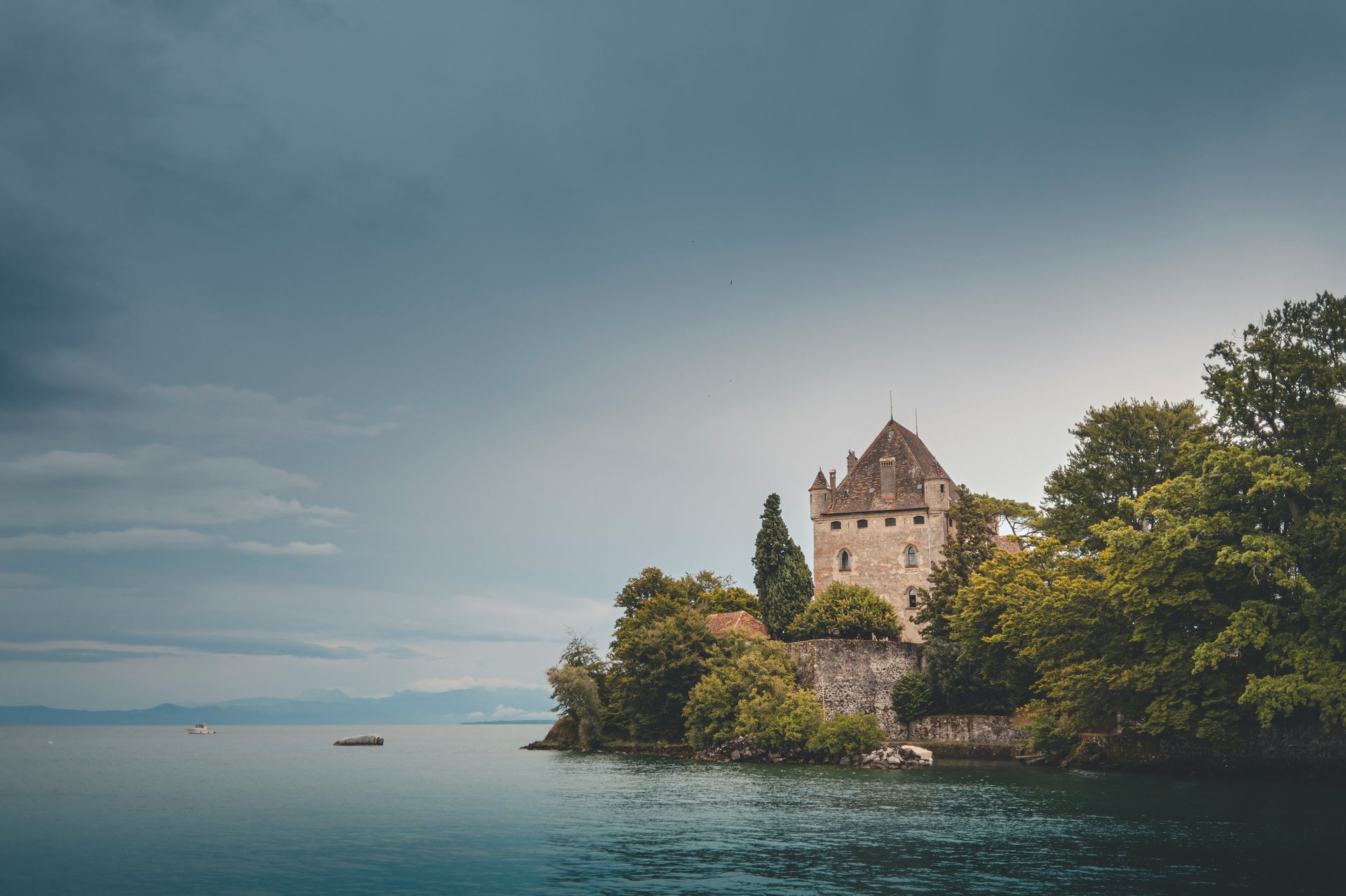
Sitting directly on the shores of Lake Geneva near the Swiss border, Yvoire holds a genuinely well-preserved medieval fortified town center, complete with a thirteenth-century château and stone ramparts overlooking the water. Flower boxes overflow from nearly every window and doorway throughout the village during the summer months, giving Yvoire genuine fame as one of the most floral villages in France.
The Jardin des Cinq Sens, or Garden of the Five Senses, occupies the grounds surrounding the château, offering visitors a genuinely immersive botanical experience designed specifically to engage sight, smell, touch, taste and hearing throughout different themed sections. This considerable horticultural attraction gives Yvoire genuine appeal beyond simply its medieval architecture and lakeside setting, and the garden’s specific layout draws inspiration from medieval monastic garden traditions once common throughout the surrounding Savoy region.
Ferries connect Yvoire to nearby Swiss and French lakeside towns, giving visitors a genuinely convenient way to combine a village visit with broader exploration of Lake Geneva’s considerable shoreline. This lake access sets Yvoire apart from many other villages on this list, most of which sit in considerably more landlocked settings throughout the French countryside, and the village’s small working harbor still supports a handful of local fishermen continuing a trade that has sustained Yvoire since its medieval founding.
The village earned the Villes et Villages Fleuris award, a national recognition specifically honoring French communities for exceptional floral displays, reflecting Yvoire’s genuinely dedicated horticultural tradition that dates back several decades and now involves considerable coordinated planning among residents to maintain the village’s celebrated summer blooms. The château and surrounding fortifications date to a period when the House of Savoy controlled much of the surrounding lakeshore, and Yvoire specifically served as a defensive outpost guarding trade routes between what are today France and Switzerland. Yvoire’s considerable defensive walls, still largely intact today, once protected the village against raids launched from across the lake, and the settlement’s strategic position at a narrow point along the shoreline made it a genuinely valuable holding for whichever noble family controlled it at a given moment.
9. Locronan freezes Brittany’s Breton architecture in time
Xavier Foucrier / Unsplash
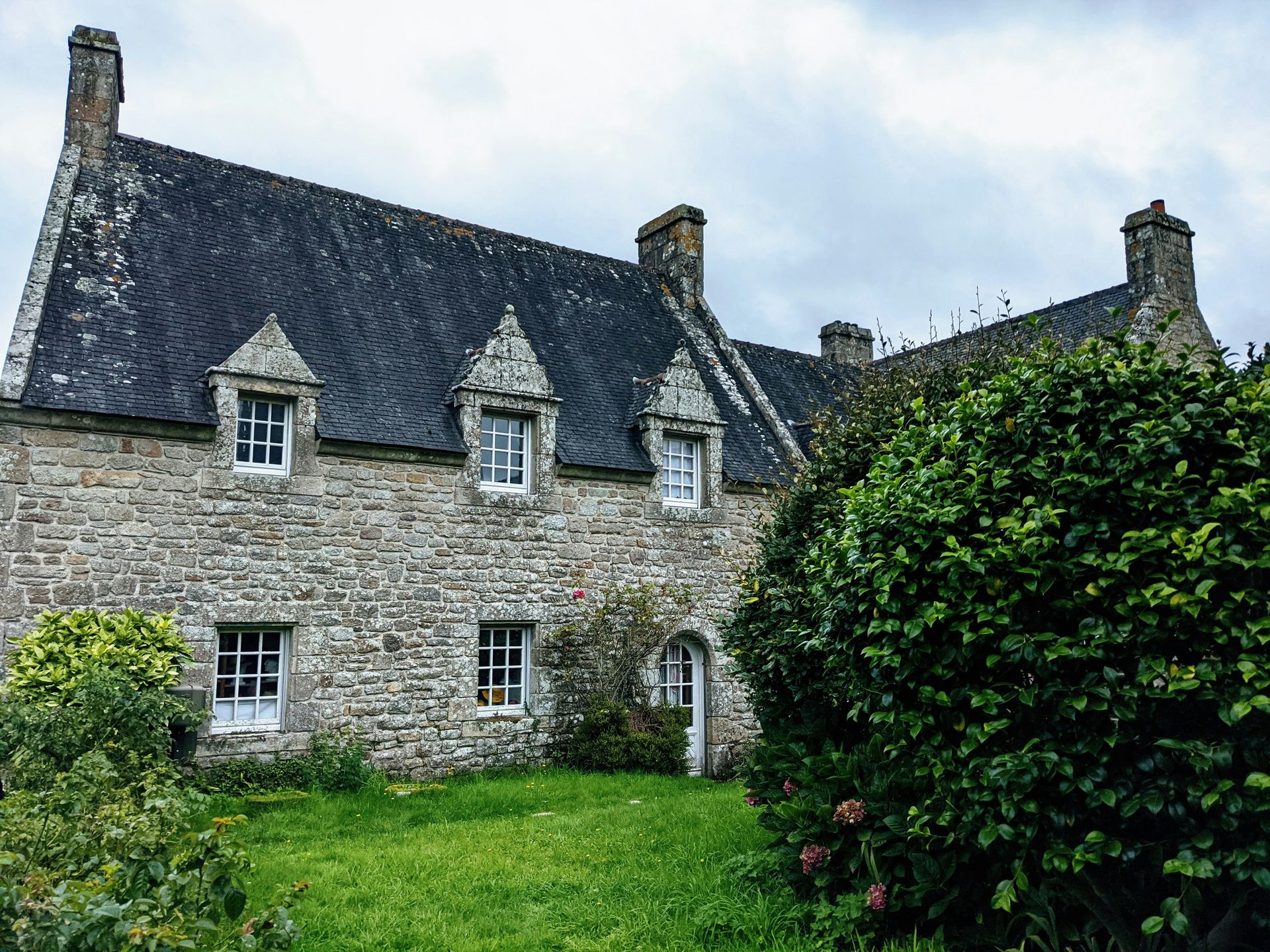
Built almost entirely from granite quarried in the surrounding Breton countryside, Locronan holds some of the best-preserved seventeenth-century architecture found anywhere in Brittany. The village grew wealthy through sailcloth production during the height of France’s maritime trade, and this considerable historical prosperity funded the grand stone houses that still line the central square today.
Locronan’s well-preserved character has made it a genuinely popular filming location, appearing in numerous French and international productions seeking an authentic, unmodernized historic setting, including several scenes depicting eighteenth-century France that took advantage of the village’s largely unaltered granite streetscape. This cinematic fame has brought considerable attention to the village well beyond what its modest year-round population might otherwise suggest.
The Church of Saint-Ronan, built in flamboyant Gothic style during the fifteenth century, anchors the village’s central square and hosts the Grande Troménie, a religious procession held every six years that draws pilgrims from throughout the surrounding region. This considerable religious tradition connects Locronan to Brittany’s broader Celtic and Catholic heritage in ways that distinguish it from villages found elsewhere in France, and the procession itself traces a route of nearly seven miles believed to follow boundaries established by the sixth-century Irish monk Saint Ronan, for whom the village is named.
Travelers $TRV hoping to witness the Grande Troménie should research the procession’s exact schedule well in advance, since this particular event occurs only once every six years and draws considerable crowds from throughout the region. A smaller version of the procession, called the Petite Troménie, takes place annually and follows a shorter route through the village itself, giving visitors a genuine taste of the larger tradition even outside the main event’s rare occurrence. The village’s decline following the collapse of the sailcloth trade during the nineteenth century, when synthetic and imported materials undercut local production, paradoxically helped preserve Locronan’s architecture, since the community lacked the economic means to modernize its buildings the way wealthier Breton towns eventually did.
10. Beynac-et-Cazenac guards the Dordogne River valley
le Sixième Rêve / Unsplash
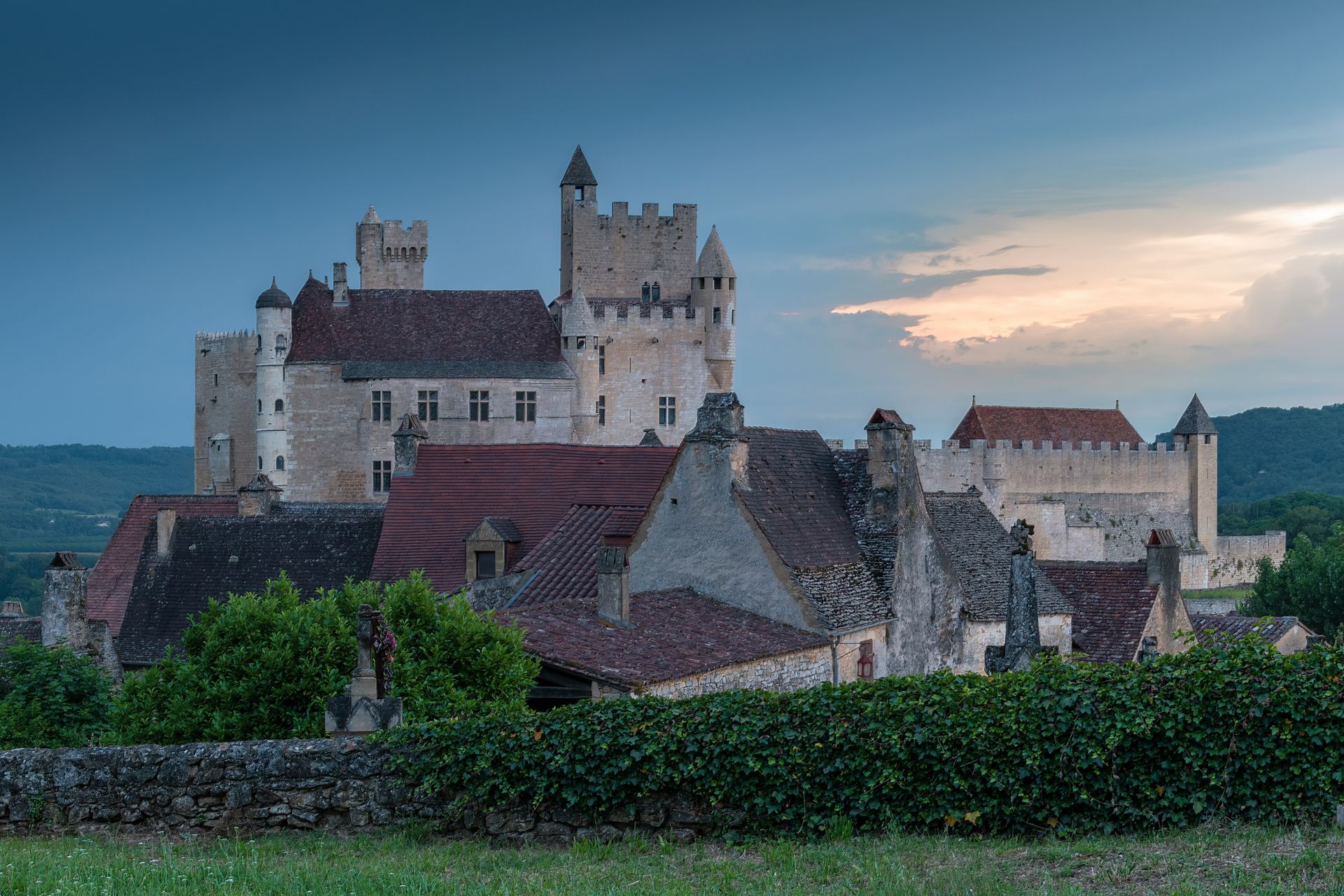
Dominated by a formidable medieval castle perched on a limestone cliff above the Dordogne River, Beynac-et-Cazenac ranks among the most dramatically situated villages found throughout the Dordogne region. The castle, dating to the twelfth century, played a considerable role during the Hundred Years’ War, changing hands between French and English forces multiple times throughout that prolonged conflict.
Stone houses with distinctive brown-tiled roofs cascade down the steep hillside beneath the castle, connected by narrow lanes and staircases that give Beynac-et-Cazenac a genuinely dramatic vertical layout similar to several other villages covered throughout this list. This considerable elevation change rewards visitors willing to climb toward the castle with sweeping views across the Dordogne Valley below, and the castle’s considerable defensive position controlled river trade throughout the valley for centuries, reflecting the strategic importance medieval lords placed on dominating this particular stretch of the Dordogne.
The village has appeared in numerous historical films specifically seeking an authentic medieval backdrop, reflecting Beynac-et-Cazenac’s remarkably well-preserved architectural character relative to more heavily modernized towns found elsewhere along the river. Richard the Lionheart reportedly besieged and captured the castle during his campaigns in the region, adding genuine royal intrigue to a fortress already steeped in centuries of contested Anglo-French history.
Canoe trips along the Dordogne River give visitors a genuinely different perspective on the village, allowing them to view the castle and surrounding cliffs from the water below. This same stretch of river was historically used to transport goods between the region’s various rival castles, several of which remain visible from the water at various points along the valley. The castle sits almost directly across the river from its historic rival, Castelnaud, and the two fortresses reportedly traded cannon fire across the valley during various medieval conflicts, giving this particular stretch of the Dordogne a genuinely dense concentration of contested medieval strongholds. The castle’s considerable state of preservation today owes much to a private restoration effort launched during the twentieth century, after centuries of gradual decay had left large sections of the fortress genuinely close to collapse before dedicated conservation work began.