Property taxes are far heavier in some places than others. WalletHub ranked all 50 states and D.C. by their rate to find the extremes
Ron Antonelli / Bloomberg via Getty Images
Property taxes are one of the most variable costs in homeownership, and the gap between the cheapest and most expensive states is wide enough to change whether a home is affordable at all. The average U.S. household pays $3,119 per year in property taxes on their home, according to the U.S. Census Bureau, but that figure obscures a range running from just a few hundred dollars in some states to nearly $10,000 in others. In 26 states, residents also pay vehicle property taxes that add an average of $499 to the annual burden. Where a homeowner lands on that spectrum depends almost entirely on the state the home sits in.
The rate a state charges is only part of the equation. Home values amplify or dampen the effect of any given rate, so a low-rate state with expensive real estate can still produce a hefty annual bill. The reverse holds too: a state with a relatively high rate applied to modest home values may leave homeowners paying less than the national average. Understanding that interaction is what separates a useful comparison from a misleading one. Renters are not insulated from the burden, either. Landlords who face high property tax bills tend to pass those costs through to tenants, spreading the obligation across households that do not own property themselves.
WalletHub analyzed real-estate property taxes across all 50 states and the District of Columbia, dividing the median real-estate tax payment by the median home price in each state to produce an effective rate. The study applied that rate to the U.S. median home value of $332,700 — the 2024 Census Bureau figure — to generate comparable annual tax estimates across jurisdictions. The six states below represent the extremes of that distribution: the three jurisdictions where property taxes are highest and the three where they are lowest.
Christopher Occhicone / Bloomberg via Getty Images
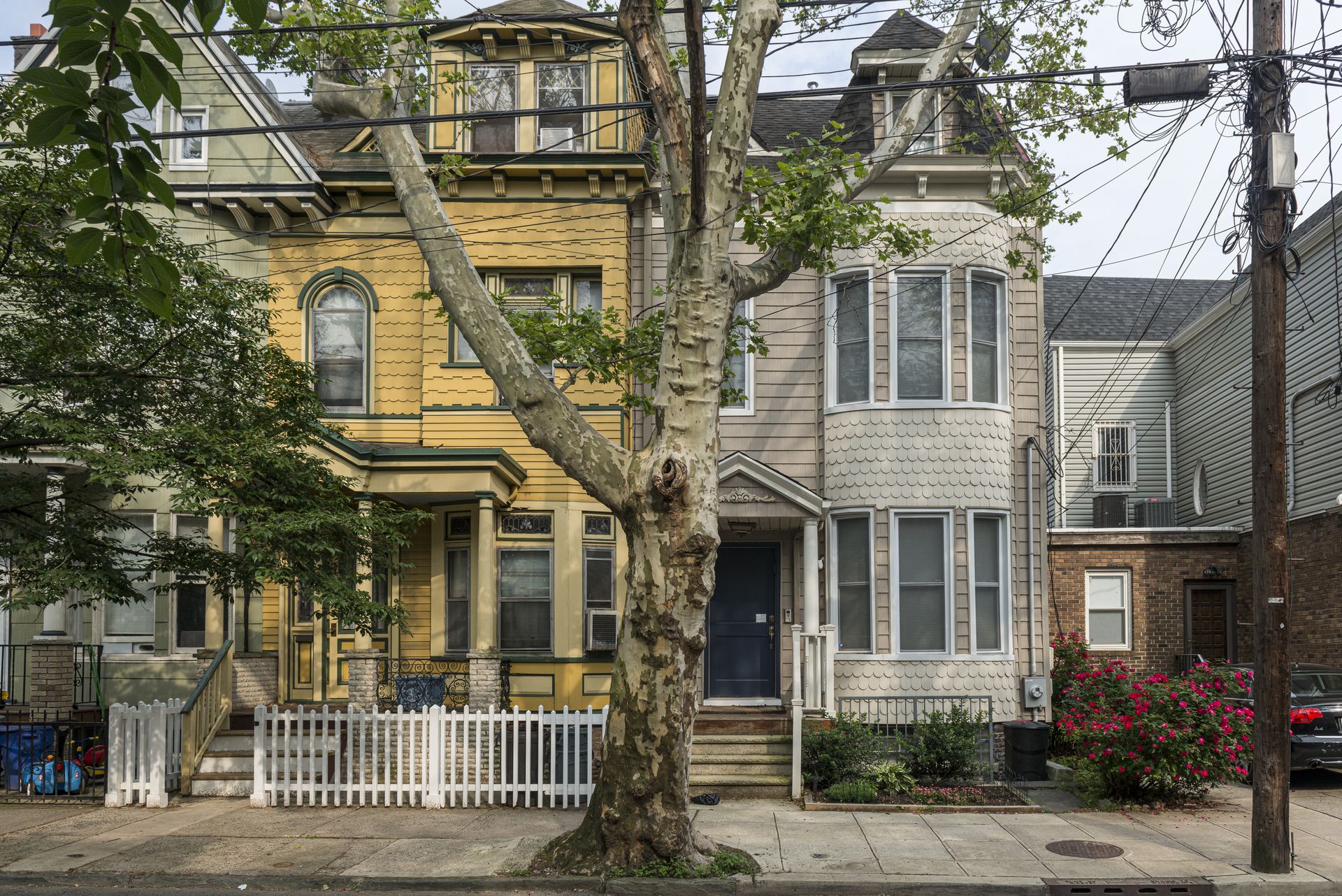
New Jersey carries the country's heaviest property tax burden — the highest effective rate of all 51 jurisdictions at 2.11% — and homeowners on a median-priced $454,400 home pay $9,590 per year. No other state pairs a rate that high with home values that large.
That $9,590 figure reflects two converging pressures: a rate that tops every state in the country and home values that run well above the national median. New Jersey's median home price is $121,700 higher than the U.S. median, so even a slightly lower rate would still produce one of the country's largest average bills. Both factors pushing in the same direction means homeowners face a property tax burden that is difficult to absorb on middle incomes.
Property taxes in New Jersey fund local governments and school districts at a level that reflects the state's approach to public services. Local governments rely heavily on property tax revenue, and that dependence is built into the rate structure. Homeowners pay not just for their own municipality's services but for a funding model that has resisted structural change for decades.
The practical effect on housing affordability is substantial. A homeowner paying $9,590 per year in real-estate taxes alone spends nearly $800 per month before mortgage principal, interest, or insurance enters the picture. For buyers stretching to afford New Jersey's above-median home prices, that annual bill can be the cost that tips an otherwise manageable purchase into financial stress. Renters in the state are not fully shielded: landlords who face high tax bills tend to pass those costs through in the form of higher rents. Nationally, 35% of households rent their homes, and those renters bear the obligation indirectly through the amounts landlords charge. In a high-tax state, that indirect burden is larger than almost anywhere else in the country.
Taylor Glascock / Bloomberg via Getty Images
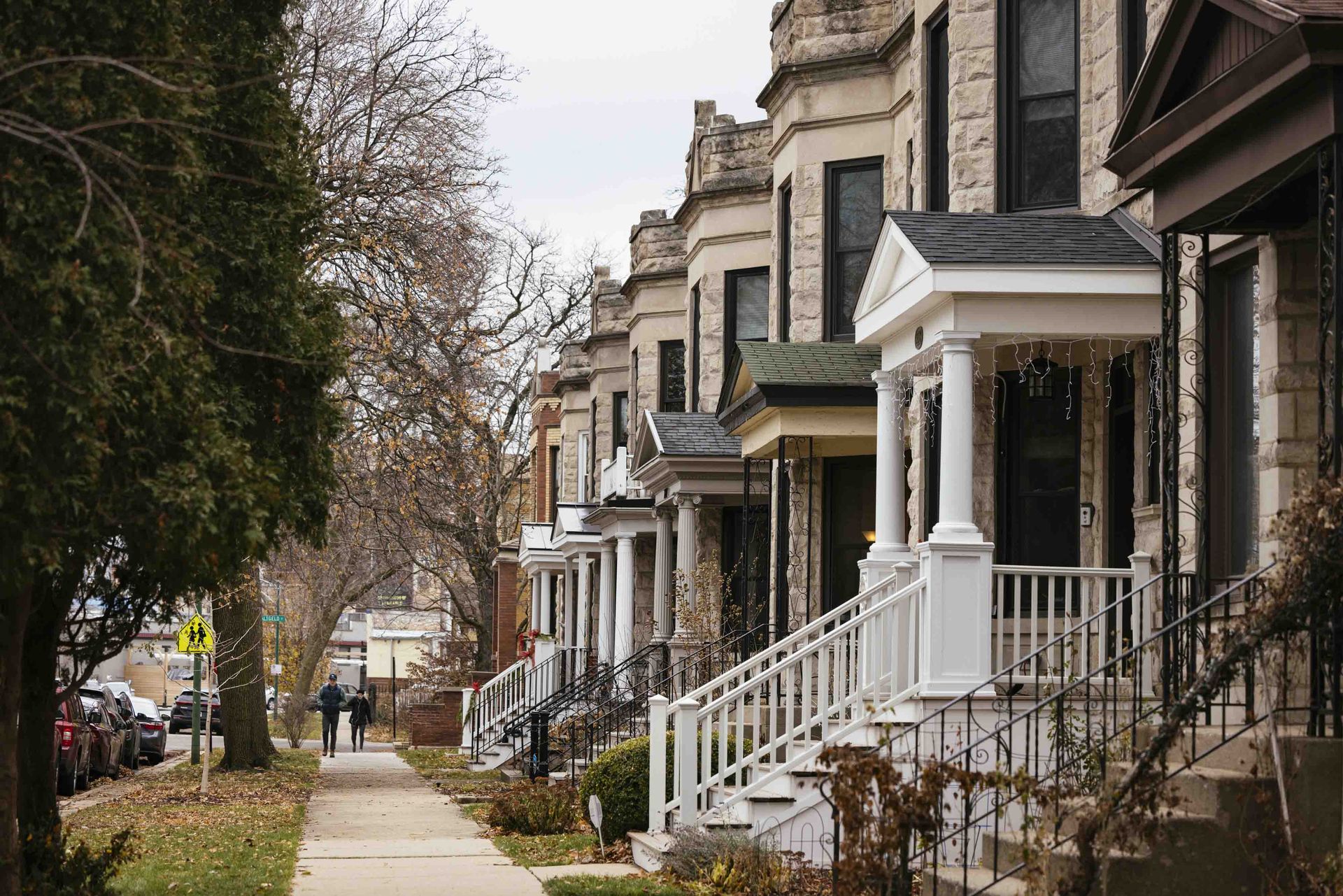
Illinois, ranked 50th of 51 with a 2.01% effective rate, bills homeowners $5,298 per year on a median-priced home of $263,300. That figure is notably high for a state where home values run well below the national median.
Home values in the state are well below the national median — $263,300 versus $332,700 — yet the rate is high enough to generate a significant tax bill regardless of that lower base. A homeowner in Illinois pays $5,298 per year on a median-priced home, more than most states despite modest home values. The rate, not the home value, is the dominant force in the calculation.
School funding in the state depends heavily on local property taxes, a structure that pushes rates higher in areas where governments rely on real estate as a primary revenue source. The effect is a statewide average that ranks second nationally, even though Illinois home prices are among the more modest in the country.
For buyers weighing Illinois against neighboring states, the rate gap is meaningful. Indiana's effective rate is 0.74%, less than half of Illinois's rate. A buyer purchasing the same $263,300 home in Indiana would pay roughly $1,949 per year, compared with $5,298 in Illinois. That difference of more than $3,300 annually adds up to more than $99,000 over a 30-year mortgage term. For households weighing relocation, that gap is large enough to affect the decision.
The rate has persisted at elevated levels for years. Illinois has faced ongoing fiscal pressures at both the state and local levels, and property taxes have remained a key mechanism for funding services that other states finance differently. Homeowners who purchase at today's prices do so with the expectation that the rate is unlikely to decline meaningfully in the near term.

John Greim / LightRocket via Getty Images
Connecticut, ranked 49th of 51 with a 1.81% effective rate, charges homeowners $6,643 per year on a median-priced home of $366,900. Both the rate and the home price sit above the national median.
At $366,900, the state's typical home price sits above the national median of $332,700, so residents face both a high rate and above-average values. The $6,643 annual tax on a Connecticut home at that price reflects the pairing of both pressures. A homeowner in Connecticut pays more in annual property taxes than residents of 48 other states and the District of Columbia, when the effective rate is applied to each state's typical home price.
Property taxes in Connecticut are levied at the municipal level, with rates varying by town. The state's effective rate is a weighted average across those municipalities, and some communities carry rates considerably above the statewide figure. That town-level structure means property tax burdens can differ sharply depending on the Connecticut community a homeowner chooses.
Connecticut's high housing costs already create affordability challenges in much of the state, particularly in Fairfield County, where home values far exceed the state median. Adding a tax burden of $6,000 or more per year to already-elevated home prices in those markets stretches the total expense of ownership further. First-time buyers in Connecticut must account for property taxes as a recurring charge that substantially increases the true cost of owning beyond the purchase price and mortgage payment alone. A buyer who focuses only on the listing price and mortgage rate may underestimate annual ownership expenses by thousands of dollars each year. On a $366,900 home, the $6,643 annual property tax translates to about $554 per month, a recurring figure that shapes how much home a given income can support.

Kevin Carter / Getty Images
Hawaii posts a 0.27% effective rate, the lowest of all 51 jurisdictions, yet homeowners on the state's median-priced home of $839,100 still pay $2,239 per year.
The rate is extraordinarily low, less than one-eighth of New Jersey's 2.11%. On a standardized comparison — the same $332,700 home — Hawaii homeowners pay $888 per year against $7,022 in New Jersey. That difference of $6,134 annually amounts to more than $511 per month on an identical home. The rate alone is the source of that gap.
Where Hawaii diverges from most low-tax states is in its home values. At $839,100, the state median is more than twice the U.S. median of $332,700. A homeowner buying at that price pays $2,239 per year in property taxes. That figure is modest by national standards for a home at that value, but it is still a large absolute number. The low rate acts as a significant subsidy for homeowners relative to what they would pay in most other states.
Hawaii's property tax structure reflects a deliberate policy choice. The state relies more heavily on other revenue sources — income taxes and general excise taxes — to fund government services. That approach keeps property tax rates low but shifts the tax burden to other parts of the economy. For homeowners, the effect is clear: annual property tax bills far below what comparable ownership costs in most other states.
The tax advantage is most valuable to those who already own in the state. A buyer who can purchase at $839,100 benefits greatly from that low rate. A buyer who cannot reach that price does not benefit from the low rate at all. The tax break is essentially reserved for those who can access one of the country's most expensive housing markets.
Jim Lane / Education Images / Universal Images Group via Getty Images
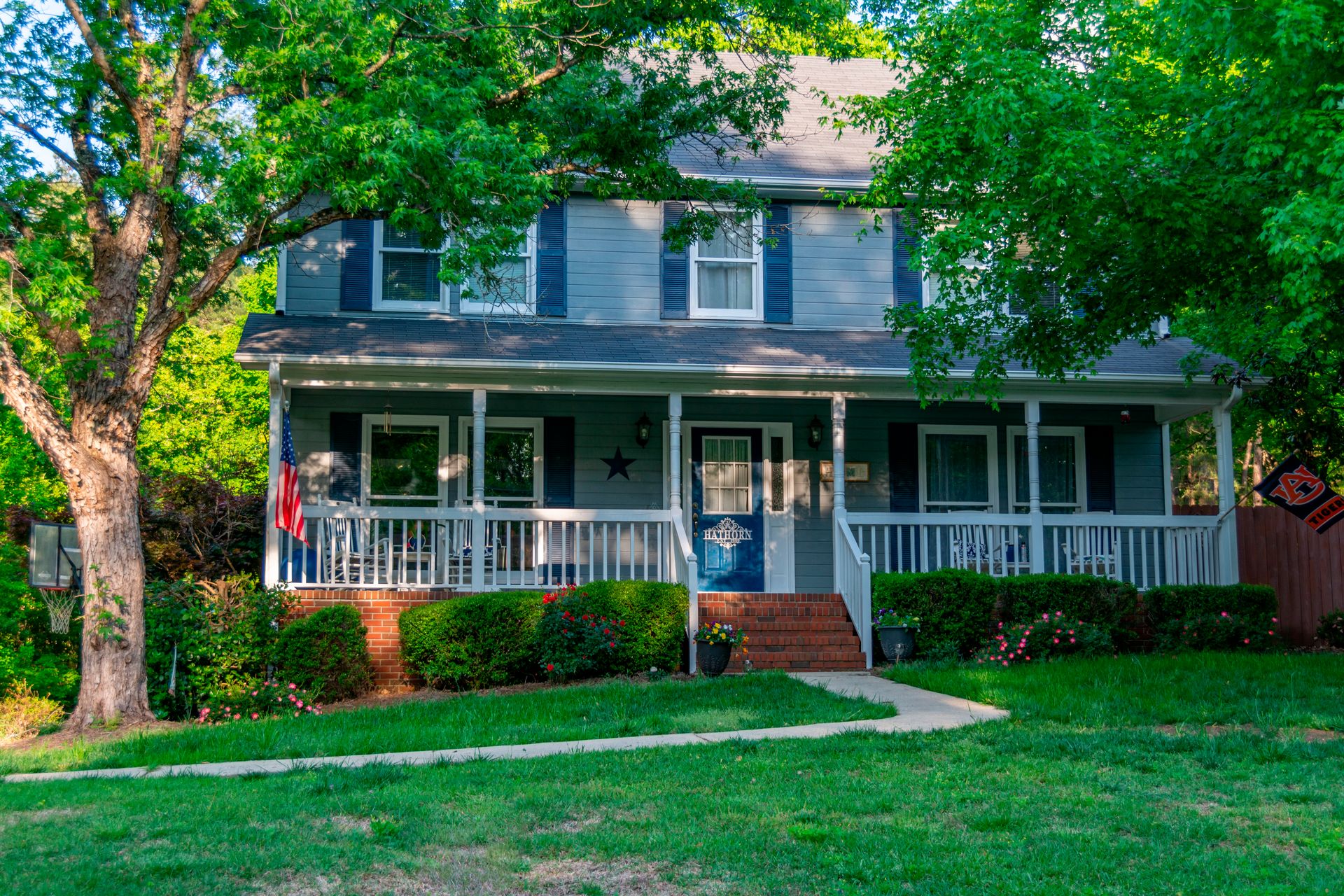
Alabama, ranked second of 51 with a 0.38% effective rate, records the smallest annual property tax bill of any state: $788 on a median-priced home of $209,900.
That $788 figure is the smallest annual property tax bill on a typical home of any state in the country. Alabama homeowners benefit from a very low rate and home values that are well below the national average. At $209,900, the state's typical price is $122,800 less than the U.S. median, so the low rate applies to a smaller base and produces an especially modest bill.
Alabama funds public services at a level consistent with its low property tax burden. The state relies more on sales taxes and income taxes to generate government revenue. That revenue structure keeps real-estate property taxes low but places more of the tax obligation on consumption and earnings. Homeowners who move to Alabama from high-tax states find the property tax shift immediate and substantial.
For buyers on fixed incomes or tight budgets, Alabama's low home prices and low tax rates make homeownership more accessible on a monthly cash-flow basis than almost anywhere else in the country. A homeowner paying $788 per year in property taxes — roughly $66 per month — faces a much smaller ongoing cost than the national average of $3,119 per year. That gap of more than $2,300 annually is meaningful for households managing limited incomes.
The low property tax rate does not shield Alabama homeowners from all costs. Maintenance, insurance, and other ownership expenses apply regardless of the tax rate. But property taxes are the one recurring ownership cost set entirely by state and local policy, and Alabama's policy produces the lowest median bill in the country. For buyers comparing states, that gap is concrete: the national average is $3,119 per year, and Alabama homeowners pay $788.
Bizuayehu Tesfaye / Las Vegas Review-Journal / Tribune News Service via Getty Images
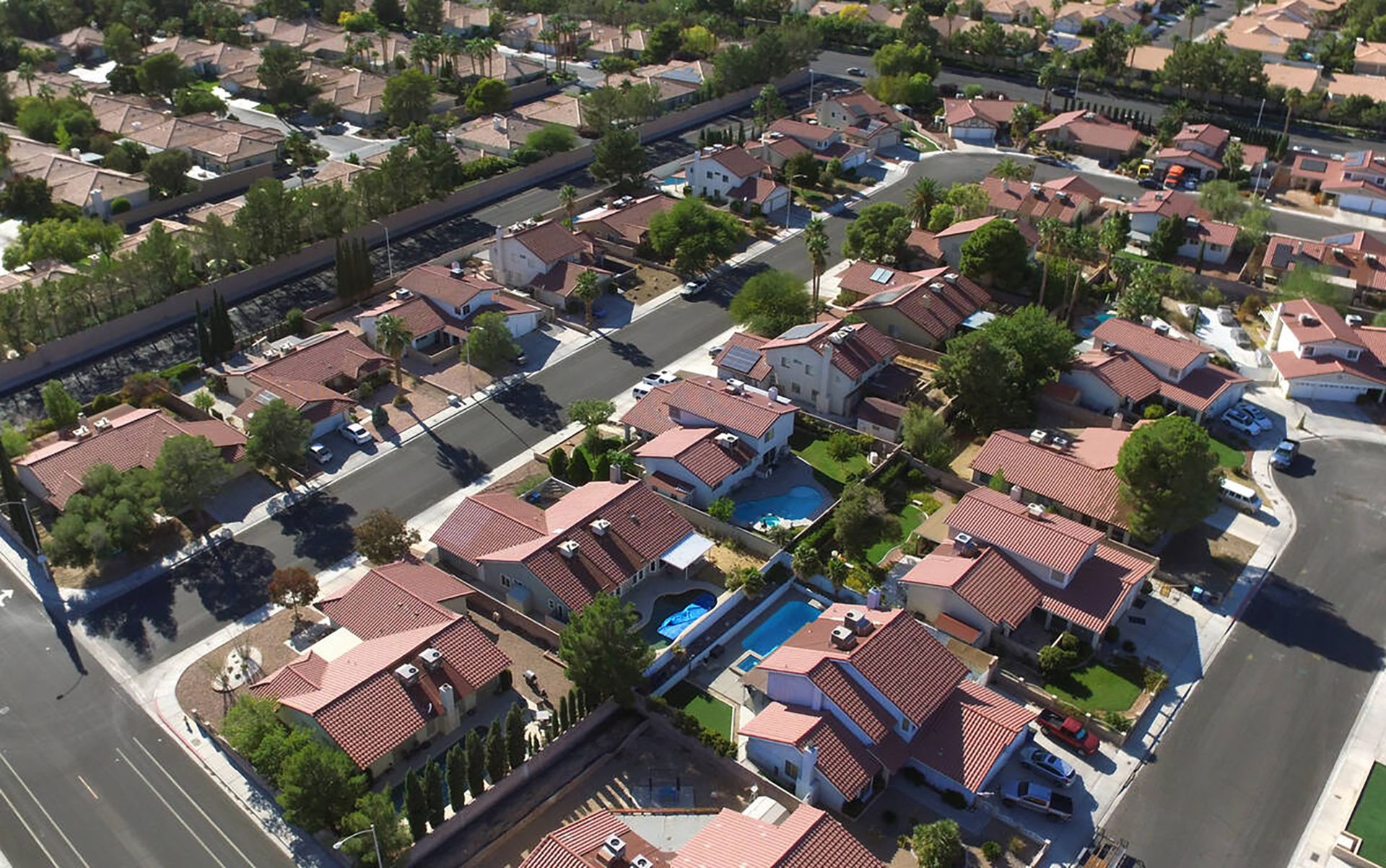
Nevada's 0.47% effective rate, third lowest of 51 jurisdictions, keeps the annual bill at $2,027 on a median-priced home of $435,400, below the national average despite above-median home values.
Home values in the state are well above the national median. At $435,400, the state's typical home costs $102,700 more than the U.S. figure. Despite that, Nevada homeowners pay only $2,027 per year on their median-priced home — less than the $3,119 national average — because the rate is low enough to offset the higher base. The rate carries the weight of the calculation.
Without a state income tax, the government funds a significant portion of services through gaming and sales tax revenues. That revenue base reduces the pressure on property taxes as a funding mechanism and allows the state to maintain one of the lowest effective real-estate rates in the country. Homeowners benefit directly from that fiscal structure.
The Las Vegas metropolitan area, which accounts for a large share of Nevada's population, has seen home prices climb substantially in recent years. Even as values have risen, the state's effective property tax rate has remained low, cushioning the impact of appreciation on annual tax bills. A homeowner whose home value rose from $350,000 to $435,400 would see the annual property tax increase by about $400 at Nevada's rate. That is a manageable increase relative to the appreciation gained.
Nevada's low rate is especially notable when compared with neighboring California, where the effective rate is 0.70%, nearly half again as high. On a $435,400 home, that differential amounts to about $1,002 per year. For buyers deciding between the two states on cost grounds, Nevada's property tax advantage is one of several factors that make it a less expensive ownership environment overall.
