Most public speaking advice tries to eliminate anxiety. This list takes a different approach — techniques that work with the nervous system rather than against it

Kane Reinholdtsen / Unsplash
Public speaking anxiety is one of the most common fears reported in surveys of adult populations, consistently ranking alongside fear of heights and fear of death. The statistic is cited so often that it has become a kind of comedy — "people fear public speaking more than death, so at a funeral most people would rather be in the casket than giving the eulogy" — but the underlying reality is not funny to the people who experience it. A presentation that should take 20 minutes of preparation takes three hours of anxious rehearsal. A panel appearance that would advance a career is declined because the preparation cost is too high. A wedding toast is given in a state of physical distress that the speaker remembers for years.
Most public speaking advice approaches this problem from the wrong direction. It tries to eliminate the anxiety — to convince the nervous speaker that there is nothing to be afraid of, that the audience wants them to succeed, that they just need to practice more. This advice is not wrong exactly, but it is insufficient. Anxiety about public speaking is partly rational — speaking in front of others does carry social risk, the audience is evaluating you, things can go wrong — and partly physiological — the nervous system's stress response does not care whether the threat is a bear or an audience of 50 colleagues. Telling the stress response that there is nothing to be afraid of does not reliably work, and failing to eliminate anxiety through positive thinking produces a secondary anxiety about the anxiety itself.
The techniques on this list take a different approach. Several of them work by redirecting the energy of the stress response rather than suppressing it. Several address the specific cognitive patterns — catastrophizing, self-monitoring, anticipating failure — that amplify performance anxiety beyond its useful range. Several are purely practical: techniques that improve delivery quality in ways that make the speaker more effective regardless of how they feel internally. None of them promise to make public speaking comfortable. They promise to make it manageable, and the difference between those two things is everything.
A note on what is not here: deep breathing exercises, visualization, and positive affirmations are commonly recommended for public speaking anxiety. They work for some people and not others, and they are widely enough known that they need no additional advocacy. The techniques here are the ones that the research and the practice of experienced speakers supports and that are less commonly covered in standard advice.
Jeremy McGilvrey / Pexels
The physiological state of anxiety and the physiological state of excitement are, at the level of the nervous system, nearly identical. Both involve elevated heart rate, elevated cortisol, heightened alertness, and increased physical arousal. The difference between them is cognitive — a label applied to the same physical state, and that label significantly affects performance.
Research by Alison Wood Brooks at Harvard Business School, published in the Journal of Experimental Psychology in 2014, found that people who said "I am excited" out loud before a performance task — a speech, a math test, a karaoke performance — significantly outperformed those who tried to calm themselves before the task, and outperformed those who said nothing. The instruction to become calm required suppressing an already-activated physiological state, which is difficult. The reframe from "I am anxious" to "I am excited" redirected the same physiological state toward a different cognitive interpretation, producing better performance without requiring any change in the underlying physiology.
The practical application is specific and requires nothing beyond the willingness to say the sentence. Before a presentation, in the minutes before you begin, say out loud — or silently, if the context requires it — "I am excited." Not "I am calm." Not "I am confident." Those are states you are not currently in, and claiming them is both dishonest and unlikely to be believed by the nervous system. "I am excited" is a reframe, not a lie: the physiological state is genuine, the interpretation is chosen.
The reframe works best with consistent use. The first time feels awkward. After several applications, the association between the pre-performance physiological state and the interpretation "excited" strengthens, and the reframe becomes easier and more effective.

Zulfugar Karimov / Pexels
The most reliable source of public speaking confidence is genuine preparation — not rehearsal for performance but deep engagement with the material to the point where the speaker knows it well enough to reconstruct it from any starting point if the prepared structure fails. The specific anxiety of under-preparation — the awareness, however suppressed, that you do not fully understand what you are about to say — amplifies every other source of nervousness and undermines every other technique on this list.
The difference between surface preparation and genuine preparation is the ability to answer unexpected questions, to handle interruptions, to go off-script when the script fails, and to recover from losing your place without catastrophic loss of composure. All of these require knowing the material rather than knowing the presentation. A speaker who knows the material can give a version of the talk without slides, without notes, from any starting point, in any order. A speaker who knows the presentation cannot.
Genuine preparation involves engaging with the material at multiple levels: understanding the underlying logic, anticipating the questions the audience will have, knowing the evidence behind the claims being made, and understanding the implications of the central argument beyond what is explicitly covered in the talk. This depth of preparation takes more time than rehearsing the script, but it produces a qualitatively different level of confidence — not the confidence of knowing what comes next but the confidence of knowing the subject.
The specific rehearsal practice that produces the best preparation is rehearsal without notes — speaking the material aloud from memory, allowing the structure to emerge from understanding rather than from recall of a prepared text. The first attempts will be imperfect. Each subsequent attempt builds the kind of ownership over the material that makes genuine delivery possible.
Jessica Lewis / Pexels
The opening minutes of a talk are the highest-anxiety period for most nervous speakers, because they contain the highest degree of uncertainty — the speaker does not yet know whether the audience is engaged, whether the technology is working, or whether the prepared material will land as planned — and because the opening is the moment at which the speaker's physical symptoms of anxiety are most pronounced and most visible.
A concrete, specific opening — a single fact, a specific story, a real question, a precise statistic — provides two things simultaneously: a clear, low-ambiguity anchor for the speaker's attention and a reliable audience engagement hook that does not depend on the speaker's delivery being excellent. The specific detail does not require brilliant delivery to work. "In 1972, a psychologist named Walter Mischel gave 32 children a marshmallow" opens the Marshmallow Test story in a way that requires only legibility, not performance, and that creates immediate audience engagement from the specificity of the content.
Abstract openings — "Today I want to talk about the importance of self-control" — require the speaker to be compelling before they have established any ground to stand on. Concrete openings — a specific person, a specific date, a specific place, a specific event — ground both the speaker and the audience in something tangible before the argument begins.
The concrete opening also serves as a rehearsal anchor: a speaker who is nervous can hold onto the specific detail of the opening — the marshmallow, the date, the name — as a cognitive fixed point that prevents the mind from going blank in the first critical minute. Once the specific opening is delivered successfully, the physiological symptoms of anxiety typically begin to subside, and the rest of the talk is easier than its beginning.
Matheus Amaral / Pexels
The near-universal physiological response to anxiety in a speaking context is acceleration — speaking faster, breathing shallower, reducing or eliminating pauses, compressing or omitting transitions. The acceleration feels internal like efficiency but sounds external like nervousness, and it has the paradoxical effect of increasing the speaker's anxiety by removing the pauses that allow them to collect their thoughts and breathe.
Deliberate slowing — speaking at a pace that feels uncomfortably slow to the speaker — typically sounds natural or only slightly measured to the audience. The gap between the internal experience of speaking pace and the external perception of it is large, and most nervous speakers who describe their delivery as too slow when they listen back to a recording discover that they were speaking at a normal or fast pace. The pace that produces the internal sensation of slowness is almost always the pace that produces the best-received delivery.
The practical technique is to place deliberate pauses — longer than feel comfortable — after major points, at transitions between sections, and at the end of sentences that contain an important claim. The pause creates space for the audience to process, communicates that the point just made was significant, and allows the speaker to breathe, reorient, and approach the next section with renewed composure.
Pausing specifically after a mistake — stopping, acknowledging the error minimally if necessary, and continuing — is the pause discipline most valued by experienced speakers. The instinct after a mistake is to accelerate past it, to reduce the audience's awareness of it through speed. The effect is the opposite: slowing after a mistake signals composure, and the audience's attention follows the speaker's lead.

Matheus Bertelli / Pexels
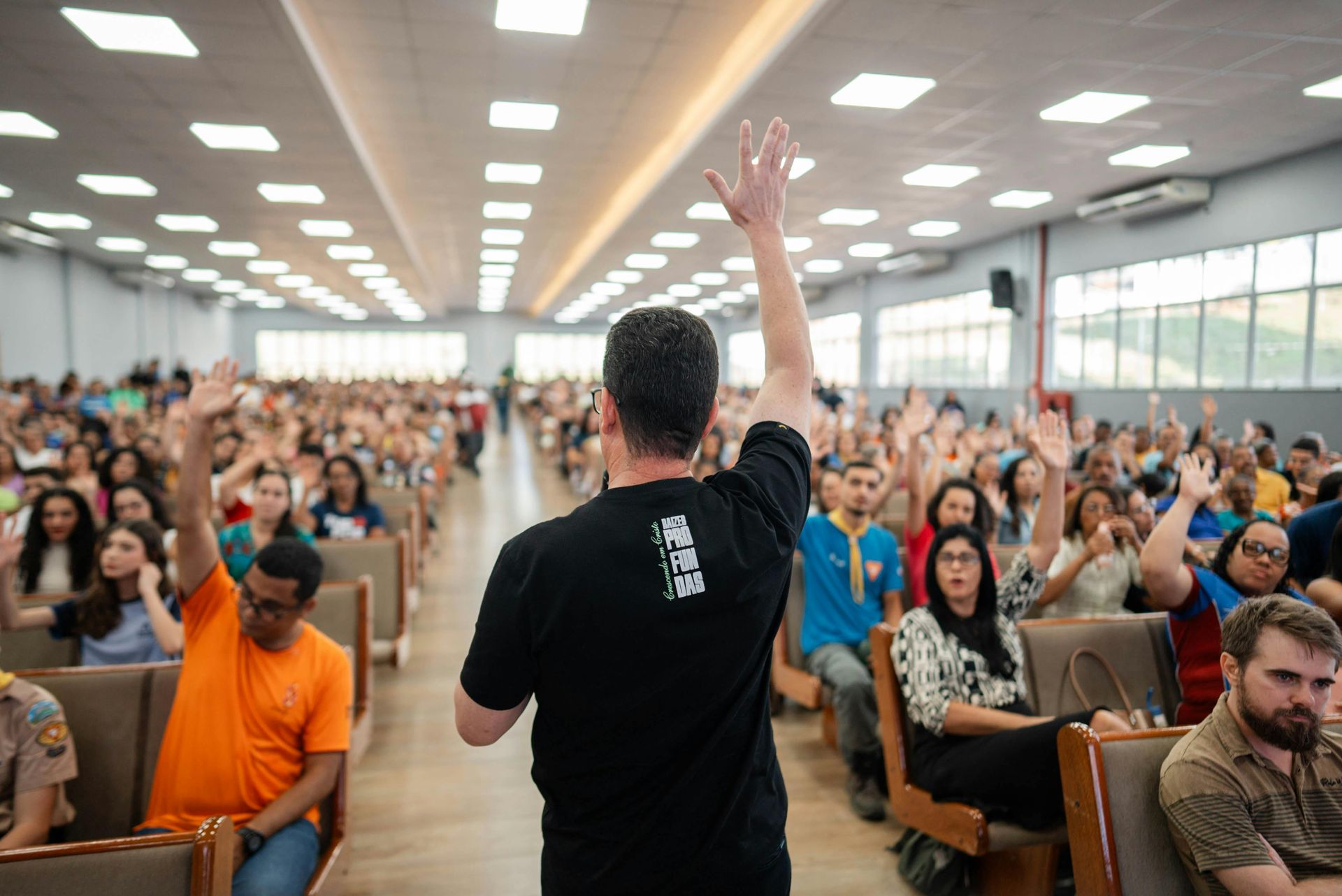
Eye contact with an audience is one of the behavioral markers that most reliably distinguishes confident delivery from nervous delivery, and it is also one of the most misunderstood techniques in public speaking advice. The common instruction to "make eye contact with the audience" is too vague to be useful and can produce the scanning behavior — rapid, glancing eye movement across the whole room — that feels like eye contact to the speaker but reads as avoidance to the audience.
Effective eye contact in public speaking means making genuine, sustained eye contact with individual people — one person at a time, for the duration of a complete thought, which is typically three to five seconds. The speaker looks at one person, delivers a sentence or completes an idea, then moves to another. This is not scanning. It is a series of individual conversations, conducted in sequence, that collectively address the whole room.
The psychological effect on the speaker is significant. Individuals in an audience generally respond positively to being looked at directly — they nod, smile, or maintain engaged expressions — and these responses provide real-time feedback that the talk is landing well. The nervous speaker who avoids eye contact deprives themselves of this feedback loop and replaces it with the anxiety of imagining how the audience is responding. Engaging with individuals replaces the imagined hostile crowd with a collection of specific people, most of whom are supportive.
For very large audiences where individual eye contact is not practical, the same principle applies to sections: sustained focus on a section of the audience for the duration of a complete thought, rather than continuous scanning, produces the same effect at scale.
-1920x1078.jpg)
Jametlene Reskp / Pexels
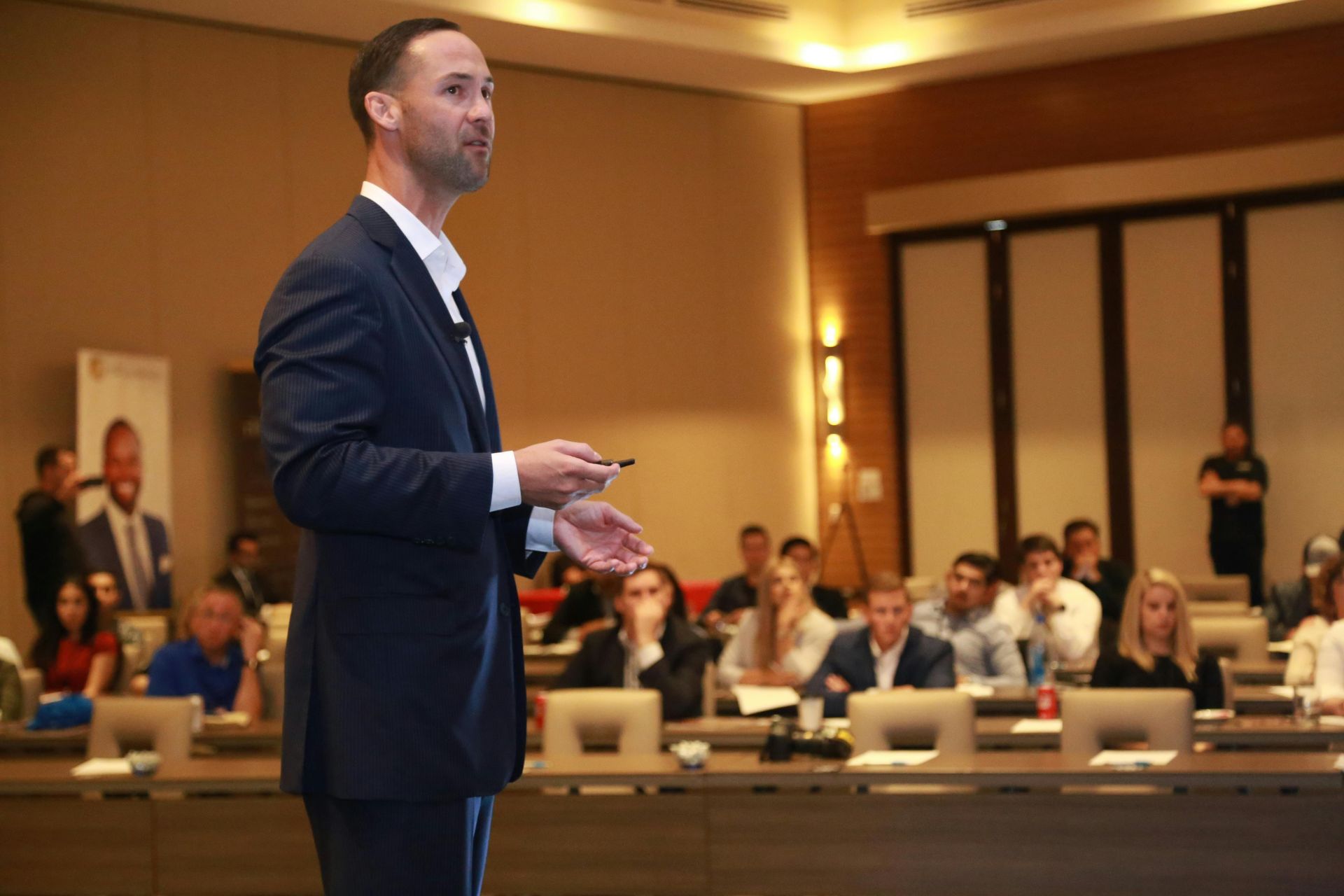
Physical stillness under anxiety is difficult to maintain and communicates rigidity and discomfort to an audience that is reading physical cues as part of its assessment of the speaker. The nervous speaker who stands frozen behind a podium, gripping the edges, is demonstrating rather than concealing their anxiety. Purposeful physical movement — stepping to one side to address a different section of the audience, moving toward the screen to reference a specific point, moving closer to the audience to create intimacy during a key moment — channels the physical energy of anxiety into behavior that serves the delivery.
The distinction between purposeful movement and nervous movement is intention. Purposeful movement goes somewhere and means something: a step toward the audience emphasizes connection during an emotionally significant moment. A step to the side marks a transition between sections. Standing still emphasizes a particularly important point by contrasting with the movement that preceded it. Nervous movement — weight shifting, pacing back and forth, fidgeting with objects — has no relationship to the content and draws attention to the speaker's internal state rather than to the material.
Removing the objects that facilitate nervous behavior — putting down the pen or marker, stepping away from the podium if it is not required for notes, moving the water glass to a less accessible position — reduces the options for habitual fidgeting without requiring the speaker to actively suppress it.
The use of space in a presentation is a technique that most speakers develop only after significant experience, because it requires enough composure to be deliberate rather than reactive about physical position. But even a small, deliberate use of movement — planning a step toward the audience at one specific emotional moment in the talk — provides an anchor for physical energy that reduces the restless, uncontrolled movement that nervousness produces.

Headway / Unsplash
The peak of public speaking anxiety is the moment immediately before and during the opening — the period when the speaker's internal symptoms are at their most acute and their ability to deliver confidently is most compromised. The most reliable technique for managing this period is the one that requires the least cognitive flexibility under pressure: knowing the first three sentences of the talk so completely that they can be delivered without any active thought, freeing the available cognitive capacity for managing the physical symptoms and orienting to the room.
The first three sentences should be memorized word for word — not as a script that continues beyond that point, but as a fixed bridge between the anxiety of the pre-talk period and the more manageable anxiety of a talk already underway. Research on public speaking anxiety consistently shows that anxiety peaks before the talk begins and declines once the speaker is already speaking, because the uncertainty that fuels anticipatory anxiety resolves in the first minute of actual performance.
Memorizing the opening removes the decision-making load from the highest-anxiety moment and replaces it with pure execution. The speaker does not need to choose their words, organize their thoughts, or respond to the audience in the first three sentences — they need only to deliver the sentences they already know. By the time the memorized opening is complete, the anxiety has typically begun to subside and the prepared content is accessible.
The technique works best when the memorized opening is genuinely the best opening rather than an arbitrary choice — when it is the concrete, specific, audience-engaging opening described in an earlier slide. The combination of a memorized concrete opening produces both the cognitive accessibility of rehearsed material and the audience engagement of specific content.
Pavel Danilyuk / Pexels
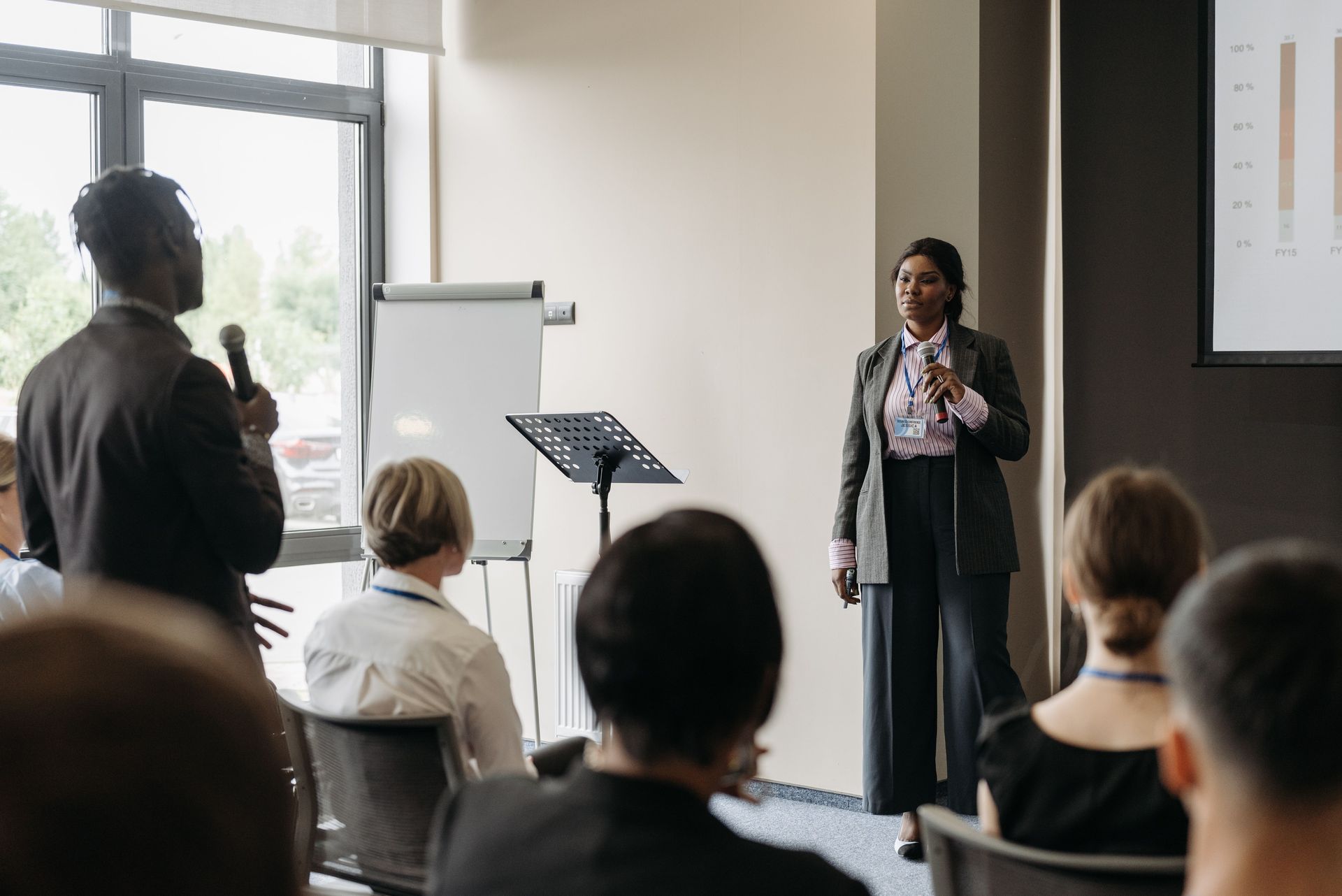
The question and answer period is the part of a presentation that nervous speakers most consistently dread, and the source of the dread is usually the same: the fear of a question they cannot answer, presented as a public demonstration of their ignorance. This fear leads to over-preparation for Q&A — trying to anticipate every possible question, which is impossible — and to the specific anxiety of the Q&A period that makes it more stressful than the prepared presentation for many speakers.
The reframe that most reliably reduces Q&A anxiety is treating questions not as tests of knowledge but as invitations to conversation. In a conversation, "I don't know" is a normal, acceptable, and sometimes excellent response. "That's a question I'd need to look into — can I follow up with you afterward?" is a response that earns more respect than a tentative, inaccurate answer. "I'm not sure, but my instinct is X $TWTR — what do others here think?" is a response that moves the conversation forward productively.
The preparation that is most useful for Q&A is not the exhaustive anticipation of specific questions but a clear understanding of the limits of the presentation's claims — what is established, what is speculative, what is outside the scope of the prepared material. A speaker who knows what they do not know is better prepared for Q&A than one who has prepared detailed answers to imagined specific questions.
Repeating the question before answering — "So the question is whether this approach scales to enterprise environments" — provides the speaker with a few seconds to formulate a response, confirms that the question has been understood correctly, and ensures that the whole audience has heard the question. All three functions reduce the pressure of the immediate response.

Matheus Bertelli / Pexels
The structural technique that most reduces delivery anxiety is building the presentation around a genuine narrative rather than around a list of points. A list requires the speaker to remember the order and content of the points, which creates an additional cognitive load under the stress of performance. A narrative — with a clear beginning, a central tension, and a resolution — creates its own momentum: each part of the narrative implies the next, which means the speaker's cognitive load is reduced to knowing where they are in the story rather than tracking a position in a list.
Narrative also reduces the consequences of minor delivery problems. In a list-based presentation, forgetting a point or losing place in the order is a structural failure that may require explicit acknowledgment and recovery. In a narrative-based presentation, a minor deviation from the planned sequence can be absorbed into the story without disruption, because the audience is following the thread of the narrative rather than a numbered sequence.
The conversion of a presentation from a list to a narrative is not always possible — some presentations are genuinely lists, and forcing a narrative structure onto list content produces awkward storytelling. But most presentations that take a list form do so because the speaker defaulted to the format rather than because it is the best structure for the content. A presentation about three reasons to adopt a new software system can be restructured as the story of what happened when an organization did not have it, the moment the problem became critical, and the resolution that the software provided — a narrative with the same informational content delivered in a form that is more engaging, more memorable, and more manageable to deliver.

Kaboom Pics / Pexels
Voice quality — pace, volume, pitch variation, and clarity — is the dimension of delivery that most directly communicates confidence and credibility to an audience, and it is the dimension most directly affected by the physiological symptoms of anxiety. The shallow breathing that accompanies anxiety reduces vocal support, making the voice thin and uncertain. The raised pitch of anxiety signals stress to audiences who read vocal cues instinctively. The swallowed endings of anxious speech reduce intelligibility and project discomfort.
The most reliable voice management technique for nervous speakers is diaphragmatic breathing — breathing from the lower abdomen rather than the upper chest — in the minutes before speaking. Diaphragmatic breathing activates the parasympathetic nervous system, reducing heart rate and cortisol, and it provides the breath support that full, resonant vocal production requires. The technique is learnable in a single session with a voice coach or from a clear instructional video, and its effects on vocal quality and on the physiological symptoms of anxiety are immediate.
Projection — speaking loudly enough to be heard clearly at the back of the room — is a specific voice management discipline that nervous speakers often sacrifice in favor of the reduced visibility that speaking quietly provides. The paradox is that speaking too quietly draws more attention to the speaker's discomfort than speaking at appropriate volume, because the audience must work harder to hear and leans forward in ways that feel intrusive to the speaker. Speaking at the volume required by the room is a service to the audience that also forces the breath support that improves voice quality.
Recording a rehearsal and listening back — specifically for pace, for the frequency of filler words like "um" and "uh," and for the endings of sentences, which are the most commonly swallowed — provides specific feedback that the speaker's internal experience cannot provide, because the internal experience of speaking under anxiety is a poor guide to how the delivery sounds from outside.
Alena Shekhovtcova / Pexels
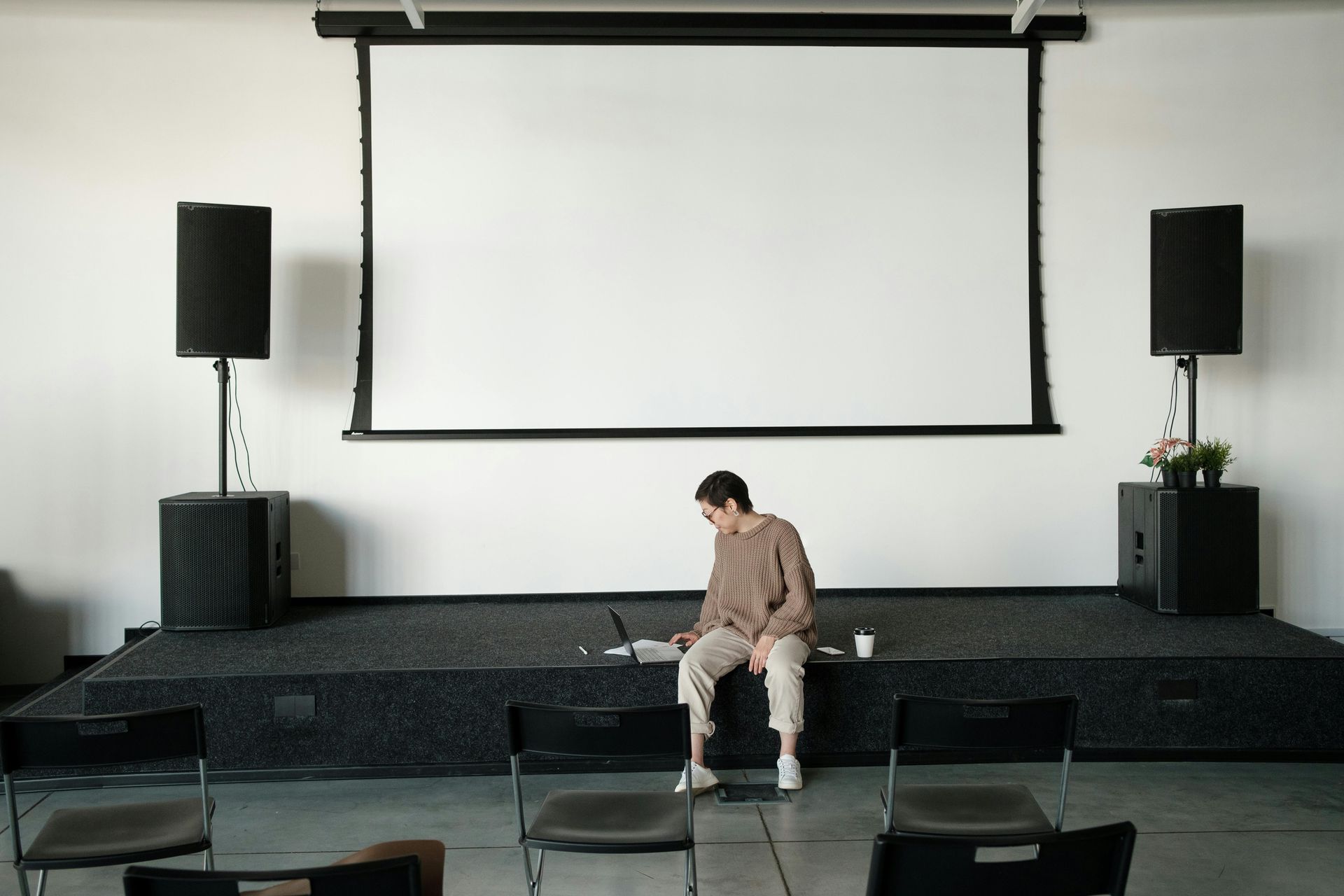
The physical environment of a presentation — the room, the stage, the layout, the technology — is an additional source of uncertainty for nervous speakers, and reducing that uncertainty through early arrival and deliberate familiarization with the space produces a measurable reduction in pre-talk anxiety. The speaker who arrives early, walks the stage, tests the microphone, locates the clicker for the slides, identifies where to stand for the best sight lines to the screen, and spends time in the room before the audience arrives is in a qualitatively different relationship with the space than one who arrives moments before the talk begins.
The specific anxiety of unfamiliar technology — the clicker that does not work, the microphone that feeds back, the slide deck that will not open — is one of the most concrete and most preventable sources of presentation stress. Arriving early specifically to test the technology eliminates this source of anxiety entirely in most cases, and it provides the additional benefit of allowing problems to be identified and addressed before the audience is present.
The psychological principle at work is territory familiarity. Humans are more comfortable in spaces they have inhabited than in spaces they are entering for the first time, and the stage of a presentation room is a space that the speaker needs to inhabit during the talk. Inhabiting it briefly before the audience arrives — walking the space, standing in different positions, speaking aloud to test acoustics — converts an unfamiliar environment into a familiar one and reduces the specific anxiety of performing in an unknown space.
Introducing yourself to audience members before the presentation begins — if the setting allows it — extends the same principle to the social environment. Speaking one-on-one with individuals before the talk converts the abstract audience into a collection of specific people you have already met, which reduces the threat salience of the room when the talk begins.
Miguel Henriques / Unsplash
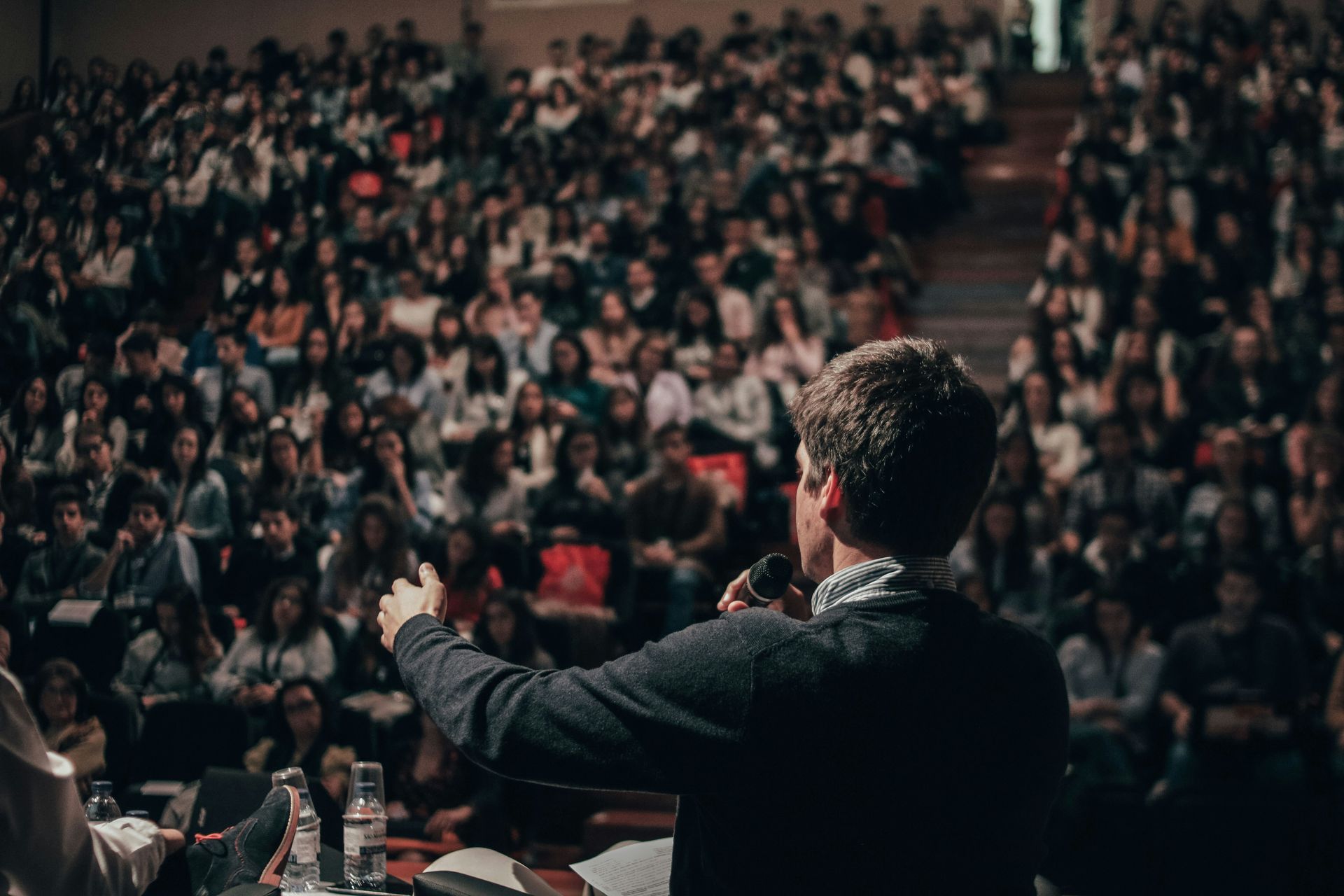
Silence in a presentation — the pause that feels to the speaker like an eternity — is one of the most powerful rhetorical tools available, one of the most common casualties of speaker anxiety, and one of the most counterintuitive techniques to develop because it requires embracing the thing that most nervous speakers are most afraid of. The fear of silence in a presentation comes from the association between silence and having nothing to say, which the speaker interprets as visible failure. The audience's experience of the same silence is almost always different: a well-placed pause reads as thoughtfulness, authority, and control.
The rhetorical pause — the silence that follows a significant point, a question posed to the audience, or a transition between major sections — gives the audience time to process what has just been said. It emphasizes the point that precedes it. It creates anticipation for what follows. And it gives the speaker time to breathe, reorient, and approach the next section with more composure than continuous speech allows.
Developing comfort with silence requires rehearsal specifically targeted at holding pauses longer than feel comfortable. Most speakers, when they rehearse, rush through or eliminate the pauses because the rehearsal space has no audience pressure to create the discomfort that pauses produce in performance. Deliberately rehearsing pauses — holding for a count of three or four after each major point — builds the muscle memory of allowing silence and the experiential evidence that silence does not produce the catastrophic audience reaction that anxiety predicts.
The most valuable silence in a presentation is the one after a question posed to the audience. Asking a question and immediately answering it defeats the purpose of the question. Asking a question and allowing five seconds of genuine silence before continuing — long enough that some audience members feel the social pressure to respond, even if they do not — creates engagement and energy that rhetorical questions answered immediately do not.

Erick Frías Cruceta / Pexels
The cognitive shift that most reliably reduces public speaking anxiety is the shift of attention from the self to the audience — from "how am I doing?" to "what do they need?" The self-monitoring that characterizes anxious speaking — continuous internal assessment of one's own performance, appearance, and reception — is both the primary source of speaking anxiety and the primary obstacle to effective delivery. It is impossible to be fully present with an audience while simultaneously monitoring oneself from the outside.
The self-monitoring loop is self-amplifying: attention on the self produces awareness of the physical symptoms of anxiety, which increases anxiety, which intensifies the physical symptoms, which further intensifies self-monitoring. The loop is broken not by suppressing the self-monitoring — which is as difficult as not thinking about a pink elephant — but by replacing it with a more compelling focus: genuine curiosity about the audience.
Audience-focused attention asks different questions than self-focused attention. Self-focused: "Did that land? Do they think I know what I'm talking about? Am I speaking too fast?" Audience-focused: "Are they following this? Is this person in the third row confused? Is this part too slow for this audience?" The audience-focused questions are both more useful and less anxiety-generating, because they direct attention outward toward the people being served rather than inward toward the performance being assessed.
The practical technique is to identify, before the talk, one specific thing you genuinely want the audience to know, feel, or do differently by the end of it. Holding that intention in mind throughout the talk provides a continuous outward orientation that competes with and gradually displaces the inward self-monitoring of anxious performance.

Emmanuel Ikwuegbu / Unsplash
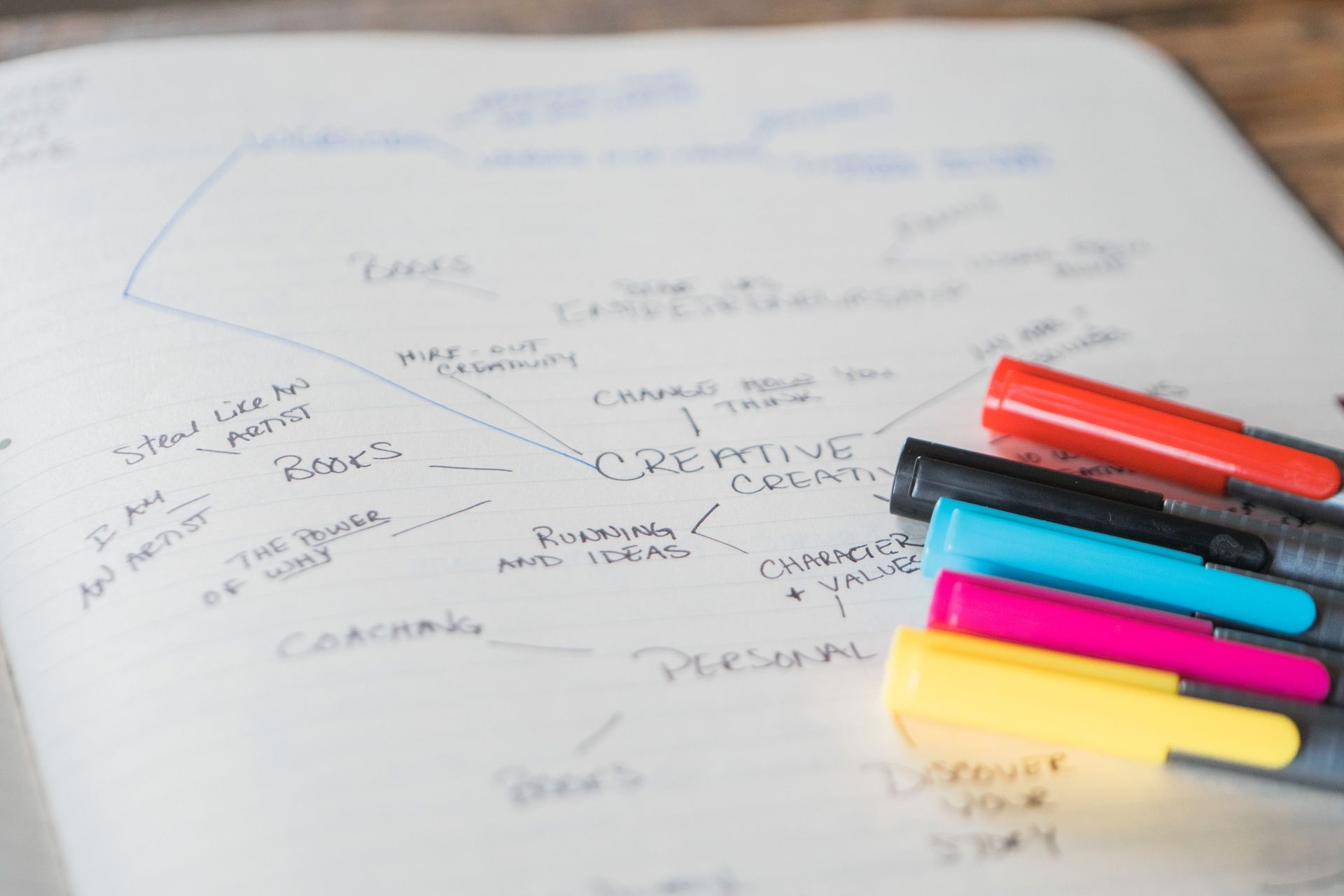
The most common rehearsal mistake made by nervous speakers is rehearsing silently — reading through notes, thinking through the structure, visualizing the delivery — rather than speaking the material aloud. Silent rehearsal and spoken rehearsal engage different cognitive and physical systems, and the transition from silent preparation to spoken performance under audience pressure is a jarring shift that the body and voice are not prepared for. The solution is simple: rehearse the way you will perform.
Speaking aloud in rehearsal recruits the same motor systems — breathing, vocalization, articulation — that will be required during performance, training them to produce the delivery under conditions closer to those of actual speaking. It reveals the places where the prepared text is unnatural in spoken form — sentences that read well but sound awkward, transitions that are logical on paper but lose the audience in speech — before they are encountered in performance. And it produces the muscle memory of having spoken the words before, which reduces the novelty of the performance and therefore its anxiety.
The specific form of out-loud rehearsal that is most effective for nervous speakers is not full-dress run-throughs in front of a mirror or a camera — though those have value — but informal spoken rehearsal in ordinary conditions: walking around the house, driving, exercising. Speaking the material aloud repeatedly in low-stakes conditions trains the delivery in a relaxed state, building the associations between the content and its spoken form that make the delivery more automatic under pressure.
Recording even a single rehearsal and watching it back is uncomfortable for most speakers and instructive for all of them. The gap between the internal experience of speaking and the external appearance — which is almost always less alarming than the internal experience — is information that adjusts the speaker's self-assessment and reduces the catastrophizing that anxiety produces about how they appear to others.

Werner Pfennig / Pexels
The source of much public speaking anxiety is the vastness of what might go wrong with a complex, multi-part presentation. Every additional point, every additional slide, every additional thing the audience might be asked to remember is an additional opportunity for the speaker to lose their place, misjudge the timing, or fail to convey the material clearly. The anxiety is partly about performance and partly about the genuinely complex task of managing a large amount of information in real time for an audience with variable prior knowledge.
The simplest structural intervention for this anxiety is identifying a single key takeaway — the one thing the audience must leave with if nothing else lands — and organizing the entire presentation around it. Not three takeaways, not five learning objectives, but one central message that every other element of the talk supports, illustrates, or qualifies. When the structure is organized around a single central message, the speaker always knows where they are in relation to the whole, any deviation from the prepared sequence can be recovered by returning to the central message, and the question "what should I be saying right now?" always has the same answer: something that supports the one thing I want them to know.
The single takeaway also provides a recovery mechanism for moments when the talk goes off course. If the slides fail, if the prepared material is interrupted by a long question, if the time is cut, the speaker can return to the central message and deliver it directly, without the surrounding supporting structure. A talk reduced to its single essential message is not a failure. It is a talk that delivered what mattered.
The discipline of identifying the single takeaway before preparing the presentation — before building slides, before writing notes — also improves the preparation itself, because it forces clarity about what the presentation is actually for. Most presentations that make nervous speakers more nervous than they need to be are overcrowded with content, and the overcrowding is the result of preparing before defining the purpose.
