
20 things that happen to your body when you quit alcohol for 30 days
Here's what happens to your body when you quit alcohol for 30 days, from better sleep to lower blood pressure

Credit: Mikael Dubarry / Pexels
Alcohol's effects on the body are cumulative, which means removing it produces effects that arrive on a schedule too. Someone who decides to quit alcohol for 30 days will not feel every change at once. Some shifts show up within 48 hours, such as improved hydration and lighter, more fragmented sleep. Others take most of a month to register, like a measurable drop in liver fat or a lower resting heart rate.
The reason 30 days works as a benchmark has less to do with willpower folklore than with physiology. Alcohol dehydrates tissue, disrupts neurotransmitter balance, suppresses REM sleep, relaxes the lower esophageal sphincter, and forces the liver to prioritize metabolizing ethanol over its other jobs. Each of those processes has a rough timeline for reversal once alcohol stops entering the bloodstream, and that timeline is what this list is built around.
This is also why campaigns like Dry January have become useful natural experiments. Researchers who tracked participants abstaining for a month found measurable changes in blood pressure, liver fat and insulin resistance by the end of it, not just self-reported feelings of wellness. That distinction matters: much of what changes when someone quits alcohol for 30 days shows up on a blood panel or a liver scan, not only in how a person feels.
None of this unfolds identically for everyone. A person who drank a glass of wine most nights will notice different things, on a different schedule, than someone coming off years of heavier drinking. Age, baseline health, sleep habits and genetics all shape how fast a given system bounces back. Someone with a history of very heavy, daily drinking should treat a planned break as something worth mentioning to a doctor beforehand, since stopping abruptly after sustained heavy use can carry its own medical risks that a lighter or occasional drinker wouldn't face.
What follows are 20 of the changes most consistently reported and measured during a 30-day break from alcohol, organized roughly by how quickly each one tends to appear, starting with effects that show up within days and moving toward changes that take closer to a full month to register on a blood panel or a scan.
Your sleep gets worse before it gets better

Credit: Eren Li / Pexels
The first few nights after quitting alcohol often bring more disrupted sleep, not less. Alcohol suppresses REM sleep, the stage associated with dreaming and memory processing. Once it is removed, the brain overcorrects, producing what researchers call REM rebound: more vivid, sometimes disturbing dreams and lighter, more easily interrupted sleep for the first several nights.
This tends to be most noticeable in people who drank close to bedtime or drank heavily. Alcohol acts as a sedative early in the night, helping a person fall asleep faster, but it fragments sleep in the second half of the night as it's metabolized and blood alcohol levels drop. That fragmentation is why many regular drinkers wake at 3 a.m. or 4 a.m. without knowing why. Removing alcohol removes the sedative effect, so falling asleep may briefly feel harder, even as the overall quality of sleep across the night starts to improve.
By the second week, most people notice fewer middle-of-the-night wake-ups. The REM rebound settles, and slow-wave sleep, the deep, physically restorative stage, becomes more consistent. Wearable sleep trackers often show this shift directly: sleep scores dip in days one through three, then climb past the person's pre-quitting baseline by days 10 to 14.
By the end of 30 days, most people who quit drinking report sleep that feels more continuous and less prone to early waking. This isn't just a subjective impression. Polysomnography studies on people who stop drinking after a period of regular use show a normalization of sleep architecture, with REM and deep sleep stages returning to a more typical proportion of total sleep time. Snoring and mild sleep apnea symptoms can also ease, since alcohol relaxes the muscles of the airway and worsens both.
The practical takeaway is patience. Someone judging the experiment by night three or four may conclude that quitting alcohol made their sleep worse. Night three or four is usually the low point, not the trend. The improvement tends to show up in the second and third week, and it tends to hold as long as the alcohol stays out.
Your body finally catches up on hydration
Credit: www.kaboompics.com / Pexels
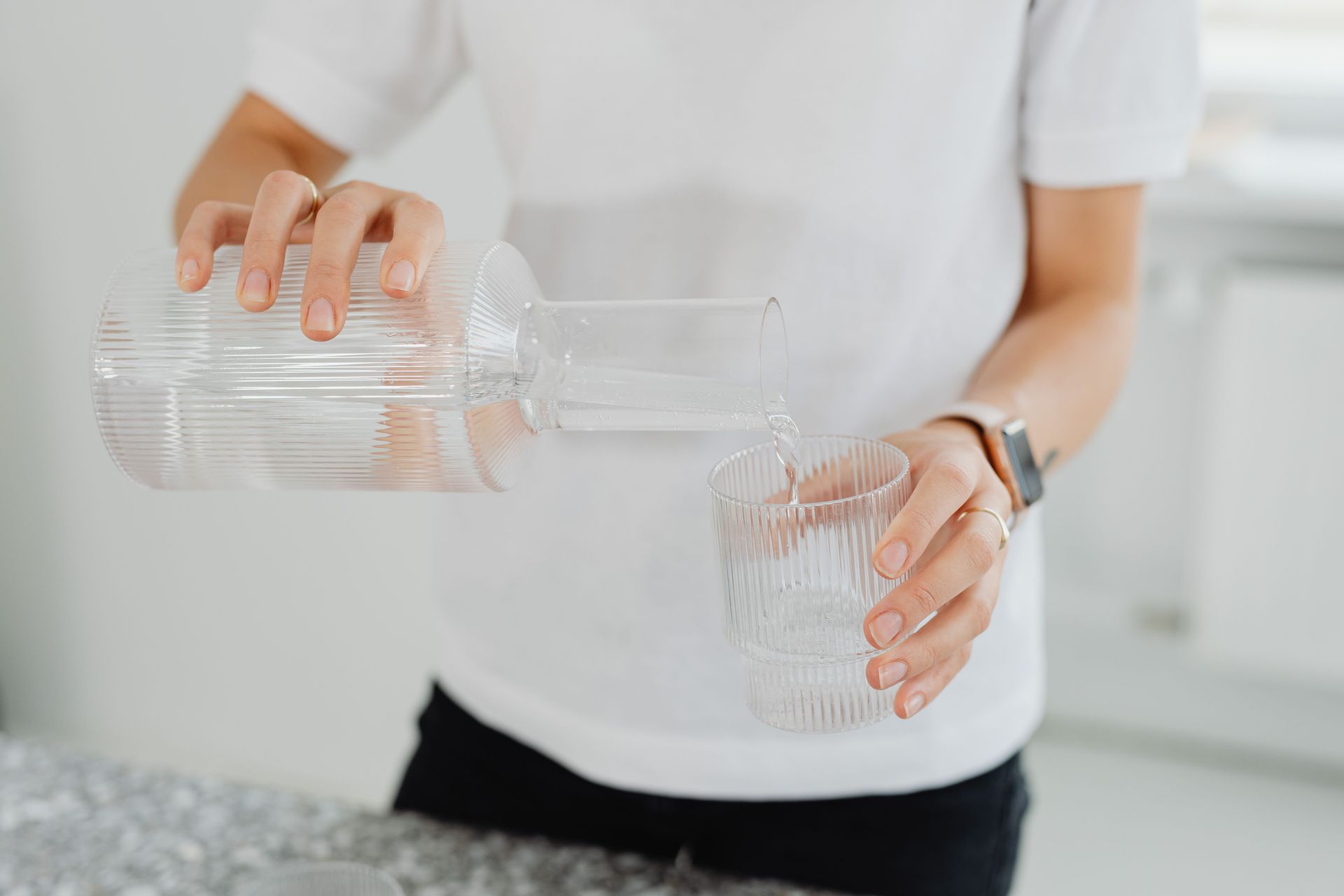
Alcohol is a diuretic, meaning it increases urine output beyond what a person actually drank in fluid. It does this by suppressing vasopressin, also called antidiuretic hormone, which normally tells the kidneys to reabsorb water. With vasopressin suppressed, the kidneys pull more water out of the blood and send it to the bladder, which is part of why a night of drinking often ends with several trips to the bathroom and a next-day headache.
Once alcohol stops, vasopressin signaling returns to normal within a day or two, and the kidneys stop over-excreting fluid. This is one of the fastest-acting changes on this list. Many people notice less morning grogginess and fewer tension headaches in the first week simply because the body is retaining water normally again instead of losing more than it takes in.
Dehydration from alcohol doesn't just affect how someone feels the next morning. It also affects electrolyte balance, since urine carries out sodium, potassium and magnesium along with water. Chronic heavy drinking can lead to low magnesium and potassium levels, which contribute to muscle cramps, fatigue and irregular heartbeat sensations. Restoring normal hydration over 30 days allows electrolyte levels to stabilize as well, particularly if the person is also eating a reasonably balanced diet.
Skin, joints and even cognitive function depend on adequate hydration, so the effects of this shift show up in several places at once. Dry mouth improves. Joint stiffness that some people attribute to aging can partly reflect chronic mild dehydration and can ease once alcohol's diuretic effect is removed. Even mild dehydration has been linked to reduced short-term concentration, so better hydration likely contributes to some of the mental clarity changes people report later in a 30-day break.
This change tends to plateau quickly. Most of the improvement in day-to-day hydration happens within the first one to two weeks, since the kidneys don't need a month to relearn a normal fluid-handling pattern. What continues to improve after that point is more downstream: skin appearance, headache frequency and energy levels, which depend on hydration but also on the other changes happening at the same time.
Blood pressure starts to drop
Credit: SHVETS production / Pexels
Alcohol raises blood pressure both immediately after drinking and, with regular use, as a lasting baseline effect. The immediate rise happens because alcohol affects blood vessel tone and stimulates the sympathetic nervous system. The lasting effect builds up with repeated exposure, which is why heavier, more frequent drinking is associated with a higher risk of chronic hypertension.
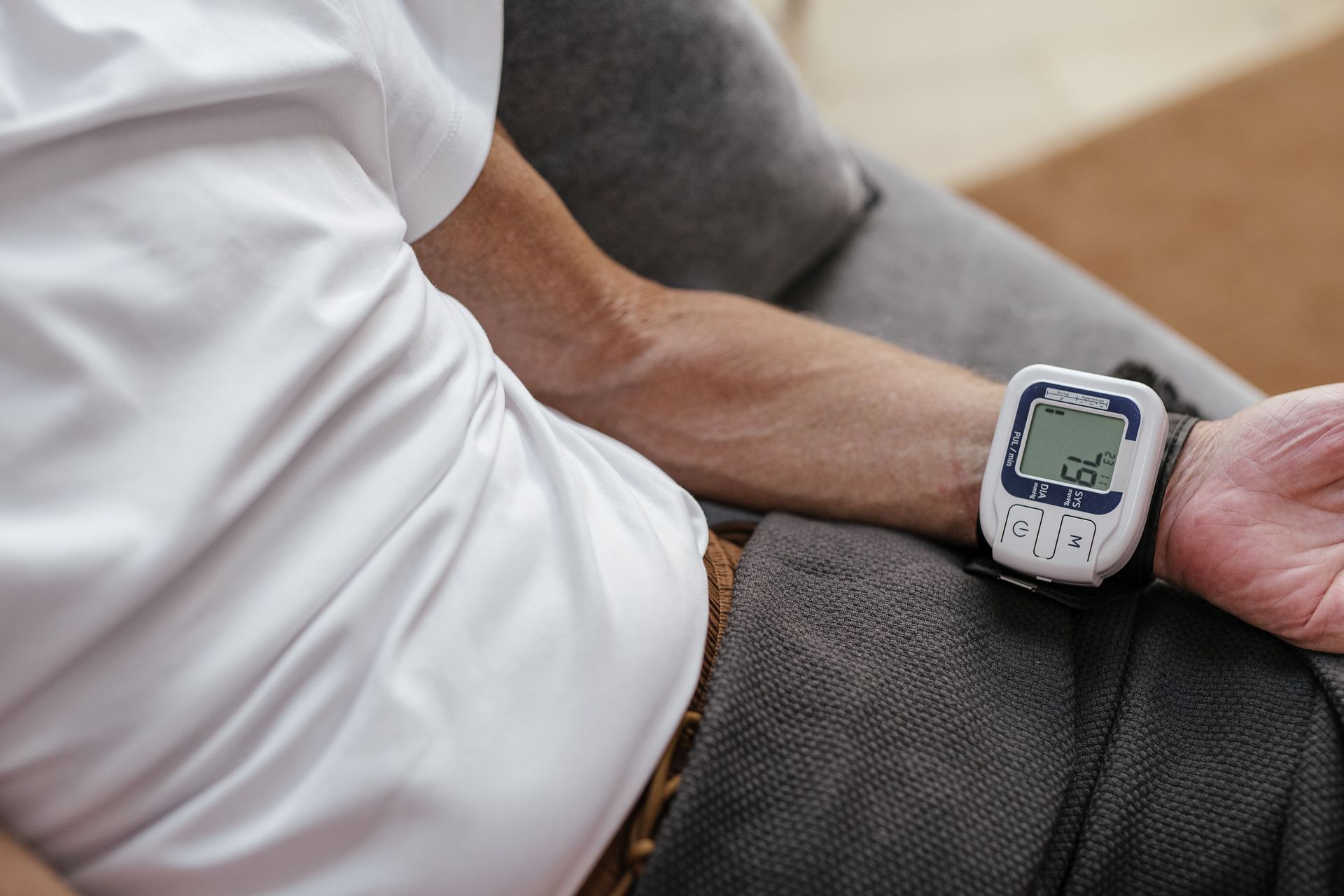
When someone quits alcohol for 30 days, blood pressure often begins to fall within the first one to two weeks, especially for people who were drinking above moderate levels. Researchers who studied Dry January participants found measurable reductions in both systolic and diastolic blood pressure by the end of the month, even in people without a diagnosed hypertension condition beforehand.
The mechanism runs through several pathways at once. Better hydration reduces some of the vascular strain alcohol causes. Improved sleep lowers the nighttime blood pressure spikes associated with poor sleep quality. Reduced inflammation, which also improves during a month off alcohol, plays a role too, since chronic low-grade inflammation is itself linked to higher blood pressure over time.
The size of the effect depends heavily on how much a person was drinking beforehand. Someone who drank two or three drinks most nights is likely to see a more noticeable drop than someone who drank occasionally, since there is more elevated baseline pressure to come down from. People already on blood pressure medication should not adjust their dosage based on how they feel; blood pressure changes from quitting alcohol should be monitored with an actual cuff, not guesswork, and any medication changes should go through a doctor.
For most people, this is one of the more reliably measurable changes on the list. A home blood pressure monitor used consistently, at the same time of day, can usually pick up a downward trend by the second or third week of not drinking, particularly for anyone whose baseline drinking was above the commonly cited moderate threshold of one drink a day for women or two for men.
Liver fat begins to clear within weeks
Credit: Canva Images
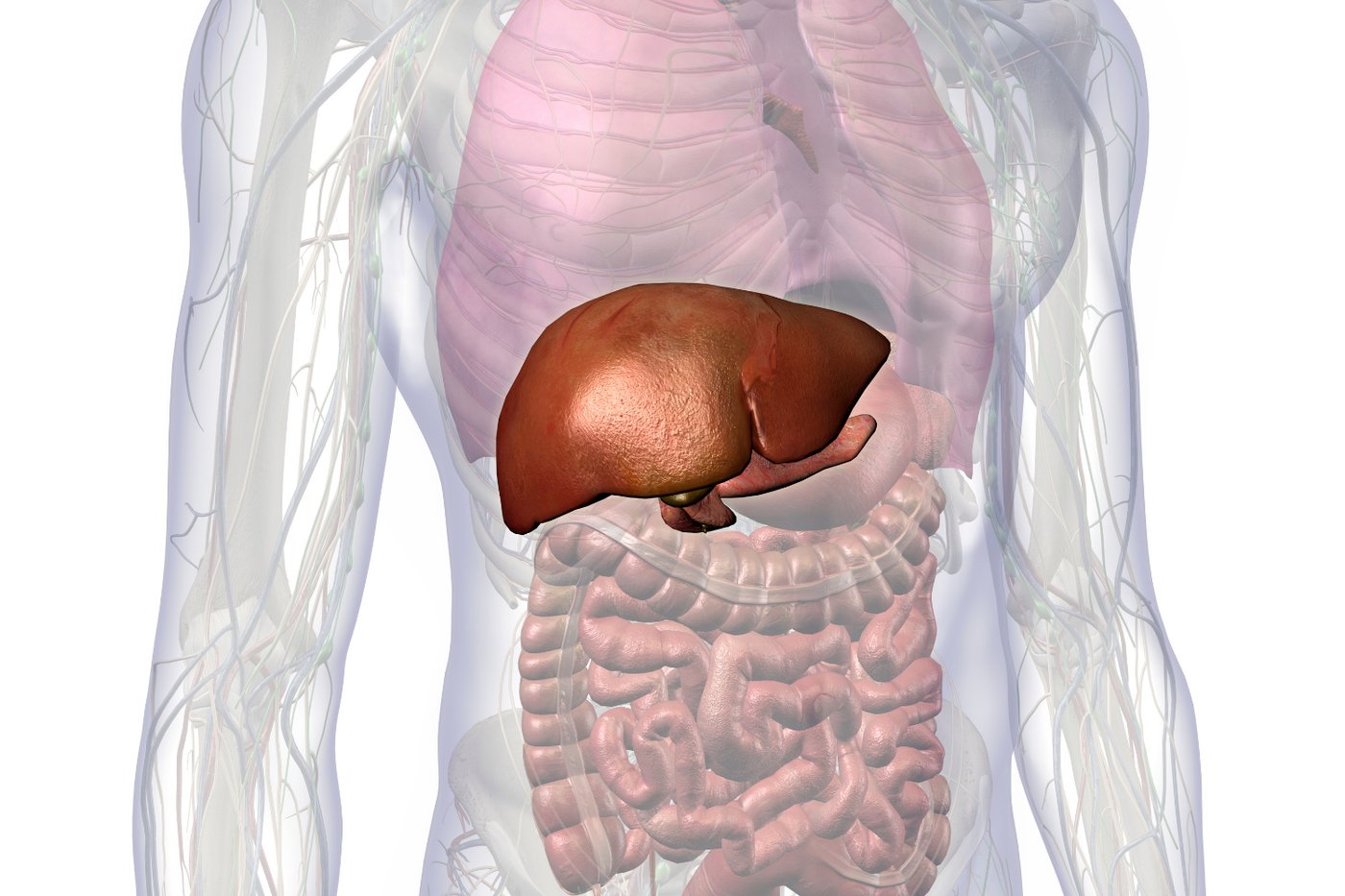
The liver is the organ most directly tasked with metabolizing alcohol, and it shows some of the most dramatic changes during a 30-day break. Regular drinking, even at levels many people would consider moderate to heavy rather than extreme, causes fat to accumulate inside liver cells. This condition, called alcoholic fatty liver or hepatic steatosis, is usually reversible and often produces no symptoms on its own, which is part of why it can go unnoticed for years.
When alcohol intake stops, the liver redirects its metabolic resources away from processing ethanol and toward its other functions, including clearing out the accumulated fat. Imaging studies using MRI or ultrasound on people who abstain for about a month show measurable reductions in liver fat content, even though 30 days is not long enough to reverse more advanced liver damage like fibrosis or cirrhosis if either has already developed.
This is one of the reasons doctors sometimes recommend a defined period of abstinence, rather than just cutting back, before running liver function tests. A fatty liver can mask or exaggerate other findings, and giving the organ a few weeks without alcohol gives a clearer picture of its underlying condition.
The rate of improvement depends on how much fat had built up and how long the person had been drinking at that level. Someone with mild fatty liver from a few years of regular drinking may see near-complete clearing within a month. Someone with more entrenched fatty liver disease may see partial improvement, with further clearing continuing well past the 30-day mark if abstinence continues.
Liver fat reduction doesn't always come with a feeling the person can point to, since fatty liver rarely causes noticeable symptoms at this stage. That makes it one of the least felt but most clinically significant changes on this list, and one reason a 30-day break is worth more than it might seem from the outside.
Liver enzyme levels trend back toward normal
Credit: Ivan S / Pexels
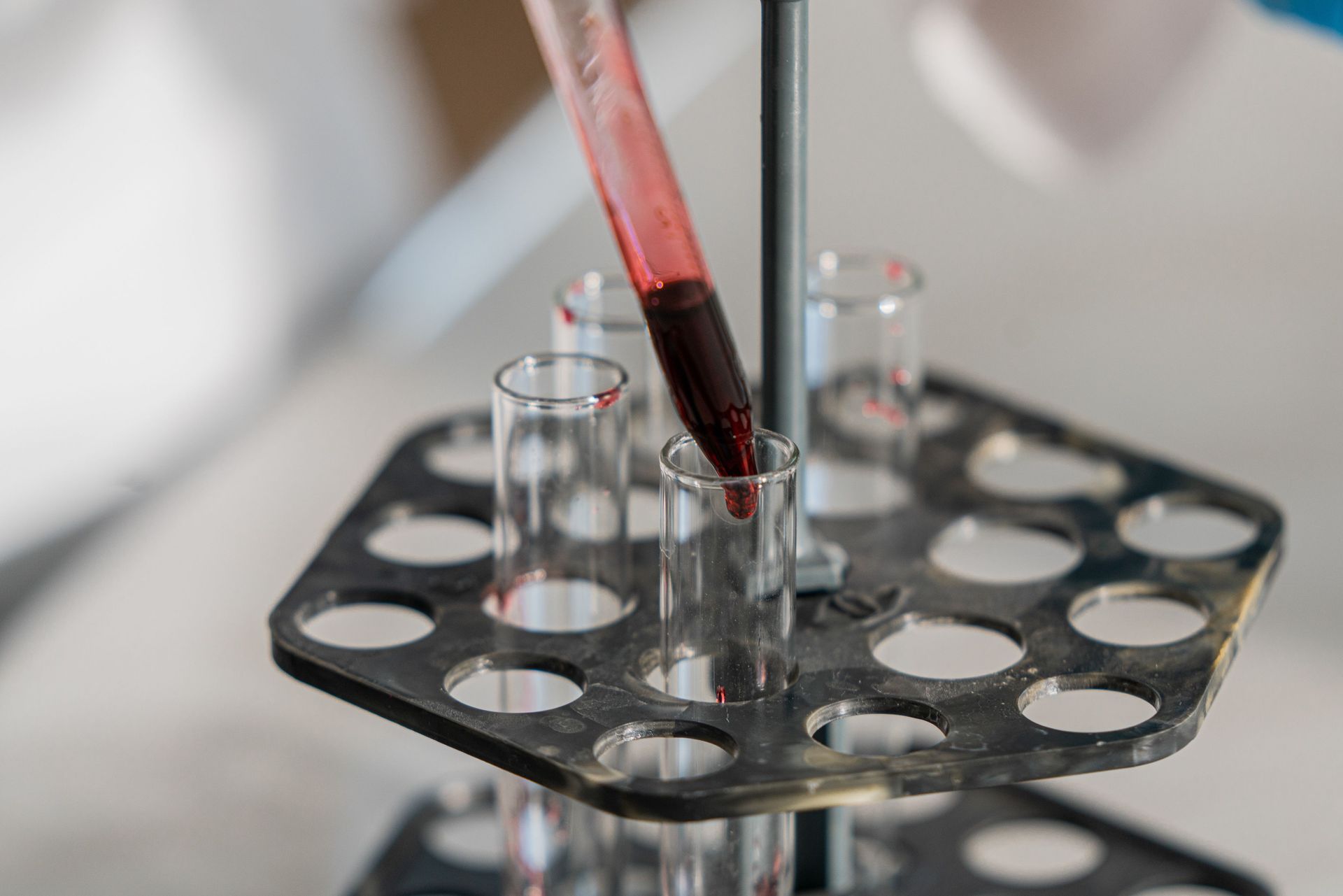
Alcohol metabolism produces byproducts, including acetaldehyde, that are toxic to liver cells. When liver cells are under this kind of stress, they leak enzymes such as ALT, AST and GGT into the bloodstream at higher-than-normal levels. Blood tests for these enzymes are a standard way doctors screen for liver strain, and elevated readings in a regular drinker often reflect ongoing cellular stress rather than permanent damage.
GGT, or gamma-glutamyl transferase, is particularly sensitive to alcohol intake and is one of the first markers to shift once someone stops drinking. Levels that were elevated from regular heavy drinking often begin dropping within the first one to two weeks of abstinence and can approach normal range by the end of a month, assuming no underlying liver disease beyond alcohol-related strain.
ALT and AST, the two enzymes most associated with general liver cell injury, tend to follow a similar but sometimes slower trajectory. Because these enzymes reflect cell damage rather than just alcohol exposure, their return to normal range depends on how much cellular injury had accumulated. A person with mildly elevated enzymes from moderate regular drinking may see full normalization within 30 days. Someone with more significant elevation may need longer, and should be following up with a doctor rather than assuming a month off is sufficient on its own.
This is one of the changes on this list that a person genuinely cannot feel happening. Someone can have elevated liver enzymes with no symptoms at all, which is exactly why routine blood work exists. It's also why liver enzyme improvement is often used as an objective marker in research on alcohol abstinence, rather than relying on self-reported wellness.
Anyone with liver enzyme levels that were significantly elevated before quitting should get retested rather than assuming improvement based on how they feel. Thirty days is often enough to see a meaningful shift on paper, but it is a data point for a doctor to interpret, not a substitute for follow-up care.
Body weight often drops from cutting liquid calories
Credit: Annushka Ahuja / Pexels
Alcohol carries seven calories per gram, more than protein or carbohydrates and second only to fat, but it comes with none of the nutritional value those macronutrients provide. A standard mixed drink, glass of wine or beer can run anywhere from 100 to over 300 calories depending on size and ingredients, and those calories add up quickly across a week of regular drinking.
Beyond the calories in the drink itself, alcohol tends to increase appetite and lower inhibition around food choices. It's a common pattern for a night of drinking to end with fried food, late-night takeout or extra portions that wouldn't have happened sober. Alcohol also takes metabolic priority in the liver, meaning the body burns off ethanol before it burns fat, which can temporarily slow fat oxidation while alcohol is still being processed.
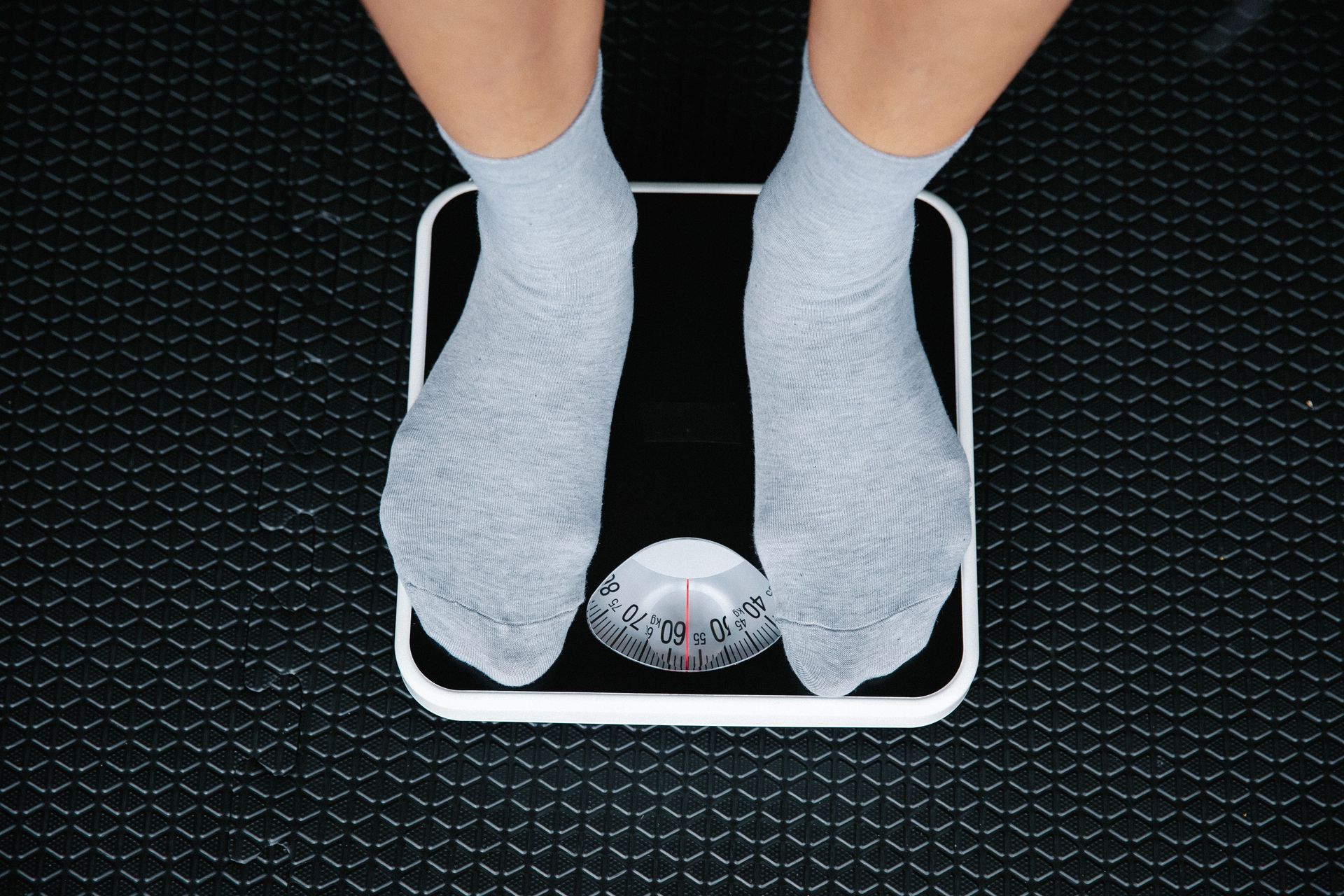
Removing alcohol for 30 days often produces weight loss through this combination of fewer direct calories and less alcohol-driven snacking, without any other change in diet or exercise. The amount varies enormously based on how much someone was drinking. A person who had a few drinks most weekends will see a smaller effect than someone drinking several drinks most nights, since there is less caloric surplus being removed.
Not everyone loses weight during a 30-day break, and that's worth saying directly. Some people replace alcohol with other calorie sources, including sugary non-alcoholic substitutes or extra snacking to manage cravings, which can offset some or all of the calorie savings. Weight change during this kind of break is a reasonable side effect to expect, not a guaranteed outcome, and it depends heavily on what replaces the drinking habit day to day.
For people tracking this specifically, the clearest early sign is often less bloating and less water retention, distinct from actual fat loss, showing up within the first week or two, with more gradual changes in body composition over the full month for those who see a caloric deficit sustained.
Skin looks less puffy and more hydrated
Credit: Miriam Alonso / Pexels
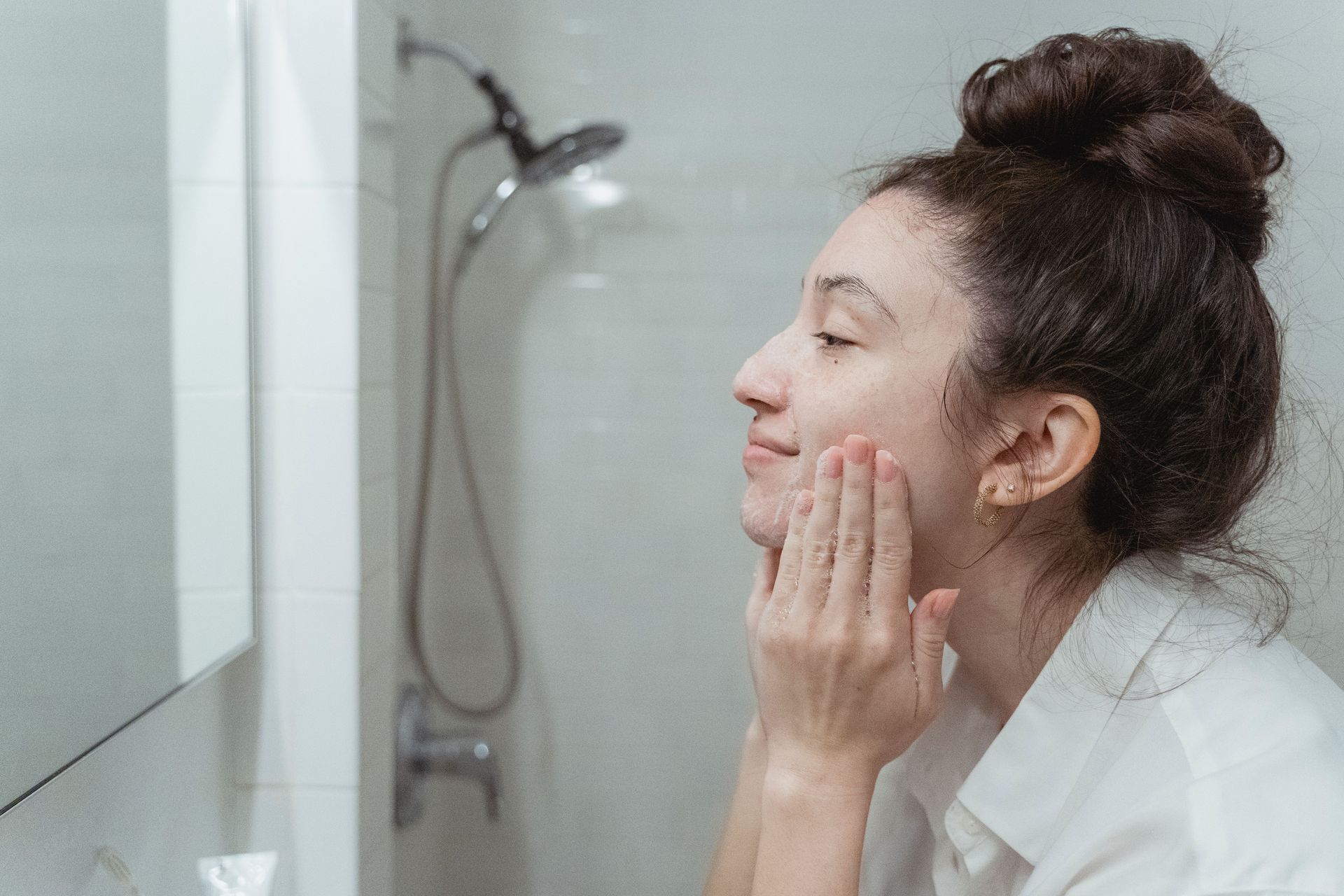
Alcohol affects skin through several overlapping mechanisms, and most of them reverse at least partially within a month of not drinking. The dehydrating effect discussed earlier in this list applies to skin the same way it applies to the rest of the body: skin cells that are chronically slightly dehydrated look duller and show fine lines more readily than well-hydrated skin.
Alcohol also causes blood vessels near the skin's surface to dilate, which produces the flushed, reddened look many people notice after drinking, particularly on the face. With repeated regular drinking, this vessel dilation can become more persistent, contributing to visible redness and, over years, to broken capillaries in some people. Removing alcohol allows blood vessels to return to their normal resting state, which reduces both the acute flushing after a drink and, gradually, some of the background redness from chronic use.
Sleep quality plays a role here too. Skin repair and collagen production happen largely during deep sleep, so the sleep disruption caused by regular drinking indirectly affects skin over time by cutting into the window the body has to do that repair work. As sleep architecture normalizes over the first two to three weeks of abstinence, skin has more consistent access to its normal overnight repair cycle.
Puffiness around the eyes and face, often attributed just to poor sleep, is also connected to alcohol's effect on fluid retention and inflammation. As hydration and inflammation both improve over the first couple of weeks, facial puffiness tends to ease alongside them, which is often one of the more visually noticeable changes people report to others around the two-week mark.
None of this reverses years of sun damage or genetics, and skin changes from alcohol are gradual to build up and gradual to resolve. A single month won't undo a decade of heavy drinking's visible effects, but it is typically enough time to notice less morning puffiness, less redness and a subjectively more hydrated appearance.
Mood can dip in the first week or two

Credit: David Cassolato / Pexels
Alcohol interacts directly with two of the brain's main neurotransmitter systems: it enhances the effect of GABA, the brain's primary calming chemical, and suppresses glutamate, the brain's primary excitatory chemical. This combination is part of why alcohol produces a relaxed, sedated feeling in the moment. With regular use, the brain adapts to this altered balance by reducing its own natural GABA activity and increasing glutamate sensitivity, trying to compensate for alcohol's presence.
When alcohol is removed, that compensation doesn't reverse instantly. For the first several days to two weeks, many people experience a temporary state of reduced GABA activity and heightened glutamate activity, which can show up as irritability, low mood, restlessness or a general sense of unease. This is a normal, well-documented part of neurochemical readjustment, distinct from clinical depression, though it can feel uncomfortable while it lasts.
The severity of this dip tends to track with how much and how consistently someone was drinking. Occasional or light drinkers often notice very little mood disruption when they stop. People who were drinking daily or in larger quantities are more likely to notice a rough patch in the first one to two weeks, sometimes including trouble concentrating or feeling unusually flat.
This period is also when people are most likely to give up on a 30-day break, since it can feel like quitting made things worse rather than better. Understanding that this is a temporary, chemically explainable phase rather than a permanent state can make it easier to get through. For most people who make it past the two-week mark, mood tends to stabilize and often improves beyond where it started, which the next section covers in more detail.
Anyone whose mood symptoms are severe, persistent well beyond two weeks, or accompanied by thoughts of self-harm should treat that as a signal to talk to a doctor, not something to just wait out.
Anxiety shifts as brain chemistry rebalances

Credit: Md Mahdi / Unsplash
Beyond the general mood dip covered in the previous section, alcohol has a specific and often underappreciated relationship with anxiety. Many people drink partly to manage anxious feelings in the moment, since alcohol's effect on GABA produces short-term calming. The trouble is that this relief is temporary and tends to be followed by a rebound period, sometimes called hangxiety, in which anxiety returns at a higher level than before as blood alcohol drops and the GABA system swings back.
Over weeks or months of regular drinking, this pattern can push baseline anxiety higher overall, since the brain is repeatedly cycling through suppression and rebound. People in this pattern often don't connect their day-to-day anxiety to their drinking, because the anxiety shows up hours or a day after drinking, not during it.
During the first week or so of quitting, some people notice anxiety symptoms similar to the mood dip described above, tied to the same neurotransmitter readjustment. Past that initial period, many people report a gradual reduction in overall anxiety levels by the second half of a 30-day break, as the GABA and glutamate systems settle into a new baseline that isn't being repeatedly disrupted by alcohol's rebound effect.
Sleep improvement contributes to this as well, since poor sleep and anxiety reinforce each other in both directions. As sleep architecture normalizes over the first two to three weeks, some of the anxiety that was partly driven by chronic sleep disruption tends to ease alongside it.
This doesn't mean alcohol caused all of a person's anxiety, and it isn't a substitute for treatment in someone with a diagnosed anxiety disorder. What research on alcohol and anxiety consistently shows is that regular use tends to worsen anxiety over time even when it seems to help in the moment, and that removing it for a sustained period, rather than a single night, is what allows the rebound cycle to actually stop.
Concentration and short-term memory sharpen

Credit: Ariel Castillo / Pexels
Alcohol impairs the hippocampus, the brain region central to forming new memories, both acutely during drinking and, with heavy or frequent use, in ways that can persist into the following days. This is separate from the extreme case of blackouts, which involve a near-total failure to encode memories during a drinking episode. Even without blackouts, regular drinking is associated with subtler, ongoing effects on attention and short-term recall.
Some of this connects directly to the sleep disruption covered earlier. Memory consolidation, the process of converting short-term experiences into longer-term memory, happens largely during deep sleep and REM sleep. Since alcohol disrupts both stages, regular drinkers are effectively getting less of the sleep architecture their brain needs to file away the day's information properly, independent of any direct toxic effect on the hippocampus.
As sleep normalizes over the first two to three weeks of a 30-day break, many people notice improved ability to concentrate and recall information, particularly in the morning, when residual alcohol effects and poor sleep would otherwise be compounding each other. Hydration plays a supporting role too, since even mild dehydration is linked to reduced short-term concentration.
Cognitive testing on people who abstain from alcohol for several weeks has shown improvements in tasks involving attention, working memory and processing speed compared with their own baseline while drinking regularly, particularly among people whose prior drinking was in the heavier range. The size of the effect is generally larger for people coming off more significant regular use, and smaller or negligible for light or occasional drinkers who had little cognitive impairment to begin with.
This change tends to build gradually rather than appear suddenly. Many people report a noticeable shift by the second week, with continued, more subtle improvement through the remainder of the month as sleep, hydration and inflammation all continue to normalize together.
Heartburn and bloating ease up

Credit: Sora Shimazaki / Pexels
Alcohol has a direct, mechanical effect on digestion that many people don't connect to their drinking. It relaxes the lower esophageal sphincter, the muscular valve that normally keeps stomach contents from moving back up into the esophagus. When this valve is more relaxed than usual, acid reflux becomes more likely, which is why heartburn is common both during and the morning after drinking.
Alcohol also stimulates the stomach to produce more acid and can irritate the stomach lining directly, particularly with regular or heavy use. Over time, this irritation can contribute to gastritis, an inflammation of the stomach lining that causes discomfort, bloating and sometimes nausea. Carbonated alcoholic drinks, like beer and sparkling wine, add another layer of bloating from the carbonation itself.
When alcohol is removed for 30 days, the lower esophageal sphincter regains its normal tone, reducing the frequency of reflux episodes. Stomach acid production returns to baseline levels, and any existing irritation to the stomach lining has a chance to heal, since it isn't being repeatedly aggravated. Many people notice less bloating and fewer episodes of heartburn within the first one to two weeks of quitting, well before some of the slower-moving changes on this list show up.
Bowel habits can shift too. Alcohol affects the muscles and secretions of the intestines, and regular heavy drinking is associated with diarrhea in some people and constipation in others, depending on how it affects their particular digestive system. Abstaining allows the gut to return to its own baseline pattern, which for most people means more predictable, regular bowel movements by the second or third week.
People who already have a diagnosed digestive condition, such as acid reflux disease or irritable bowel syndrome, often notice the largest improvement, since alcohol is a common trigger for flare-ups in both conditions. For them, a 30-day break can function as a useful, low-cost experiment in isolating how much of their symptoms were being driven by drinking.
Gut bacteria diversity starts to shift

Credit: Surya Travel / Pexels
The gut microbiome, the community of bacteria living in the digestive tract, plays a role in digestion, immune function and even mood regulation through the gut-brain axis. Regular alcohol consumption has been shown to alter the balance of this community, generally reducing the diversity of bacterial species and allowing certain less beneficial strains to become more dominant.
Alcohol also increases intestinal permeability, sometimes described informally as a leaky gut, by weakening the tight junctions between cells lining the intestinal wall. This allows bacterial byproducts, including a molecule called lipopolysaccharide, to pass more easily into the bloodstream, which triggers an inflammatory immune response. This mechanism is part of why chronic heavy drinking is linked to elevated systemic inflammation, a connection covered in more detail later in this list.
Thirty days is a relatively short window in microbiome terms, since bacterial populations can take considerably longer than a month to fully rebalance after a sustained disruption. That said, research on shorter-term abstinence has found measurable early shifts, including some recovery of intestinal barrier function and modest changes in bacterial diversity, within a few weeks of stopping.
Diet during the 30 days matters as much as the absence of alcohol itself. Someone who quits drinking but eats a diet high in fiber, vegetables and fermented foods is likely to support faster microbiome recovery than someone who quits drinking but eats a diet low in those inputs, since gut bacteria depend on dietary fiber as fuel.
The practical upshot is that gut-related improvements from a 30-day break are real but partial. Some digestive symptoms, like the heartburn and bloating covered separately in this list, tend to improve quickly and mechanically. The deeper microbiome and gut barrier changes are moving in the right direction by the end of a month, but full recovery for a longer-term heavy drinker likely extends well past the 30-day mark.
Inflammation markers like CRP decline

Credit: Elle Hughes / Pexels
Chronic alcohol consumption is associated with elevated levels of inflammatory markers in the blood, including C-reactive protein, or CRP, which the liver produces in response to inflammation anywhere in the body. Regular heavy drinking triggers this response through several routes at once: direct liver cell stress, the gut permeability and endotoxin exposure covered in the previous section, and alcohol's broader effects on immune signaling.
This matters beyond just a lab number. Chronic low-grade inflammation is linked to a wide range of longer-term health risks, including cardiovascular disease, and is thought to contribute to some of alcohol's other effects on this list, including elevated blood pressure and impaired mood regulation. Inflammation and these other systems influence each other in both directions, which is part of why so many changes tend to move together during a 30-day break rather than in isolation.
When alcohol is removed, CRP and related inflammatory markers typically begin trending downward within the first couple of weeks, as the liver is no longer fielding a steady stream of ethanol byproducts and the gut lining has a chance to repair some of its barrier function. The size of the drop depends heavily on how elevated inflammation was to begin with, which in turn depends on how much and how long someone had been drinking.
People with other sources of chronic inflammation, such as obesity, poor diet or an underlying inflammatory condition, may see a smaller relative improvement from alcohol reduction alone, since alcohol is only one contributor among several. For someone whose primary source of inflammation was heavy regular drinking, though, this can be one of the more significant blood-panel changes to show up over a month.
As with liver enzymes, this is a change most people cannot feel directly, since mild to moderate inflammation doesn't reliably produce noticeable symptoms on its own. It's a case where a blood test, rather than self-reported wellness, is the more reliable way to track progress.
Blood sugar control improves
Credit: Towfiqu barbhuiya / Pexels
Alcohol has a complicated, sometimes contradictory relationship with blood sugar. In the short term, drinking can cause blood sugar to drop, since the liver prioritizes metabolizing alcohol over its normal job of releasing stored glucose into the bloodstream. This is part of why drinking on an empty stomach can produce lightheadedness, and it's a particular risk for people with diabetes who take insulin or other blood-sugar-lowering medication.
At the same time, many alcoholic drinks, especially sweetened cocktails, dessert wines and some beers, contain enough sugar or carbohydrate to raise blood sugar significantly. Combined with the way alcohol can lower inhibition around food choices, a night of drinking often produces erratic blood sugar swings rather than a single clear direction.
Over the longer term, regular heavy drinking is associated with insulin resistance, a state in which cells respond less effectively to insulin's signal to take up glucose from the blood. This forces the pancreas to produce more insulin to achieve the same effect, and over years can contribute to a higher risk of developing type 2 diabetes. Researchers studying Dry January participants found measurable improvements in insulin resistance markers after a month of abstinence, even among people without a diabetes diagnosis.
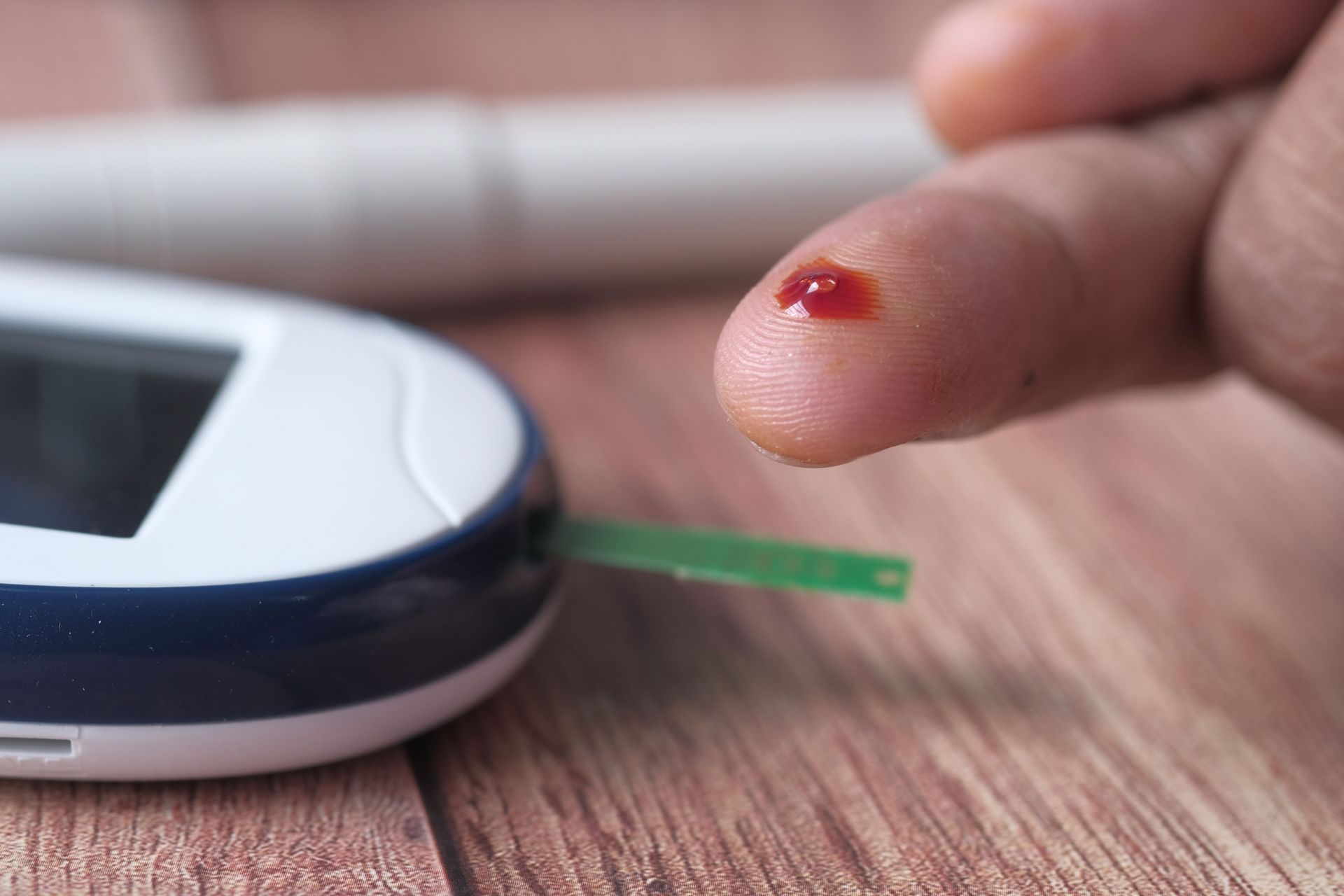
Removing alcohol for 30 days tends to produce more stable blood sugar day to day, simply by eliminating a variable that was pushing it in both directions unpredictably. For people already managing insulin resistance or prediabetes, this stability, combined with the liver's improved capacity to regulate glucose once it isn't preoccupied with metabolizing alcohol, can produce a meaningful improvement in blood sugar readings over the course of a month.
Anyone with diagnosed diabetes should treat changes in drinking as something to discuss with their doctor, since it can affect medication needs, particularly for insulin dosing, in ways that are worth managing deliberately rather than adjusting on their own.
Immune cell function recovers

Credit: Andrea Piacquadio / Pexels
Alcohol suppresses several parts of the immune system, which is part of why heavy drinkers are more prone to certain infections, including pneumonia, and tend to recover from illness more slowly. It impairs the function of neutrophils and macrophages, two types of white blood cells central to fighting off bacterial infection, and it disrupts the signaling between immune cells that coordinates an effective response.
The gut plays a role here too. As covered earlier, alcohol increases intestinal permeability, allowing bacterial byproducts to leak into the bloodstream and put the immune system in a state of chronic, low-level activation dealing with a threat that shouldn't be there in the first place. Over time, this can leave the immune system less prepared to respond efficiently to an actual infection when one arrives.
When alcohol is removed for 30 days, immune cell function tends to recover along a similar timeline to the other inflammation-related changes on this list. Neutrophil and macrophage activity has been shown to improve within a few weeks of abstinence in people who had been drinking heavily, and the reduced gut permeability covered earlier reduces the background immune activation that was distracting the system.
People who quit drinking often report getting sick less frequently, or recovering faster from minor illnesses like colds, within a month or two of stopping, though this is harder to measure directly than a blood pressure reading or a liver enzyme level. It's also one of the changes most dependent on how much someone was drinking beforehand: occasional or light drinkers typically had little immune impairment to begin with, so the improvement is most noticeable for people coming off heavier, more regular use.
This is also one of the more evidence-supported long-term reasons doctors recommend limiting alcohol intake generally, separate from any single 30-day experiment, since immune suppression from chronic heavy drinking is a well-documented risk factor for more severe outcomes from common infections.
Heart rate variability climbs
Credit: Burst / Pexels
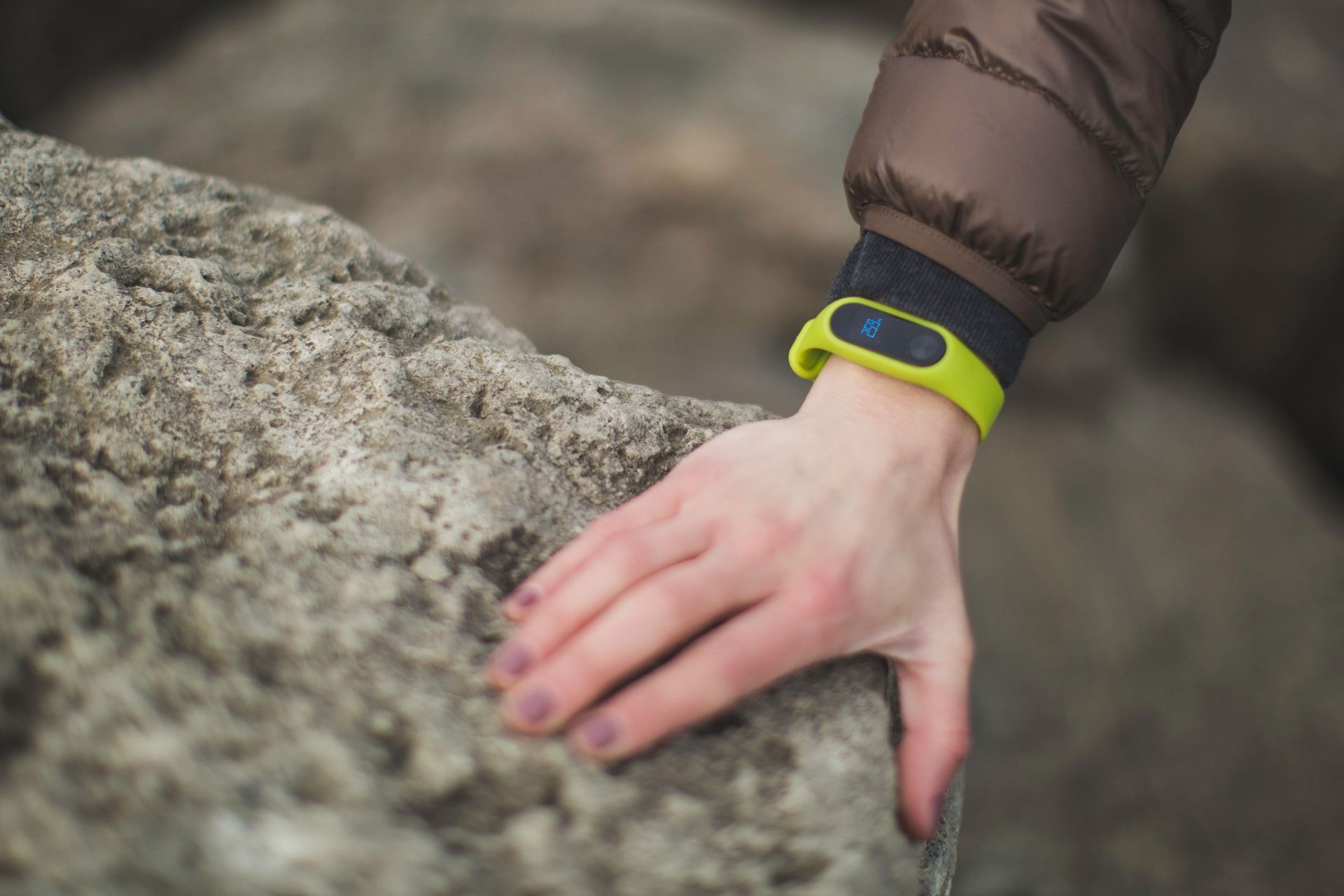
Heart rate variability, often abbreviated HRV, measures the small variations in time between consecutive heartbeats. Counterintuitively, higher variability is a sign of a healthier, more adaptable autonomic nervous system, while lower variability tends to reflect stress, poor recovery or reduced cardiovascular resilience. Wearable fitness trackers have made this metric much more visible to everyday users over the past several years.
Alcohol has a clear, well-documented negative effect on HRV, and the effect shows up fast. Even a single drink can measurably reduce HRV that same night, an effect widely reported by people who track their sleep with wearable devices. Regular drinking compounds this into a chronically lower baseline HRV, reflecting a nervous system that is more often in a stressed, less recovered state.
When someone quits alcohol for 30 days, HRV improvement tends to be one of the more immediately visible changes for anyone using a tracking device, since it can respond within days rather than weeks. Many users report a noticeable jump in their HRV readings within the first week of not drinking, even before other changes like weight or skin appearance become apparent.
This connects to several of the other changes on this list. Better sleep architecture, reduced inflammation and improved hydration all contribute to a nervous system that isn't working as hard to manage stress, and HRV reflects that combined effect fairly directly. It's part of why HRV has become a popular proxy metric for people experimenting with sobriety, since it offers relatively fast, objective feedback compared with waiting on a blood test.
By the end of a month, most people see an HRV baseline that sits meaningfully higher than where they started, particularly if they were drinking close to bedtime beforehand, since that timing has an outsized effect on nighttime HRV specifically.
This metric also tends to be one of the more motivating for people using a break from alcohol as a personal experiment rather than a doctor-directed change, precisely because it updates every morning rather than requiring a lab visit. A rising HRV trend line over two or three weeks offers a kind of daily confirmation that something measurable is shifting, even on days when a person doesn't otherwise feel dramatically different. For that reason, it's worth checking the same time each morning, under similar conditions, rather than comparing a single reading from one day against a single reading from another, since night-to-night variation from factors like poor sleep or stress can otherwise make the trend harder to read.
Resting heart rate can drop
Credit: ahmed akeri / Pexels
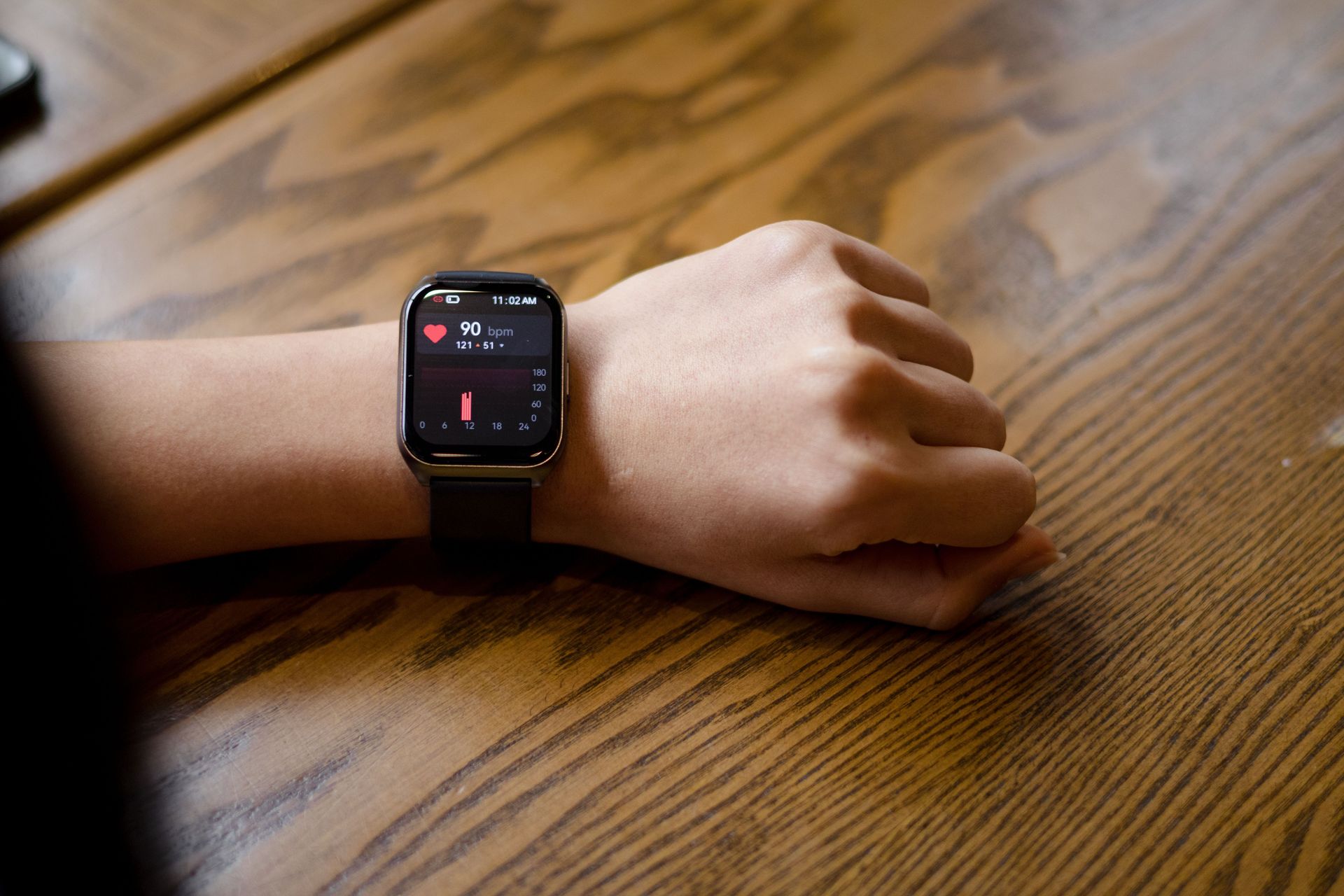
Related to HRV but distinct from it, resting heart rate measures how many times the heart beats per minute at rest, typically checked first thing in the morning or overnight through a wearable device. Regular alcohol consumption tends to elevate resting heart rate, both acutely on nights of drinking and, with sustained heavy use, as a persistent baseline shift.
Alcohol stimulates the sympathetic nervous system and can also cause mild dehydration, both of which push resting heart rate upward as the body works slightly harder to maintain blood pressure and circulation. For regular drinkers, an elevated overnight resting heart rate on nights following drinking is one of the most commonly reported patterns among people who use fitness trackers.
Quitting alcohol for 30 days tends to lower resting heart rate within the first one to two weeks for people who were drinking regularly, as the sympathetic nervous system settles and hydration normalizes. The size of the drop varies by individual, but changes of several beats per minute are commonly reported among people coming off nightly or near-nightly drinking, based on their own tracker data compared with their pre-quitting baseline.
This change tends to be one of the more motivating to notice early, precisely because it's visible on a device many people already check daily. Unlike liver enzymes or CRP, which require a blood draw to see, resting heart rate updates every morning, giving a fast, low-effort feedback loop for anyone treating a 30-day break as a personal experiment.
As with HRV, timing matters. Drinking earlier in the evening rather than right before bed produces less of a resting heart rate elevation than drinking close to sleep, since the body has more time to process the alcohol before the overnight measurement window.
Resting heart rate and HRV often move together during a 30-day break, since both reflect the same underlying autonomic nervous system recovering from alcohol's repeated stimulation. Seeing them trend in the same direction, a lower resting heart rate alongside a rising HRV, is generally a reassuring sign that the changes being observed reflect a genuine physiological shift rather than day-to-day noise in either individual number. People coming off long-term heavy drinking sometimes see a larger initial drop than the gradual, steady decline described here, since the nervous system had further to travel back toward its own unforced baseline.
Kidneys get a break from filtering alcohol
Credit: Canva Images
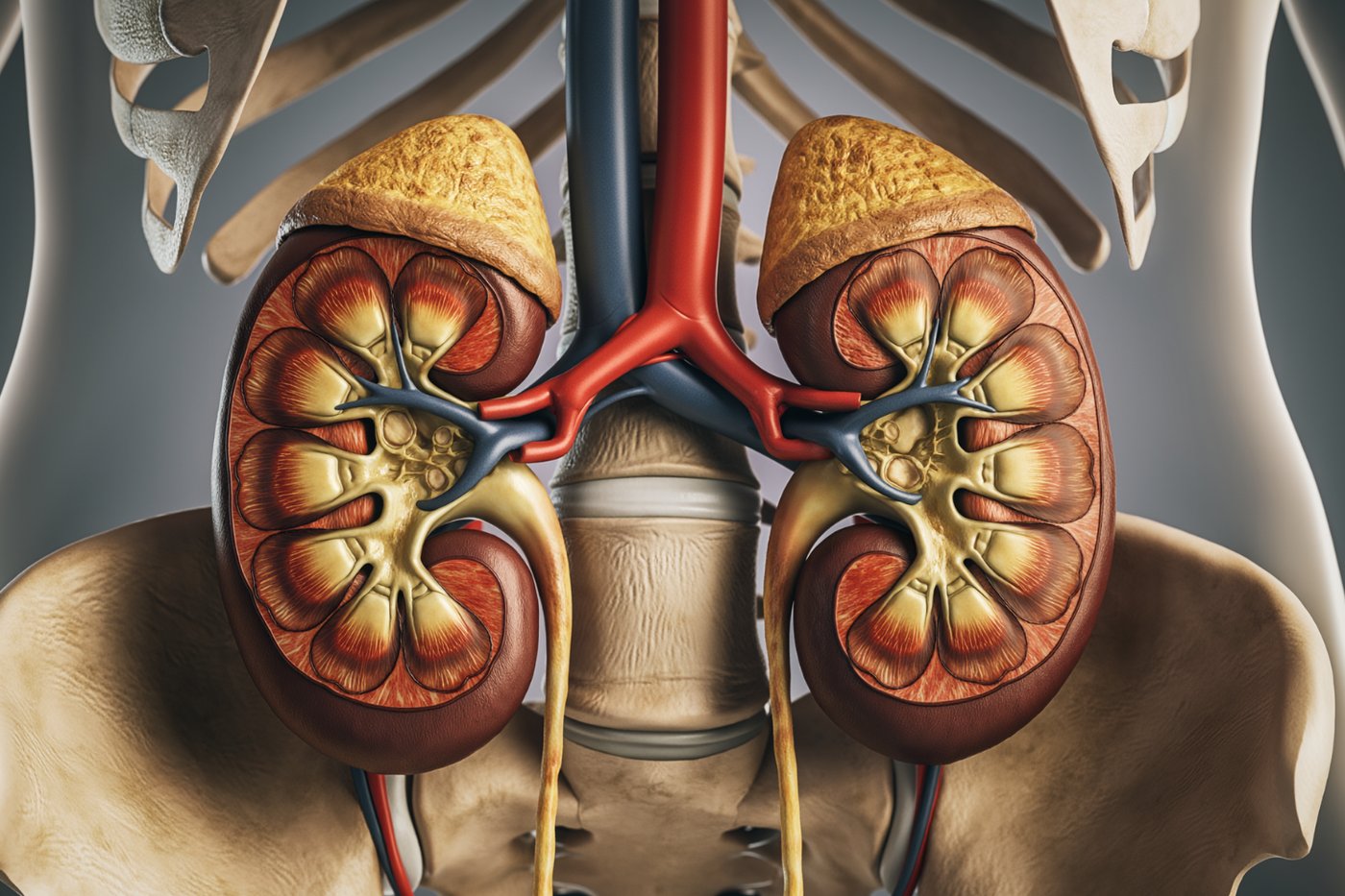
The kidneys play a central role in managing the fluid and electrolyte disruption alcohol causes, and they also help clear some of alcohol's metabolic byproducts from the bloodstream. Regular heavy drinking asks the kidneys to repeatedly manage sudden shifts in fluid balance, driven by alcohol's suppression of vasopressin covered earlier, alongside elevated blood pressure, which independently places strain on kidney function over time.
Chronic heavy drinking is associated with a modestly increased risk of impaired kidney function over years, separate from its more well-known effects on the liver. This isn't usually something a person notices day to day, since kidney function can decline gradually before producing clear symptoms, which is part of why doctors monitor it through blood and urine tests rather than relying on how a patient feels.
Removing alcohol for 30 days reduces the fluid and blood pressure swings the kidneys have been managing, giving them a more stable, predictable workload. For someone with otherwise healthy kidneys, this doesn't require weeks to show improvement, since much of the fluid-handling burden lifts within days, following the same timeline as the hydration changes covered earlier in this list.
Standard kidney function blood tests, measuring markers like creatinine and estimated glomerular filtration rate, can show modest improvement over a month in people who had elevated blood pressure or mild kidney strain from heavy regular drinking. People with existing kidney disease should treat this as one more reason a doctor-supervised approach to reducing alcohol intake makes sense, rather than assuming a month off alcohol addresses an existing kidney condition on its own.
This is one of the quieter changes on the list, in that most people don't set out to track their kidney function specifically. It moves largely as a downstream consequence of the blood pressure and hydration changes covered earlier, rather than as a standalone effect people notice directly.
Teeth and gums show visible improvement
Credit: Shiny Diamond / Pexels
Alcohol affects oral health through more than one pathway, and several drinkers notice this only once they stop. Many alcoholic drinks, particularly wine and mixed drinks with fruit juice or soda, are acidic enough to gradually erode tooth enamel with repeated exposure. Enamel erosion makes teeth more sensitive and more prone to staining and cavities over time.
Alcohol also reduces saliva production, producing the dry mouth commonly noticed the morning after drinking. Saliva plays an important protective role in the mouth: it neutralizes acid, washes away food particles and bacteria, and helps prevent the kind of bacterial buildup that leads to cavities, gum disease and bad breath. Chronic mild dehydration from regular drinking means chronically reduced saliva flow, which removes some of that natural protection on an ongoing basis.
Red wine and darker liquors also contain compounds that stain teeth over time, compounding with the enamel erosion to make staining more pronounced and harder to reverse than staining from coffee or tea alone, since eroded enamel provides a rougher surface for stains to adhere to.
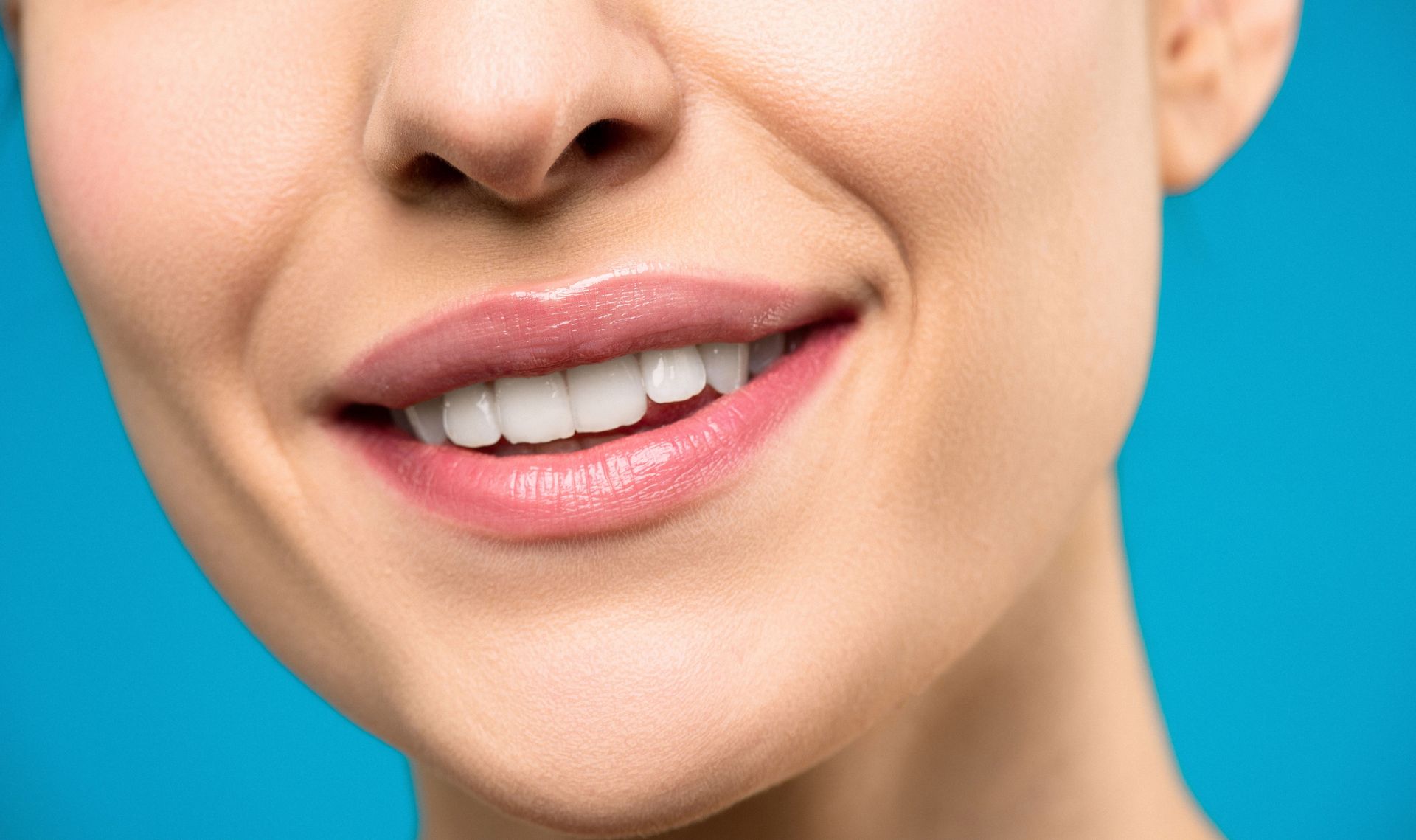
Quitting alcohol for 30 days allows saliva production to return to normal levels fairly quickly, typically within the first week, restoring the mouth's natural defense against bacteria and acid. Many people notice less morning dry mouth and less bad breath within the first several days. Existing staining won't reverse on its own without a dental cleaning or whitening treatment, but further staining slows considerably once the acidic and pigmented exposure stops.
Gum health can improve too, since alcohol's effect on immune function and inflammation, covered earlier in this list, extends to the gums specifically. People with mild gingivitis sometimes notice less redness and bleeding when brushing within a few weeks of cutting out alcohol, particularly if they're also maintaining regular brushing and flossing during the same period.
Daytime energy levels rise

Credit: David Kanigan / Pexels
Energy levels are one of the more commonly reported changes from a 30-day break from alcohol, and they tend to be the cumulative result of several other changes on this list rather than a single standalone effect. Better, more consolidated sleep is the most direct contributor, since the sleep architecture improvements covered earlier translate fairly directly into feeling more rested during the day.
Stable blood sugar plays a supporting role. Without alcohol's tendency to push blood sugar up and down unpredictably, energy levels throughout the day tend to feel steadier, without the afternoon crashes some regular drinkers associate with a heavy dinner and a few drinks the night before. Reduced inflammation contributes as well, since chronic low-grade inflammation is itself associated with fatigue, independent of any effect on sleep.
Hydration matters too. Even mild, chronic dehydration from alcohol's diuretic effect is associated with reduced alertness and a general sense of low energy, distinct from outright tiredness. As hydration normalizes in the first one to two weeks of not drinking, many people notice this specific, hard-to-pin-down fatigue lifting before some of the more dramatic changes, like liver fat reduction, become measurable.
The timeline for energy improvement tends to mirror sleep improvement fairly closely: a rough patch in the first several days, tied to sleep disruption and the mood dip covered earlier, followed by steady improvement from around the one-week mark onward. By the third or fourth week, many people report daytime energy levels that feel noticeably higher than their pre-quitting baseline, not just free of the specific fatigue caused by hangovers.
It's worth separating this from the absence of hangovers alone. A hangover produces an obvious, short-term energy crash the day after drinking. The broader energy improvement described here reflects a cumulative shift across sleep, blood sugar, hydration and inflammation, and tends to keep building through the full 30 days rather than resolving after the first alcohol-free morning.