Andrew Holbrooke / Corbis via Getty Images
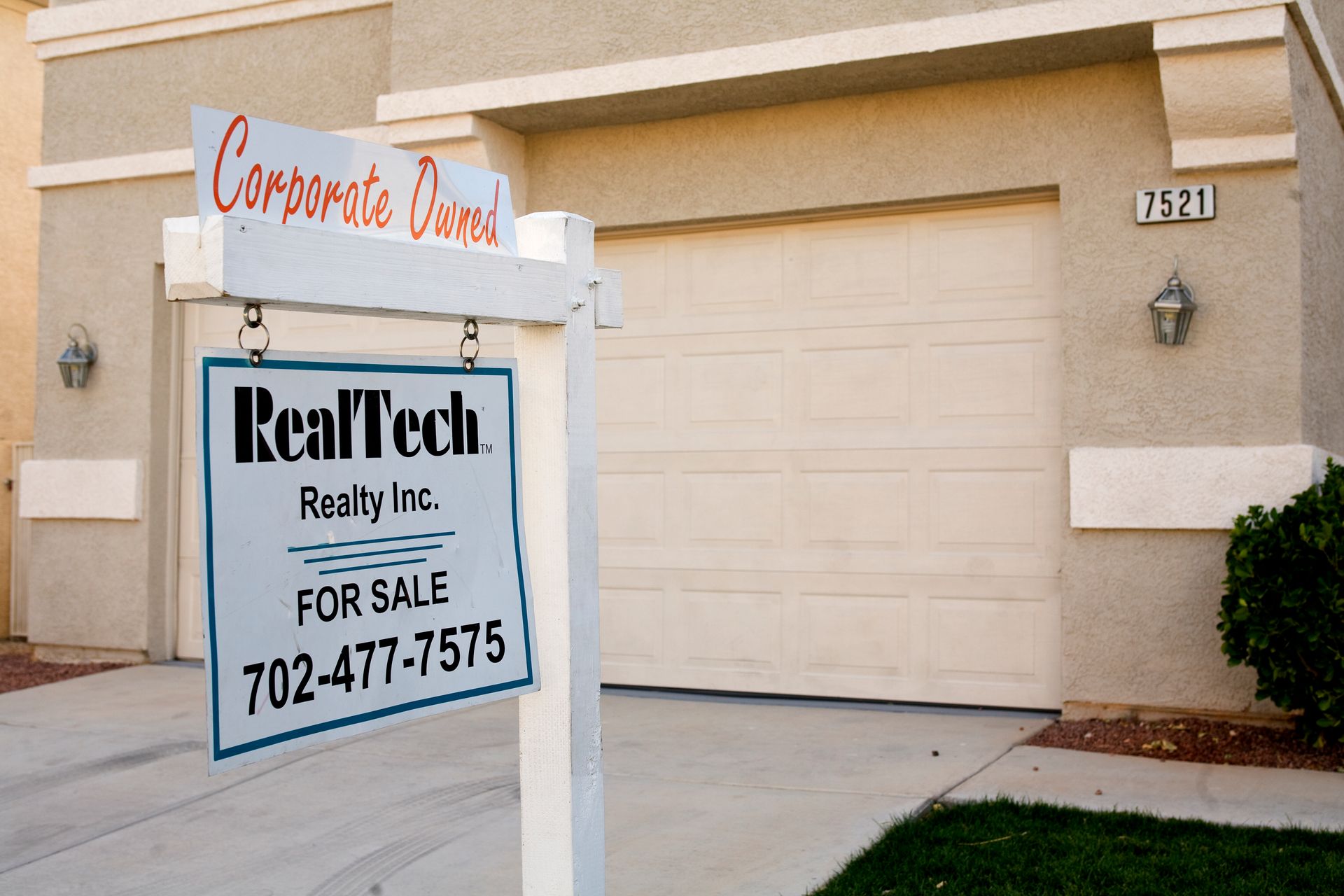
Few housing debates have generated more heat with less empirical grounding than the one over corporate landlords. The idea that large institutional buyers are quietly cornering the single-family market — outbidding ordinary families, hoarding inventory, and driving up rents — has become a fixture of political campaigns on both sides of the aisle. It has also produced legislation. The 21st Century ROAD to Housing Act, which cleared the Senate earlier this year, would ban large corporate entities from acquiring single-family homes and could eventually require some to sell off their holdings after seven years.
The problem is that the data tells a more complicated story.
Corporate giants are a far smaller presence in the housing market than the rhetoric implies. Buyers classified as institutional investors — those who have made more than 350 single-family purchases since 2015 — represent roughly 1% of all single-family transactions in the U.S. The dominant players in the investor segment are not hedge funds or private equity firms. They are small mom-and-pop speculators with fewer than 10 properties.
None of this means the issue is illusory. Institutional buying clusters in a handful of Sun Belt and Midwestern markets, largely bypassing the expensive, supply-constrained coastal cities where affordability pressures are most acute. New York City's institutional investor share sits at 0.1%. San Francisco's is at 0.2%. It is in the more affordable, higher-inventory markets of the South and Midwest where large investors have found the most fertile ground.
A March 2026 analysis of deed records by Realtor.com researchers Jake Krimmel and Hannah Jones found that even in the country's most active markets, institutional investors captured no more than 4.4% of total single-family purchases from 2015 to 2025. Below are the five metro areas where the concentration was highest.
1 / 5

Houston Cofield / Bloomberg via Getty Images
Memphis sits at the top of the list, with large corporate investors accounting for 4.4% of all single-family home purchases in the metro between 2015 and 2025. That figure also leads the nation, making Memphis the single metro where institutional buyers have had the most visible presence relative to overall market activity. When all investors — small, medium, large, and institutional — are counted together, they represent 19.2% of total purchases in the market, one of the highest combined investor concentrations in the country.
2 / 5

RJ Sangosti / MediaNews Group / The Denver Post via Getty Images
Colorado Springs comes in just a hair below Memphis, with institutional investors accounting for 4.3% of total single-family purchases over the decade. The metro has relatively affordable home prices compared to larger Colorado markets, and with steady population growth, it is attractive to large-scale buy-and-hold operators. Combined with large investors in the 100–349 purchase range, institutional and large buyers together represent nearly 6% of all purchases in the metro.
3 / 5
Khadejeh Nikouyeh / The Charlotte Observer / Tribune News Service via Getty Images
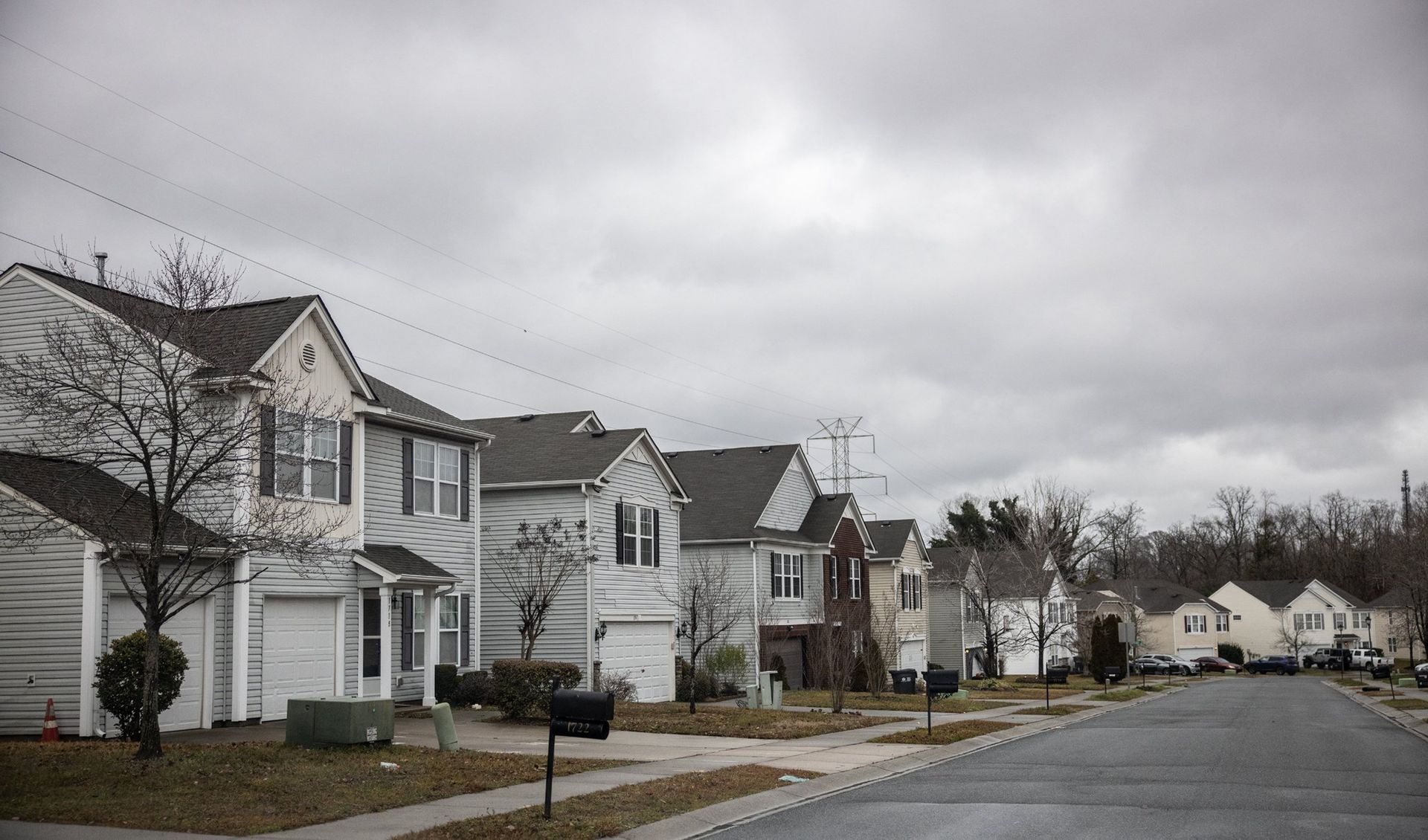
One of the fastest-growing metros in the Southeast, Charlotte attracted significant institutional attention during the pandemic-era boom. Large corporate buyers captured 4.2% of all single-family purchases from 2015 to 2025 — nearly 30,000 homes in total, placing Charlotte fifth nationally by institutional purchase volume. The combined investor share across all categories reached 13.5%, showing that a range of investor types competed for the same suburban inventory during the height of the buying frenzy.
4 / 5
Elijah Nouvelage / Bloomberg via Getty Images
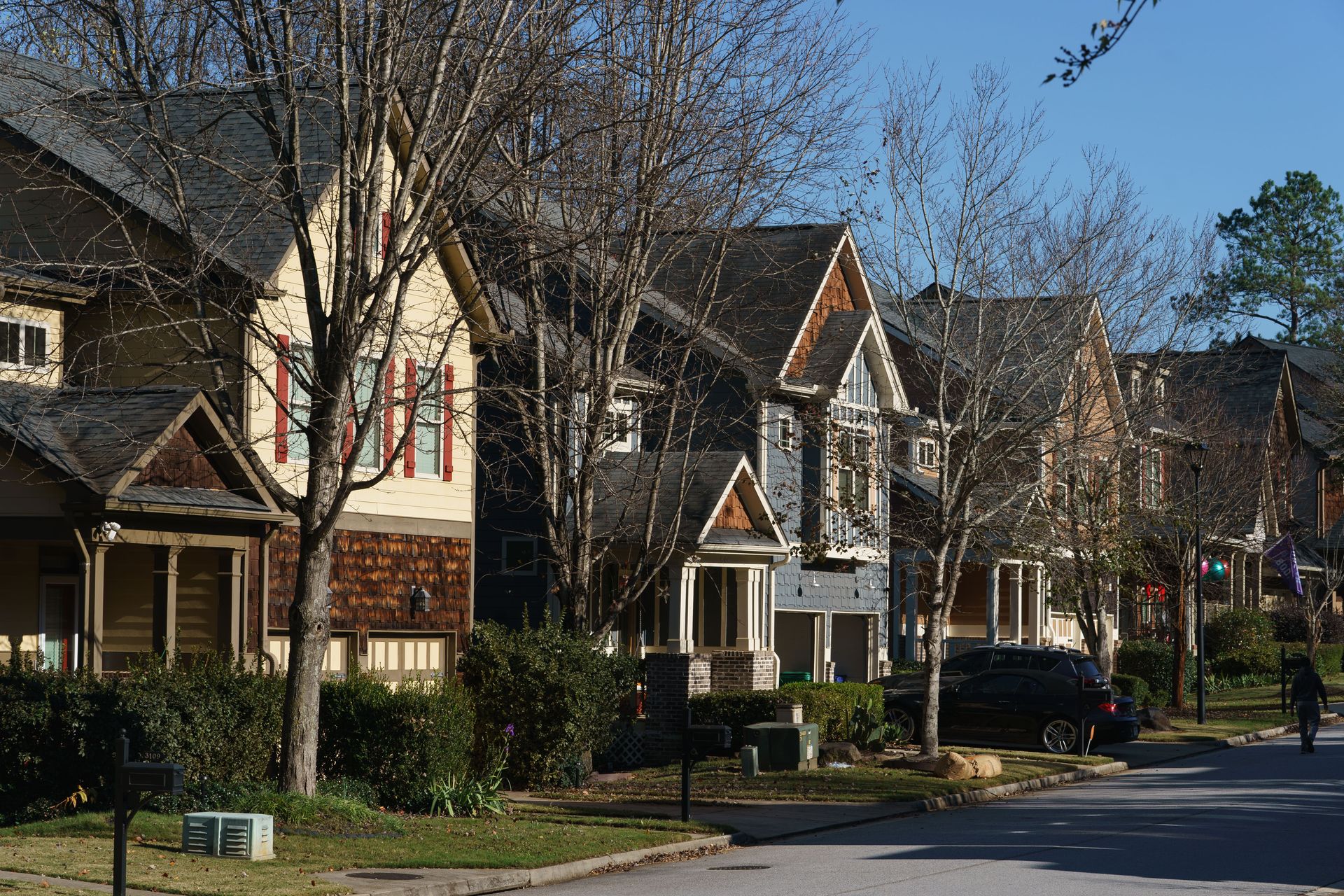
Atlanta ranks fourth by institutional purchase share and second in the country by total institutional purchase volume, with nearly 58,000 homes acquired by large corporate buyers over the decade. More than 1 in 4 institutional purchases nationally were concentrated in the Dallas–Atlanta–Houston corridor, making Atlanta one of the clearest examples of how geographic clustering can make institutional buying feel outsized even when its share of the overall market remains limited. Total investor activity across all categories reached 13.2%.
5 / 5

Andi Rice / The Washington Post via Getty Images
Birmingham ties Atlanta by institutional purchase share at 3.8%, rounding out the top five. The metro's relatively low home prices and abundant single-family inventory made it a logical target for large-scale rental operators seeking yield. With a combined investor share of 15.7% — among the highest of any market in this analysis — Birmingham illustrates how total investor activity across all size categories can stack up even in markets that rarely feature in national housing debates.
