From a car-free Indonesian island minutes from Lombok to a Newfoundland fishing community reinvented as an unlikely cultural destination
Danai Tsoutreli / Unsplash
The most famous islands in the world share a particular problem: they are famous. The beaches of Bali, Santorini, and Hawaii are extraordinary, but they are also shared — with high-season crowds, resort infrastructure, and the ambient awareness that thousands of other travelers made the same choice in the same week. The island experience many travelers actually want is closer to seclusion: a beach reachable only by ferry, flight, or boat; a landscape that rewards the effort of getting there; a pace of life that the tourism industry has not yet fully optimized.
These islands exist, and finding them requires knowing where to look beyond the standard itineraries. Some are close enough to more famous neighbors that the contrast is the story: a 20-minute boat from Lombok, a ferry from Skiathos, a short flight from the mainland. Others are genuinely remote — hundreds of miles of open ocean in every direction, accessible only by a weekly ferry or a private charter. A few have become cultural destinations through the work of artists, architects, and entrepreneurs who chose them specifically because they were overlooked. What connects them is the quality of the experience they offer to travelers who make the effort.
The 10 islands below appear in Travel + Leisure, drawn from a global list of 30 spanning Norway, Nicaragua, and New Zealand. Each offers something specific: a dive environment, a cultural scene, a geological landscape, or simply the quality of being somewhere most travelers pass over in favor of more recognizable places.
Credit: Vietnam Tourism
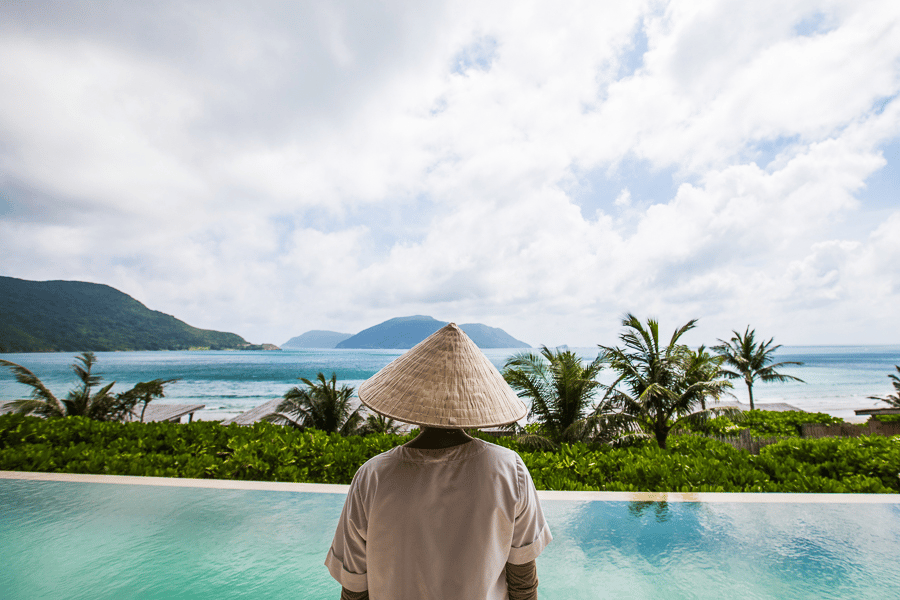
Côn Đảo sits off the southeastern coast of Vietnam, a 15-island archipelago whose main inhabited island, Côn Sơn, receives far fewer visitors than the country’s better-known coastal destinations despite being accessible by a one-hour flight from Ho Chi Minh City. The granite cliffs that rise above the island’s beaches give Côn Đảo a vertical character that flat-topped tropical islands lack, and the crystal-blue water that borders these cliffs adds Mediterranean drama without the Mediterranean crowds. The description of Côn Đảo as a tropical Amalfi Coast without the visitors captures the island's combination of geological beauty and relative obscurity, making it worth the flight.
A rented motorbike gives visitors the most direct access to the island’s remote spots, including a 19th-century hilltop lighthouse and Dam Tre Bay lagoon, both of which require leaving the main settlement and navigating roads that tourist infrastructure has not smoothed into easy comfort. Private guides serve travelers who want local knowledge without the navigational self-reliance required by the motorbike approach. The combination of accessible luxury, at resorts including Six Senses Con Dao, and genuinely remote natural destinations within the same island gives Côn Đảo a range of experiences that most established Southeast Asian island destinations have lost as their infrastructure caught up with their popularity.
The archipelago’s 15-island geography gives guests who want to move beyond Côn Sơn a natural extension of the visit that boat charters make accessible, with the smaller uninhabited islands providing the empty beach and isolated snorkeling environment that the main island’s modest visitor numbers already provide to a significant degree.
Jesse Hammer / Unsplash
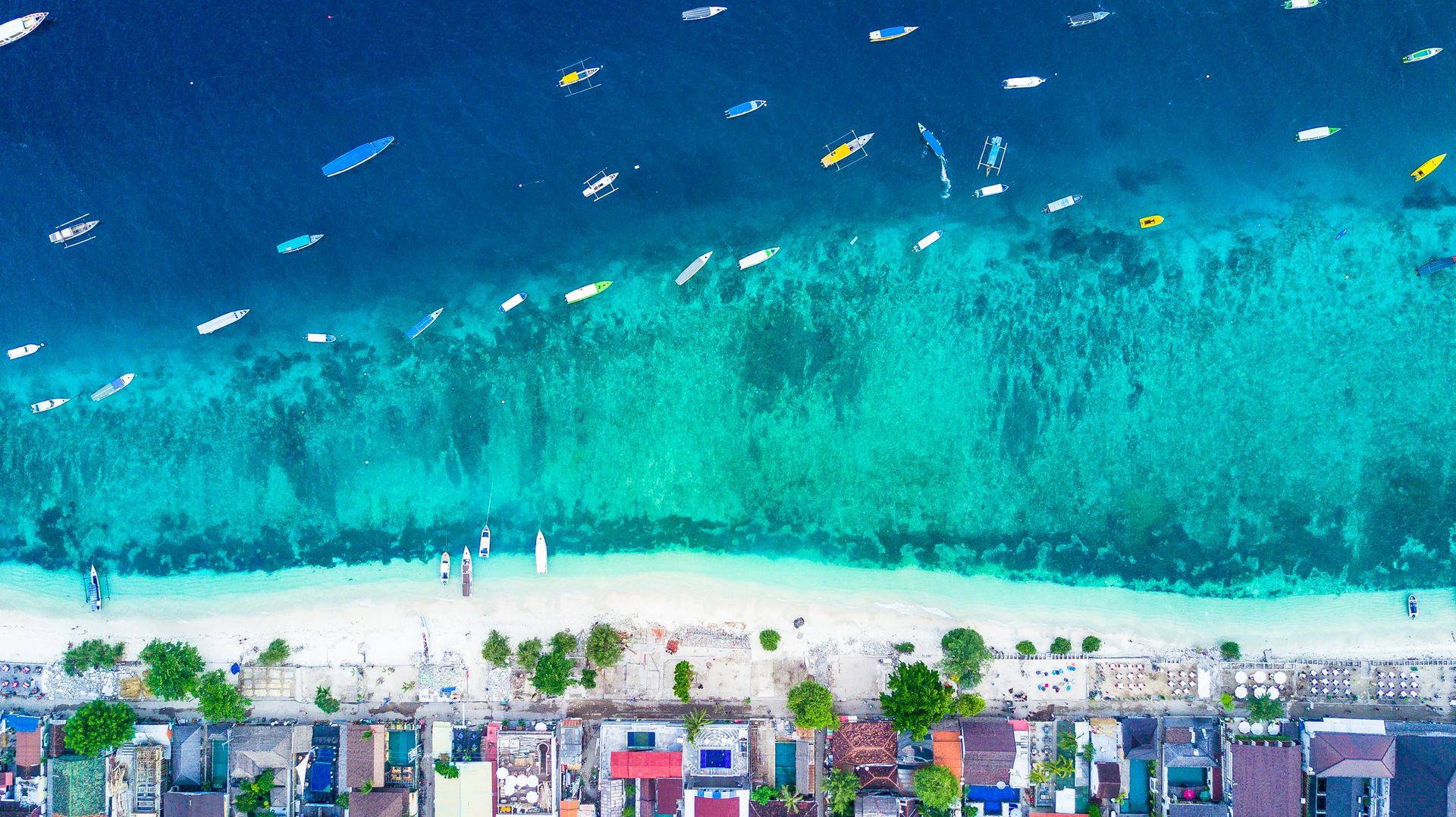
Gili Trawangan, a small island near Lombok, enforces a car-free environment that gives the island’s pace a distinct quality: the only movement is on foot and by bicycle, which changes the ambient sound level and the social texture of the streets in ways motorized traffic eliminates entirely. The island’s cafes, surf schools, and dive centers operate in a setting where the absence of engine noise makes the experience of moving through the place quieter than any comparable beach destination with road access. The ferry to Mount Rinjani, the active volcano on the neighboring island of Lombok, gives visitors a day-trip option that extends the visit into a completely different landscape without requiring a return to the mainland.
The Pondok Santi Estate on the island’s southern coast, set on a former 17-acre coconut plantation, offers accommodation with a specific sense of place that standard beach hotels do not provide through history and landscape. The thatched-roof bungalows distributed across the plantation grounds give guests a relationship to the surrounding vegetation that hotels built for the density of rooms sacrifice. The island’s laid-back bars and eateries give the evenings a social dimension that the daytime diving and surfing schedule balances with genuine rest.
Gili Trawangan draws comparisons to what Bali was before mass tourism transformed the island, which is a useful framing for the specific quality of experience it offers: a tropical island environment with the infrastructure of hospitality without the overlay of tourist density that success at scale eventually produces.
António Cunha / Unsplash
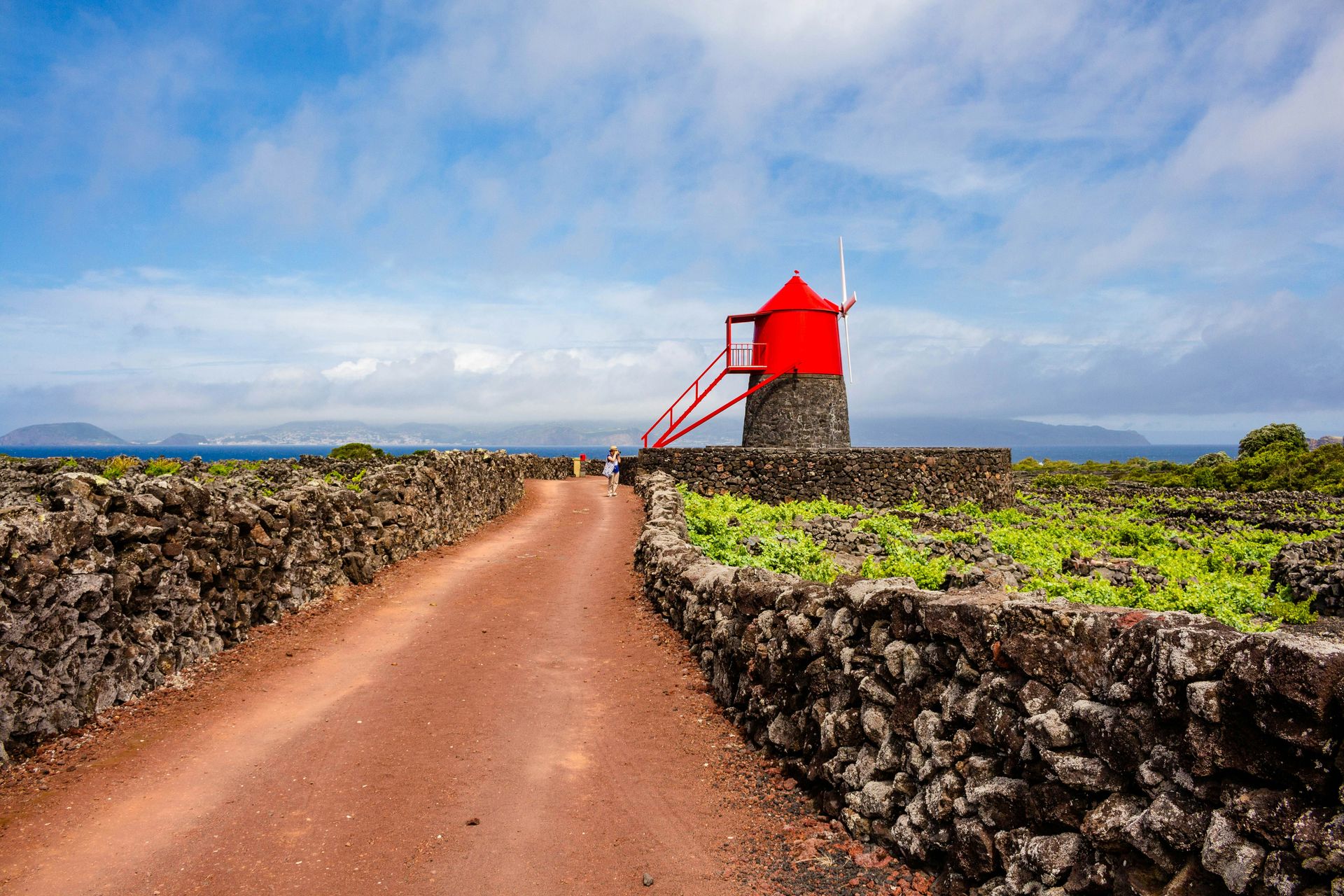
Pico, part of Portugal’s Azores archipelago, grows its grapes in a landscape that volcanic activity produced: black lava fields divided by low stone walls that create a patchwork vineyard environment unlike any other wine-producing region in the world. The UNESCO designation of the Pico vineyard landscape reflects the cultural and agricultural significance of a winemaking tradition that has been adapted over centuries to the specific conditions of volcanic soil and an Atlantic climate. The wines produced here are genuinely distinct from any European counterpart, giving the tasting experience a geographic specificity that wine tourism in more famous regions, however excellent, cannot match.
The footpaths that cross Pico’s lava landscape give hikers access to terrain that the island’s volcanic origin produced in forms visible nowhere else in Portugal’s territory. The eerie quality of the basalt formations, covered in lichen and moss, gives the landscape an atmosphere that the Azores’ frequent mist amplifies into something genuinely otherworldly. PocinhoBay, where basalt bungalows sit within the UNESCO vineyard landscape with Atlantic views, gives accommodation a physical relationship to the wine country that most wine-region hotels achieve only through proximity to vineyards rather than position within them.
The regional cuisine of Pico and the broader Azores gives the island a food dimension that complements the wine and the landscape: stewed octopus, local cheeses, and the catch of the surrounding Atlantic waters give the table a specificity to this volcanic mid-ocean territory that makes the island worth visiting for the food alongside the landscape and the wine.
Nick Bertrand / Unsplash
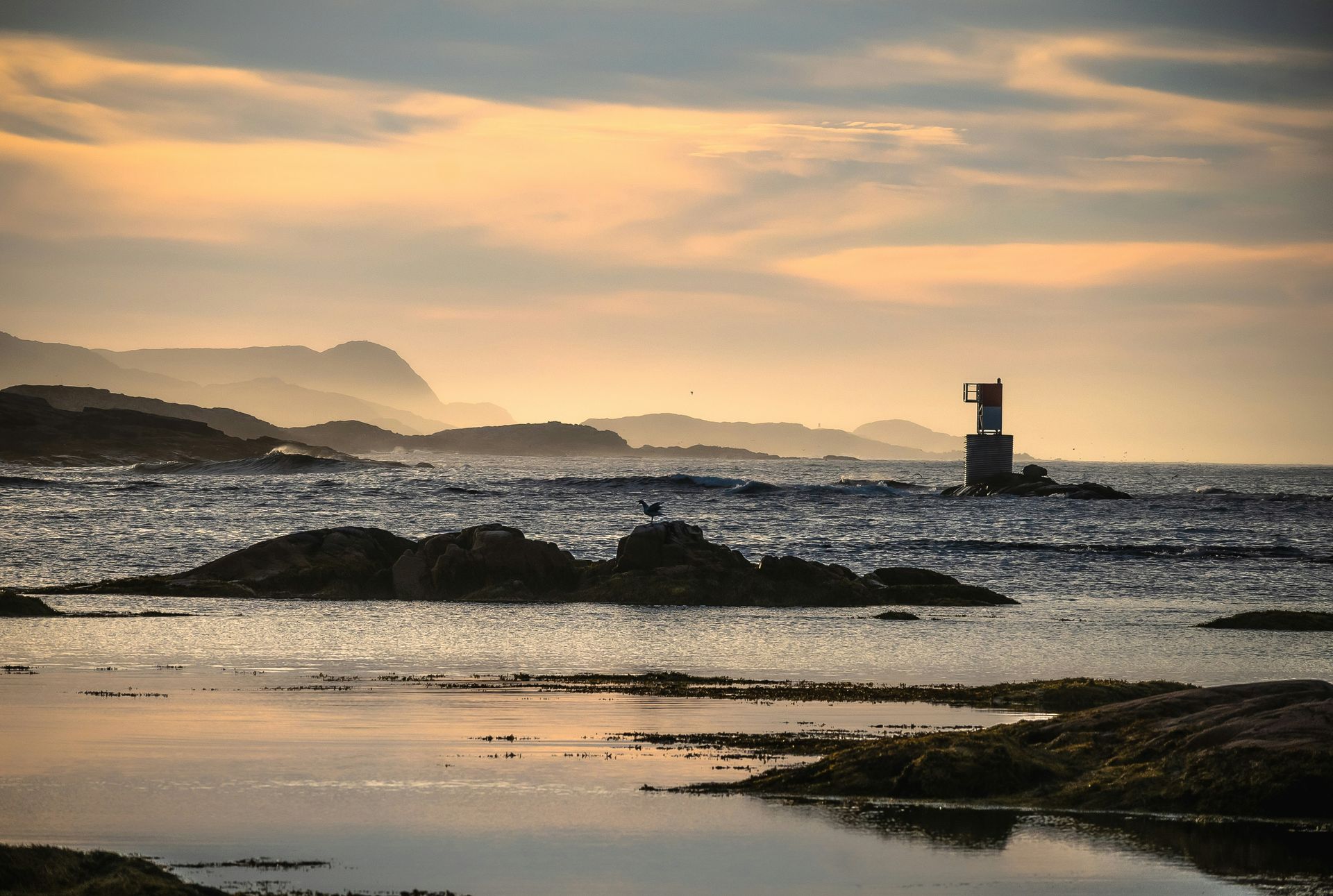
Fogo Island’s transformation from a remote Newfoundland fishing community into a cultural destination is the work of a specific group of people: artist Elísabet Gunnarsdóttir, social entrepreneur Zita Cobb, and architect Todd Saunders, whose collaboration produced Fogo Island Arts — a series of four artists’ studios whose contemporary architecture sits in deliberate and productive contrast with the island’s craggy, traditional fishing landscape. The Fogo Island Inn, the boutique hotel that Cobb founded to support the island’s economy and communities, has developed a reputation that draws travelers who would not otherwise consider a remote island off Newfoundland’s northeastern coast.
The artists’ studios that Fogo Island Arts has built across the island give contemporary architecture a specific purpose within a landscape that the structures both honor and challenge: elevated above the ground on stilts that echo the island’s traditional stage buildings, the studios are visible from the surrounding terrain in a way that makes them part of the landscape rather than impositions on it. The residency program that brings artists to these studios creates a cultural ecosystem on an island that the fishing industry can no longer sustain on its own, giving the tourism and arts economy a social function alongside its economic one.
The 4.5-mile Turpin’s Trail gives hikers access to the rocky coastline and grassy meadows that characterize the island’s terrain, with caribou grazing along the path, adding a wildlife dimension specific to Newfoundland’s ecosystem. The seasonal Bangbelly Bistro offers cod chowder and fish and chips, with the island’s fishing heritage providing a dining context appropriate to the setting.
Robert Eklund / Unsplash
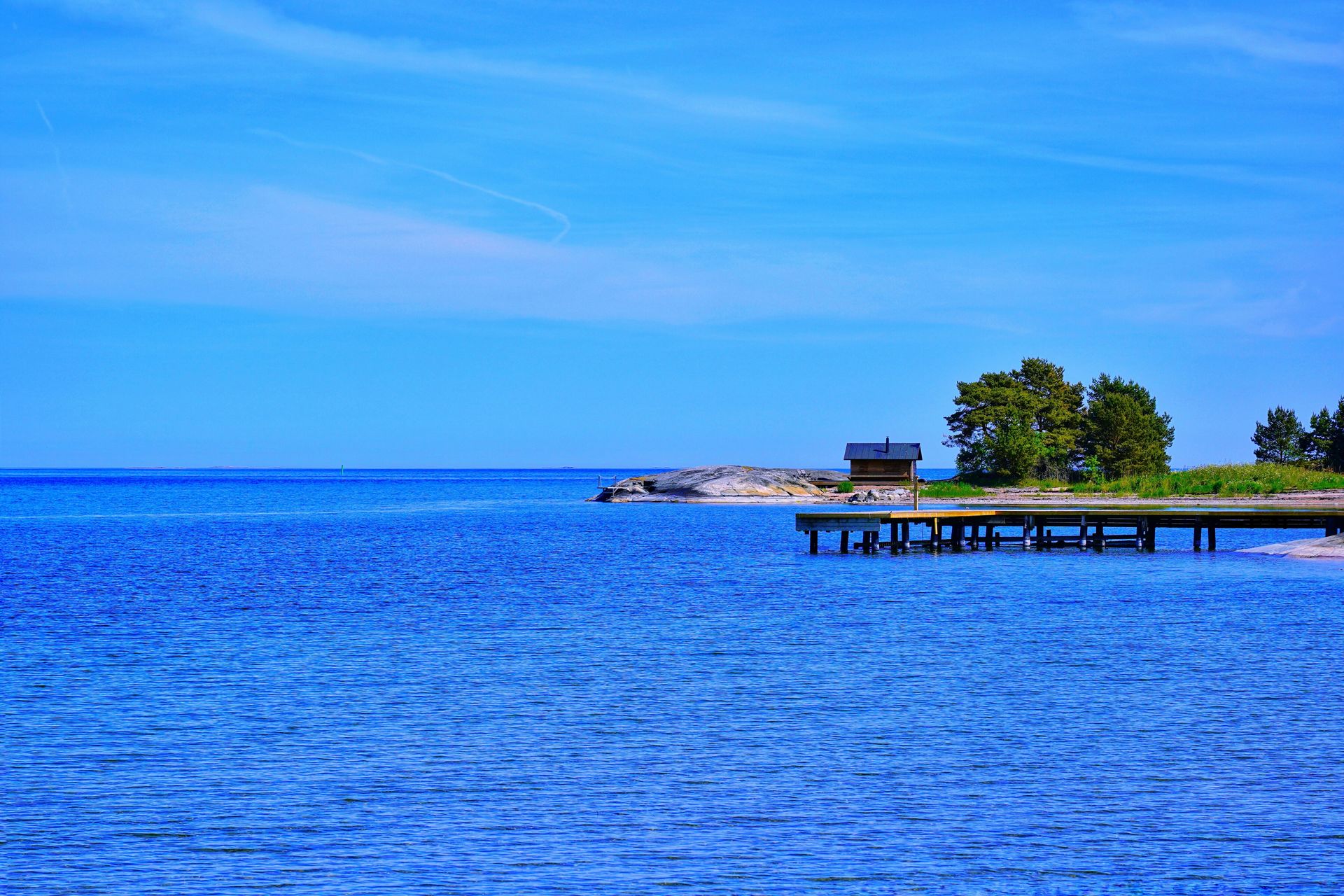
Sandön, known locally as Sandhamn, occupies a specific place in Swedish cultural geography as the setting for crime fiction by Stieg Larsson and Viveca Sten. The choice of the island as a fictional setting reflects a truth about its physical environment: a landscape of moss-covered forests, windblown beaches, and light fog that shrouds the coastline gives Sandön the atmospheric quality that crime fiction requires as a backdrop. The island is real in the way that effective fiction makes a place real — readers who arrive having spent time in the fictional version find the actual island delivering on the atmospheric contract.
The island’s sole village features the Sands Hotell, a modern property offering accommodation calibrated to contemporary comfort, and the Missionshuset Bed & Breakfast for a more intimate option. Sandhamns Värdshus, a historic restaurant and pub that operates seasonally and year-round, respectively, serves Swedish dishes — house-marinated herring, seafood stew — that the island’s position in the Stockholm archipelago makes available from the surrounding waters. The mountain bikes available from Sandhamnsguiderna give cyclists access to the forest paths that lead to Trouville, the island’s best beach.
The Stockholm archipelago setting gives Sandön geographic context within one of Scandinavia’s most celebrated island landscapes, with the broader archipelago’s 30,000 islands providing the specific island with a wider nautical world to explore by boat. The two-and-a-half-hour journey from Stockholm by boat or combined transportation gives the island a sense of remove from the capital, making the arrival feel like a genuine departure from urban life.
Hiroko Yoshii / Unsplash
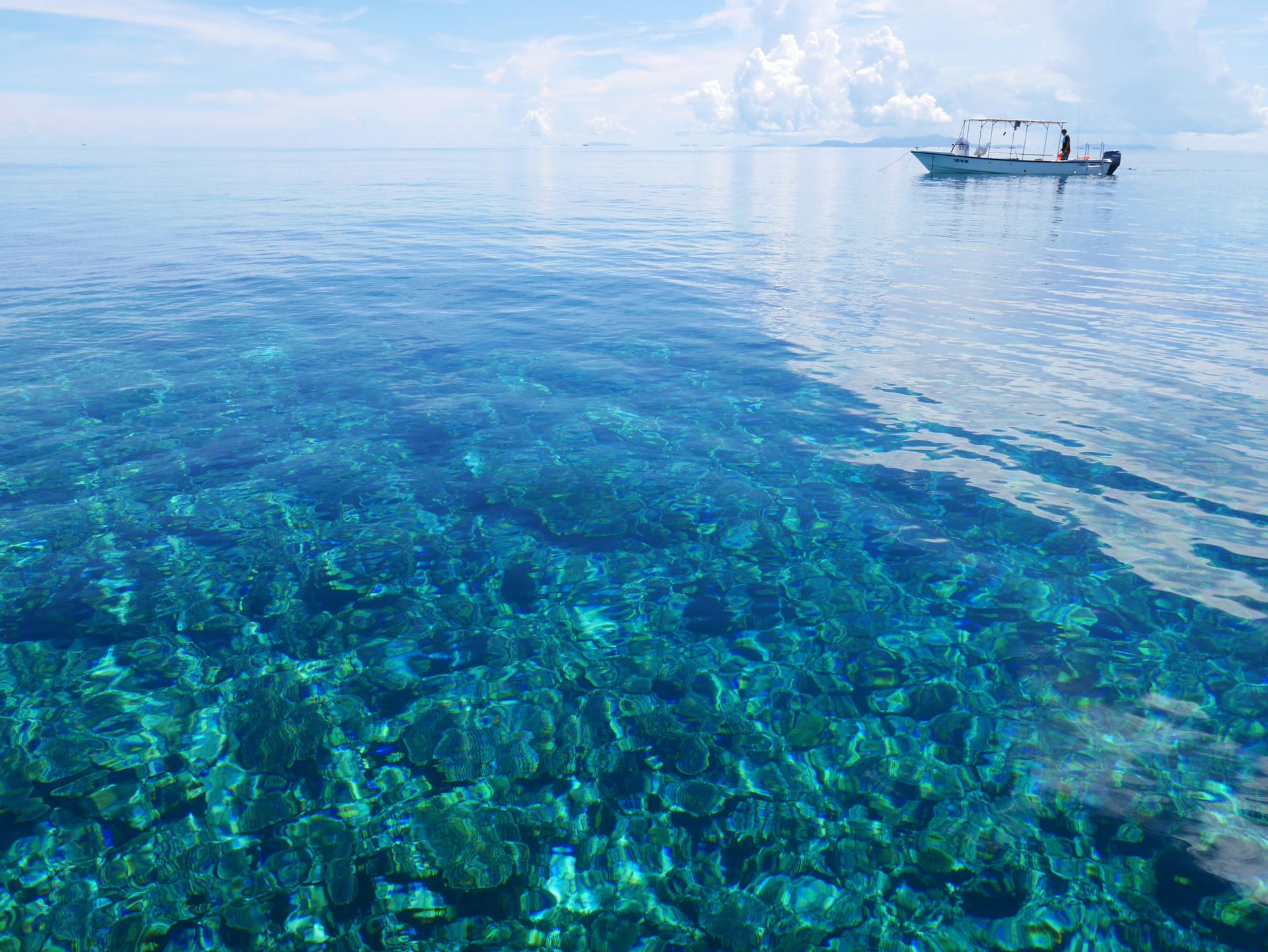
Iriomote, part of Japan’s Okinawa prefecture, sits well outside the international image of Japanese scenery — no temples, no bamboo, no urban density. The island’s coral reefs, pineapple fields, mangrove forests, and dramatic waterfalls give it an ecological character that belongs geographically to the subtropical Pacific rather than to Japan as most travelers know it. Beaches like Ida no Hama, with clear shallows and dense surrounding vegetation, give the island a visual register specific to this part of the Pacific that distinguishes it from both Japan’s main islands and the more touristed beach destinations of nearby Southeast Asia.
Guided kayak tours through the island’s mangroves, followed by jungle hikes up to Pinaisara Falls, give visitors a full-day itinerary that covers the island’s two most distinctive natural environments in a single outing. The falls cut through the jungle, requiring a guide to reach safely and rewarding the effort with a view unavailable from any road or standard hiking path. The snorkeling and diving conditions around the island access the coral reef systems that the Yaeyama archipelago’s position within the Pacific’s Coral Triangle produces.
The island’s limited accommodation options, which include simple guesthouses rather than international resort hotels, give visitors who stay overnight a quieter version of the island after day-tripping boat visitors from Ishigaki Island return. Pension Hoshinosuna, a humble inn with bay views, offers an overnight experience with a specific place from which to observe the island’s transition from daytime activity to evening quiet.
Danai Tsoitreli / Unsplash
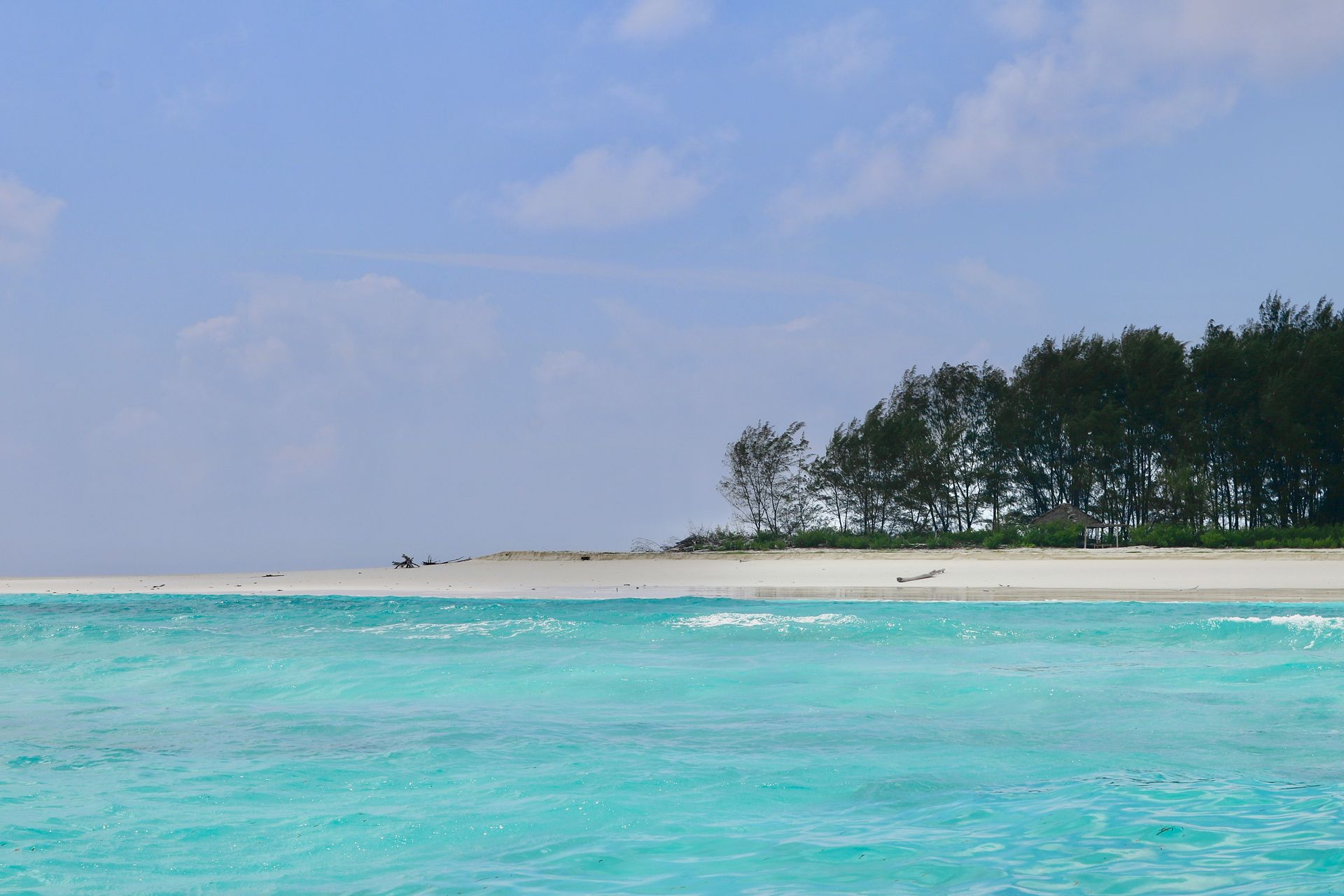
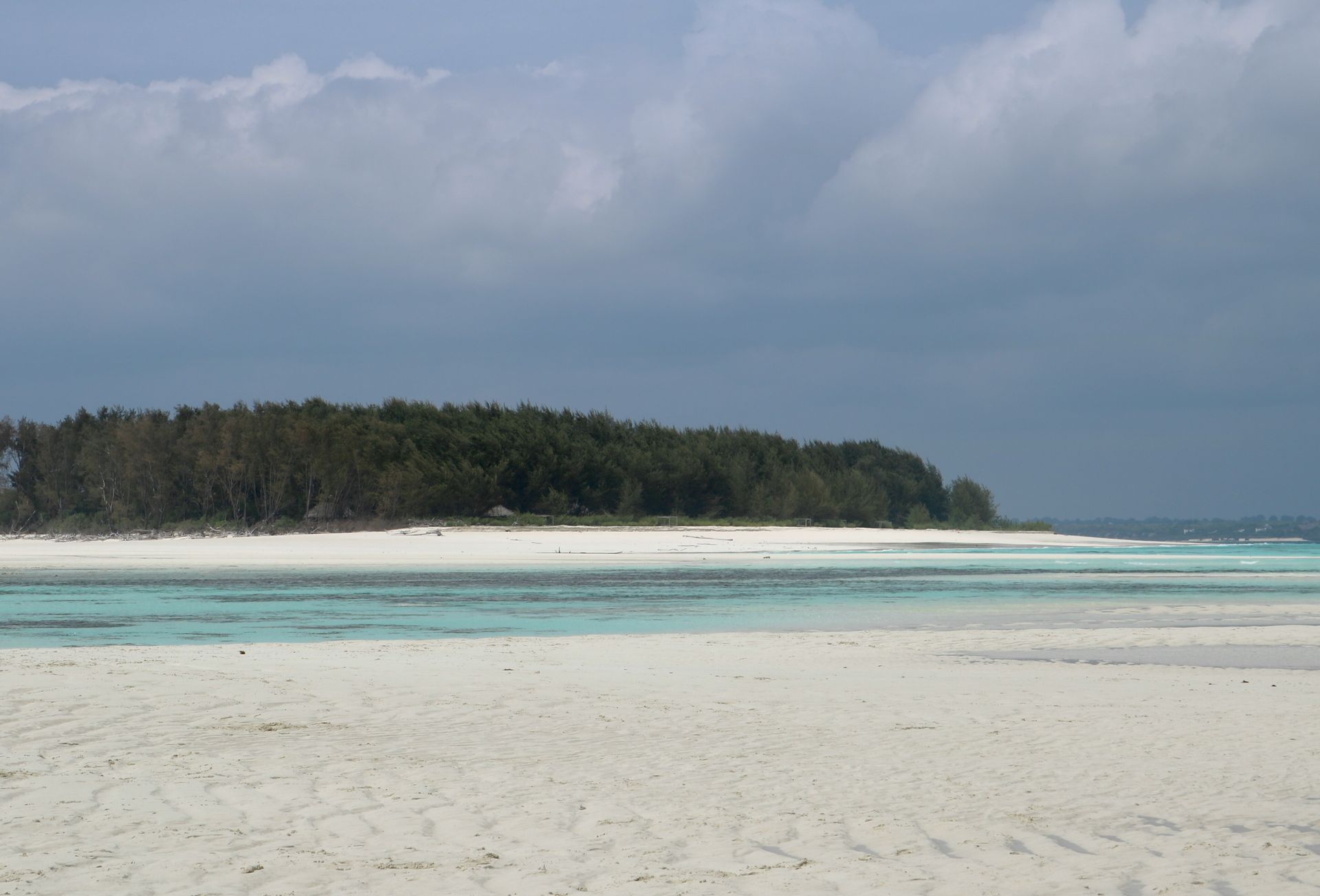
Mnemba Island, a small island within Zanzibar’s archipelago in the Indian Ocean, is occupied entirely by andBeyond Mnemba Island, a boutique resort whose handful of open-air bungalows give the island the specific character of a property where the guest population is small enough that the beach, the reef, and the surrounding water feel private in a way that larger resorts on larger islands cannot achieve. The dive center on the island gives guests direct access to the coral reef systems that surround the atoll, in conditions made exceptional by the Indian Ocean’s warm, clear water.
The dhow cruises at sunset, using the traditional Arab sailboat developed by the Swahili coast’s maritime culture, give the ocean experience a historical and cultural dimension that a standard motorboat sunset tour lacks. The dhow’s form connects the evening on the water to Zanzibar's trading history, making it one of the Indian Ocean’s most significant commercial centers across the centuries, giving the experience a context that the reef’s natural beauty alone would not provide.
The guided tour of Stone Town on the main island of Zanzibar, accessible by boat from Mnemba, offers visitors a complementary cultural experience that the resort island’s natural beauty does not. Stone Town’s UNESCO World Heritage status reflects the architectural and historical depth of a settlement shaped by Arab, Persian, Indian, and European influences over centuries of Indian Ocean trade, giving a half-day in the town a cultural substance that complements the natural environment of the resort island.
Michiel Ton / Unsplash
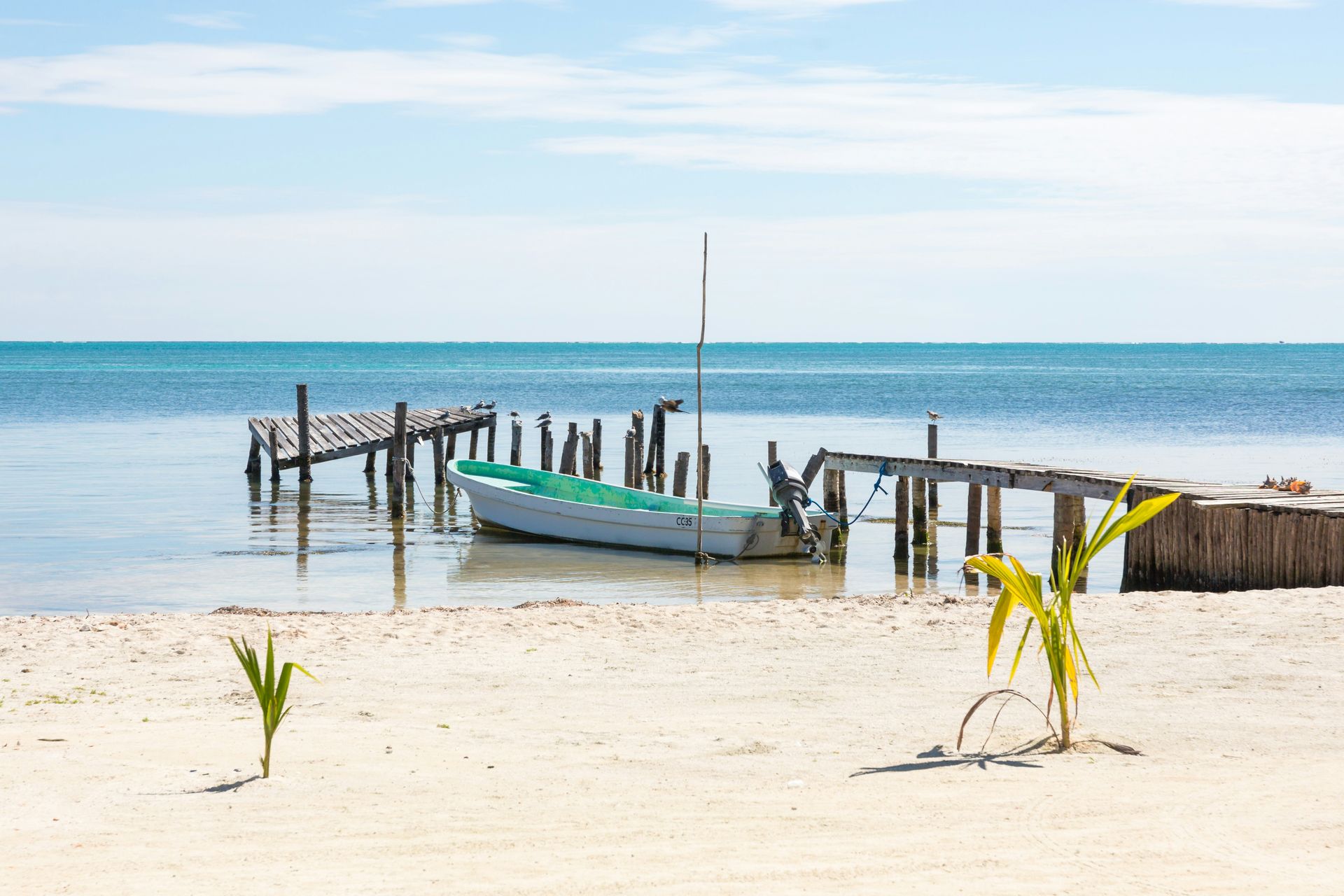
Caye Caulker, a five-mile strip of land accessible by a 10-minute flight from Belize City, positions visitors within easy reach of some of the most biodiverse marine environments in the Western Hemisphere without the resort infrastructure that the Belize mainland and more developed cayes have built around proximity to the Mesoamerican Barrier Reef. Snorkeling among nurse sharks and stingrays, and scuba diving in the underwater cave systems of the Blue Hole — one of the world’s most recognized dive sites — give the island a marine activity program that the international dive community specifically seeks out.
The island’s car-free, low-key character gives the above-water experience a pace that the marine environment’s intensity would otherwise make feel hurried. The food culture of Caye Caulker — meat pies and rum cake at local spots, whole grilled lobster and jerk chicken at beachside barbecue establishments — gives the island a Caribbean culinary identity that the tourist infrastructure of more developed Belizean destinations has softened through standardization. The original character of the cooking reflects the island’s position as a working fishing community, with tourism joining rather than replacing it.
The Colinda Cabanas on the eastern shore of the caye, with brightly painted suites and cabanas amid palms and almond trees, give accommodation a specific relationship to the outdoor environment that the island’s scale makes practical: most of Caye Caulker is within comfortable walking distance of most of Caye Caulker, which gives guests the freedom to move between the island’s social geography without logistical planning.
Credit: U.S. National Park Service
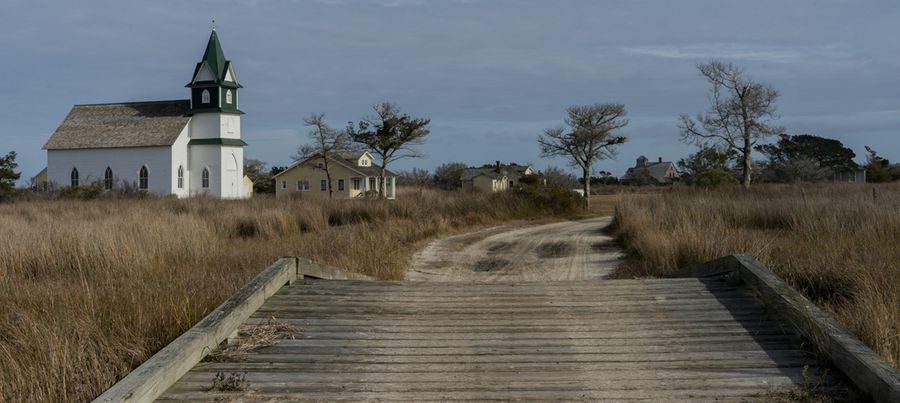
Portsmouth Island on North Carolina’s Outer Banks is accessible only by ferry or private boat, which gives it a visitor volume calibrated entirely by the transport capacity of the vessels that serve it rather than by the parking lots and road access that drive attendance at the Outer Banks’ more famous destinations. The ghost town of Portsmouth village, a seafaring port that dates to the 1700s and was eventually abandoned, gives the island a human history that the surrounding wilderness landscape places in a specific temporal context: the post office, the general store, and the one-room schoolhouse stand within a landscape that has largely reclaimed the spaces around them.
The coastal wilderness beyond the village offers visitors who move past the historic buildings an expanse of undeveloped barrier-island terrain that the National Park Service’s management of the island has kept in a condition that development pressure has eliminated from most of the accessible Atlantic coastline. Sand paths wind through salt marshes and past grassy evergreen shrubs to beaches that the Atlantic shapes continuously without human modification. The camping option on the beach itself gives the island’s most committed visitors a way to experience the Outer Banks’ original character at night, when the surrounding absence of light pollution gives stargazing conditions that the developed sections of the Banks no longer offer.
The passenger ferry from Ocracoke, the nearest inhabited island, gives visitors a return connection and a destination for the meal and the decompression that a day on a ghost-town island might leave them wanting. Howard’s Pub on Ocracoke, serving fried oysters and hush puppies with an Atlantic view, gives the return journey an endpoint worth planning around.
Tara Vester / Unsplash
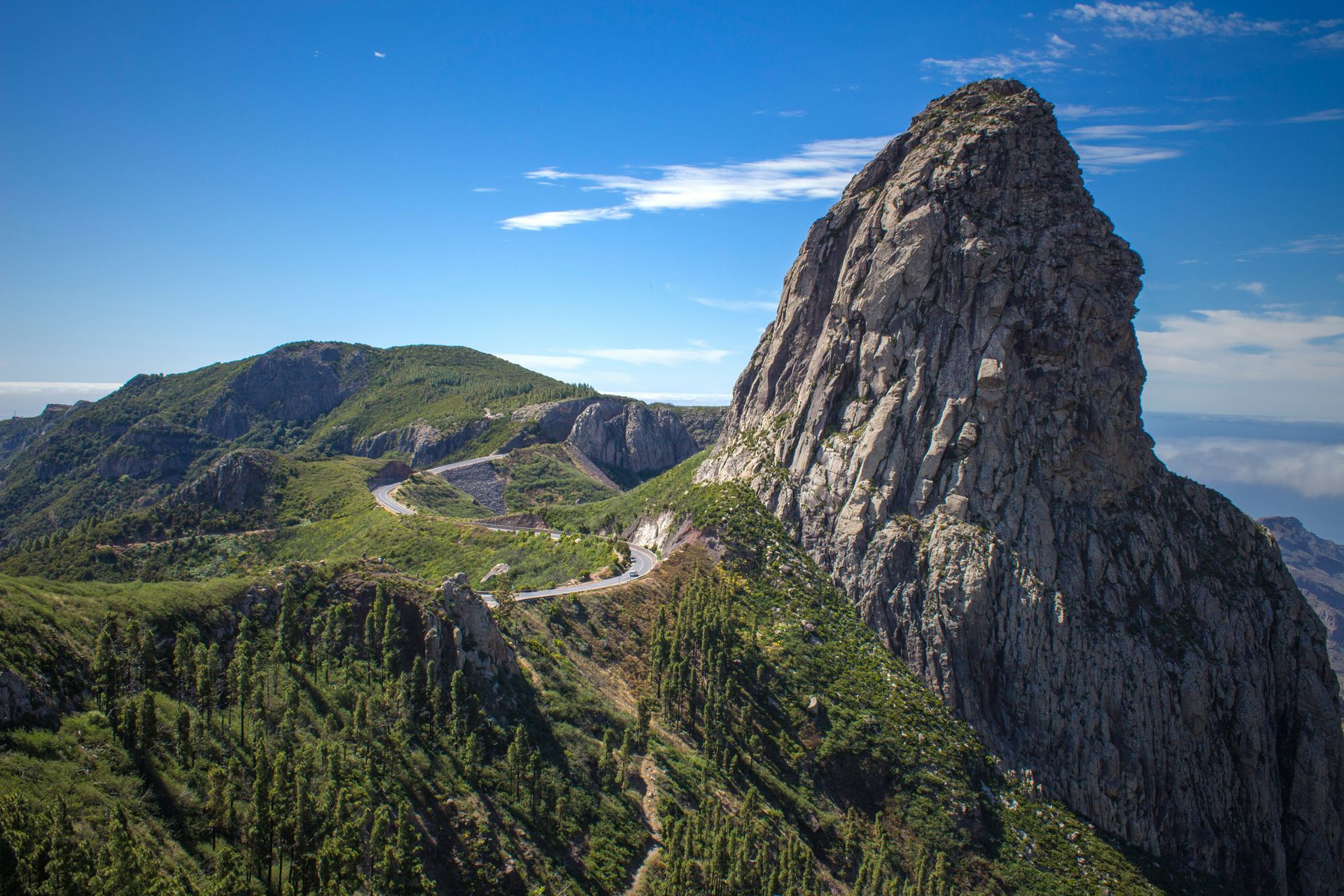
La Gomera, a Canary Island less than an hour by ferry from Tenerife, maintains a natural character that Tenerife, significantly larger and more developed, has largely sacrificed to resort construction. The Garajonay National Park that covers the island’s interior contains one of the world’s last remaining subtropical laurel forests — a UNESCO World Heritage Site that represents an ecosystem type that once covered much of the Mediterranean basin but that now survives only in the Canaries’ cloud-catching terrain at altitude. The 300 miles of walking trails that cross the island’s mountains and forests offer hikers a range of routes through a landscape that the forest’s density and the altitude’s mist give a distinct quality of enclosed, softly lit walking.
The ocean around La Gomera offers visitors who want water-based activities the opportunity to see pilot whales and dolphins through boat tours, thanks to the island’s position in the Atlantic and the marine biodiversity of the surrounding waters. Playa de Santiago, a sun-drenched cove on the island’s southern coast, offers kayakers a sheltered environment with colors that the Canaries’ volcanic seabed infuses into the water. The clifftop Hotel Jardín Tecina gives the accommodation that visitors who want more amenities than the island’s generally simple lodging provide, with Atlantic views from its elevated position above the coast.
The island’s Canarian food culture gives the dining experience a specific regional identity: fresh daily catch, local Canarian specialties, and the barraquito coffee drink — a layered preparation of espresso, condensed milk, lemon rind, and cinnamon — give the table a distinctiveness that the island’s small tourist volume has preserved from the menu standardization that larger resort destinations produce.
