
20 things your resting heart rate reveals about your fitness
Tracking your resting heart rate provides a direct measurement of your cardiovascular health, recovery status, and overall athletic conditioning
Credit: Nik / Unsplash
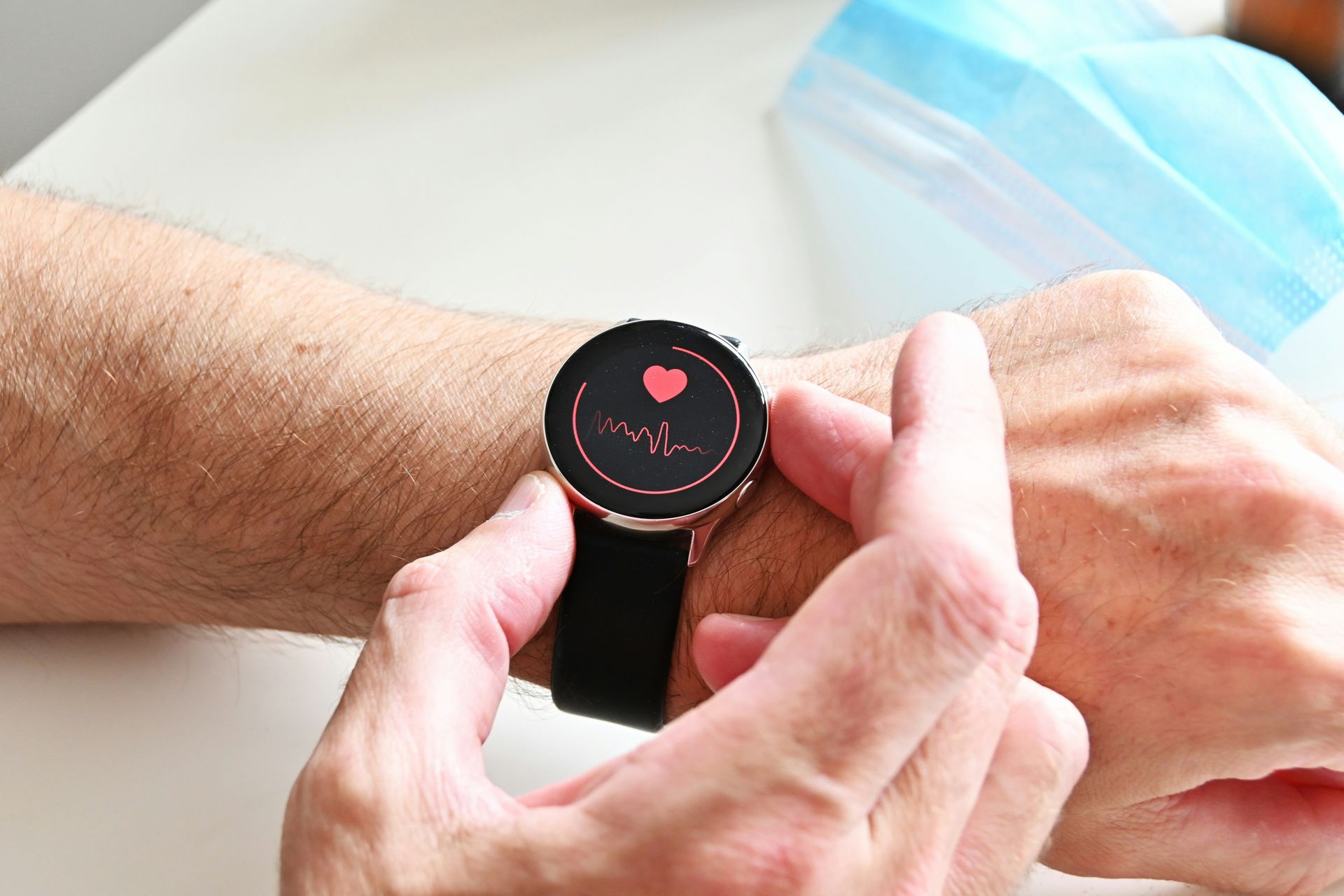
The human heart acts as a continuous engine, and measuring its baseline activity provides a highly accurate picture of overall physiological conditioning. Tracking what your resting heart rate reveals about your fitness requires looking past daily fluctuations and understanding the structural and chemical changes occurring inside the body. Resting heart rate — defined as the number of times the heart beats per minute while completely at rest — serves as a proxy for cardiovascular efficiency, autonomic nervous system balance, and systemic recovery. Wearable technology has made this metric universally accessible, shifting it from a clinical measurement taken during annual physicals to a daily data point monitored by millions of active individuals. This continuous tracking offers real-time feedback on how the body absorbs physical stress and adapts to various exercise stimuli. A declining baseline generally points to positive physical adaptations, such as increased stroke volume and improved oxygen utilization at the cellular level. Conversely, sudden or sustained elevations often signal physiological distress, pointing to incomplete recovery, impending illness, or the cumulative effects of chronic stress. Assessing these patterns allows athletes and fitness enthusiasts to calibrate their training loads, prioritize recovery protocols, and avoid the detrimental effects of overtraining. Understanding this metric requires isolating the different variables that influence cardiac output, from structural heart adaptations to environmental stressors like heat and altitude. Evaluating resting heart rate through these distinct lenses transforms a simple number into a comprehensive diagnostic tool for managing physical exertion and long-term health. The data reflects a complex interplay between the parasympathetic and sympathetic branches of the nervous system, which constantly negotiate the body's energy demands. By interpreting these signals accurately, individuals can make informed decisions about when to push their physical limits and when to prioritize rest, ultimately driving more sustainable and effective fitness outcomes. Monitoring the specific trends over weeks and months reveals exactly how lifestyle choices intersect with physiological capabilities, offering a clear roadmap for athletic progression.
Aerobic endurance and left ventricular capacity
Credit: Nik, Unsplash
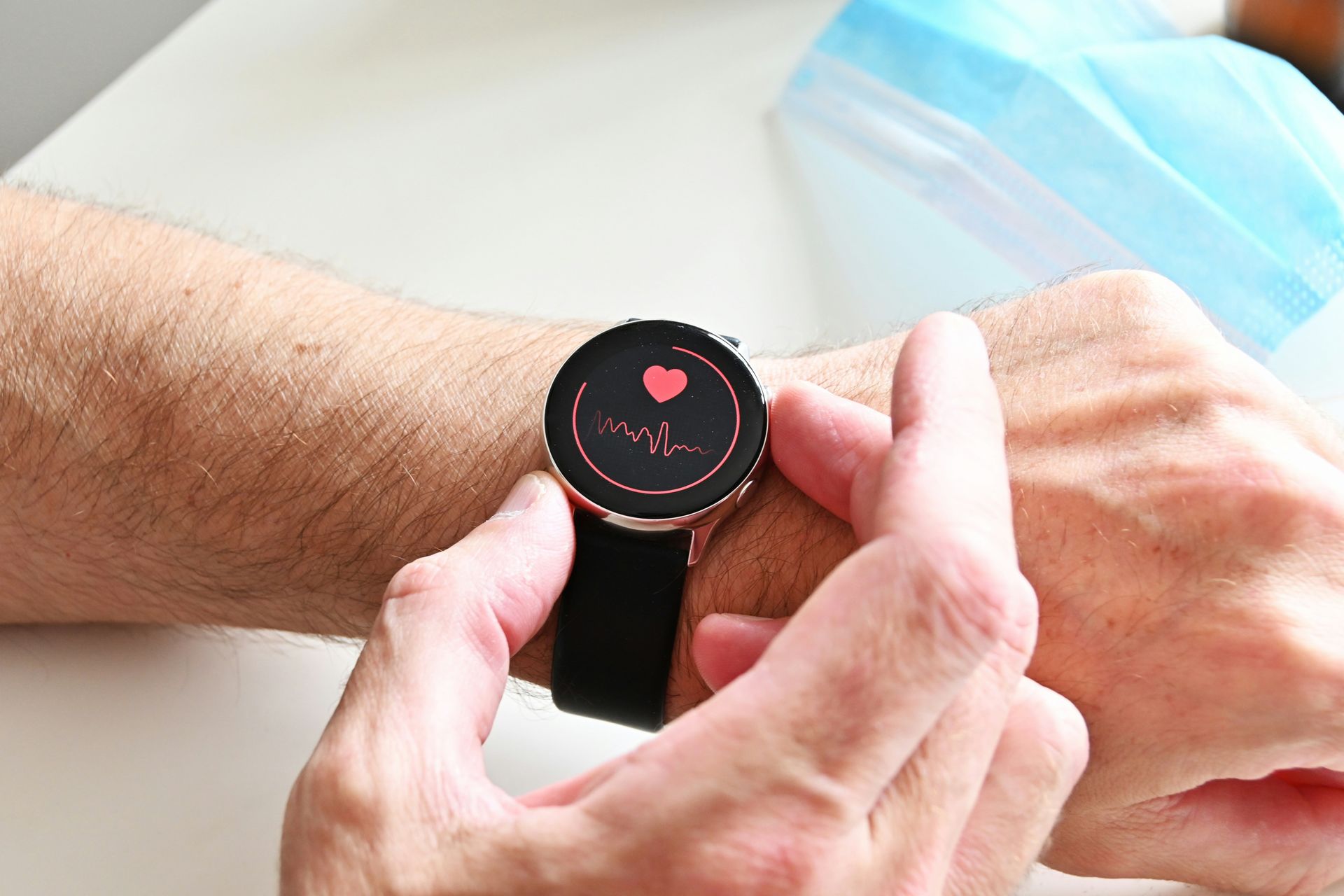
A lower resting heart rate directly indicates a higher level of aerobic endurance and an enlarged left ventricle. This structural adaptation allows the heart to pump more blood with each beat, requiring fewer contractions to deliver oxygen throughout the body.
The left ventricle is the primary pumping chamber of the heart, responsible for pushing oxygenated blood through the aorta and into systemic circulation. Prolonged cardiovascular exercise, such as running, cycling, or swimming, forces the heart muscle to adapt to sustained volume loads. Over months of consistent training, the muscular walls of the left ventricle stretch and strengthen, increasing the chamber's physical capacity. This adaptation is known as eccentric hypertrophy. Because the chamber holds more blood, the volume ejected during a single contraction — the stroke volume — increases significantly. A larger stroke volume means the heart can beat less frequently while maintaining the exact same cardiac output required to support baseline metabolic functions at rest.
Beyond the physical size of the heart, aerobic training improves the efficiency of oxygen extraction at the cellular level. Muscle tissues develop a denser network of capillaries, which slows the transit time of blood and allows for more thorough oxygen diffusion. Simultaneously, the size and number of mitochondria within the muscle cells increase. These cellular powerhouses utilize oxygen to generate adenosine triphosphate, the primary energy currency of the body. With more mitochondria and better capillary networks, the muscles extract oxygen more effectively, reducing the total volume of blood the heart needs to supply during periods of inactivity.
Tracking this metric provides a clear, quantitative measure of cardiovascular progression over a training cycle. An individual beginning an endurance program might start with a resting pulse of 70 beats per minute. As structural and cellular adaptations accumulate, this number will gradually decline. Elite endurance athletes frequently record resting rates in the low 40s or even upper 30s. This reduction is not an overnight phenomenon but a gradual physiological shift that mirrors the accumulation of aerobic fitness, providing a reliable proxy for overall cardiovascular conditioning and endurance capacity.
Sympathetic nervous system overtraining response

Credit: RUN 4 FFWPU / Pexels
An elevated morning resting heart rate often signals that the sympathetic nervous system remains highly active due to overtraining. This sustained fight-or-flight response prevents the body from transitioning into a restorative state, hindering muscle repair and increasing injury risk.
Physical training is inherently a catabolic process that breaks down muscle tissue and depletes energy stores. The actual fitness gains occur during the recovery phase, when the body rebuilds stronger than before. If an athlete applies successive high-intensity training loads without adequate recovery, the body registers this cumulative stress as a continuous threat. The sympathetic nervous system responds by maintaining elevated levels of catecholamines, specifically adrenaline and noradrenaline, in the bloodstream. These hormones act directly on the sinoatrial node — the natural pacemaker of the heart — causing it to fire more rapidly even when the body is entirely motionless.
This sustained sympathetic drive manifests as a resting heart rate that sits five to 10 beats per minute higher than the individual's normal baseline. When this elevation persists for three or more consecutive days, it provides a strong physiological indicator of non-functional overreaching or early-stage overtraining syndrome. The cardiovascular system is essentially idling at a higher RPM, burning unnecessary energy and failing to clear metabolic waste efficiently. This state of central nervous system fatigue compromises force production, reduces aerobic efficiency, and significantly impairs athletic performance.
Monitoring morning baseline metrics helps athletes identify this sympathetic overload before it causes long-term detraining effects. When the resting rate spikes, the appropriate response involves reducing training volume, lowering workout intensity, or implementing complete rest days. Pushing through this physiological warning sign forces the body deeper into an overtrained state, which can take weeks or even months to reverse. Using the pulse as a daily readiness gauge ensures that training stress aligns with the body's current capacity to absorb and adapt to that specific workload.
Parasympathetic dominance during athletic recovery

Credit: Shane / Unsplash
A consistently low and stable resting heart rate confirms that the parasympathetic nervous system has successfully taken over post-exercise recovery. This rest-and-digest state allows for optimal tissue repair, hormone regulation, and replenishment of depleted glycogen stores.
The autonomic nervous system operates through a constant push and pull between its sympathetic and parasympathetic branches. During a strenuous workout, sympathetic activity spikes to increase cardiac output and mobilize energy. Once the session ends, a well-conditioned body swiftly shifts control back to the parasympathetic nervous system, primarily via the vagus nerve. The vagus nerve releases acetylcholine, a neurotransmitter that acts on the cardiac pacemaker cells to slow the firing rate. A rapid return to a low baseline pulse indicates high vagal tone, a hallmark of excellent physical fitness and robust cardiovascular health.
Individuals with strong parasympathetic dominance experience more efficient recovery cycles between training sessions. In this physiological state, blood vessels dilate to deliver nutrients and clear metabolic byproducts like lactate and hydrogen ions from the muscle tissues. The body also shifts its focus toward synthesizing proteins to repair micro-tears in the muscle fibers and storing carbohydrates as glycogen for future energy demands. A low resting pulse directly correlates with this anabolic environment, signaling that the biological conditions are optimal for physical adaptation and growth.
Failure to achieve parasympathetic dominance indicates that the body remains trapped in a low-level stress response. This often occurs when training intensity exceeds the athlete's current fitness level, or when lifestyle factors like poor nutrition interrupt the recovery timeline. By tracking the exact number of beats per minute every morning, fitness enthusiasts can verify whether their recovery protocols are genuinely working. A stable, low baseline reassures the athlete that they are physiologically prepared to tackle the next high-intensity interval session or heavy resistance training workout without risking excessive systemic fatigue.
Blood volume changes from chronic dehydration
Credit: BOOM 💥 Photography / Pexels
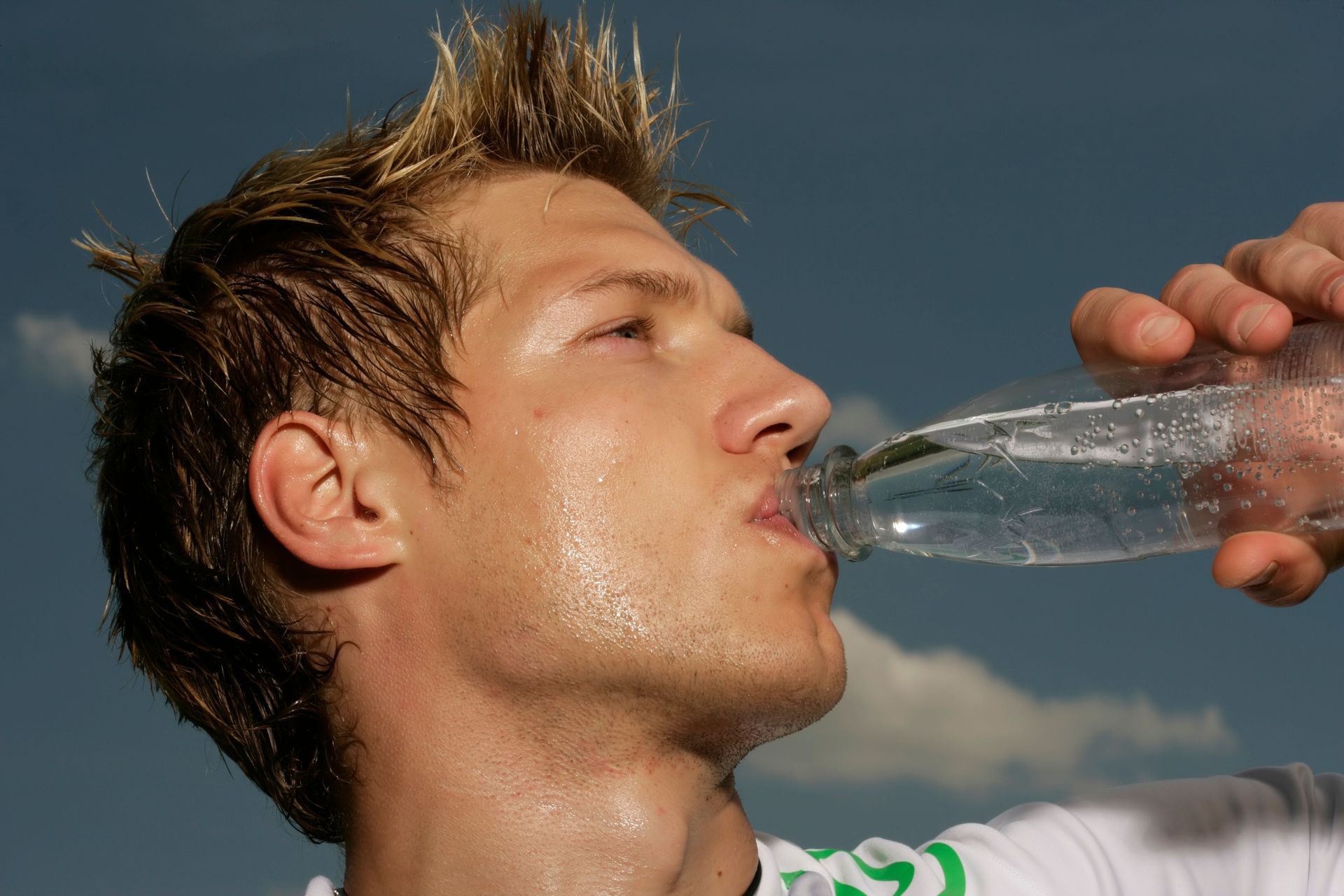
An unusually high resting heart rate can expose chronic dehydration, which forces the heart to work harder to circulate a reduced volume of blood. This decreased plasma volume lowers stroke capacity, requiring a faster pulse to deliver adequate oxygen to resting tissues.
Water constitutes roughly 55 to 60 percent of the adult human body, and blood plasma is composed of over 90 percent water. When an individual fails to consume enough fluids to match their daily output — primarily through sweat, respiration, and urination — total blood volume drops. This condition, known as hypovolemia, has an immediate impact on cardiovascular mechanics. Because there is less liquid inside the vascular system, the amount of blood returning to the heart decreases. Consequently, the left ventricle has less fluid to pump out during each contraction, leading to a marked decrease in stroke volume.
To maintain the steady cardiac output necessary for baseline cellular function, the heart must compensate for this smaller stroke volume by increasing its rate of contraction. Even a mild state of dehydration, categorized as a loss of one to two percent of body weight in water, can elevate the resting pulse by several beats per minute. For athletes and individuals engaged in heavy fitness routines, chronic low-level dehydration often masquerades as a loss of cardiovascular fitness. They may notice their resting metrics trending upward over several weeks and mistakenly attribute it to detraining or overtraining, when the actual culprit is inadequate daily fluid intake.
Resolving this cardiovascular strain requires consistent, structured rehydration strategies rather than a single large intake of water. Electrolytes, particularly sodium and potassium, must accompany the fluid to help the body retain the water and restore plasma volume effectively. Once proper hydration status is achieved, blood viscosity normalizes, allowing the heart to pump a larger volume of blood with less resistance. The resting heart rate will subsequently drop back to its baseline, reflecting a cardiovascular system that is no longer compensating for a fluid deficit.
Early detection of systemic viral infections

Credit: cottonbro studio / Pexels
A sudden, unexplained spike in resting heart rate frequently serves as the first physiological warning sign of a systemic viral infection. The immune system triggers an inflammatory cascade that increases metabolic demand, forcing the heart to accelerate circulation before physical symptoms appear.
When a pathogen such as a virus or bacteria enters the body, the immune system initiates a complex defense mechanism. White blood cells release proteins called cytokines, which act as chemical messengers to coordinate the immune response. These cytokines travel to the hypothalamus, the brain's thermoregulatory center, and induce an increase in core body temperature. Even before a measurable fever takes hold, this internal environment shifts to a higher metabolic gear. The basal metabolic rate rises to support the massive energy required to produce antibodies and mobilize immune cells to fight off the invading organism.
To support this heightened metabolic state, the cardiovascular system must deliver oxygen and nutrients to the tissues at an accelerated pace. The heart responds by increasing its resting beats per minute, often elevating the baseline by seven to 15 beats. This cardiovascular shift frequently occurs 24 to 48 hours before the individual experiences overt symptoms like fatigue, muscle aches, or a sore throat. For individuals who track their fitness metrics closely, this sudden deviation from a stable baseline provides a critical window of opportunity to intervene and alter their behavior.
Recognizing this early warning signal allows athletes to cancel strenuous training sessions that would otherwise suppress the immune system further. Engaging in high-intensity exercise while the body is mounting an immune response diverts vital resources away from fighting the infection, potentially prolonging the illness or increasing the severity of the symptoms. By interpreting a spiked resting pulse as a mandate for absolute rest, individuals can give their immune system the physiological bandwidth required to neutralize the pathogen quickly, ultimately minimizing the time spent away from their regular fitness routine.
Sleep fragmentation and nocturnal recovery disruption

Credit: cottonbro studio / Pexels
A resting heart rate that remains elevated throughout the night indicates severe sleep fragmentation and a failure to reach deep, restorative sleep stages. This metric reveals that the cardiovascular system is not receiving the physiological downtime necessary for optimal athletic recovery.
During a normal, healthy sleep cycle, the body cycles through light sleep, deep sleep, and rapid eye movement sleep. As an individual enters deep sleep, also known as slow-wave sleep, the parasympathetic nervous system becomes highly dominant. Blood pressure drops, respiration slows, and the heart rate reaches its absolute lowest point of the 24-hour cycle. This period of cardiovascular depression is crucial for physical fitness, as it coincides with the highest natural release of human growth hormone, which facilitates tissue repair, muscle growth, and cellular regeneration.
When sleep is fragmented by frequent awakenings, environmental noise, or underlying conditions like sleep apnea, the body is repeatedly jolted out of these deep sleep stages. Each micro-arousal triggers a minor sympathetic nervous system response, causing a temporary spike in blood pressure and heart rate. If this pattern repeats throughout the night, the average nocturnal resting pulse remains significantly higher than normal. The cardiovascular system is essentially denied its necessary period of profound rest, forcing the heart to maintain a higher workload continuously.
This lack of cardiovascular downtime directly translates to impaired fitness progression and chronic fatigue. An athlete who spends eight hours in bed but maintains an elevated sleeping heart rate will wake up physiologically unrecovered. Their muscles will not have received the optimal hormonal environment for repair, and their central nervous system will remain in a partially stressed state. Tracking the nocturnal baseline allows individuals to identify poor sleep architecture, prompting interventions such as adjusting room temperature, limiting screen time, or avoiding late meals to improve sleep quality and facilitate true physical recovery.
Acclimatization to high altitude environments

Credit: Georgios Parlantzas / Pexels
An immediate increase in resting heart rate upon traveling to high elevation demonstrates the cardiovascular system compensating for reduced oxygen availability. As the body acclimates over several weeks, the resting pulse gradually lowers, indicating improved physiological adaptation to the hypoxic environment.
At higher altitudes, the barometric pressure drops significantly, which decreases the partial pressure of oxygen in the air. While the percentage of oxygen in the atmosphere remains the same, the reduced pressure means that fewer oxygen molecules are drawn into the lungs with each breath. This condition, known as hypoxia, results in less oxygen binding to hemoglobin in the bloodstream. To ensure that the brain, organs, and muscles receive the oxygen necessary for basic survival and metabolic function, the cardiovascular system must immediately increase the delivery rate. The heart achieves this by dramatically increasing its resting beats per minute.
During the first few days at altitude, an individual's resting pulse can sit 10 to 20 beats higher than their sea-level baseline. This elevated rate is a necessary survival mechanism, but it places a significant strain on the cardiovascular system and limits the capacity for intense physical exercise. Attempting high-level fitness activities during this acute phase quickly leads to exhaustion and increases the risk of altitude sickness. The body requires time to initiate a more sustainable, long-term physiological response to the lack of oxygen.
Over a period of two to three weeks, the kidneys release a hormone called erythropoietin, which stimulates the bone marrow to produce more red blood cells. As red blood cell mass increases, the blood's total oxygen-carrying capacity improves. With more red blood cells available to transport oxygen, the heart no longer needs to pump as rapidly to meet the body's baseline demands. The resting heart rate begins a steady decline, returning closer to the original sea-level baseline. Tracking this metric provides mountaineers and high-altitude athletes with a precise, biological indicator of their acclimatization status, dictating when it is safe to increase training intensity.
Heat stress and thermoregulatory efficiency

Credit: RUN 4 FFWPU / Pexels
A resting heart rate that remains elevated in hot environments reflects the cardiovascular system working intensely to regulate core body temperature. The heart pumps more blood to the skin's surface to dissipate heat, increasing overall cardiac output and revealing the body's thermoregulatory strain.
When ambient temperatures rise, the body relies on two primary mechanisms to prevent dangerous increases in core temperature: sweating and vasodilation. Vasodilation involves the widening of blood vessels near the surface of the skin. By directing a larger volume of warm blood away from the internal organs and toward the skin, the body allows heat to radiate out into the surrounding environment. However, this massive rerouting of blood creates a significant physiological challenge. The expanded vascular network requires a larger volume of blood to maintain adequate pressure and flow.
To sustain this increased peripheral circulation without compromising blood flow to the brain and vital organs, the heart must increase its total output. Because stroke volume often decreases in hot environments due to fluid loss through sweat, the only way to maintain or increase cardiac output is to elevate the heart rate. A resting pulse can jump five to 15 beats per minute simply sitting in a hot, non-air-conditioned room. This elevation indicates that a significant portion of the body's cardiovascular capacity is currently dedicated to thermoregulation rather than physical performance or recovery.
Frequent exposure to hot environments triggers heat acclimatization, a series of physiological adaptations that improve thermoregulatory efficiency. Over 10 to 14 days of heat exposure, blood plasma volume expands, sweat glands become more efficient, and the body learns to retain electrolytes. As these adaptations take hold, the cardiovascular strain of sitting in the heat decreases, and the resting heart rate drops. Monitoring this metric provides athletes training in hot climates with a clear picture of their heat adaptation status, helping them avoid heat exhaustion during intense physical exertion.
Correlation with maximum oxygen uptake (VO2 max)

Credit: VO2 Master / Pexels
A progressively decreasing resting heart rate strongly correlates with improvements in maximum oxygen uptake, widely recognized as the gold standard of aerobic fitness. This metric reveals the body's enhanced ability to transport and utilize oxygen during maximal physical exertion.
VO2 max represents the maximum volume of oxygen an individual can consume and process per minute per kilogram of body weight during intense, exhaustive exercise. It is dictated by the precise coordination of the pulmonary, cardiovascular, and muscular systems. The lungs must draw in the oxygen, the heart and blood vessels must deliver it, and the mitochondria within the muscle cells must extract and utilize it to create energy. Training protocols designed to increase VO2 max, such as high-intensity interval training or long, steady-state endurance work, force these systems to become highly efficient.
The physiological adaptations that drive a higher VO2 max are the exact same adaptations that lower a resting heart rate. The expansion of left ventricular volume, the increase in red blood cell count, and the proliferation of capillary networks all serve to make oxygen transport more efficient at every level of exertion. When the body becomes highly capable of moving oxygen at a maximum heart rate of 190 beats per minute, it simultaneously requires far less effort to move the small amount of oxygen needed at complete rest. Therefore, a declining baseline pulse serves as a reliable, non-invasive indicator that VO2 max is moving in a positive direction.
While a resting metric cannot provide an exact, laboratory-grade VO2 max number, the inverse relationship between the two variables is undeniable. Fitness enthusiasts who lack access to expensive metabolic cart testing can use a steady drop in their resting pulse over a multi-month training block as proof of increased aerobic capacity. This correlation provides a simple, everyday metric that validates the effectiveness of cardiovascular training programs and confirms that systemic oxygen efficiency is improving.
Cardiovascular detraining from exercise cessation

Credit: Bryce Carithers / Pexels
A gradual upward drift in resting heart rate over several weeks of inactivity reveals the onset of cardiovascular detraining. The body rapidly sheds structural fitness adaptations when the training stimulus is removed, forcing the heart to beat faster to maintain baseline function.
The human body is highly efficient and will not maintain metabolically expensive tissue or structural adaptations if they are no longer required. When an athlete takes an extended break from training due to injury, illness, or lifestyle changes, the principle of reversibility takes effect almost immediately. Within the first 10 to 14 days of complete rest, blood plasma volume begins to contract significantly. This rapid loss of fluid from the vascular system decreases venous return to the heart, which directly reduces stroke volume. The heart must immediately increase its rate of contraction to compensate for this reduced pumping capacity.
As the period of inactivity extends beyond three weeks, deeper structural changes occur. The muscular walls of the left ventricle begin to lose their exercise-induced thickness and capacity. Simultaneously, the capillary density in the muscle tissues decreases, and the oxidative enzymes within the mitochondria become less active. The body essentially down-regulates its oxygen transport and extraction systems. Because the physical hardware of the cardiovascular system is degrading, the heart must work progressively harder to support basic metabolic needs, leading to a steady, week-over-week climb in the resting pulse.
Tracking this upward trajectory provides a stark, quantitative visualization of fitness loss. An athlete who previously maintained a baseline of 48 beats per minute may see that number climb into the high 50s or low 60s after a month of detraining. Recognizing this trend emphasizes the importance of a maintenance stimulus. Even a severely reduced training schedule — such as one high-intensity session per week — can preserve blood plasma volume and prevent the rapid spike in resting metrics associated with complete cardiovascular detraining.
Central nervous system fatigue from heavy lifting

Credit: Andrea Piacquadio / Pexels
An elevated resting heart rate following days of heavy resistance training indicates significant central nervous system fatigue rather than cardiovascular strain. The intense neural demand of recruiting large motor units leaves the nervous system in an agitated state, delaying full systemic recovery.
While aerobic exercise primarily challenges the heart and lungs, heavy strength training places an enormous burden on the central nervous system. Lifting near-maximal weights requires the brain to send rapid, intense electrical signals down the spinal cord to recruit thousands of muscle fibers simultaneously. This high-threshold motor unit recruitment is neurologically taxing. The motor cortex and the peripheral nerves undergo substantial stress to generate the necessary force, which temporarily exhausts the neural pathways and neurotransmitter reserves.
When an individual engages in heavy deadlifts, squats, or Olympic weightlifting, the central nervous system can take up to 48 to 72 hours to fully recover — often much longer than the muscle tissue itself. During this period of neural fatigue, the autonomic nervous system struggles to re-establish parasympathetic dominance. The sympathetic nervous system remains slightly elevated, keeping the body in a state of low-level hyperarousal. This neural agitation manifests cardiovascularly as a resting pulse that sits several beats above normal, even if the athlete feels no cardiovascular soreness or heavy breathing.
Monitoring the baseline pulse provides strength athletes with crucial insight into their neural readiness. If an athlete attempts another heavy lifting session while their resting metrics remain elevated, their central nervous system will struggle to fire the muscle fibers with maximum efficiency. This leads to missed lifts, poor technique, and a significantly increased risk of injury. A return to a normal resting heart rate signals that the neural pathways have recovered, confirming that the central nervous system is primed to generate maximum force once again.
Systemic inflammation from muscle damage

Credit: Funkcinės Terapijos Centras / Pexels
A sustained increase in resting heart rate following intense physical exertion highlights a state of systemic inflammation caused by severe muscle damage. The cardiovascular system works overtime to deliver white blood cells and clear necrotic tissue from the localized trauma sites.
Exercise-induced muscle damage is a normal and necessary component of strength and hypertrophy training. Activities that involve heavy eccentric contractions — such as running downhill or the lowering phase of a heavy bicep curl — cause microscopic tears in the muscle fibers. The body responds to this structural damage by initiating an acute inflammatory response. Macrophages and neutrophils, specialized immune cells, migrate to the damaged tissue to clear away cellular debris and release growth factors that stimulate repair. This localized inflammation is the primary cause of delayed onset muscle soreness.
However, when the muscle damage is extensive, the inflammatory response becomes systemic. The entire cardiovascular system must upregulate its activity to transport immune cells, oxygen, and nutrients to the vast areas of damaged tissue. Blood flow to the affected muscles increases significantly, requiring a higher overall cardiac output. To meet this increased circulatory demand while the body is at rest, the heart rate naturally elevates. A resting pulse that spikes by five to 10 beats per minute alongside severe muscle soreness is a direct biological reflection of this intense internal repair process.
Tracking this metric helps individuals differentiate between normal muscle fatigue and excessive, counterproductive tissue damage. If the resting heart rate remains elevated for three to four days after a workout, it indicates that the training dose was too high, overwhelming the body's recovery capacity. Adjusting future training volumes to produce a milder inflammatory response ensures that the cardiovascular system is not constantly burdened by massive repair operations, allowing for more consistent and effective fitness progression over time.
Metabolic shifts and thyroid hormone fluctuations

Credit: Gustavo Santana / Pexels
A prolonged shift in baseline resting heart rate can indicate profound metabolic changes, often driven by fluctuations in thyroid hormone production. This metric reveals how aggressively the body is burning energy and regulating basic cellular metabolism during periods of varied caloric intake or extreme training.
The thyroid gland, located in the neck, acts as the master controller of the body's basal metabolic rate. It produces hormones, primarily triiodothyronine and thyroxine, which dictate how quickly cells convert nutrients into energy. These hormones have a direct, stimulating effect on the cardiovascular system. They increase the number and sensitivity of beta-adrenergic receptors in the heart muscle, making the heart more responsive to sympathetic nervous system signals. Consequently, higher levels of thyroid hormones increase both the force of cardiac contractions and the resting heart rate.
During periods of heavy training combined with adequate nutrition, a healthy metabolism operates efficiently, and the resting pulse remains stable. However, when an individual engages in severe caloric restriction or experiences extreme prolonged physical stress, the body enters a state of energy conservation. The thyroid downregulates hormone production to slow the metabolism and preserve fat stores. This metabolic suppression often manifests as an abnormally low resting heart rate, which, in this specific context, signals energetic distress rather than cardiovascular fitness. Conversely, an overactive thyroid, which accelerates metabolism unsustainably, presents as a highly elevated resting pulse and chronic fatigue.
Monitoring resting heart rate alongside dietary habits provides crucial insight into metabolic health. An athlete experiencing a sudden, unexplainable drop in their resting pulse accompanied by lethargy and weight loss resistance may be pushing their metabolism into a suppressed state. Recognizing this cardiovascular signal allows for timely nutritional interventions — such as increasing caloric intake or altering macronutrient ratios — to restore optimal thyroid function and support the energy demands of an active fitness lifestyle.
Interference from alcohol metabolism

Credit: Ketut Subiyanto / Pexels
A resting heart rate that spikes significantly overnight directly reveals the cardiovascular strain required to metabolize and clear alcohol from the bloodstream. This physiological response demonstrates how alcohol consumption aggressively interrupts the body's natural restorative processes and negates athletic recovery.
When an individual consumes alcohol, the body treats the substance as a toxin that must be prioritized for elimination. The liver takes on the heavy burden of metabolizing the ethanol, a process that requires a substantial amount of oxygen and metabolic energy. To support the liver's accelerated workload, the cardiovascular system must maintain a higher cardiac output. This increased demand forces the heart to beat faster throughout the night, completely overriding the parasympathetic nervous system's attempt to lower the heart rate and initiate deep sleep.
Furthermore, alcohol acts as a vasodilator, temporarily relaxing the blood vessels near the skin. This relaxation causes a slight drop in blood pressure, which triggers a compensatory mechanism in the autonomic nervous system. To prevent blood pressure from falling too low, the sympathetic nervous system releases adrenaline to increase the heart rate and maintain adequate circulation. The combination of increased metabolic demand from the liver and this compensatory sympathetic drive can elevate the nocturnal resting pulse by 10 to 15 beats per minute, or even more depending on the volume of alcohol consumed.
This cardiovascular disruption severely impacts fitness adaptations. An elevated sleeping heart rate means the body is actively working rather than recovering. Muscle repair, glycogen replenishment, and central nervous system restoration are all delayed or entirely suppressed while the body focuses on detoxification. Tracking overnight metrics provides undeniable proof of alcohol's detrimental effect on recovery, showing athletes exactly how a single night of drinking can compromise their physiological readiness for subsequent training sessions.
Iron deficiency anemia and oxygen transport

Credit: Charlie Fair / Unsplash
A gradually elevating resting heart rate, combined with feelings of unusual fatigue during exercise, often reveals compromised oxygen transport due to iron deficiency anemia. The heart attempts to deliver adequate oxygen by increasing its cycle rate to compensate for a lack of functional hemoglobin in the blood.
Hemoglobin is the iron-rich protein housed within red blood cells that is explicitly responsible for binding to oxygen in the lungs and transporting it to the body's tissues. The production of this critical protein relies heavily on adequate iron stores. When an individual — particularly female athletes or those following strict plant-based diets — fails to consume or absorb enough dietary iron, total hemoglobin levels drop. This condition, known as anemia, fundamentally limits the blood's capacity to carry oxygen, creating a systemic deficit that affects every cellular function.
To maintain the baseline oxygen delivery required by the resting body, the cardiovascular system must adjust its mechanics. Because each milliliter of blood carries less oxygen than normal, the heart must pump more milliliters per minute to achieve the same total oxygen delivery. The only way to increase this cardiac output at rest is to elevate the heart rate. A baseline pulse that slowly drifts upward over several months, devoid of other overtraining symptoms, points strongly toward an underlying issue with blood composition and oxygen transport capacity.
Recognizing this specific cardiovascular trend allows individuals to seek appropriate medical blood panels rather than simply attempting to train through the fatigue. Pushing through workouts with an iron deficiency only exacerbates the physiological stress, as the muscles cannot receive the oxygen required for aerobic energy production. Once dietary interventions or iron supplementation restore ferritin and hemoglobin levels, the blood's oxygen-carrying capacity normalizes. The heart is then able to reduce its resting rate, reflecting a restored and efficient cardiovascular system.
Sympathetic stimulation from heavy caffeine use

Credit: www.kaboompics.com / Pexels
A resting heart rate that remains artificially elevated throughout the morning often reveals the powerful sympathetic stimulation caused by heavy caffeine consumption. This chemical interference masks the body's true physiological baseline and can obscure signs of authentic cardiovascular fitness or fatigue.
Caffeine is a central nervous system stimulant that exerts its effects primarily by blocking adenosine receptors in the brain. Adenosine is an inhibitory neurotransmitter that naturally builds up during waking hours, promoting sleepiness and relaxation. By occupying these receptors, caffeine prevents the onset of fatigue and triggers a mild fight-or-flight response. The brain signals the adrenal glands to release adrenaline and noradrenaline into the bloodstream. These stress hormones bind directly to receptors on the heart, increasing both the force of each contraction and the total beats per minute.
For individuals who consume large doses of pre-workout supplements, energy drinks, or multiple cups of strong coffee, this chemical stimulation significantly alters baseline cardiovascular metrics. A resting pulse taken an hour after caffeine ingestion can be five to 12 beats higher than the individual's genuine biological baseline. This artificial elevation makes it incredibly difficult to accurately assess cardiovascular recovery, parasympathetic tone, or long-term aerobic adaptations. The heart is essentially reacting to a pharmacological trigger rather than reflecting its underlying physical condition.
To utilize resting heart rate as a reliable fitness metric, it is crucial to measure it before the introduction of any stimulants. The most accurate data is collected immediately upon waking, while still in bed, before consuming any food or beverages. If an athlete consistently relies on heavy caffeine use throughout the day, they must recognize that their daytime cardiovascular metrics are skewed. Understanding this pharmacological influence ensures that training loads are adjusted based on accurate physiological data rather than a chemically altered pulse.
Cardiac output restrictions from poor nutrition

Credit: Mister Mister / Pexels
An unexpectedly high resting heart rate during periods of intense training can expose severe nutritional deficits, revealing that the body lacks the raw caloric energy required to maintain optimal cardiac output and tissue repair. The cardiovascular system struggles to operate efficiently in a state of chronic energy starvation.
The heart is a metabolically demanding organ that relies on a constant, uninterrupted supply of energy — primarily derived from fatty acids and glucose — to maintain its continuous mechanical pumping action. When an individual engages in high-volume fitness routines while aggressively restricting their daily caloric intake, they create a severe energy imbalance known as relative energy deficiency in sport. The body is forced to triage its limited nutritional resources, allocating energy to essential survival functions while downregulating less critical processes like reproduction and non-essential tissue repair.
This chronic energy deficit exerts a significant toll on the cardiovascular system. Without adequate carbohydrate and protein intake, the body struggles to replenish muscle glycogen and repair cellular damage, leading to persistent systemic fatigue. To maintain essential blood pressure and circulation in this depleted state, the sympathetic nervous system remains slightly elevated to force the heart to keep working against the fatigue. This results in a resting pulse that sits abnormally high, signaling that the biological engine is running hot but lacking the fuel necessary to function smoothly.
Identifying this nutritional stress through baseline cardiovascular tracking allows athletes to correct their dietary approach before long-term health consequences occur. An elevated resting rate that fails to drop after complete rest days strongly suggests that the problem lies in the kitchen, not the gym. By increasing total caloric intake and optimizing macronutrient ratios, the body receives the energy required to complete its internal repair processes. As nutritional status improves, the physiological stress diminishes, and the resting heart rate returns to a healthy, lower baseline.
Age-related electrical conduction changes

Credit: SHVETS production / Pexels
A gradual decline in maximal heart rate combined with a surprisingly stable resting heart rate over decades reveals the natural aging process of the heart's electrical conduction system. This metric highlights how the cardiovascular system maintains baseline efficiency even as peak athletic performance capacities naturally diminish.
The human heart relies on an intricate electrical pathway to coordinate its contractions. The electrical signal originates in the sinoatrial node, travels through the atria to the atrioventricular node, and finally down into the ventricles. As the body ages, inevitable cellular changes occur within this electrical system. The sinoatrial node naturally loses some of its pacemaker cells, and mild fibrosis — the buildup of fibrous connective tissue — can develop along the conduction pathways. These structural alterations slightly slow the transmission of electrical impulses, which directly contributes to the well-documented decrease in maximum achievable heart rate as individuals enter their 40s, 50s, and beyond.
However, despite these changes in maximal capacity, a healthy, aerobically fit individual will often see their resting heart rate remain remarkably consistent over the decades. Because resting cardiac output requires only a fraction of the heart's maximum capability, the age-related reduction in pacemaker cells does not compromise baseline function. If a 30-year-old athlete maintains a resting pulse of 50 beats per minute, they can reasonably expect to maintain that exact same resting metric at age 60, provided they sustain their cardiovascular fitness routine and avoid chronic diseases.
Tracking this long-term stability provides powerful evidence of the protective benefits of lifelong exercise. While age undeniably lowers the ceiling on peak cardiovascular performance, a consistently low resting metric confirms that the floor — the baseline efficiency of the heart — remains intact. It demonstrates that the cardiovascular adaptations earned through years of fitness training persist over time, offering substantial protection against age-related cardiac decline and maintaining robust health well into the later stages of life.
Psychological stress and elevated cortisol levels

Credit: MART PRODUCTION / Pexels
A resting heart rate that remains elevated despite a perfect training and recovery regimen exposes the profound physical impact of non-exercise psychological stress. The body cannot differentiate between the physical threat of a heavy workout and the emotional strain of a high-pressure lifestyle, responding to both with a sustained cortisol release.
The autonomic nervous system is highly responsive to emotional and psychological inputs from the brain. When an individual experiences chronic workplace anxiety, financial pressure, or interpersonal conflict, the brain's amygdala interprets these situations as constant threats. This triggers the hypothalamic-pituitary-adrenal axis, resulting in the continuous secretion of cortisol, the body's primary stress hormone. Unlike adrenaline, which causes immediate, short-term spikes in cardiovascular activity, elevated cortisol creates a prolonged state of physiological hyperarousal.
This chronic chemical stress directly alters cardiovascular mechanics. Cortisol increases the sensitivity of blood vessels to adrenaline, causing them to constrict slightly and raise peripheral blood pressure. To pump blood through these narrowed vessels, the heart must work harder, resulting in a continuous elevation of the resting pulse. An individual who perfectly manages their physical training volume but operates in a state of severe psychological stress will frequently record morning baseline rates five to 10 beats higher than their normal average.
Recognizing this mind-body connection is essential for complete fitness management. Tracking resting metrics prevents the misdiagnosis of this elevation as purely physical overtraining. If an athlete knows their training load is appropriate but their heart rate remains high, they must look outside the gym for the source of the physiological strain. Incorporating stress-reduction techniques — such as meditation, deep breathing protocols, or deliberate disconnection from work — becomes a necessary component of the fitness routine. Lowering the psychological burden directly reduces cortisol output, allowing the resting pulse to normalize and restoring the body's capacity to adapt to physical training.
Autonomic nervous system adaptability

Credit: cottonbro studio / Pexels
A resting heart rate that exhibits high daily variability but quickly returns to a low baseline after physical exertion reveals a highly adaptable and resilient autonomic nervous system. This specific pattern indicates that the body possesses the flexibility to rapidly transition between intense sympathetic arousal and profound parasympathetic recovery.
True cardiovascular fitness is not just about maintaining the lowest possible heart rate; it is about the dynamic range and responsiveness of the cardiac system. A well-conditioned athlete will experience a massive spike in heart rate during a sprint or a heavy lift, demonstrating the sympathetic nervous system's ability to mobilize energy instantly. Crucially, as soon as the effort concludes, the parasympathetic nervous system should rapidly engage, driving the heart rate down dramatically within the first 60 seconds of rest. This rapid deceleration is a primary marker of autonomic health and athletic conditioning.
When evaluating resting baseline metrics, day-to-day minor fluctuations are normal and healthy. A baseline that moves slightly in response to a heavy training day, a poor night of sleep, or a mild stressor, but returns to its low average the following morning, demonstrates systemic resilience. It shows that the biological systems are correctly interpreting environmental stress and modulating cardiac output accordingly. A rigidly flat resting rate that never moves, regardless of the training load, can sometimes indicate a desensitized autonomic nervous system that is failing to adapt to external stimuli.
Monitoring the speed of recovery alongside the resting baseline provides the most comprehensive picture of fitness. A low resting pulse confirms the structural efficiency of the heart, while rapid heart rate recovery confirms the neurological efficiency of the autonomic control systems. Together, these metrics ensure that an athlete is not merely accumulating physical adaptations, but is also maintaining the deep physiological flexibility required to handle unpredictable stressors, perform at a high level, and recover completely.