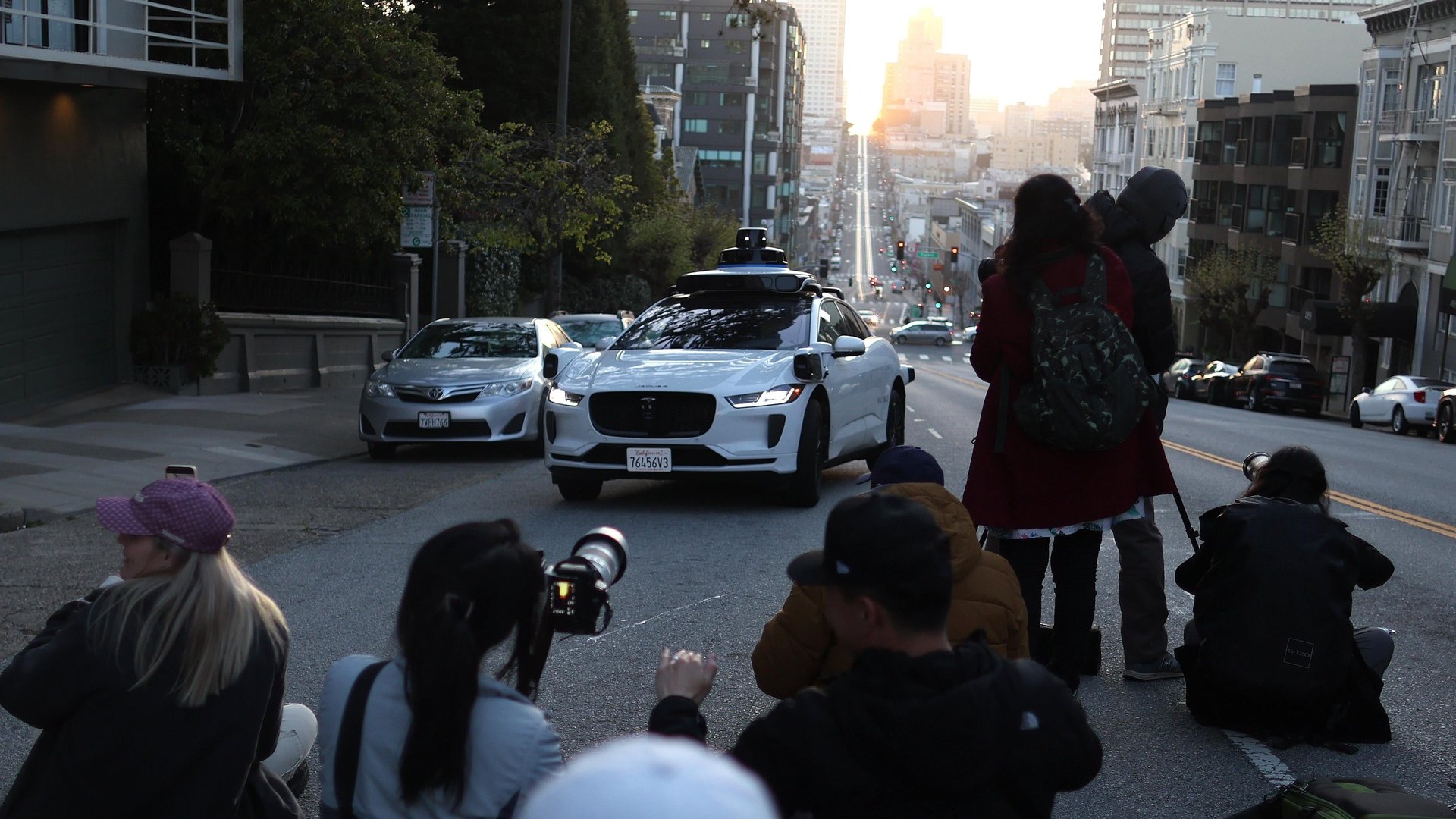
The Autonomous Vehicle Industry Association, which represents major driverless car companies like Waymo and Cruise, opposes both bills, arguing Cortese’s attempts to give cities the ability to write their own laws could create a chaotic hodgepodge of regulations across the state that could stunt innovation.
“Regulatory certainty is crucial to allow for companies to expend the type of resources they need to expend for companies to deploy to scale,” said Renée Gibson, the association’s director of government affairs. “So when you have the potential for hundreds of local jurisdictions to set up their own regulations, that creates a patchwork of [regulations] and that creates an incredible amount of uncertainty.”
Cortese argues that since driverless cars have long argued their tech is superior to even human drivers and can adapt to all sorts of scenarios, he doesn’t understand why the prospect of having to program the cars to adhere to different rules in different cities would be too problematic.
“How are taxis and rideshares doing it with human drivers,” he said. “Supposedly, this wealth of intellect that’s built into the computer chip and the coding is not going to be able to do the same damn thing? You can’t have it both ways.”
Each of these proposed bills still has to get approved by their respective Appropriations Committees in the Assembly and Senate, and if approved they will go to a full vote later this summer. It’s shocking and downright reckless to me that autonomous vehicles have been operating without any real consequences for breaking laws that humans get ticketed for. Examples of violations that driverless cars are currently exempt from include running red lights, making illegal turns, and all other moving violations. If the bills pass, the new laws would take effect by July 1, 2026.