While dogs need a diverse diet, they can't eat everything on your plate. Here's a look at 11 safe foods for dogs

When you sit at the dinner table, it's natural to want to share your food with your dog, especially as they beg for table scraps. However, not all foods are safe for dogs, and feeding them toxic ingredients could result in an emergency trip to the vet.
Fortunately, your dog may enjoy a wide range of "human foods" as long as you follow dietary guidelines. Offering your pet fruit, vegetables, and meat in moderation provides a nourishing, well-rounded diet that breaks up the monotony of kibble. Bear in mind that dogs, like humans, can also have specific allergies.
Here's a look at the foods your dog can potentially eat, according to vet advice and safety guidelines.
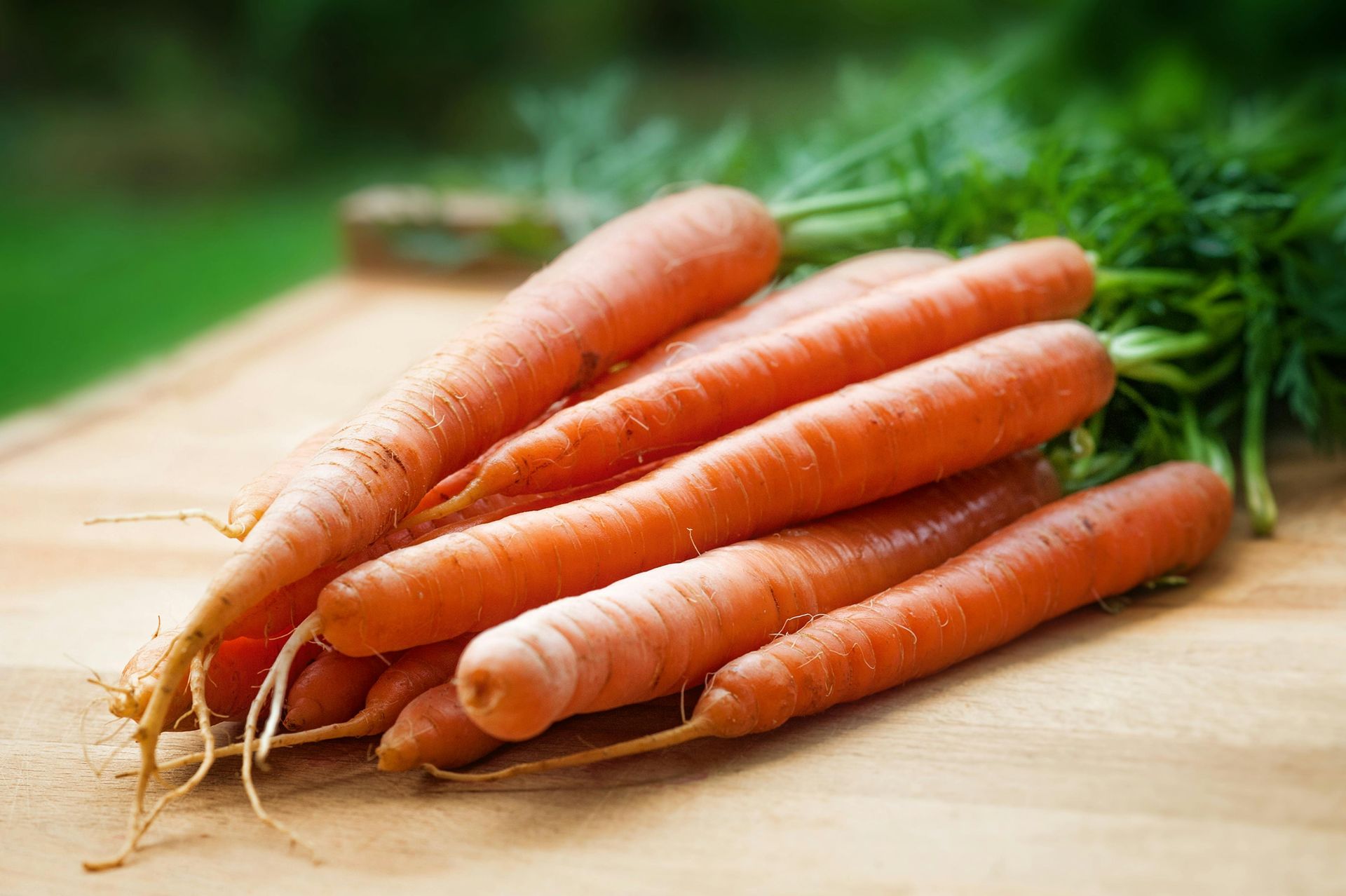
Photo by mali maeder
Carrots are high in fiber, Vitamin A, and beta-carotene, which improves your dog's eye health and gives them a shinier, sleeker coat. They're also easy to prepare: simply dice a raw carrot whenever your dog wants a snack. If your pet has poor dental hygiene, the roughage in carrots may help clean their teeth and reduce the risk of cavities.
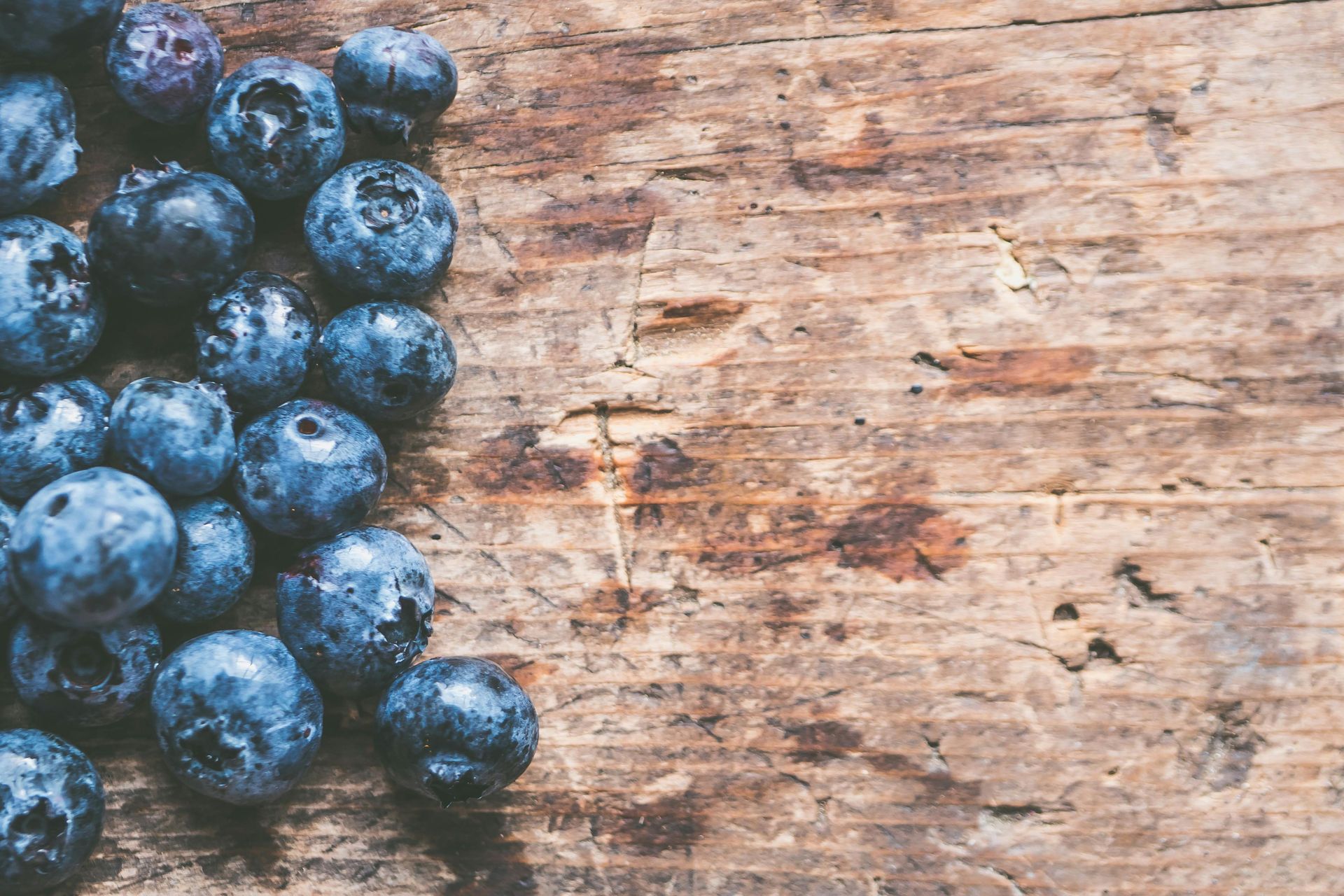
Photo by Jessica Lewis 🦋 thepaintedsquare
Dogs can enjoy fresh or frozen blueberries straight from the fridge. Blueberries are high in fiber, vitamin C, and phytochemicals that keep your pet healthy and active. While blueberries are fairly small, if you have a miniature dog, you might want to cut up the berries to prevent choking. Blueberries are ideal for breeds susceptible to cancer because the antioxidants they contain may help neutralize free radicals and promote healthy cell growth.
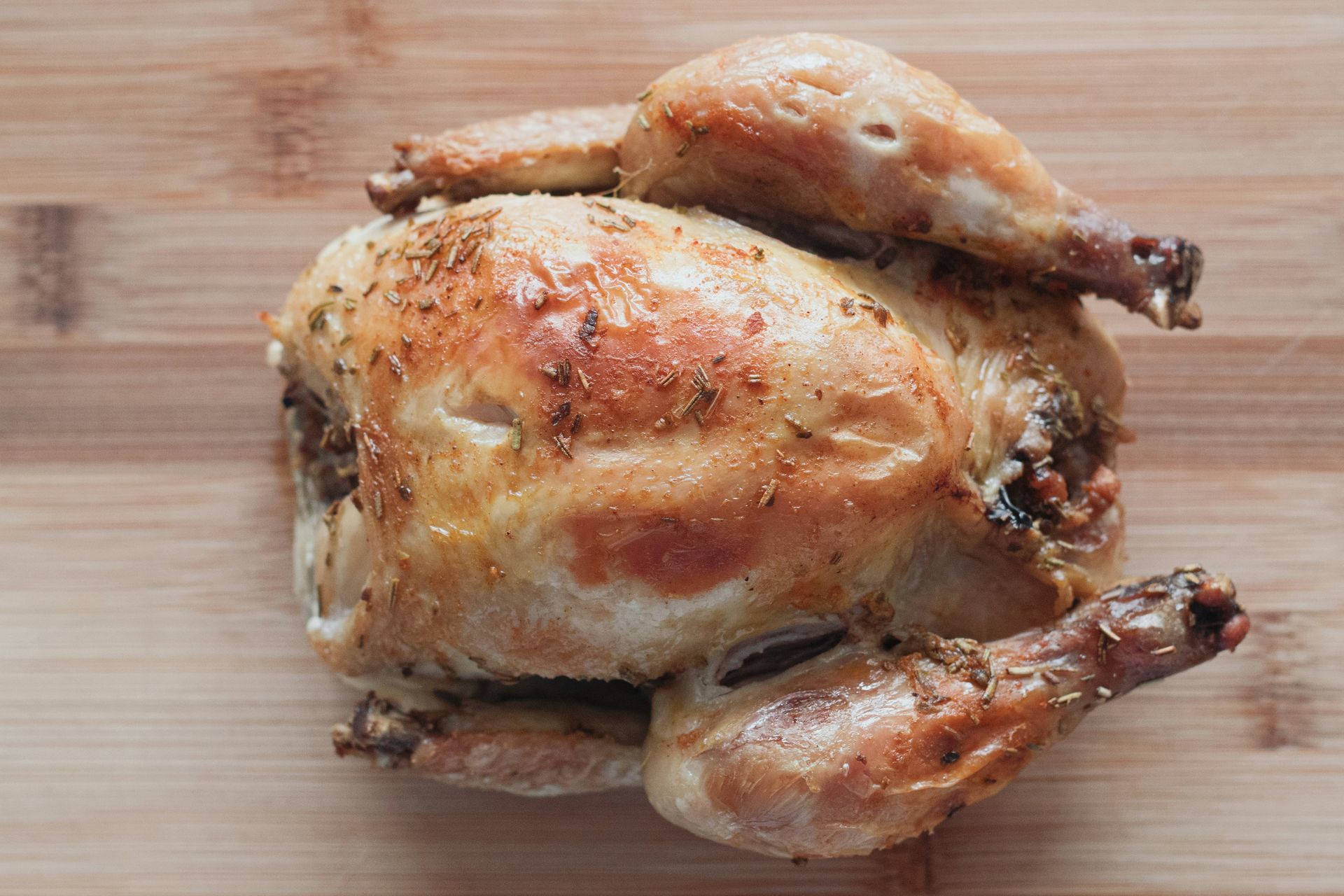
Photo by Tofan Teodor on Unsplash
Plain cooked chicken increases your dog's protein intake and allows them to enjoy the taste of fresh meat. However, seasonings and fried skins can be toxic, so avoid giving your pet chicken wings smothered in barbecue sauce. Likewise, remove the chicken bones to prevent a potential choking hazard. If your dog suffers from diarrhea and other digestive issues, boiled chicken may help them stay nourished.
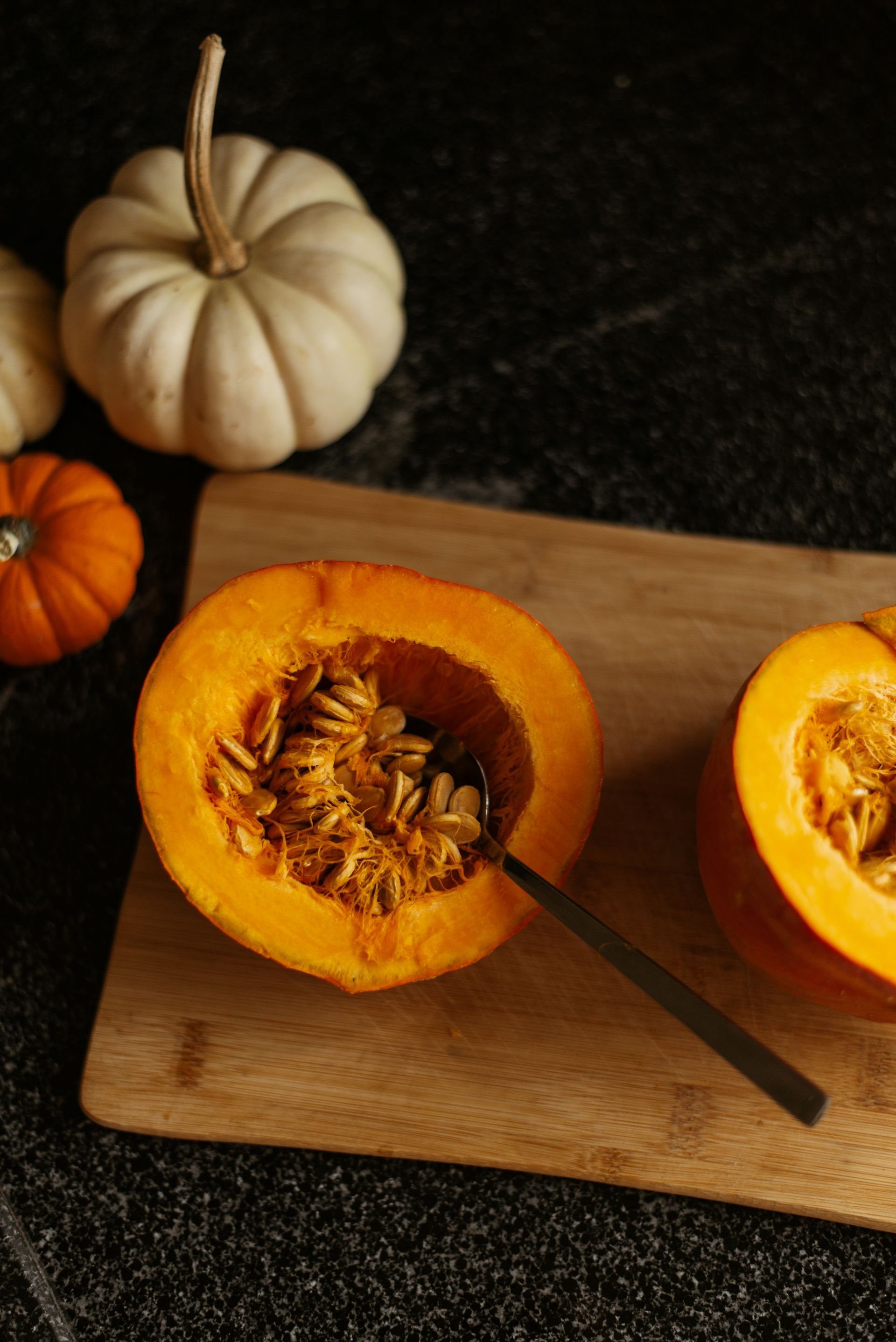
Photo by Yuliia Huzenko on Unsplash
Raw or cooked pumpkin is a high-fiber treat that may improve your pet's digestion. If you give your dog raw pumpkin, be sure to discard the rind, as it could cause choking. Canned or cooked pumpkin is also an option, but avoid brands with added sugars, especially xylitol. Since pumpkin is 90% water and low in calories, this snack is ideal for overweight dogs.
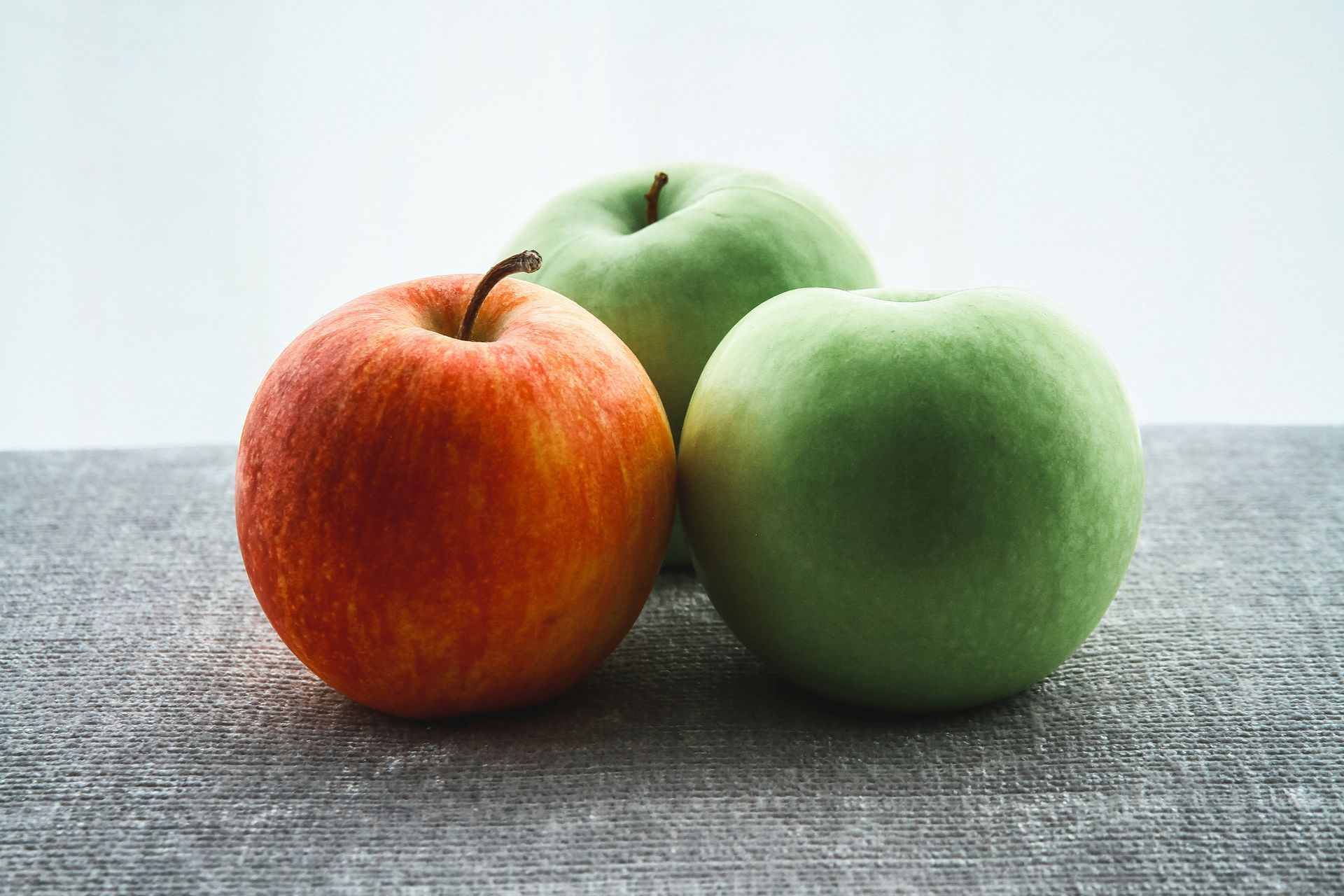
Photo by Benjamin Wong on Unsplash
Apple $AAPL slices enhance your pet's diet with fiber, calcium, Vitamin A, Vitamin C, and antioxidants. These nutrients may improve digestion, strengthen your dog's bones, and reduce the risk of cellular damage. Apple seeds contain small amounts of arsenic, so make sure you remove the seeds and core first. You may want to avoid this snack if your dog has diabetes, as it contains a high amount of sugar.
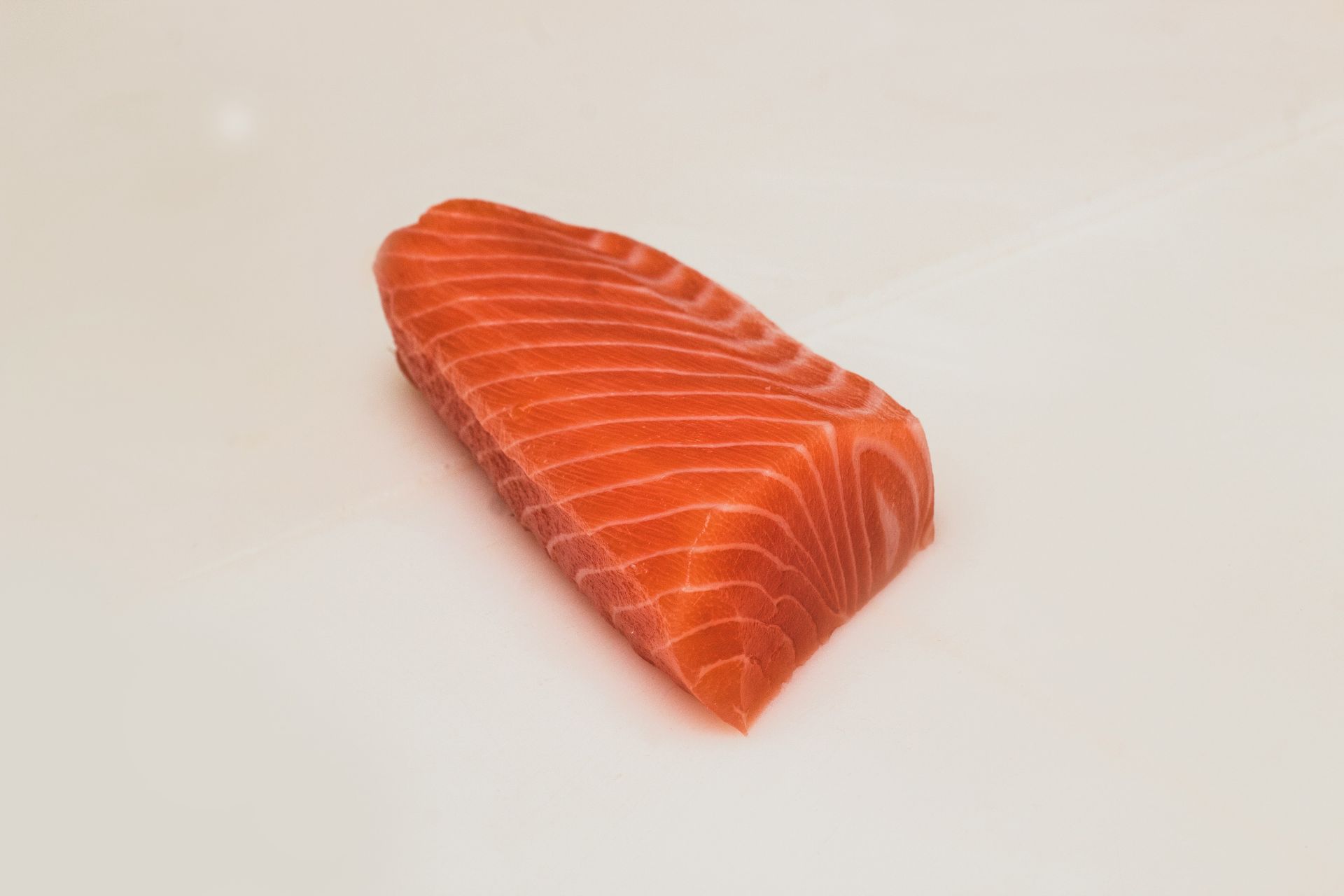
Photo by Abstral Official on Unsplash
Many dogs enjoy cooked salmon, which offers omega-3 fatty acids that reduce inflammation, boost your dog's immune system, and give them a healthier, shinier coat. Salmon is also high in protein.
However, it's important to cook the salmon without seasonings first. If your dog ingests raw salmon, they may contract salmon poisoning disease from a parasite in the fish. When safely prepared, salmon is a good protein source for dogs with chicken allergies.
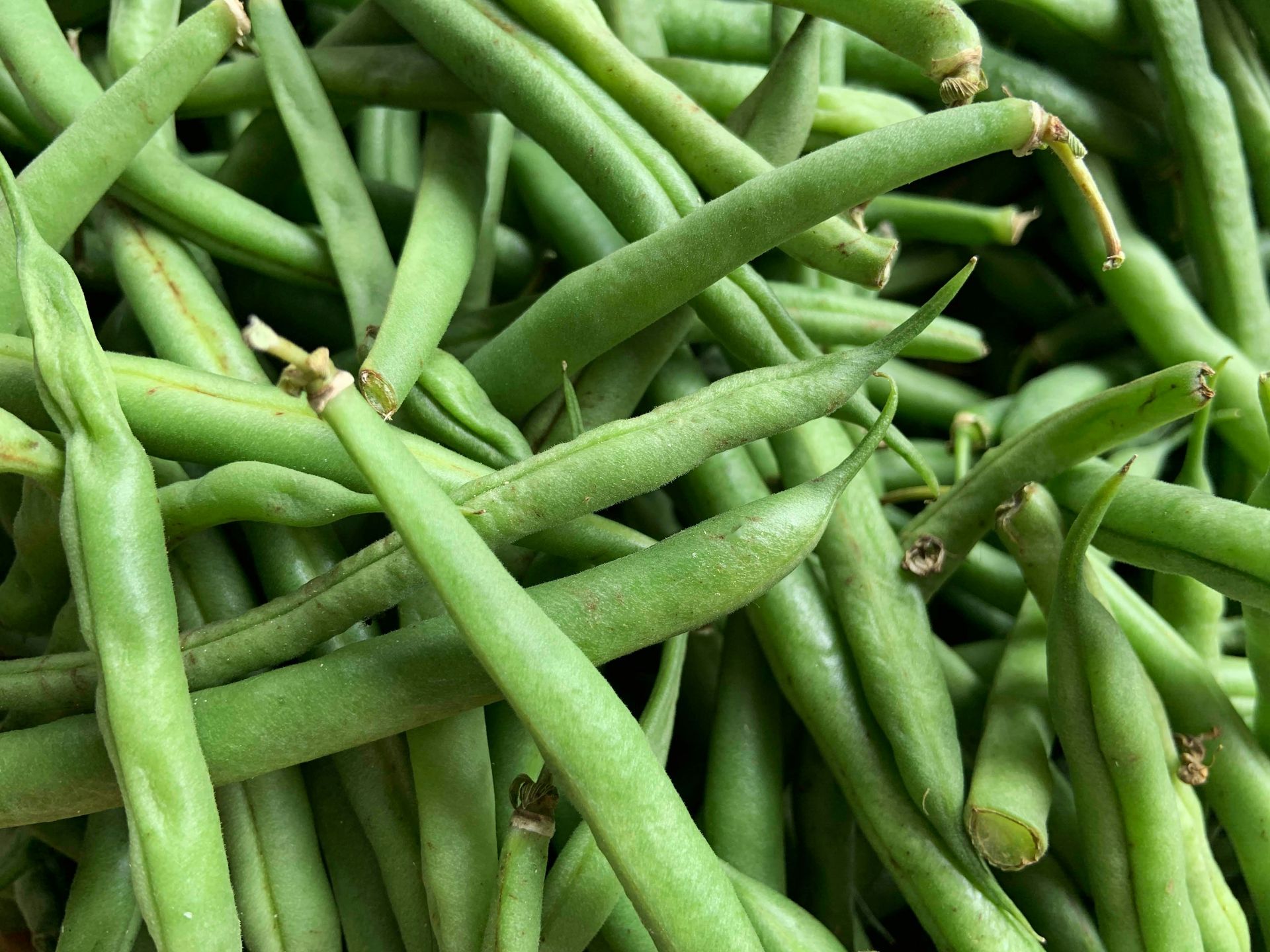
Green beans are rich in nutrients, including calcium, iron, protein, fiber, Vitamin B6, and Vitamin K. They're also a low-calorie treat suitable for dogs with weight issues. If your dog needs to lose weight, try swapping out their biscuits with a few green beans.
When feeding your dog green beans, stick to plain varieties without added salt, spices, sauces, garlic, and other additives, as these can upset your dog's digestive system and, in large amounts, harm their kidneys. You should also cut them up to prevent choking.
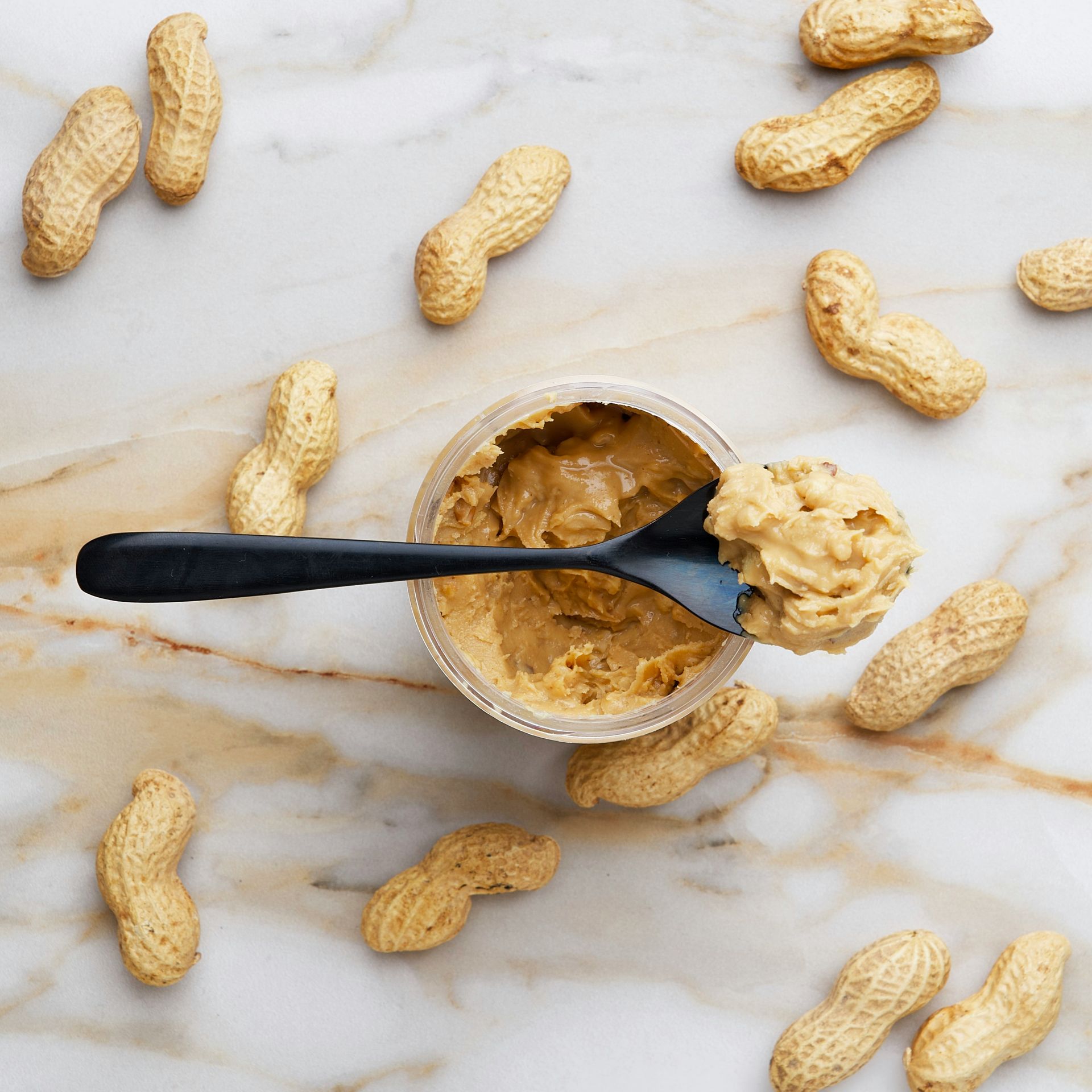
Photo by Corleto Peanut butter on Unsplash
Your dog can enjoy the occasional spoonful of peanut butter, which contains phosphorus, magnesium, manganese, Vitamin E, Vitamin B7, and other nutrients. These vitamins and minerals can enhance dogs' brain function, support their metabolism, alleviate muscle pain, and improve the health of their eyes, skin, and fur.
However, before you reach for a jar, check the label for xylitol. This ingredient is toxic to dogs and could lead to seizures, tremors, vomiting, and even death. Additionally, peanut butter is high in fat, so use this treat sparingly if your dog is overweight.
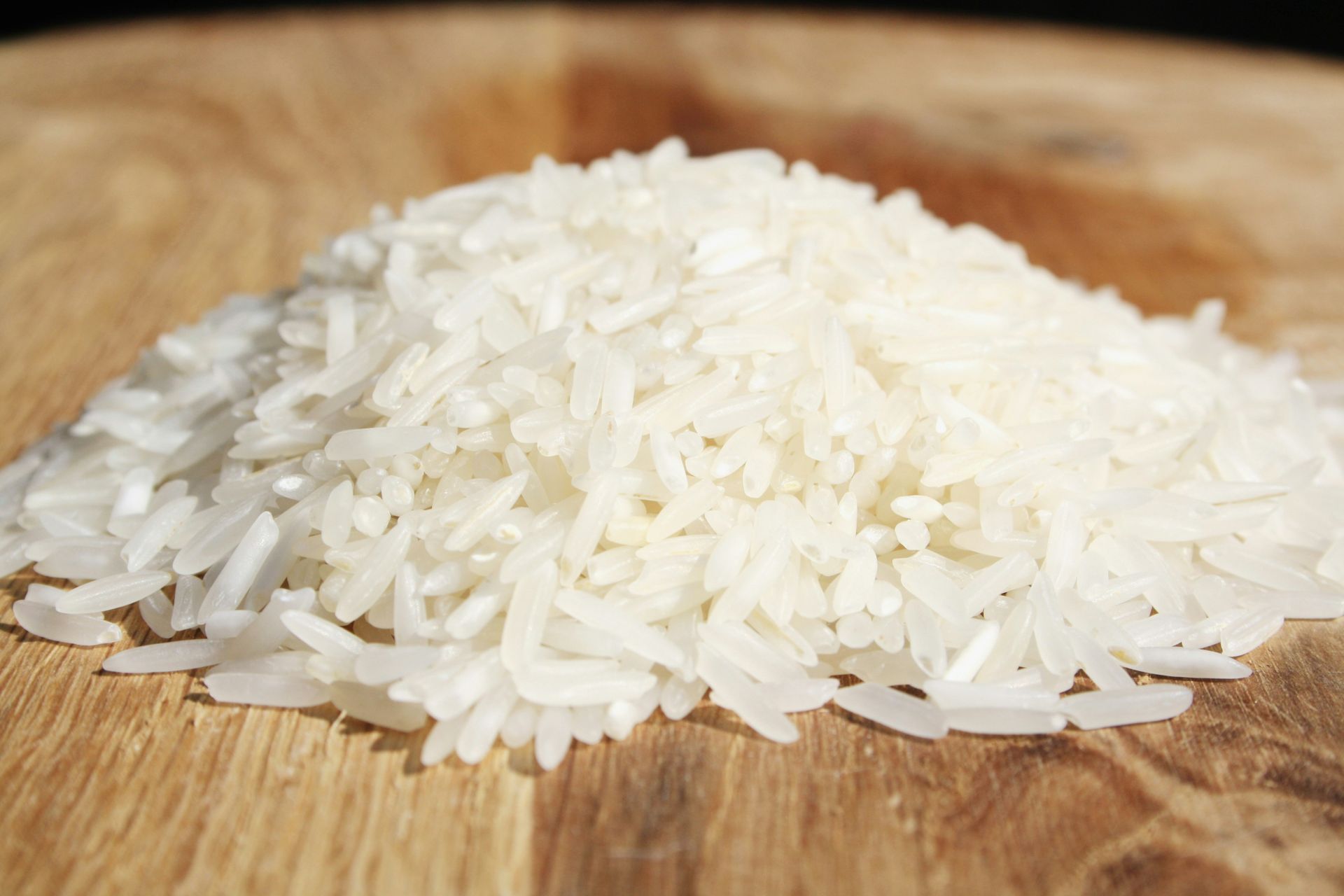
Photo by Emma Miller on Unsplash
Cooked rice isn't the most nutritious snack, but it can improve your dog's digestion and help strengthen their stools. However, it's high in carbohydrates, which could promote weight gain if your dog eats too much. Make rice an occasional treat, and avoid giving your pet prepared rice that contains oils, salt, and spices. When your dog isn't feeling well, rice may ease their stomach issues and help keep their food down.
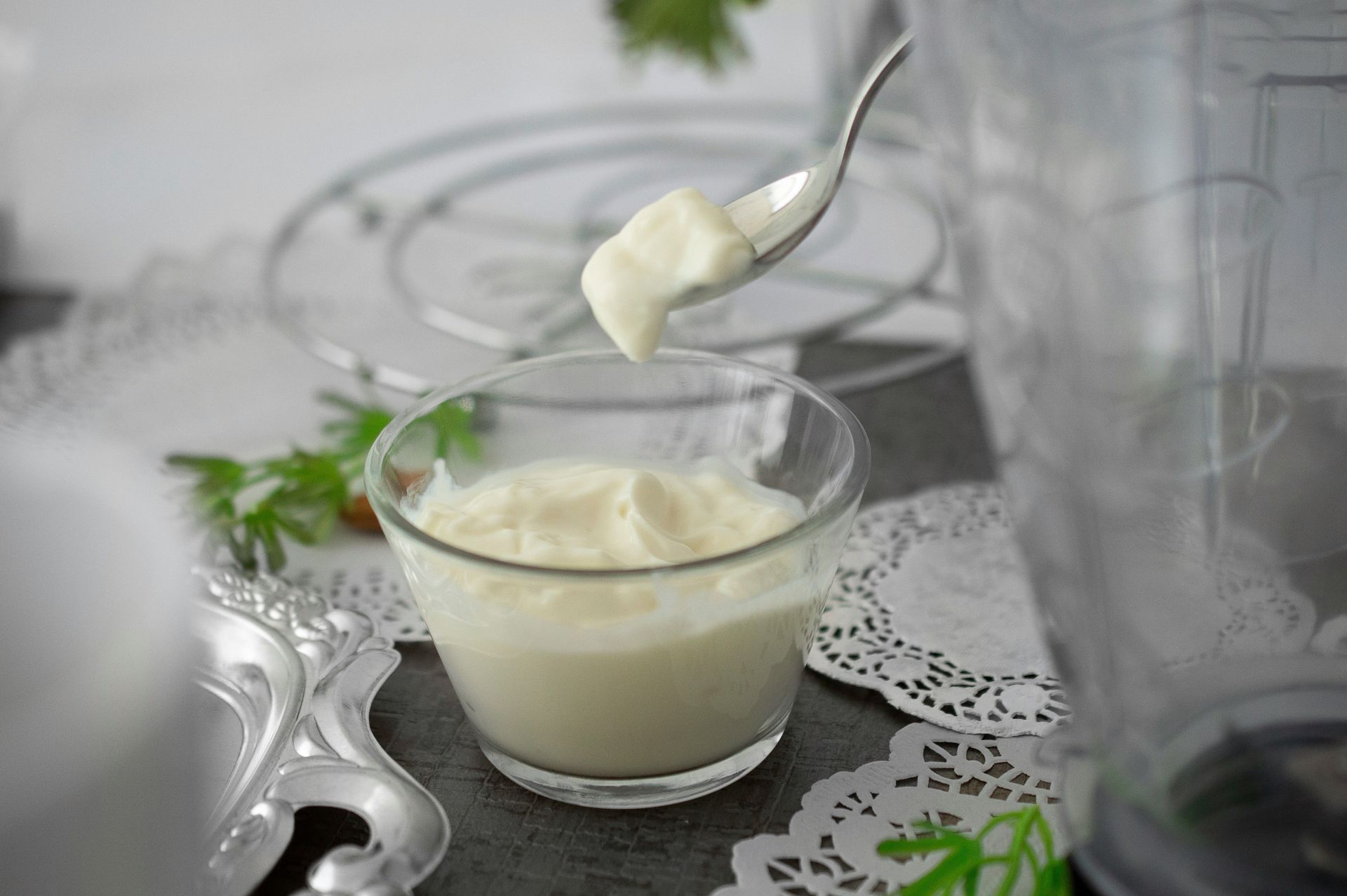
Photo by Sara Cervera on Unsplash
Yogurt contains calcium, protein, and probiotics, which can strengthen your dog's bones, lower their cancer risk, balance their nervous system, promote healthy skin, and support gut health. This treat is also easy to include in your pet's daily routine. Like peanut butter, yogurt may contain xylitol and added sugars, so read the label before adding a dollop to your dog's bowl. If your dog has bad breath, try giving them yogurt to kill harmful bacteria.
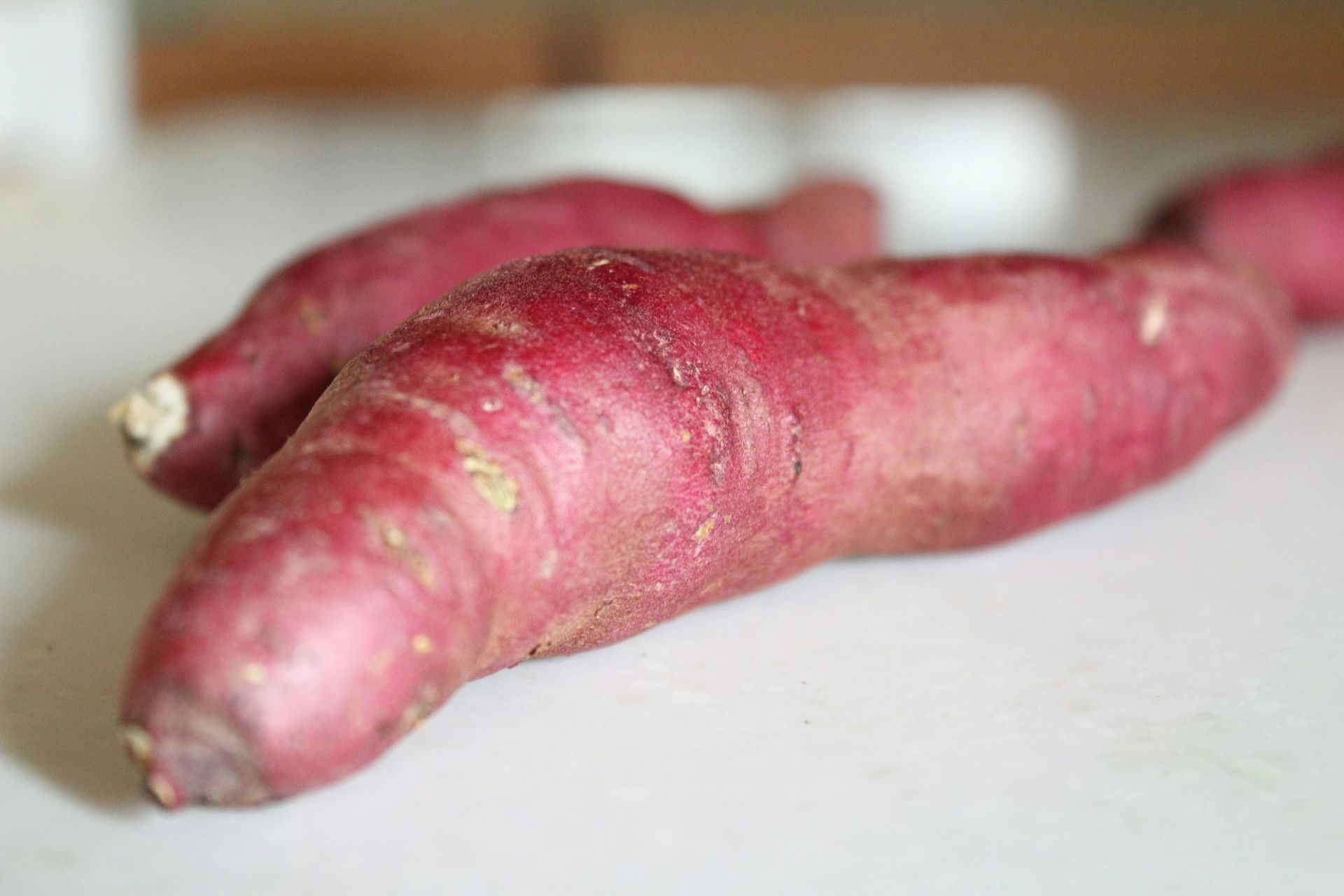
Sweet potatoes contain calcium, potassium, iron, Vitamin A, and other essential minerals, which can help strengthen your dog's nervous system and support their recovery from illnesses. However, it's essential to cook sweet potatoes first. Raw sweet potatoes are harder to digest and may cause blockages. In any case, this treat is ideal for dogs with active lifestyles that quickly burn off carbohydrates.

Photo by Amar Preciado
Before giving your pet a snack from the dinner table, make sure it's free of any toxic ingredients. While this is not an exhaustive list, the following foods can cause a wide range of health issues, including kidney failure, pancreatitis, stomachaches, and Salmonella poisoning: