
San Francisco's housing market looked like it was finally cooling. As recently as the fall of 2025, the city was one of the few major metros where home prices were still falling.
San Francisco's slumping housing market is suddenly hot again. A fresh wave of tech wealth is poised to squeeze out even more buyers
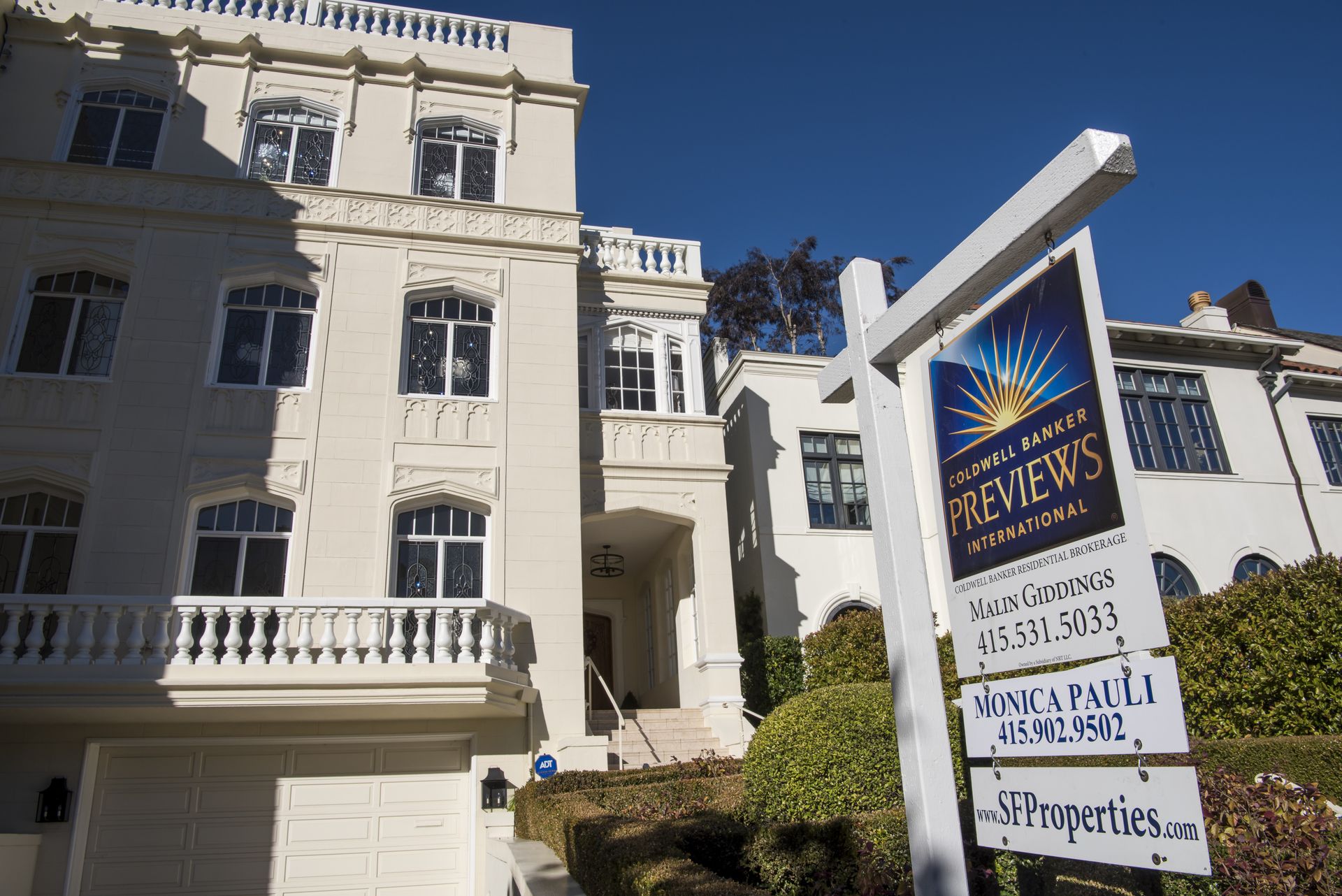
David Paul Morris / Bloomberg via Getty Images
San Francisco's housing market looked like it was finally cooling. As recently as the fall of 2025, the city was one of the few major metros where home prices were still falling.
That reversed in less than a year. The median home sale price hit $1.7 million for the three months ending in May, a 16.1% increase from the same period a year earlier, according to Redfin. The national median rose just 2.3% over the same stretch, according to Redfin's California housing data.
OpenAI, Anthropic, and SpaceX are all heading toward IPOs that could create about 12,000 new millionaires, and the influx of cash could turbocharge bidding wars for property in a city where prices are already climbing faster than anywhere else in the country.
San Francisco's available housing supply dropped to just over 900 homes at the end of May, down from 1,400 a year earlier, according to the San Francisco Chronicle, citing Redfin data. With inventory that thin, any concentrated influx of wealthy buyers can move citywide prices within months.
Demand is accelerating at the same time. About 2,500 San Francisco listings went pending from January through May, an 8% increase from the same period a year earlier and the highest count since 2022. Homes that would have taken nearly three weeks to sell a year ago are now moving in about 14 days and drawing an average of four offers, according to Redfin.
The crunch is so pronounced that some homes are selling for a million dollars over their asking price, Allison Fortini-Crawford, a San Francisco real estate agent with Sotheby’s International Realty, told the Chronicle.
The explosion of wealth that AI is driving is having a cascading effect on a housing market that's paralyzed by a lack of inventory, causing buyers to outdo one another. Would-be sellers are staying put, too, knowing that the profit they're sitting on will disappear under the weight of a higher-rate mortgage and a pricier substitute property.
Many buyers have cash, but a growing cohort is just as likely to bid up prices with paper gains from their AI investments. SpaceX has already gone public, but many longtime investors are still observing the lockup period that typically follows an IPO. Once OpenAI and Anthropic reach public markets, there will be even more money to spread around.
San Francisco's cash-purchase rate of 28.7% as of August 2025 sat close to the national average of 30%, according to Redfin, but each cash deal in the city involved far more money. The typical down payment was $400,000, and buyers put down 25% of the purchase price, both among the highest figures in the country.
The cities that lead the national rankings — such as West Palm Beach at 43.4% and Cleveland at 42.1% — have much cheaper homes overall. Buying outright in San Francisco requires seven figures, limiting the cash-buyer pool almost entirely to people with equity windfalls from the tech sector.
That concentration is what separates San Francisco's cash market from the rest of the country. In most cities, cash buyers are a mix of investors, retirees, and downsizers. In San Francisco, they're overwhelmingly tech employees converting stock into property.
San Francisco's housing market has appreciated this fast before. The FHFA House Price Index, which tracks the broader San Francisco-San Mateo-Redwood City metro area, shows that previous booms registered across the entire region, with year-over-year appreciation hitting 25.4% during the dot-com peak in 2000, 21.8% during the mid-2000s housing boom, and 16% during the 2013 tech recovery.
The gains within San Francisco's city limits are more pronounced. Between last fall and March, median home sale prices jumped 14.4% year over year to a record $1.7 million, the largest gain in eight years and the biggest among the 50 most populous metro areas, according to Redfin. Condo prices rose even faster, up 24.4%, the largest increase since 2013. The swing from flat to record took less than a year.
"A lot of 22-year-olds are getting $500,000 signing bonuses from AI companies, and they're excited to buy homes," Ali Mafi, a San Francisco Redfin Premier agent, told Redfin.
A growing share of deals are happening before listings reach the public market. As of mid-January, 384 homes in the five-county Bay Area were available only to buyers working with a Compass agent, representing 8% of all listings by any brokerage, according to the San Francisco Business Journal. Off-market listings accounted for more than 20% of San Francisco listings in 2022 and about 16% in 2024, according to Realtor.com.
With a real fraction of San Francisco's for-sale properties unavailable to the average buyer, the market is beginning to stratify by access, not just price. Inventory is shrinking, time on market is compressing, and a growing share of what's left is invisible to most buyers. The millionaires that the coming IPOs are expected to mint will only exacerbate the situation.
Join 500,000+ readers who start their day with Quartz.
By subscribing, you agree to our Terms of Service and Privacy Policy.