
These 15 sandwiches to make from scratch reward the extra effort with homemade bread, cured meats, and sauces you can't buy at the store
Credit: Canva Images
Most sandwiches ask nothing of the cook beyond assembly. Buy the bread, buy the meat, add mustard. The sandwiches worth making from scratch ask for more, and they repay the effort in ways a deli-case version cannot match. A reuben tastes different when the rye bread comes out of a home oven and the corned beef spent five days in a cure. A Cuban sandwich changes character entirely when the pork is rubbed with garlic and citrus and roasted for hours, rather than sliced from a rotisserie case at a grocery store.
This list pulls from four continents and more than a century of sandwich history. New Orleans' po' boy was born out of a 1929 streetcar strike. Vietnam's bánh mì took shape under French colonial bread-making and Vietnamese pickling traditions. Japan's katsu sando is built on soft milk bread and a fried pork cutlet. Mexico's torta ahogada gets submerged in a chile sauce specific to Guadalajara. Each entry below explains what makes the sandwich distinct. It names the one from-scratch component that matters most — the bread, the cure, the sauce, the technique — and explains why a shortcut version falls short of the original.
None of these are weeknight dinners in the usual sense. Curing corned beef takes five days before it ever reaches a griddle. Baking Cuban bread or a proper baguette takes practice before it takes minutes. Every sandwich on this list can still be made in a standard home kitchen. A stand mixer, or just a bowl and a wooden spoon, handles the dough. A cast iron pan and a regular oven cover nearly everything else. None of these recipes require a smoker or restaurant-grade equipment, though a kitchen scale helps with the bread doughs.
This isn't a ranking of best to worst. It's a working list of sandwiches that justify the extra time. Each one was chosen because it leans on a specific, checkable technique. That might be a particular bread, a particular cure, or a particular sauce — not a generic idea of what a homemade sandwich should be.
Credit: Anthony Rahayel / Pexels
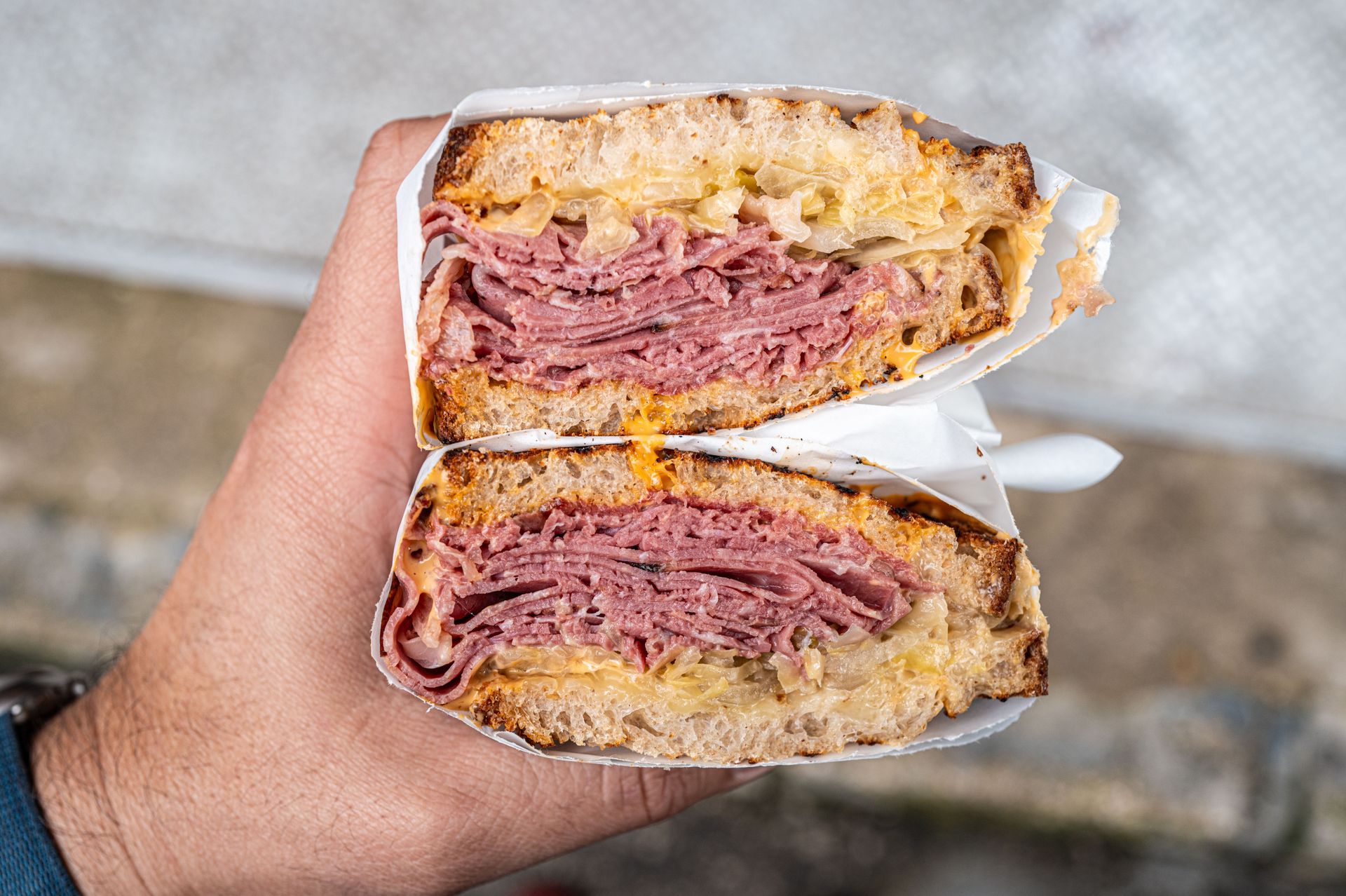
A reuben made completely from scratch starts with the bread, not the meat. The rye needs a caraway crumb dense enough to survive being grilled in butter without turning soggy under warm corned beef and sauerkraut.
The corned beef itself is a five- to seven-day project. A beef brisket cures in a brine of water, salt, sugar, and pink curing salt, along with pickling spices such as mustard seed, coriander, bay leaf, and black peppercorns. After curing, the brisket is simmered for several hours until it shreds easily, then sliced thin against the grain. Store-bought corned beef, by contrast, is typically injected with brine rather than dry- or wet-cured over days. That difference changes both texture and depth of flavor.
Sauerkraut can be made at home with just cabbage and salt, fermented at room temperature for one to four weeks until it turns sour and translucent. Homemade sauerkraut tends to be crunchier and less vinegary than the canned or jarred versions most delis use. Russian dressing is a mix of mayonnaise, ketchup or chili sauce, horseradish, and paprika. It takes minutes to stir together and keeps for a week in the refrigerator. Some versions substitute Thousand Island dressing, which swaps in sweet pickle relish.
The sandwich itself is simple to assemble: rye bread, Swiss cheese, corned beef, sauerkraut, and dressing, then more cheese and bread. It's grilled in butter on both sides until the cheese melts and the bread turns deep golden brown.
The reuben's origin is disputed. One story credits Arnold Reuben, owner of a New York City delicatessen, with inventing it in the early 20th century. A competing story traces it to Reuben Kulakofsky, an Omaha grocer, who is said to have created it for a weekly poker game at the Blackstone Hotel in the 1920s. The sandwich later won a national sandwich contest in the 1950s, cementing its place on American deli menus regardless of which city actually invented it.
Credit: Canva Images
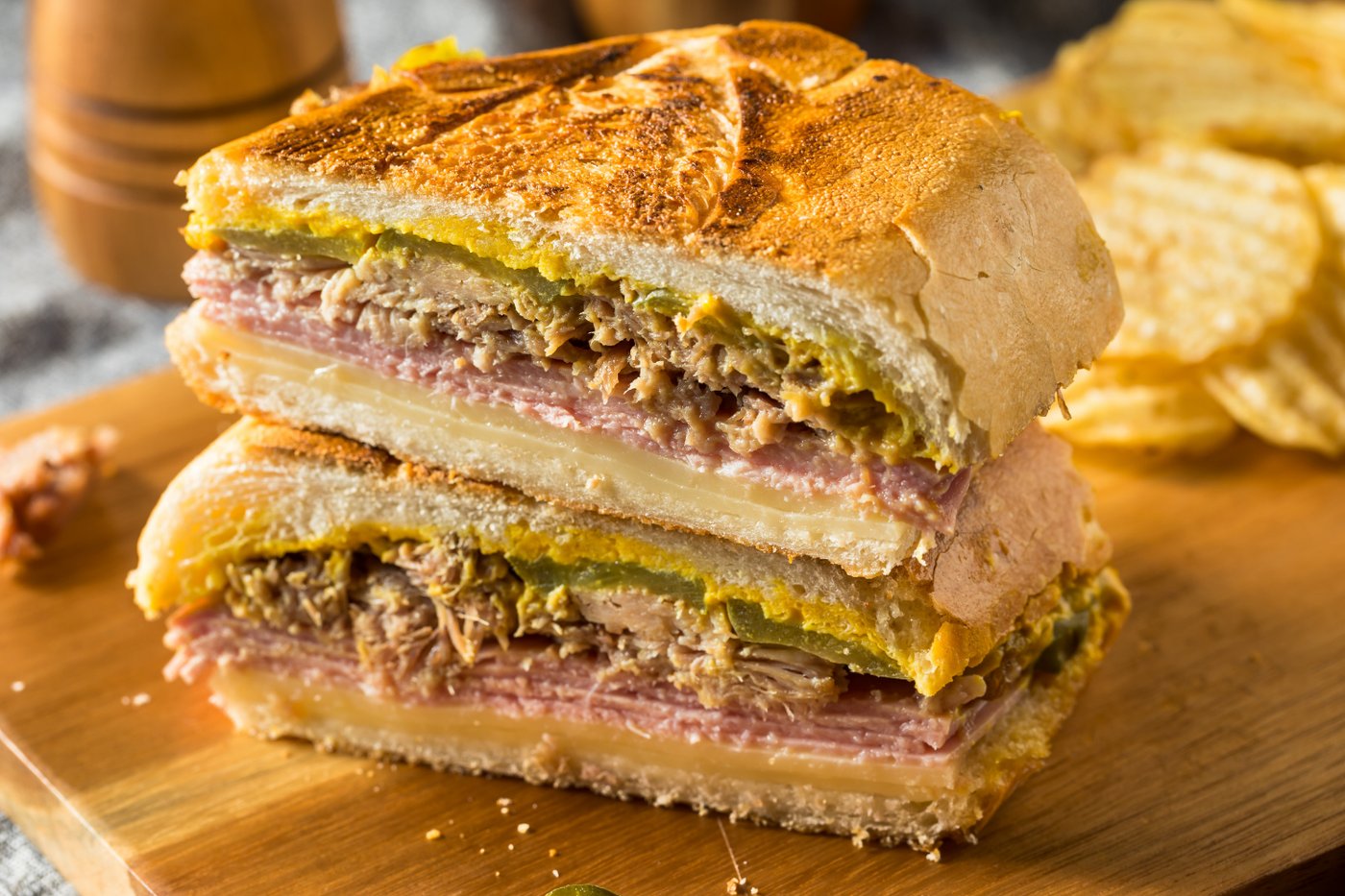
A Cuban sandwich, or cubano, depends on two components a store-bought version almost never gets right: the bread and the pork. Cuban bread is a light, slightly sweet loaf made with a touch of lard. It gets a fast rise and bakes until the crust turns thin and crackly rather than chewy. Without that specific crumb, the sandwich won't press properly.
The pork is traditionally a shoulder or leg cut. It's marinated for at least several hours, overnight is better, in a mojo made from garlic, sour orange juice or a lime-and-orange substitute, oregano, and cumin. It's then roasted slowly until it falls apart. That mojo marinade is the flavor backbone of the sandwich, and it cannot be replicated by plain sliced deli ham or pork.
Once the bread and pork are ready, assembly is straightforward. Layer sliced ham, the roasted pork, Swiss cheese, dill pickles, and yellow mustard between the split bread. Press the sandwich on a plancha, or in a heavy skillet weighted down with a second pan, until the cheese melts and the exterior turns crisp.
Two American regions claim their own version. The Tampa Cuban is tied to the historic Ybor City neighborhood, settled by Cuban, Spanish, and Italian immigrant tobacco workers. It adds a layer of Genoa salami, a nod to that Italian influence. The Miami version leaves the salami out, sticking closer to what's served in Havana. Neither is more authentic than the other. They reflect two different immigrant communities that built the sandwich into a regional identity over the 20th century.
Some traditional Cuban bakeries score the raw dough by resting a palmetto leaf along the top before baking. The technique, associated with Tampa's Ybor City bakeries, helps the loaf split naturally as it rises. It produces the long crack down the center of a finished Cuban bread loaf.
Because the pork needs hours in the oven, and the bread benefits from same-day baking, a from-scratch cubano is best planned as a weekend project. Make enough pork to have leftovers for a second round of sandwiches later in the week.
Credit: Canva Images
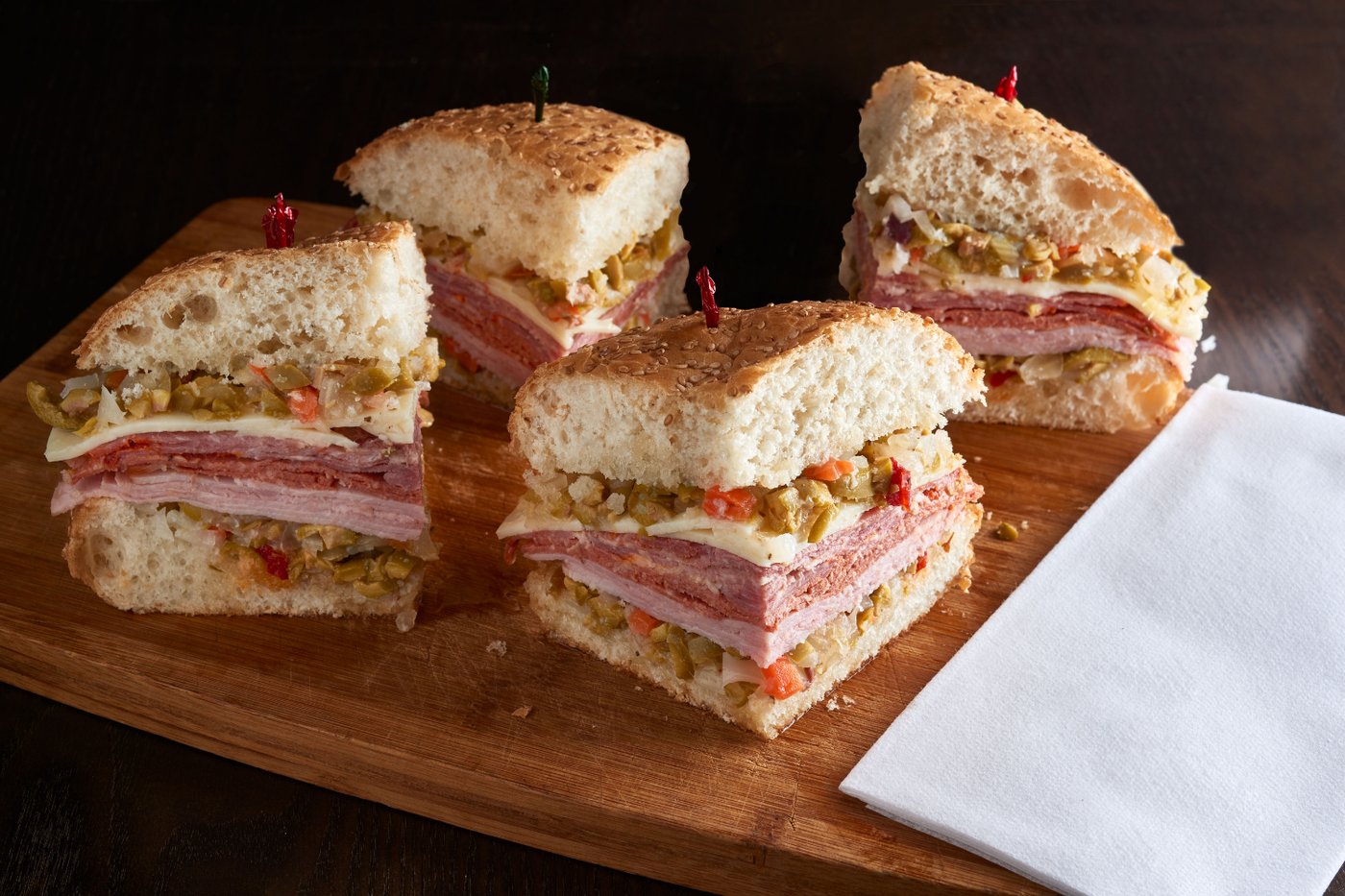
A muffuletta is defined less by its meat than by its olive salad, a chunky mix of olives, pickled vegetables, garlic, herbs, and olive oil. That salad needs at least a day to marinate before it's ready to use. Skipping that rest time is the most common reason a homemade version falls flat.
The sandwich traces back to Central Grocery, a store opened in New Orleans' French Quarter in 1906 by Sicilian immigrant Salvatore Lupo. He's credited with combining the round, sesame-seed Sicilian loaf popular with local dockworkers with an olive salad recipe brought over from Sicily. The bread itself, roughly nine or 10 inches across with a slightly chewy crumb, gives the sandwich its shape and structure. A baguette or a standard round loaf won't hold the same way.
The olive salad combines green olives, giardiniera-style vegetables such as celery, cauliflower, and carrots, garlic, oregano, and olive oil. It's chopped fine and left to sit so the flavors merge and the oil starts to soak into whatever bread it touches. That soaking is intentional. Unlike most sandwiches, a muffuletta is often better after it has rested for an hour, wrapped tightly, letting the olive oil and brine work into the bread.
On top of the olive salad go layers of mortadella, salami, ham, provolone, and sometimes mozzarella, though proportions vary by household and by deli. The sandwich can be served cold, straight from the counter, or warmed briefly so the cheese softens and the olive oil turns fragrant.
Because both the bread and the olive salad take real lead time, a homemade muffuletta works best started a day or two ahead. Bake or source the bread first, then let the olive salad sit overnight before building the sandwich. Central Grocery has traditionally sold the sandwich cut into wedges and by weight. A home version scales the same way, cut into quarters for sharing rather than into individual portions.
Credit: Jordan Coleman / Pexels
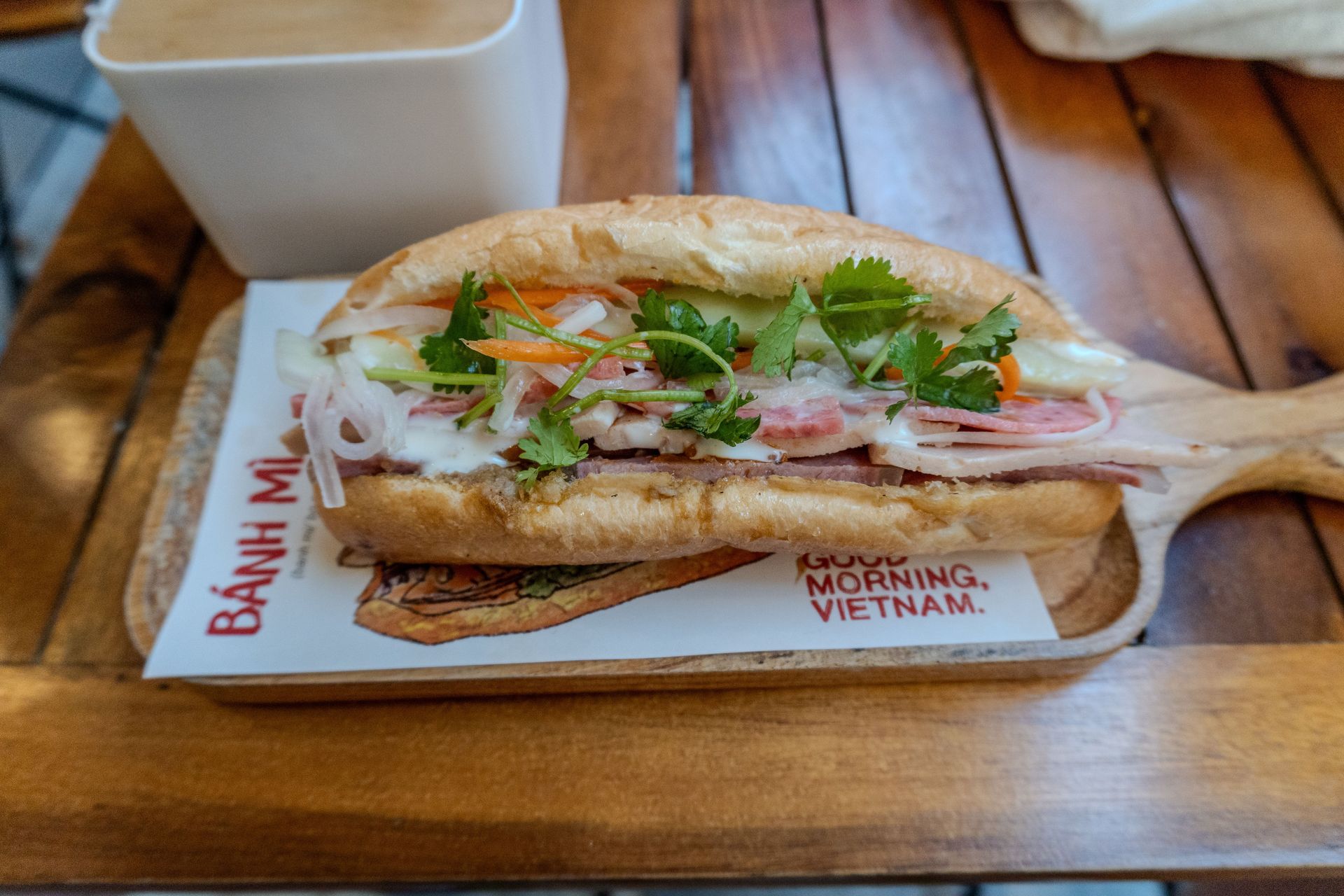
Bánh mì depends on a specific style of Vietnamese baguette that differs from a French one. A blend of wheat and rice flour gives it a lighter, airier crumb and a thinner, more shattering crust. That matters because the bread has to hold pickled vegetables, a spread, and protein without turning dense or chewy.
The pickled vegetables, called đồ chua, are made by quick-pickling julienned daikon radish and carrot in a mix of vinegar, sugar, water, and salt. A soak of at least 30 minutes works, though a few hours produces better crunch and tang. A smear of chicken liver pâté, made from scratch by cooking down liver with butter, shallots, and brandy or cognac, adds richness that store-bought liverwurst doesn't quite match.
Protein options vary widely. Grilled lemongrass pork, called thịt nướng, is marinated in lemongrass, garlic, fish sauce, and sugar, and is among the most common choices. Others use cha lua, a Vietnamese pork roll similar to a fine pâté, or a fried egg for a vegetarian-leaning version. On top go fresh cilantro, thin cucumber slices, sliced jalapeño, and sometimes a few drops of Maggi seasoning sauce.
The sandwich developed in Vietnam during French colonial rule, when French bread and pâté were introduced and gradually adapted into Vietnamese cooking. After Vietnam's division in 1954 and the war that followed, the sandwich took on its now-familiar street food form in the south. It spread internationally as Vietnamese refugees resettled abroad after 1975, opening bakeries and sandwich shops across the U.S., France, and Australia.
Building a bánh mì from scratch means budgeting time for three separate components made in advance. The bread dough needs a fermentation period. The pickled vegetables need at least half an hour. Any marinated meat benefits from several hours or overnight in the refrigerator. The word bánh mì simply means bread in Vietnamese, a naming quirk that traces back to the French term pain de mie. It's only in everyday use outside Vietnam that the word has come to mean the sandwich itself rather than the loaf.
Credit: Canva Images
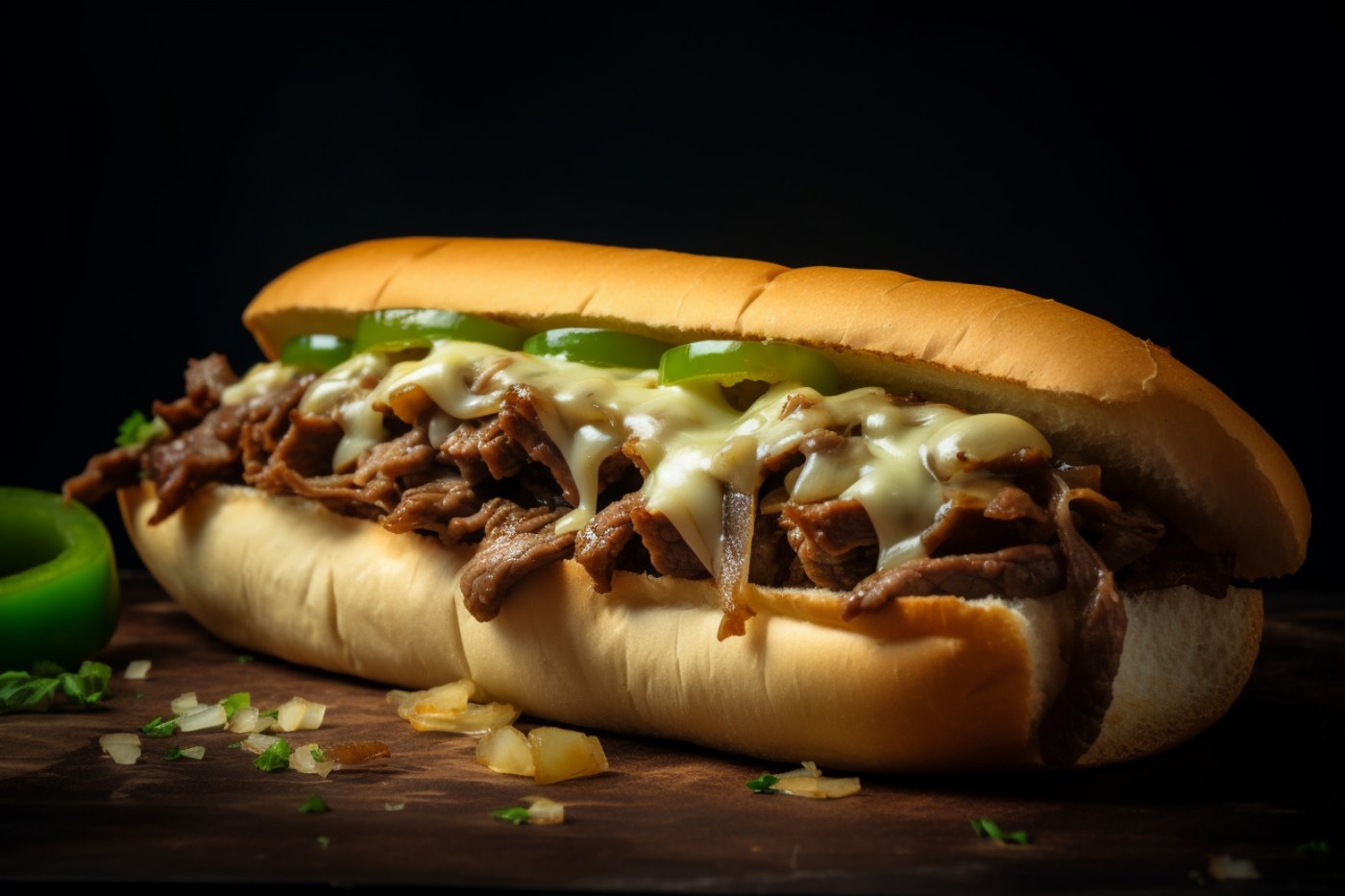
A Philly cheesesteak is only as good as the beef and the roll, both worth making rather than buying pre-sliced. Ribeye, frozen for about 30 minutes to firm it up, slices far thinner by hand or with a meat slicer than most pre-shaved packaged steak. Packaged steak tends to be tougher and drier once cooked.
The roll matters just as much as the meat. Philadelphia's Amoroso's rolls are known for a soft, slightly chewy interior and a sturdy but not crackly crust. That's sturdy enough to hold hot meat, cheese, and onions without falling apart or turning soggy. A homemade hoagie roll, enriched slightly with a bit of sugar and fat in the dough, can approximate that texture better than a standard supermarket sub roll.
The sandwich itself is cooked entirely on a flat griddle or a large skillet. Sliced ribeye is seared quickly with grilled onions, then topped with melted cheese, most commonly Cheez Whiz, provolone, or American. It's stuffed into the split roll while everything is still hot.
The sandwich is credited to Pat Olivieri, a hot dog cart vendor in South Philadelphia who began grilling beef with onions on his cart in the 1930s. That stand later became Pat's King of Steaks. Cheese was reportedly added years later, and it remains a point of local debate over whether Cheez Whiz or provolone makes the better version.
Philadelphia has its own ordering shorthand for the sandwich. Asking for a steak "wit" means with onions, and "witout" means without, along with a cheese choice named separately. That local vocabulary, along with the specific roll and beef cut, is part of why an authentic version is harder to replicate outside the region than the ingredient list suggests.
A home version benefits from one extra step often skipped. Toast the split roll, cut side down, on the same griddle used for the meat, for about a minute before filling it. That keeps the bread from turning soggy once the hot beef and melted cheese go in.
Credit: Canva Images
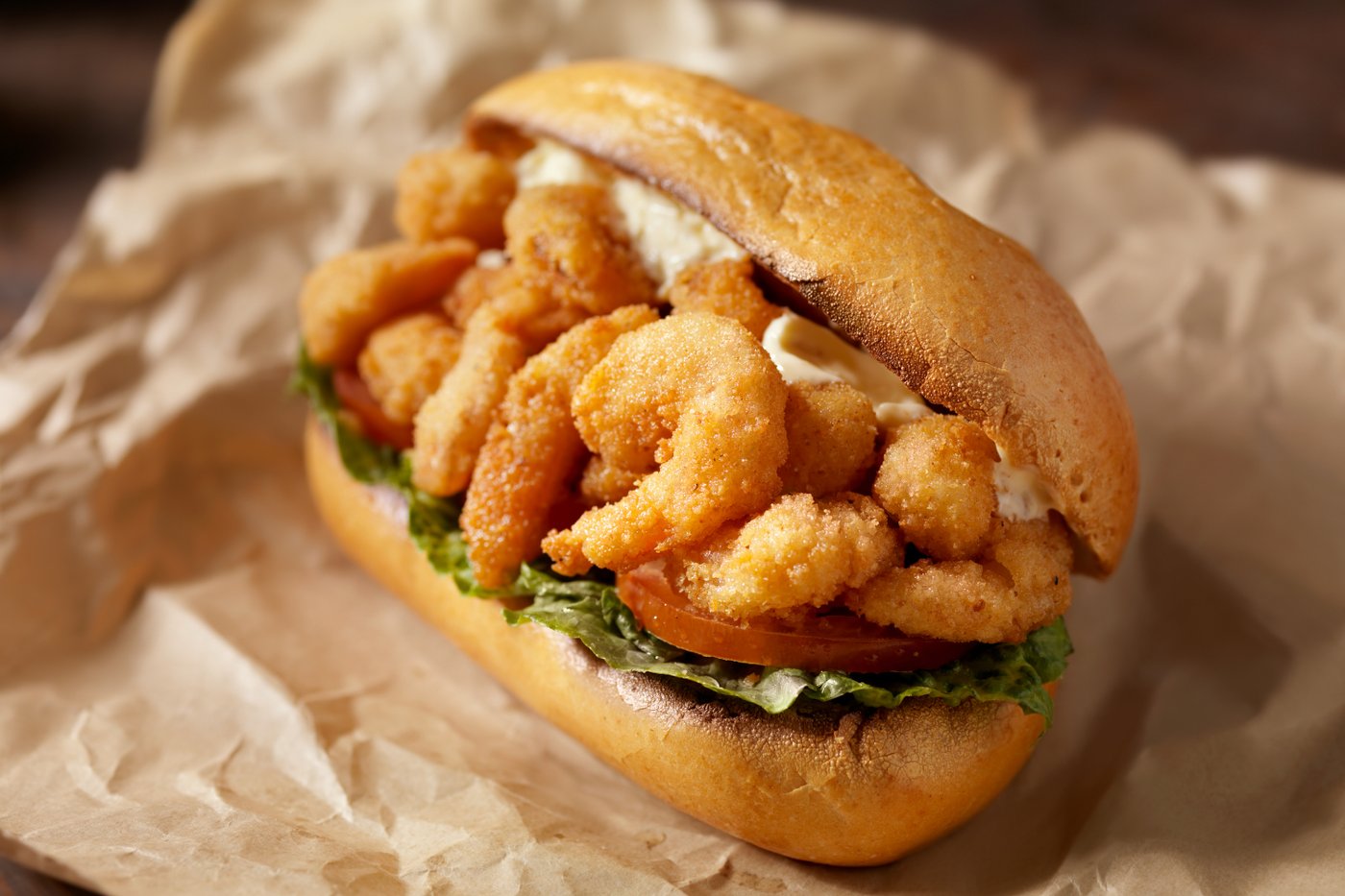
A shrimp po' boy depends on New Orleans-style French bread, a loaf with a thin, crisp crust and an airy, almost hollow crumb that's lighter than a standard baguette. That lightness comes largely from the region's humidity and specific baking methods used by New Orleans bakeries. The light crumb keeps the sandwich from turning into a dense, heavy mouthful once it's packed with fried shrimp.
The shrimp are peeled, dredged in a seasoned cornmeal-and-flour mixture, and fried until the coating turns golden and shatters slightly when bitten. The sandwich is then dressed simply: mayonnaise, shredded lettuce, sliced tomato, pickles, and hot sauce. The bread is split lengthwise and piled generously, so the crust stays crisp on the outside while the inside softens slightly from the shrimp and mayonnaise.
The sandwich's name and origin trace to a 1929 streetcar workers' strike in New Orleans. Bennie and Clovis Martin, former streetcar conductors who had opened their own restaurant, gave free sandwiches to striking workers. They reportedly told staff to feed the poor boys whenever one came to the door. The name stuck, eventually shortened to po' boy. The sandwich expanded well beyond fried shrimp to include roast beef with gravy, fried oysters, and other fillings, though the shrimp version remains one of the most common.
Because the bread is the hardest part to replicate outside Louisiana, a homemade po' boy loaf benefits from a very hot oven. A pan of water or ice cubes added partway through baking creates steam, mimicking the crackling crust of New Orleans bakeries. The shrimp itself should be fried just before serving. Letting fried shrimp sit causes the coating to soften and lose the crispness the sandwich depends on. In New Orleans, ordering a sandwich "dressed" means with lettuce, tomato, pickles, and mayonnaise already added, a bit of local shorthand worth knowing even when making the sandwich at home.
Credit: Canva Images
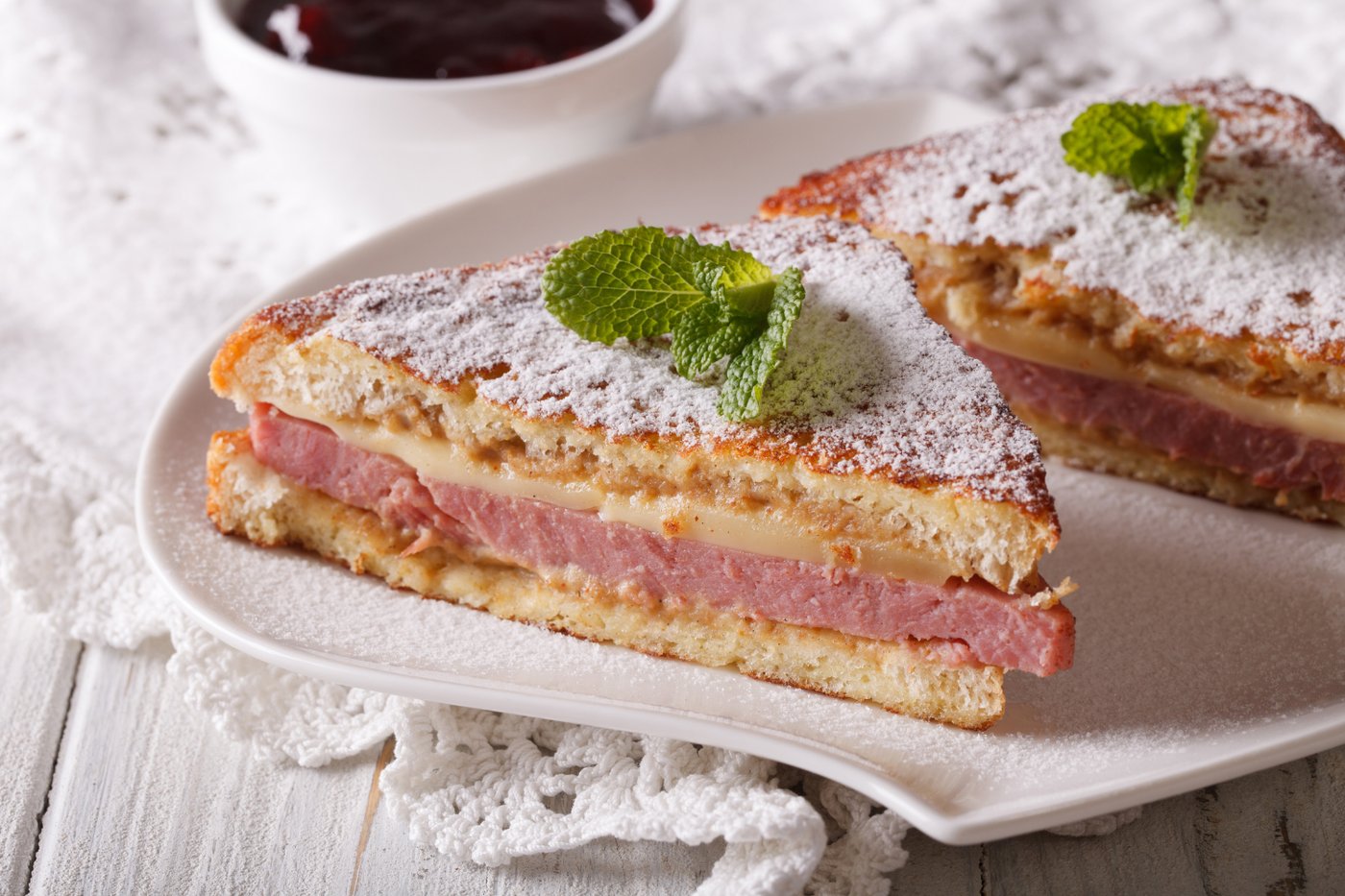
A Monte Cristo is a ham and cheese sandwich dipped in egg batter and fried like French toast, then dusted with powdered sugar. It's sometimes served alongside a small dish of jam or preserves for dipping. Making the sandwich from scratch mostly comes down to the frying technique. A soggy or greasy result usually means the pan wasn't hot enough, or the batter was too thick.
The base sandwich layers ham, turkey or chicken, and Swiss cheese between slices of white bread, sometimes with a thin layer of mustard or mayonnaise. The whole sandwich is then dipped in a beaten egg mixture, similar to French toast batter. It's pan-fried in butter until golden on both sides and the cheese has fully melted inside.
The sandwich is generally understood as an American adaptation of the French croque monsieur. It developed its own identity by adding the egg-batter frying step and the powdered sugar finish, moves that pull it toward a dessert-savory hybrid rather than a straightforward grilled sandwich. It appeared on American restaurant menus by the mid-20th century. It became especially associated with Disneyland's Blue Bayou Restaurant, which opened in 1967 and still serves its own version, as well as with casual dining chains like Bennigan's.
Because the frying step is the part most likely to go wrong, temperature control matters here more than in almost any other sandwich on this list. Butter that's too hot will brown the bread before the inside heats through. Butter that's too cool will let the bread soak up excess fat and turn heavy. A medium-low heat, with patience to let each side cook for a few minutes, produces the golden, not-greasy result the sandwich is known for.
Securing the sandwich with a few toothpicks before it goes into the pan keeps the layers from sliding apart as the egg batter cooks. Draining it on a wire rack afterward, rather than on paper towels, keeps steam from softening the crust while it cools slightly before slicing.
Credit: Canva Images
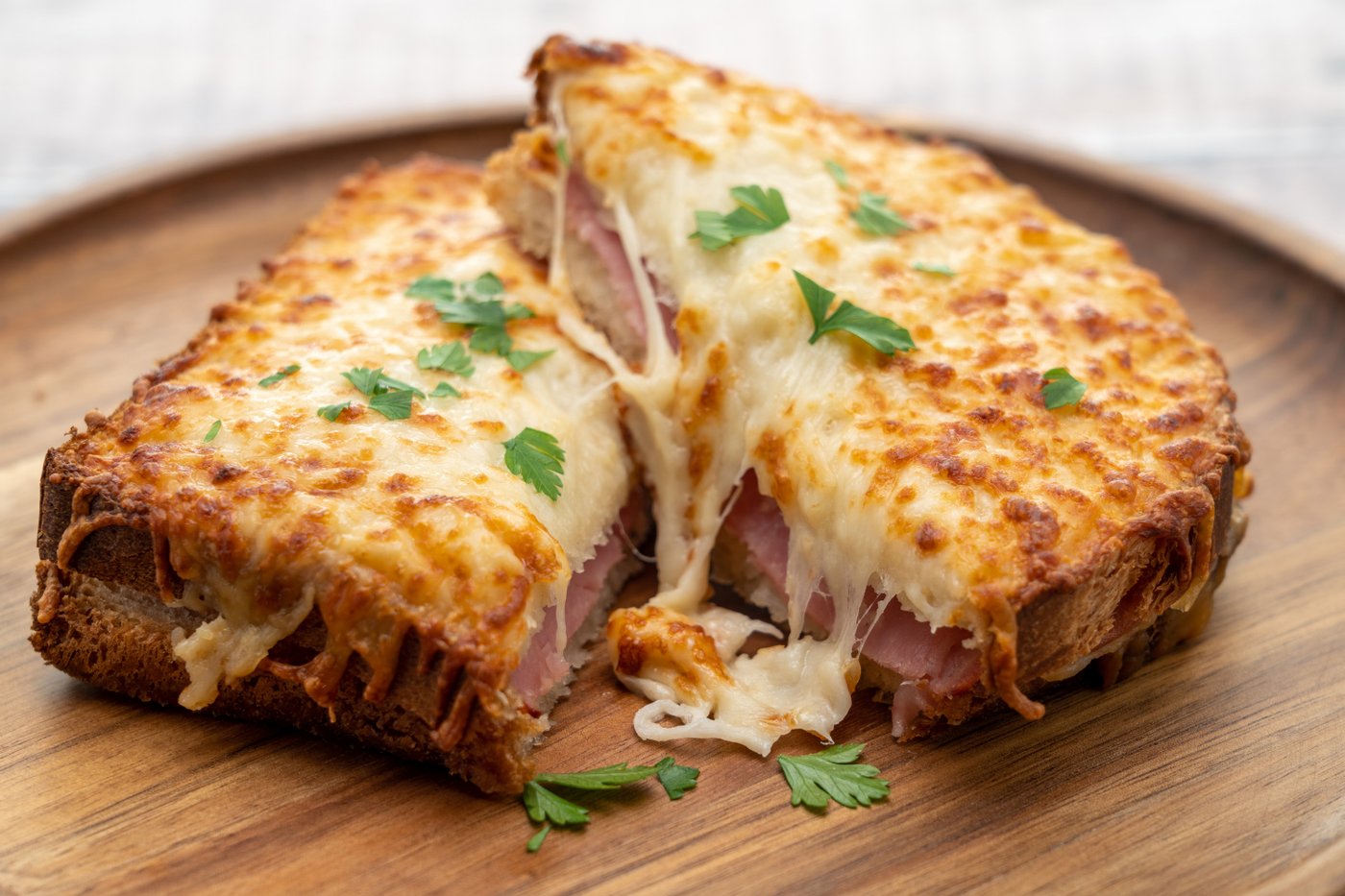
Croque monsieur is a French grilled ham and cheese sandwich built on béchamel sauce rather than mayonnaise or butter alone. That detail separates it from a standard toasted sandwich. The name comes from the French verb croquer, meaning to crunch, and the sandwich is believed to have first appeared on Paris café menus in the early 1910s.
The sandwich layers ham and gruyère cheese between slices of bread, coated with a béchamel sauce made from butter, flour, and milk. It's then topped with more grated cheese and either grilled in a pan or broiled in the oven until the top turns golden and bubbling. The béchamel gives the sandwich its rich, slightly custardy texture on top of the melted cheese. It's worth making fresh rather than skipping, since a version without it is closer to a basic grilled cheese with ham.
A croque madame is the same sandwich with a fried or poached egg placed on top just before serving. The runny yolk adds another layer of richness once it breaks over the sandwich.
Gruyère is the traditional cheese, prized for its nutty flavor and how smoothly it melts, though other alpine-style cheeses such as Comté are sometimes substituted. The bread should be sturdy enough to support the sauce and cheese without falling apart. That's why many French bakeries use a slightly dense white pain de mie rather than a crusty baguette.
The béchamel needs a few minutes of constant whisking to avoid lumps, and the sandwich needs a hot broiler or oven at the end. Even so, croque monsieur comes together faster than most sandwiches on this list. That makes it one of the more approachable from-scratch options despite its restaurant reputation. It remains a standard lunch item in French cafés and bistros, often served alongside a small green salad rather than fries. It's also a common way French households use up leftover ham after a holiday meal.
Credit: Canva Images
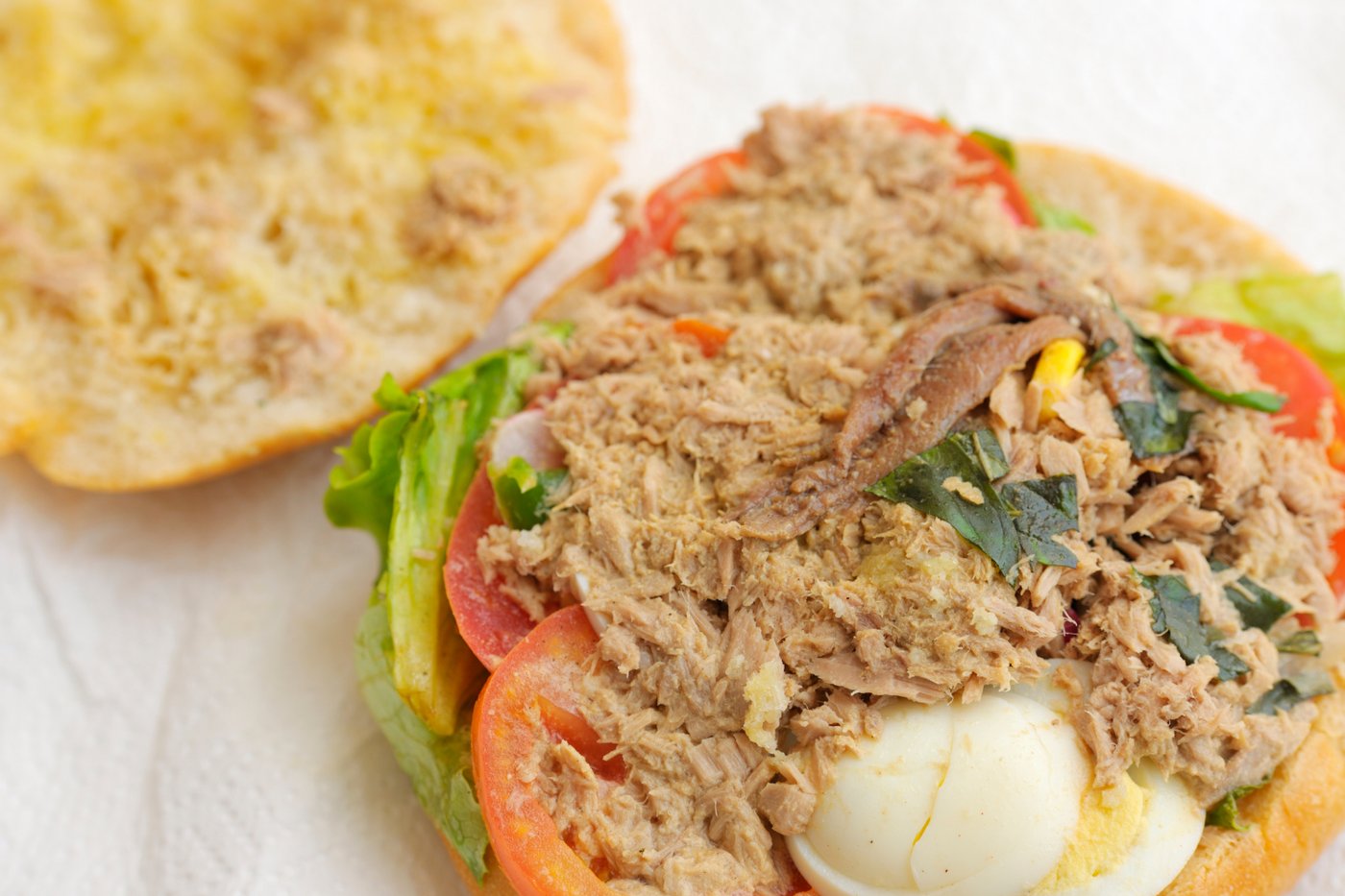
Pan bagnat is a Niçoise sandwich built around olive oil rather than mayonnaise or mustard. Its name translates to bathed bread in the local Niçoise dialect. That describes exactly what happens to it: the round crusty bread is doused in olive oil and left to rest so the oil soaks in before the sandwich is eaten.
The filling mirrors a salade niçoise: canned or fresh tuna, hard-boiled eggs, ripe tomatoes, small black Niçoise olives, anchovies, and thin slices of raw onion and bell pepper. The bread, typically a round crusty roll, is first rubbed with a cut garlic clove. It's then split and drizzled generously with olive oil, and sometimes a splash of red wine vinegar, before the filling goes in.
Unlike most sandwiches on this list, pan bagnat is meant to be made ahead and pressed. After assembly, the sandwich is wrapped tightly, sometimes weighted down with a heavy plate or a cutting board. It's left to sit for an hour or more, even overnight in the refrigerator. That resting period lets the olive oil work into the bread and the flavors of the tomato and olives blend. The sandwich should never be served immediately after it's built.
The dish originates from Nice, in the south of France, where it grew out of a tradition of using day-old bread rather than throwing it away. Moistening it with olive oil kept it from being dry or stale by the time it was eaten. That practical origin is part of why the sandwich uses simple, pantry-stable ingredients rather than anything requiring a stove.
There's no cooking involved beyond boiling eggs, which makes pan bagnat one of the least technically demanding sandwiches on this list. The resting time, though, makes it a plan-ahead dish rather than a quick one. Some households also add artichoke hearts or thin slices of radish to the filling. The sandwich is traditionally eaten as a portable lunch, wrapped in paper the way it might be carried to a beach in Nice.
Credit: Canva Images
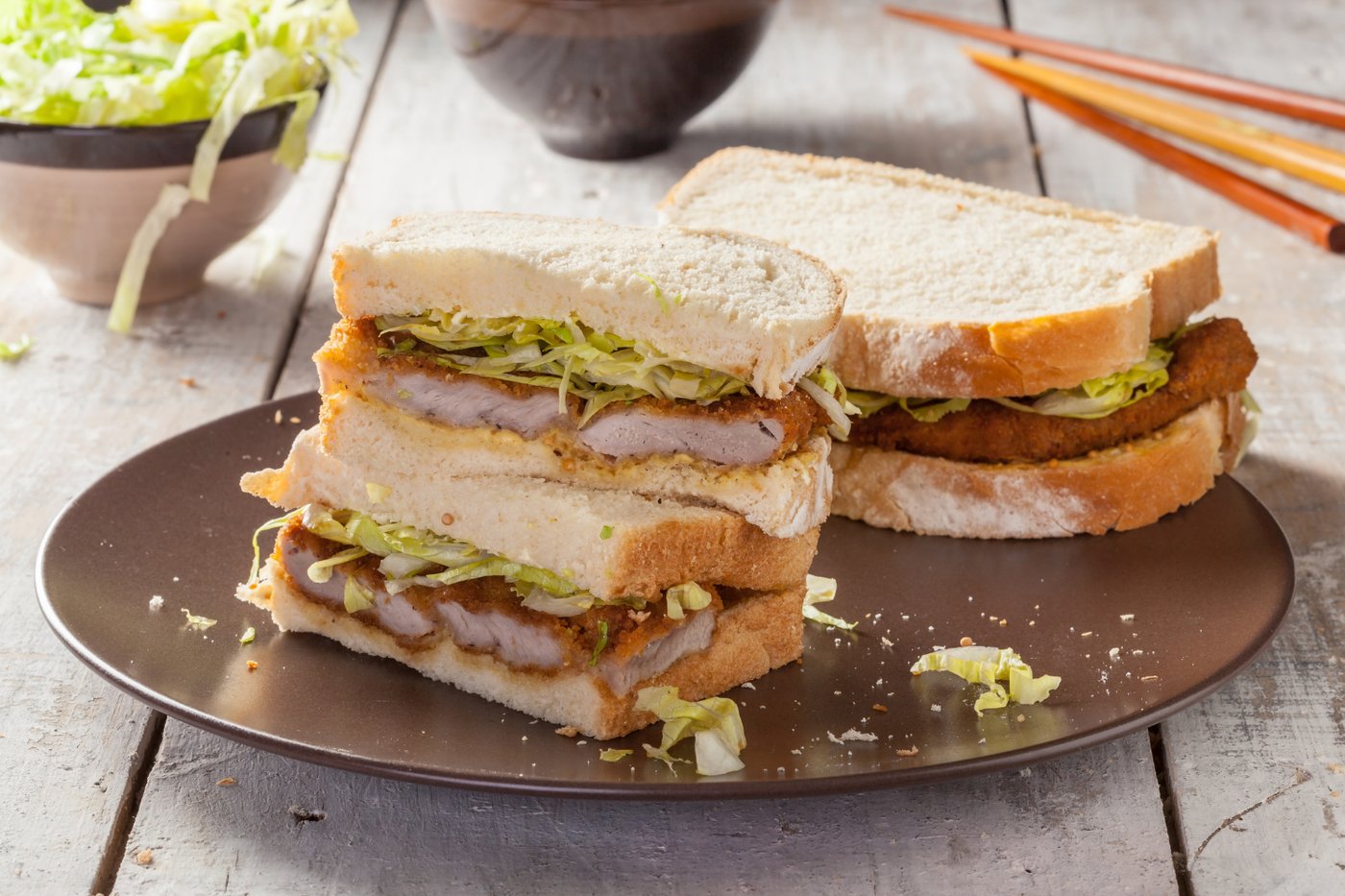
Katsu sando is a Japanese sandwich built on shokupan, a soft, slightly sweet milk bread with a fine, even crumb, and tonkatsu, a breaded and deep-fried pork cutlet. Together they give the sandwich its now widely recognized cross-section of crisp, breaded pork against pillowy white bread.
The pork, usually a boneless loin or fillet cut, is pounded to an even thickness and coated in flour, egg, and panko breadcrumbs. It's then deep-fried until the coating turns deep golden and shatters when cut. Panko's larger, airier flakes create a crunch that regular breadcrumbs don't replicate. That's part of why the coating stays audibly crisp even after the sandwich is cut and packed.
Tonkatsu sauce is a thick, slightly sweet condiment built on a Worcestershire-sauce base with fruit and vegetable purée, spread on the bread before the cutlet goes in. The Bulldog brand is one of the most widely recognized versions in Japan. Some versions add finely shredded cabbage or a thin layer of mustard. The classic convenience-store version keeps it simple: bread, sauce, cutlet, bread, with the crusts trimmed off before the sandwich is sliced into rectangles.
The sandwich is a staple of Japanese convenience stores and department store basement food halls, known as depachika, where it's sold pre-packaged and sliced. It gained considerable international attention through social media in the 2010s and 2020s. Bakeries outside Japan, including in the U.S. and U.K., have added their own versions to menus.
Shokupan requires a slightly different technique than a standard sandwich loaf. It often uses a scalded-flour method called tangzhong to keep the crumb soft and moist for days. That makes it worth baking a day ahead, rather than trying to make bread and fry pork on the same afternoon. The cutlet itself should be pounded to a fairly even one-inch thickness before breading. Frying it in oil kept close to 340 degrees Fahrenheit keeps the panko from over-browning before the pork cooks through.
Credit: Canva Images
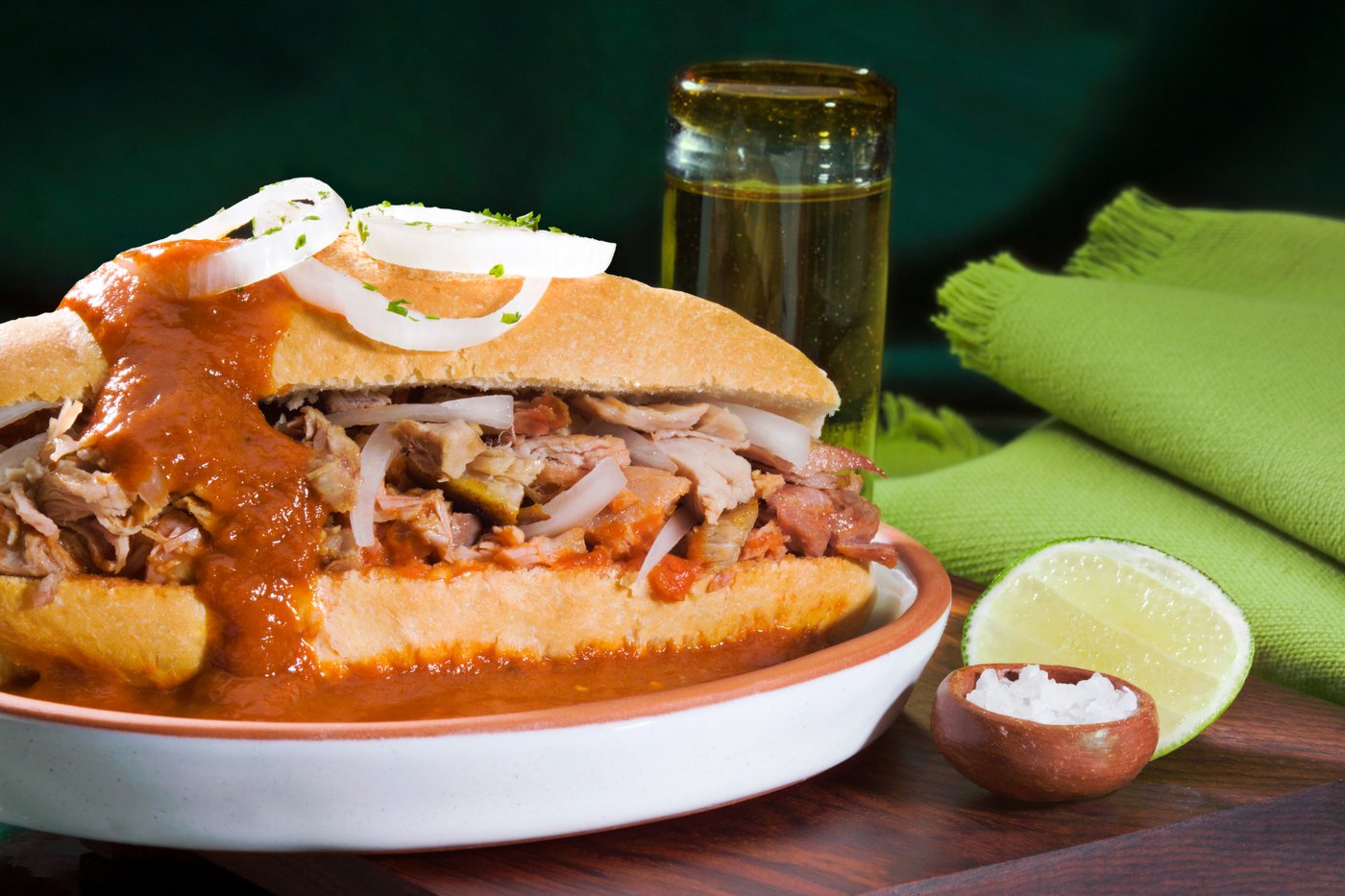
Torta ahogada, which translates to drowned sandwich, is a specialty of Guadalajara, Mexico. It's built on birote, a dense, slightly sour crusty roll unique to the city, and then literally submerged in a spicy tomato and chile de árbol sauce just before serving.
Birote differs from a standard bolillo roll in that it's fermented longer and baked with a thicker, chewier crust. It's closer in character to a sourdough than to a typical soft Mexican bread roll. That sturdier bread is necessary because the sandwich gets fully soaked in sauce, and a softer roll would fall apart before reaching the table.
The filling is carnitas, pork simmered and then fried in its own rendered fat until tender and lightly crisped at the edges. It's tucked into the split birote along with a smear of refried beans. The sauce is made by soaking dried chile de árbol peppers and blending them with tomato, garlic, and vinegar. It ranges from moderately spicy to intensely hot depending on how many chiles are used. The sandwich can be served half-drowned for those who want less sauce, or fully submerged for the traditional version.
Pickled red onions, made quickly with vinegar, lime, and salt, are typically served on top or alongside. They add acidity that cuts through the richness of the pork and the heat of the sauce.
Making torta ahogada from scratch means treating the sauce and the bread as separate projects. The birote dough needs a longer ferment for its characteristic tang, and the chile sauce benefits from being made a day ahead so the flavors settle. The sandwich itself should be assembled and drowned only immediately before eating, since the bread will fully saturate and start to fall apart within a few minutes of being submerged. In Guadalajara, the sandwich is commonly eaten in the morning, and locals often reach for a spicier, fully drowned version as a remedy after a late night out.
Credit: Canva Images
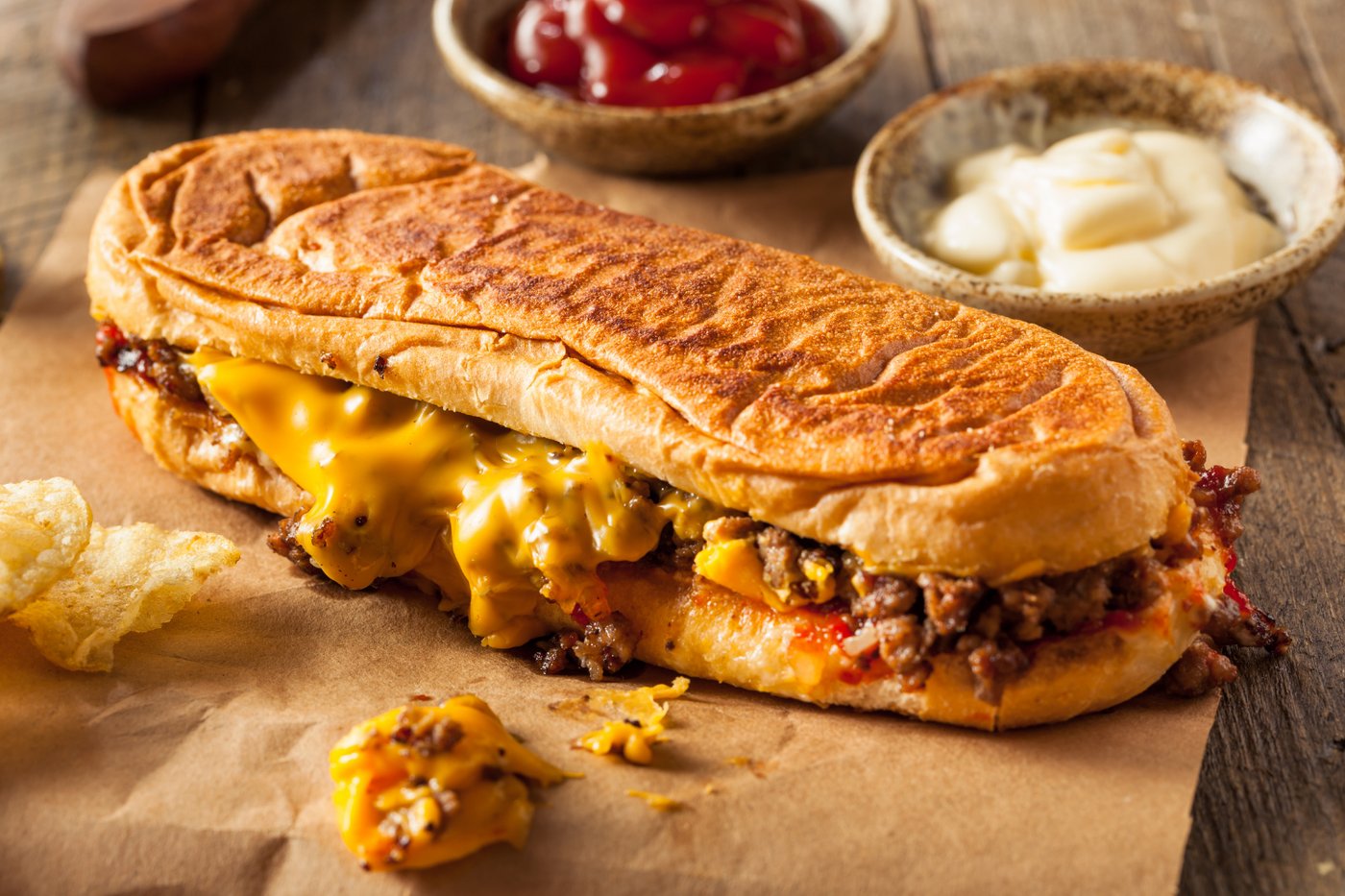
Chopped cheese is a New York City bodega sandwich built on a flat-top griddle. Ground beef is chopped fine while it cooks with diced onions, then folded together with melted American cheese. It's piled onto a hero roll with lettuce, tomato, and condiments such as mayonnaise, ketchup, and hot sauce.
The sandwich is closely associated with East Harlem and parts of the Bronx, where corner bodegas with deli counters have long served the dish as a quick, affordable meal. It's cooked to order on the same griddles used for eggs and other breakfast sandwiches earlier in the day. A Philly cheesesteak uses thin-sliced whole cuts of beef. Chopped cheese starts with ground beef instead, giving it a looser, more crumbled texture once it's mixed with the melted cheese and onions.
Making it at home starts with a hot flat griddle or a wide skillet, since the beef needs to sear and brown quickly rather than steam. That happens if the pan is overcrowded or not hot enough. The onions go in first or alongside the beef, cooked until soft and slightly caramelized. The cheese is added near the end so it melts directly into the meat rather than sitting on top as a separate layer.
The sandwich gained wider recognition outside its home neighborhoods in the 2010s, partly through social media and hip-hop culture referencing it. That attention pushed it from a strictly local bodega item into a dish written about and recreated well beyond New York City.
A hero or sub roll with a slightly crisp crust and soft interior holds up best. The sandwich is meant to be eaten hot, right off the griddle, rather than made ahead and reheated. Reheating causes the bread to soften unevenly and the beef to dry out. Blue Sky Deli, an East Harlem bodega also known locally as Hajji's, is frequently cited as central to popularizing the sandwich. Corner delis across the neighborhood, though, have served their own versions for decades.
Credit: Canva Images
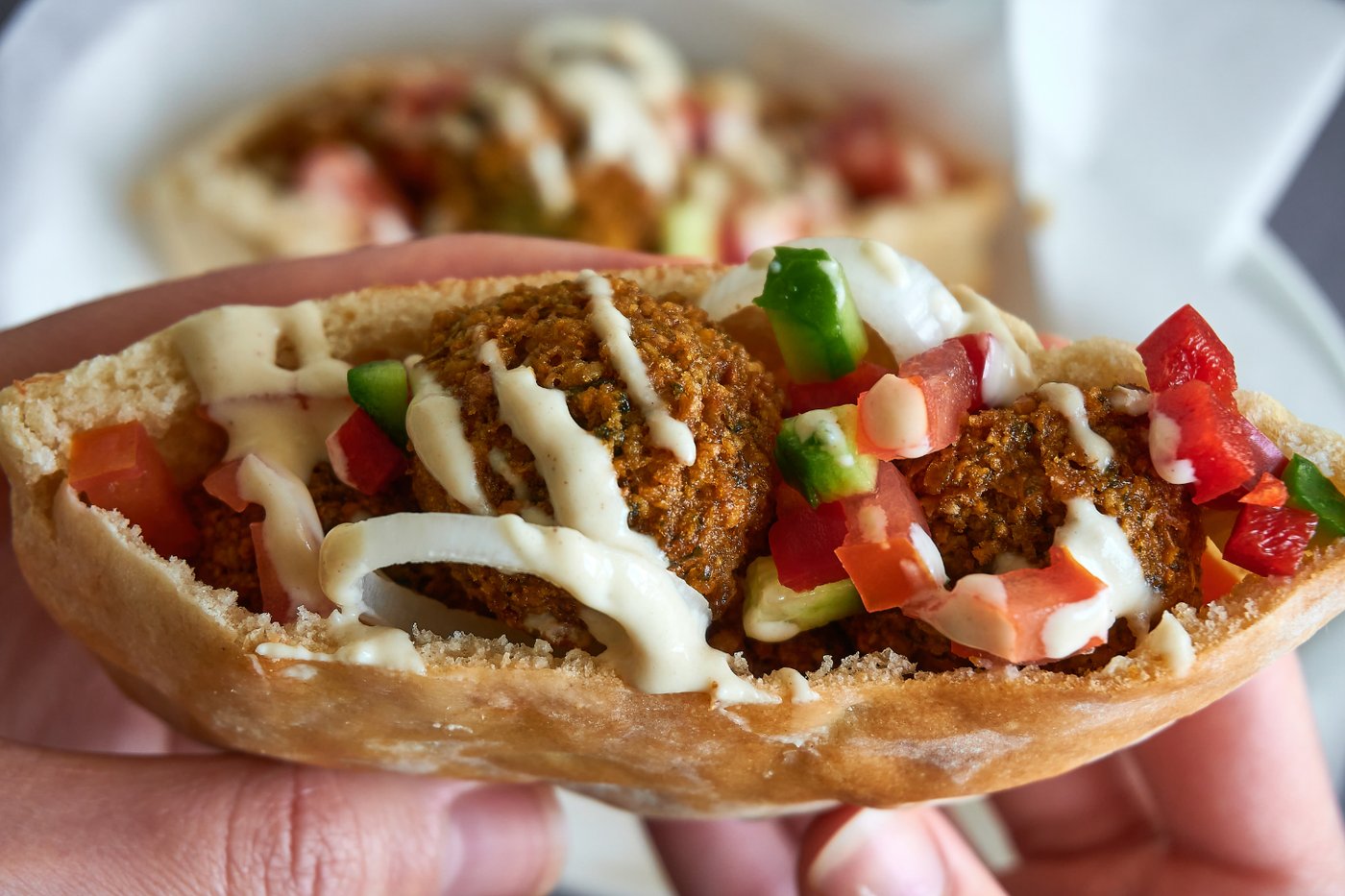
A falafel sandwich depends on dried chickpeas rather than canned ones, soaked overnight in water rather than cooked. That's the detail most home cooks skip, and the reason many homemade versions turn out mushy or fall apart in the fryer.
The soaked chickpeas are ground, not puréed smooth, with garlic, fresh parsley or cilantro, and spices such as cumin and coriander. The mixture is bound together, sometimes with a small amount of baking soda or flour, and shaped into balls or patties. Canned chickpeas are already cooked and higher in moisture, and tend to produce a wetter mixture that absorbs more oil and falls apart during frying. That's why traditional recipes insist on the dried, soaked version.
The falafel is deep-fried until deeply browned and crisp on the outside while staying tender inside. It's then tucked into pita or a flatbread such as laffa along with tahini sauce, made from tahini paste thinned with lemon juice, garlic, and water. Toppings vary by region and household, but commonly include hummus, pickled turnips, often dyed pink with beet juice in Levantine versions, and a chopped salad of tomato, cucumber, and onion.
Falafel is popular across the Levant and in Israel, with recipes and preferred spice blends varying by country and community. Some versions use fava beans instead of or alongside chickpeas, producing a slightly different texture and flavor.
Frying temperature matters as much as the chickpea prep. Oil that's too cool causes the falafel to absorb excess grease and fall apart, while oil that's too hot browns the outside before the inside cooks through. A thermometer, keeping the oil around 350 degrees Fahrenheit, produces the most consistent results.
The sandwich is naturally vegetarian, and it holds up well as a make-ahead option. The raw falafel mixture can be shaped and refrigerated for a day before frying. Or the fried falafel can be frozen and reheated in an oven to keep the coating from turning soft.
Credit: Canva Images
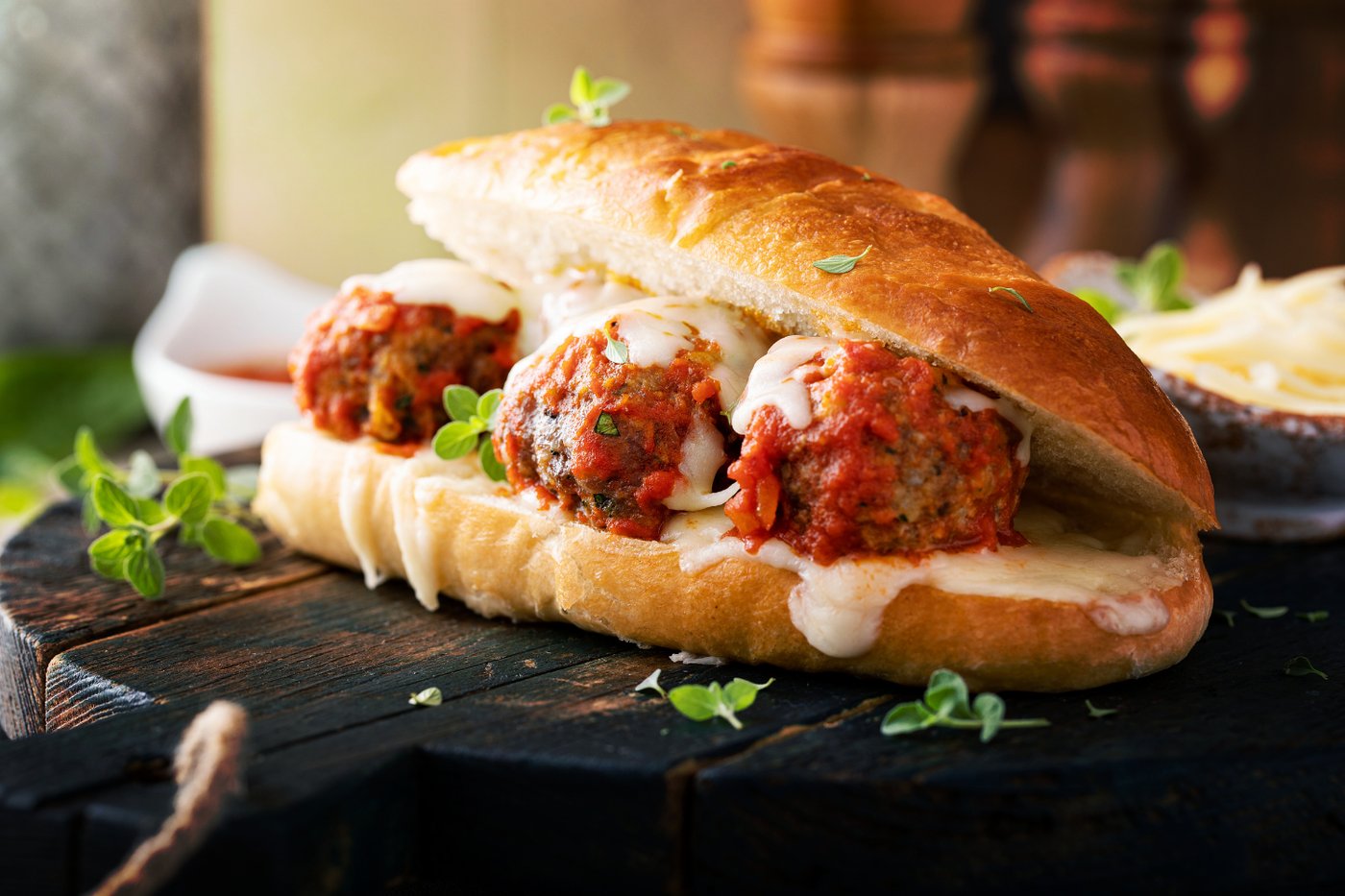
A meatball sub starts with meatballs made from ground beef, or a beef-and-pork blend, mixed with breadcrumbs, egg, grated parmesan, garlic, and parsley. They're simmered directly in homemade marinara rather than fried separately and added later, which keeps them moist and lets them absorb the sauce's flavor as they finish cooking.
The marinara itself is simple: crushed tomatoes, garlic, olive oil, and basil, simmered until it thickens slightly, without needing the long cook times of a heavier Sunday gravy. Store-bought jarred sauce works in a pinch. A version made fresh with good canned tomatoes tends to taste brighter and less sweet, since most jarred options add extra sugar.
Once the meatballs and sauce are ready, the sandwich comes together on a sturdy sub or hoagie roll. Split it most of the way through, rather than all the way, so it can hold the sauce without leaking. Meatballs and extra sauce go inside, topped with shredded or sliced mozzarella or provolone. It's broiled briefly, just until the cheese melts and browns slightly at the edges.
The sandwich traces to Italian immigrant communities in the U.S. in the early 20th century, particularly in cities like New York and Philadelphia. Meatballs, not traditionally served with pasta in most regions of Italy, became an American-Italian dish adapted to available ingredients and larger portion expectations.
The meatballs benefit from simmering in sauce for at least 20 to 30 minutes, both to cook through and to soak up flavor. The bread should also be sturdy enough to survive broiling without turning soggy. A from-scratch meatball sub is best built in stages: meatballs and sauce first, then assembly, then a short trip under the broiler right before serving. Both the meatballs and the sauce freeze well on their own, which makes this one of the more practical sandwiches on this list to prepare well ahead of time.
Credit: Canva Images
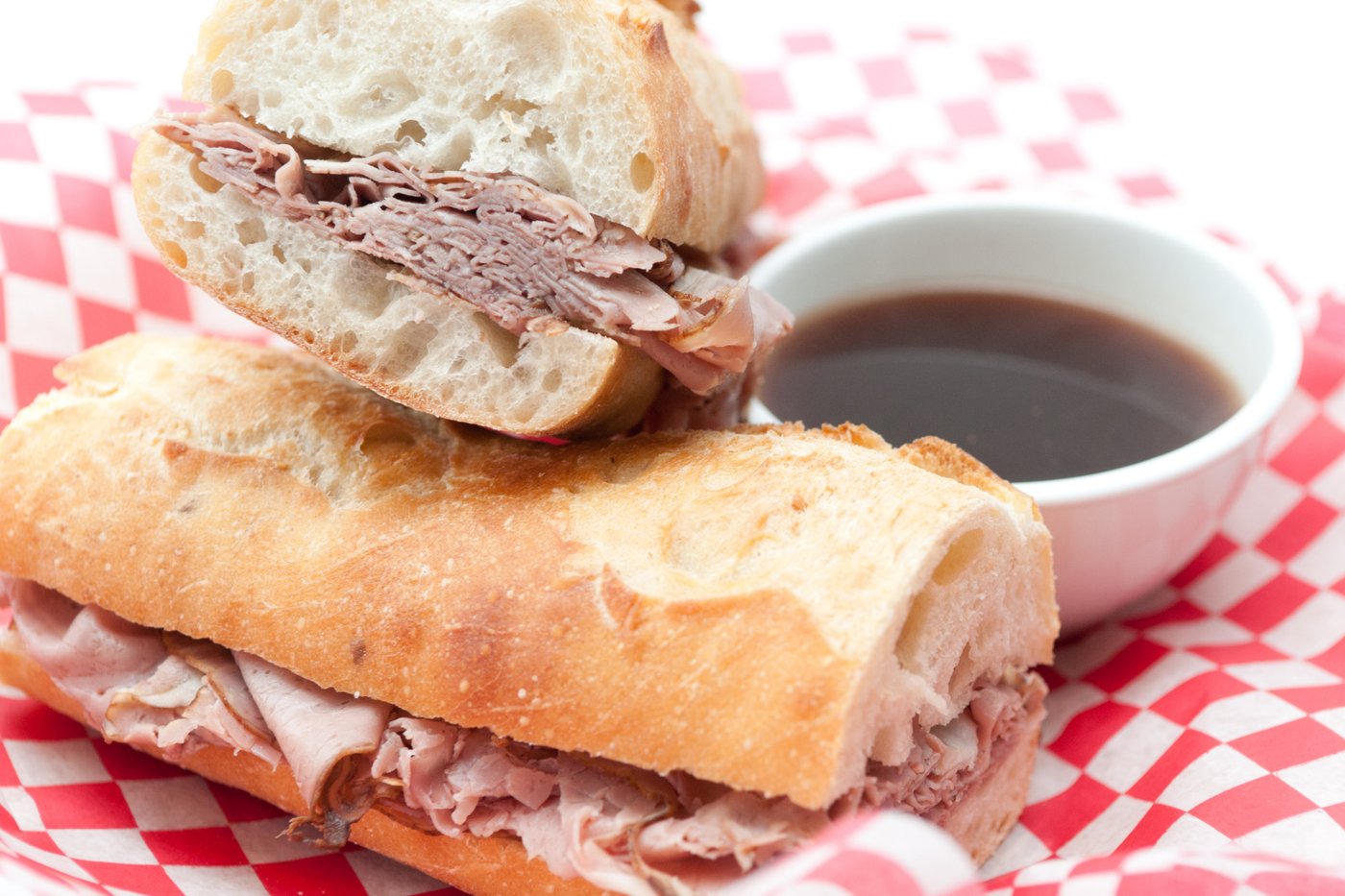
French dip is a roast beef sandwich served with a side of jus, a thin sauce made from meat drippings, for dipping. Its defining feature from scratch is the beef itself: a whole roast, seasoned and slow-roasted, rather than pre-sliced deli beef reheated in broth.
The roast, often a cut like top round or sirloin, is seasoned simply with salt, pepper, and sometimes garlic. It's roasted at a moderate temperature until it reaches the internal temperature for medium-rare. It's rested, then sliced thin against the grain. The pan drippings left behind form the base of the jus, typically simmered with beef stock, garlic, and thyme to build a deeper flavor than the drippings alone would provide.
The sandwich is assembled on a French roll, its interior sometimes soaked briefly in the jus before the beef goes in. It's served with the remaining jus in a small cup on the side for dipping bite by bite.
Its origin is disputed between two Los Angeles restaurants, Philippe's the Original and Cole's Pacific Electric Buffet. Both claim to have invented the sandwich around 1908, and both still serve their own versions today. Philippe's version is known for offering a choice of double-dipped bread, while Cole's has historically leaned toward a richer, more concentrated jus.
The roast needs time in the oven, and the jus benefits from simmering down after the beef comes out. A from-scratch French dip is best planned around the roast's cook time, rather than treated as a quick weeknight sandwich. Leftover beef and jus also reheat well for a second round of sandwiches the next day. Some versions add a slice of Swiss or provolone cheese melted onto the beef before the roll closes, or a smear of horseradish sauce. The original diner-style sandwich, though, relies on the jus alone for flavor.