
The 8 most scenic river cruises in the United States
These eight scenic U.S. river cruises swap interstate highways for waterways, floating past deep canyons, roaring waterfalls, antebellum mansions and California wine country
Credit: Stephen Leonardi / Pexels
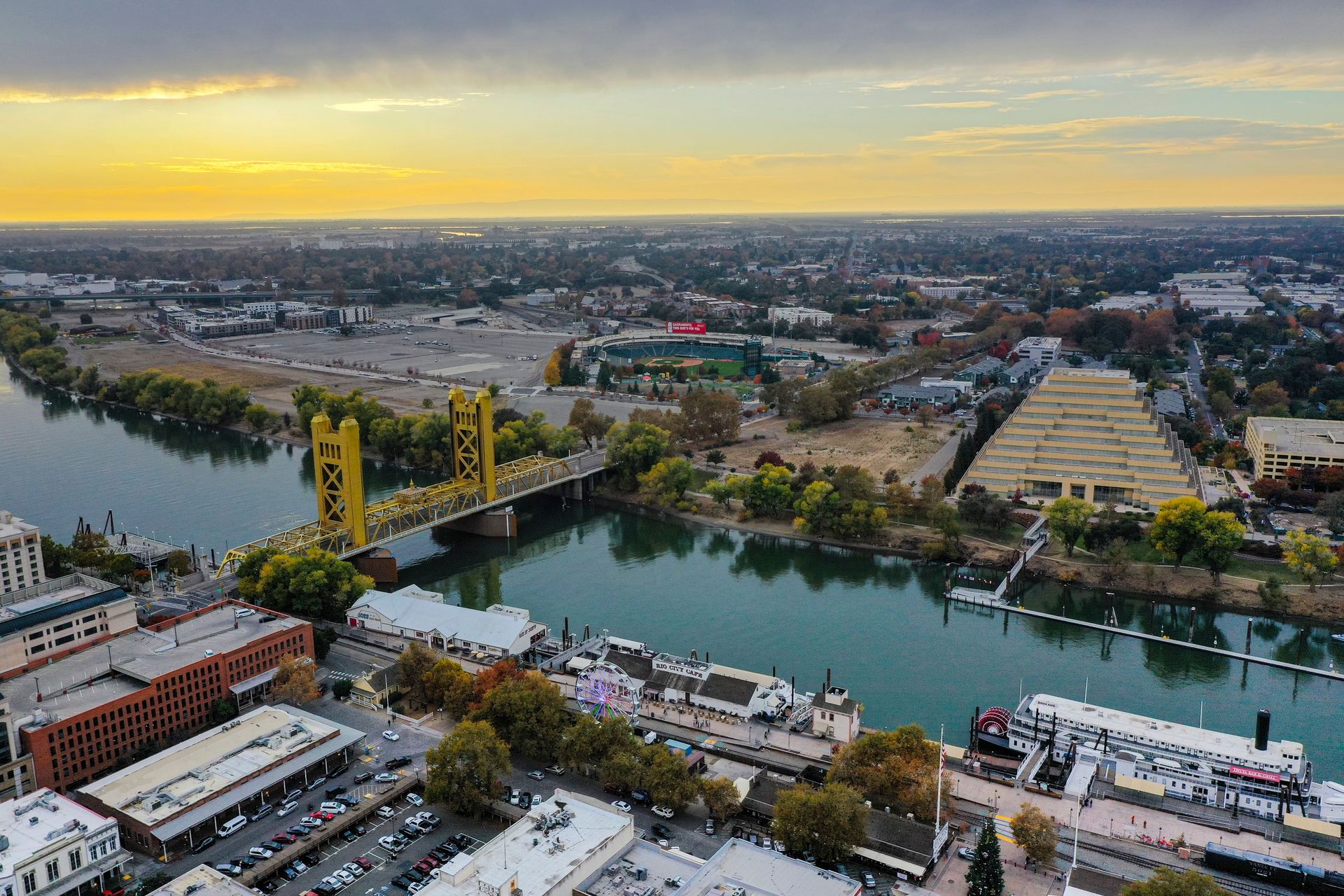
Paddlewheelers have carried passengers up the Mississippi since the 1800s, but the modern version of that trip looks nothing like Mark Twain's river. Today's U.S. river cruise ships are small, usually under 300 passengers, and they no longer stick to the Mississippi. Itineraries now run up the Columbia and Snake rivers through the Pacific Northwest, along the Hudson through New York's Hudson Valley, and down Florida's blackwater St. Johns River. Others sail through California wine country on the Sacramento River.
Each route packages a different piece of American geography into one trip with no driving involved. A passenger can watch a 620-foot waterfall from the top deck one afternoon, then wake up the next morning beside an antebellum mansion wrapped in Spanish moss. None of it requires a passport, a rental car, or more than one bag to unpack.
The rivers themselves do not look alike, which is why this list sorts them by scenery instead of by ship amenities or itinerary length. A cruise through Hells Canyon on the Snake River passes a gorge deeper than the Grand Canyon. A cruise on the Upper Mississippi runs along up to 500-foot limestone bluffs in a stretch of the Midwest the last ice age never reached. A Hudson River cruise times its route to autumn, when the Catskills and the Hudson Valley turn red and gold around Gilded Age estates.
This list covers eight of the most scenic river cruises in the U.S., chosen for what is visible from the water rather than for onboard amenities or price. Each entry names the river, the stretch of it worth sailing, and the specific landscape, landmark, or season that sets it apart from the others. Some of these routes run for as few as five days. Others stretch past three weeks and connect two or three rivers in a single itinerary. What they share is a window seat on a part of the country most travelers only ever see from an interstate.
Columbia River Gorge cruise from Portland, Oregon
Credit: Liz Lauren / Pexels
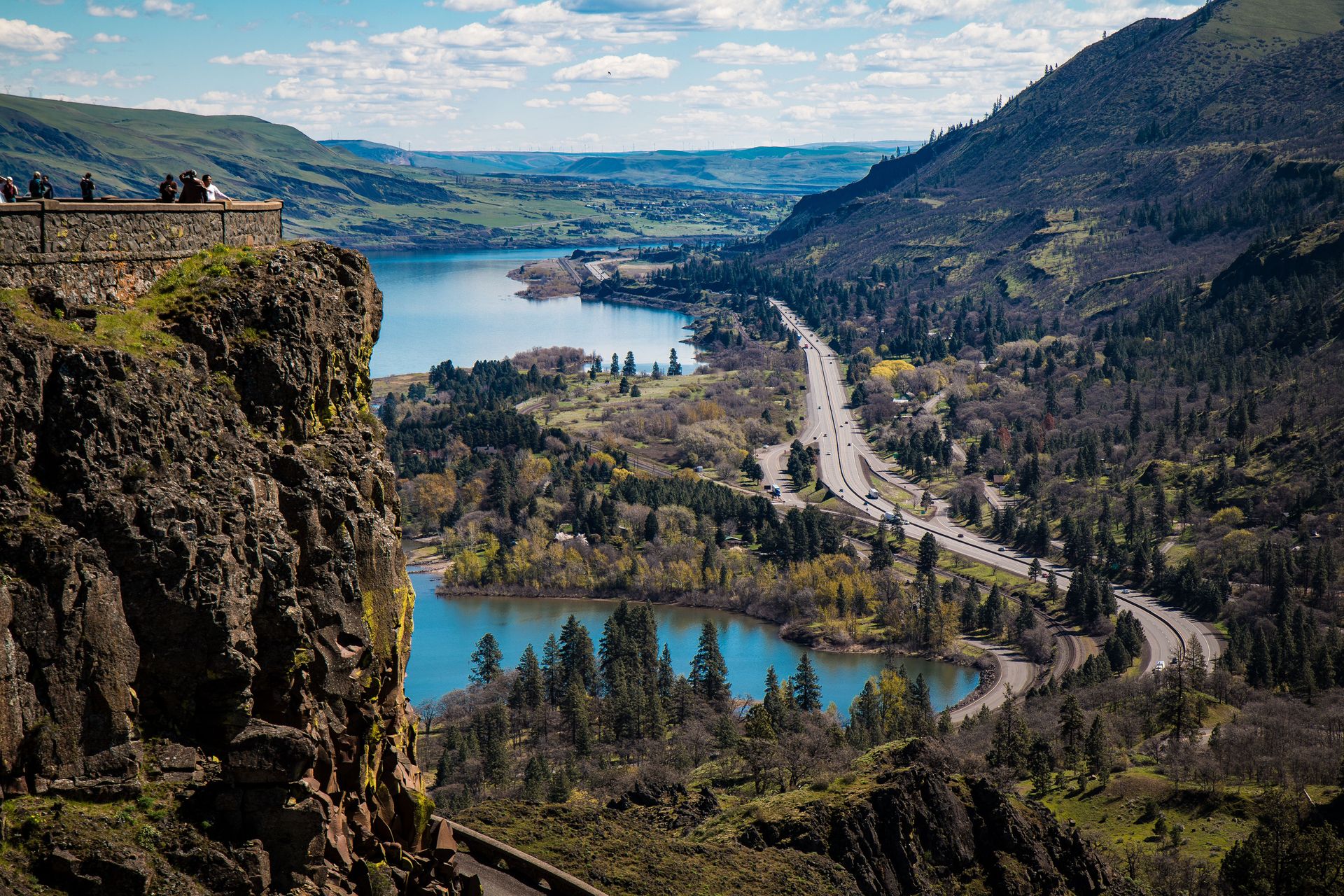
A Columbia River cruise sails between Portland, Oregon, and the Columbia River Gorge. The National Scenic Area is lined with basalt cliffs that rise straight from the water and waterfalls that drop from the rim above.
Most itineraries run round trip from Portland or nearby Vancouver, Washington state, aboard ships built narrow and shallow enough to fit the river's locks. The signature stop is Multnomah Falls, which drops 620 feet in two tiers and ranks as Oregon's tallest waterfall. Unlike most large waterfalls, Multnomah runs year-round on underground springs rather than seasonal snowmelt, so the view holds up no matter when a cruise sails.
Passengers typically see the falls first from the ship, then again on a shore excursion that crosses the Benson Bridge over the lower tier. Upriver, the route passes Bonneville Lock and Dam, a hydroelectric project built in 1938 under the New Deal. It still lifts vessels around a stretch of rapids the river once controlled on its own. On clear days, the volcanic peaks of Mount Hood and Mount Adams frame the Gorge from opposite banks, one in Oregon and one in Washington state. Both are visible from the ship's outer decks.
The cruise follows the final stretch of the Lewis and Clark expedition. The explorers reached the river's mouth near Cape Disappointment in November 1805, after a year and a half traveling overland. It was there that they first sighted the Pacific Ocean. Some itineraries continue past Astoria to the coast. Others turn back toward Portland once they reach the western edge of the Gorge.
Vineyards climb the hillsides on both sides of the river near The Dalles, and several itineraries add a wine tasting alongside the waterfall and dam stops. The clearest scenery windows fall in late spring, when snowmelt swells the smaller waterfalls near Multnomah, and in early fall, before winter rains arrive.
Snake River cruise through Hells Canyon
Credit: Isabel Wright / Pexels
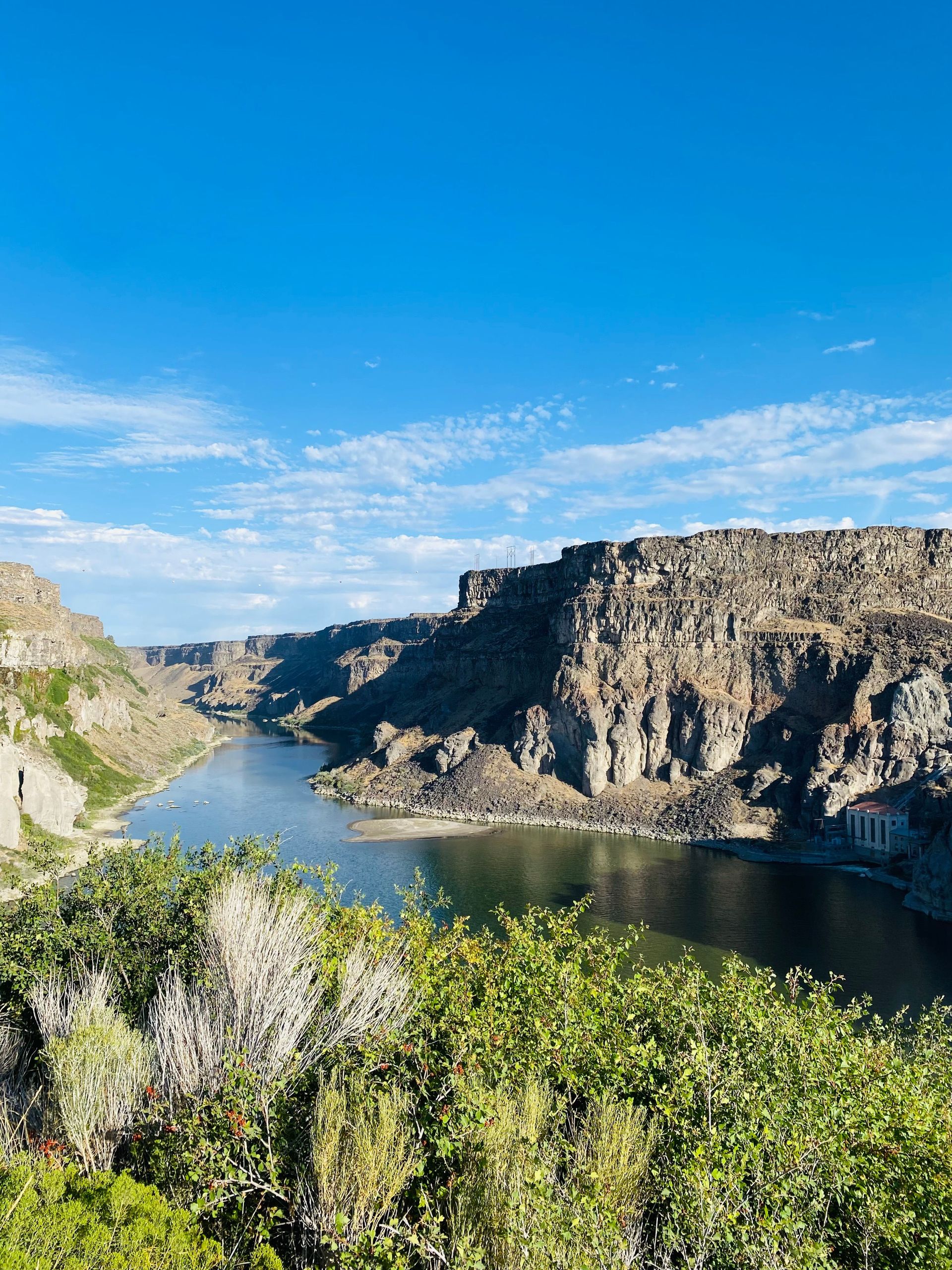
A Snake River cruise reaches Hells Canyon, the deepest river gorge in North America, cut into the border between Oregon and Idaho. At its deepest point, the canyon drops nearly 8,000 feet from rim to river, close to 2,000 feet deeper than the Grand Canyon. The canyon takes its depth from the gap between the river and the Seven Devils Mountains on the Idaho side, a range that tops out above 9,000 feet.
The Snake River cruise typically runs as an extension of a Columbia River itinerary. It continues upstream past the Tri-Cities in Washington state toward Clarkston, Washington state, and Lewiston, Idaho, twin towns that sit at the edge of the canyon. The main riverboat cannot follow the Snake all the way into Hells Canyon itself, since the deepest section has no locks and includes whitewater rapids. Instead, passengers transfer at Clarkston to smaller, shallow-draft jet boats built to handle that stretch of river. They spend a day exploring the canyon before returning to the ship.
Much of Hells Canyon has no road access at all, which keeps visitor numbers low compared with the Grand Canyon despite its greater depth. Wildlife sightings are common on the jet boat portion of the trip, including bighorn sheep on the canyon walls, golden eagles overhead, and black bears along the shoreline. Petroglyphs left by Indigenous peoples who camped along the river mark several spots on the canyon walls, some estimated to be thousands of years old.
The itinerary also traces the route of the Lewis and Clark expedition, which passed through this stretch of the Snake in 1805 on the way to the Columbia. Lewiston, Idaho, sits at the site of one of the expedition's campsites and now serves as the main departure point for canyon jet boat tours. Cruises that include the Snake River typically run in spring and early fall, when water levels and weather make the jet boat excursion most reliable.
Upper Mississippi River cruise through the driftless area
Credit: Tom Fisk / Pexels
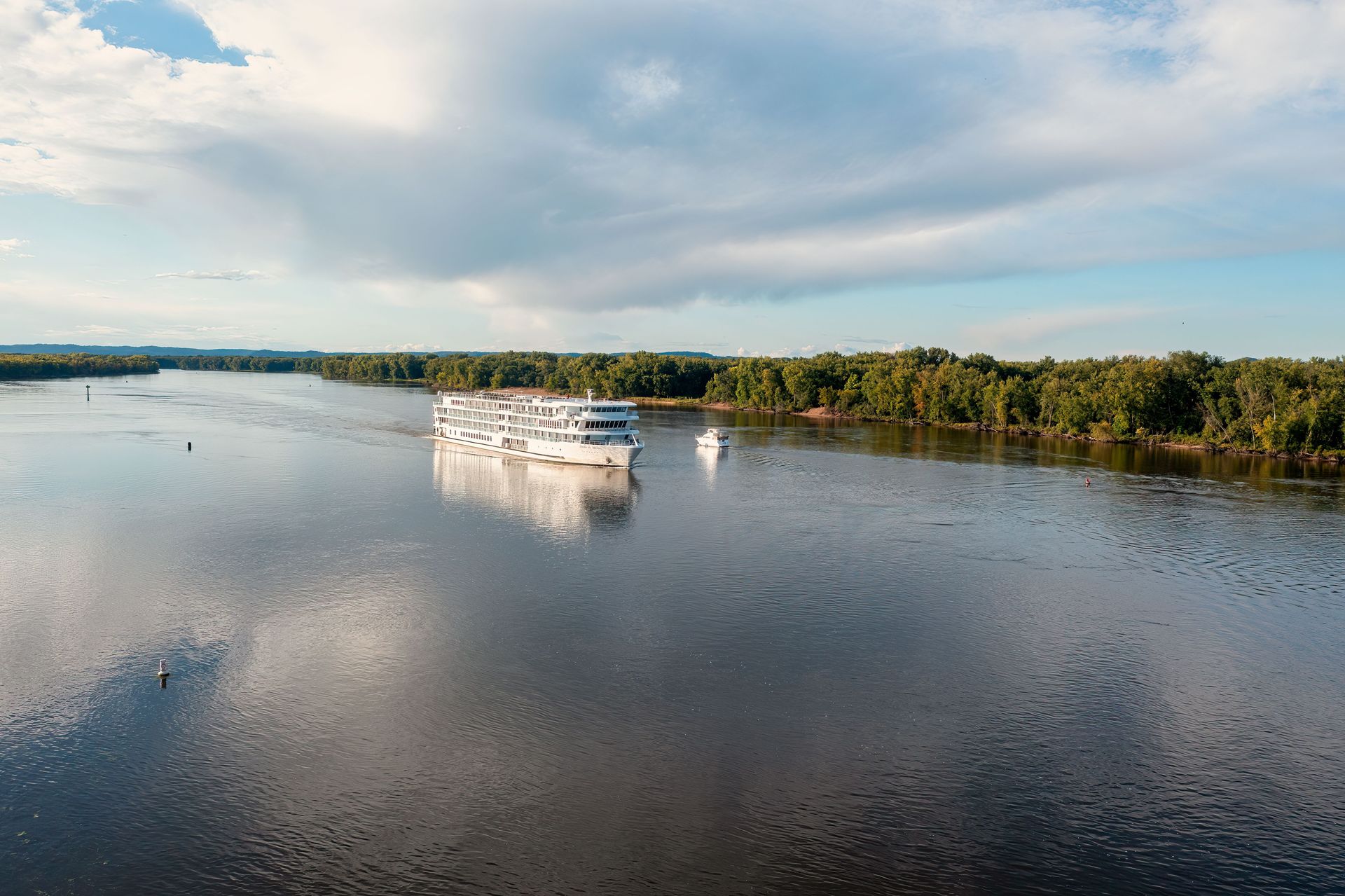
An Upper Mississippi River cruise runs between St. Louis, Missouri, and St. Paul, Minnesota, through a landscape the last ice age skipped over. Limestone bluffs rise 400 to 500 feet above the water in a region known as the driftless area, named for the glacial debris, or drift, that never reached it.
The driftless area spans parts of Minnesota, Wisconsin, Iowa and Illinois, and its bluffs give the Upper Mississippi a different profile than the flatter stretches downriver. Bald eagles nest along this section of the river year-round. Their numbers grow through the winter as birds from farther north move in to fish the open water below the lock and dam system. Shore excursions often include the National Eagle Center in Wabasha, Minnesota, where injured, non-releasable eagles live on permanent display alongside wild birds visible from the riverbank.
River towns along the route carry their own histories. Winona, Minnesota, sits below limestone bluffs and grew wealthy on the lumber trade in the 19th century. La Crosse, Wisconsin, sits at the meeting point of three rivers and built its own economy on brewing after the lumber industry declined. Red Wing, Minnesota, is known for its pottery industry and for Barn Bluff, a limestone formation that rises directly behind the town. Hannibal, Missouri, appears on some itineraries as the boyhood home of Samuel Clemens, who wrote as Mark Twain and set Tom Sawyer and Huckleberry Finn here.
The Mississippi's elevation drops in stages here. Cruise ships pass through a series of locks and dams built in the 1930s to keep the channel navigable, including Lock and Dam No. 7 near Dresbach, Minnesota. Fall sailings tend to sell out first, since the bluffs turn shades of red and orange that show up clearly from the water. The eagle population, though, is easiest to see in the colder months between December and March.
Lower Mississippi River cruise past antebellum plantations
Credit: Canva Images
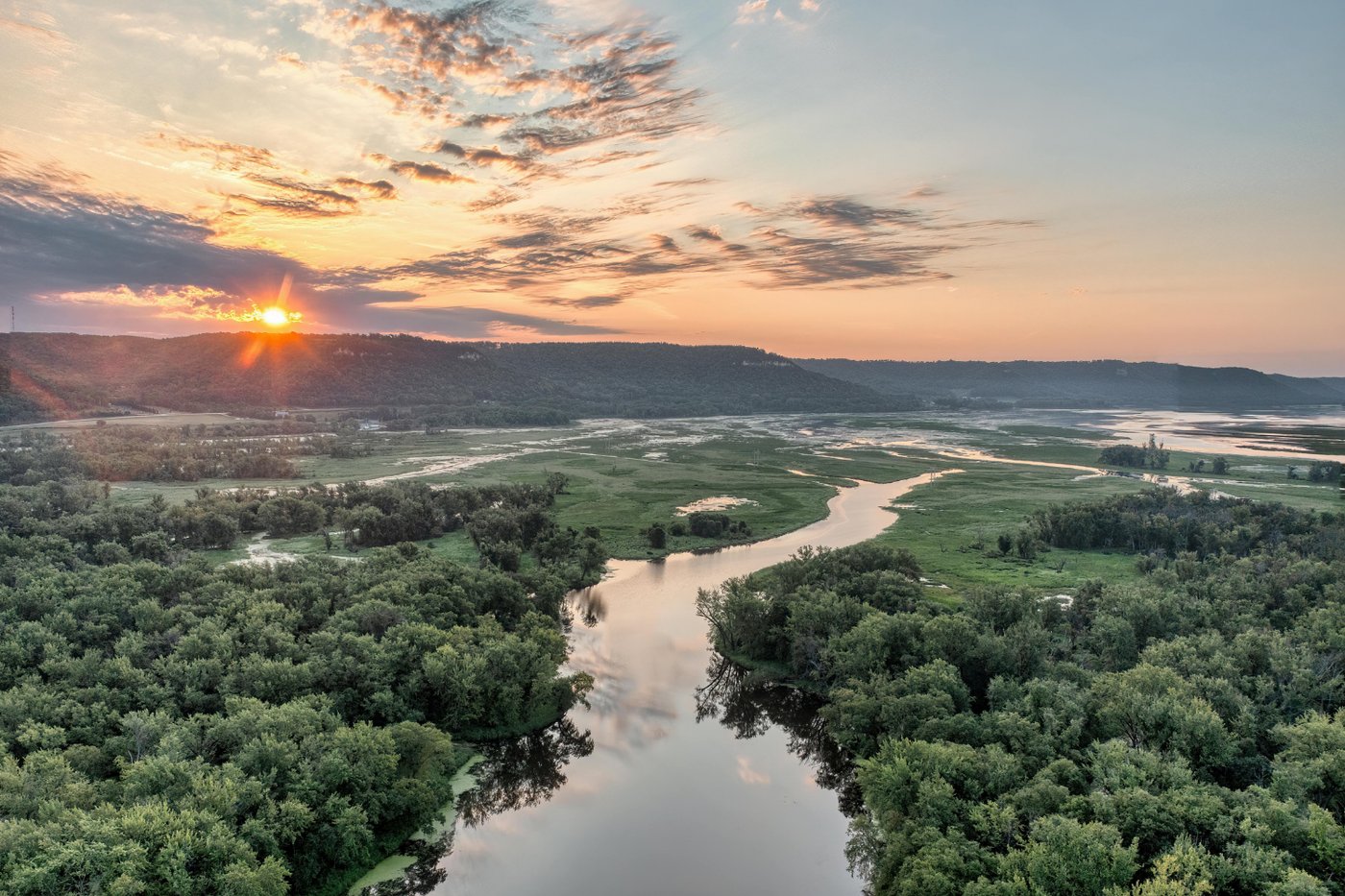
A Lower Mississippi River cruise runs between Memphis, Tennessee, and New Orleans, Louisiana, through the heart of the antebellum South. The most photographed stop is Oak Alley Plantation. An allée of 28 live oak trees, some more than 300 years old, leads from the riverbank to a Greek Revival mansion built in the 1830s.
Built originally as a sugar plantation and worked by enslaved laborers, the estate is now a National Historic Landmark that guides visitors through both the grounds and that history. Passengers usually see the oak allée twice: once from the water as the ship passes, and again on a walking tour that ends inside the house.
Natchez, Mississippi, sits further downriver on bluffs above the water. The town holds one of the largest collections of antebellum mansions in the country, in part because no major Civil War battle was fought there. French colonists founded the settlement in 1716, and wealthy cotton planters built mansions like Stanton Hall and Longwood in the decades before the Civil War. Many of those homes are still privately occupied and open for seasonal house tours during a cruise stop.
Vicksburg, Mississippi, carries a different kind of history. The city sits on a bluff overlooking a bend in the river and endured a 47-day siege in 1863 that gave the Union control of the Mississippi. Vicksburg National Military Park preserves the battlefield and its cemetery, and most cruise itineraries build in a guided tour of the grounds.
Between the historic towns, the scenery turns to wetlands. Cypress and tupelo trees draped in Spanish moss line the bayous near St. Francisville, Louisiana. Small boat excursions from some cruise stops carry passengers through backwater channels, where alligators and wading birds are common. The cruise ends in either Memphis, where Beale Street shaped the sound of the blues, or New Orleans, where the French Quarter dates to the city's founding in 1718.
Tennessee River cruise past Chattanooga and the Smokies
Credit: K / Pexels
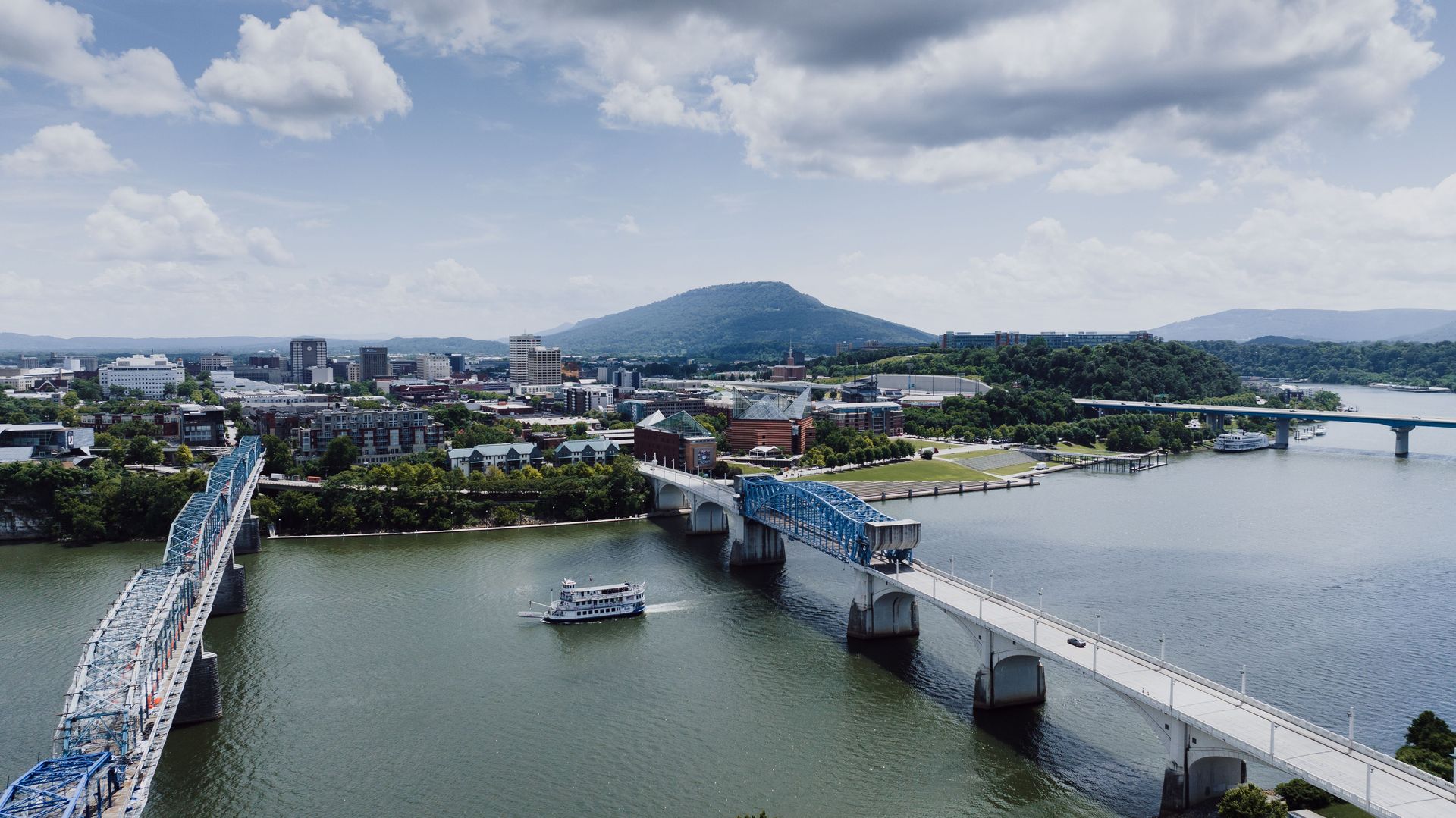
A Tennessee River cruise connects Knoxville and Chattanooga, Tennessee, sailing past limestone bluffs and forested shoreline with the Appalachian Mountains rising in the distance. Several itineraries pair the river portion with a land excursion into Great Smoky Mountains National Park, the most visited national park in the country.
Chattanooga anchors the southern end of most itineraries and sits on a bend of the river below Lookout Mountain. Union and Confederate forces fought for control of the city there in 1863. The Tennessee Aquarium sits directly on the riverfront downtown, and several cruise lines schedule a walking tour of the historic district alongside the battlefield stops.
Knoxville anchors the northern end of longer itineraries and serves as the gateway to the Great Smoky Mountains. From there, passengers typically travel by motorcoach into the park to see Clingmans Dome, the highest point in Tennessee, and drive through Gatlinburg and Pigeon Forge on the way. The park straddles the Tennessee-North Carolina border and holds more tree species than any other national park in the country. That range turns the ridgelines shades of red and gold each October.
Between the two cities, the river corridor passes through the Tennessee Valley, a region shaped by dams built in the 1930s and 1940s under the Tennessee Valley Authority. Muscle Shoals, on a connected stretch of the river in Alabama, built a reputation as a recording hub in the 1960s and 1970s. Soul, rock and country artists all recorded at its studios. Some itineraries extend the cruise into the Cumberland River toward Nashville, adding the Grand Ole Opry and the Country Music Hall of Fame to the trip. Land Between the Lakes National Recreation Area, further downstream near the Kentucky border, adds another stretch of forested shoreline for cruises that continue past Nashville toward the Ohio River. Cruises on this stretch run mainly in spring and fall, timed around milder weather in the mountains.
Hudson River fall foliage cruise from New York City
Credit: Sjuan Dogjani / Pexels
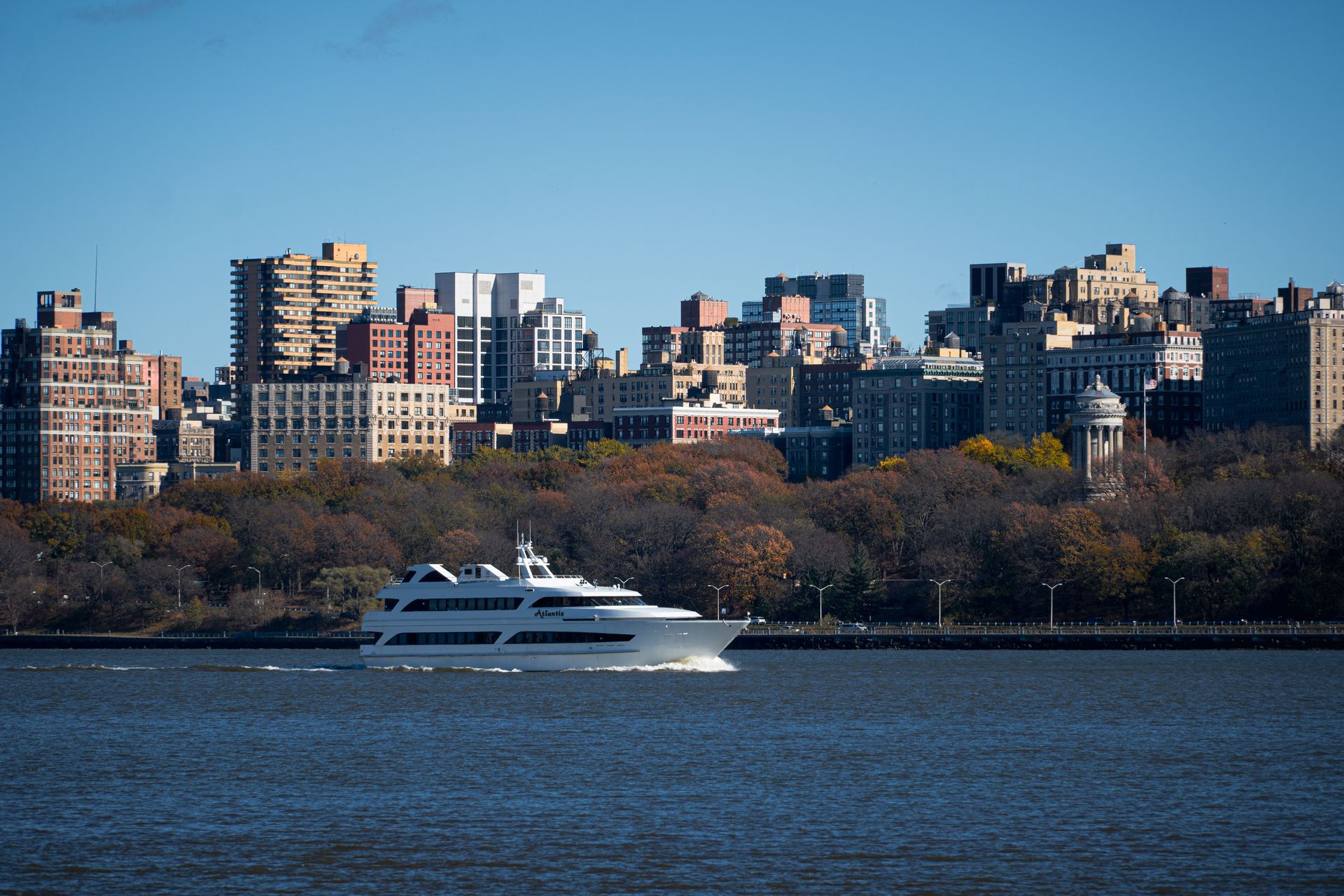
A Hudson River cruise sails round trip from Manhattan to Albany, timed most often for the fall, when the Hudson Valley's hillsides turn red, orange and gold. No other cruise line currently runs overnight trips on the Hudson, and American Cruise Lines has offered this particular route for more than 20 years.
Ships depart from a Manhattan pier near Hudson Yards and sail past the Statue of Liberty before heading north. The Catskill Mountains rise to the west of the valley, with the Taconic and Berkshire hills to the east. The valley has drawn painters since the 19th century, when a group later called the Hudson River School built an entire art movement around these views.
Stops typically include West Point, home to the U.S. Military Academy. Hyde Park is another regular stop, where Franklin D. Roosevelt's boyhood home and the nearby Vanderbilt Mansion sit above the river on adjoining properties. The Vanderbilt estate was built in the late 1800s as a summer retreat for Frederick William Vanderbilt. It remains one of the more intact Gilded Age mansions open to the public along the entire river.
Sleepy Hollow, made famous by Washington Irving's story of the headless horseman, is another regular stop, along with Kingston and Catskill. In Catskill, a pedestrian bridge called the Hudson River Skywalk crosses the river and offers a two-mile round trip walk with views back down the valley. Olana, the hilltop estate of painter Frederic Edwin Church, overlooks the river near Hudson, New York, and is often paired with a Catskill stop on the same excursion day.
Fall sailings run from mid-September through late October and tend to sell out more than a year ahead, since color usually peaks in the third week of October. A newer summer itinerary runs the same route in May and June, trading foliage for longer daylight and calmer water.
St. Johns River cruise through Florida's blackwater wilderness
Credit: Mike Jones / Pexels
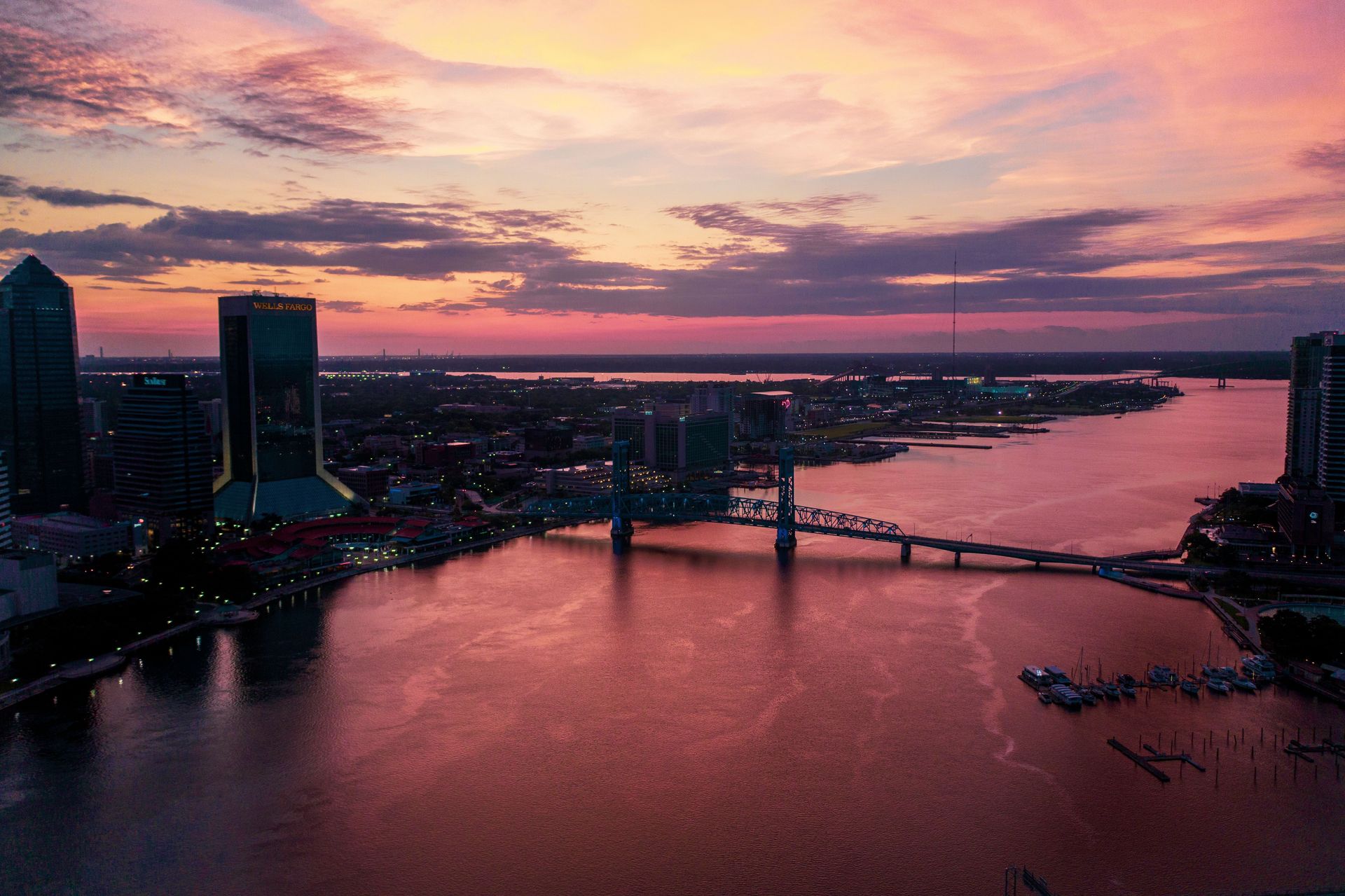
A St. Johns River cruise sails round trip from Jacksonville, Florida, along one of the few rivers in the country that flows north. The water runs the color of black tea, stained by tannins from decaying leaves along a shoreline of cypress, oak and palm.
This is a blackwater river, a type found where slow currents move through forest and wetland rather than over open ground. Blackwater rivers pick up tannic acid instead of the sediment that clouds most large American rivers. The route runs through Jacksonville, one of the largest cities by land area in the country, before narrowing into quieter stretches of forest and marsh farther south. Jacksonville's Riverside district, with its tree-lined streets and early 20th-century houses, sits along the same stretch of river where the cruise begins and ends.
Stops often include Palatka, a historic river town, and Green Cove Springs, known for its natural mineral springs. Passengers commonly spot alligators sunning on the banks, manatees in warmer months, and bald eagles nesting in the trees overhead. Some of the best sightings come from smaller excursion boats that reach tributaries a larger riverboat cannot enter. Some itineraries also detour onto the Intracoastal Waterway to reach St. Augustine, the oldest continuously occupied European-founded city in the country, established by Spanish colonists in 1565. Others stop at Amelia Island instead, known for its beaches of pale, quartz sand.
The cruise typically runs about eight days and stays close to Jacksonville and its surrounding rivers. It does not reach all the way south to Orlando, even though the St. Johns technically continues that far. High water levels occasionally force itinerary changes near Palatka, since low bridges along the route can become impassable for a full-size riverboat when the river rises. Cruises run mainly in the cooler months, from late fall through early spring, when Florida's heat and humidity are easier to manage on deck.
Sacramento River wine country cruise in California
Credit: Stephen Leonardi / Pexels
A Sacramento River cruise sails round trip from San Francisco or Sacramento, connecting the bay to California's wine country by water instead of by car. The route crosses San Francisco Bay and San Pablo Bay before turning inland onto the Napa, Sacramento and San Joaquin rivers.
American Cruise Lines launched the itinerary in 2023, when its riverboat American Jazz began sailing San Francisco Bay and the California Delta. It was the first U.S.-built vessel in more than 80 years to offer overnight cruises there. The ship sails past the Golden Gate Bridge, Alcatraz and Treasure Island on its way out of the bay. That gives passengers a water-level view of the San Francisco skyline before the route turns toward wine country.
Stops typically include Napa, where excursions run to area vineyards for tastings, and Vallejo and Stockton, port towns that anchor the delta side of the trip. In Sacramento, the historic Old Sacramento district preserves a 19th-century waterfront of brick buildings and wooden sidewalks. Nearby, the California State Railroad Museum displays full-size steam locomotives, including engines tied to the transcontinental railroad's completion in 1869.
The California Delta itself is a maze of sloughs, levees and small farming islands unlike anywhere else on this list. It forms where the Sacramento and San Joaquin rivers meet before draining into the bay. Herons and other wading birds are common along the banks, and the flat, green delta scenery contrasts with the vineyard hillsides the cruise visits a day or two later.
This itinerary runs on a different calendar than most of the others, with sailings concentrated in spring and fall. That timing keeps both Delta water levels and wine country temperatures easiest to manage. It remains one of the newest routes in American river cruising, added years after the Mississippi, Columbia and Hudson itineraries were already established.