
Science facts that sound fake but are true, from cube-shaped wombat droppings to a pulsar spinning 716 times a second, all confirmed by research
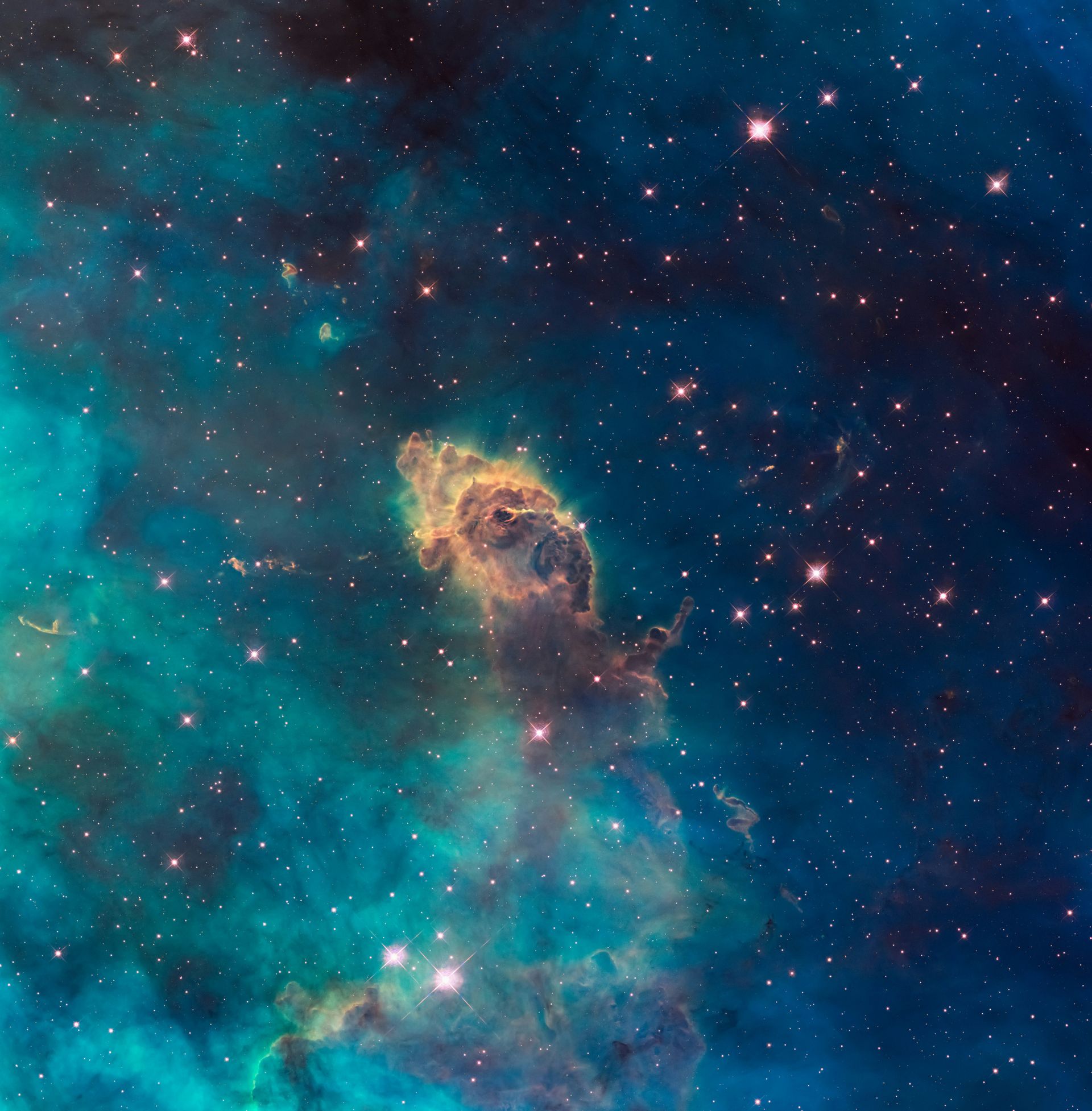
Credit: NASA Hubble Space Telescope / Unsplash
Some scientific facts do not need embellishment. A jellyfish that can revert to an earlier stage of its life cycle. A planet whose day lasts longer than its year. An iron tower in Paris that measurably grows every summer. None of this requires rounding up or dramatizing. It is simply what happens when biology, geology, and physics operate at scales or speeds far outside ordinary human experience. What follows is a list of 20 science facts that sound fake but are true, checked against the research, measurements, and direct observations behind each one.
The reason these facts feel invented has less to do with the facts themselves and more to do with how differently the natural world behaves once conditions move outside the narrow range humans evolved to expect. A rotation rate of 716 times a second sounds implausible only because nothing in daily life spins that fast. A pond in Antarctica that refuses to freeze despite brutal cold sounds implausible only because most people have never stood next to water that salty. Once the mechanism is explained, whether it is tidal friction, orbital mechanics, chemistry, or evolutionary pressure, the strangeness resolves into ordinary physical law.
None of the 20 items below rely on exaggeration or a loose reading of the word true. Each is drawn from published research, direct measurement, or documented observation, and each is written to stand on its own, whether it is the first slide a reader sees or the last. Some concern the solar system and the physics of extreme objects like pulsars and neutron stars. Others concern the biology of animals whose bodies solve problems in ways evolution never made intuitive to humans. A few are ordinary physical phenomena hiding in plain sight, like a Paris landmark that changes size with the seasons.
Treat this less as trivia and more as a working list of facts that hold up under scrutiny, worth using, citing, or repeating with confidence.
Credit: Moritz Feldmann / Pexels
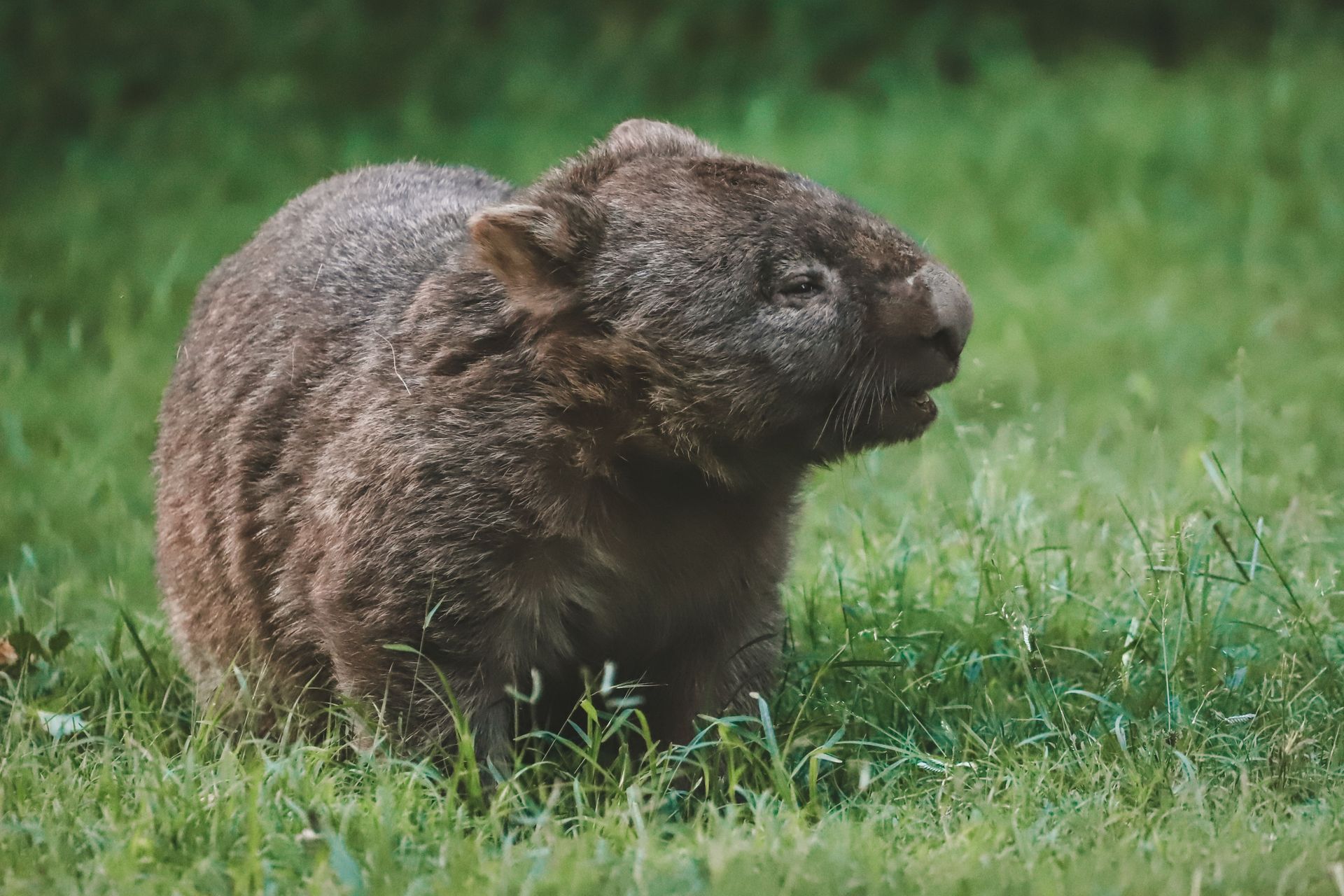
Wombats are the only known animals that produce cube-shaped droppings, and the shape forms inside the intestine rather than at the point of exit. Researchers at Georgia Tech, led by biomechanics researcher Patricia Yang, confirmed the mechanism in 2018 by studying wombat intestines. They found that the walls of the lower gut vary in elasticity, stretching more in some regions than others as waste passes through.
This uneven stretching molds the material into flat-sided pellets with sharp corners, roughly the size of a die, well before it reaches the exit. The shape is not incidental. Wombats use their droppings to mark territory, often stacking them on logs, rocks, and other raised surfaces where a rounded pellet would simply roll away. A cube stays put.
Wombats are burrowing marsupials native to Australia, and their digestive tract is unusually long relative to their body size. Forming a single dropping can take several days, largely because wombats extract as much moisture and nutrition as possible from a diet of tough, fibrous grasses. That extended transit time gives the intestine time to reshape the material before it solidifies.
Yang's team tested the idea using balloons and sections of pig intestine engineered to have variable stiffness. The experiments confirmed that a stretchy tube with regions of differing elasticity can produce cube-like shapes without any cutting or external molding. The finding also drew interest from manufacturing engineers, who cited the wombat's method as a possible model for shaping materials such as fabric or ceramics into cube forms without a mold, a process that is normally energy-intensive.
An adult wombat produces between four and eight cubes per bathroom visit and can leave close to 100 scattered across its territory in a single night, based on field observations from the same research group. It remains the only documented case of an intestine, rather than an external structure, shaping solid waste into a geometric form.
Credit: Pia B / Pexels
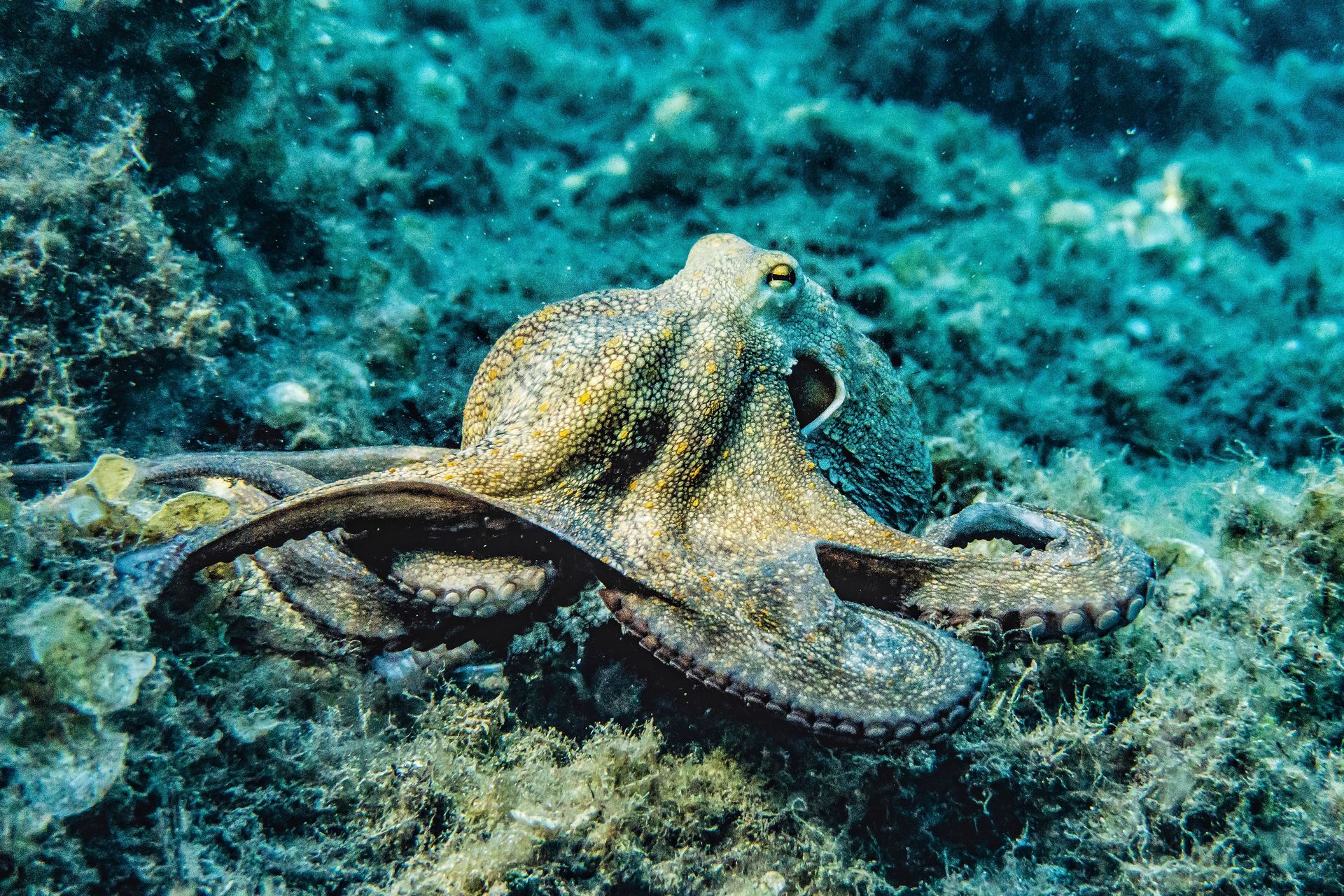
An octopus circulates its blood using three separate hearts, and that blood runs blue instead of red. Two of the hearts, called branchial hearts, each pump blood through one of the animal's two gills. A third, the systemic heart, pushes oxygenated blood to the rest of the body.
The blue color comes from hemocyanin, a copper-based protein that carries oxygen through octopus blood in place of the iron-based hemoglobin found in humans and most vertebrates. Copper-based blood binds oxygen less efficiently than iron-based blood, especially in warm or low-oxygen water. That inefficiency is part of why octopuses rely on such an elaborate circulatory system to keep tissue supplied.
The systemic heart actually stops beating when an octopus swims, which is one reason most octopus species prefer crawling along the seafloor. Sustained swimming exhausts an octopus quickly, so the animal typically alternates bursts of jet propulsion with rest. Crawling lets the systemic heart keep working normally, delivering oxygen without the strain that swimming places on it.
Octopus blood chemistry also helps some species tolerate cold, oxygen-poor water. Species living in Antarctic waters, including members of the genus Pareledone, carry blood with unusually high concentrations of hemocyanin. That lets them extract enough oxygen from water that would leave many other animals starved for it.
The nervous system reinforces how differently this animal is built. Roughly two-thirds of an octopus's neurons sit not in its brain but in its arms. Each arm can process sensory information and execute movement with a degree of independence from central control. Combined with the three-heart circulatory system, this makes the octopus one of the more structurally unusual animals studied by marine biologists, despite being a common sight in tide pools, aquariums, and seafood markets worldwide.
Credit: Zelch Csaba / Pexels
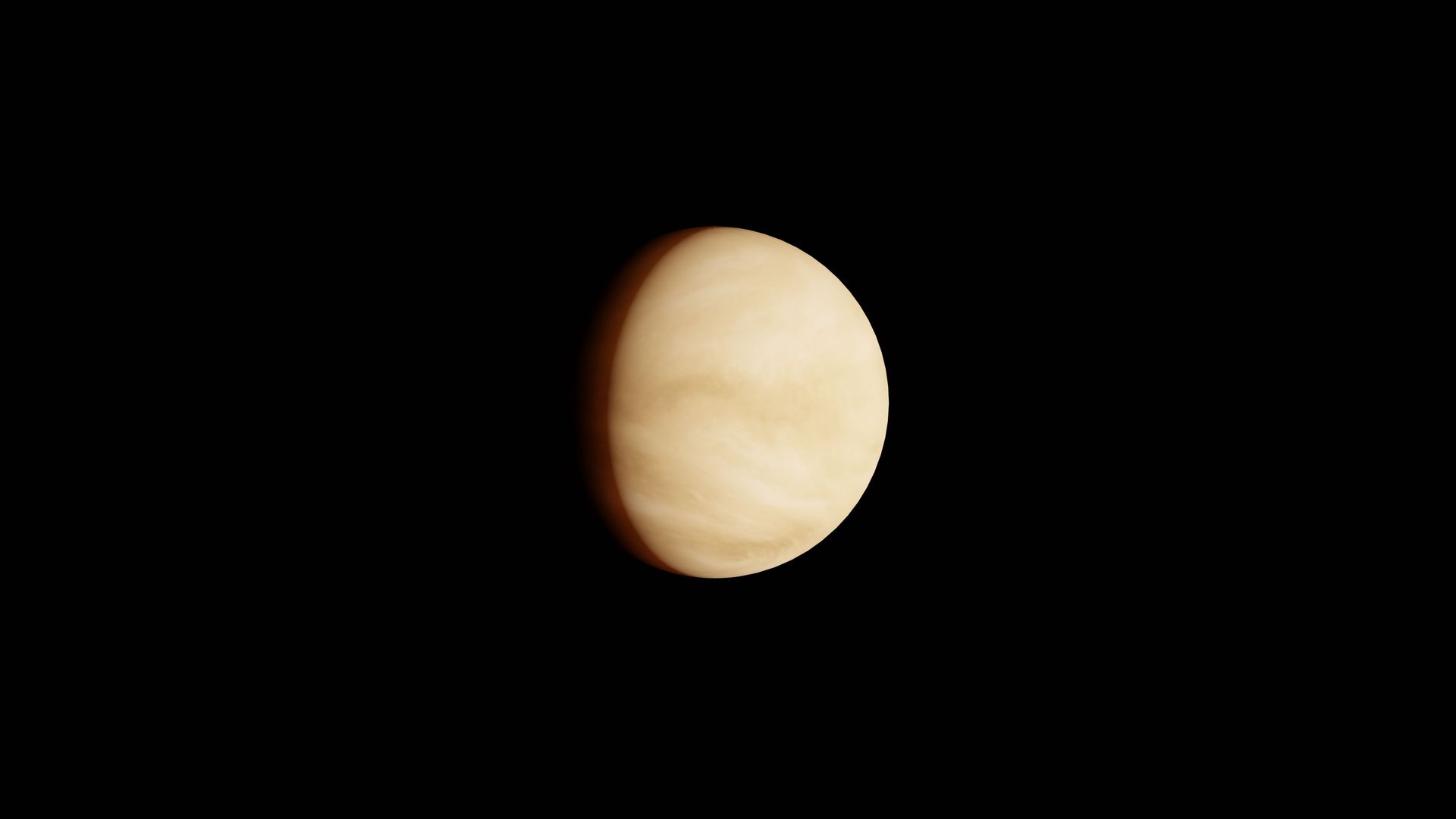
Venus takes 243 Earth days to complete one rotation on its axis but only 225 Earth days to orbit the sun, making a single Venusian day longer than a Venusian year. The planet's rotation is so slow, and its orbit comparatively so fast, that the two figures cross over entirely.
Venus also rotates backward compared with most planets in the solar system, a pattern astronomers call retrograde rotation. Seen from above the solar system's north pole, every planet orbits the sun counterclockwise, and most also spin counterclockwise on their axis. Venus spins clockwise. If its thick cloud cover ever cleared enough to see the sun from the surface, it would appear to rise in the west and set in the east.
The cause of this reversed rotation is still studied. One explanation involves a giant impact early in the solar system's history that could have tipped or reversed the planet's spin. Another points to Venus's dense atmosphere, roughly 90 times the surface pressure of Earth's. That atmosphere may have gradually slowed and reversed the planet's rotation over billions of years through atmospheric tides, a slow drag effect between the air and the solid planet beneath it.
Because a Venusian day is so long, any single location on the surface experiences an extended stretch of daylight followed by an extended stretch of darkness, each well over 100 Earth days. Surface temperatures do not swing drastically between the two, however, because the atmosphere retains heat so effectively that day and night stay close to a scorching 900 degrees Fahrenheit.
Venus is often called Earth's twin because of similar size and mass. Its rotation, atmosphere, and surface conditions make it one of the most hostile environments among the eight planets, despite orbiting only a modest distance closer to the sun than Earth does.

Credit: stella pag / Pexels
Honey stored properly can remain edible indefinitely. Archaeologists have recovered pots of honey from ancient Egyptian tombs, sealed more than 3,000 years ago, that were still chemically intact and safe to taste. Low moisture content, high acidity, and hydrogen peroxide produced during honey-making combine to create an environment where bacteria and fungi cannot survive.
Bees build in this stability through how they process nectar. Worker bees repeatedly ingest and regurgitate nectar, adding an enzyme called glucose oxidase that breaks some of the sugar down into gluconic acid and hydrogen peroxide. The result is honey with a pH generally between 3 and 4.5, acidic enough to block most microorganisms from growing.
Moisture content matters just as much. Bees fan nectar with their wings inside the hive to evaporate excess water, bringing honey down to roughly 17 or 18 percent water. Most bacteria and molds need far more moisture to survive and reproduce. Honey's low water content effectively draws moisture out of any microbial cell that touches it, a process called osmosis, which dehydrates and kills the organism before it can multiply.
Honey can crystallize over time, turning cloudy and grainy, but that does not mean it has spoiled. Crystallized honey stays safe to eat and can be returned to liquid form by gently warming the sealed container in warm water. Only when honey is exposed to excess moisture, typically from an improperly sealed container, does it become vulnerable to fermentation and yeast growth.
The ancient Egyptian honey found in archaeological digs, including in the tomb of Tutankhamun, is frequently cited as the clearest case in point. Despite millennia sealed in clay vessels, tests showed the honey's chemical composition remained largely unchanged. Modern beekeepers still rely on the same basic chemistry to store honey for years without the preservatives used in most other foods.
Credit: Engin Akyurt / Pexels
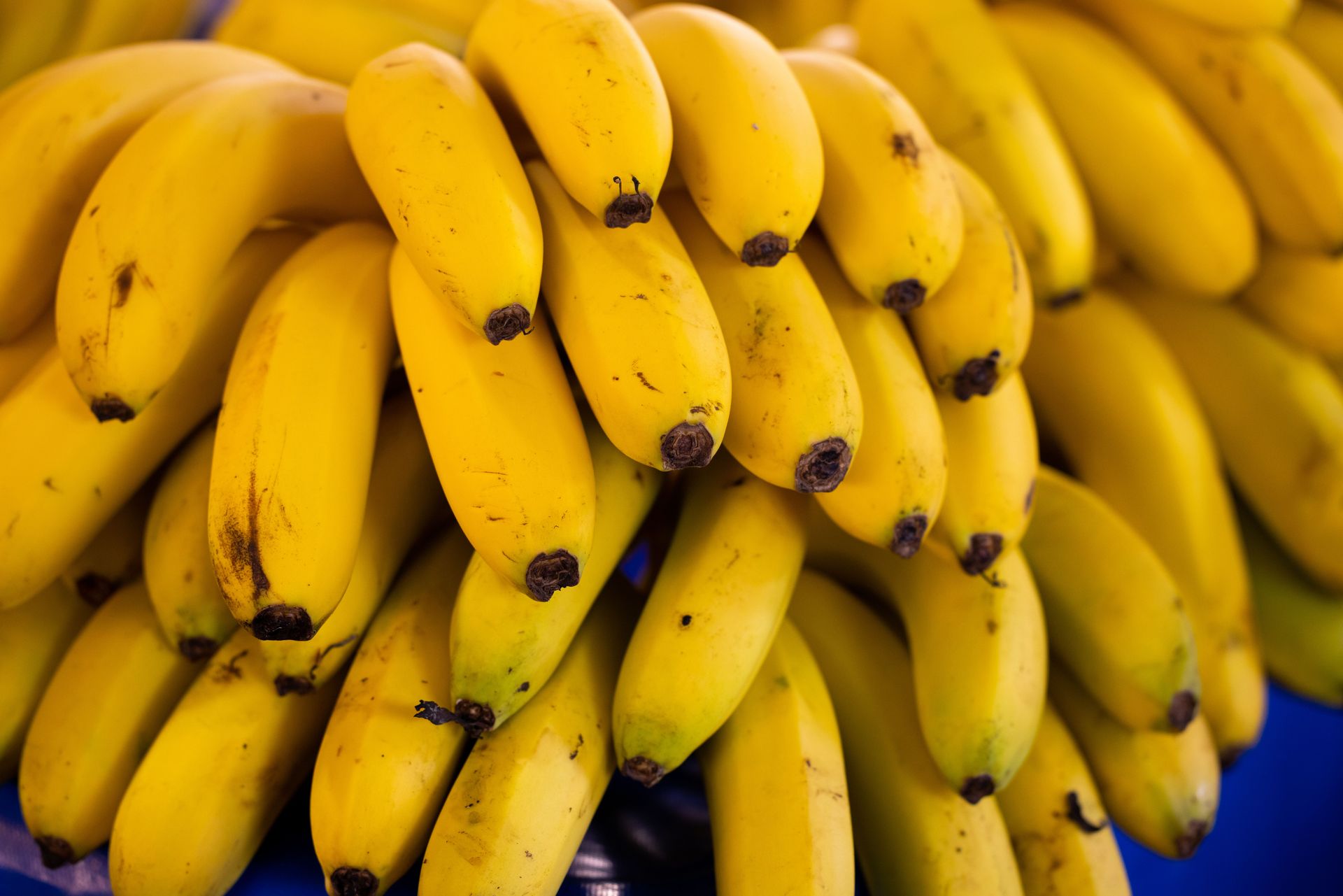
A banana contains enough potassium-40 to register a small, harmless amount of radioactivity, which is why physicists sometimes use an informal measure called the banana equivalent dose. Potassium is essential to human health, and a small fraction of all naturally occurring potassium exists as the radioactive isotope potassium-40, regardless of its source.
Potassium-40 decays slowly, and bananas contain a measurable amount of it simply because bananas are unusually rich in potassium, with roughly 400 milligrams in a medium fruit. That radioactivity poses no health risk. A person would need to eat an implausible number of bananas in a short window, more than could physically fit in the digestive system, to approach anything close to a harmful dose, since the body regulates potassium levels and excretes any excess.
The banana equivalent dose has become a casual way for physicists and science educators to describe very small radiation exposures without sounding alarming. Background radiation from cosmic rays, soil, and building materials delivers a far larger dose over an ordinary day than a banana ever could. A chest X $TWTR-ray, a dental X-ray, or a cross-country flight all expose a person to radiation levels many times higher than a banana's potassium-40 content.
Other common foods carry potassium-40 too, including potatoes, spinach, and lima beans, as does the human body itself, since human tissue contains potassium and therefore emits a small, constant amount of radiation on its own. Brazil nuts carry higher natural radioactivity than bananas, thanks to both potassium and trace radium absorbed through the tree's unusually deep root system.
None of this radioactivity builds up in the body from eating bananas. The kidneys tightly regulate potassium levels, keeping the isotope's presence roughly constant no matter how many bananas a person eats.
Credit: adiprayogo liemena / Pexels
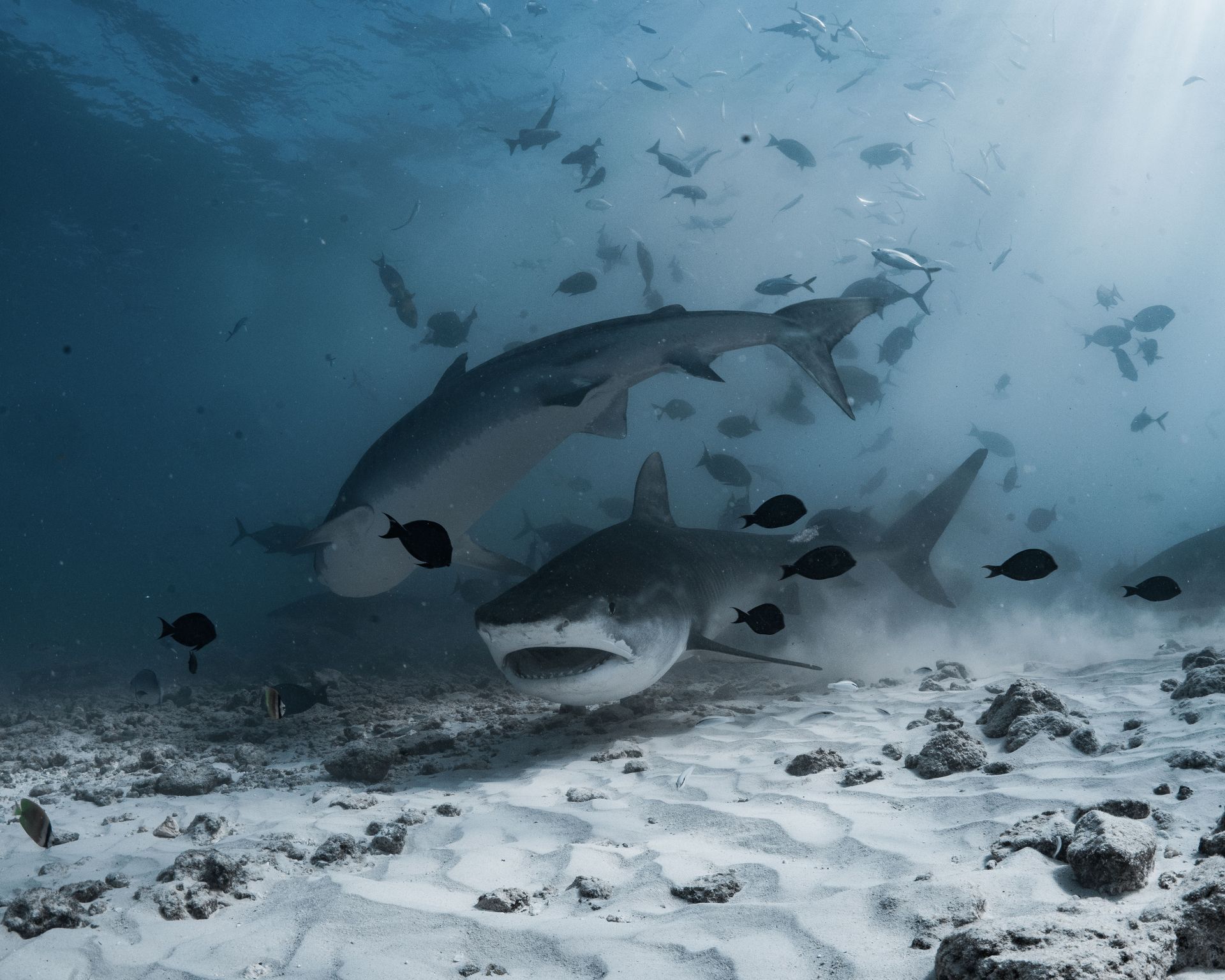
Sharks have existed for roughly 400 to 450 million years, while the earliest tree-like plants did not appear until around 350 to 390 million years ago. That means sharks predate trees by tens of millions of years. The oldest confirmed shark scales in the fossil record date to the Ordovician period, long before land plants evolved the woody structures needed to grow tall.
Trees, in the modern sense of plants with a rigid trunk capable of supporting real height, emerged during the Devonian period. One of the earliest known tree-like organisms, Archaeopteris, appeared around 385 million years ago and grew several dozen feet tall, with roots and a branching pattern similar to modern trees, even though it reproduced using spores rather than seeds.
Sharks, meanwhile, had already diversified into multiple lineages by the time trees arrived. Fossil evidence, including shark teeth and dermal scales called denticles, shows early sharks swimming in Ordovician and Silurian seas hundreds of millions of years before Archaeopteris took root. Modern sharks belong to a lineage that has survived five mass extinction events, including the one that eliminated the dinosaurs roughly 66 million years ago.
This timeline sits at odds with popular imagination, since trees seem primordial, forming the backdrop of nearly every prehistoric scene, including depictions of dinosaurs walking through dense forests. Sharks, by contrast, are usually pictured as a single ocean predator rather than one of the planet's oldest surviving lineages. A useful reference point: sharks were already established ocean predators long before the supercontinent Pangaea assembled roughly 335 million years ago, and long before the first dinosaurs appeared roughly 240 million years ago.
Today's shark species, including the great white and the hammerhead, are relatively recent additions to that long lineage. But the group as a whole traces its ancestry back further than nearly every other vertebrate group alive, and further back than the trees that now shade the rivers and coastlines around the world.
Credit: Public Domain Pictures / Pexels
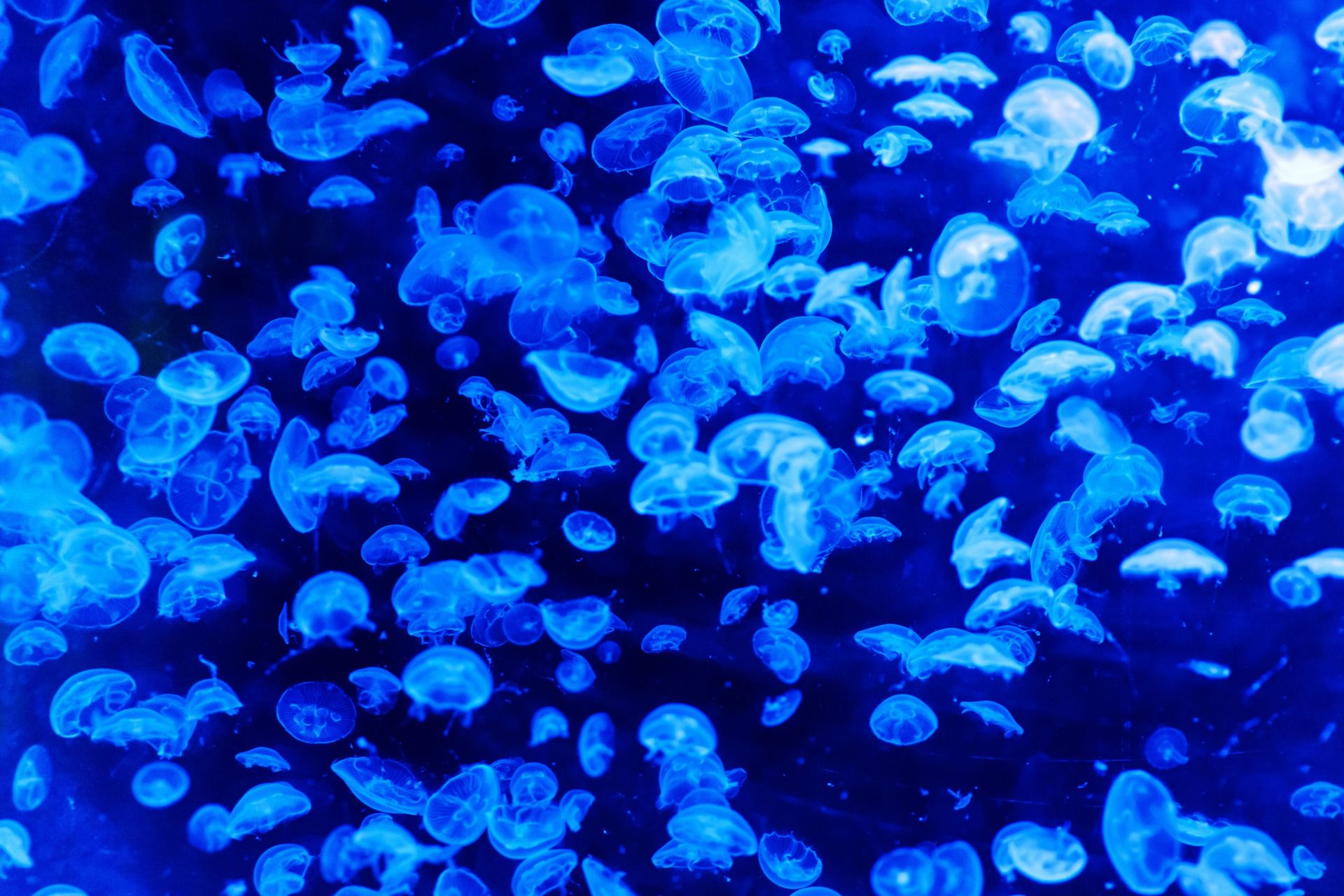
Turritopsis dohrnii, a jellyfish species found in the Mediterranean Sea and now spread through much of the world's oceans, can revert from its mature medusa stage back into a juvenile polyp stage. This resets its life cycle instead of ending it through old age. The process, called transdifferentiation, lets fully formed cells convert into different cell types, undoing much of the animal's biological development.
Most jellyfish, like most animals, follow a linear life cycle: they hatch, mature into an adult medusa, reproduce, and die. Turritopsis dohrnii can trigger the reverse process in response to stress, physical damage, starvation, or simply old age. Its bell-shaped adult body transforms back into a blob-like cyst that then develops into a polyp colony, the same early-life stage the jellyfish started from as larvae.
Marine biologists have observed this reversal repeatedly in laboratory settings, with individual jellyfish cycling between medusa and polyp stages multiple times rather than dying after a single cycle. That is why the species earned the nickname the immortal jellyfish, though the term refers to its ability to avoid death from aging rather than an inability to die by other means. These jellyfish can still be killed by predators, disease, or environmental conditions.
Researchers, including biologist Shin Kubota of Kyoto University, have studied the species for decades to understand the cellular mechanisms behind transdifferentiation, since the process could offer insight into aging and cell regeneration more broadly. The jellyfish itself is small, typically only a few millimeters across, and easy to overlook in the wild, but its reproductive strategy has made it one of the more closely studied invertebrates in developmental biology.
The species has also spread well beyond its original Mediterranean range, likely transported in the ballast water of cargo ships. Populations have now been recorded in waters near Japan, Panama, Spain, and Florida. Despite its unusual life cycle, Turritopsis dohrnii feeds on ordinary prey like plankton and fish eggs, and its biology otherwise resembles that of related jellyfish species that cannot reverse aging.

Credit: Stephen Leonardi / Pexels
The Eiffel Tower can grow by roughly 15 centimeters, or about 6 inches, between the coldest days of winter and the hottest days of summer, a change caused by thermal expansion in its iron structure. As the puddled iron heats up, its atoms vibrate more and spread slightly farther apart, increasing the volume of the metal and, with it, the height of the tower.
This effect is tiny at the level of any single beam or rivet, since iron typically expands only a few thousandths of a millimeter per meter for every degree Celsius of temperature increase. But the tower stands about 330 meters tall including its antennas, and that height multiplies the effect enough to produce a measurable change across the whole structure between a freezing January day and a hot July afternoon.
Uneven heating adds a second effect. Because the sun strikes only one side of the tower directly at a time, that side expands more than the shaded sides. This causes the tower to lean slightly away from the sun over the course of a day, a movement that can shift the top of the tower by several centimeters before it returns to its resting position once the sun moves. Engineers who monitor the tower's structural health track both this lean and the seasonal height change as part of routine maintenance.
None of this movement threatens the tower's stability. Gustave Eiffel and his engineering team designed the structure with thermal expansion in mind, using materials and joints meant to accommodate seasonal and daily temperature swings without stressing the ironwork. The tower has stood since 1889 and continues to expand and contract each year without structural consequence.
The same principle explains why bridges include expansion joints, why railway tracks are laid with small gaps or built using continuous welded rail designed to handle heat, and why power lines sag more in summer than in winter. The Eiffel Tower simply makes the effect visible on a monumental scale, on one of the most photographed structures in the world.
Credit: Canva Images
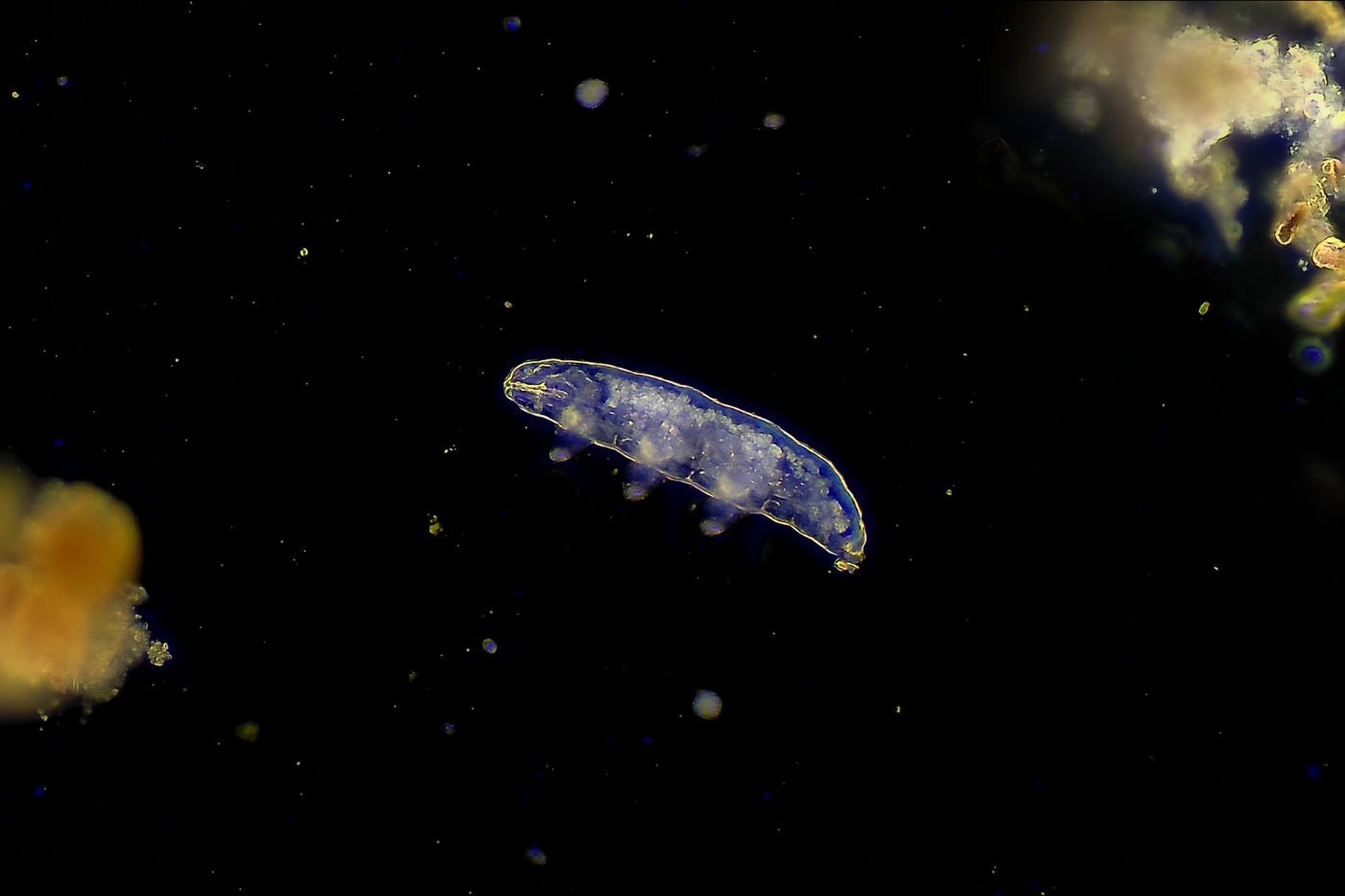
Tardigrades, microscopic animals sometimes called water bears, survived direct exposure to the vacuum of space during a 2007 European Space Agency experiment called TARDIS. The animals were sent into low Earth orbit aboard a Foton-M3 spacecraft and exposed to open space for about 10 days. Some individuals not only survived but went on to reproduce normally once returned to Earth.
Tardigrades survive such extreme conditions by entering a state called cryptobiosis, in which they expel nearly all the water from their bodies, slow their metabolism to a near halt, and produce a protective sugar called trehalose along with proteins that stabilize their cells. In this dried-out, dormant form, called a tun, tardigrades can withstand conditions that would kill nearly every other known animal, including extreme cold, extreme heat, high pressure, and the total absence of oxygen.
The vacuum of space removes atmospheric pressure entirely and exposes any organism to intense ultraviolet and cosmic radiation, both typically lethal within seconds for most life forms. Tardigrades exposed to vacuum alone in the ESA experiment showed strong survival rates. Survival dropped when researchers also exposed the animals to full, unfiltered solar and cosmic ultraviolet radiation, though a portion of that group still survived and went on to reproduce.
Tardigrades measure less than a millimeter and a half long and live in some of the most ordinary places on Earth, including moss, lichen, leaf litter, and lake sediment, rather than anywhere resembling space. More than 1,300 species have been identified, found on every continent including Antarctica, in habitats ranging from the deep ocean to mountain glaciers.
Their tolerance for extremes has made tardigrades a subject of interest for researchers studying the limits of life, including work relevant to astrobiology. The animal's survival strategy offers a working model for how life might endure conditions on other planets or moons that lack a breathable atmosphere or stable temperature.
Credit: Pierre Roudier / Wikimedia Commons (CC BY 2.0)
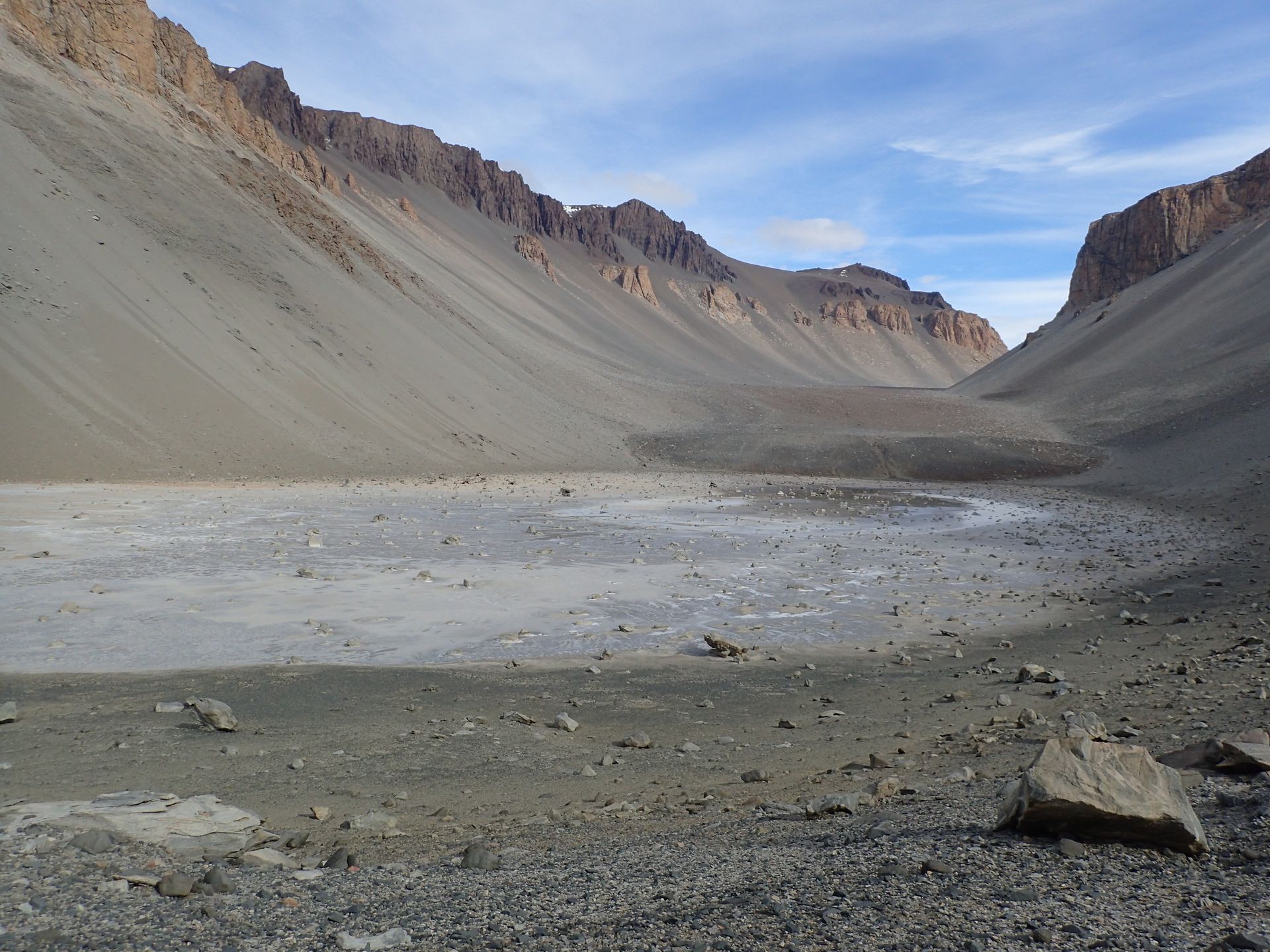
Don Juan Pond, a shallow body of water in Antarctica's McMurdo Dry Valleys, has a salinity level of more than 40 percent, making it one of the saltiest bodies of water on Earth and far saltier than the ocean, which averages around 3.5 percent. That extreme salt content keeps it from freezing even when air temperatures drop well below the freezing point of ordinary water.
The pond sits in one of the driest and coldest environments on the planet, an ice-free desert region where average temperatures rarely climb above freezing even in summer. Don Juan Pond is typically only a few inches deep and expands and shrinks with the seasons, yet it almost never freezes solid. The calcium chloride salts dissolved in its water depress its freezing point dramatically below that of fresh or ordinary seawater.
Researchers have debated the pond's origin for decades. Early theories proposed that mineral-rich groundwater seeped upward and evaporated, concentrating the salt over time. More recent research, drawing on satellite data and chemical analysis, points to a combination of groundwater and atmospheric processes, including salts absorbed directly from the air, though the exact mix of sources remains an active area of study.
The pond's chemistry has drawn interest from astrobiologists, since its conditions resemble features observed on Mars, including dark streaks on Martian slopes called recurring slope lineae that some researchers have linked to briny water flows. Studying how liquid water persists in such a cold, salty, and otherwise inhospitable environment on Earth offers a working model for how similar liquid might behave on other planets.
Don Juan Pond was named after two U.S. Navy helicopter pilots, Donald Roe and John Hickey, who were part of the team that first identified it in 1961 during an Antarctic research expedition. Despite its small size, the pond remains one of the most studied bodies of water in Antarctica because of how far its chemistry departs from ordinary water.
Credit: Nicola Narracci / Pexels
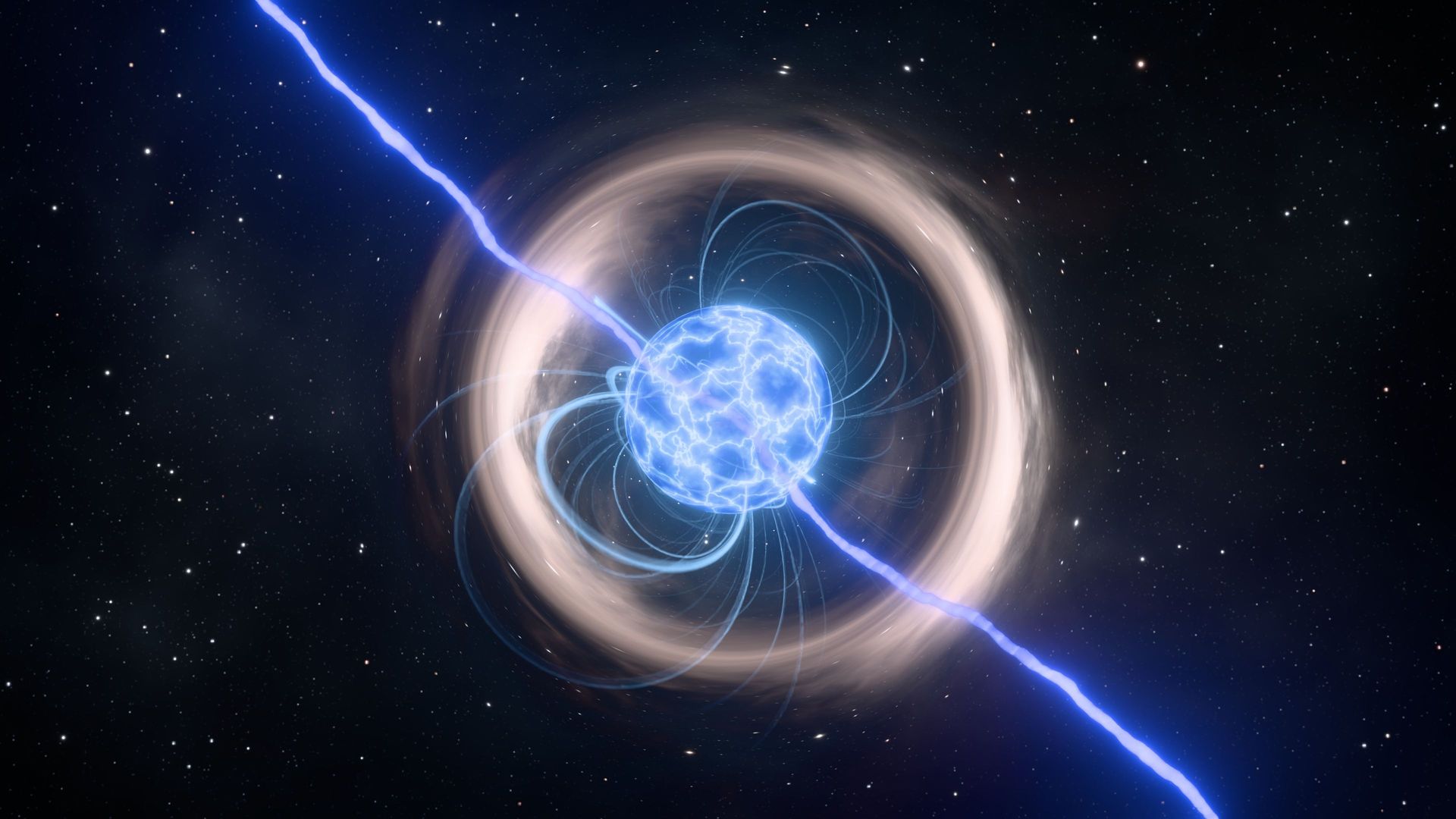
PSR J1748-2446ad, a pulsar located in the globular cluster Terzan 5, rotates 716 times per second, making it the fastest-spinning neutron star confirmed to date. Discovered in 2004 using the Green Bank Telescope in West Virginia, it broke the previous confirmed record of 642 rotations per second, a mark that had stood since 1982.
A pulsar is the collapsed core of a massive star that exploded as a supernova, packing roughly one and a half times the mass of the sun into a sphere only about 20 miles across. As the core collapses, its rotation speeds up dramatically, the same way a spinning skater speeds up by pulling their arms inward, a principle called conservation of angular momentum.
PSR J1748-2446ad likely reached its record-setting spin by pulling material from a companion star in a process called accretion, gradually gaining angular momentum as matter spiraled onto its surface over a long period. Astronomers call pulsars sped up this way millisecond pulsars, since their rotation period is measured in milliseconds rather than seconds.
At 716 rotations per second, the pulsar's surface moves at close to a quarter of the speed of light. Physicists believe neutron stars cannot spin much faster than around 700 to 730 rotations per second without flying apart under centrifugal force, since even the star's immense gravity would eventually be overcome by the outward force of such rapid rotation. That makes PSR J1748-2446ad useful for physicists studying the density and structure of matter inside neutron stars, since its survival at such a high spin places a hard limit on how compact the interior can be.
Pulsars are detected because they emit beams of radio waves from their magnetic poles. As the star rotates, those beams sweep past Earth like a lighthouse, producing the regular pulses that give pulsars their name. Some more recent, less certain observations have hinted at even faster-spinning neutron stars, but PSR J1748-2446ad remains the fastest rotation confirmed through repeated, verified measurement.
Credit: Petr Ganaj / Pexels
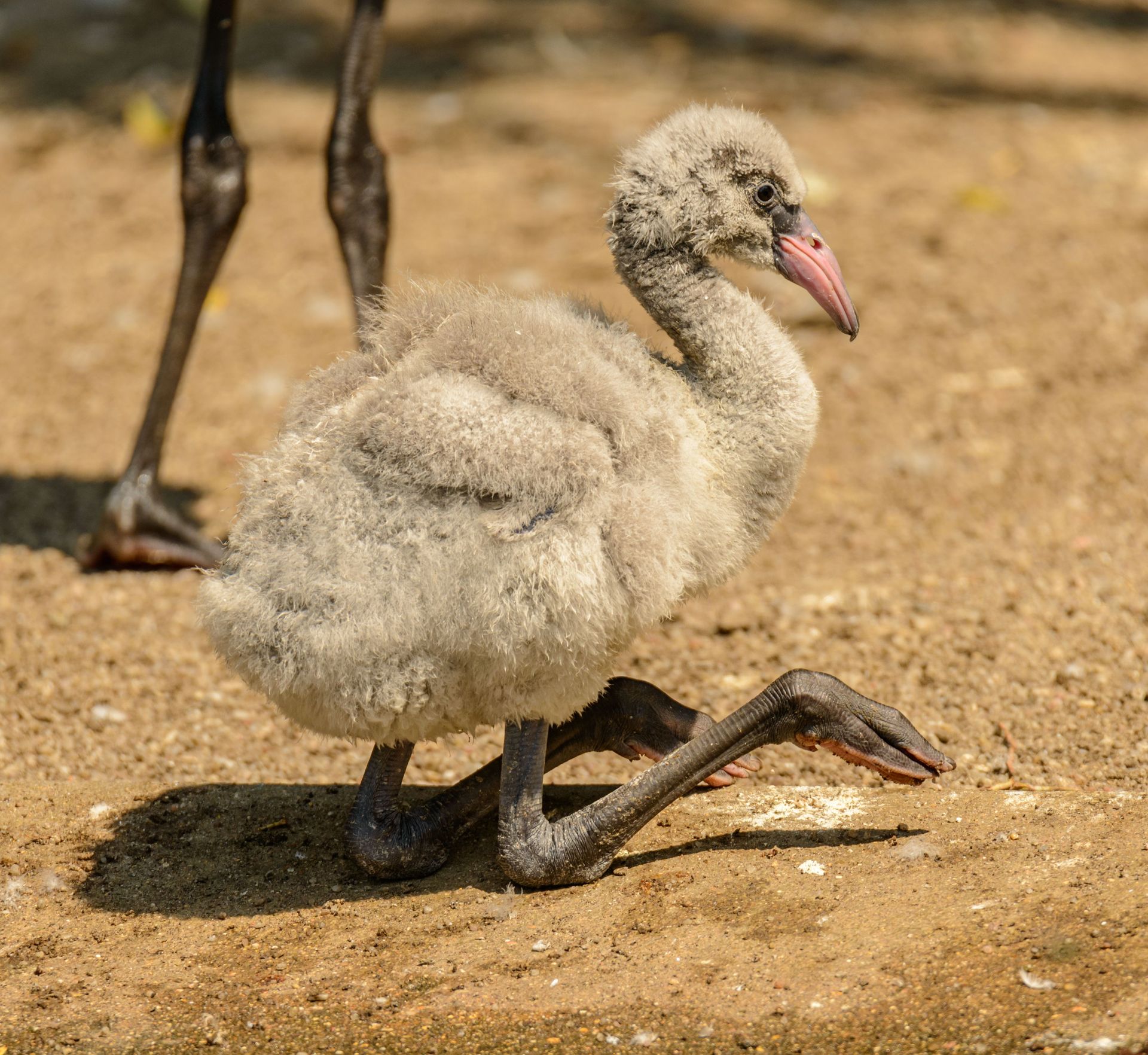
Flamingos hatch with gray or white feathers and only turn pink over months or years, as pigments called carotenoids build up from their diet rather than from anything their bodies produce naturally. Carotenoids are the same class of pigment that makes carrots orange and gives salmon its pink-orange flesh.
Flamingos get these pigments primarily from the algae, brine shrimp, and other small aquatic invertebrates they filter from shallow, salty lakes and lagoons. Once consumed, carotenoid pigments enter the bloodstream and get deposited into new feathers as they grow, along with the skin and, in some species, even the egg yolk. This gradually shifts the bird's color from gray to shades of pink, orange, or red, depending on how much pigment its diet provides.
Because the coloring depends entirely on diet, captive flamingos not fed a carotenoid-rich diet can lose their pink color and turn pale or white over time. Zoos and wildlife parks that house flamingos typically supplement their food with carotenoid additives, often derived from shrimp meal or synthetic beta-carotene, specifically to maintain natural coloring in an environment that lacks the same wild food sources.
Color intensity also varies by species and region, depending on local carotenoid availability. Caribbean flamingos, which have access to particularly carotenoid-dense food, tend to show the deepest pink and red coloring among flamingo species. Lesser flamingos and greater flamingos, found across parts of Africa, the Middle East, and southern Asia, often show paler pink or orange tones depending on the mineral and algae content of their habitat.
Adult flamingos also temporarily lose some pink coloring during breeding season in some populations, since parents divert pigment reserves toward feeding chicks a nutrient-rich secretion called crop milk, produced in the digestive tract and shared with young in place of the pigment that would otherwise maintain the parent's own feather color.

Credit: Eric Garcia / Pexels
Cows form long-term social bonds with specific herd mates and show measurable signs of stress, including elevated heart rate, when separated from a preferred companion. Research from the University of Northampton, published in the journal Applied Animal Behaviour Science, found that cows paired with a chosen partner showed lower stress indicators than cows paired with an unfamiliar animal, even when both were housed identically.
Researchers used heart rate monitors to track the animals' physiological response under both conditions. Cows kept with a preferred companion maintained steadier, lower heart rates. Cows separated from a preferred partner and paired instead with an unfamiliar cow showed heart rates consistent with anxiety, along with visible behavioral signs of distress, including increased pacing and vocalization.
This social bonding extends beyond simple herd proximity. Dairy farmers and animal behavior researchers have observed that cows develop clear preferences for particular companions, often maintaining these bonds over years. They tend to spend more time grooming, standing near, and resting beside a preferred partner compared with other herd members. Calves separated from their mothers early, a standard practice on many dairy farms, show distress responses similar to those seen in adult cows separated from a bonded partner.
These findings have influenced how some farms manage herd housing. Keeping established social groups together, rather than mixing and reshuffling animals for logistical convenience, appears to reduce stress-related behaviors and may support better welfare outcomes. Some animal welfare organizations now recommend minimizing herd disruption specifically because of the documented stress response tied to breaking up bonded pairs.
Cows are far from the only farm animal shown to have complex social structures. Pigs, sheep, and goats have all been the subject of similar research demonstrating individual recognition, preference, and measurable stress responses tied to social separation. The cow research stands out largely because dairy and beef cattle are so commonly perceived as interchangeable herd animals rather than individuals with distinct social relationships.

Credit: Christoph Hanssen / Pexels
Butterflies have taste receptors on their feet, called tarsi, letting them identify whether a leaf is suitable for feeding or egg-laying simply by landing on it. These chemoreceptors detect chemical compounds on a plant's surface, letting the butterfly assess a potential food or host source before ever using its proboscis, the tube-like mouthpart used for drinking nectar.
This ability matters most for female butterflies searching for a place to lay eggs. Most butterfly species are highly selective about host plants, since caterpillars can typically eat only a narrow range of plants after hatching. A female will land on a leaf and use the receptors on her feet to confirm the plant's chemical identity before laying eggs, ensuring her offspring hatch onto something they can actually digest.
The receptors are specialized hair-like structures called sensilla, distributed across the tarsi, and they respond to specific plant chemicals, including sugars and bitter compounds. Some species have been shown in laboratory studies to distinguish between closely related plant species within seconds of contact, based purely on this foot-based chemical sensing, without needing to bite or otherwise sample the plant first.
Butterflies are not alone in this trait among insects. Houseflies also carry taste receptors on their feet, which is part of why they land repeatedly on food and other surfaces, since each landing effectively lets them taste-test their surroundings. This kind of contact chemoreception, detecting chemical information through direct physical contact, is common across many insect groups, though butterflies are among the most frequently cited examples because of the direct link between foot-tasting and where they choose to lay eggs.
The proboscis remains the organ butterflies use for actual feeding, uncoiling to draw up liquid nectar. But the feet do the initial work of scouting, tasting, and deciding whether a plant is worth the visit at all.

Credit: cottonbro studio / Pexels
Cats can develop allergic reactions to human dander, skin cells, and other allergens shed by people, resulting in symptoms such as sneezing, itchy skin, and watery eyes. This runs opposite to the far more familiar story of humans allergic to cats, but a cat's immune system can treat human dander proteins as a threat in much the same way a person's immune system reacts to cat allergens.
Veterinarians diagnose these reactions less often than human allergies to pets. Owners are less likely to suspect their own dander as a source of a cat's symptoms, and a cat showing itchy skin or sneezing has many more common potential causes, including fleas, food sensitivities, and environmental allergens like pollen or dust. Diagnosing a human dander allergy typically requires ruling out these more frequent explanations first.
Certain skin care products, fragrances, and cleaning chemicals used by people can also trigger reactions in sensitive cats, which complicates isolating human dander specifically as the cause. A cat with symptoms that persist despite flea prevention and dietary changes may be referred to a veterinary dermatologist, who can run intradermal skin testing similar to allergy testing used on humans, exposing the cat to a small panel of potential allergens, including human dander, to identify a specific trigger.
Symptoms in affected cats can include excessive grooming, hair loss, skin redness, and gastrointestinal upset, alongside the sneezing and watery eyes more commonly tied to airborne allergies. Treatment mirrors that used for other feline allergies: limiting direct contact with the person responsible, antihistamines, and, in more severe or persistent cases, allergy immunotherapy designed to gradually reduce the cat's immune sensitivity to the specific allergen.
This condition remains uncommon compared with the reverse situation of humans allergic to cats, which affects a far larger share of the population, but veterinary dermatologists confirm it as a documented, if unusual, diagnosis.
Credit: Zelch Csaba / Pexels
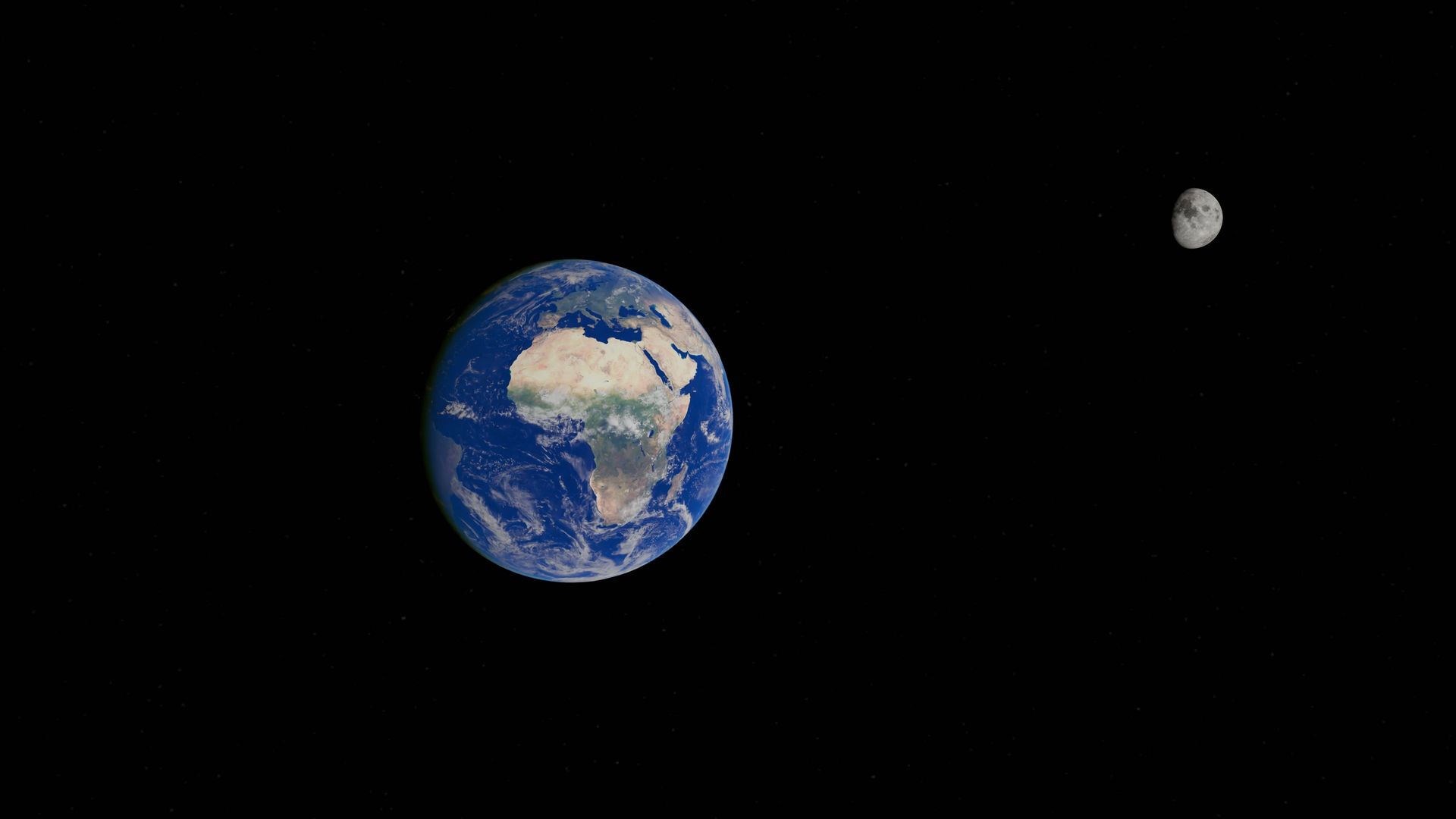
The moon moves away from Earth at a rate of about 3.8 centimeters, or roughly 1.5 inches, every year, a measurement confirmed through decades of laser ranging aimed at reflectors left on the lunar surface by Apollo astronauts. That rate is similar to how fast human fingernails grow, making the recession too small to notice in a lifetime but measurable with enough precision over time.
The recession happens because of tidal interaction between Earth and the moon. Earth's oceans bulge slightly toward and away from the moon due to its gravitational pull, but because Earth rotates faster than the moon orbits, friction drags those bulges slightly ahead of the moon's position instead of lining up directly beneath it. The moon's gravity then pulls back on that leading bulge, transferring some of Earth's rotational energy into the moon's orbit. This gradually pushes the moon wider while slowing Earth's own spin.
Scientists measure this recession through an ongoing program called lunar laser ranging, in which observatories fire laser pulses at retroreflectors placed on the moon during the Apollo 11, 14, and 15 missions between 1969 and 1971. Timing how long the light takes to bounce back lets researchers calculate the Earth-moon distance to within about a millimeter, among the most precise long-term measurements in planetary science.
This same tidal process is slowly lengthening Earth's days, since some of the planet's rotational energy transfers to the moon's orbit rather than staying in Earth's own spin. Fossilized growth bands in ancient shells, including a Cretaceous-era bivalve studied using laser imaging, show that a year contained more days hundreds of millions of years ago than it does now, indicating Earth once rotated meaningfully faster than it does today.
Over an extremely long timescale, this steady drift means the moon will eventually orbit far enough away to no longer fully cover the sun during a solar eclipse, ending total solar eclipses as visible from Earth, though that outcome remains hundreds of millions of years away.

Credit: RDNE Stock project / Pexels
The number of distinct possible chess games vastly exceeds the estimated number of atoms in the observable universe, a comparison mathematicians use to illustrate how quickly the game's branching possibilities multiply. The observable universe is estimated to contain around 10 to the 80th power atoms, while the number of possible unique chess games, a figure known as the Shannon number, is estimated at around 10 to the 120th power.
Claude Shannon, the mathematician and engineer often credited as the father of information theory, calculated this estimate in a 1950 paper on programming a computer to play chess. Shannon arrived at the figure by estimating the average number of legal moves available at each turn, roughly 30, and the average length of a full game, around 40 moves per side, then working out how many distinct move sequences that branching produces.
The Shannon number describes the game tree complexity of chess, the total number of different games that could theoretically be played, rather than the number of distinct board positions that can occur. That separate figure, the state-space complexity, is smaller but still enormous, with most estimates placing it somewhere between 10 to the 40th and 10 to the 50th power.
Even the lower end of that range is larger than the number of grains of sand on every beach on Earth combined, and still enormously larger than the number of seconds that have passed since the universe formed. Chess engines and supercomputers cannot brute-force search every possible game to find a perfect line of play, which is part of why chess remains unsolved despite computers now outperforming every human player.
This kind of combinatorial explosion, where a small number of choices at each step multiplies into an incomprehensibly large total after many steps, appears throughout mathematics and computer science. Chess remains one of the most commonly cited examples specifically because the rules are simple enough for nearly anyone to understand, while the resulting complexity still exceeds anything fully mapped, even with modern computing power.

Credit: Pixabay / Pexels
Sound cannot travel through the vacuum of space because sound is a mechanical wave that requires a physical medium, such as air, water, or a solid material, to carry its vibrations. Space contains far too few particles for that vibration to propagate. Without molecules close enough together to bump into one another and pass energy along, there is nothing for a sound wave to move through.
On Earth, sound travels by compressing and expanding molecules in a medium like air, creating a chain reaction of vibration that eventually reaches a listener's ear. In the near-total vacuum of interplanetary or interstellar space, particle density drops so low that this kind of transmission cannot occur in any meaningful way. A distant explosion or a collision between objects would produce no audible sound to a nearby observer, no matter how violent the event appeared visually.
This is why astronauts communicate using radio waves rather than shouting across open space. Radio waves are electromagnetic radiation and do not require a medium to travel, unlike sound. Even during a spacewalk, an astronaut cannot hear anything generated outside their own suit, since there is no air immediately surrounding them to carry sound from an external source to their ears.
Sound can still travel inside a spacecraft or space station, where the interior is pressurized with breathable air that provides the medium sound needs. It can also, in rare cases, travel through extremely thin gas found in certain regions of space, including areas within some nebulae, though these instances involve gas densities far different from a true vacuum and are typically studied with instruments rather than heard directly. NASA has released audio described as sounds from space, including recordings associated with a supermassive black hole in the Perseus cluster, but these are pressure wave data converted, or sonified, into audible sound for public presentation, not sound that traveled through empty space and reached a microphone the way it would on Earth.
This basic property of sound is part of why science fiction depictions of loud explosions or roaring engines in open space, while dramatic, do not reflect actual physics. A real explosion in the vacuum of space would occur in complete silence to any nearby observer.

Credit: Lisanne W / Pexels
The summit region of Mount Everest contains layers of limestone packed with fossilized marine organisms, including ancient sea creatures called crinoids, evidence that the rock at the top of the world's tallest mountain once sat at the bottom of an ancient ocean. This limestone, often called the Qomolangma Formation, formed from sediment that accumulated on a seafloor tens of millions of years before the Himalayas existed.
The fossils and rock reached their current elevation, more than 29,000 feet above sea level, through the collision of the Indian and Eurasian tectonic plates, a process that began around 50 million years ago and continues today. As the Indian plate pushed northward into Eurasia, marine sediment that had settled on the seafloor between the two landmasses was compressed, folded, and gradually forced upward, eventually forming the Himalayan range, including Everest's summit.
Geologists have identified several distinct rock layers on Everest tracing this history, with the summit made of Qomolangma Formation limestone sitting atop older layers from different geological periods. The presence of marine fossils at such extreme elevation gives geologists a clear, physical timeline for the mountain's formation, since the fossils can be dated to confirm roughly when that section of seafloor existed before being lifted into a mountain range.
The Himalayas, and Everest specifically, continue to rise slightly each year, since the tectonic collision responsible for their formation has not stopped. GPS measurements show the range gaining a small amount of height annually, even as erosion, earthquakes, and other geological forces work against that growth from the opposite direction.
This kind of marine-to-mountain transformation is not unique to Everest. Similar marine fossil layers have been documented in other major mountain ranges formed through tectonic collision, including the Alps and the Andes, though Everest's fossils draw particular attention because of the sheer elevation at which ordinary sea creatures now sit, tens of thousands of feet above where they lived and died.
Credit: Francesco Ungaro / Pexels
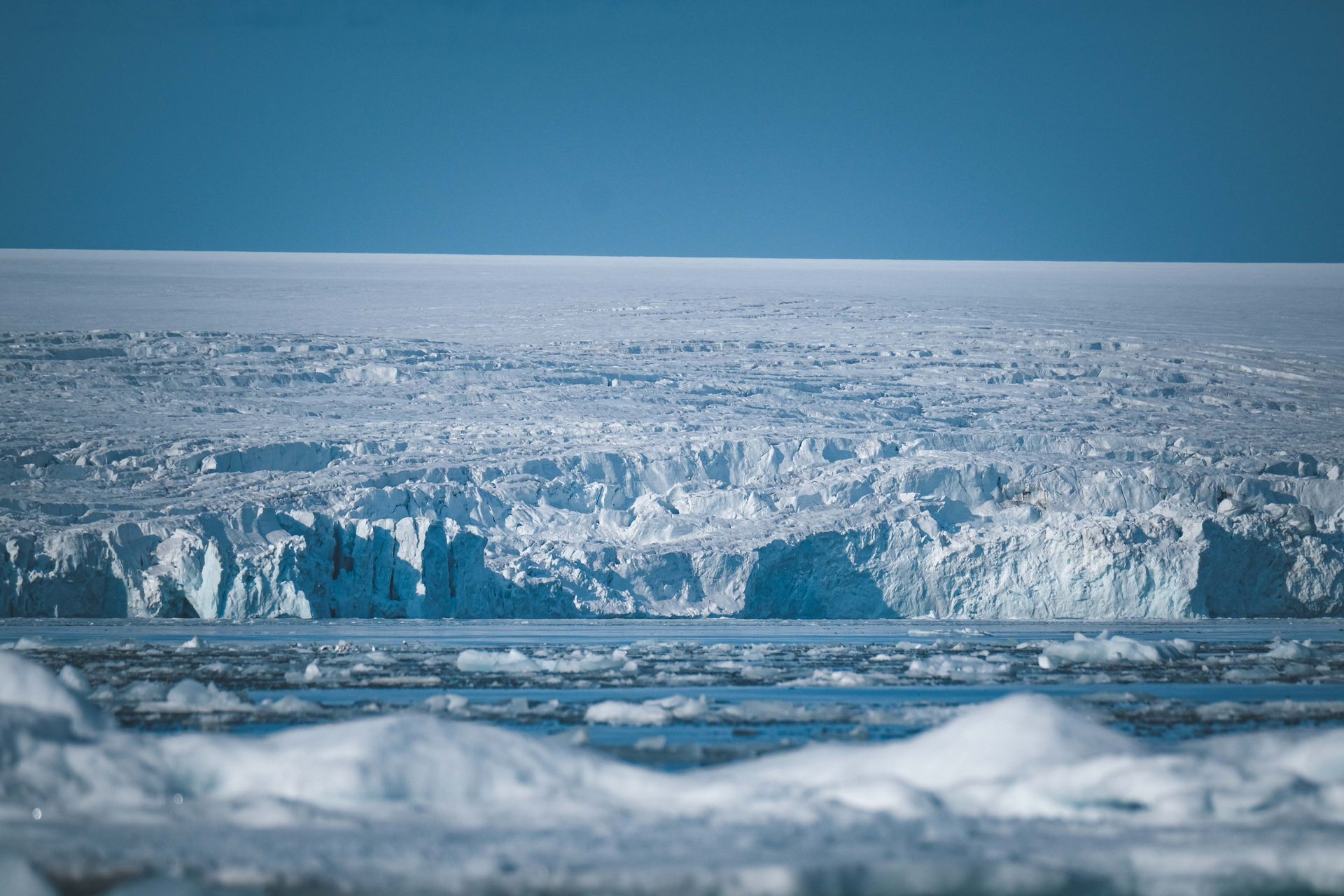
Antarctica qualifies as a desert under the standard scientific definition, which classifies deserts by low precipitation rather than temperature. The continent's driest interior regions receive less than 2 inches of precipitation annually, making it the largest desert on Earth by total area. The word desert usually conjures images of sand and heat, but the technical definition depends only on how little moisture a region receives.
The interior of Antarctica, particularly the high, cold plateau region, receives so little snowfall that some areas may not have seen new precipitation in possibly millions of years, based on geological evidence from ice-free valleys where ancient volcanic ash deposits remain undisturbed. Any snow that does fall accumulates extremely slowly and rarely melts, which is why Antarctica holds enormous quantities of ice despite receiving so little new precipitation. That ice has built up gradually over hundreds of thousands of years rather than accumulating quickly.
Antarctica's aridity comes from a combination of extreme cold and its position relative to global atmospheric circulation patterns. Cold air holds far less moisture than warm air, and the continent sits beneath a persistent high-pressure system that suppresses cloud formation and precipitation across much of its interior. Coastal regions of Antarctica receive noticeably more precipitation than the interior, since they sit closer to moisture-carrying storm systems moving across the Southern Ocean.
By total land area, Antarctica ranks as the largest desert in the world, larger than the Sahara, which is often mistakenly described as the largest desert because it is only the largest hot desert. The Arctic qualifies as a desert under the same precipitation-based definition, making both of Earth's polar regions deserts despite holding the planet's largest freshwater ice reserves.
This classification matters to climate scientists because it reframes how Antarctica's ice sheet should be understood: not as a wet, snow-heavy environment, but as an extremely dry one that happens to have accumulated an enormous volume of ice over an immense span of time, making the balance between snowfall, melting, and ice loss especially sensitive to even small shifts in temperature or precipitation.