
From continental drift to germ theory to the discovery that ulcers are caused by bacteria, the history of science is full of ideas that were right all along — and dismissed anyway

indra projects / Pexels
Science is the most reliable method humans have developed for understanding reality, and its track record — the accumulated body of knowledge produced by centuries of systematic observation, experiment, and revision — is extraordinary. It is also, at any given moment, incomplete, institutionally conservative, and subject to the same social dynamics that shape every human enterprise: the weight of established authority, the investment of senior practitioners in existing frameworks, the tendency of peer review to favor incremental work over radical claims.
The history of science contains a specific, recurring pattern. A researcher — often young, often working outside the dominant institutions, often without the credentials that command automatic respect — proposes an idea that contradicts the current consensus. The idea is rejected, ridiculed, or ignored. The researcher persists, or the idea outlasts the resistance, or new evidence eventually makes the case impossible to dismiss. The idea becomes the new consensus. The cycle of resistance and acceptance is so regular that the philosopher Thomas Kuhn built an entire theory of scientific progress around it — the paradigm shift — in "The Structure of Scientific Revolutions" in 1962.
This list covers 20 cases in which scientific ideas that were initially rejected, dismissed, or ridiculed were subsequently proven correct and became the foundations of their fields. The list is not an argument against scientific consensus — scientific consensus is usually right, and the far more common case is that rejected ideas turn out to be wrong. It is an argument for epistemic humility: the recognition that confidence in current consensus should be proportional to evidence, that dissent deserves engagement rather than dismissal, and that the history of science is full of cases where the mainstream was wrong and the outlier was right.
Each slide covers the discovery, the nature and duration of the resistance, and the resolution. Several of the cases here involve personal costs to the researchers who were right — careers damaged, reputations attacked, decades of isolation before vindication. Those costs are part of the story and are worth acknowledging alongside the eventual triumph of the correct idea.

UMA media / Pexels
Alfred Wegener, a German meteorologist and polar researcher, proposed the theory of continental drift in 1912 — the idea that the continents had once been a single landmass (Pangaea) that had broken apart and drifted to their current positions over hundreds of millions of years. The evidence he marshaled was striking: the jigsaw-puzzle fit of the African and South American coastlines, the identical fossil species found on opposite sides of the Atlantic, the matching geological formations on continents separated by oceans. The geological establishment dismissed his theory with a contempt that, in retrospect, reflects as poorly on them as the theory reflects well on Wegener.
The specific objection was mechanical: Wegener could not propose a plausible mechanism by which continents could move through the solid oceanic crust. Without a mechanism, the geological establishment argued, the evidence for fit and fossil correlation could be explained by land bridges — now-submerged connections between continents — that were considered more parsimonious than the radical proposal that the continents themselves had moved.
Wegener died in 1930 on an expedition to Greenland, his theory still rejected by most geologists. The mechanism he lacked was discovered in the 1950s and 1960s: seafloor spreading, driven by convection in the mantle, which produces the mid-ocean ridges and the oceanic trenches at subduction zones that are the physical expression of plate tectonics. By the late 1960s, plate tectonics had become the foundational framework of geology — the Kuhnian paradigm shift that reorganized the entire field around the idea Wegener had proposed 50 years earlier.

turek / Pexels
The idea that infectious diseases are caused by microorganisms — germ theory — was proposed by Ignaz Semmelweis in the 1840s and elaborated by Louis Pasteur and Robert Koch in the 1860s and 1870s. Before germ theory, the dominant explanation for disease was miasma theory: the belief that diseases were caused by "bad air" from rotting organic matter, swamps, and other sources of foul smells. The transition from miasma to germ theory was not rapid or frictionless — it was resisted by established medical authorities for decades.
Semmelweis's case is the most tragic. In 1847, as an assistant professor at the Vienna General Hospital, he observed that the mortality rate in the maternity ward staffed by medical students (who came directly from performing autopsies) was dramatically higher than in the ward staffed by midwives. He proposed that the students were transferring "cadaverous particles" to patients on their hands, and instituted handwashing with chlorinated lime solution. Maternal mortality fell from approximately 10% to 1%.
The medical establishment rejected his findings. His superior, Johann Klein, was hostile to the implication that doctors were causing patient deaths. Semmelweis was unable to provide a theoretical mechanism for his observation (germ theory had not yet been developed), and his increasingly desperate and confrontational behavior as his findings were ignored damaged his credibility further. He was eventually committed to a mental institution in 1865, where he died, likely from the same type of infection he had spent his career trying to prevent. Pasteur's germ theory and Lister's subsequent development of antiseptic surgery vindicated him posthumously.

Zelch Csaba / Pexels
The heliocentric model of the solar system — the Earth and planets orbit the Sun, rather than the Sun and planets orbiting the Earth — was proposed by Copernicus in 1543 and defended by Galileo in the early 17th century, who was tried by the Inquisition and forced to recant. The story is a familiar one, but its specific details are instructive about the relationship between scientific evidence, institutional authority, and the social dynamics of knowledge acceptance.
Galileo's observations with his telescope — the phases of Venus (only explicable if Venus orbits the Sun), the moons of Jupiter (demonstrating that not everything orbits the Earth), and the surface features of the Moon (suggesting that celestial bodies are not perfect, as Aristotelian cosmology required) — provided the direct observational evidence that the Copernican model was correct and the Ptolemaic model was not. The resistance was not primarily scientific: by the early 17th century, the mathematical and observational case for heliocentrism was compelling to most working astronomers. It was theological and institutional — the Catholic Church had committed to the geocentric model as compatible with scripture, and Galileo's championing of heliocentrism was perceived as a challenge to ecclesiastical authority rather than merely an astronomical disagreement.
The resolution — the acceptance of heliocentrism as the correct model — occurred gradually over the 17th and 18th centuries as the theological objections became less enforceable and the observational and mathematical evidence became impossible to contest. Newton's gravitational mechanics, published in 1687, provided the theoretical framework within which heliocentrism was not merely a convenient model but a physical description of reality.

Sora Shimazaki / Pexels
In 1984, Barry Marshall, a young Australian gastroenterologist, drank a solution of Helicobacter pylori bacteria to prove that it caused gastric ulcers — a radical self-experiment designed to overcome the medical establishment's refusal to accept that a bacterial infection could cause a condition that was believed to be the result of stress, excess acid, and lifestyle factors. He developed gastritis, treated himself with antibiotics, and recovered. The Nobel Prize in Physiology or Medicine was awarded to Marshall and his collaborator Robin Warren in 2005.
The rejection of Marshall and Warren's bacterial hypothesis — first proposed after Warren noticed curved bacteria in biopsies of inflamed stomach lining in the early 1980s — reflected multiple institutional and intellectual commitments. The stomach was believed to be too acidic to support bacterial life. Gastric ulcers were a condition for which the pharmaceutical industry had developed effective acid-suppressing treatments (H2 blockers and later proton pump inhibitors) that were commercially successful and did not require a bacterial mechanism. And the two researchers — Warren a pathologist, Marshall a trainee gastroenterologist — lacked the seniority and institutional affiliation that typically commanded automatic attention.
The consequence of the delayed acceptance was significant: millions of people with peptic ulcers were treated with acid suppression (which managed the symptom without addressing the cause) rather than with antibiotics (which could have cured the condition in one to two weeks) for more than a decade after Marshall and Warren had identified the cause. The medical cost of the establishment's resistance is measurable in years of unnecessary treatment and unnecessary suffering.

Marek Pavlík / Pexels
In 1929, Edwin Hubble published observational evidence that galaxies were receding from Earth at velocities proportional to their distances — the relationship now known as Hubble's Law — implying that the universe was expanding. The implication — that running the expansion backward implied a singular origin point, what Georges Lemaître had already proposed as the "hypothesis of the primeval atom" (later the Big Bang) — was resisted by a significant proportion of the astronomical community, including Albert Einstein.
Einstein had initially included a cosmological constant in his field equations of general relativity to produce a static universe — the assumption of stasis was so deeply embedded in cosmological thinking that Einstein had introduced an additional mathematical term specifically to prevent his equations from implying an expanding or contracting universe. When Hubble's observations demonstrated expansion, Einstein called the cosmological constant "the greatest blunder of my career."
The resistance to the Big Bang specifically — as opposed to the expanding universe generally — persisted for decades, championed most prominently by Fred Hoyle, who coined the term "Big Bang" disparagingly. The competing steady state theory, which proposed that matter was continuously created to maintain a constant universe density as it expanded, was taken seriously by a significant portion of the astrophysics community until the 1965 discovery of the cosmic microwave background radiation — the afterglow of the early hot universe predicted by Big Bang theory — made the case essentially conclusive.
Lopez-Garcia, F., et al. / Wikimedia Commons
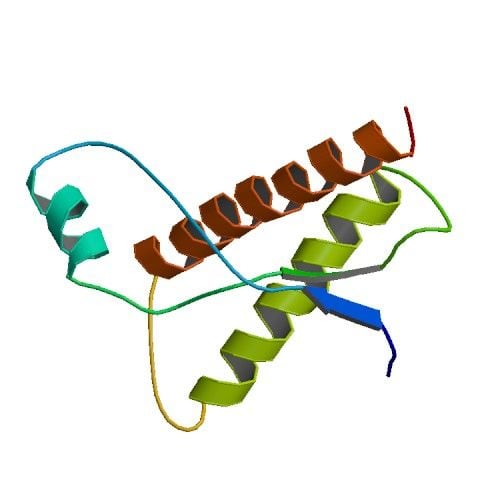
The prion hypothesis — proposed by Stanley Prusiner in 1982 — suggested that the transmissible spongiform encephalopathies (including scrapie in sheep, bovine spongiform encephalopathy in cattle, and Creutzfeldt-Jakob disease in humans) were caused by misfolded proteins rather than by any virus or bacterium. This was not merely unconventional — it violated one of the central dogmas of biology, which held that infectious agents required nucleic acids (DNA or RNA) to replicate and transmit disease. A protein with no nucleic acid that could propagate its own misfolded structure and cause fatal neurological disease was, to most biologists, a category error.
Prusiner's evidence was substantial: he had isolated a protein fraction from infected tissue that retained infectivity after treatments that would have destroyed nucleic acids, and had characterized the protein biochemically. The rejection from the scientific community was nevertheless severe — his grant funding was reduced, his work was criticized in peer-reviewed literature as methodologically flawed, and the Nobel Committee was urged not to award him the prize.
The prion hypothesis was vindicated by subsequent research that identified the specific mechanism of propagation: normal cellular prion proteins are induced to misfold by contact with the misfolded form, propagating the abnormal conformation in a chain reaction without any genetic material involved. Prusiner received the Nobel Prize in Physiology or Medicine in 1997. The subsequent BSE crisis in the United Kingdom — which caused the variant CJD outbreak in humans — demonstrated the practical consequences of infectious protein diseases at scale.

Geralt / Wikimedia Commons (CC0)
Rosalind Franklin's X $TWTR-ray crystallography work produced the critical evidence for the double helix structure of DNA — specifically the famous Photo 51, which showed the helical form clearly — but Franklin's contribution was sidelined in the race to determine DNA's structure, her data was accessed without her knowledge by Watson and Crick, and her role was minimized in the Nobel Prize awarded to Watson, Crick, and Wilkins in 1962. Franklin had died of ovarian cancer in 1958 and was ineligible for the Nobel.
The specific scientific rejection here is of a different character from most entries on this list: it was not the idea that was rejected but the person whose evidence was critical to the idea's acceptance. Franklin's work on DNA was conducted with the methodological rigor of a scientist who was uncomfortable with speculation before the evidence was complete — a position that was characterized by Watson and others as excessive caution rather than scientific integrity. Her contributions to the understanding of coal, graphite, and plant viruses were similarly significant and similarly undervalued during her lifetime.
The wider lesson of Franklin's case is about the specific ways in which institutional and social bias — in her case, the intersection of gender bias and the competitive culture of molecular biology in the early 1950s — shapes what counts as a scientific contribution and whose contributions receive recognition. The history of science contains many Franklin cases, where the correct interpretation was available but the recognition went elsewhere.

AMES lab., US Department of Energy / Wikimedia Commons
Dan Shechtman, an Israeli materials scientist, discovered quasicrystals in April 1982 while examining an aluminium-manganese alloy under an electron microscope and observing a diffraction pattern of tenfold symmetry — a pattern that was, according to the established crystallography of the time, mathematically impossible. Crystals were defined by their periodic atomic structure, whose symmetry is constrained to two, three, four, or sixfold rotational axes. Fivefold symmetry — and tenfold, which requires it — was categorically ruled out by the mathematics of periodic tiling.
Shechtman wrote in his lab notebook: "Eyn chaya kazo" — Hebrew for "there can be no such creature." He spent two years trying to find the error in his observations before concluding that the observations were correct and the crystallographic orthodoxy was wrong. When he submitted his findings for publication, they were rejected. His group leader at the National Bureau of Standards suggested he read a crystallography textbook. Linus Pauling — twice Nobel laureate, the most eminent structural chemist of the 20th century — spent the remainder of his life campaigning against Shechtman's findings, declaring at conferences: "There are no quasicrystals, only quasi-scientists."
The mathematical resolution came quickly once other researchers began to verify and extend Shechtman's observations: the aperiodic Penrose tilings, which use two tile shapes to fill a plane with fivefold symmetry without periodicity, provided the geometric framework for understanding quasicrystal structure. Shechtman received the Nobel Prize in Chemistry in 2011, alone, because Pauling had died in 1994 and the prize is not awarded posthumously. The Nobel committee's citation explicitly noted that his discovery "fundamentally altered how chemists conceive of solid matter."
Credit: Wikimedia Commons (CC BY 2.5)
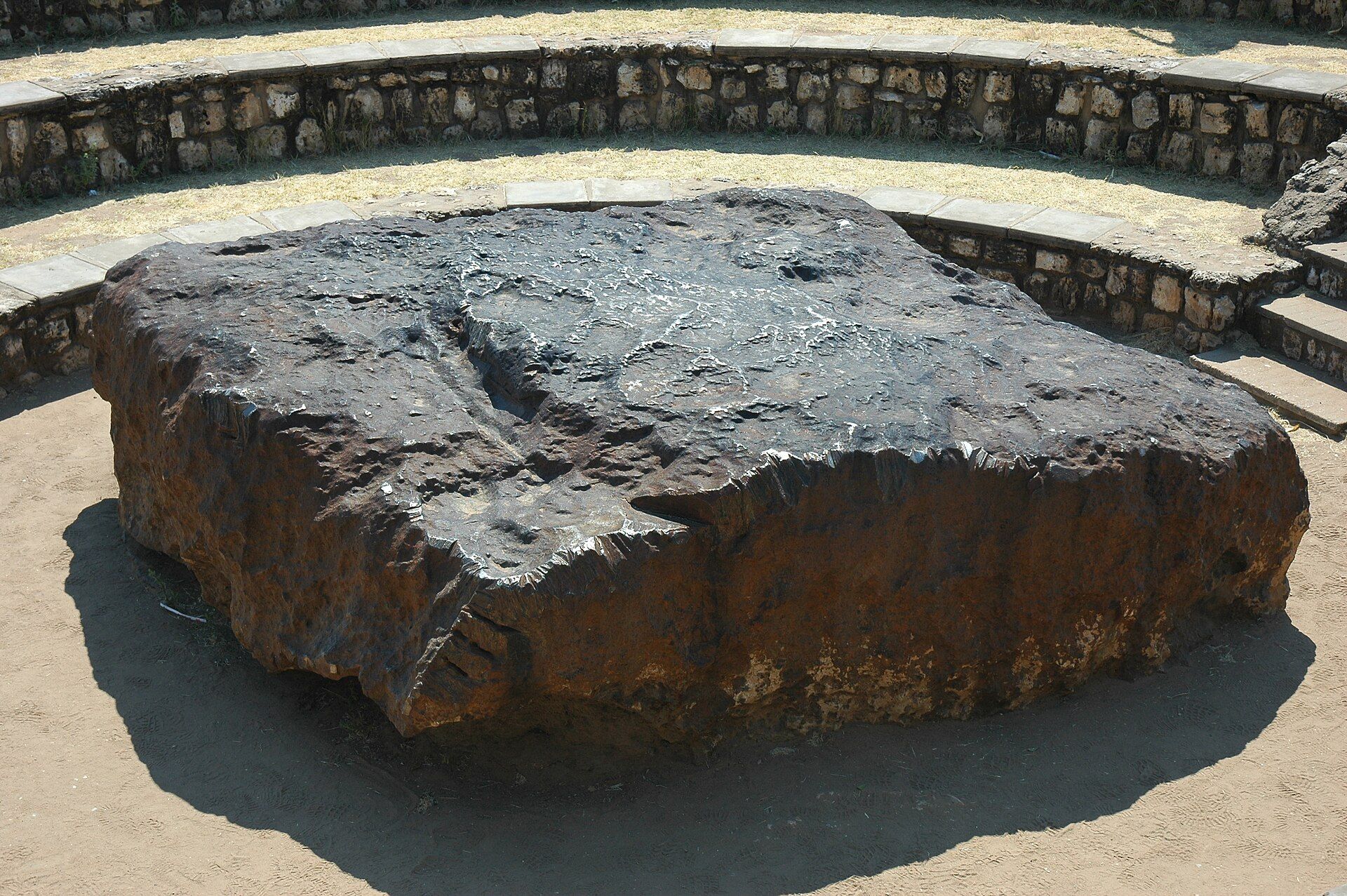
The idea that rocks fall from space — that meteorites are extraterrestrial objects rather than terrestrial formations — was rejected by leading scientists of the late 18th and early 19th centuries, most famously by Antoine Lavoisier, who analyzed a reported meteorite in 1772 and concluded that it was an ordinary terrestrial rock that had been struck by lightning. The French Academy of Sciences, in 1772, issued a statement suggesting that reports of rocks falling from the sky were superstition — evidence of peasant ignorance rather than natural phenomena.
The specific intellectual barrier was the mechanistic worldview of Enlightenment science: within the framework of Newtonian mechanics and the developing chemical understanding of the early 19th century, there was no mechanism by which rocks could exist in space and fall to Earth. The reports of fireballs and impacts were therefore interpreted as misperceptions of lightning strikes or other atmospheric phenomena rather than as accurate observations of a genuinely strange phenomenon.
The Chladni hypothesis — proposed by the German physicist Ernst Chladni in 1794 — that meteorites were extraterrestrial objects, possibly the debris of a destroyed planet, was ridiculed when first presented. The evidence accumulated slowly: the Wold Cottage meteorite fall in England in 1795, observed by multiple witnesses, and the L'Aigle meteorite shower in France in 1803 — during which approximately 3,000 stones fell over an area of elliptical distribution, witnessed by hundreds of people — made the denial of the phenomenon untenable. The French physicist Jean-Baptiste Biot investigated the L'Aigle event and his report to the Academy marked the scientific acceptance of meteorites as extraterrestrial.

Maria Christensen / Pexels
While Wegener's continental drift theory is covered above, the full theory of plate tectonics — which extended continental drift to include the dynamics of oceanic plates, seafloor spreading, and subduction — faced its own resistance in the 1950s and 1960s before achieving the status of the foundational framework of geology. The resistance was partly intellectual (the mechanism was not yet clear) and partly sociological (the geological establishment was deeply committed to the fixist model of static continents).
Harry Hess, an American geologist and Navy commander during World War II who had used ship's sonar to map the ocean floor, proposed the seafloor spreading hypothesis in 1960 — that new oceanic crust was being created at mid-ocean ridges and consumed at oceanic trenches, driving continental motion. His paper was circulated in draft for two years before publication and was described by Hess himself as "an essay in geopoetry" to preemptively disarm the criticism that it was speculative.
The evidence that converted the geological community came from paleomagnetism: the discovery that the oceanic crust showed symmetric patterns of magnetic reversal on either side of mid-ocean ridges, consistent with the seafloor spreading hypothesis. By the late 1960s, plate tectonics had been accepted so rapidly and so completely that geologists who had spent their careers in the fixist tradition found themselves working within a framework that had overturned everything they had been taught. The revolution was as complete as any in the history of science.

Deniz Kyzyltoprak / Pexels
The idea that chronic insomnia and sleep disorders could have a biological basis — specifically, that the circadian clock could be pathologically shifted, producing a genuine inability to fall asleep at socially normal times — was resisted by psychiatry and sleep medicine for decades, during which people with delayed sleep phase disorder were characterized as having psychological problems, poor sleep hygiene, or insufficient willpower rather than a genuine biological condition.
Elliot Weitzman and Charles Czeisler at the Cornell Medical Center described delayed sleep phase syndrome in 1981, and the subsequent research establishing its genetic basis, its association with specific circadian gene variants, and its biological mechanism (a longer-than-average circadian period producing a delayed melatonin onset and delayed temperature nadir) has thoroughly vindicated the biological framing. The specific genetic variants associated with familial delayed sleep phase syndrome have been identified in CLOCK and other circadian genes.
The treatment implication is significant: people with DSPS who have been told to try harder to sleep at conventional times and given cognitive behavioral therapy for insomnia have been receiving the wrong treatment for a condition that responds to chronotherapy (progressive sleep schedule shifting), light therapy, and low-dose melatonin — treatments that address the biological mechanism rather than assuming a psychological one.

Thirdman / Pexels
Classical genetics held that the information in DNA was transmitted faithfully between generations, with phenotypic variation arising from DNA sequence changes alone — mutations. The concept of epigenetics — that heritable changes in gene expression can occur without changes in the DNA sequence itself, through mechanisms including DNA methylation and histone modification — was initially received with significant skepticism, because it appeared to challenge the central dogma of molecular biology and raised the specter of Lamarckism (the inheritance of acquired characteristics).
The early epigenetics research — demonstrating that environmental exposures could produce heritable changes in gene expression patterns that persisted across generations without any change in the underlying DNA sequence — was criticized as methodologically flawed or as overstating the significance of findings that were either trivial or confounded by genetic effects. The strongest transgenerational epigenetic effects were demonstrated in plant and simple organism systems, and their generalizability to mammals was questioned.
The subsequent decade of research has substantially vindicated the core claims: the Dutch Hunger Winter studies demonstrating heritable metabolic effects of prenatal famine, the Överkalix studies showing transgenerational health effects of grandparental nutrition, and the extensive laboratory literature on specific methylation patterns and histone modifications have established epigenetic inheritance as a genuine biological phenomenon. The debate has shifted from whether epigenetic inheritance occurs to how significant it is relative to genetic inheritance — a productive scientific question rather than a categorical denial.

cottonbro studio / Pexels
Freud's psychoanalytic theory of the unconscious — the idea that mental processes occur outside conscious awareness and exert powerful influences on thought, emotion, and behavior — was dismissed for most of the 20th century by experimental psychologists as unfalsifiable, clinically untested, and more philosophical speculation than science. The specific mechanisms Freud proposed (the id, ego, and superego; repression; the Oedipus complex) have not been validated by empirical research, and much of psychoanalytic theory has been revised or abandoned.
The legitimate scientific residue of Freud's contribution is the core claim — that significant mental processing occurs outside conscious awareness and influences behavior — which has been thoroughly vindicated by cognitive science, neuroscience, and experimental psychology over the past 30 years. The implicit memory systems, the automatic processing of emotional information, the priming effects demonstrated in thousands of experimental studies, the split-brain experiments showing that the left hemisphere confabulates explanations for actions initiated by the right — all of these demonstrate that non-conscious mental processing is real, pervasive, and influential.
The vindication is partial: the specific mechanisms Freud proposed are not the mechanisms that neuroscience has identified. But the foundational intuition — that the conscious mind is not the whole of mental life, that unconscious processes shape behavior in ways that conscious introspection cannot access — has been confirmed by the cognitive and neurosciences that spent much of the 20th century dismissing it.

Valeria Boltneva / Pexels
For most of the second half of the 20th century, dietary fat — and saturated fat in particular — was identified as the primary dietary cause of cardiovascular disease, on the basis of Ancel Keys's Seven Countries Study (1958) and the subsequent dietary guidelines that elevated carbohydrate and reduced fat as public health policy. The nutritional establishment was deeply committed to the diet-heart hypothesis, and researchers who questioned it faced significant institutional resistance.
The questioning turned out to be correct. The specific Keys evidence has been substantially criticized: his Seven Countries Study selected countries from a larger dataset in ways that favored the fat-heart disease relationship, and the countries whose data contradicted his hypothesis were excluded. The large randomized controlled trials designed to test the diet-heart hypothesis — the Women's Health Initiative, the Multiple Risk Factor Intervention Trial, the Minnesota Coronary Experiment — consistently failed to show that reducing dietary fat reduced cardiovascular mortality.
The specific mechanism that Keys's hypothesis missed was the distinction between saturated, unsaturated, and trans fats, and the metabolic effects of replacing dietary fat with refined carbohydrates — a substitution whose negative consequences for insulin resistance, triglycerides, and HDL cholesterol have been extensively documented. The Nina Teicholz investigation, "The Big Fat Surprise," documented in detail the institutional resistance to evidence that contradicted the established dietary fat hypothesis — a case study in how scientific consensus can resist correction when it has been embedded in public health policy and commercial food production.

RDNE Stock project / Pexels
The neuroscientific basis of acupuncture — the mechanisms by which needle insertion at specific points might produce the analgesic and physiological effects that practitioners and patients report — was dismissed by Western medicine for most of the 20th century as placebo effect, superstition, or the product of cultural expectation. The dismissal was partly justified by the lack of rigorous randomized controlled trials and by the implausibility, within Western biomedicine's framework, of the traditional Chinese medicine mechanisms proposed.
The evidence that has accumulated over the past 30 years has established that acupuncture produces real, measurable neurological effects that are distinct from placebo, though the clinical significance of those effects and their relationship to the traditional meridian framework remain contested. Neuroimaging studies have demonstrated that acupuncture needle insertion produces specific patterns of brain activation distinct from sham acupuncture (superficial needling at non-acupuncture points), including deactivation of limbic structures associated with pain processing.
The specific mechanism identified most clearly is the activation of adenosine release at the needle insertion site, producing local anti-inflammatory and analgesic effects through adenosine A1 receptors — a mechanism identified by Maiken Nedergaard's group at the University of Rochester in 2010. The evidence supports specific, limited clinical applications (particularly for chronic pain and chemotherapy-induced nausea) without validating the traditional explanatory framework of qi and meridians.
Mart Production / Pexels
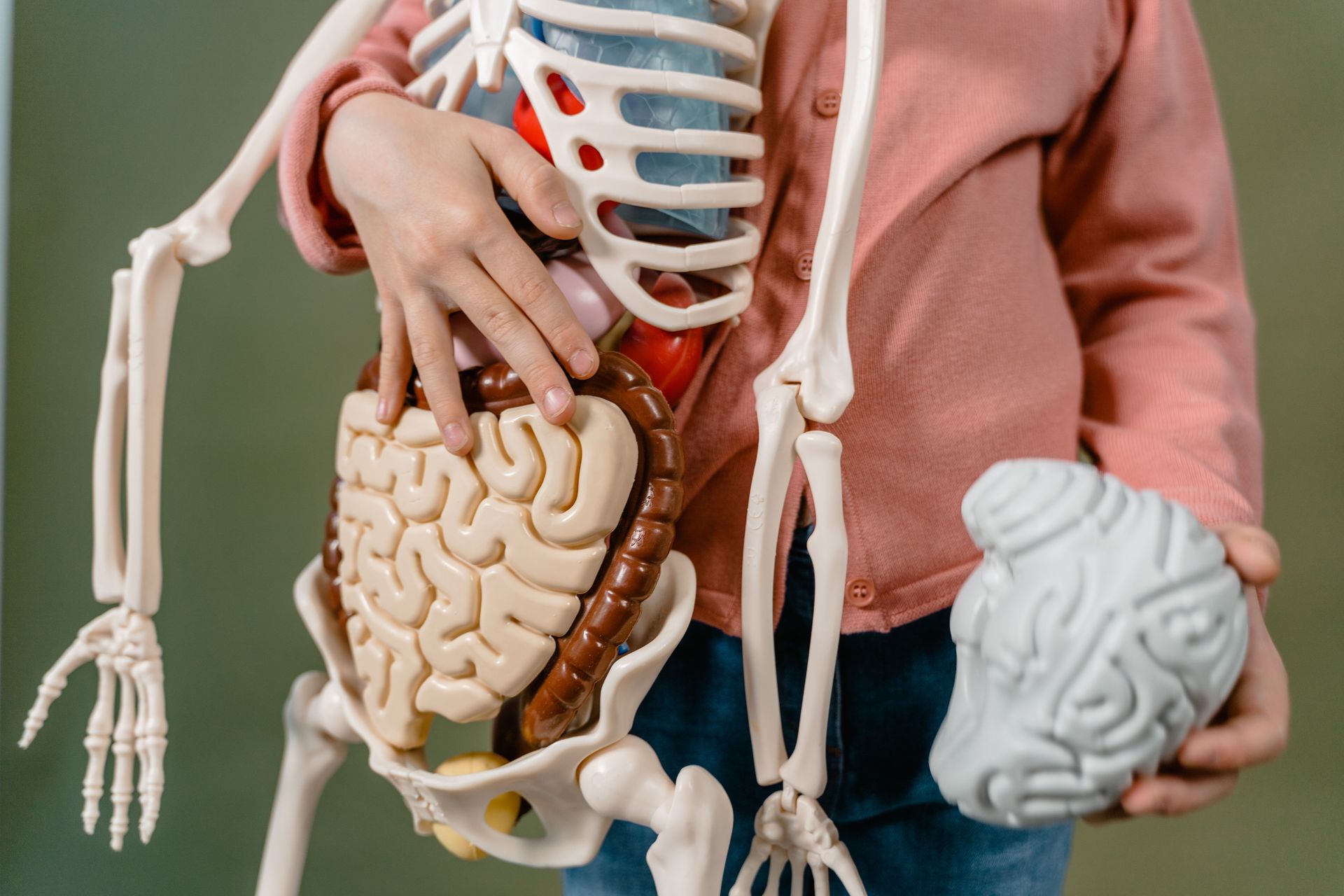
The idea that the gut microbiome — the community of bacteria, fungi, and other microorganisms inhabiting the gastrointestinal tract — exerts significant influence on brain function, mood, and behavior was, as recently as 2010, considered by most neuroscientists and psychiatrists to be peripheral at best and pseudoscientific at worst. The gut was an alimentary canal; the brain was in the skull; and the connection between intestinal bacteria and mental health was a fringe claim.
The decade that followed produced a body of research that established the gut-brain axis as a genuine and significant bidirectional communication system. Germ-free mice (raised without any gut microbiome) show altered stress responses, anxiety-like behavior, and different neurochemistry from conventionally raised mice; transplanting the gut microbiome of anxious mice into germ-free mice produces anxiety-like behavior in the recipients. The vagus nerve provides a direct neural pathway between the gut and the brainstem; gut bacteria produce neurotransmitter precursors (including serotonin, GABA precursors, and dopamine precursors) that influence CNS function; and inflammatory signals from the gut microbiome modulate neuroinflammation.
The clinical implications are still being worked out, but the association between gut microbiome composition and conditions including depression, anxiety, autism spectrum disorder, and Parkinson's disease is the subject of active research that has moved from the fringes to the mainstream of neuroscience in approximately a decade — one of the most rapid paradigm shifts in recent medical science.

Plato Terentev / Pexels
The idea that adverse childhood experiences — abuse, neglect, household dysfunction — produced lasting biological effects on adult physical health (not just psychological health) was not part of mainstream medicine's understanding for most of the 20th century. The psychiatric consequences of childhood trauma were acknowledged, but the notion that early trauma could alter the developing stress response system in ways that increased adult susceptibility to heart disease, cancer, autoimmune disease, and shortened lifespan was considered speculative.
The ACE (Adverse Childhood Experiences) study, conducted by Vincent Felitti at Kaiser Permanente and Robert Anda at the CDC beginning in the early 1990s, enrolled more than 17,000 adult patients in a study of childhood adverse experiences and adult health outcomes. The findings, published in 1998, were striking: there was a strong, graded relationship between the number of adverse childhood experiences and adult rates of heart disease, cancer, stroke, diabetes, depression, alcoholism, suicide attempts, and early death. The more adverse experiences in childhood, the worse the adult health outcomes, across every category examined.
The initial reception was skeptical: the study was epidemiological rather than experimental, and the mechanisms by which childhood experiences could produce adult physical disease were not well characterized. Subsequent research has identified the biological mechanisms — the dysregulation of the HPA axis (stress response system) by early adverse experience, producing chronic low-grade inflammation that underlies the adult disease associations — and the ACE findings have been replicated in multiple independent samples. The study is now considered foundational in pediatric medicine, public health, and trauma-informed care.

Andrea Piacquadio / Pexels
For most of the 20th century, sleep was understood as a passive state — a period of reduced metabolic activity that allowed the body and brain to recover from the demands of wakefulness. The idea that sleep played an active, specific role in memory consolidation — that the brain was doing important cognitive work during sleep, not merely resting — was considered implausible by many neuroscientists and was not part of mainstream neuroscience teaching until the late 1990s and early 2000s.
The evidence for sleep-dependent memory consolidation came from multiple experimental approaches: human studies showing that learning a procedural task followed by a night of sleep produced significantly better performance than an equivalent interval of wakefulness; neuroimaging studies showing that brain regions activated during learning were reactivated during subsequent sleep; and animal studies showing that hippocampal place cells that fired in specific sequences during navigation replayed those sequences during slow-wave sleep in the same order.
Matthew Walker at the University of California, Berkeley, and Robert Stickgold at Harvard Medical School were among the most prominent researchers whose work established the specific sleep stages associated with different types of memory consolidation: slow-wave sleep for declarative memory (facts and events) and REM sleep for procedural memory (skills) and emotional memory processing. Walker's subsequent popular science book "Why We Sleep" brought these findings to a wide audience. The vindication of sleep's active cognitive role has transformed sleep medicine from the management of a rest deficit into the understanding of a critical cognitive process.

Jana Ohajdova / Pexels
The connection between diet and scurvy — the disease of vitamin C deficiency that killed approximately two million sailors between 1500 and 1800 — was established empirically by James Lind's controlled trial in 1747, one of the earliest clinical trials in the history of medicine. Lind gave 12 scurvy-afflicted sailors different dietary supplements in pairs, and the pair given citrus fruit recovered within days while the other five pairs did not. The evidence was as clear as a clinical trial of the era could produce.
The British Admiralty took 48 years to issue regulations requiring lime juice for sailors. The specific reasons for the delay — which caused the deaths of hundreds of thousands of sailors whose scurvy was preventable — included institutional inertia, the commercial interests of ship provisioners whose cheaper alternatives were preferred, the absence of a theoretical mechanism for citrus fruit's curative effect, and the specific status of Lind himself, a naval surgeon without the academic standing to command immediate implementation.
The theoretical mechanism — the identification of vitamin C as the specific compound responsible for scurvy prevention — did not come until Albert Szent-Györgyi isolated ascorbic acid in 1928, receiving the Nobel Prize in 1937. The 180-year gap between Lind's empirical observation and the biochemical explanation illustrates the specific case where the practical intervention was available and validated before the theoretical mechanism was understood — and the institutional failure to act on correct empirical evidence without that theoretical mechanism cost lives across two centuries.

Jobert Enamno / Pexels
In the early 20th century, the geological and physical evidence for the age of the Earth — and by extension the universe — was in sharp conflict with the calculations of Lord Kelvin, the most eminent physicist of the Victorian era, who had estimated the Earth's age at between 20 and 400 million years based on its cooling rate from a molten state. Geologists required hundreds of millions to billions of years for the observed geological features; biologists required similar timescales for Darwinian evolution to produce the observed diversity of life. Kelvin's authority was such that these requirements were treated as the geological and biological community's problem rather than as evidence against the physical calculation.
The resolution came from radioactivity. Ernest Rutherford demonstrated in 1904 that radioactive decay provided an internal heat source for the Earth that Kelvin's calculation had not accounted for, invalidating the cooling-rate method entirely. The subsequent development of radiometric dating — using the known decay rates of radioactive isotopes as clocks — produced estimates of 4.5 billion years for the Earth's age that are now the accepted value.
Kelvin's authority had suppressed the geological and biological evidence for deep time for nearly 40 years. His specific error — assuming that the Earth's heat was entirely primordial and failing to consider radioactive heat production — was not a failure of intelligence but of the available physics: radioactivity was not discovered until 1896, and its implications for Kelvin's calculation were worked out in the years immediately following. The episode illustrates how even the most rigorous physical reasoning produces wrong answers when applied to systems with unknown energy sources — and how institutional authority can delay the correction of those answers even when empirical evidence points clearly to them.