CHUNYIP WONG / Getty Images
Scotland compresses an extraordinary range of experiences into a country roughly the size of South Carolina. The same trip can take a traveler from a capital city dense with medieval architecture and world-class festival programming to a remote archipelago where ancient standing stones predate Stonehenge and the nearest neighbors are reindeer. The country rewards visitors who plan around specific interests and also rewards those who simply follow the landscape, which shifts from rolling green hills to dramatic sea cliffs to highland moorland across surprisingly short distances.
The country’s appeal spans categories that rarely overlap elsewhere. History runs in layers, from Neolithic monuments to Jacobite battlefields to Georgian townhouses, all within the same destination. The outdoor landscape offers terrain for experienced mountaineers and casual walkers alike, with national parks that hold the U.K.'s largest wild areas and coastal paths that require nothing more than weatherproof footwear. The culture is equally varied: golf pilgrims travel to Scotland specifically for a single course, whiskey enthusiasts plan itineraries around distillery visits, and literature and film fans arrive with location lists drawn from Harry Potter films and Game of Thrones episodes. These interests coexist within close geographic proximity, making Scotland one of the few countries where a single two-week trip can credibly cover all of them.
The destinations below are from U.S. News & World Report, which evaluated Scotland’s top travel destinations based on factors such as natural beauty, historic attractions, culture, and overall visitor experience. The resulting list covers cities, national parks, islands, and coastal towns across the country. Ten of the top 11 destinations from the full ranking appear below, providing a comprehensive overview of Scotland’s most compelling places to visit. The selection covers Edinburgh and Glasgow at the urban end of the spectrum, two national parks, two island destinations, and several towns and natural areas that define the country’s Highland and coastal character.
1 / 10
George Pachantouris / Getty Images
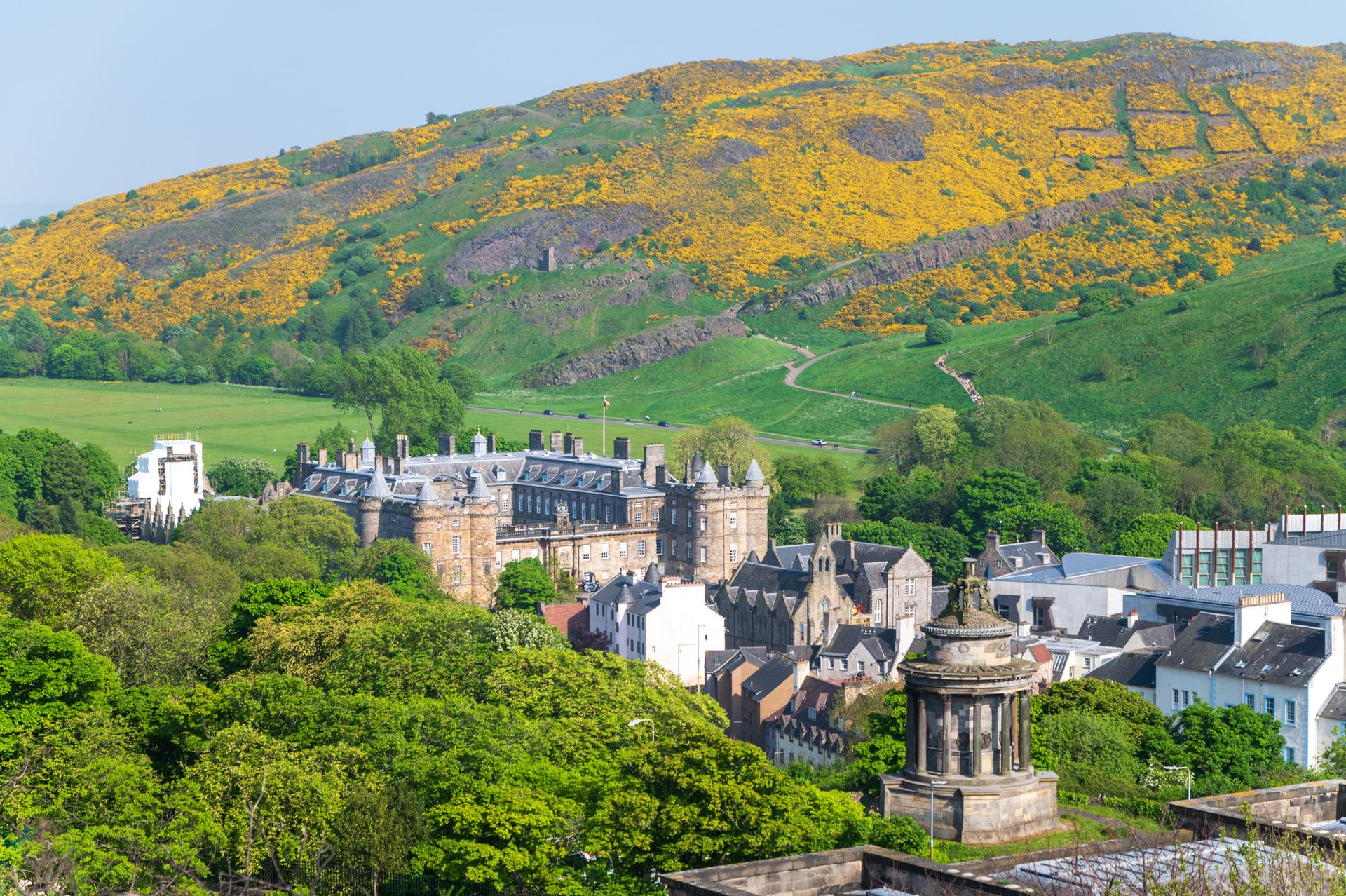
Edinburgh’s Royal Mile functions as the city’s central spine, stretching from the Palace of Holyroodhouse at the base up to Edinburgh Castle, a fortress that sits on a dormant volcano above the city. The walkable length of the Mile gives first-time visitors a concentrated introduction to the medieval Old Town, passing through centuries of history in a single afternoon. Arthur’s Seat, the volcanic hill that rises at the eastern end of the city, rewards the climb with panoramic views across Edinburgh and the surrounding landscape, a perspective that clarifies the city’s geography in a way that street-level exploration cannot.
The city’s character changes dramatically in the evening. Ghost tours through Edinburgh’s underground vaults — a network of chambers beneath the South Bridge — give visitors an encounter with the city’s darker history and considerable atmosphere. Whiskey tastings in Old Town pubs offer a quieter alternative, combining the social and educational dimensions of Scottish whiskey culture in a format accessible to visitors without prior knowledge of the subject. The city’s nightlife extends well beyond those options, but both represent the kind of experience the city’s medieval infrastructure enables in ways that modern cities cannot replicate.
The Edinburgh Festival Fringe, held every August, draws visitors from around the world to what the source identifies as an iconic event. The Fringe fills hundreds of venues across the city with theater, comedy, music, and performance art for several weeks, transforming Edinburgh into the world’s largest arts festival host. The city’s two distinct urban characters — the medieval Old Town and the neoclassical Georgian New Town — give the destination more architectural variety than most European capitals of comparable size, and festival programming, whiskey culture, hiking, and ghost history together make Edinburgh a destination that accommodates itineraries built around entirely different interests. The city’s walkability puts most of the Royal Mile’s major attractions within 30 minutes of each other on foot, making Edinburgh manageable enough to sample all of these in a single visit of reasonable length.
2 / 10
Westend61 / Getty Images
Cairngorms National Park holds the title of the United Kingdom’s largest national park, a scale that distinguishes it from the country’s other protected areas in ways that go beyond the headline statistic. The park covers a substantial portion of the Scottish Highlands and encompasses rugged mountains, sparkling lochs, and towering peaks, offering visitors access to terrain genuinely remote by British standards. Hiking trails network across the park’s landscape, serving day walkers to multi-day backpackers, and the park’s elevation and latitude produce reliable winter snowfall.
The winter season opens a different version of the park to visitors. Cold-weather sports, including skiing and snowboarding,, take place in the Cairngorms during the winter months, making the park one of the few places in the U.K. where winter mountain sports are possible. The seasonal range the park offers — hiking and wildlife watching in warmer months, winter sports when snow arrives — gives it a year-round appeal that many Scottish destinations lack.
Balmoral Castle, the British royal family’s Scottish holiday home, sits within the park’s boundaries, offering a connection to British royal history that adds a cultural dimension to the park’s predominantly natural appeal. The Cairngorm Reindeer Centre in Aviemore provides a more unusual attraction: visitors can meet Britain’s only free-ranging herd of reindeer, a species reintroduced to the Cairngorms after an absence of centuries. The reindeer herd provides the park with a wildlife encounter specific to this location, unavailable anywhere else in the country. The juxtaposition of a royal Scottish residence within a national park of this scale reflects the Cairngorms' dual natural and cultural significance. The park’s winter sports, year-round hiking, reindeer encounters, and royal history together give it a range of visitor appeal broader than any purely natural reserve could claim, and the U.K.'s largest national park designation signals the scale at which all of those experiences are available.
3 / 10
ezypix / Getty Images
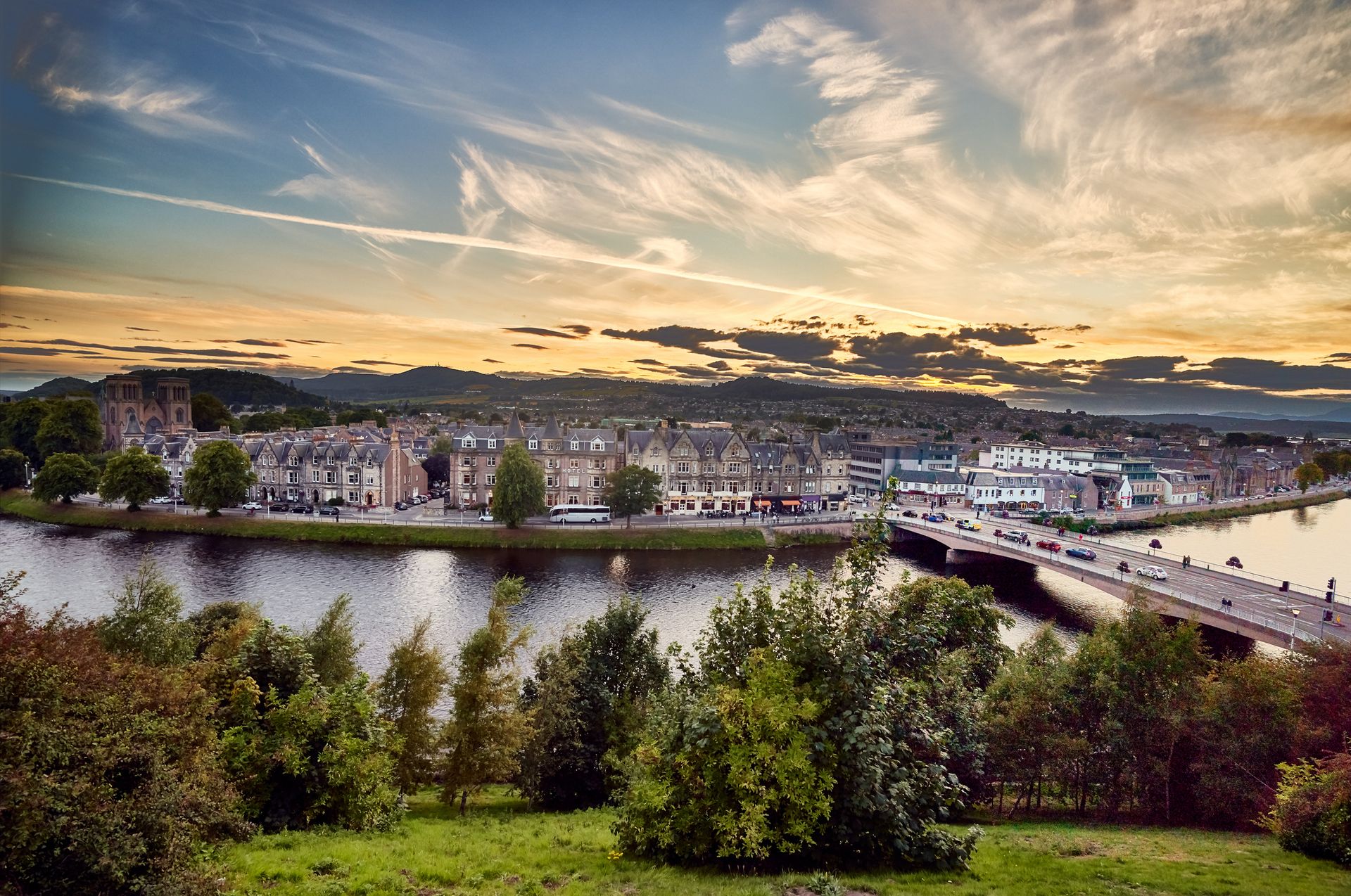
Inverness serves as the primary base for exploring the Scottish Highlands, and its range of activities suits visitors with fundamentally different interests arriving at the same destination. Golf enthusiasts find well-maintained courses within easy reach of the city center. Literature lovers can browse Leakey’s Bookshop, a landmark independent bookstore housed in a converted church. Road-trippers can begin the North Coast 500, a scenic 500-mile driving route around the north of Scotland that has developed a strong reputation among travelers seeking dramatic Highland scenery. History-focused visitors can reach the Culloden Battlefield, where the 1746 battle ended the Jacobite rising, and the Clava Cairns, a Bronze Age burial site several thousand years older.
The Loch Ness connection gives Inverness a tourist draw that requires no formal interest in history or nature to activate. Boat tours on the loch, which sits a short distance south of the city, offer visitors the chance to scan the water for the Loch Ness Monster. The source notes that a sighting is not guaranteed, which understates the matter. The tours deliver scenery regardless of whether Nessie cooperates: Urquhart Castle, a medieval ruin on the loch’s western shore, provides both a striking visual backdrop and a legitimate historical attraction for visitors who arrive skeptical of cryptid tourism.
The concentration of activities accessible from a single base makes Inverness one of the more practical starting points in the country for visitors with limited time. The North Coast 500 alone justifies the city as a base for several days of travel, and golf, the battlefield, the cairns, and the loch tours together mean that travelers with different priorities can share the same base without any of them exhausting their options quickly. Inverness’s gateway function is genuine, not a marketing label. The North Coast 500 alone gives road-trippers enough driving material for several well-filled days of independent exploration of the Highlands without retracing a single mile.
4 / 10
Chris McLoughlin / Getty Images
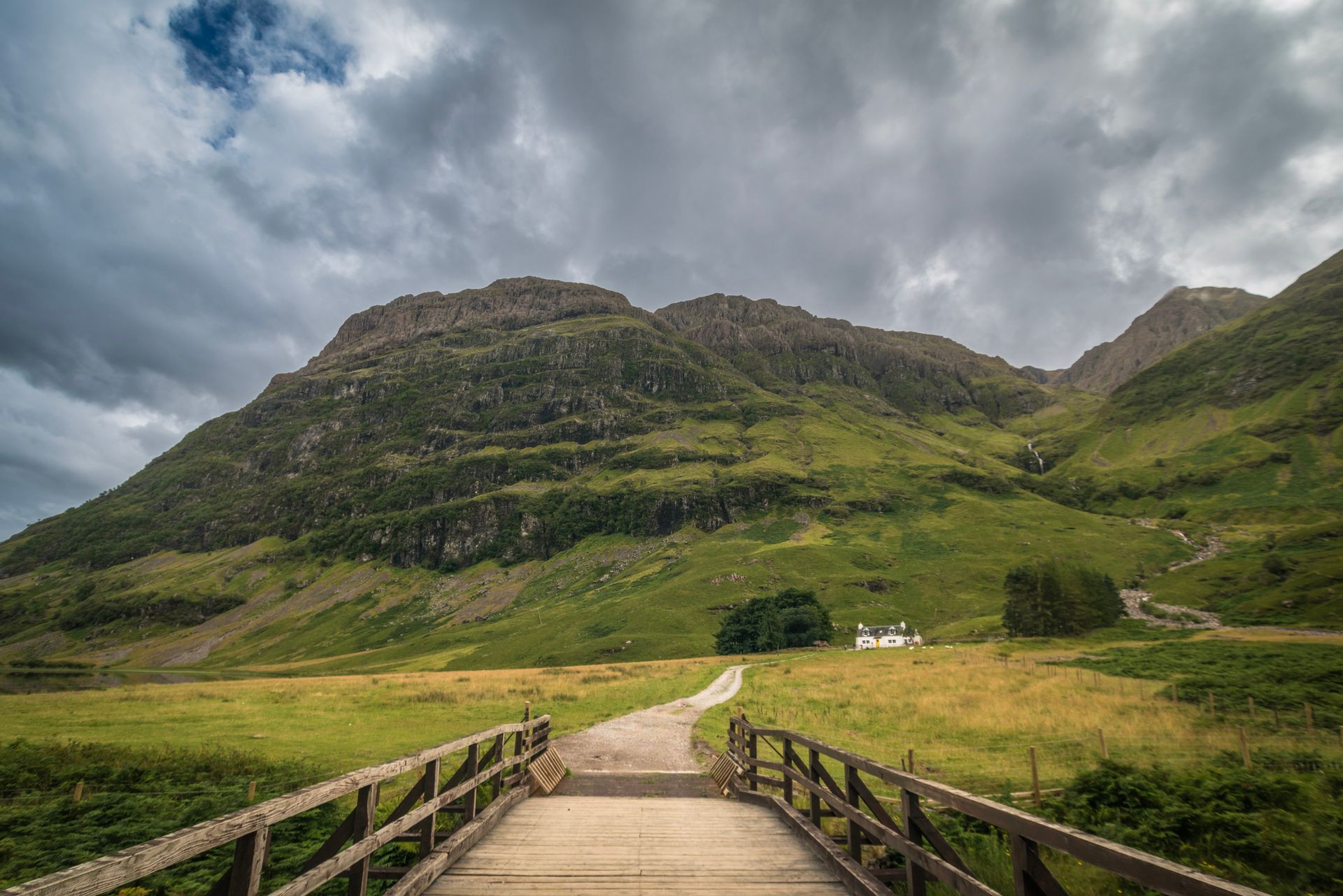
Glencoe’s landscape sits along Loch Leven, among valleys, waterfalls, and mountains so striking they attract film production companies seeking dramatic natural scenery. The James Bond and Harry Potter franchises have both used Glencoe as a filming location, a fact that gives the glen a pop-culture identity alongside its status as one of Scotland’s most naturally impressive areas. The filming locations give visitors who arrive specifically for that reason a concrete set of sites to find, but the landscape itself is compelling enough that no knowledge of either franchise is necessary to appreciate the visit.
Hiking trails provide the most immersive access to the glen’s terrain. Coire Gabhail, also known as the Lost Valley, leads walkers into a hidden bowl between peaks where the glen’s scale becomes apparent at close range. The Devil’s Staircase, part of the West Highland Way, delivers elevated views across the landscape. Both trails suit experienced walkers who want physical engagement with the topography. Visitors passing through without time for a full hike can still experience the glen’s character by driving the A82 through the valley, which the source describes as an unforgettable experience in its own right.
The Glencoe Visitor Centre provides historical context for the glen, which carries significant weight in Scottish history as the site of the 1692 Massacre of Glencoe, in which members of the Campbell clan killed members of the MacDonald clan under the cover of hospitality. The historical dimension adds a layer of meaning to the landscape for visitors who engage with it, and the Visitor Centre makes the history accessible to those arriving without prior knowledge. The glen’s function as both a natural and historical site, alongside its status as a film location, gives Glencoe one of the broadest visitor appeal profiles of any destination on this list. Visitors arriving for any one of those reasons tend to leave having engaged with the others.
5 / 10
Hans Henning Wenk / Getty Images
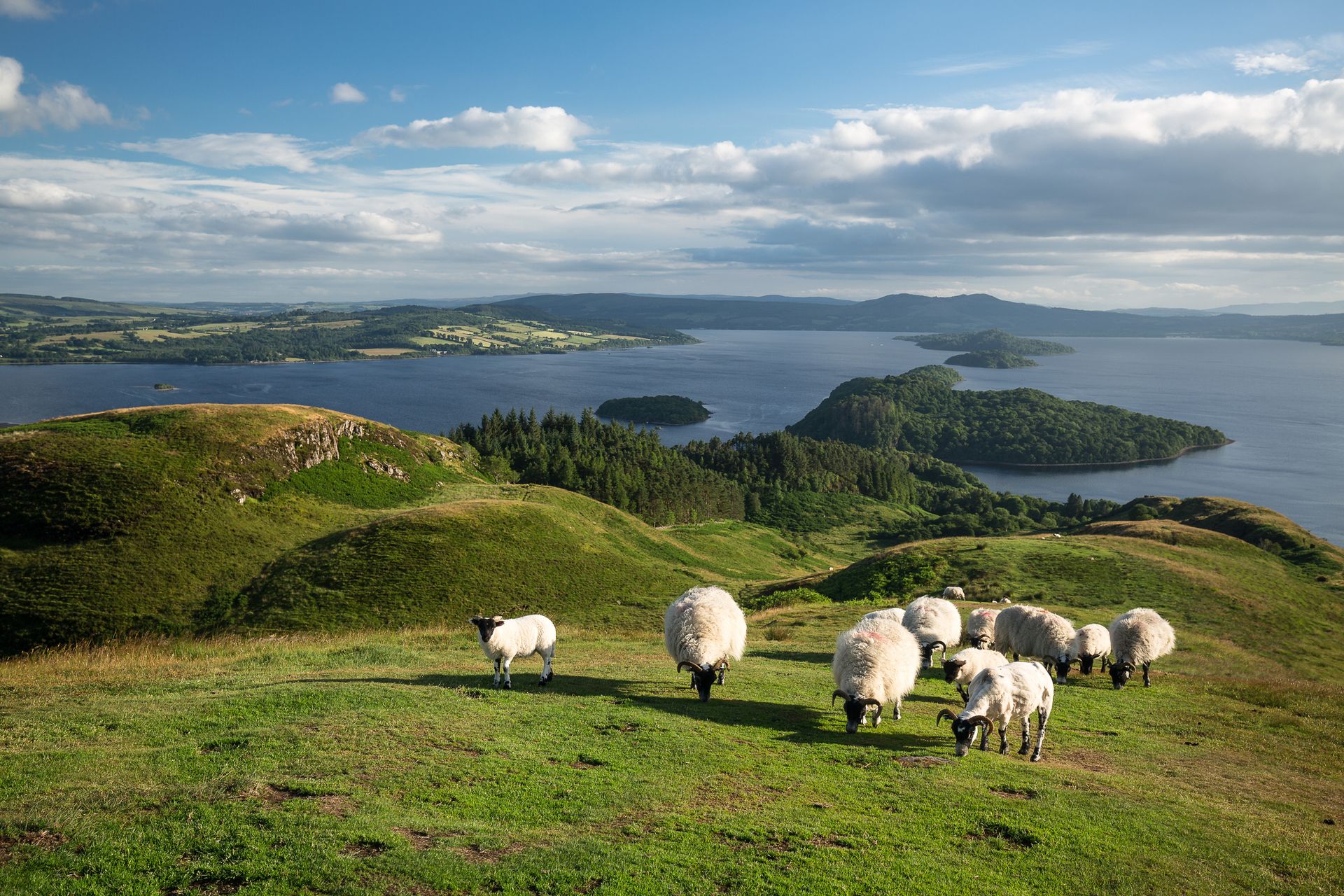
Loch Lomond & The Trossachs National Park holds the distinction of being Scotland’s first national park, and its organization across four distinct areas — Loch Lomond, Cowal, The Trossachs, and Breadalbane — gives visitors a range of environments within a single protected designation. The Loch Lomond area draws the most visitors, anchored by the large freshwater loch itself and the cluster of picturesque villages along its shores, including Luss and Balmaha. The villages give the loch a human scale that purely wild landscapes lack, making the area accessible to visitors who want scenery without the remoteness of Scotland’s more northerly parks.
Water-based activities define the Loch Lomond experience. Kayaking excursions and boat tours let visitors approach the loch from its surface, which shifts the perspective on the surrounding hills and shoreline in ways that walking the banks cannot replicate. The loch’s size and the variety of available water activities make it a destination that rewards multiple days of exploration from a single base on the shore.
Ben Lomond, the southernmost Munro — a Scottish mountain exceeding 3,000 feet — rises above the loch’s eastern shore and provides one of the more accessible serious mountain hikes in Scotland for visitors based in the national park. The summit offers views across the park and toward the Highland Fault Line, the geographic boundary between the Scottish Lowlands and Highlands. The park’s position close to Glasgow and central Scotland also gives it an accessibility advantage over more remote Scottish parks, making it a realistic destination for visitors with limited time who want a genuine national park experience without committing to the journey required for the Cairngorms or the Isle of Skye. Stargazing from within the park boundaries adds a nighttime dimension to an already varied activity roster. The park’s relatively modest distance from Glasgow and Edinburgh also makes it one of the most accessible Scottish national parks for visitors based in either city, reducing travel time and making it viable for day trips as well as longer stays.
6 / 10
Maciej Olszewski / Getty Images
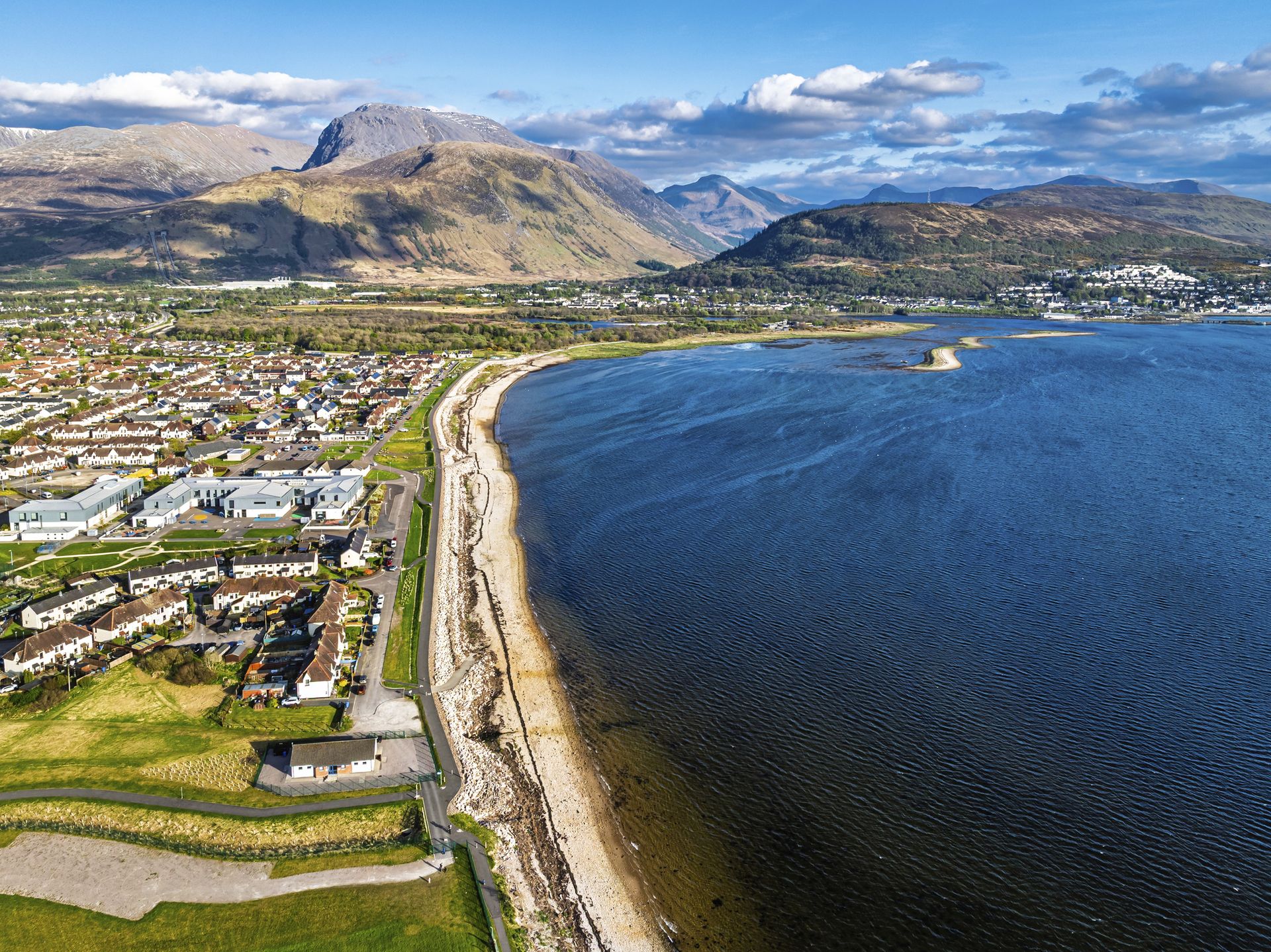
Fort William occupies a specific geographic position: the town sits at the foot of Ben Nevis, the highest mountain in the United Kingdom at 4,413 feet, and at the end of the West Highland Way, the 96-mile walking route that runs from Milngavie near Glasgow. Both facts give Fort William a significance in Scottish outdoor culture that extends well beyond its size as a town. The source describes it as the “Outdoor Capital of the U.K.,” a designation the geography supports: hiking, biking, ice climbing, and skiing are all available from the town, and the surrounding landscape offers terrain suited to each.
The Jacobite Steam Train provides Fort William’s most famous non-hiking attraction. The train crosses the Glenfinnan Viaduct, a Victorian-era structure made internationally recognizable by its prominent role in the Harry Potter film series, where it serves as the route of the Hogwarts Express. The train journey gives visitors who have completed the West Highland Way, or those who have not started it, a scenic alternative route through the same spectacular Highland terrain. Loch Linnhe, which runs alongside the town, offers boat trips across water that the source describes as among the most scenic in the region.
Fort William’s status as the endpoint of the West Highland Way gives it particular cultural weight among long-distance walkers. Arriving on foot after 96 miles carries a different emotional register from arriving by car or train, and the town’s position at the foot of Ben Nevis means walkers who finish the Way often extend their visit to attempt the mountain summit the following day. The town’s identity is built around outdoor achievement in a way that most Scottish destinations are not, which makes it the natural base for visitors whose primary goal is physical engagement with the landscape. Ben Nevis alone draws thousands of hikers annually, and completing it from Fort William’s doorstep is the most straightforward way to summit the U.K.'s highest point.
7 / 10
pawel.gaul / Getty Images
St Andrews sits in the Kingdom of Fife on Scotland’s east coast and holds a designation that draws visitors from every country where golf is played: the Old Course at St Andrews is the oldest golf course in the world. The course’s age and reputation give St Andrews a pilgrimage quality for golfers that transforms the town into a destination defined by a single sport in a way that few places anywhere manage. Playing the Old Course requires advance planning, as tee times are competitive, and the experience of walking the same fairways as generations of professional champions carries weight that no replica course can replicate. The Swilcan Bridge on the 18th fairway functions as a specific photo landmark, and golfers treat crossing it as a rite of passage.
The town offers substantial interest for visitors who do not play golf. St Andrews University, founded in 1413, is the oldest university in Scotland and the third oldest in the English-speaking world. The campus spreads through the town’s center, giving St Andrews an academic atmosphere alongside its sporting identity. The ruins of St Andrews Castle and Cathedral, both dating to the medieval period, provide the historical layer that Scotland’s coastal towns tend to carry, and the town’s cafes and pubs serve as natural gathering points between the golf course, the ruins, and the university grounds.
The concentration of the world’s oldest golf course, Scotland’s oldest university, and significant medieval ruins in a single small seaside town gives St Andrews an unusual density of historical and cultural significance for its size. Visitors with no interest in golf will find the university and the ruins justify the trip on their own, while visitors who come specifically for the Old Course will discover a town that rewards the time spent away from the fairways. St Andrews’ compact size makes it possible to cover all of its main attractions in a single day, though the town’s pubs and cafes encourage lingering.
8 / 10
Michael Roberts / Getty Images
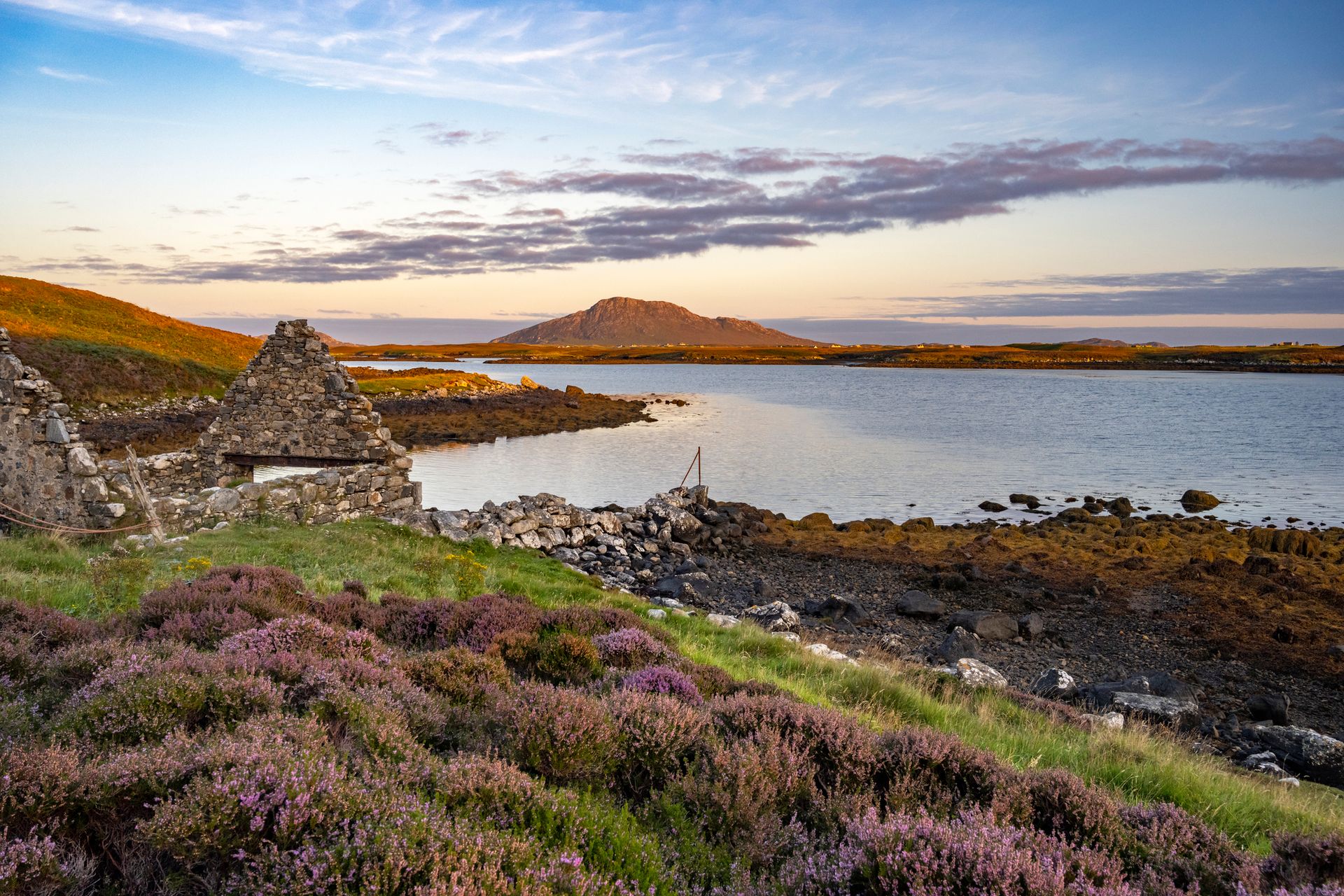
The Outer Hebrides, an archipelago off Scotland’s northwest coast, offers a travel experience that the source describes as genuinely off the beaten track, a characterization supported by the islands’ remoteness, their physical landscape, and the cultural identity they maintain. The Calanais Standing Stones on Lewis and Harris predate Stonehenge, making the Outer Hebrides home to one of the oldest monuments in the British Isles and giving visitors access to a Neolithic site of genuine archaeological significance in a setting that remains far less crowded than its Wiltshire equivalent.
Luskentyre beach on Lewis and Harris provides the archipelago’s most visually striking natural attraction. The beach’s white sand and the surrounding turquoise water produce scenery that the latitude — well north of most European beach destinations — makes unexpected. The dramatic ocean views and the wild landscape give the islands a quality of engagement with the natural environment that more developed coastal destinations have lost.
The Gaelic culture of the Outer Hebrides remains a living dimension of the islands, not a heritage museum exhibit. Harris Tweed weaving demonstrations give visitors direct access to one of Scotland’s most distinctive craft traditions, produced under strict geographic designation in the islands themselves. Gearrannan Blackhouse Village offers accommodation in traditional stone cottages, providing an immersive encounter with the islands’ historical way of life. Lews Castle, a Victorian stately home on Lewis, represents the upper end of the accommodation range, giving visitors the choice between the island’s two most historically distinctive lodging types within a single destination. The Outer Hebrides’ prehistoric monuments, living craft traditions, and distinctive accommodation together make it the most culturally specific destination on this list. The remoteness that gives the islands their character also means the journey to reach them is part of the experience: the ferry crossing from the mainland, or the flight into Stornoway, deposits visitors into a world that feels genuinely removed from mainland Scotland in both geography and cultural tempo.
9 / 10
Hans Henning Wenk / Getty Images
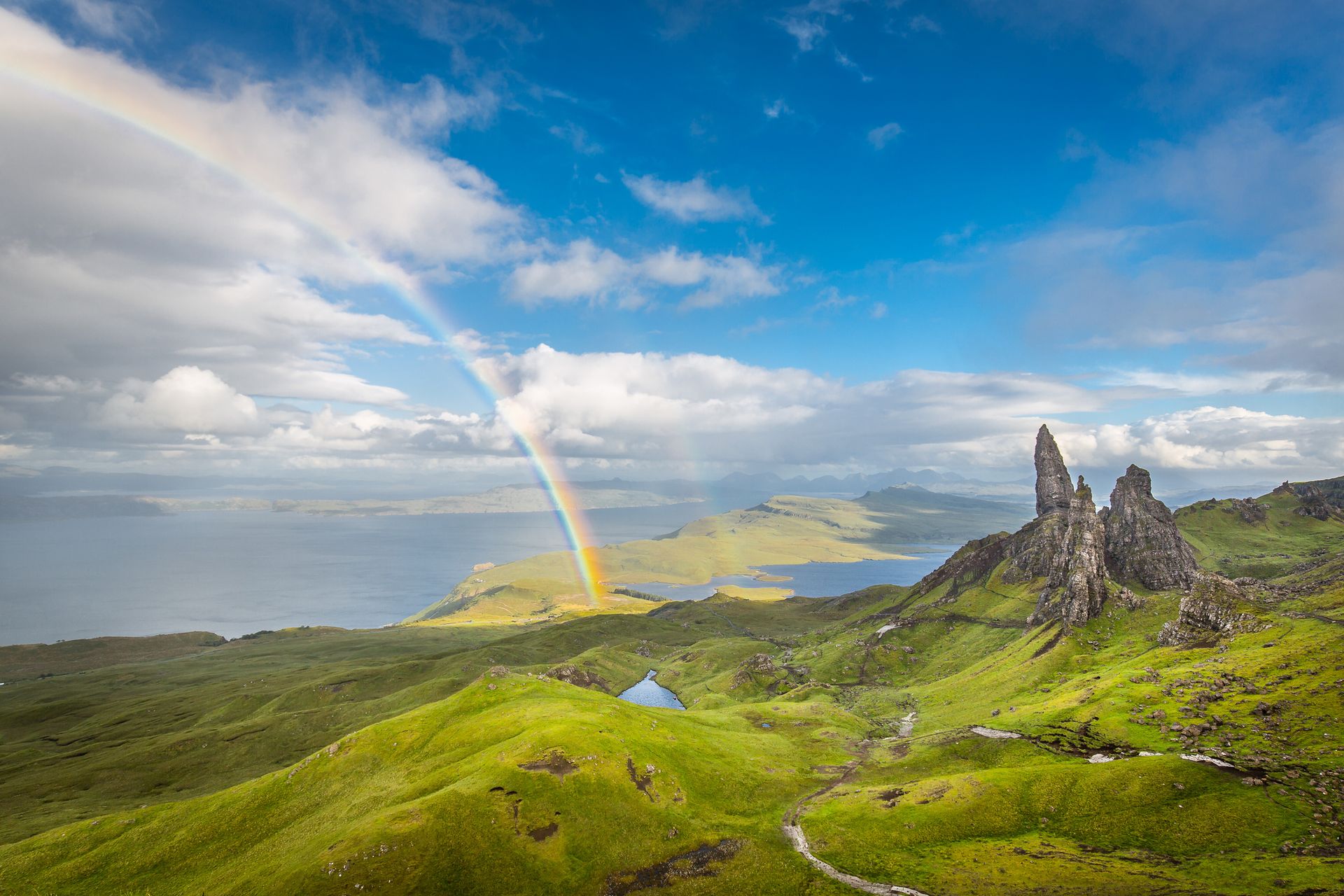
The Isle of Skye, the largest island of the Inner Hebrides, is home to Dunvegan Castle & Gardens, which the source identifies as the oldest continuously inhabited castle in Scotland. Dunvegan has been the seat of the MacLeod clan for more than 800 years, making it a living historical site in a way that Scotland’s many ruined castles are not. The castle and its gardens give the island a specific historical anchor alongside the natural attractions that define the visitor experience across most of the island.
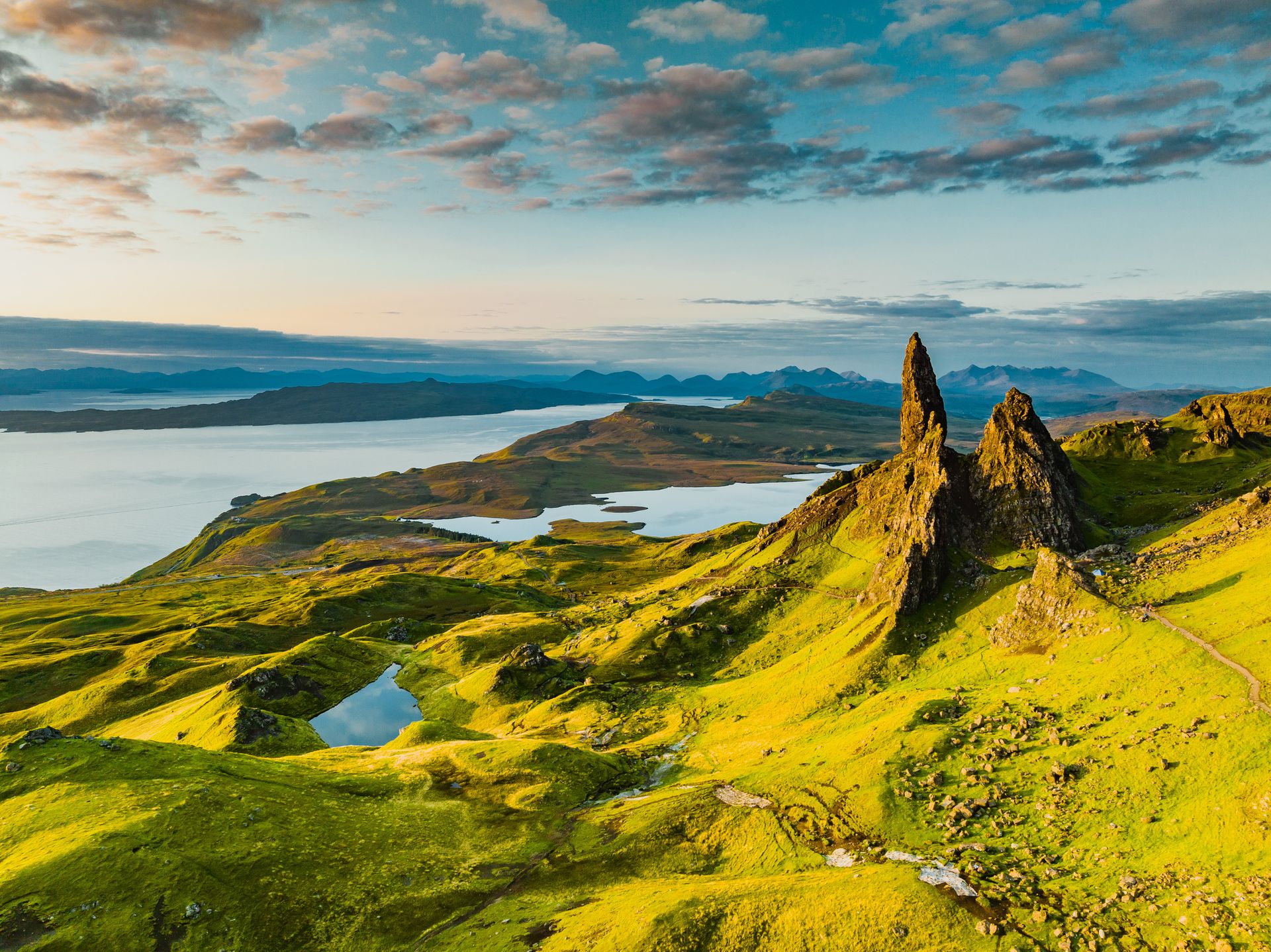
The Quiraing, a large landslip on the northeastern tip of the Trotternish peninsula, produces a landscape of rolling hills and alpine lakes unlike anything on the mainland. The geological instability that created the Quiraing continues slowly, giving the terrain an evolving quality. The Old Man of Storr, a distinctive rock pinnacle visible from much of the northern part of the island, provides the Isle of Skye’s most recognizable skyline feature and a hiking destination that rewards the approach from below. Both the Quiraing and the Old Man of Storr add visual drama to the island’s hiking that other Scottish walking destinations match only in the Highlands.
The Fairy Pools, a series of clear blue pools fed by waterfalls in the Cuillins mountain range on the island’s western side, provide a gentler attraction than the ridge walks that dominate Skye’s outdoor reputation. The pools’ vivid color and photogenic setting have made them one of the island’s most-visited sites, drawing visitors who want natural beauty without the exertion of a serious mountain hike. The Isle of Skye’s range of attractions — from the Fairy Pools to the Quiraing to Dunvegan Castle — gives the island enough variety to justify a multi-day visit, and the source suggests that visitors could spend an entire Scotland trip on the island without exhausting it. The Fairy Pools, the Quiraing, the Old Man of Storr, and Dunvegan Castle are spread across the island, so a multi-day stay is the most practical way to reach all of them.
10 / 10
Kenny McCartney / Getty Images
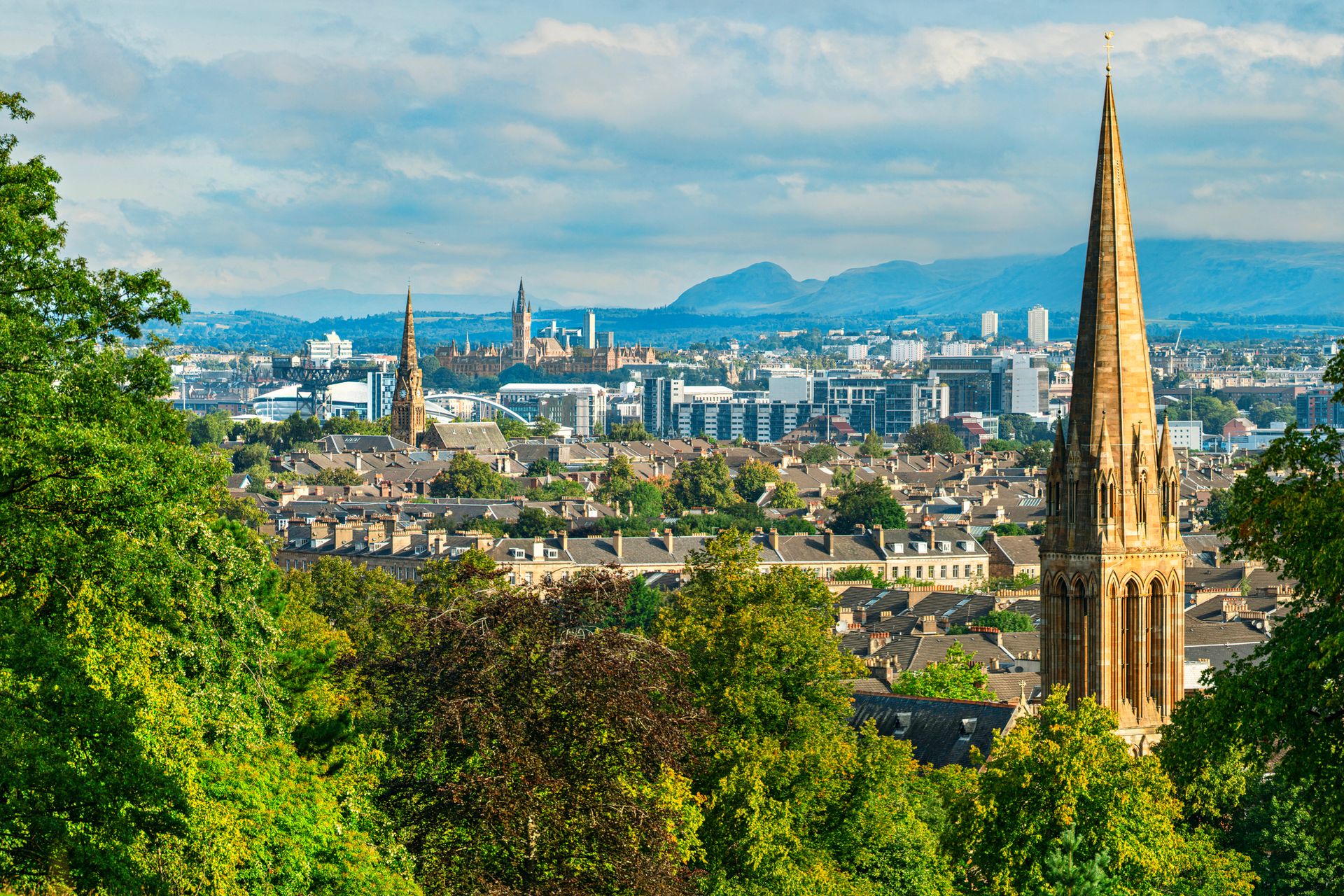
Glasgow’s status as a UNESCO City of Music reflects a music scene that the designation formally recognizes as internationally significant. Scotland’s largest city supports an arts and cultural infrastructure that extends well beyond music to encompass museums, Victorian architecture, vintage shopping, and large parks, but UNESCO recognition provides external validation that sets Glasgow’s cultural identity apart from that of Scotland’s other major cities. The Riverside Museum, The Burrell Collection, and the Kelvingrove Art Gallery and Museum give the city a museum offer substantive enough to anchor multiple days of exploration.
Glasgow Cathedral, one of the finest examples of medieval Gothic architecture in Scotland, provides the city’s most significant historic building. The cathedral dates to the 12th century and has survived the Scottish Reformation largely intact, a distinction it shares with very few Scottish church buildings. Buchanan Street anchors the city’s retail core, and the Victorian-era arcades that run off it give shopping in Glasgow an architectural character that distinguishes it from the standard pedestrian high street format.
The city’s nightlife operates at a scale appropriate to Scotland’s largest city. The clubbing scene and the pub culture together give Glasgow an evening energy that Edinburgh’s more tourist-focused Old Town cannot match in the same register. The city’s identity as a working Scottish city — not a heritage destination — gives its cultural scene an authenticity that visitors who have spent time only in Edinburgh will find striking by contrast. Glasgow rewards visitors who approach it as a destination in its own right, not an extension of an Edinburgh trip, and the UNESCO designation gives travelers who might otherwise skip it a specific reason to recalibrate their itinerary. The Kelvingrove Art Gallery and Museum alone justifies a half-day in the city, housing a collection that spans natural history, arms and armor, and fine art within a single red sandstone building. Glasgow’s museums are free to enter, which removes a financial barrier that other major European cities do not.
