
Garrhet Sampson / Unsplash
In 2026, the way people work and earn money looks very different from what it did a decade ago. Side hustles have gone from being a niche concept to something millions of people treat as a normal part of their financial lives. A full-time job is still the foundation for most, but it's no longer the only option — or always enough.
People are turning skills they already have, or ones they've been meaning to develop, into real income streams that work around their existing schedules. Platforms like Shopify $SHOP have noted that side hustles are increasingly being used as low-risk testing grounds for bigger entrepreneurial ideas.
Here are seven that make sense in 2026, ranging from straightforward weekly work to businesses with real scaling potential.
1 / 7
-1920x1280.jpg)
Kaitlyn Baker / Unsplash
Freelance writing and editing are probably the easiest side hustles to get into. Upwork backs this up — demand for blog posts, newsletters, and marketing copy is constant, and it comes from businesses of every size. The best part is you don't need a long track record to land your first job.
In 2026, the work that actually pays well tends to be in digital marketing, technical writing, and content strategy. The more you know about a specific subject, the more you can charge for it.
2 / 7
Campaign Creators / Unsplash
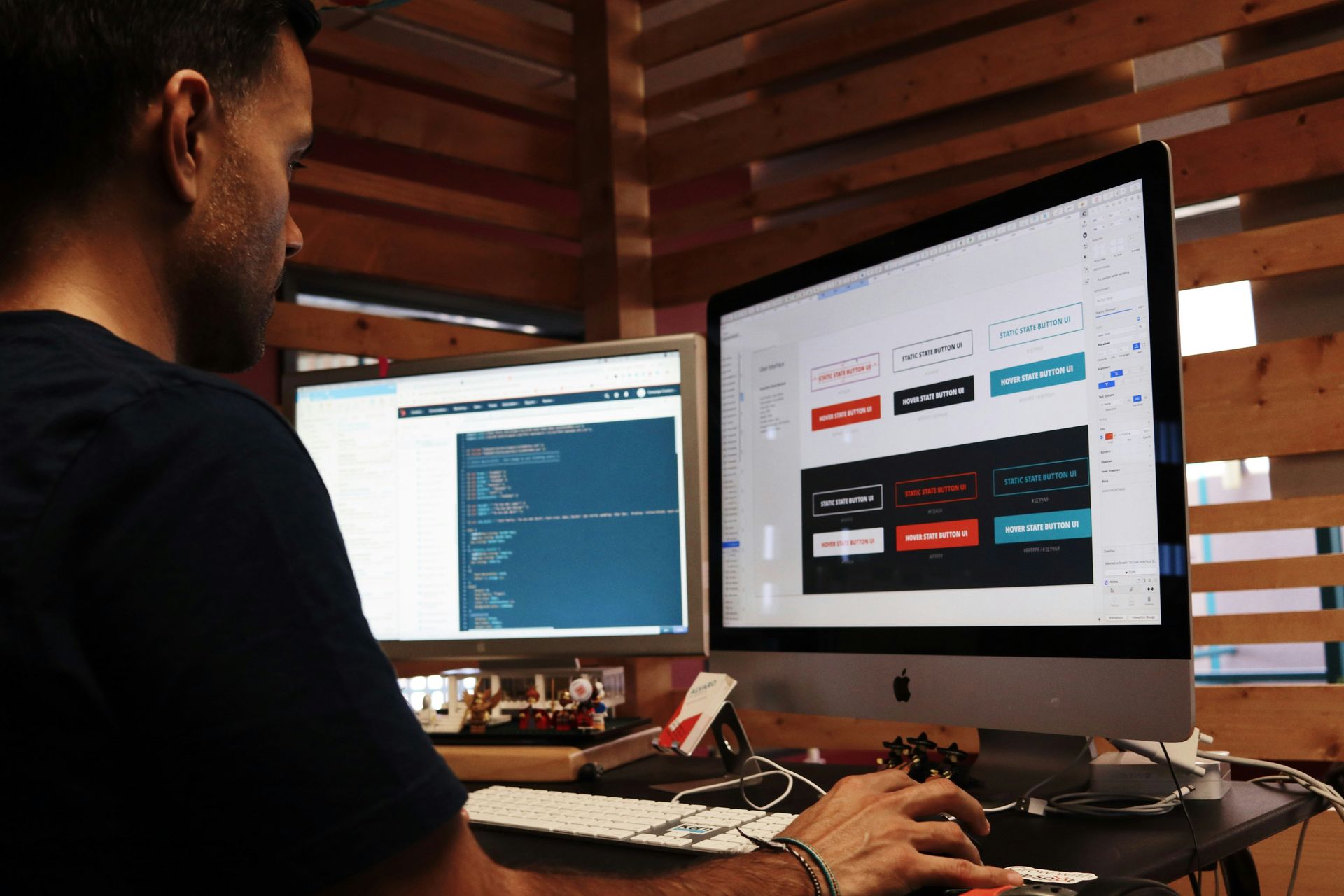
Web development and design are still very much in demand, and you don't have to be a seasoned developer to find clients. Small businesses need website help all the time — updates, landing pages, small custom fixes — and knowing the basics is often enough to get paid.
If you want to turn this into a real freelance practice, your portfolio is what sells you. GitHub and Behance are both worth using to put your work in front of people who are actually looking to hire.Virtual assistant or administrative support
3 / 7

LinkedIn Sales Solutions / Unsplash
Virtual assistant work has become a reliable side hustle for people who are organized and comfortable working remotely. Small businesses outsource a surprising amount — scheduling, bookkeeping, data entry, inbox management — and the demand is consistent. There's not much upfront cost to get started, and the work is flexible enough to fit around other commitments. Being comfortable with tools like Microsoft $MSFT Office and Google $GOOGL Workspace goes a long way.
4 / 7
Ron Sinda / Unsplash
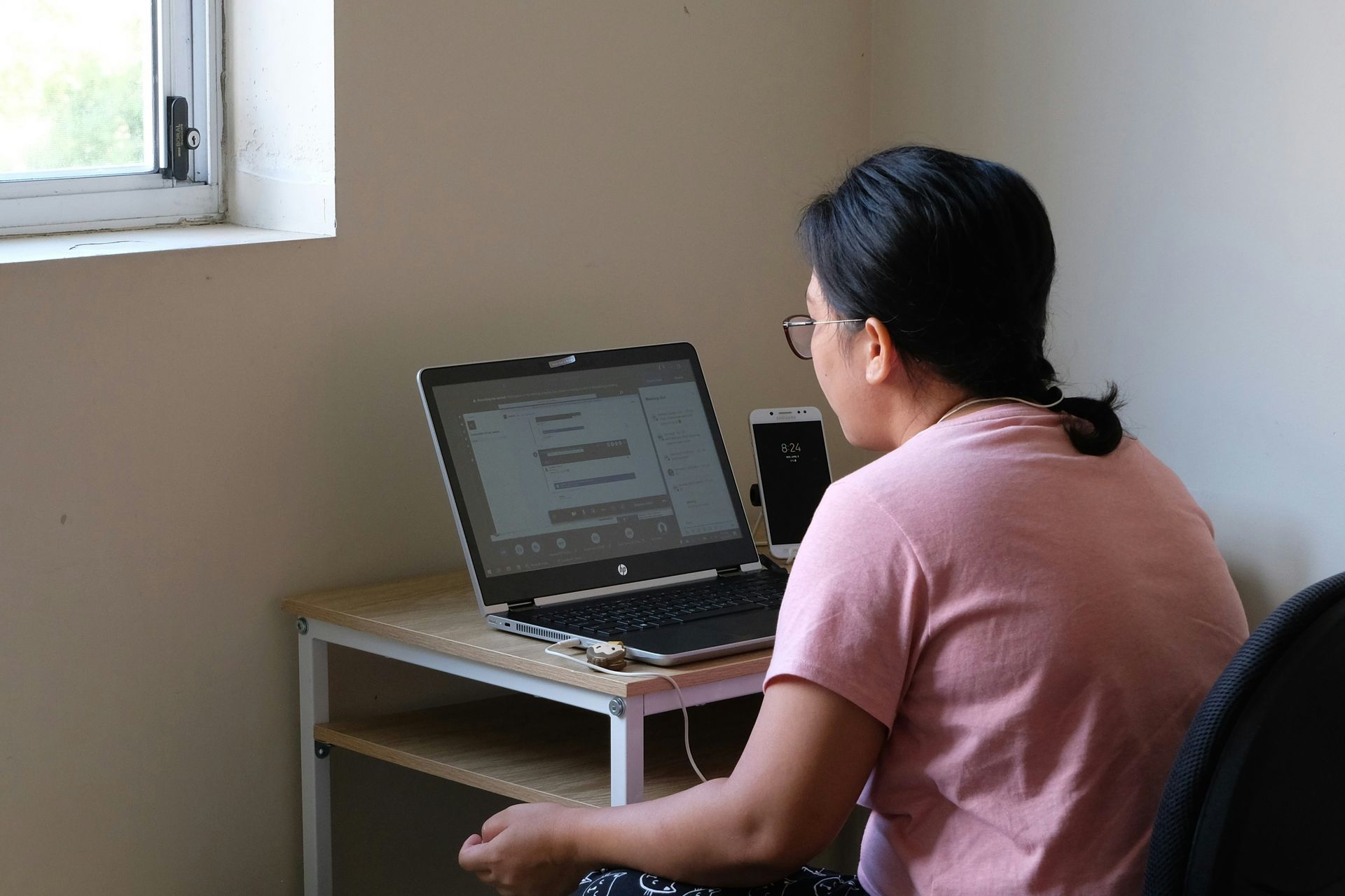
Online tutoring has grown steadily and shows no signs of slowing. Demand for help with academic subjects and language learning is global, and the setup is simple — work from home, set your own rates, choose your hours. If you have solid knowledge in a particular subject, there's likely a market for it.
Platforms like VIPKid and Tutor.com connect tutors with students around the world, so finding clients doesn't have to start from scratch.
5 / 7

Igor Miske / Unsplash
E-commerce is still a viable starting point even if you don't have much money to invest upfront. Dropshipping and print-on-demand are the models Shopify $SHOP points to most often for this reason — you run a store without ever buying or storing stock yourself. The work moves from logistics to marketing and product selection, which is a trade-off most people are happy to make. You do need to learn the marketing side to make sales, but the financial exposure stays low while you figure it out.
6 / 7
Charli / Unsplash
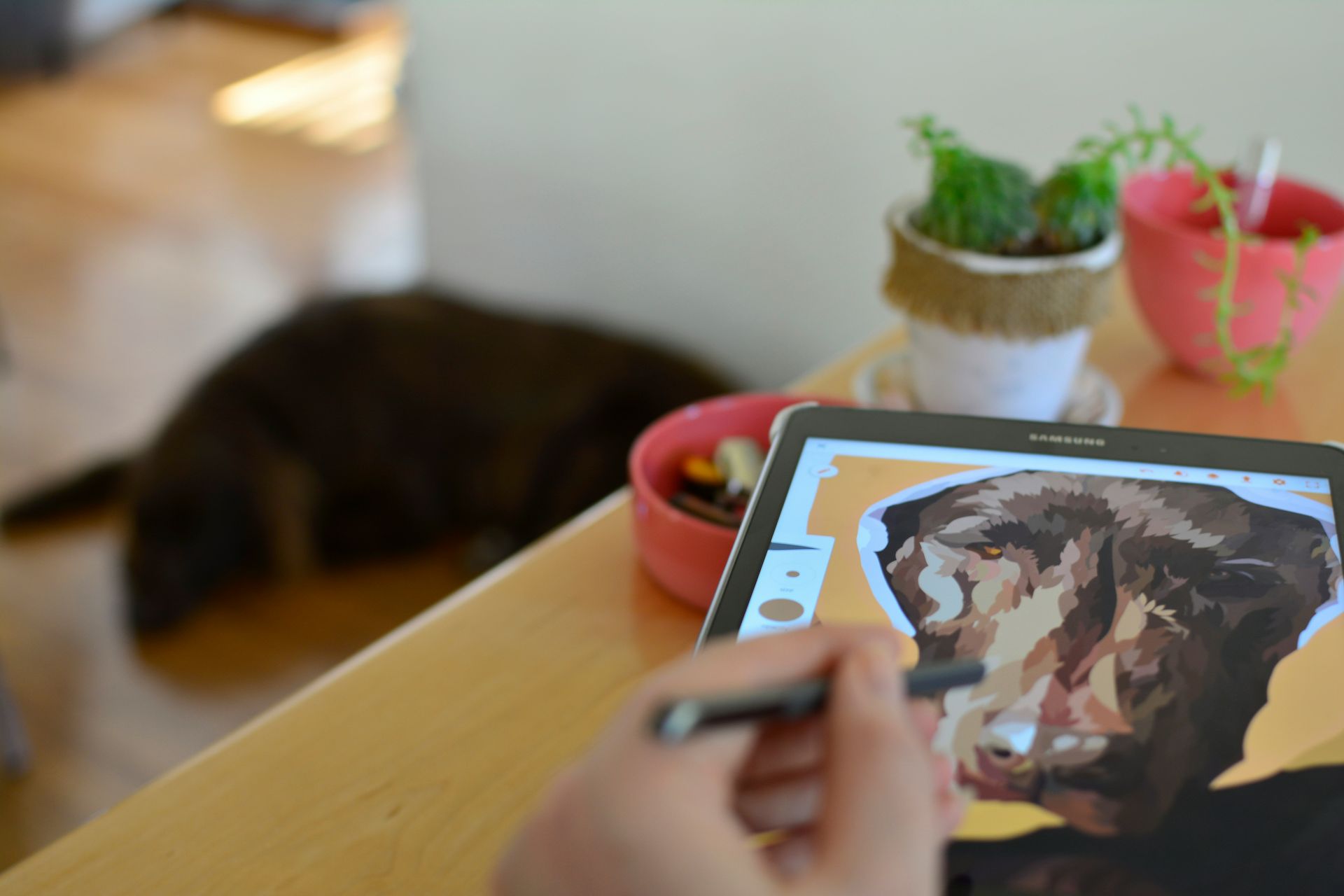
Selling digital products is one of the few side hustles where you do the work once and keep earning from it. Templates, online courses, eBooks — these have high margins and low ongoing costs once they're built. Yahoo Finance has flagged this as a particularly attractive option for people with creative or instructional skills. Platforms like Etsy and Gumroad make it straightforward to sell to a global audience without building your own storefront from scratch.

7 / 7
Social media management or content‑creation support
Austin Distel / Unsplash
Social media management has quietly become one of the more reliable ways to earn on the side. More small businesses and solo creators are realizing they need real, consistent help with their online presence — and most of them don't have time to do it themselves.
If you know how platforms work, how people engage with content, and how to plan posts that actually do something, clients aren't hard to find. Staying current with algorithm changes helps, and having your own active presence makes it a lot easier to convince someone to trust you with theirs.