
Lawn care, pool cleaning, event staffing, and other work that packs a year's worth of demand into a few warm months — and what each one actually pays

Armin Rimoldi / Pexels
Most side hustle advice treats seasonality as a limitation to work around rather than a feature to exploit. The side hustles in this list work the opposite way: their entire earning potential is concentrated into a short window of the year, which means the per-hour and per-week earning potential during that window is considerably higher than a comparable job spread evenly across twelve months, because demand is compressed rather than distributed.
The tradeoff is real and worth stating upfront: these are not steady, year-round income sources, and several require either startup costs (equipment for lawn care, certification for lifeguarding) or a specific willingness to work irregular or physically demanding hours during the exact weeks when demand peaks. What they offer in exchange is the ability to earn a meaningful amount of supplemental income in a concentrated period, which suits people whose primary schedule (students on summer break, people between jobs, parents matching a child's school calendar) already aligns with the summer window these hustles depend on.
Each entry covers the specific work, the demand pattern that makes it summer-concentrated, the realistic earning potential, and what it takes to get started.

Anna Shvets / Pexels
Lawn care demand is directly tied to grass growth cycles, which slow dramatically or stop entirely in most of the continental United States once temperatures drop in fall and winter, meaning that a lawn care side hustle's entire annual revenue is compressed into the roughly six-month growing season from late spring through early fall, with the peak months of June, July, and August typically representing the highest-demand and highest-pricing period as grass growth rates peak alongside home owners' desire for a well-maintained yard during the months they use it most.
The startup cost is the primary barrier to entry: a basic setup (a reliable mower, a trimmer, basic hand tools, and a vehicle or trailer capable of transporting them) can be assembled for $500 to $1,500 depending on whether equipment is purchased new or used, and many successful lawn care side hustlers start with residential clients found through neighborhood social media groups or direct door-to-door solicitation in their own neighborhood before expanding through referrals.
Realistic earning potential varies significantly by region and client base, but a single-operator lawn care side hustle serving 15 to 25 residential properties weekly during peak season can generate $2,000 to $4,000 per month in gross revenue, with margins depending heavily on equipment costs already covered and fuel expenses, making the specific per-property pricing and route efficiency the primary levers for profitability once basic equipment is in place.

SHVETS production / Pexels
Pool maintenance demand follows an even more extreme seasonal pattern than lawn care in most of the United States, since residential pools in non-tropical climates are typically closed and unused for four to six months of the year, meaning the entire market for pool cleaning, chemical balancing, and opening/closing services is compressed into a roughly six-month window from late spring pool opening through early fall pool closing.
The specific technical knowledge required — understanding chemical balance (chlorine levels, pH, alkalinity), basic pump and filter maintenance, and the seasonal opening and closing procedures that most pool owners either cannot or do not want to perform themselves — represents a moderate barrier to entry compared to lawn care, though this knowledge is learnable through pool store training programs, manufacturer certification courses, and online resources without requiring a formal certification in most jurisdictions for basic residential maintenance work.
Pool cleaning routes commonly charge $80 to $150 per month per pool for standard weekly maintenance, and an operator servicing 20 to 30 residential pools weekly during peak season can generate substantial monthly revenue with relatively low equipment costs (a pool cleaning kit, chemical testing equipment, and a vehicle) compared to the ongoing chemical purchase costs that represent the most significant recurring expense in the business, making the margin on chemical markup a significant factor in overall profitability beyond the base service fee.
juan mendez / Pexels
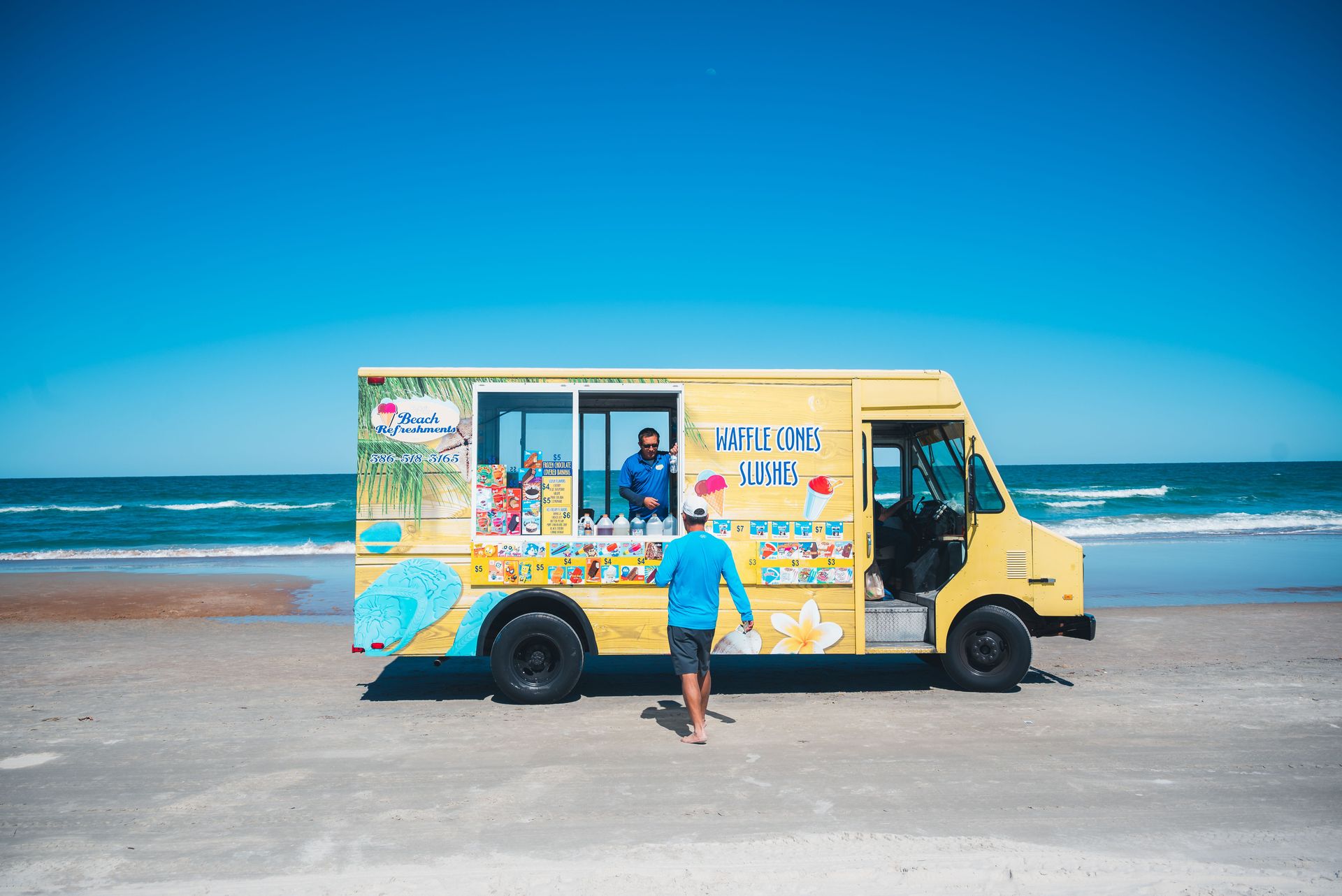
Mobile ice cream, shaved ice, and frozen treat vending — whether through an established ice cream truck route, a seasonal cart at a beach, park, or event, or a small-scale operation selling at farmers markets and local events — experiences demand so directly tied to temperature that many operators in seasonal climates effectively shut down entirely during the colder months, concentrating what can be a full year's worth of profitable operating days into the hottest 10 to 14 weeks of summer.
The barrier to entry varies enormously depending on the specific format: a small pushcart or cooler-based operation selling at local events and parks can be started with a few hundred dollars in initial product and permit costs, while a full ice cream truck represents a significant capital investment (used ice cream trucks commonly sell for $15,000 to $40,000) that only makes financial sense for operators planning a multi-year commitment to the business rather than a single-season side hustle.
Local health department permits are required in virtually every jurisdiction for any food vending operation, and the specific permitting process, cost, and timeline vary significantly by location, making this the first practical step for anyone considering this hustle, since permit approval timelines can sometimes extend long enough to meaningfully eat into an already short summer selling season if not initiated well in advance.

Rainer Eck / Pexels
Lifeguarding and private swim instruction represent two related but distinct summer income opportunities that both depend on the same underlying seasonal demand: public and community pools, beaches, and summer camps require significantly more staffing during the summer months when children are out of school and pool and beach usage peaks, while private swim lesson demand similarly concentrates into the summer months when parents are most focused on their children's water safety and swimming skill development.
Lifeguard certification, required by essentially all employers, is obtained through a course (commonly offered by the American Red Cross or YMCA) that typically takes 20 to 30 hours to complete and costs $150 to $300, representing a modest but real upfront investment that becomes valuable specifically because it is required credential for any lifeguarding position, creating a genuine barrier that limits competition compared to less credentialed summer work.
Private swim instruction, which can be pursued independently of or in addition to lifeguard employment, commonly charges $40 to $75 per half-hour private lesson depending on region and instructor experience, and an instructor able to book four to six lessons daily during peak summer weeks can generate meaningful income that substantially exceeds typical hourly lifeguard wages, making swim instruction the higher-earning-potential option for instructors with the specific teaching skill and client base to support it.

Omar Ramadan / Pexels
The concentration of outdoor festivals, concerts, weddings, and community events into the summer months in most climates creates a specific, recurring demand for temporary event staff — bartenders, servers, security, parking attendants, setup and breakdown crews — that staffing agencies and event companies hire in large numbers specifically to cover the compressed summer event season, offering some of the most flexible, low-barrier-to-entry summer income available.
The barrier to entry is minimal for most event staffing roles: many positions require no specific certification beyond basic requirements (a food handler's certificate for food and beverage service in some jurisdictions, or a specific certification for bartending in states that require it), and staffing agencies that supply workers to events typically handle the recruiting and placement process, meaning a worker can register with multiple agencies and be placed across a variety of events throughout the summer without needing to independently find each opportunity.
Pay rates vary considerably by role and region, with general event staff (setup, breakdown, ushering) commonly earning $15 to $20 per hour, while specialized roles (bartending, particularly at higher-end weddings or corporate events) can earn $25 to $40 per hour plus tips, and workers who successfully build relationships with specific staffing agencies or event companies during one summer often find their placement priority and rate improve in subsequent summers as they become known, reliable workers within that agency's roster.
Samar Layek / Pexels
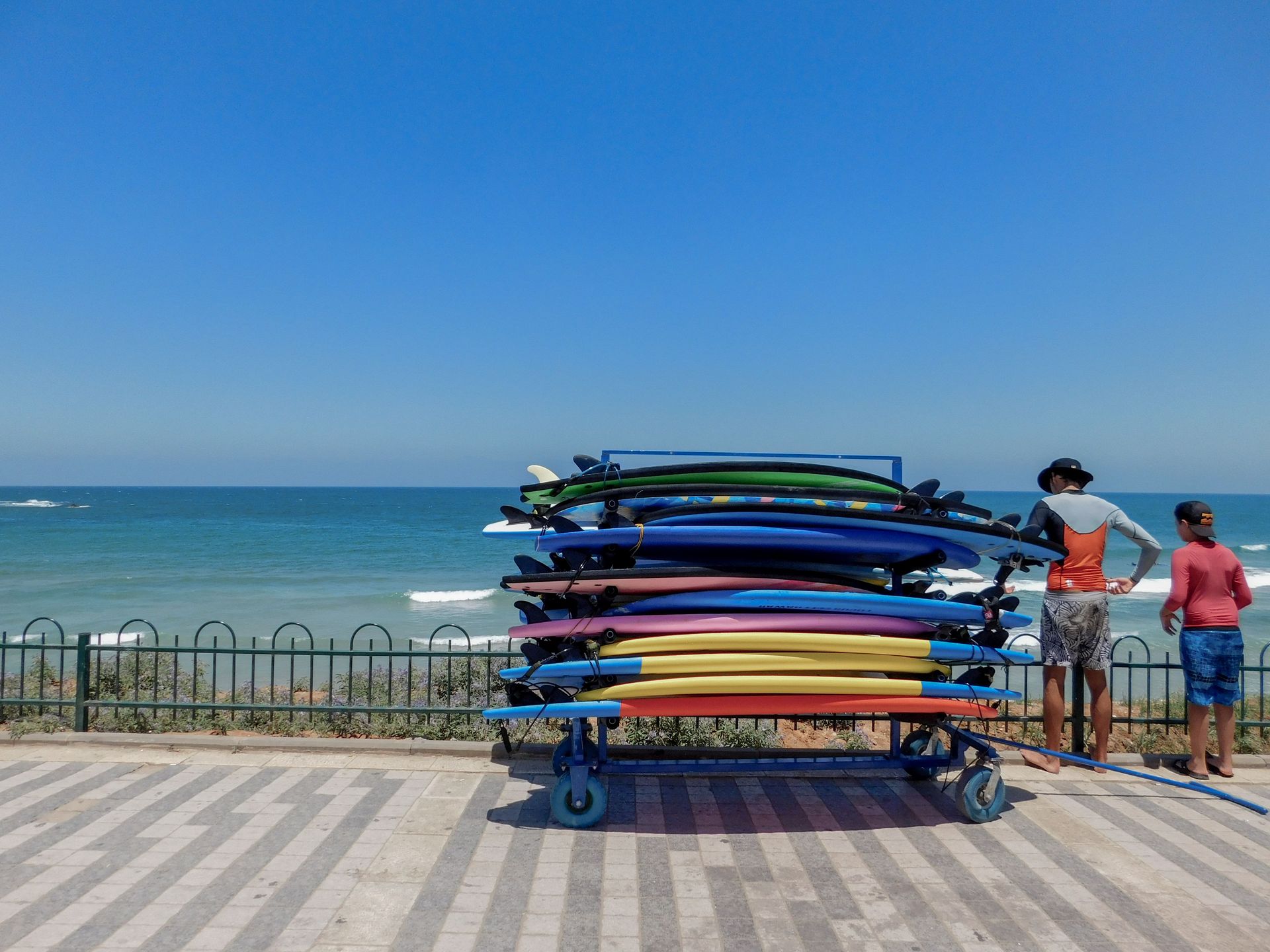
Beach and lake destinations with significant tourist or seasonal resident populations support a specific rental business model — umbrellas, beach chairs, paddleboards, kayaks, and similar equipment rented by the hour or day to visitors who do not want to purchase or transport their own equipment — that depends entirely on the concentrated window of warm-weather tourist activity these locations experience, with many such rental operations effectively closing entirely once the off-season arrives.
The capital investment required varies significantly by the scale and type of equipment being rented: a modest beach umbrella and chair rental operation can be started with a few thousand dollars in equipment, while paddleboard, kayak, or jet ski rental represents a considerably larger investment, both in the equipment itself and in liability insurance, which becomes a significant and non-negotiable cost consideration for any rental business involving equipment used in open water.
Location access is frequently the more significant barrier than capital in this business: many beaches and lakeside areas require specific permits or concession agreements to operate a rental business on public land, and securing a good, high-traffic location (through a municipal permit process, a private beach club arrangement, or a hotel or resort partnership) often determines profitability more than the specific equipment selection or pricing strategy, making the permitting and location-securing process the critical first step well before the summer season begins.