Most side income advice tops out at a few hundred dollars a month. These 25 ideas have genuine upside — income that can grow, compound, or eventually replace a salary

Kampus Production / Pexels
Most side income advice is implicitly about substitution: replacing hours with money in a direct, linear exchange. Drive for a rideshare company, deliver food, complete tasks on a gig platform, sell your time through a freelance marketplace. These models work — they produce real income, they are genuinely accessible, and for someone who needs money this week they are among the most direct routes available. But they share a specific limitation: they do not scale. The income they produce is bounded by the hours available to produce it, and hours are a fixed resource. Stop working, stop earning.
The side income models worth building are the ones that break this relationship — that produce returns disproportionate to the time invested, that grow through accumulation rather than through effort, that create assets rather than merely generate cash. This distinction is not about passivity (a word that overpromises what most non-linear income actually requires) but about trajectory: does this model get better over time? Does the second year produce more than the first without proportionally more work? Does the asset created retain value when you stop actively working on it?
The 25 ideas in this list are organized around this criterion. Several require significant upfront investment of time or money before any income appears. Several have high ceilings but low floors — the range of outcomes is wide, and most people who attempt them will not reach the top of that range. Several are genuinely accessible to people without existing capital or credentials. What they share is a structure in which the effort invested creates something that continues to produce returns after the effort has stopped — a course that keeps selling, a newsletter audience that keeps growing, a rental property that keeps cashflowing, a content library that keeps generating search traffic.

Ron Lach / Pexels
YouTube, podcasting, and long-form blogging with display advertising all share the same fundamental economic structure: a content creator builds an audience over time, and that audience generates advertising revenue through views, listens, or page impressions. The relationship between effort and income is initially deeply unfavorable — most channels and blogs generate negligible revenue for their first one to two years — but it becomes increasingly favorable as the content library grows, because each piece of content continues generating traffic and revenue indefinitely after it is published.
The YouTube Partner Program requires 1,000 subscribers and 4,000 watch hours before monetization begins, and CPM rates (the revenue per 1,000 views) vary enormously by niche: finance and business content earns $5 to $30 CPM; entertainment content earns $1 to $5 CPM. A channel with 100,000 subscribers in a high-CPM niche can generate $3,000 to $10,000 per month from ad revenue alone, with no additional work required once the videos are published.
The compounding effect is the specific economic advantage of content creation. A YouTube video published in year one continues generating views (and therefore revenue) in years three, four, and five. A blog post that ranks on the first page of Google $GOOGL for a valuable search term generates traffic daily without any ongoing effort. The channel's total revenue is therefore the sum of returns from every piece of content ever published, which grows with every new publication.

Mizuno K / Pexels
Digital products — ebooks, templates, presets, printables, Notion dashboards, spreadsheet systems, design assets, code libraries — are the side income model with the best ratio of creation effort to potential revenue, because they are created once and sold unlimited times with zero marginal cost. A Notion productivity template that takes 20 hours to create and sells for $29 will generate $29 per sale indefinitely, with no inventory, no shipping, no fulfillment, and no time cost per sale.
The platforms through which digital products are sold have expanded significantly: Gumroad, Lemon Squeezy, Etsy (for printables and templates), Creative Market (for design assets), Envato, and direct Shopify $SHOP or WooCommerce stores all enable digital product sales with minimal setup cost. The critical variable is not the platform but the product-audience fit — a digital product generates income proportional to how specifically it solves a problem for an audience that can find it.
The scaling mechanism is traffic: organic search traffic (a Google $GOOGL-ranked article or YouTube video that drives people to the product), an email list (a newsletter audience that can be notified of new products), or social media following that amplifies new product launches. Digital product creators who build an audience first and create products second consistently outperform those who create products and then try to find buyers.

AI25 Studio / Pexels
Online courses — structured educational content sold to students who want to learn a specific skill — are among the highest-revenue digital products available because they solve a specific, high-value problem (skill acquisition) and can command premium pricing ($100 to $2,000 per course) relative to the cost of their production. A course on a subject with genuine demand — financial modeling, watercolor painting, sourdough baking, SQL for data analysis — that is well-produced and well-marketed can generate substantial recurring revenue with no marginal cost per student.
The course platforms (Teachable, Kajabi, Thinkific, Podia) have made course creation accessible without technical expertise, and the market for online learning has been validated by the post-pandemic expansion of e-learning that has made online courses a normal way for working adults to acquire skills. The critical production requirement is a genuine expertise in the subject and the ability to teach it clearly — courses that fail typically fail because they are either teaching something for which free content already exists (reducing willingness to pay) or because they are poorly structured.
The scaling mechanism for courses is primarily marketing: an email list, a YouTube channel, a social media following, or paid advertising can drive continuous new enrollment to a course that was created months or years earlier. The course creator's marginal time cost per new student is essentially zero once the course is published.

Burst / Pexels
Paid newsletters — subscriber-supported publications delivered by email on a regular schedule — have become one of the most viable independent media models of the past decade, driven by the maturation of the Substack platform and the broader consumer willingness to pay for specific expertise delivered directly to the inbox. A newsletter with 1,000 paying subscribers at $10 per month generates $10,000 per month in recurring revenue — a six-figure annual income from an audience that most general-interest magazines would consider too small to publish for.
The economics of newsletter publishing are specifically favorable because the subscriber relationship is direct (no algorithm intermediary), the revenue is recurring (subscribers pay monthly or annually), and the audience is self-selected for genuine interest in the topic. A newsletter on a specific professional topic — commercial real estate, quantitative finance, logistics and supply chain, biotechnology — can charge significantly more than a general-interest newsletter because its readers are professionals for whom the information has direct economic value.
The transition from free to paid is the specific moment most newsletter publishers find difficult: free newsletters grow through social sharing and discoverability; paid newsletters require a value proposition that is compelling enough to convert free readers. The most successful paid newsletters typically offer a free tier that demonstrates value and a paid tier that offers meaningfully more.

Kampus Production / Pexels
Affiliate marketing — earning commissions by referring customers to products and services — is the side income model most frequently oversold and most frequently misunderstood. The oversell: the promise of passive income from affiliate links that generate commissions while you sleep. The reality: affiliate income is genuinely scalable and genuinely passive once traffic is established, but establishing that traffic requires either significant content creation work or significant paid advertising investment.
The model works through content: a review article, a YouTube video, or a comparison piece that ranks in search results for a commercial query ("best project management software," "top running shoes for beginners," "cheapest VPN service") and includes affiliate links to the products reviewed generates commission on every sale made through those links, indefinitely, without any ongoing work. The affiliate commission rates vary widely: physical products on Amazon $AMZN generate 1 to 4%; software and digital products generate 20 to 50%; high-value financial products (credit cards, mortgages, insurance) generate $50 to $500 per referral.
The specific scaling mechanism is search engine optimization: articles that rank on the first page of Google $GOOGL for commercial queries with high search volume generate traffic that converts to commissions at predictable rates. A single well-ranked article in a high-commission niche (web hosting, VPN software, financial products) can generate $1,000 to $10,000 per month indefinitely.

Jakub Zerdzicki / Pexels
Short-term rental — renting a property (or a spare room) on Airbnb $ABNB, Vrbo, or similar platforms — is the side income model with the clearest path from zero to significant income for people who already own property or who have access to capital. A well-located property in a destination city or vacation area can generate gross revenue significantly in excess of its long-term rental value, and the management overhead — guest communication, cleaning coordination, maintenance — can be substantially outsourced to property management companies that charge 15 to 25% of revenue.
The economics depend entirely on location and property type. A studio apartment in a major tourist city generating 200 nights of occupancy per year at $150 per night produces $30,000 in gross revenue before platform fees, cleaning costs, and mortgage. A vacation property in a desirable destination with seasonal demand (a lake house, a ski chalet, a beachfront cottage) can generate six figures in gross revenue during peak months. The arbitrage model — renting a property on a long-term lease and subletting on Airbnb — is no longer legal in most cities and is not a model this entry recommends.
The scaling mechanism is portfolio expansion: the operational systems for managing one short-term rental (listing optimization, pricing automation tools, guest communication templates, cleaning team relationships) are largely the same systems required for five rentals. The marginal management cost per additional property is low once the systems are established.

Soc Nang Dong / Pexels
Stock photography and video — selling licenses to images and video clips through platforms like Shutterstock, Getty Images, Adobe $ADBE Stock, and Pond5 — is the creative side income model with the most literal compounding structure: each image or clip added to a portfolio generates royalties on every license sale, and a portfolio of 1,000 well-optimized images in high-demand categories can generate substantial passive income that grows with each new upload.
The income per image is modest — a Shutterstock royalty on a standard license is approximately $0.25 to $0.50 per download — but the cumulative effect across a large portfolio is real: a portfolio of 5,000 images with an average of 10 downloads per image per month generates 50,000 downloads and $12,500 to $25,000 per month. The key variable is the demand profile of the images: business, technology, and lifestyle images in current visual trends generate far more downloads than niche or artistic images, and understanding what stock buyers need (and producing it deliberately rather than uploading existing work) is what separates productive stock portfolios from stagnant ones.
The video footage market has higher per-license values ($30 to $500 per clip for premium footage) and less competition than the photography market, making it a more attractive entry point for videographers with drone footage, time-lapse, or specialty content.
Realistic income range: $50 to $500 per month for portfolios under 1,000 images; $1,000 to $5,000 per month for portfolios of 5,000 to 10,000 high-demand images; Upfront investment: photography skills and equipment; Time to meaningful income: 12 to 24 months of consistent uploading.

Brett Jordan / Pexels
A mobile app — a software application distributed through the Apple $AAPL App Store or Google $GOOGL Play Store — has the highest scaling potential of any digital product because a single app can be used by millions of people simultaneously at zero marginal cost to the creator. The challenge is the combination of skills required (design, development, and marketing) and the extreme competition in the app marketplace where most apps generate negligible revenue.
The app models with the most realistic path to significant side income are: subscription apps in specific professional niches (a productivity tool for a specific profession, a tracking app for a specific health metric, an education app for a specific skill); utility apps that solve a specific, recurring problem at a price point low enough to convert but high enough to sustain; and apps with viral growth mechanics that allow organic distribution without a marketing budget.
The no-code and low-code development platforms (Bubble, FlutterFlow, Glide) have reduced the technical barrier significantly, allowing founders without programming skills to build functional apps. The App Store optimization (ASO) skills required to make an app discoverable in the store are learnable and are the primary distribution lever available without a paid marketing budget.
Realistic income range: $0 for most apps; $1,000 to $10,000 per month for apps with 1,000 to 10,000 paying subscribers; $100,000 per month and above for apps with broad consumer adoption. Upfront investment: development time or developer cost ($5,000 to $50,000 for a professionally developed app); Time to meaningful income: 6 to 24 months.

Artem Podrez / Pexels
Consulting — providing expert advice and implementation support to businesses on a project or retainer basis — is the side income model with the fastest path to high per-hour rates for people with genuine professional expertise. A management consultant, a marketing strategist, a data scientist, a financial analyst, or a specialized engineer who packages their expertise as a consulting offering can command $150 to $500 per hour from business clients who need that expertise on a non-employee basis.
The scaling constraint of consulting is the hours-for-money exchange: a solo consultant billing 20 hours per week at $200 per hour generates $4,000 per week, but cannot grow beyond what their available hours allow. The scaling mechanisms that break this constraint are: productizing the consulting (creating a fixed-scope, fixed-price engagement that can be repeated efficiently), building a small team (other consultants who can deliver work at a lower bill rate than the founder charges), or using the consulting income to fund the creation of scalable products (courses, software, content) informed by the consulting work.
The specific advantage of consulting as a starting point is the speed to income: a person with genuine expertise who can articulate their value proposition clearly can have paying clients within 30 days, compared to the 12 to 24 months required for most content and product businesses.

George Milton / Pexels
Self-published books — sold through Amazon $AMZN Kindle Direct Publishing (KDP) and print-on-demand services — combine the scalability of digital products with the cultural authority of the book format and the discoverability of the Amazon marketplace, the world's largest book retailer. A self-published ebook priced at $4.99 earns approximately $3.50 in royalties per sale; a print book priced at $14.99 earns approximately $4.00. A book that sells 500 copies per month generates $1,750 per month from a single publication, indefinitely.
The Amazon algorithm that surfaces books in search results and in recommendation features rewards books that sell consistently (triggering more recommendations) and books that receive positive reviews (improving conversion rates). A backlist of multiple books on related topics — a common self-publishing strategy — generates compounding income because readers who purchase one book are offered others, and the total income from a 10-book backlist is not linear but multiplicative.
The non-fiction self-publishing market specifically rewards books that target specific, high-search-volume topics with practical value: business systems, personal finance strategies, how-to guides for specific software or skills. The fiction self-publishing market is larger by volume but more competitive and more genre-dependent.

Jakub Zerdzicki / Pexels
A software as a service product — a web application sold on a subscription basis to businesses or consumers — has the highest ceiling of any side income model and the highest barrier to entry: building a functional SaaS product requires either software development skills or the capital to hire developers, and the time from idea to revenue is typically six months to two years.
The economic model is the most favorable of any subscription business: SaaS businesses with 1,000 paying customers at $50 per month generate $50,000 per month in recurring revenue with minimal marginal cost per additional customer. The recurring nature of the revenue (customers pay monthly or annually until they cancel) means that the total customer base grows as long as new customer acquisition exceeds churn, producing compounding growth.
The specific SaaS opportunities most accessible to side-project founders are: tools built to solve problems the founder has personally experienced (developer tools, productivity applications, niche business automation); tools serving markets that are underserved by enterprise software (small businesses in specific industries, professionals with specific workflow needs); and tools that can be built quickly enough to validate the idea before significant capital is invested.

Nelson Axigoth / Pexels
Physical assets that can be rented out — cameras, lenses, audio equipment, camping gear, power tools, musical instruments, party equipment — generate rental income when they are not in use without requiring the owner to do anything beyond managing the rental logistics. The platforms for asset rental have expanded significantly: Fat Llama and ShareGrid (for camera and production equipment), Outdoorsy and RVshare (for RVs and campers), Neighbor (for storage space), and peer-to-peer rental platforms for everything from cars to power tools.
The specific economics favor high-value equipment with infrequent personal use: a cinema-grade camera lens worth $3,000 that its owner uses four days per month can rent for $150 to $300 per day for the remaining 26 days, generating $3,900 to $7,800 per month in rental income from equipment that would otherwise be idle. An RV worth $80,000 that rents for $200 to $400 per night can generate $30,000 to $60,000 per year in gross rental income during the six months of peak demand.
The management overhead is the primary constraint: communicating with renters, coordinating pickup and return, inspecting equipment for damage, and managing insurance adds time cost that reduces the effective hourly return for low-value items. For high-value items with significant daily rental rates, the time cost per dollar of income is very favorable.
David Slaager / Pexels
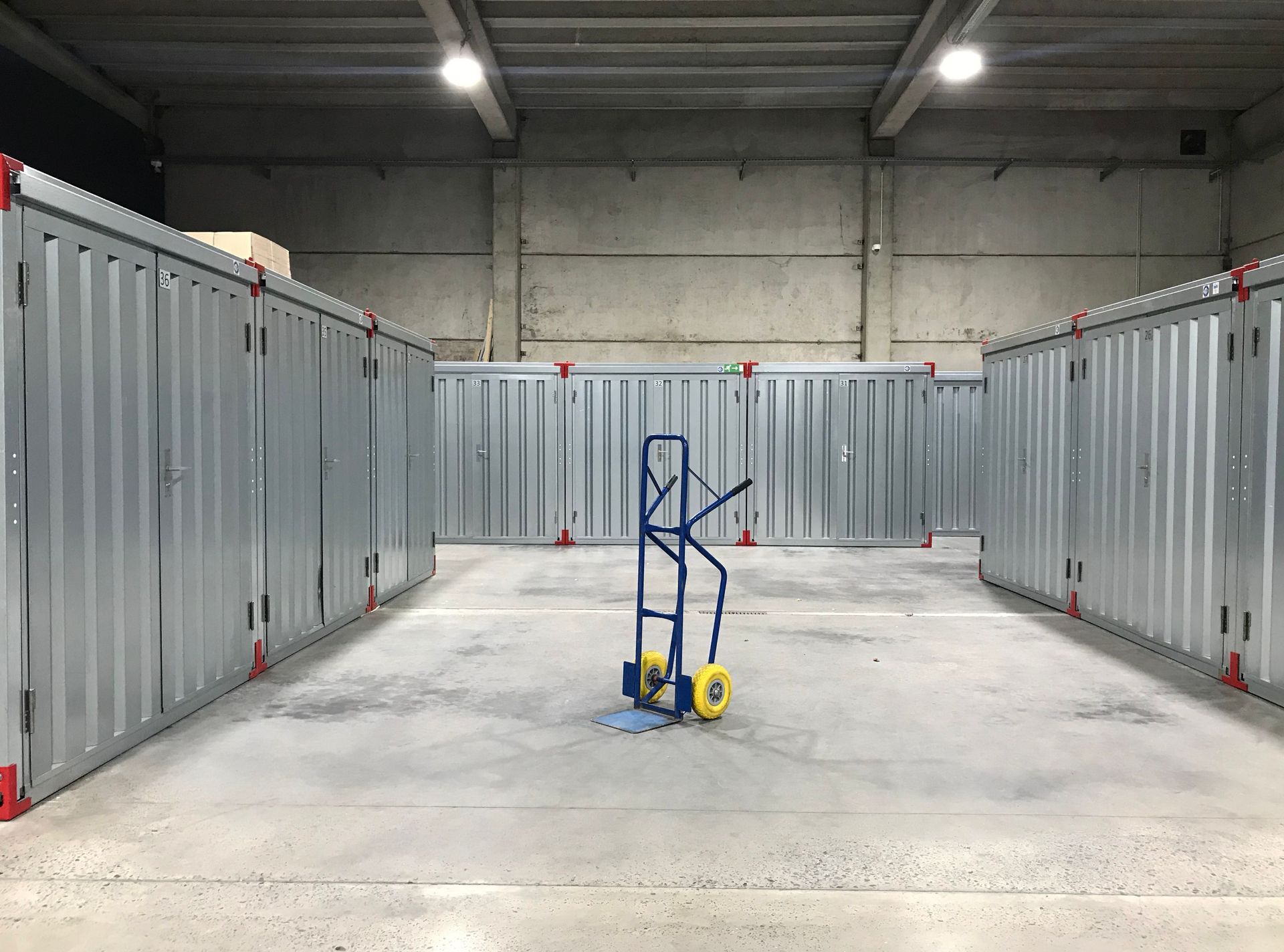
Parking spaces and storage units — particularly in dense urban areas where both are genuinely scarce — are among the simplest and most capital-efficient real estate investments available. A single parking space in a major city (Chicago, New York, San Francisco, London) purchased for $30,000 to $80,000 can rent for $200 to $600 per month — a gross yield of 7 to 12% annually with essentially no management overhead and no wear-and-tear concerns.
The storage unit model operates similarly: a single storage unit purchased outright or rented on a long-term lease and sublet on a shorter-term basis generates a spread between the wholesale and retail rental rates. The self-storage industry generates approximately $39 billion per year in the United States alone and has occupancy rates consistently above 90% in most markets.
The management overhead for parking and storage is minimal relative to residential or commercial property: no tenant complaints, no maintenance calls at midnight, no tenant turnover drama. The primary risk is demand-side: the value of urban parking specifically is exposed to the long-term shift toward lower car ownership, and investors in parking should have a view on the timeline of this transition.

Kristina Paukshtite / Pexels
Print-on-demand — selling custom-designed merchandise (t-shirts, mugs, phone cases, posters, tote bags) through platforms like Redbubble, Merch by Amazon $AMZN, or Printful integrated with Shopify $SHOP — is the physical product side income model with the lowest barrier to entry: designs are uploaded to the platform, products are created only when ordered, and the platform handles all printing, fulfillment, and customer service for a fee that leaves the designer with a margin on each sale.
The margin structure varies by platform: Redbubble and similar platforms set a base price and allow designers to add their markup; Merch by Amazon provides access to Amazon's traffic but limits designs initially through a tiering system; Printful integrated with a Shopify store requires more setup but provides more pricing control.
The income scales with the quality and volume of designs and with the traffic directed to them. A designer who uploads 500 designs across multiple product types in high-demand niches (pop culture references, professional identity, specific hobby communities) and who earns $1 to $3 per sale can generate $1,000 to $5,000 per month from a large catalog with no ongoing work. The critical skill is design-market fit: understanding which visual concepts in which niches have commercial demand and creating designs that satisfy that demand.

Sam Lion / Pexels
Retail arbitrage — buying underpriced goods and reselling them at a profit — is one of the oldest side income models and one that has been specifically enabled by the price transparency and marketplace infrastructure of the internet. The primary versions: buying underpriced items at garage sales, thrift stores, and estate sales and reselling on eBay or Facebook $META Marketplace; buying clearance items from retail stores and reselling on Amazon $AMZN FBA; and buying goods on Alibaba or direct from manufacturers and reselling at retail margins.
The specific skill is price discovery: identifying items whose current acquisition price is below their market resale value, a skill that improves with domain expertise. A buyer who specializes in vintage clothing, or in a specific category of electronics, or in sports memorabilia develops an intuitive understanding of value in that category that allows consistent identification of underpriced items.
The income is directly proportional to the capital deployed and the accuracy of the pricing judgment. A buyer who consistently achieves a 50% margin on $5,000 per month in purchases generates $2,500 per month in gross profit before platform fees and shipping. The scaling constraint is sourcing: finding enough underpriced inventory at consistent margins requires either expanding the sourcing channels or developing a specific category expertise that creates deal flow.

George Milton / Pexels
Cohort-based courses — live, structured learning programs sold to groups of students who go through the curriculum together over a defined period (typically four to eight weeks) — command significantly higher prices than self-paced courses because they provide community, accountability, and instructor access that asynchronous learning cannot. A cohort of 20 students paying $500 each generates $10,000 in revenue for a single four-week program, which can be run three to four times per year for recurring annual income of $30,000 to $40,000 from a single program.
The teaching expertise required is the primary asset: anyone with genuine professional expertise in a high-demand skill (writing, coding, financial analysis, marketing, design, language learning) can design a cohort curriculum that teaches that skill in a structured, accelerated format. The platforms supporting cohort courses (Maven, Cohort, Circle, Teachable Live) have made the technical infrastructure straightforward.
The scaling path is increasing cohort size (from 20 to 50 to 100 students per cohort as systems and reputation develop), increasing price as the track record grows, and eventually adding additional instructors or creating community alumni programs that generate recurring membership revenue beyond the initial course fee.

Firmbee.com / Pexels
Domain name investing — purchasing domain names at registration cost ($10 to $20) and selling them to end users at a significant premium — is a side income model that rewards pattern recognition, trend anticipation, and knowledge of specific industries. A domain name registered for $12 that represents a business category, a personal name, or a product concept that a buyer will eventually need can sell for $1,000 to $100,000 or more depending on its commercial value.
The model requires no ongoing investment after acquisition (annual renewal fees are typically $10 to $20 per domain) and no active management. The income is entirely upside — there are no dividends, no interim cash flows, just the eventual sale price. The risk is the carrying cost of domains that never sell (low) and the opportunity cost of capital invested in domains that do not appreciate (higher).
The specific skills required are domain valuation (understanding what makes a domain commercially valuable — length, keywords, memorability, extension), trend anticipation (registering domains that will be in demand as a trend develops), and outbound sales (reaching out to potential buyers directly rather than waiting for inbound interest through a domain marketplace).

Mew Wy / Pexels
Handmade goods — custom jewelry, ceramics, candles, skincare products, home goods, art prints — sold through Etsy, direct-to-consumer websites, craft markets, and wholesale to retail stores represent one of the few side income models that can scale from a kitchen table operation to a six-figure business without external capital, through the gradual systemization of production.
The Etsy marketplace provides the primary discovery mechanism for handmade goods: a well-photographed, well-SEO'd Etsy listing can generate organic traffic from buyers specifically looking for handmade versions of common products. The income ceiling for Etsy-based handmade businesses is determined by the combination of product margin and production capacity — a candlemaker producing 200 candles per week at a $15 margin per candle generates $3,000 per week, but requires either scaling production time or outsourcing production to contract manufacturers.
The transition from handmade to manufactured — where a product originally made by hand is eventually produced by a contract manufacturer while maintaining the brand and customer relationship — is the specific scaling path for handmade businesses that reach capacity. Brands that successfully make this transition maintain the aesthetic identity and customer trust of the handmade origin while accessing the production capacity of manufacturing.

RDNE Stock project / Pexels
Angel investing — providing early-stage capital to startup companies in exchange for equity — is a side income model whose returns, when they occur, are the highest of any model on this list (early-stage startup investments that succeed can return 10x to 1000x the investment), but whose success rate is low (most startups fail), whose time to return is long (5 to 10 years), and whose minimum investment threshold has historically required accredited investor status.
The expansion of investment platforms (AngelList, Republic, Wefunder, Seedrs) has reduced the minimum investment to as little as $100 on some platforms, opening angel investing to non-accredited investors. The economics of a startup investment portfolio work through the power law distribution: in a portfolio of 20 to 30 early-stage investments, the expectation is that most will return nothing, a few will return the investment, and one or two will generate returns large enough to make the portfolio profitable.
The side income framing is accurate only in the long run: angel investing does not generate income in the short term, and the "income" is realized as capital gains when a startup is acquired or goes public, which may be a decade after the investment. The model belongs on this list because the returns can be genuinely transformative and the investment thesis is learnable.

RDNE Stock project / Pexels
Intellectual property licensing — receiving royalties for the use of patents, trademarks, creative works, proprietary processes, or software — is the side income model whose returns most fully meet the definition of truly passive income: an asset created once that generates royalties whenever it is used, without any further effort by the creator.
The most accessible forms of IP licensing for individuals are: licensing creative works (a photograph, a piece of music, a piece of writing licensed through stock platforms as described in the photography entry); licensing a patented invention to a manufacturer who pays royalties on every unit sold; licensing a business process or franchise model to operators who pay royalties on revenue; and licensing software code through commercial licensing arrangements.
The patent licensing path is the most valuable per-license but the most capital-intensive: patents cost $10,000 to $50,000 to obtain, take two to five years to issue, and require enforcement against infringers to maintain their value. The creative work licensing path is lower value per license but accessible without capital and scalable through volume.

Lukas Blazek / Pexels
Website flipping — building websites from scratch (or acquiring underperforming ones), growing their traffic and revenue, and selling them for a multiple of their monthly earnings — is a side income model that combines the skills of content creation, SEO, and business valuation into a specific investment approach. Websites are valued at 30 to 40 times their monthly net profit on platforms like Flippa and Empire Flippers, meaning a website earning $1,000 per month can be sold for $30,000 to $40,000 — a 30 to 40x return on the monthly cash flow.
The build-and-sell cycle typically takes 12 to 24 months: a new website takes 12 to 18 months to build organic search traffic to a meaningful level, followed by 3 to 6 months of revenue generation to demonstrate the income trend, followed by the sale. A builder who creates two websites per year, each reaching $1,000 per month in affiliate or display revenue before sale, generates $60,000 to $80,000 per year in website sale proceeds in addition to the income generated during the growth phase.
The acquiring side of the model — buying existing websites below their fair value, improving their SEO or monetization, and reselling at a higher multiple — requires capital and valuation skill but can produce faster returns than building from scratch.
StockRadars Co., / Pexels
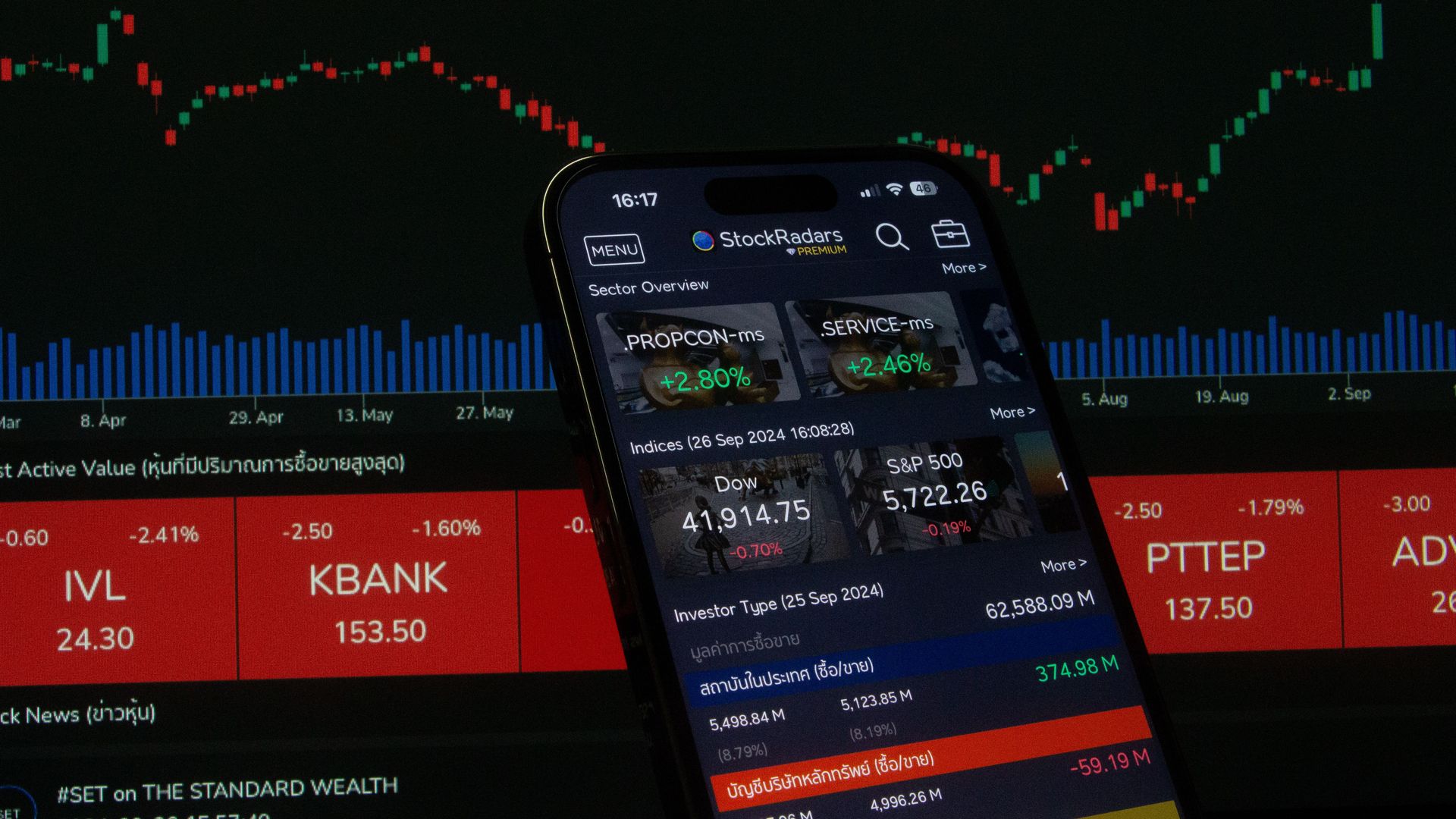
Dividend investing — building a portfolio of dividend-paying stocks, REITs (real estate investment trusts), and other income-producing securities — is the side income model most available to people without specific skills or entrepreneurial inclination, and the one whose returns are most predictable and most clearly documented by historical performance. A $100,000 portfolio invested in a diversified dividend-focused index or fund with a 3 to 4% annual yield generates $3,000 to $4,000 per year in dividend income; a $500,000 portfolio at the same yield generates $15,000 to $20,000 per year.
The compounding effect of dividend reinvestment — using dividend income to purchase additional shares, which generate additional dividends — produces the specific compounding that makes dividend investing increasingly powerful over time. A portfolio that begins generating $3,000 per year in dividends and reinvests those dividends into additional shares grows to generate $4,000, then $5,000, then $6,000 per year in dividends without any additional capital contribution, simply through the reinvestment of income.
The primary constraint is capital: dividend investing requires significant invested capital to generate significant income, and the path from zero to $1,000 per month in dividend income requires approximately $300,000 to $400,000 in invested capital at typical dividend yields. The model is most powerful as a long-term wealth accumulation strategy rather than a short-term income solution.

cottonbro studio / Pexels
Podcasting has matured into a medium with multiple monetization paths whose combined value makes it one of the more viable independent media models for niche content creators. A podcast with 5,000 to 10,000 downloads per episode in a specific professional or enthusiast niche can command $25 to $50 CPM (cost per thousand downloads) for host-read sponsorships — generating $125 to $500 per episode per sponsor, and most monetized podcasts carry two to three sponsors per episode.
The listener support model (Patreon, direct membership) adds a recurring revenue layer on top of sponsorship: listeners who find genuine value in a niche podcast will pay $5 to $15 per month for bonus content, early access, or ad-free versions. A podcast with 500 paying supporters at $8 per month generates $4,000 per month in recurring revenue independent of sponsorship fluctuations.
The compounding element of podcasting is the back-catalog: each episode continues to be downloaded by new listeners indefinitely, meaning the total audience grows as the catalog grows without proportional additional work. A five-year-old podcast with 250 episodes has a discovery surface area 250 times larger than a podcast with one episode, and the total monthly downloads from back-catalog episodes can exceed new episode downloads for established shows.

Pavel Danilyuk / Pexels
Corporate training — selling learning content to companies for employee development — is the highest-value distribution channel for educational content and one that most course creators overlook because it requires a different sales approach from the consumer course market. A company that pays $15 to $30 per employee per year for a corporate license to a relevant course will pay $15,000 for 1,000 employees, $150,000 for 10,000 employees — in a single contract.
The corporate training market is large (estimated at $370 billion globally) and specifically underserved for specialized professional skills by the major learning platforms (LinkedIn Learning, Coursera for Business, Udemy Business) whose course libraries, while broad, are generic. A course on a specific, high-demand professional skill — data analysis in a specific software tool, compliance training for a specific regulation, leadership skills for a specific industry — can be licensed to corporate clients at price points unavailable in the consumer market.
The sales cycle for corporate licensing is longer than consumer course sales (weeks to months rather than days), and the relationship is account-management intensive once established. The recurring nature of corporate licenses (renewing annually) makes each new corporate client a compounding revenue source rather than a one-time transaction.

Social media management for small businesses
Plann / Pexels
Managing social media accounts for small businesses — creating content, scheduling posts, responding to comments, running paid advertising campaigns — is a service that most small businesses need and few have the time or expertise to do well. A social media manager charging $500 to $2,000 per month per client can build a client base of five to ten businesses with a monthly recurring revenue of $2,500 to $20,000 for 20 to 40 hours of work per month.
The specific advantage of social media management as a side income model is the retainer structure: clients pay monthly in advance for ongoing service, creating predictable recurring revenue that grows as new clients are added and that persists as long as the service quality is maintained. The operational scaling is achieved by creating content templates, scheduling systems, and reporting frameworks that allow more clients to be served with the same or less time per client as the practice grows.
The path to higher rates is specialization: a social media manager who positions as the expert in a specific industry (restaurants, real estate agents, e-commerce brands) or in a specific platform (LinkedIn strategy for B2B companies, TikTok content for consumer brands) commands higher rates and attracts higher-quality clients than a generalist.