A guide to the 10 clearest signs a dog is sick, and the specific details that separate a wait-and-see symptom from a true veterinary emergency
-1400x933.png)
Credit: Canva Images
A dog can't say where it hurts, so the job of noticing illness falls entirely on the people around it. Dogs also mask pain and discomfort more than most owners expect, an instinct left over from life as pack animals, where showing weakness could mean losing rank or becoming a target for predators. By the time a dog is visibly limping, refusing food, or lying still in a corner, the underlying problem has often been building for a while.
The hard part for most owners is knowing which signs call for a same-day vet visit, which can wait for a regular appointment, and which mean driving straight to an emergency animal hospital. Some symptoms, like a single loose stool or a day of picky eating, are common and rarely dangerous on their own. Others, like pale gums, a distended abdomen, or a seizure that does not stop within a couple of minutes, point to conditions that can turn fatal within hours without treatment.
This list breaks down 10 of the most common signs that a dog is sick, along with the specific details that separate an issue worth monitoring from a true emergency. It covers digestive symptoms like vomiting and diarrhea, breathing and circulation problems like labored breathing and pale gums, and less obvious warning signs like straining to urinate or sudden collapse.
None of this replaces a veterinarian's judgment, and the same symptom can mean very different things depending on a dog's breed, age, and health history. A senior dog with kidney disease and a healthy two-year-old Labrador retriever can show the exact same sign for entirely different reasons. But knowing what each sign typically means, and which details push it from concerning to critical, gives an owner a clearer sense of how fast to act and where to go.
Credit: Amanda V. / Pexels
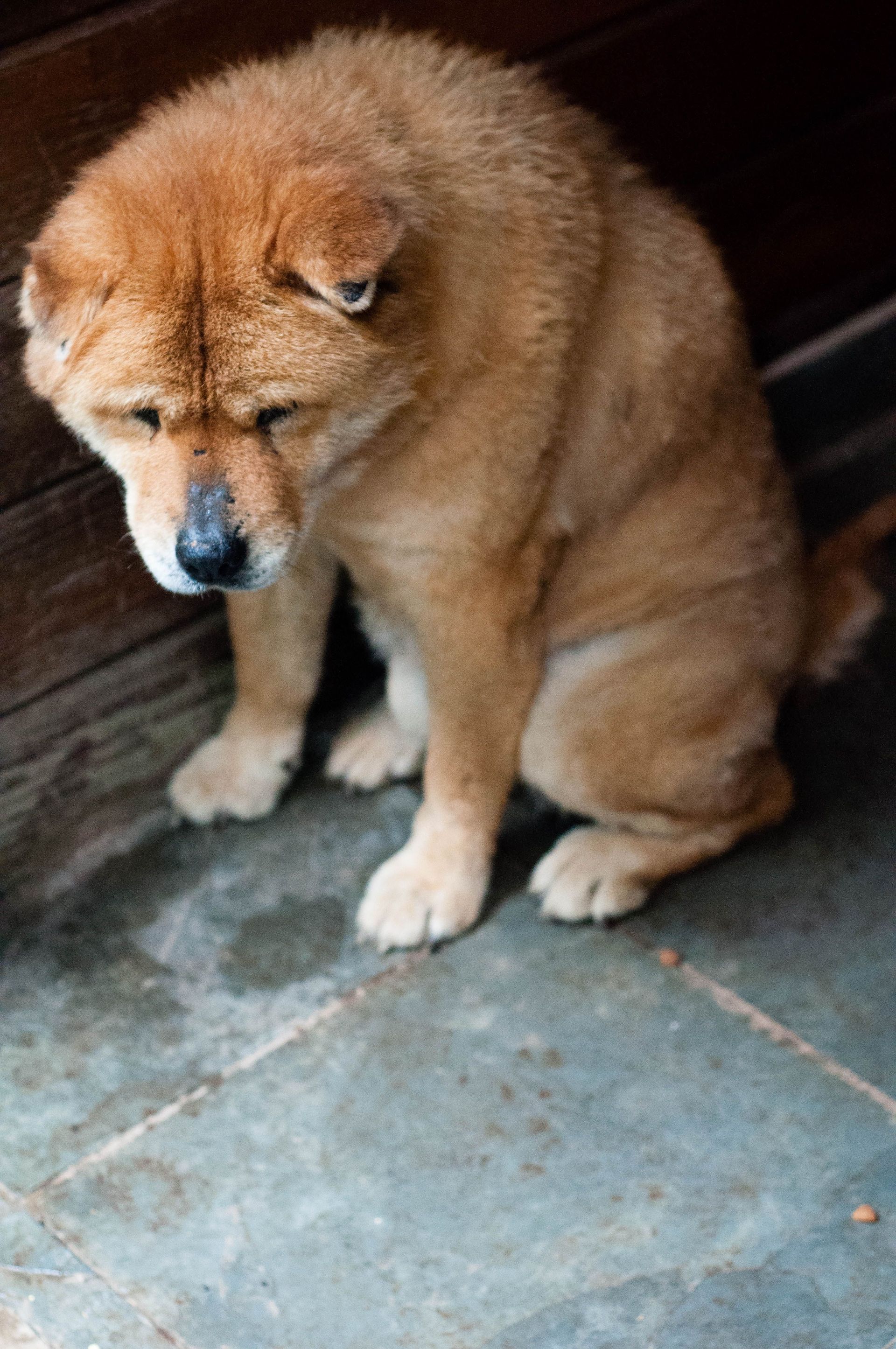
Vomiting more than once or twice in a day, or vomiting that contains blood, is one of the clearest signs a dog needs veterinary attention rather than a wait-and-see approach. A single episode after eating too fast, eating grass, or grabbing something inedible outside is usually not urgent. Repeated vomiting, especially paired with lethargy or a refusal to drink water, signals a problem that needs to be addressed the same day.
Common, less urgent causes include a sudden change in diet, eating spoiled food, or a mild stomach upset from something picked up on a walk. These cases often resolve within a day, and a dog that vomits once, then acts normal and keeps food down afterward, can usually be watched at home with a bland diet before deciding on a vet visit.
The signs that push vomiting into emergency territory are more specific. Vomit that looks like coffee grounds or contains streaks of fresh blood points to bleeding somewhere in the digestive tract. Repeated, unproductive retching, where the dog heaves but produces little or nothing, is especially concerning in large, deep-chested breeds such as great danes, German shepherds, and standard poodles, since it can indicate gastric dilatation-volvulus, commonly known as bloat, a condition covered in more detail later in this list.
Puppies and unvaccinated dogs that vomit alongside bloody diarrhea and lethargy should be seen immediately, since this combination is a hallmark of parvovirus, a highly contagious and potentially fatal intestinal infection. Dehydration is the other risk to watch for with any ongoing vomiting. Signs include dry or tacky gums, sunken eyes, and skin that stays tented after being gently pinched instead of springing back. A dog showing several of these signs alongside repeated vomiting should be seen by a veterinarian the same day, not after a night of waiting to see if things improve on their own.
Credit: Canva Images
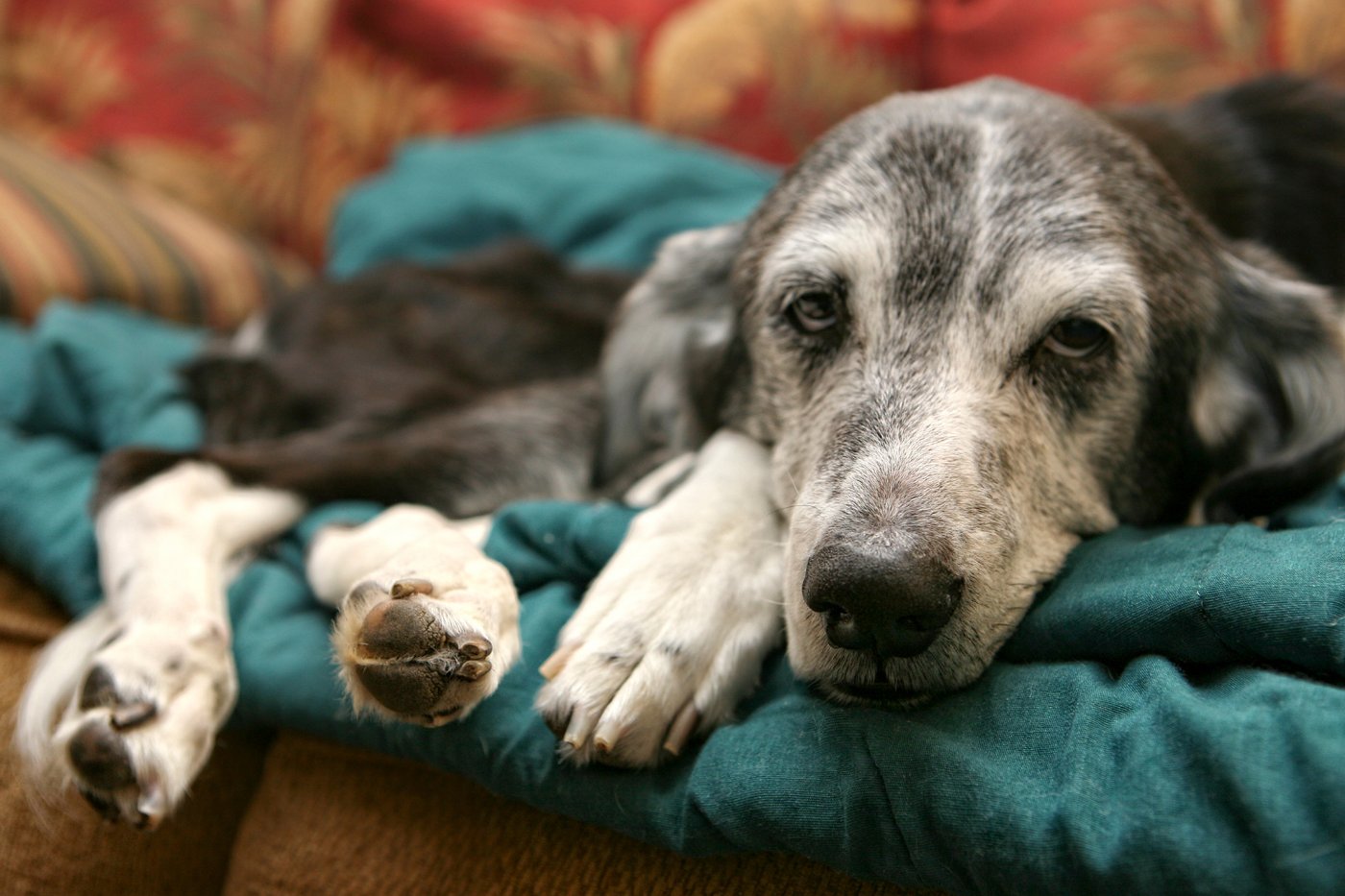
Diarrhea that continues for more than 24 hours, or that contains visible blood, needs veterinary evaluation rather than home treatment alone. A single loose stool tied to a new treat, a change in food, or the stress of boarding or travel is common and usually resolves on its own within a day.
Ongoing diarrhea has a wide range of causes, including intestinal parasites, bacterial or viral infections, stress colitis, and dietary indiscretion from eating something the dog should not have. Most of these cases are uncomfortable rather than dangerous, and a dog that stays alert, drinks water, and keeps some appetite can often be managed with a bland diet of boiled chicken and rice while symptoms pass.
Blood changes the picture. Bright red blood, known as hematochezia, usually points to irritation or bleeding low in the digestive tract, such as the colon or rectum. Black, tarry stool, known as melena, is a more serious sign, since it usually means digested blood from higher up in the gastrointestinal tract, which can indicate ulcers, ingested toxins, or internal bleeding. Either type of blood in the stool warrants a same-day call to a veterinarian.
Diarrhea combined with vomiting, fever, or lethargy raises the urgency further, since the combination points toward an infection or a more systemic illness rather than simple stomach upset. Puppies are at the highest risk from diarrhea in general, since their smaller body size means they can become dangerously dehydrated within just a few hours. Any puppy with diarrhea that persists past a single day, or that seems weak or unusually quiet, should be seen by a veterinarian promptly rather than monitored at home.
Senior dogs and dogs with existing conditions such as kidney disease also warrant extra caution, since ongoing fluid loss from diarrhea can worsen an already compromised organ system faster than it would in an otherwise healthy adult dog. Tracking how many times a dog has diarrhea in a day, along with whether it is eating and drinking normally in between episodes, gives a veterinarian useful information even before an exam begins.
Credit: Canva Images
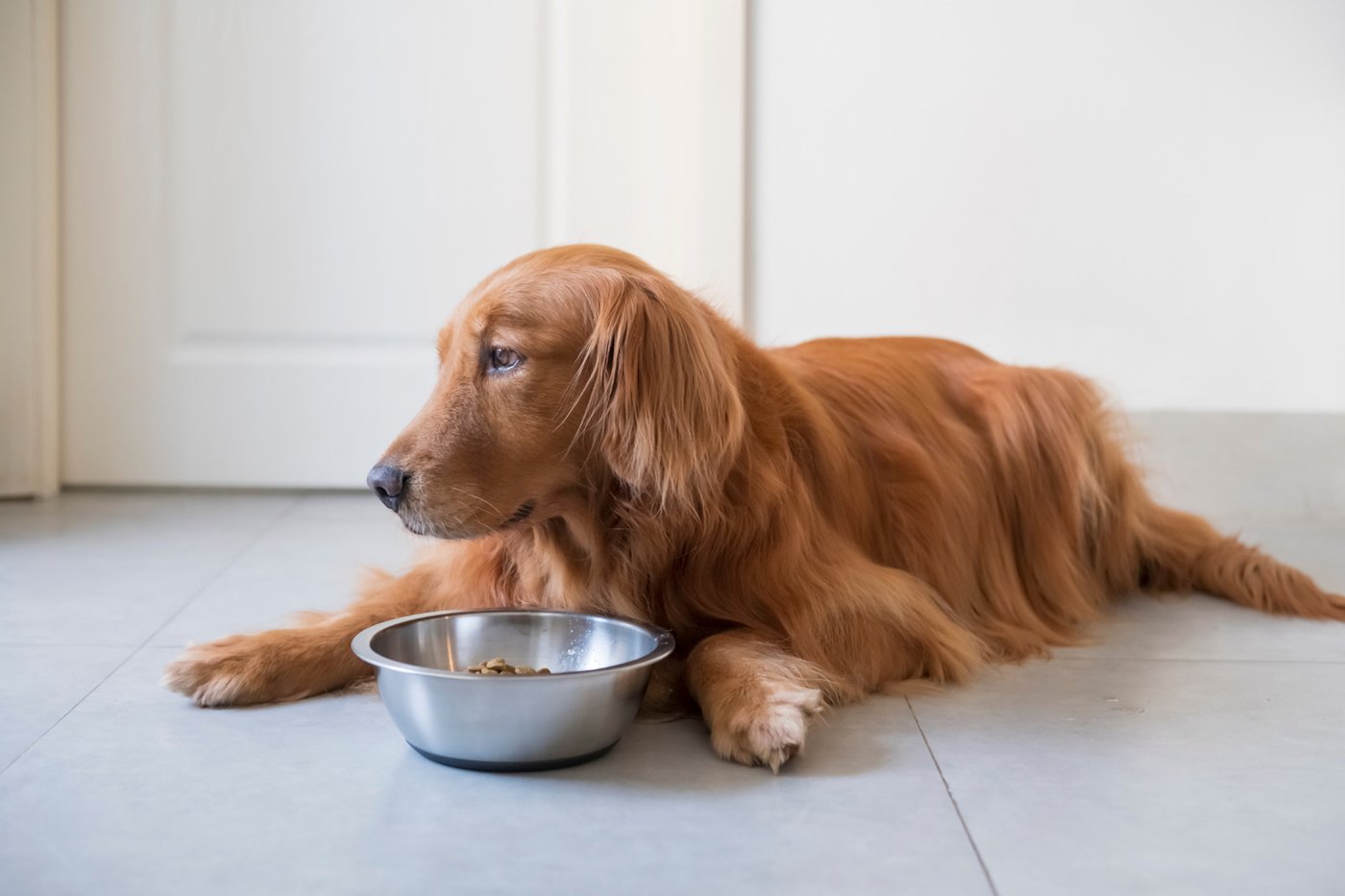
A dog that refuses food for more than 24 to 48 hours needs a veterinary visit, even if nothing else seems wrong. Skipping a single meal is common and often tied to a minor stomach upset, a stressful event, or hot weather, and most healthy adult dogs can go a day without food with no lasting harm.
Appetite loss that continues into a second day is a different story, since it often signals dental pain, nausea from an underlying illness, or in some cases a physical blockage somewhere in the digestive tract. Dogs that also refuse water alongside food are at higher risk of dehydration and should be seen sooner rather than later.
Small and toy breed dogs, along with puppies, face an additional risk when they stop eating: hypoglycemia, or dangerously low blood sugar. Because these dogs have less muscle mass to draw on for energy reserves, even a day of not eating can cause weakness, trembling, or disorientation. Any small dog or puppy showing these signs alongside a refusal to eat should be treated as an urgent case.
Appetite can also drop gradually rather than stopping all at once, which is easy for owners to miss. A dog eating half of its usual meals over the course of a week, or picking at food and walking away, is showing a slower version of the same warning sign and deserves the same attention as a dog that stops eating outright. Because appetite loss on its own does not point to one specific cause, a veterinarian will typically want to examine the dog directly, check for fever or abdominal pain, and may recommend bloodwork to rule out issues with the kidneys, liver, or pancreas.
It also helps to note whether the dog is still willing to eat something highly appealing, such as a piece of chicken or cheese, versus turning away from food entirely. A dog that refuses even favorite treats is showing a stronger signal than one that simply skips its usual kibble, and that distinction is worth mentioning to a veterinarian during a same-day call.
Credit: E. Ritt / Pexels
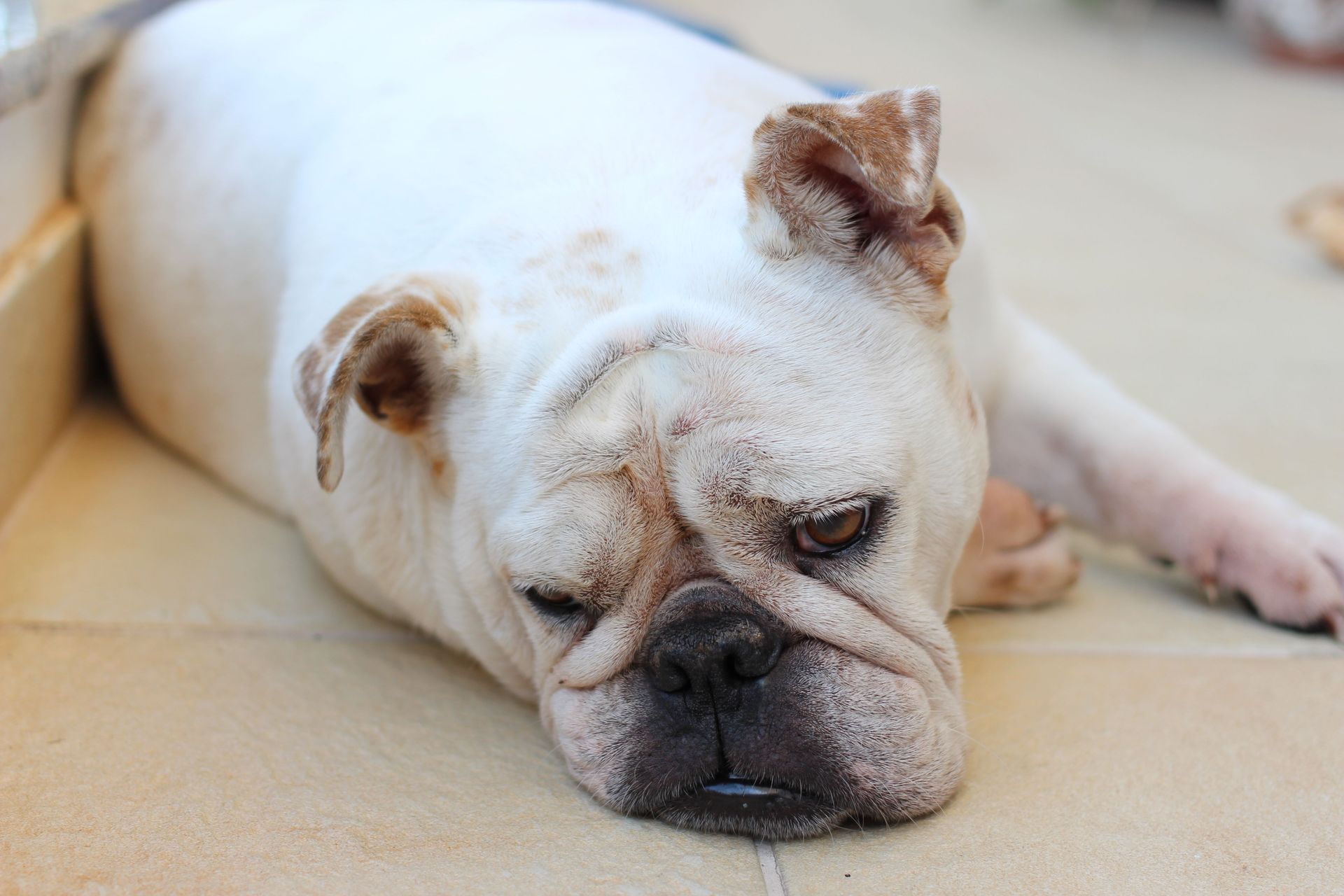
Lethargy that goes beyond normal tiredness, such as a dog that will not get up to greet its owner or shows no interest in a walk or a favorite toy, is a sign that something is wrong internally. Occasional low energy after a long hike or in hot weather is normal, but a dog that stays flat and unresponsive for more than a few hours needs attention.
Lethargy is one of the least specific symptoms in veterinary medicine, since nearly any illness, from a minor infection to organ disease, can cause it. That makes it easy to dismiss, but it is often the earliest visible sign that a dog's body is fighting something. Fever, pain, anemia, and metabolic problems such as kidney or liver disease can all present first as a dog simply seeming unusually quiet or slow to respond.
Sudden weakness or collapse is more urgent than gradual lethargy. A dog that suddenly cannot stand, stumbles when walking, or briefly loses consciousness may be experiencing internal bleeding, a heart rhythm problem, or a severe drop in blood pressure. This is especially true in older, large-breed dogs, where sudden collapse can point to a ruptured tumor on the spleen, a condition that causes rapid internal blood loss and requires emergency surgery.
Owners should pay close attention to what accompanies the lethargy. Weakness combined with pale gums, rapid breathing, or a distended abdomen points toward a circulatory emergency rather than a routine illness. Lethargy on its own, especially in a dog that is still eating, drinking, and responsive to its name, can often wait for a same-day or next-day veterinary appointment. Lethargy paired with collapse, pale gums, or labored breathing should never wait.
A useful habit is comparing the dog's behavior to its own baseline rather than to other dogs, since energy levels vary widely by breed and age. A senior dog moving slower than a young, high-energy breed is not automatically a warning sign, but any dog acting noticeably different from its own normal pattern for more than half a day deserves a phone call to a veterinarian, even before other symptoms appear.
Credit: Andreas Schnabl / Pexels
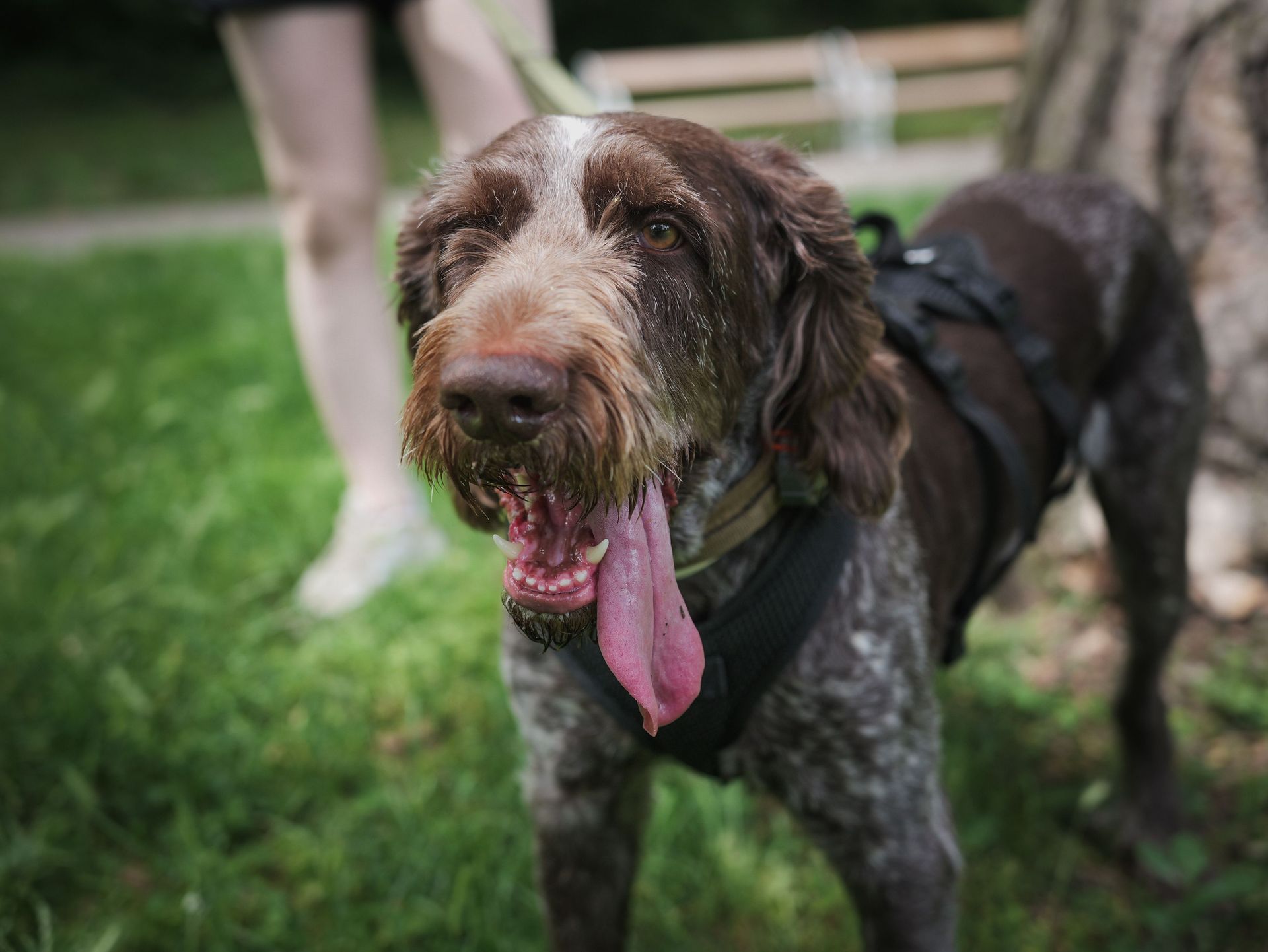
A dog breathing harder or faster than normal while resting, or making unusual wheezing or honking sounds, needs prompt veterinary evaluation. A healthy dog at rest typically takes between 15 and 30 breaths per minute, and panting after exercise or in warm weather is normal and should ease within a few minutes of rest.
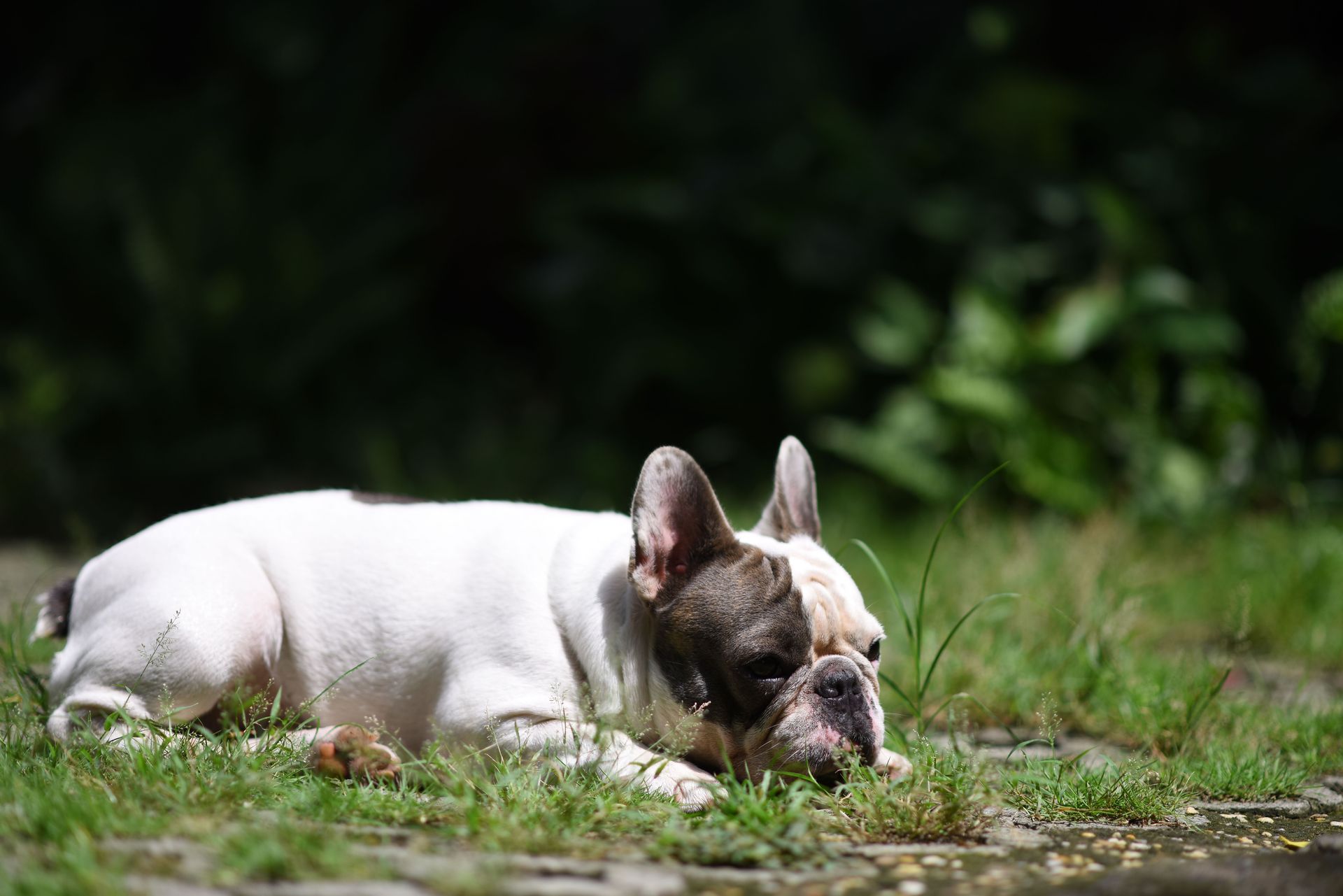
Breathing that stays labored after a dog has cooled down and rested is a warning sign. Open-mouth breathing with visible effort from the chest and abdomen, sometimes called increased respiratory effort, can point to fluid in or around the lungs, a heart problem, or a lung infection such as pneumonia. Flat-faced breeds, including bulldogs, pugs, and boxers, are especially prone to breathing difficulty because of their narrowed airways, and they overheat and struggle to breathe more easily than other breeds even in moderate temperatures.
Heatstroke is one of the most common causes of sudden breathing distress in dogs and is a true emergency. Signs include heavy panting, bright red gums, drooling, and in severe cases, collapse or vomiting. A dog showing these signs after time outside in warm weather, a car, or intense exercise needs to be cooled gradually with room-temperature water and taken to a veterinarian immediately, since body temperatures above 106 degrees Fahrenheit can cause organ damage within a short window.
Noisy breathing, including a harsh honking cough, a high-pitched wheeze, or a rasping sound when inhaling, can point to a collapsing trachea, laryngeal paralysis, or an object lodged in the airway. Any of these, combined with blue or gray gums, means the dog is not getting enough oxygen and needs emergency care without delay.
Older, large-breed dogs are more prone to laryngeal paralysis, a condition where the muscles controlling the airway weaken over time, making breathing louder and more difficult, especially in warm weather or after exercise. Because this condition tends to worsen gradually, a dog with a new, persistent change in the sound of its breathing should be evaluated even if it is not yet struggling for air.
Credit: Tima Miroshnichenko / Pexels
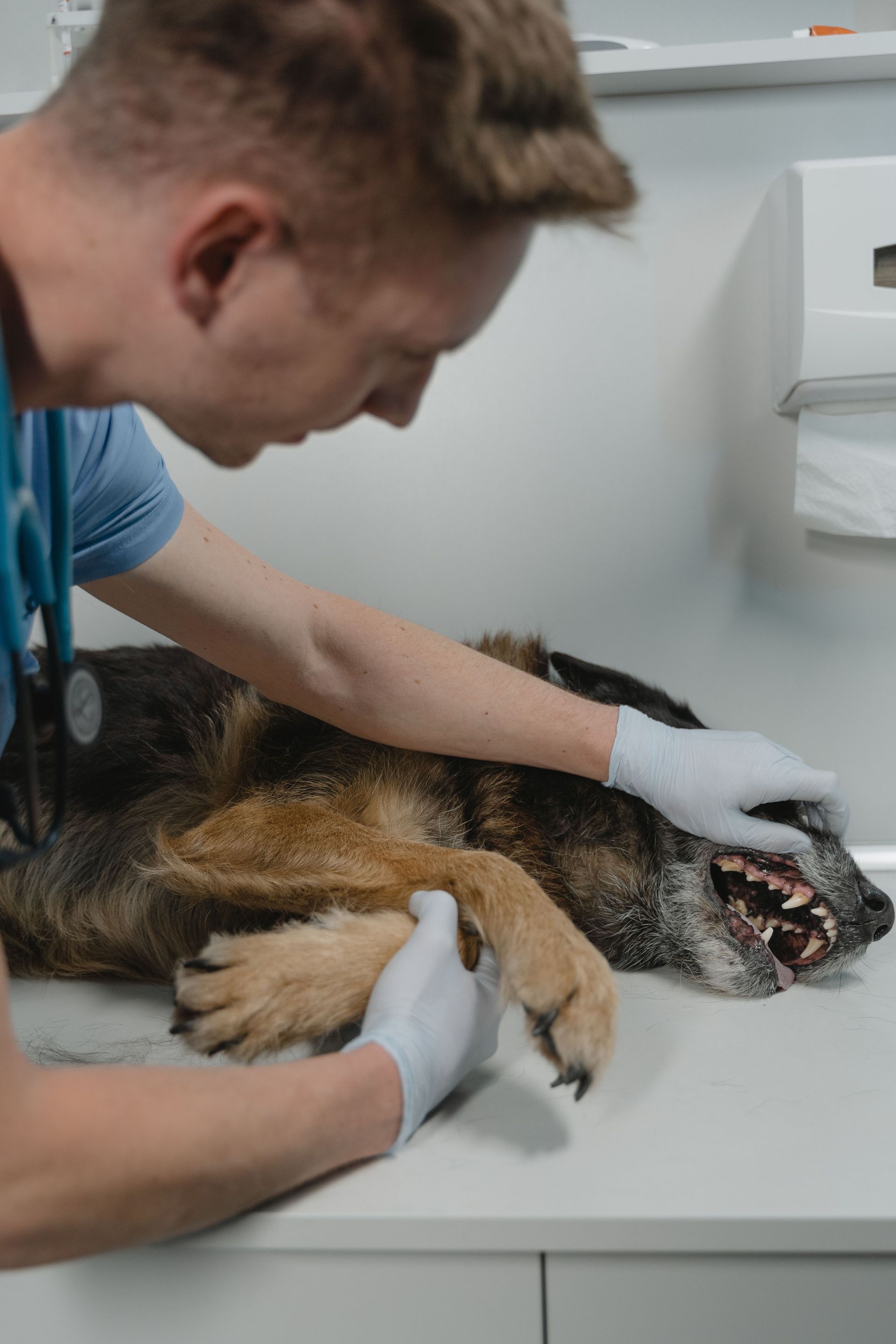
A dog's gums should normally be a healthy bubblegum pink, and any shift toward pale pink, white, or a bluish gray color is a sign of a circulatory or oxygen problem that needs immediate veterinary attention. This is one of the fastest checks an owner can do at home, since it takes only a few seconds.
To check capillary refill time, gently press a finger against the dog's upper gum until it turns white, then release and count how long it takes to return to its normal pink color. In a healthy dog, color should return within about one to two seconds. Gums that stay pale longer than that, or that are already pale before pressing, suggest poor blood flow or a drop in red blood cells.
Pale or white gums typically point to anemia or blood loss, which can come from internal bleeding, a bleeding disorder, or in older large-breed dogs, a ruptured splenic tumor. Blue or gray gums, known as cyanosis, mean the blood is not carrying enough oxygen, which can result from severe breathing problems, heart failure, or airway obstruction. Both situations are emergencies that require immediate transport to a veterinarian or an emergency animal hospital rather than a wait-and-see approach.
Bright red or brick-colored gums are also worth noting, since they can indicate heatstroke, carbon monoxide exposure, or certain types of poisoning. Because gum color reflects what is happening throughout the entire circulatory system, any noticeable change that lasts more than a few minutes, especially alongside weakness, rapid breathing, or collapse, should be treated as urgent rather than monitored from a distance.
Some dogs naturally have gums with dark or pigmented patches, which can make color changes harder to spot. In those cases, checking a less pigmented area, such as the inside of the lower lip or under the tongue, gives a clearer read on true gum color and capillary refill time.
Credit: Tima Miroshnichenko / Pexels
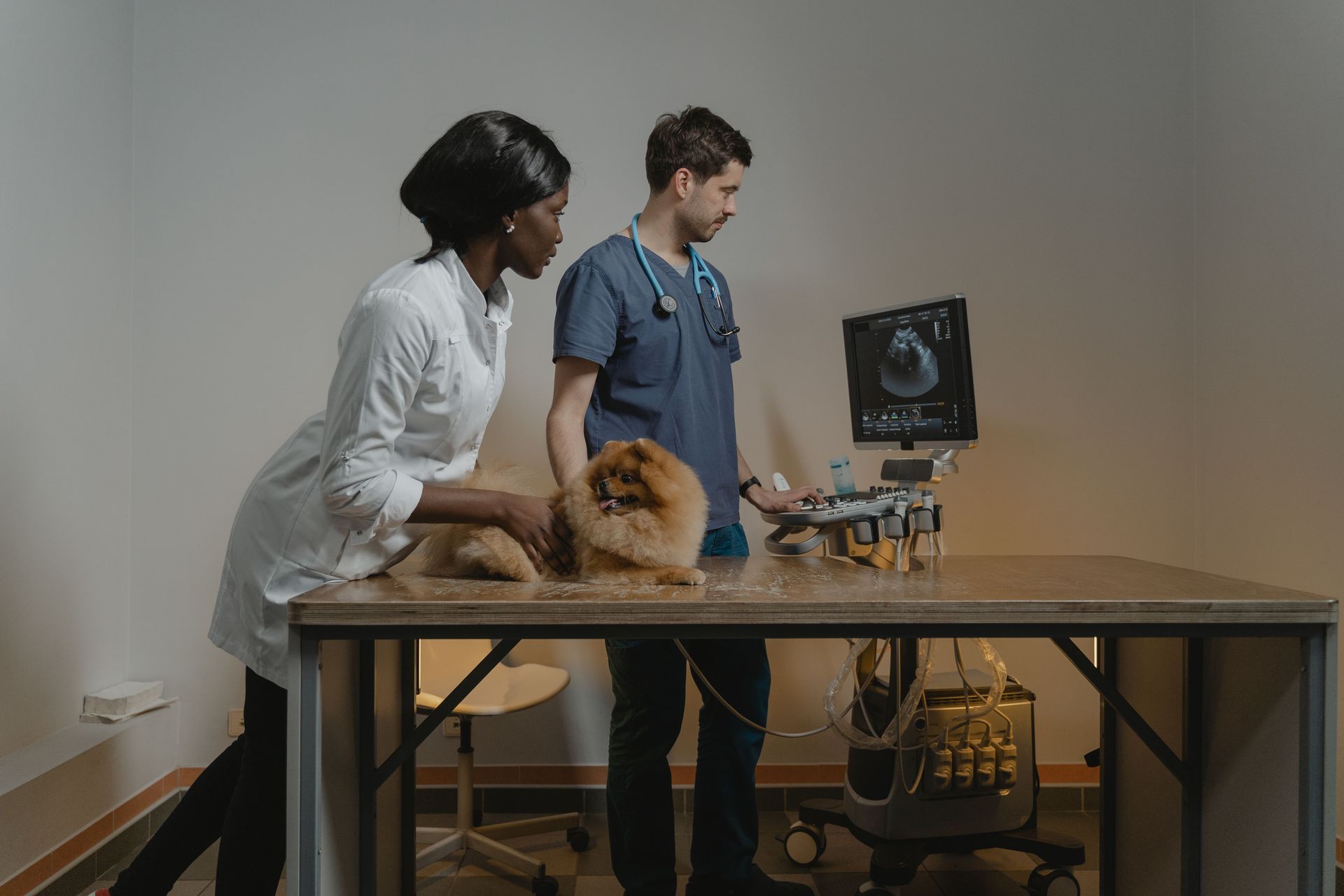
A dog's abdomen that suddenly looks swollen, feels tight or hard to the touch, or appears visibly distended is one of the most time-critical emergencies in veterinary medicine and needs immediate care. This is especially true in large, deep-chested breeds such as great danes, German shepherds, Weimaraners, and standard poodles.
The condition most closely tied to this symptom is gastric dilatation-volvulus, commonly called bloat, in which the stomach fills with gas and then twists on itself, cutting off blood flow. Without emergency surgery, bloat can be fatal within a matter of hours. Warning signs beyond the visible swelling include repeated attempts to vomit that produce little or nothing, pacing or restlessness, drooling, a rapid heart rate, and obvious discomfort when the abdomen is touched.
Bloat tends to develop quickly, often within an hour or two of eating a large meal, drinking a large amount of water, or exercising heavily right after eating, which is part of why veterinarians commonly recommend feeding large or deep-chested breeds two smaller meals a day instead of one large one. Dogs that have already experienced bloat once are at higher risk of it happening again, and some owners of high-risk breeds choose a preventive surgery called gastropexy, which tacks the stomach in place to stop it from twisting.
Not every case of abdominal swelling is bloat. A distended belly can also result from fluid buildup related to heart or liver disease, an enlarged organ, or in unspayed female dogs, a uterine infection called pyometra, which is also a surgical emergency. Because the underlying causes range from serious to immediately life-threatening, any sudden abdominal swelling, regardless of the dog's breed or size, should be treated as a reason to seek emergency veterinary care right away.
Owners of high-risk breeds benefit from learning what their dog's abdomen normally looks and feels like after a meal, since that makes it far easier to notice a sudden, abnormal change. A belly that looks tight, drum-like, or visibly larger than usual within an hour or two of eating is not something to wait out overnight.
Credit: Sóc Năng Động / Pexels
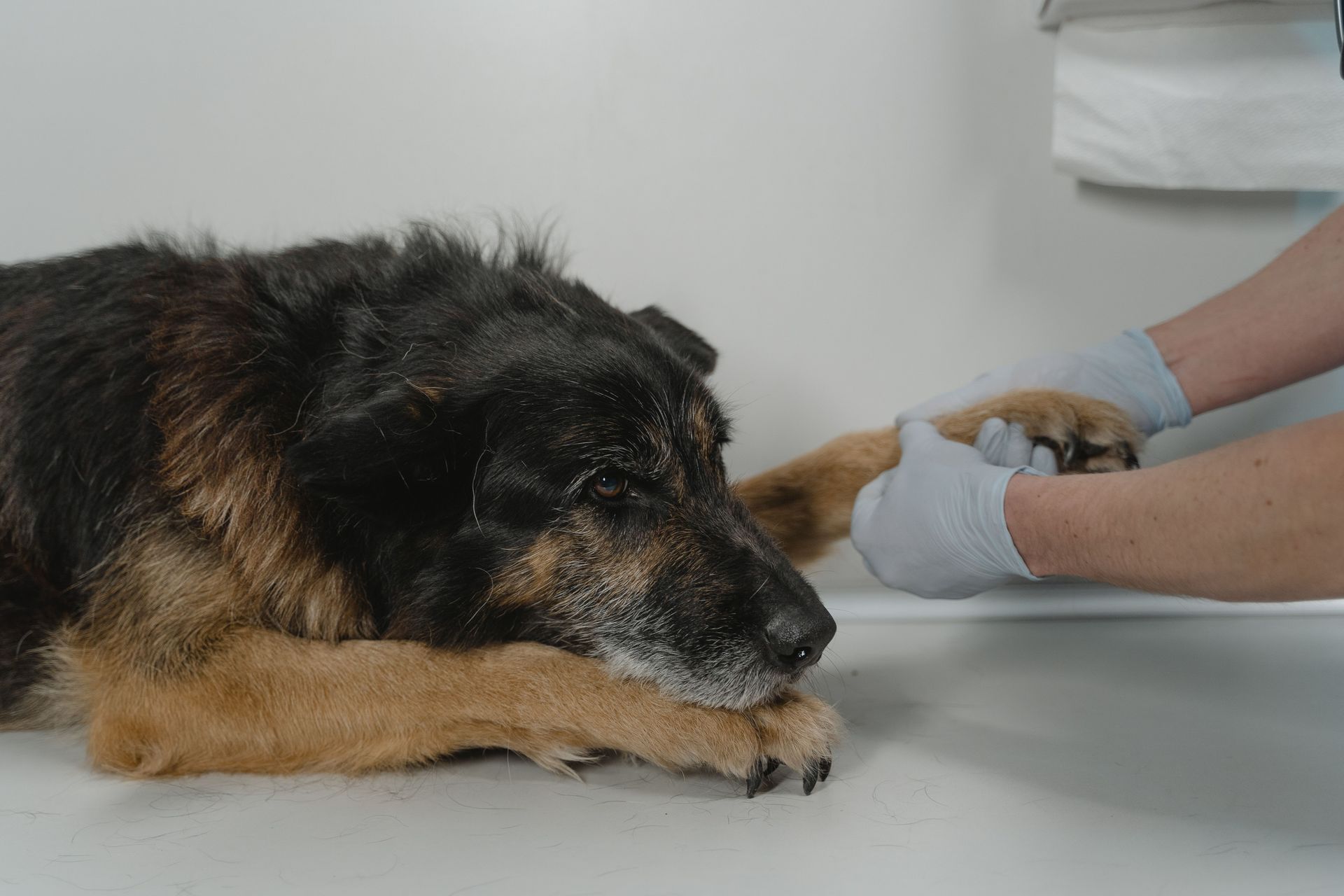
A dog that strains repeatedly to urinate, produces only small dribbles, or appears unable to urinate at all needs to see a veterinarian the same day, and complete inability to urinate is a true emergency. This is different from a dog marking territory frequently on a walk, which is a behavioral habit rather than a medical sign.
Straining with reduced urine output is often caused by a urinary tract infection or bladder stones, both of which are uncomfortable but usually treatable with medication or a scheduled procedure once diagnosed. Small breed male dogs, including dalmatians, bulldogs, and miniature schnauzers, are more prone to developing bladder stones that can partially or fully block the urethra.
A complete blockage is far more dangerous. Male dogs are at higher risk than females because their urethra is longer and narrower, making it easier for a stone to become lodged. Signs of a full obstruction include a hard, painful, distended bladder that can sometimes be felt through the abdomen, repeated unproductive attempts to urinate, vocalizing or whining during those attempts, vomiting, and lethargy as toxins build up in the bloodstream.
Left untreated, a blocked bladder can lead to kidney failure within roughly 24 to 48 hours and, in severe cases, the bladder itself can rupture. Because there is no reliable way to tell from the outside whether a dog has a partial blockage that will resolve or a complete one that will not, any dog straining to urinate without producing normal amounts should be examined by a veterinarian immediately rather than given a day to see if it improves.
Owners can help a veterinarian move faster by noting how long it has been since the dog last produced a normal amount of urine, not just when straining was first noticed. A dog that has not urinated normally in over 12 hours, combined with visible straining, should be treated with the same urgency as one that is clearly in pain, even before other symptoms appear.
Credit: Tima Miroshnichenko / Pexels
A dog having a seizure, experiencing uncontrolled tremors, or collapsing suddenly needs veterinary evaluation, and how urgently depends on how the episode unfolds. A single seizure lasting under two minutes, followed by the dog returning to normal behavior within a few minutes, still warrants a call to a veterinarian but may not require an immediate emergency visit if it is an isolated event.
Seizures that last longer than five minutes, or that occur in clusters with the dog not fully recovering in between, are a medical emergency known as status epilepticus. Prolonged or repeated seizures can cause the body's temperature to rise dangerously and can lead to lasting damage, so any seizure activity that does not stop within a few minutes needs immediate transport to an emergency veterinary hospital.
Seizures have a wide range of causes, including idiopathic epilepsy, which is the most common cause in dogs between one and five years old and often runs in certain breeds. Other causes include ingestion of toxins such as chocolate, xylitol, certain houseplants, or human medications, as well as low blood sugar, liver disease, and in older dogs, brain tumors. Because the underlying cause cannot be determined by watching a single episode, a veterinarian will typically want a full history of what the dog ate, was exposed to, or was doing right before the seizure started.
Tremors without a full seizure, where a dog shakes uncontrollably while remaining conscious and aware, can also indicate poisoning or a neurological problem and deserve the same level of attention. Sudden collapse without visible seizure activity, especially paired with pale gums or labored breathing, points more toward a heart or circulatory problem than a neurological one, and should be treated with the same urgency as a prolonged seizure.
After any seizure, it helps to note the exact start and end time along with what the dog was doing beforehand, since that timeline often matters more to a veterinarian than a general description of what the episode looked like.
Credit: Sudhir Sangwan / Pexels
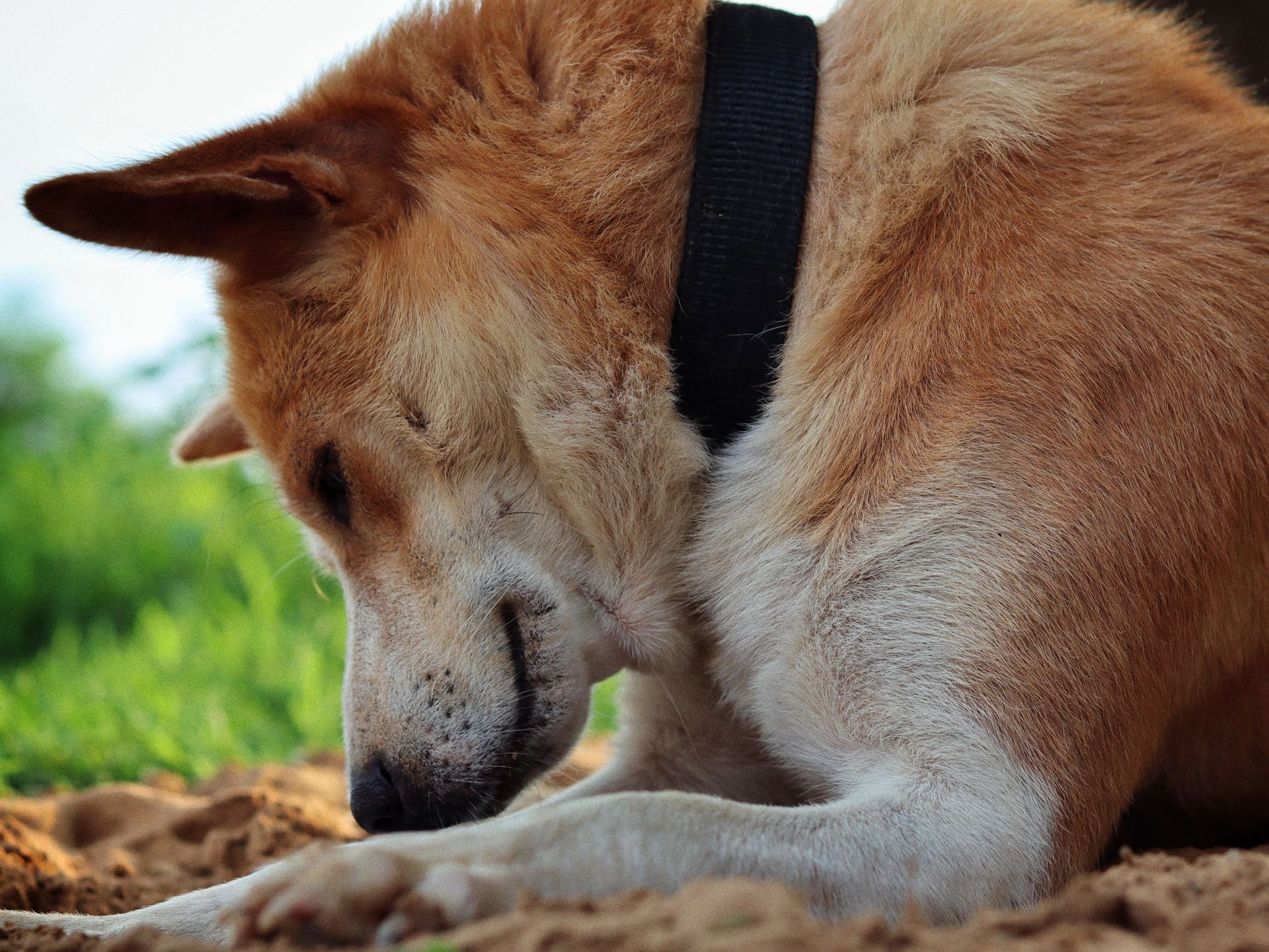
A dog drooling far more than usual while pawing at its mouth, rubbing its face on the ground, or refusing to let its jaw be touched is signaling pain or irritation somewhere in the mouth or throat that needs a same-day veterinary check. Occasional drooling before a meal or during an exciting moment is normal and not a cause for concern.
The most common cause of this combination is a dental problem, such as a broken tooth, a severe infection, or an object like a stick or bone fragment wedged between the teeth or across the roof of the mouth. These cases are painful but rarely immediately life-threatening, though they do need prompt attention to relieve the dog's discomfort and prevent infection from spreading.
A foreign object lodged further back in the throat is more urgent, particularly if the drooling is accompanied by gagging, coughing, or visible distress. If the object is partially blocking the airway, the dog may also show labored breathing or pale or blue-tinged gums, which shifts the situation into a true emergency requiring immediate care.
Sudden, heavy drooling can also be an early sign of poisoning, particularly from certain toxic plants, insect stings inside the mouth, or contact with caustic household chemicals. In these cases, drooling is often joined by vomiting, lethargy, or visible irritation around the lips and tongue. Heatstroke can cause heavy drooling as well, usually alongside intense panting and bright red gums. Because the causes range from a stuck piece of food to a blocked airway, any dog showing sudden, heavy drooling combined with distress, difficulty swallowing, or changes in breathing should be seen by a veterinarian without delay.
A quick, careful look inside the mouth can sometimes reveal an obvious cause, such as a splinter of bone wedged between teeth, but owners should avoid reaching deep into a distressed dog's mouth, since pain or panic can lead even a normally gentle dog to bite reflexively.
