
Your nervous system has a breaking point. These 15 signs mean you're close to it
Chronic sympathetic nervous system activation produces symptoms that most people attribute to stress or personality. These are the signs and the interventions with the most evidence behind them

Mart Production / Pexels
The autonomic nervous system operates as a continuous regulator of the body's internal state, managing the balance between sympathetic activation (the fight-or-flight response that prepares the body for threat) and parasympathetic restoration (the rest-and-digest state that supports recovery, digestion, immune function, and cellular repair). In a well-regulated nervous system, this balance shifts fluidly with circumstances — sympathetic activation rises to meet a challenge and falls away when the challenge passes, allowing the parasympathetic system to restore the baseline that sustained function requires.
In chronic stress, this balance breaks down. The sympathetic nervous system remains persistently elevated — not at the acute peak of an immediate threat, but at a sustained low-to-moderate level of activation that never fully resolves. This state — sometimes described as a stuck sympathetic activation, or as a dysregulated nervous system — is not simply a feeling of being stressed. It is a physiological condition with specific, measurable consequences for heart rate, muscle tension, digestion, sleep, immune function, pain sensitivity, and cognitive performance. It is also a condition that most people experience without recognizing it as such, attributing its symptoms to personality traits, aging, or stress in the generic sense rather than to a specific nervous system state that is both identifiable and addressable.
The distinction between stress and nervous system dysregulation matters because the interventions differ. Generic stress management advice — take breaks, manage your time, practice self-care — operates at the cognitive level. The nervous system interventions that most directly address chronic sympathetic activation operate at the physiological level: breathing techniques that activate vagal tone, movement practices that complete the physiological stress cycle, sensory inputs that signal safety to the threat-detection system, and social contact that activates the specific neuroendocrine pathways associated with security and belonging.
This list covers 15 specific signs of nervous system overload — the symptoms that reliably indicate that the sympathetic system is running hot and the parasympathetic system is failing to restore the baseline — along with the specific, evidence-supported interventions that most directly address each one. The framing throughout is physiological rather than psychological, because the nervous system responds to physiological inputs rather than cognitive ones, and the most common failure in managing this state is treating a body problem with mind tools alone.
Difficulty relaxing even when nothing is wrong

Kaboom Pics / Pexels
The inability to relax — the experience of sitting down in a quiet, safe environment and finding that the body remains tense, the mind remains restless, and the muscles do not release — is one of the most reliable indicators of chronic sympathetic activation. In a well-regulated nervous system, the removal of external demand allows the parasympathetic system to rise and the sympathetic system to fall, producing the subjective experience of relaxation. When the sympathetic system is chronically elevated, this transition fails to occur: the body remains in a low-level threat state regardless of the actual safety of the environment.
The physiological mechanism is the persistent elevation of circulating catecholamines (epinephrine and norepinephrine) and cortisol that maintains sympathetic tone even in the absence of active stressors. The nervous system, calibrated by repeated stress exposure to treat a higher baseline as normal, does not automatically downregulate when external demand is removed because the internal chemical environment continues to signal threat.
What helps: Extended exhalation breathing — specifically breathing patterns with an exhale at least twice as long as the inhale — directly activates vagal afferent fibers that signal the brainstem to reduce sympathetic output. This is not relaxation through distraction but a direct physiological intervention on the autonomic balance. Practice four counts in, eight counts out for five minutes at the moment when relaxation is not occurring. Research by David Anderson and colleagues consistently finds this specific ratio (2:1 exhale to inhale) produces measurable reductions in sympathetic markers within five minutes.
Startle response that feels disproportionate

RDNE Stock project / Pexels
An exaggerated startle response — jumping at ordinary sounds, reacting with alarm to minor unexpected stimuli, feeling the heart pound in response to events that do not objectively warrant it — reflects the heightened sensory threat-detection sensitivity of an overactivated amygdala and a chronically primed sympathetic nervous system. The amygdala, the brain's threat-detection center, calibrates its sensitivity based on the chronic arousal level it operates within: when baseline arousal is high, the threshold for triggering a threat response is low, producing the hair-trigger reactivity that characterizes nervous system overload.
The specific sensory modalities most affected are auditory (sudden loud sounds) and tactile (unexpected touch), because these are the threat-relevant sensory channels that the amygdala monitors most vigilantly. The exaggerated startle does not represent a pathological change in the person's personality but a physiological adjustment in the amygdala's operating parameters — one that was adaptive under acute threat conditions and is maladaptive under the chronic stress that has produced the elevated baseline.
What helps: The startle response recalibrates as baseline arousal decreases, which means that interventions that reduce chronic sympathetic activation generally (exercise, adequate sleep, reduced inflammatory load) will over time reduce the startle sensitivity. For immediate symptom management, the research on interoceptive awareness — the deliberate attention to internal body sensations without evaluation — suggests that brief periods of body scanning (3 to 5 minutes of systematically attending to physical sensations without trying to change them) reduce amygdala reactivity in the short term by engaging the prefrontal cortex's top-down regulation of the amygdala.
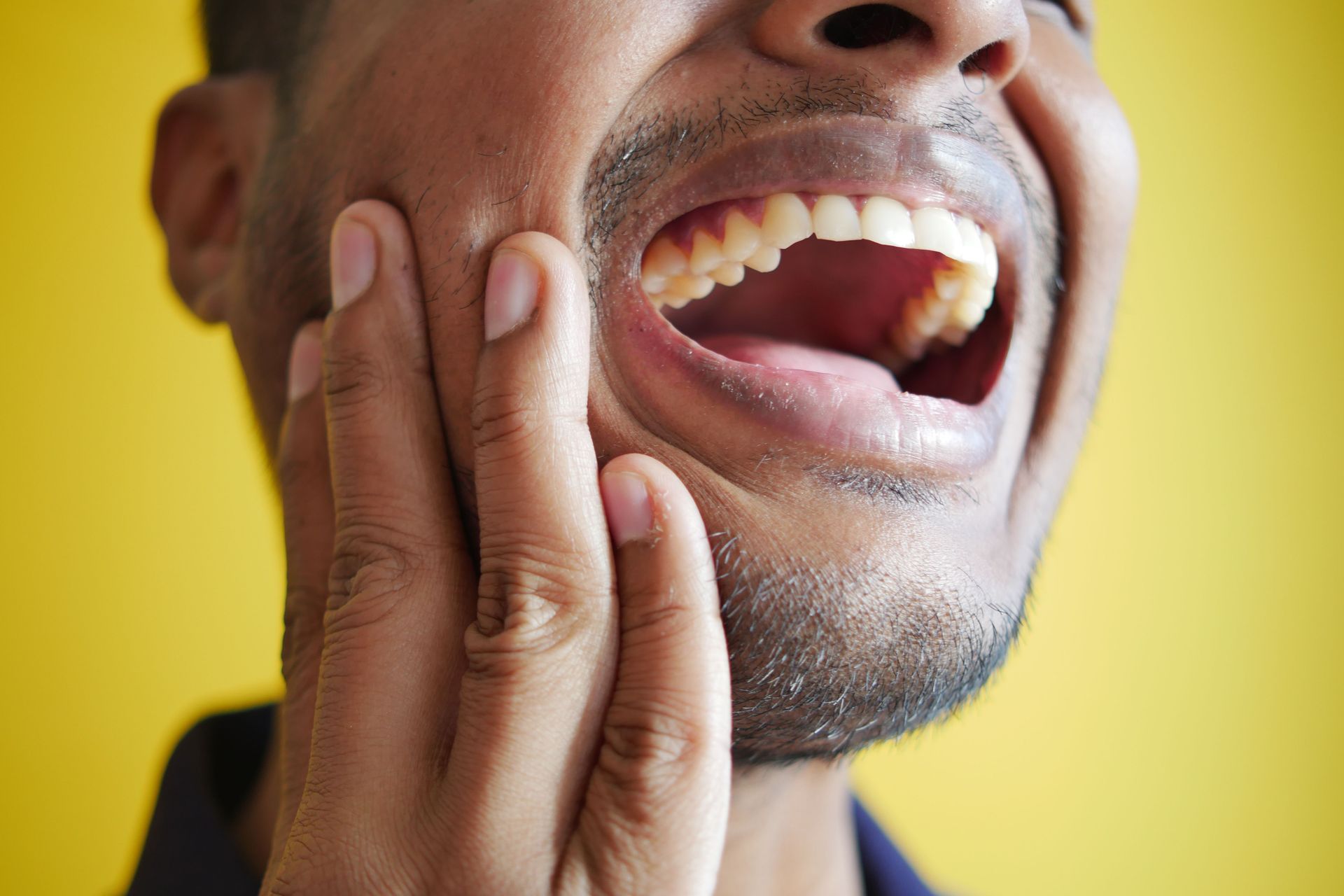
Chronic jaw tension and teeth grinding
Towfiqu Barbhuiya / Pexels
Jaw clenching and bruxism (teeth grinding) — often occurring during sleep without the person's awareness — are specific peripheral manifestations of chronic sympathetic activation. The masseter muscles (the primary jaw-closing muscles) and the temporalis (the temple muscles involved in jaw clenching) are among the muscles that tense most reliably under sympathetic activation, and their chronic tension under sustained sympathetic load produces the jaw pain, headache, and dental wear associated with bruxism.
The specific physiological connection: the trigeminal nerve — the primary sensory and motor nerve of the face and jaw — has direct connections with the sympathetic nervous system, and sympathetic activation produces reflex increases in jaw muscle tone through trigeminal-sympathetic pathways. This is why jaw tension is a reliable sympathetic state indicator — it responds to sympathetic activation through a direct neurological pathway rather than through conscious behavioral tension.
What helps: Progressive $PGR muscle relaxation of the face and jaw — deliberately tensing the masseter and temporalis muscles for five seconds, then releasing — is more effective than simply trying to relax the jaw directly, because it works with the tension-release contrast rather than against the existing muscle tone. Magnesium glycinate (300 to 400mg before bed) has documented evidence for reducing bruxism severity through its muscle relaxant and NMDA receptor modulation effects. Mouth guards address the dental consequences but not the underlying nervous system state.
Digestive disruption without clear dietary cause

cottonbro studio / Pexels
The gut is the largest collection of nervous tissue outside the brain — the enteric nervous system contains approximately 500 million neurons — and it is directly regulated by the autonomic nervous system through the vagus nerve. Sympathetic activation reduces digestive secretions, slows gastric emptying, reduces intestinal motility, and alters gut microbiome composition through its effects on the gut's immune and secretory environment. The result is the cluster of digestive symptoms — nausea, constipation, diarrhea, bloating, reduced appetite, or hypersensitivity to foods that were previously tolerated — that characteristically accompanies chronic sympathetic activation.
The specific mechanism of stress-related digestive disruption is not simply "stress causes stomach issues" but the direct parasympathetic withdrawal that sympathetic dominance produces. Digestion is an active, energy-intensive process that the body deprioritizes under threat: blood flow is redirected from the gut to the large muscle groups, secretory activity decreases, and gut motility becomes erratic. Under sustained sympathetic dominance, this deprioritization of digestive function becomes chronic.
What helps: Diaphragmatic breathing before and during meals activates the vagus nerve and shifts the autonomic balance toward parasympathetic, specifically improving digestive function. Eating in a calm, unhurried environment — avoiding eating at a desk while working or eating quickly standing up — allows the parasympathetic activation that optimal digestion requires. Heat (a hot water bottle or heating pad on the abdomen) directly stimulates vagal afferents in the gut wall and reduces gut motility dysregulation.
Light sensitivity and sensory overwhelm

Joy Marino / Pexels
Sensitivity to light, sound, and sensory stimulation that previously did not cause distress — finding bright lights painful, loud environments intolerable, or multiple simultaneous sensory inputs (a crowded, noisy restaurant) genuinely overwhelming — reflects the central sensitization and sensory gating impairment that chronic sympathetic activation produces. The nervous system in a chronic threat state allocates more processing resources to threat-relevant sensory channels and reduces the sensory gating (the filtering of irrelevant stimuli) that normally prevents sensory overload.
Stephen Porges's polyvagal theory provides a specific framework for understanding this symptom: under high sympathetic activation, the dorsal vagal complex (associated with the most primitive defensive states) can produce a shutdown response that includes sensory hypersensitivity as a feature of the defensive state, because heightened sensory vigilance was adaptive under ancestral threat conditions. The practical consequence is that environments that were previously comfortable feel genuinely overwhelming, not because the person has become more fragile but because their nervous system's sensory processing parameters have changed.
What helps: Gradual, controlled sensory exposure to previously tolerable environments — beginning with shorter exposures and quieter settings and gradually building tolerance — recalibrates sensory gating over time. Chewing gum has documented evidence for reducing sensory overwhelm by activating the same jaw movement patterns associated with eating, which the nervous system associates with safety (animals do not chew when under immediate threat). Wearing sunglasses in bright environments and using noise-cancelling headphones in loud ones reduces the ongoing sensory load while the underlying nervous system state is being addressed.
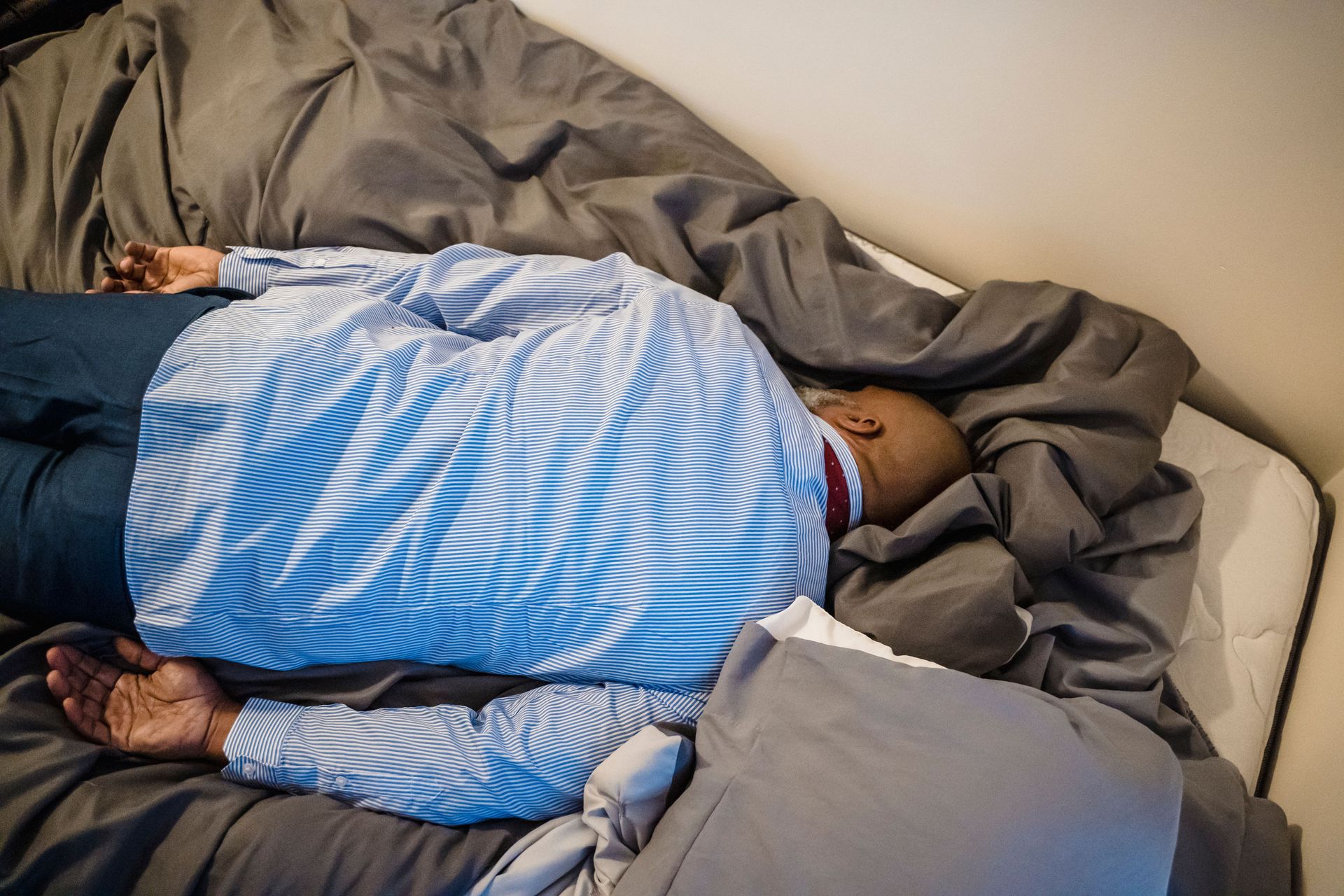
Fatigue that sleep does not resolve
Nicola Barts / Pexels
The specific fatigue of nervous system overload — the tiredness that persists despite adequate sleep, that is present upon waking and does not lift with normal rest — is distinct from ordinary tiredness and from the fatigue associated with specific medical conditions. It reflects the energetic cost of sustained sympathetic activation: the chronic low-level fight-or-flight response consumes significant metabolic resources — glucose, oxygen, ATP — without the physical exertion that would normally accompany sympathetic activation, producing a state of metabolic depletion that sleep partially addresses but does not fully resolve.
The specific mechanism involves cortisol dysregulation in chronic stress: the normal cortisol awakening response (a rapid increase in cortisol within 30 minutes of waking that provides the energizing signal to begin the day) becomes blunted in chronic stress, while cortisol levels remain elevated in the evening (when they should be low), producing the characteristic pattern of morning fatigue and difficulty sleeping at night. This cortisol pattern — known as HPA axis dysregulation — is measurable in saliva samples and reflects the failure of the normal circadian stress hormone rhythm under chronic load.
What helps: Morning light exposure within 30 minutes of waking — specifically outdoor light without sunglasses, for 5 to 10 minutes — is one of the most evidence-supported interventions for normalizing the cortisol awakening response. Andrew Huberman's research at Stanford on the neurological basis of this response identifies the specific retinal ganglion cells (intrinsically photosensitive retinal ganglion cells, or ipRGCs) that drive the morning cortisol signal, and morning light exposure as their primary activator. Avoiding caffeine before 9:30am (allowing the natural cortisol rise to complete before adding a stimulant) reduces the cortisol dysregulation that morning caffeine compounds.
Difficulty concentrating or completing tasks

Mikhail Nilov / Pexels
The cognitive consequences of chronic sympathetic activation — difficulty sustaining attention, moving between tasks with high effort, forgetting things that were previously easy to retain, feeling mentally scattered or foggy — reflect the specific effects of sustained cortisol and norepinephrine elevation on prefrontal cortex function. The prefrontal cortex (PFC), responsible for working memory, attention regulation, planning, and cognitive flexibility, is particularly sensitive to stress hormones: acute stress can enhance PFC function in the short term, but sustained stress exposure impairs it through glucocorticoid receptor downregulation and dendritic retraction.
The attentional effect is specific: under chronic sympathetic activation, attention control becomes biased toward threat-relevant stimuli (potential threats in the environment, unresolved stressors, emotionally significant stimuli) at the expense of deliberate, task-directed attention. This is adaptive for threat detection and maladaptive for the sustained cognitive work that modern professional life requires. The experience of trying to focus and finding the mind repeatedly pulled elsewhere is the experiential correlate of this attentional bias.
What helps: Brief aerobic exercise (20 to 30 minutes of walking, running, or cycling at moderate intensity) produces a dose-dependent improvement in prefrontal cortex function that persists for 2 to 3 hours post-exercise, through the upregulation of norepinephrine and BDNF that aerobic exercise produces. John Ratey's research at Harvard documents this "exercise as Ritalin" effect specifically in the context of attention and executive function. Even a 10-minute walk before a demanding cognitive task produces measurable improvements in sustained attention.
Sleep that doesn't feel restful even at adequate length

Vitaly Gariev / Pexels
Waking after 7 to 8 hours of sleep feeling unrefreshed, alert but not rested, or needing longer than 30 minutes to feel functional — without obvious insomnia or fragmented sleep — indicates that the sleep architecture is disrupted in ways that reduce slow-wave sleep and REM sleep quality. Chronic sympathetic activation specifically impairs slow-wave sleep by maintaining a level of cortical arousal incompatible with the deep delta wave activity of stage 3 and 4 sleep, and by elevating inflammatory markers that interfere with the sleep-promoting adenosine signaling that drives sleep depth.
The polysomnographic (sleep study) signature of chronic stress is recognizable: reduced slow-wave sleep percentage, increased time in lighter stage 1 and 2 sleep, elevated heart rate throughout the night (reflecting sustained sympathetic tone), and reduced heart rate variability (a direct measure of parasympathetic activity during sleep that is systematically reduced in chronic stress). These changes occur without the person necessarily waking, which is why they report "sleeping through the night" but not feeling rested.
What helps: Yoga nidra — a structured guided relaxation practice involving a body scan and visualization protocols — has specific evidence for improving sleep quality by inducing parasympathetic states during the practice that persist into the subsequent sleep period. A 2021 randomized controlled trial found that 30 minutes of yoga nidra before bed significantly improved slow-wave sleep percentage compared to passive rest. Cold water immersion (face in cold water for 30 seconds, or a cool shower before bed) activates the diving reflex through trigeminal nerve stimulation, producing a strong parasympathetic response.
Feeling easily overwhelmed by normal demands

energepic.com / Pexels
The experience of ordinary demands — a moderately full inbox, an unexpected request, a minor logistical complication — producing a disproportionate sense of overwhelm or near-inability to cope reflects the allostatic overload of a nervous system operating at or near its maximum sustainable stress load. Allostasis is the process by which the body maintains stability through change; allostatic overload is the state in which the cumulative physiological cost of that adaptation has depleted the reserves required for further response.
Bruce McEwen's research at Rockefeller University on allostatic load — the cumulative physiological burden of chronic stress — identified the specific biomarker profile (elevated cortisol, elevated blood pressure, elevated waist-to-hip ratio, impaired immune function) that characterizes the allostatic overload state, and documented its effects on the brain regions (prefrontal cortex, hippocampus, amygdala) that regulate the stress response itself. The specific consequence relevant to the feeling of overwhelm: the hippocampus, whose volume is reduced by chronic cortisol exposure, is central to the contextual appraisal that distinguishes manageable challenges from genuine threats — its impairment reduces this discrimination, making ordinary demands feel threatening.
What helps: Reducing total allostatic load through any reliable mechanism — exercise, sleep improvement, social connection, inflammation reduction — increases the available reserve for handling demands without overwhelm. In the immediate term, temperature regulation through mild cold (cold water on the face or wrists) activates the vagus nerve and rapidly reduces sympathetic output, providing a brief physiological reset that can reduce the overwhelm response to a specific acute trigger.
Heightened emotional reactivity

Mart Production / Pexels
Emotional reactions that feel disproportionate — crying at something minor, anger that exceeds the trigger, anxiety that arrives before there is any identifiable reason for it — reflect the reduced top-down regulation of the amygdala that chronic prefrontal cortex impairment produces under sustained stress. The normally robust regulation of emotional responses by the prefrontal cortex (PFC) — the brain's emotional regulation system — requires PFC function at a level that chronic sympathetic activation impairs, producing the characteristic emotional volatility of nervous system overload.
Lisa Feldman Barrett's theory of constructed emotion is directly relevant: emotional experiences are predictions constructed by the brain from interoceptive signals, and a brain in a state of high arousal will systematically construct more negative and more intense emotional experiences from the same objective circumstances than a brain in a low-arousal state. The person who experiences disproportionate emotional reactions is not, in this framework, being irrational — they are constructing emotions from a physiological state that is genuinely different from a regulated baseline.
What helps: The specific intervention with the most evidence for rapid emotional regulation under acute conditions is physiological sigh — a double inhale through the nose followed by a complete, extended exhale through the mouth. Research by Andrew Huberman and David Spiegel at Stanford (published in Cell Reports Medicine, 2023) found that this single breathing maneuver produced the fastest measured reduction in physiological arousal across multiple comparison conditions, including mindfulness meditation. One to three physiological sighs during or immediately after an emotional reaction measurably reduces the arousal that produced it.
Chronic muscle tension without physical exertion

Kaboom Pics / Pexels
Persistent muscle tension — particularly in the neck, shoulders, upper back, and jaw — that is present in the absence of physical exertion or injury reflects the global increase in skeletal muscle tone that sympathetic activation produces as part of the physiological preparation for fight or flight. The muscles involved in threat-relevant movement (those that brace the body for impact, pull the shoulders forward into a protective posture, and maintain the head in a scanning-for-threat orientation) are specifically targeted by sympathetic activation, and their sustained tension under chronic sympathetic load produces the muscle pain and postural changes associated with chronic stress.
The forward head posture, raised shoulders, and shallow thoracic breathing that typically accompany sustained sympathetic activation are not merely bad postural habits but specific adaptations to a perceived threat state — the body is maintaining the configuration appropriate for a threat that has not resolved, and the muscles required to maintain that configuration remain chronically contracted.
What helps: Extended shaking or tremoring — as used in Tension and Trauma Releasing Exercises (TRE), developed by David Berceli — discharges chronic muscle tension through a neurological mechanism distinct from stretching. The shaking activates proprioceptive feedback that down-regulates the gamma motor neuron activity maintaining the chronic muscle tension, producing muscle relaxation that stretching alone cannot achieve. Sustained cardiovascular exercise (running, cycling) that involves the large muscle groups completes the physiological stress cycle — the sympathetic activation that was initiated without physical action is resolved through physical movement, allowing subsequent parasympathetic recovery.
Immune dysregulation — getting sick frequently

Gustavo Fring / Pexels
The immune system is regulated in part by the autonomic nervous system, and chronic sympathetic activation produces a characteristic pattern of immune dysregulation — elevated inflammatory cytokines (particularly IL-6 and TNF-α), reduced natural killer cell activity, and impaired adaptive immune responses — that increases vulnerability to both infectious illness and inflammatory conditions. People who are in a state of chronic nervous system overload report getting sick more frequently with upper respiratory infections, experiencing slower recovery from illness, and in some cases experiencing flares of pre-existing inflammatory conditions.
Sheldon Cohen's research at Carnegie Mellon University, using controlled challenge studies in which healthy participants were exposed to common cold viruses under laboratory conditions, demonstrated that psychological stress (measured by questionnaire and biological markers) was directly predictive of susceptibility to viral infection — people under high stress were significantly more likely to develop clinical illness after viral exposure than those under low stress, even when initial viral exposure was identical. The mechanism operates through the immune-suppressing and immune-dysregulating effects of elevated cortisol and catecholamines.
What helps: The immune consequences of nervous system overload are among the slower to resolve and most directly dependent on reducing the overall sympathetic load — there is no specific short-term intervention that restores immune function while chronic sympathetic activation persists. The most direct path is through the interventions that reduce allostatic load over weeks: sleep normalization, exercise, reduced inflammatory diet, and social connection (which specifically improves natural killer cell activity through oxytocin-mediated immune pathways).
Difficulty tolerating uncertainty

Monstera Production / Pexels
The specific cognitive symptom of intolerance of uncertainty — the inability to accept ambiguous or unresolved situations without anxiety, the drive to achieve certainty (even through worry, which at least feels active) rather than tolerating not-knowing — is both a sign and a perpetuator of nervous system overload. The threat-detection system of a chronically activated nervous system interprets uncertainty as threat, because in the ancestral environment, uncertain situations were genuinely more dangerous than known ones. The result is that the stressed nervous system drives the cognitive system toward certainty-seeking behaviors (worry, rumination, information seeking) that are often more exhausting than the underlying uncertainty.
Uncertainty intolerance increases under stress and resolves as nervous system regulation is restored — it is not primarily a personality trait but a physiological state. Michel Dugas's research on the neuroscience of intolerance of uncertainty at Concordia University documents the specific brain states associated with high uncertainty intolerance and their relationship to sympathetic nervous system activation.
What helps: Scheduled worry time — a daily 15 to 20-minute period set aside specifically for worrying about uncertain situations, with active discouragement of worry outside this window — has clinical trial evidence for reducing total worry time and its physiological consequences, by providing a controlled outlet for the uncertainty-resolution drive rather than suppressing it entirely. The practice works by acknowledging the drive toward certainty without allowing it to dominate the entire waking period.
Loss of enjoyment in activities that previously felt good

Aleks Michajlowicz / Pexels
Anhedonia — the reduced capacity to experience pleasure or anticipatory motivation for activities that previously provided enjoyment — is a specific sign of dopaminergic system dysregulation under chronic stress, distinct from depression in its etiology but overlapping in its symptom profile. Sustained cortisol elevation down-regulates dopamine D2 receptors in the nucleus accumbens (the brain's primary reward processing center), reducing the hedonic response to stimuli that were previously rewarding and producing the flat, muted experience of activities that previously felt engaging.
The experience is specific: not that the activities have become objectively less enjoyable, but that the internal response to them — the anticipatory pleasure, the engagement during the activity, the satisfaction afterward — has become muted or absent. This is the physiological basis for the observation that stressed people stop doing the things they used to enjoy, and why this withdrawal tends to compound rather than improve the stress state.
What helps: Behavioral activation — the deliberate scheduling and performance of previously enjoyable activities regardless of the current level of anticipated pleasure, based on the principle that the physiological response to activity is greater when actually engaged in it than when anticipating it — is the primary evidence-supported intervention. The dopaminergic response to reward is partially maintained even when the anticipatory pleasure is reduced, and the experience of engagement gradually recalibrates the D2 receptor sensitivity that sustained stress has reduced.
Hypervigilance in safe environments

Atahan Demir / Pexels
Scanning behavior — the tendency to continuously monitor the environment for potential threats, to notice exits, to sit with the back to the wall, to track the movements of others in a room — in environments that are objectively safe is the behavioral signature of a nervous system whose threat-detection system has been recalibrated to a higher baseline sensitivity. The amygdala, operating at heightened sensitivity from chronic sympathetic activation, flags as potentially threatening stimuli that a regulated nervous system would process as neutral.
Peter Levine's somatic experiencing framework identifies hypervigilance as a specific sign of incomplete stress cycle resolution — the physiological state associated with an unresolved threat that the nervous system has not yet fully processed and closed. The threat response that was initiated (whether from an acute event or from sustained chronic stress) has not been physiologically completed, leaving the nervous system in a state of suspended readiness that manifests as hypervigilance.
What helps: Orienting practices — deliberately and slowly scanning the physical environment, naming what is seen, and allowing the nervous system to complete the environmental assessment it is driving — specifically reduce hypervigilance by satisfying the threat-detection system's information-seeking drive with evidence of safety rather than suppressing the drive. Deb Dana's clinical work on polyvagal-informed therapy has developed specific orienting protocols that are now used in trauma therapy and in general nervous system regulation practice. A basic version: sit or stand, look slowly around the room, name five things you can see, allow the gaze to settle on each object for several seconds, and notice whether the body's sense of safety increases.