
Learn the signs of heatstroke in dogs, from heavy panting to collapse, and the specific steps that can protect your dog until you reach a veterinarian
Credit: gabesdotphotos photographer / Pexels
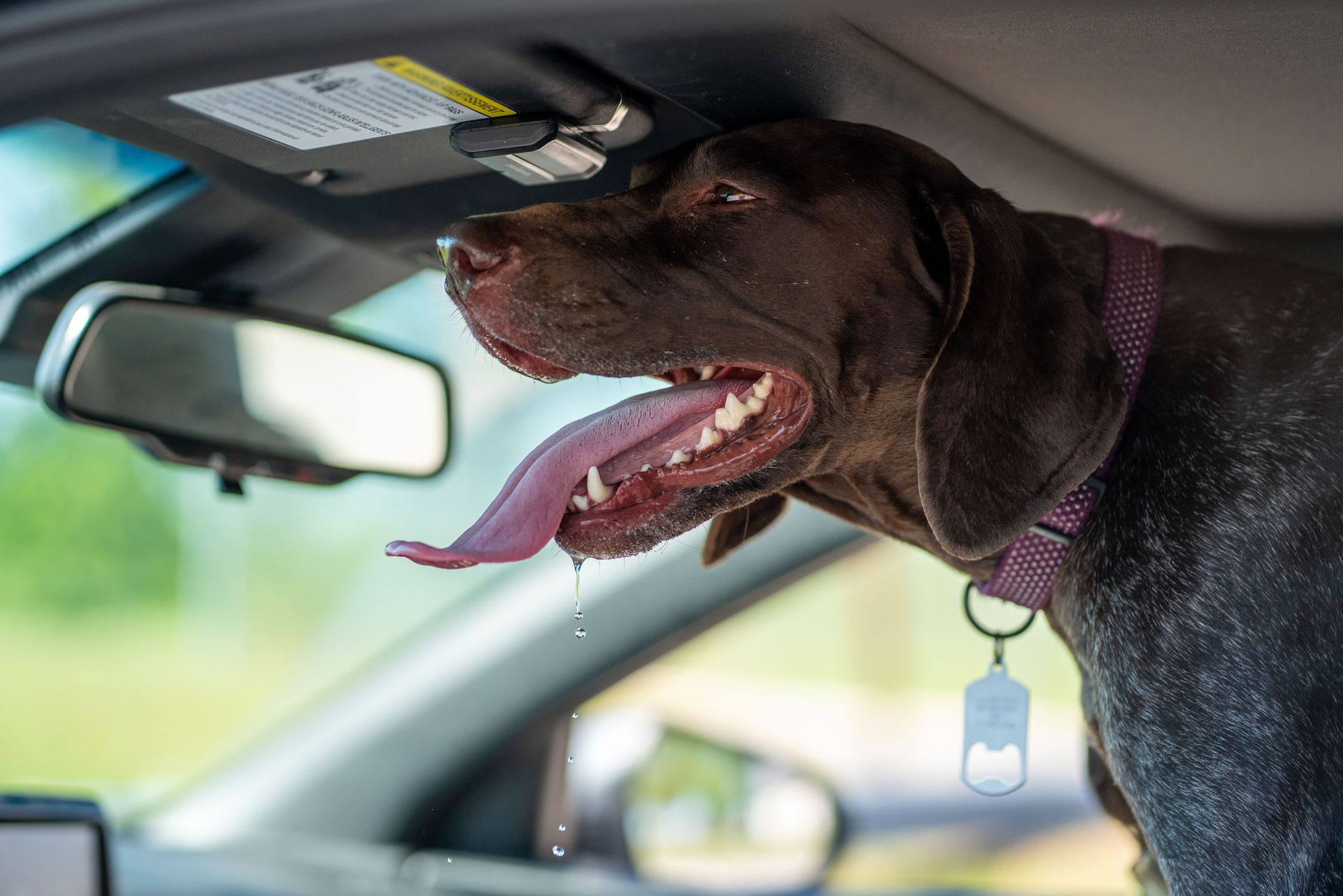
Dogs cool themselves far less efficiently than people do. Most of a dog's body has no sweat glands, so panting and a small amount of moisture through the paw pads are its main defenses against heat. That makes overheating one of the most common warm weather emergencies a dog owner will face, and one where minutes matter. The signs of heatstroke in dogs often look mild at first: a bit more panting than usual, a slower walk, some drooling. That mildness is part of what makes the condition dangerous. By the time a dog is stumbling or vomiting, its internal temperature may already be climbing past a point the body can safely bring back down on its own.
A dog's normal body temperature sits between 101 and 102.5 degrees Fahrenheit. Once it climbs above 104 degrees, the dog is in heatstroke territory, and organ damage can begin before the dog ever collapses or loses consciousness. Certain dogs face higher risk than others. Flat faced breeds such as bulldogs, pugs, and boxers cannot pant as effectively because of their airway shape. Thick coated breeds, senior dogs, overweight dogs, and dogs with heart or respiratory conditions also overheat faster and recover more slowly than a healthy, average size dog.
This guide walks through eight signs that a dog is overheating, roughly in the order they tend to appear, and pairs each one with a specific action to take right away. Some of the advice runs counter to instinct, like cooling a dog with lukewarm water instead of ice, and getting it right can change the outcome. None of this replaces a veterinarian. Heatstroke is a medical emergency even when a dog seems to bounce back quickly, because damage to the kidneys, blood vessels, or brain can surface hours later. The goal here is to help an owner spot the problem early and start the right response in the first few minutes, which are usually the ones that matter most.
Credit: Malama Mushitu / Unsplash
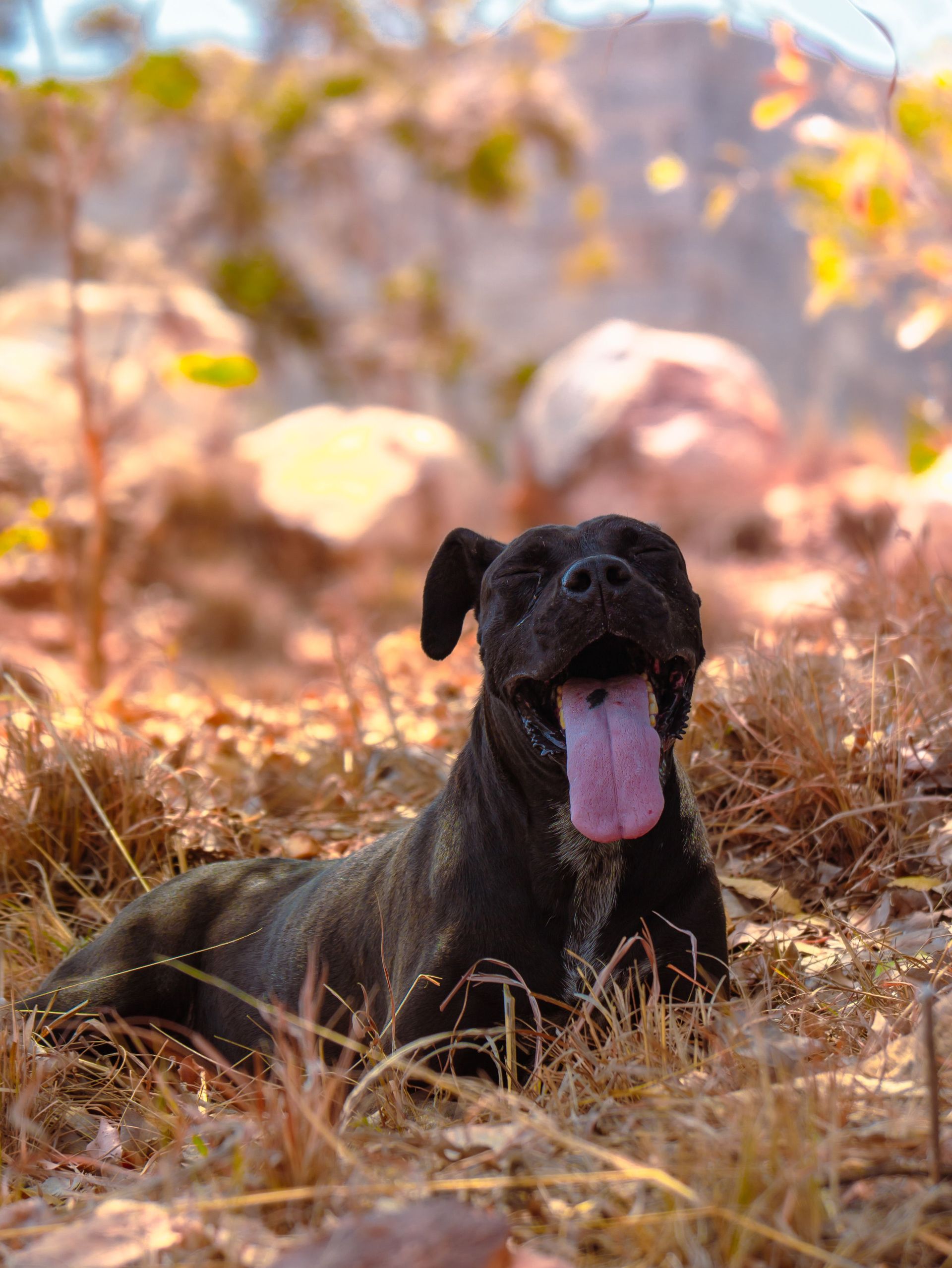
Panting that is loud, rapid, and doesn't slow down even after a dog stops moving and settles in the shade is usually the first visible sign that it is overheating. Ordinary panting after a walk or play session eases within a few minutes of rest. Heat-stress panting stays fast and open mouthed, often with the tongue hanging far out and curled at the edges, and it does not respond to a change in activity level the way normal panting does.
This happens because panting is a dog's primary cooling system. Air moving rapidly across the moist surfaces of the tongue, mouth, and upper airway evaporates saliva and pulls heat out of the blood passing close to the surface there. When the air temperature and humidity are both high, that system loses efficiency fast, since evaporation slows in humid air. The dog compensates by panting harder, which raises its heart rate and muscle activity, which in turn generates more internal heat. It becomes a cycle that a dog cannot break on its own once it is underway.
If a dog is panting this way, move it out of direct sun and into shade or an air-conditioned room immediately. Offer cool, not ice cold, water and let the dog drink at its own pace rather than forcing water into its mouth. Wet the dog's paws and the fur along its belly with cool water from a hose or damp towel, since evaporation from those areas helps lower body temperature without the shock of very cold water on the skin. A fan pointed at the dog speeds up that evaporative cooling. If the panting does not ease within 10 to 15 minutes in a cool environment, or if any other sign on this list appears alongside it, treat it as an emergency and call a veterinarian right away rather than waiting to see if it resolves.
Credit: Krista Glīzdeniece / Pexels
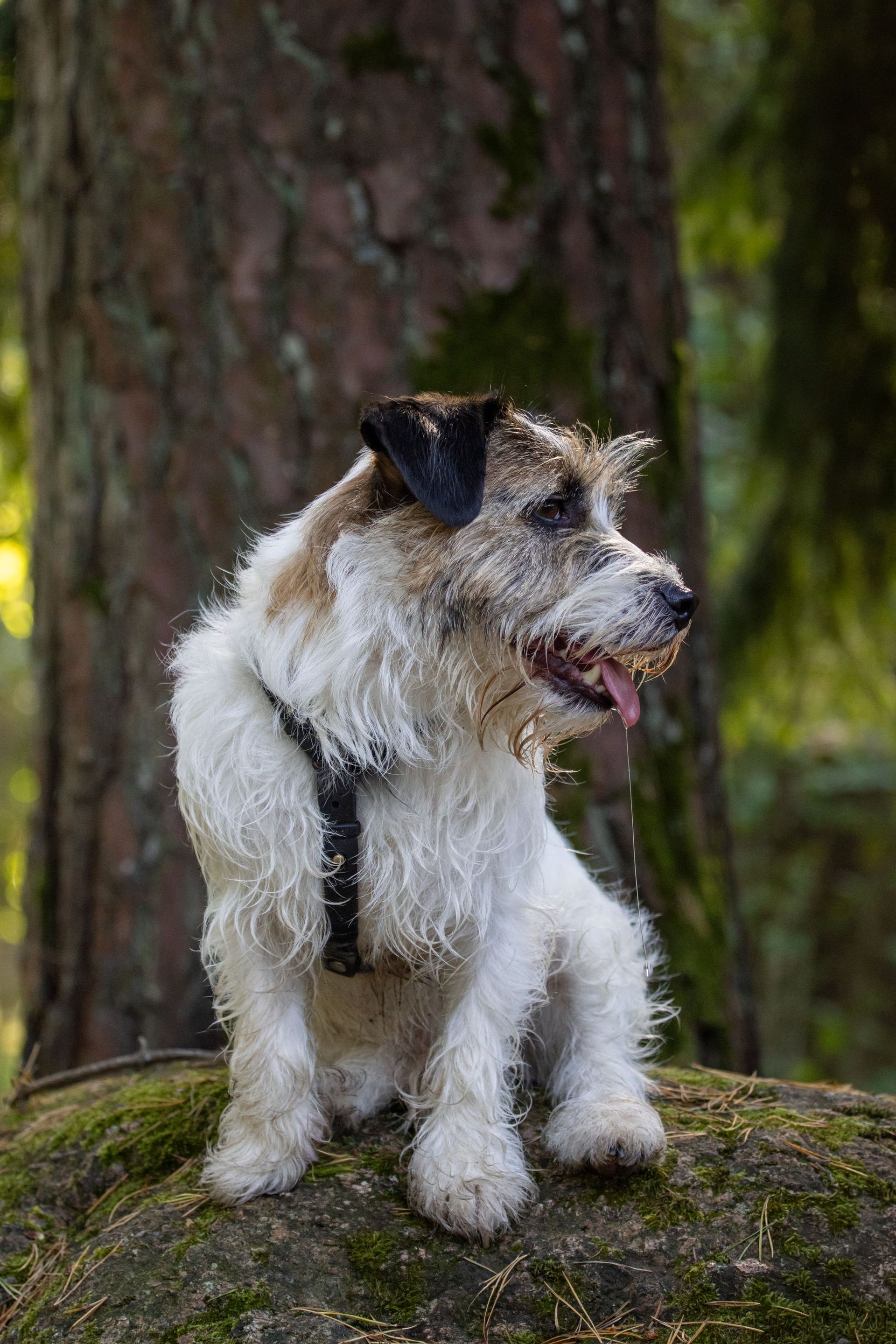
Saliva that turns thick and stringy, or drooling that soaks a dog's chest and front paws, signals that its body is straining to cool itself through evaporation and is starting to lose the battle. This is different from the light drool some breeds produce normally. Heat-related drooling tends to appear suddenly, alongside heavy panting, and often looks foamier or more viscous than a dog's usual saliva.
The mechanism is tied closely to panting. As a dog's respiratory rate climbs, saliva production increases to keep the airway and tongue moist enough to sustain rapid evaporation. When the cooling system is overwhelmed, saliva output can outpace what a dog swallows normally, leaving it pooling around the mouth and dripping steadily. Brachycephalic breeds, including French bulldogs, English bulldogs, and pugs, tend to drool more heavily during overheating because their shortened airways already make panting less effective, forcing saliva production to work harder to compensate.
If a dog starts drooling heavily in warm weather, check its gums right away for color changes, since drooling combined with pale or bright red gums points toward a more advanced stage of heatstroke. Move the dog indoors or into shade immediately. Apply cool, wet towels to the areas where large blood vessels sit close to the skin: the neck, the armpits, and the groin. Cooling blood at those points lowers the temperature of blood circulating to the rest of the body more efficiently than cooling the back or the top of the head. Avoid covering the dog with a soaked towel and leaving it in place, since a wet towel that warms against the skin can trap heat rather than release it; instead, wipe the area, let it air, and reapply cool water repeatedly. Contact a veterinarian if drooling is heavy, sudden, and paired with restlessness or panting that will not settle.
Credit: Tima Miroshnichenko / Pexels
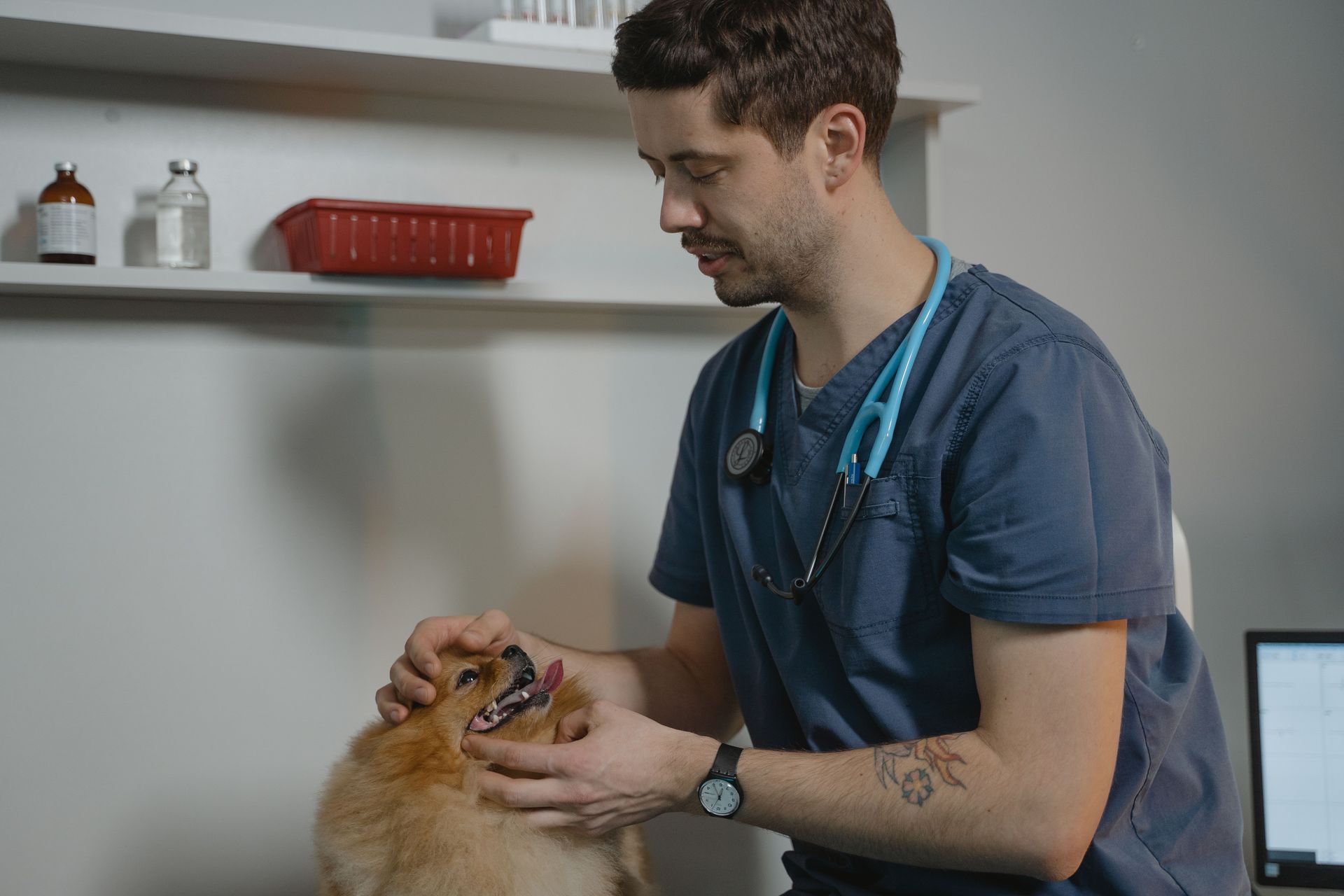
Gums that turn brick red or dark pink often mark an early stage of overheating, while gums that fade to pale pink, gray, or blue signal a later and more dangerous stage involving shock. Checking gum color takes seconds and gives one of the clearest windows into how a dog's circulation is responding to heat.
Early in overheating, blood vessels near the surface of the gums and tongue widen to help release heat, which is why gums often look flushed and unusually red. As heatstroke progresses and the body struggles to maintain blood pressure and oxygen delivery, blood is redirected away from the gums toward vital organs, and the tissue can turn pale, gray, or take on a bluish or purplish tint. That color shift indicates the dog has moved from heat stress into a stage where organ function is at risk.
A simple check called capillary refill time can add useful information. Press a finger against the dog's gum until it turns white, release, and count how long it takes the pink color to return. Under two seconds is normal; anything noticeably slower suggests poor circulation. If gums are bright red, begin cooling the dog immediately with lukewarm water on the neck, armpits, and groin, move it to shade or air conditioning, and monitor closely. If gums are pale, gray, or blue, treat this as a life-threatening emergency: continue cooling on the way to the car, but do not delay transport to try to fully cool the dog first. Call an emergency veterinary clinic while en route so staff can prepare before the dog arrives, since pale or bluish gums combined with heat exposure often mean the dog needs oxygen support and intravenous fluids that cannot be provided at home. Checking gum color once is useful, but checking it again every few minutes during the drive gives a clearer picture of whether the dog is stabilizing or continuing to decline, and that trend matters more to a veterinary team than any single reading.
Credit: Johannes W / Unsplash
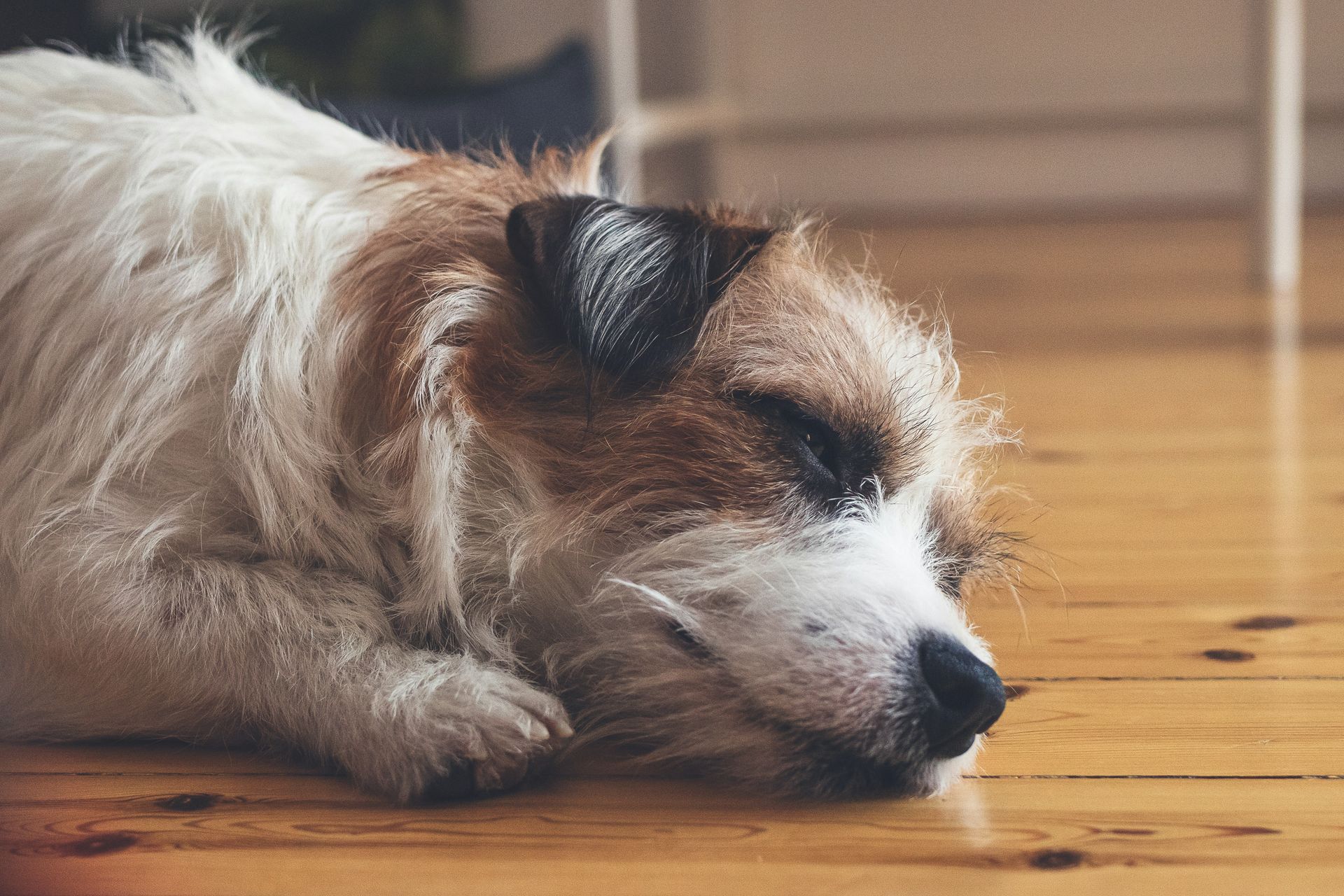
Vomiting or diarrhea during or after heat exposure signals that overheating has begun damaging the lining of the digestive tract, and it marks a more advanced stage than panting or drooling alone. Blood in either the vomit or the stool is a sign of significant tissue damage and should be treated as a veterinary emergency without delay.
As core body temperature rises, blood flow is diverted away from the digestive system toward the skin and muscles in an effort to release heat and keep the dog moving air through its lungs. That reduced blood flow, combined with the direct effect of high internal temperature on tissue, can injure the stomach and intestinal lining within a short window. The result is vomiting, loose stool, or both, and in more severe cases the gut lining breaks down enough to introduce blood, which can appear bright red or as darker, digested blood resembling coffee grounds.
Do not offer food if a dog is vomiting or has diarrhea from suspected overheating, since eating adds more work for a stressed digestive system. Small amounts of cool water are fine if the dog is willing to drink, but do not force it. Begin cooling measures right away: move the dog to shade or air conditioning, and wet the neck, armpits, and groin with cool water while avoiding ice-cold water, which can constrict blood vessels near the skin and slow heat loss from the body's core. Vomiting or diarrhea alongside heat exposure warrants a call to a veterinarian even if the dog seems to be improving, because dehydration compounds quickly in a dog that is losing fluid through panting, vomiting, and diarrhea all at once, and internal damage from heatstroke is not always visible from the outside. A veterinarian can also run bloodwork to check kidney values and clotting function, since both can be affected by heatstroke well before a dog shows any outward sign of a problem beyond an upset stomach.
Credit: ROMAN ODINTSOV / Pexels
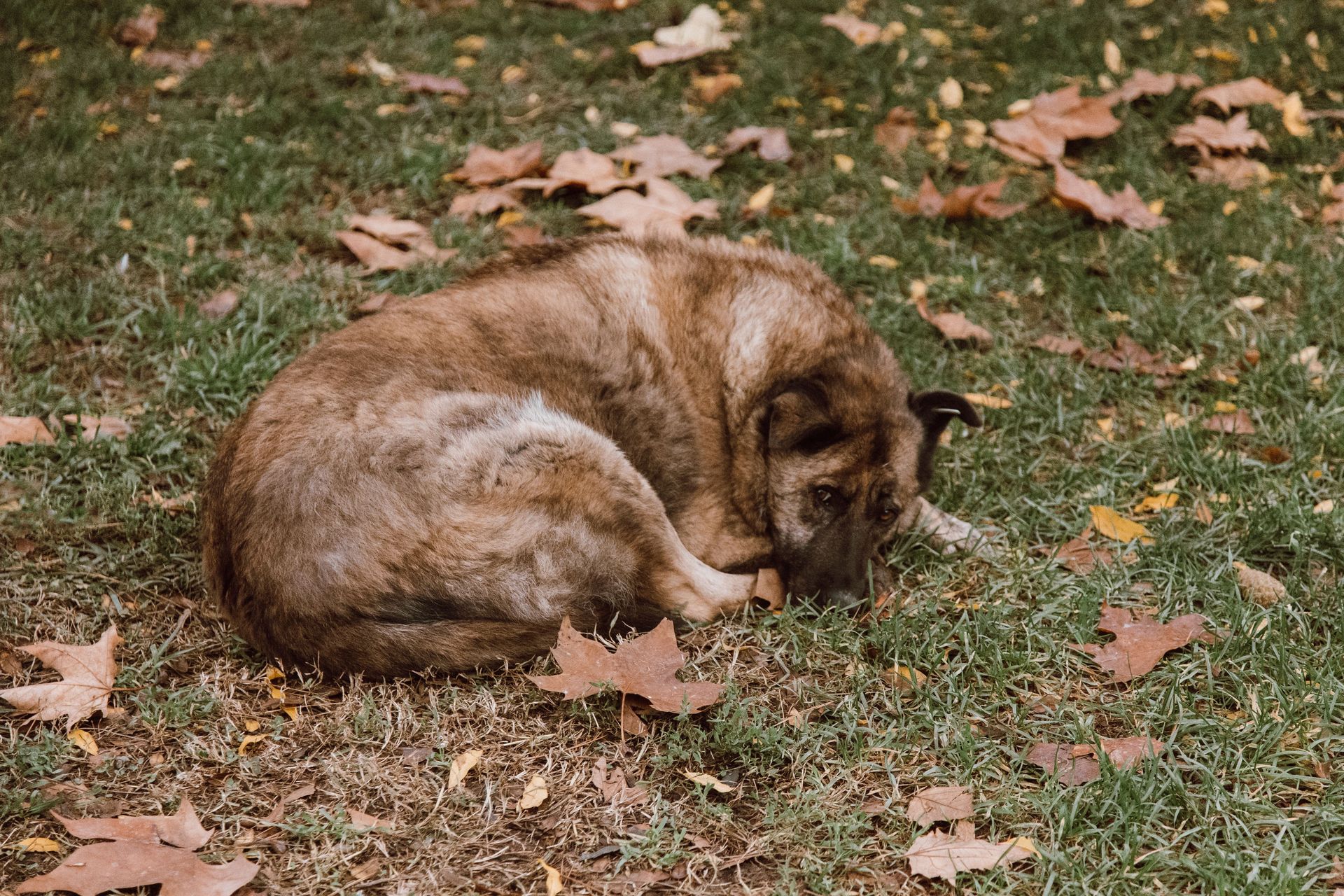
A dog that struggles to stand, walks as if drunk, or suddenly seems too weak to keep moving is showing a sign that heat is affecting its brain and nervous system, not just its temperature regulation. This sign, sometimes called ataxia, tends to appear after panting, drooling, and gastrointestinal symptoms and marks a shift into a more severe and urgent stage of heatstroke.
Uncoordinated movement happens because rising core temperature disrupts normal brain and nerve function, and because a dog in advanced heatstroke is often also dealing with low blood pressure, dehydration, and shifting electrolyte levels that all affect muscle control and balance. A dog may cross its back legs, sway from side to side, knuckle over on its paws, or simply lie down and refuse or fail to get back up.
If a dog shows this level of weakness or loss of coordination, stop any activity immediately and do not let it continue walking on its own, since exertion raises internal temperature further and a stumbling dog risks injury from falling. Carry the dog to shade, an air-conditioned space, or a vehicle rather than encouraging it to walk there. Begin cooling with cool water on the neck, armpits, belly, and groin while someone else prepares to transport the dog to a veterinarian. This sign should not be treated as something to monitor and wait out; wobbly legs or sudden collapse-like weakness during heat exposure calls for emergency veterinary care right away, since the same heat effects reaching the brain can progress to seizures or unconsciousness within a short time if untreated. Small breeds and toy breeds can lose muscle control from overheating faster than larger dogs, given how quickly a small body's core temperature can shift, so owners of smaller dogs should treat even brief stumbling as a reason to act rather than a reason to wait and watch for a few more minutes.
Credit: Mikhail Nilov / Pexels
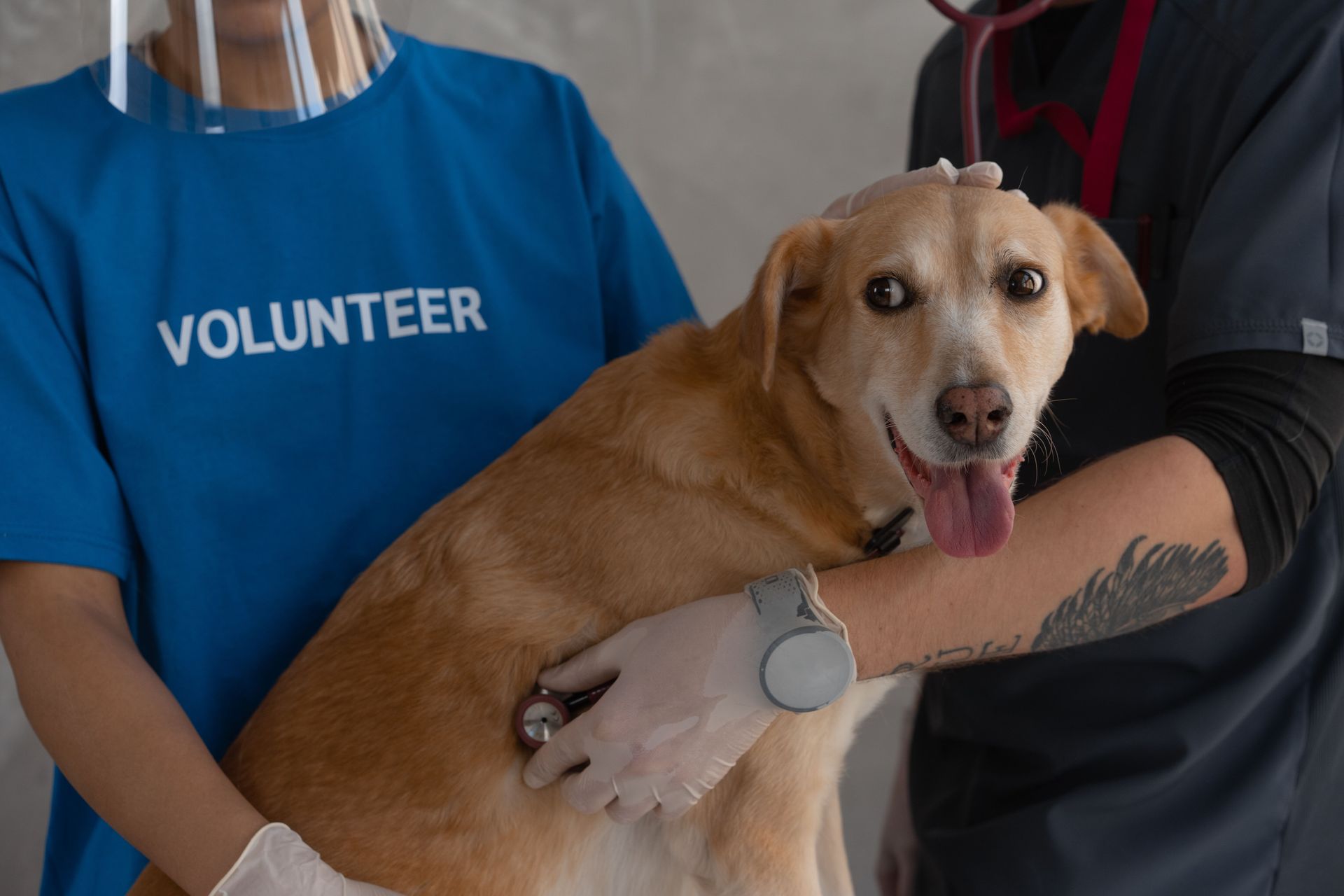
A heart rate that feels fast, pounding, or uneven under a hand placed on the dog's chest reflects the cardiovascular strain of heatstroke, since the heart is working to pump blood to the skin for cooling and to vital organs at the same time. A normal resting heart rate for an adult dog generally falls between 60 and 100 beats per minute, though small breeds run faster than large ones; a heat-stressed dog's heart rate climbs well above its normal resting range and can become irregular as the condition progresses.
This strain builds as the body tries to solve two competing problems at once. Blood vessels near the skin widen to help release heat, which lowers blood pressure, so the heart beats faster to compensate and keep organs supplied with oxygen. As heatstroke advances, fluid loss from panting and drooling reduces blood volume further, and shifting electrolytes such as potassium and calcium can interfere with the heart's normal electrical rhythm, which is what produces an irregular or skipping beat rather than a simply fast one.
If a dog's heartbeat feels rapid or irregular, check gum color and capillary refill time at the same moment, since these signs together paint a fuller picture of how advanced the heatstroke is. Keep the dog as calm and still as possible, since agitation and movement raise heart rate further. Continue cooling with cool water on the neck, armpits, and groin, and avoid placing ice packs directly against the skin, since the intense cold can cause blood vessels to constrict and trap heat closer to the body's core instead of releasing it. A racing or irregular heartbeat combined with any other sign on this list means the dog needs to see a veterinarian immediately, since heart rhythm problems from heatstroke can worsen quickly and are not something to manage at home.
Credit: Tima Miroshnichenko / Pexels
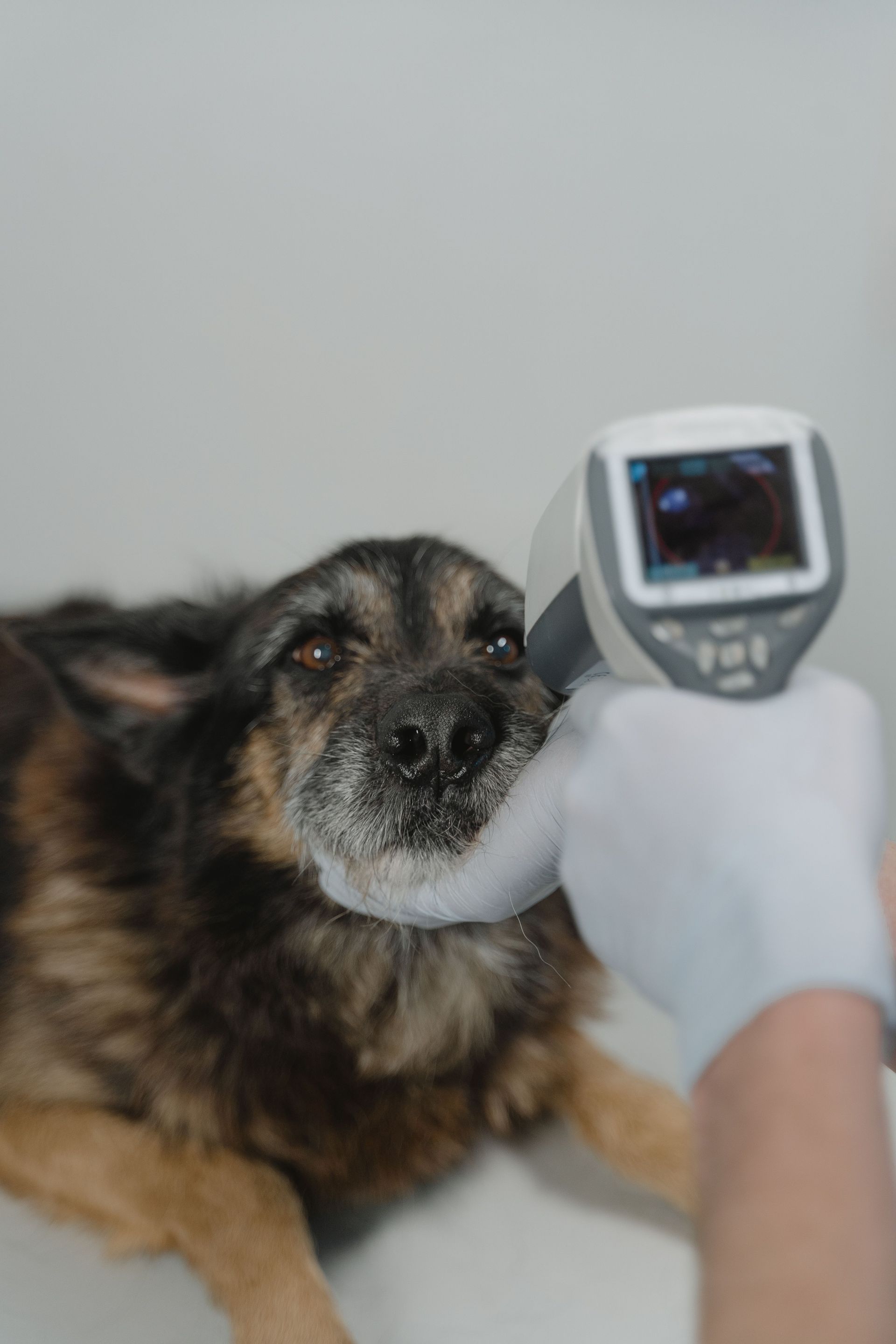
A rectal temperature reading above 104 degrees Fahrenheit confirms heatstroke, and a reading above 106 degrees marks a severe, life-threatening stage that needs emergency veterinary treatment without delay. A digital thermometer made for pets, lubricated and inserted gently about one inch into the rectum, gives the most accurate reading available outside a veterinary clinic; ear thermometers are far less reliable on dogs and should not be used to make this decision.
A dog's normal body temperature runs between 101 and 102.5 degrees Fahrenheit, noticeably higher than a person's. That baseline matters because it means a temperature that would signal a low fever in a human is completely normal for a dog, while 104 degrees, only a couple of degrees above normal, already represents a medical emergency. Once core temperature passes 106 degrees, proteins in the body's cells begin to break down and organ tissue can suffer lasting damage within a short window.
If a temperature reading confirms heatstroke, begin active cooling right away using cool or lukewarm water, never ice water, applied over the body with particular attention to the neck, armpits, belly, and groin, along with a fan for airflow to speed evaporation. Check the temperature again every five minutes and stop active cooling once it drops to around 103 degrees, since continuing past that point risks overshooting into hypothermia, a separate danger. Transport the dog to a veterinarian as soon as possible regardless of how quickly the temperature comes down, because organ damage from heatstroke, including to the kidneys and the blood's ability to clot, can develop or worsen for hours or even a day or two after the initial temperature spike, long after the dog looks and feels normal again. Owners who keep a pet-specific digital thermometer at home have a real advantage here, since a confirmed number removes the guesswork of deciding how serious a hot, panting dog's condition actually is.
-1920x1280.jpg)
Credit: Tima Miroshnichenko / Pexels
A dog having a seizure, collapsing, or losing consciousness during or after heat exposure is showing the most severe stage of heatstroke, one where the brain itself is being damaged by extreme internal temperature, and it requires immediate transport to an emergency veterinary clinic rather than home treatment alone. This stage can follow quickly after wobbly legs or a racing heartbeat, sometimes within minutes, which is why earlier signs on this list should never be treated as something to watch and wait on.
At this point, heat has disrupted normal brain function directly, and the body may also be dealing with dangerously low blood pressure, severe dehydration, and a condition called disseminated intravascular coagulation, in which the blood's clotting system stops working correctly throughout the body. These combined effects are why a dog can look like it is recovering after a seizure and then decline again hours later; the underlying organ and blood damage does not resolve as quickly as the visible symptoms do.
If a dog seizes, do not put anything in its mouth or try to hold its tongue, since this is a myth that leads to bites and does nothing to help the seizure end faster. Keep the area around the dog clear of furniture or stairs it could fall against, and once the seizure passes, move the dog to a cool environment and begin gentle cooling with cool water on the neck and groin while someone else prepares transportation. Get the dog to the nearest emergency veterinary clinic immediately, calling ahead if possible so the team can prepare oxygen support, intravenous fluids, and bloodwork to check for clotting problems before the dog arrives. This is not a stage to treat at home under any circumstances, even if the dog appears to regain normal behavior within a few minutes.