Learn the most common signs your cat is mad, what those behaviors actually mean, and how to rebuild trust with your feline friend

Ayla Meinberg / Unsplash
Cats have earned a reputation for being mysterious little roommates. One moment they're curled up beside you, purring contentedly, and the next they're staring at you from across the room with a look that could melt steel. It's enough to make any cat owner wonder what they did wrong. While it's easy to joke that cats are plotting world domination or holding grudges over breakfast being five minutes late, their behavior usually has a much more practical explanation.
According to Reader's Digest, cats communicate almost everything through body language, vocalizations, and changes in their daily habits. When they become upset, stressed, frightened, or frustrated, they don't slam doors or give you the silent treatment—they flick their tails, flatten their ears, hide under the bed, or suddenly decide your favorite chair is the perfect place to leave an unpleasant surprise. These behaviors aren't acts of revenge. Instead, they're your cat's way of saying that something isn't right.
Learning to recognize these signals can help you solve problems before they escalate. Whether your cat is reacting to a disrupted routine, a new pet, unfamiliar visitors, or simply feeling overstimulated, paying attention to these warning signs allows you to respond with patience instead of frustration. In many cases, giving your cat a little space and identifying what's causing the stress is all it takes to restore peace.
The next time your feline companion seems a little less affectionate than usual, don't assume they're just being dramatic—although they certainly have a flair for it. Here are five common signs your cat may be upset with you and what those behaviors are really trying to say.
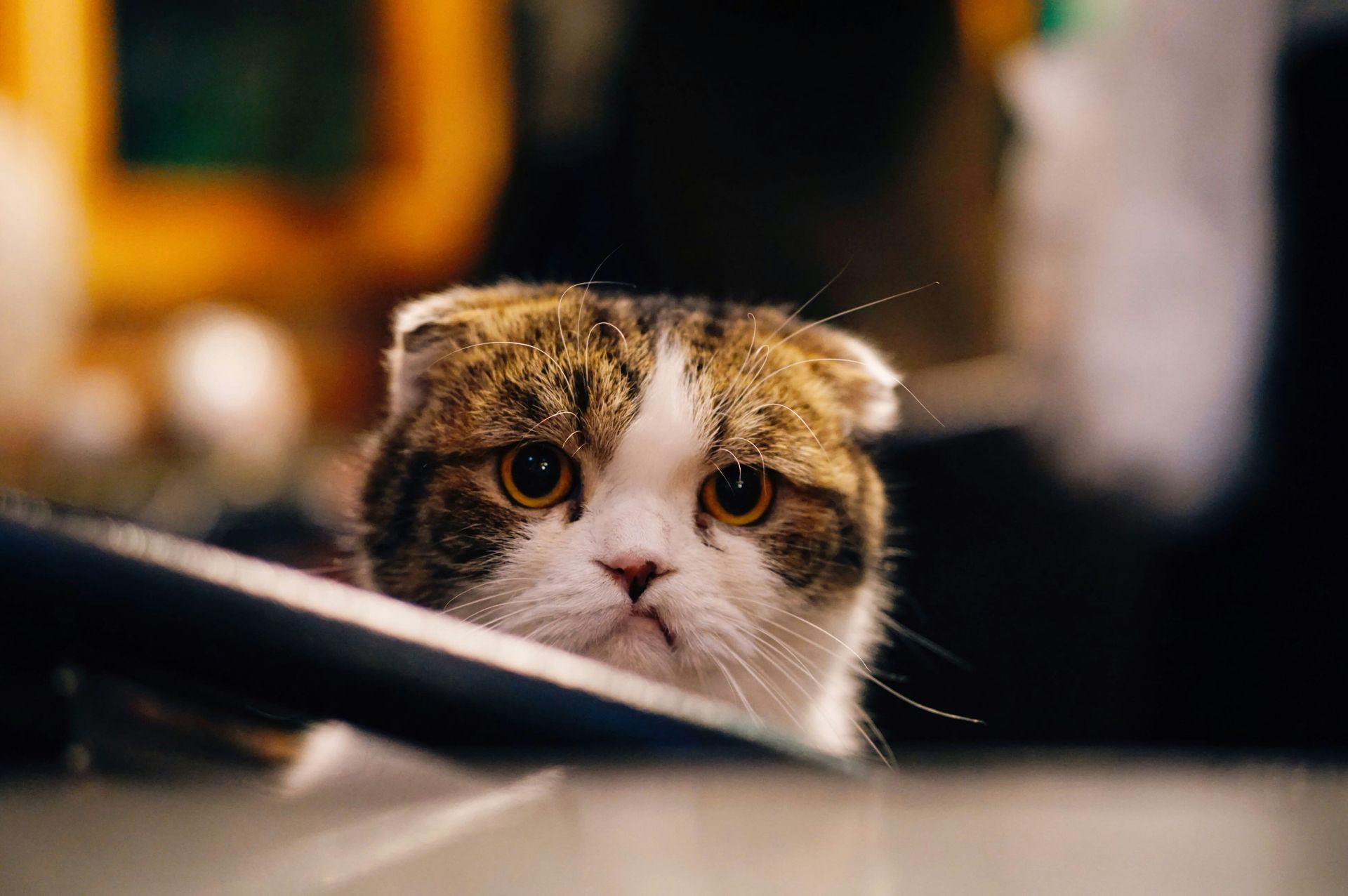
If your normally social cat suddenly disappears whenever you walk into the room or watches you from across the house instead of hopping into your lap, they may be trying to tell you they're feeling upset. Reader's Digest explains that cats often create physical distance when they're anxious, frightened, or irritated. A sudden loud noise, unfamiliar guest, new scent on your clothes, or disruption to their routine can all make a cat retreat until they feel safe again.
Although it's tempting to coax your cat out of hiding or scoop them up for reassurance, doing so can make matters worse. Cats feel most secure when they have control over their interactions. Allowing them to come to you on their own terms helps rebuild trust and shows that you respect their boundaries. If the behavior is unusual and lasts more than a couple of days, it may also be worth considering whether an underlying health issue or environmental change is contributing to the problem.
The best approach is to keep your routine predictable, speak softly, and offer positive experiences through treats or interactive play when your cat chooses to engage. In most cases, patience goes much further than persistence. Once your cat feels comfortable again, they'll usually return to their normal affectionate habits without needing to be forced.
Alin Andersen / Unsplash
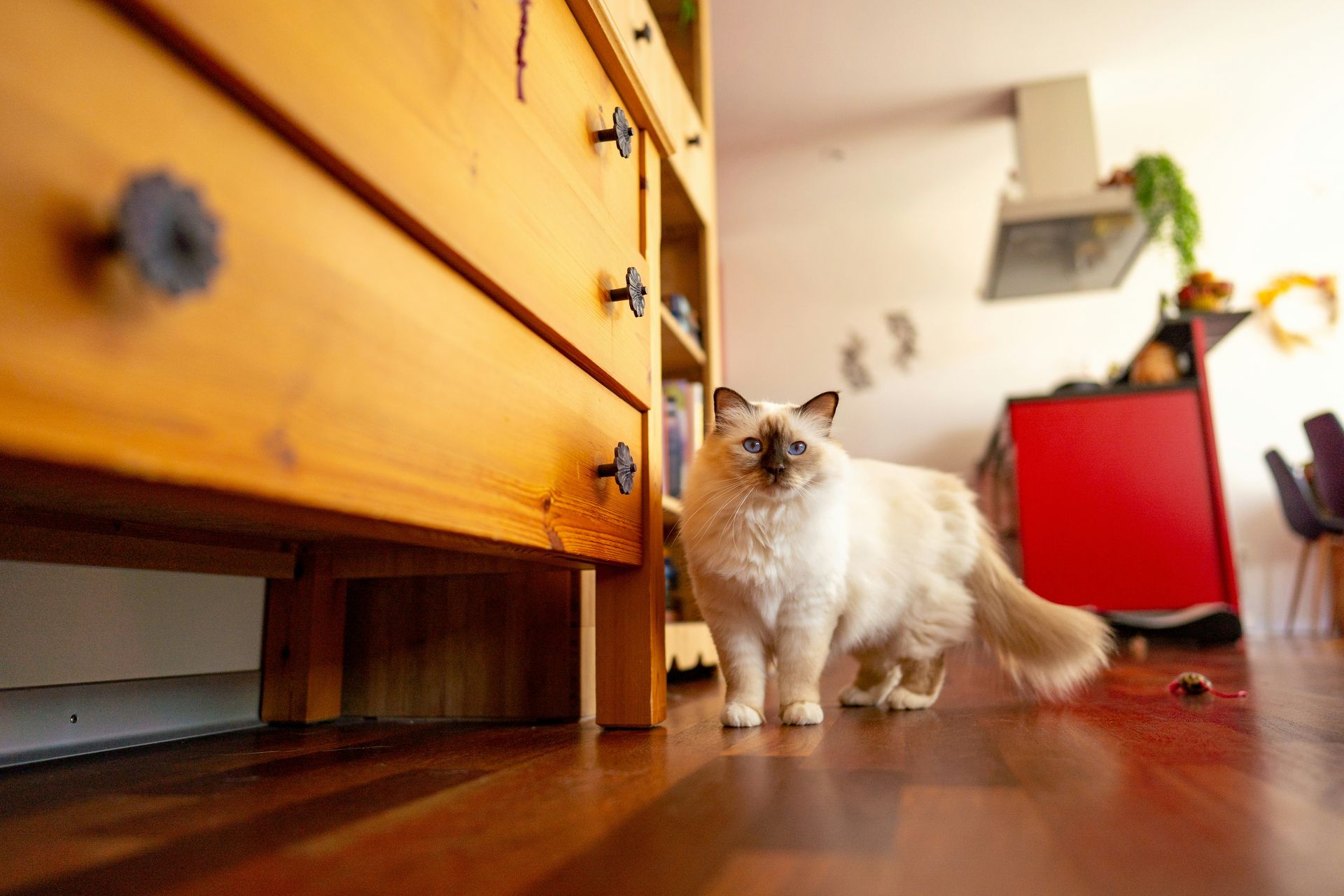
A cat's tail can reveal more about their mood than almost any other part of their body. While a gently upright tail often signals confidence and friendliness, a tail that's whipping rapidly from side to side or twitching at the tip usually means your cat has reached its limit. Reader's Digest notes that this subtle body-language cue is often one of the earliest warnings that a cat is becoming irritated.
Many owners accidentally ignore this signal because the rest of the cat appears calm. They continue petting, playing, or trying to interact until the twitching tail is followed by a swat or quick bite. In reality, the tail was giving plenty of notice that the cat wanted the interaction to stop.
When you notice your cat's tail becoming increasingly animated, take it as a cue to pause whatever you're doing. Give your cat a chance to walk away or settle down before trying to interact again. Respecting these early warning signs helps prevent more serious defensive behaviors and teaches your cat that they don't have to escalate their communication to be understood.
Rashni Parichha / Unsplash
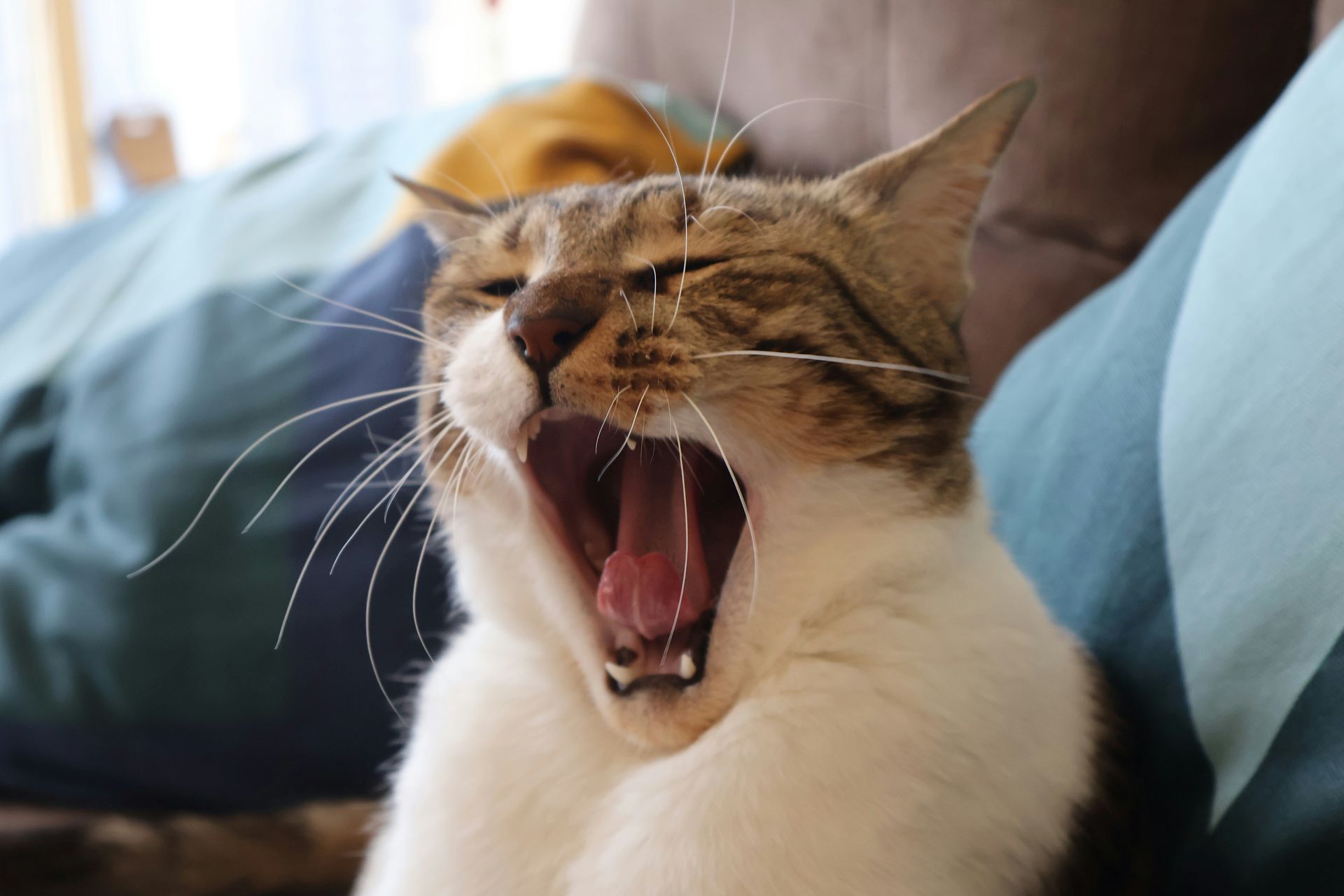
A cat's ears are constantly moving, but when they flatten backward into what's often described as an "airplane" position, it's a clear indication that something is bothering them. According to Reader's Digest, flattened ears usually signal fear, anger, or defensiveness. Your cat may feel threatened by another animal outside the window, an unfamiliar visitor, or even too much handling.
This posture often appears alongside other warning signs, including a crouched body, dilated pupils, puffed-up fur, or a rapidly moving tail. While these behaviors may look dramatic, they're your cat's attempt to avoid conflict by telling everyone nearby to back off.
The smartest response is to give your cat space instead of trying to comfort them with more touching. Even the sweetest cat may scratch or bite if they feel cornered while displaying defensive body language. Once the source of their stress has passed, their posture usually relaxes on its own.
Learning to recognize flattened ears before your cat reacts physically can help prevent scratches while strengthening the trust between you and your pet.
Helena Lopes / Unsplash
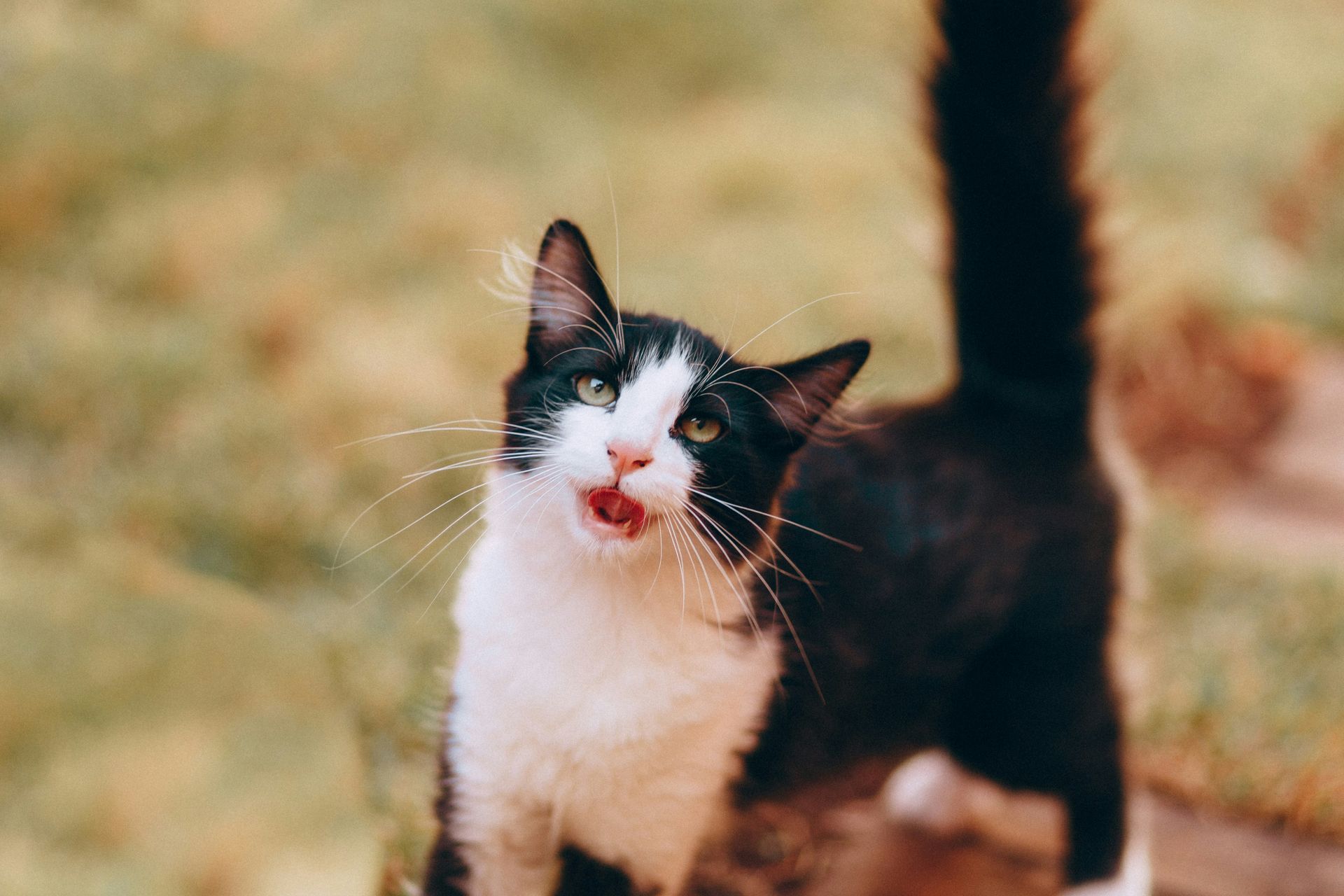
Cats don't always need dramatic vocalizations to express their feelings. Sometimes an intense, unblinking stare is enough to let you know they're unhappy. Other times, they make their opinions crystal clear with a hiss or low growl. Reader's Digest explains that these behaviors often appear when cats feel threatened, startled, or overwhelmed.
Many owners instinctively try to calm an upset cat by approaching or speaking excitedly, but this can increase their stress. Instead, give your cat room to decompress while using a calm, quiet voice. Once they've relaxed, positive interactions such as gentle play or offering a favorite treat can help rebuild positive associations.
Cats also thrive on routine, so maintaining consistent feeding times and daily schedules can reduce many of the situations that trigger defensive behavior. The goal isn't to punish your cat for expressing discomfort but to understand why they're communicating that way in the first place.
Chinda Sam / Unsplash
Nothing gets a cat owner's attention faster than discovering claw marks on the couch or finding urine somewhere outside the litter box. While these behaviors often feel personal, Reader's Digest explains that they're usually signs of stress, anxiety, or territorial behavior rather than revenge.
Cats use scratching to mark territory visually and with scent glands located in their paws. Likewise, inappropriate urination can occur when a cat feels insecure, anxious, or overwhelmed by changes in their environment. New pets, unfamiliar people, moving homes, or major routine changes can all contribute to these behaviors.
Instead of punishing your cat, try identifying what changed before the behavior began. Providing scratching posts, maintaining a clean litter box, minimizing stressful situations, and consulting your veterinarian if the behavior continues are much more effective solutions than discipline.
Your cat isn't trying to make your life difficult—they're trying to communicate in the only way they know how. Understanding the message behind these behaviors is often the first step toward restoring harmony in your home.