
10 signs your cat is sick — and when to call the vet
Cats hide illness well, so learning the subtle signs your cat is sick can help you catch problems early and know exactly when a vet visit is necessary
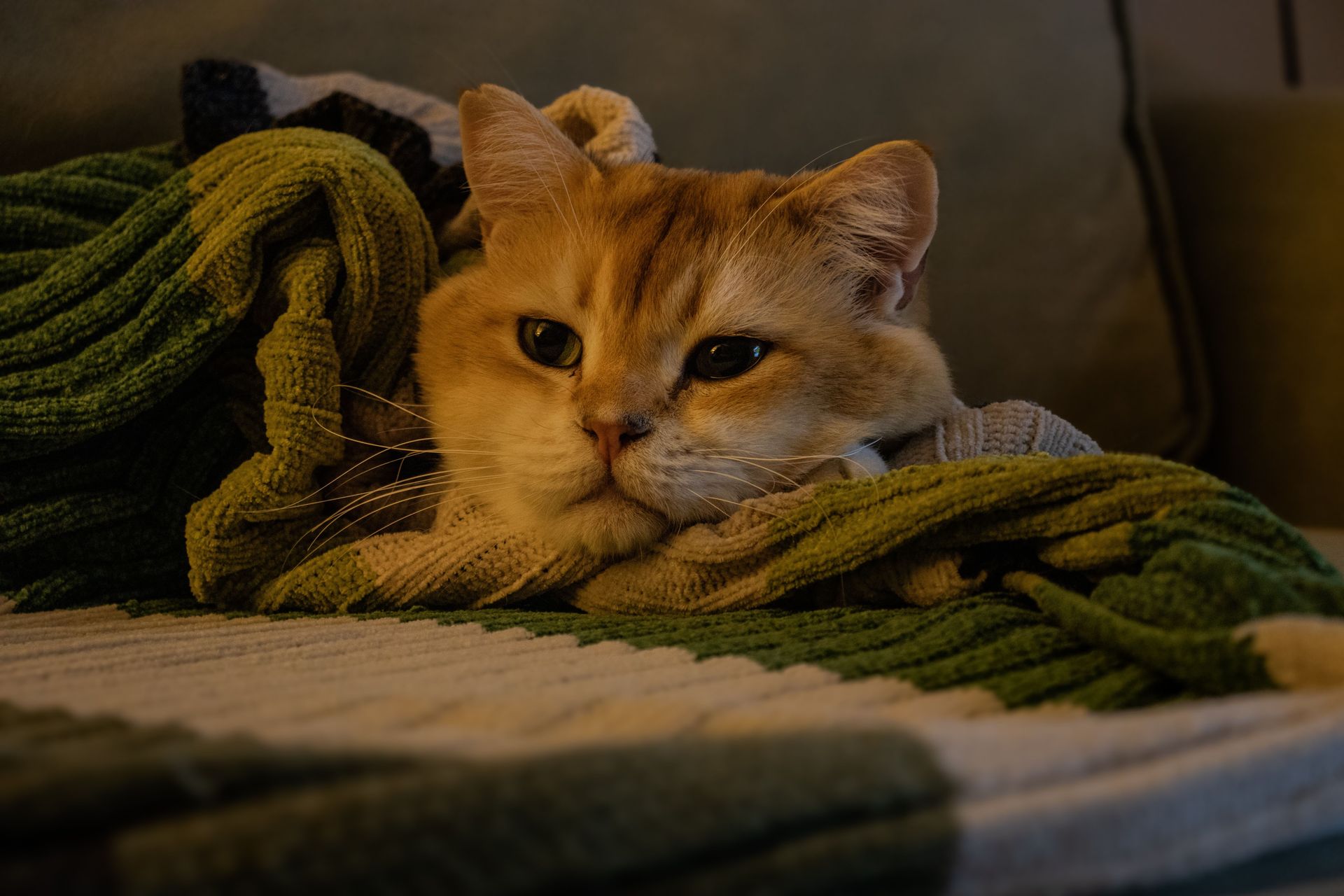
Cats are experts at masking illness. In the wild, an animal that shows weakness becomes a target for predators, and that instinct hasn't disappeared just because a cat now sleeps on a couch instead of a tree branch. This means that by the time a cat's symptoms are obvious enough for an owner to notice, the underlying problem may have been developing for days or weeks. Learning to recognize the subtle signs your cat is sick, before they become impossible to miss, can mean the difference between a quick, inexpensive fix and a medical emergency.
Cats can't describe their symptoms, so owners have to rely on changes in behavior, appearance, and habits to catch problems early. A cat that skips one meal because it's not hungry is different from a cat that hasn't eaten in 24 hours. A cat that sleeps 16 hours a day, which is normal, is different from a cat that suddenly won't come out from under the bed. The context and the pattern matter as much as the individual symptom.
Some of the signs on this list point to conditions that are manageable with early treatment, such as hyperthyroidism or diabetes. Others, like difficulty breathing or straining to urinate without producing urine, point to emergencies that require care within hours, not days. Knowing which category a symptom falls into helps an owner decide whether to book a routine appointment or head straight to an emergency clinic.
This list covers 10 signs that indicate a cat may be sick, along with the changes in appetite, litter box habits, breathing, grooming, and behavior that tend to accompany common feline illnesses. None of these signs guarantee a specific diagnosis on their own, since only a veterinarian can do that, but each one is a reason to pay closer attention, and in several cases, a reason to call the vet the same day.
Sudden loss of appetite
Credit: Romina BM / Pexels
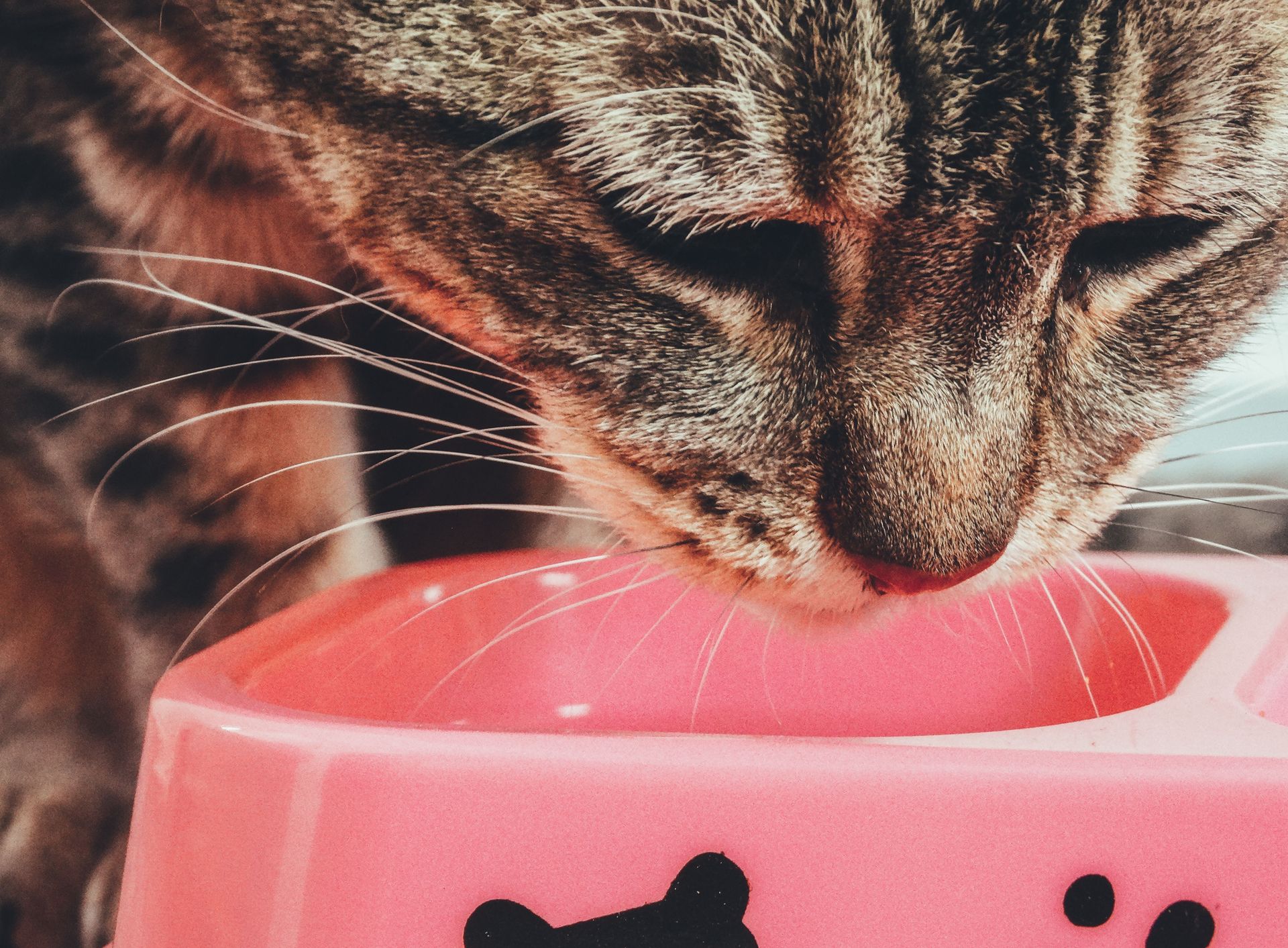
A cat that refuses food for more than 24 hours needs veterinary attention, since cats are prone to a dangerous liver condition called hepatic lipidosis that can develop within just a few days of not eating. Unlike dogs, cats don't have the metabolic reserves to safely skip multiple meals, which makes appetite loss one of the more urgent signs on this list rather than one to watch and wait on.
A healthy cat has a fairly consistent relationship with food. It shows interest when a bowl is filled, eats within a reasonable window, and finishes most or all of a normal portion. When that pattern breaks, whether it's sniffing food and walking away, eating only a few bites before losing interest, or ignoring a bowl entirely, it's worth noting how long the change has lasted.
Appetite loss can point to dozens of underlying issues, from dental pain and mouth ulcers to kidney disease, pancreatitis, intestinal blockages, or infections. Older cats that stop eating are frequently dealing with kidney or thyroid problems, while a sudden refusal to eat in an otherwise healthy adult cat can sometimes trace back to something as simple as a change in food brand or a stressful event in the household, such as a move or a new pet.
The distinction that matters most is duration and completeness. A cat that eats less than usual for a single day, but still drinks water and behaves normally otherwise, may just be off its food temporarily. A cat that eats nothing at all for 24 hours, or noticeably less for more than two or three days in a row, has crossed into a range where a veterinary visit is warranted regardless of how normal the cat seems otherwise.
Watch for accompanying clues. Bad breath alongside appetite loss often points to dental disease. Appetite loss paired with vomiting or lethargy suggests something more systemic. And a cat that approaches the food bowl repeatedly, seems interested, but won't actually eat, may be dealing with mouth pain that makes chewing uncomfortable rather than a lack of hunger itself.
Because hepatic lipidosis can set in quickly, especially in overweight cats, don't wait to see if appetite returns on its own past the one-day mark. A same-day or next-day call to the vet is the safer choice.
Lethargy and unusual hiding
Credit: Romina BM / Pexels
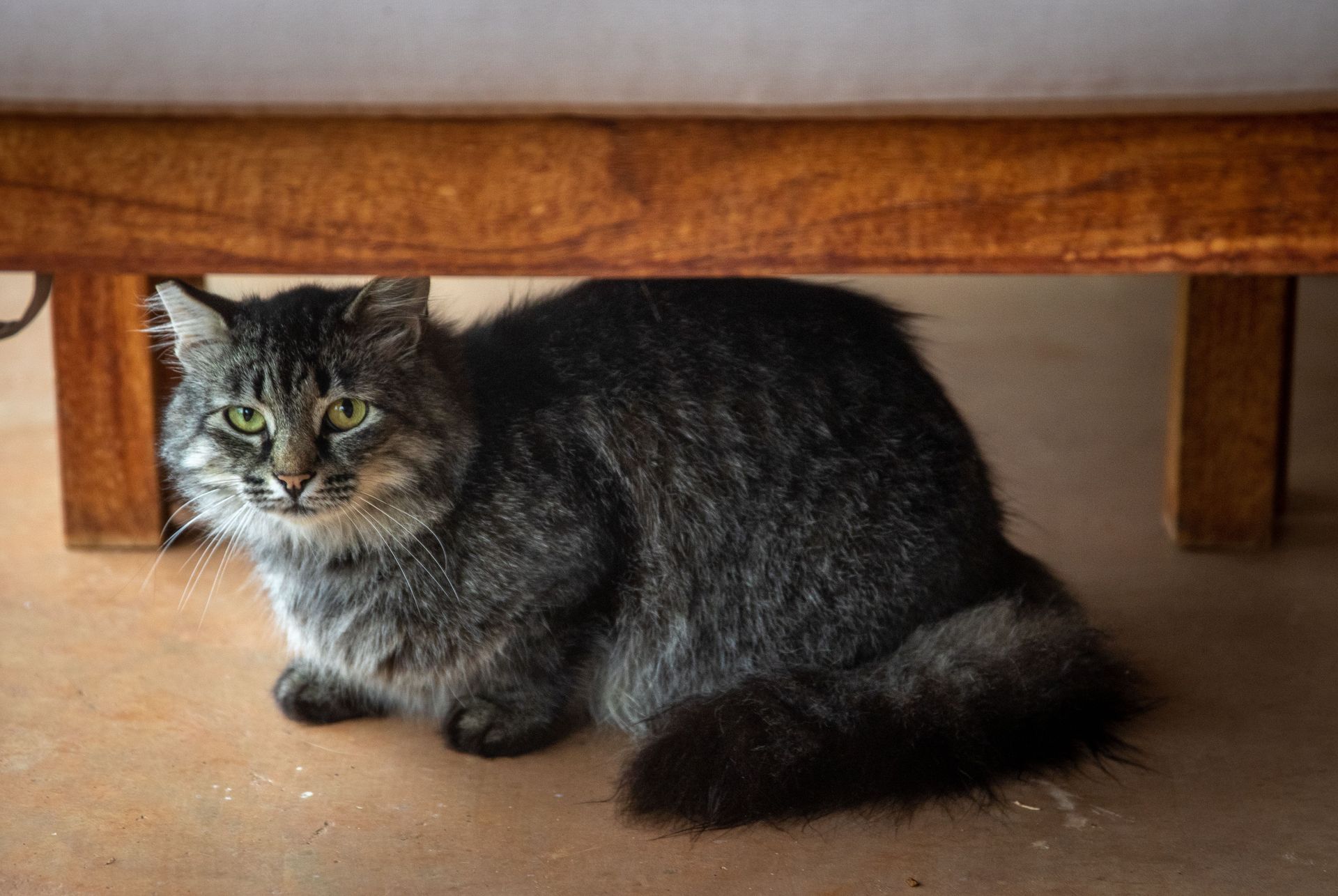
A cat that suddenly sleeps far more than normal, avoids interaction, or hides in closets and under furniture for extended stretches is very possibly in pain or fighting an illness, since reduced activity is one of the most common early symptoms across nearly every feline disease. Lethargy on its own is a vague symptom, but a real change from a cat's baseline behavior is rarely meaningless.
Cats sleep a lot under normal circumstances, often 12 to 16 hours a day, so the useful comparison isn't to some external standard of activity but to how that specific cat usually behaves. A social cat that greets people at the door and suddenly starts avoiding the household entirely, or a cat that normally naps in open, visible spots and starts wedging itself behind the couch for hours at a time, is showing a meaningful shift.
Hiding deserves particular attention because it's an instinctive response to feeling vulnerable, and sick or injured cats in the wild hide from predators. A domestic cat retains that same impulse, so increased hiding, especially paired with reduced interest in food, play, or attention, often signals the cat doesn't feel well, even before other symptoms show up.
Lethargy accompanies conditions ranging from minor infections and dental pain to more serious problems such as anemia, heart disease, or kidney failure. It's also one of the first signs of pain from an injury, arthritis, or an abscess, particularly in cats that don't limp or vocalize the way dogs typically do when hurt.
Age matters here too. A senior cat that slows down gradually over months may simply be aging, though this still warrants a wellness visit to rule out treatable conditions like arthritis or hyperthyroidism. A cat of any age that becomes lethargic within a day or two, especially alongside appetite changes, breathing changes, or vomiting, should be seen sooner rather than later.
If a normally active cat goes a full day without engaging in play, grooming, or the usual greeting behaviors, and instead spends most of its time hidden and unresponsive, that's a reasonable point to call the vet, describe the specific behavior change, and ask whether the symptoms warrant a same-day visit.
Vomiting more than once in a day
Credit: Shota Photographer / Pexels
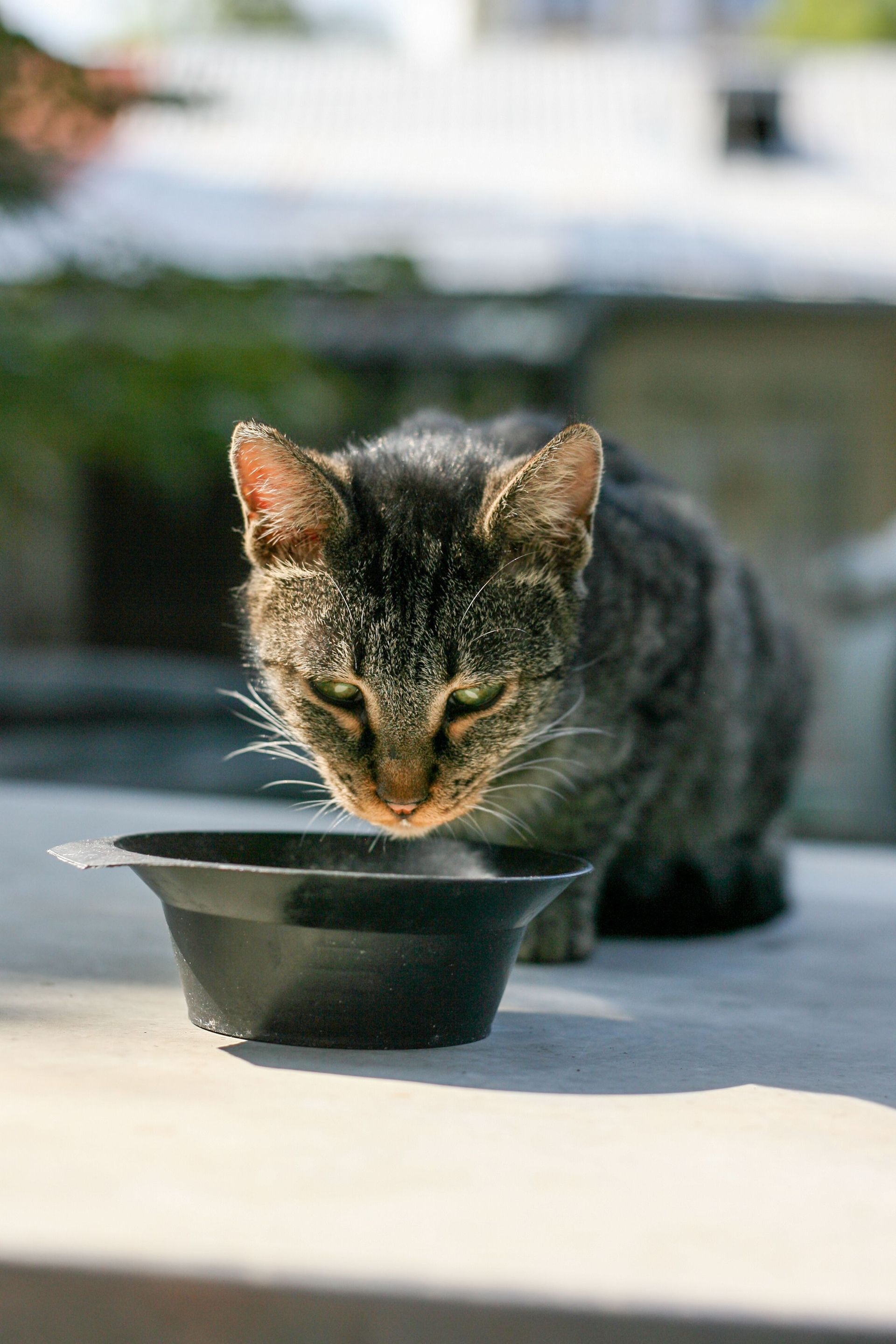
Occasional vomiting is common in cats, but vomiting more than once in a 24-hour period, or vomiting that continues over several days, signals that something beyond a hairball is likely going on. The distinction between normal and concerning vomiting comes down to frequency, contents, and what else the cat is doing.
A cat coughing up a hairball once every week or two, followed by normal eating and energy, isn't typically cause for alarm. Hairballs form when a cat's grooming routine pulls in more fur than its digestive system can pass, and an occasional hairball is a normal side effect of that grooming habit, especially in longer-haired breeds.
Vomiting becomes a warning sign when it happens repeatedly in a short window, when it includes blood or looks like coffee grounds, when it's paired with lethargy or appetite loss, or when the cat can't seem to keep any food or water down. Repeated vomiting can lead to dehydration relatively quickly in a small animal, which is part of why frequency matters so much in deciding how urgent the situation is.
The underlying causes span a wide range. Dietary indiscretion, a sudden food change, or eating too fast can all cause a single vomiting episode that resolves on its own. Chronic or recurring vomiting is more often linked to inflammatory bowel disease, food intolerances, pancreatitis, thyroid disease in older cats, kidney disease, or an intestinal blockage from a swallowed object such as string, a hair tie, or a piece of a toy.
String and thread deserve a special mention, since cats are drawn to them and a swallowed string can cause a linear foreign body that saws through the intestine as it tries to pass. Any cat with a known habit of chewing on string, tinsel, or yarn that starts vomiting should be seen promptly, since this type of blockage can become a surgical emergency.
Track what comes up, how often, and whether the cat still has an appetite between episodes. Vomiting once and otherwise acting normal is worth watching for a day. Vomiting repeatedly, vomiting blood, or vomiting alongside a swollen or painful abdomen is a same-day call to the vet.
Straining in the litter box
Credit: Neakasa / Unsplash
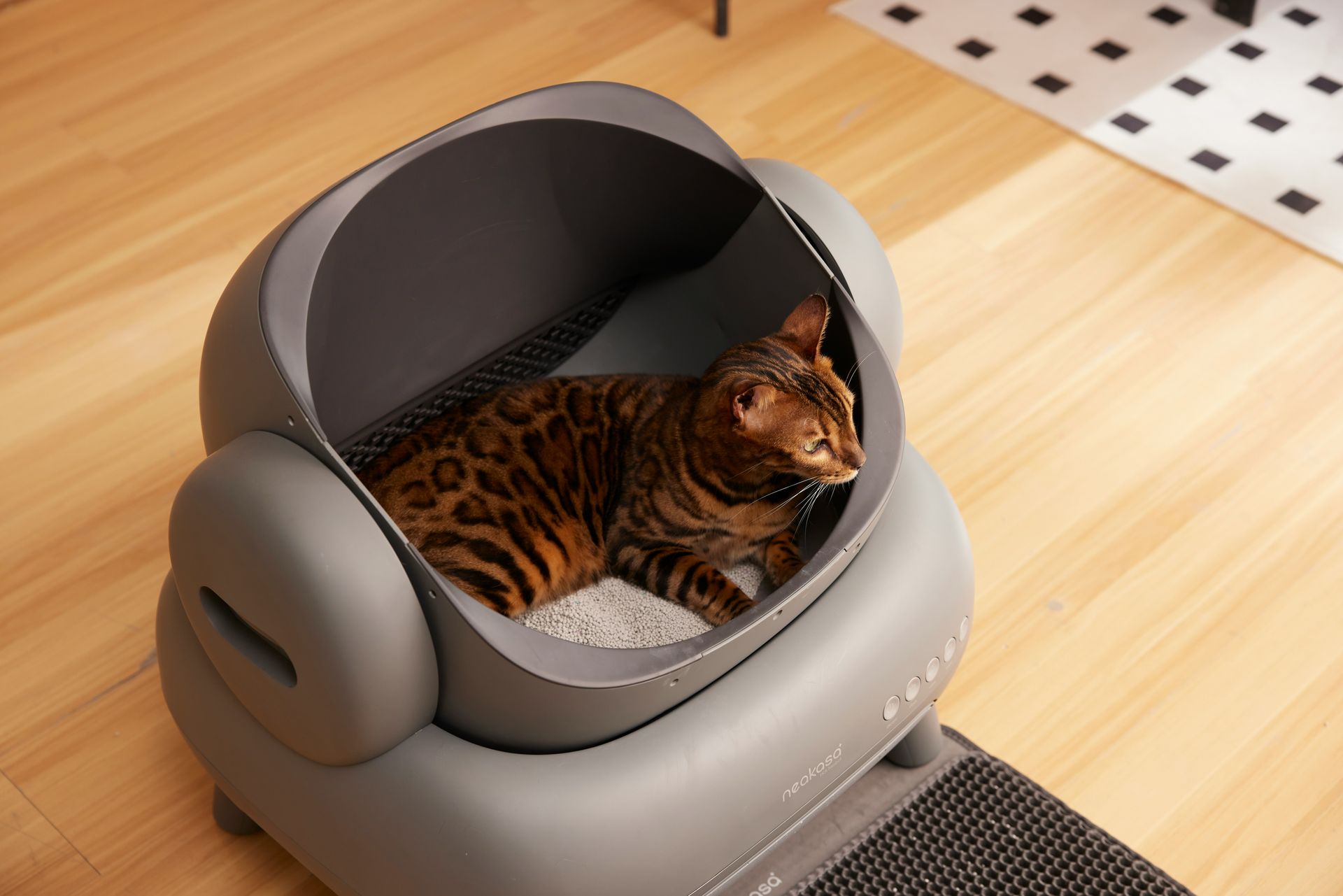
A cat that strains repeatedly in the litter box without producing urine may have a urinary blockage, a life-threatening emergency that can cause kidney failure within 24 to 48 hours if untreated, particularly in male cats. This is one of the few signs on this list where a same-day emergency visit, not just a phone call, is the right response.
Male cats are especially at risk because their urethra is longer and narrower than a female cat's, making it easier for crystals, mucus plugs, or small stones to cause a full obstruction. A blocked cat will often visit the litter box repeatedly, adopt a hunched posture, cry out while trying to urinate, and produce little or no urine, sometimes just a few drops tinged with blood.
Straining isn't always a blockage. It can also indicate a urinary tract infection, bladder stones, or feline idiopathic cystitis, a stress-related bladder inflammation that's common in cats and can cause symptoms similar to an infection without any bacteria being present. These conditions are uncomfortable and need treatment, but they aren't immediately life-threatening the way a full blockage is.
The way to tell them apart at home is whether urine is actually coming out. A cat straining and producing frequent small amounts of urine, sometimes with visible blood, is more likely dealing with an infection or cystitis. A cat straining with visible effort and producing nothing, especially combined with vomiting, lethargy, or vocalizing in pain, needs to be seen immediately, since a blocked bladder can rupture or lead to a fatal buildup of toxins in the bloodstream.
Diarrhea and constipation also show up as litter box changes worth tracking. Loose stool that lasts more than a day or two, especially with blood or mucus, points to a digestive issue that needs veterinary attention. Constipation, where a cat strains without producing stool, can stem from dehydration, a low-fiber diet, or in older cats, a colon motility problem, and it's worth mentioning separately from urinary straining since owners sometimes confuse the two behaviors.
Any change in a cat's normal urination or bowel pattern is worth watching closely, but repeated straining with no urine output in a male cat is the fastest-moving emergency on this list.
Unexplained weight loss
Credit: Tahir Xəlfəquliyev / Pexels
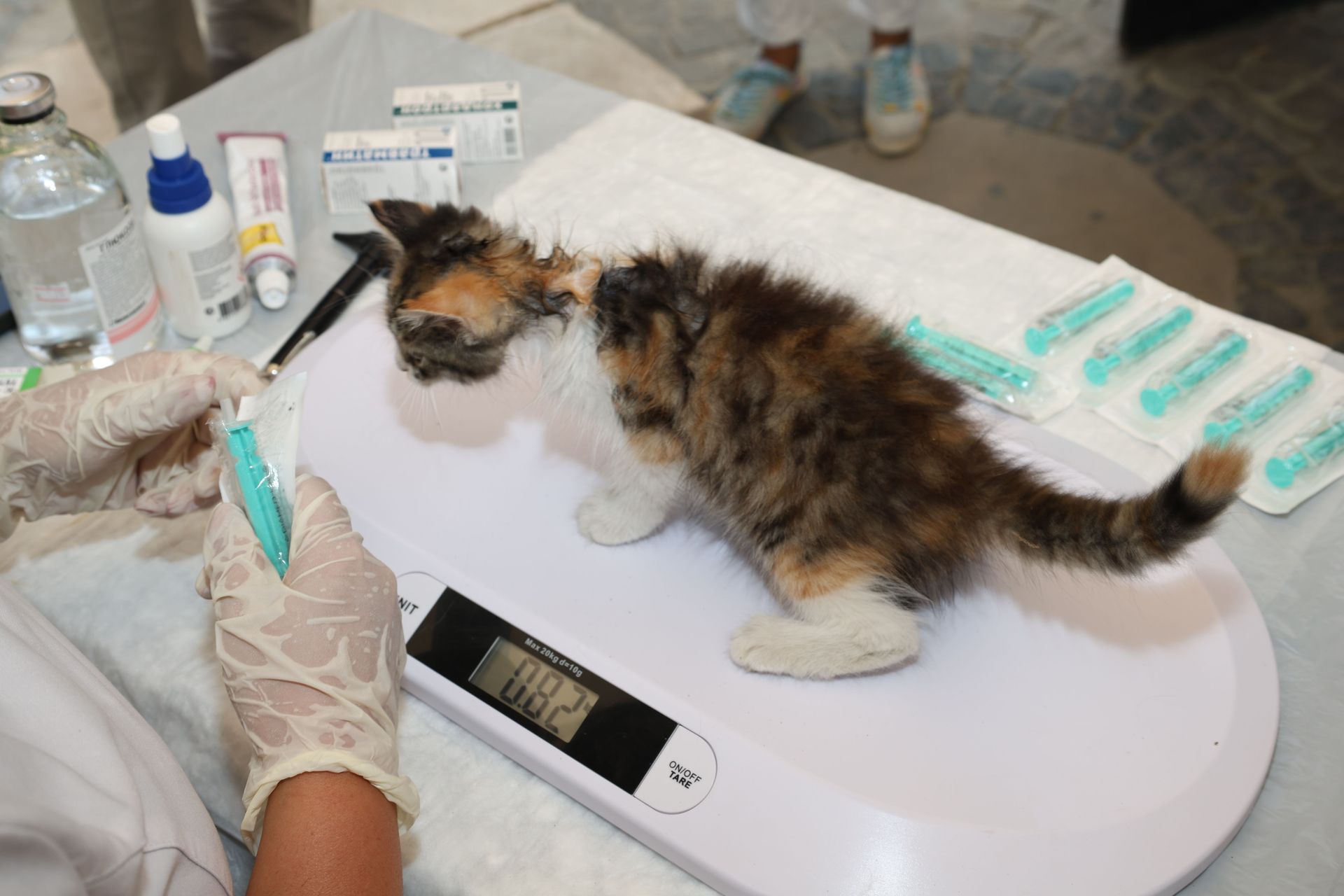
Weight loss without a diet change is one of the clearest signs that a cat's metabolism or organs aren't functioning normally, and it's often the first measurable symptom of conditions like hyperthyroidism, diabetes, or kidney disease. Because cats lose weight gradually and their fur can hide it, this sign is easy to miss without regularly checking body condition by hand.
Hyperthyroidism, caused by a benign tumor on the thyroid gland, is common in cats over the age of 10 and often produces a strange combination of weight loss alongside an increased appetite, since the excess thyroid hormone speeds up metabolism faster than the cat can eat to compensate. A cat that seems hungrier than ever but keeps getting thinner is a textbook description of this condition.
Diabetes tends to show a similar pattern of weight loss paired with a bigger appetite in its early stages, along with increased thirst and urination as the body tries to flush excess sugar from the bloodstream. Left untreated, diabetic cats can become critically ill, but the condition is very manageable with insulin and diet changes once diagnosed.
Kidney disease, by contrast, more often causes weight loss alongside a reduced appetite rather than an increased one, since a buildup of toxins the kidneys can no longer filter tends to suppress hunger and cause nausea. Chronic kidney disease is extremely common in cats over the age of 10 and is one of the leading causes of death in senior cats, which is part of why annual bloodwork becomes more important as a cat ages.
Cancer, intestinal parasites, and inflammatory bowel disease are additional causes of unexplained weight loss, and in each case, the earlier the underlying condition is caught, the more treatment options tend to be available.
Because a thick coat can disguise a thinning body, the most reliable way to catch this sign early is to run a hand along the cat's spine and ribs every few weeks. Ribs that are becoming easy to feel, a visibly narrower waist, or a spine that feels bonier than it used to are all worth mentioning at the next vet visit, and combined with any appetite or thirst changes, worth calling about sooner.
Increased thirst and urination
Credit: Mahmoud Yahyaoui / Pexels
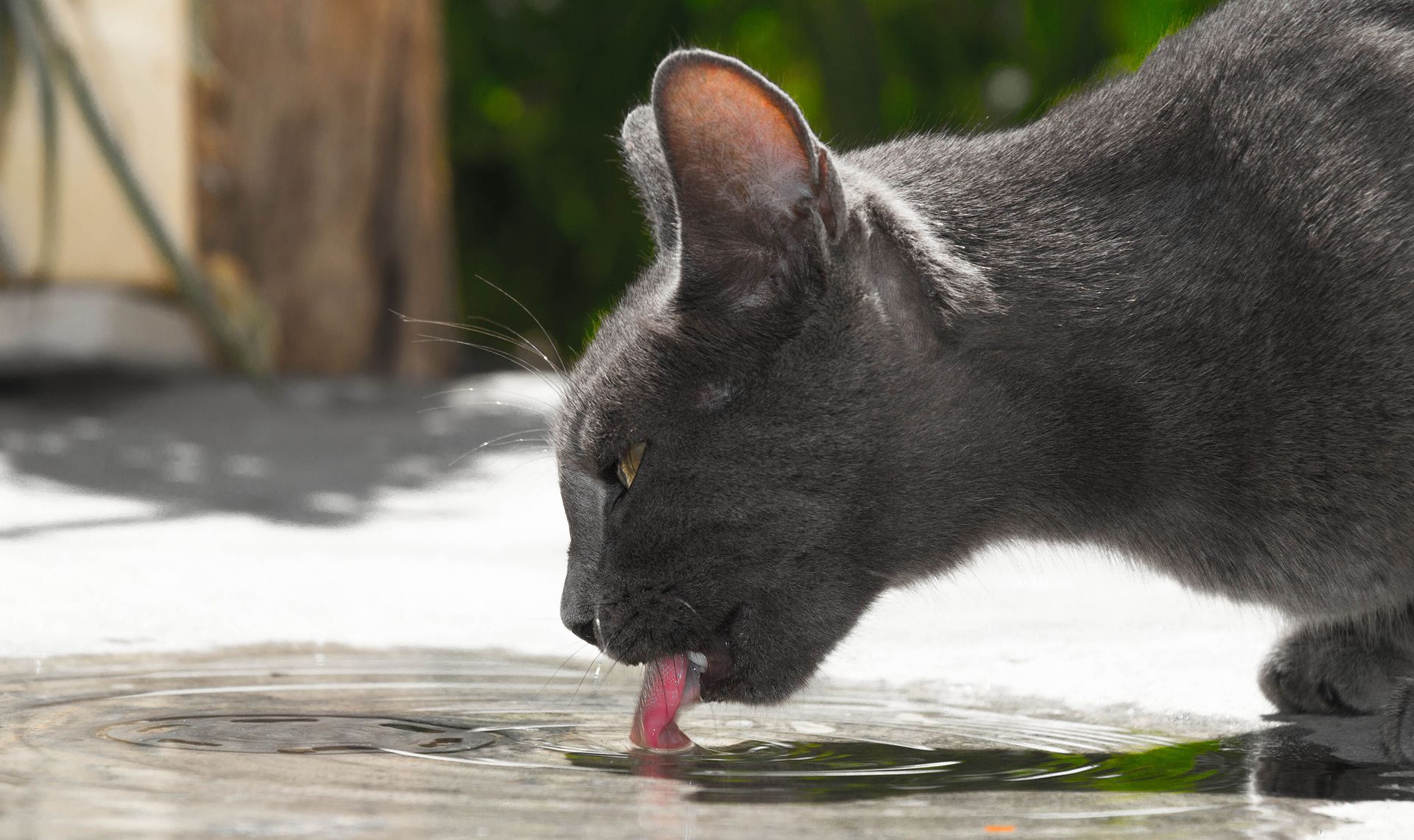
A cat that empties its water bowl unusually fast or produces noticeably larger clumps in the litter box may be developing diabetes, kidney disease, or hyperthyroidism, all of which can interfere with the body's ability to concentrate urine properly. This combination of symptoms is one of the more reliable early warning signs in cats because it's relatively easy to notice through daily litter box scooping.
Under normal conditions, a cat's kidneys concentrate urine efficiently, which is why healthy cats don't need to drink large amounts of water and why their urine clumps are a fairly predictable size. When the kidneys lose function, as happens in chronic kidney disease, they can no longer concentrate urine effectively, so the body compensates by producing more dilute urine and triggering increased thirst to prevent dehydration.
Diabetes causes a related but different mechanism. High blood sugar pulls water out of tissues and into the urine, which increases both the volume of urine produced and the thirst needed to replace lost fluid. This is why diabetic cats are often described as drinking from the faucet or water bowl far more than they used to, sometimes doubling or tripling their normal water intake.
Hyperthyroidism can also increase thirst as part of its broader effect of speeding up the body's metabolic processes, though it's usually accompanied by the weight loss and appetite increase described elsewhere on this list rather than appearing as an isolated symptom.
The clearest way to catch this at home is by paying attention to litter box maintenance rather than trying to measure water intake directly, which is difficult in multi-cat households or with outdoor access. Larger, heavier clumps of urine, needing to scoop more frequently, or refilling the water bowl more often than usual are all practical signs to track.
Because kidney disease, diabetes, and hyperthyroidism are all more treatable the earlier they're caught, a noticeable and sustained increase in thirst or urination, lasting more than a few days, is worth a veterinary visit even if the cat seems otherwise energetic and happy. Bloodwork and a urine test can usually identify which of these conditions, if any, is responsible.
Changes in grooming and coat condition
Credit: Irfan Rahat / Pexels
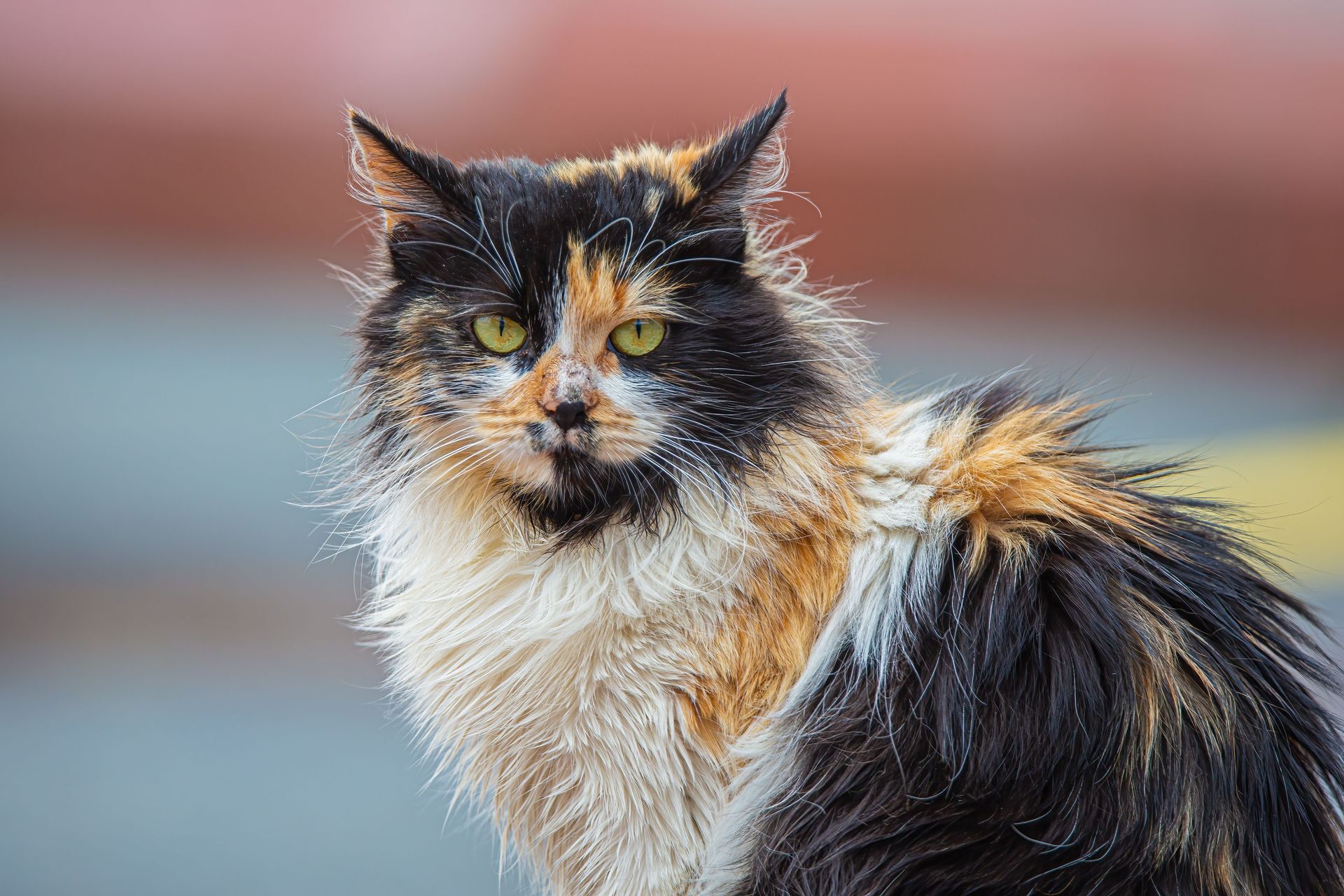
A cat that stops grooming, leaving a dull, greasy, or matted coat, is often dealing with pain, obesity, or an illness that's sapped its energy, while a cat that grooms excessively to the point of bald patches or skin irritation is more likely dealing with allergies, parasites, or stress. Both directions of change say something useful about a cat's health.
Cats are meticulous groomers by nature, spending a significant part of their waking hours cleaning their coat. When that habit drops off, the coat quickly starts to show it. Fur becomes greasy or clumped, dandruff appears along the back, and mats can form in hard-to-reach spots like behind the ears or under the arms. This is especially common in arthritic or overweight cats that can no longer twist and reach certain areas of their body, and in cats that feel too sick or in pain to bother with routine self-care.
Over-grooming, on the other end of the spectrum, often shows up as thinning fur or bald patches, usually along the belly, inner thighs, or lower back, sometimes with visibly irritated or reddened skin underneath. Flea allergy dermatitis is one of the most common causes, where a cat reacts to flea saliva with intense itching even from a single bite. Food allergies and environmental allergies can produce a similar pattern.
Stress and anxiety can also cause a behavior called psychogenic alopecia, where a cat licks or chews at its fur compulsively as a coping mechanism, often in response to a change in the household such as a move, a new pet, or a new baby. This is typically a diagnosis of exclusion, meaning a veterinarian will usually rule out fleas, allergies, and skin infections first.
A coat that looks different than it did a month or two ago, whether it's duller, greasier, thinner, or patchier, is worth photographing over time so the change is easier to describe and track at a vet visit. Paired with any other sign on this list, a coat change adds useful context about how long a problem has likely been developing, since coat quality tends to decline gradually rather than overnight.
Labored or rapid breathing
Credit: Pixabay / PICRYL
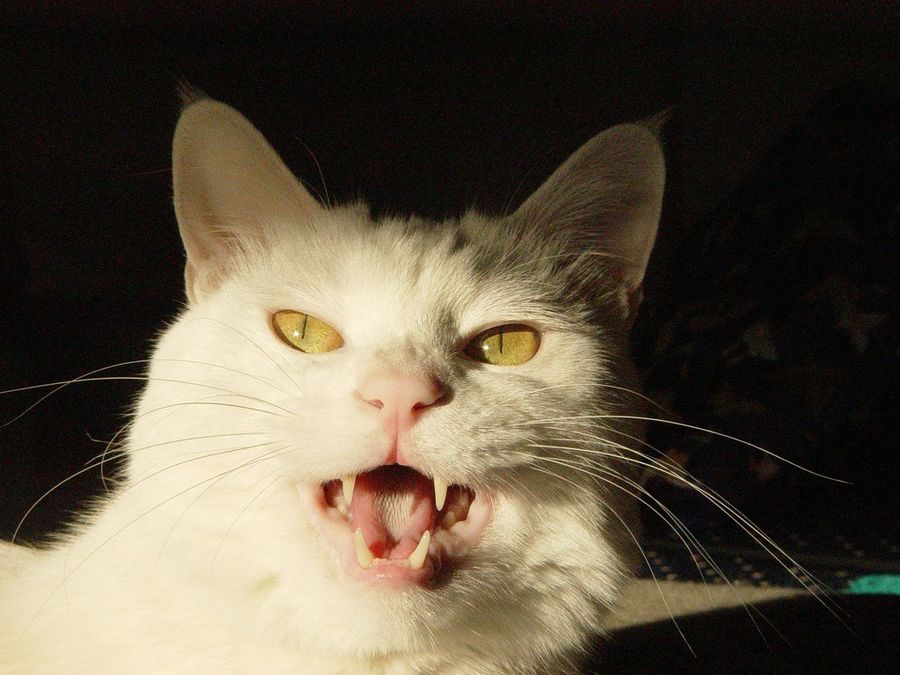
A cat that breathes with an open mouth, breathes rapidly while resting, or shows visible effort in its chest and abdomen with every breath needs emergency veterinary care, since cats hide breathing problems well and rarely show distress until a condition has become serious. Unlike panting in dogs, open-mouth breathing in a resting cat is almost never normal and should be treated as urgent.
A healthy resting cat breathes smoothly and quietly, typically between 20 and 30 breaths per minute, with minimal visible movement in the chest wall. Labored breathing looks different. The abdomen may pump noticeably with each breath, the cat may sit with its elbows pointed outward to open up the chest cavity, and the mouth may hang open in an effort to pull in more air.
Respiratory distress in cats has several possible causes, including asthma, pneumonia, fluid around the lungs or in the chest cavity, heartworm disease, and heart failure caused by a thickened heart muscle, a condition called hypertrophic cardiomyopathy that's relatively common in cats and can develop silently for years before triggering a breathing crisis.
Because cats are prey animals that instinctively hide weakness, a cat in respiratory distress may still appear alert and even try to act normal, which makes this sign easy to underestimate. Any resting respiratory rate that climbs above 40 breaths per minute, any visible open-mouth breathing without recent exertion, or any blue or pale tinge to the gums and tongue is a reason to go to an emergency vet immediately rather than waiting for a next-day appointment.
Handling a cat in respiratory distress also requires care, since stress alone can worsen breathing difficulty and, in rare cases, cause a cat to collapse. Moving a struggling cat gently, keeping it in a well-ventilated carrier, and getting to a veterinary clinic as quickly and calmly as possible gives it the best chance at a good outcome.
Because breathing problems in cats can escalate quickly and quietly, this is the sign on this list that most clearly separates a routine vet visit from a true emergency, and it's one where erring on the side of caution costs far less than waiting to see if it resolves.
Nasal or eye discharge and sneezing
Credit: Maria Luiza Melo / Pexels
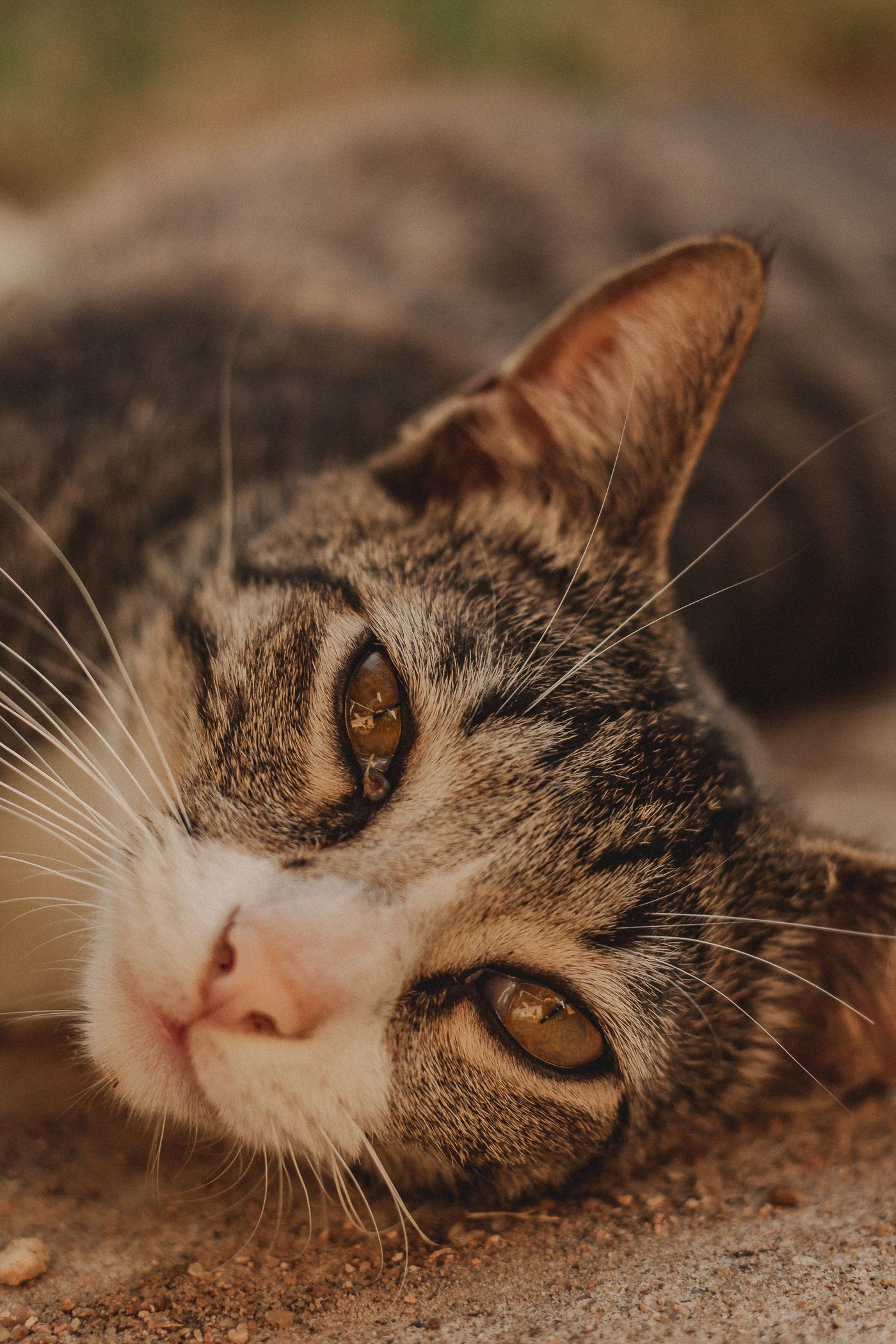
Persistent sneezing along with discharge from the eyes or nose usually points to an upper respiratory infection, common in cats and especially in kittens, multi-cat households, and shelter environments, though it's worth distinguishing a mild cold-like illness from something more serious. Most upper respiratory infections in cats are caused by feline herpesvirus or calicivirus, both of which spread easily between cats through sneezing, shared food bowls, or mutual grooming.
Typical symptoms include clear or colored discharge from the nose, watery or crusty discharge around the eyes, sneezing fits, and sometimes a mild fever or reduced appetite as the cat feels generally unwell. Kittens and cats with weaker immune systems, including those with feline leukemia virus or feline immunodeficiency virus, tend to have more severe or prolonged symptoms than healthy adult cats.
Discharge color and consistency offer useful clues. Clear, watery discharge is more typical of a viral infection in its early stages. Thick, yellow, or green discharge often signals a secondary bacterial infection has developed on top of the initial virus, which usually requires antibiotics in addition to supportive care.
Eye symptoms deserve particular attention on their own, since conditions like conjunctivitis, corneal ulcers, or in older cats, high blood pressure related to kidney disease or hyperthyroidism, can all cause changes around the eyes that look similar to a simple cold at first glance. A cat squinting, pawing at one eye, or showing a visibly cloudy or red eye should be examined promptly, since some eye conditions can threaten vision if left untreated for more than a day or two.
Most mild upper respiratory infections resolve on their own within one to two weeks with rest, good nutrition, and gently keeping the eyes and nose clean. A vet visit becomes more urgent if the cat stops eating, breathes with obvious effort, develops thick colored discharge, or if symptoms last longer than two weeks without improvement.
Because these infections spread easily, any cat showing these symptoms in a multi-cat household should be kept separate from other cats where possible until a veterinarian has assessed how contagious the underlying illness is likely to be.
Unusual vocalization or behavior changes
Credit: Natalia Sevruk / Pexels
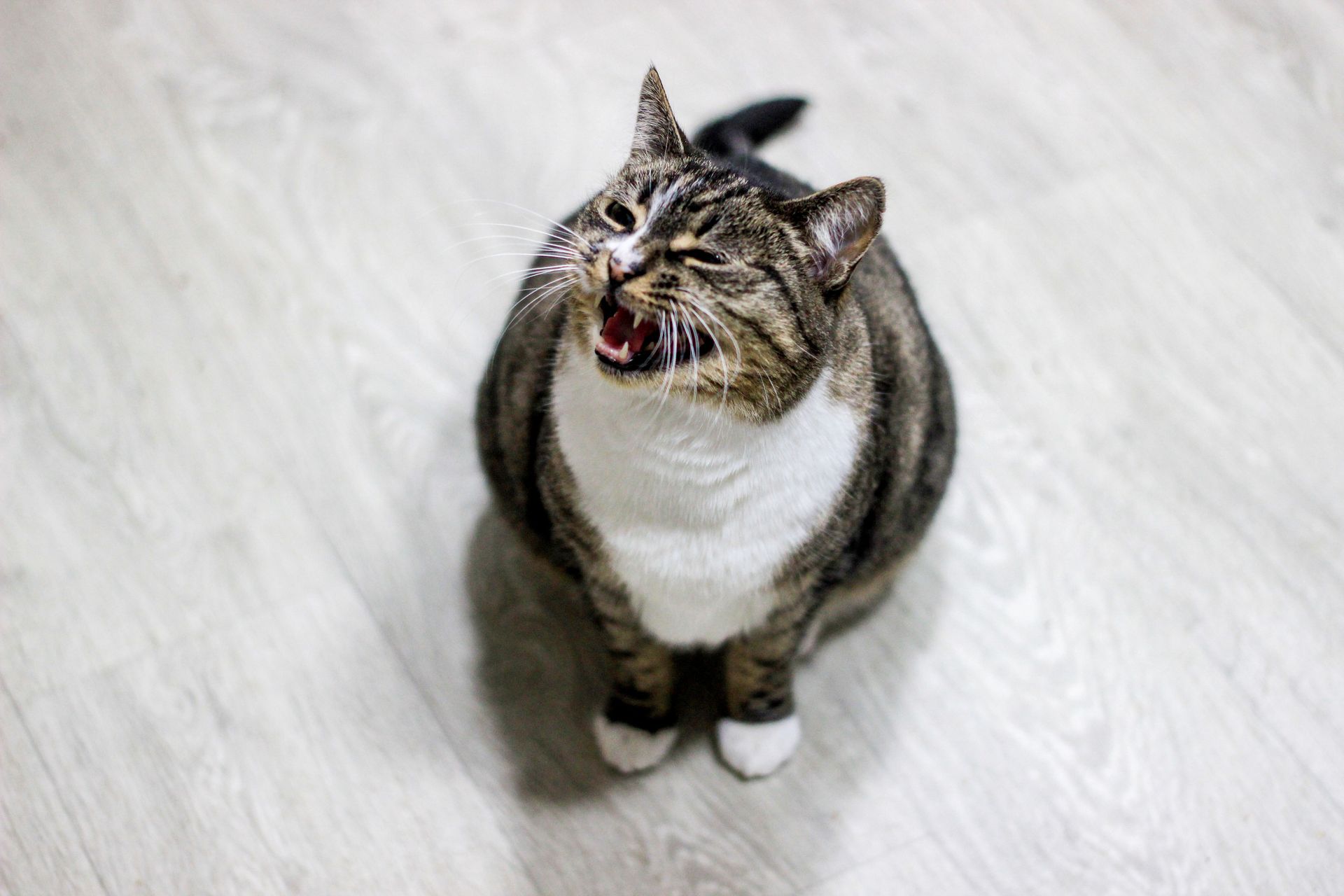
A cat that suddenly meows far more than usual, cries out for no obvious reason, or goes unusually quiet compared to its normal personality is often signaling pain, cognitive decline, or a treatable medical condition rather than a simple change in mood. Vocalization changes are easy to dismiss as quirky cat behavior, but a real shift from a cat's baseline is worth paying attention to.
Increased vocalization, especially loud yowling that happens at night, is a common symptom of hyperthyroidism and, in senior cats, can also point to feline cognitive dysfunction, a condition similar to dementia in humans that causes confusion, disrupted sleep cycles, and vocalizing that seems disconnected from any obvious trigger. High blood pressure, which frequently accompanies both kidney disease and hyperthyroidism in older cats, can also cause distress-related crying.
Crying out sharply while being picked up, jumping, or using stairs often points to pain rather than a behavioral or cognitive issue, and arthritis is a common but frequently overlooked cause in cats, since they tend to mask joint pain far better than dogs do. A cat that yelps when touched in a specific spot, hesitates before jumping onto furniture it used to reach easily, or has started avoiding stairs altogether may be dealing with joint pain that's manageable with treatment.
A previously vocal cat that goes quiet can be just as telling as one that becomes louder. Reduced vocalization sometimes accompanies pain, respiratory illness that makes meowing physically uncomfortable, or general lethargy tied to any of the conditions described elsewhere on this list.
Other behavior changes worth tracking include increased aggression or irritability, which can stem from pain or thyroid disease; new or worsening litter box avoidance, which can be medical or stress-related; and disorientation or getting stuck in corners, hallmark signs of cognitive dysfunction in cats over the age of 12.
Because vocal and behavioral changes are so tied to a cat's individual personality, the owner is usually in the best position to notice them early. Any sustained shift in how often, how loudly, or in what context a cat vocalizes, especially in a cat over the age of 10, is worth describing in detail at the next veterinary visit, and sooner if it's paired with any other sign on this list.