
10 quiet ways your dog or cat shows their age
Recognizing these 10 subtle physical, cognitive, and sensory changes in aging dogs and cats allows owners to adapt home environments and medical care for senior pet comfort
Pietro Schellino / Unsplash
Pets are instinctually predisposed to hide physical discomfort, a survival trait inherited from wild ancestors to avoid appearing vulnerable to predators. Consequently, the onset of age-related conditions like osteoarthritis, cognitive dysfunction, chronic kidney disease, and dental deterioration rarely begins with dramatic distress signals. Instead, senior pets display quiet, subtle adjustments in their daily routines, mobility, sleep habits, and social interactions. When owners overlook these minor behavioral shifts, age-related conditions progress untreated, causing unnecessary pain and significantly diminishing the animal's quality of life during their final years.
Supporting an aging pet requires a proactive shift in daily care management. Simple modifications to the home environment—such as adding orthopedic bedding, installing non-slip flooring, adjusting feeding heights, and scheduling biannual veterinary wellness exams—can dramatically reduce systemic stress on a senior pet's body. Combining targeted medical therapies with thoughtful environmental accommodations helps manage chronic pain, maintain cognitive engagement, and preserve joint function. By recognizing the physical and mental signs of aging early, pet owners can adapt their care strategies to ensure their companion animals remain comfortable, dignified, and active throughout their senior stage of life. Here are ten common indicators that a pet is aging, along with practical steps to support them.
Stiff movements and difficulty rising indicate joint inflammation and cartilage loss
Jack Plant / Unsplash
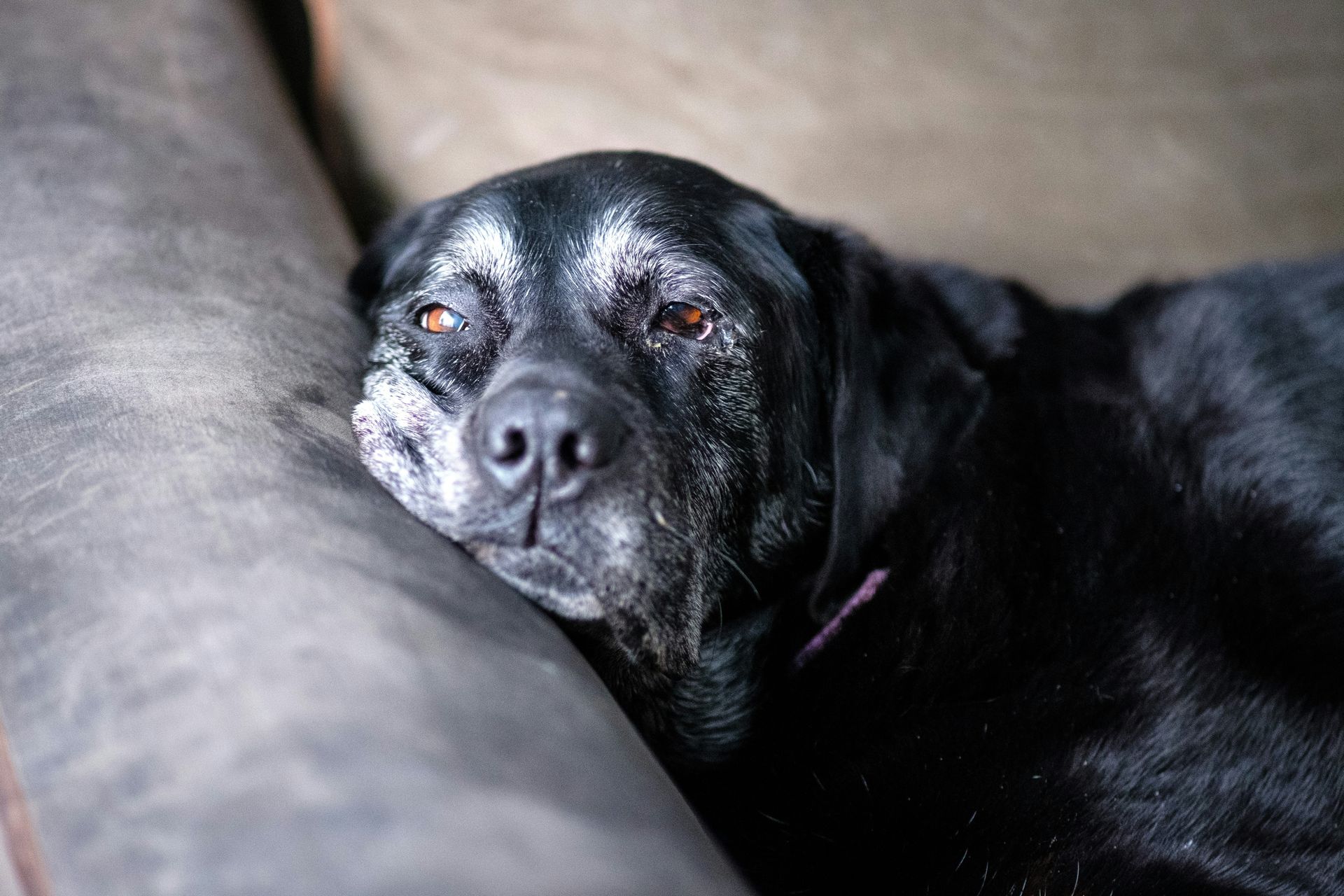
One of the most noticeable indicators of aging in pets is a gradual loss of physical mobility, particularly after resting for long periods. As dogs and cats age, the cartilage cushioning their joints thins and synovial fluid production decreases, leading to bone-on-bone friction known as osteoarthritis. You may observe your pet hesitating before climbing stairs, taking longer to stand up from their bed, or pacing with a stiff, stilted gait in the morning. To help a pet struggling with joint degeneration, place non-slip rubber mats or runners over smooth hardwood or tile floors to prevent slipping and muscle strain. Upgrade their sleeping area to a high-density memory foam orthopedic bed that distributes body weight evenly and relieves pressure on sore hips and elbows. Consult your veterinarian about initiating joint-support supplements containing glucosamine, chondroitin, and omega-3 fatty acids, or starting prescription anti-inflammatory medications to manage pain effectively.
Cloudiness in the eyes signals lenticular sclerosis or cataract formation
Reba Spike / Unsplash
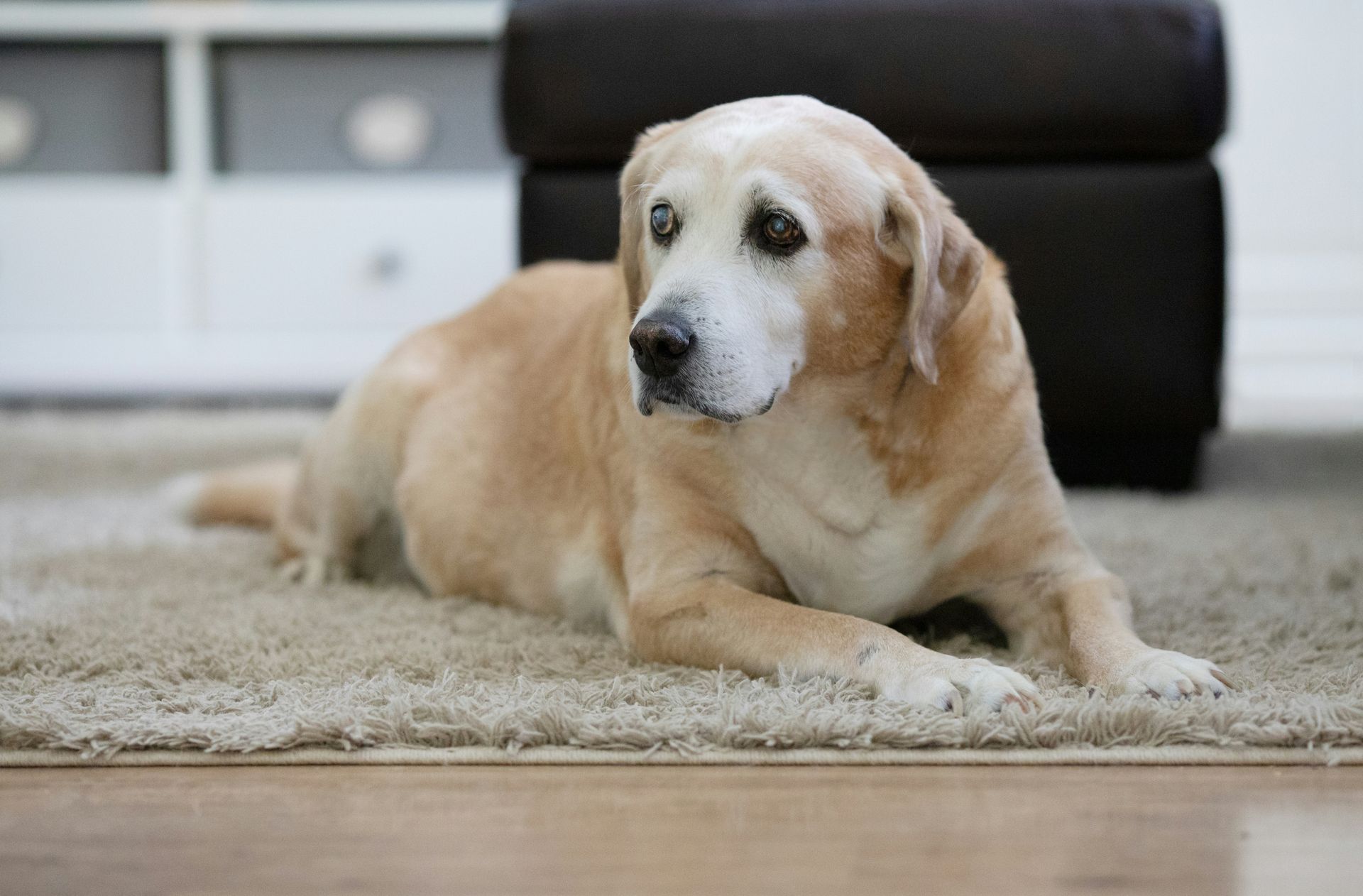
Changes in a pet's eyes are a frequent physical manifestation of aging that owners spot during daily interactions. A bluish-gray haze appearing behind the pupil in both eyes is often nuclear sclerosis, a benign, age-related hardening of the eye lens that occurs naturally in senior animals without causing complete blindness. However, if the cloudiness appears milky white or opaque, it may indicate cataract development, which blocks light from reaching the retina and causes progressive vision loss. To support a pet with declining eyesight, maintain a consistent furniture layout in your home so they can navigate using spatial memory without bumping into obstacles. Install safety gates at the tops and bottoms of open staircases to prevent dangerous falls. Use vocal cues or gentle floor vibrations by tapping your foot before touching a visually impaired pet to avoid startling them awake or triggering a fearful reaction.
Changes in sleep-wake cycles point to cognitive dysfunction syndrome
Matthias Zomer / Pexels
Senior pets often experience shifts in their circadian rhythms, sleeping heavily throughout the entire day and becoming restless, vocal, or disoriented during nighttime hours. This behavioral shift is a hallmark sign of canine or feline cognitive dysfunction syndrome, a condition biologically similar to human Alzheimer's disease. Affected animals may pace aimlessly through hallway corridors, stare blankly at walls, or get trapped behind furniture because their brain struggles to process spatial relationships. To help manage cognitive decline, establish a strict daily routine with fixed times for meals, gentle exercise, and bedtime to provide psychological structure. Increase their daytime mental stimulation using low-impact puzzle feeders and gentle nose-work games to encourage healthier nighttime sleep patterns. Ask your veterinarian about specialized diets enriched with antioxidants, medium-chain triglycerides, and neuro-protective supplements that support brain cell metabolism and slow cognitive deterioration.
Weight fluctuations reflect metabolic changes or organ degradation
Cengiz Özarpat / Unsplash
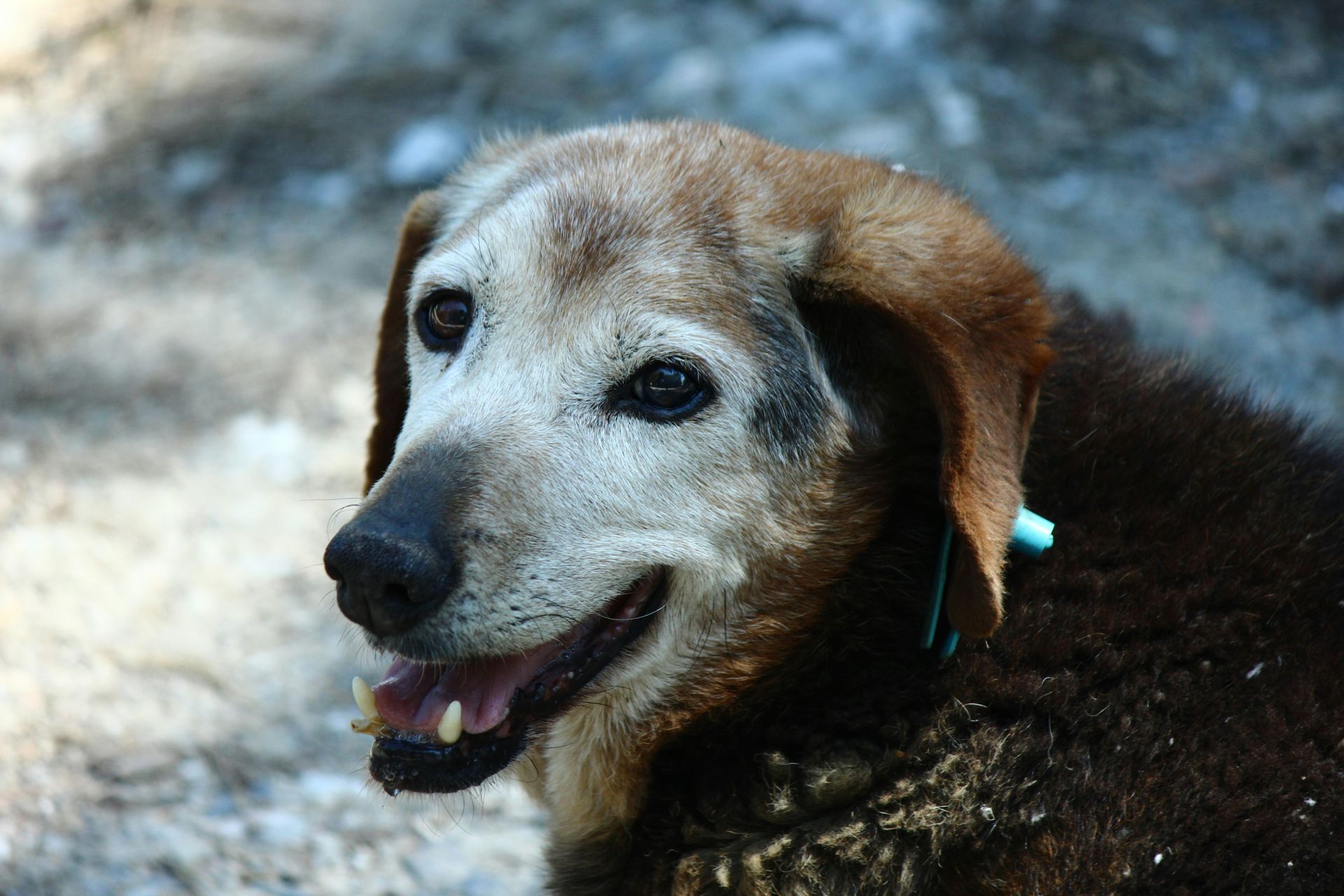
Unexplained weight gain or rapid muscle wasting is a critical physiological indicator that an aging pet's internal metabolism is shifting. Senior pets often experience a decrease in muscle mass known as sarcopenia, along with a slowing metabolic rate that makes them prone to obesity if their caloric intake remains unchanged. Conversely, sudden weight loss in senior cats and dogs frequently points to chronic organ conditions, including kidney failure, hyperthyroidism, diabetes mellitus, or gastrointestinal malabsorption issues. Weigh your senior pet monthly on a digital scale to track subtle trends before they become severe medical issues. Transition your pet to a high-quality senior diet formulated with highly digestible proteins to maintain lean muscle mass while controlling calorie density. Schedule comprehensive blood work and urinalysis with your veterinarian every six months to evaluate kidney, liver, and thyroid function at the earliest stages of organ change.
Dental deterioration and bad breath signal advanced periodontal disease
VetriScience Laboratories / Unsplash
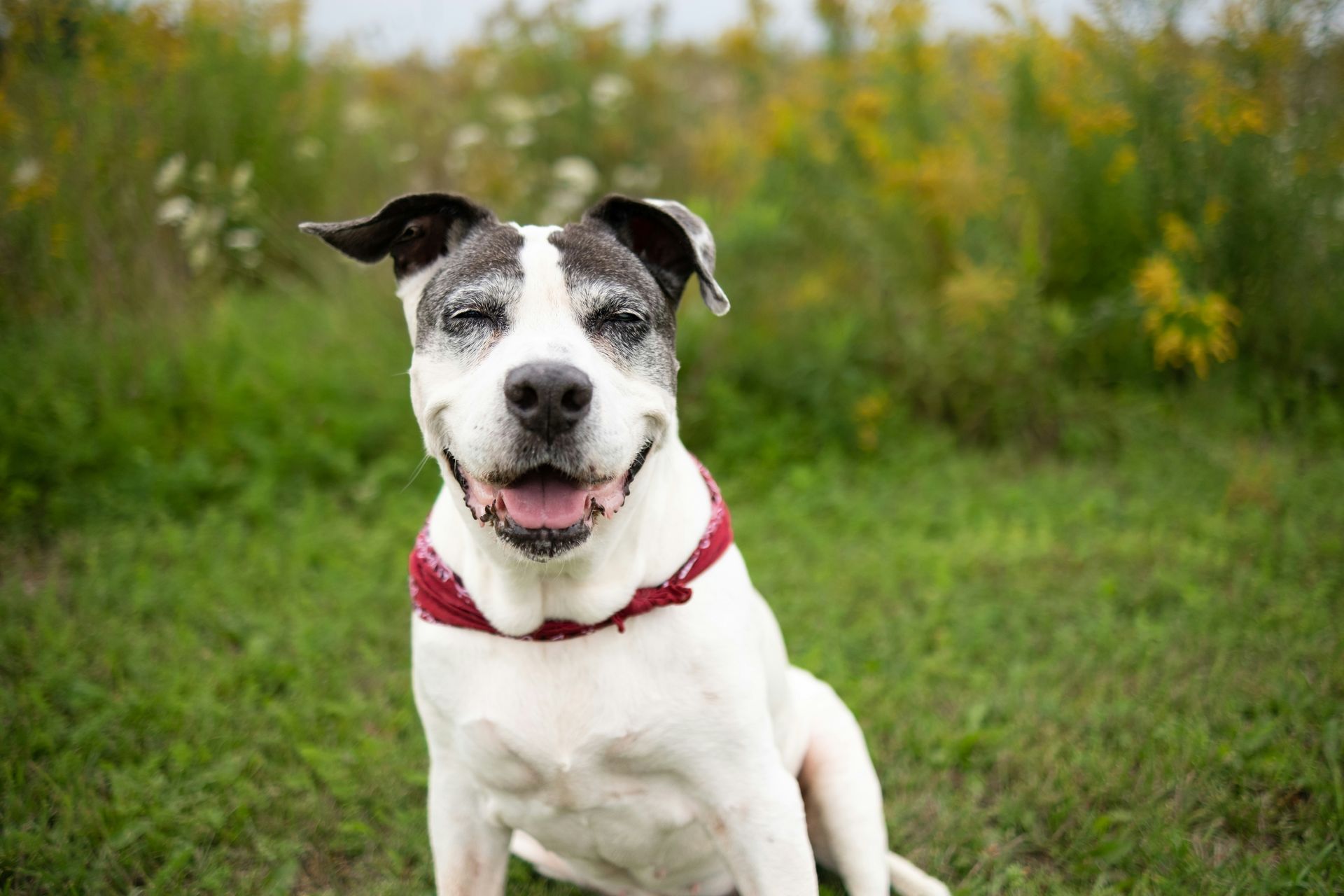
Persistent foul breath in a senior pet is not a normal consequence of aging; it is a primary sign of active bacterial infection and structural dental decay. Over years of eating without regular tooth brushing, plaque hardens into calculus, causing gum recession, bone loss around tooth roots, and painful oral abscesses. Bacteria from chronic gum infections enter the bloodstream through inflamed tissues, placing continuous stress on the heart, liver, and kidneys. To care for an aging pet with dental discomfort, have a veterinarian perform a thorough oral examination under anesthesia to extract loose or infected teeth and clean the remaining structures safely. Transition your pet from hard kibble to soft, canned food, or moisten dry kibble with warm bone broth to reduce chewing pain. Gently clean their gums daily with soft dental wipes or pet-safe enzymatic toothpaste formulated to break down plaque without requiring heavy brushing.
Changes in drinking and urination habits indicate underlying systemic disease
Barnabas Davoti / Unsplash
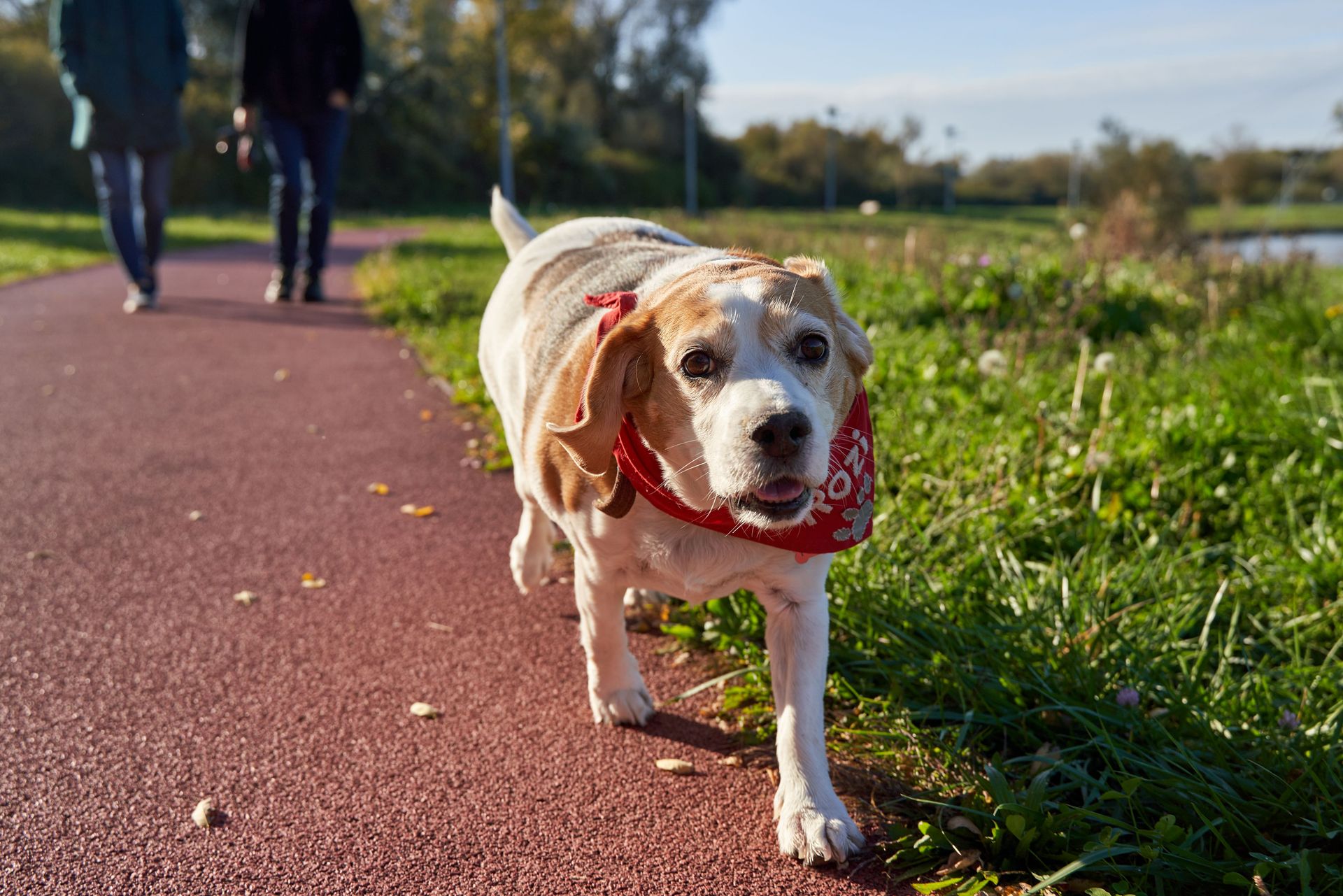
If your senior pet begins drinking noticeably larger amounts of water or needing frequent emergency trips outdoors to urinate, their internal fluid balance is compromised. Increased thirst and frequent urination are primary clinical symptoms associated with several common senior health conditions, including chronic renal failure, canine Cushing's disease, feline diabetes, and urinary tract infections. You may also notice a previously house-trained pet having accidental urination issues indoors or near their sleeping area. Provide your pet with continuous access to clean, fresh water at all times in multiple locations throughout the house, and never restrict water intake to prevent accidents, as this can lead to fatal dehydration. Increase the frequency of short outdoor bathroom breaks throughout the day and evening. Place extra litter boxes with low-entry sides in easily accessible ground-floor locations for senior cats experiencing joint pain while stepping over high box edges.
Behavioral withdrawal or increased clinginess stems from sensory loss or pain
Jairo Chaves / Pexels
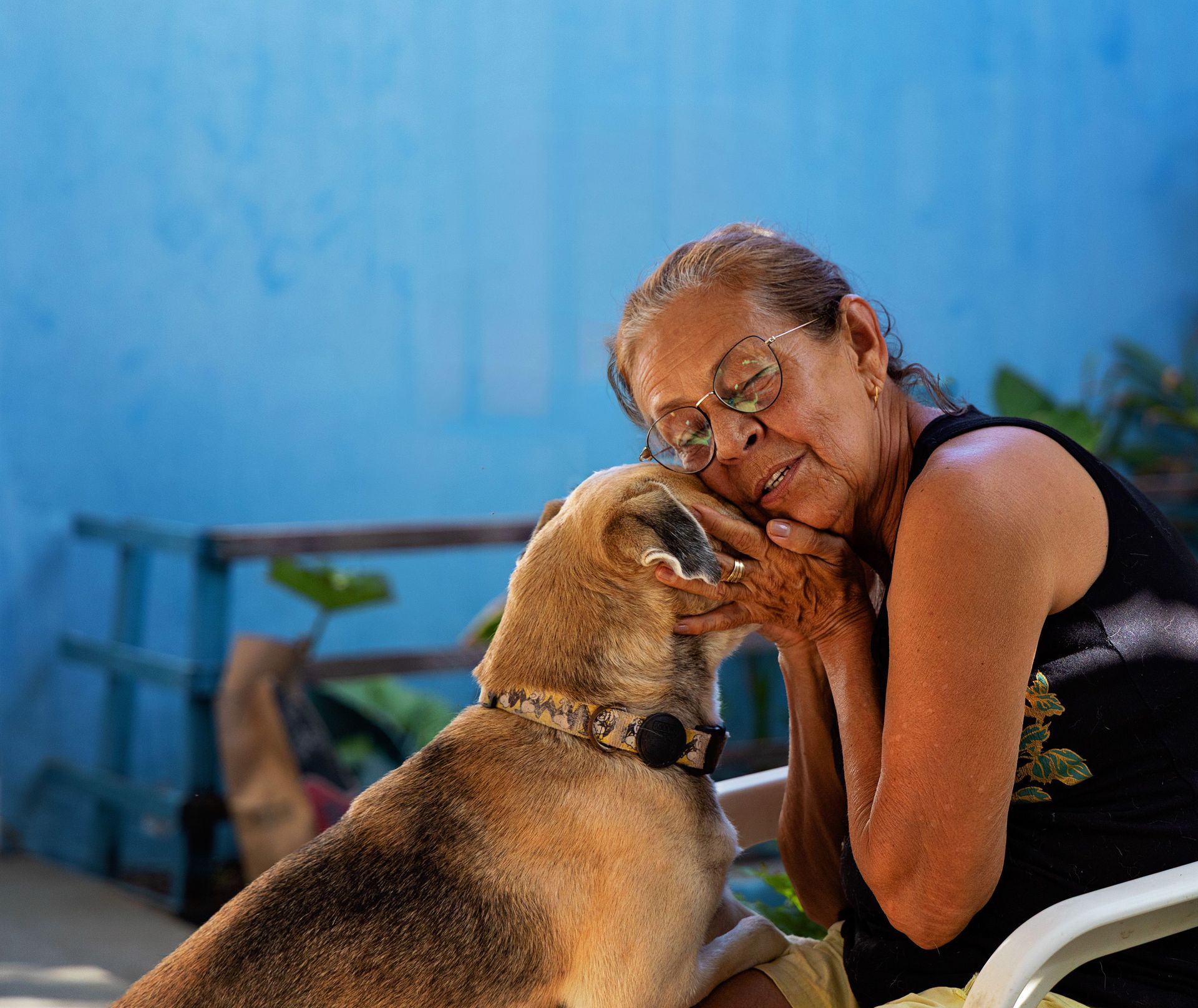
As pets age, changes in their hearing, vision, and physical comfort levels often cause noticeable shifts in how they interact with human family members. A once-independent pet may become unusually needy, following you constantly from room to room because your physical presence provides them with a sense of security against fading senses. Alternatively, a social pet may withdraw to dark, quiet closets or under beds, avoiding touch and retreating from household activity because sudden movements or loud noises aggravate their chronic pain. Respect your senior pet's emotional boundaries by creating a safe, quiet refuge in the house equipped with soft bedding where they can rest undisturbed by children or other pets. Approach a hearing-impaired pet slowly from within their direct field of vision to avoid startling them. Continue to offer gentle, low-pressure physical affection and quiet companionship to reassure them without forcing interaction.
Coat changes and reduced self-grooming highlight mobility constraints
Erwin Bosman / Unsplash
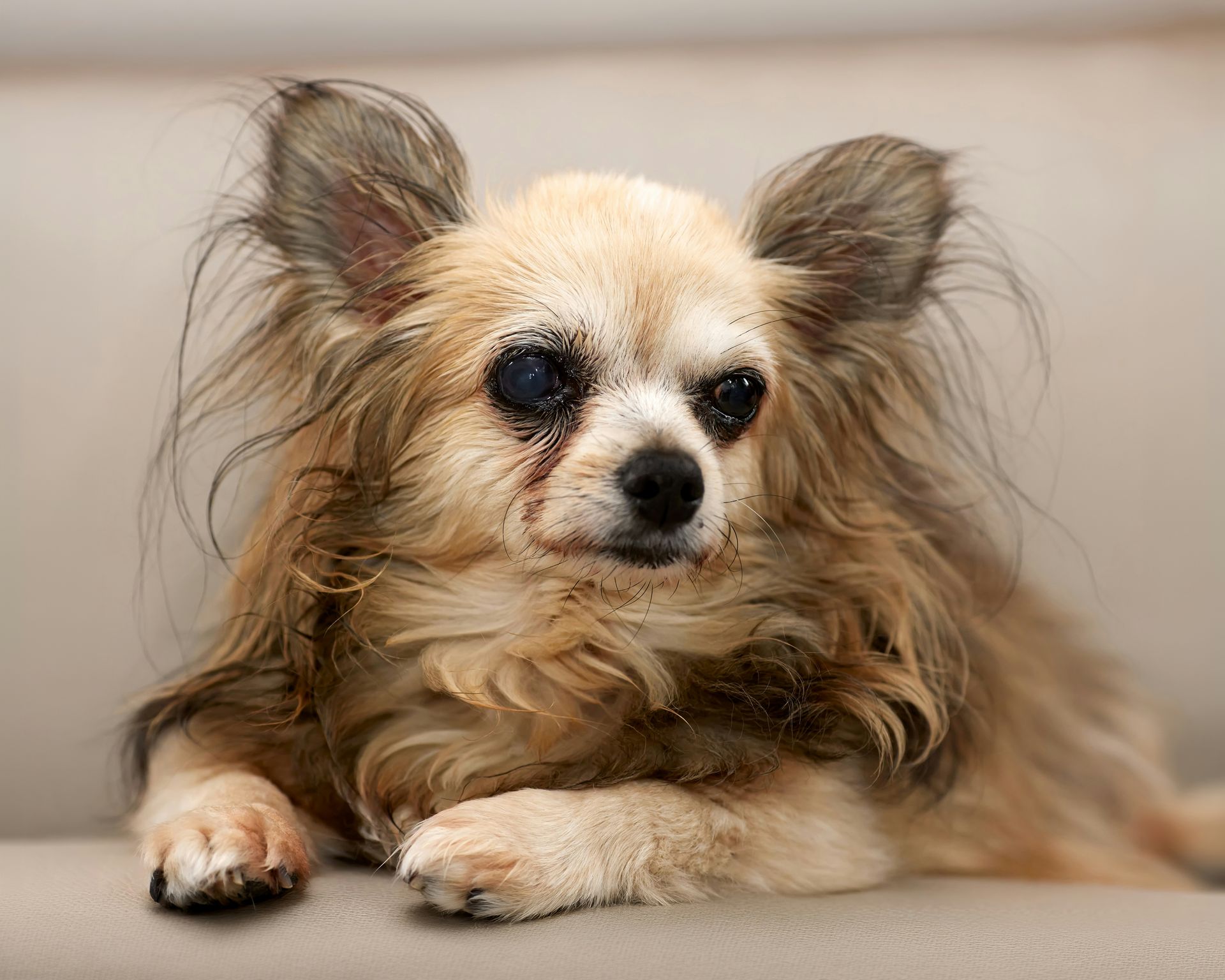
An aging pet's coat often undergoes visible changes, including the appearance of white or gray fur around the muzzle and eyes, thinning hair, and a dry, brittle texture. In senior cats, a matted, unkempt coat or heavy dandruff along the lower spine and tail base indicates that the animal is struggling to groom itself due to spinal arthritis or dental pain that makes bending and licking uncomfortable. Conversely, senior dogs may develop localized calluses, skin tags, or thin skin that tears easily against rough surfaces. Help your senior pet maintain their coat health by gently brushing them daily with a soft-bristled brush or grooming glove to remove loose fur, distribute natural skin oils, and stimulate circulation without irritating tender joints. Inspect their skin regularly for new lumps, bumps, or dry patches, and trim overgrown nails frequently, as thick, long nails alter paw placement and exacerbate joint pain.
Reduced tolerance for temperature extremes reflects impaired thermoregulation
Alexander Grey / Unsplash
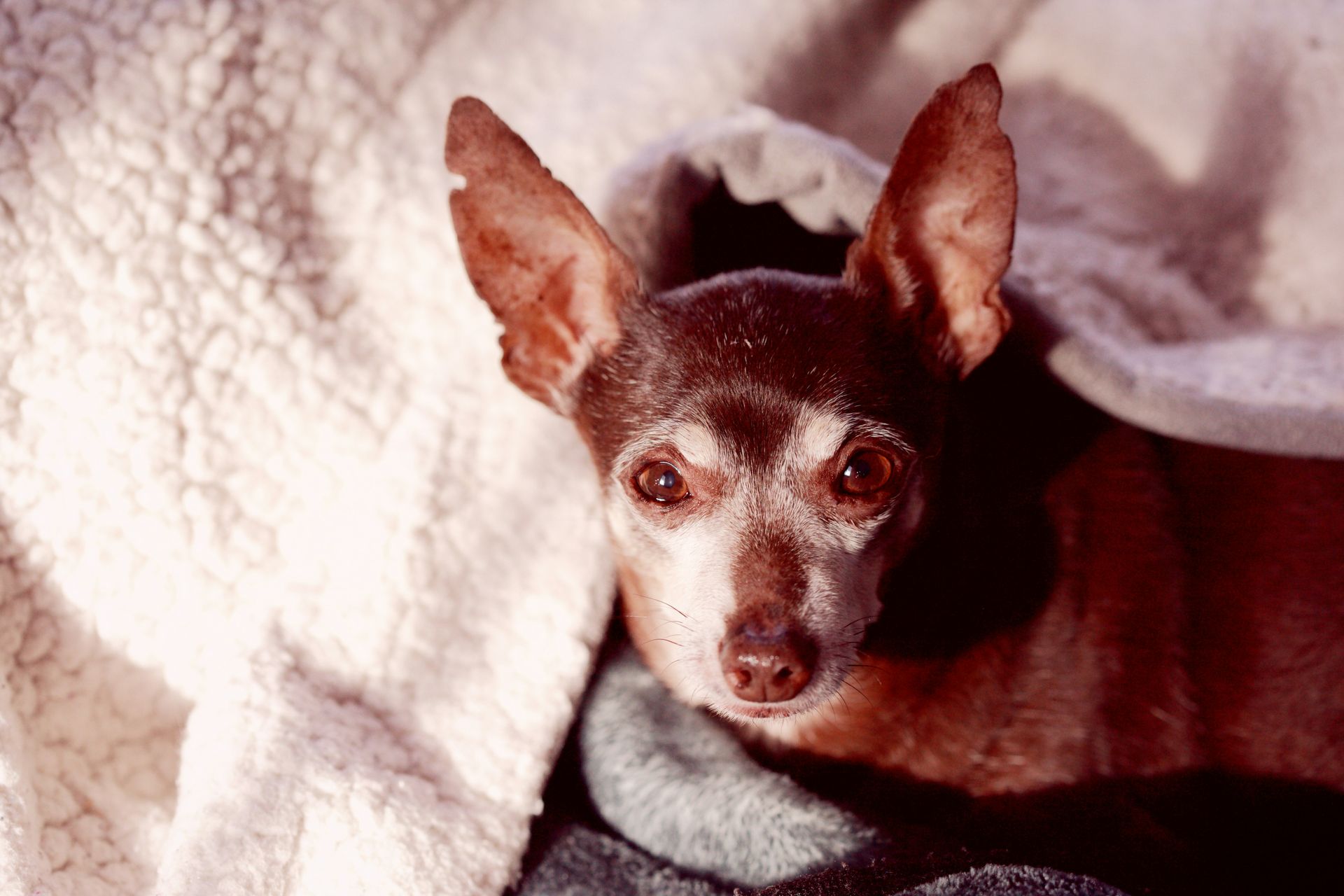
Senior pets lose their ability to regulate internal body temperature efficiently due to thinning coats, loss of insulating subcutaneous fat, and reduced cardiovascular circulation. Cold ambient temperatures cause joint stiffness to flare up, while hot, humid weather quickly overburdens a senior pet's compromised respiratory and circulatory systems, increasing the risk of fatal heatstroke. Protect your aging pet from thermal stress by keeping them indoors in a temperature-controlled environment year-round. Provide warm, fleece blankets or safe, low-voltage heating pads specifically designed for pets during cold winter months to soothe aching muscles. During hot summer weather, limit outdoor exercise to short walks during the cool early morning or late evening hours. Ensure your pet always has access to shaded, well-ventilated resting areas and cold drinking water when spending time outdoors.
Decreased muscle tone and altered posture stem from spinal and nerve changes
Khitomi Michiru / Unsplash
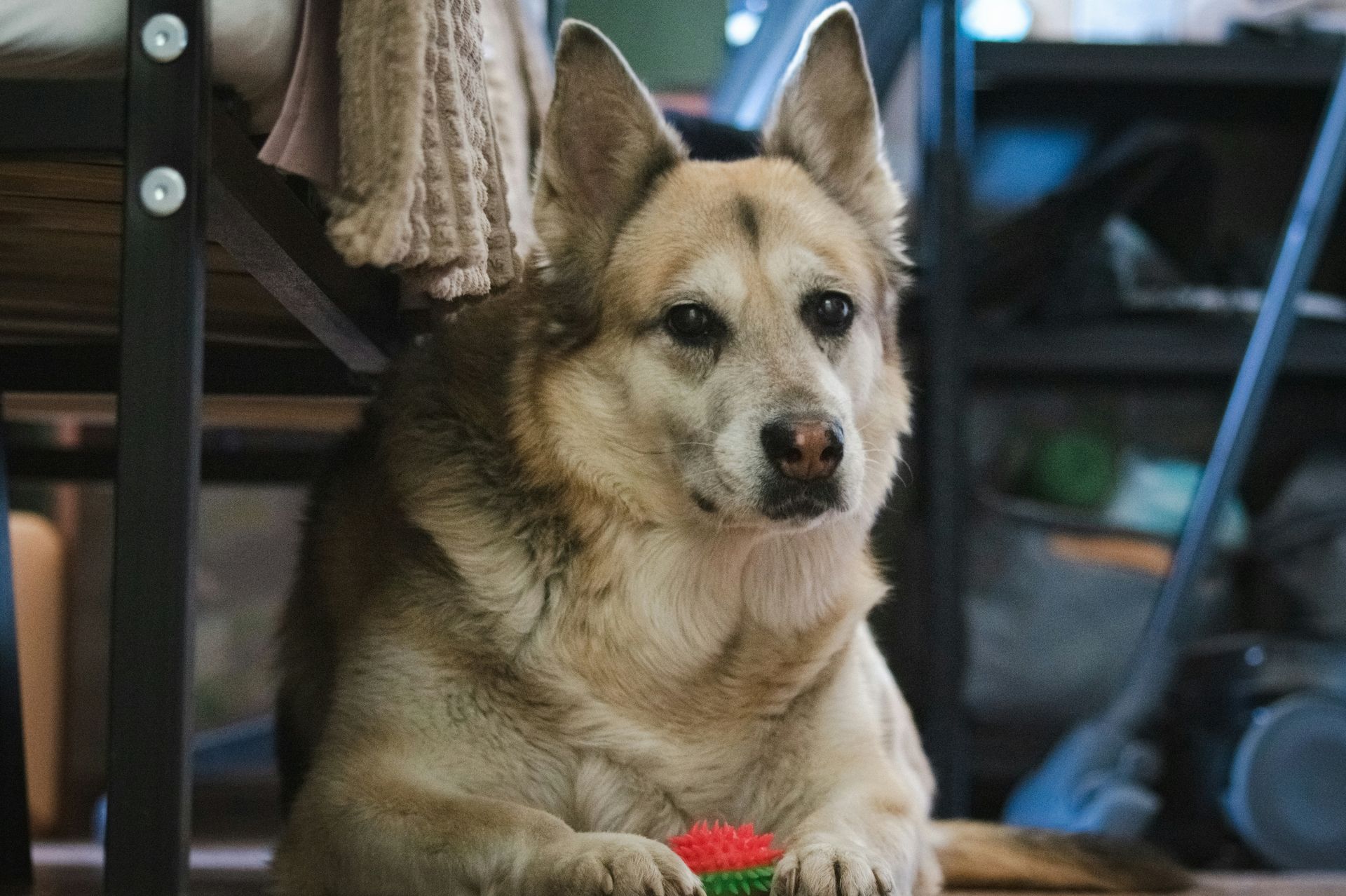
As pets reach their final years, you may notice a visible loss of muscle mass along their spine, hind legs, and shoulders, causing their back to appear swaybacked or their shoulder blades to protrude sharply. This physical wasting, combined with age-related nerve degeneration, causes weak hind legs, knuckle-dragging on pavement, and unsteady balance while standing or eating. To assist a pet experiencing hind-leg weakness or nerve deficits, use a supportive rear-limb harness or towel placed under their abdomen to help them stand, climb steps, or walk safely outdoors without falling. Place non-skid food and water bowls in elevated stands adjusted to shoulder height so your pet does not have to bend down, reducing strain on their neck and front legs during meals. Provide cushioned ramps or pet steps to allow safe access to favorite couches or beds, preventing dangerous jumping impacts on aging spinal columns.