From Pulau Ubin's last kampong island a four-dollar ferry ride away to Geylang's 24-hour hawker stalls and Michelin-recognized claypot frog
Jayjayli / Unsplash
Singapore’s international reputation rests on its headline attractions: Marina Bay Sands, Gardens by the Bay, and Jewel Changi Airport. These are genuine superlatives, and they represent the city-state’s self-presentation to the world: a destination of engineered perfection whose constructed environments have no equals anywhere in Southeast Asia. But the Singapore that locals actually inhabit and that travelers staying longer than a weekend will discover is considerably more layered and more interesting than the showcase suggests. The real Singapore peeks through in the kampong-life nostalgia of a rural island, a short ferry ride from the main city, in the Peranakan terrace houses and curry noodle shops of a coastal neighborhood, in the 1930s art deco housing estate that quietly became a creative hub, and in a 24-hour food haven that evolved organically around a red-light district.
The neighborhoods and destinations below represent the local texture that the iconic attractions suppress by their sheer visual dominance. They are places where the food is specific to the community that developed it, where the architecture reflects a historical moment whose character the modernization cycle has not yet erased, and where the pace of a Singapore that is not performing for tourists gives the visitor who finds it a genuinely different experience from the curated spectacle of the waterfront. The article from which this list is drawn was written by a Singapore-based writer whose knowledge of these neighborhoods is local, not guidebook-derived.
The 7 destinations below appear in Lonely Planet, covering Singapore’s most rewarding neighborhoods and day trip destinations beyond the standard tourist circuit. Singapore’s small geographic footprint, roughly 730 square kilometers, means that all seven destinations are accessible by public transport within an hour or less of the city center, and most can be combined into a half-day or full-day excursion from any hotel in the central area.
Sop Y / Unsplash
Pulau Ubin is a small island off Singapore’s northeastern coast that local Singaporeans treat as the last remaining example of kampong life: the village culture whose communal spirit and physical simplicity, zinc-sheeted houses, communal kitchens, shared spaces, defined Singaporean life before the public housing program transformed the main island into its current form. The ferry from Changi Point Ferry Terminal costs approximately four Singapore dollars per person and crosses to the island in a few minutes, and the independent boat operators wait to fill the 12-passenger capacity before departing, giving the arrival an informality specific to a form of transit that the main island’s efficient MRT system does not replicate.
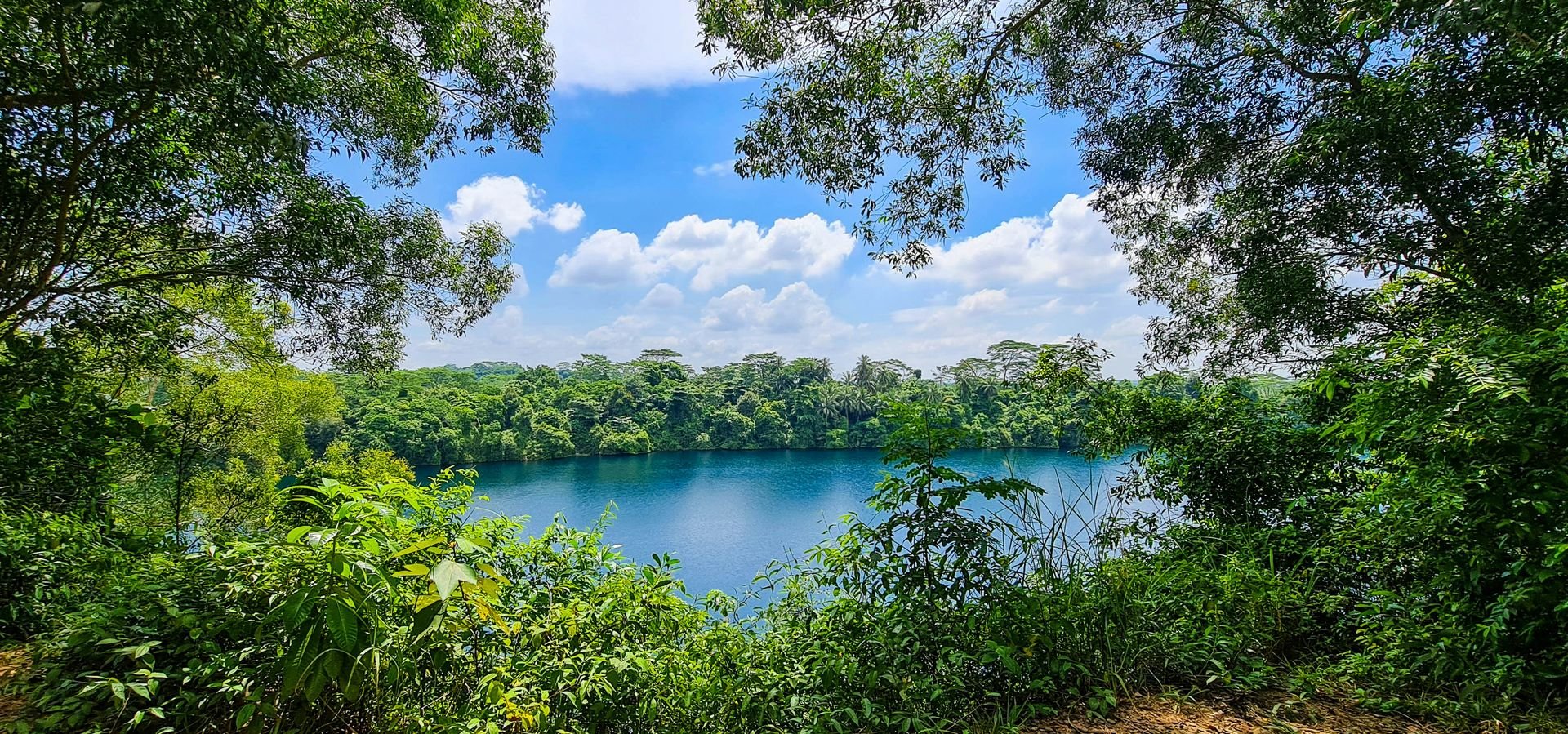
The eastern trail from the jetty leads to Chek Jawa wetlands, the island’s most celebrated natural attraction: a tidal flat ecosystem whose boardwalk allows the visitor to spot mudskippers, fiddler crabs, carpet anemones, ribbon seagrass, and the occasional horseshoe crab. The Jejawi Tower at the end of the boardwalk provides the nature walk with a vertical conclusion, offering panoramic views across the wetlands and the surrounding sea. The western trail offers a complementary geological program: three water-filled quarries, remnants of the granite mining operations that made Pulau Ubin commercially significant in Singapore’s early development, give the landscape a dramatic flooded-quarry character specific to a former industrial site whose reclamation by water and vegetation gives it its most visually striking current form.
Butterfly Hill’s planted garden of species-specific flowering plants, the Puaka Hill viewpoint at the island’s highest elevation, and the Wei Tuo Fa Gong Temple’s 1950s prayer flags over a pond give the western trail a botanical, scenic, and cultural program that rewards the full-day bicycle circuit. The village’s humble eateries and the wayang stage for traditional theatrical performances, rarely seen on the main island any longer, give the return to the jetty area a cultural conclusion whose specific nostalgia the locals who visit are explicitly seeking, and the ferry back to Changi Point gives the return its own quiet decompression specific to a short crossing from a quiet island to a busy city.
-1920x1280.jpg)
Singapore Stock Photos / Unsplash
Geylang is the neighborhood whose specific character is the direct product of its specific history: a legalized red-light district concentrated on the even-numbered lanes branching from Geylang Road, identified by open gates and crimson lanterns, whose nocturnal clientele created the demand for 24-hour food service that transformed the surrounding streets into one of Singapore’s most celebrated late-night dining destinations. The food ecosystem evolved from the practical logic of serving customers who arrived at irregular hours, and the concentration of eateries whose quality spans the full range from street cart to Michelin recognition gives Geylang a food scene whose depth and authenticity reflect an organic development, not a planned culinary district.
The Michelin Bib Gourmand recognition for Eminent Frog Porridge’s claypot frog dish gives the neighborhood its most formally recognized single establishment, and the charcoal-cooked seafood noodles at Swee Guan Hokkien Mee and the oven-roasted char siew pork at Koung’s Wanton Mee give the late-night food program its most celebrated specific dishes. Mongkok Dim Sum’s shared baskets throughout the day give the neighborhood a daytime food program alongside the nocturnal specialties, and the durian vendors give Geylang its most pungent and most divisive single food offering: the fruit’s extreme smell and devoted fanbase make the Geylang durian stalls a cultural experience specific to a neighborhood where the socially unconventional has always coexisted with the gustatorily daring.
The Lonely Planet article’s local tip addresses the safety question directly: the neighborhood is safe, the brothel operators keep to themselves, and visitors who want to understand the neighborhood’s history can book a guided tour with the independent operator Geylang Adventures. The socially unusual and the gastronomically rewarding together give Geylang the most specifically Singaporean local experience available anywhere on this list. Geylang Serai Market and the nearby Malay Cultural Village give the neighborhood a distinct cultural dimension beyond food and brothels: the Malay community’s cultural heritage in the eastern district imbues the broader Geylang area with historical significance specific to the neighborhood’s role in Singapore’s ethnic geography.
Raveen Wijetilleke / Unsplash
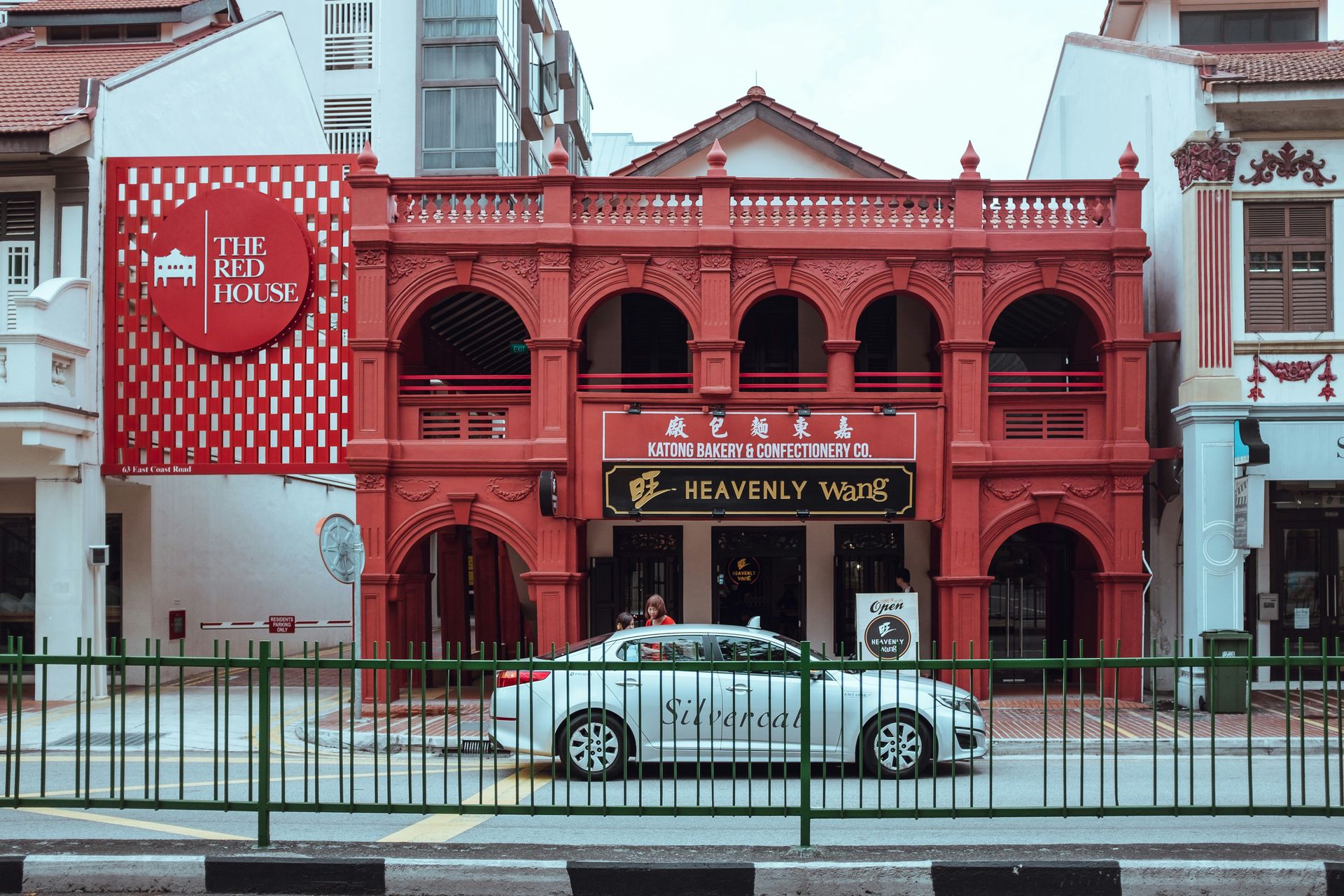
Katong is a coastal neighborhood in eastern Singapore whose built environment and food culture give the Peranakan heritage its most concentrated and most publicly accessible expression outside the dedicated museum on Armenian Street. The Peranakans, an ethnic group that emerged from early Chinese settlers intermarrying with Malay and Indonesian communities across Southeast Asia, produced a hybrid material culture whose decorative intensity is most visible in the pastel terrace houses of Koon Seng Road, whose multi-colored facades give the street its most photographed single architectural sequence in the entire neighborhood.
The food program along Joo Chiat Road and East Coast Road gives the Katong visit its most practically rewarding dimension: Bak Kut Teh pork rib soup, the Ayam Buah Keluak chicken with earthy black nuts at Peranakan Inn and Lounge, and the glutinous rice dumplings at Kim Choo Kueh Chang give the walking tour a culinary itinerary whose specific dishes are available nowhere else in Singapore in the same authentic Peranakan terms. The botanical gelato at Birds of Paradise gives the neighborhood its most globally recognized single sweet, and the Katong Laksa’s creamy curry noodle version of the dish gives the neighborhood its most locally beloved specific recipe.
The murals tucked in the alleys between the terrace houses give the pedestrian exploration its most unexpected visual rewards, and the neighborhood’s relative inaccessibility from the MRT system gives the Lonely Planet article’s suggestion of extending the visit to East Coast Park and the East Coast Lagoon Food Village a practical logic: having made the journey by bus or taxi, the visitor who continues to the beach and the hawker center gets the full eastern Singapore coastal experience whose multiple components justify the transit investment. The Joo Chiat neighborhood,, adjacent to Katong, whose shophouses and independent businesses add an additional layer of Peranakan and early Singapore heritage, extends the eastern Singapore exploration into a second distinct neighborhood whose character complements Katong’s more photographically focused primary appeal.
Albert Vincent Wu / Unsplash
Tanjong Pagar gives Singapore’s urban character its most concentrated single-neighborhood expression of the city-state’s defining paradox: the traditional and the contemporary share the same streets, the heritage shophouses of Amoy Street and Telok Ayer Street stand directly adjacent to the glass towers of the Central Business District, and the hawker centers where office workers eat at noon transform by evening into the address of some of the most internationally recognized cocktail bars in Asia. The neighborhood’s South Bridge Road junction presents Singapore’s multi-religious coexistence in its most literally concentrated form: Masjid Jamae and Sri Mariamman Temple from the 19th century on Pagoda Street, the Buddha Tooth Relic Temple further south, and Fairfield Methodist Church across the junction give a single walking route four places of worship from four faiths within a few hundred meters.
The cocktail bar recognition gives the Tanjong Pagar evening its most globally credentialed dimension: two of Singapore’s three entries on the World’s 50 Best Bars list are located in this neighborhood, giving the bar-goer who follows the international cocktail bar circuit’s benchmarks a specific reason to spend the evening here. Jigger and Pony at the Amara Hotel gives the polished cocktail experience its most refined local expression, Sago House gives the intimate bar format its most convivial character in a compact space with a rotating menu, and Live Twice gives the adventurous drinker a third option whose identity differs from both.
The neighborhood’s role as Singapore’s primary LGBTQ+ nightlife district gives it a social significance beyond its heritage architecture and cocktail bars: Tantric Bar and the other establishments that have maintained the community’s gathering spaces despite the lack of legal recognition give Tanjong Pagar a specific cultural function whose importance to Singapore’s LGBTQ+ community exceeds its function as a tourist attraction. The Maxwell Food Centre, one of the most historically significant hawker centers in Singapore, serves as the most credentialed hawker dining venue for the Tanjong Pagar lunch program, with stalls whose decades-long operations preserve the food's most authentic individual recipes.
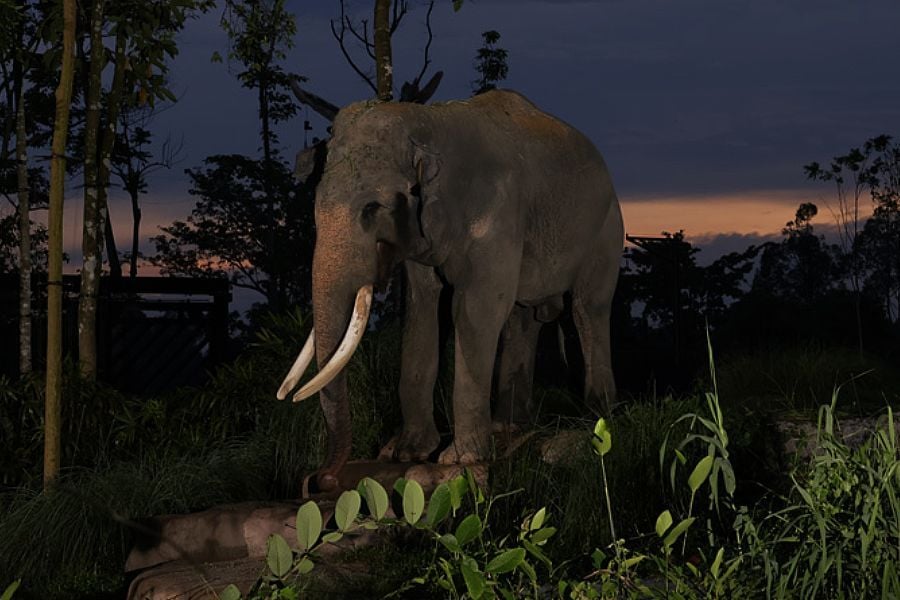
Credit: Mandai Wildlife Reserve
The Mandai wildlife complex in the Central Catchment area of northern Singapore offers the visitor who spends a full day there the most complete single wildlife experience available anywhere in Southeast Asia: the Singapore Zoo, whose naturalistic habitats consistently rank among the world’s best animal parks. Night Safari, created in 1994, was the world’s first nocturnal zoo exhibit. River Wonders, opened in 2014, is Asia’s first river-themed wildlife park. Bird Paradise, the newest addition, opened in 2023, featuring hornbills, flamingos, and penguins displayed against Asian landscape backdrops, from rice terraces to bamboo groves. The four parks give the Mandai complex an extraordinary breadth of wildlife programming specific to a city-state that has invested more systematically in wildlife conservation infrastructure than any other urban center in the region.
The Night Safari’s specific historical significance as the world’s first nocturnal zoo exhibit gives it a credential whose originality no other wildlife park anywhere can replicate, and the experience of walking among free-roaming nocturnal animals in the Singapore jungle darkness gives the visitor an encounter whose specific atmosphere the daytime zoo, however naturalistic, cannot produce. The Rainforest Park, added in 2024, extends the Mandai complex further, featuring a 250-meter suspension bridge and an 11-meter-high canopy walk, whose elevated perspective on the forest ecosystem gives the nature program a physical dimension beyond animal enclosure viewing.
The Upper Seletar Reservoir, adjacent to the Mandai complex, adds an additional natural dimension to the visit: its tree-lined shores and sunset views from the Central Catchment Reserve give the Mandai day a scenic conclusion whose quiet character contrasts with the complex’s more organized wildlife attractions. The Lonely Planet article recommends visiting Bird Paradise first and taking the free shuttle to the other parks, finishing with Night Safari, giving the day a logical sequence whose daylight portions cover the other parks before the darkness delivers the Night Safari’s most distinctive single experience, and the 45-minute tram ride through the nocturnal forest gives the first-time Night Safari visitor the most efficient single overview of the full ecosystem before exploring on foot.
Fleur Kaan / Unsplash
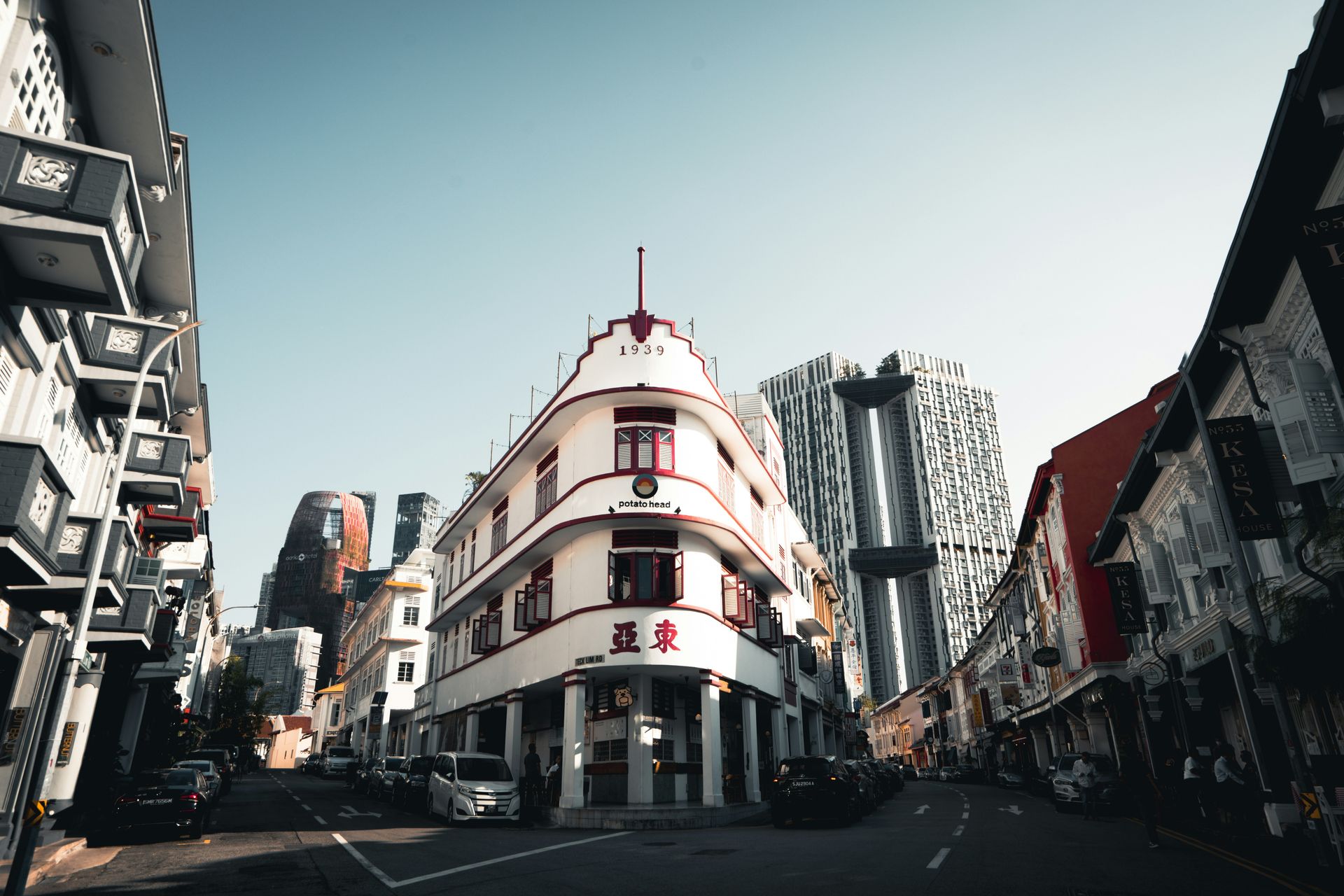
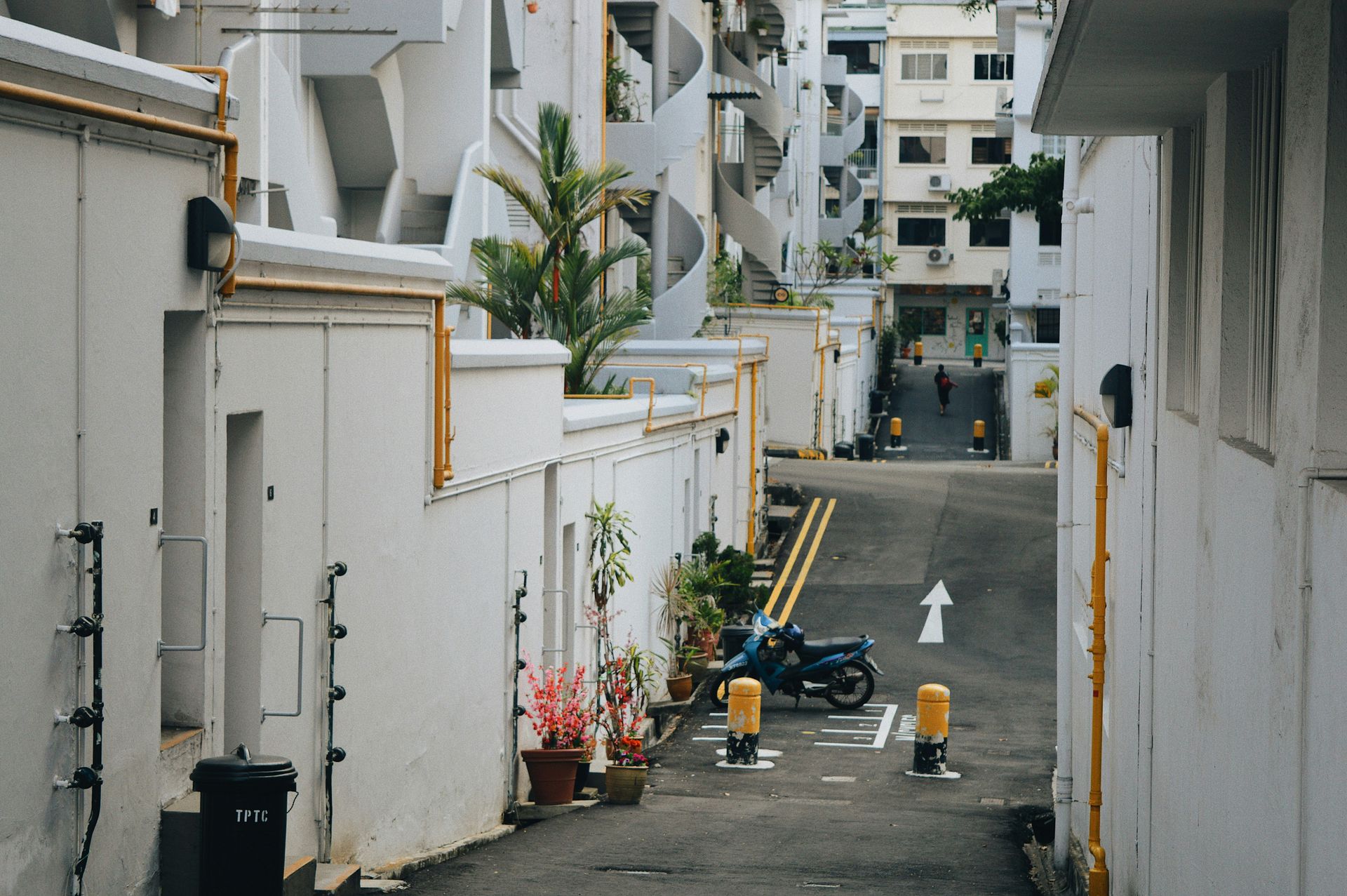
Tiong Bahru gives Singapore its most historically specific and most architecturally distinctive residential neighborhood: the four-story walk-up blocks of Singapore’s first public housing scheme, built in the 1930s before the density requirements of contemporary urban planning shaped the Housing Development Board’s later designs, give the neighborhood a human scale and an architectural character whose art deco vocabulary, soft curves, Straits-influenced covered walkways, spiral staircases, and light wells are unavailable anywhere else on the island. The conservation status that protected Tiong Bahru from redevelopment attracted the creative community, whose independent cafés, crafty retail, and design-focused businesses give the neighborhood its contemporary identity as Singapore’s most culturally engaged residential enclave.
Block $SQ 55 at the junction of Tiong Bahru Road and Tiong Poh Road is the architectural tour's most recommended single viewing point, where the pre-war design’s characteristic elements are most fully expressed. The green-tinted glass panels used to shield residents from the tropical sun give the building exteriors a specific material detail whose function and visual character are specific to the 1930s Singapore climate response and unavailable in the post-war housing designs that define most of the island’s residential landscape.
The food program gives the Tiong Bahru visit its most practically rewarding dimension: the French-trained baker Gontran Cherrier’s Tiong Bahru Bakery has become the neighborhood’s most celebrated single food establishment, and the second-floor hawker center at Tiong Bahru Market gives the visitor who wants a fully local food experience the prawn noodles, steamed buns, and the Michelin Bib Gourmand chicken rice whose quality draws residents from across the island. Cat Socrates gives the retail program its most specific Tiong Bahru recommendation, with stationery and souvenirs whose design sensibility reflects the neighborhood’s creative community character. The Tiong Bahru hawker center’s position as one of Singapore’s most discussed food destinations gives the neighborhood a culinary reputation that has drawn visitors whose primary interest is the food, not the architecture, and the resulting mix of architecture tourists, food seekers, and neighborhood residents gives Tiong Bahru its most socially layered daily street life.
Thyla Jane / Unsplash
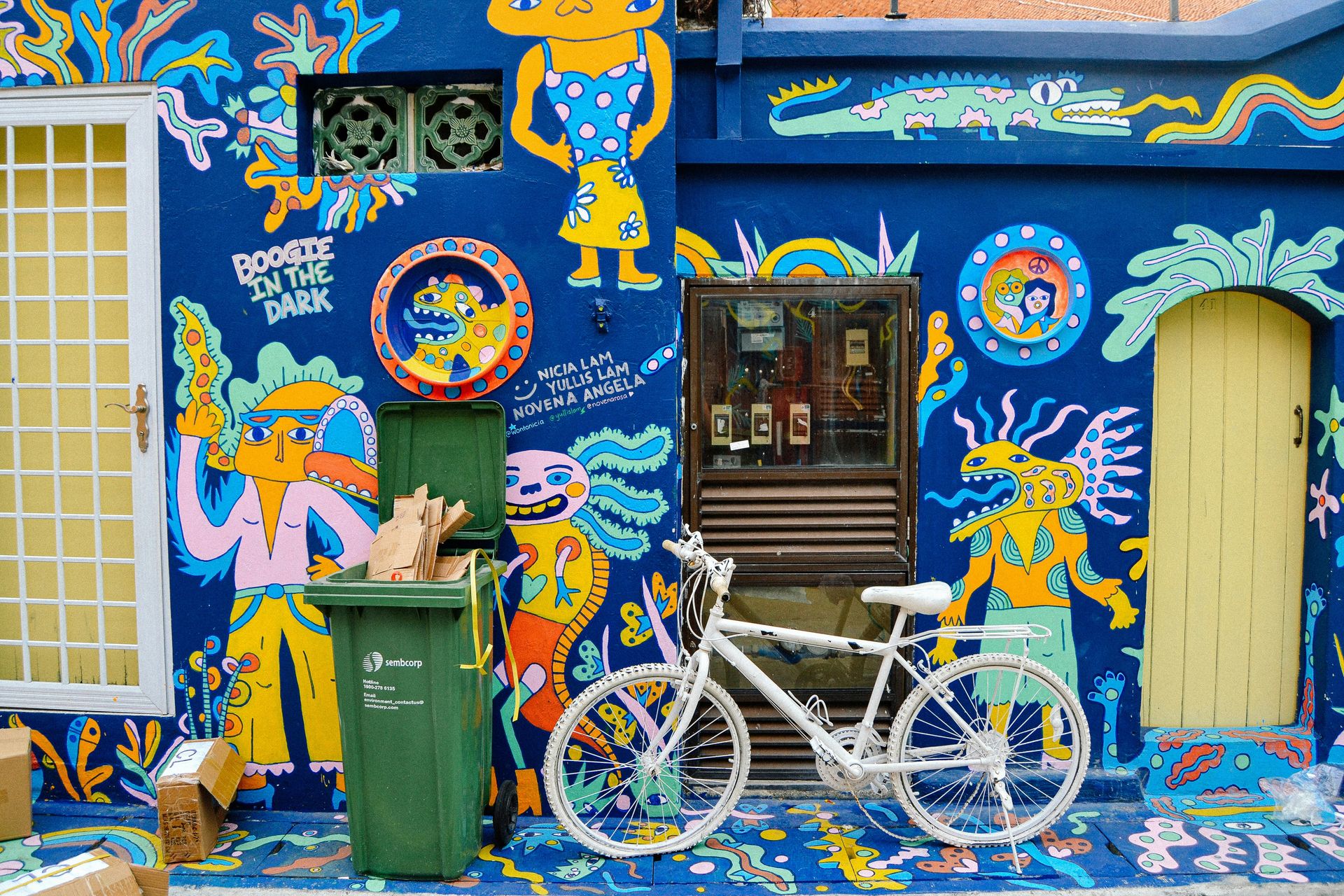
Kampong Glam and the adjacent Bugis neighborhood give Singapore’s Malay and Arab cultural heritage their most publicly animated neighborhood expression: Haji Lane’s bohemian street culture, whose mural-decorated shophouses selling clothing, trinkets, and food give the lane a visual energy specific to a street that has accommodated the informal and the creative alongside the historically significant, and Sultan Mosque’s golden dome at the lane’s end give the same short walk a journey from the contemporary to the sacred specific to a neighborhood whose layered cultural identities coexist in a single pedestrian circuit.
Arab Street gives the historical trading heritage its most direct physical expression: the fabric and rug shops whose merchandise reflects the Middle Eastern trade connections that defined Singapore’s earliest commercial identity, giving the street a specific continuity with the Kampong Glam of the 19th century. Bussorah Street’s line of shophouses framing the mosque’s golden dome gives the pedestrian the neighborhood’s most photographed single composed view, and the surrounding commercial offerings, traditional perfumes at Jamal Kazura Aromatics and teh tarik milk tea at the hole-in-the-wall Bhai Sarbat, give the cultural walk its most olfactory and most specifically local liquid accompaniments.
The broader Bugis neighborhood gives the visit an additional commercial and religious dimension: Albert Centre’s hawker options and the massages at Fu Lu Shou Complex give the practical visitor a combined eating and recovery program, and Kwan Im Thong Hood Cho Temple and Sri Krishnan Temple give the religious heritage program two of Singapore’s most visited Chinese and Hindu places of worship within a short walk of each other. The Lonely Planet article’s specific recommendation to consider staying in Bugis for the MRT connectivity and the affordable accommodation options gives the neighborhood a practical argument specific to a central location whose hotel pricing has not yet reached the premium level that the tourist-oriented districts command, making it the most practical base for the visitor whose Singapore itinerary includes both the heritage neighborhoods and the central waterfront.
