Los Muertos Crew / Pexels
Sleep is the health behavior about which people are most confidently wrong. Unlike diet or exercise — where people at least know they should eat vegetables and move more, even if they don't — sleep comes with an entire ecosystem of folk wisdom that sounds plausible, gets passed down through generations, and turns out to be contradicted by the research at almost every turn. You can catch up on lost sleep at the weekend. Eight hours is what everyone needs. Alcohol helps you sleep. Snoring is annoying but harmless. Lying in bed with your eyes closed is almost as good as sleeping. Every one of these is wrong, and wrong in ways that have real consequences.
The sleep research of the past three decades has produced a substantially revised picture of what sleep is, what it does, and what disrupts it. The discovery of the glymphatic system — the brain's waste-clearance mechanism that operates primarily during sleep — explained why chronic sleep deprivation is associated with Alzheimer's disease risk. The research on sleep stages revealed why REM sleep and slow-wave sleep are not interchangeable, and why sleeping pills that produce sedation without the normal sleep architecture leave you feeling unrested. The chronobiology research revealed that sleep timing is partly genetic — that "night owls" are not lazy but are operating on a different circadian clock — and that forcing early schedules on late chronotypes produces the social equivalent of permanent jet lag.
What the research has also revealed is the specific cost of the myths in this list. Catching up on sleep at the weekend does not restore the cognitive deficits of weekday sleep restriction — it reduces sleepiness but leaves attention, reaction time, and metabolic function impaired in ways that the sleeper does not perceive. This is the most dangerous quality of sleep deprivation: it reduces your ability to accurately assess your own impairment, creating the condition in which the person most convinced they are performing fine is the person most impaired.
Each entry in this list covers the myth, what the research actually shows, and — where relevant — the specific behavioral consequence of believing the myth versus knowing the truth.
1 / 15

Tima Miroshnichenko / Pexels
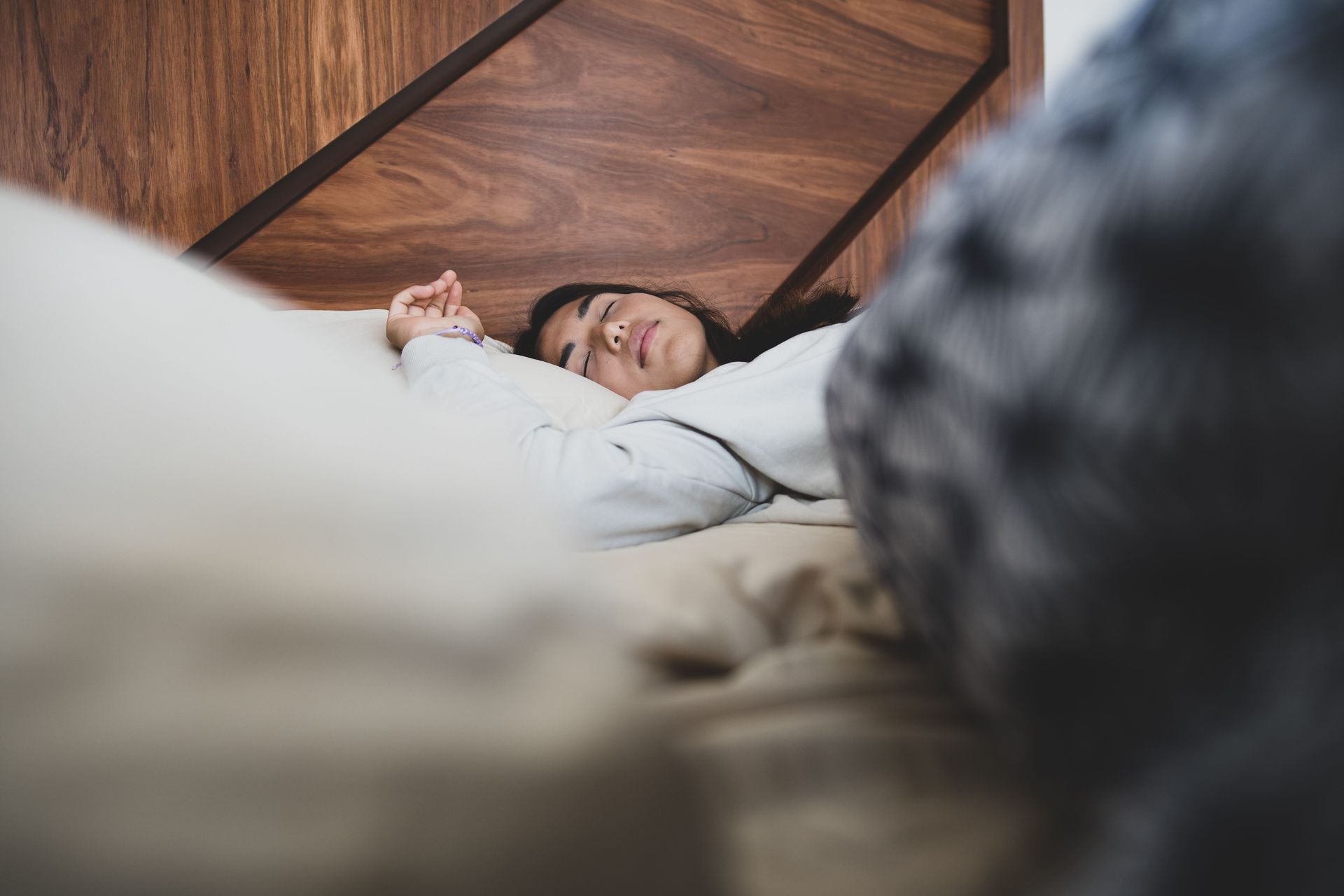
The catch-up sleep belief is the most consequential myth on this list because it is the one that most directly enables chronic sleep restriction during the week. If you believe that the sleep debt accumulated from five nights of six-hour sleep can be repaid with two long weekend lie-ins, the cost of the weekday restriction seems manageable. The research shows it is not.
A 2019 study by Josiane Broussard and colleagues at the University of Colorado found that participants who were sleep-restricted during the week and allowed to catch up at the weekend showed improved subjective sleepiness on Monday — they felt less tired — but continued to show impaired metabolic function, including increased caloric intake and insulin resistance, that did not recover over the weekend catch-up period. The neurological evidence is consistent: the cognitive deficits from chronic sleep restriction — specifically the impairments in sustained attention, working memory, and reaction time — do not fully recover after a weekend of catch-up sleep.
The subjective feeling of recovery dissociates from the objective cognitive performance: people feel recovered but are not. The practical implication is that the appropriate response to chronic sleep restriction is not weekend catch-up but consistent adequate sleep throughout the week.
2 / 15
Towfiqu barbhuiya / Pexels
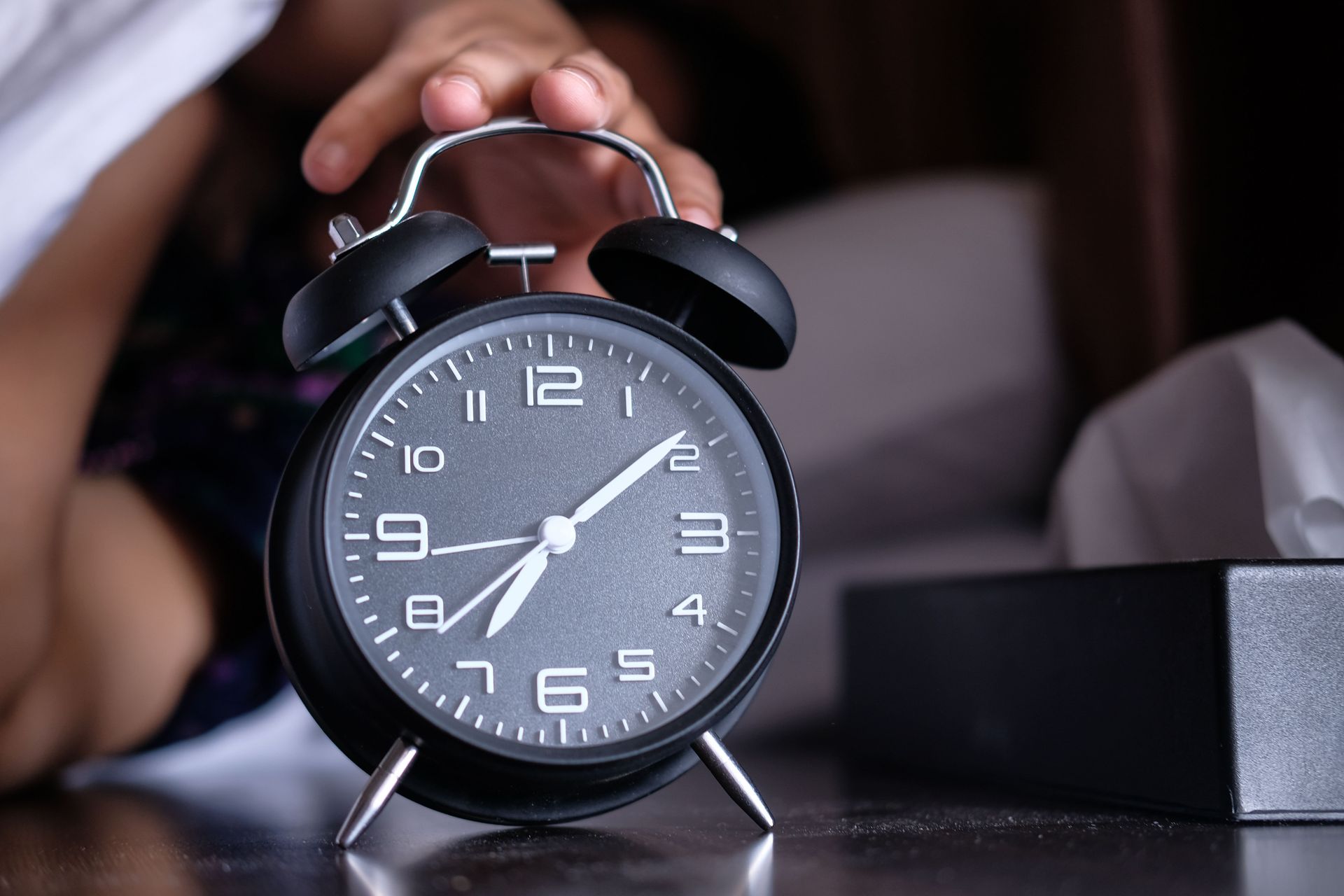
The eight-hour recommendation is the most widely cited sleep guideline and one of the most frequently misapplied. The research on which it is based shows that eight hours is approximately the right amount for the median adult — the middle of a distribution that ranges from approximately six to nine hours for most people, with a smaller number of genuine short sleepers (approximately 1 to 3% of the population) who function optimally on significantly less.
The practical problem with treating eight hours as a prescription rather than a population average is that people who need seven hours may feel they are failing at sleep if they consistently wake refreshed after seven hours and go back to bed in pursuit of eight, while people who need nine hours may feel adequate on seven because they are not severely impaired. The correct target is the sleep duration that allows you to wake without an alarm, feel alert within 20 to 30 minutes of waking, and sustain that alertness through the day without caffeine — for most people this falls between seven and nine hours, but the individual target requires individual calibration.
The National Sleep Foundation's guidelines (7 to 9 hours for adults aged 18 to 64; 7 to 8 hours for adults 65 and over) reflect this range rather than a single number, and the precision with which the eight-hour figure has entered popular culture is a simplification of a distribution rather than a universal prescription.
3 / 15

Towfiqu barbhuiya / Pexels
Alcohol is the most widely used sleep aid in the world — surveys consistently find that approximately 20% of adults use alcohol to help them fall asleep — and it is also one of the most counterproductive. The confusion arises because alcohol does help with one component of sleep: it reduces the time to fall asleep and increases slow-wave sleep in the first half of the night. These effects are real and explain why alcohol feels like a sleep aid.
The second half of the night is the problem. As alcohol is metabolized, it produces a rebound activation of the arousal systems it initially suppressed, increasing REM sleep disruption, increasing awakenings, and reducing overall sleep quality. Matthew Walker's research at UC Berkeley found that alcohol significantly disrupts the synchronized electrical activity of slow-wave sleep even when its sedating effect produces the appearance of deep sleep — producing sleep that looks deep on a polysomnogram but lacks the electrical signature of restorative slow-wave sleep.
The net effect of moderate alcohol consumption close to bedtime is a reduction in sleep quality that is measurable in sleep architecture studies even when the person reports sleeping well. The hangover of impaired cognitive function the morning after drinking is partly a sleep quality consequence rather than purely an alcohol effect.
4 / 15
Kampus Production / Pexels
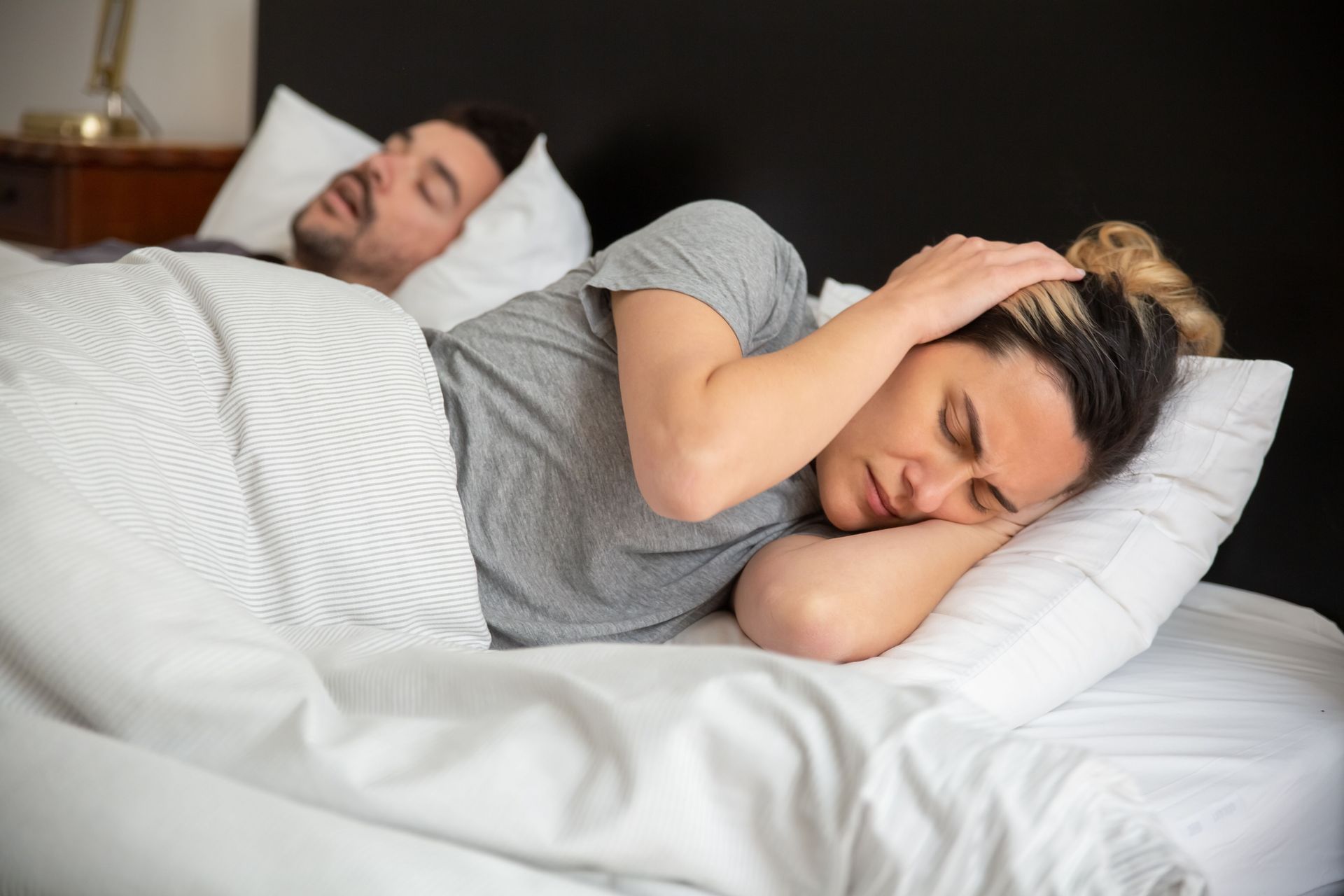
Snoring is the primary symptom of obstructive sleep apnea (OSA) — the condition in which the upper airway partially or completely collapses during sleep, interrupting breathing repeatedly through the night. Approximately 22 million Americans have sleep apnea, the majority undiagnosed. The dismissal of snoring as a harmless nuisance is one of the most consequential underestimations in common health beliefs.
Untreated obstructive sleep apnea is associated with a two to four times increased risk of cardiovascular disease, a three times increased risk of hypertension, significant increased risk of type 2 diabetes, and — because of the cognitive impairment from repeated sleep interruption — an increased risk of motor vehicle accidents comparable to moderate alcohol intoxication.
Each apnea event involves partial arousal from sleep as the brain detects the cessation of breathing. These arousals are typically brief enough that the sleeper does not remember them, but numerous enough — some patients have hundreds per night — to prevent the sustained deep sleep stages required for physical and cognitive restoration. CPAP treatment for diagnosed sleep apnea produces significant improvements in cardiovascular risk, cognitive function, and daytime alertness.
5 / 15
Eren Li / Pexels
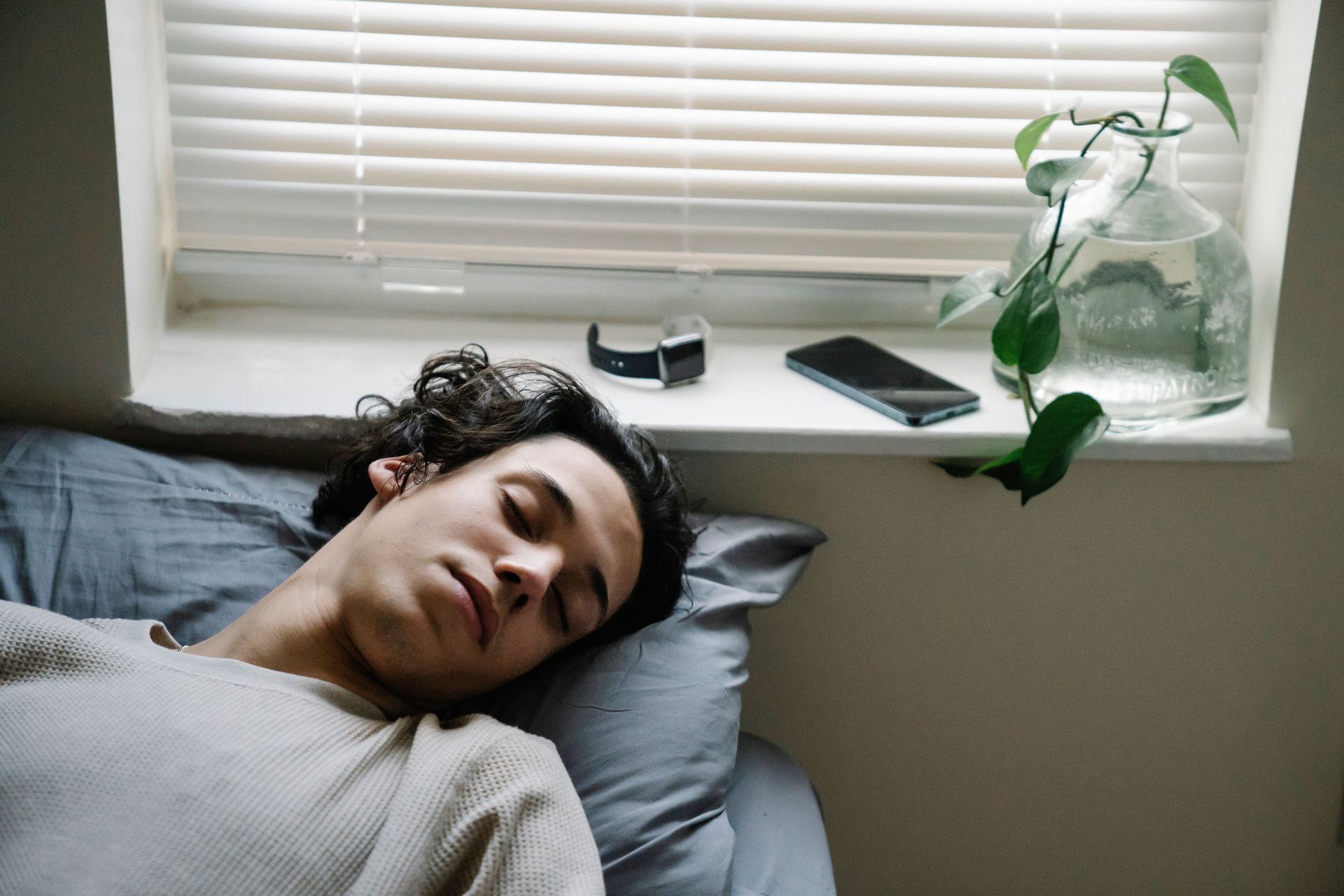
The late sleep timing of adolescents is not laziness or poor discipline. It is a biologically determined shift in the circadian clock that occurs universally during puberty and reverses in early adulthood. The adolescent circadian shift delays the timing of melatonin secretion by approximately two hours compared to both children and adults. The result is that a teenager's biological bedtime is genuinely later than an adult's, and forcing them to wake at 6:30am for school is the chronobiological equivalent of requiring an adult to start work at 4am.
The American Academy of Pediatrics has recommended that middle and high schools start no earlier than 8:30am specifically on the basis of this research. The practical evidence that the shift is biological rather than behavioral: it occurs in adolescents across cultures, including those without access to artificial light or screens; it peaks around age 19 to 21 and reverses through the 20s; and it is present in other mammals, with adolescent mice and monkeys showing the same delayed sleep phase.
The teenager who cannot fall asleep before midnight is not making a choice; they are responding to a melatonin timing that has shifted beyond their control. School districts that have moved start times later have documented improvements in student attendance, academic performance, and mental health outcomes.
6 / 15
Deniz Kyzyltoprak / Pexels
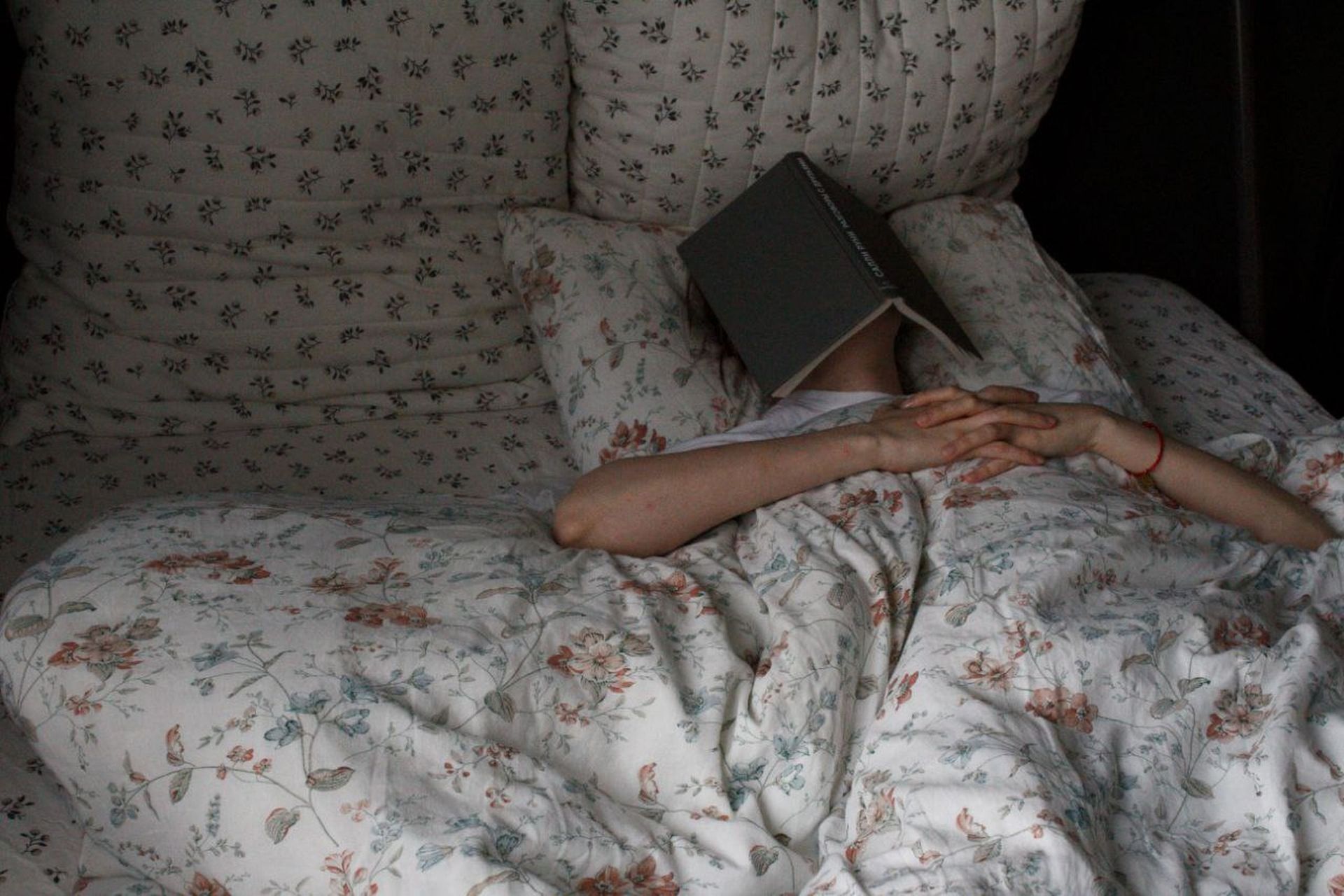
Quiet wakefulness in bed — lying still with eyes closed without sleeping — is restful and produces some benefit, but it does not replicate the restorative functions of sleep. The specific processes that occur during sleep — the glymphatic clearance of metabolic waste products from the brain, the consolidation of memories from short-term to long-term storage, the hormonal secretion that occurs during specific sleep stages, the immune system restoration — require the specific brain state of sleep to occur.
The confusion may arise from the genuine benefit of rest: lying down and closing one's eyes does reduce metabolic demand and allows muscle tension to reduce. But a night of lying still with eyes closed but not sleeping would leave cognitive function, immune function, hormonal balance, and emotional regulation all significantly impaired — the same outcomes as a night without sleep.
This myth is particularly consequential for people with insomnia, who may spend hours lying in bed unsuccessfully trying to sleep, accumulating the association between bed and wakefulness that reinforces insomnia. Cognitive behavioral therapy for insomnia (CBT-I) addresses this specifically through sleep restriction therapy and stimulus control — deliberately limiting time in bed to actual sleeping time to rebuild the association between bed and sleep.
7 / 15
cottonbro studio / Pexels
Chronotype — the individual's natural preference for sleep and wake timing — is approximately 50% heritable and is determined by variants in the circadian clock genes. The night owl who genuinely cannot fall asleep before 1am is expressing a different genetic program, not a failure of discipline. Extreme evening chronotypes have a recognized condition called Delayed Sleep Phase Disorder when the mismatch between their biology and social schedules is severe enough to impair functioning.
The social consequences of chronotype mismatch are measurable: people forced to operate on schedules misaligned with their chronotype show impaired cognitive performance, worse health outcomes, and lower productivity than when operating on aligned schedules. The concept of "social jet lag" — the chronic misalignment between biological and social time that most evening chronotypes experience — is associated with increased obesity, cardiovascular disease risk, and mood disorders in epidemiological research.
The research on chronotype reveals a continuous distribution from extreme morning types to extreme evening types in the population. Treating evening chronotype as a moral failing rather than a biological variation has real costs — people internalize the failure framing, lose sleep attempting to force schedules their biology resists, and compound the problem with the anxiety of perceived inadequacy.
8 / 15
Ron Lach / Pexels
While the majority of adults in developed countries are chronically undersleeping, the relationship between sleep duration and health outcomes is not linear — it is U-shaped. Both too little sleep (below seven hours for most adults) and too much sleep (above nine hours for most adults) are associated with increased mortality risk and worse cognitive outcomes in large epidemiological studies.
The interpretation of the long-sleep association requires care: in most studies, people sleeping more than nine hours include a significant proportion of people sleeping long because they are ill, depressed, or have undiagnosed sleep apnea, which fragments sleep and increases total time in bed. Long sleep in this context may be a consequence of poor health rather than a cause.
The practical implication: pursuing more sleep beyond your individual requirement is not beneficial and may be a sign of an underlying condition worth addressing. Sleeping in dramatically on weekends beyond your normal wake time also disrupts your circadian rhythm and may impair Monday functioning through the same social jet lag mechanism that affects evening chronotypes.
9 / 15
Michelle Leman / Pexels
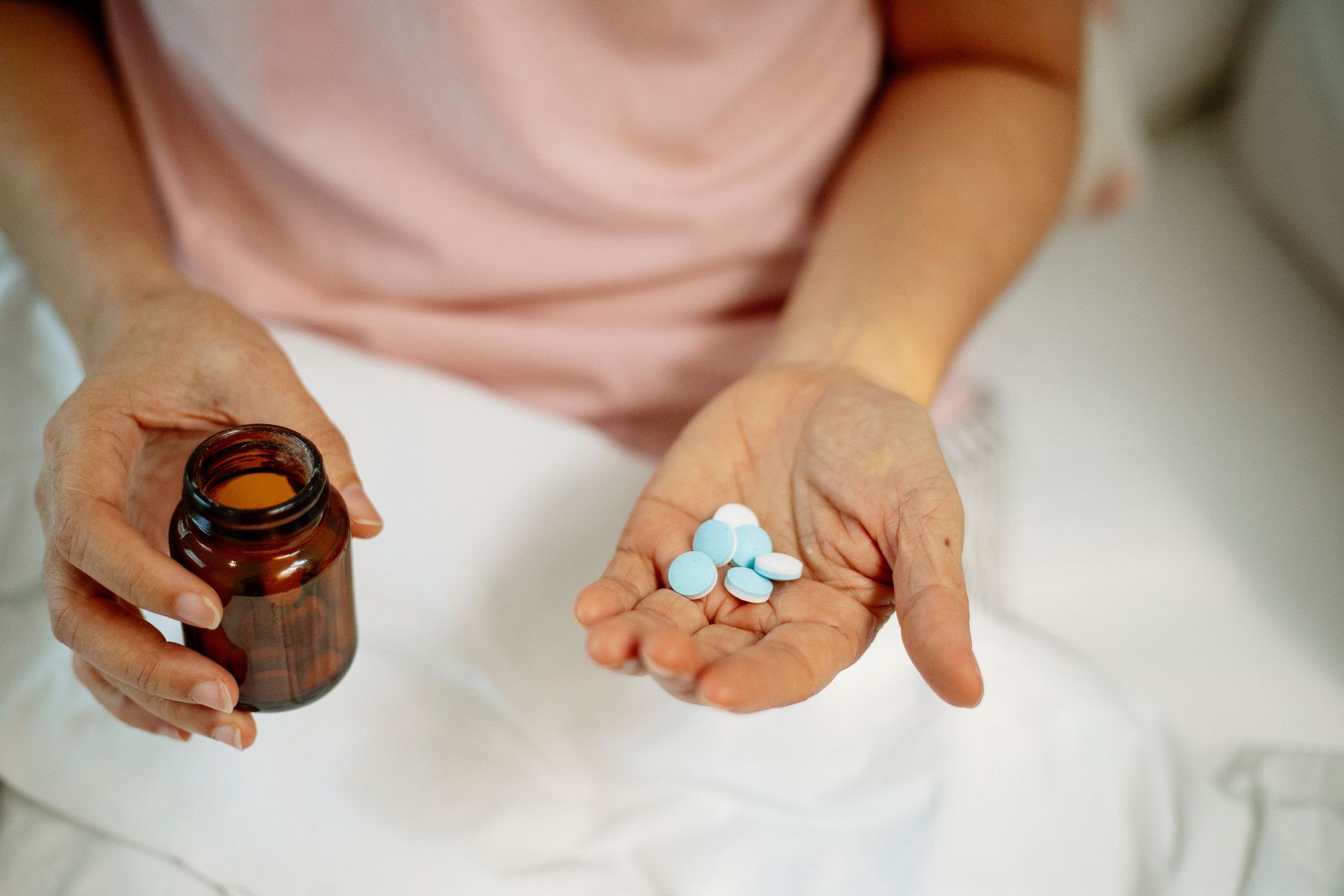
Prescription sleep medications — benzodiazepines and non-benzodiazepine hypnotics (zolpidem, eszopiclone) — produce sedation and reduce sleep latency but do not produce the normal sleep architecture that restorative sleep requires. EEG recordings of sleep on these medications show suppressed slow-wave sleep and altered REM sleep relative to drug-free sleep. The restorative functions of sleep — memory consolidation, hormonal secretion, glymphatic clearance — are impaired accordingly.
The electrical signature of the brain during drug-induced sedation is measurably different from natural sleep, and people who use sleeping pills regularly often report feeling unrested despite sleeping through the night — a consequence of the architectural distortion rather than insufficient duration.
CBT-I (Cognitive Behavioral Therapy for Insomnia) is the first-line treatment recommended by the American College of Physicians and the American Academy of Sleep Medicine, producing equivalent short-term outcomes to sleeping pills and significantly better long-term outcomes without the tolerance, dependence, and rebound insomnia that pharmacological treatment produces. Most people with insomnia receive a prescription before being offered CBT-I, reversing the evidence-based treatment sequence.
10 / 15
Andrea Piacquadio / Pexels
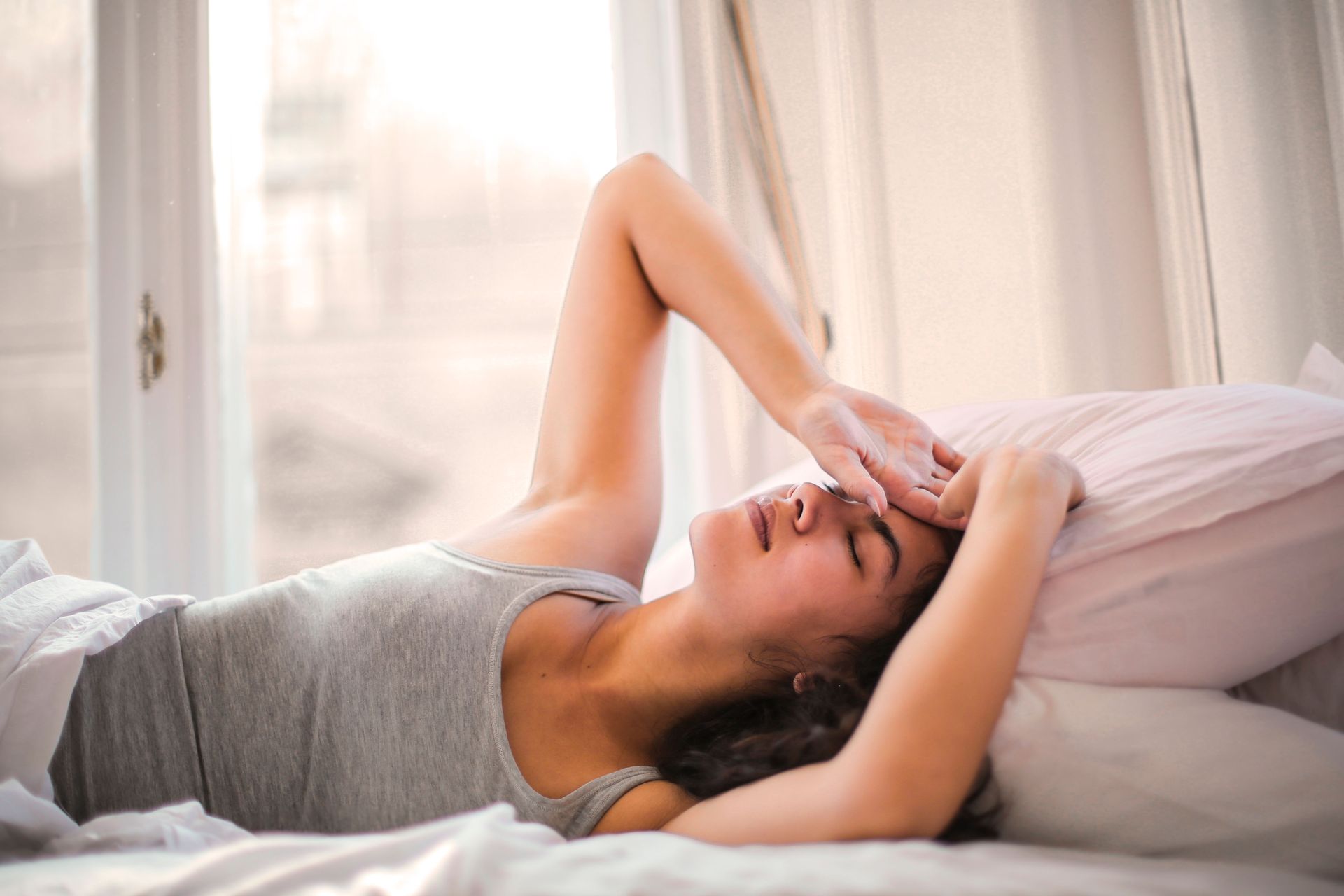
Body temperature regulation is one of the primary physiological drivers of sleep onset, and the relationship is counterintuitive: sleep onset is associated with a drop in core body temperature, not an increase. The body initiates sleep by dilating peripheral blood vessels to dissipate heat, reducing core temperature by approximately 1 to 2°C. A warm bedroom impedes this process.
The optimal bedroom temperature for sleep is approximately 15 to 20°C (60 to 68°F) for most adults — significantly cooler than most people maintain their bedrooms. Research consistently finds that sleep quality is better in cooler rooms and that warming the bedroom environment delays sleep onset and reduces slow-wave sleep.
The specific application: taking a warm bath or shower one to two hours before bed actually promotes sleep by drawing blood to the skin surface and accelerating the core temperature drop that signals sleep onset. The temporary warming of the skin accelerates the cooling process rather than impeding it. The warm bedroom maintained throughout the night, by contrast, works against the temperature regulation that maintains sleep.
11 / 15

Mathias Reding / Pexels
The recommendation to avoid vigorous exercise within several hours of bedtime was standard sleep hygiene advice for decades and remains widely repeated. The research behind it is weaker than its persistence suggests, and the practical implication of following it strictly may deter exercise in people whose schedules permit it only in the evening.
A 2019 meta-analysis published in Sports Medicine analyzed 23 studies of evening exercise and sleep and found that vigorous exercise performed up to one hour before bedtime did not significantly impair sleep quality in most participants. The studies that found negative effects were primarily conducted in laboratory conditions with very high exercise intensities; real-world evening exercisers showed more varied and generally less negative outcomes.
The honest summary: the effect of evening exercise on sleep is highly individual. Some people find that vigorous evening exercise disrupts their sleep; others find no effect or even improvement. The general recommendation to avoid all evening exercise is an overcautious interpretation of limited evidence that may cost some people both their exercise and their sleep. Individual experimentation is more evidence-supported than categorical avoidance.
12 / 15
SHVETS production / Pexels
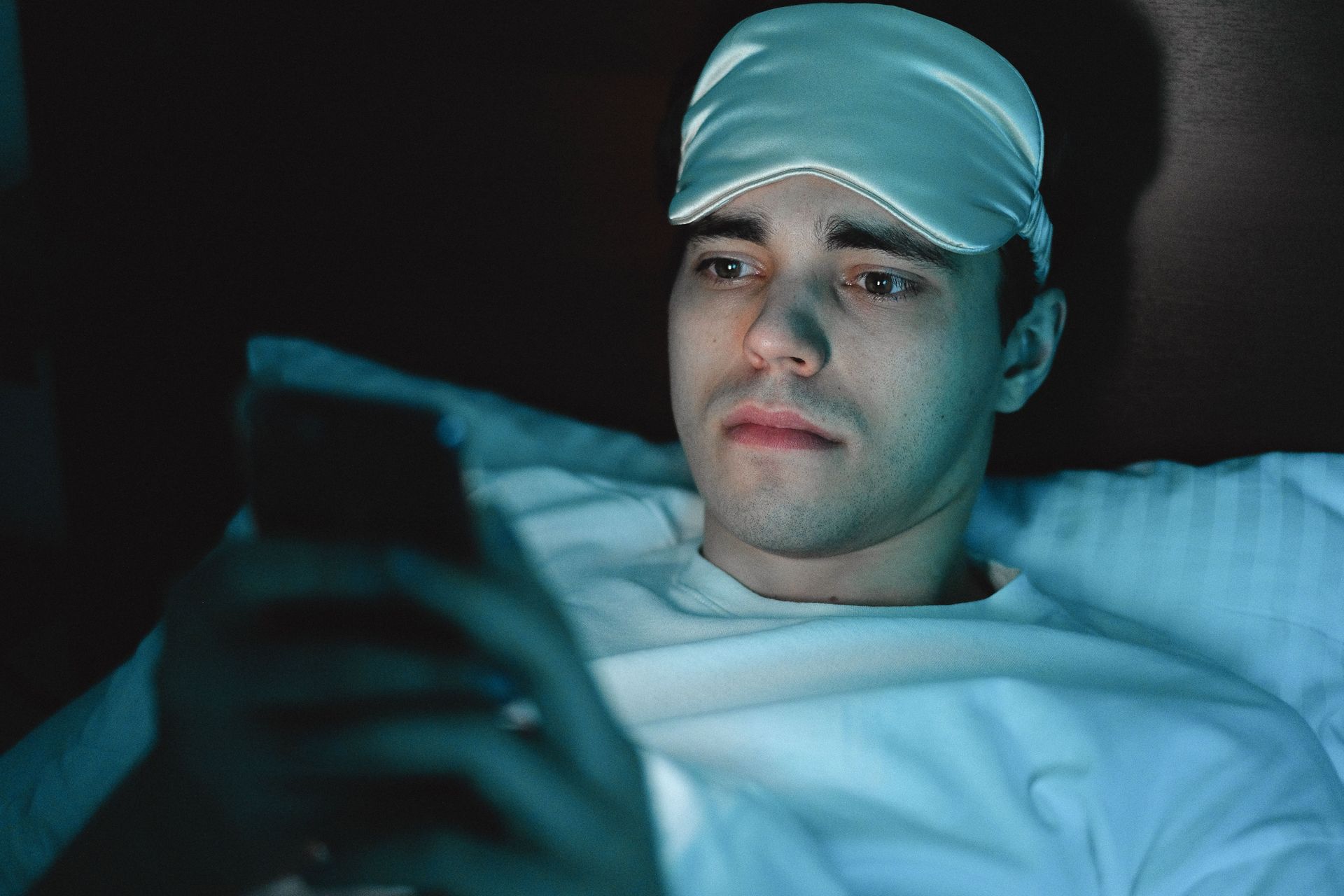
Blue light from screens — the specific wavelength that most strongly suppresses melatonin secretion — became a dominant narrative for explaining the sleep deterioration associated with smartphone use before bedtime. The blue light blocking glasses industry, night mode settings, and "no screens before bed" advice all rest substantially on this mechanism. The mechanism is real but overemphasized.
A 2021 study by researchers at the University of Manchester found that blue-enriched light produced less wakefulness than warmer-toned light in mice — a finding that complicates the simple blue-light narrative — and other research has found that the light intensity of typical screen use is much lower than outdoor light levels that clearly affect circadian timing.
The more significant mechanism through which screens impair sleep is cognitive and psychological arousal: the content consumed on screens — social media, news, entertainment, work email — produces mental engagement, emotional activation, and the inability to disengage from ongoing concerns. Switching screens to night mode while continuing to engage with emotionally activating content does not address this primary mechanism. The problem is less the light and more the stimulation.
13 / 15
cottonbro studio / Pexels
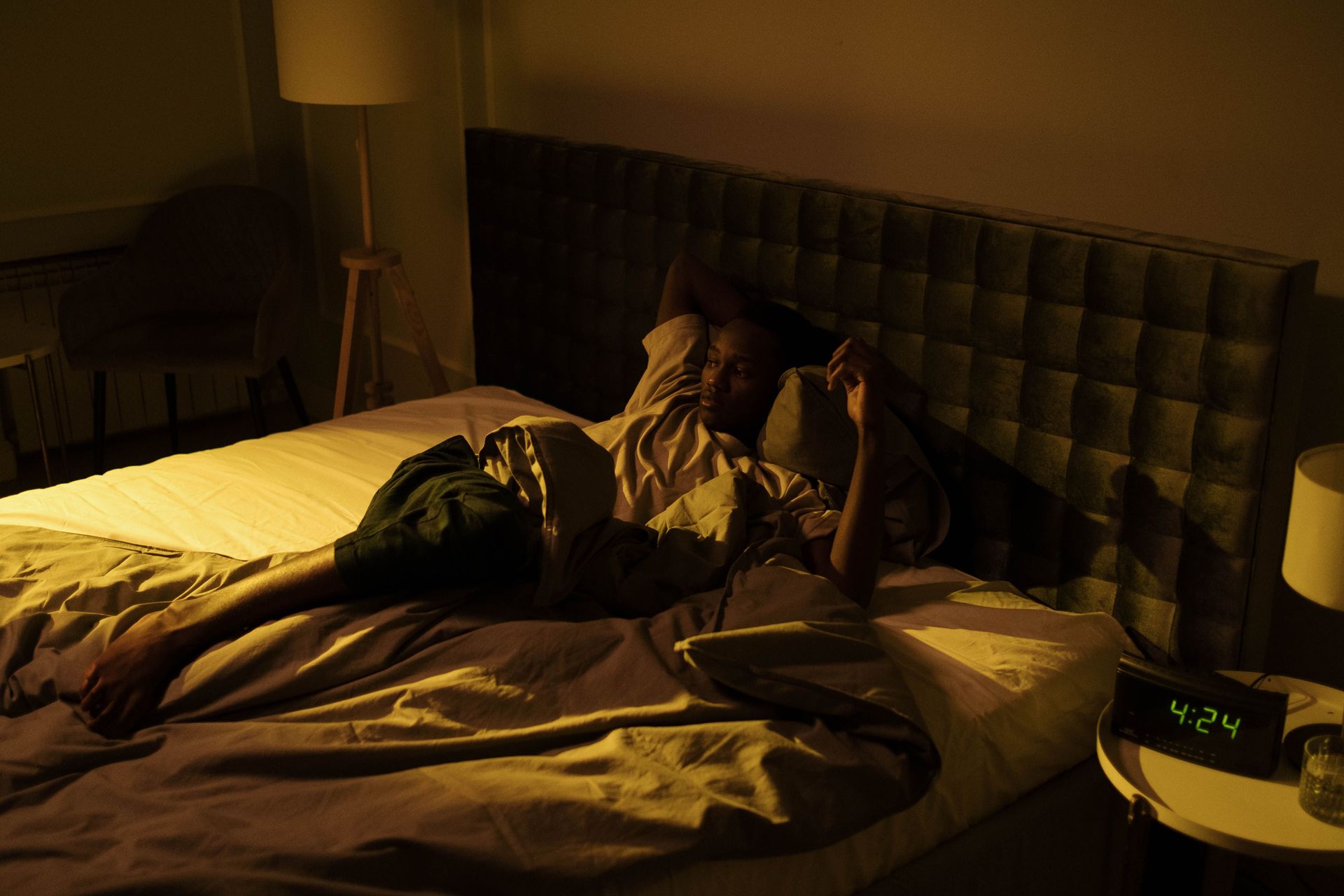
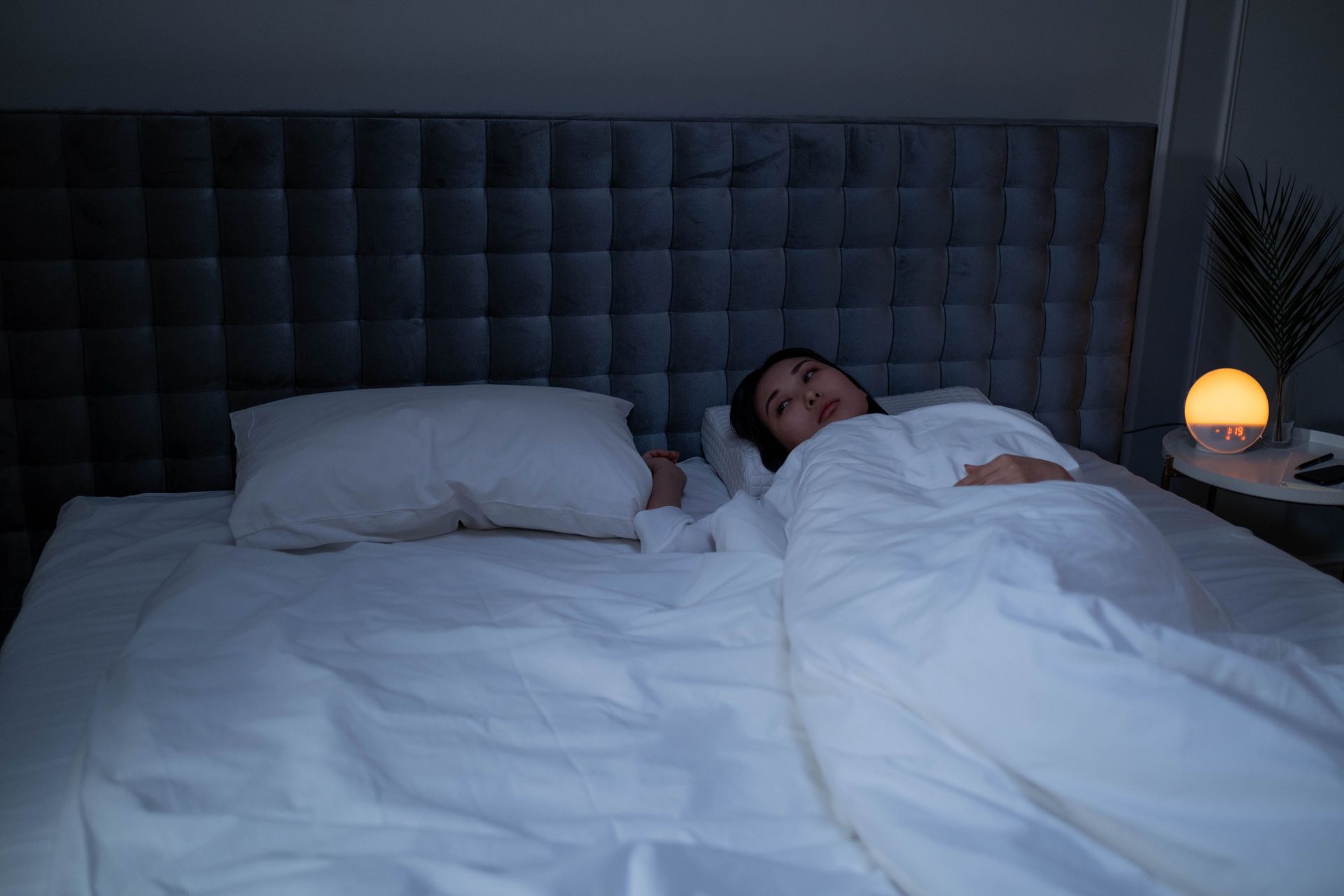
The instruction to lie in bed and try harder to fall asleep when sleep is not coming is the behavioral pattern most directly targeted by CBT-I because it is the pattern most likely to perpetuate insomnia. Lying awake in bed, frustrated and watching the clock, produces the association between bed and wakefulness that reinforces chronic insomnia over time.
The evidence-based recommendation is the opposite: if you have been awake for approximately 20 minutes without falling asleep, leave the bed and do something calm — reading, gentle stretching, quiet activity — in dim light until you feel genuinely sleepy, then return to bed. This stimulus control approach — maintaining the association between bed and sleep rather than between bed and frustration — is one of the most effective components of CBT-I.
The practical barrier is the counterintuitive quality of leaving a warm bed when you want to sleep. The cognitive reframe that makes it easier: lying awake in bed is not restful sleep and does not count toward your sleep total — it is wakefulness in a horizontal position that is training your brain to associate bed with frustrated arousal. Getting up breaks that conditioning.
14 / 15
Andy Barbour / Pexels
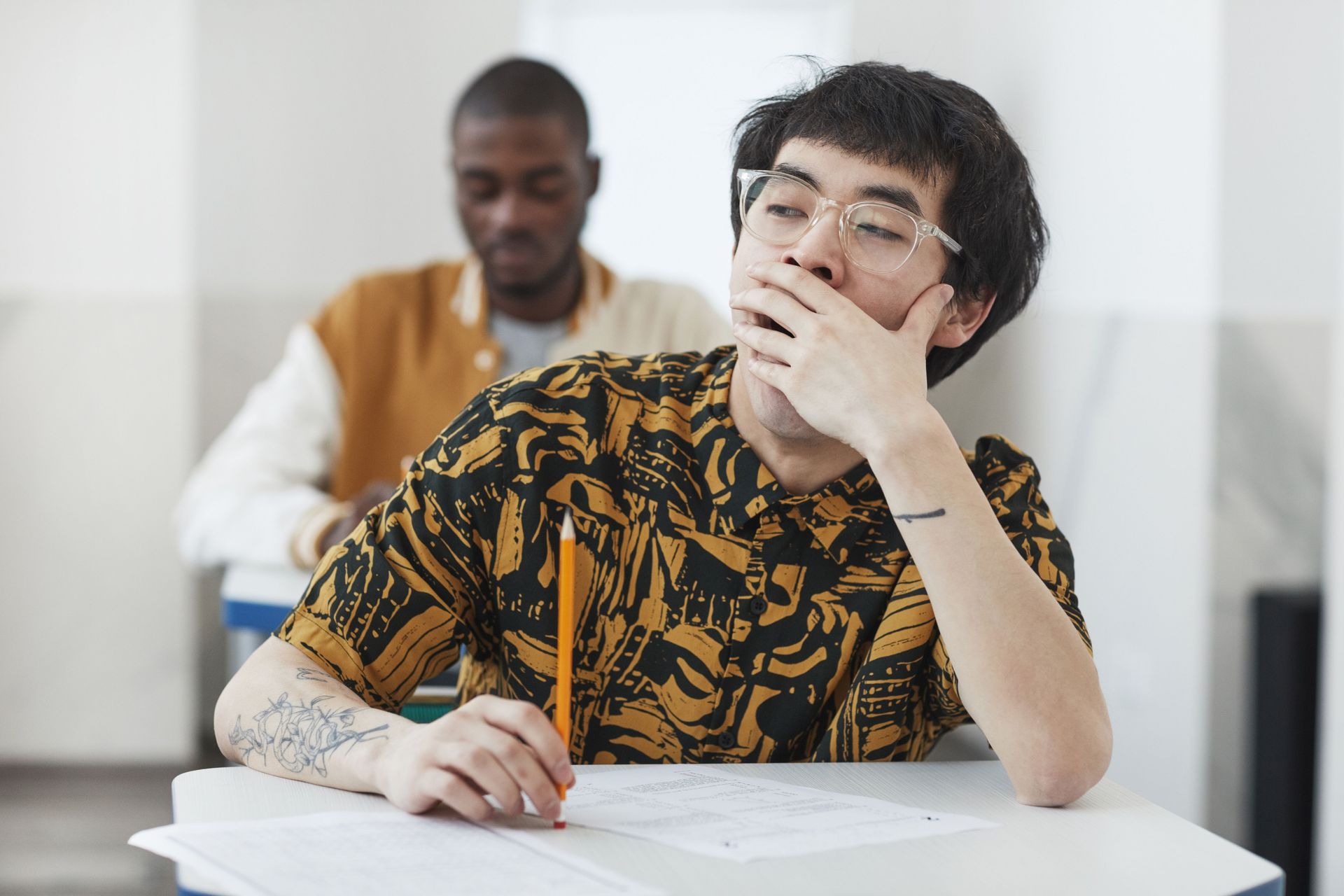
The impairment of memory and learning by sleep loss is among the most robust findings in cognitive neuroscience — and among the most underappreciated costs of chronic sleep restriction. The cultural celebration of the all-night study session is particularly counterproductive given what the research shows about what sleep does for learning.
Memory consolidation — the process by which memories encoded during waking experience are stabilized and integrated into long-term storage — occurs primarily during sleep, specifically during the slow oscillations of NREM sleep that coordinate the transfer of information from the hippocampus to the neocortex. Sleeping after learning produces significantly better retention than equivalent waking time, and sleep deprivation before learning impairs the hippocampus's ability to encode new memories in the first place.
The specific finding most relevant to students: the all-nighter before an exam consolidates essentially nothing of what was studied in the last-minute session and impairs recall of everything studied previously. The research-supported alternative — adequate sleep the night before an exam — produces better performance than the same study time distributed across a sleepless night, because the material studied on previous days has been consolidated and the brain is operating at full cognitive capacity.
15 / 15
Mart Production / Pexels
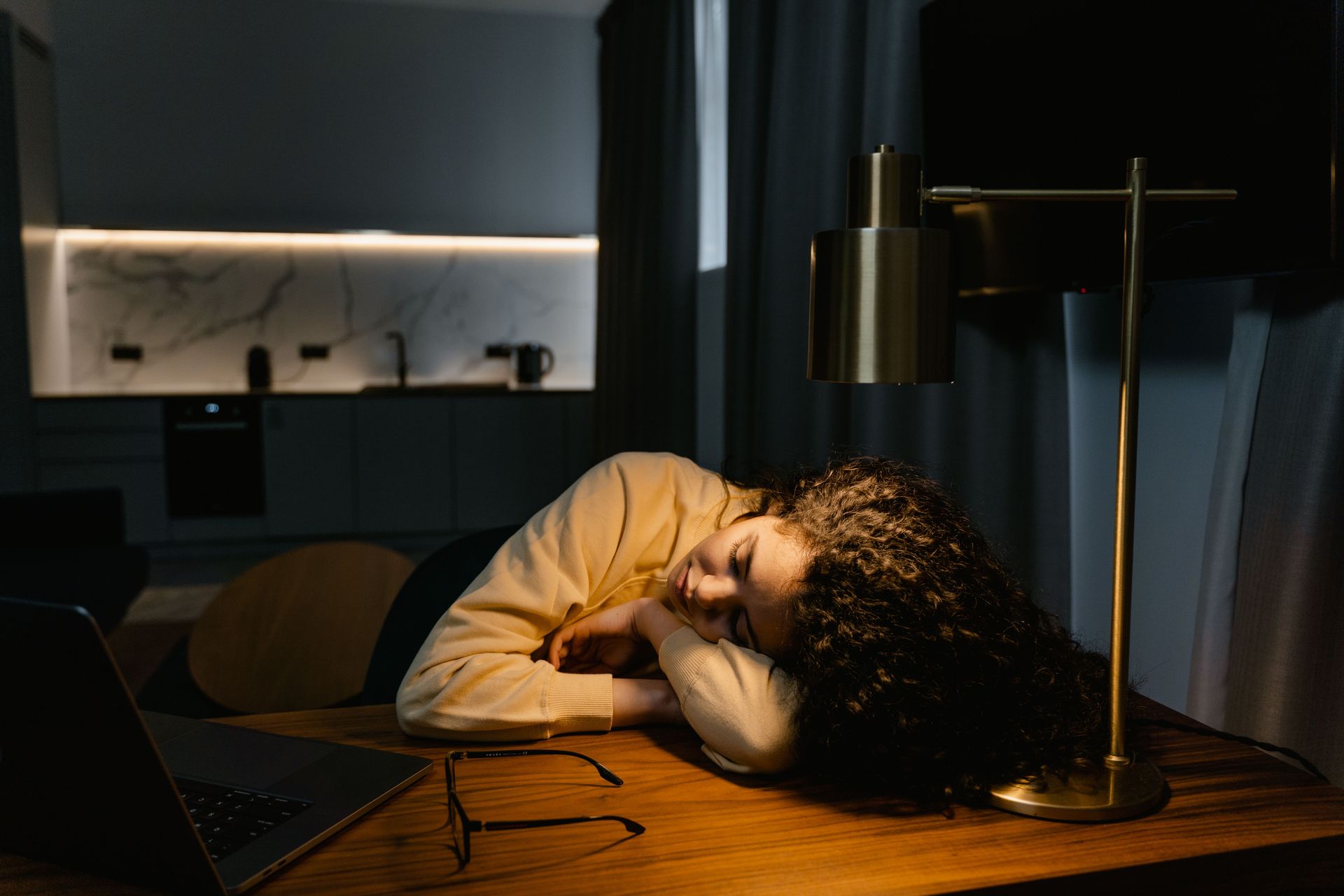
Napping has a complicated reputation in Western cultures — associated with laziness in professional contexts and with compensation for poor nighttime sleep — that does not reflect the research on what naps actually do and who benefits from them. Napping is a natural feature of human sleep biology, not a pathological compensation.
Afternoon sleepiness — the dip in alertness that most people experience between approximately 1pm and 3pm — corresponds to a genuine circadian trough in alertness that is present regardless of nighttime sleep quality, suggesting it reflects the normal two-phase sleep architecture that many researchers believe is the biological default for humans. Many non-Western cultures that include a midday rest period have lower rates of cardiovascular disease, and some research has attributed part of this difference to the napping behavior.
Short naps of 10 to 20 minutes improve alertness, cognitive performance, and mood for several hours. Longer naps (more than 30 minutes) risk sleep inertia — the grogginess from waking during a deeper sleep stage — and may reduce nighttime sleep pressure if taken late in the afternoon. The evidence does not support the characterization of brief napping as compensatory behavior; for people who nap briefly in the early afternoon, it is closer to optimal use of the circadian sleep architecture than a sign of nighttime inadequacy.
