From the time you naturally wake up to how long you actually sleep, your schedule holds clues about your heart, hormones, mental health, and longevity

Credit: Pavel Danilyuk / Pexels
Your body runs on time. Every cell in your body — from liver cells to neurons to immune cells — keeps its own internal clock, and those clocks are set by the central pacemaker in your brain: a cluster of roughly 20,000 neurons called the suprachiasmatic nucleus. This tiny structure coordinates when you feel sleepy, when your body temperature drops, when cortisol rises to ready you for the day, and when your heart rate slows for recovery. Your sleep schedule is, in effect, a readout of how well all those systems are aligned.
The hours you keep reveal more than how tired you feel. Chronic short sleepers — people who regularly get fewer than six hours a night — show measurable changes in cardiovascular function, glucose metabolism, and immune response. People whose sleep timing is badly misaligned with their biological clocks, a condition called social jetlag, show elevated markers of inflammation and higher rates of metabolic disease. Night owls forced onto early schedules by work or school accumulate a kind of chronic sleep debt that accumulates damage quietly, over years.
Sleep medicine has moved well beyond the old binary of "enough sleep" versus "not enough sleep." Researchers now examine the regularity of your schedule, the timing of your sleep relative to the natural light-dark cycle, how quickly you fall asleep, how often you wake in the night, and whether you feel restored in the morning. Each of these variables carries its own health signal.
This matters because sleep is not passive downtime. During sleep, your brain flushes metabolic waste through the glymphatic system. Your immune system produces cytokines and consolidates immunological memory. Your endocrine system releases the bulk of its growth hormone, which drives cellular repair. Your cardiovascular system gets its most sustained period of low-pressure recovery. Disrupt any part of this architecture, and the downstream effects show up in blood pressure readings, blood sugar curves, mood, cognition, and disease risk.
The 20 patterns below draw on well-established sleep science to explain what different aspects of your sleep schedule — from wake time to weekend catch-up habits — actually signal about your health. Some patterns are reassuring. Others are worth paying attention to.
Credit: cottonbro studio / Pexels
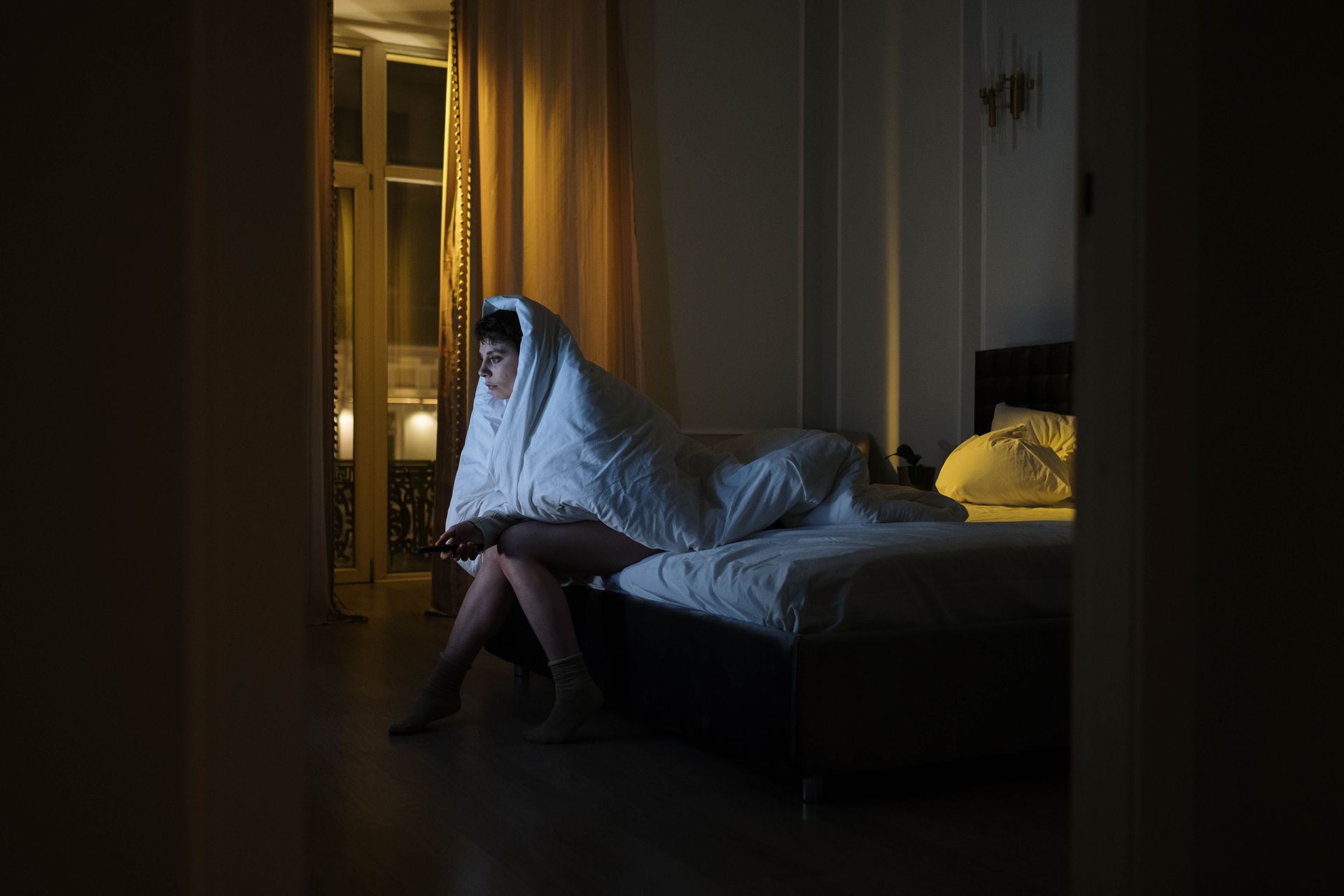
If you feel most alert after 10 p.m. and genuinely cannot fall asleep before midnight no matter how hard you try, your biology may be working against the clock on your wall. Chronotype — the natural timing of your sleep-wake cycle — is substantially influenced by genetics. Researchers have identified variants in genes including PER3, CLOCK, and CRY1 that shift the phase of the circadian clock forward or backward by hours. For confirmed evening types, late bedtimes are not laziness or poor discipline. They are the expression of a clock running on a different schedule.
The health implications of being a night owl in a morning-oriented world are significant. Because most schools and workplaces begin early, evening chronotypes are chronically forced to wake before their biology is ready. This misalignment between internal clock time and social clock time is called social jetlag. People with high levels of social jetlag — meaning their sleep timing on free days differs by two or more hours from their weekday sleep timing — show higher rates of obesity, type 2 diabetes, cardiovascular disease, and depression, even after controlling for total sleep duration.
The mechanism involves more than just tiredness. When you wake earlier than your biology intends, cortisol release, body temperature, and alertness are all still in their nighttime phase. You are, effectively, operating in a kind of physiological twilight. Over time, this chronic misalignment disrupts insulin sensitivity, raises inflammatory markers, and alters the gut microbiome in ways that parallel shift work-related health effects.
Evening types also tend to show higher rates of mood disorders. The relationship is bidirectional: depression shifts sleep timing later, and a late chronotype independently raises depression risk. Light exposure plays a role here — night owls get relatively less morning light, which is the primary environmental signal that resets the circadian clock each day.
If you are a natural night owl, the most useful intervention is not forcing yourself to bed earlier — circadian timing is difficult to override by willpower. Morning light exposure, timed to within 30 minutes of waking, is more effective at gradually shifting sleep timing than any behavioral habit alone. The underlying biology is real, and treating it as a character flaw makes the health consequences worse, not better.
-1920x1280.jpg)
Anastasiya Vragova / Pexels
Whether you need an alarm — and how jarring the experience of waking to one feels — tells you something concrete about your sleep debt and circadian alignment. A person who is sleeping enough, on the right schedule for their biology, will typically wake within minutes of when their alarm is set, or before it goes off entirely. The body prepares for waking through a process that begins roughly 90 minutes before natural wake time: cortisol begins to rise, body temperature climbs, and sleep becomes progressively lighter. If your alarm is catching you mid-cycle, you are either not sleeping enough or sleeping at the wrong time for your chronotype.
The dependence on alarms is widespread enough that it feels normal, but it is worth examining as a signal rather than accepting as a fact of modern life. Chronic use of alarms to pull yourself out of sleep earlier than your body wants represents an ongoing disruption to sleep architecture. The final hours of a full sleep period contain disproportionately more REM sleep — the stage most associated with emotional processing, memory consolidation, and mood regulation. Cutting that short consistently accumulates a deficit in those functions that does not reset on weekends alone.
People who rely on multiple alarms, or who hit snooze repeatedly, are often experiencing what is called sleep inertia in a more pronounced form than well-rested people. Sleep inertia — the grogginess and cognitive impairment immediately after waking — is temporary and normal, but its severity and duration are amplified by sleep deprivation and by waking from deep slow-wave sleep rather than light sleep. If you feel genuinely disoriented or unable to function for 20 minutes or more after waking, that is a signal worth taking seriously.
The alarm question also intersects with weekends. If you sleep dramatically longer on Saturday and Sunday — more than 90 minutes beyond your weekday wake time — your body is using those days to compensate for accumulated debt. That pattern suggests your weekday sleep schedule is not meeting your actual needs, regardless of how many hours you are technically in bed.
Credit: Kampus Production / Pexels
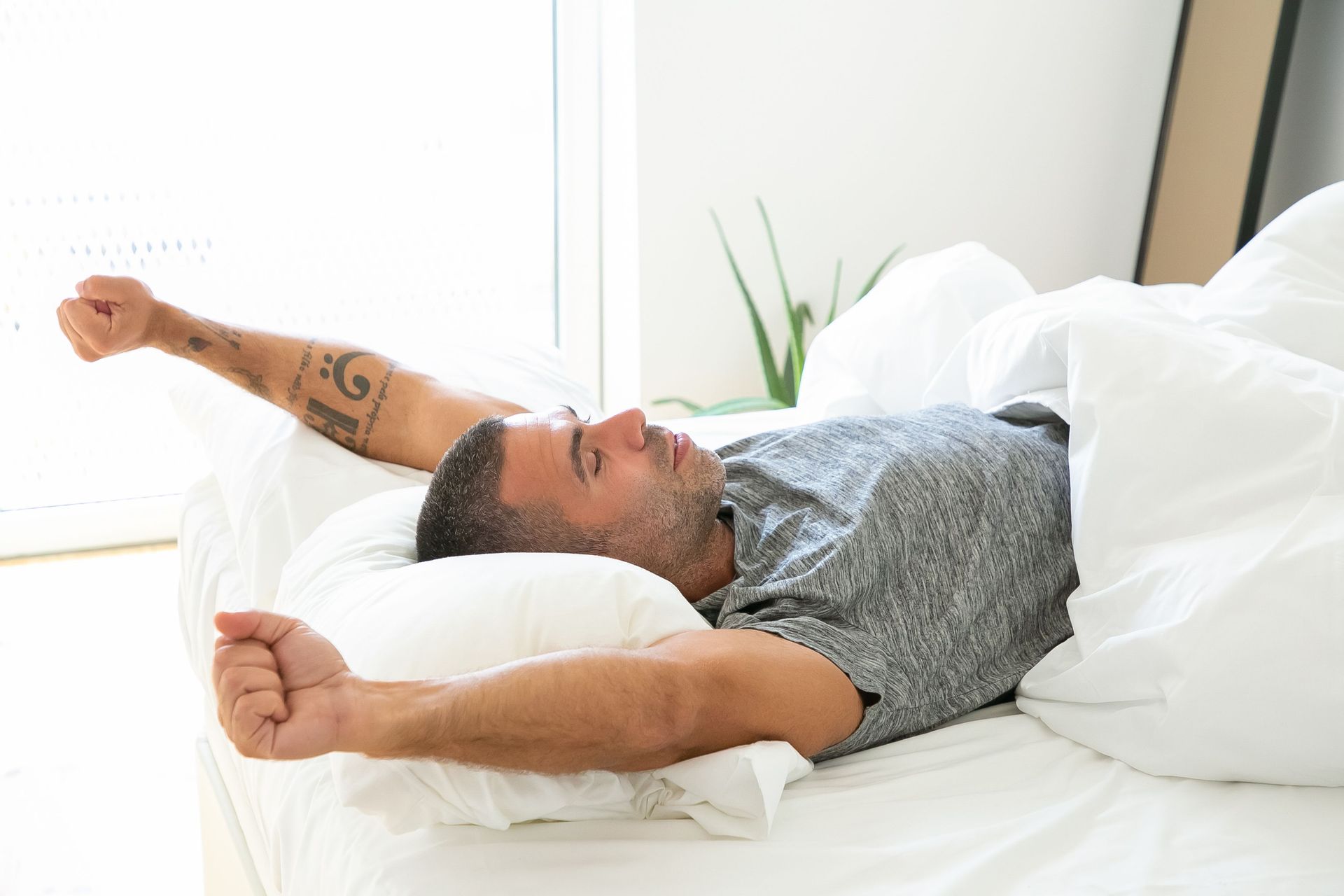
Consistent, spontaneous wake times — meaning you wake at roughly the same hour whether it is a workday or not, and whether or not an alarm is set — are a strong marker of a well-calibrated circadian system. The circadian clock does not care about the calendar. When your lifestyle schedule and your biological clock are well aligned, the body simply wakes when it is ready, and it tends to be ready at the same time each day because the underlying biological rhythm is so consistent.
This kind of schedule regularity has measurable health benefits independent of total sleep duration. Research into sleep regularity — measured as the consistency of bedtime and wake time across days — has found that people with highly regular schedules have lower rates of cardiovascular disease, metabolic dysfunction, and mood disorders than people who sleep the same total hours on irregular schedules. The regularity itself appears to be protective, likely because it keeps peripheral clocks in organs like the liver, pancreas, and immune system synchronized with the central brain clock.
Regular wake times are also the single most effective behavioral anchor for maintaining circadian alignment. Sleep specialists consistently prioritize wake time over bedtime when helping people restructure their sleep, because wake time is more controllable and it has an outsized influence on when the body will be ready to sleep the following night. A person who wakes at 6:30 a.m. every morning will, within a few days, find that their sleep pressure peaks around 10 to 11 p.m. — a natural consequence of consistent timing.
If you wake spontaneously and consistently, it is a sign that your cortisol awakening response — a sharp spike in cortisol that occurs in the first 30 to 45 minutes after waking — is firing on a healthy, predictable schedule. That cortisol spike primes the immune system, sharpens alertness, and mobilizes energy for the day. When the timing of that response is erratic, so are the downstream effects on cognition, mood, and metabolic function.
Credit: www.kaboompics.com / Pexels
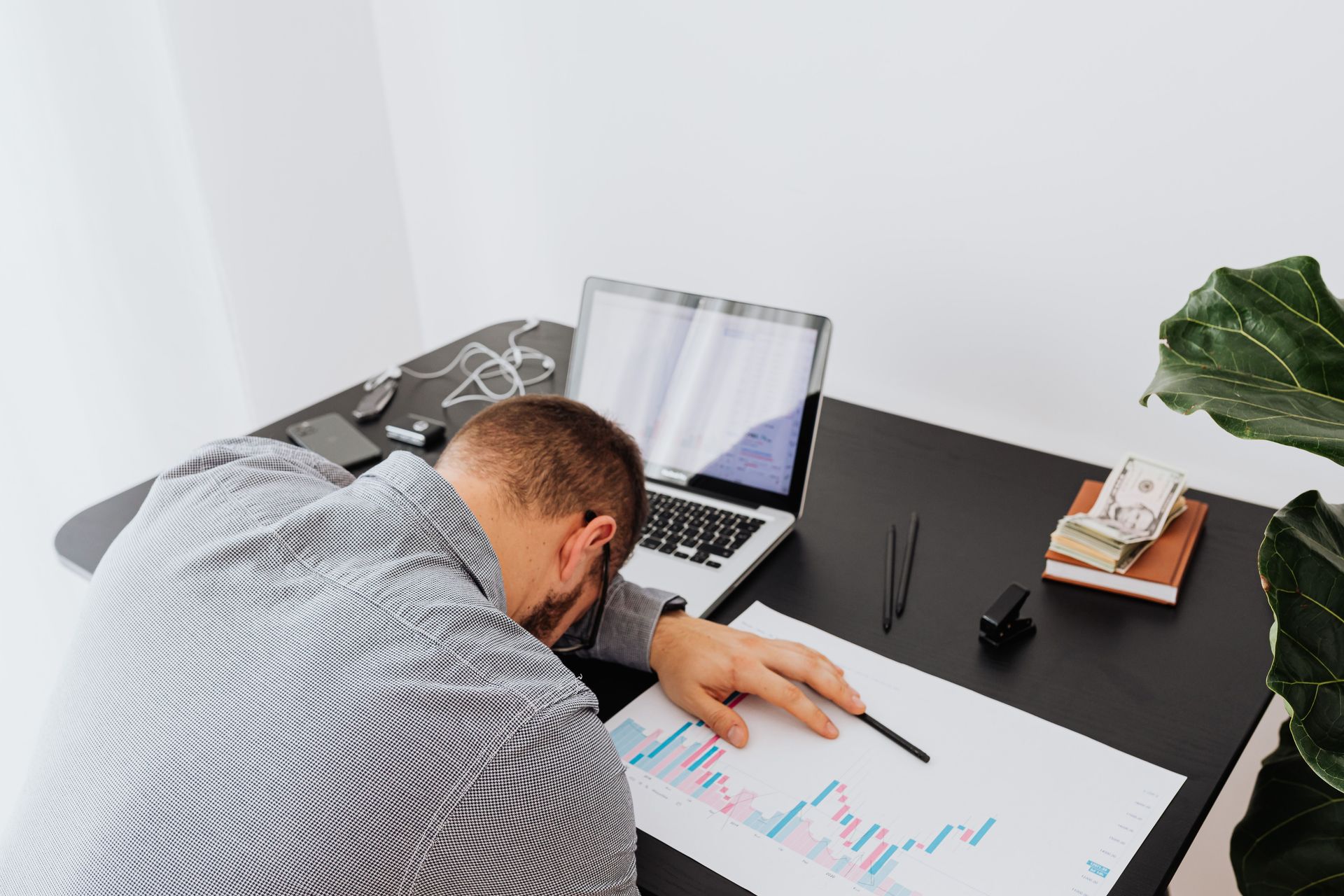
The ability to fall asleep in a moving car, during a film, in a waiting room, or in any quiet moment is often treated as a boast — evidence of a relaxed, easygoing nature. In sleep medicine, it is treated as a symptom. The clinical term is excessive daytime sleepiness, and it indicates that the homeostatic drive for sleep — the pressure that builds the longer you are awake — is chronically elevated. That pressure being so high that any reduction in stimulation tips you toward sleep suggests your body is perpetually in sleep debt.
Excessive daytime sleepiness has distinct causes. The most common is simply not sleeping enough at night. But daytime sleepiness that persists even after adequate sleep duration may point to a sleep disorder that is fragmenting nighttime sleep without the sleeper's awareness. Obstructive sleep apnea is the most common culprit. In sleep apnea, the airway collapses repeatedly during sleep, causing brief arousals — sometimes hundreds per night — that prevent the sleeper from reaching or sustaining the deeper stages of sleep. The person may spend eight hours in bed and still feel exhausted upon waking, because the architecture of their sleep was constantly disrupted.
Narcolepsy, a neurological condition affecting the brain's regulation of wakefulness, also presents with extreme daytime sleepiness and can go undiagnosed for years. Other contributors include restless leg syndrome, periodic limb movement disorder, and certain medications.
Beyond diagnosable sleep disorders, there is an underappreciated category: people who have adapted so thoroughly to chronic sleep deprivation that they no longer perceive themselves as sleepy — but their performance on objective measures of alertness and reaction time has degraded significantly. Falling asleep in passive situations is one of the few remaining signs that the adaptation has not been complete, and that the body is still seizing any opportunity it can find to recover.
Credit: Ron Lach / Pexels
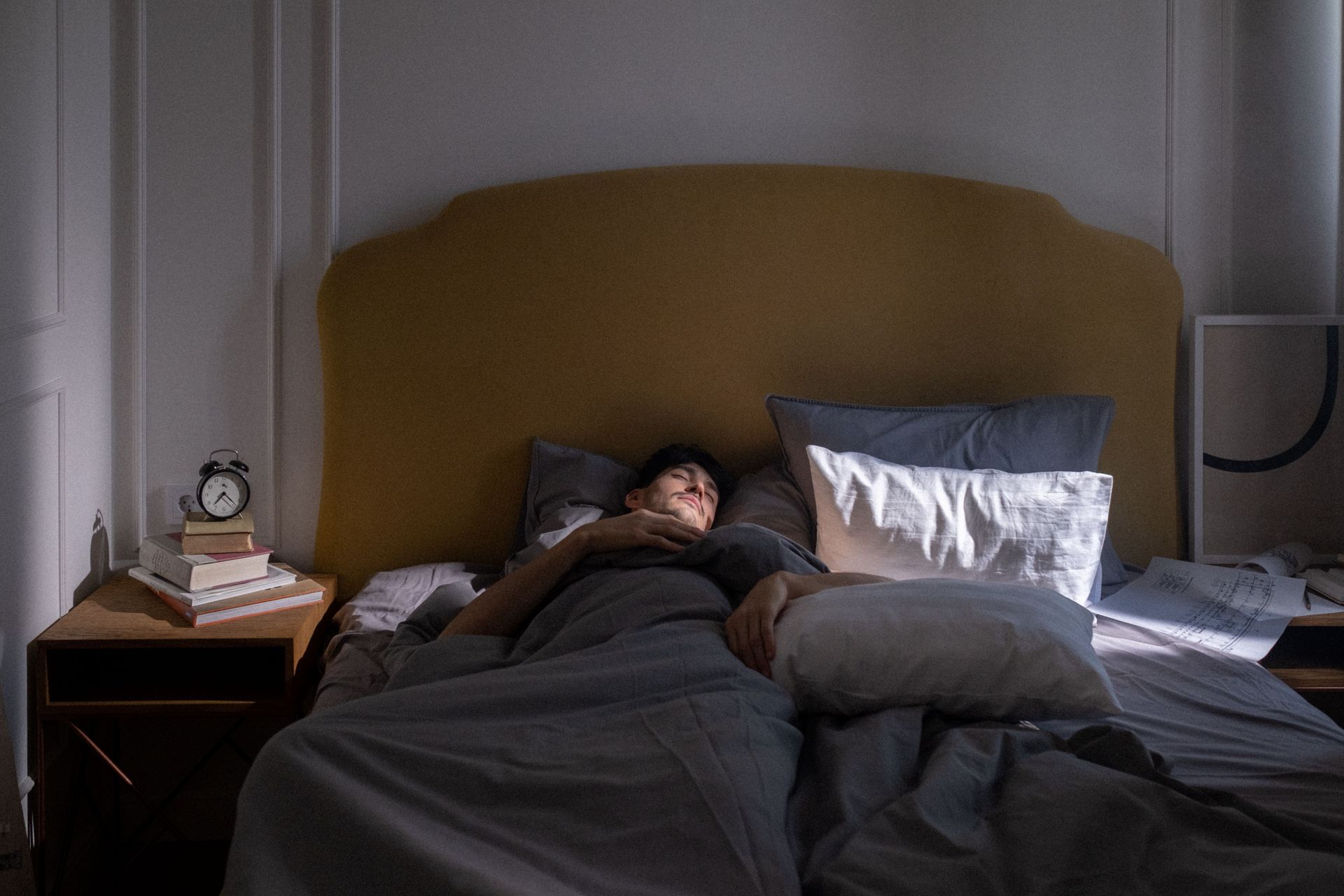
Sleeping substantially longer on weekends than on weekdays — sometimes called social jetlag catch-up — is one of the most common sleep patterns in industrialized countries, and it reflects a genuine mismatch between biological sleep need and the demands of the work week. The instinct to recover lost sleep is real: sleep debt is a physiological state, not a subjective feeling, and the body does attempt to compensate for it when given the chance.
The problem is that weekend catch-up sleep is a poor substitute for consistent nightly sleep. Some cognitive deficits accumulated during a week of short sleep do partially recover after two nights of extended sleep. But the metabolic and cardiovascular effects of sleep restriction do not fully reverse on that timeline. Glucose metabolism, insulin sensitivity, and inflammatory markers remain elevated even after recovery sleep in ways that suggest the damage accumulates in a manner that is not simply erased by sleeping in.
There is also a circadian cost to irregular weekend sleep. Sleeping until 10 or 11 a.m. on Saturday after waking at 6:30 a.m. all week shifts the circadian clock toward a later phase. By Sunday night, the body is not ready to sleep at the time required for a Monday morning alarm. The result is a Sunday night insomnia that is structurally identical to jetlag — often called "social jetlag" — followed by another week of Monday tiredness.
People who routinely extend their weekend sleep by two or more hours show higher rates of obesity and insulin resistance than those who maintain consistent sleep timing across the week, even when total weekly sleep hours are similar. This suggests that regularity itself has metabolic consequences independent of duration. The body's peripheral organs — the liver, the gut, the pancreas — rely on consistent timing signals to regulate their own cycles, and inconsistent schedules disrupt those signals in ways that have downstream metabolic effects.
Credit: Eren Li / Pexels
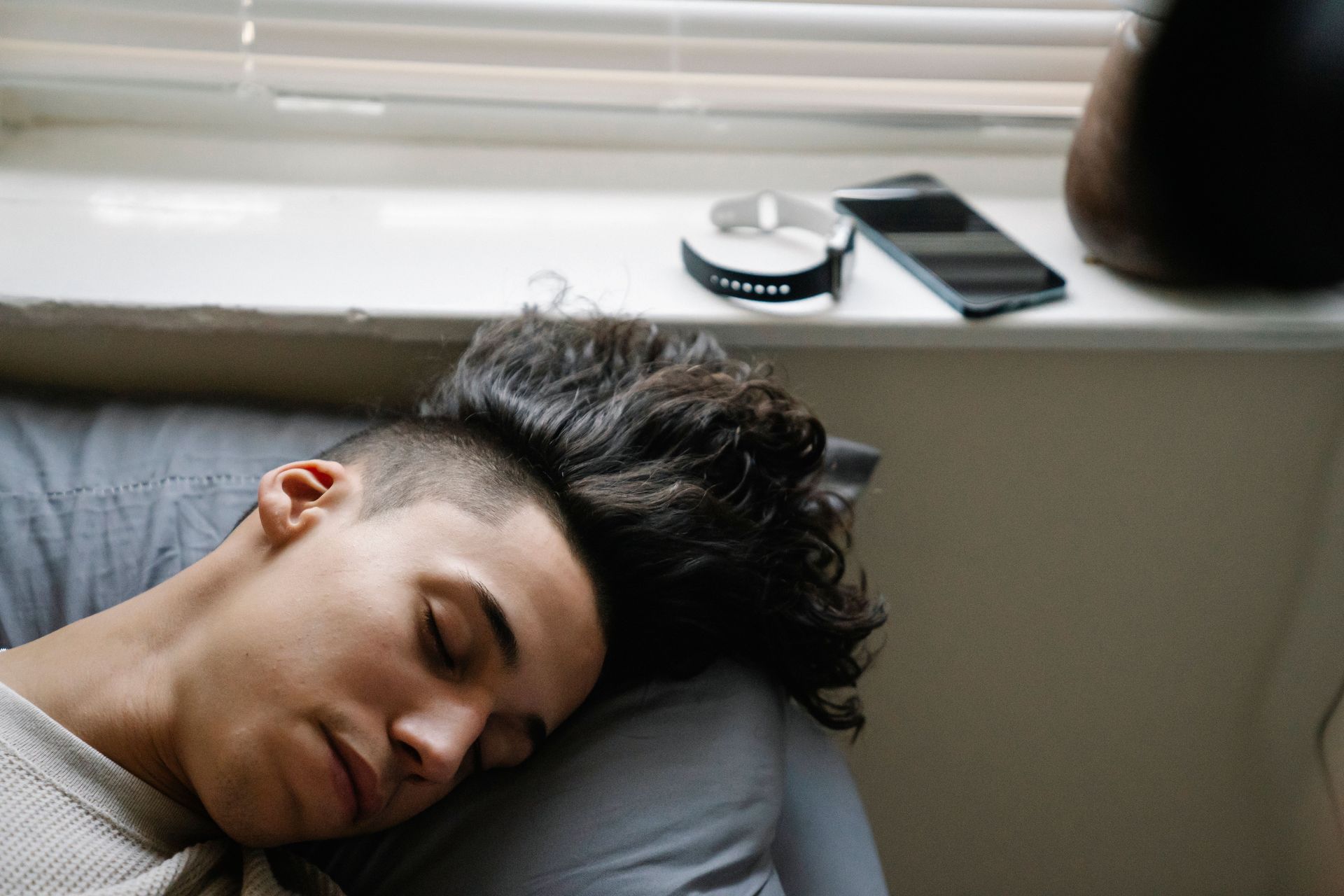
Falling asleep in under five minutes is not, as it might seem, evidence of superior sleep ability. Sleep latency — the time it takes to transition from wakefulness to sleep — is a clinical measure, and a very short latency is one of the diagnostic criteria for excessive daytime sleepiness. In the Multiple Sleep Latency Test, a standard clinical measure of daytime sleepiness, a mean sleep latency of fewer than eight minutes is considered a positive finding for a sleep disorder.
Healthy sleep onset, for a well-rested person, typically takes 10 to 20 minutes. During that period, the brain transitions through a light hypnagogic state before the first stage of NREM sleep begins. Feeling pleasantly drowsy and gradually drifting off over 15 minutes or so is the normal, healthy experience. Hitting the pillow and being unconscious in two minutes suggests the homeostatic sleep drive is so elevated that the transition to sleep is happening almost without the usual intermediate stages.
The implications depend on context. If you are sleeping short hours by choice — working late, socializing, watching television — and you fall asleep instantly when you do lie down, the short latency is a straightforward sign of debt. If you are spending eight or nine hours in bed and still falling asleep immediately, the fast latency suggests your sleep is not as restorative as the hours suggest, which points toward fragmented sleep from a disorder like apnea.
There is also a distinction between this pattern and the experience of people who struggle to fall asleep at all. Chronic insomnia — defined as difficulty falling or staying asleep three or more nights per week for at least three months — is associated with hyperarousal: the nervous system is too activated at bedtime to allow sleep onset. The two ends of this spectrum, too-fast and too-slow sleep onset, both represent dysregulation, but in opposite directions.
Credit: cottonbro studio / Pexels
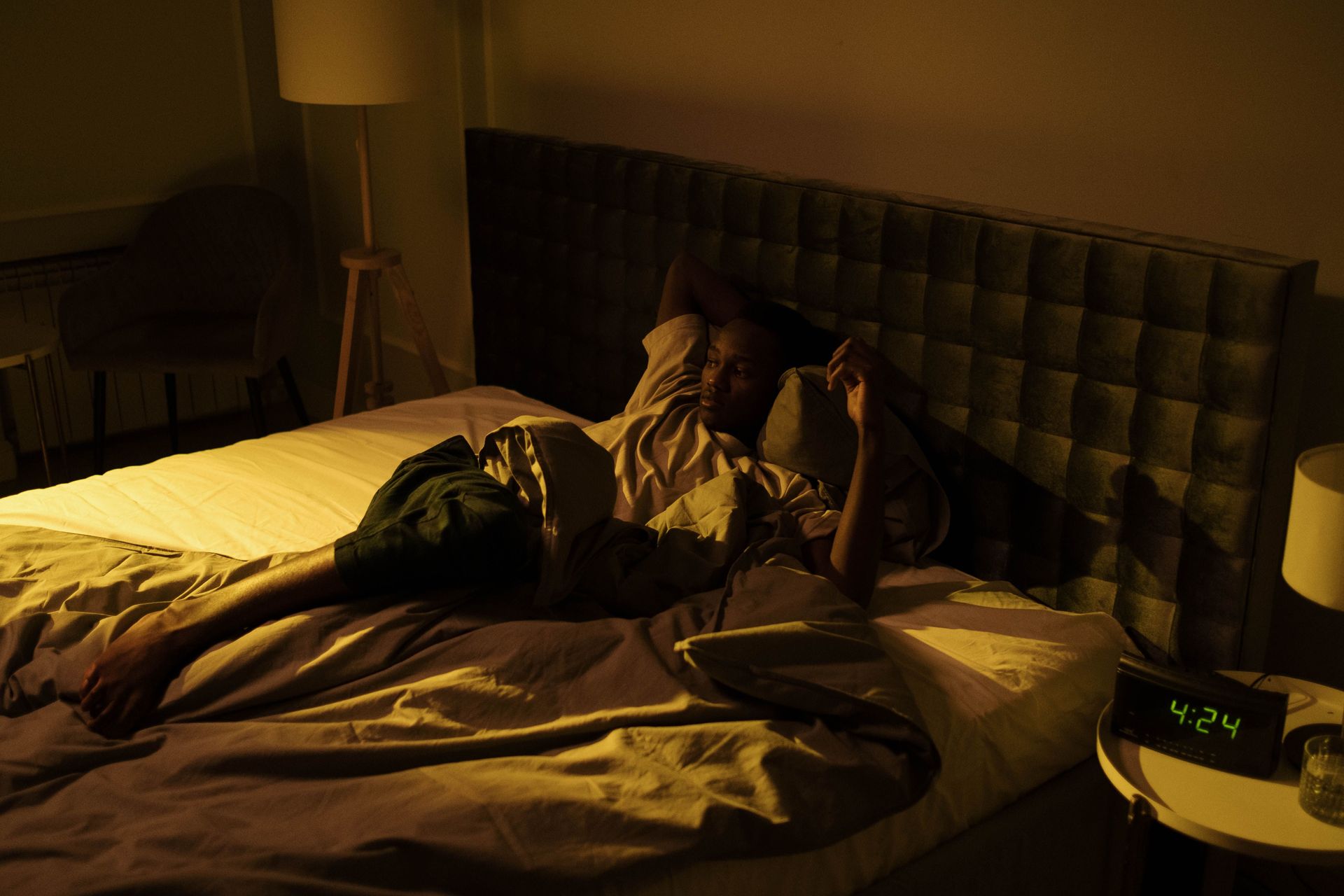
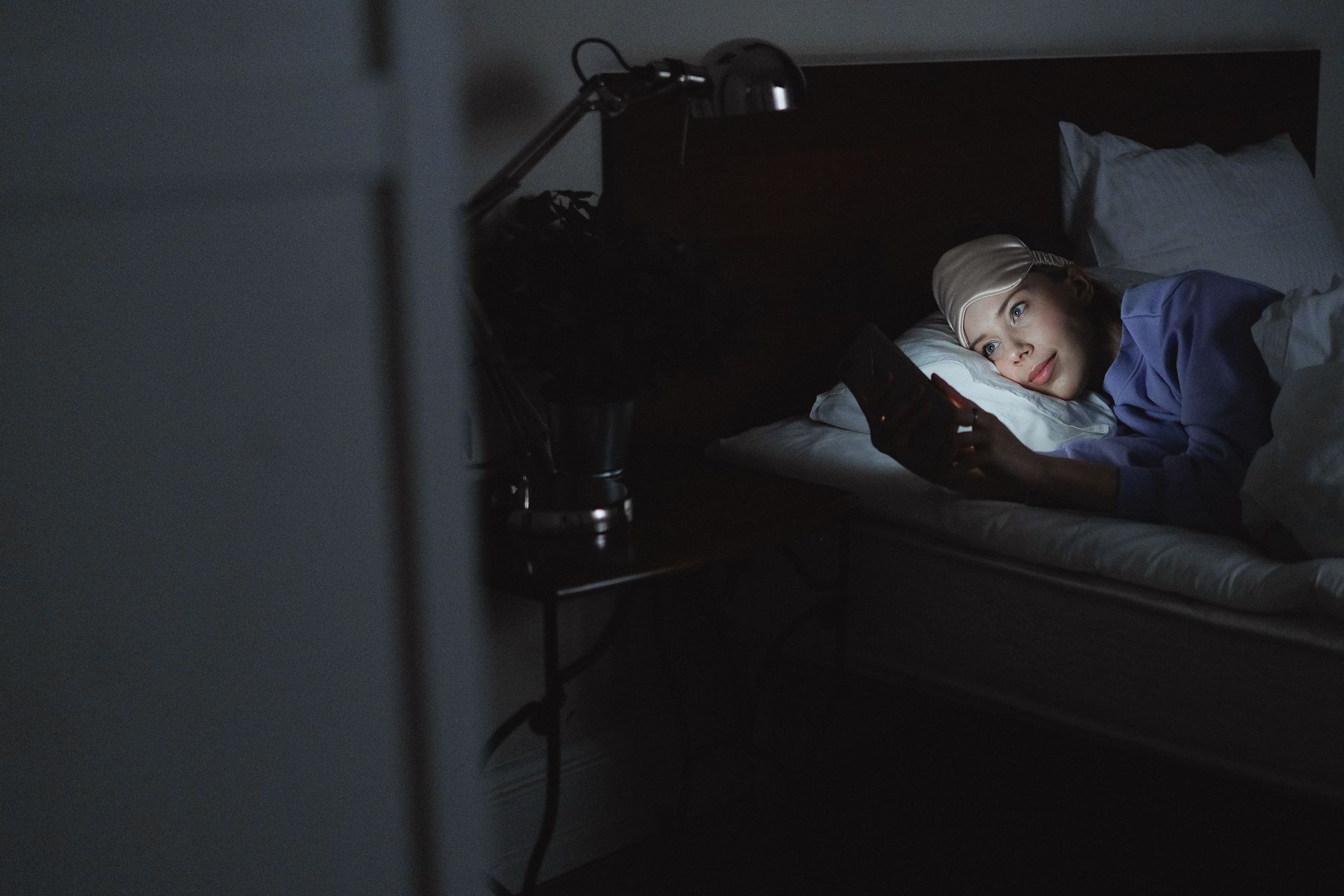
Lying in bed for 30, 45, or 60 minutes before sleep arrives is one of the most common sleep complaints, and it is rarely just a matter of not being tired enough. Prolonged sleep onset — called sleep onset insomnia — typically involves a state of heightened physiological and cognitive arousal that makes the quiet, dark environment of a bedroom feel activating rather than calming. The brain remains alert, thoughts continue, and the harder the person tries to fall asleep, the more elusive sleep becomes.
The arousal involved in chronic sleep onset difficulties is measurable. People with insomnia show elevated metabolic rates at night, higher core body temperatures at bedtime, and increased high-frequency brain activity compared to good sleepers. This is not a psychological failing — it is a physiological state, and in many cases it develops through a combination of genetic predisposition and learned associations.
Conditioned arousal is a major driver of chronic sleep-onset difficulty. When a person spends enough nights lying awake in bed, the bedroom itself — the specific cues of the pillow, the sheets, the darkness — becomes associated with wakefulness and worry rather than sleep. This is a form of classical conditioning, and it is robust: the association strengthens with each sleepless night. This is why one of the core behavioral treatments for insomnia involves restricting time in bed and getting up when unable to sleep, rather than lying there trying harder.
Extended sleep-onset latency is also associated with anxiety disorders and with the hyperactivation of the hypothalamic-pituitary-adrenal axis — the stress-response system. Elevated evening cortisol, which can result from chronic stress, anxiety, or irregular schedules, directly suppresses the melatonin secretion that normally signals the brain to begin sleep. From a health standpoint, persistent difficulty falling asleep is worth addressing both because of its effects on daytime function and because it often reflects or exacerbates underlying stress physiology.
Credit: SHVETS production / Pexels
Waking once during the night — briefly, then returning to sleep — is within the range of normal sleep architecture. Sleep is not a uniform state. It cycles through stages of light NREM, deep slow-wave sleep, and REM sleep in approximately 90-minute cycles, and the transitions between these cycles involve brief periods of lighter sleep where arousal is more likely. Many people wake for a minute or two between cycles without any consequence to sleep quality.
Waking frequently — multiple times per night, or waking and remaining awake for extended periods — is a different signal. Middle-of-the-night insomnia, as this is sometimes called, can reflect a range of underlying causes. Anxiety and depression both disrupt sleep maintenance, often in characteristic ways: depression is particularly associated with early morning waking, while anxiety more commonly produces the racing-mind middle-of-the-night arousal that makes returning to sleep difficult.
Frequent waking can also be caused by physical factors that the sleeper may not consciously register. Sleep apnea produces arousals with each airway obstruction; the sleeper may not recall these as distinct wakings but experiences them as non-restorative sleep. Nocturia — the need to urinate during the night — wakes a significant proportion of adults over 50 and can be a signal of a range of conditions including diabetes, heart failure, or simply an aging bladder.
Alcohol is a commonly overlooked cause. It induces sleep quickly but fragments it in the second half of the night as it is metabolized, producing more frequent arousals and suppressing REM sleep. People who drink to help themselves sleep often notice that they wake around 3 or 4 a.m., which corresponds to the time the alcohol's sedating effect has worn off and the rebound activating effect takes hold.
Pain conditions, hormonal fluctuations — particularly during perimenopause — and certain medications, including antidepressants and corticosteroids, also alter sleep maintenance. Frequent waking that persists for weeks is worth evaluating clinically.
Credit: Suhas Hanjar / Pexels
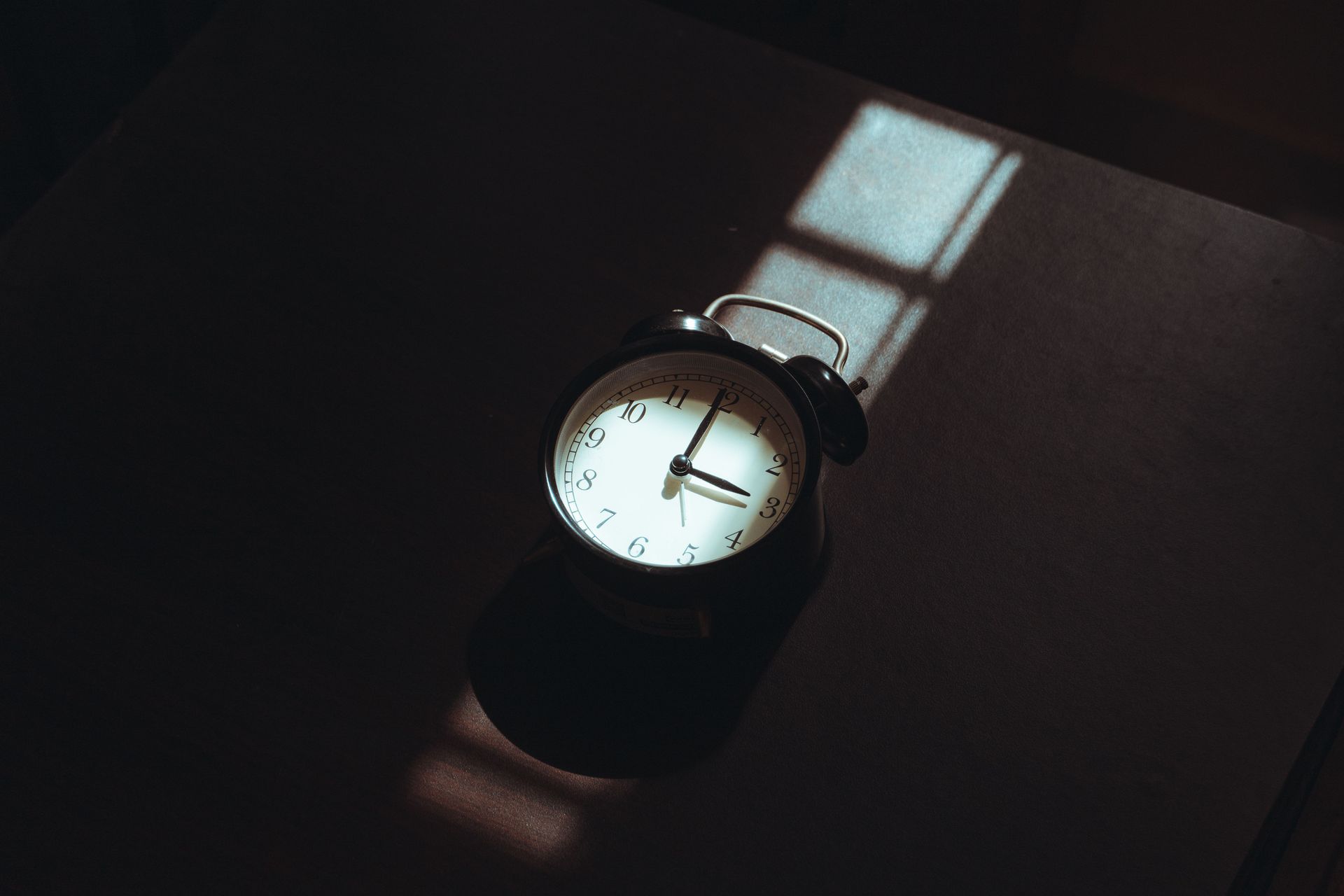
Waking in the early morning hours — around 3, 4, or 5 a.m. — and being unable to return to sleep is a pattern that carries a specific clinical association: it is among the most consistent symptoms of major depressive disorder. The early morning waking of depression is distinct from general insomnia or from waking due to external noise. It involves a premature activation of the waking system, a kind of truncation of the sleep period from the end rather than a disruption in the middle.
The mechanism involves the cortisol awakening response and the circadian regulation of the HPA axis. In depression, circadian rhythms are often phase-advanced — meaning the body's internal clock is shifted earlier than normal — and cortisol secretion patterns are dysregulated, with blunted morning peaks and higher levels across the rest of the day. The early morning waking may represent a premature triggering of the cortisol rise that normally initiates waking at a later hour.
This does not mean that everyone who wakes at 4 a.m. is depressed. Age is a significant factor: sleep architecture shifts toward lighter, earlier sleep as people age, and older adults commonly wake earlier as a result. This is a normal developmental change, not a pathological one. Menopause-related hormonal changes produce similar effects. Environmental factors — noise, light, temperature changes — peak in some households in the early morning hours and can account for consistent early waking.
But when early morning waking is combined with persistent low mood, loss of interest in activities, changes in appetite, or fatigue that does not resolve with sleep, the combination is clinically significant. Sleep disruption and depression reinforce each other in a bidirectional relationship: depression worsens sleep, and poor sleep worsens depressive symptoms. Addressing the sleep pattern through behavioral treatment can, in some cases, improve mood independently of other depression treatment.
Credit: Mynie Botha / Pexels
Most adults need between seven and nine hours of sleep per night. Consistently needing — not just taking, but genuinely needing — more than nine hours is called long sleeping, and while it is rarer than short sleeping, it carries its own health associations. The relationship between long sleep and health outcomes is complex, partly because long sleep can be a cause, a consequence, or a concomitant of several underlying conditions.
Long sleeping is associated with higher rates of cardiovascular disease, type 2 diabetes, obesity, and mortality in large observational studies. The direction of causality is difficult to determine from these studies alone. Some researchers argue that long sleep is a symptom rather than a cause — that the same conditions that raise cardiovascular and metabolic risk also increase sleep need and sleep duration. Hypothyroidism, for example, causes fatigue and extended sleep. Depression, which is associated with cardiovascular risk, also causes hypersomnia in its atypical presentations.
There is also a physiological basis for genuine long sleeping as a stable individual trait. A small proportion of people are natural long sleepers — their biology simply requires more than nine hours to achieve full cognitive and physical restoration — and these individuals show no adverse health effects when their extended sleep need is met naturally. The distinction between natural long sleepers and people whose extended sleep reflects an underlying illness is not always easy to draw, but a key indicator is whether the person wakes feeling rested. Natural long sleepers do. People whose long sleep masks an illness often do not.
Sleep quality matters as much as duration here. Nine hours of highly fragmented sleep — common in untreated sleep apnea — produces a different physiological profile than nine hours of consolidated, restorative sleep. If you are consistently sleeping long hours and still feeling unrefreshed, the quantity is likely masking a quality problem.
Credit: Ron Lach / Pexels
Among the clearest signals in sleep medicine is this: sleeping fewer than six hours per night on a chronic basis is associated with substantially elevated health risk across multiple organ systems. Short sleep duration raises the risk of hypertension, coronary artery disease, stroke, type 2 diabetes, obesity, and premature mortality. These associations hold across large population studies and remain after controlling for major confounders including socioeconomic status, physical activity, and baseline health.
The biological mechanisms are well characterized. Short sleep elevates blood pressure partly by increasing sympathetic nervous system activity — the fight-or-flight system that raises heart rate and constricts blood vessels. Even one night of partial sleep restriction produces measurable increases in blood pressure in normotensive adults. Chronic short sleep also disrupts the normal nocturnal blood pressure dipping — the 10 to 20 percent drop in blood pressure that typically occurs during sleep — which is itself an independent cardiovascular risk factor.
Metabolically, short sleep reduces insulin sensitivity and increases the ratio of ghrelin — the hunger-promoting hormone — to leptin — the satiety hormone. The result is increased appetite, particularly for high-calorie foods, and impaired glucose handling. People who are sleep-restricted show measurable changes in food preference, consuming more calories and particularly more carbohydrates than when adequately rested.
Immune function is also impaired. Short sleepers produce fewer antibodies after vaccination, respond more slowly to infections, and show elevated inflammatory markers including C-reactive protein and interleukin-6. These inflammatory changes are relevant not just to infection risk but to the long-term development of cardiovascular disease, metabolic disease, and certain cancers.
Perhaps most relevant to daily life, short sleepers substantially underestimate their own cognitive impairment. Subjective sleepiness ratings plateau after a few days of restriction, while objective performance continues to decline.

Credit: juliber Tran / Pexels
For many people, sleep duration and quality shift noticeably across the year. Sleeping longer in winter, feeling the urge to go to bed earlier as daylight shrinks, or experiencing lighter, shorter sleep in summer are all real phenomena with a clear biological basis. Light is the primary environmental input that sets the circadian clock, and the dramatic change in day length across the year — from eight or nine hours of daylight in winter to 14 or 15 hours in summer at mid-latitudes — exerts a measurable effect on sleep timing and duration.
Melatonin, the hormone that signals darkness to the body, is suppressed by light. In winter, with longer nights, melatonin secretion begins earlier in the evening and extends further into the morning, producing a physiological pull toward longer, earlier sleep. In summer, the reverse is true. These are vestigial signatures of the seasonal sleep patterns that governed human biology before artificial lighting.
For most people, seasonal variation in sleep is minor and well tolerated. For a subset of the population, seasonal changes in sleep are pronounced and associated with significant changes in mood, energy, appetite, and cognition — a condition called seasonal affective disorder, or SAD. SAD is more prevalent at higher latitudes, where the seasonal difference in day length is most extreme, and it is roughly four times more common in women than in men.
The relationship between seasonal sleep changes and SAD is not simply that SAD causes more sleep. People with SAD in winter often experience what is called atypical depression — which includes hypersomnia, increased appetite particularly for carbohydrates, and low energy — distinct from the insomnia and appetite suppression seen in typical depression. The mechanism involves dysregulation of the circadian clock's response to the shortened photoperiod, along with altered serotonin and dopamine function.
Light therapy — using a bright light box for 20 to 30 minutes each morning — is an effective treatment for SAD and works partly by suppressing the extended winter melatonin secretion and resetting circadian timing.
Credit: Kampus Production / Pexels
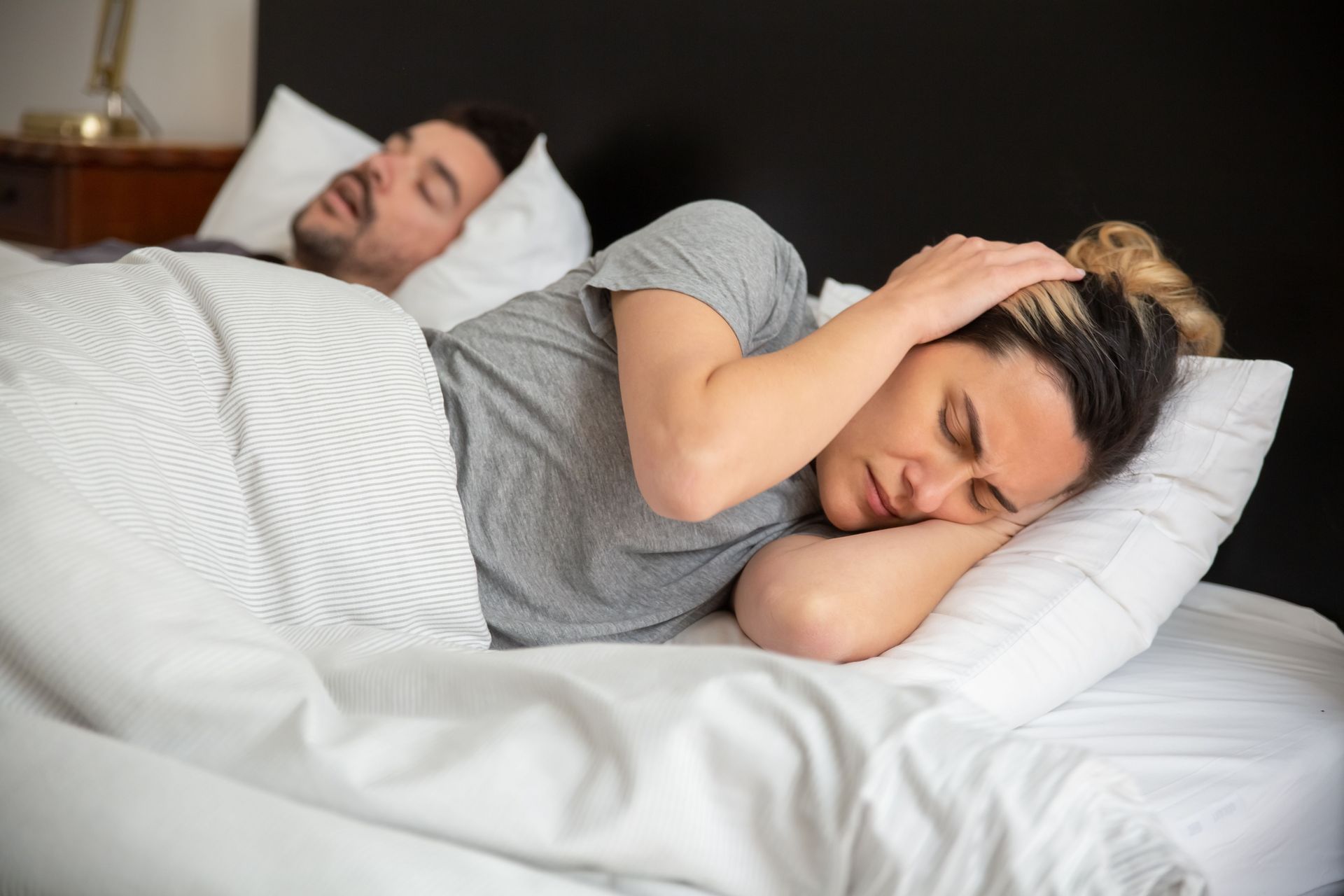
Loud snoring combined with daytime tiredness despite adequate or extended time in bed is the most common presentation of obstructive sleep apnea — a condition affecting an estimated 30 million adults in the U.S., the majority of whom remain undiagnosed. The snoring is produced by partial obstruction of the upper airway during sleep; when the airway collapses completely and breathing stops, an apnea event occurs. The brain detects the oxygen desaturation and briefly rouses the sleeper to reopen the airway — a process that can happen dozens or hundreds of times per night.
These arousals are usually too brief to enter conscious memory, which is why most people with sleep apnea do not believe they are waking. They report sleeping a full night but feeling unrefreshed, cognitively foggy, or unusually fatigued. The snoring may be so normalized — particularly in men, for whom it is more socially accepted — that neither the person nor their partner considers it a medical symptom.
The health consequences of untreated sleep apnea are serious and well-documented. The repeated oxygen desaturations and the associated spikes in blood pressure during apnea events directly stress the cardiovascular system. Sleep apnea is a major independent risk factor for hypertension, atrial fibrillation, coronary artery disease, stroke, and heart failure. It worsens glucose metabolism and is strongly associated with type 2 diabetes. The fragmented sleep impairs cognitive function in ways that resemble chronic sleep deprivation.
Risk factors include male sex, age over 40, obesity, a thick neck circumference, and anatomical features of the upper airway. But sleep apnea also affects lean women, including those without obvious risk factors, and is significantly underdiagnosed in women partly because their symptoms present differently — with fatigue, mood changes, and morning headaches rather than the classic male presentation of loud snoring and daytime sleepiness.
Treatment with continuous positive airway pressure, or CPAP, reliably resolves the breathing disruptions and, in well-adherent patients, reduces cardiovascular risk and improves cognitive function.

Credit: Sebastian Voortman / Pexels
Morning chronotypes — people whose peak alertness, cognitive performance, and mood are concentrated in the first half of the day — are working with rather than against the timing of most social and professional schedules. Because schools, offices, and institutional structures are generally built around early start times, morning types tend to accumulate less social jetlag and show better alignment between their biological clocks and their daily schedules than evening types.
This scheduling advantage has real health consequences. Morning types tend to report better sleep quality, more consistent sleep timing, and lower rates of depression, anxiety, and substance use than evening types. They are more likely to exercise in the morning, which reinforces circadian alignment through the coupling of physical activity and light exposure. Their cortisol awakening response tends to be well-timed and appropriately robust, which primes metabolism, immune function, and cognition for the day ahead.
There is, however, a developmental dimension to chronotype that is often overlooked. Humans are not born with a fixed chronotype. In early childhood, most people are morning types. During puberty, chronotype shifts toward eveningness — a biological change, not a behavioral one — reaching peak eveningness in late adolescence and the early twenties. After roughly age 20 for women and 21 for men, chronotype gradually shifts back toward morningness across adulthood, with older adults often being markedly more morning-oriented than they were at 19.
This means that a teenager who cannot wake up for a 7 a.m. school start is not being willfully difficult; their biology is, genuinely, not ready. And a 60-year-old who wakes at 5 a.m. without an alarm is not exhibiting unusual discipline — they are expressing the normal chronotype of an older adult. Understanding chronotype as a developmental and biological phenomenon rather than a character trait changes how these patterns should be interpreted.
Credit: www.kaboompics.com / Pexels
For people who menstruate, the hormonal fluctuations of the menstrual cycle exert direct effects on sleep architecture, subjective sleep quality, and sleep timing throughout the month. These effects are not uniform: the relationship between cycle phase and sleep quality varies significantly between individuals and between cycles in the same person.
In the late luteal phase — the week or so before menstruation begins — progesterone levels, which have been elevated since ovulation, drop sharply. Because progesterone has mild sedative properties that promote NREM sleep, its withdrawal can produce a transient increase in sleep difficulty, more frequent nighttime waking, and reduced slow-wave sleep. This sleep disruption is one component of premenstrual syndrome and, in more severe presentations, premenstrual dysphoric disorder.
Body temperature also plays a role. Core body temperature needs to fall by approximately one degree Fahrenheit from its daytime peak to initiate sleep. In the luteal phase, basal body temperature is elevated by 0.5 to one degree Fahrenheit compared to the follicular phase. This elevation works against the normal temperature drop required for sleep onset, potentially contributing to the difficulty falling asleep that many people report in the premenstrual week.
During menstruation itself, dysmenorrhea — painful menstruation — is a significant and underappreciated cause of sleep disruption. Pain during the night produces arousals that fragment sleep architecture, reduce slow-wave sleep, and impair the restorative functions of the sleep period. People with endometriosis, which often produces more severe dysmenorrhea, report substantially worse sleep quality during menstruation.
Across the cycle as a whole, the luteal phase is generally associated with more subjective sleep complaints despite objective measures sometimes showing similar or even improved sleep in early luteal phase compared to follicular. The discrepancy between subjective and objective sleep quality in this phase is an active area of research, with hormonal influences on mood and pain perception likely contributing to the subjective worsening.
Credit: RDNE Stock project / Pexels
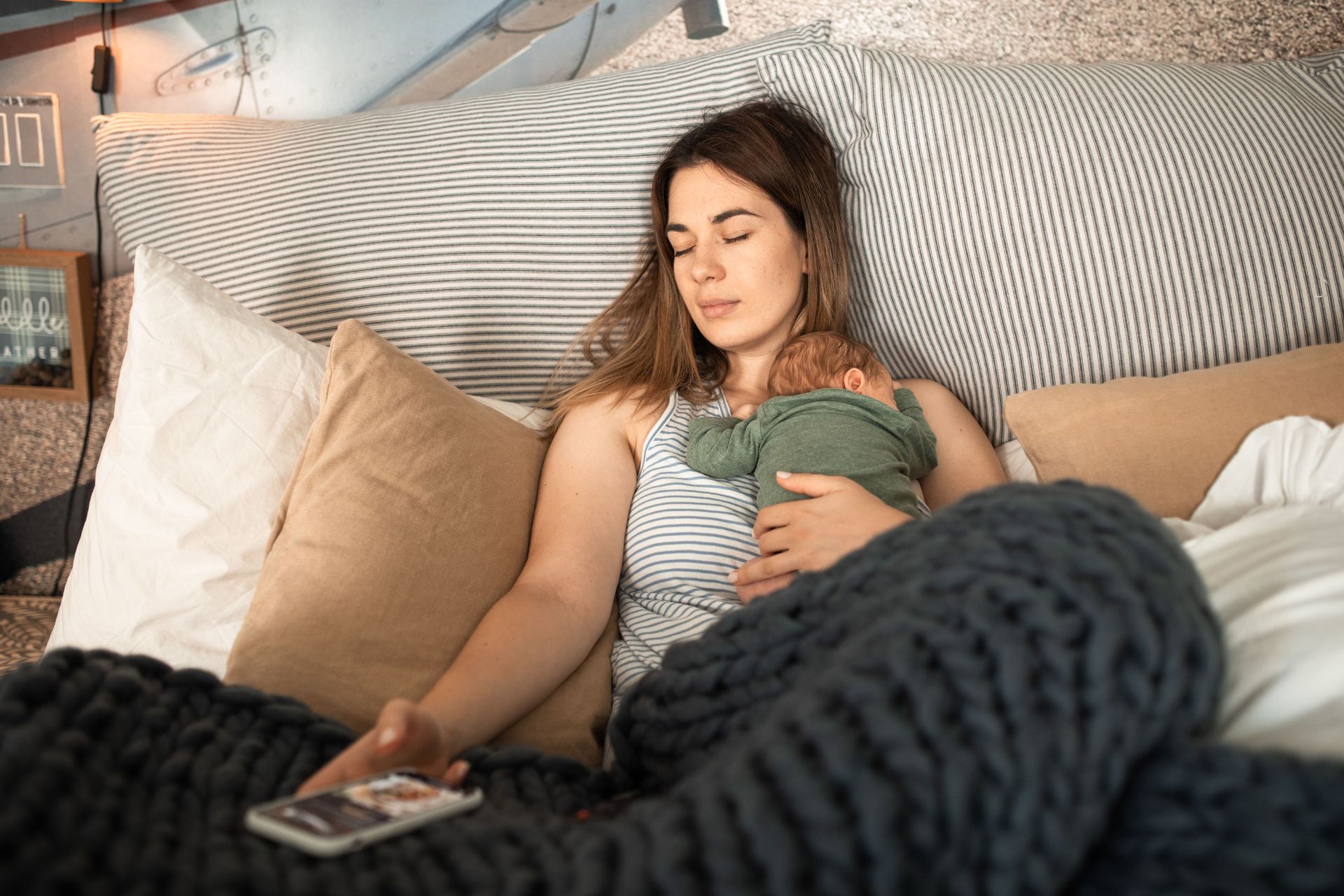
The sleep disruption that accompanies new parenthood is so universal it has become cultural shorthand, but the severity and duration of the disruption — and its physiological consequences — are worth understanding clearly. Infant sleep is characterized by short cycles (roughly 50 minutes compared to the adult 90-minute cycle), frequent nighttime waking for feeding, and irregular timing that does not align with the circadian system for the first several months of life. Adult caregivers must respond to these wakings regardless of their own sleep stage or circadian phase.
The result is severe sleep fragmentation. Even when a new parent's total minutes of sleep per night are not dramatically reduced from pre-parenthood levels, the structure of that sleep is profoundly disrupted. Fragmented sleep produces worse cognitive outcomes than equivalent amounts of consolidated sleep. The slow-wave sleep and REM sleep that are most critical for restoration are the stages most vulnerable to curtailment when sleep is interrupted repeatedly.
The timing of recovery varies considerably. Sleep disruption related to infant care typically begins to improve after the first three to six months as infants begin to consolidate sleep. But research tracking parental sleep longitudinally has found that sleep does not fully return to pre-parenthood quality or duration in the first year, and some studies suggest that both mothers and fathers show some deficit compared to childless peers up to six years after the birth of a first child.
Maternal sleep is more severely affected than paternal in most heterosexual partnerships, reflecting both the biology of breastfeeding and the persistent inequity in nighttime caregiving responsibilities. This differential has measurable health consequences: postpartum depression, which affects roughly one in seven new mothers, is strongly linked to sleep disruption, and improving sleep quality in the postpartum period has been shown to reduce depression severity independently of other interventions.
Credit: Miriam Alonso / Pexels
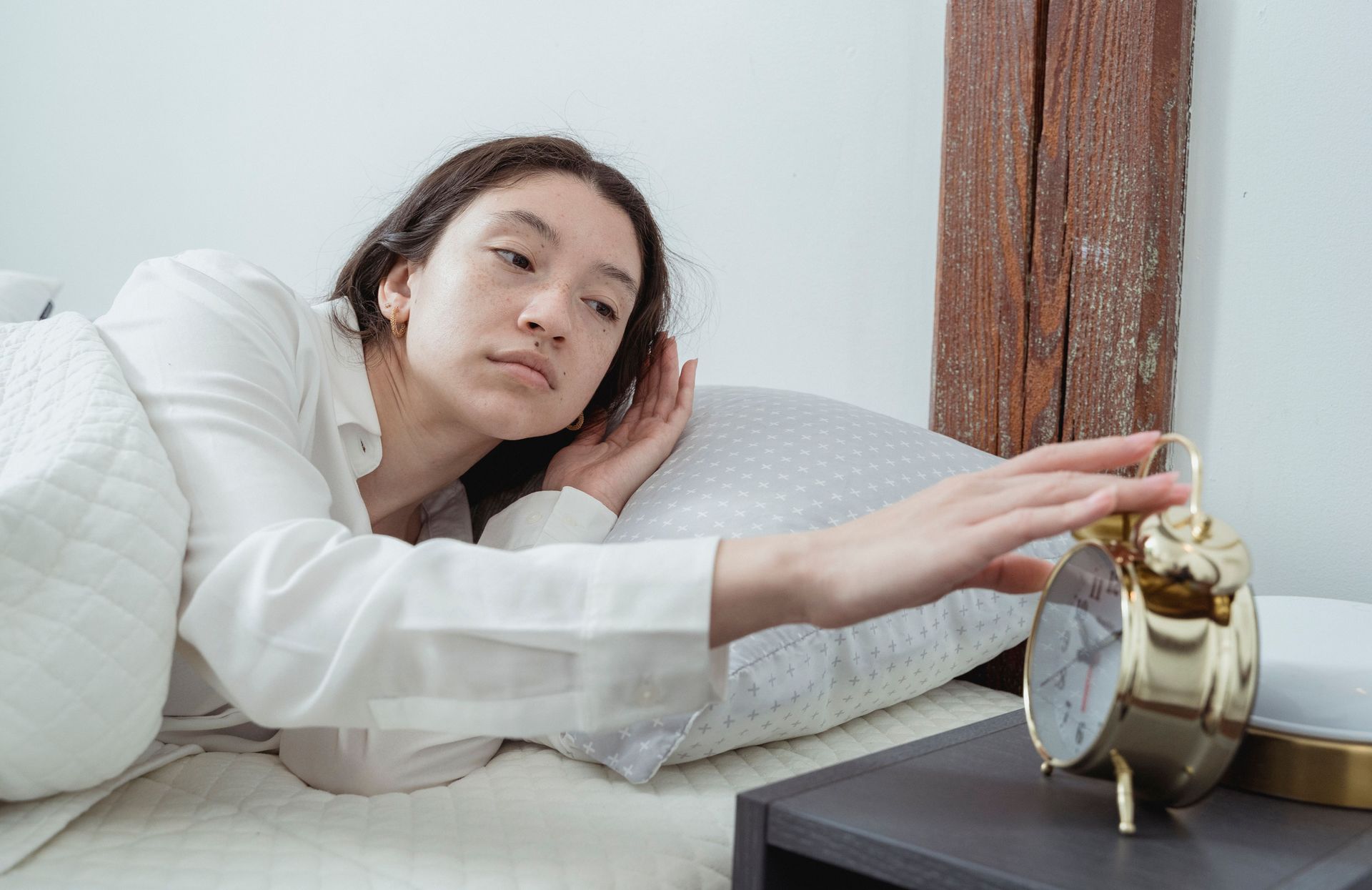
The grogginess, disorientation, and impaired performance that occur immediately after waking — called sleep inertia — are a normal part of the transition from sleep to wakefulness. For most people, sleep inertia resolves within 15 to 30 minutes as the brain fully transitions to the waking state. When it persists for 30 to 60 minutes or longer, or when it is severe enough to significantly impair function each morning, it is a signal worth examining.
Prolonged sleep inertia is most commonly associated with insufficient sleep. The greater the homeostatic sleep pressure at the moment of waking — i.e., the more sleep-deprived the person is — the more severe and prolonged the sleep inertia tends to be. In this case, extended morning grogginess is simply the body's signal that it has not gotten what it needs.
Sleep inertia is also worse when waking occurs from deep slow-wave sleep rather than from light NREM or REM sleep. If your alarm consistently catches you in the wrong stage — which is likely if you are waking before your natural wake time — the abruptness of the transition from deep sleep to wakefulness produces more pronounced impairment. This is why many people feel worse waking from a long nap than from a short one: a nap lasting 20 minutes stays within the lighter stages, while one lasting 45 to 60 minutes often enters slow-wave sleep, producing significant sleep inertia upon waking.
A less common but clinically significant cause of severe sleep inertia is sleep drunkenness, formally called confusional arousal. This is a sleep disorder in the parasomnia category, in which partial arousals from deep slow-wave sleep produce a state of profound confusion, disorientation, and sometimes inappropriate behavior. People with confusional arousal may act or speak during the episode without memory of it afterward. It is more common in people with chronic sleep deprivation or hypersomnia disorders and can be a side effect of certain sedating medications.
Credit: cottonbro studio / Pexels
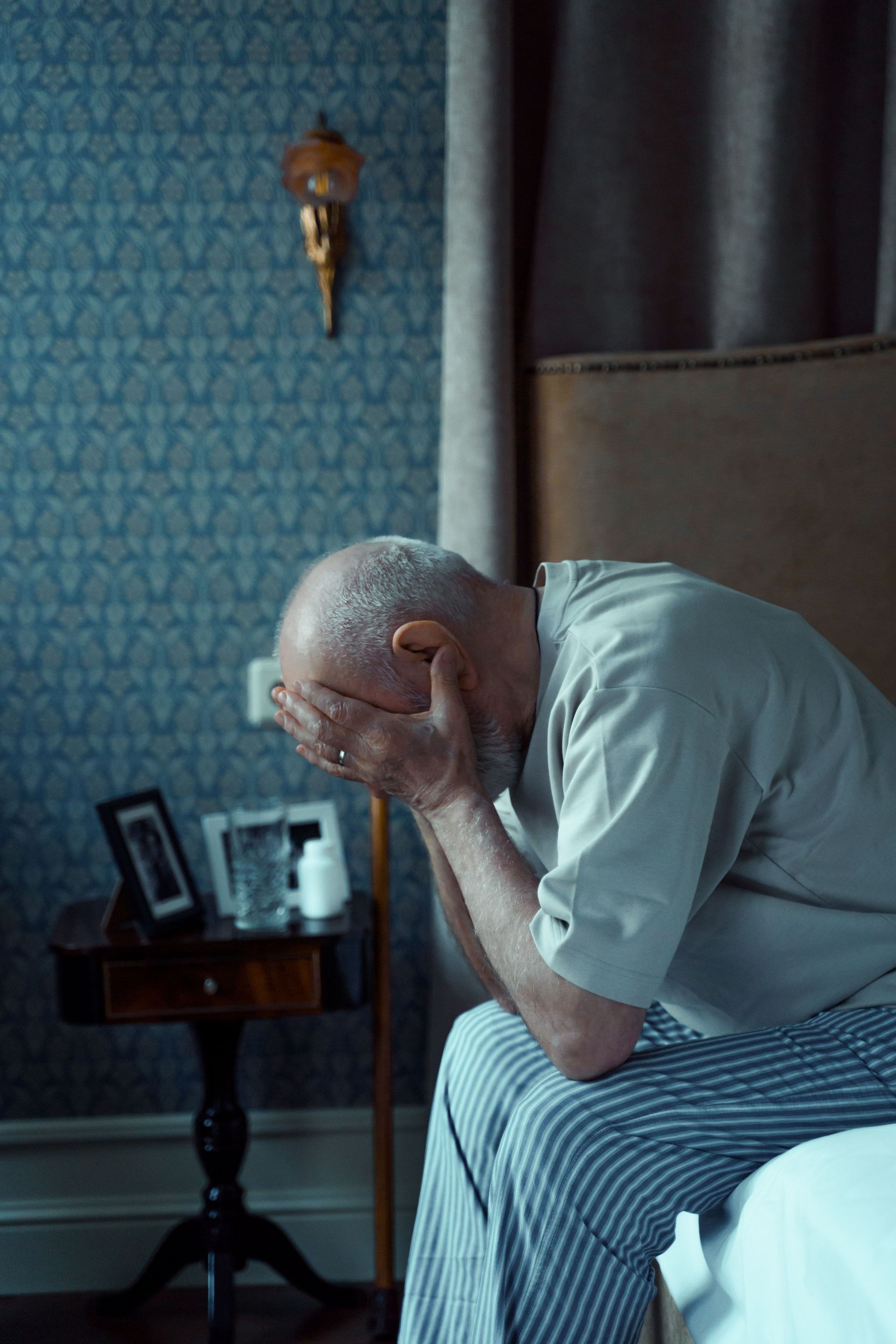
Sleep architecture changes measurably and predictably with age, and most of those changes make sleep lighter, shorter, and more fragmented. These are not disorders — they are developmental changes — but they can feel like a deterioration relative to the sleep quality of earlier decades, and they interact with the higher rates of medical conditions that occur in midlife and beyond.
The amount of slow-wave sleep — the deepest, most restorative stage of NREM sleep — declines with age beginning in the thirties and forties, with a more pronounced decline in men than in women. By the sixties, slow-wave sleep may constitute a fraction of what it was at age 20. This reduction has implications for the restorative functions that depend on deep sleep: growth hormone secretion, memory consolidation, immune function, and the glymphatic clearance of metabolic waste from the brain all depend partly on slow-wave sleep duration and intensity.
Sleep timing also shifts earlier with age — the morning type shift described earlier — meaning older adults tend to feel sleepy earlier in the evening and wake earlier in the morning. This is a normal circadian change, but it can feel pathological when the environment does not accommodate it. Social expectations around evening activities, or sleeping environments that are not dark enough early enough, can create a mismatch.
Medical conditions that become more prevalent with age — arthritis, cardiovascular disease, chronic pain, gastroesophageal reflux, prostate enlargement in men, and menopausal hormonal changes in women — directly disrupt sleep through pain, discomfort, and nighttime symptoms. Medications used to treat these conditions add another layer: many antihypertensives, diuretics, antidepressants, and respiratory medications alter sleep architecture or produce nighttime side effects.
Distinguishing normal age-related sleep changes from treatable sleep disorders becomes more important after 50, because sleep disorders including sleep apnea and restless leg syndrome become more prevalent with age.
Credit: Soheb Zaidi / Unsplash
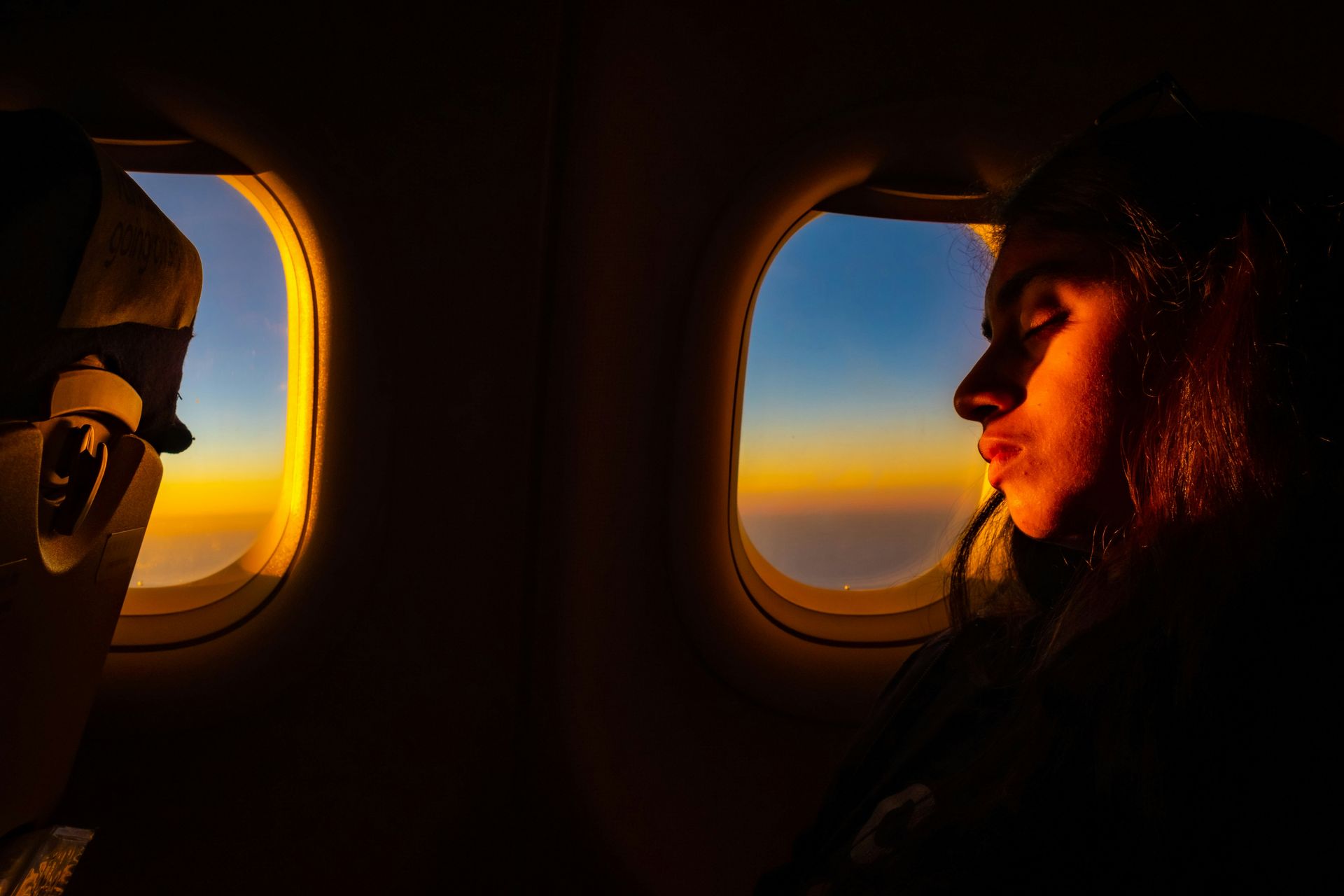
Jetlag is the body's most legible demonstration that the circadian clock is a real, physical system — not simply a concept — and that it takes time to reset when you move rapidly through time zones. After crossing multiple time zones, the central circadian clock in the brain needs to resynchronize to the new light-dark cycle, a process that takes roughly one day per time zone crossed at the rate the clock can shift: approximately one to one and a half hours per day.
The direction of travel matters. Eastward travel requires the clock to advance — to shift forward — which is harder than the westward phase delay. This is because the endogenous human circadian period is slightly longer than 24 hours, meaning the clock naturally drifts toward a slightly later time each day and is more easily delayed (extended) than advanced. Eastward travelers typically find jetlag harder to resolve than westward travelers, and the adjustment takes roughly a third longer.
The symptoms of jetlag — insomnia at the new local bedtime, sleepiness during the new local day, impaired cognitive function, digestive disruption, and mood changes — are all expressions of peripheral clocks in body organs being out of phase with both the external environment and each other. The liver clock, which governs metabolic timing, resynchronizes more slowly than the brain clock, creating a temporary internal desynchrony.
Frequent long-haul travel or regularly working across multiple time zones can produce a form of chronic circadian disruption that is distinct from any single episode of jetlag. Flight crew and frequent travelers who regularly cross five or more time zones show measurable changes in cognitive function, mood stability, and — in longer-term studies — increased rates of certain cancers and metabolic disease, though establishing clear causality in this population is complicated by other occupational factors.

Credit: cottonbro studio / Pexels
Children's sleep schedules are not simply smaller versions of adult patterns. Sleep architecture, duration needs, and circadian timing all change dramatically across childhood and adolescence, and many of the conflicts around children's sleep schedules are conflicts between biological reality and social structure rather than evidence of poor habits.
Adolescent chronotype is perhaps the clearest example. During puberty, the circadian clock shifts significantly toward eveningness — a change that is conserved across cultures and is present in other species, suggesting a genuine biological function. Teenagers' melatonin secretion begins later in the evening and extends further into the morning than in children or adults. A 16-year-old whose melatonin does not begin until 11 p.m. is not choosing to stay up late; the sleep-onset signal from their own biology is not arriving until then.
Most middle and high school start times in the U.S. fall between 7 and 8 a.m. — an hour range that corresponds, for many adolescents, to the middle of their biological sleep period. The American Academy of Pediatrics has recommended that middle and high schools start no earlier than 8:30 a.m. to accommodate adolescent sleep biology. Districts that have implemented later start times have documented improvements in attendance, grades, mental health measures, and in some studies, teen driving accident rates.
For younger children, an overtired child who resists bedtime or takes a very long time to fall asleep may be past their sleep window — a state called sleep pressure overload in which the fatigue has paradoxically produced cortisol-mediated hyperarousal. Moving bedtime earlier, counterintuitively, often resolves the bedtime struggle. A child who consistently wakes very early and cannot return to sleep, or who is chronically difficult to rouse in the morning, may have a circadian rhythm issue worth discussing with a pediatrician.
