
15 things that happen to your body when your pet sleeps in your bed
Sharing a bed with a dog or cat alters human sleep architecture, immune system function, hormone production, and overall physiological health in measurable ways
Adam Kuylenstierna / Unsplash
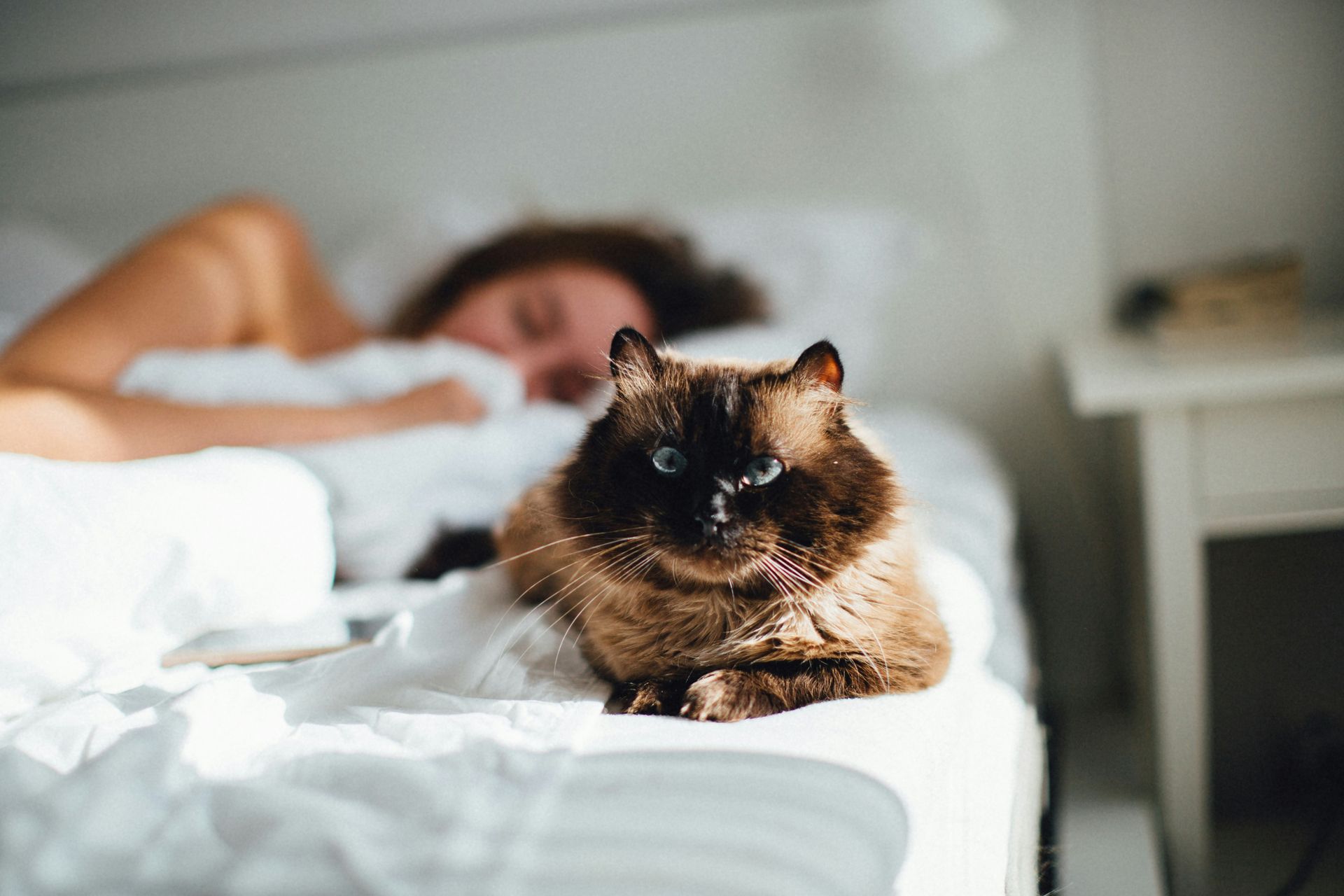
Co-sleeping with domestic animals is a widespread human behavior across continents and cultures, yet the physical consequences of this habit remain widely misunderstood. For decades, traditional medical advice recommended keeping animals out of the bedroom entirely to maintain optimal hygiene and uninterrupted rest. Modern research into human-animal interactions reveals a far more nuanced physiological reality. When a human shares a mattress with a dog or a cat, a complex series of biological adjustments occurs throughout the night. Body temperature regulation shifts, breathing patterns sync, cortisol production drops, and exposure to diverse microorganisms alters the balance of the human microbiome.
These physiological changes are neither entirely positive nor entirely negative. Instead, they represent a trade-off between psychological comfort and mechanical sleep disruption. On one hand, physical proximity to an animal triggers neurochemical responses that lower stress hormones, reduce heart rates, and foster feelings of security that make falling asleep easier. On the other hand, the different circadian rhythms, body temperatures, and nocturnal movements of pets introduce micro-arousals that can fragment human sleep cycles without the sleeper even realizing it.
Moreover, the physical impact of bed-sharing varies significantly based on individual health conditions, animal size, and household cleanliness routines. Allergens settle into bedding fabrics, micro-awakenings alter deep sleep duration, and immune systems quietly process environmental bacteria brought in on fur and paws. Understanding these biological dynamics allows pet owners to evaluate the true physical cost and benefit of their nightly routines. Rather than viewing the practice as strictly harmful or entirely benign, examining the specific biological reactions that occur between human and animal bodies during sleep provides a clearer picture of how co-sleeping shapes long-term physiological well-being. Here is what actually happens to the human body when a pet sleeps in the bed.
Cortisol levels decrease during late-evening hours
Tran Mau Tri Tam / Unsplash
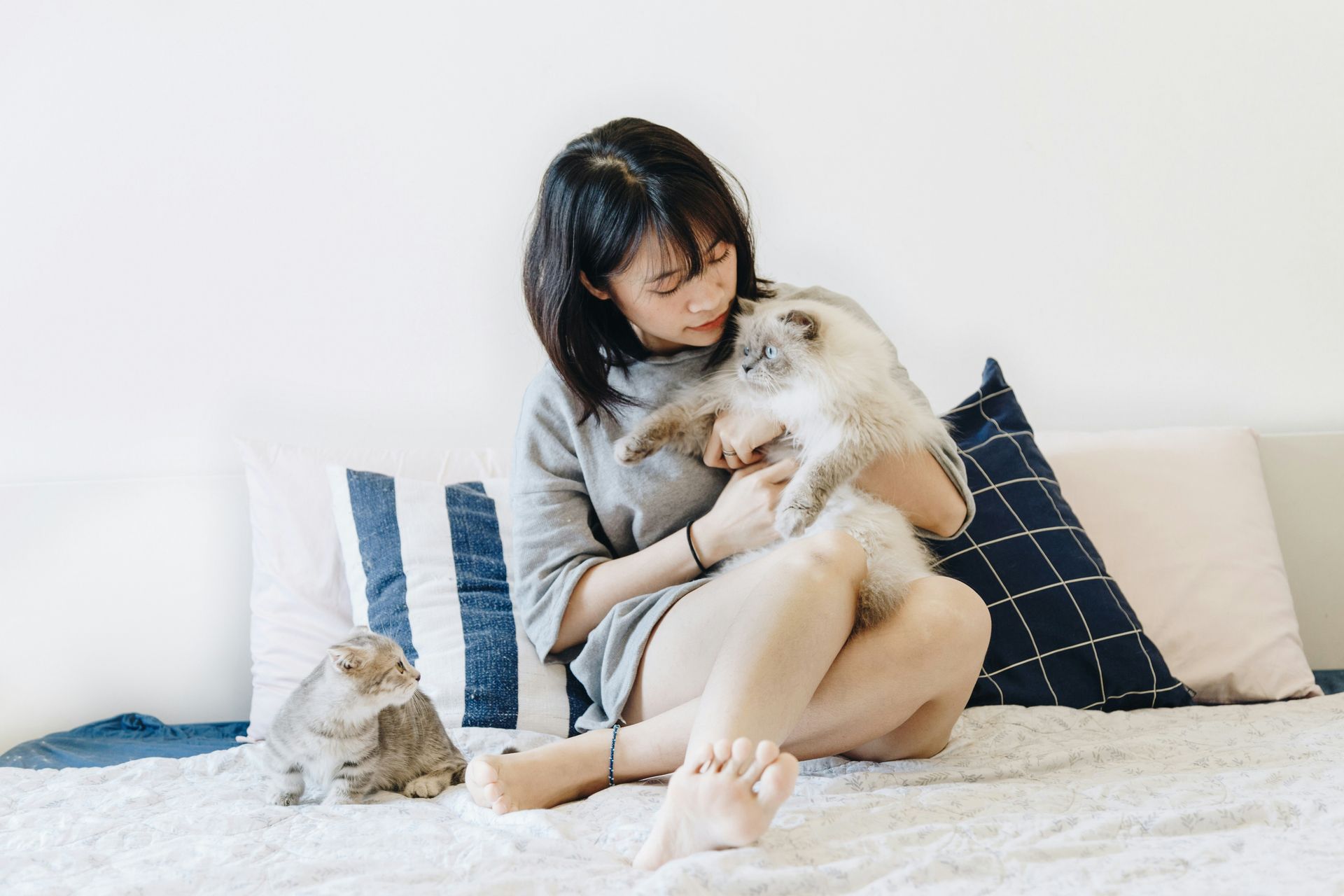
Physical contact with an animal right before falling asleep inhibits the endocrine system from producing excess cortisol, the body's primary stress hormone. High levels of circulating cortisol keep the central nervous system in a state of hyper-arousal, which elevates blood pressure and keeps heart rates higher than necessary during rest. When a person pokes, pets, or simply rests next to a dog or cat in bed, tactile stimulation signals the adrenal glands to slow down cortisol synthesis. This decline in stress hormones creates a biological environment conducive to transitioning from wakefulness to early sleep stages. Lower nocturnal cortisol levels also protect cardiovascular tissue from the wear and tear caused by prolonged chemical stress. Over time, regular reductions in evening stress hormones help stabilize baseline arterial pressure during sleeping hours. The drop in cortisol acts as a natural physiological brake, allowing the body to downshift its metabolic output and clear metabolic waste more efficiently throughout the night.
Oxytocin release promotes muscle relaxation
Mariia Ioffe / Unsplash
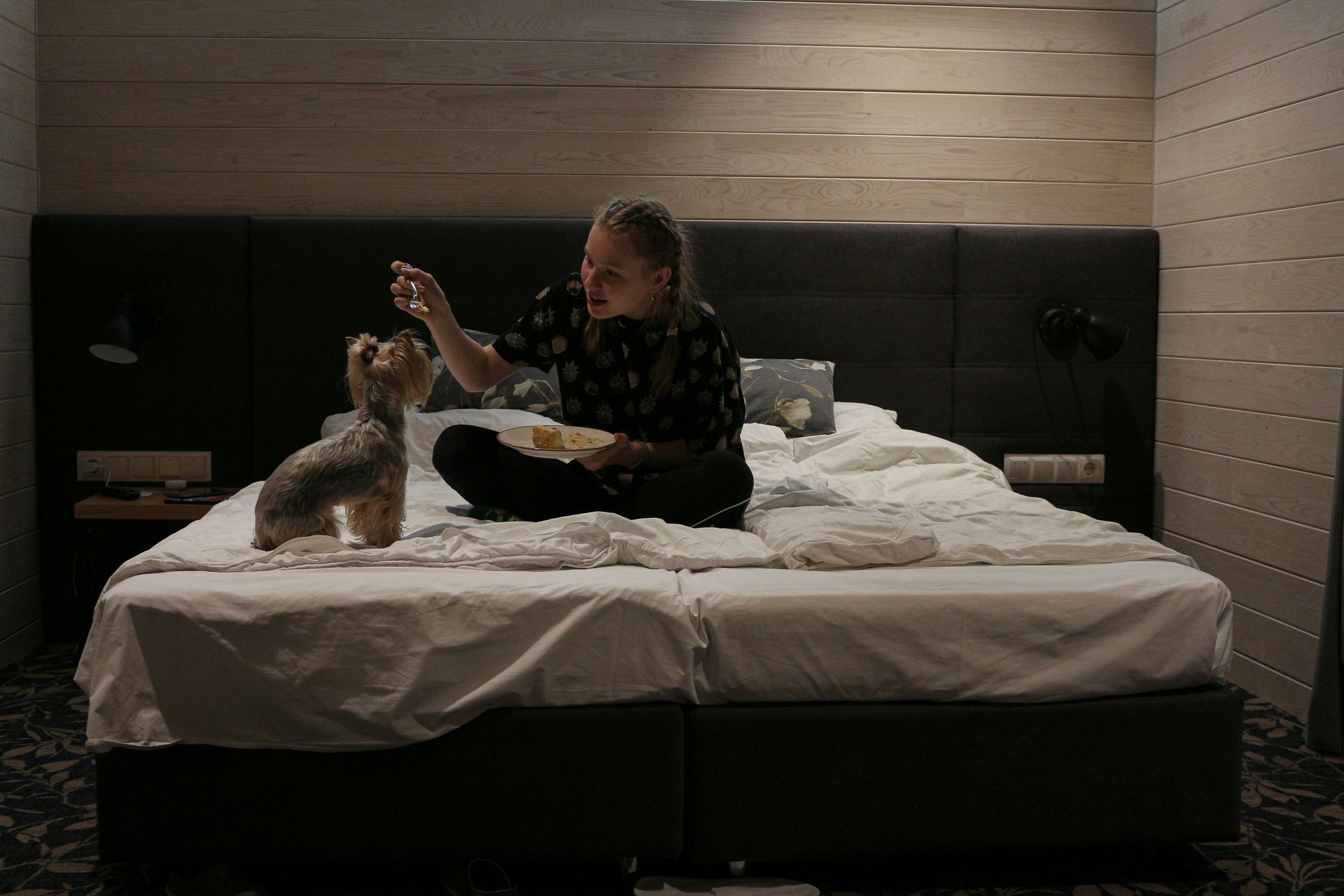
Skin-to-skin or fur-to-skin contact triggers the pituitary gland to secrete oxytocin, often referred to as the bonding hormone. Beyond its psychological effects on affection and trust, oxytocin exerts immediate physical effects on muscle tissue and the autonomic nervous system. High concentrations of oxytocin in the bloodstream reduce somatic muscle tension, particularly in the neck, shoulders, and lower back where humans store daily physical stress. As muscles relax, peripheral blood vessels dilate slightly, improving blood flow to outer extremities and promoting a gentle drop in core body temperature. This hormone also stimulates the parasympathetic nervous system, which directly counteracts the fight-or-flight response. The physical presence of a pet increases oxytocin production within minutes of co-sleeping. This surge helps ease the physical restlessness that frequently leads to tossing and turning in bed. Consequently, the human body achieves a state of physical ease that facilitates faster onset of sleep.
Micro-arousals disrupt natural REM sleep cycles
Alexander Grey / Unsplash
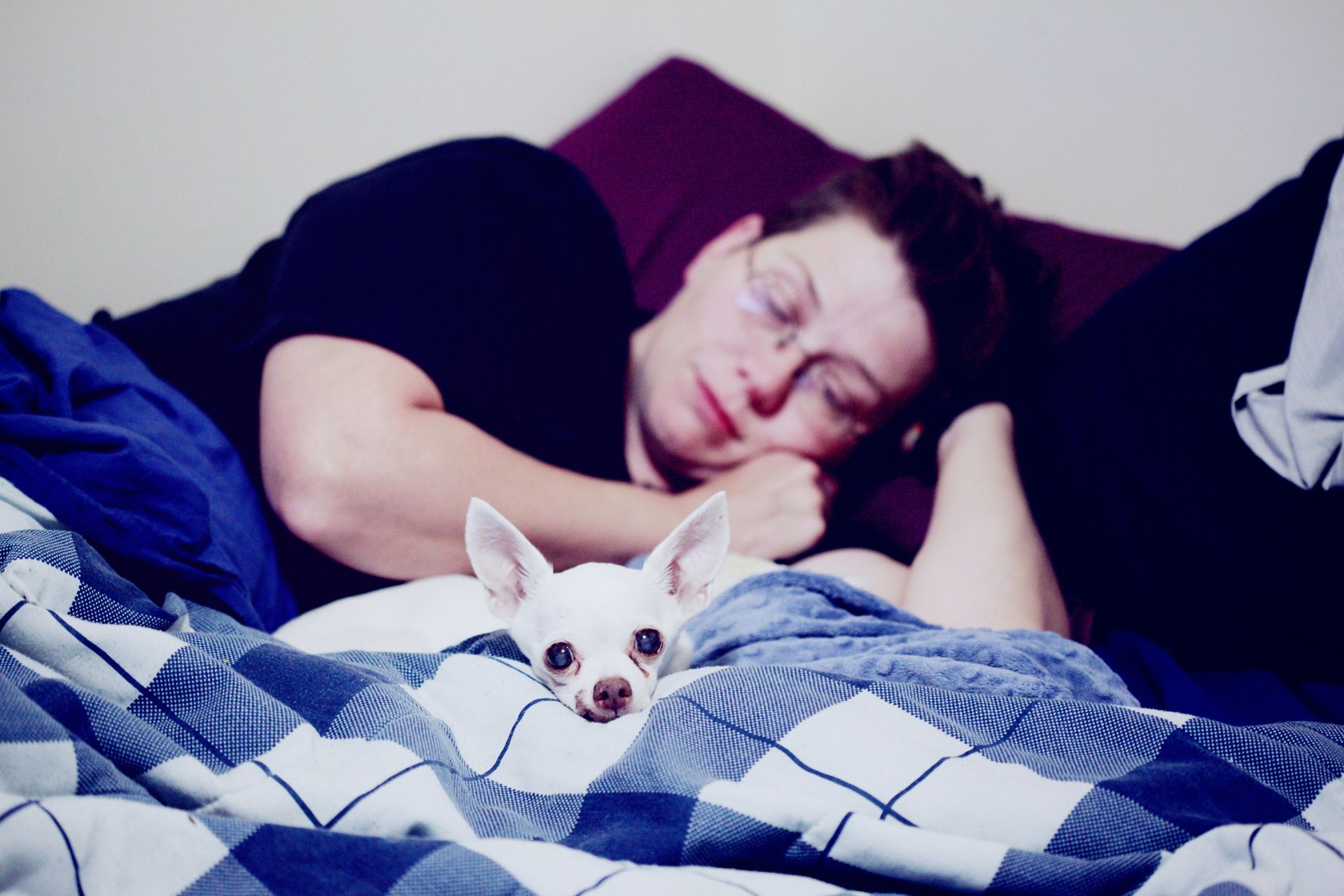
Despite the emotional comfort of sleeping with a pet, the human brain experiences frequent micro-arousals caused by animal movements during the night. Dogs and cats have shorter sleep cycles than humans and shift positions, scratch, lick, or twitch far more often throughout the night. Every time a pet moves, human brainwaves briefly spike from deep slow-wave sleep or rapid eye movement, known as REM sleep, into lighter stages of sleep. The sleeper rarely consciously wakes up or remembers these interruptions the next morning. However, these subtle disruptions prevent the brain from spending optimal continuous blocks of time in REM sleep, which is critical for cognitive processing and emotional regulation. Over long periods, persistent micro-arousals can lead to subtle daytime fatigue, reduced memory retention, and diminished concentration, even if total time spent in bed seems adequate.
Heart rates stabilize to lower resting baselines
Shane / Unsplash
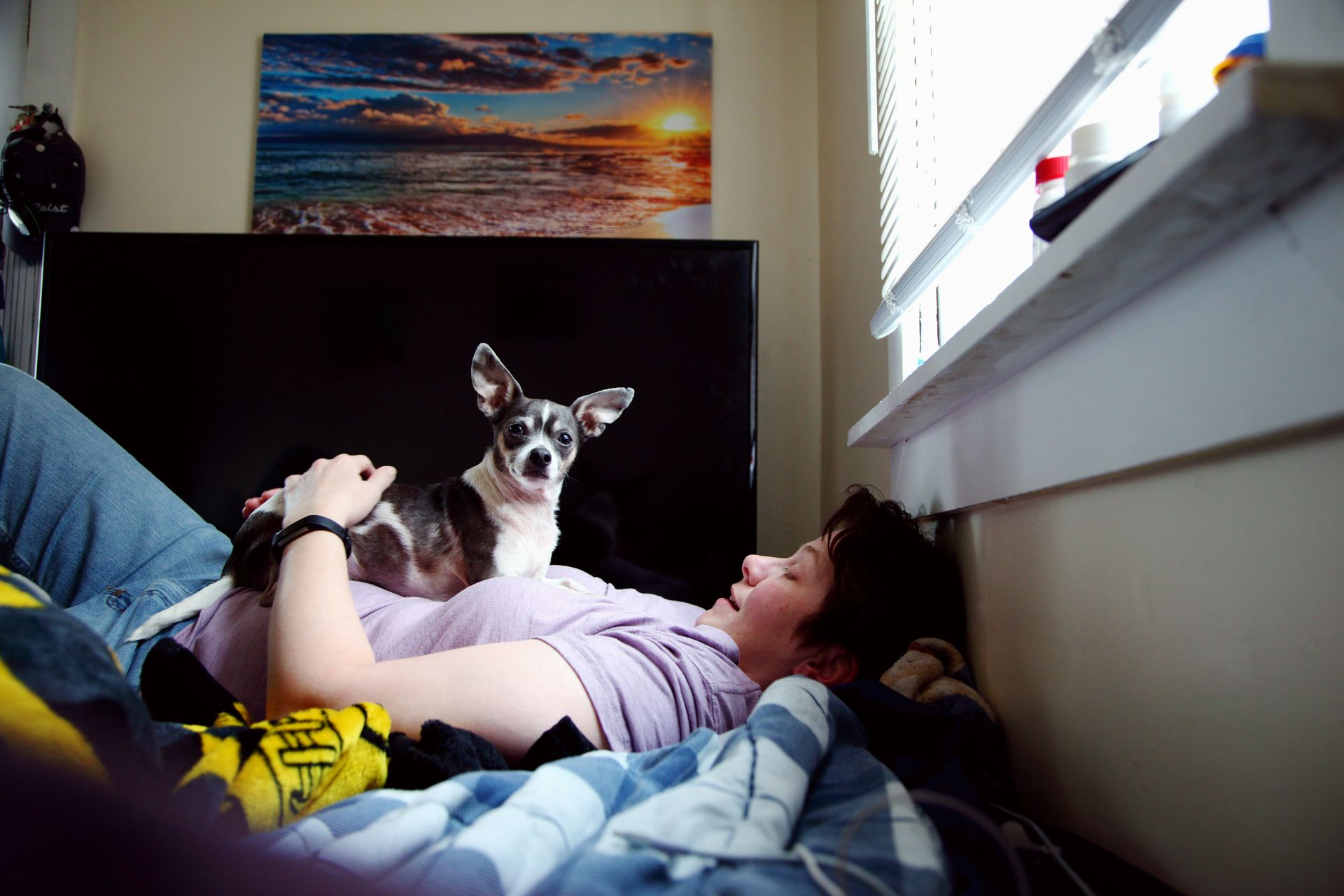
The tactile sensation of a pet resting against the human body helps regulate cardiac rhythms. Proximity to a steady, rhythmic breath pattern from a sleeping pet can help slow down the human sinoatrial node, which acts as the heart's natural pacemaker. During early sleep phases, the heart rate typically drops to its lowest resting baseline, a process essential for reducing strain on cardiac muscles and blood vessel walls. People who sleep near pets often reach their resting heart rate earlier in the night compared to those sleeping alone in high-stress environments. A lower resting heart rate sustained over several hours gives the heart muscle time to recover and reduces systemic inflammation within the vascular system. This stabilization helps maintain healthy heart rate variability, which is a primary marker of cardiovascular resilience and biological recovery.
Localized thermal shifts alter core body temperature regulations
Vitaly Gariev / Unsplash
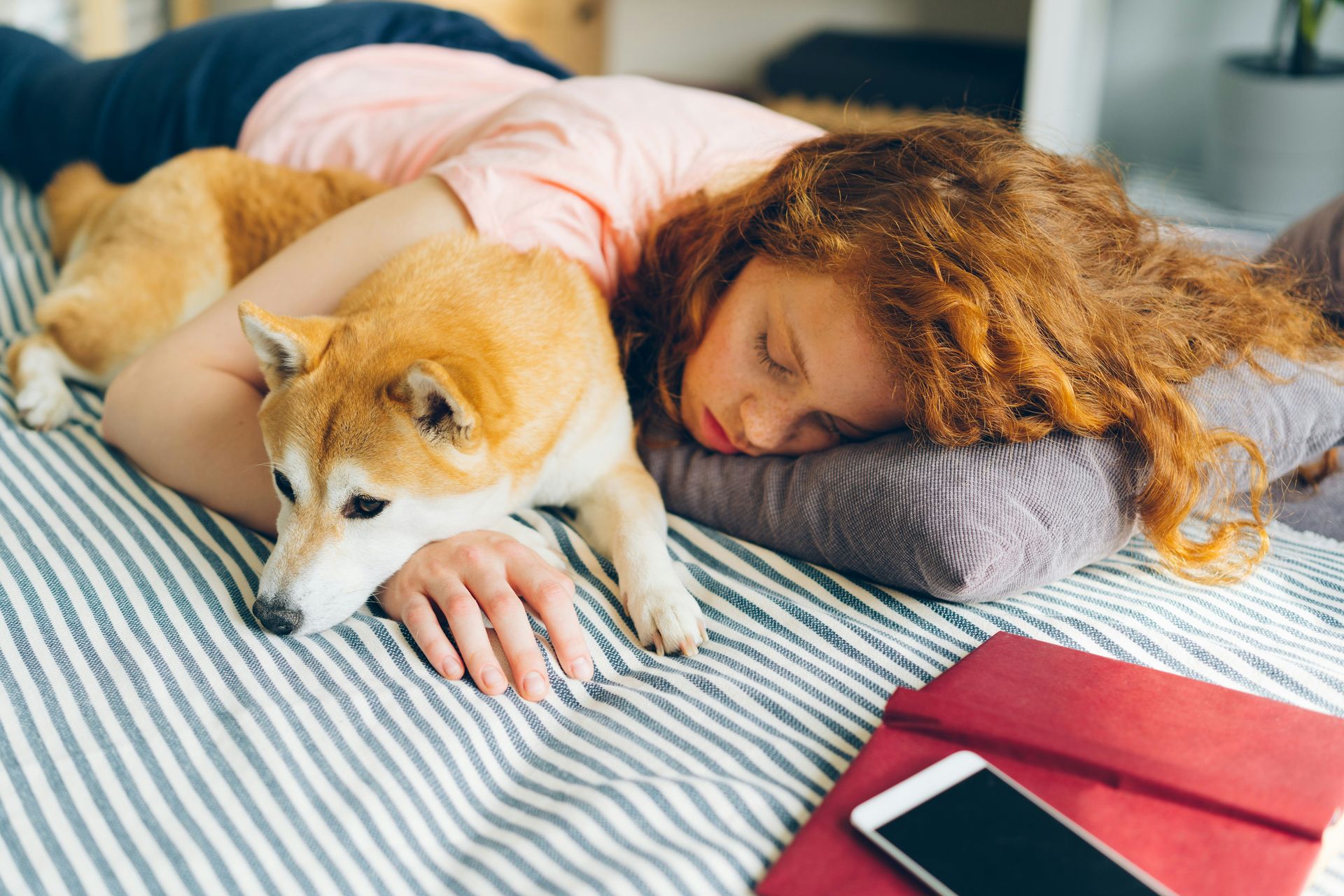
Dogs and cats maintain a higher baseline internal body temperature than humans, usually hovering between 101 and 102.5 degrees Fahrenheit. When an animal presses against a human under heavy blankets, it acts as a localized heat radiator. Human thermoregulation relies on a natural drop in core body temperature by two to three degrees during the evening to initiate and maintain deep sleep. Excess ambient heat generated by a pet can trap thermal energy near the human skin, interfering with this natural cooling mechanism. When the core temperature remains too high, the brain signals the body to sweat or alter posture, causing restlessness. While localized warmth can relieve joint stiffness or abdominal cramps, excess heat generated by larger animals can trigger night sweats and prevent the body from entering prolonged deep slow-wave sleep.
Exposure to varied microbes diversifies the gut microbiome
Helena Lopes /Unsplash
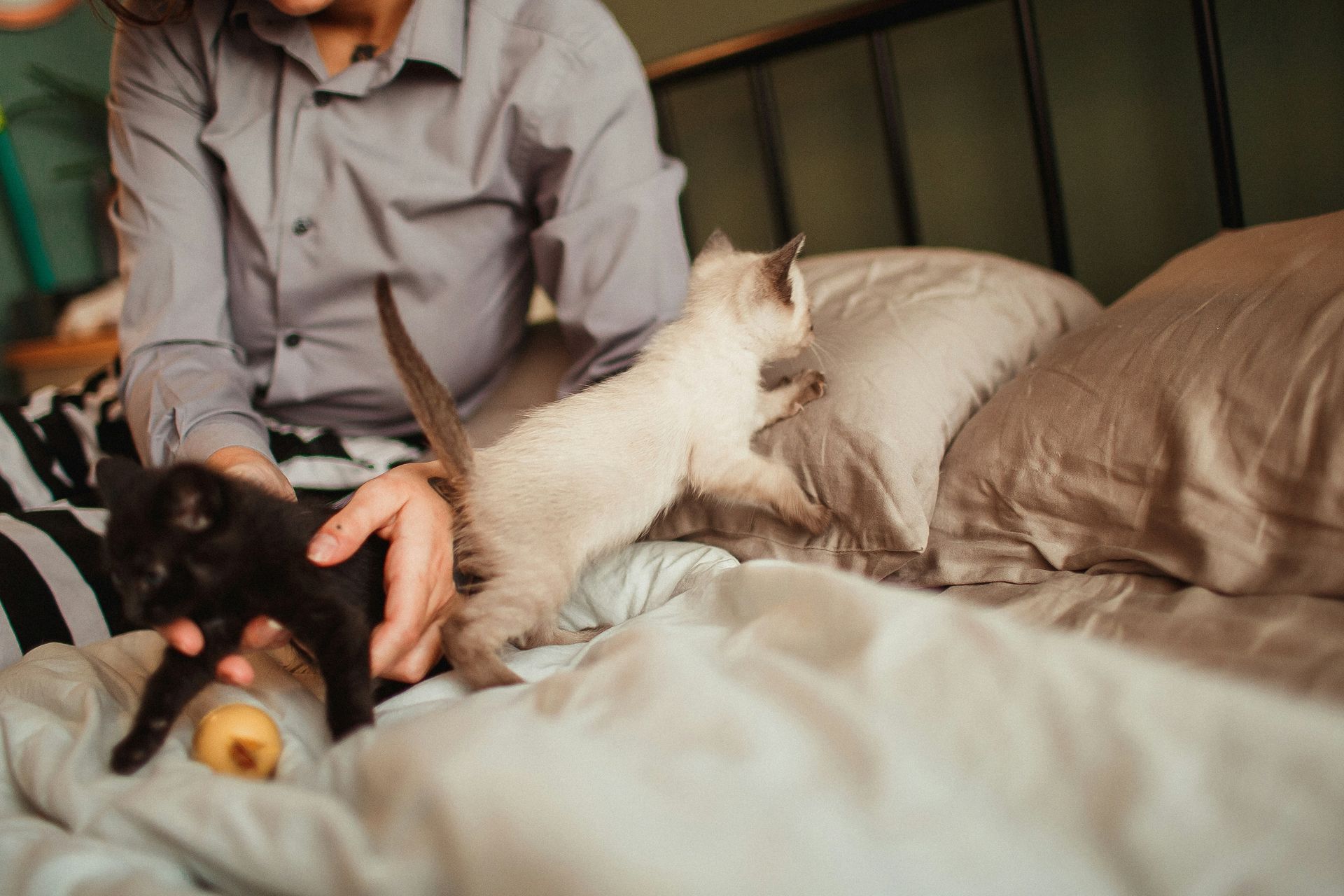
Pets carry millions of environmental microorganisms on their fur, skin, and paws into the sleeping space. While this sounds unhygienic, exposure to a broader range of environmental bacteria actually alters the composition of the human microbiome. Microbes brought indoors from dirt, grass, and outdoor environments transfer onto bedding sheets and human skin. Breathing in or ingesting tiny particles of these diverse bacteria stimulates the human gut to build a more varied microbial community. A diverse gut microbiome correlates strongly with better digestive health, improved metabolic function, and stronger systemic immunity. Individuals who share sleeping spaces with domestic animals often harbor a wider variety of beneficial bacterial strains than those living in sterile, animal-free environments, provided basic sanitation practices are maintained.
Immune system activity increases against mild allergens

Oleg Ivanov / Unsplash
Sleeping in close proximity to animal dander, dried saliva, and shedding fur forces the respiratory system and mucosal membranes to constantly engage with potential allergens. For non-allergic individuals, this low-grade, persistent exposure helps condition the immune system to tolerate environmental proteins without overreacting. The immune system continuously produces specific antibodies that prevent mild irritants from triggering full-scale inflammatory responses. However, for individuals with preexisting allergies or asthma, this continuous exposure during long sleeping hours keeps the immune system in a state of chronic, low-level inflammation. Histamine production increases, causing nasal passage swelling, airway constriction, and mild fluid accumulation in the sinuses. Consequently, the body spends critical sleep hours fighting perceived pathogens rather than executing standard tissue repair and cellular recovery.
Respiratory rates alter through unconscious synchronization
Christopher Ryan / Unsplash
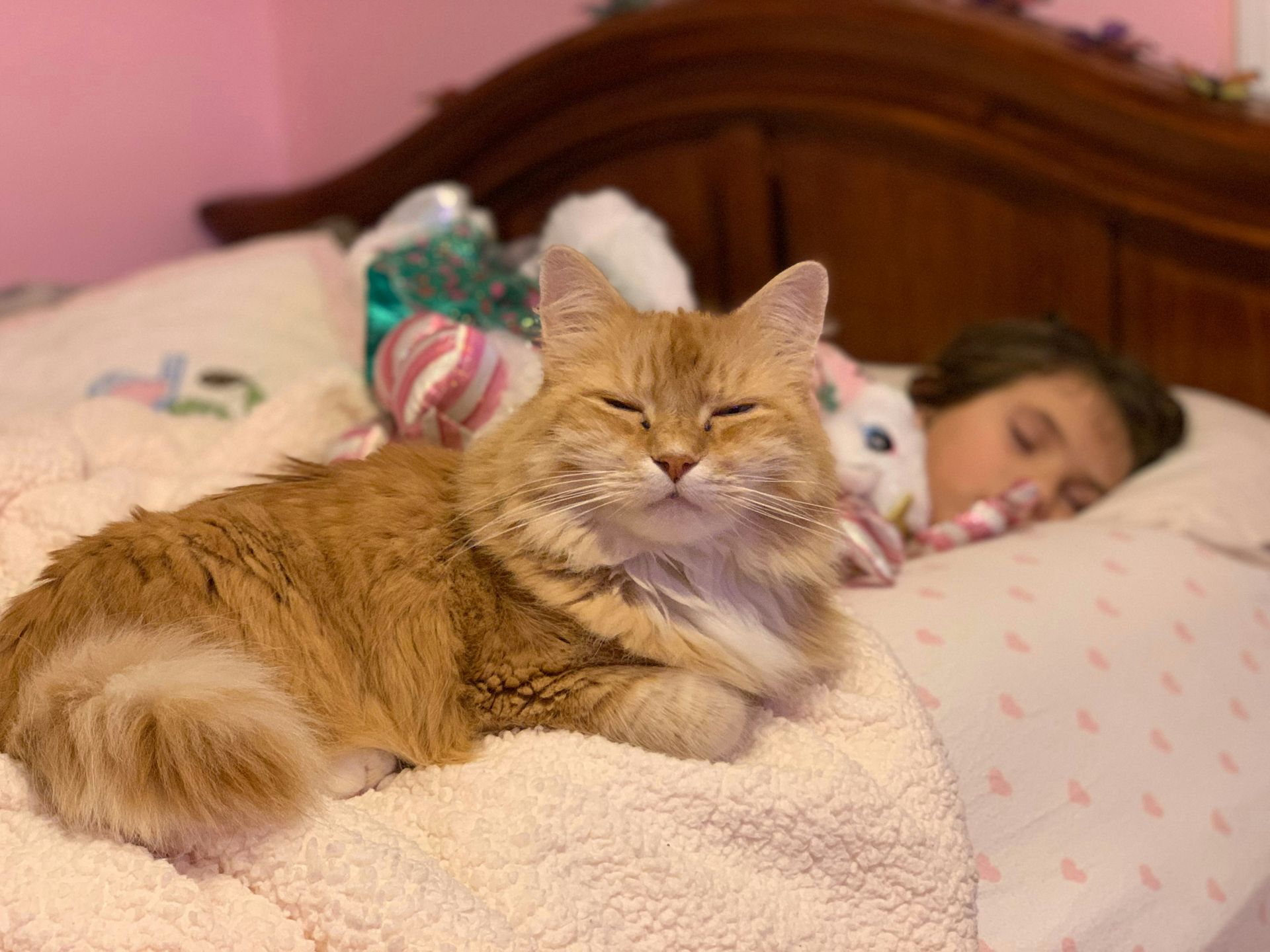
Humans sleeping close to animals often subconsciously mirror or adjust their breathing cadence to match the rhythmic chest movements of the pet. This phenomenon, known as respiratory entrainment, occurs during non-REM sleep stages when the autonomic nervous system is highly receptive to external sensory inputs. Listening to the steady, rhythmic breathing or purring of an animal provides an auditory and physical anchor for human breathing patterns. A purring cat, for instance, vibrates at frequencies between 20 and 140 Hertz. This low-frequency vibration encourages slower, deeper diaphragmatic breathing in humans, which optimizes oxygen saturation in the bloodstream. Deeper breathing increases the exchange of oxygen and carbon dioxide in the lungs, promoting cellular oxygenation throughout internal organs during the night.
Mattress compression shifts spinal alignment
Jamie Street / Unsplash
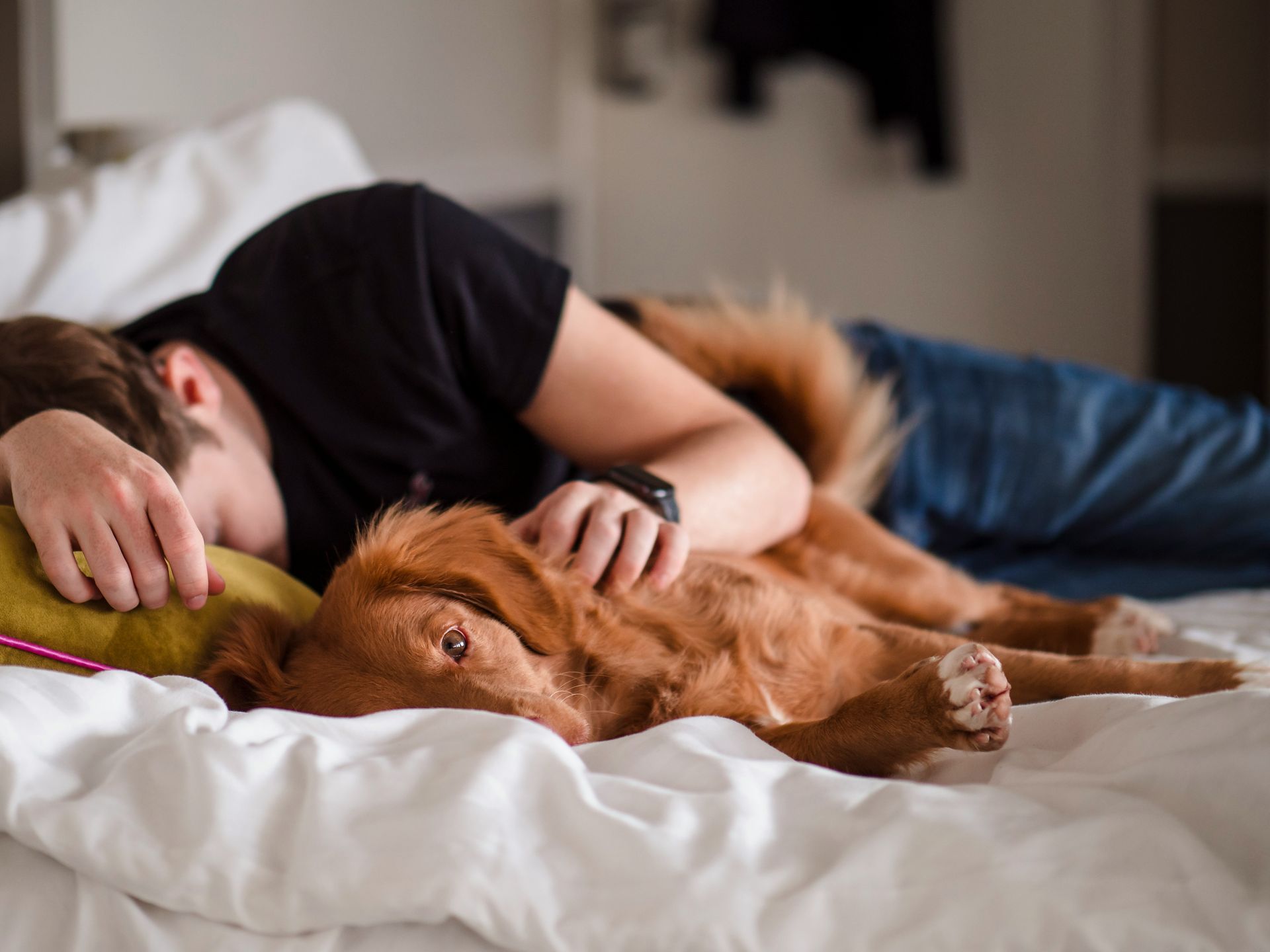
The physical weight of a pet sleeping on a mattress alters the distribution of support across the bed surface. Larger dogs weighing over 50 pounds create significant indentations in the mattress material, pulling the surrounding fabric downward. If a human sleeper lies close to this depression, their spine, hips, or shoulders can tilt unnaturally toward the center of gravity created by the animal. Maintaining an awkward posture for several consecutive hours strains lumbar ligaments, compresses spinal discs, and strains paraspinal muscles. People often wake up with unexplained stiffness, lower back pain, or neck discomfort purely because their sleeping position was adjusted to accommodate the physical mass of the pet. Over time, poor spinal alignment during rest can contribute to chronic musculoskeletal pain.
Dander accumulation irritates upper respiratory tracts

Kristina Petrick / Unsplash
Even if a person shows no overt clinical allergic reactions to pets, sleeping inches away from shedding fur leads to the inhalation of fine dander particles. These microscopic flecks of skin and dried saliva settle directly into the nasal passages, throat, and upper bronchial tubes throughout the night. As the body attempts to clear these foreign particles, tiny hair-like structures in the airway, called cilia, must work continuously to sweep secretions out of the respiratory tract. This extra workload can cause mild throat dryness, morning coughing, or persistent sinus congestion upon waking. The upper respiratory tract stays slightly inflamed overnight, forcing the body to allocate metabolic energy toward clearing airway irritants rather than focusing entirely on metabolic restoration and muscle tissue regeneration.
Nighttime movement increases risk of minor physical injuries
Vitaly Gariev / Unsplash
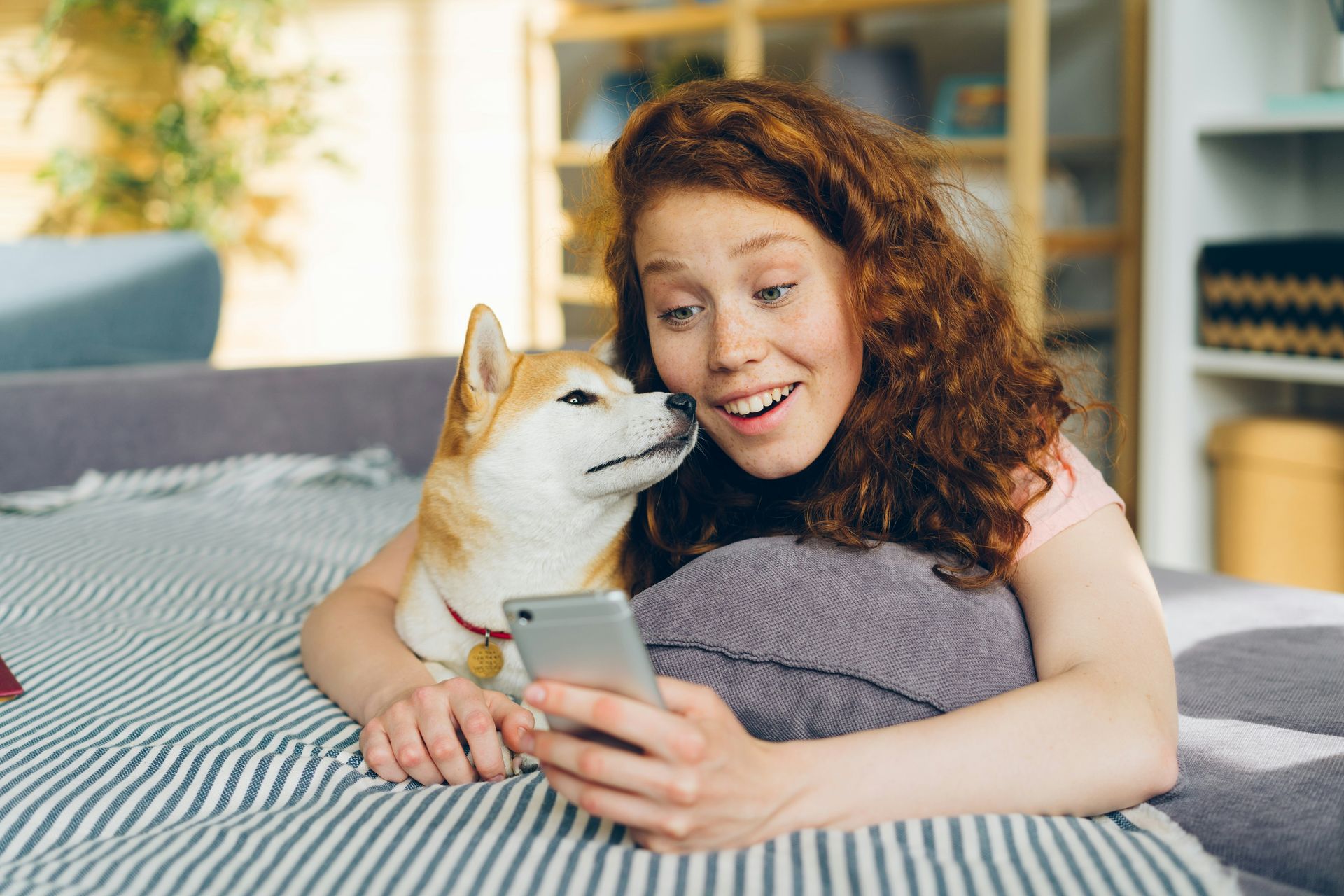
Sleeping with animals introduces unexpected physical obstacles into the bed environment. Pets frequently change positions, stretch out their limbs, or react to dreams by kicking or thrashing without warning. Humans lying next to them risk getting poked by sharp claws, struck by heavy paws, or pinched by sudden shifts in weight. Additionally, humans subconsciously modify their own sleeping postures to avoid stepping on or squishing smaller pets. Holding the body in rigid, unnatural positions to protect an animal puts unnatural tension on tendons and joints. Furthermore, getting out of bed in the dark poses a tripping hazard if an animal is sleeping on the floor right beside the mattress or lying flat across the foot of the bed.
Circadian rhythm alignment shifts due to pet wake cycles
Sam Lion / Pexels
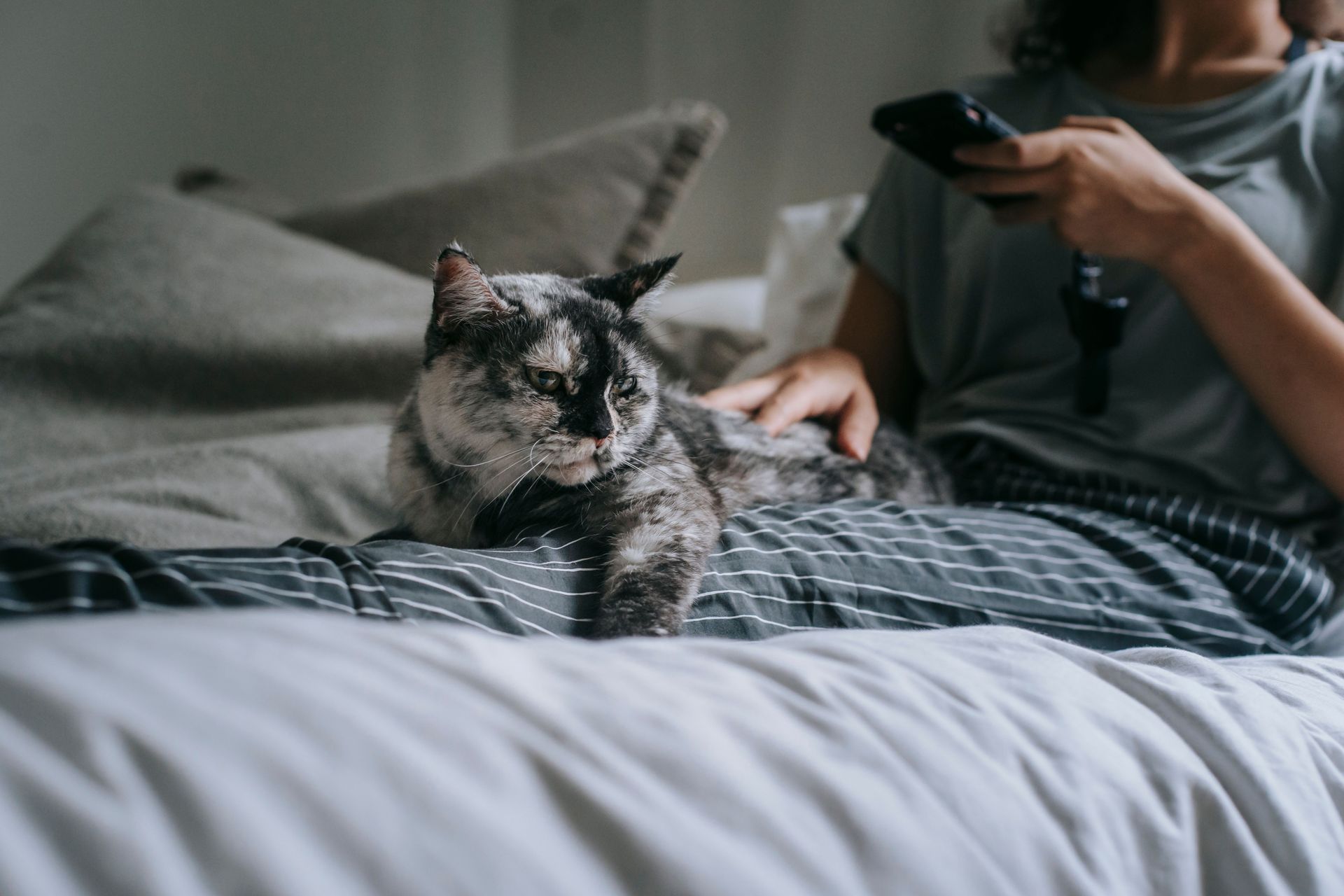
Domestic animals do not follow human circadian rhythms perfectly. Cats are crepuscular, meaning they are naturally most active during dusk and dawn, while dogs often wake up at the first light of morning or at minor outside noises. When a pet wakes up inside the bedroom, it typically initiates contact with its human companion by nudging, stepping on the mattress, or making vocal sounds. These early-morning interruptions prematurely cut off the final REM sleep cycles of the night, which occur mostly during the early hours before natural waking. Shifting human wake-up times to match animal activity levels disrupts the delicate balance of melatonin release, throwing off the body's natural sleep-wake cycle and leading to daytime sleepiness.
Serotonin production rises to support mood regulation
Sornbhakkanut Boonprasop / Pexels
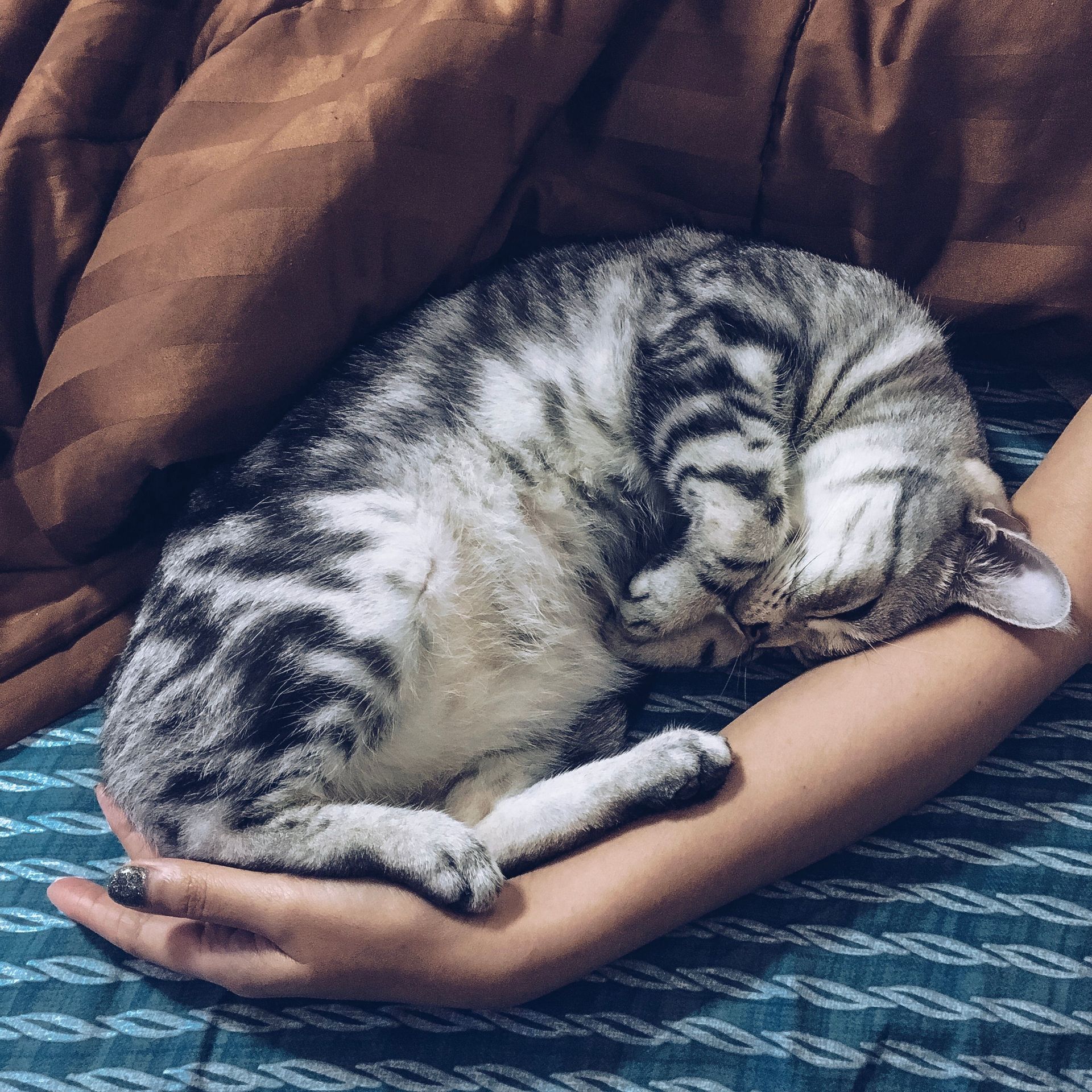
Sensory interaction with a pet in bed increases the production and availability of serotonin, a vital neurotransmitter responsible for regulating mood, anxiety, and general happiness. As the human brain processes the soft texture of fur, the warmth of an animal's body, and the calm environment of co-sleeping, neural pathways release higher levels of serotonin into synaptic spaces. Higher nighttime serotonin activity promotes feelings of safety, counteracting nighttime anxiety, intrusive thoughts, and feelings of isolation. Because serotonin serves as a direct precursor to melatonin—the hormone responsible for regulating sleep cycles—elevated evening serotonin levels help the brain produce sufficient melatonin when lights go out, easing the transition into deep rest.
Sympathetic nervous system activity decreases
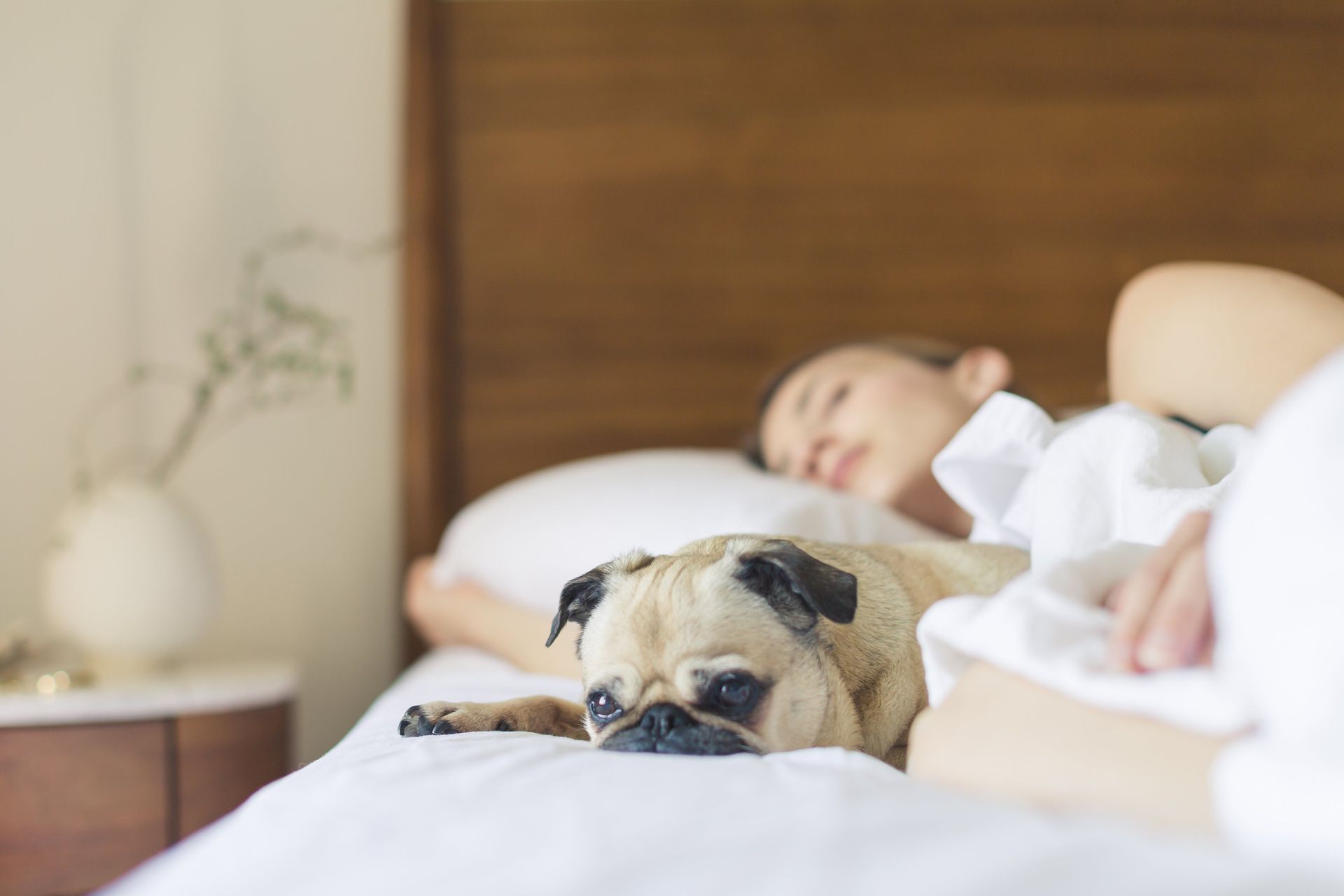
Burst / Pexels
The presence of a companion animal during sleep suppresses the sympathetic nervous system, which controls the body's fight-or-flight mechanisms, and activates the parasympathetic nervous system, which governs rest and digestion. In a solitary environment, hyper-vigilant individuals often react to minor house noises, such as squeaking floorboards or wind against windows, with sudden spikes in adrenaline and heart rate. Sharing a bed with a pet provides a sense of shared vigilance; humans subconsciously rely on the animal's superior hearing and sense of smell to detect danger. Knowing the pet is calm signals to the human brain that the environment is secure. This mental reassurance lowers baseline neural firing, keeping blood pressure stable and preventing adrenaline spikes throughout the night.
Skin micro-abrasions increase from contact with claws and dander
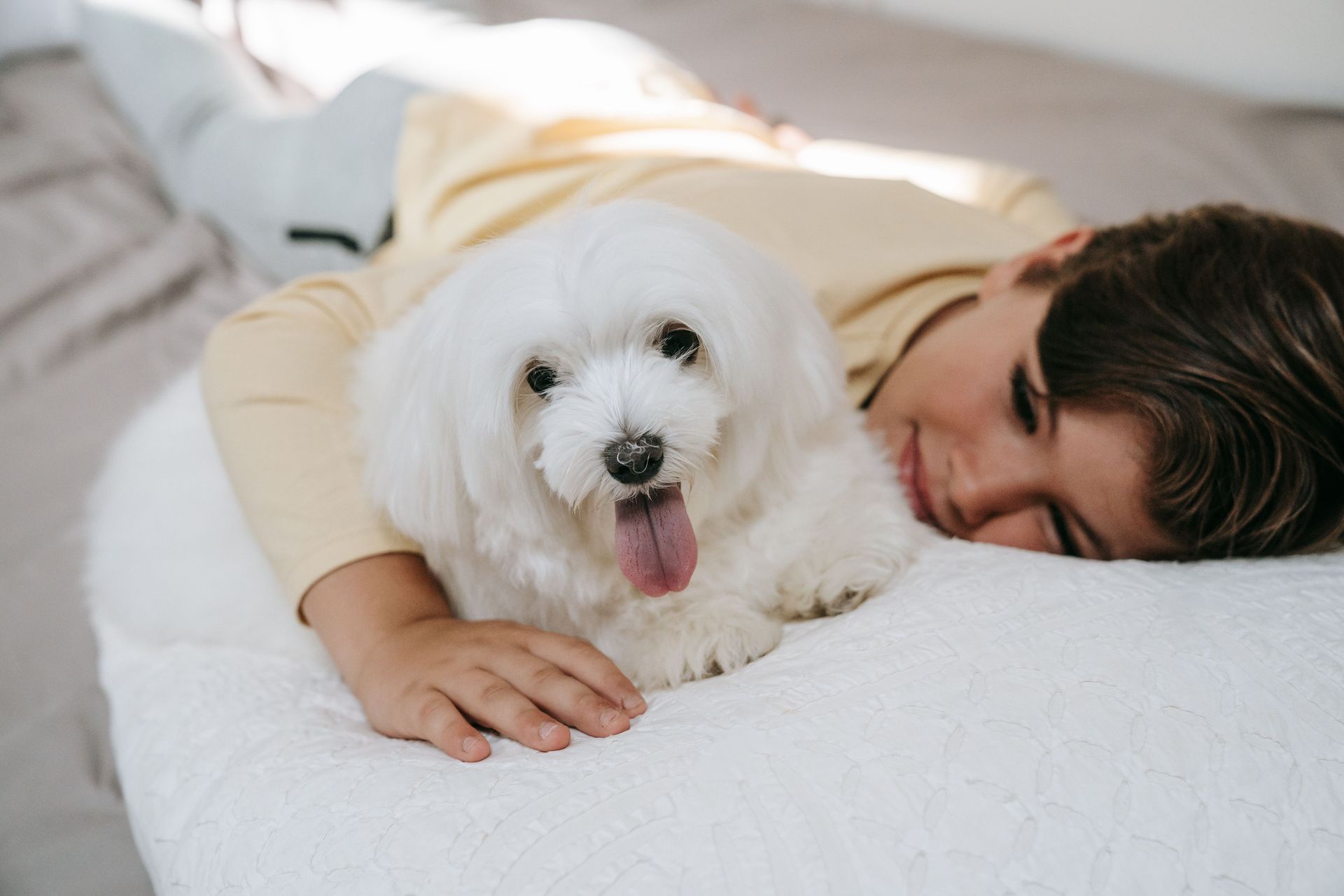
Katya Wolf / Pexels
Direct, prolonged contact between human skin and pet paws, claws, or coarse fur during eight hours of sleep can lead to microscopic mechanical damage to the outer skin layer, known as the stratum corneum. Even well-groomed pets carry tiny trace amounts of dirt, bacteria, and sharp claw edges into the bed sheets. As a human turns over or shifts position against an animal during the night, friction creates tiny micro-abrasions on exposed skin surfaces, such as legs, arms, and ankles. These microscopic tears in the skin barrier allow environmental bacteria, pet saliva proteins, and dander to penetrate deeper epidermal layers. This process can trigger localized skin irritation, mild redness, contact dermatitis, or localized itching in individuals with sensitive skin or compromised skin barriers.