
Forget beach towns. The top short-term rental markets run on oil rigs and government offices, according to AirDNA's latest data
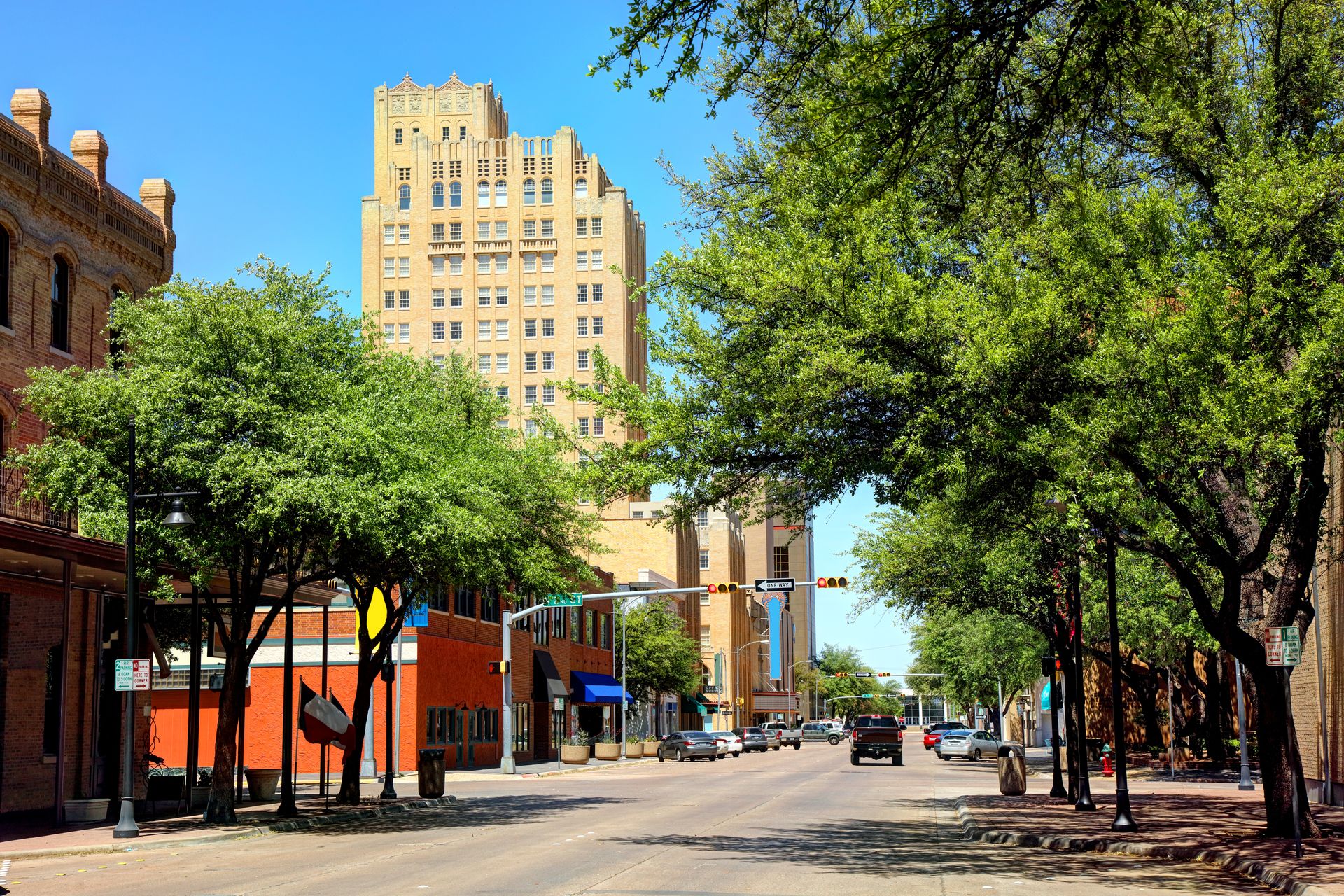
Denis Tangney Jr. / Getty Images
The short-term rental market is turning a corner. After years of uneven returns and investor uncertainty, conditions in 2026 are shaping up to reward buyers who move early.
While borrowing costs remain near 6%, home values in some markets have softened and rental revenues have grown. The short-term rental premium, or the amount a short-term rental earns above a typical mortgage payment, reached $989 in early 2026, the highest since late 2022.
But the best opportunities are not where most investors are looking. The cities generating the strongest returns are smaller, more affordable, and largely off the tourist trail. Think state capitals, oil hubs, and military towns. They are mid-size and small metros anchored by industry, health care systems, government institutions, and universities. These drivers produce steady, year-round demand from workers, patients, and officials — in other words, guests who often stay longer and book more predictably than vacationers.
What unites the leaders of this year's ranking is that they "fly under the radar of short-term rental investors," according to data and analytics firm AirDNA, which analyzed Airbnb $ABNB and Vrbo listings to produce the findings. Limited competition and reasonable entry prices make them attractive for investors who get in early.
Realtor.com published the full breakdown of AirDNA's top 10 markets. The list below is ranked by yield, the ratio of annual returns to home value.
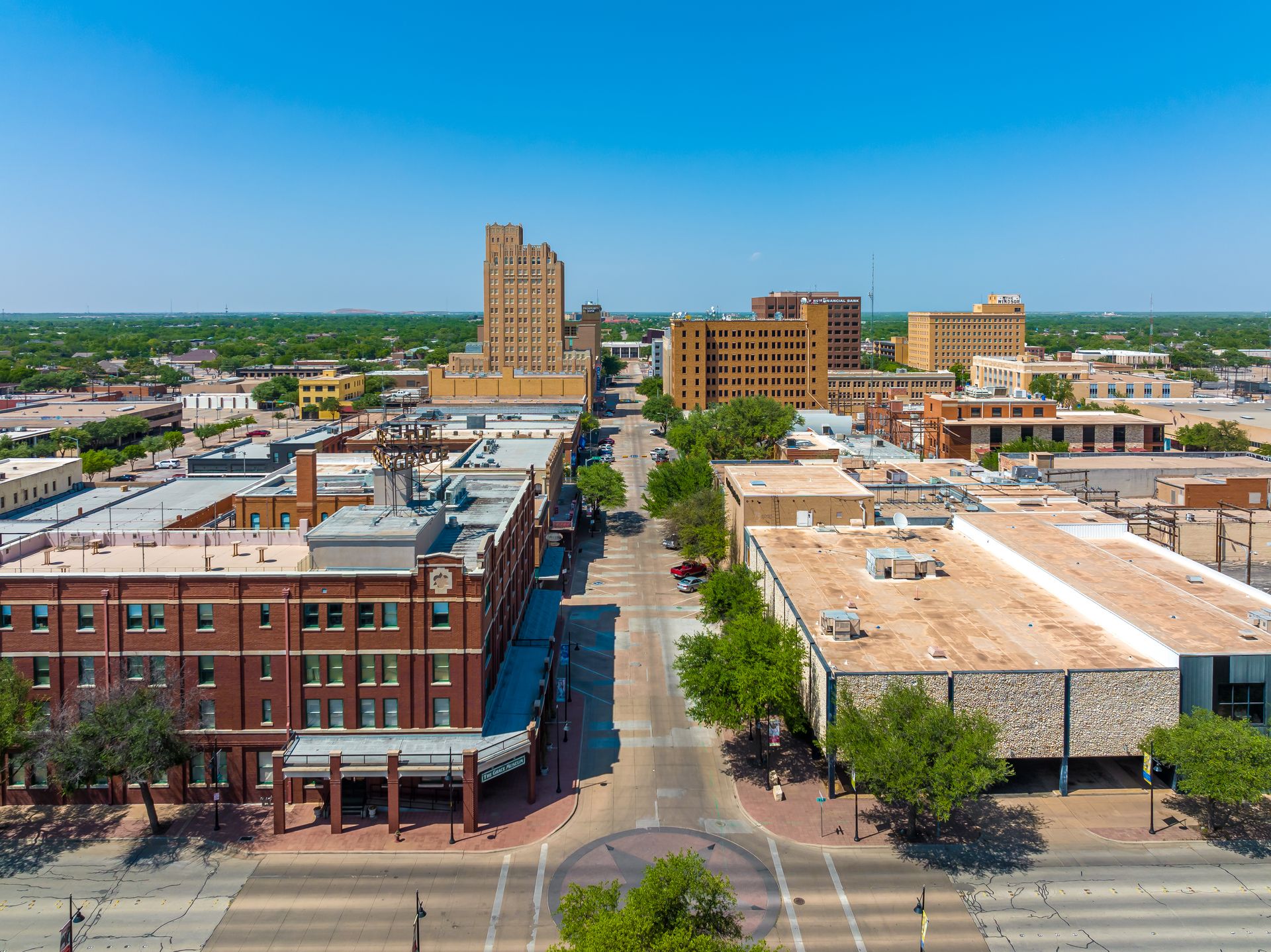
Aaron Yoder / Getty Images
Average home price: $336,000 | Yield: 16.4% | Occupancy rate: 77.2%
Abilene claims the top yield on AirDNA's list at 16.4%, and the demand behind that number comes from a workforce, not a tourist board. With nearly 9,000 workers on its staff, Dyess Air Force Base, the city's largest employer, provides a constant flow of military personnel, contractors, and visiting officials who need short-term accommodations. Several universities, including Abilene Christian University, bring in students, faculty, and families throughout the academic year. The Hendrick health system adds medical travel to the mix.
What makes Abilene's outlook especially strong heading into 2026 is the Oracle $ORCL Stargate Project, a $500 billion artificial intelligence data center being developed in the city. Infrastructure projects of that scale bring construction workers, engineers, and technology professionals to a market for years. Lane says these projects are already influencing local lodging demand. The city of 127,000 also has cultural draws that attract daytrippers and families. But the economic fundamentals drive the investment case. Revenue potential of $55,000 annually at an average home price of $336,000 is a strong equation, and the data center development suggests it will only strengthen.
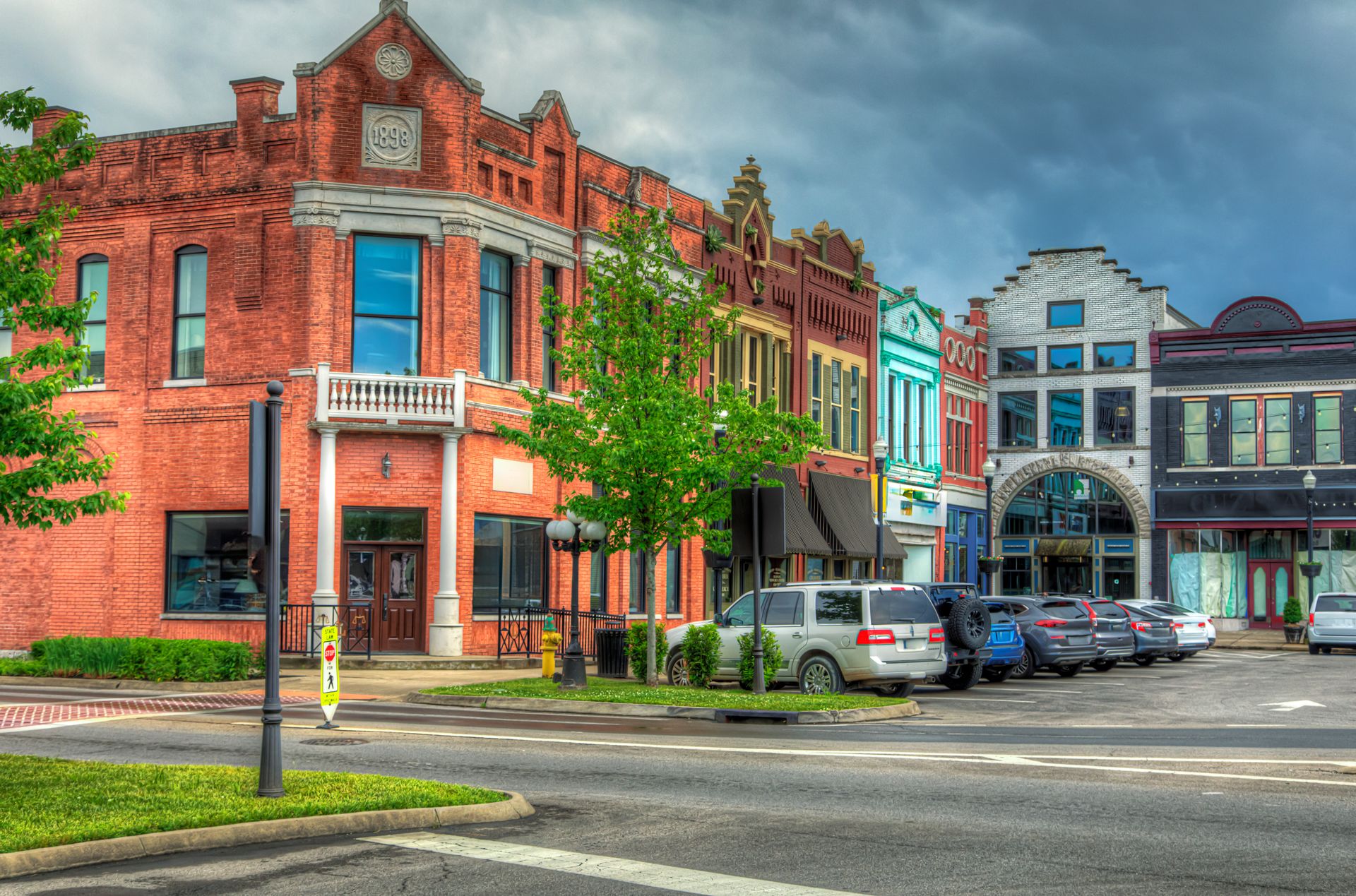
larrybraunphotography.com / Getty Images
Average home price: $265,000 | Yield: 15.7% | Occupancy rate: 59.2%
Lebanon's position between Hershey and Lancaster is a strategic asset. Families, weekend travelers, and outdoor visitors who want to explore Central Pennsylvania's attractions — theme parks, Amish country, state parks, trails — find that Lebanon offers lower accommodation prices than either of those better-known destinations.
The military also plays a significant role. Fort Indiantown Gap $GPS, one of the busiest National Guard training centers in the country, sits nearby and supports around 20,000 Guard personnel annually, along with more than 120,000 trainees from other branches. That volume of military traffic creates a year-round stream of government-rate bookings that complements leisure demand. At a 15.7% yield, Lebanon is the second-highest performer in the ranking, and it achieves that return with one of the more modest average home prices in the group at $265,000. The combination of gateway positioning, military demand, and low buy-in makes it one of the more compelling value propositions in AirDNA's top 10.
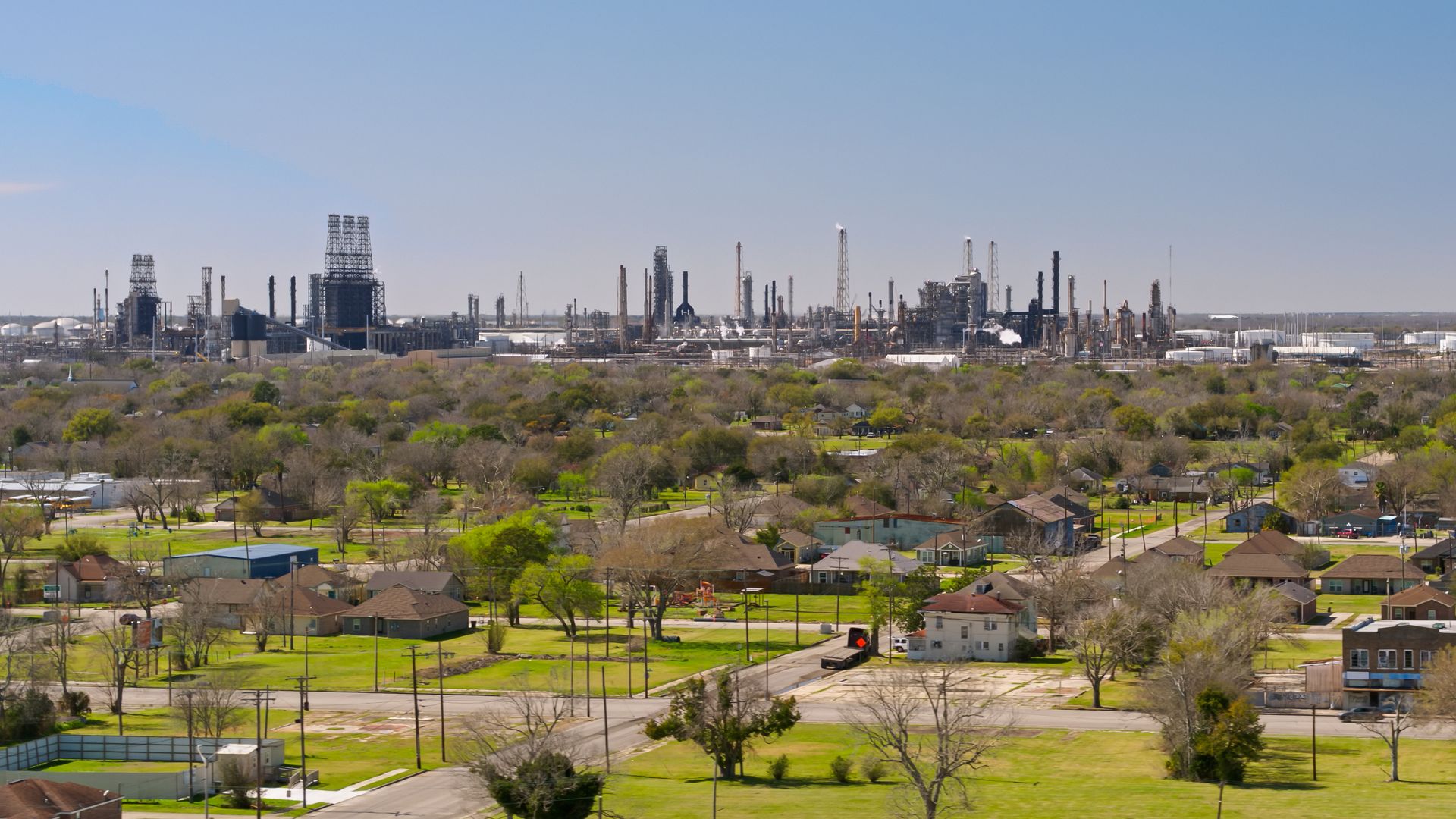
halbergman / Getty Images
Average home price: $243,000 | Yield: 14.4% | Occupancy rate: 77.6%
Port Arthur leads AirDNA's 2026 ranking not because of white-sand beaches or weekend getaways, but because of the industrial infrastructure that surrounds it. The Gulf Coast city is home to the largest oil refinery in the U.S. and several multibillion-dollar energy and infrastructure projects. A new natural gas terminal is under construction, pulling in contractors, engineers, and tradespeople who need somewhere to stay for weeks at a time. Extended business stays rather than leisure trips keep occupancy rates higher and reduce the volatility that plagues more tourism-dependent markets.
Port Arthur does offer some traditional draws, including beaches and state parks, and it serves as a departure point for Gulf Coast cruises. But it is the industrial base that makes this market. AirDNA chief economist Jamie Lane describes it as a standout blend of business and leisure demand, with lodging needs driven by long-stay oil and gas workers on one end and cruise travelers on the other. At a $243,000 average home price and a 14.4% yield, Port Arthur offers entry-level costs with above-average returns, a combination that is rare at the top of any ranking.
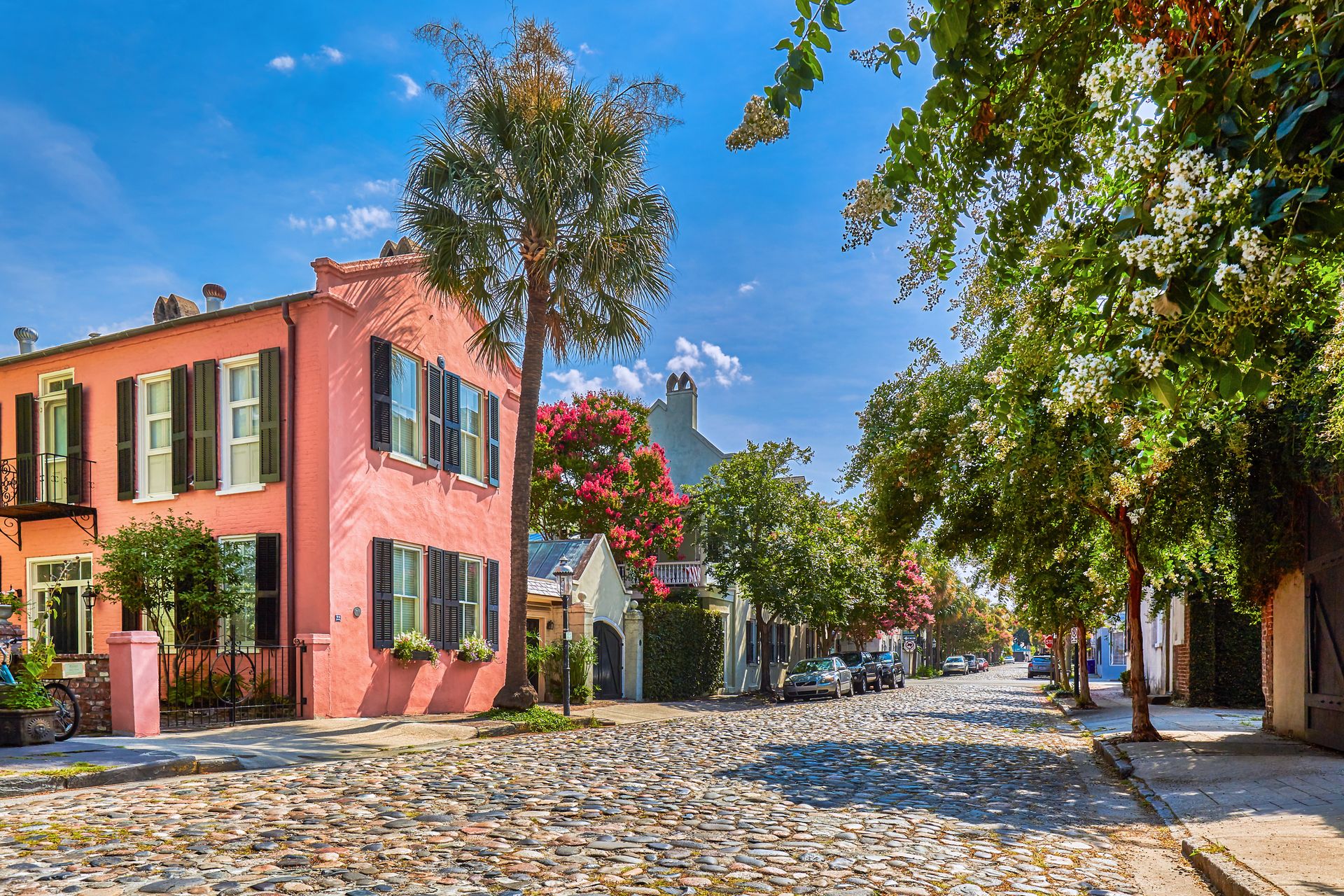
Peter Unger / Getty Images
Average home price: $228,000 | Yield: 14.1% | Occupancy rate: 62.9%
At $228,000, Charleston carries one of the lowest average home prices in AirDNA's top 10, making it one of the most accessible entry points for capital-tight investors. The demand base is broad and steady. As the state capital and largest city in West Virginia, Charleston generates consistent traffic from government workers, civic event attendees, and visitors to the downtown civic center. The Charleston Area Medical Center is the state's largest hospital, with 5,000 staff members drawing patients and medical specialists from across the region. The Kanawha Valley, which surrounds the city, is home to chemical plants and energy companies that bring a rotating workforce of engineers and industrial workers into the market.
The city's government, health care, and energy sectors create demand that runs on institutional schedules rather than seasonal ones. A 14.1% yield on a $228,000 investment is a strong return, and the diversity of demand drivers reduces the risk that any single event or trend will undermine occupancy. Charleston does not attract the leisure traveler in large numbers, but it does not need to.
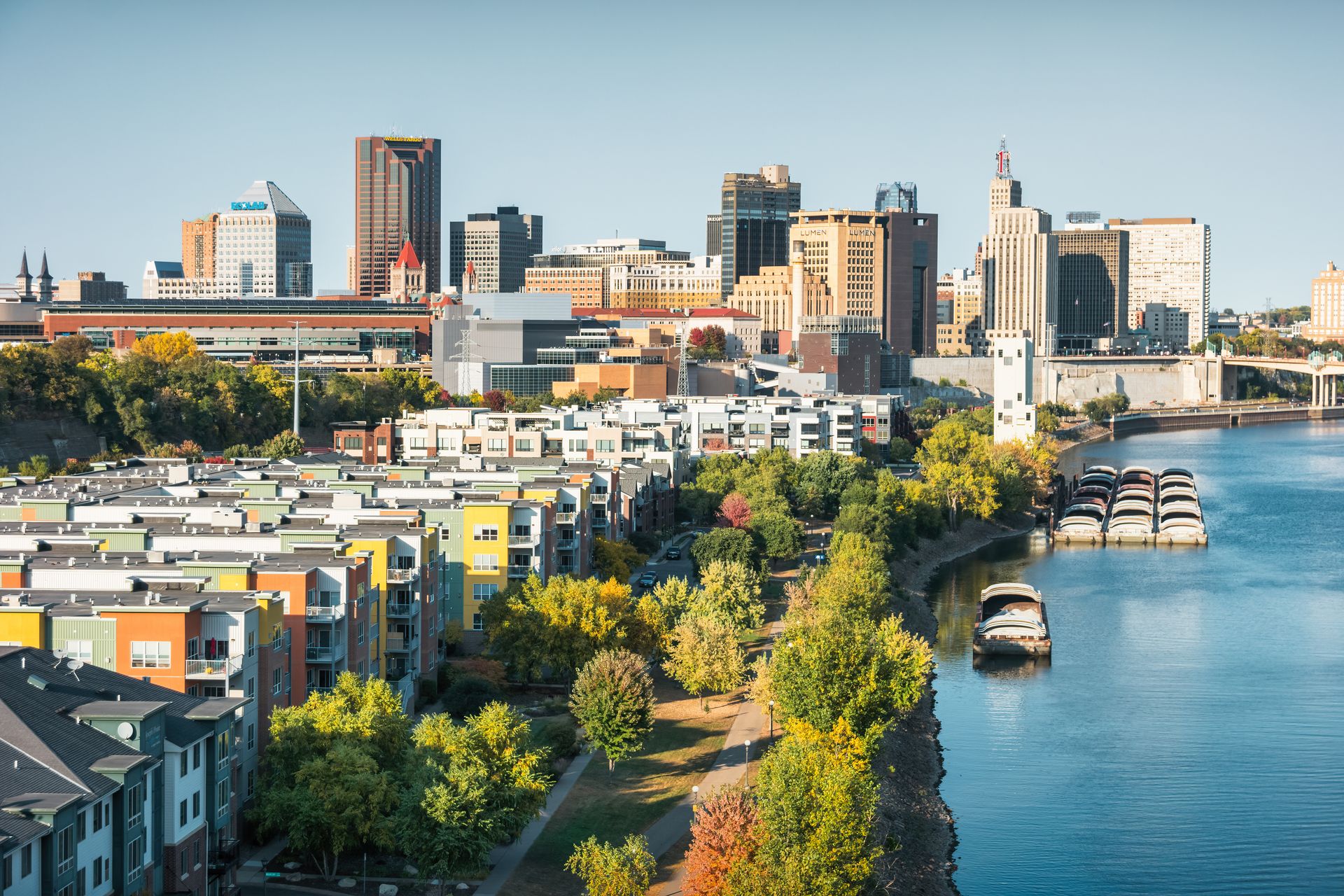
benedek / Getty Images
Average home price: $331,000 | Yield: 13.5% | Occupancy rate: 64.1%
St. Paul offers something most top-ranked short-term rental markets cannot: genuine urban density at a moderate buy-in price. As the capital of Minnesota, the city draws a steady flow of lawmakers, lobbyists, and government officials throughout the year — guests who tend to book during the week when leisure markets often go quiet. Major corporate employers such as Ecolab and Securian Financial bring in business travelers year-round, while Regions Hospital and United Hospital generate medical visits from patients and their families.
The Xcel Energy $XEL Center, home to the Minnesota Wild, and the RiverCentre convention complex host concerts, sporting events, and trade shows that fill rooms across every season. Layered on top of that is a walkable downtown with dining, cultural institutions, and landmarks including the Science Museum of Minnesota and the Cathedral of Saint Paul, which draw leisure visitors on weekends and during holidays. The result is a diversified mix of demand that holds up whether the legislature is in session or a major event is in town. At $331,000 for an average home and $45,000 in annual revenue potential, the numbers stack up against far more expensive markets with comparable amenities.

Peter Unger / Getty Images
Average home price: $262,000 | Yield: 13.2% | Occupancy rate: 66%
Springfield's identity as the historic home of Abraham Lincoln is not just a point of civic pride. It is an economic driver. School groups, history buffs, and family tourists often book in clusters to see Lincoln's home, his tomb, and the Abraham Lincoln Presidential Library and Museum. As the capital of Illinois, Springfield also maintains a steady base of government workers, lobbyists, and officials who need short-term housing during legislative sessions. The political and historical demand stream gives the market a more stable booking pattern than leisure-only destinations.
The annual Illinois State Fair adds a nice boost. More than one million visitors attended in 2025, filling every available accommodation in the area for a concentrated period. With an average home price of $262,000 and a 17% booked listing growth rate — one of the highest in the top 10 — Springfield shows both affordability and momentum. The 13.2% yield is competitive, and repeat institutional demand, coupled with event-driven spikes, creates a revenue profile that holds up across different seasons.
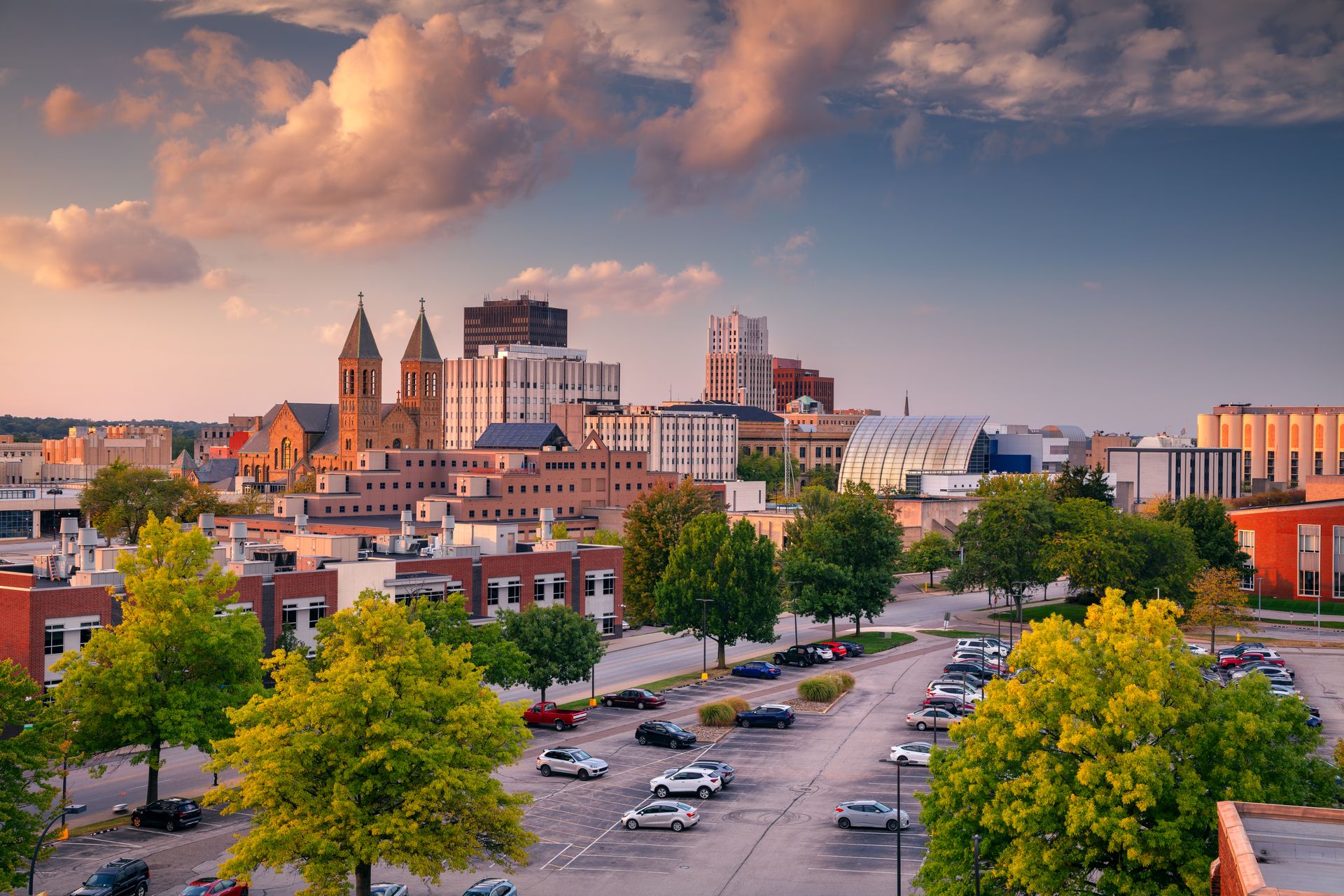
Rudy Balasko / Getty Images
Average home price: $297,000 | Yield: 13.1% | Occupancy rate: 62.4%
Akron leads the top 10 in one important metric that yield figures alone do not capture: market depth. With 757 active short-term rental listings, it has more short-term rental supply than any other city on the list, indicating demand is both real and broad enough to sustain competition. The sources of demand are varied. Cuyahoga Valley National Park sits just outside the city, drawing hikers and outdoor travelers. Three major hospital systems bring patients and medical professionals. Several universities generate education-related bookings around semesters and events. Corporate headquarters including Goodyear Tire & Rubber and Gojo Industries, the maker of Purell, bring business travelers to the market year-round.
Akron's proximity to Cleveland also lures in travelers who want to explore Northeast Ohio at lower accommodation rates. The spillover demand from a major metro gives Akron a distinctive edge that few markets in the ranking can claim. Its 13.1% yield and 18% booked listing growth reveal a market that is both mature and still expanding.
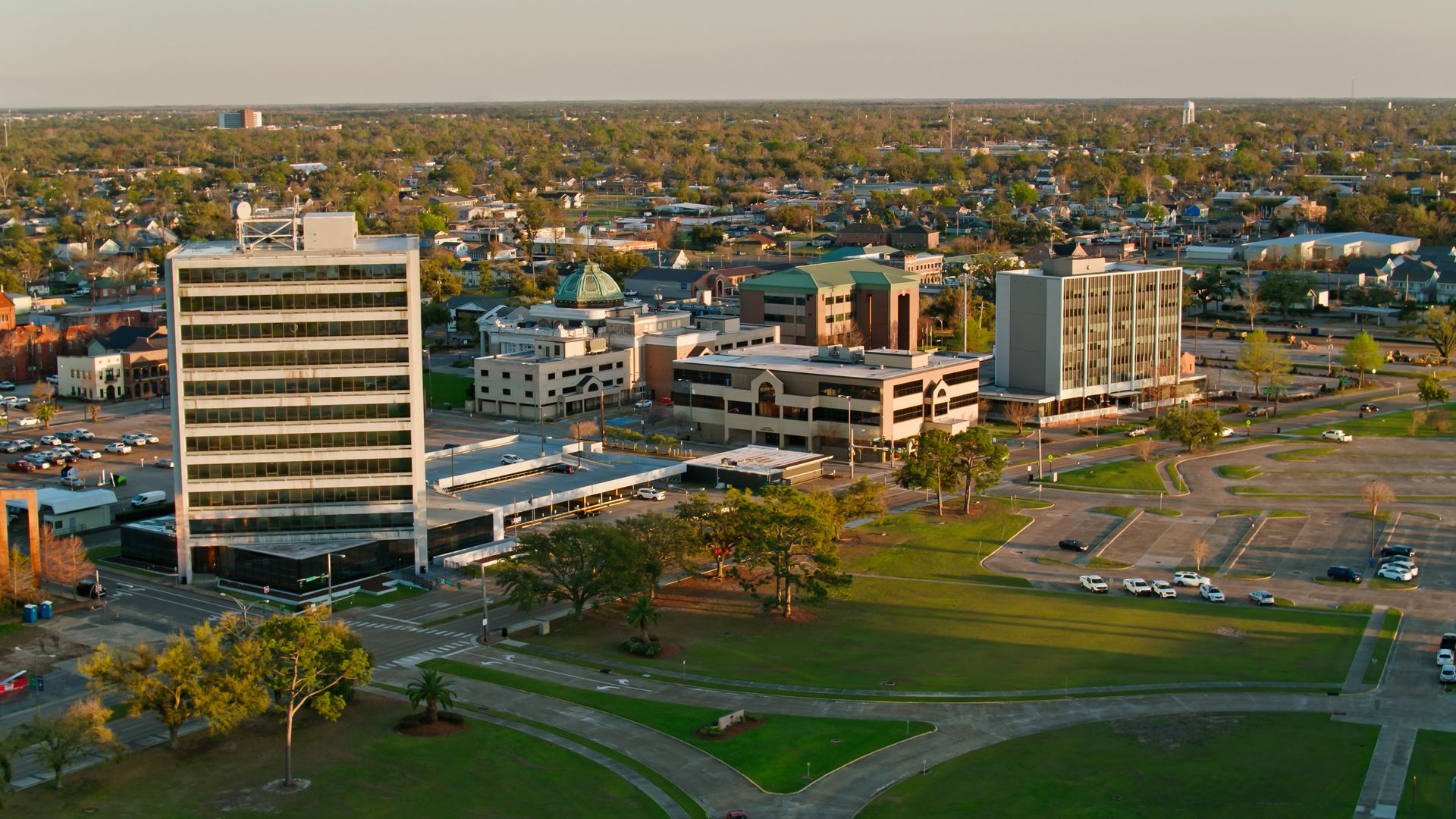
halbergman / Getty Images
Average home price: $287,000 | Yield: 12.7% | Occupancy rate: 60.6%
Lake Charles is a city built on industrial demand, and its short-term rental market reflects that. The area's petrochemical sector is a major employer, producing a large and mobile workforce that requires housing on rotating schedules. The Port of Lake Charles is one of the busiest in the country by cargo tonnage, bringing in maritime workers, logistics professionals, and supply chain personnel. Chennault Airpark adds another layer: The aviation maintenance hub operates year-round and draws technicians, mechanics, and aviation professionals who need temporary accommodations while on contract assignments.
These are not glamorous demand drivers, but they are dependable ones. Workers tied to industrial contracts tend to book longer stays and return repeatedly as projects continue. At $287,000 for an average home and $37,000 in annual revenue potential, the return on investment is solid rather than spectacular. The 12.7% yield sits at the lower end of the top 10, but it still represents strong performance for a market with low competition and a reliable labor-driven demand base. For investors who prefer predictability over peaks, Lake Charles delivers.
Kruck20 / Getty Images
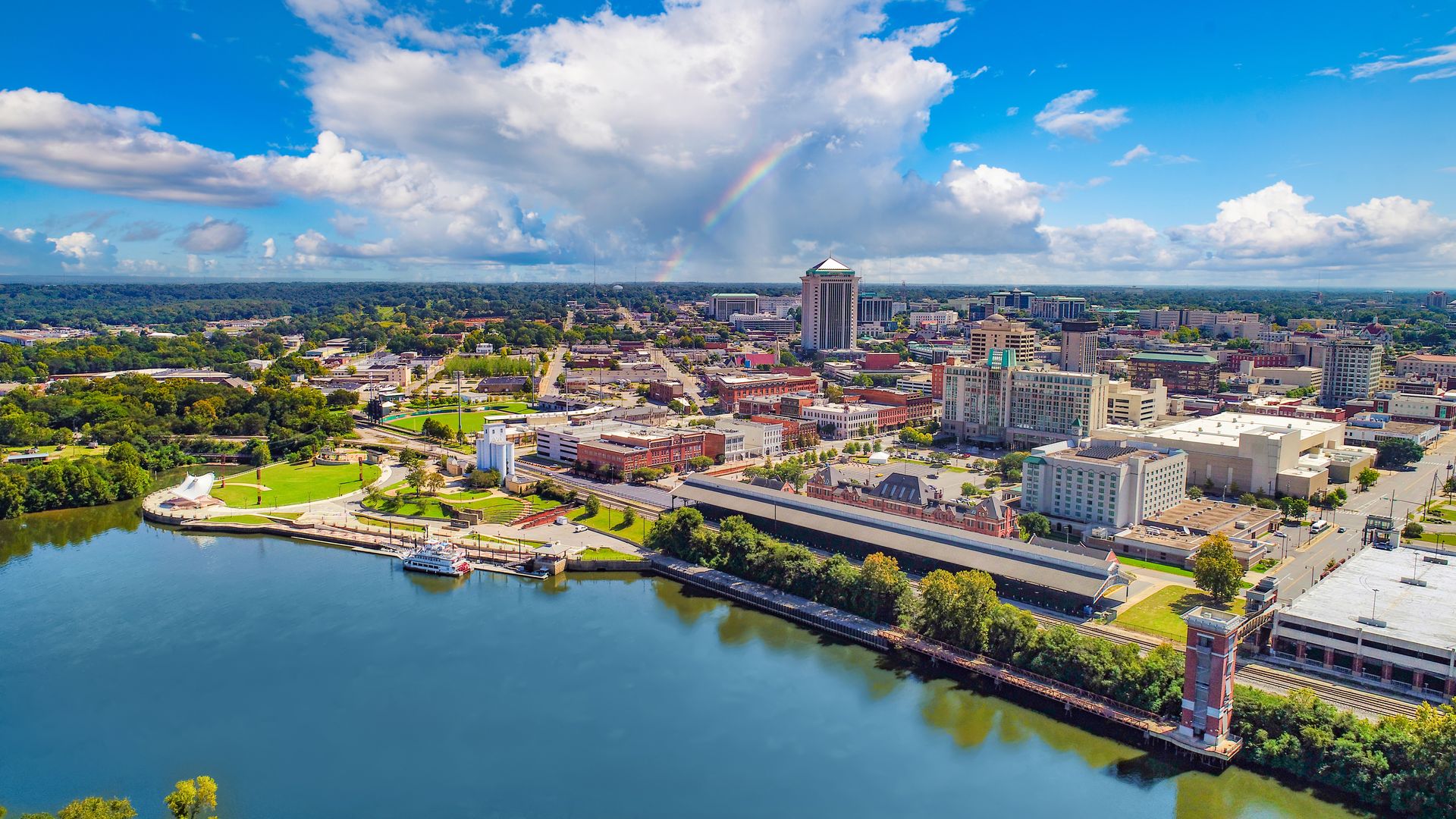
Average home price: $342,000 | Yield: 12.2% | Occupancy rate: 62.6%
Montgomery carries a higher average home price than most other markets in AirDNA's top 10, but the premium is justified. The 12.2% yield it produces still outperforms most conventional real estate investments, and the demand base that supports it is well-diversified. Government travel is the primary driver. Montgomery is the state capital of Alabama, and lawmakers, agency staff, and contractors flow through the city throughout the year. Health care plays a significant supporting role, with major medical institutions in the metro drawing patients and specialists from across the southeastern U.S.
Education adds another layer, with several colleges and universities attracting students and families who generate bookings around academic calendars. Regional tourism rounds out the picture, though AirDNA frames it as a complementary driver rather than the dominant one. The overall pattern AirDNA describes for Montgomery is one of "slow and steady" performance, creating a market that does not spike dramatically but does not drop sharply either. Consistency is valuable for investors who prioritize stable returns over volatile upswings, particularly at a buy-in price point where the stakes are higher.

Sean Pavone Photo / Getty Images
Average home price: $366,000 | Yield: 11.9% | Occupancy rate: 64.4%
Jackson rounds out the top 10 with the highest average home price on the list at $366,000, but the investment still holds up. An 11.9% gross yield on a higher-priced asset is a different proposition than the same yield on a $230,000 home. The absolute dollar returns are larger, and the demand base in Jackson is substantial enough to sustain them.
The University of Mississippi Medical Center is one of the state's largest institutions, drawing patients from across Mississippi and neighboring states, as well as researchers and medical professionals who need temporary housing. Jackson State University contributes education-related bookings on an academic calendar. The Jackson Convention Complex generates midweek demand from trade shows and civic gatherings, filling rooms during the slow stretches of the week when leisure travelers stay home. On the weekends and during school breaks, the Mississippi Civil Rights Museum and Children's Museum attract family and cultural tourists. Jackson's 64.4% occupancy rate — among the stronger figures in the ranking — reflects how effectively these different demand streams fill the calendar across the year.