From the Mini Cooper's 152-inch footprint and upscale cabin to the Nissan Kicks with best subcompact value and 35-mpg highway fuel economy
Credit: Mini
The smallest cars on the market serve a specific and underappreciated use case that the American automotive market’s persistent bias toward size obscures: the urban driver whose daily reality involves narrow streets, tight parking structures, and the cognitive load of maneuvering a large vehicle through a city built before cars existed. A car that is 152 inches long is not a compromise for the driver who wanted something larger but settled for it. It is a purpose-built tool for a driving environment where every additional inch of length and width makes the daily commute marginally more stressful and the parking search measurably longer. The vehicles on this list range from 152 to 171 inches, a span that keeps them well below the 190-plus-inch footprint of the average midsize SUV.
The 10 vehicles here cover a wider range of types than the category implies. The Mini Cooper is a subcompact with one of the most upscale cabins in its class. The Mazda MX-5 Miata is a driver-focused roadster whose small footprint reflects its lightweight performance philosophy. The Volvo EX30 is the smallest electric SUV in a premium brand’s growing EV lineup. The Hyundai Venue and Nissan Kicks are practical subcompact SUVs whose small footprints give city dwellers cargo utility without the parking penalty of a larger crossover. The Jeep Wrangler appears because its body-on-frame construction keeps its overall footprint genuinely compact despite the commanding ride height. The three sports cars, the GR86, BRZ, and BMW Z4, represent different price tiers and driving philosophies within the small-car performance category.
The 10 vehicles below appear in U.S. News and World Report, sorted from shortest to longest overall length. Prices are approximate starting figures for the 2026 model year and should be confirmed with a dealer before purchase.
Credit: Mini
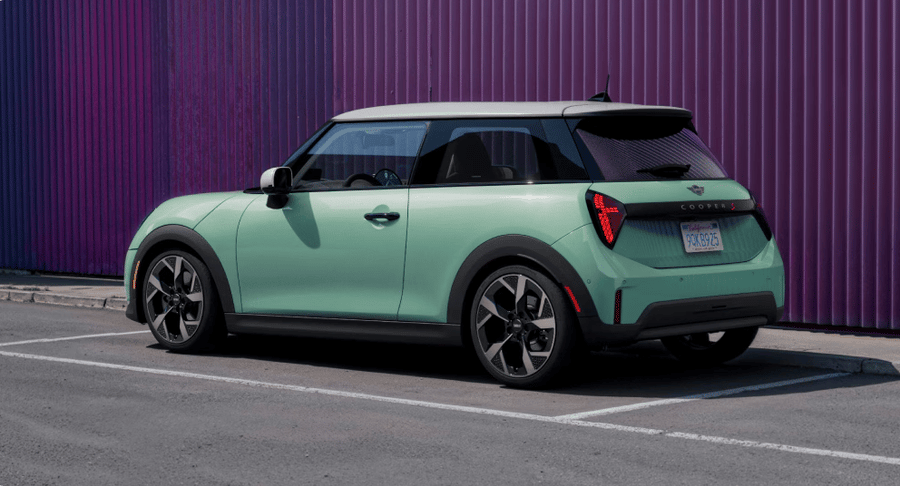
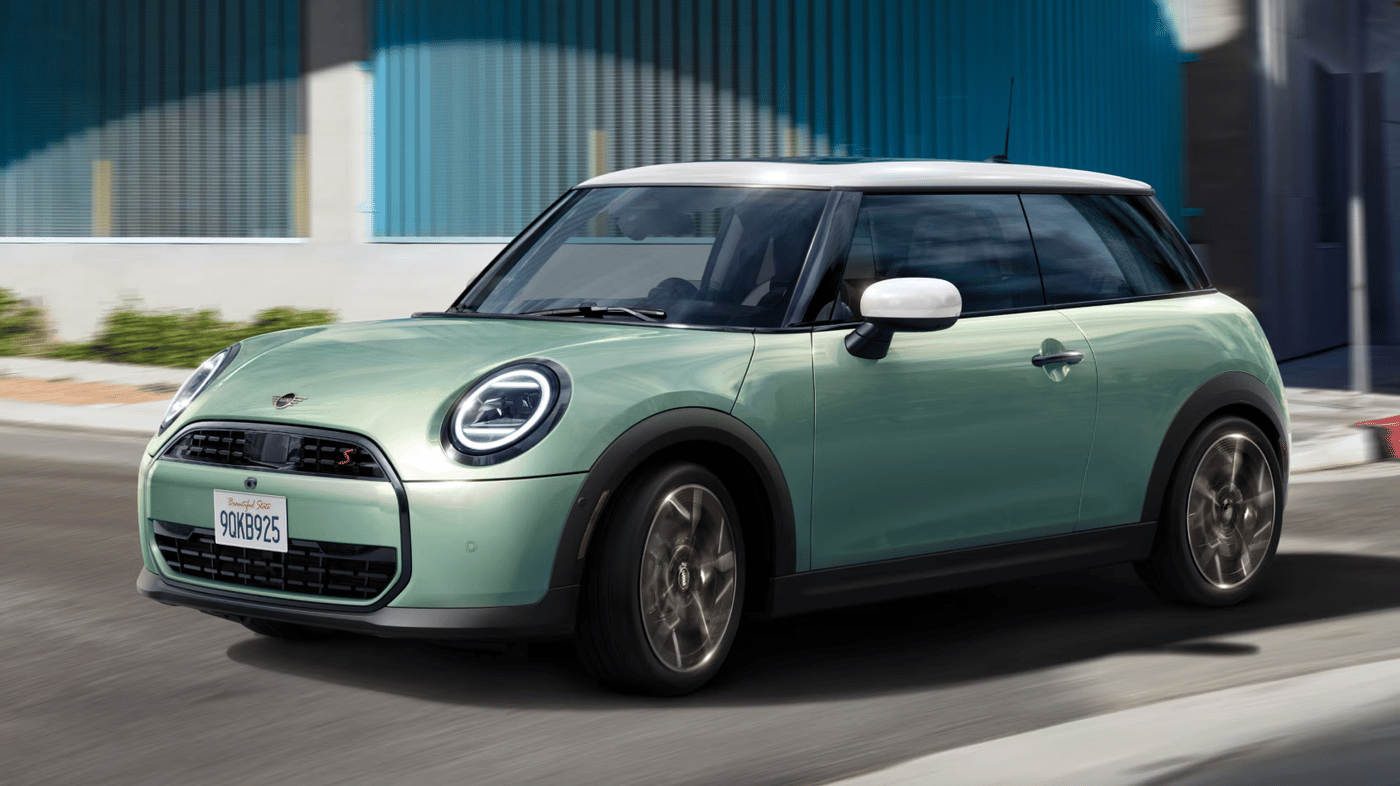
The 2026 Mini Cooper is the shortest vehicle on this list at 152.6 inches and gives the subcompact car category its most visually distinctive and most emphatically character-driven entry at any price point. The bug-eyed headlights, the retro-themed bodywork, and the circular design motifs that carry from the exterior into the interior give the Mini Cooper a visual identity whose distinctiveness in the contemporary automotive landscape reflects the deliberate preservation of a design language that traces back to the original 1959 Mini. A styling refresh in 2025 updated both the interior and exterior, and the upmarket materials and solid build quality give the cabin a premium feel, befitting a brand that positions itself above the standard subcompact segment.
The powertrain options give the Mini Cooper a breadth that the entry price does not predict: both petrol-powered and fully electric versions are available. The electric Mini Cooper E and the Cooper SE give the urban driver the specific advantage of the small battery-electric vehicle whose daily range requirements are the most manageable in the compact-car context, and the wall-plug charging convenience specific to short-distance urban commuting suits the Mini’s footprint particularly well.
The agile handling gives the Cooper its most consistent commendation across decades of reviews, and the small footprint gives that handling its most productive urban expression. The acknowledged drawback is cost: the Mini Cooper is among the most expensive cars in the subcompact class, and reaching the trims with the most distinctive features pushes the total price well above the class average. The buyer who pays the premium receives a cabin whose design quality and daily character give the ownership experience a level of pleasure that the value-priced subcompact cannot replicate. The Mini’s long heritage as an urban mobility icon gives the ownership a specific cultural context that no other small car in this comparison carries, and the global community of Mini enthusiasts gives the new owner an immediate social connection specific to a brand with one of the most loyal owner bases in the automotive world.
Credit: Mazda
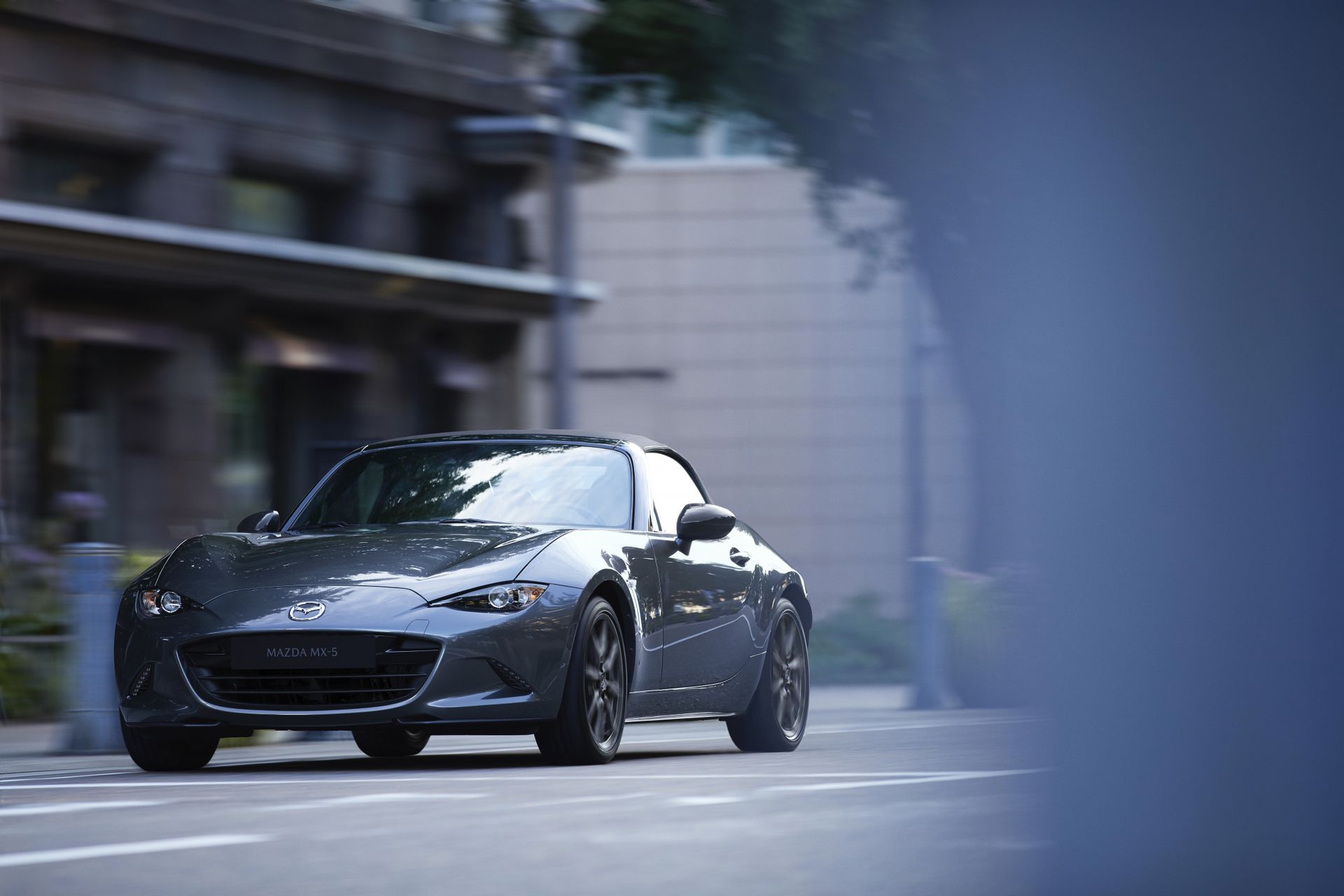
The 2026 Mazda MX-5 Miata at 154.1 inches is the world’s best-selling two-seat roadster and the vehicle on this list whose engineering philosophy most directly expresses the performance advantage that a small footprint provides. The low weight, the short wheelbase, and the rear-wheel-drive layout give the Miata’s chassis a balance and a response precision that makes the driving experience on a winding road the most rewarding of any vehicle here. The starting price of around $30,430 makes the Miata one of the more accessible sports cars on the market, and the handling it delivers exceeds that of vehicles at significantly higher prices.
The fuel economy makes the daily-driver case: up to 26 miles per gallon in the city and 35 on the highway gives the Miata a pump-visit frequency that few sports cars approach at any price. The engine’s output is not the class’s highest, but it moves the car’s light mass briskly enough from a standstill to give the acceleration a satisfying character without the anxiety that excess power in a small chassis can produce. Solid construction and high-quality materials give the cabin a finish beyond what the entry price suggests, and the convertible roof, whether the manual soft top or the power-folding retractable hardtop of the RF variant, gives the open-air program its most operationally flexible format.
The acknowledged limitations are specific: the cabin is a tight fit for taller drivers, and the trunk is small, even by other sports cars' standards. The buyer who accepts those limitations in exchange for the driving experience will find no equivalent at the price point, and the Miata’s long production run and devoted owner community give the purchase decision the specific confidence of a car whose virtues have been continuously validated across more than three decades of continuous production and multiple platform generations, a longevity specific to a sports car whose fundamental concept has remained compelling through every automotive era it has lived through.
Credit: Hyundai
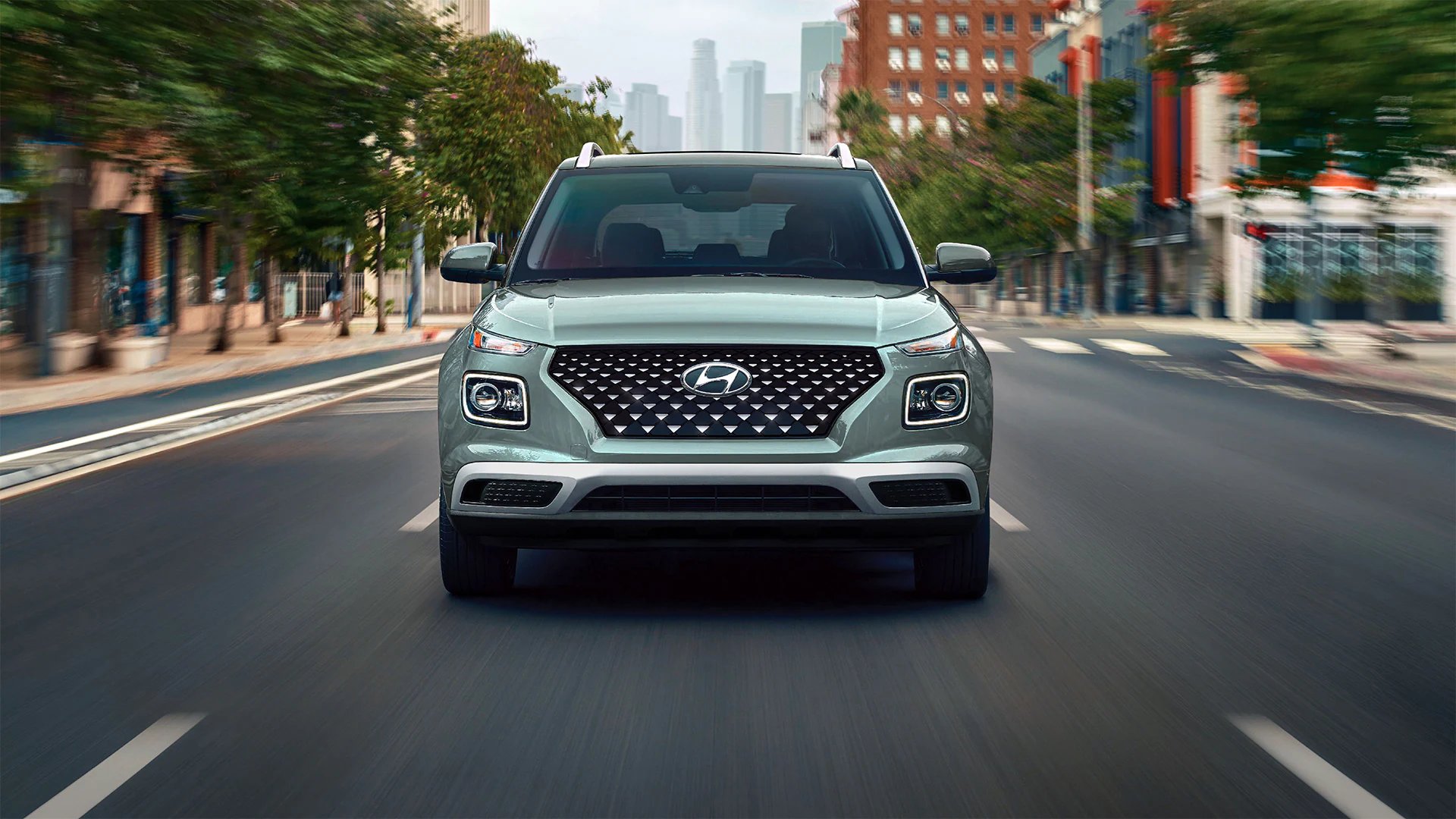
The 2026 Hyundai Venue at 159.1 inches is the smallest SUV on this list and gives the subcompact SUV category its most genuinely urban-scaled entry. The 159-inch footprint is shorter than many compact sedans, yet the Venue sits higher than a car, offers a commanding position over city traffic, and provides a rear cargo area that the roadsters on this list eliminate entirely. The front row is relatively spacious for the vehicle’s overall dimensions, and the 18.7 cubic feet of cargo space behind the second row, expanding to 31.9 cubic feet with the rear seats folded, gives the Venue a practical utility appropriate to the typical city driver’s weekly use.
The standard equipment gives the Venue a technology credential competitive with vehicles above its price: Apple $AAPL CarPlay and Android Auto are standard across the lineup, as are a rear-seat alert and driver-attention monitoring. These safety and connectivity features are available on the base trim without an upgrade package, giving entry-level Venue buyers the connected and safety-assisted experience that higher-priced vehicles sometimes require an additional cost to access.
The rear seats are tight, a direct consequence of the 159-inch overall length distributed across a five-seat layout whose front row and cargo hold are the design priorities. Buyers who regularly carry adult passengers in the back should step up to the Kona or the Kicks, whose additional length translates into meaningfully more rear-seat room. The absence of all-wheel drive from the Venue lineup is the most significant capability gap relative to competitors in the class, and the driver in a snow-belt region should weigh this against the Venue’s urban strengths before committing to it. The Venue’s pricing positions it below the Kicks and the Kona in the Hyundai subcompact SUV hierarchy, making it the smallest and most affordable Hyundai SUV in the range for budget-conscious urban buyers. The fuel economy, respectable for the class, gives the Venue a reasonable operating cost profile alongside its parking and maneuverability advantages in dense city conditions.
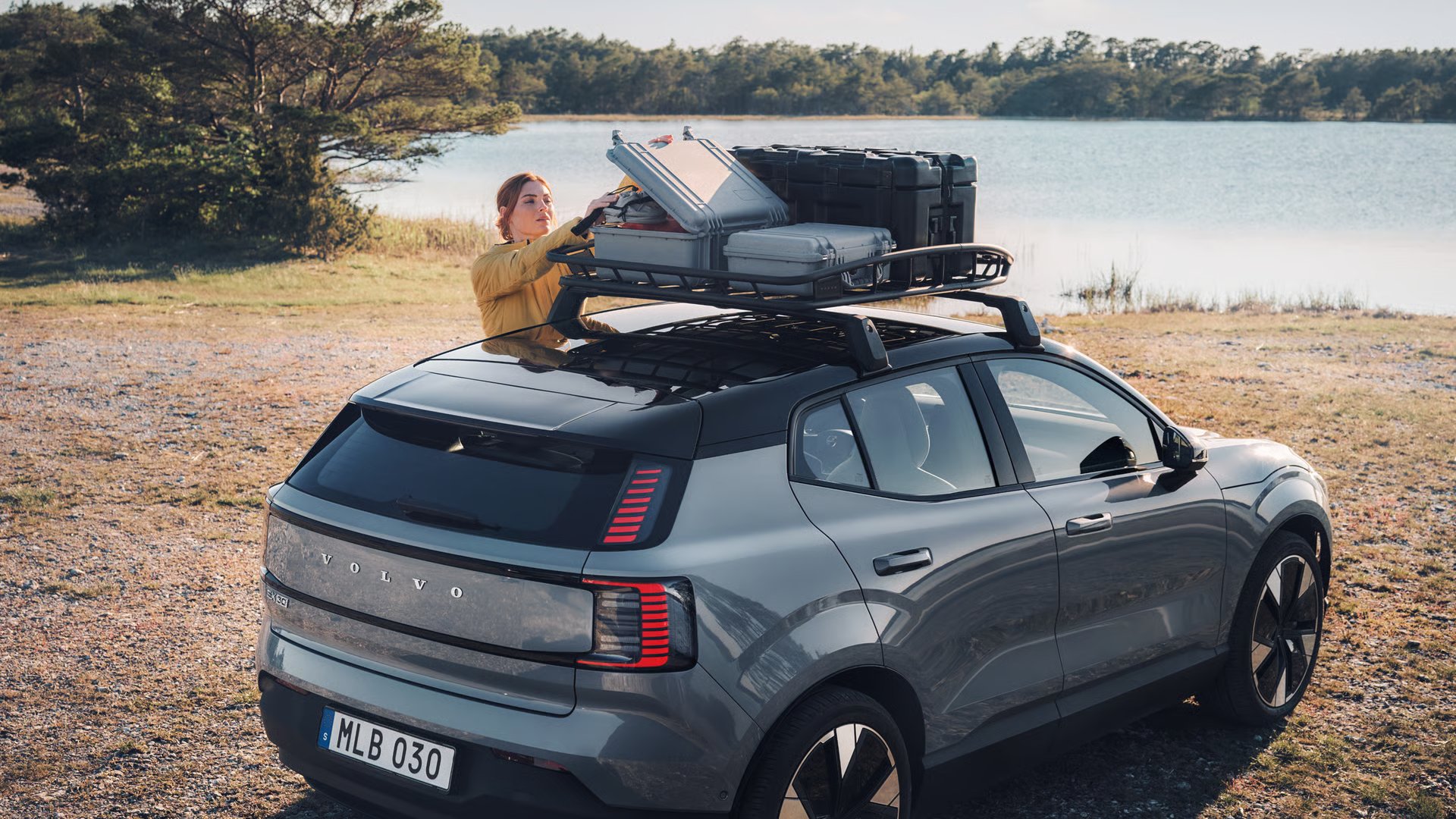
Credit: Volvo EX30
The 2026 Volvo EX30 at 166.7 inches is the smallest and least expensive electric SUV in Volvo’s growing battery-electric lineup, starting around $38,950. The nimble handling and the peppy electric motor acceleration give the EX30 a dynamic character appropriate to its compact footprint and its city-first design intention, and the available dual-motor configuration gives the buyer who wants added all-weather traction a more capable variant within the same overall dimensions. The structural integrity and the advanced safety systems that define Volvo’s engineering reputation are present in the EX30 at the same level expected from a larger Volvo, giving the smallest model in the lineup a safety credential that the non-premium electric alternatives at similar prices do not match.
The minimalist interior uses sustainable materials throughout, and the eco-conscious design philosophy shapes every surface decision. The cabin does not reach the premium interior standard set by the most established luxury EV competitors at comparable prices, and the buyer whose primary priority is interior material quality will find those alternatives at a higher cost. The front seats earn specific praise for extraordinary comfort, and they provide physical support for the long urban commute that the cabin’s visual restraint does not predict.
The EX30 also gives the Volvo brand a specific footprint in the urban EV market that the brand’s larger SUVs cannot address: city parking structures, narrow European-style streets, and the general dimensional anxiety of operating a large vehicle in a dense urban environment all resolve differently when the car is 166 inches long and 72 inches wide. The Volvo safety architecture at the EX30’s scale gives the urban driver the brand’s full safety suite in the vehicle format that the urban environment specifically rewards. The Cross Country variant of the EX30, with modest all-terrain capability and a raised suspension, gives the lineup an additional option for buyers whose driving occasionally takes them beyond the paved urban grid while still prioritizing the EV’s urban efficiency advantages on the majority of daily miles.
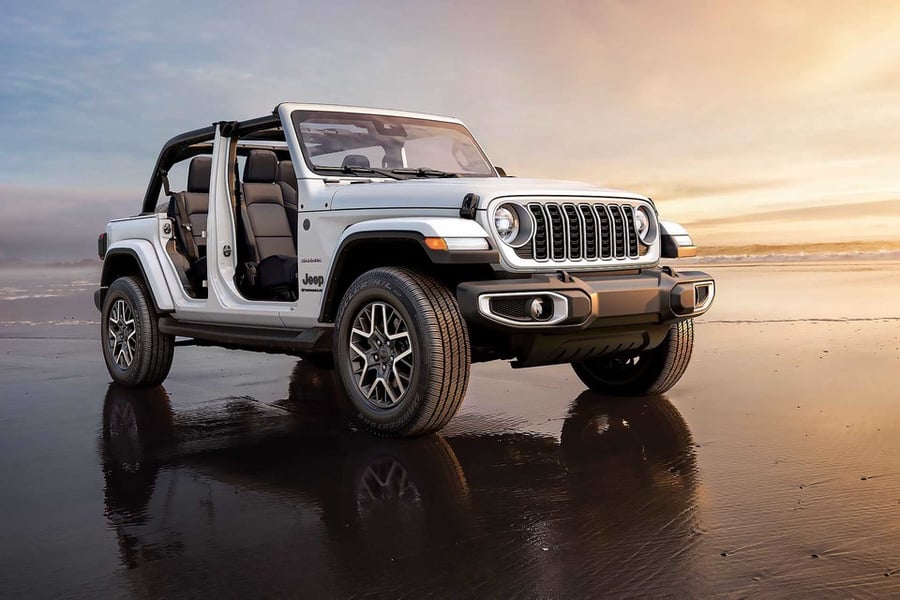
Credit: Jeep
The 2026 Jeep Wrangler, at 166.8 inches, is the vehicle on this list whose presence requires the most specific explanation: the Wrangler is not typically discussed as a small car, but its body-on-frame construction and solid axle architecture keep its overall footprint genuinely compact at 166.8 inches despite the commanding 73.6-inch ride height. Every Wrangler trim includes four-wheel drive as standard, giving the off-road capability a level of universality across the lineup that most compact SUVs do not offer. The 2026 model year brings updates to trim levels, equipment content, and powertrain availability that refresh the lineup without altering the Wrangler’s foundational character.
The on-road trade-offs are genuine and consistent: the solid front axle that gives the Wrangler its unmatched trail articulation capability produces a ride and handling quality that is less refined on paved roads than the independent-suspension compact SUVs in the class. Wind and road noise at highway speeds are persistent criticisms specific to the Wrangler’s aerodynamics and door sealing, and the fuel economy places this vehicle at the back of its segment. The driver whose primary use is on-road commuting should weigh the off-road capability against these daily-use costs before choosing the Wrangler over a more road-oriented compact SUV.
The 4xe plug-in hybrid variant gives the powertrain lineup its most fuel-efficient option and its most relevant update for the urban-adjacent buyer: the electric-only range covers short daily commuting distances efficiently, and the gasoline engine remains available for trail driving and longer trips where the battery runs down. The plug-in hybrid format suits the buyer who wants the Wrangler’s off-road capability available on weekends without paying the gasoline penalty on every short weekday commute. The Wrangler’s specific recreational culture, whose organized trail events, aftermarket modification community, and brand identity give the ownership an experiential dimension that the practical compact SUVs on this list cannot match, gives the purchase a social and recreational context that the vehicle’s specifications alone do not fully communicate.
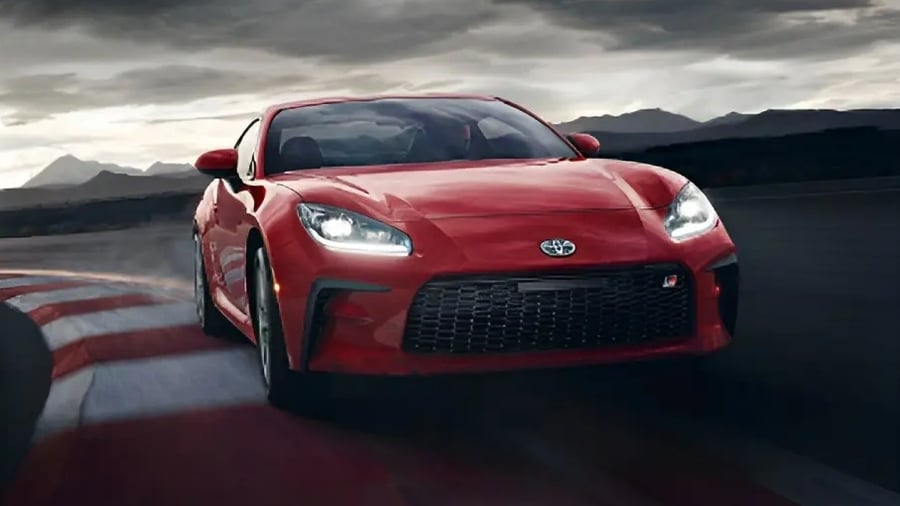
Credit: Toyota
The 2026 Toyota $TM GR86, at 167.9 inches and a starting price around $30,800, offers the affordable sports car segment its most direct value proposition: zippy acceleration, deft handling, and fuel economy that avoids the operating cost penalty that high-performance sports car ownership typically entails. The GR86 and the Subaru BRZ share the same platform, developed through a Toyota-Subaru engineering collaboration focused on balanced weight distribution, a low center of gravity, and a naturally aspirated engine whose response is more linear and immediate than a turbocharged unit’s boost-dependent delivery.
The four-seat layout gives the GR86 social utility that the two-seat Miata cannot. The rear seats have minimal legroom for adults, making them most practical for children or short trips with occasional adult passengers. The hard plastics in the cabin reflect a design budget that prioritized the chassis and powertrain investment, and the solid construction gives those lower-cost materials a durability that the budget allocation does not compromise structurally.
Fuel economy returns a sports-car-unusual efficiency that gives the daily-driven GR86 a running cost specific to a car that does not demand premium fuel or impose sports-car fuel consumption penalties on the everyday commute. The manual transmission comes standard on base trims, offering the driver the most mechanically direct experience at this price point. The six-speed automatic is available for buyers who prefer it, and the transmission choice does not substantially alter the fundamental sports-car character that the GR86’s platform and tuning deliver, regardless of which gearbox is fitted. The GR86 GT trim adds Brembo brakes and a limited-slip differential, giving the performance program a mechanical upgrade that offers the enthusiast buyer a specific factory upgrade path without requiring aftermarket modifications that the base model’s buyers often pursue. The color palette and the low-slung silhouette give the GR86 a visual presence on the road that conveys its sports-car identity more directly than the taller SUVs and crossovers that dominate the surrounding traffic.
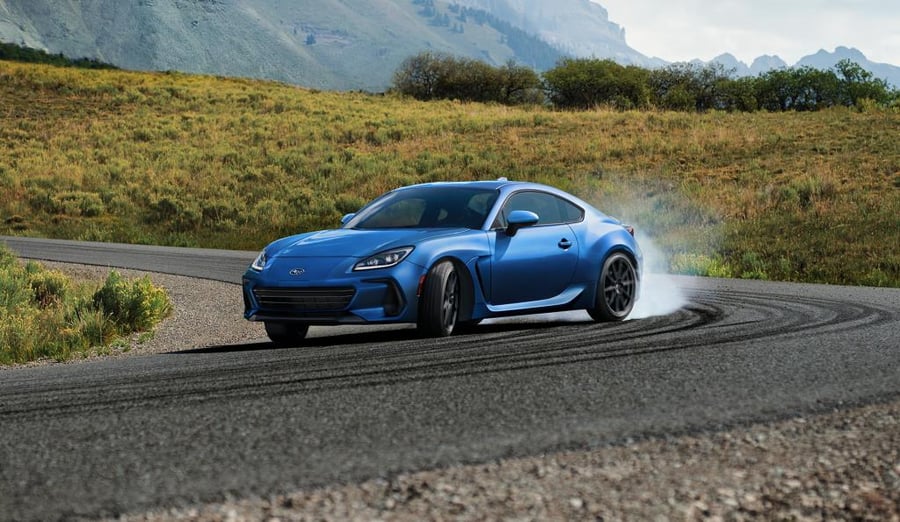
Credit: Subaru
The 2026 Subaru BRZ at 167.9 inches shares its platform, dimensions, and core engineering with the Toyota $TM GR86. Both cars result from the same Subaru-Toyota collaboration, and the two share the same wheelbase, width, and height, as well as the same fundamental chassis architecture. The BRZ starts around $35,860, placing it above the GR86’s base price, and the premium buys additional standard features whose value depends on how closely they match the buyer’s expectations for base-trim content.
The BRZ’s position as the only rear-wheel-drive vehicle in Subaru’s lineup gives it a singular identity within the brand: Subaru has built its entire market identity around symmetrical all-wheel drive, and the BRZ represents a deliberate departure from that brand-defining engineering choice, made specifically in service of the sports car’s handling balance and the driver engagement that rear-wheel drive delivers at the limit of adhesion. The lively handling does not sacrifice everyday comfort the way the most aggressively tuned sports cars do, and the daily-commute-and-weekend-canyon-road versatility gives the BRZ a breadth of use appropriate for the buyer who needs the car to serve both roles without compromise.
Standard features on the BRZ include an 8-inch infotainment display, dual-zone automatic climate control, and adaptive cruise control, giving the base trim a technology and convenience baseline that the GR86’s base trim does not fully match. The buyer who specifically values those standard inclusions will find the BRZ’s premium easier to justify, and the buyer for whom those features matter less will find the GR86 the more cost-efficient route to the same fundamental driving experience. The BRZ’s limited-slip differential, available on the tS trim, gives the handling program a specific mechanical upgrade that enhances rear-wheel traction management, giving the enthusiast driver a more controllable oversteer experience than the open differential provides at the limit. Subaru’s engineering reputation and the brand’s strong dealer network give BRZ owners a service infrastructure specific to a marque with a highly engaged, technically knowledgeable enthusiast community in most major markets.
Credit: BMW
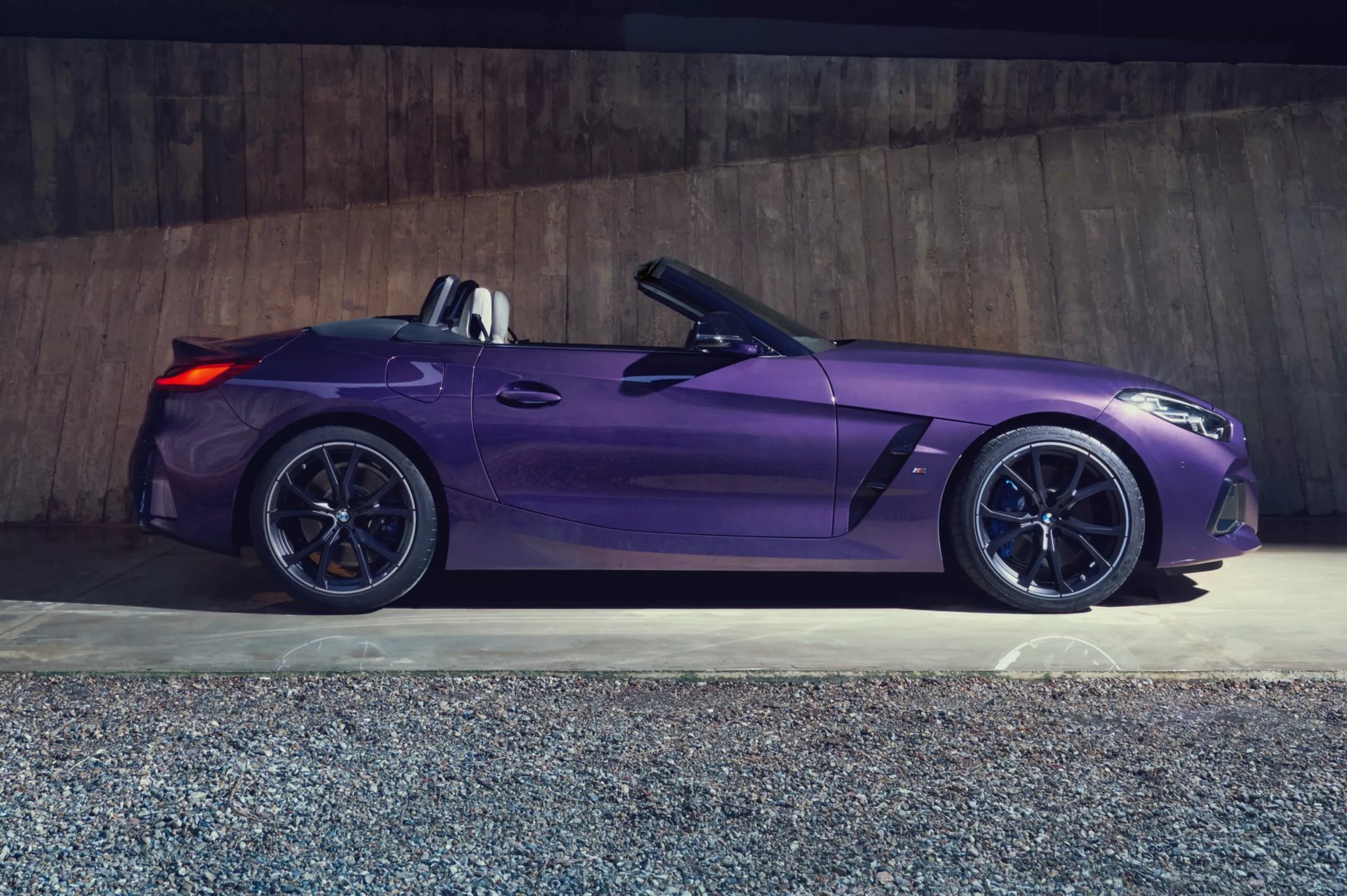
The 2026 BMW Z4 at 170.7 inches gives the small-car luxury segment its most polished open-top option. The Z4 positions itself as a luxury cruiser whose priorities are refinement and comfort over outright driving excitement, a distinction that separates it from the more driver-focused roadsters on this list and one that reflects exactly what a significant portion of buyers in the segment are seeking. The sculpted exterior showcases BMW’s current styling direction, the lavish cabin uses materials whose quality distinguishes the interior from the non-luxury roadsters at lower prices, and the fuel economy returns up to 25 miles per gallon in city driving and 33 on the highway, outstanding figures for a luxury sports car.
The trunk gives the Z4 touring practicality specific to the convertible segment’s packaging constraints: 9.9 cubic feet is genuinely usable for a weekend away, and the pass-through that accommodates longer items adds flexibility beyond what the trunk volume number alone suggests. By the standards of the luxury roadster class, the Z4’s cargo space is sizable, and the practical utility gives the Z4 a daily usefulness that the most driver-focused open-top cars sacrifice in pursuit of minimum weight.
The BMW Z4 shares its platform with the Toyota $TM GR Supra, giving the Z4’s chassis a sports-car engineering foundation that the luxury-cruiser orientation layers with refinement. The electrically operated convertible soft top provides the open-air transition in its most convenient form, and the powered operation speed gives the weather-responsive conversion between open and closed a practicality that a manual roof’s physical effort does not at highway rest-stop speeds or during a sudden rain shower. The M40i variant, available at a significant price premium over the base four-cylinder, gives the Z4 lineup a six-cylinder turbocharged engine whose performance output and sound character give the more performance-oriented Z4 buyer a substantially different daily experience within the same fundamental roadster format. The BMW iDrive infotainment system gives the cabin’s technology program a user interface whose depth and integration quality reflect the German automaker’s sustained investment in the connected car experience.
Credit: Buick
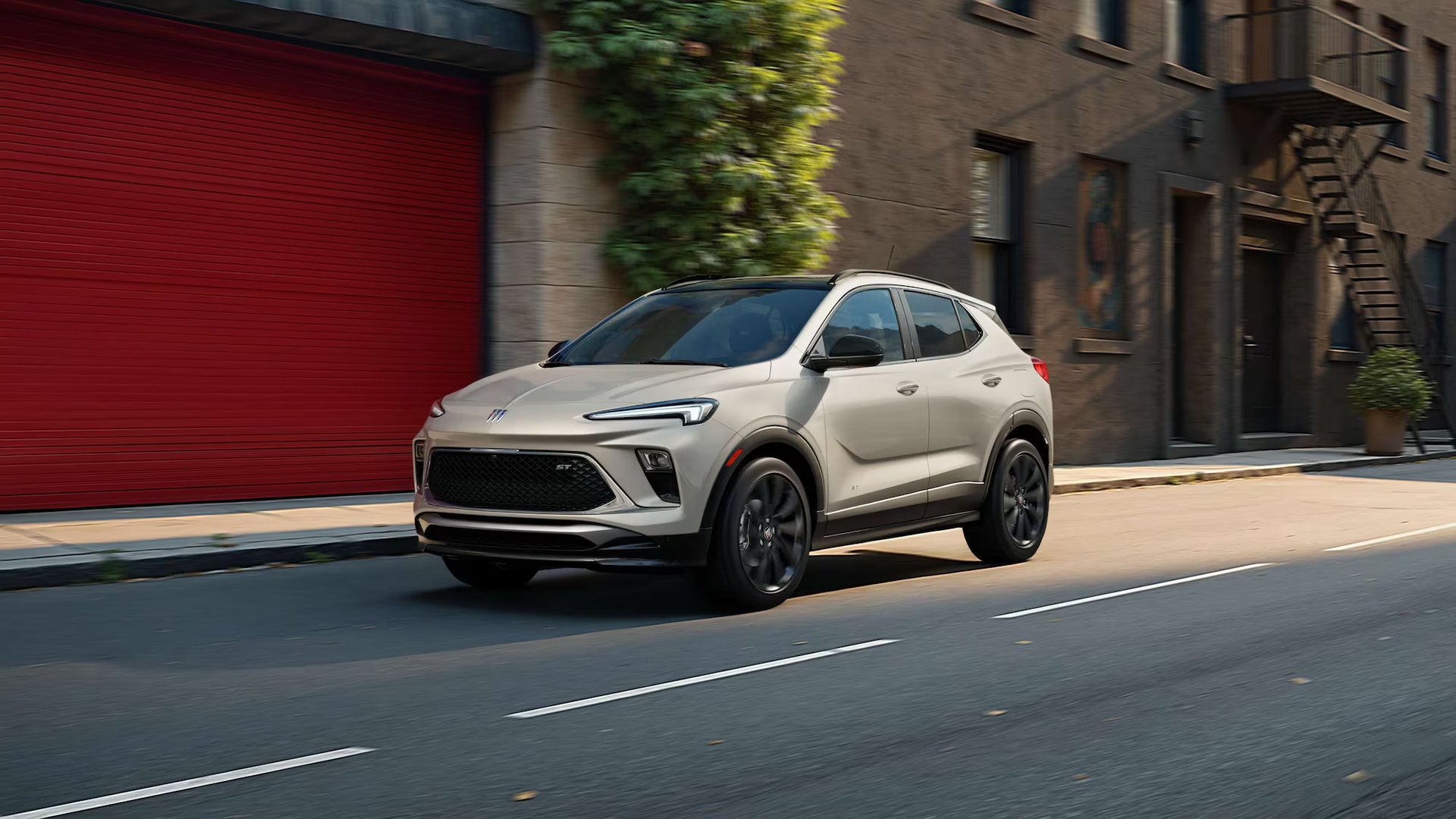
The 2026 Buick Encore GX at 171.6 inches gives the subcompact SUV category its most premium domestic entry and this list’s most generous cargo capacity. The 23.5 cubic feet of space with all seats in place and 50.2 cubic feet with the rear seats folded give the Encore GX a load-carrying ability that exceeds that of all other vehicles on this list and a practicality that belies its subcompact footprint. Adult-friendly seating in both rows provides the passenger program with a level of comfort appropriate for four full-size adults, and the sound-deadening material used throughout the cabin delivers a quietness that the efficiency-focused subcompact SUVs, whose material budgets do not extend to the same acoustic treatment, cannot consistently match.
The Encore GX costs more than its key subcompact SUV rivals, and the cabin materials at the base trim level are a notable disappointment given the Buick brand’s premium positioning. The buyer willing to move up the trim range finds improved materials and a more complete feature set, and the brand’s commitment to road-noise isolation gives all trim levels a highway character whose quality the Korean and Japanese competitors deliver less consistently. The available turbocharged four-cylinder engine and available all-wheel drive give the Encore GX a powertrain flexibility that the Hyundai Venue’s front-wheel-drive-only configuration does not.
The Buick brand gives the purchase a specific positioning in the domestic market: accessible luxury with an American heritage that the Korean and Japanese subcompact SUVs do not offer, and a dealer network whose geographic density provides a service convenience specific to a brand that has maintained a substantial domestic retail footprint. The buyers who prioritize a quiet cabin and cargo capacity will find the Encore GX’s premium value proportionate to those specific advantages. The standard features at higher Encore GX trims include a heated steering wheel, heated front seats, and a larger infotainment display, giving the move up the trim ladder a meaningful quality improvement that the base model’s less generous content does not fully represent.
Credit: Nissan
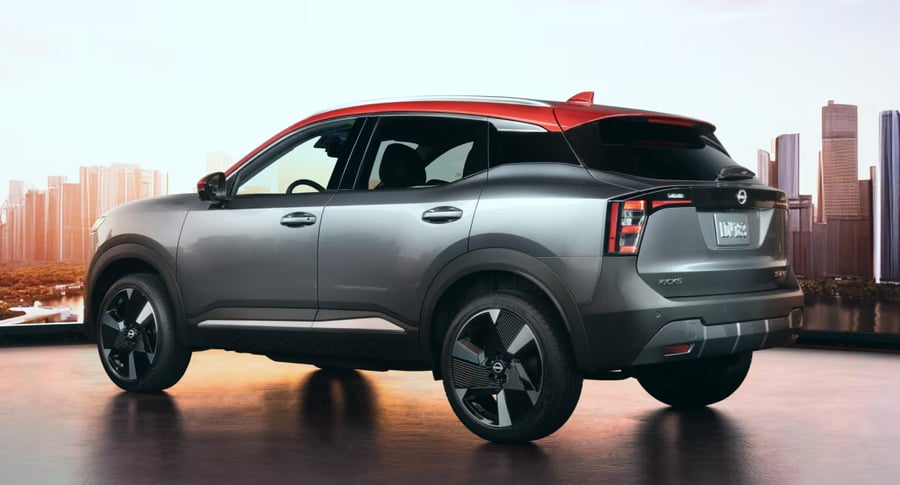
The 2026 Nissan Kicks at 171.9 inches and a starting price around $22,430 earns the U.S. News designation as Best Subcompact SUV for the Money in 2026, a distinction that reflects the Kicks’ specific strengths: a solidly crafted cabin, a gentle ride that distinguishes it from the rougher-riding competitors in the class, and fuel economy up to 28 miles per gallon in city driving and 35 on the highway. The fuel efficiency matches the Mazda MX-5 Miata’s highway figure, giving the practical family hauler a pump-visit frequency more akin to a sports car’s.
The driver-assistance technology standard across all Kicks trims gives the safety program a comprehensiveness that the class’s more piecemeal safety feature packaging does not consistently provide at the base trim level. Forward and reverse automatic emergency braking, blind-spot monitoring, and driver-attention monitoring are all standard across all trims, giving the entry-level Kicks a safety technology baseline that buyers of more expensive subcompact SUVs sometimes pay option premiums to access. The across-the-board inclusion reflects Nissan’s commitment to accessible safety technology and gives the Kicks a specific competitive advantage in a segment whose value-conscious buyers make standard safety features a primary criterion.
The gentle ride gives the urban commute its most comfortable daily character of any subcompact SUV. The smooth progression over road imperfections reduces the cumulative physical fatigue that harsher-riding subcompact SUVs impose during a long city commute, and the cabin’s solid construction gives the interior a quality that the price point typically does not predict. Strong fuel economy, comprehensive standard safety content, a comfortable ride, and a well-built cabin at an entry price around $22,430 together give the value subcompact SUV buyer the most complete single package in the 2026 model year. The Kicks’ available color options and its relatively upright SUV stance give the vehicle a visual presence on urban streets that communicates the SUV format’s utility without the dimensional bulk that larger subcompact SUVs project in tight city environments.
