
These eight s'mores variations swap the classic chocolate bar and graham cracker for bolder flavors, more texture and a few unexpected combinations

Credit: Kindel Media / Pexels
The classic s'more has not changed much since the Girl Scouts first printed a recipe for it in a 1927 handbook: a plain chocolate bar and a toasted marshmallow pressed between two graham crackers. That formula has earned its place around campfires for a century, but it was built around what a scout troop could pack into a wagon, not around what actually tastes best. Once you start treating the s'more as a template rather than a fixed recipe, a wide range of s'mores variations open up, and several of them beat the original on flavor, texture, or both.
The structure is what makes the s'more so easy to rework. It is fundamentally three components: something crunchy on the outside, something soft and warm in the middle, and something rich holding it together. Swap any one of those three and the dessert changes completely, whether that means trading the graham cracker for a cookie, the plain chocolate for a filled candy, or adding a fourth element like fruit or spice that the original never had room for.
The eight s'mores variations below all use ingredients most people already keep in a kitchen or a cooler, and none require special equipment beyond a campfire, a grill, or a broiler. Each one is built around a specific swap or addition, not a vague theme, so a reader can pick exactly the combination that fits what they have on hand or what they are craving. Some lean sweeter and richer, like the peanut butter cup version. Others add contrast through salt, crunch, or fruit. Together they show how much range the format has once the graham cracker and plain chocolate bar stop being treated as fixed rules.
None of these require a campsite. A kitchen broiler or a gas grill toasts a marshmallow just as well as an open flame, and most of the swaps below work indoors on a sheet pan just as easily as they do outdoors on a stick. That makes this less a list for one weekend a year and more a rotation of desserts worth keeping on hand whenever the mood strikes.
Credit: alleksana / Pexels
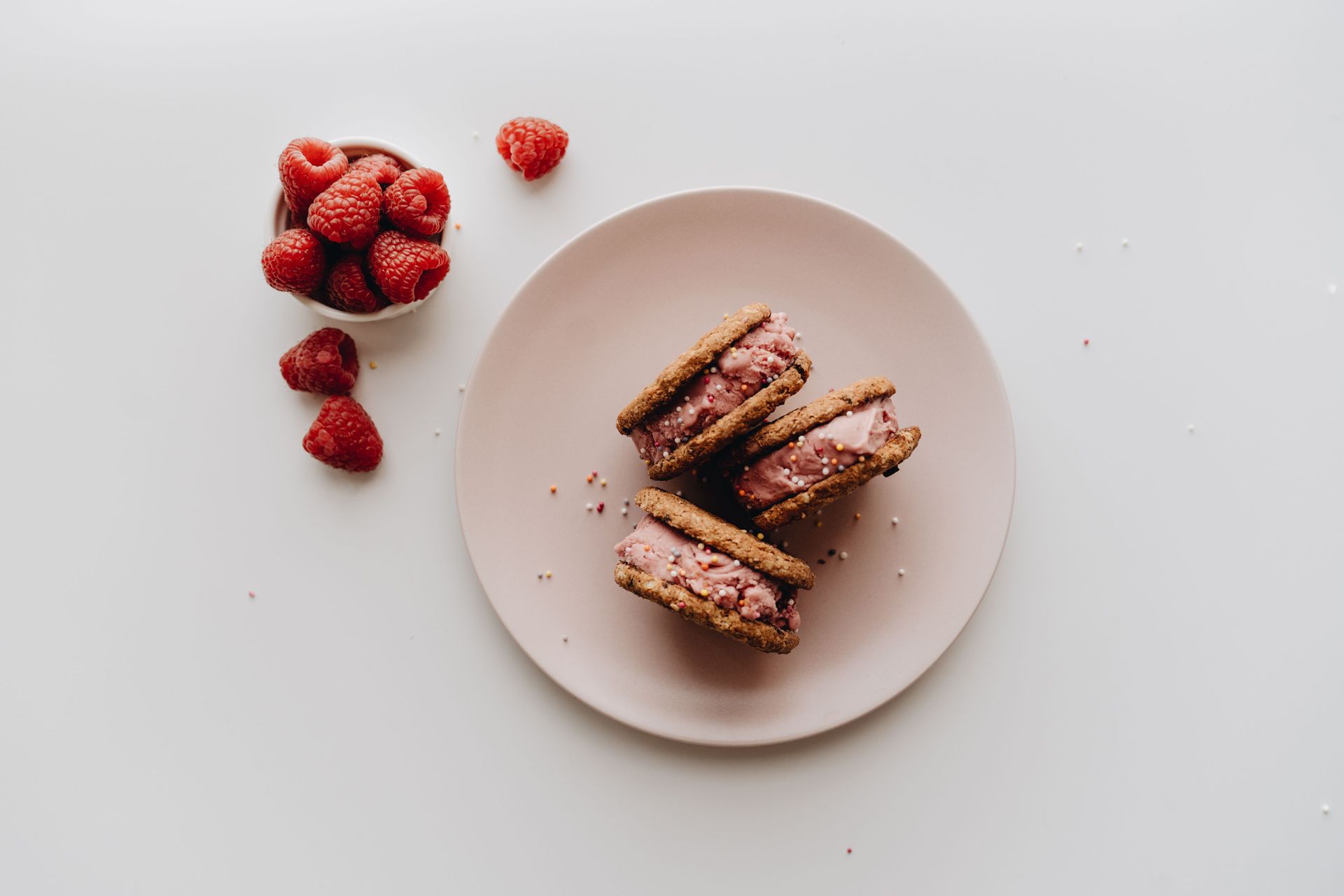
Nutella and raspberry s'mores replace the plain chocolate bar with hazelnut spread and a few fresh raspberries for a version that tastes closer to a dessert crepe than a campfire snack.
The swap works because hazelnut spread melts faster and more evenly than a chocolate bar square, so it coats the graham cracker completely instead of sitting in one thick, unmelted block. Spread a thin layer of Nutella on one graham cracker half before adding the hot marshmallow, then press two or three raspberries into the spread on the other half before closing the sandwich. The warmth from the marshmallow softens the chocolate spread on contact, and the raspberries add a short burst of tartness that cuts through the sweetness of both the spread and the marshmallow.
This version also holds together better than the original. A solid chocolate bar can slide out from between the crackers once the marshmallow melts it, especially if the bar was cold going in. Nutella, by contrast, acts almost like glue, gripping both graham cracker halves and keeping the raspberries in place. That makes it a better option for anyone eating a s'more away from a table, since fewer pieces end up on the ground.
Fresh raspberries work best here, since frozen ones release too much liquid once they thaw against a warm marshmallow and can make the graham cracker soggy within a minute. If raspberries are not in season, a thin layer of raspberry jam under the Nutella gives a similar tart contrast without the moisture problem, though it changes the texture from a slight pop to a smooth spread.
Hazelnut spread has a lower melting point than most milk chocolate bars, so it is worth adding it to the cracker just before the marshmallow comes off the heat rather than several minutes in advance. Left out too long in warm weather, it can start to run off the edges of the cracker before the sandwich is even assembled. Store any extra spread in the jar at room temperature, since refrigeration makes it too stiff to spread thinly at a campsite.
Credit: Matheus Bertelli / Pexels
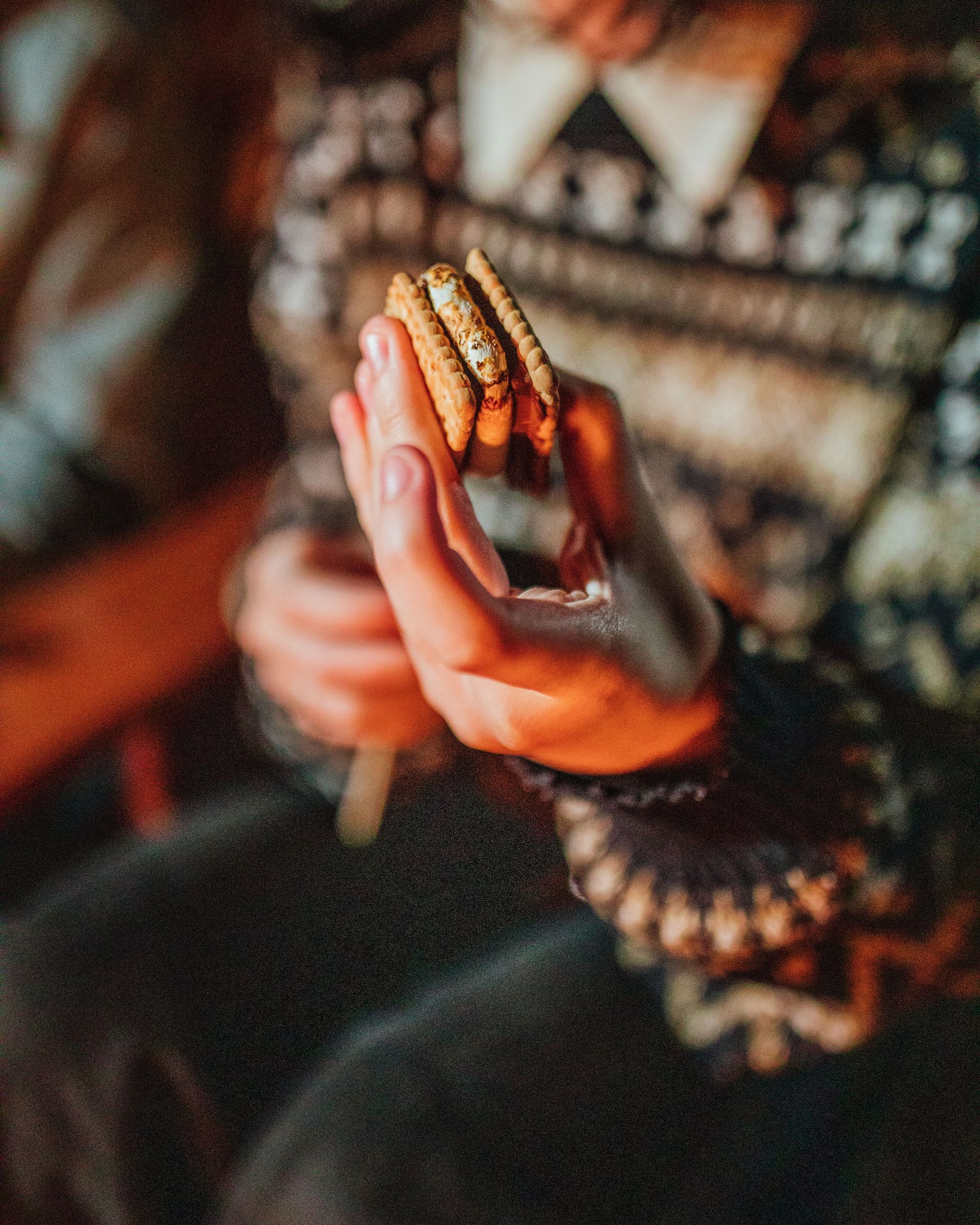
Peanut butter cup s'mores swap a plain chocolate bar for an unwrapped peanut butter cup, adding a layer of salted, nutty filling that the original recipe never had.
The candy melts differently than a flat chocolate bar because of its shape and the peanut butter core at its center. Press one or two peanut butter cups onto the graham cracker before setting the hot marshmallow on top, and let the residual heat do the work rather than trying to melt the cup over direct flame, which can scorch the chocolate shell before the peanut butter inside softens. Within about a minute under the warm marshmallow, the chocolate shell goes glossy and the peanut butter center turns soft enough to spread slightly when the second cracker presses down.
The combination works because peanut butter and chocolate share a long history in American desserts, going back to candy makers experimenting with the pairing in the early twentieth century. Salted peanut butter in particular balances the sweetness of the marshmallow and chocolate, which is why a cup with a lightly salted filling tends to taste more balanced than an unsalted one. Some brands lean sweeter than others, so it is worth checking the ingredient label if a less sugary result is the goal.
Miniature peanut butter cups work better than full-size ones for this purpose, since two minis spread more evenly across a graham cracker than one large cup sitting in the center. If only full-size cups are available, slicing one in half before assembling the s'more helps it melt more evenly and keeps the peanut butter from pooling in a single spot.
This version is also easier to make with kids, since the candy is already a familiar shape and does not require breaking a chocolate bar into even pieces first. It travels well too. Unlike a s'more made with a loose chocolate bar segment, the wrapped peanut butter cup shape holds together during transport to a fire pit or a grill, and it needs no extra packaging beyond what it already comes in.
Credit: Anna Zanovelli Bacci / Pexels
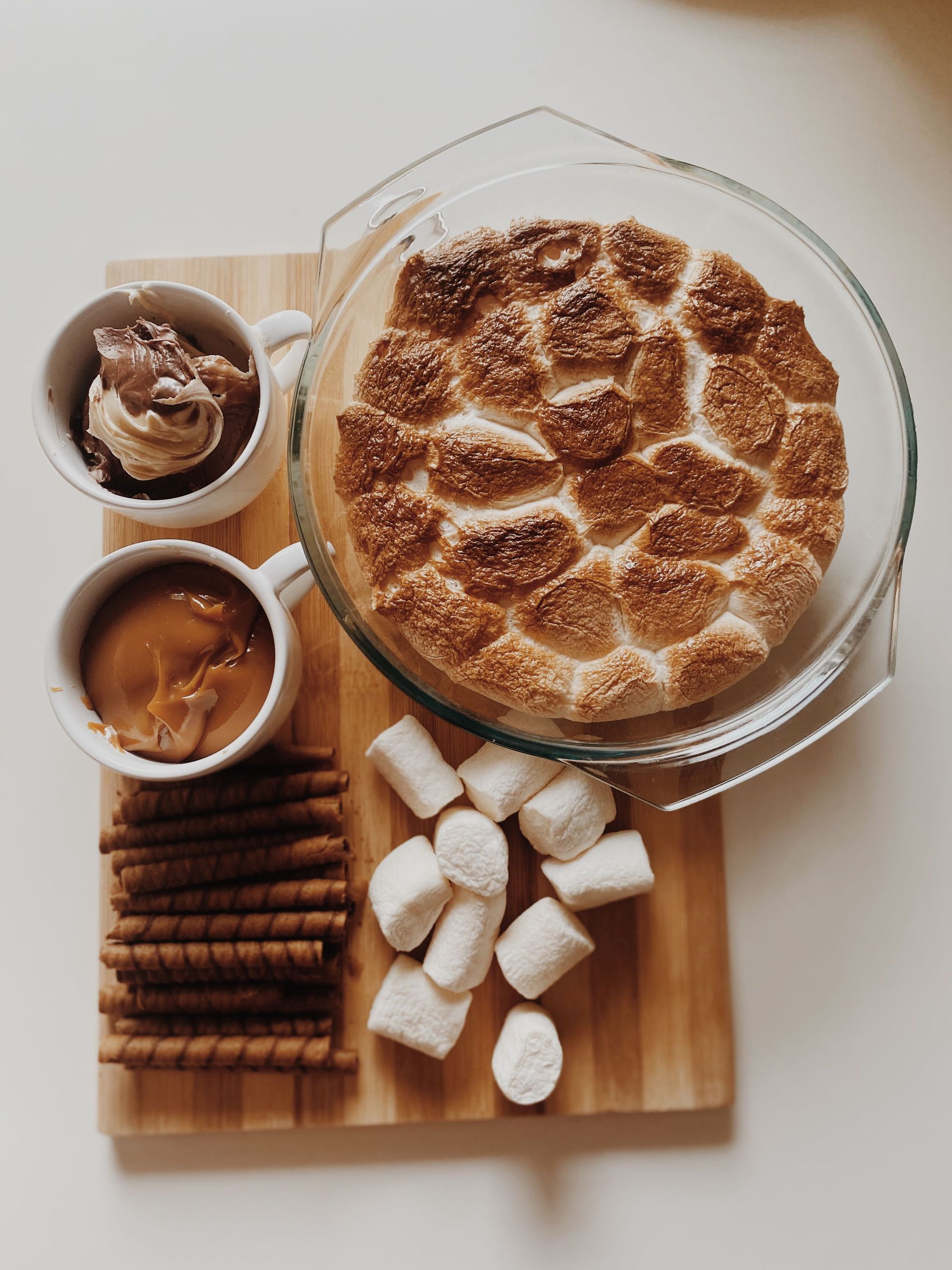
Salted caramel pretzel s'mores add a layer of caramel and crushed pretzels to bring salt and crunch into a dessert that is otherwise entirely soft and sweet.
Caramel sauce goes on the graham cracker first, either a thin drizzle of the store-bought squeeze variety or a spoonful of soft caramel candy that has been warmed until it flows. The marshmallow goes on top of that, and crushed pretzels get pressed into the caramel or scattered directly onto the marshmallow just before the second cracker closes the sandwich. The pretzels stay crunchy even after the marshmallow's heat softens everything else, which gives the s'more a textural contrast the plain version does not have.
Salt is doing real work here, not just flavor decoration. Sweet and salty pairings register more strongly on the tongue than sweetness alone, which is part of why salted caramel became one of the more common dessert flavors in American bakeries and coffee shops over the past two decades. A finishing pinch of flaky sea salt on top of the caramel, before the marshmallow goes on, sharpens that contrast even further.
Thin pretzel sticks work better than pretzel rods for this version, since they break into smaller pieces that distribute more evenly across the cracker. Rods tend to leave large chunks that make the sandwich harder to bite through cleanly. Whole graham crackers can also crack under the pressure of large pretzel pieces, so crushing them first, either by hand or with the flat side of a knife, keeps the final sandwich intact.
Caramel can scorch quickly if it goes directly over an open flame, so it is best added to the cracker before the marshmallow is toasted rather than heated separately over the fire. If using caramel candies instead of sauce, unwrap two or three and let the heat of the freshly toasted marshmallow soften them rather than trying to melt them in advance, since caramel that has already cooled and hardened again becomes difficult to bite through.
Credit: Chris Rodriguez / Pexels
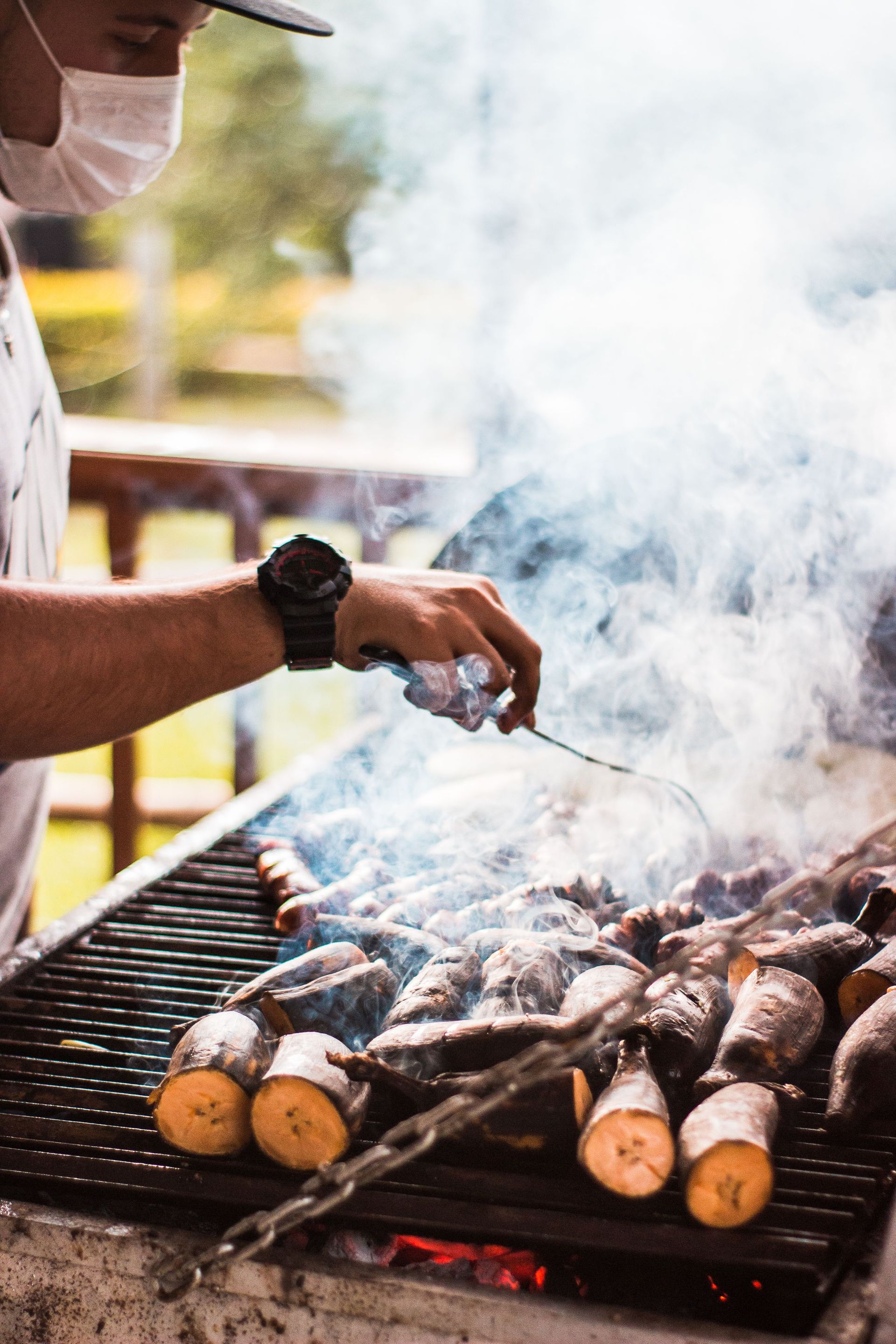
Grilled banana s'mores add warm, caramelized fruit to the sandwich by cooking banana slices alongside the marshmallow before assembling.
Banana slices caramelize quickly over a grill or open flame because the natural sugar in the fruit browns within a couple of minutes of direct heat, similar to what happens when a banana is cooked for foster-style desserts. Cut a banana into thick rounds, about half an inch each, and either skewer them alongside the marshmallow or set them on a small piece of foil directly over the coals. They need only a minute or two per side before the edges turn golden and slightly soft.
Once the banana slices and marshmallow are both ready, layer the banana onto the graham cracker first, then add the chocolate and hot marshmallow on top so the chocolate melts slightly against the warm fruit. The banana adds moisture that a plain s'more does not have, along with a mild sweetness that lets you use a smaller piece of chocolate than the original recipe calls for without losing overall sweetness.
This version keeps well for anyone trying to build a slightly more balanced dessert, since the fruit adds fiber and potassium that the original s'more's three components do not provide on their own. It will not make the dessert healthy in any meaningful sense, but it does shift the balance a little compared with a s'more built entirely from refined sugar and white flour.
Slightly underripe bananas hold their shape better on a grill or over coals than very ripe ones, which can turn mushy and fall apart before they finish caramelizing. Look for bananas that are yellow with only a few small brown spots rather than ones that are heavily speckled or soft to the touch. If a grill or open flame is not available, a stovetop pan over medium heat with no oil needed will caramelize banana slices almost as well, in about the same amount of time, making this a version that works indoors as easily as outdoors.
Credit: alleksana / Pexels
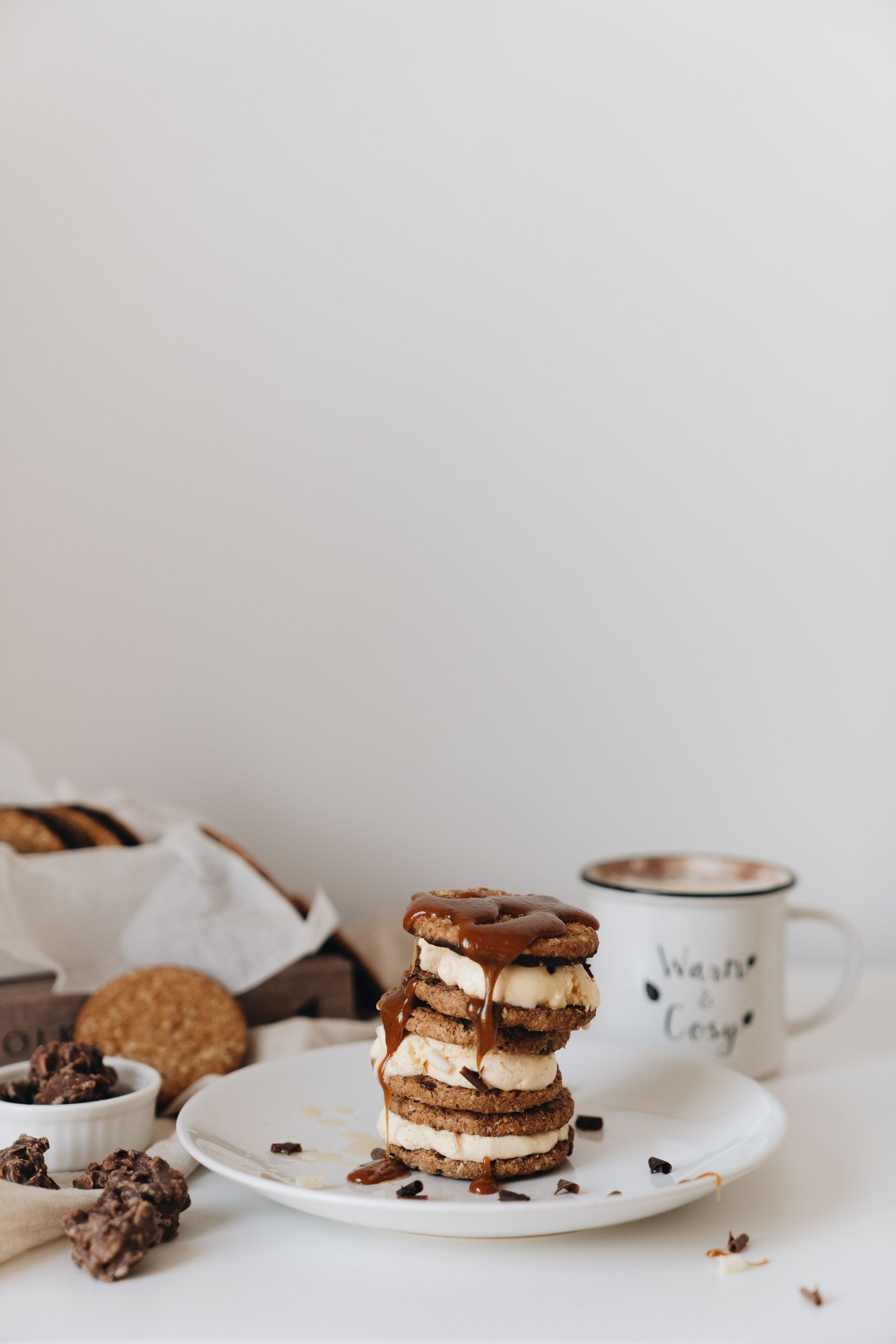
Chocolate chip cookie s'mores replace the graham cracker entirely with two soft chocolate chip cookies, turning the dessert into something closer to an ice cream sandwich built with marshmallow and chocolate instead of ice cream.
A soft-baked cookie changes the texture of the whole dessert. Graham crackers are dry and snap cleanly, which is part of what makes the original s'more easy to eat in a few bites without much mess. A chocolate chip cookie, especially one that is still slightly warm, is chewier and denser, so the finished sandwich feels heavier and more like a standalone dessert than a quick campfire snack. The chocolate chips already baked into the cookie also mean less additional chocolate is needed between the layers, since the cookie itself is already carrying some of that flavor.
Store-bought cookies work fine for this, but they hold up best if they are on the thicker side rather than thin and crisp, since thin cookies can crack under the pressure of pressing the sandwich together. Bakery-style cookies or the thick variety sold in tubs tend to work better than the thin, crunchy kind sold in bags. If baking cookies specifically for this purpose, pulling them from the oven slightly underdone, so the centers stay soft, gives the best result once they cool for a few minutes.
This version needs less time near heat than the original, since the cookies do not need to be toasted at all. Only the marshmallow needs direct exposure to a flame or a broiler. Once it puffs and browns, it goes directly onto one cookie, a small square of chocolate goes on top of the marshmallow if extra chocolate is wanted, and the second cookie closes the sandwich.
Because the cookies are already sweet on their own, this version tends to taste richer overall than a graham cracker version, so it is worth using a slightly smaller marshmallow or a thinner chocolate layer to avoid the finished sandwich becoming too sweet to finish in one sitting.
Credit: Çiğdem Bilgin / Pexels
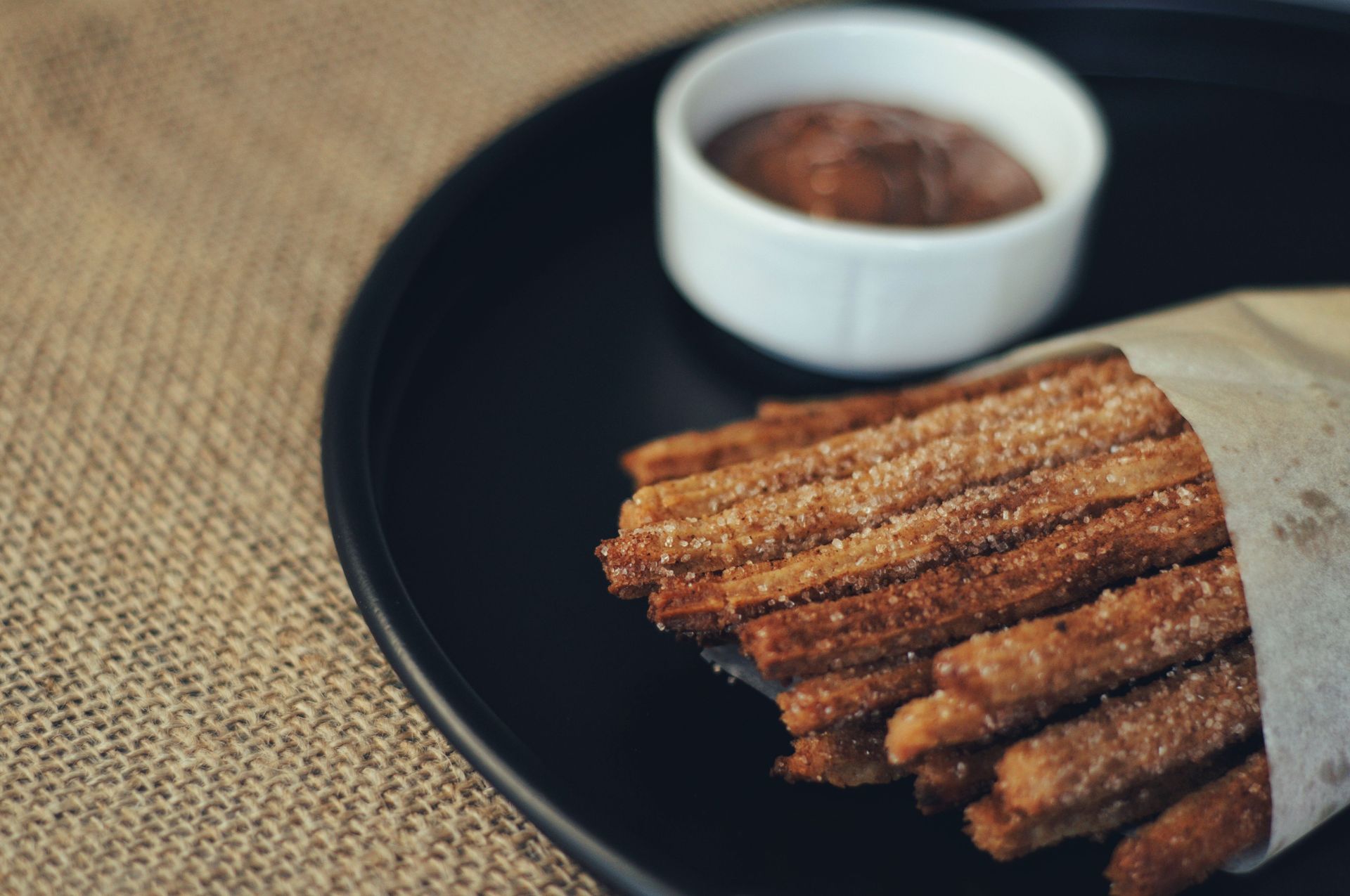
Churro s'mores wrap the marshmallow and chocolate in a cinnamon sugar tortilla instead of a graham cracker, borrowing the coating typically used on fried churro dough.
To make this version, brush a small flour tortilla lightly with melted butter, then coat it in a mixture of granulated sugar and ground cinnamon, roughly three parts sugar to one part cinnamon. Warm the tortilla briefly in a dry pan or over low heat on a grill until the sugar starts to dissolve slightly and the tortilla turns lightly golden at the edges, then remove it before it becomes too crisp to fold. Add a square of chocolate and a toasted marshmallow to the center, then fold the tortilla around the filling rather than sandwiching it between two flat pieces the way a graham cracker s'more works.
The tortilla format changes how the dessert is eaten. Instead of a flat sandwich, this version is closer to a wrap, which holds the melted marshmallow inside more completely and reduces dripping compared with an open-faced graham cracker version. The cinnamon sugar coating also toasts slightly during the brief time the tortilla spends over heat, giving it a light crunch on the outside even though the tortilla itself stays soft and pliable enough to fold.
Flour tortillas work better than corn tortillas for this, since corn tortillas crack when folded and do not take on the butter and sugar coating as evenly. A tortilla on the smaller side, around six inches, is easier to fold completely around the filling than a larger burrito-sized one, which can leave too much empty space and make the wrap harder to hold together.
This version draws directly on the flavor of a classic Mexican churro, a fried dough pastry coated in cinnamon sugar that has been sold at fairs, street carts, and Mexican bakeries for generations. Using a tortilla instead of frying dough from scratch keeps the process closer to how quickly an actual s'more comes together, without needing hot oil or a deep fryer.
Credit: Salah Özil / Pexels
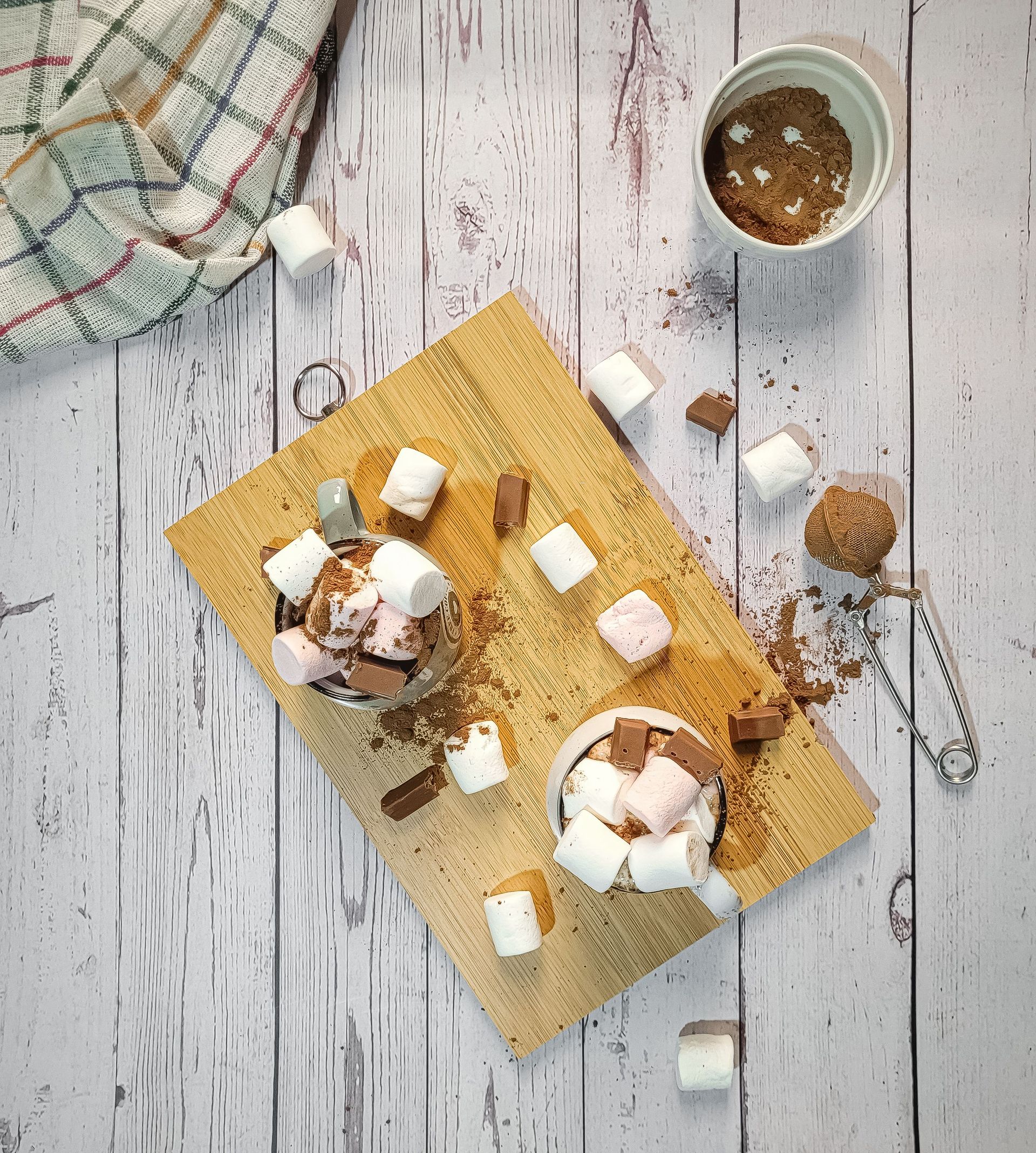
Mint chocolate s'mores swap the plain milk chocolate bar for a mint chocolate bar or thin mint patty, adding a cooling contrast to the warm marshmallow.
Mint and chocolate is a long-established pairing in American candy, showing up in products like thin mint patties and mint chocolate chip ice cream for decades. The same logic applies here: a mint chocolate bar, broken into squares the same way the original recipe uses a plain bar, melts under the hot marshmallow and releases a cooling flavor that cuts through the sugar in a way plain chocolate does not. This makes the dessert taste lighter overall, even though the ingredient list is nearly identical to the original recipe.
Thin mint patties, the kind sold as standalone candy rather than as part of a chocolate bar, work especially well because their flat, wide shape covers a graham cracker fully in a single piece, unlike chocolate bar squares that can leave gaps at the corners. Two patties stacked slightly overlapping will cover a full graham cracker with almost no bare spots, giving a more even chocolate layer than the original recipe typically produces.
This version benefits from a slightly smaller marshmallow than usual, since a very large marshmallow can overpower the mint flavor rather than complementing it. A standard marshmallow, toasted until the outside turns golden brown and the inside turns soft rather than fully liquid, keeps the balance between mint, chocolate, and marshmallow closer to even.
Dark chocolate mint bars, rather than milk chocolate ones, give a more pronounced mint flavor and a slightly less sweet overall result, which some people prefer for this variation. Milk chocolate versions taste closer to the flavor of a thin mint cookie, while dark chocolate versions taste closer to an after-dinner mint. Either works, and the choice comes down to how sweet the finished dessert should be, since dark chocolate contains less sugar per square than milk chocolate does.
Credit: Marta Branco / Pexels
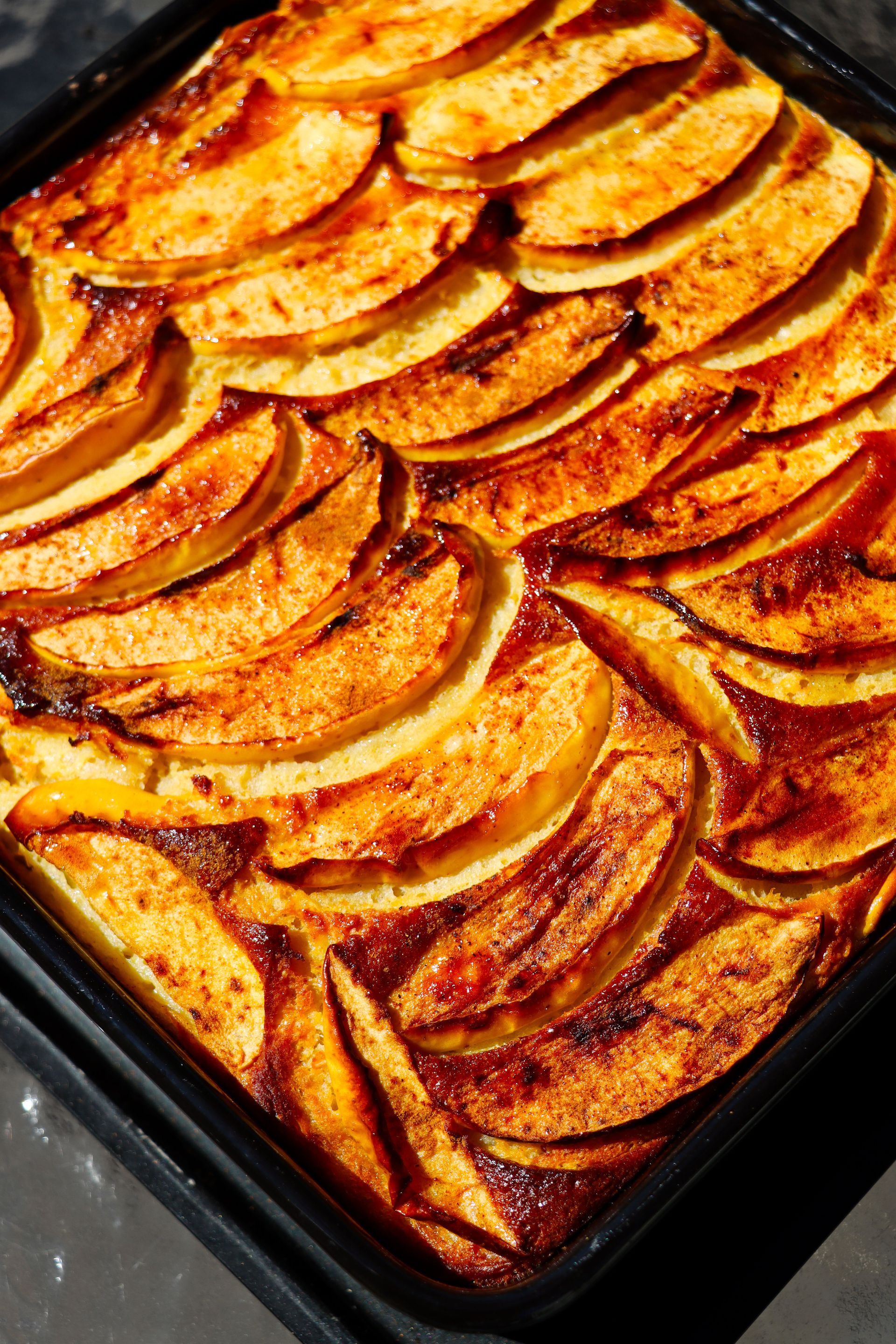
Apple $AAPL pie s'mores add cinnamon spiced apple slices between the marshmallow and chocolate, borrowing the flavor profile of baked apple desserts rather than a candy bar pairing.
Thin apple slices, cooked briefly in a pan with a small amount of butter, cinnamon, and a spoonful of brown sugar until they soften slightly, form the base of this version. The apples should still hold some structure rather than turning fully mushy, since a completely soft slice will fall apart once pressed between the crackers. About two to three minutes over medium heat is usually enough, depending on how thin the slices are cut.
Once the apples are ready, layer them onto the graham cracker before adding the chocolate and hot marshmallow, so the marshmallow's warmth keeps the apple slices from cooling down too quickly before the sandwich is closed. The combination echoes the flavor of a baked apple pie or apple crisp, with cinnamon and caramelized sugar standing in for the pastry crust, while the graham cracker provides a similar textural role to a pie crust's crunch.
Tart apple varieties, such as Granny Smith, hold their shape better during cooking than sweeter varieties like Red Delicious, which tend to break down faster over heat. A firmer, tart apple also balances the added sugar and marshmallow more effectively, since a naturally sweeter apple can push the finished dessert past the point of being pleasantly rich.
This version takes slightly longer to prepare than the others on this list, since the apples need a few minutes on a stove or a small skillet over a campfire before assembly, rather than simply unwrapping a candy or spreading a jar of hazelnut spread. That extra step makes it a better fit for a planned dessert course than a quick snack, and it pairs particularly well in the fall, when apples are in season and cinnamon spiced flavors are already common in seasonal cooking and baking.