
10 things solo female travelers learn the hard way so you don't have to
Beyond "trust your instincts" — the specific, practical lessons experienced solo female travelers wish someone had told them before their first trip
Miriam Espacio / Pexels
Most advice given to women planning their first solo trip clusters around a small set of repeated phrases: trust your instincts, stay aware of your surroundings, don't walk alone at night. This advice is not wrong, but it is also not particularly useful, because it is vague enough to apply to almost any situation without providing the specific, actionable guidance that actually changes how a trip goes. The women who have done a significant amount of solo travel tend to describe a different, more specific set of lessons — the kind that come from having actually made a mistake, or having watched someone else make one, and having figured out afterward what would have prevented it.
This list draws on that more specific category of advice: the practical, sometimes unglamorous lessons that experienced solo female travelers consistently mention when asked what they wish someone had told them before their first trip. Several of these are about safety in a more concrete sense than "trust your gut" — specific documentation practices, specific accommodation booking strategies, specific ways of handling unwanted attention. Several are less about safety and more about the practical and psychological realities of solo travel that first-timers are rarely warned about: the loneliness that arrives on a predictable schedule, the specific skill of eating alone in public, the way that solo travel changes your relationship with your own judgment over time.
Each entry covers a specific lesson, why it matters, and the practical version of the advice — not "be careful" but the specific action that being careful actually looks like.
Loneliness arrives on a predictable schedule, and that's normal
Tim Gouw / Pexels
Most first-time solo travelers expect either constant adventure or constant anxiety, and are surprised by the third thing that actually happens most consistently: a specific, recurring loneliness that tends to arrive at predictable moments — mealtimes, particularly dinner; the early evening hours when the day's activities have ended and there is no one to debrief with; and specific milestone moments (a birthday, a holiday, a particularly beautiful sunset) that feel incomplete without someone to share them with.
Experienced solo travelers consistently describe this loneliness as something to expect and plan around rather than a sign that something has gone wrong or that solo travel was a mistake. It typically peaks in the first few days of a trip, before the traveler has developed a rhythm and before any casual social connections (with hostel roommates, tour group members, or friendly locals) have had a chance to form, and it typically becomes less acute as the trip progresses and the traveler adjusts.
The practical response that experienced travelers describe is not to fight the loneliness but to build in specific structures that address it directly: booking at least the first night or two in a social accommodation type (a hostel with common areas, a guesthouse with a communal breakfast) rather than a private, isolated room; scheduling one group activity (a walking tour, a cooking class) in the first two or three days specifically to create low-stakes social contact; and normalizing solo mealtimes as a skill to develop rather than something to avoid through room service.
Fake a phone call before it's actually necessary

Gustavo Fring / Pexels
Experienced solo travelers consistently describe having a phone conversation — real or performed — as one of the most effective and lowest-effort tools for de-escalating unwanted attention, deterring a person who is following or persistently approaching, and generally signaling to the surrounding environment that you are not isolated or unaccounted for, even when you are.
The specific mechanism: a woman audibly engaged in a phone conversation, particularly one that includes specifics like a name, an arrival time, or a location ("Yeah, I'm almost there, tell Sarah I'll meet her at the hotel in ten minutes") signals to anyone with predatory intent that she is expected somewhere, in contact with someone who knows her location, and not a target whose absence would go unnoticed. This is a low-confrontation, non-escalatory way to change the dynamic of an uncomfortable situation without directly confronting the person causing the discomfort.
The practical version of this advice is to have this ready as a default response before it's needed — deciding in advance that a persistent unwanted approach, a person following at a distance, or a generally uncomfortable situation is the cue to make the call, rather than trying to improvise the tactic in the moment when adrenaline and uncertainty make quick thinking harder. Some travelers keep a specific contact's name ready to reference, whether or not that person is actually reachable at that moment.
A cheap decoy wallet is worth carrying
Emil Kalibradov / Pexels
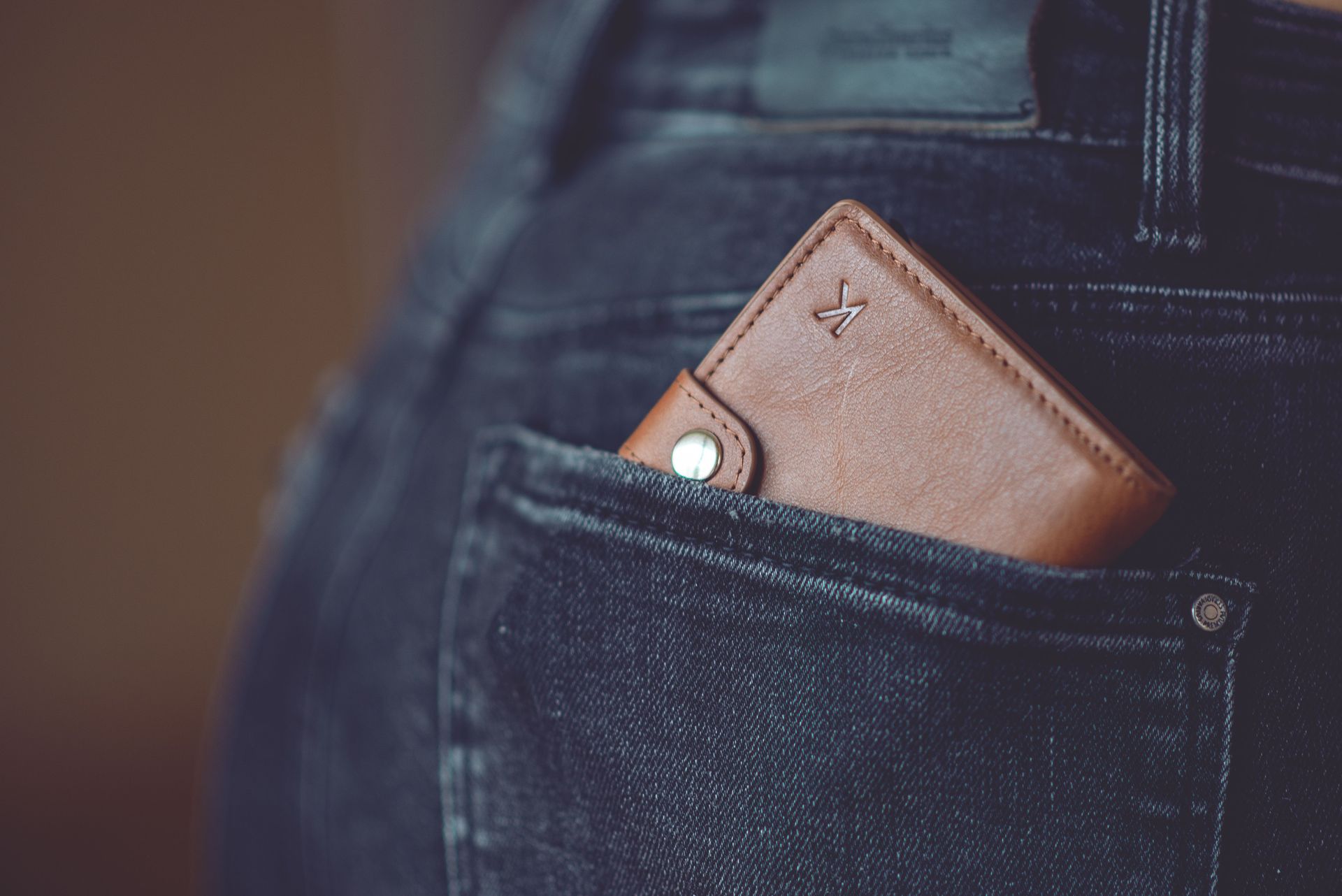
Experienced travelers in regions with a meaningful pickpocketing or petty theft risk consistently recommend carrying a small, inexpensive decoy wallet — containing a modest amount of local currency, an expired or non-critical card, and nothing that would be seriously damaging to lose — as a specific, low-cost hedge against theft or, in rare cases, a confrontational robbery.
The logic is straightforward: a person attempting a pickpocket theft or a confrontational robbery typically wants to complete the interaction as quickly as possible, and producing a wallet immediately, even a decoy one, ends the interaction faster and with lower risk than either resisting or having the actual contents of your bag or pockets searched. In a genuine robbery scenario, having something to hand over reduces the likelihood of the situation escalating to violence, which is the primary safety goal in that specific situation — the money itself is replaceable in a way that personal safety is not.
The practical implementation is simple: a separate, cheap wallet or card holder, kept in an easily accessible pocket or the outer compartment of a bag, distinct from where the primary cards, larger cash reserves, and passport are kept (which should be in a money belt, an inside zippered pocket, or otherwise less immediately accessible). This is a preparation made once before a trip, at minimal cost, that experienced travelers consistently describe as worthwhile insurance even though it is very rarely actually used.
Book your first night's accommodation before you know anything about the area
Mikhail Nilov / Pexels
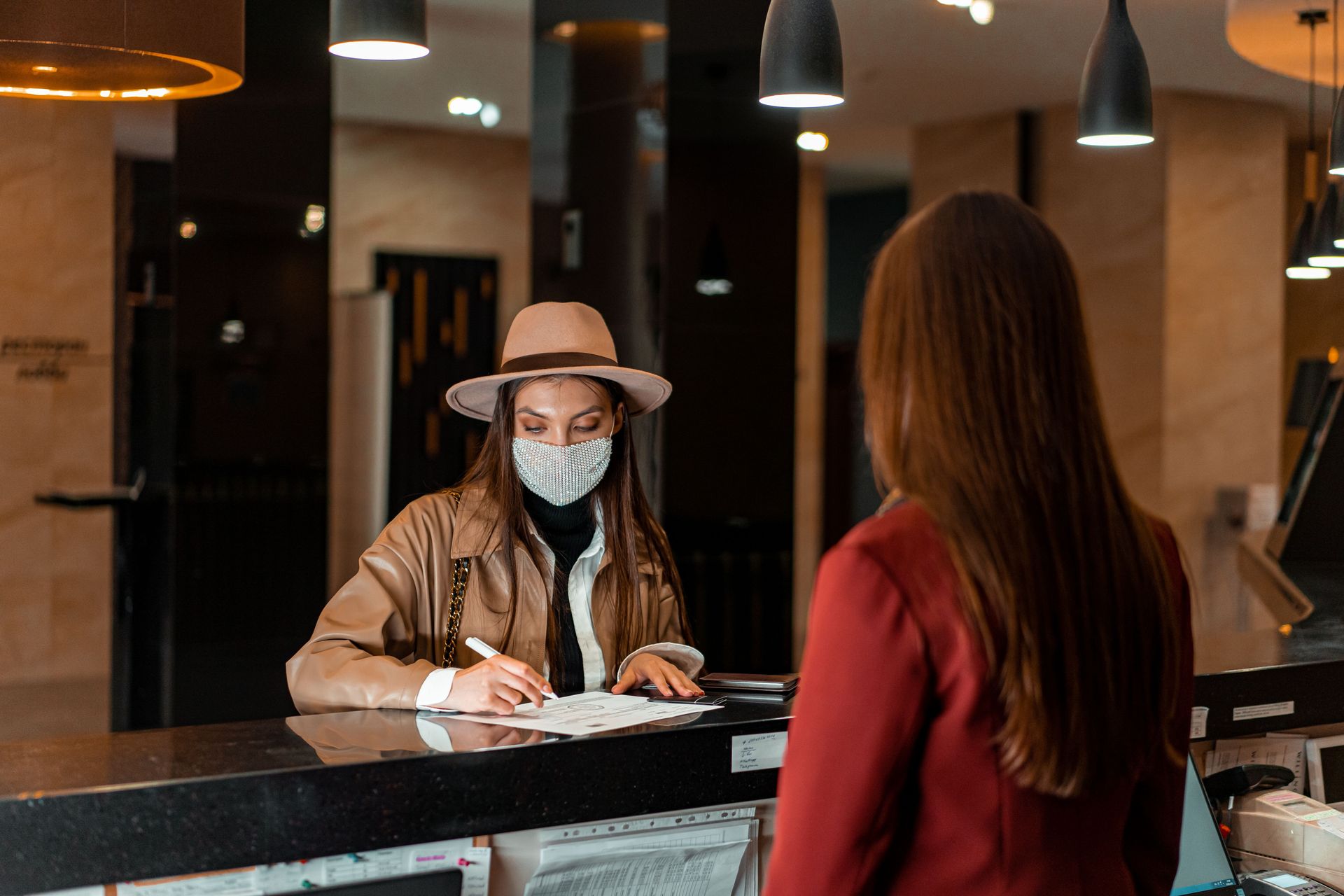
The specific piece of practical advice that experienced solo travelers repeat most consistently is to book confirmed, vetted accommodation for at least the first night of any new destination before arrival — not because spontaneous accommodation-finding is inherently dangerous, but because arriving in an unfamiliar place, tired from travel, without a confirmed destination, is the single circumstance in which a solo traveler is most vulnerable to poor decision-making, scams, and unsafe situations.
The specific risk this addresses: travelers navigating an unfamiliar city for the first time, particularly after a long journey, are operating with reduced judgment from fatigue, reduced ability to assess a neighborhood's safety in the dark or in unfamiliar urban layouts, and increased vulnerability to touts, scam accommodation arrangements, or simply ending up in a poorly-located or unsafe lodging because the search happened under time pressure.
The practical version of this advice extends beyond just the first night: many experienced solo travelers maintain the habit of always having the next one to two nights of accommodation confirmed rather than traveling with a completely open itinerary, specifically to avoid ever being in the position of searching for lodging under time pressure or fatigue, even later in a trip when overall comfort and local knowledge have increased.
Learn to eat alone in public as a specific, practicable skill

Andrea Piacquadio / Pexels
Many first-time solo travelers describe eating alone in a restaurant as one of the most uncomfortable parts of solo travel — more uncomfortable, for many, than any safety concern — and experienced travelers consistently describe this discomfort as something that is learned away rather than something that resolves on its own without deliberate practice.
The specific discomfort is social self-consciousness: a perception, usually inaccurate, that other diners are noticing and judging a woman eating alone, combined with the absence of the conversational cover that dining with a companion provides during any lull. Experienced solo travelers describe specific tactics that make the experience easier: bringing a book or journal (which provides both genuine occupation and a visible signal that removes ambiguity about why you are alone); sitting at a counter or bar seating rather than a table when available, which often feels less exposed and provides more natural opportunities for conversation with staff or other solo diners; and choosing the timing of meals deliberately, since dining alone at a restaurant's peak family or couple dinner hour feels different from dining alone during a quieter period.
The broader point that experienced travelers make about this specific skill is that it generalizes: the discomfort of eating alone in public is a compressed version of the broader discomfort of being visibly, unaccompanied-ly alone in public that solo travel requires tolerating, and developing comfort with it in the low-stakes context of a meal makes the rest of solo travel's social exposure meaningfully easier.
Dress with awareness of local norms, not just personal comfort
Ketut Subiyanto / Pexels
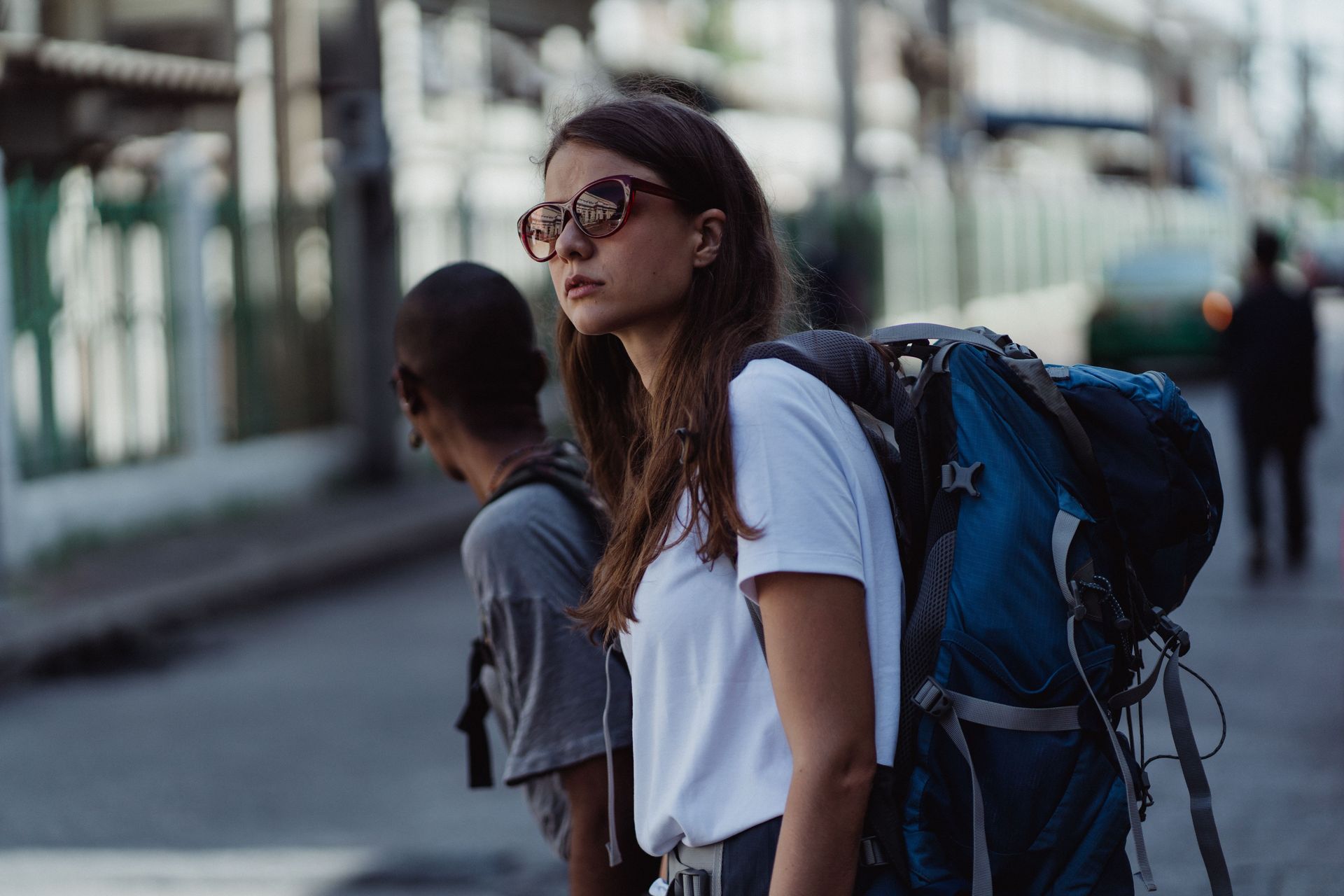
Experienced solo female travelers consistently describe researching and adjusting to local dress norms — not out of an obligation to change one's personal style, but as a specific, practical strategy for reducing unwanted attention, which correlates in many destinations with visible markers of being a foreign, unaccompanied woman.
This is a genuinely contested piece of advice within solo female travel communities, and the more nuanced version that experienced travelers describe is worth stating precisely: dress choices do not cause or justify harassment, and no woman is responsible for someone else's harassing behavior regardless of what she is wearing. The practical point is narrower and more specific: in some destinations, dress that visibly signals unfamiliarity with or disregard for local norms increases the volume of unwanted attention (though rarely the risk of serious harm) that a solo traveler receives, and reducing that volume of low-level daily friction is a legitimate practical goal independent of the separate question of who bears moral responsibility for harassment.
The practical version of this advice is destination-specific research before arrival — looking at how local women of a similar age dress in the specific city or region being visited, rather than applying a blanket rule, and packing versatile items that can be adjusted (a scarf, a layer that covers or uncovers depending on context) rather than either over-covering unnecessarily or arriving with a wardrobe that stands out more than intended.
Share your itinerary with someone, and mean it

Jakub Zerdzicki / Pexels
The advice to "share your itinerary with someone at home" is common enough to have become a cliché, and experienced solo travelers consistently note that it is repeated so often precisely because most first-time travelers say they will do it and then do not, treating it as an obligatory box to check rather than a genuine safety practice they actually maintain throughout a trip.
The practical distinction that separates a real safety practice from a token gesture: the itinerary sharing needs to be specific (actual accommodation names and addresses, not just city names), needs to be updated as plans change (many solo trips deviate substantially from the original plan, and an itinerary that was accurate on day one but not updated by day ten provides no real safety value), and needs to include a specific check-in cadence agreed upon in advance (a daily text, a specific time by which a lack of contact should prompt the other person to take action) rather than an open-ended "I'll let you know if anything happens."
Some experienced travelers use dedicated trip-sharing apps that update location automatically, removing the burden of manual updates; others maintain a simple shared document with a trusted contact. The specific mechanism matters less than the actual discipline of maintaining it as plans evolve, which is the part that experienced travelers say most people fail to do despite good intentions.
The instinct to be polite will work against you in specific situations
Ketut Subiyanto / Pexels
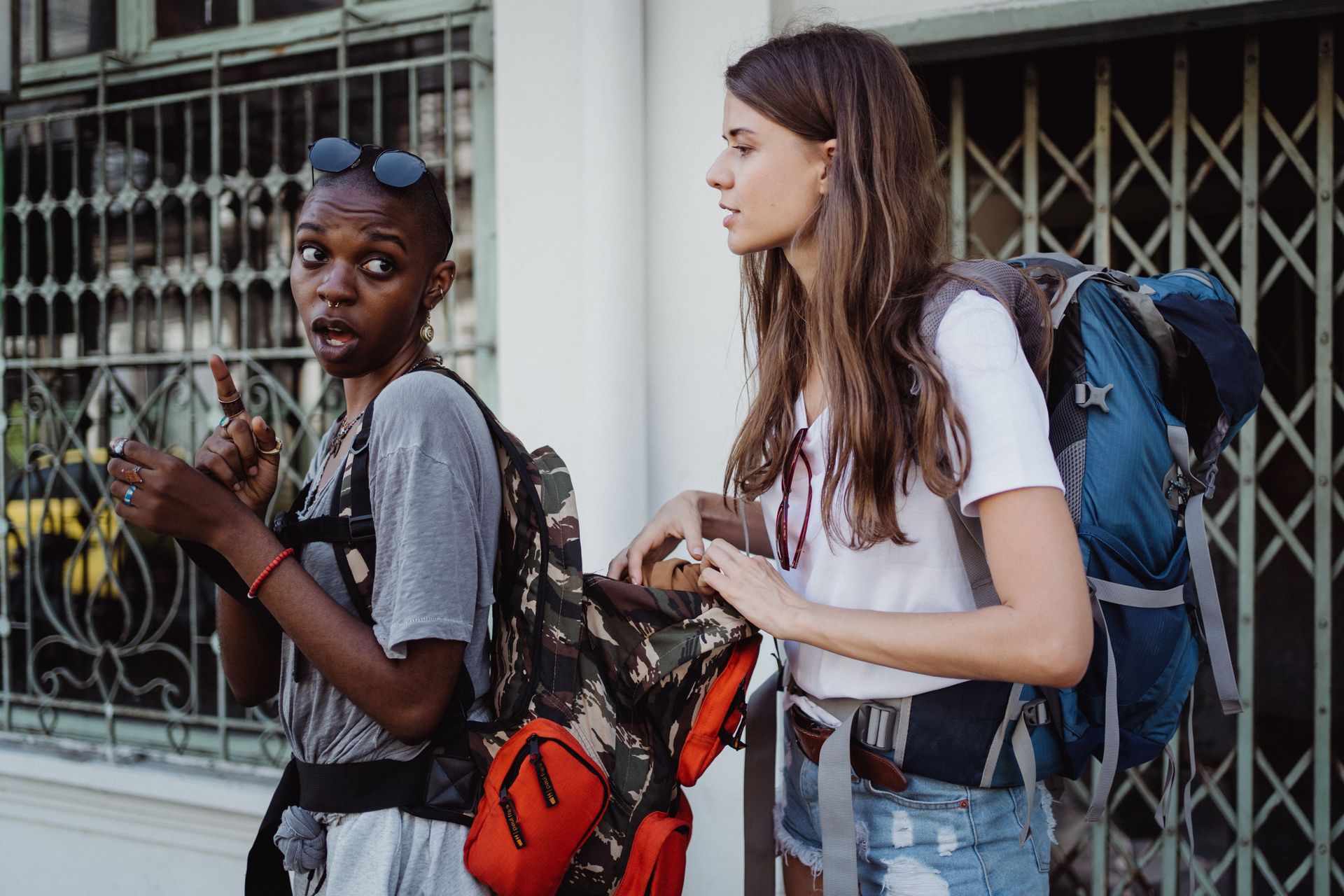
Many women describe having been socialized throughout their lives to prioritize politeness, to avoid causing a scene, and to give other people the benefit of the doubt in ambiguous social situations — a set of habits that generally serves social relationships well and that experienced solo travelers consistently identify as a specific liability in certain travel situations, particularly those involving an insistent stranger, an unwanted physical approach, or a scam that relies on the target's reluctance to be rude.
The specific pattern experienced travelers describe: a persistent tout, an overly friendly stranger who won't take a polite "no thank you" for an answer, or a scam artist counting on the social discomfort of directly rebuffing someone, all rely on the same social habit — a target's reluctance to escalate past politeness even when politeness has clearly not worked. Recognizing that this specific situation calls for a different register than ordinary social interaction is a skill that experienced travelers describe developing through experience rather than something they arrived with.
The practical version of this advice is permission, stated explicitly: it is acceptable to be direct, to walk away mid-sentence, to say "no" without an explanation, and to prioritize your own comfort and safety over a stranger's feelings in ambiguous or unwanted interactions. This is not a general license for rudeness but a specific recalibration for the situations — persistent unwanted attention, high-pressure sales tactics, situations that feel wrong — where the normal social cost of directness is worth paying.
Research the specific local scams, not just general scam awareness
Markus Winkler / Pexels
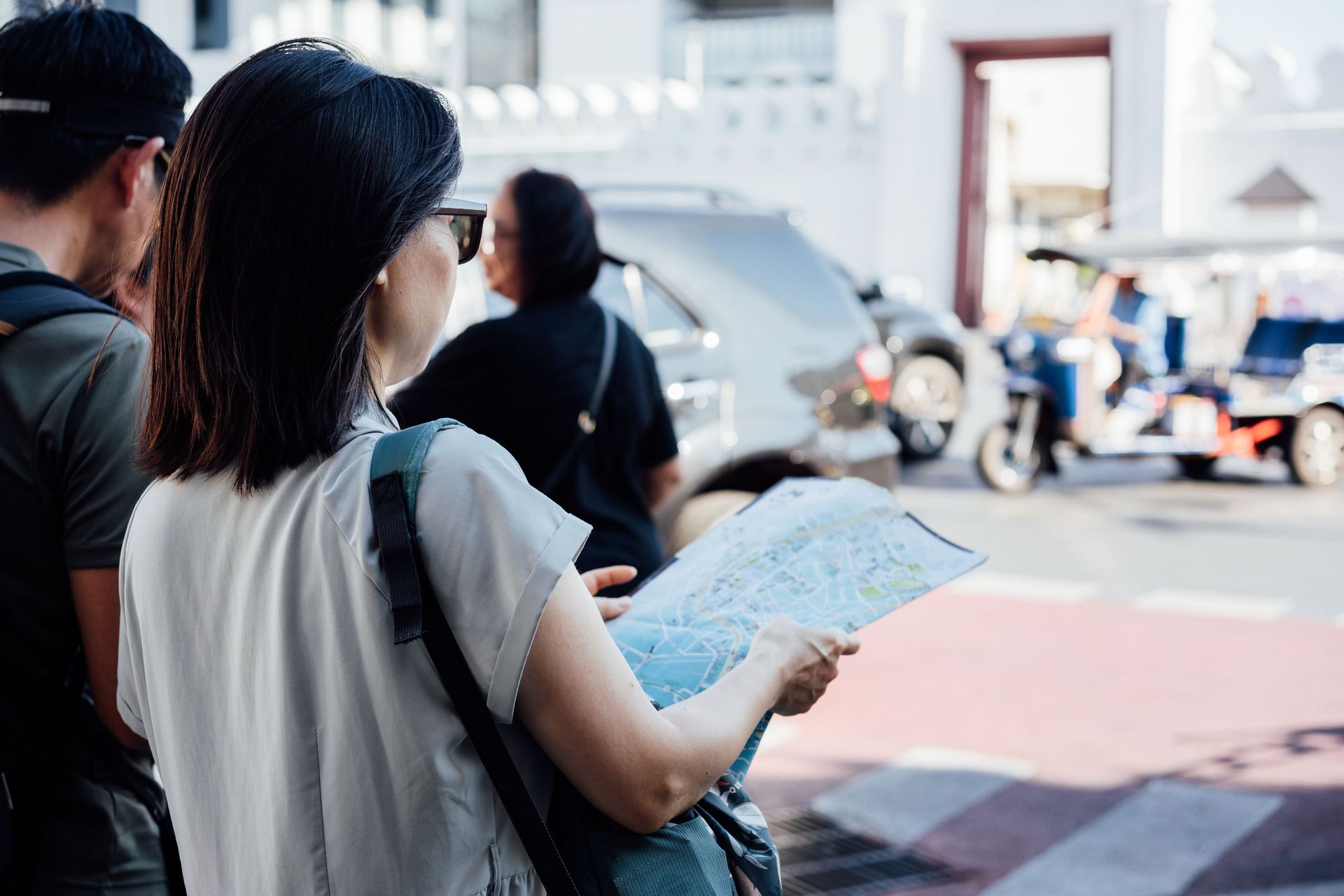
General warnings to "watch out for scams" are true and unhelpfully vague; experienced solo travelers consistently describe researching the specific scams documented in a particular destination — which vary significantly by region and are often well-documented in travel forums, government travel advisories, and destination-specific guides — as meaningfully more useful than generic vigilance.
The specific value of destination-level scam research: many common scams follow a recognizable script (the "friendly local" who offers unsolicited help and then demands payment, the taxi meter manipulation specific to certain cities, the fake police officer who asks to see your wallet, the overly friendly bar or restaurant invitation that leads to an inflated bill) that, once recognized in advance, becomes immediately identifiable in the moment rather than only clear in retrospect. A traveler who has read about the specific "gem scam" common in parts of Southeast Asia, or the specific fake petition scam common in parts of Europe, recognizes the pattern the moment it begins rather than being drawn in by its specific, practiced plausibility.
The practical research this requires is destination-specific rather than general: checking recent forum posts and government travel advisories for the specific destination in the months before departure, rather than relying on a generalized sense of caution that provides no specific pattern recognition for the scams actually in circulation in that particular place.
Solo travel changes your relationship with your own judgment over time
The Lazy Artist Gallery / Pexels
The lesson that experienced solo travelers describe as taking the longest to learn, and as having the most lasting effect beyond any individual trip, is the specific recalibration of self-trust that repeated solo travel produces: the accumulated experience of making dozens or hundreds of small independent decisions — where to eat, whether a situation feels safe, when to leave, who to trust — and observing the outcomes builds a form of practical judgment that is different from, and more specific than, generic self-confidence.
This is distinct from the simplistic "trust your gut" advice that solo female travel content frequently offers to beginners, which is not wrong but is circular for someone who has not yet had the experiences that make gut instinct reliable. Early in a solo travel practice, instinct is under-informed and is as likely to produce excessive anxiety over harmless situations as it is to correctly flag genuine risk; it is the accumulated experience of testing that instinct against real outcomes, repeatedly, that calibrates it into something actually trustworthy.
The practical implication for someone on an early solo trip: the goal is not to already have finely tuned instincts but to treat each trip as a specific opportunity to build them, paying attention afterward to which instincts were accurate and which were not, rather than assuming that trusting your gut is a skill you either have or don't. Experienced travelers consistently describe their confidence in their own judgment as the most valuable thing solo travel gave them — and consistently note that it took multiple trips, not one, to develop.